Category Archives: Notes from the Cellar

The Italian Job

2016 Retromobile

Name the odd one out – Maserati, Ferrari, Lamborghini, Pagani, Bugatti, Lancia, Alfa Romeo. Easy I hear you cry, Bugatti! – Though Ettore Bugatti was born in Milan almost all of the cars that bore his name were built at Molsheim in the French province of Alsace. Since the acquisition of the marque by the Volkswagen Group production has returned to Molsheim. The rest are all Italian car companies so that is that.
2016 Retromobile

However, there was, some 30 years ago, an attempt to revive Bugatti and locate it in the shadow of Modena (where else in Italy?) at a purpose built factory in Campogalliano. The author of this plan was Italian automotive entrepreneur Romano Artioli who somehow persuaded the French state-owned industrial conglomerate, Snecma, to sell him the rights to the brand of Bugatti, succeeding where so many others before him had failed. Perhaps he made them an offer they could not refuse.
2016 Retromobile

Artioli had a vision of the car he wanted to create, this had been hatched over several years with an old friend, Ferruccio Lamborghini, yes that Lamborghini. This was going to be the fastest, greatest car in the world and to achieve this aim Artioli recruited some of the stars of the local auto industry. Designer Marcello Gandini was a logical choice given his record with such supercars as the Alfa Romeo Montreal, De Thomaso Pantera, Ferrari Dino 308GT4, Iso Grifo, Lamborghini Miura, Lamborghini Countach, Lancia Stratos and Maserati Khamsin plus many others. The technical side was handled by Paolo Stanzani who drew up the initial concept of a two seater mid-engined sportscar with four-wheel drive, powered by a 3.5 litre V12 with four turbochargers giving over 600bhp in extreme form. Chassis were initially planned to be aluminium but this lacked the necessary rigidity so French aeronautics experts, Aérospatiale were called upon to develop and build a carbon fibre unit.
2016 Retromobile

Artioli managed to fall out with both of his project leaders prior to launch but the EB110GT continued its development and during this period recorded a record speed of 212.5mph, making it the fastest production car on the planet. The EB110GT was launched in 14th September 1991 at La Grande Arche de la Défense to the west of Paris to a crowd of 5,000 media and guests. The date was the 110th anniversary of Ettore Bugatti’s birth and 1,800 VIPs celebrated into the night at a sumptuous reception and dinner at the Palace of Versailles.
2016 Retromobile


Such extravagance set the tone and were to have consequences particularly as there were cost overruns at Bugatti and, to compound matters, Artioli acquired Lotus Cars from General Motors. He also launched the Ettore Bugatti fashion brand, all of this funded by a combination of personal wealth and borrowings. Artioli’s luck deserted him, his principal income streams, a large Ferrari dealership and being Suzuki’s agent in Italy, were experiencing difficulties with the general economic situation and the financial crisis that hit Japan at that time. Two other factors worked against the EB110GT, failure to get a foothold in the vital North American market and the arrival on the scene of the McLaren F1 which took SuperCar performance levels to a new dimension.
2016 Retromobile


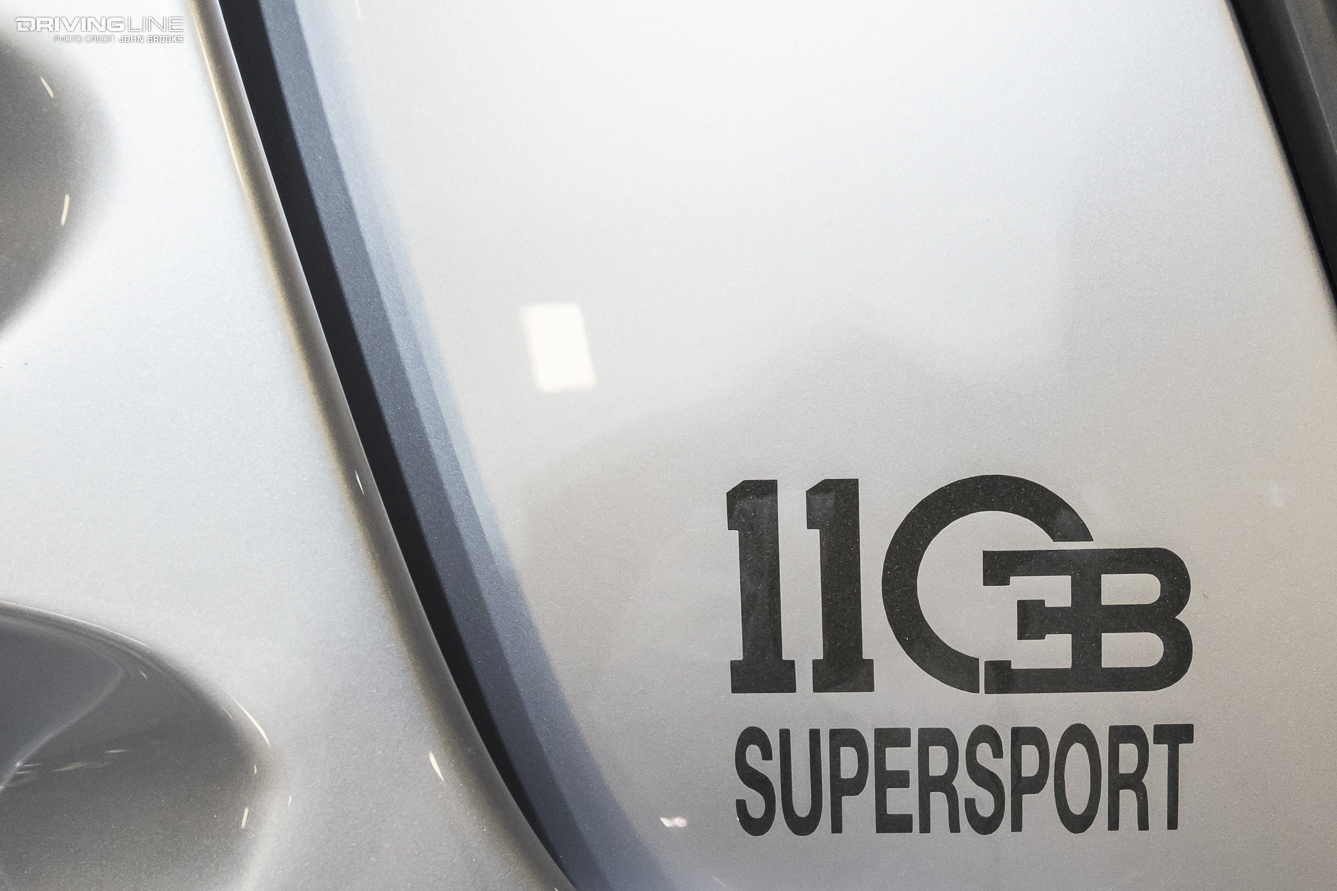
In an attempt to drum up business in the face of the new arrival from Woking an even more extreme version of the EB110 was launched, the Supersport, but it was too little too late. The planned output of 300 units per annum was never achieved and in the end only 140 cars were built, including 38 Supersports.
2016 Retromobile


The end for Artioli’s Bugatti dream came in September 1995 when the corporation was declared insolvent with debts of $125 million, eventually after a couple of years of financial and legal wrangling the Volkswagen Group acquired the Bugatti brand. The Veyron was the next exotic chapter in the story of Bugatti and the recent launch of the Chiron at the Geneva Salon points to the future.
2016 Retromobile

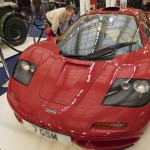
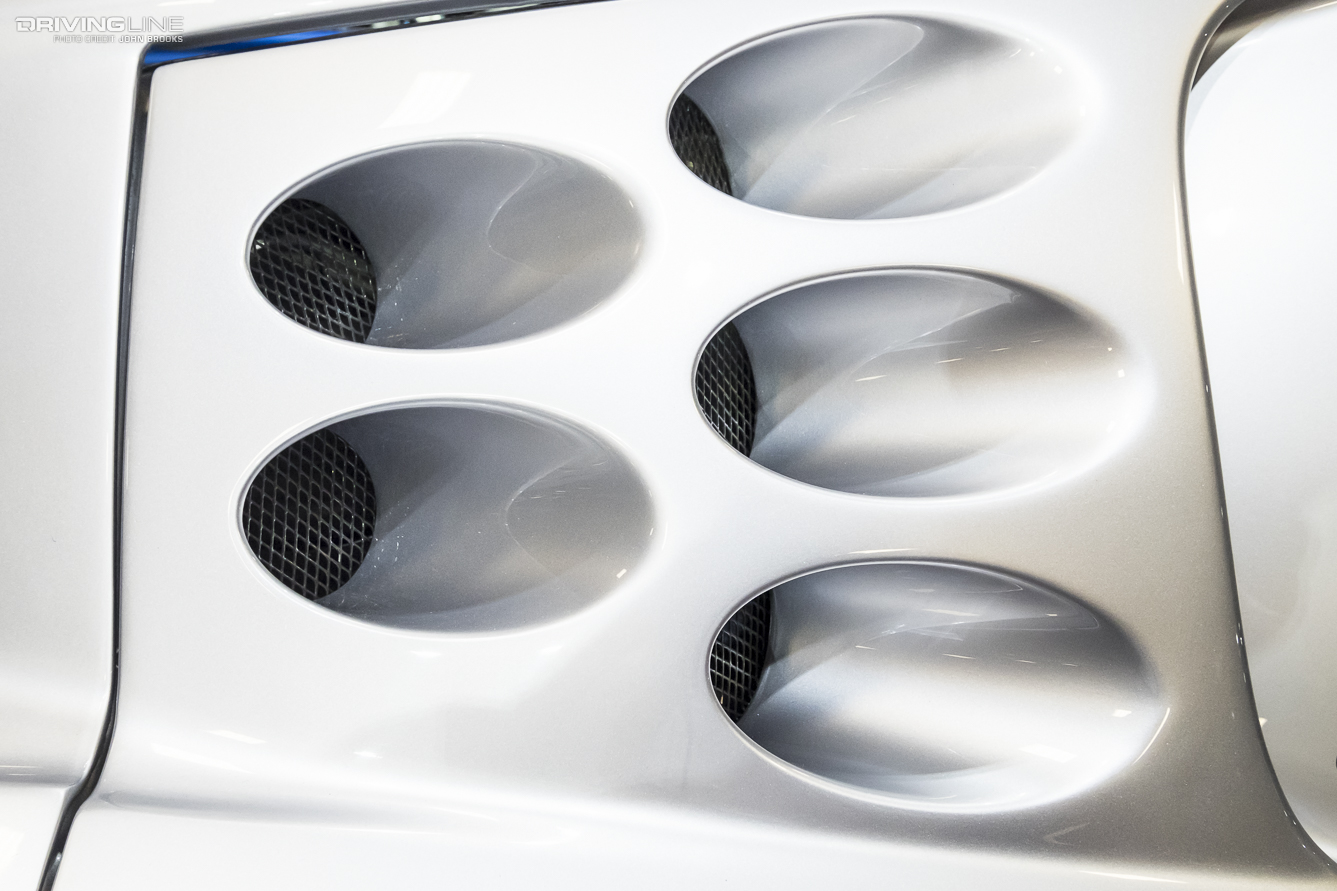
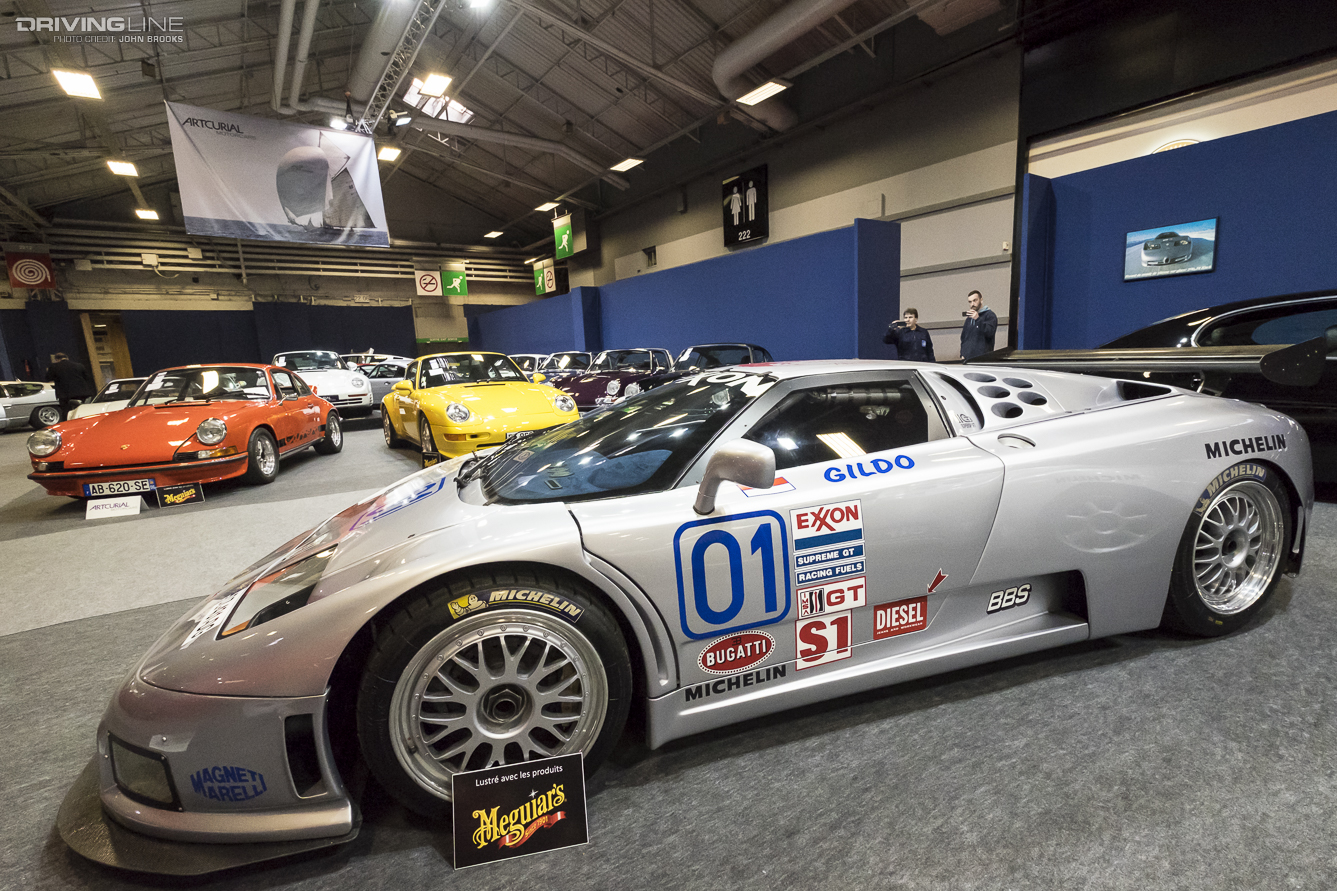
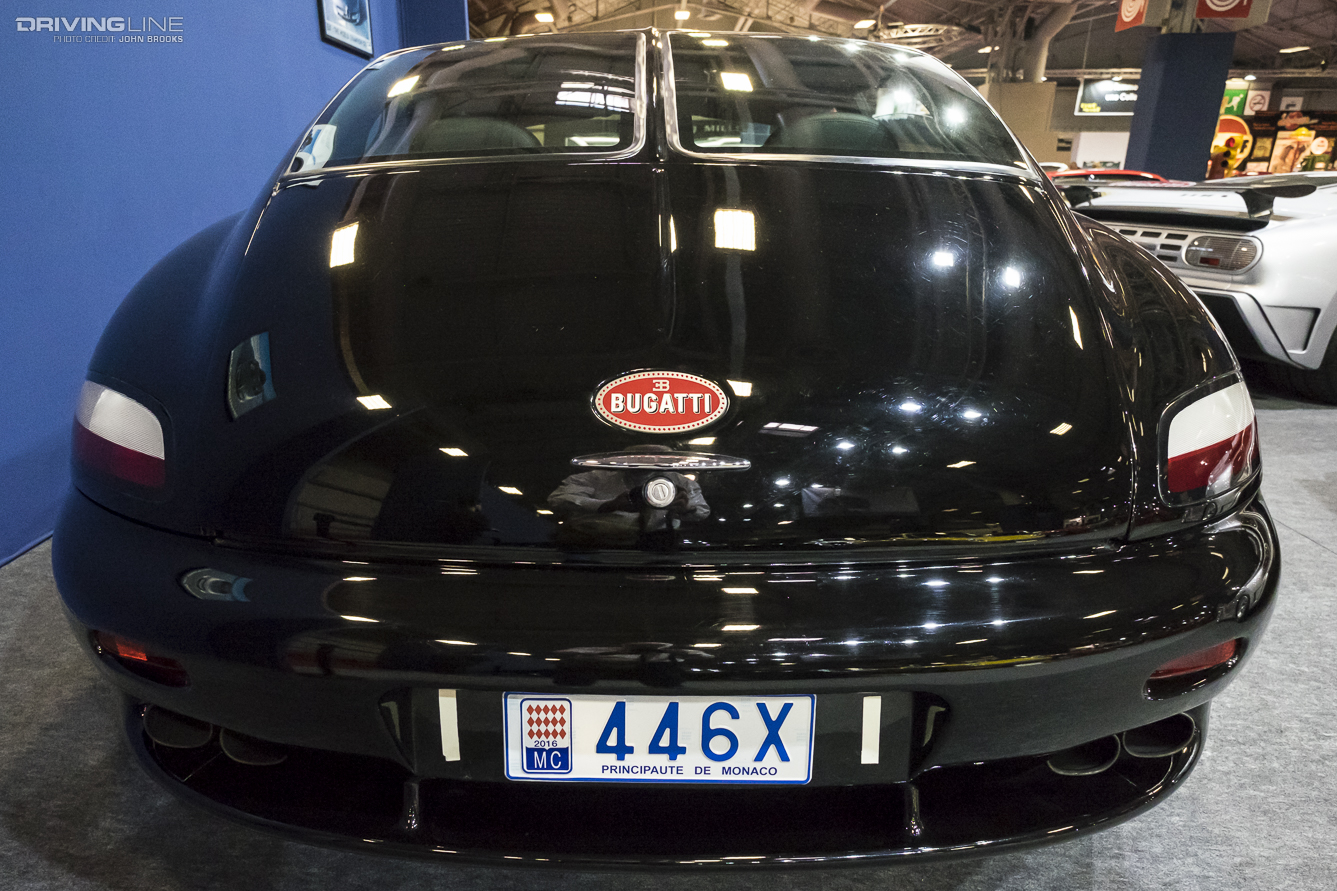
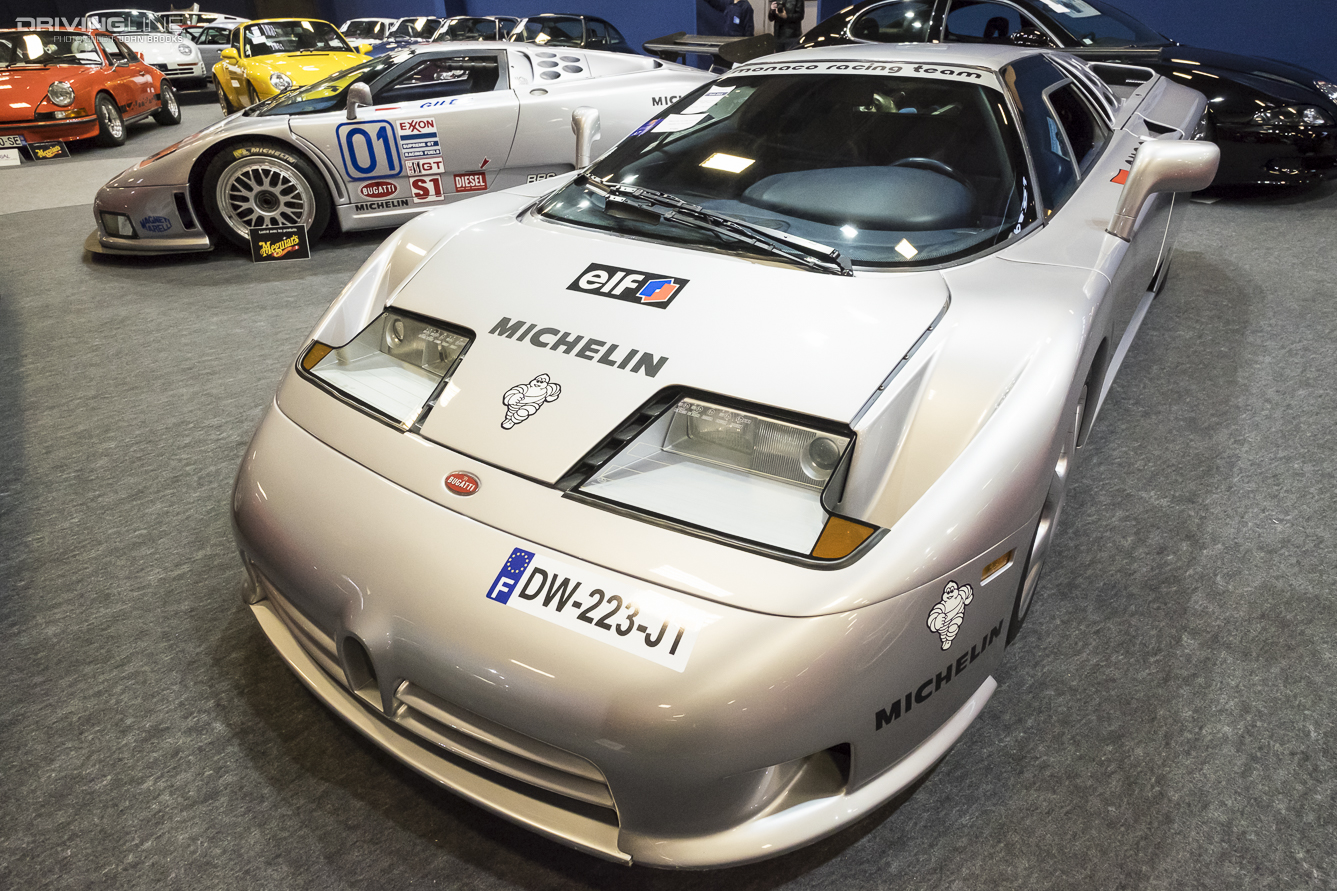
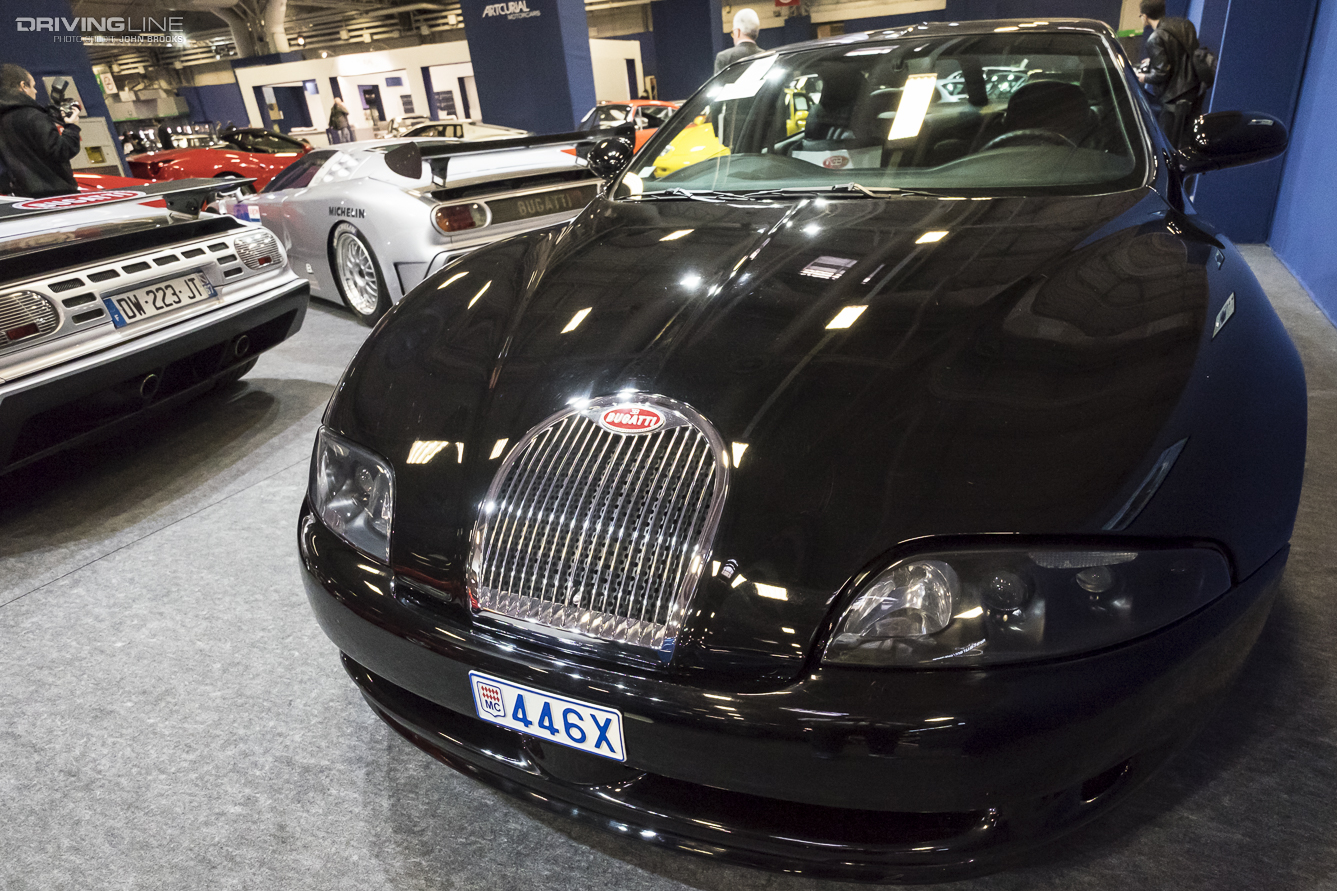
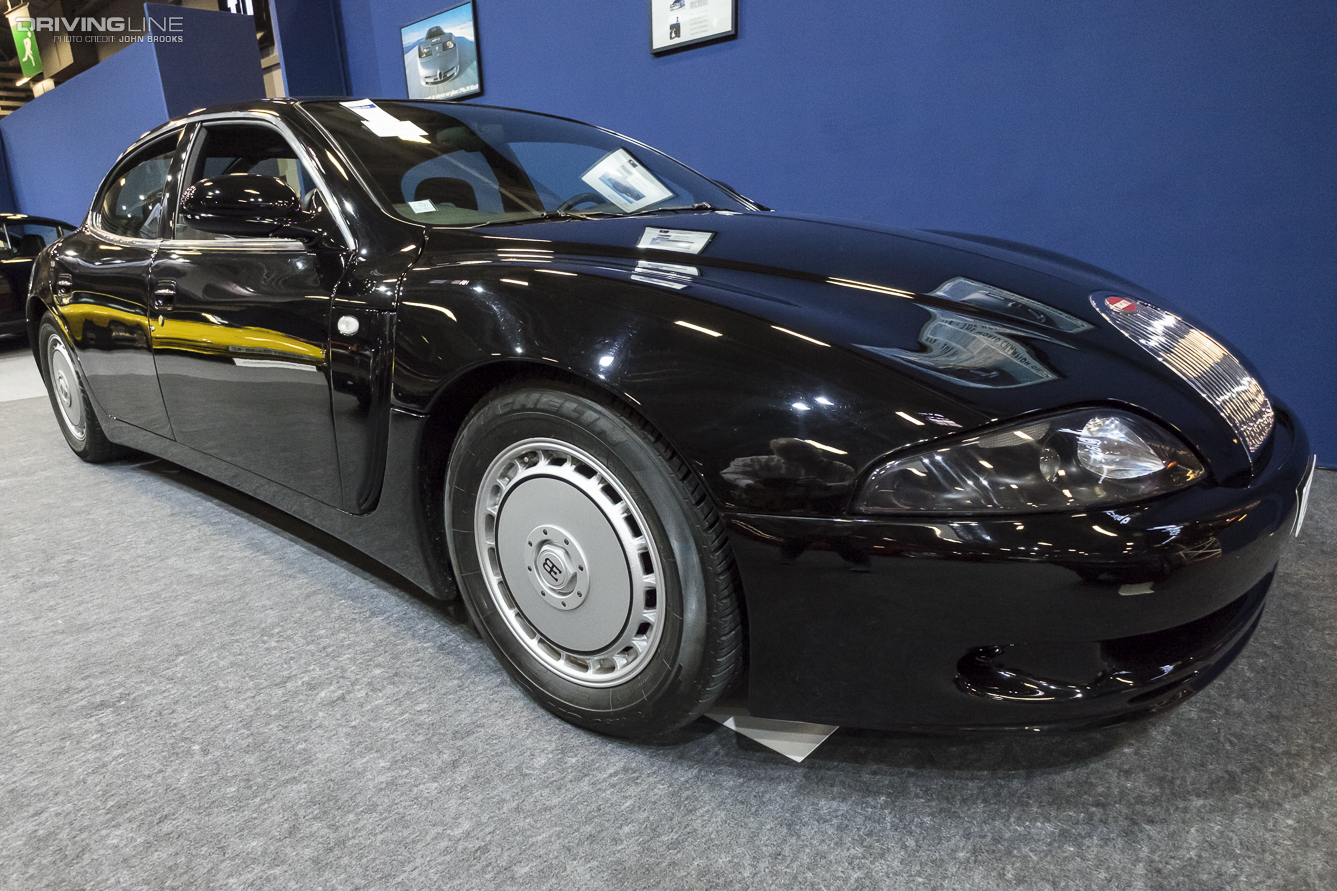
So the EB110 is a rare beast, so to encounter two of the Supersports sharing the same stage is highly unlikely scenario, that they were in the company of a prototype EB112 saloon is even more so, this is hen’s teeth territory.
2016 Retromobile

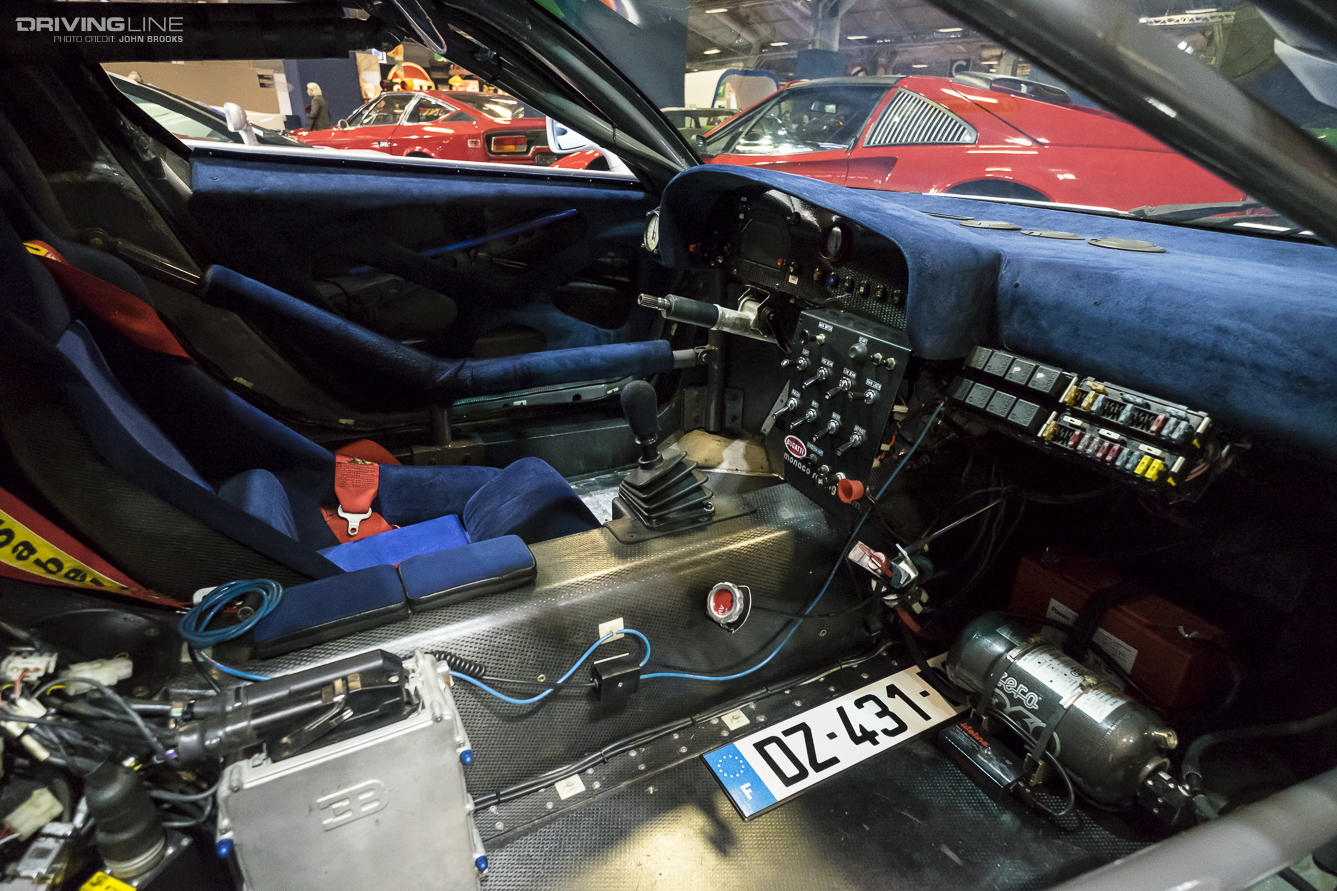
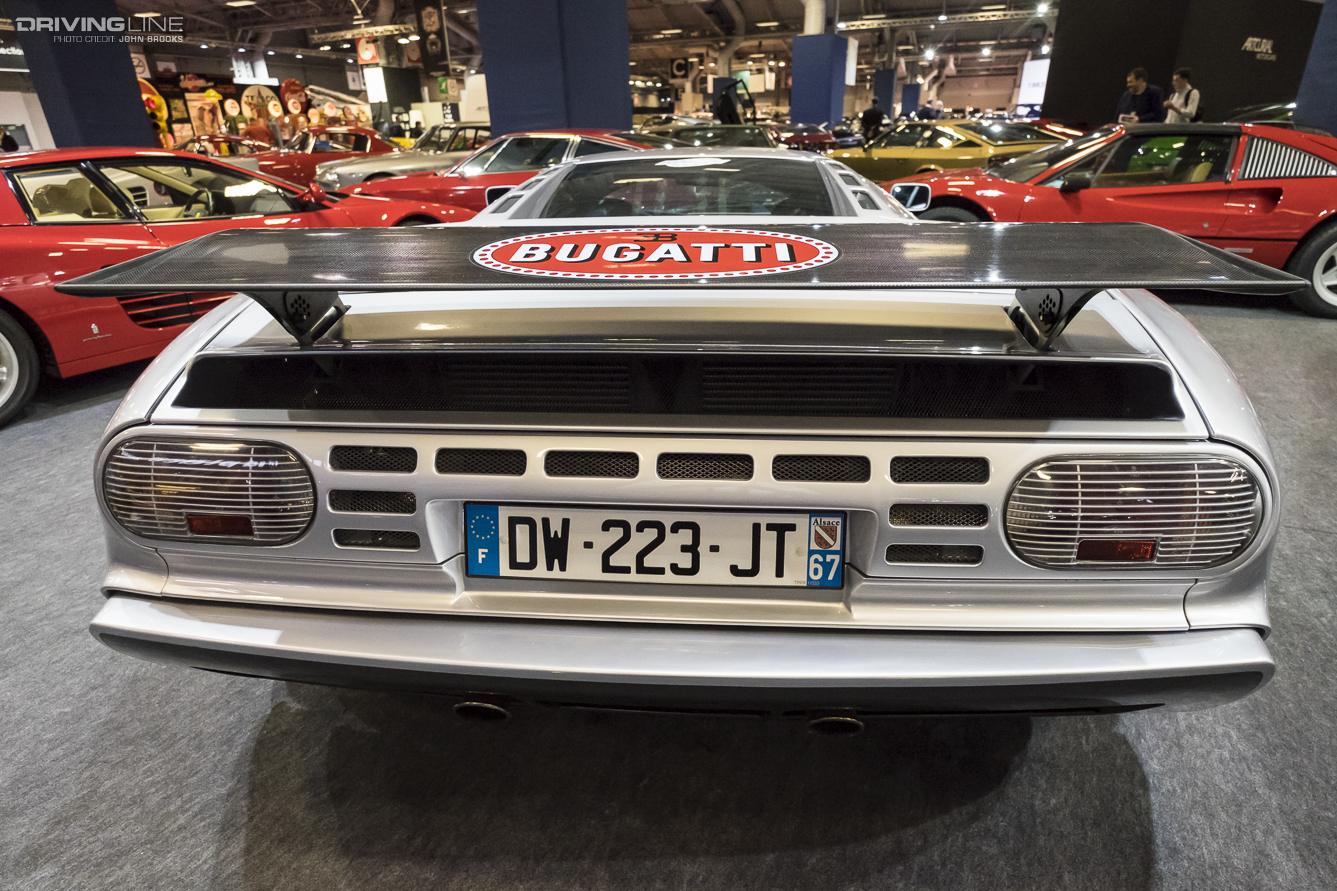
The trio had been owned by Monegasque businessman, Gildo Pallanca Pastor, and closer inspection showed the cars to be even more important that I had first believed. The two Supersports appeared to have competition history, that much I figured from the sponsors’ logos, one turned out to be a world record holder. On 2nd March 1995 Pastor set a new record for a car on ice of 296.34 km/h (184 mph) at Oulu Finland, the record being set on winter tyres without spikes.
2016 Retromobile

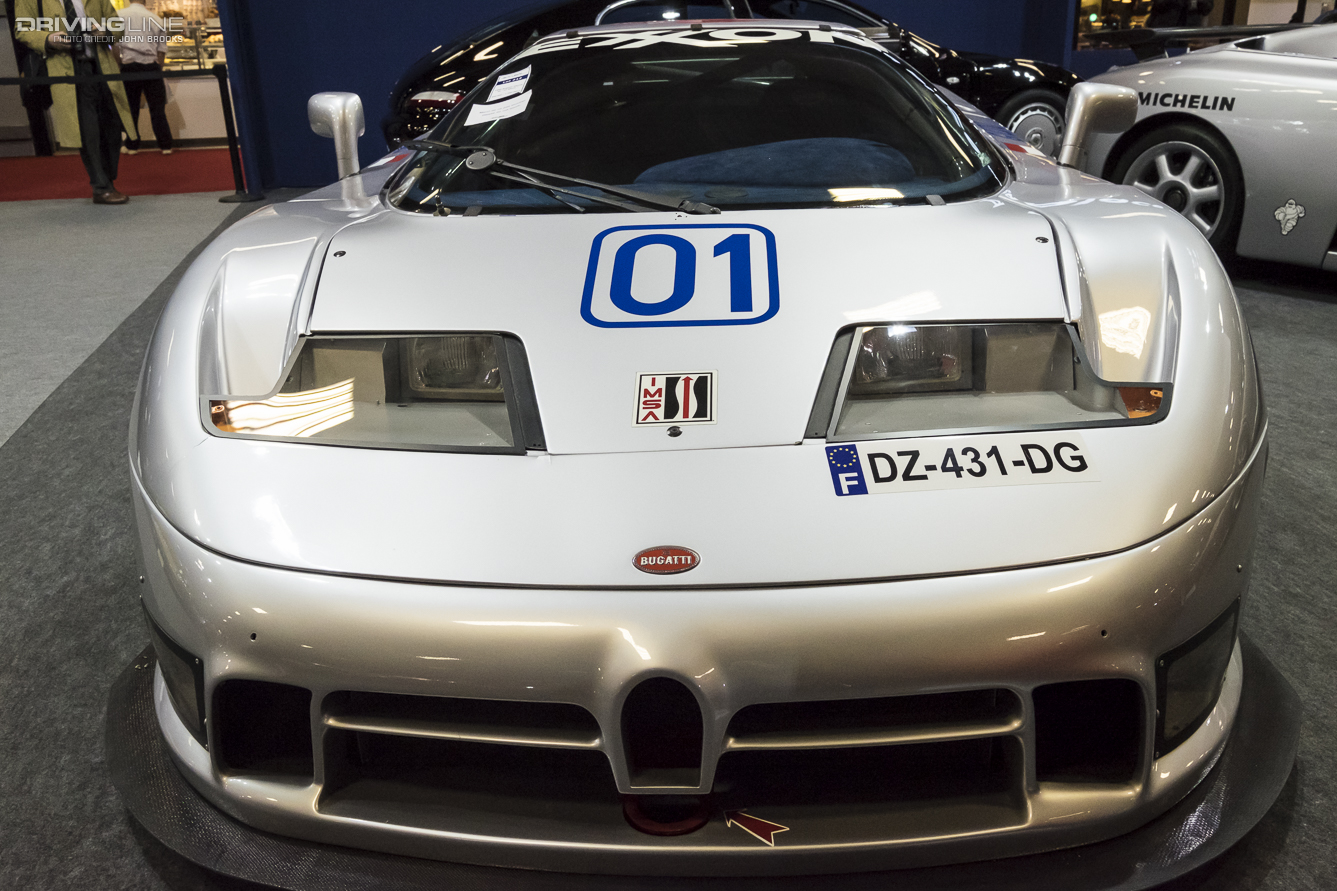
Pastor was not finished with returning Bugatti back to the race-tracks, following the lead of Michel Hommel who entered an EB110SS in the 1994 Le Mans 24 Hours. The car ran competitively till an accident near the end of the race forced it into retirement. Pastor took his other SS to the USA and ran in two races with two finishes in 1995 before heading to Japan for the Suzuka 1000kms, a round of the BPR Global Endurance Series. He was partnered with 1993-Le Mans winner Eric Hélary but transmission problems caused the Bugatti to retire. Pastor entered the 1996 Rolex 24 at Daytona International Speedway. Joining him at the wheel was Derek Hill, son of 1961 F1 World Champion Phil Hill, and Olivier Grouillard but they went out after 154 laps with gearbox failure.
2016 Retromobile

This inspired Pastor to enter Le Mans but that initiative sank almost at the start of Pre-Qualifying when ex-Ferrari F1 star, Patrick Tambay, crashed the Bugatti beyond immediate repair and, aside from a club race at Dijon a few months later, that was the end of the competitions career of Bugatti, which is unlikely to be revived under the current ownership.
2016 Retromobile

The EB112 also warrants more attention, something it attracted in spades at the 1993 Geneva Salon when it was shown to the world for the first time. Powered by a 6 litre V12, the elegant saloon design was the work Giorgetto Giugiaro at ItalDesign. The engineering team was under the guidance of the great Mauro Forghieri, whose work for Ferrari in the ‘60s and ’70s is legendary, producing four drivers World Championships and eight Constructors titles. Two EB112 prototypes were built and the project was set to go into production in 1996 but the financial disaster that engulfed Bugatti ended that dream.

Under the new owners Bugatti returned to its spiritual home in Molsheim, the automotive Risorgimento was done.

John Brooks, April 2016
Old Pals’ Act

A quick tour of The London Show from Classic & Sports Car featuring more stunning work from Simon Hildrew, supported by yours truly.

Street Life

The Regent Street Motor Show has proved to be a roaring success, helped it must be said by the wonderful autumnal weather. Simon Hildrew and the editor were out armed with cameras, plus a little help from the organisers.

Pictures at an Exhibition

The Goodwood Revival always is a riot of colour and excitement, captured here by ace snapper, Simon Hildrew, with a bit of support from the editor.

Cars at the Palace

2015 JB General

Until recently there were no car shows, classic or contemporary, in Central London, now we have three. I looked at the London Classic Car Show, held in Docklands early in the year.

SUCCESFUL FIRST DAY AT CLASSIC & SPORTS CAR – THE LONDON SHOW

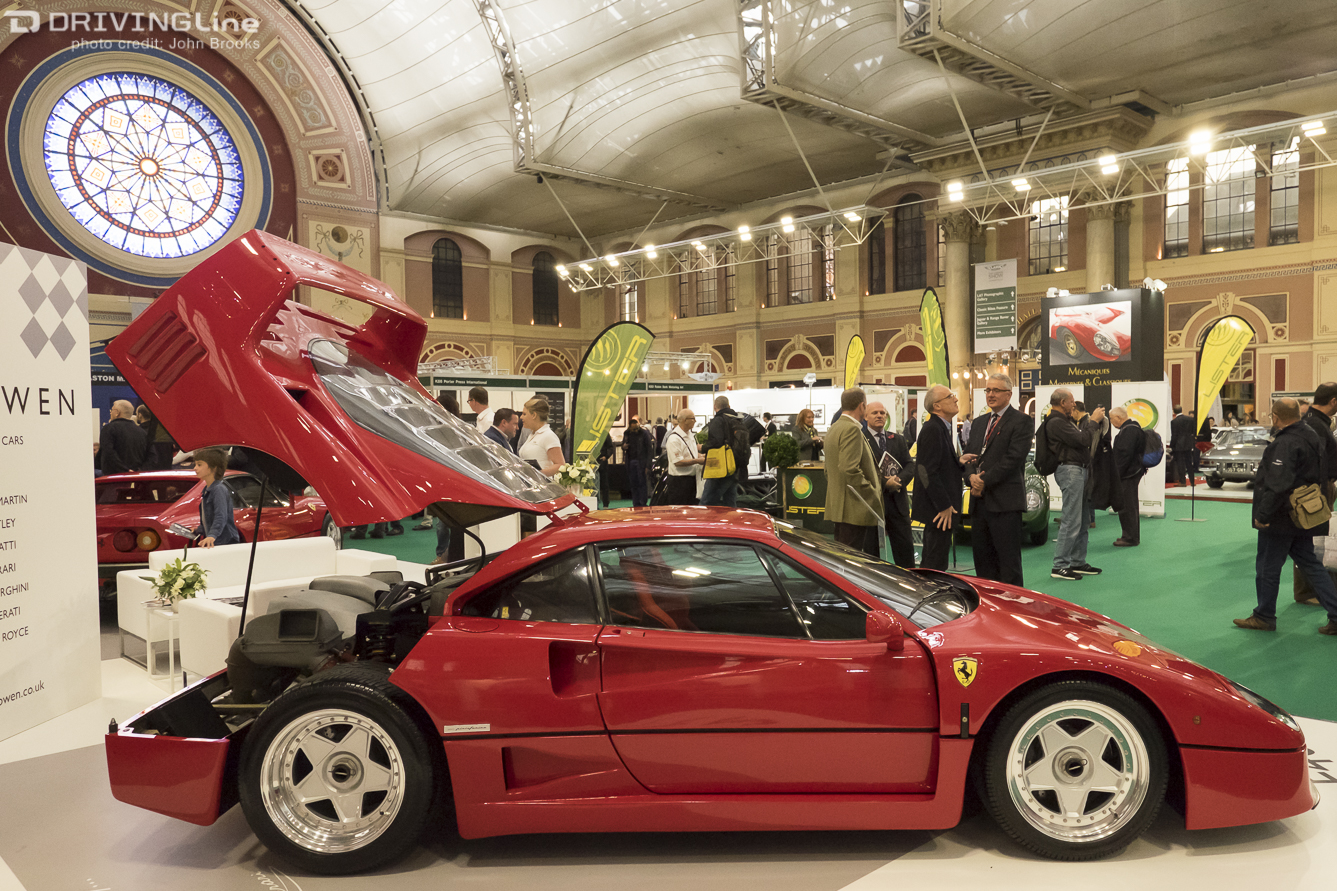
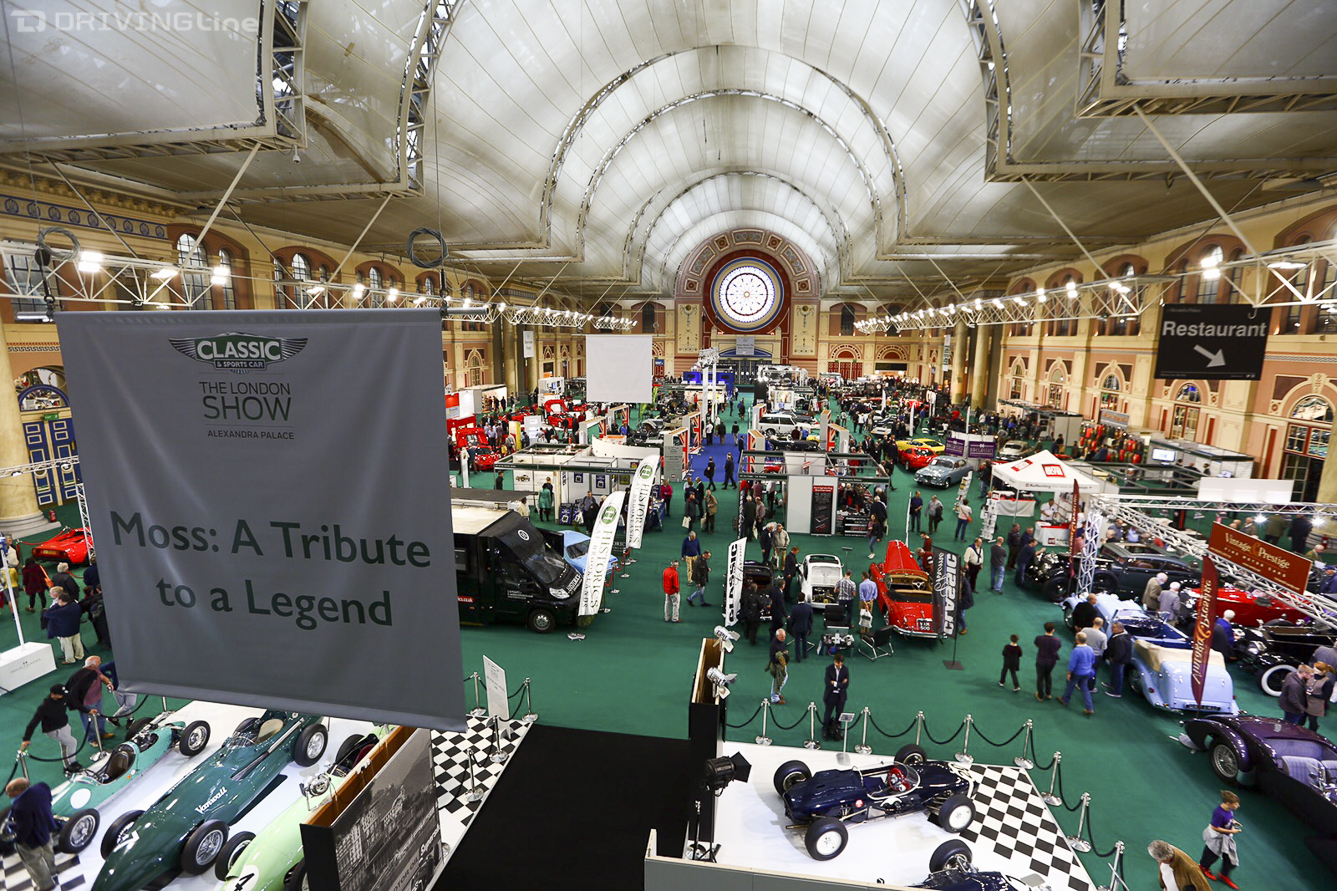
This weekend North London’s Alexandra Palace, one time home to the BBC, was the venue for The London Show from Classic & Sports Car magazine. Classic car shows tend to fall into one of three categories, those aimed at the car clubs, those supported by current manufacturers displaying their proud heritage and those aimed at the flourishing classic car market. This show was firmly in the later category.

There were a number of feature stands and exhibits but the focus was definitely dealer driven. Given the lively, some would say over-heated, state of the classic car market that is hardly a surprise. London has more than its fair share of the wealthy and many of them are car guys and gals, so it makes sense to bring the market to them rather than try and entice them out of London to view and possibly purchase.

2015 JB General

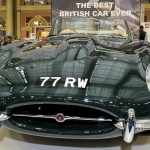
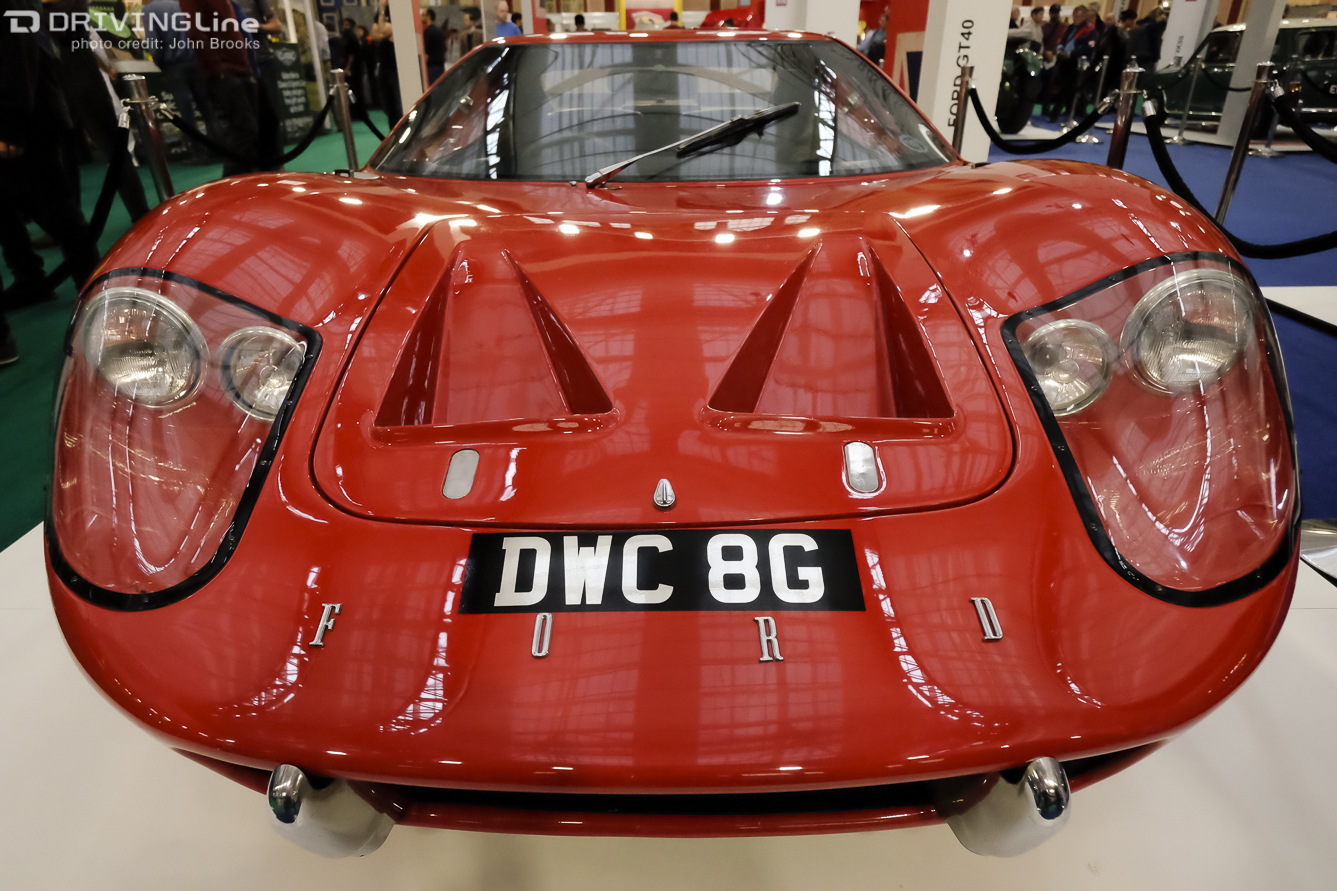
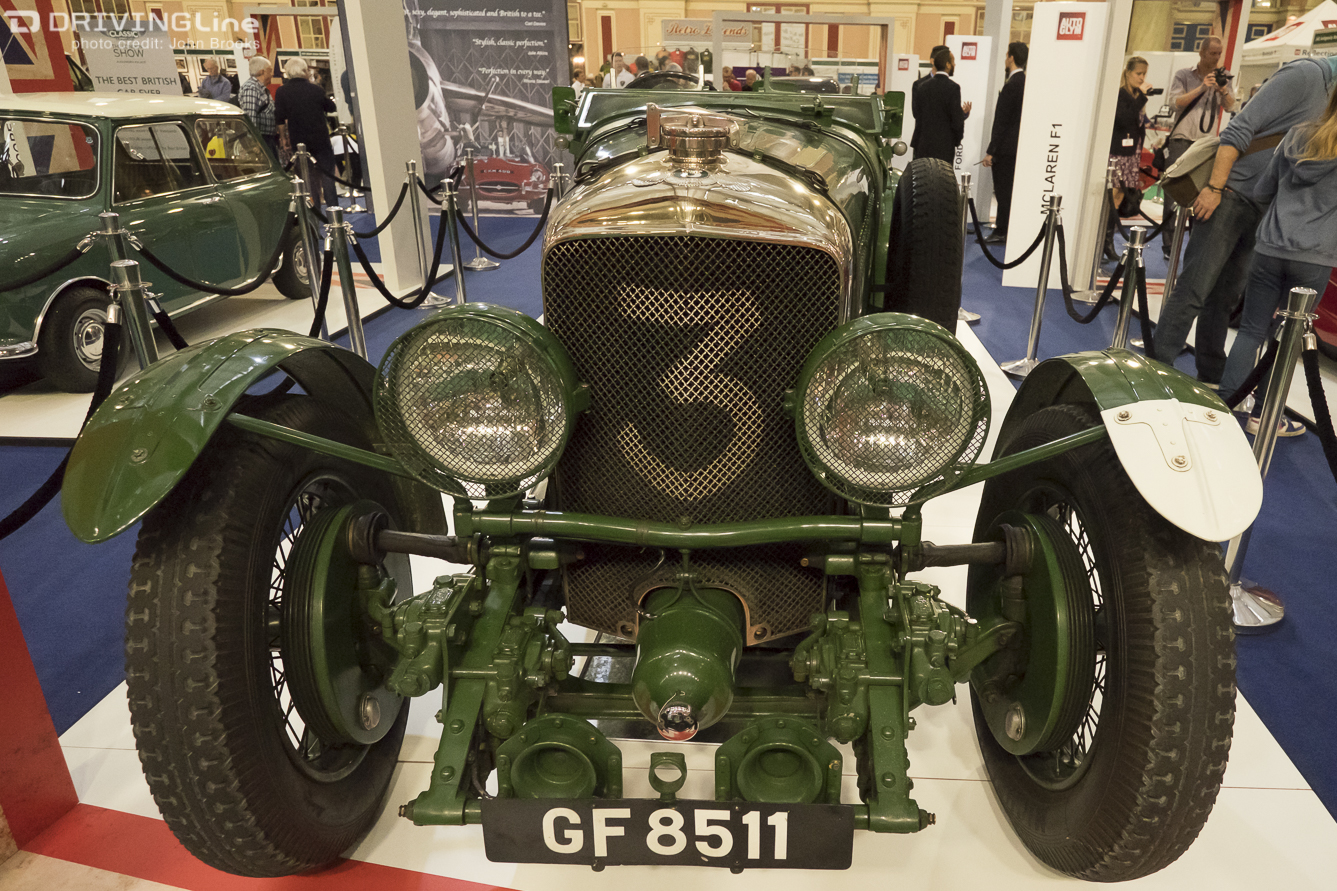
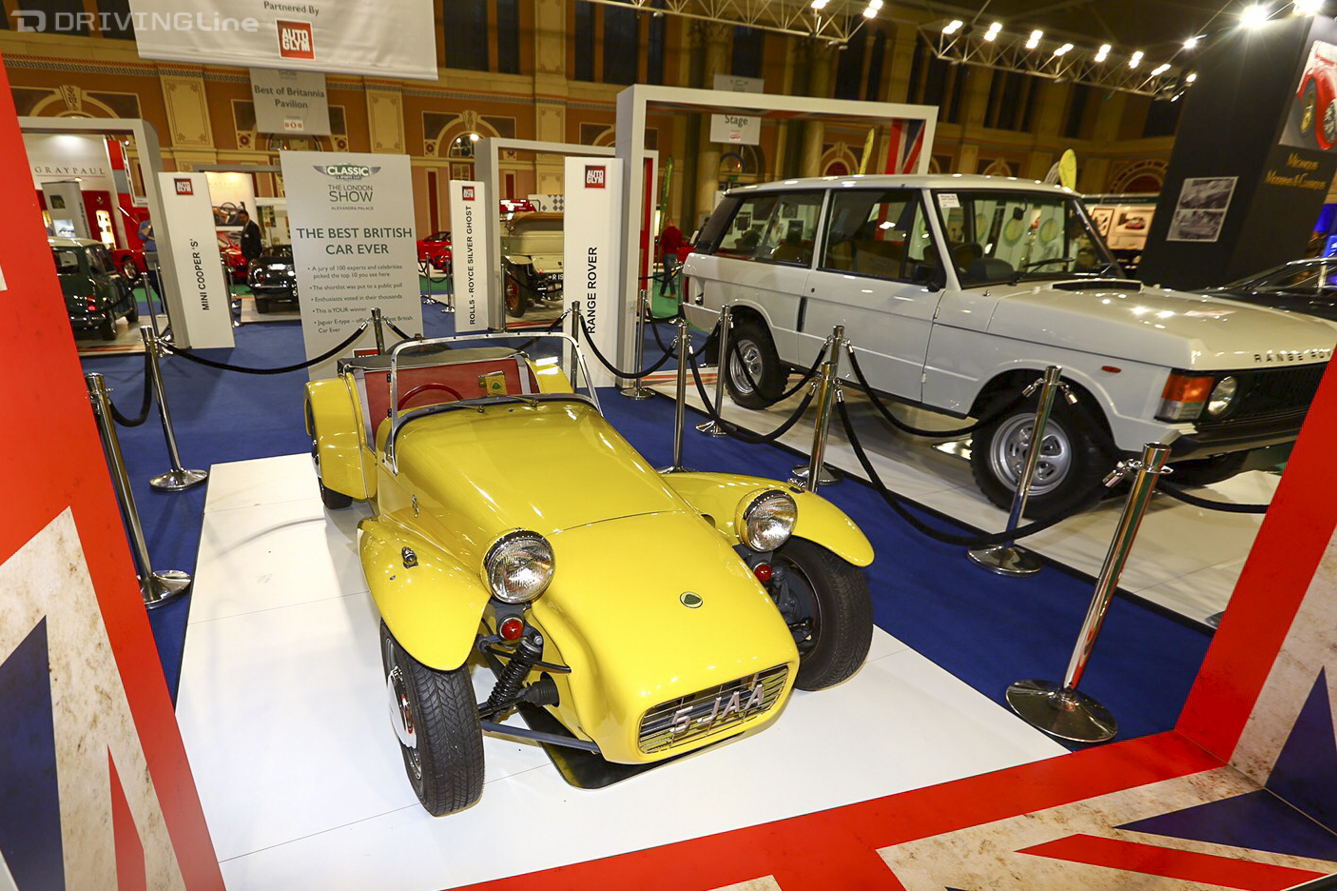
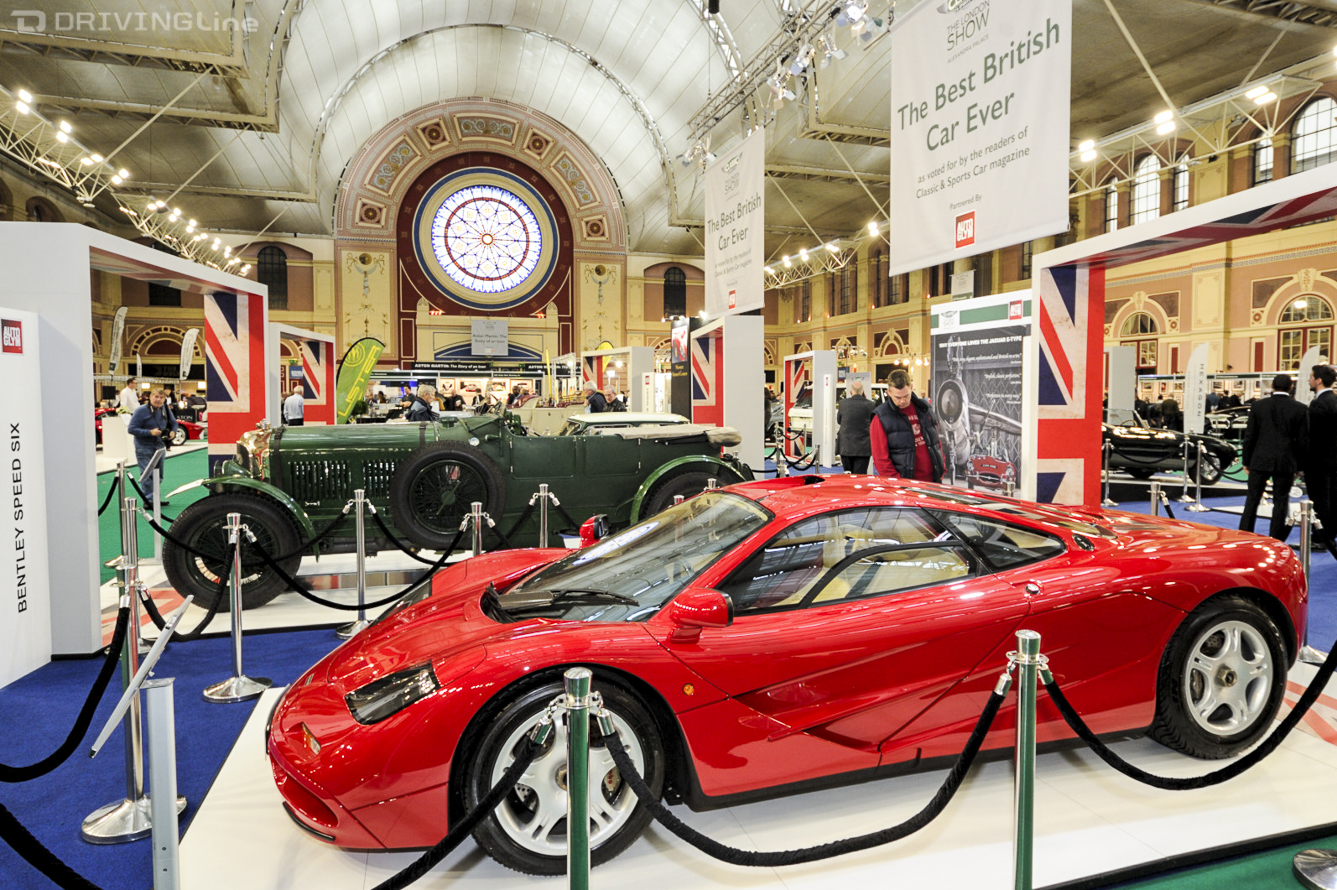
The centrepiece of the themes adopted by the organisers was ‘Best of British’. A jury of 100 experts, celebrities and owners, the automotive version of The Great and The Good, argued with each other till just ten cars were left for the readers of C&SC to vote for. The list was made up of the Jaguar E-type, Mini Cooper ‘S’, Austin Seven, Ford GT40, Rolls-Royce Silver Ghost, Jaguar XKSS, Lotus Seven, McLaren F1, Bentley Speed Six and the Range Rover.

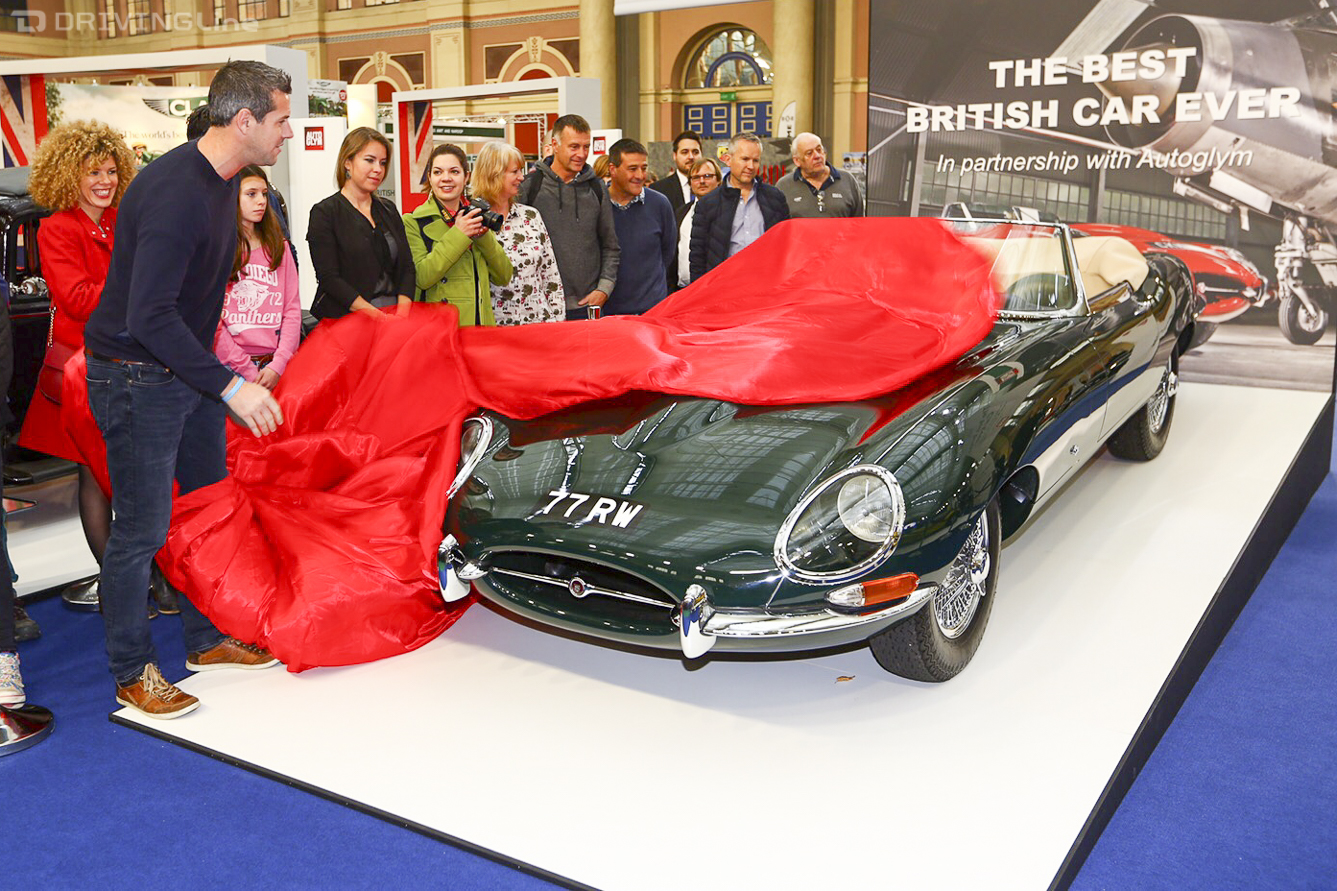
Ant Anstead unveils the Best British Car Ever

When the votes were counted the slightly surprising winner was the E-type, here being unveiled by a TV personality who I had never heard of. The E-type is great car, but better than a McLaren?

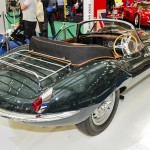
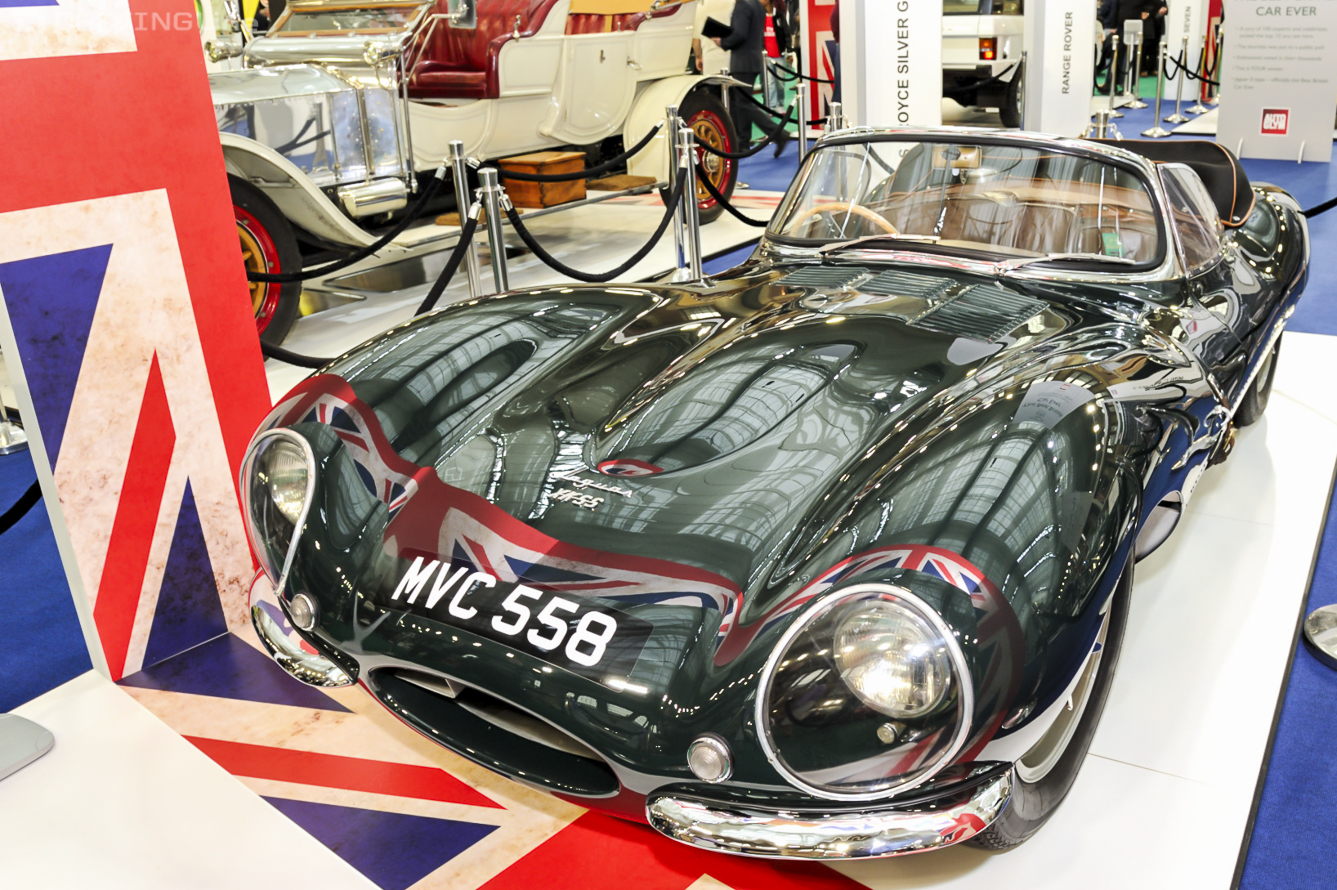
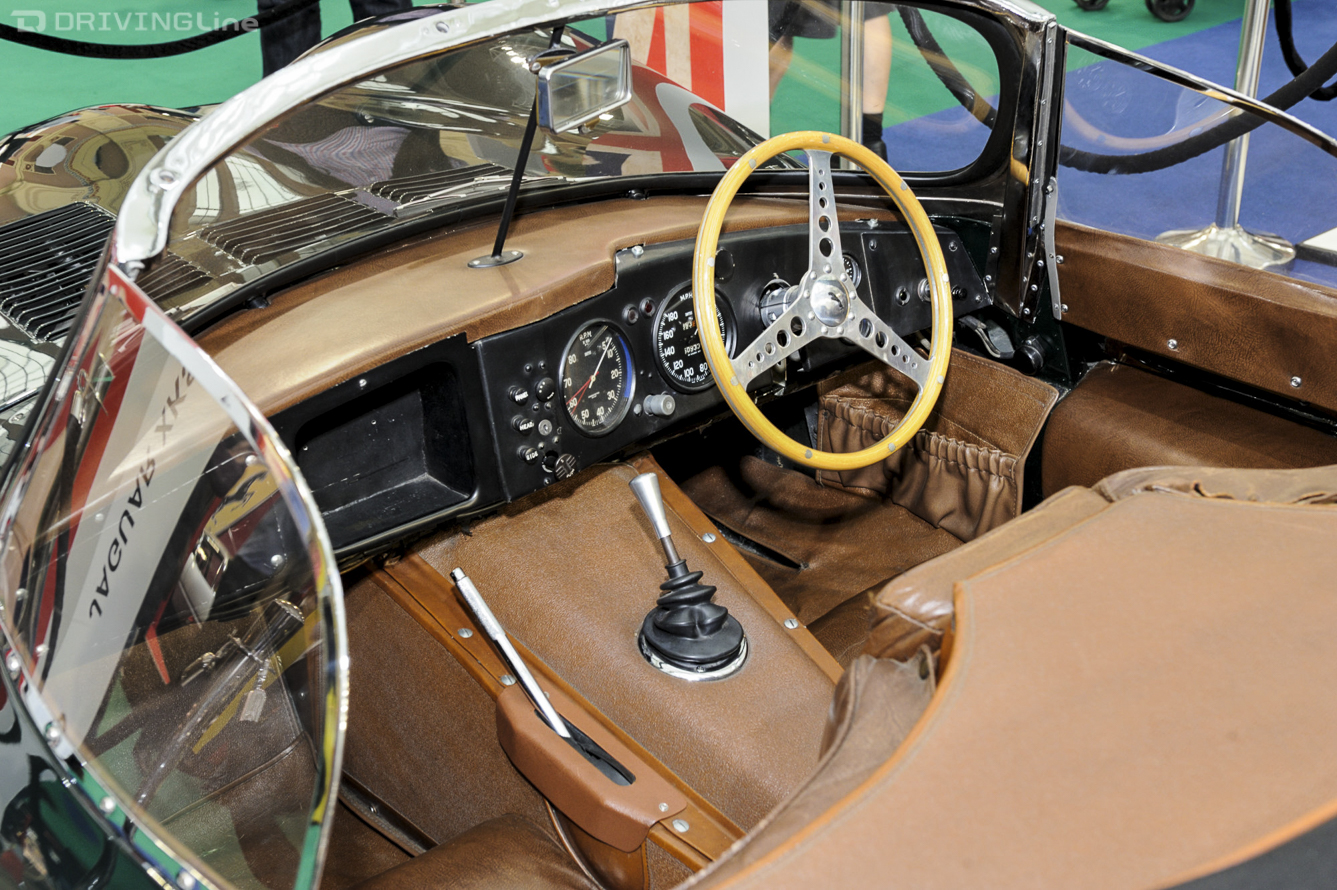
I certainly would not rank it above the Jaguar XKSS, which in the mid-’50s was Jaguar’s solution as to what to do with all the D-type racers that had been built but did not sell. Convert them for road use with a windscreen and bumpers (fenders) plus a few other creature comforts was the solution. There were 25 examples originally planned but nine were destroyed in fire at the Browns Lane Jaguar factory.

This car was the last XKSS to be built before the flames consumed the others. Steve McQueen owned one and when they come up at auction they fetch stratospheric prices, north of $20 million, not bad for a car that had no takers back in the day.

2015 JB General

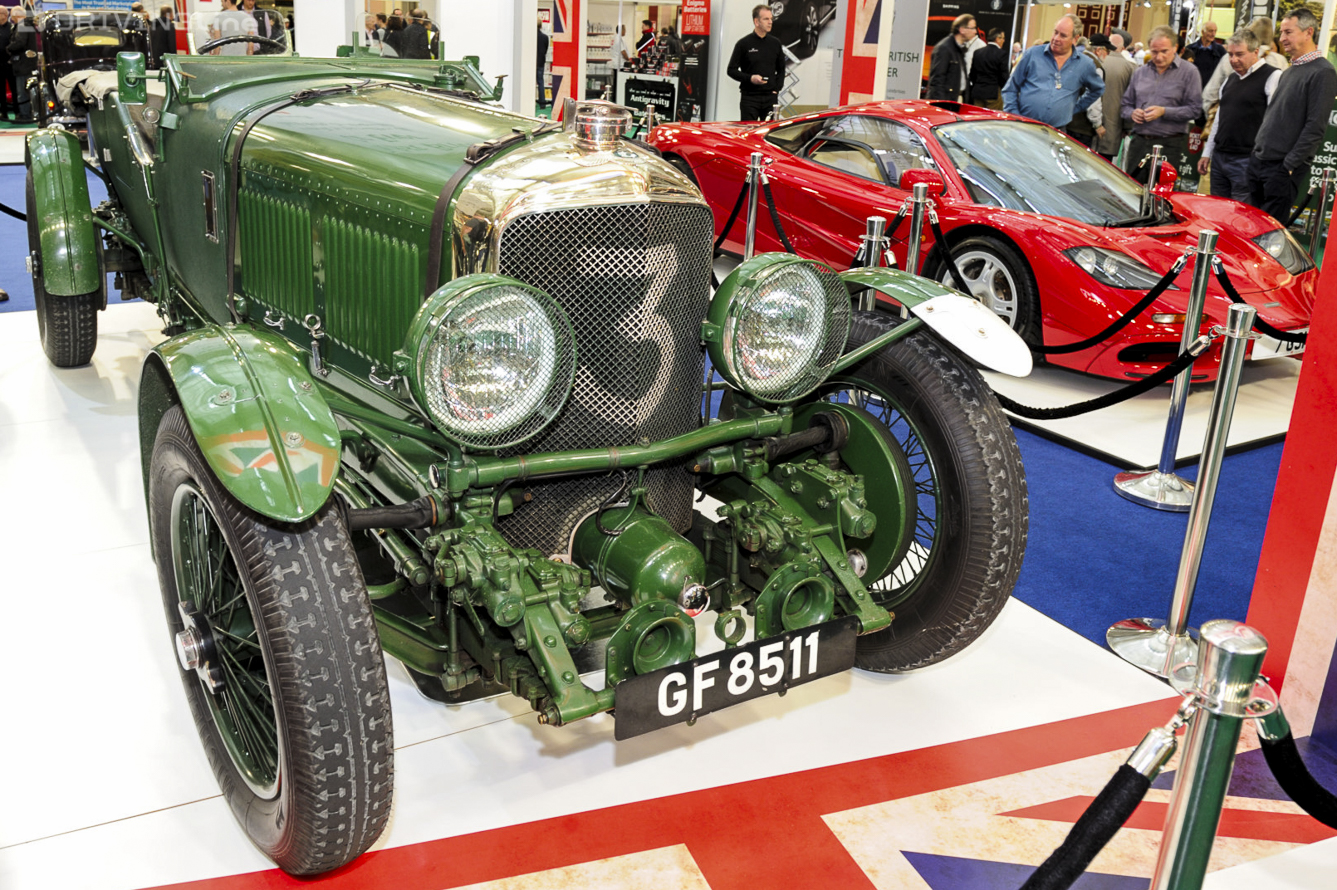
I would put a Bentley Speed Six in front of the E-type, ’60s cool or not. In 1929 Ettore Bugatti attended the 24 Hours of Le Mans witnessing Bentley taking the top four places and is alleged to have observed “Mr. Bentley is a very clever man to make his lorries go so fast.”  This statement has passed into legend, Bugatti denied the remark and wrote to WO Bentley to apologise if any offence had been taken.

A year later and the above Speed Six finished second in the 1930 edition of the French Classic driven by Frank Clement and Richard Watney.  It would be nearly 70 years before a factory Bentley would once again race at La Sarthe.

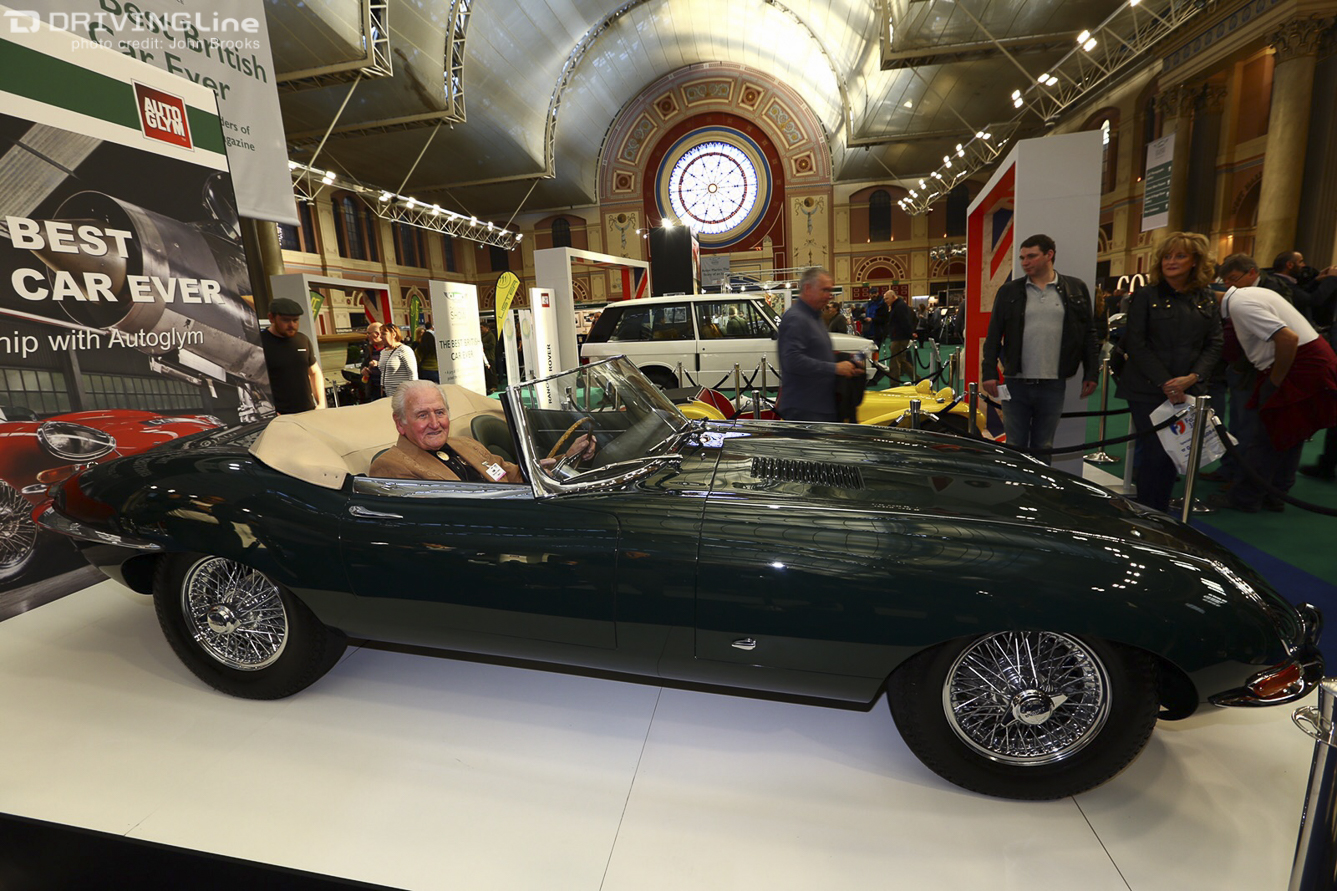
Norman Dewis OBE in the Best British Car Ever

I did not recognise the TV presenter, a consequence no doubt of rarely watching the box, I did see a number of genuine automotive heroes. Given that I have written about Jaguars above it was most fortuitous to see Norman Dewis at “Ally Pally”. Looking very sprightly at 95 years young, Dewis was chief test and development driver at Jaguar Cars from 1952 through to 1985, a truly important figure in post-War British motoring.

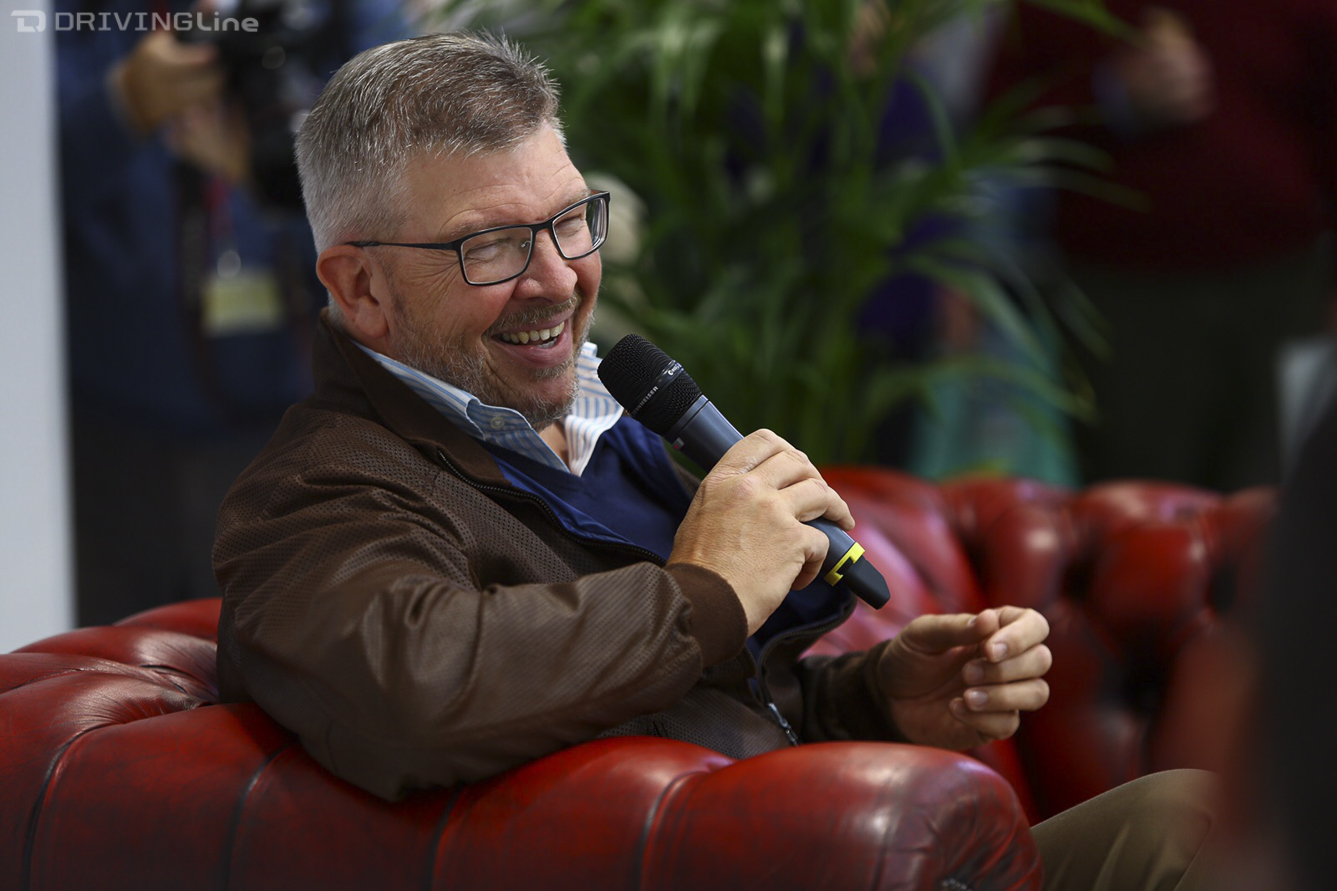
Ross Brawn being interviewed on the Live Stage

Another British motorsport icon was to be found discussing his career in Formula One with an appreciative audience. It was, of course, Ross Brawn. Brawn is a member of a very select group, people who have won F1 World Championships with a car bearing their own name, a feat he achieved in 2009, with Brawn GP winning the Constructors and Drivers Championships. Prior to that he was a major part in Michael Schumacher’s career, first as Technical Director at Benetton (two Drivers World Championships and one Constructors) then the same role at Ferrari (five Drivers and six Constructors). After one season he sold Brawn to Mercedes-Benz whose team has dominated the past two seasons in Grand Prix racing. Brawn retired at the end of 2013 and is widely credited for putting in place the structure that has allowed Mercedes-Benz to enjoy so much success.

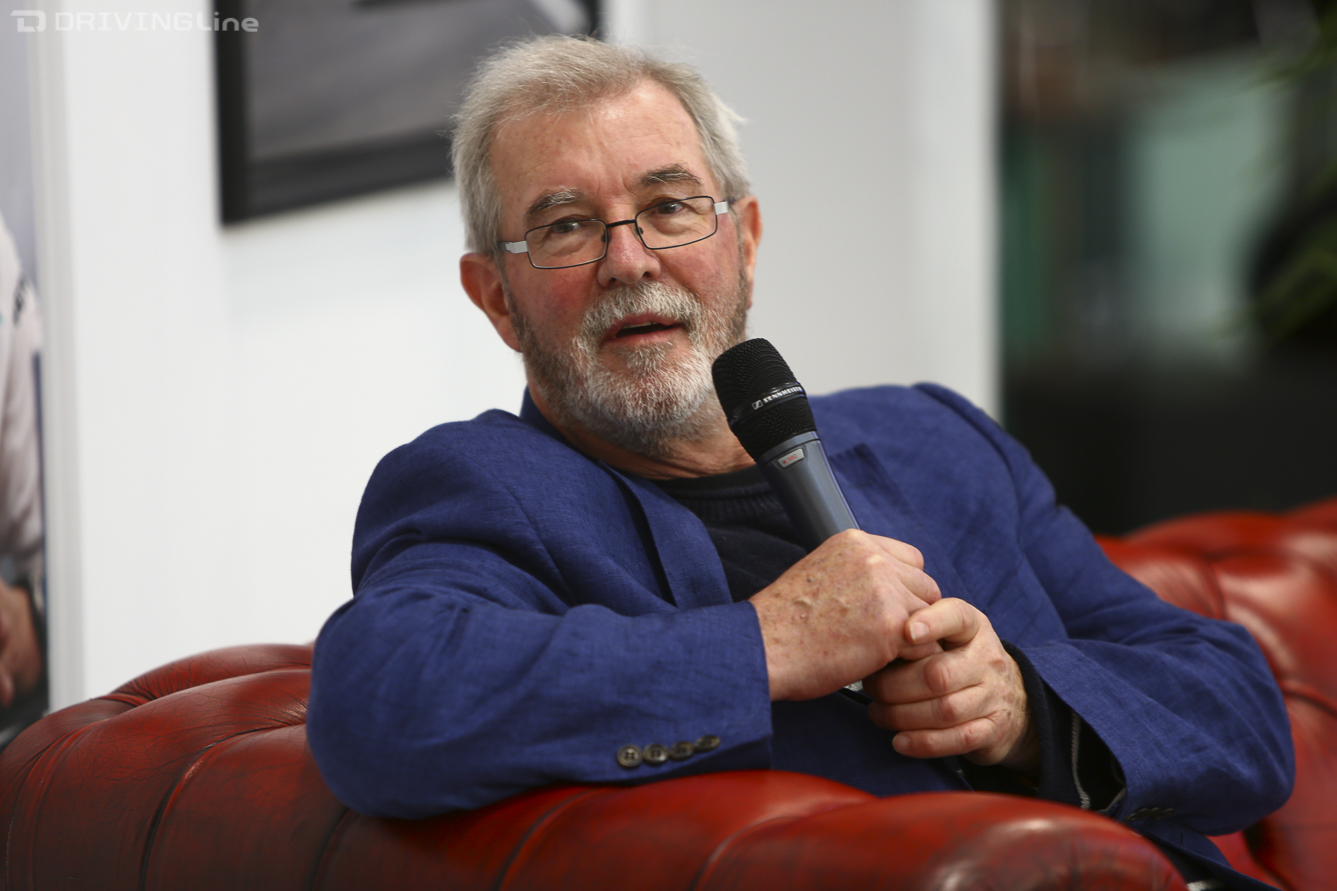
Professor Peter Stevens on The Live Stage

One friendly face keeping the crowds entertained was the designer Peter Stevens. He discussed his involvement with McLaren F1 project and his time at Lotus and Jaguar. Fortunately he did not mention this episode that I brought you a while back.

Lotus Seven - Best British Car Ever feature

Peter has been a visiting professor of automobile design at several colleges and his views on design and style are always worth listening to. He gave his take on the greatest British Car question.

Austin Seven – “The first low cost ‘proper car’, it could seat four people, was economical and reliable, looked perfectly proportioned and had a fine little engine and gearbox. It also became a successful racecar and was the basis for my next choice, the Lotus 7.”

Lotus Seven – “Minimalist, lightweight, enormous fun, economical, easy to work on and great value for money; the perfect sports car. I remember cycling across to Lotus’ original showrooms in Hornsey to beg a brochure from a young Colin Chapman and then building a balsa wood model so I could have my own ‘7’.”

Range Rover – “While Jeep in America had first offered a more comfortable family-focused version of the famous four wheel drive off-road vehicle, Land Rover took the concept further and, in doing so, started a marketing trend that every manufacturer has had to follow.”

C&SC The London Show 2015

McLaren F1 – “Still a delight for me to see because it will always remind me of the great little team of guys who worked together on the car; it was very hard and concentrated work but we had a lot of fun together and produced something that we are all still very proud of.”

Bentley Speed Six – “Wonderful two-time Le Mans winning car, less flashy than the ‘Blower’ 4½s, a properly impressive race winning road-car. All the French jokes about fast lorries can’t undermine the fact that is a great machine.”

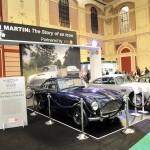
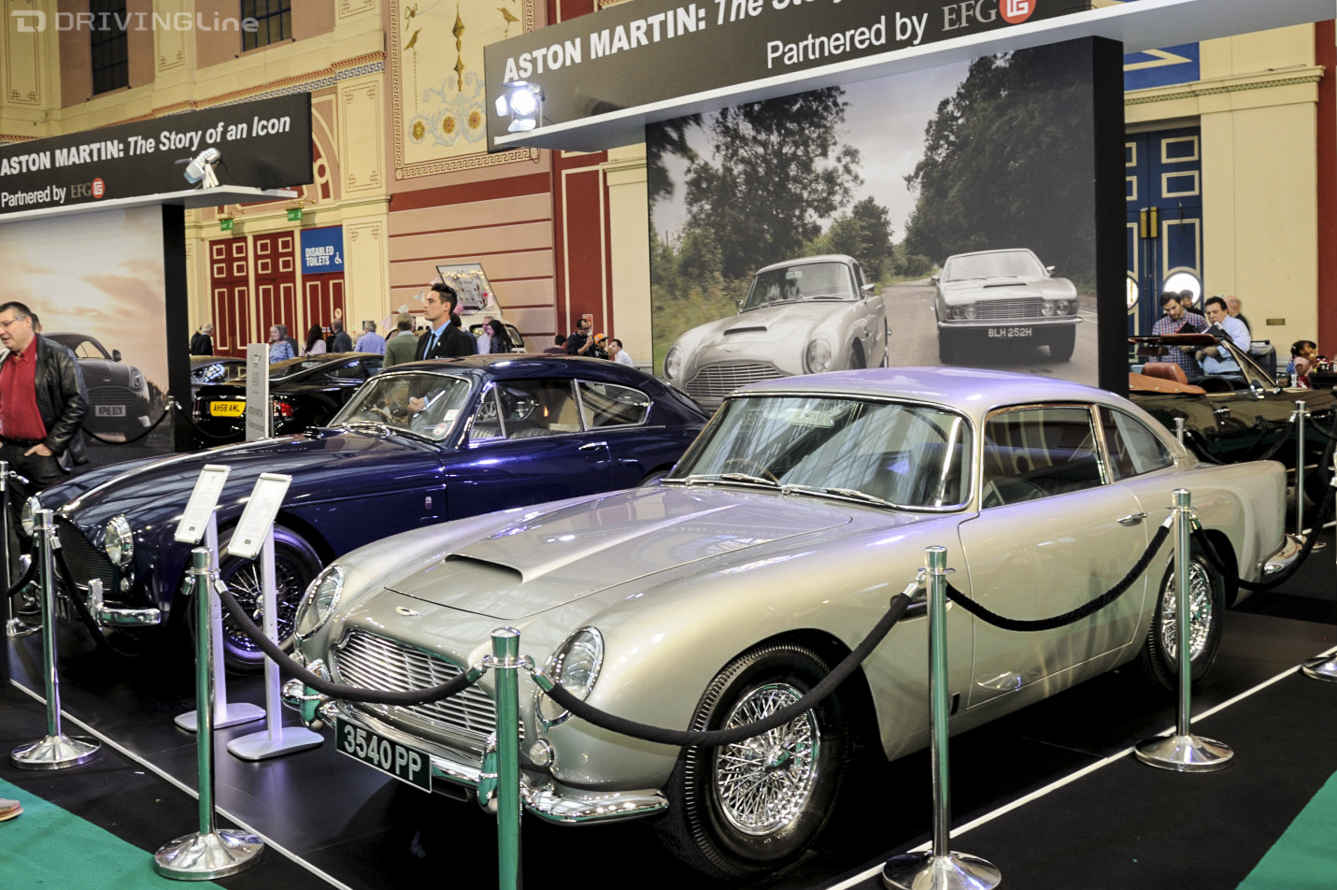
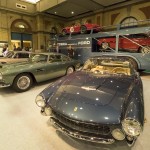
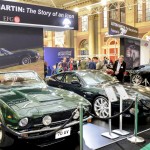
Back amongst the cars on display there was a stand honouring Aston Martin with models from the company’s history, right back to the earliest days.

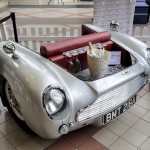
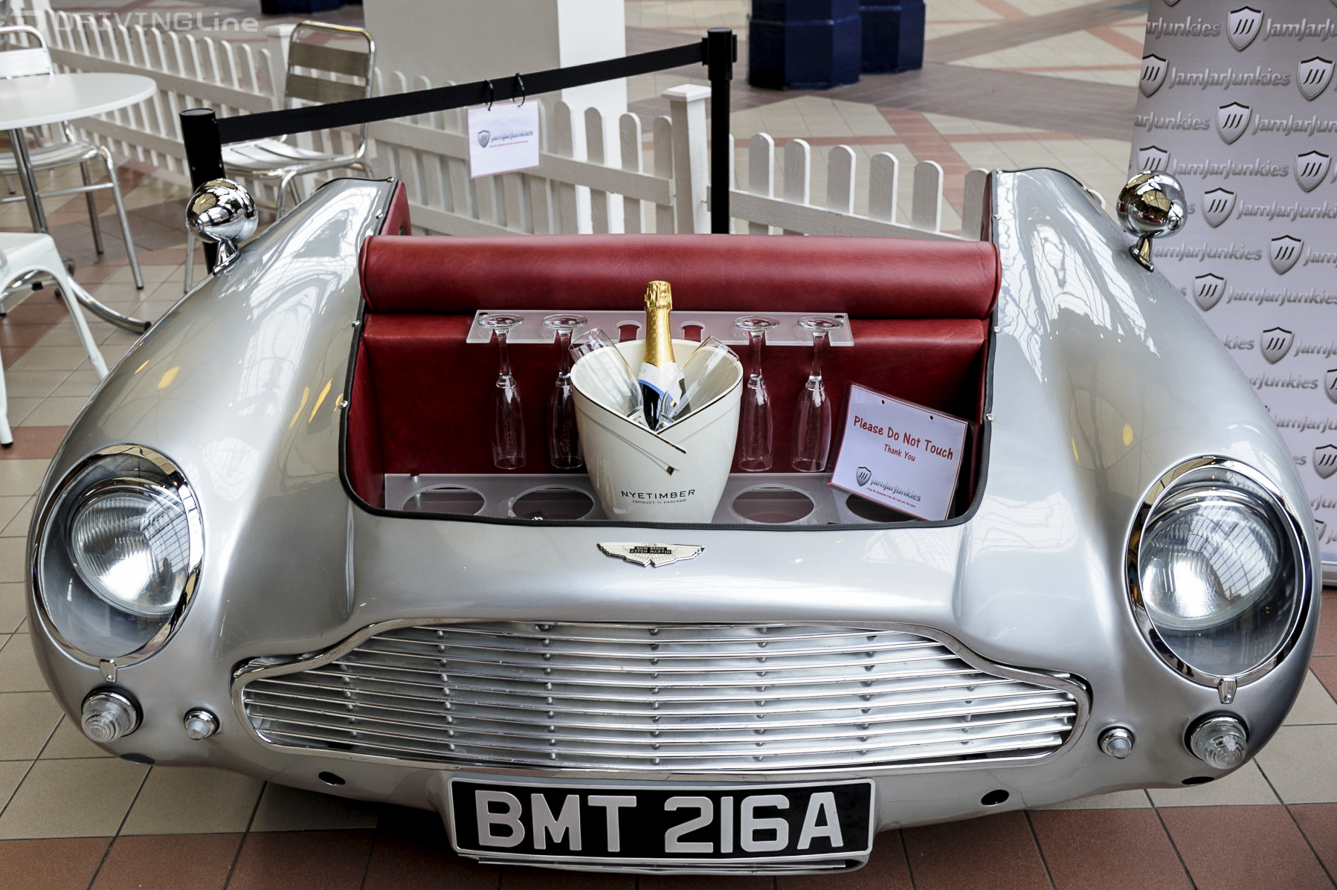
Indeed there was one piece of furniture also paying homage to Aston Martin on display that ticked all the boxes, right down the registration number, being one of the three featured in ‘Goldfinger’  on James Bond’s Aston Martin DB5. JamJarJunkies was the intriguingly named provider of this and other motoring-themed artifacts.

Nyetimber Bus

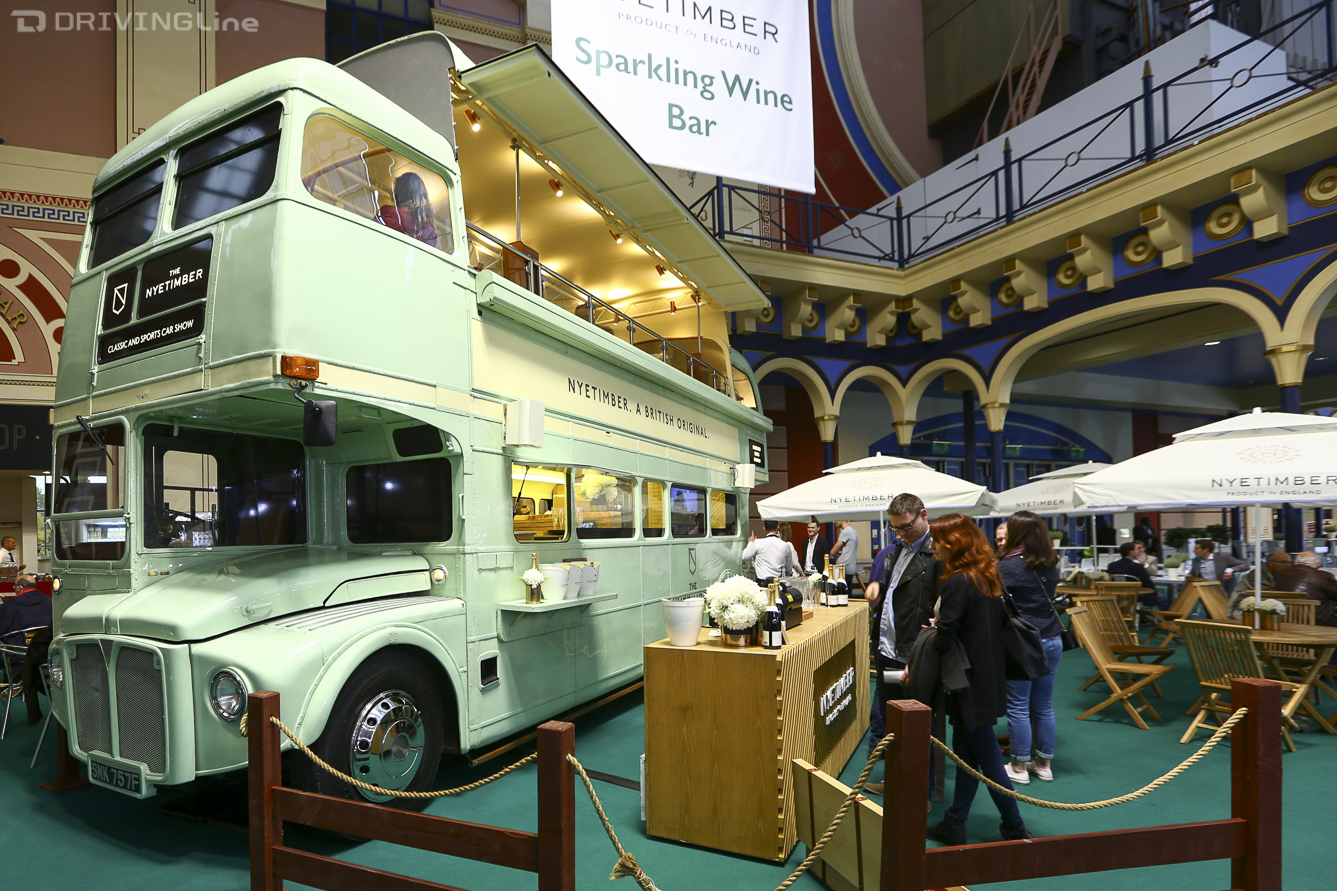
Nyetimber Wines brought along a Routemaster to act a movable sparkling wine bar……..all very civilised.

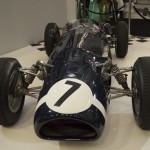
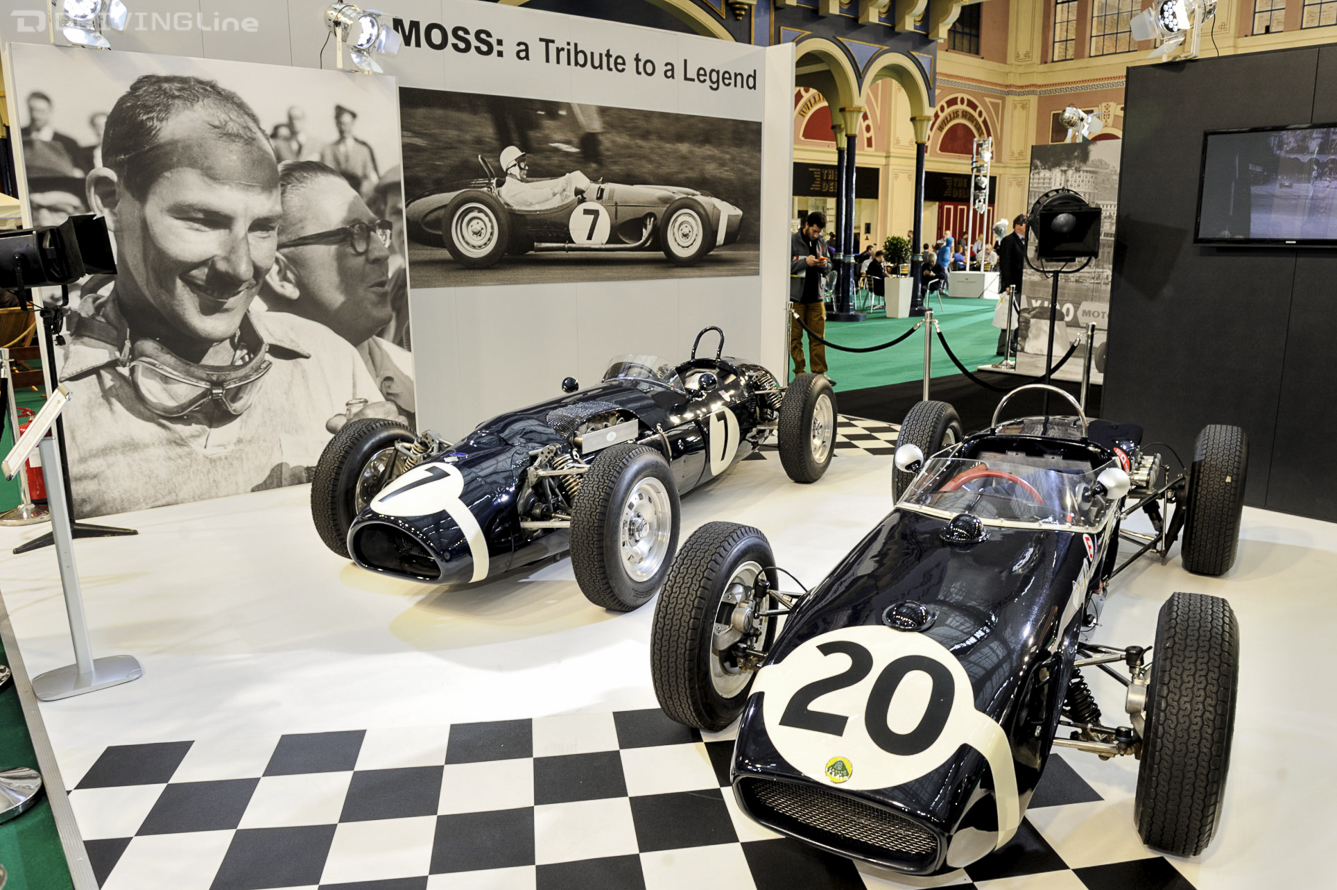
Sir Stirling Moss, one of the greatest drivers of all time, was saluted with a tidy exhibition of some of his former race cars, it was an extension of the ‘Best of British’ theme. #7 on the left is a piece of motor sport history being the Ferguson P99. This single-seater was the first four-wheel drive Formula One car and the last front-engined Grand Prix car to win a race, Stirling Moss (who else?) taking the honours in the 1961 Oulton Park International Gold Cup.

2015 JB General

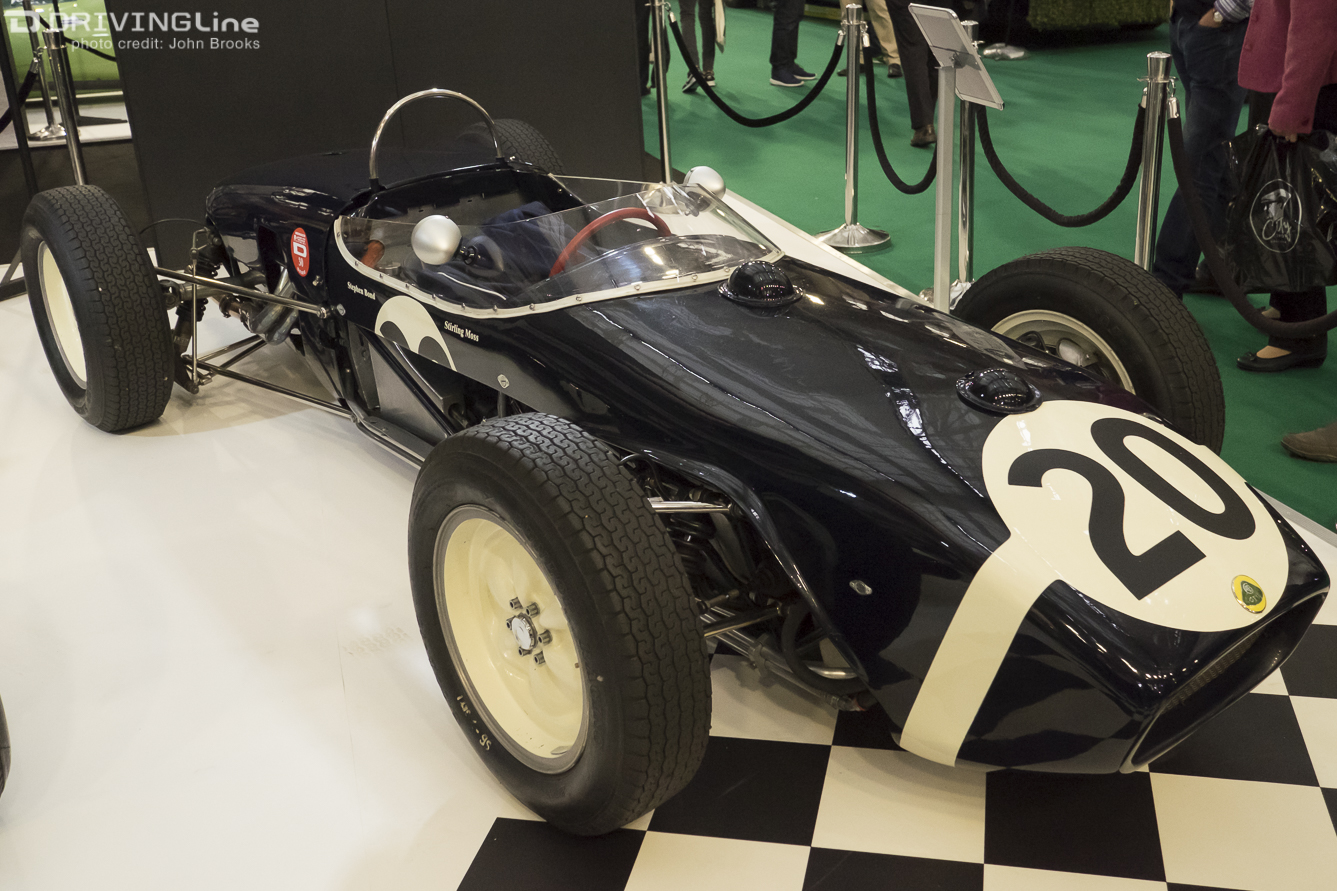
The Lotus 18 was also campaigned by Moss in 1960, the final year of the 2½ litre formula. With this Coventry Climax-powered car he won the 1960 Monaco Grand Prix, the first victory for Lotus in the World Championship.

2015 JB General

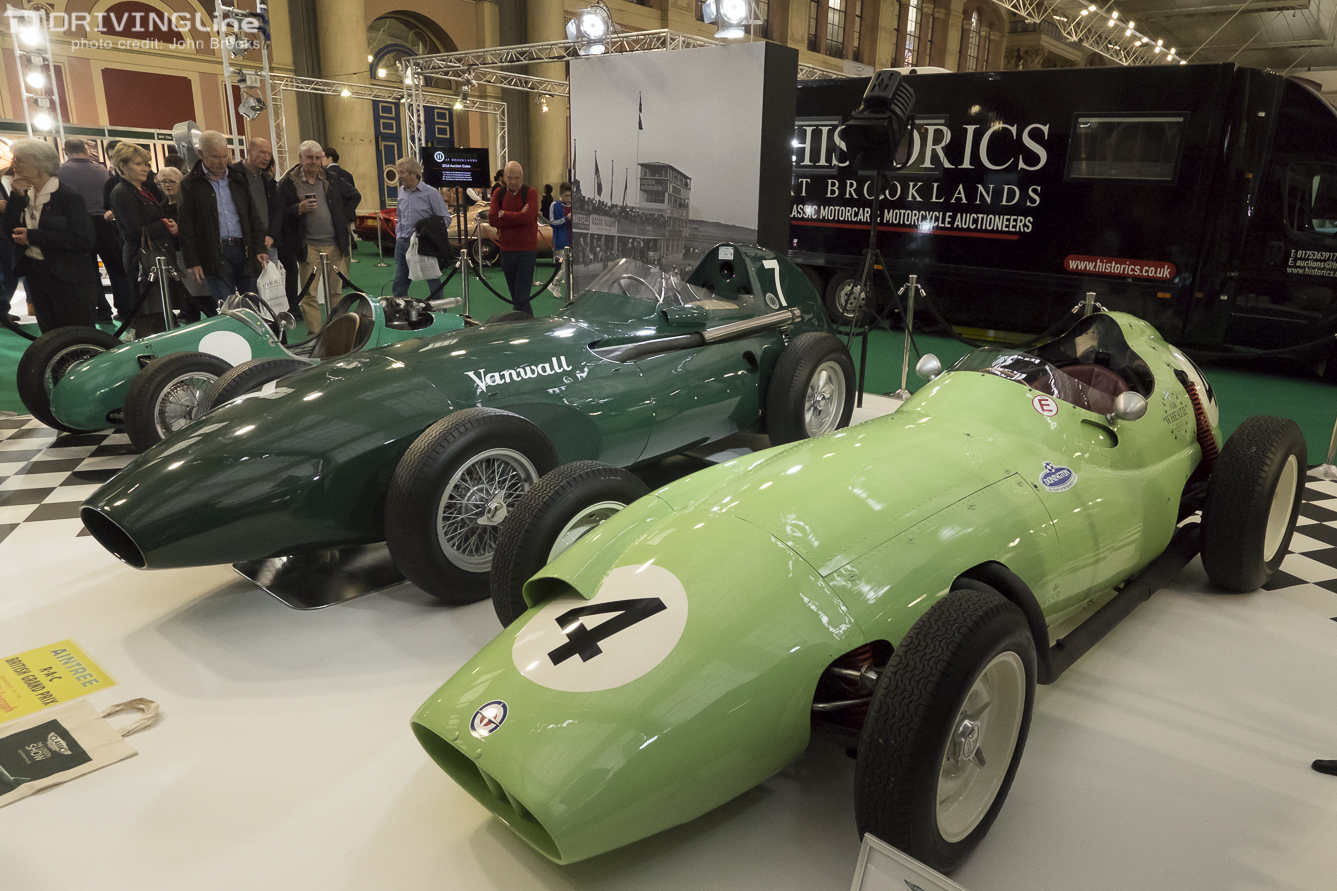
Further back in his career Moss drove the BRM P25 a couple of times in 1959 without a win. The Vanwall VW5 was much more successful taking Moss to six Grand Prix victories in ’57 and ’58, Tony Brooks scored three further wins and, as a result, Vanwall won the first World Constructors Championship.

2015 JB General

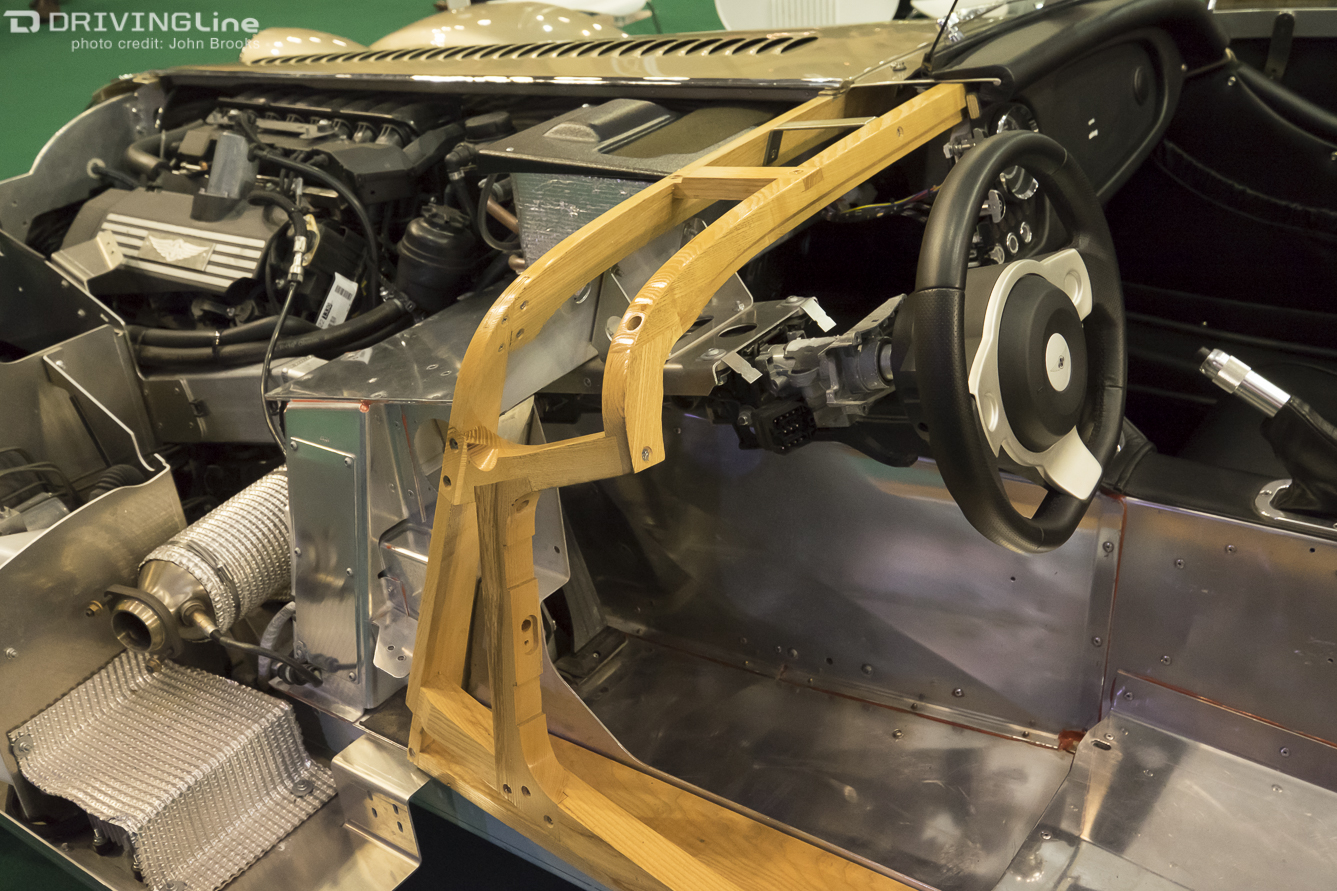
Morgan were present with an illuminating cut away to illustrate the three major elements used to produce this most traditional of sports cars, ash, aluminium and leather, a fantastic fusion of craft, art and performance.

Bike display in the Panorama Room

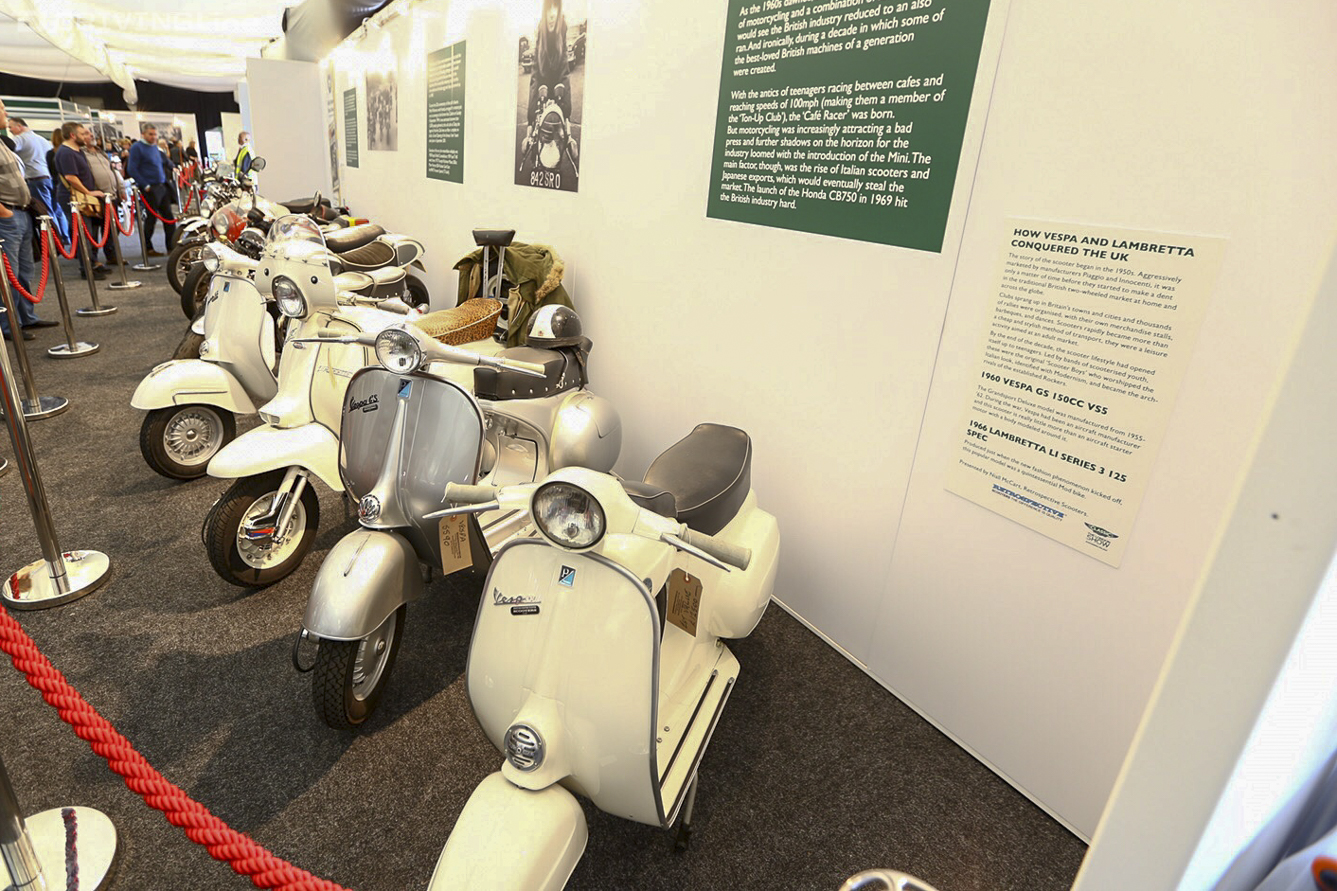
The two wheel fraternity were given their own space, these scooters have for the past half century been a very popular answer to the question of personal transportation in urban Europe.

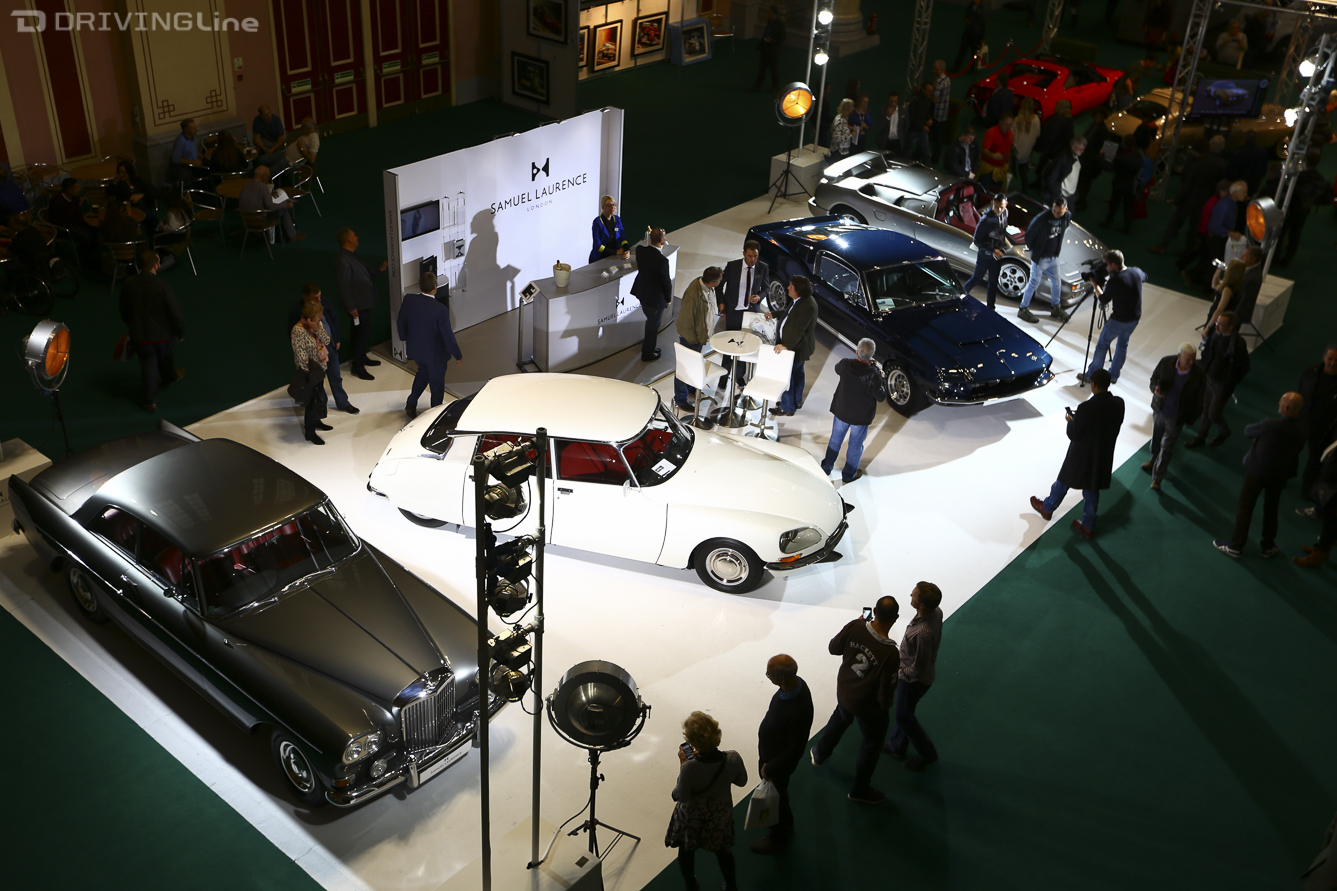
Samuel Laurence

The success of the show was hard to judge on Friday, I suspect that the crowds will have flocked into Ally Pally over Saturday and Sunday. The real answer will be revealed when the dealers add up their ledgers and see which side they have emerged on.

John Brooks, February 2016
Photography Copyright and Courtesy of Simon Hildrew and the Author. Additional material courtesy of the organisers.


Across the Borderline


2015 JB General

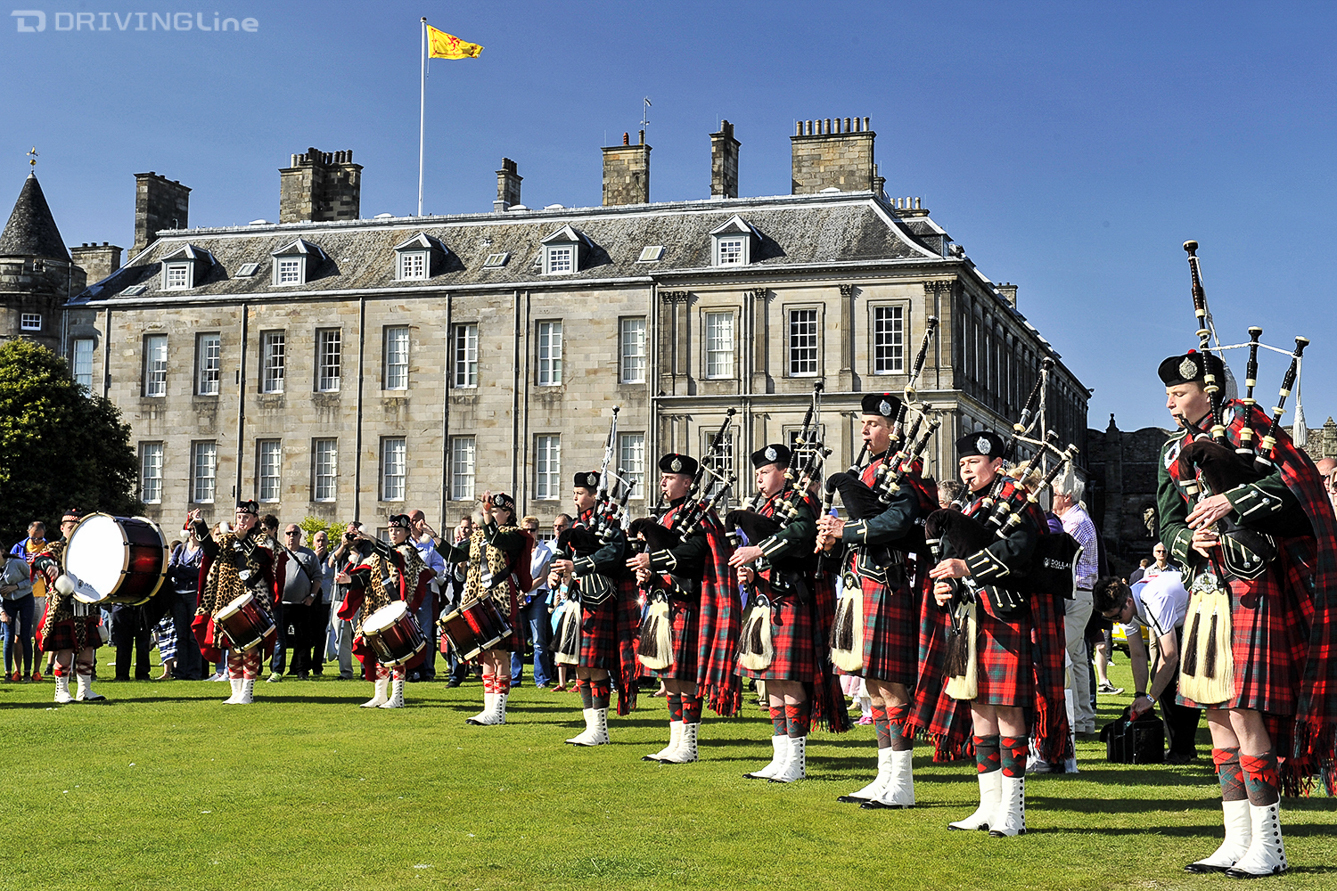
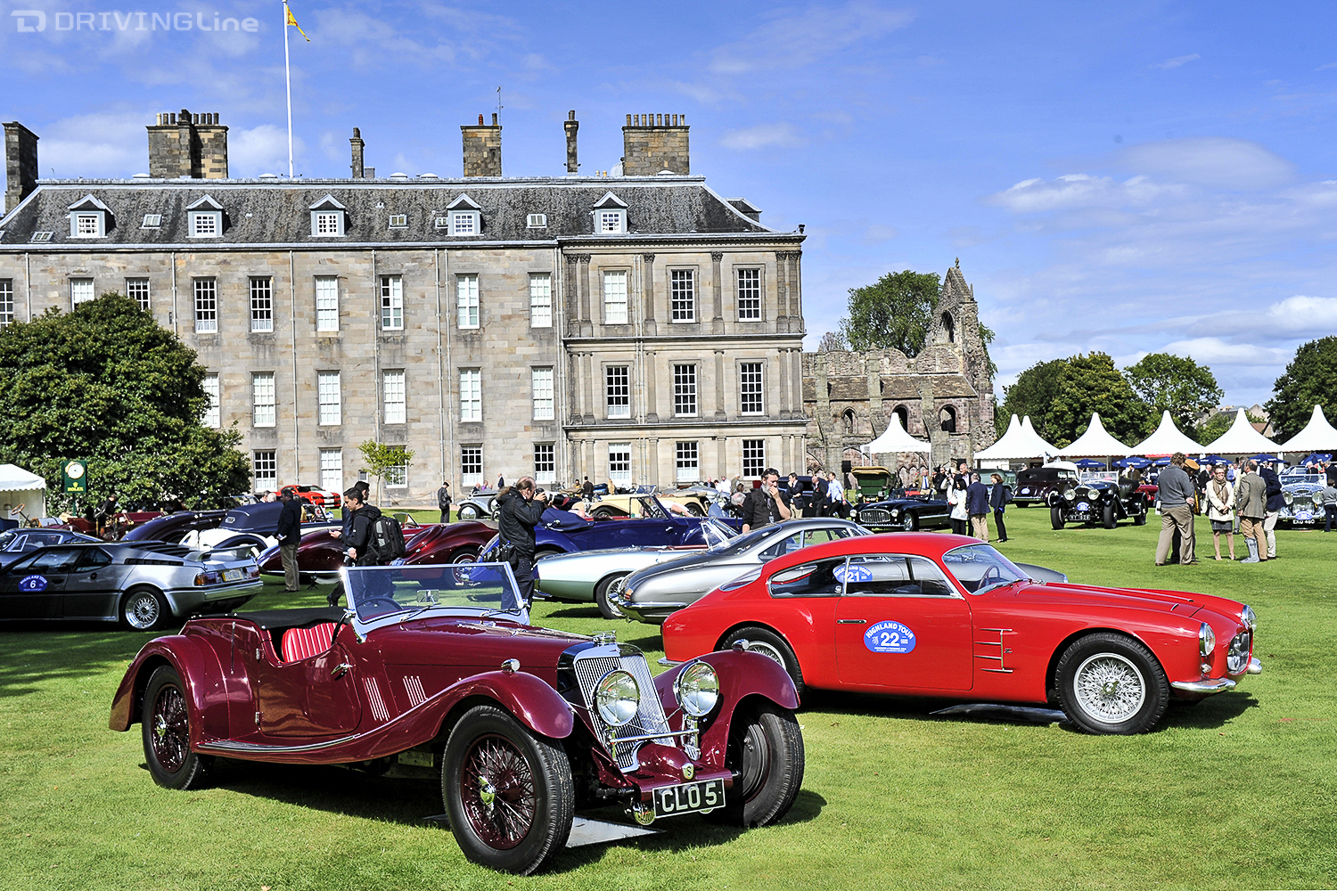
The Concours of Elegance celebrated its fourth edition, this time it headed north, way north, to the Palace of Holyroodhouse in Edinburgh. Continuing with the theme of holding the Concours at Royal Palaces, Holyroodhouse is one of the Official Royal Residences, like Windsor Castle where the first Concours was held.

_DSC4699


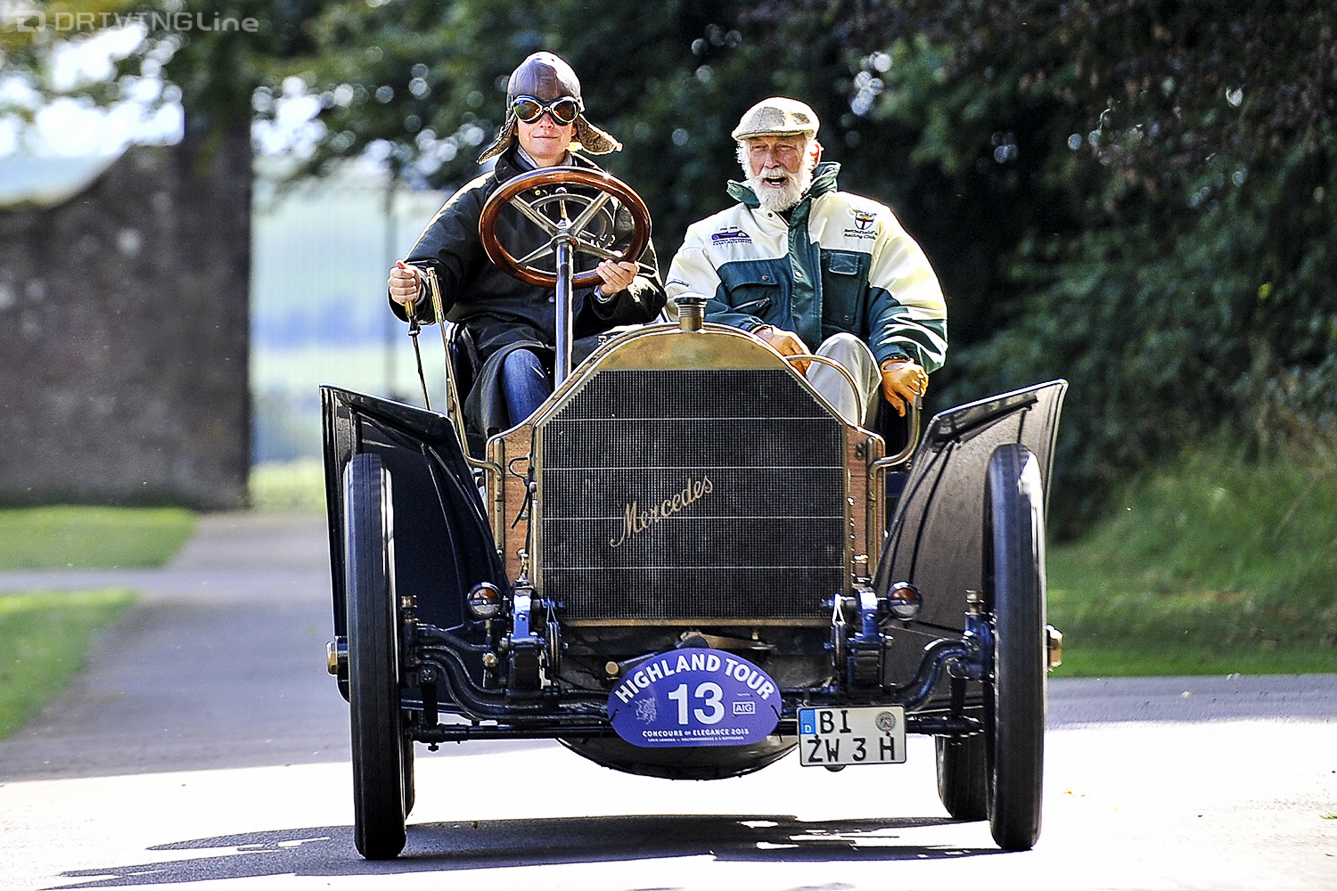
The link with the Royal family is an important one and the interface between the two worlds is Prince Michael of Kent, the Queen’s cousin, and a genuine motoring enthusiast. Above is the Prince enjoying the delights of a Mercedes Simplex 60hp. One element of the Concours of Elegance that sets it apart from most other events of a similar nature is that it is non­-commercial and raises money for designated charities, in 2014 over $500,000 was split amongst various deserving causes.

_DSC5243


Another point of difference is that the Concours is restricted to just 60 cars, the first event was part of the celebration of the Queen’s Diamond Jubilee, hence the number 60, and this salute has been continued in the following events.

2015 JB General
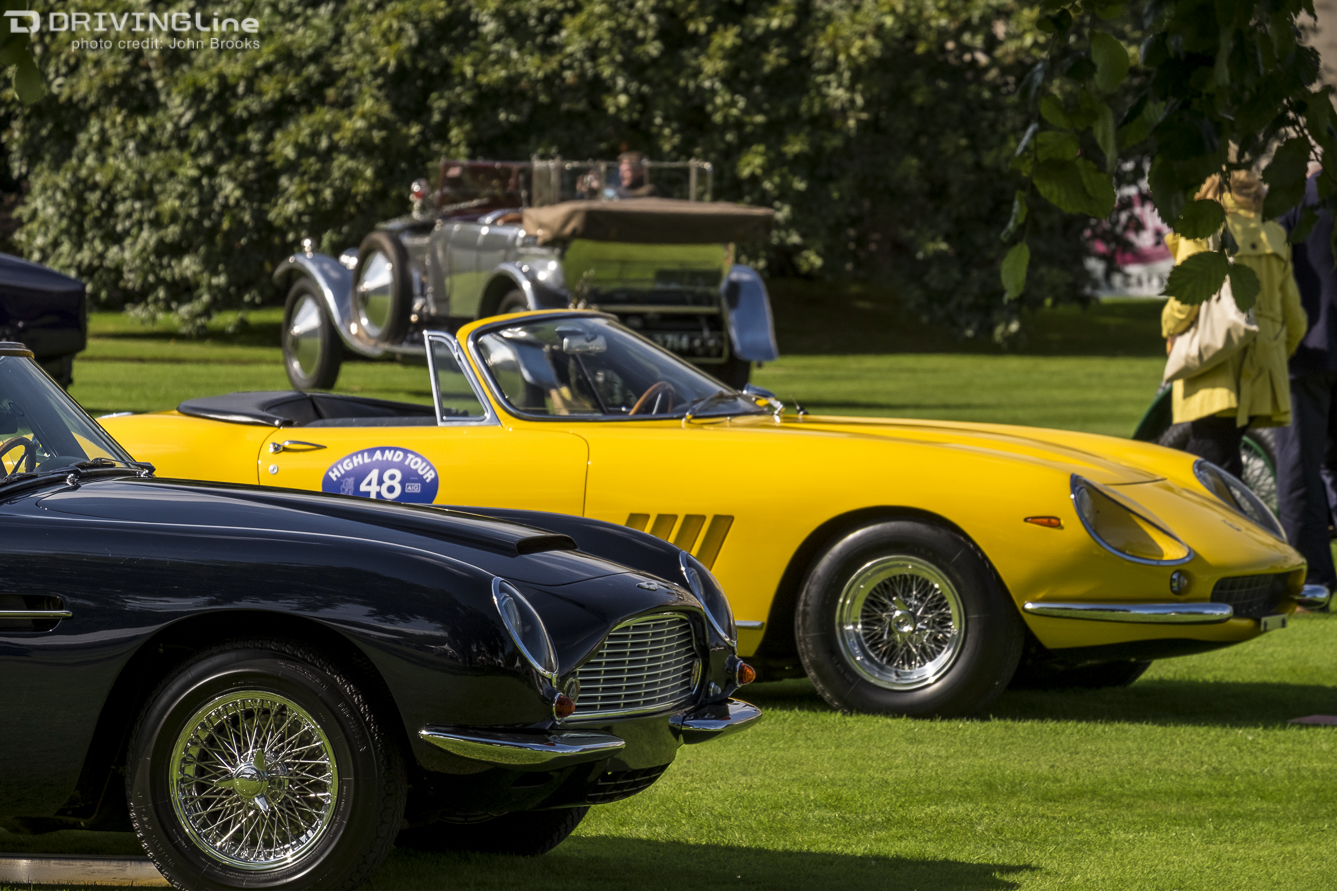
So we have a location that is regal, now we need the cars…………I have already looked at Maranello’s contribution to the party, what else was in Scotland to admire? Rather a lot actually, almost too much to contain in a single feature, so I will confine myself to my personal favourites, other visitors would come up with a different selection, that is part of the attraction of such shows.

_DSC4371
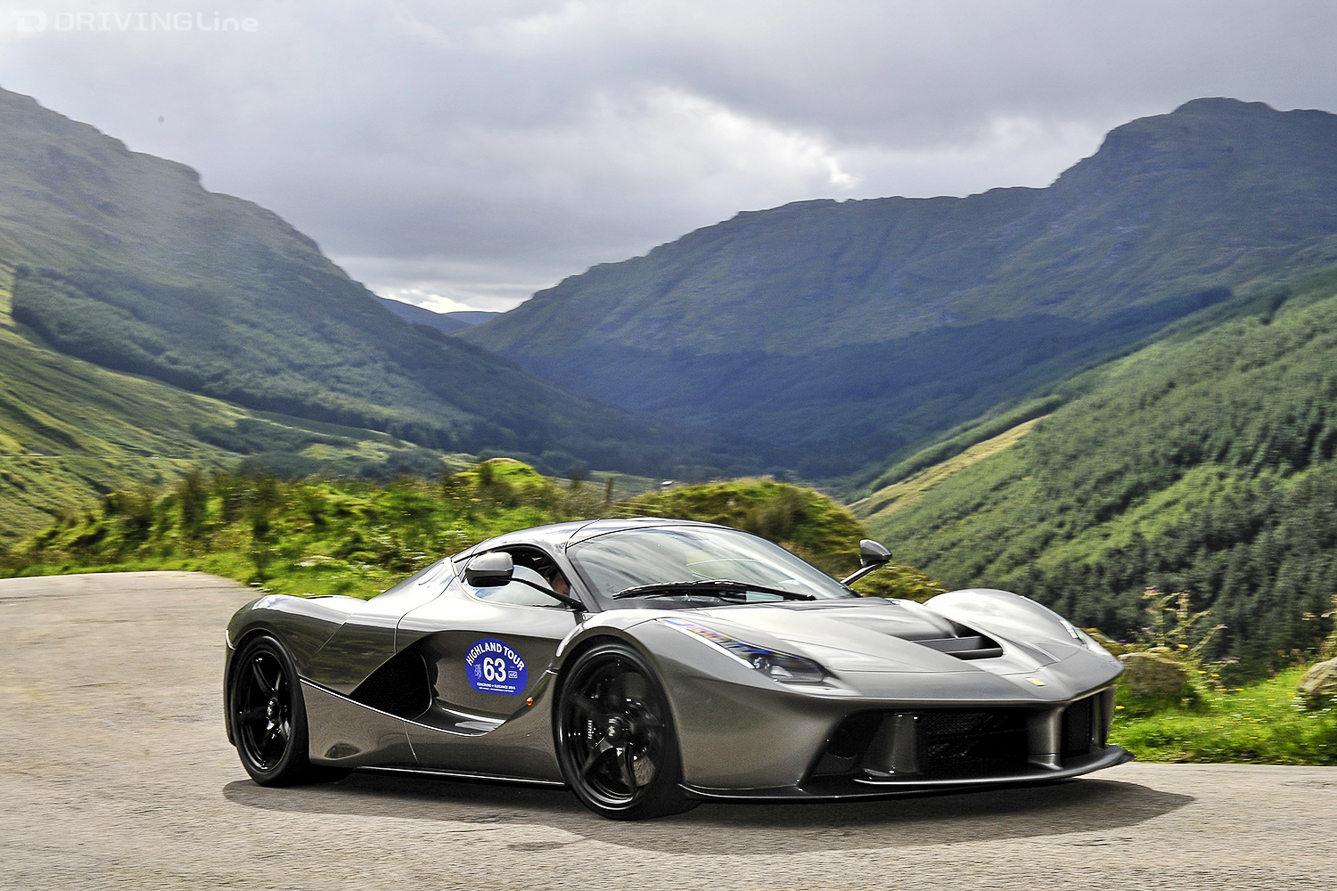
In common with many of the best events on the Concours circuit a tour is organised before the main event. This gives the owners and others an opportunity to witness the cars doing what they were designed to do before they have to pose on the automotive catwalk. The Highlands of Scotland provided a dramatic and romantic backdrop, fit for such a car as the LaFerrari.

2015 JB General
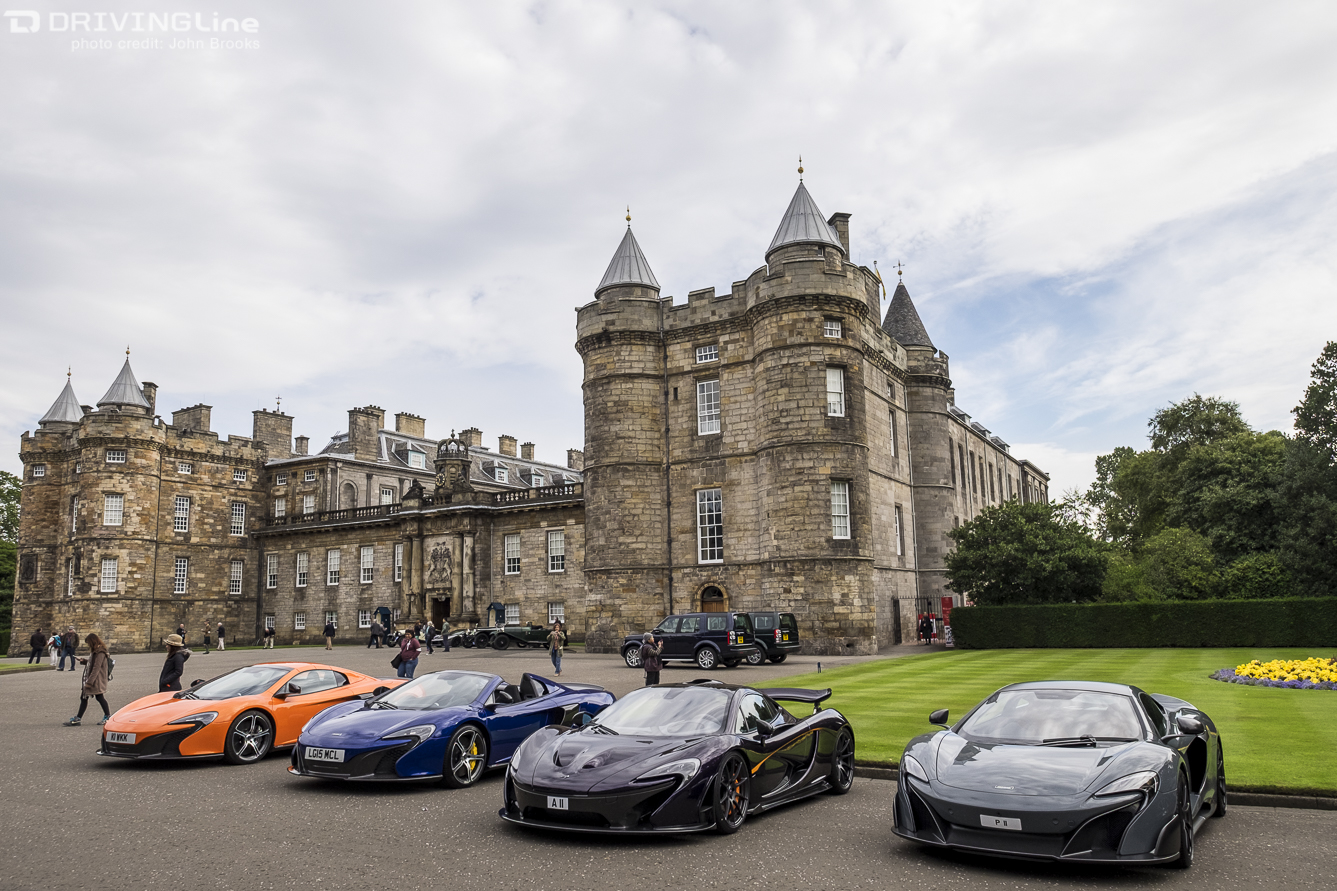
Approaching the Palace of Holywoodhouse, which dates back to 1128, the first treasure encountered was a more much contemporary display from McLaren Automotive, Woking’s finest now firmly established in the world of super and hyper cars.

2015 JB General

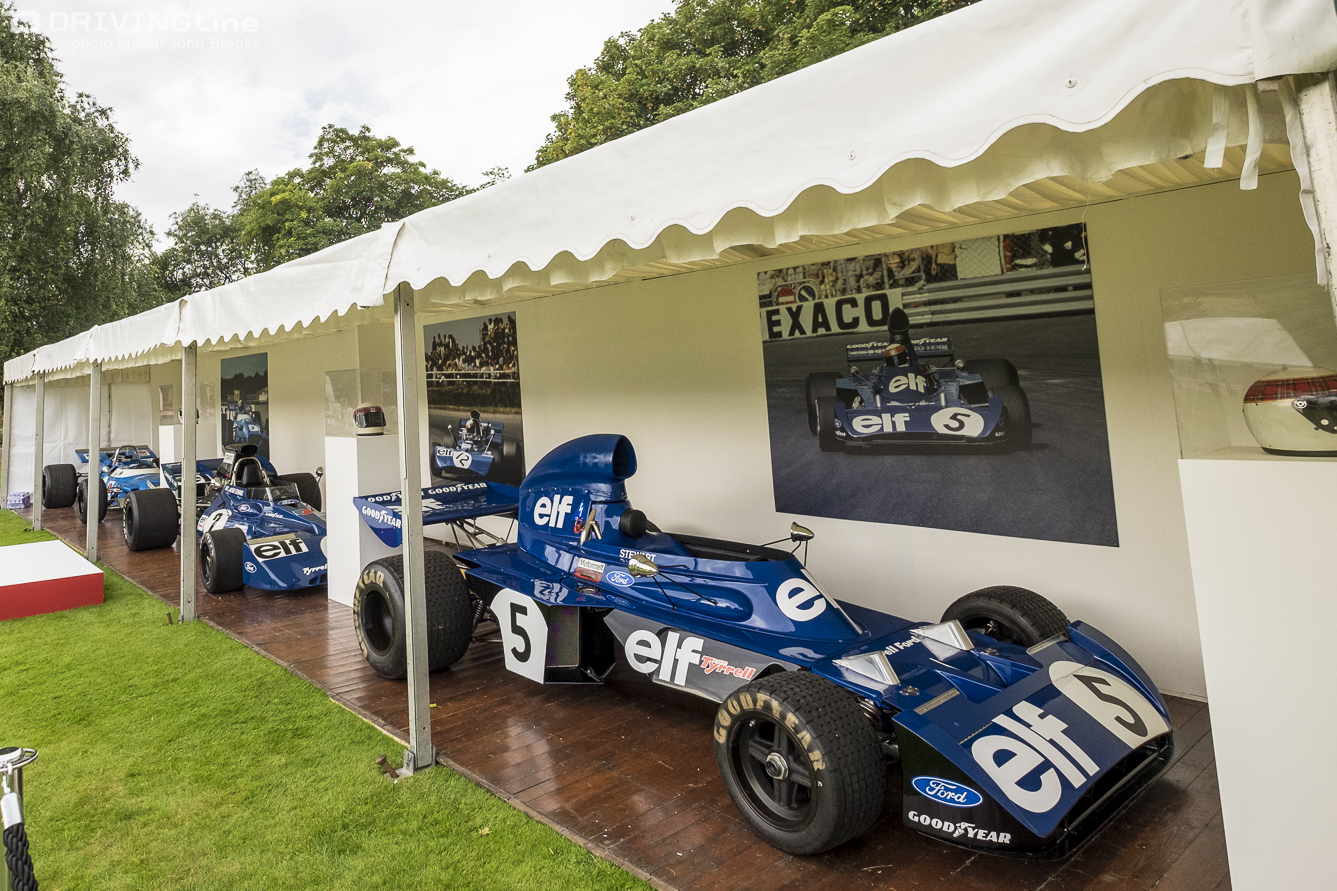
Almost the first stand found in the grounds was a salute to the First Man of Scottish Motor Sport, Sir Jackie Stewart and the three cars that carried him to three Formula One World Championships in five seasons.

image005
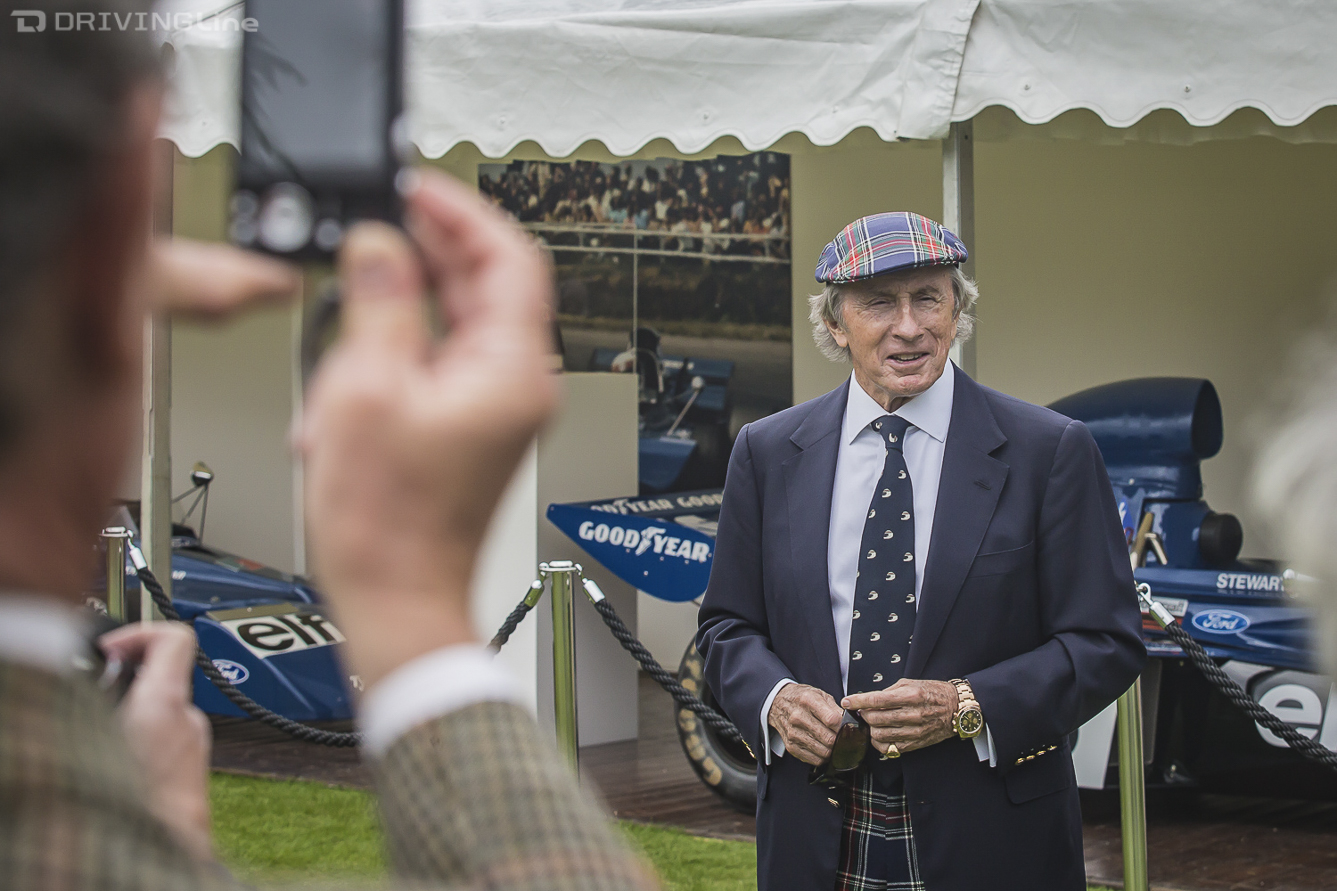
Sir Jackie is a tireless supporter of charities and good causes and much in demand by international corporations as an ambassador. He was only at Edinburgh for the one day as he was flying off to Monza to drive the BRM that had, fifty years ago, given him the first Grand Prix victory of his career. Motor Sport and racing drivers have much to thank Sir Jackie for, his campaign to make racing safer did not make him popular at the time in some circles, but without his contribution the sport would possibly have struggled to survive.

2015 JB General
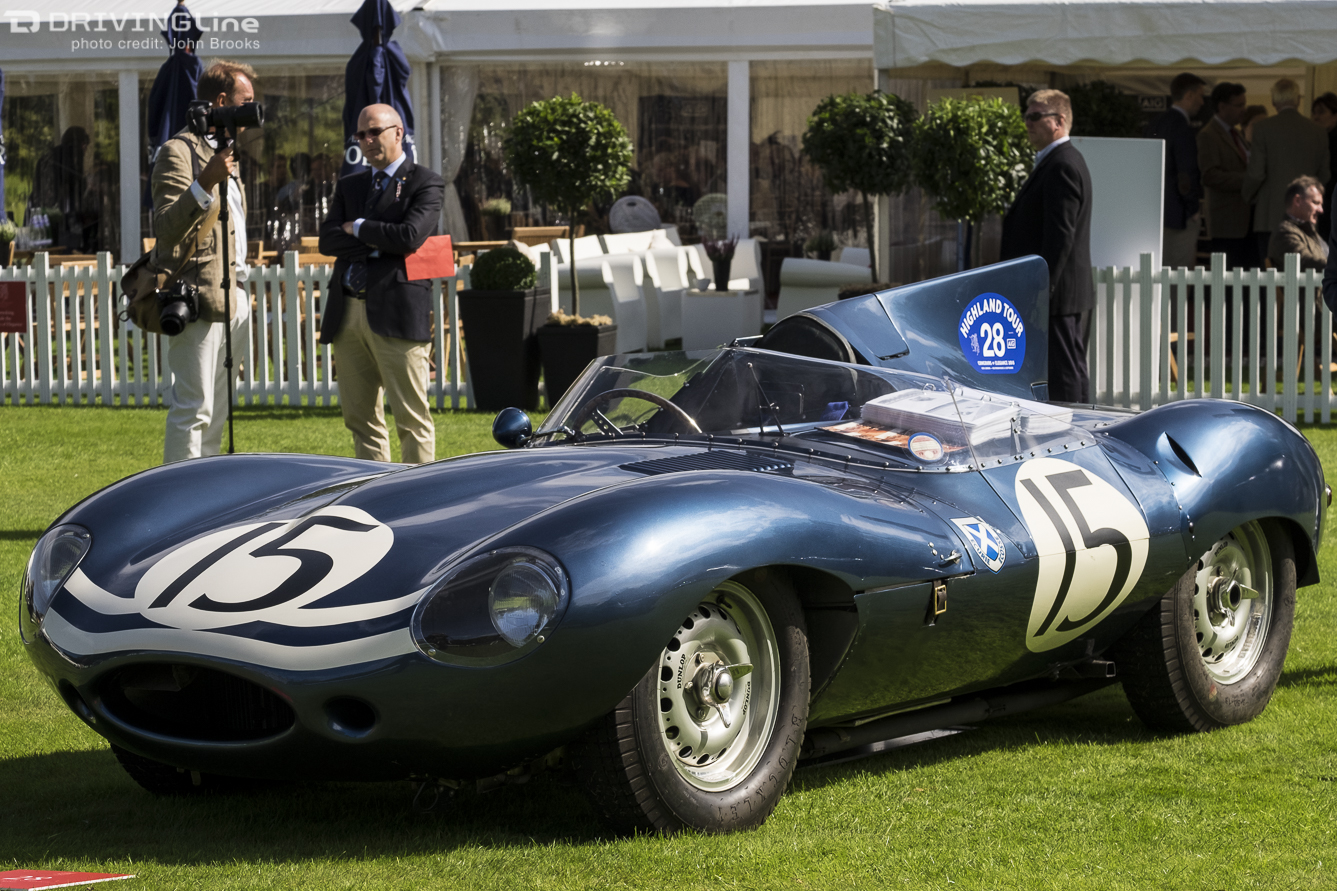
It would be inconceivable to consider motor sport in Scotland without reference to the great Ecurie Ecosse team. In Edinburgh there was an almost full turn out of the cars that this outfit has fielded down the decades. In 1956 and 1957 they won the Le Mans 24 Hours outright, the Long Nose Jaguar D Type on show finished second in ’57 with Ninian Sanderson and John Lawrence driving.

2015 JB General

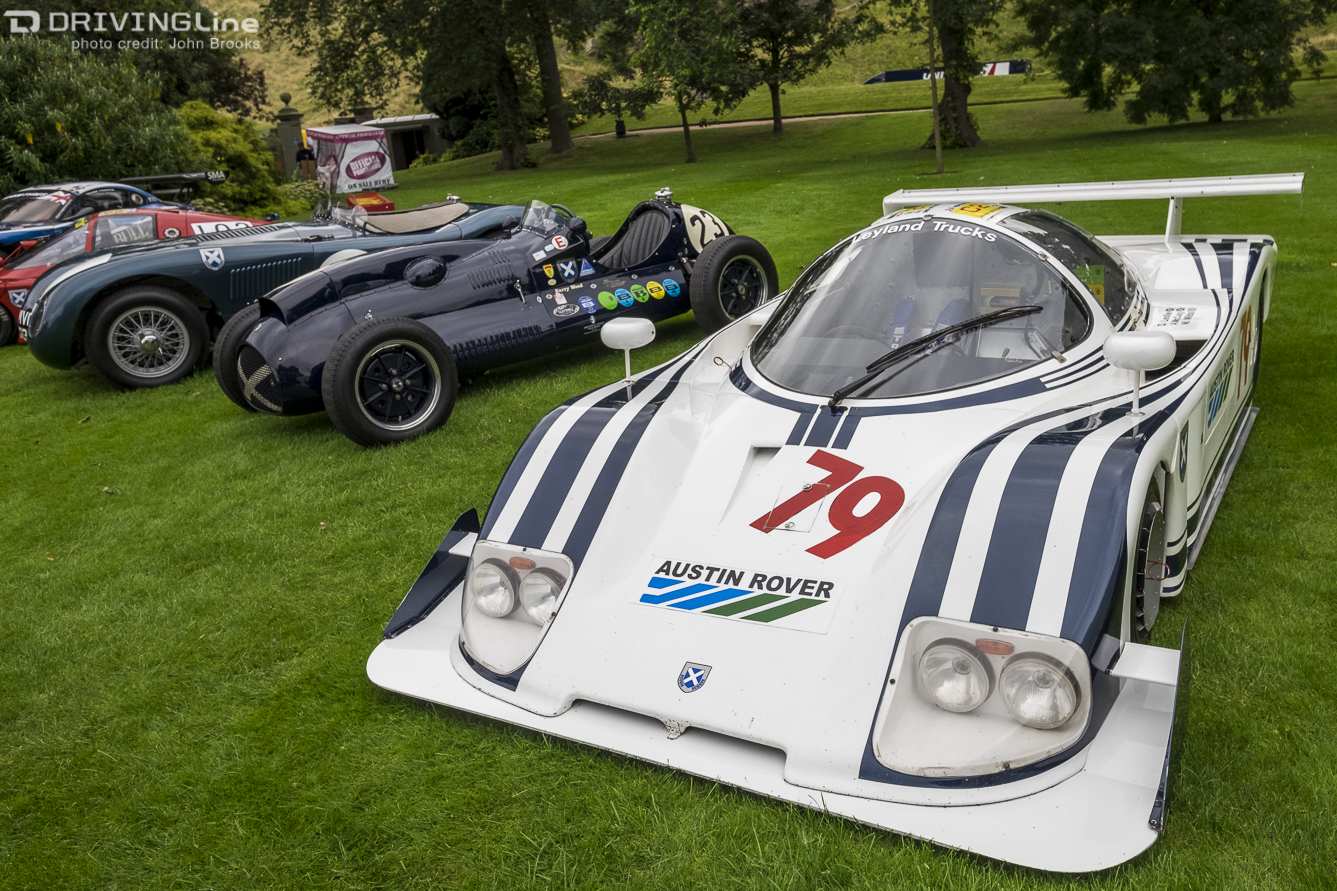
The team faded during the 60’s but were revived in the 80’s taking the C2 class in the 1986 FIA World Sportscar Championship, largely due to a series of fine performances in the Ecosse C286 Rover by Ray Mallock and Marc Duez, in the car above.

2015 JB General


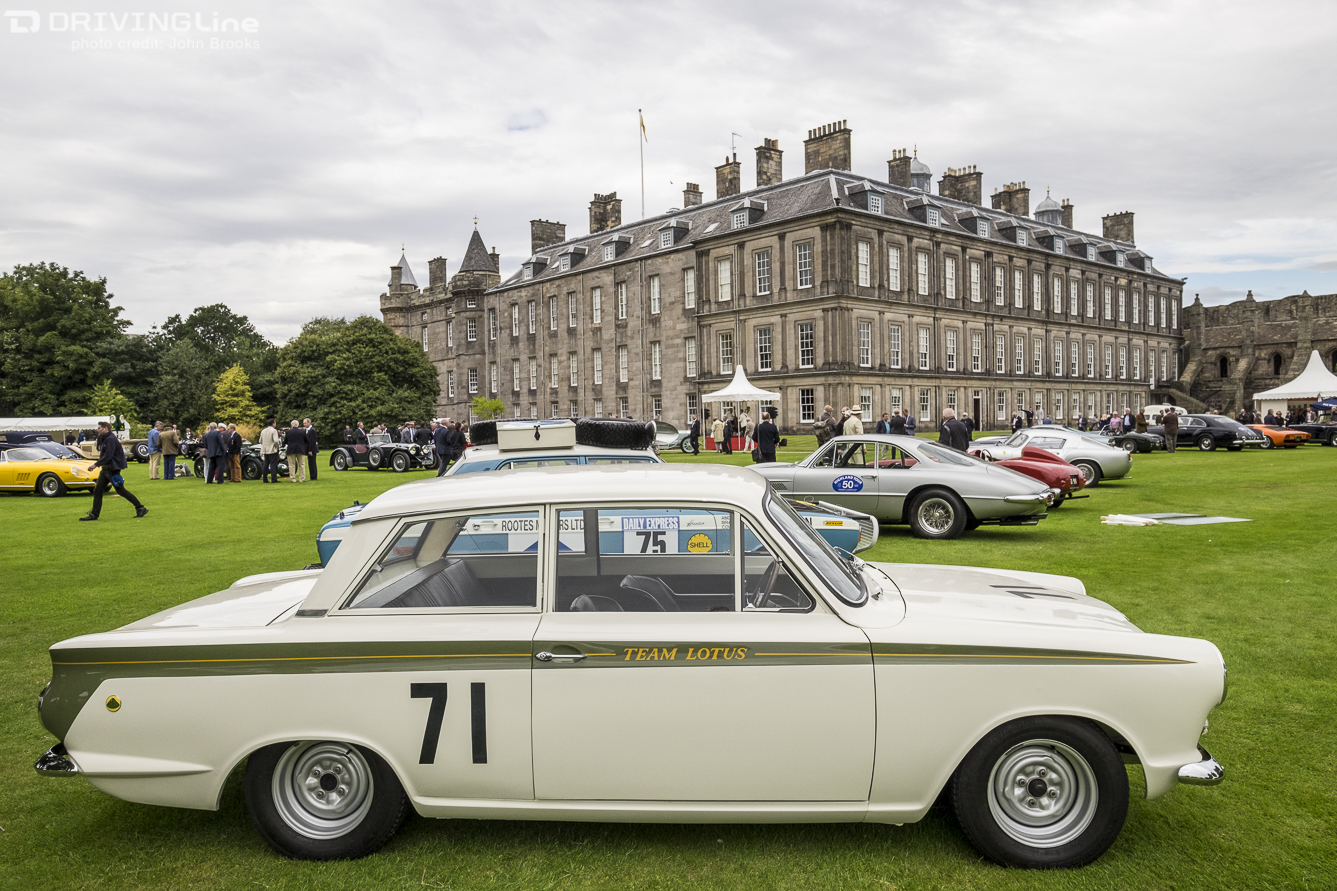
More Scottish motor sport legends were present in the form of three-time Indianapolis 500 winner Dario Franchitti. Dario is an arch-enthusiast and a top bloke. His contribution to the show was bring the 1964 Lotus Cortina that Jim Clark used to win the British Touring Car Championship. Clark is widely regarded to be one of the greatest drivers ever, on a par with Fangio or Moss. His death in 1968 at Hockenheim was a turning point and major motivator in Sir Jackie’s safety campaign. As the top Ferrari driver of the time, Chris Amon, declared when asked about Clark’s death. “If it could happen to him, what chance do the rest of us have? I think we all felt that. It seemed like we’d lost our leader.”

EdinburghConcours-4

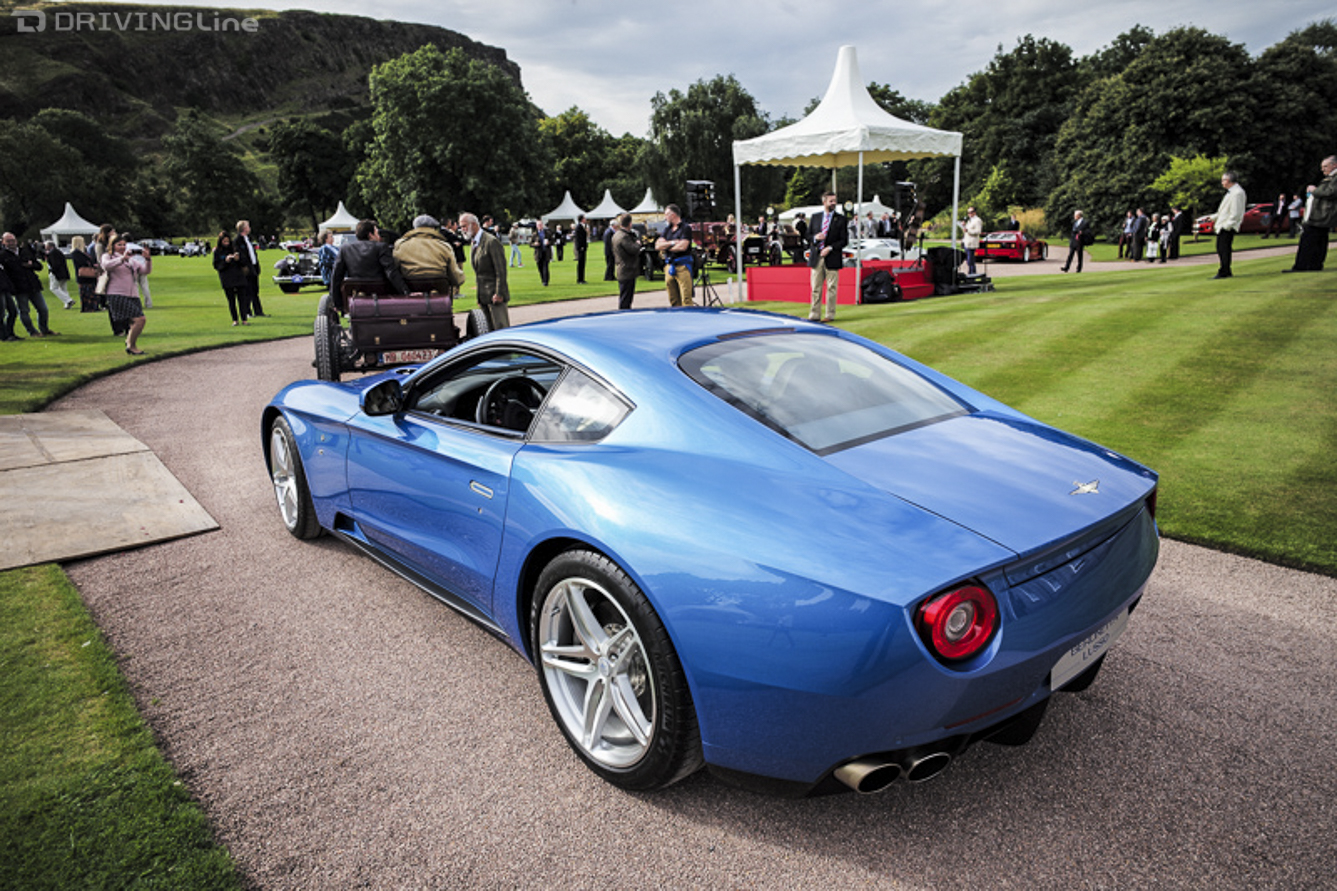
I looked at Ferrari’s contribution to the Concours in my earlier post but there were a few close links to Maranello that I excluded. The Touring Berlinetta Lusso is based on the Ferrari F12 and will be pretty exclusive as only five examples are to be built. I admired this Italian beauty earlier at the Geneva Salon.

2015 JB General


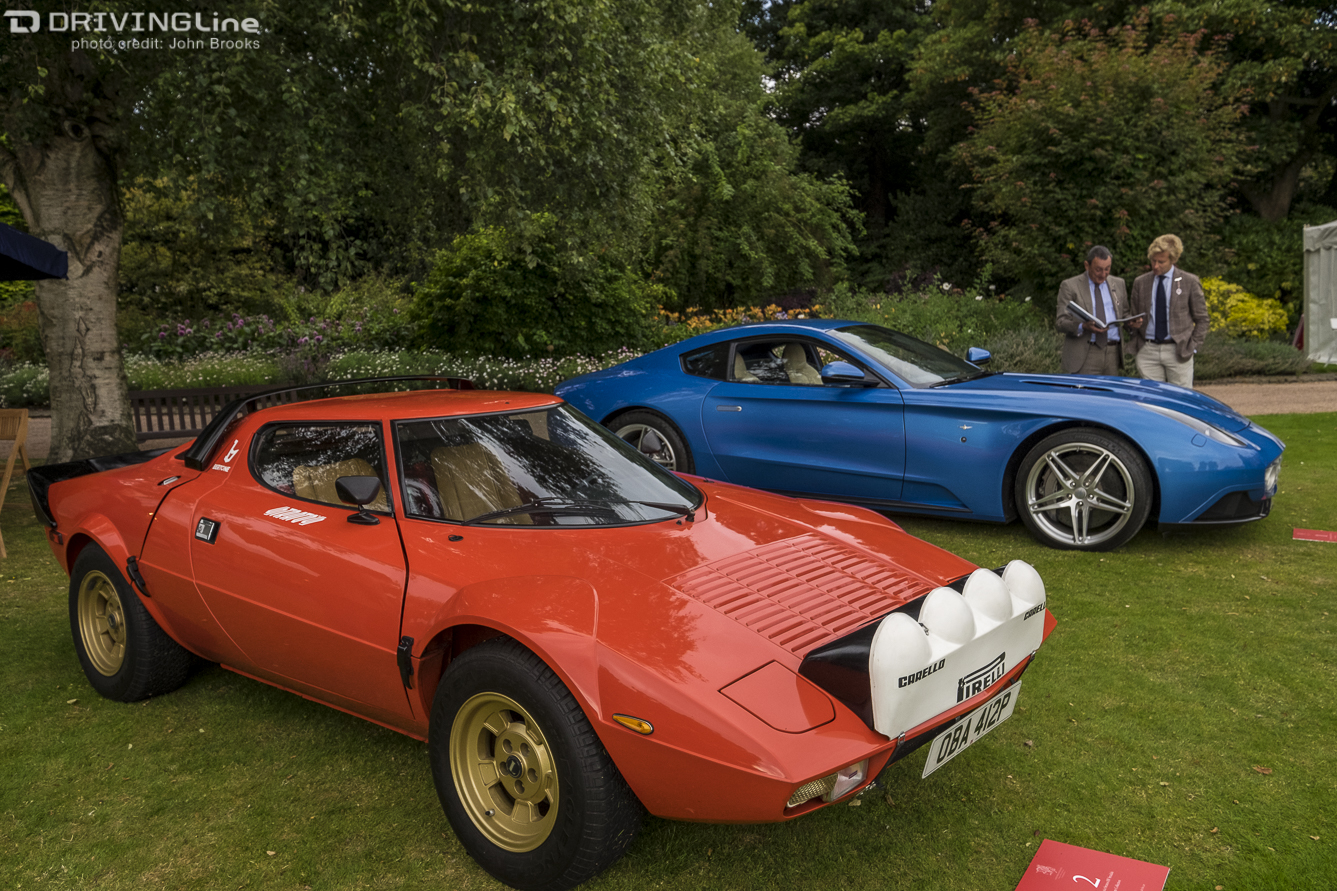
Another classic on the lawn with a strong Ferrari element is the rally supercar of the 70’s, the Lancia Stratos. Even 40 years on it is a dramatic statement based on a design from Carrozzeria Bertone who would go on to build the car at their plant at Grugliasco. We have encountered the main movers behind this project before, Nuncio Bertone and Marcello Gandini with engineering input from Gianpaulo Dallara, when considering the early days of Lamborghini and the Muira at their Museum………. HERE in fact. Ferrari’s contribution was the 2.4 litre V6 engine found in the 246 Dino. The Stratos went on to win the World Rally Championship from 1974 to 1976 and enjoyed many other competition successes, it is a sporting icon by any standard.

2015 JB General


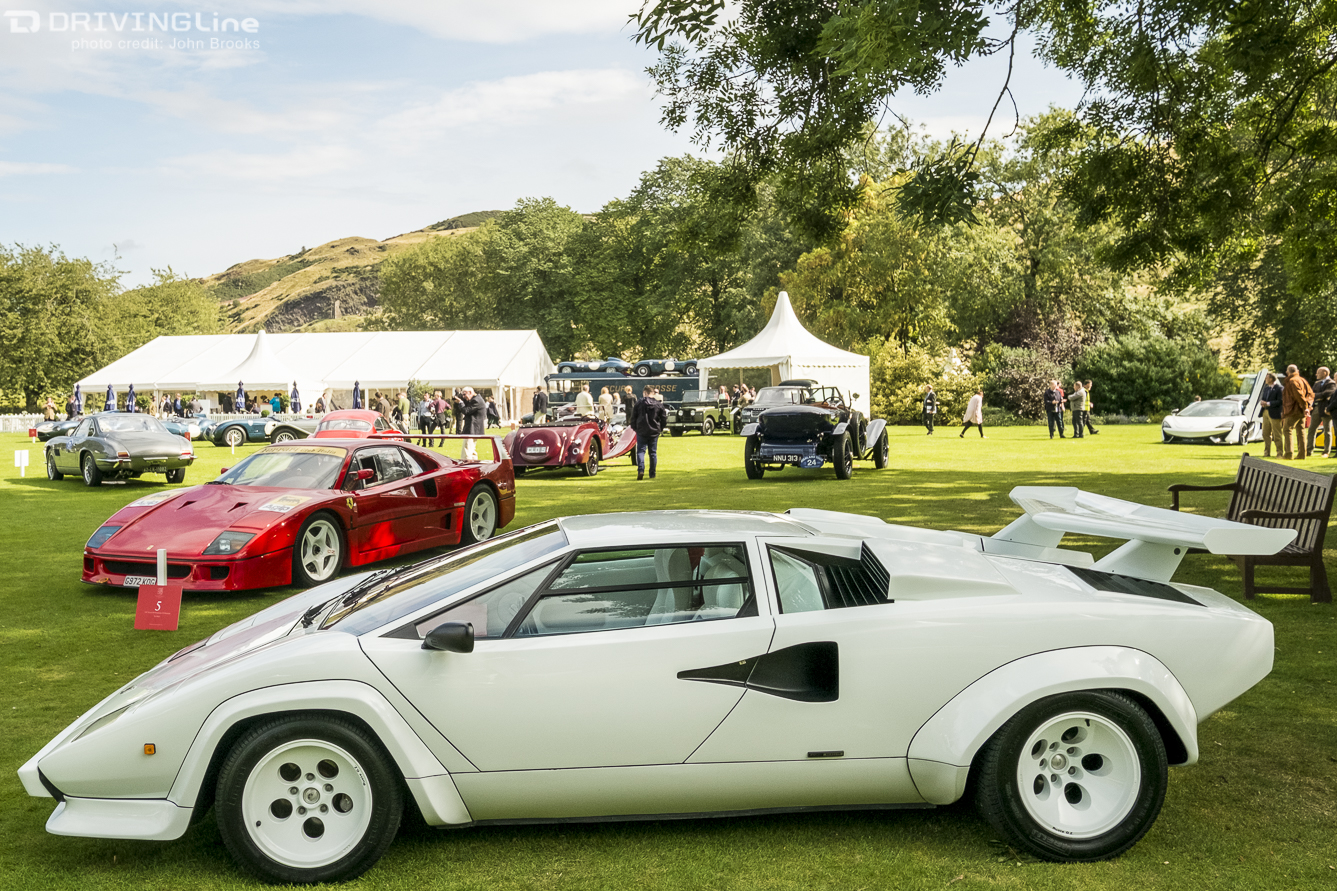
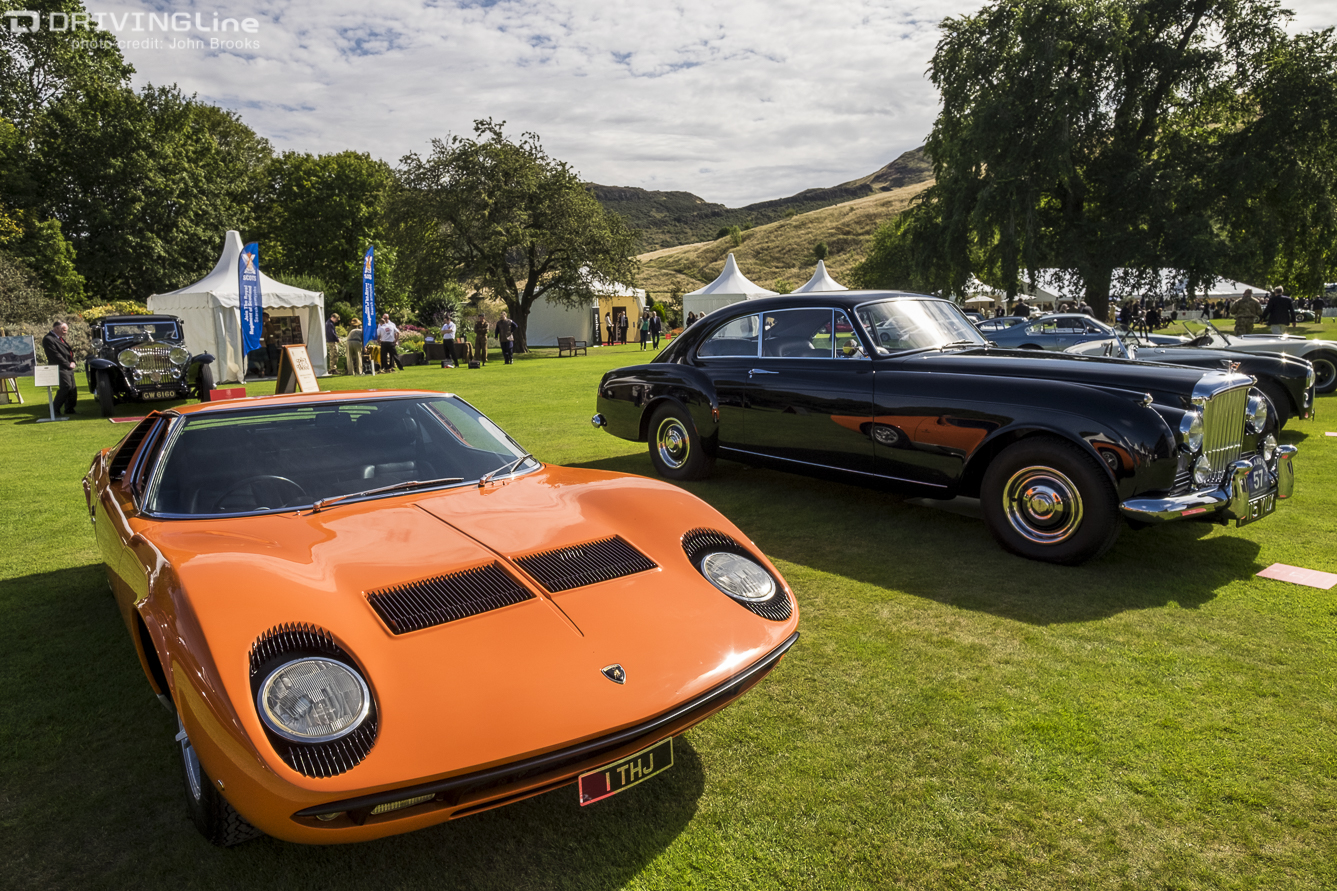
Lamborghini also had a presence in Edinburgh, a 1970 Miura S in original orange is one of only 24 right-hand drive examples built, it is simply stunning in the early Autumn sunshine. Of course there was also a Countach LP5000S that is in the opening photograph, vibrant in white exterior and interior.

2015 JB General


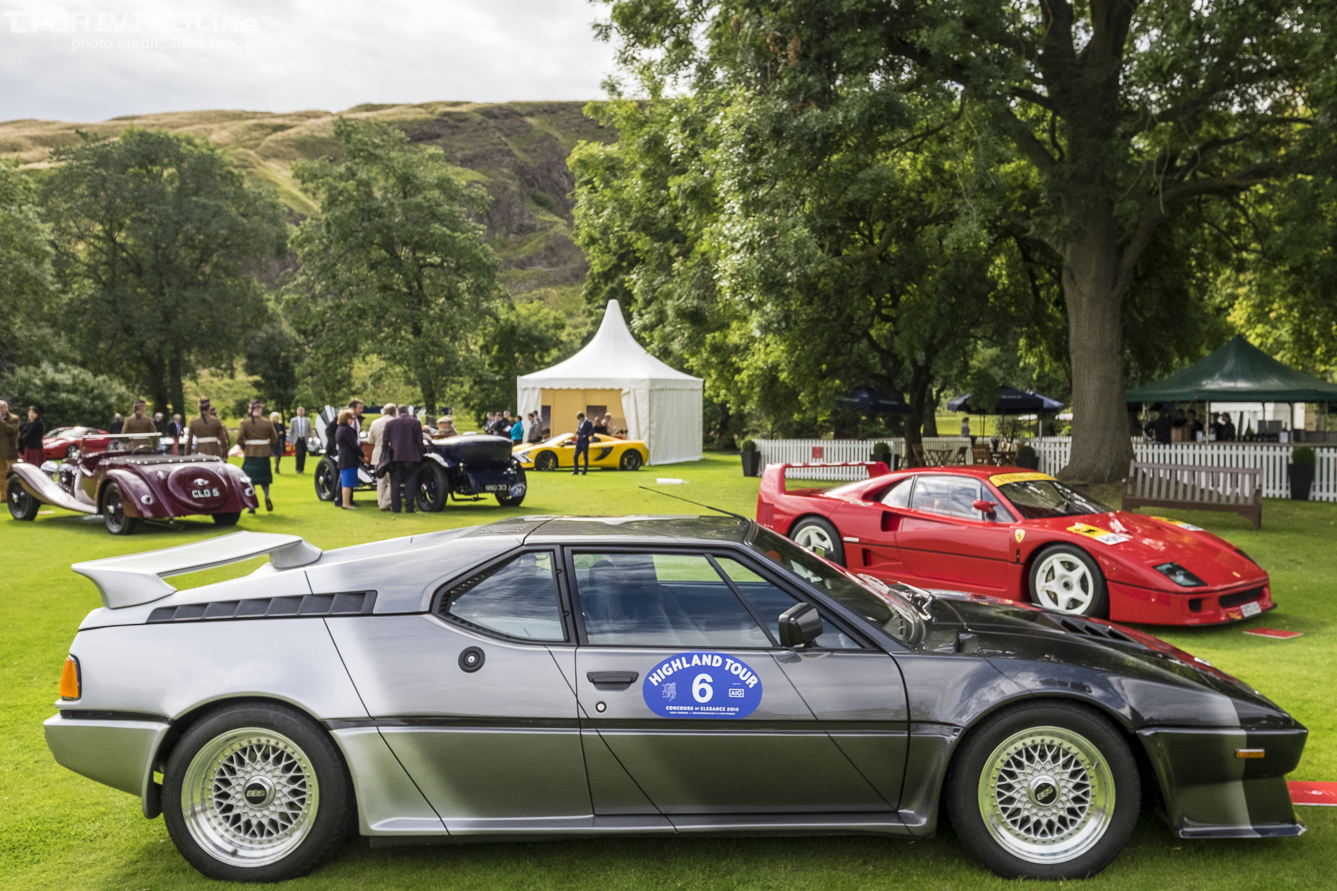
Another mid-­engined classic with a connection to Lamborghini is this fabulous BMW M1. Based on a design by Giorgetto Guigiaro, the chassis was from Lamborghini who were scheduled to build the car. However the Italian company was in one of its periods of financial turmoil so missed the contracted delivery dates. Munich pulled out and engaged Baur to complete the task. And to make matters worse plans to race in the World Sportscar Championship were thwarted by a FISA rule change. Someone in BMW had the brainwave of having a one make series, Procar, which would support Grand Prix with the F1 stars acting as guests driving race­ prepared M1s ……………it was a huge success and accelerated the market’s perception of BMW as builders of “The Ultimate Driving Machine”.

2015 JB General


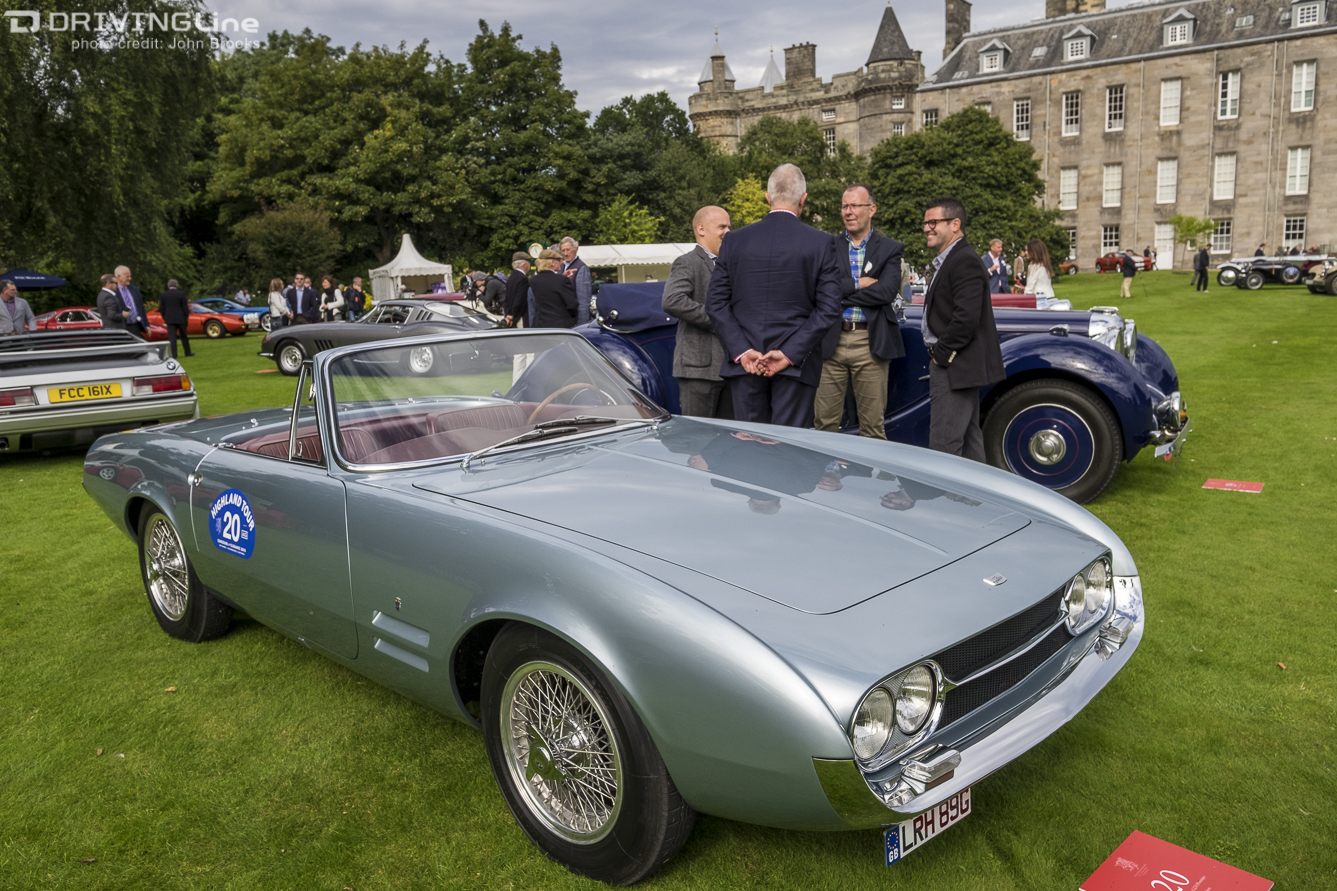
Another product of the almost endless Italian talent when it come to styling is this concept car, the Ghia Spider G230S Prototipo. Back in 1966 it was one of the stars of the Barcelona Motor Show and was an attempt by Ghia to interest Fiat in a convertible version of their 2300 model. A similar car was produced later, the Ghia 450SS was Chrysler powered, but was not a commercial success.

2015 JB General


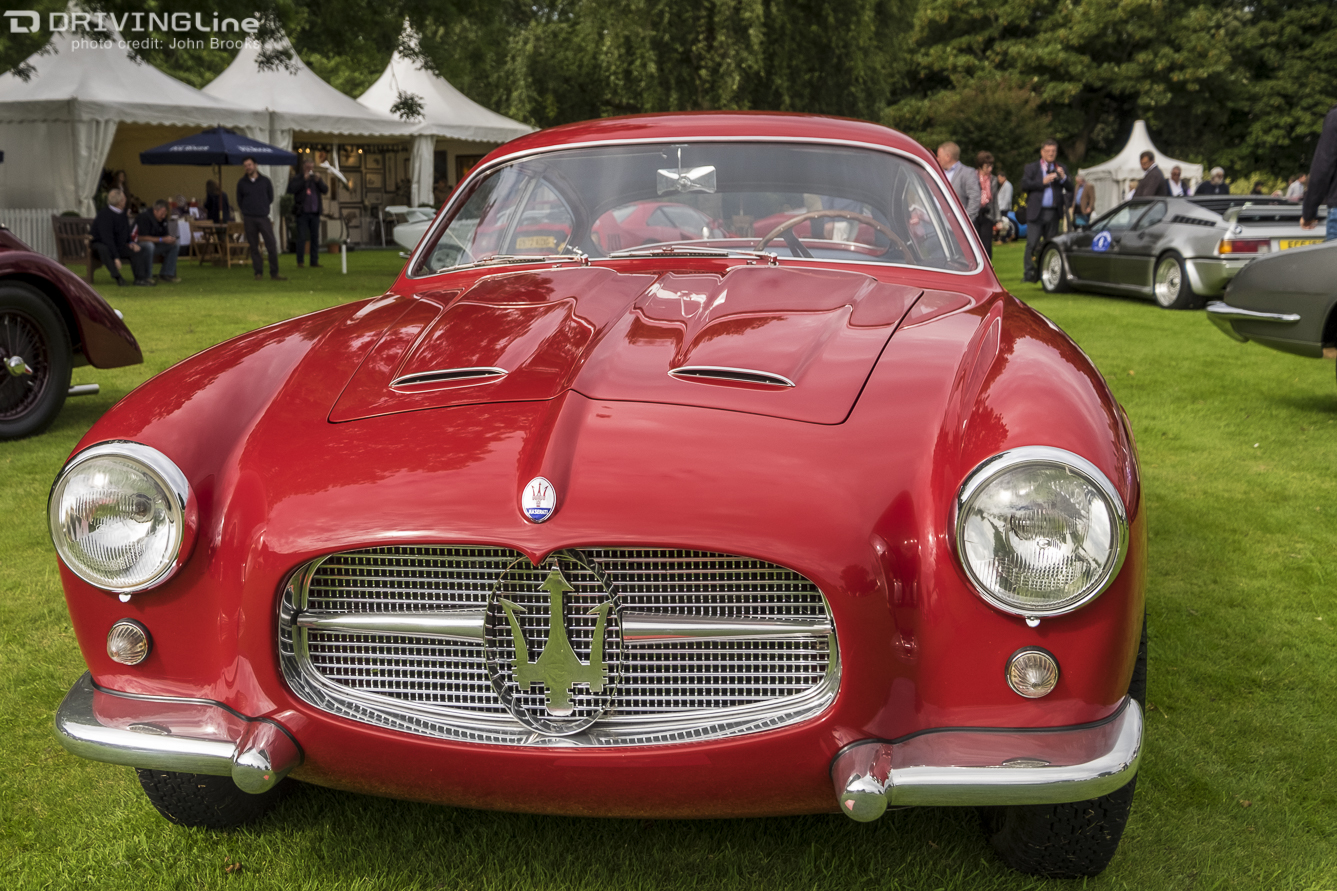
One of the earliest of Maserati’s road cars is this A6G 2000 Coupé styled by Zagato. This was a “thinly-disguised racer for the road” with an eye-catching front grill and graphics, stripped out to save weight with an aluminium body. The 2 litre engine was beginning to be perceived as under-powered and the following year the Trident launched its first big road car success with the 3500 GT, with an engine nearly twice the size.

2015 JB General


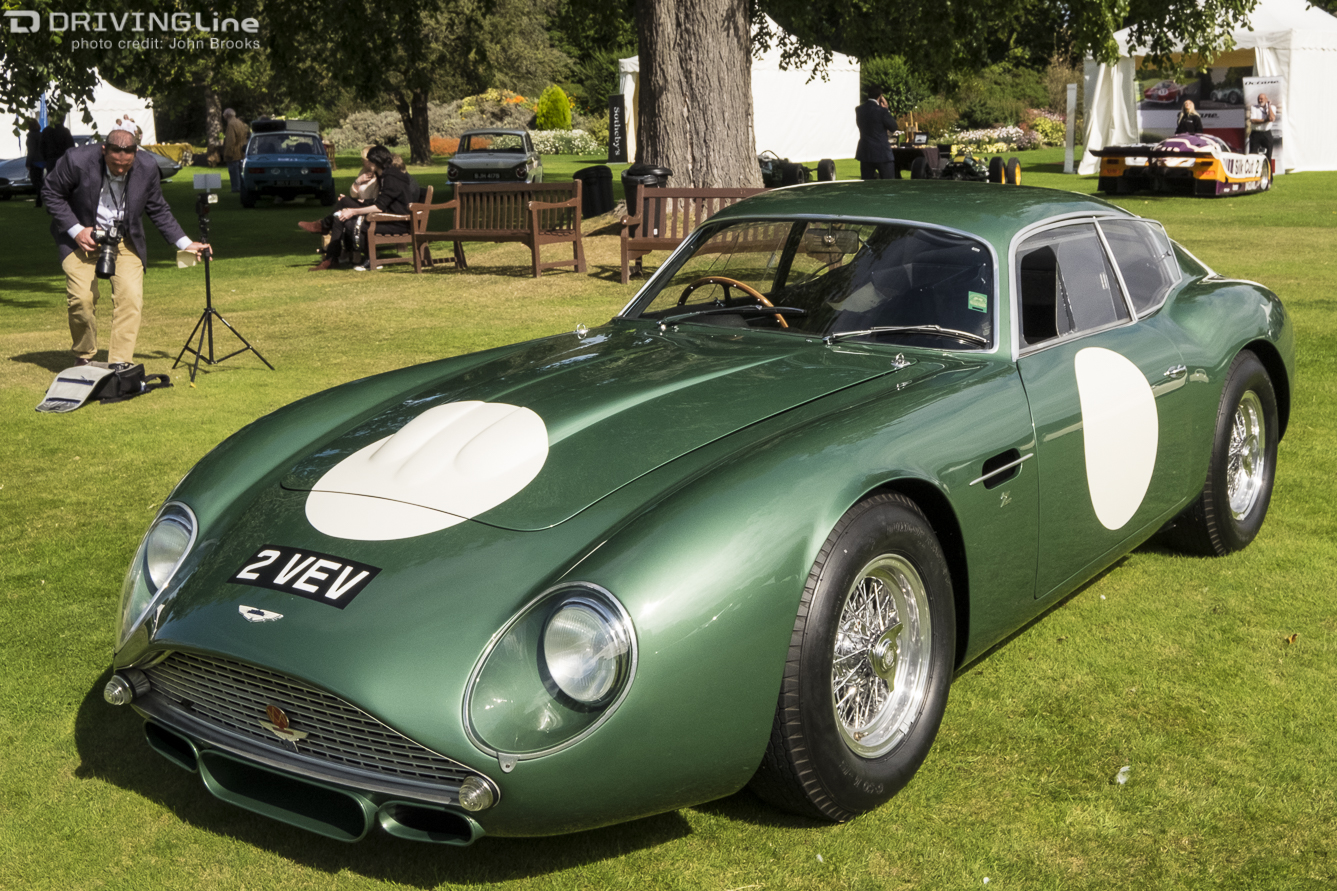
One of Zagato’s finest and most famous creations in almost a century of trading is the Aston Martin DB4 GT Zagato which has iconic status amongst followers of the English marque. John Ogier’s Essex Racing Stable with assistance from the Aston Martin factory entered “1 VEV” and “2 VEV” in the 1961 Le Mans 24 Hours, both cars retired early in the race with head-gasket failure. “2 VEV” was heavily crashed at Spa later in the year, having been loaned to Equipe National Belge at the request of Aston Martin. It was rebuilt only to be wrecked again in ’63 at Goodwood. Following a road crash in 1993 it was restored to original specification and now appears on at special events such as Aston Martin’s centenary celebrations.

2015 JB General


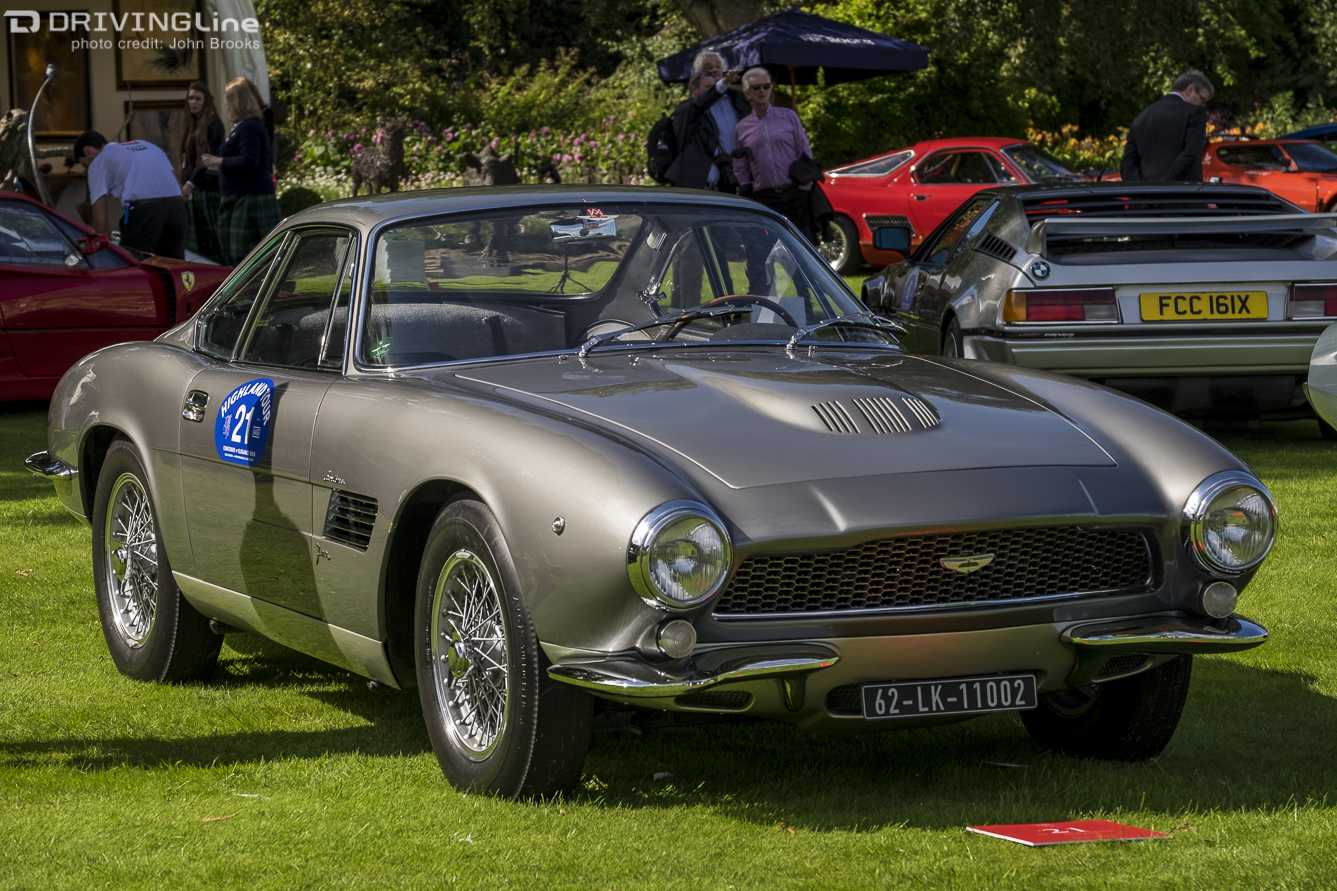
The Aston Martin DB4 GT was also the platform for this Bertone take on the car. Once again the work of Giorgetto Giugiaro this excercise nicknamed “The Jet” was the sensation of the 1960 Geneva Salon. The last of the DB4 GT production run was the basis for this extraordinary vision.

2015 JB General
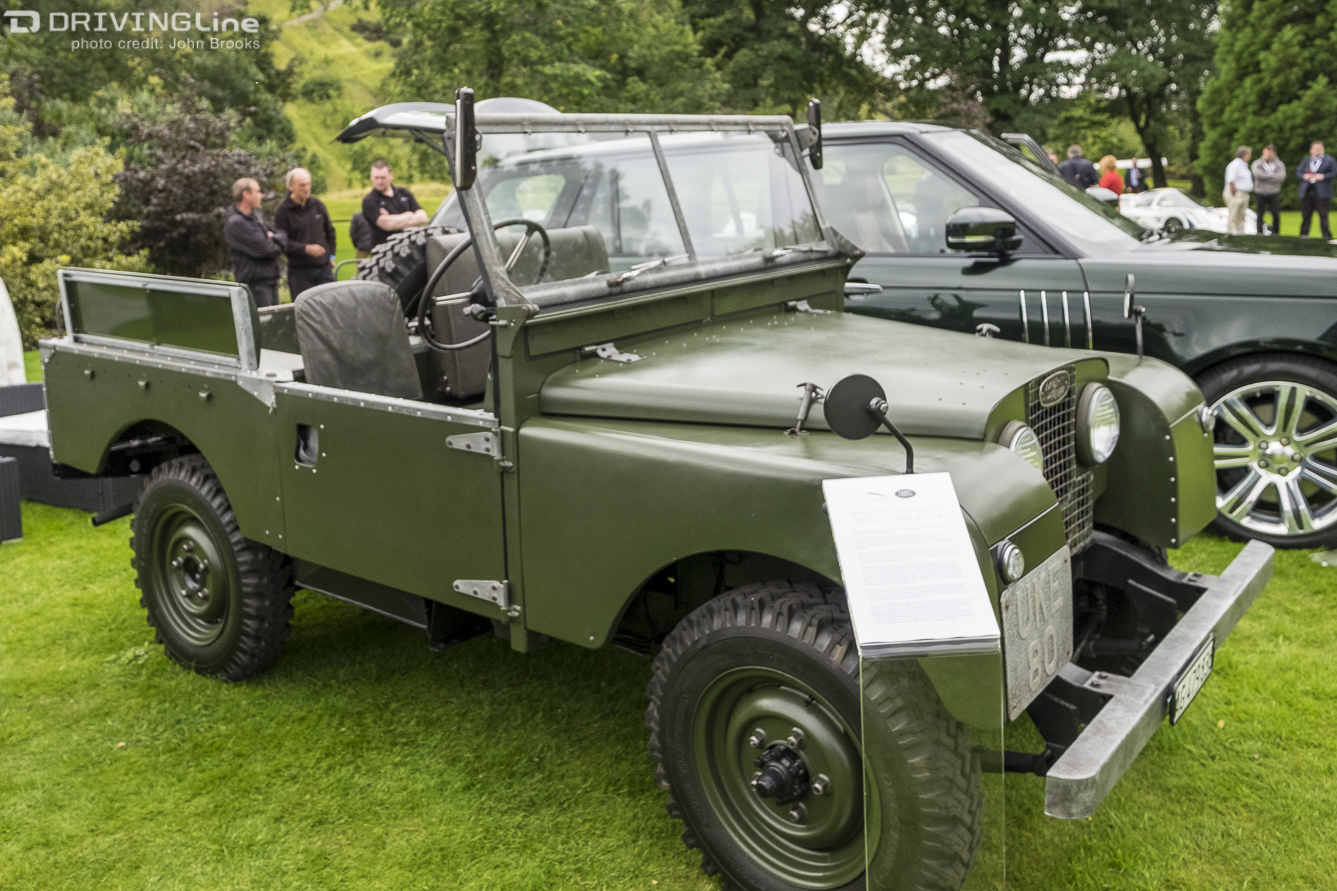
The final choice of my best in show is not even an entrant in the Concours of Elegance but is Series 1 Land Rover that was a gift from the company to Sir Winston Churchill on the occasion of his 80th Birthday. It is quite the antidote to all the rich fare at the Concours, more in keeping with my own motoring level.

image010


The Concours of Elegance held at the Palace of Holyroodhouse was a grand affair in keeping with the previous events, the quality of the cars on show was fantastic, the biggest challenge is the keep up the standard in twelve months time, I hope to be there to judge.

John Brooks, February 2016
Photography by the author, additional images copyright and courtesy of Concours of Elegance.

The Regent Street Experience

f212d09a-1d90-4c37-84f3-a5546d77ec61

Great Britain’s capital, London, has a fair number of landmarks that are famous all over the globe. Buckingham Palace, St. Paul’s Cathedral, the Houses of Parliament are examples of this notoriety, so is Piccadilly Circus. If one heads north from the statue of Eros, the centrepiece of the latter, it will be along Regent Street, one of the major shopping streets in the West End of London. It was named after the Prince Regent (later George IV) and is associated with the architect John Nash, whose street layout survives, even if all bar one of his creations have vanished.

de3c0dad-55af-4a6b-a087-3a26eaa8f4a9

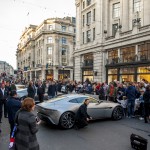
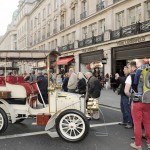
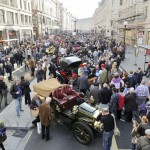
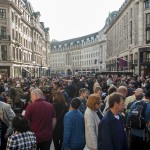
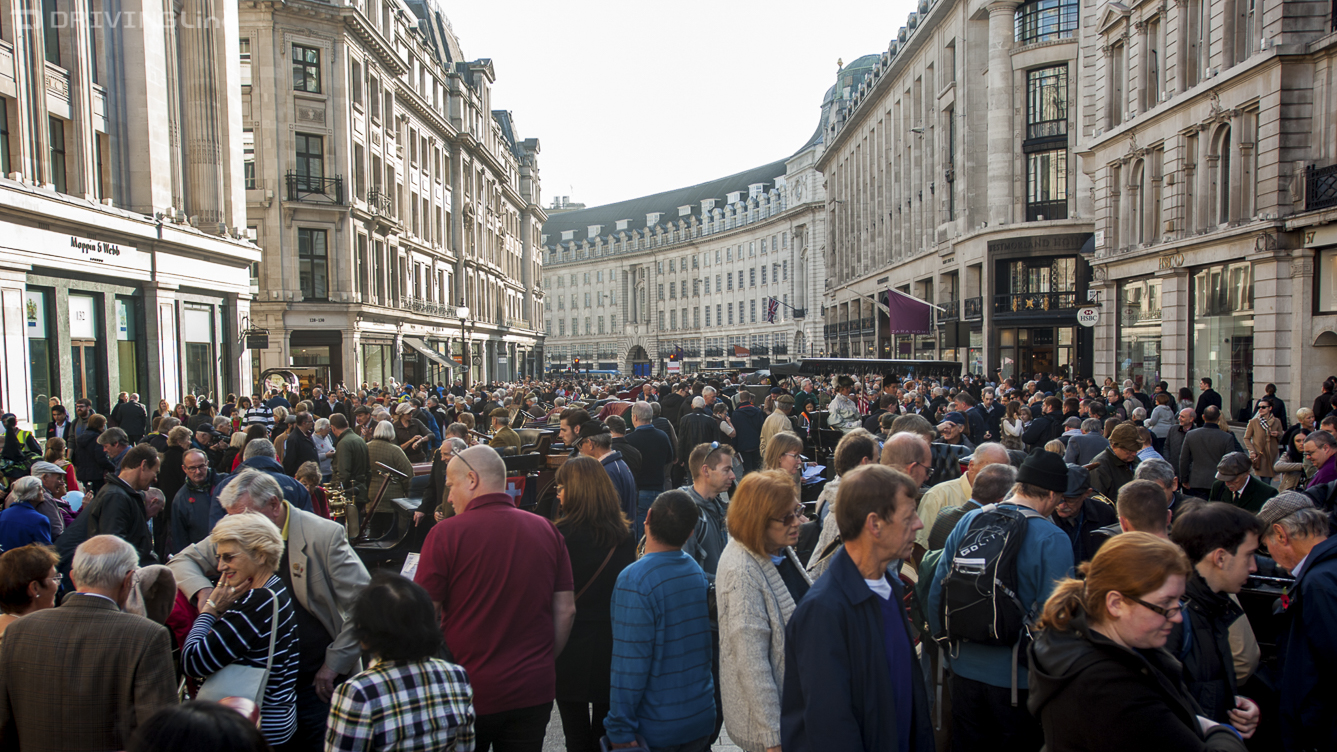
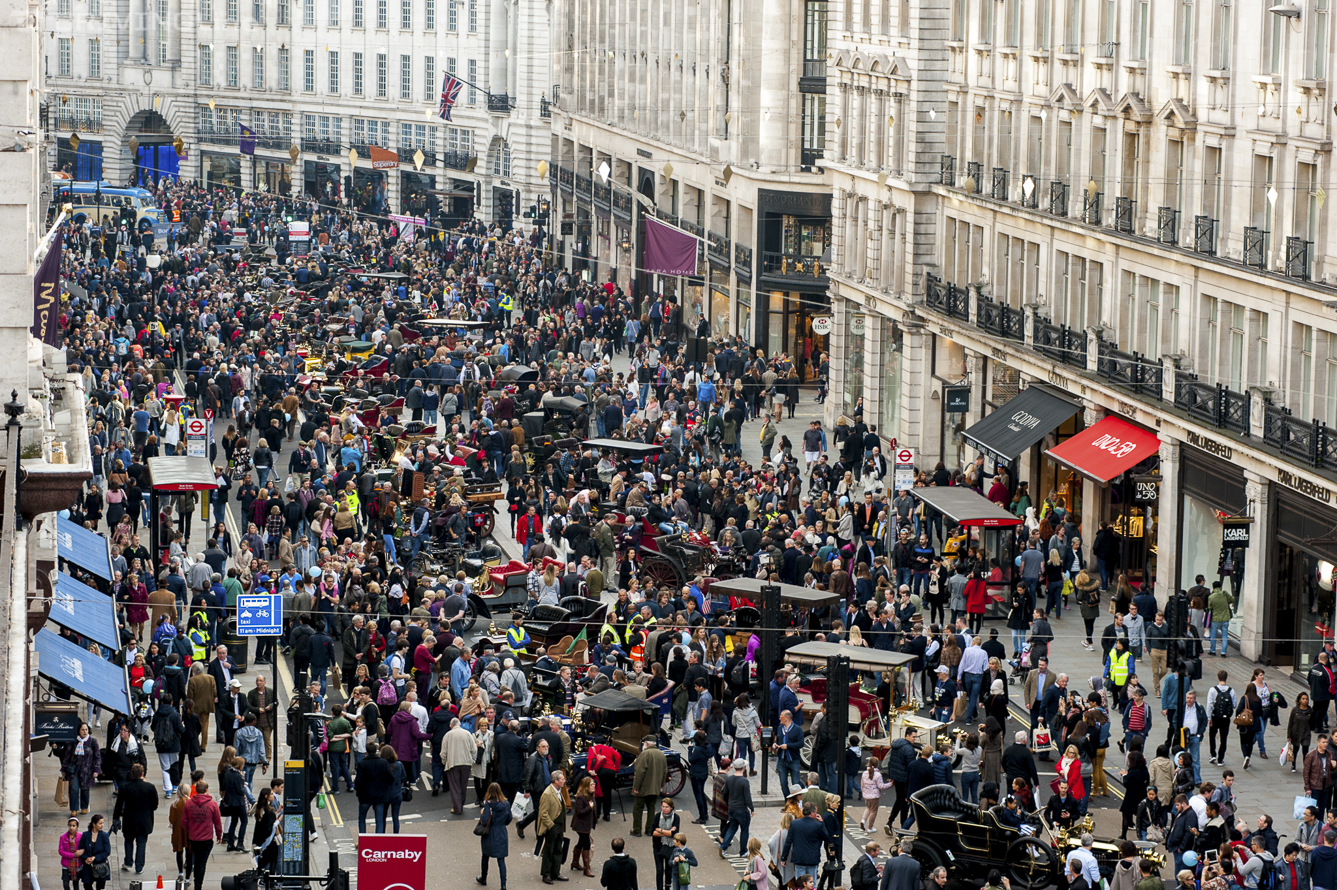
Busy as this tourist boulevard is, the last Saturday of last month it was closed to traffic from Piccadilly Circus to Oxford Circus for the Regent Street Motor Show. This festival is part of a week-long celebration of cars, The London Motor Week, promoted by the Royal Automobile Club. The organisers claim that hundreds of thousands attended on Saturday, it certainly was busy and the clement weather will have tempted out the crowds.

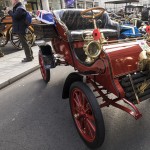
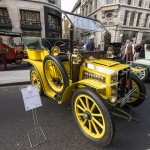
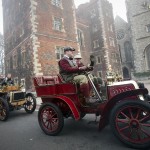
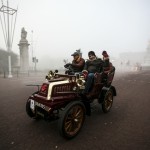
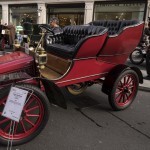
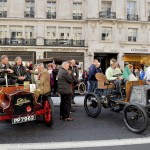
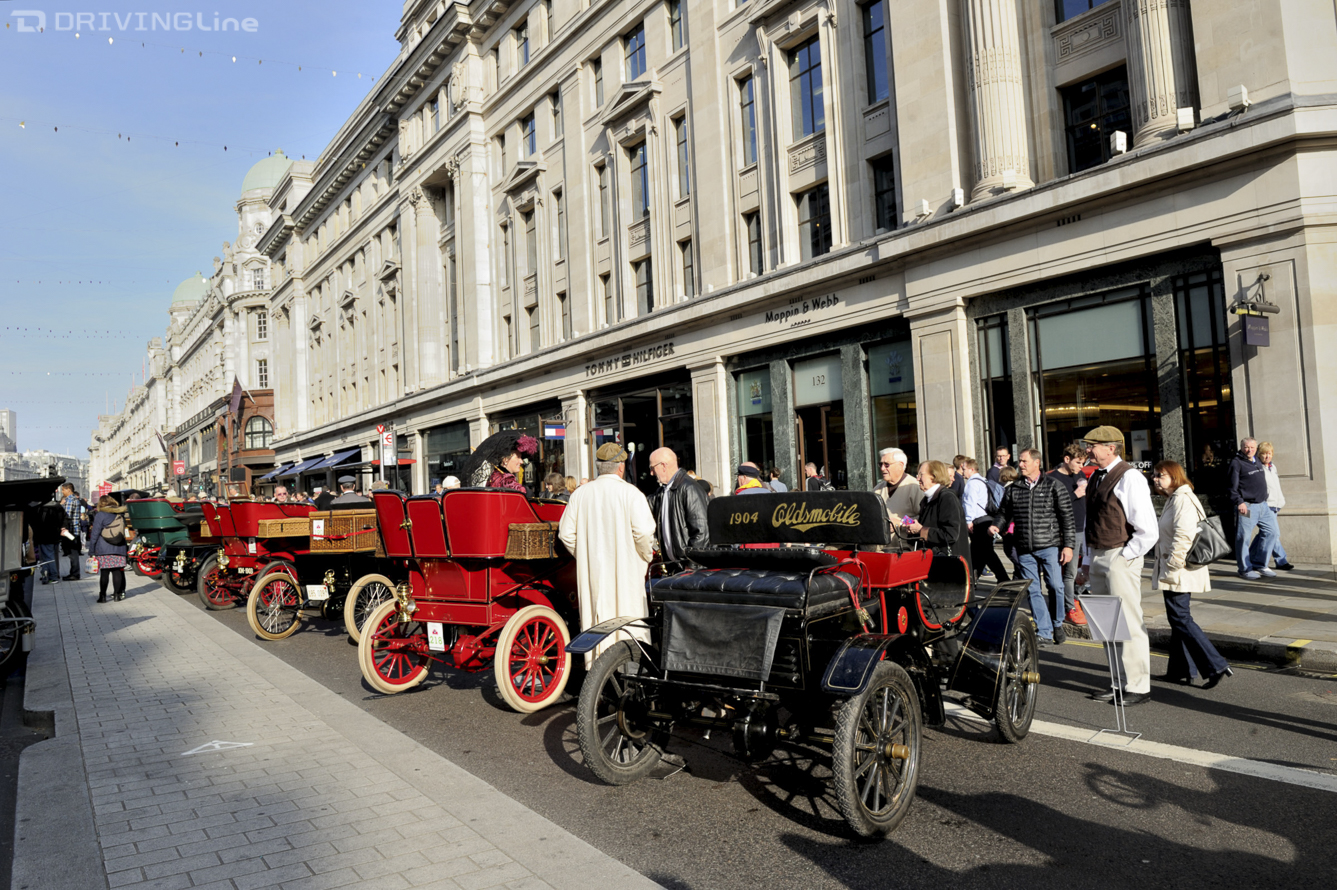
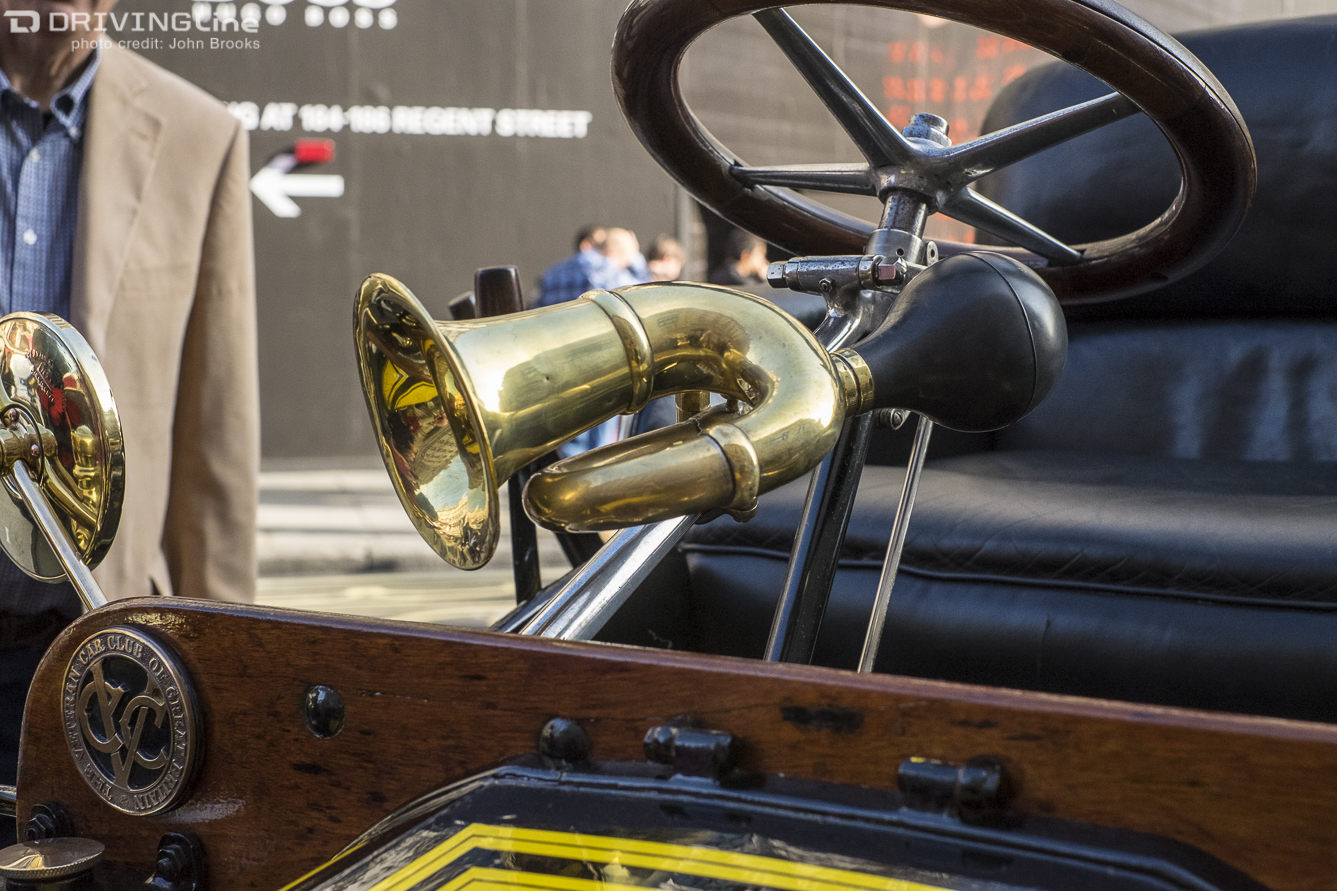
The central attraction on display was a collection of around 100 cars due to take part in 2015 London to Brighton Veteran Car Run, the following day.

2015 JB General

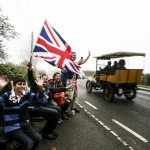
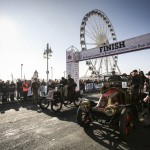
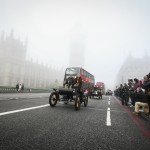
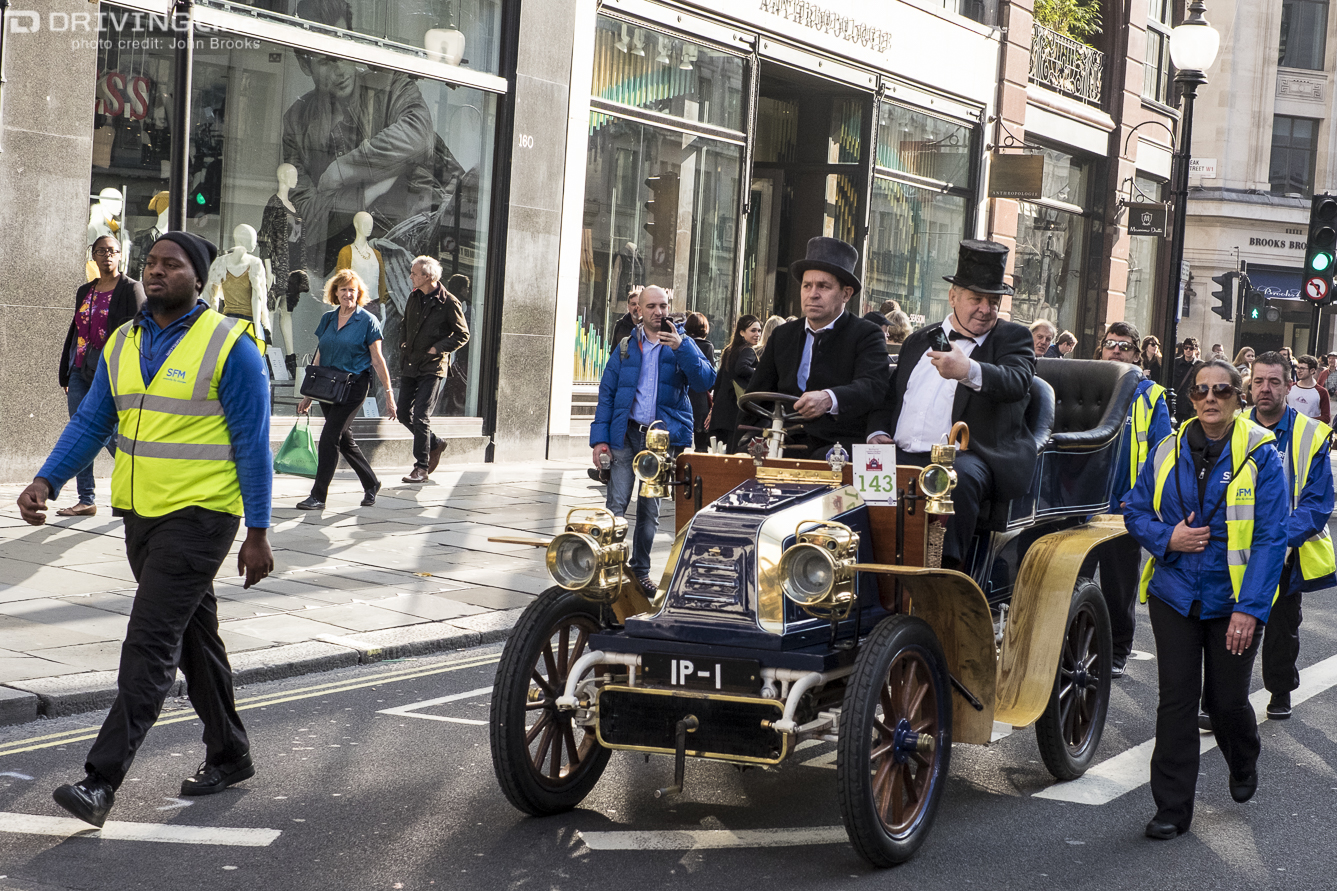
The trip from London to the South Coast’s largest city is now the world’s longest running motoring event. First held in 1927, it is a re-enactment of the original Emancipation Run, which was held on 14th November 1896 to celebrate the passing into law of the Light Locomotives Act which raised the speed limit to 14mph and removed the need for a person to walk in front of a mechanised vehicle waving a red flag to warn other road users. The irony of the Health & Safety Regulation-driven use of marshals to escort the cars to their assigned parking spots was obviously lost in translation………ah well.

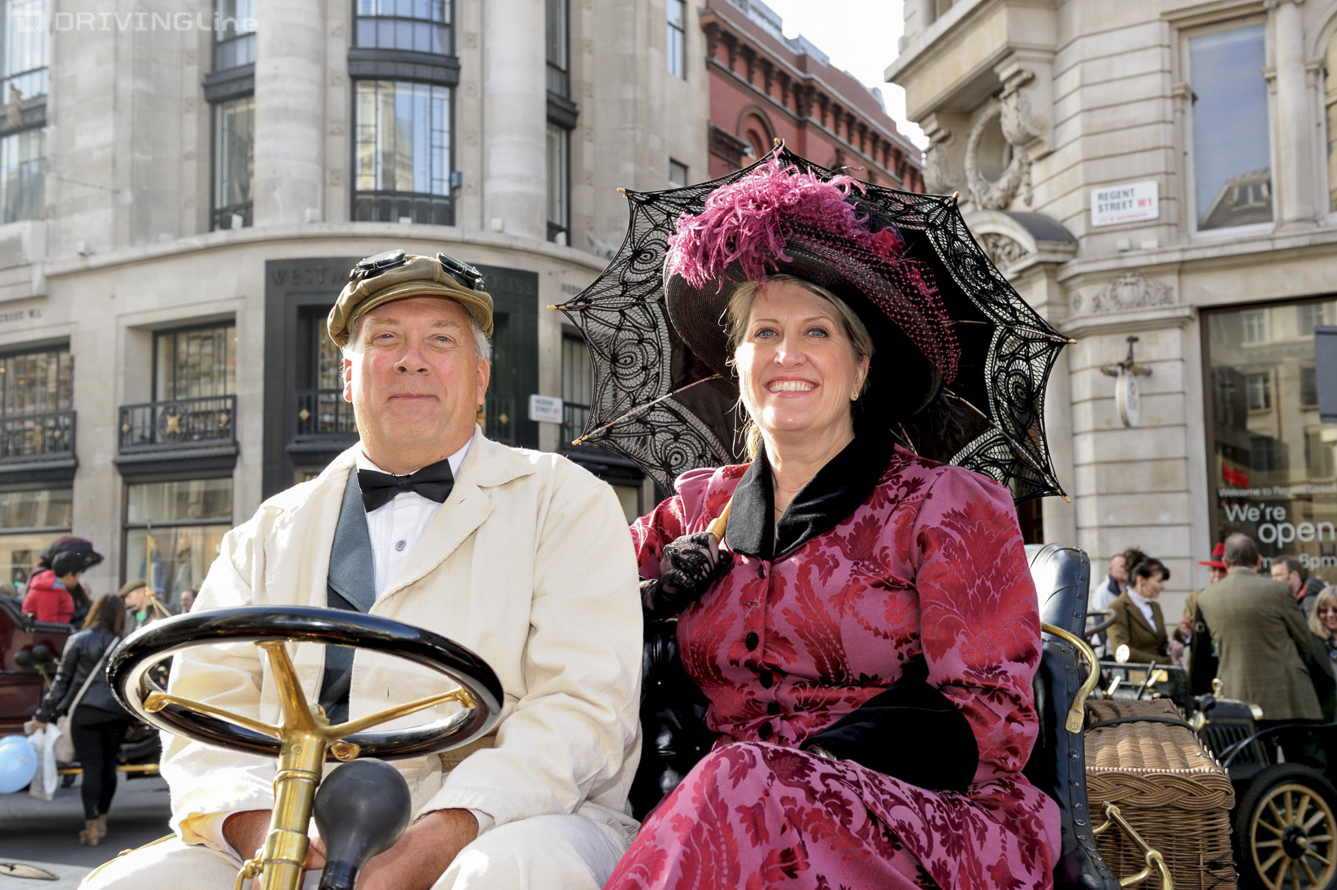
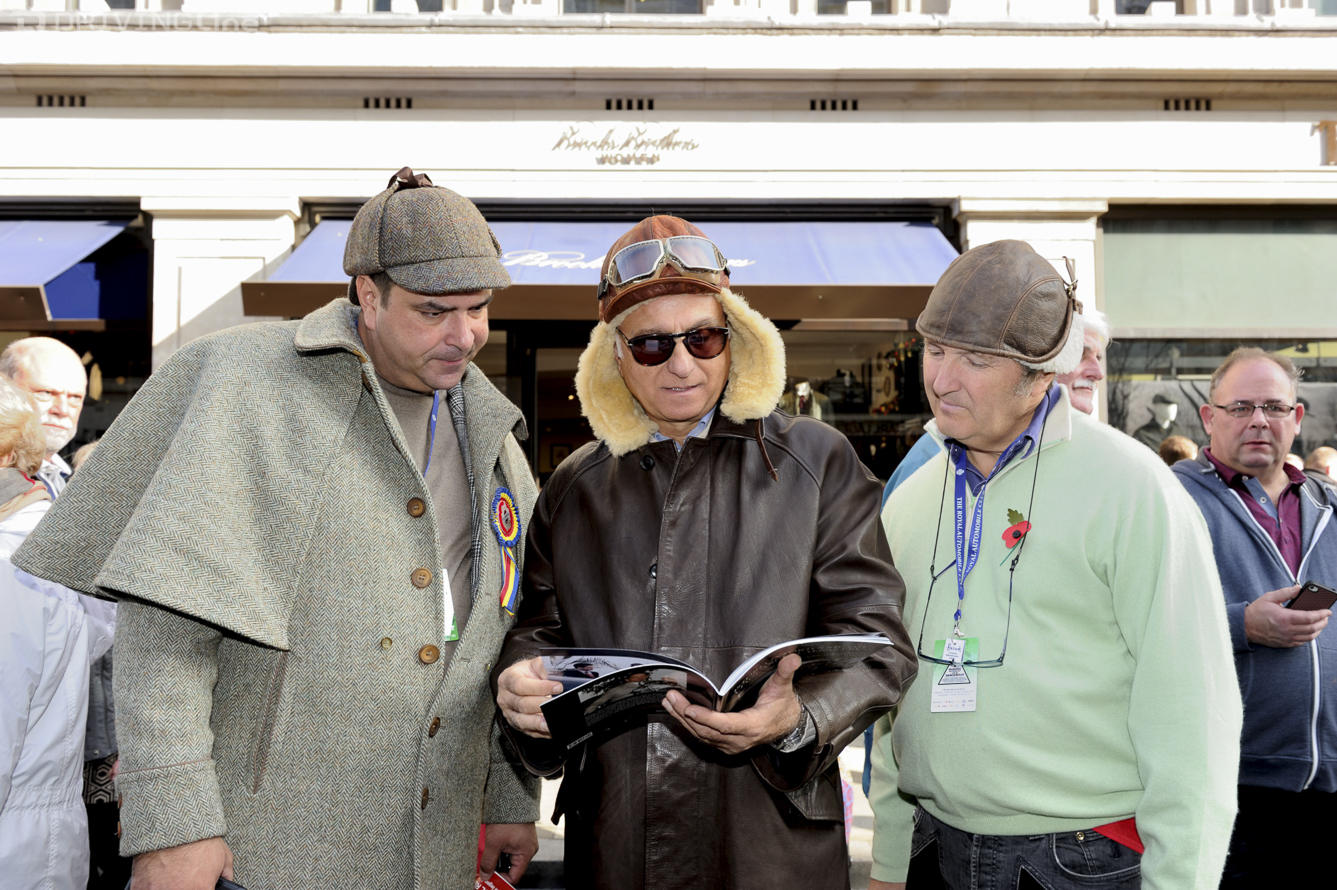
The participants for the run were from all over the world, accents from Australia, New Zealand mingled with distinctive American twangs, the veteran car fraternity are a cosmopolitan bunch who really get into the spirit of the event with period costume, it is automotive street theatre.

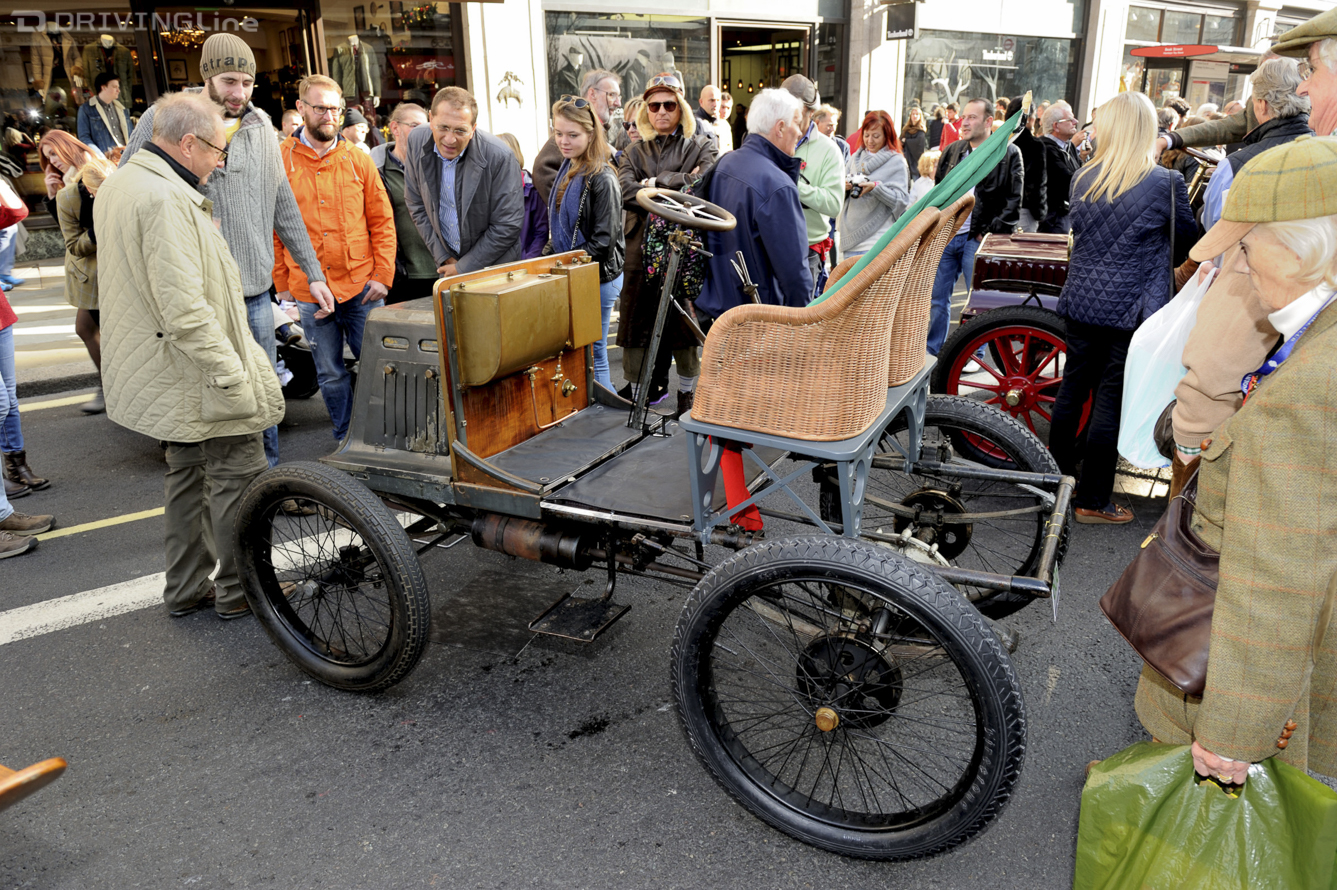
This group of Italians had quite a tale to tell about their Isotta Fraschini dating back to 1902. For those of you who have not heard of this fine Italian car company they produced luxury limousines that were much sought after by stars of Hollywood and the like in the ’20s and ’30s. However the destruction of the global economy following the Wall Street Crash and The Depression and the militarisation of Italy under Il Duce, Benito Mussolini, meant that both production and sales dwindled.

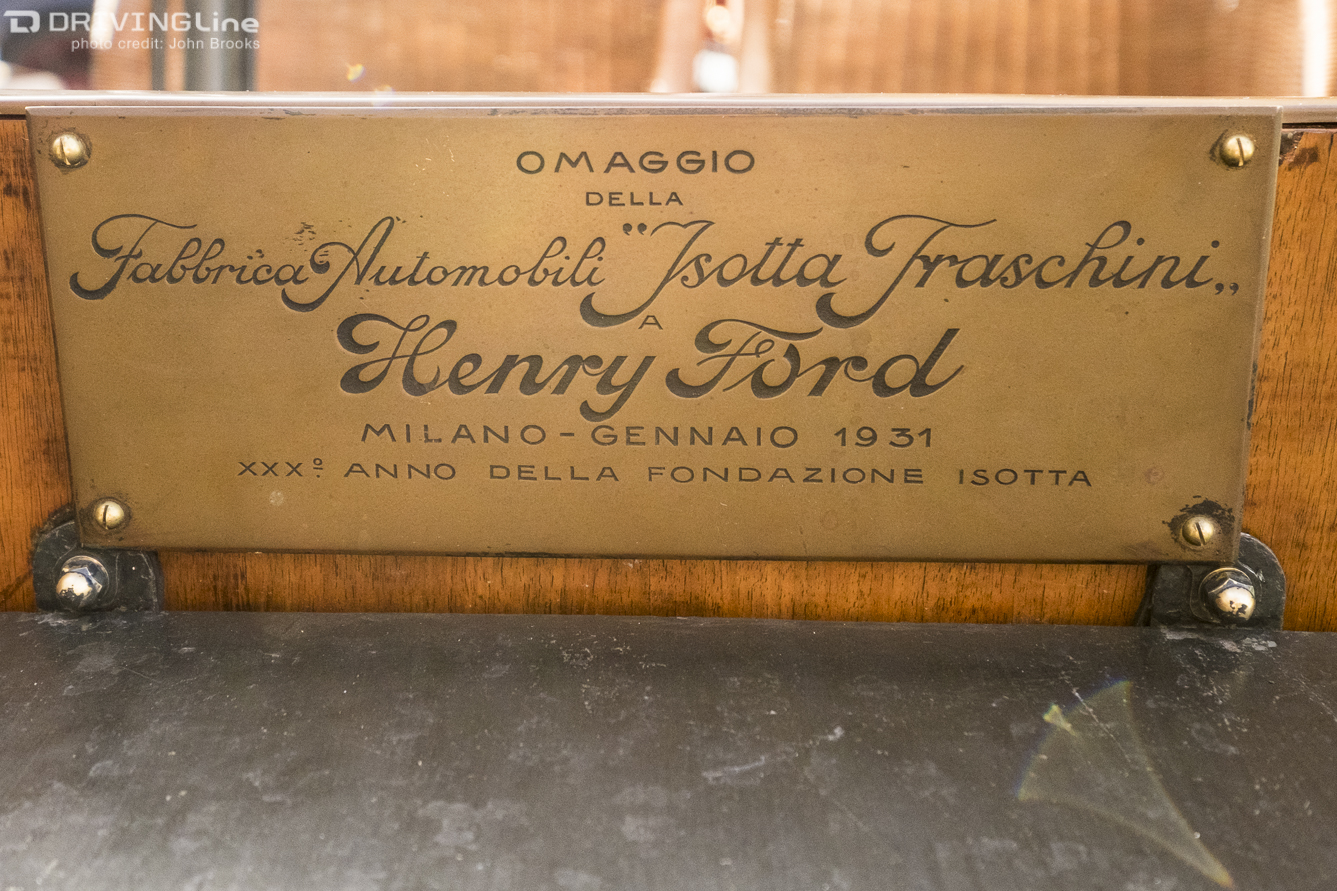
Back in 1931 Henry Ford considered a plan to build a major Ford Motor Company plant in Italy, actively encouraged by Il Duce. As part of the incentives offered, Mussolini “encouraged” Isotto Fraschini to donate the first car they produced to Ford’s museum.

2015 JB General

Unfortunately for the Italian dictator and Ford as soon as Fiat got wind of this plan to install one of their major rivals on home ground the scheme was halted in its tracks. The car sat in the museum until Italy declared war on the USA following Pearl Harbor. It was removed from display and lost in a storage unit for over half a century. It has now been repatriated to Italy in the hands of a collector, a happy ending.

2015 JB General

The populace is regularly told that electric powered cars are seen as the next best thing, well as long as we ignore where the electricity to charge the batteries comes from, assuming it is a form of fossil fuel. That issue will be solved in due course. Certainly great progress is being made on hybrid energy recovery systems and motor sport is contributing to this cutting-edge technology in Endurance racing and Formula One.

2015 JB General

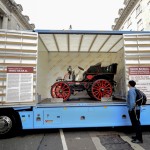
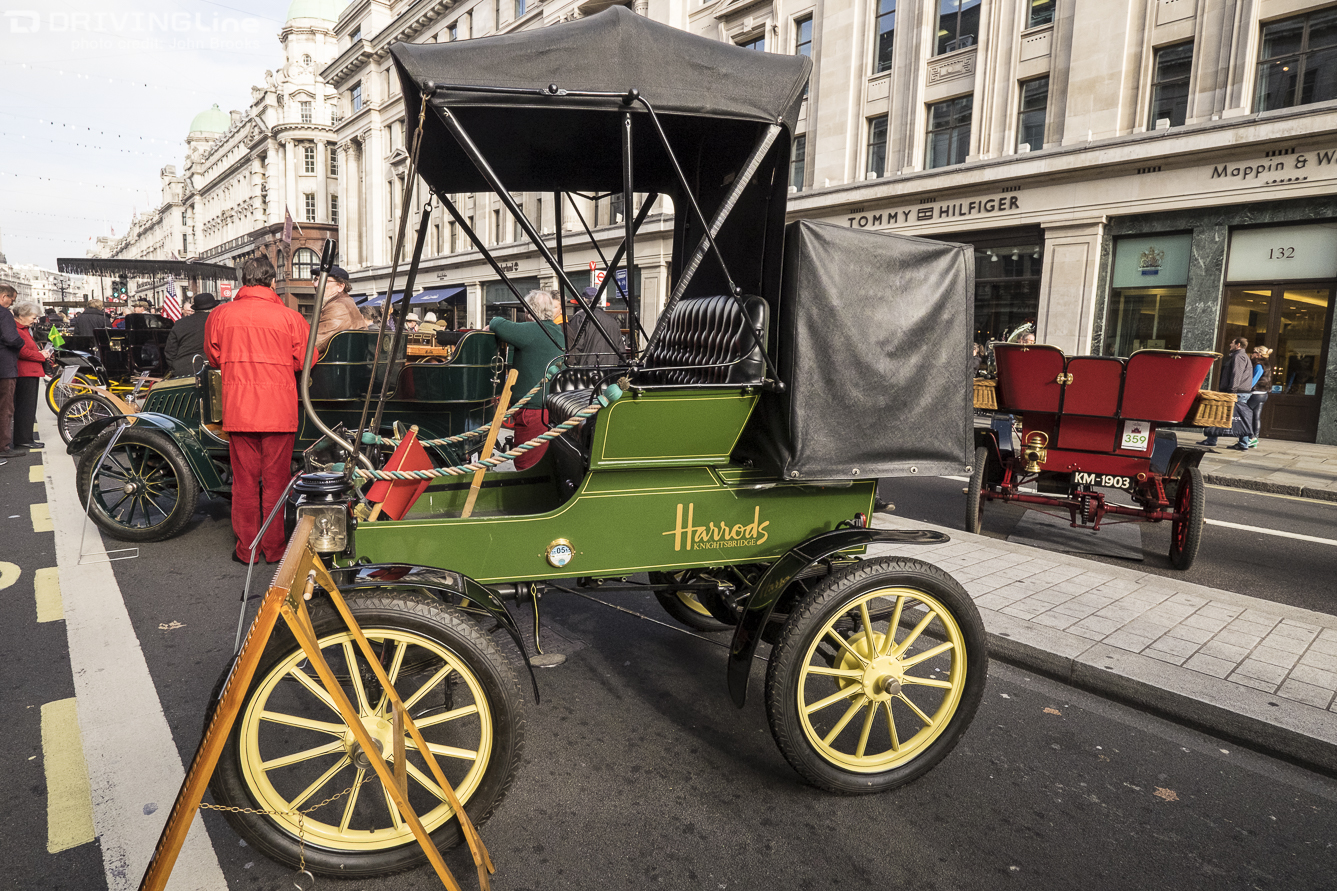
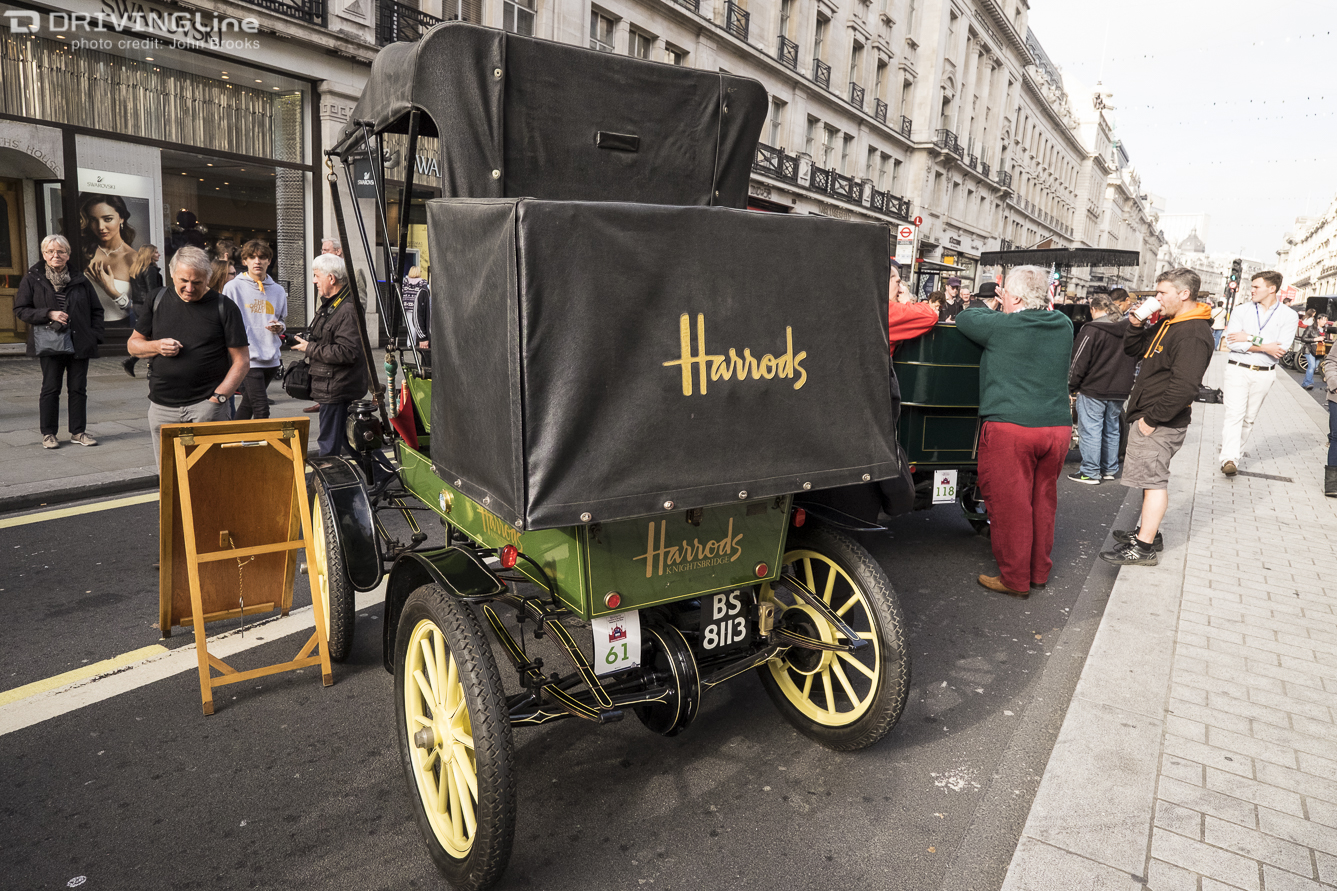
The famous London department store, Harrods, was using electric vehicles back in 1904. This Pope Waverley was built in Indianapolis in 1899 and imported into the UK a few years later. It was used by Harrods for local deliveries to the palaces and great houses that were close to Knightsbridge. Harrods continued to use electric delivery vehicles for many years subsequently. They designed and built their own version, constructing a fleet of 60 vans between 1938 and 1941.

The above vehicle was taking part in the London to Brighton Run and it was estimated that four changes of battery would be required to complete the route’s 54 miles.

79df7a1f-6beb-4baa-876d-91288f9d0a82

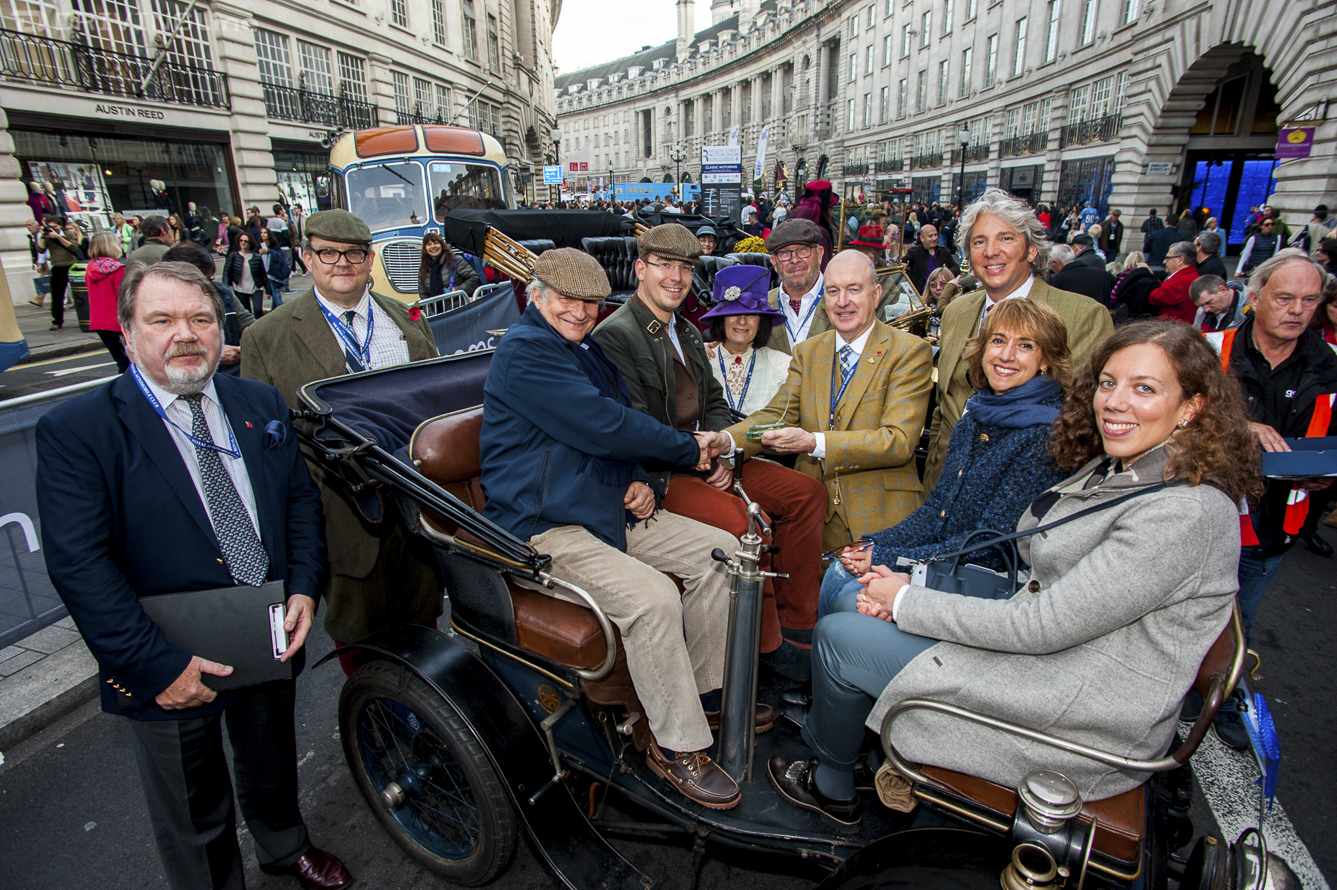
Anywhere classic cars are gathered there will be a concours, here are the judges, one of whom is Grand Prix legend, Ross Brawn. Brawn has amassed a fine collection of cars down the years with his major contribution to teams like Ferrari and Honda. He is the proud owner of a 1904 Wilson-Pilcher that he has run twice in the London to Brighton.

7b1c8df5-02e5-45c9-a09b-f26ba4a2b9e5

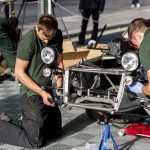
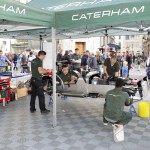
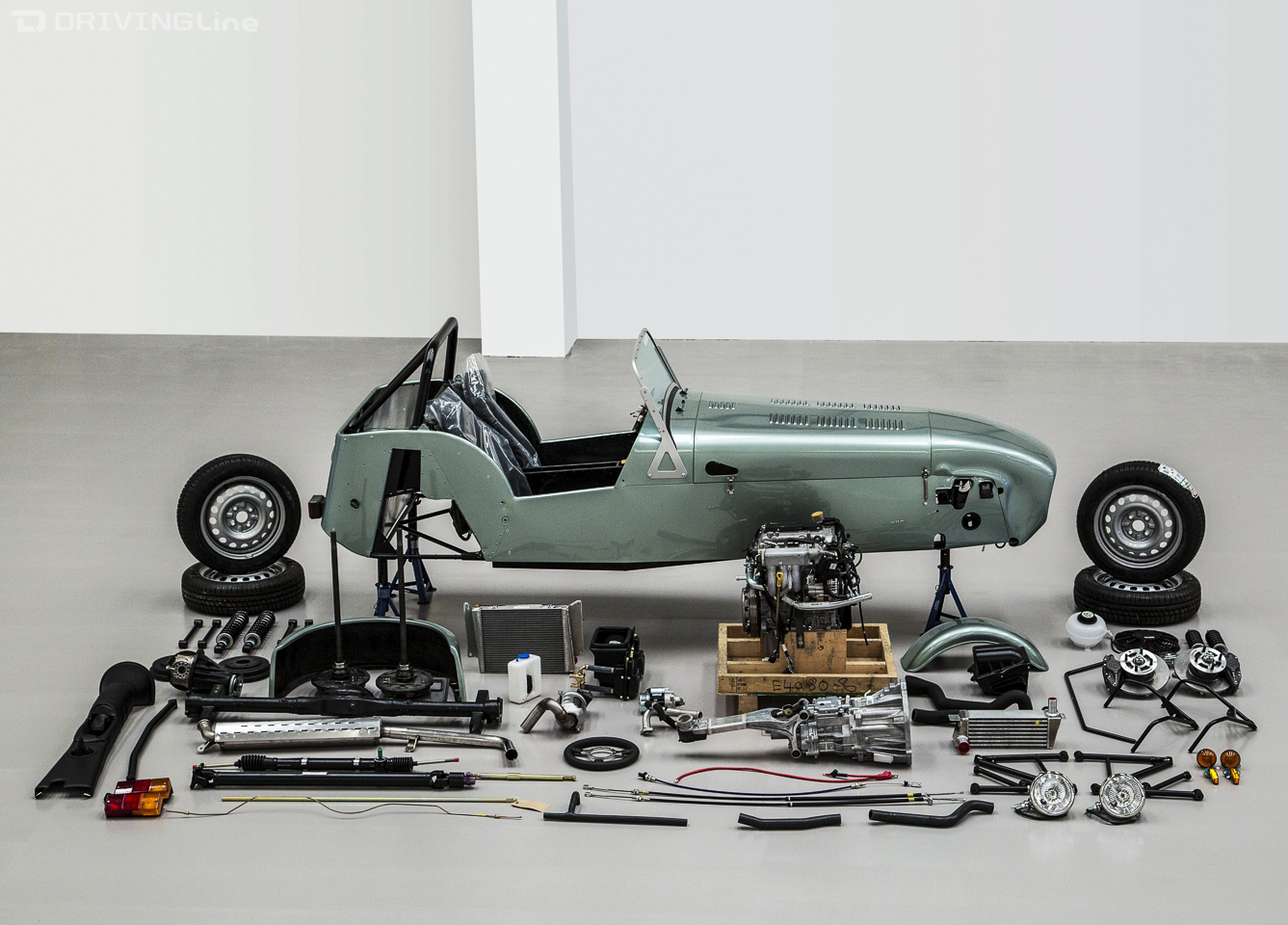
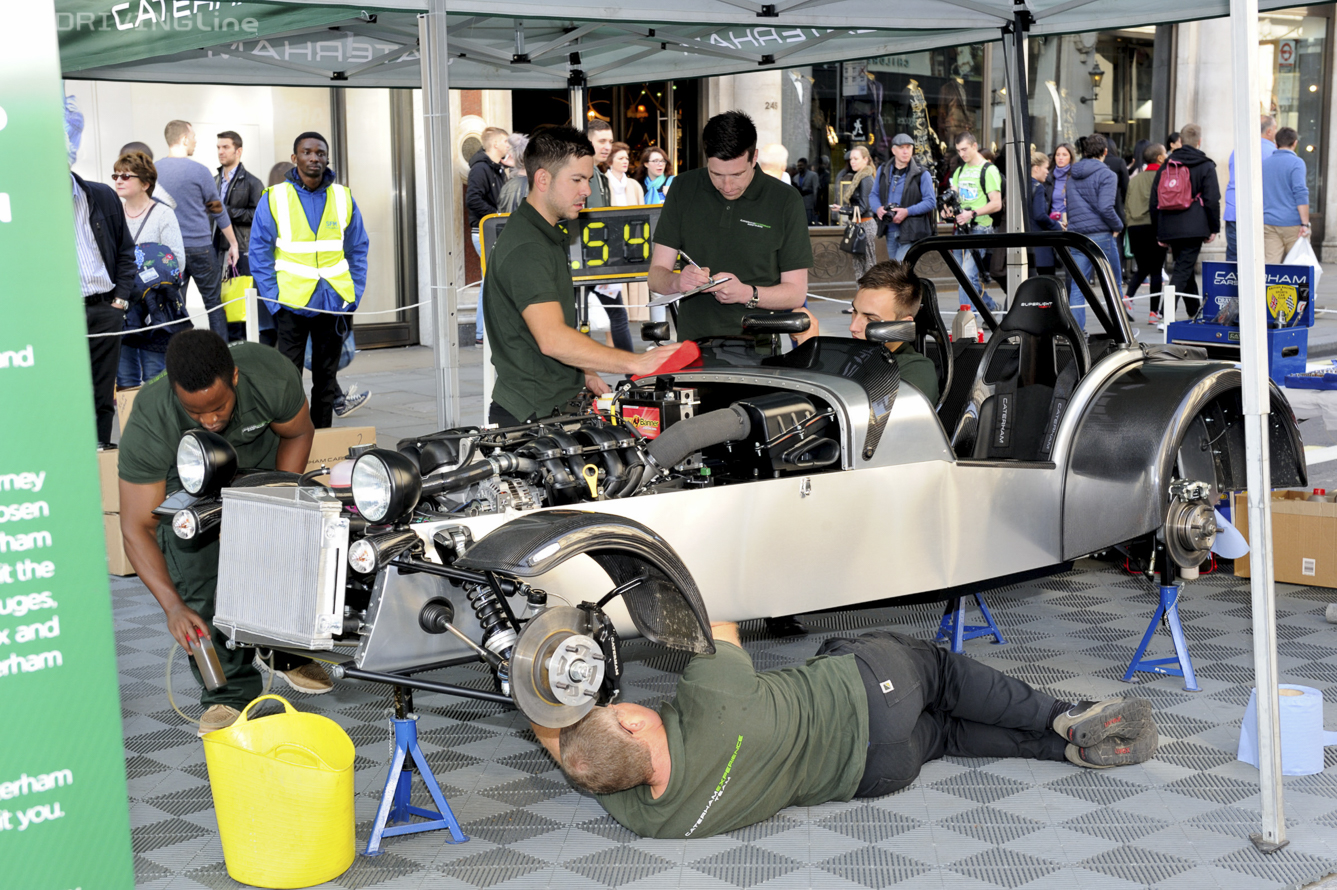
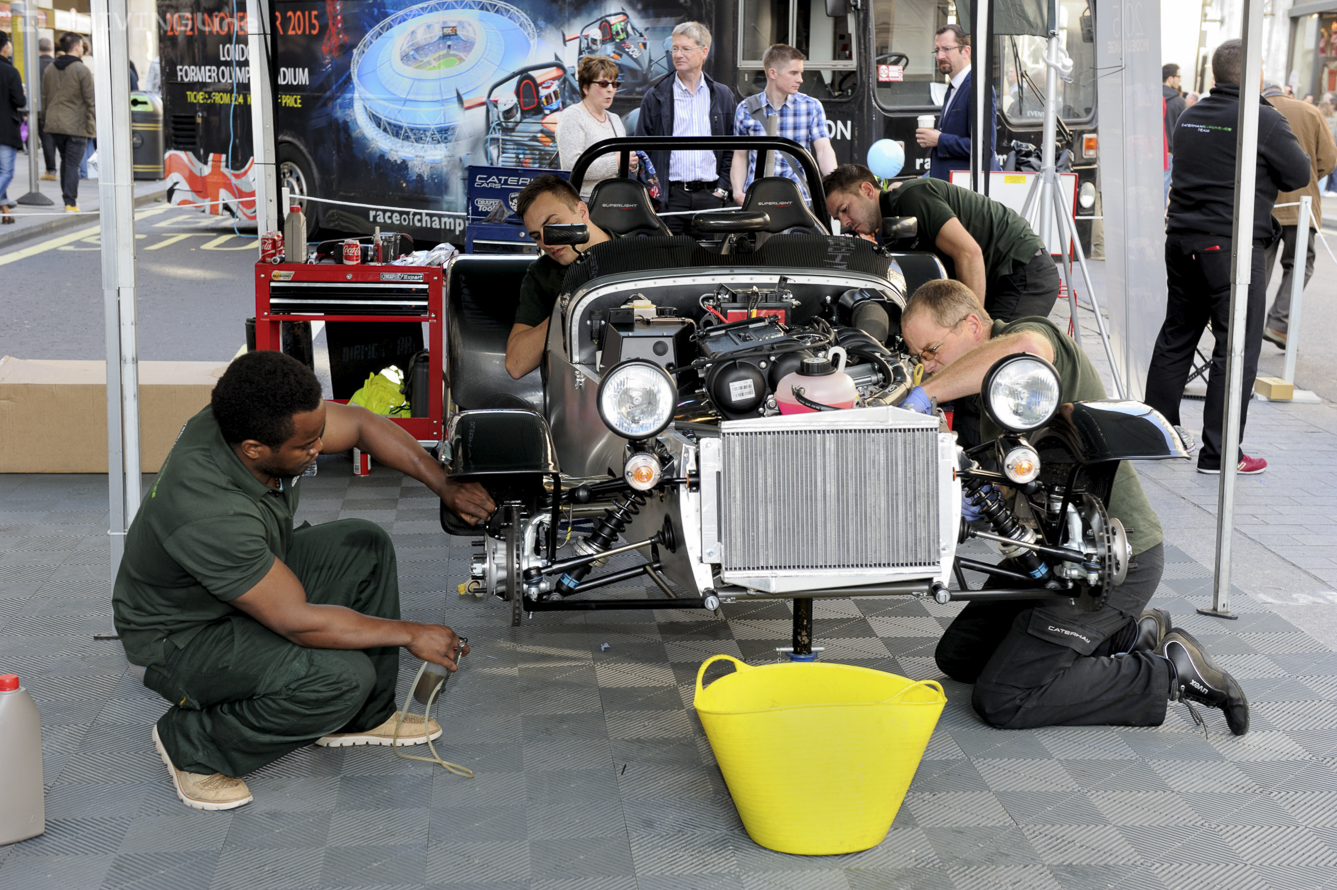
The Regent Street Motor Show featured other, more contemporary aspects of motoring. Would you fancy turning this pile of bits into a working car? In less than six hours? In front of the public? Well Caterham did.

Actually four of Caterham’s engineers did. Why? Over half of the Caterham Sevens sold in the UK are for self-assembly. This dates from ’50s when sportscars such as the Seven were sold in kit form to avoid Purchase Tax, which could save up to 33%. To get round the rules the kits were supplied with a “Disassembly Book”. Customers had to follow these instructions in reverse……………

There are no such problems these days. The dynamic four managed to complete the task in under five hours, which is impressive.

2015 JB General

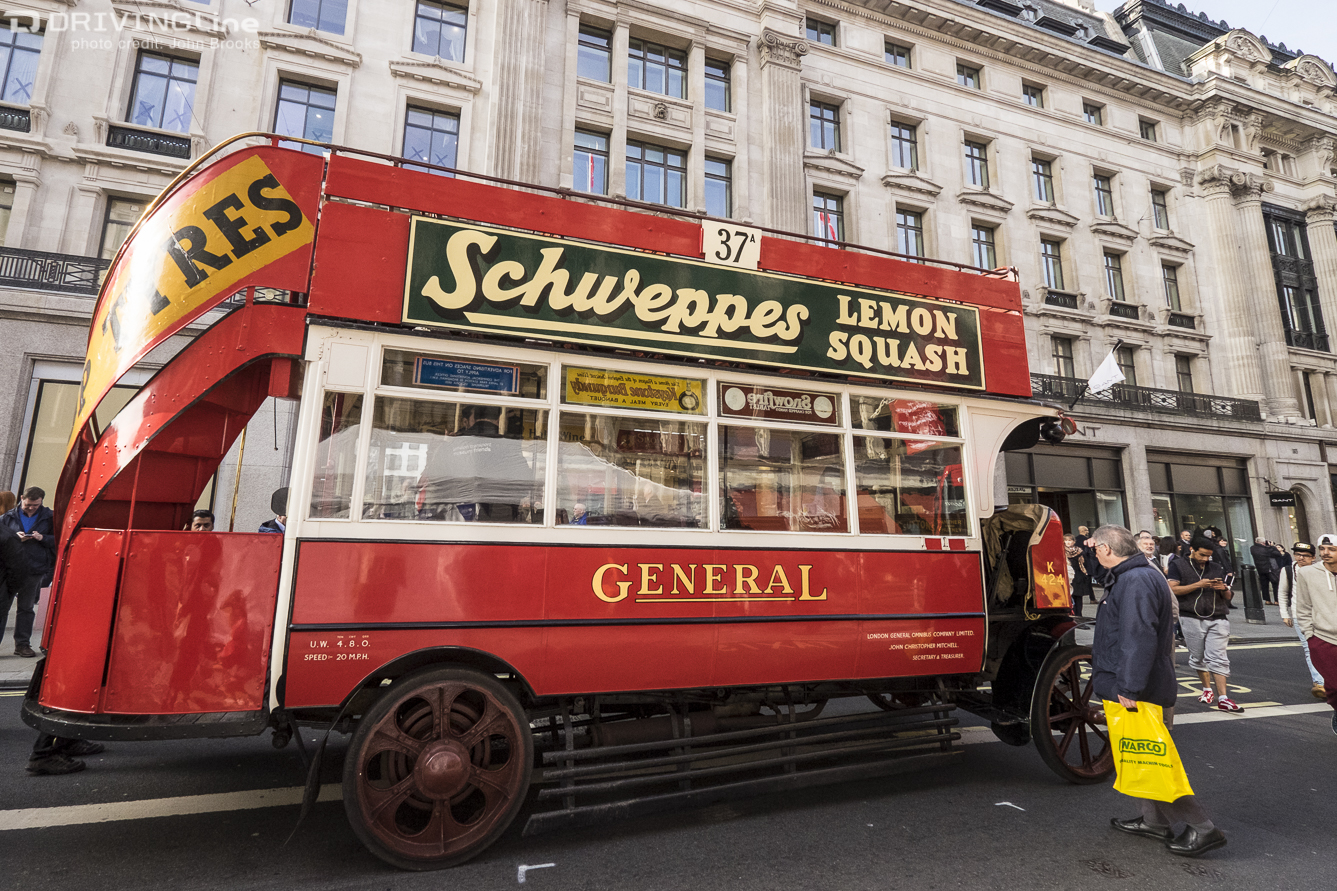
Like most major cities London suffers from congestion and pollution that blights the lives of all who experience it. Transport for London are tasked with improving London’s air quality and aim to have the greenest bus and taxi fleet of any city. They had on display one of their new electric buses and also one of their oldest buses as well.

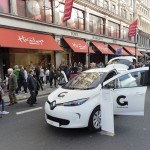
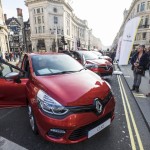
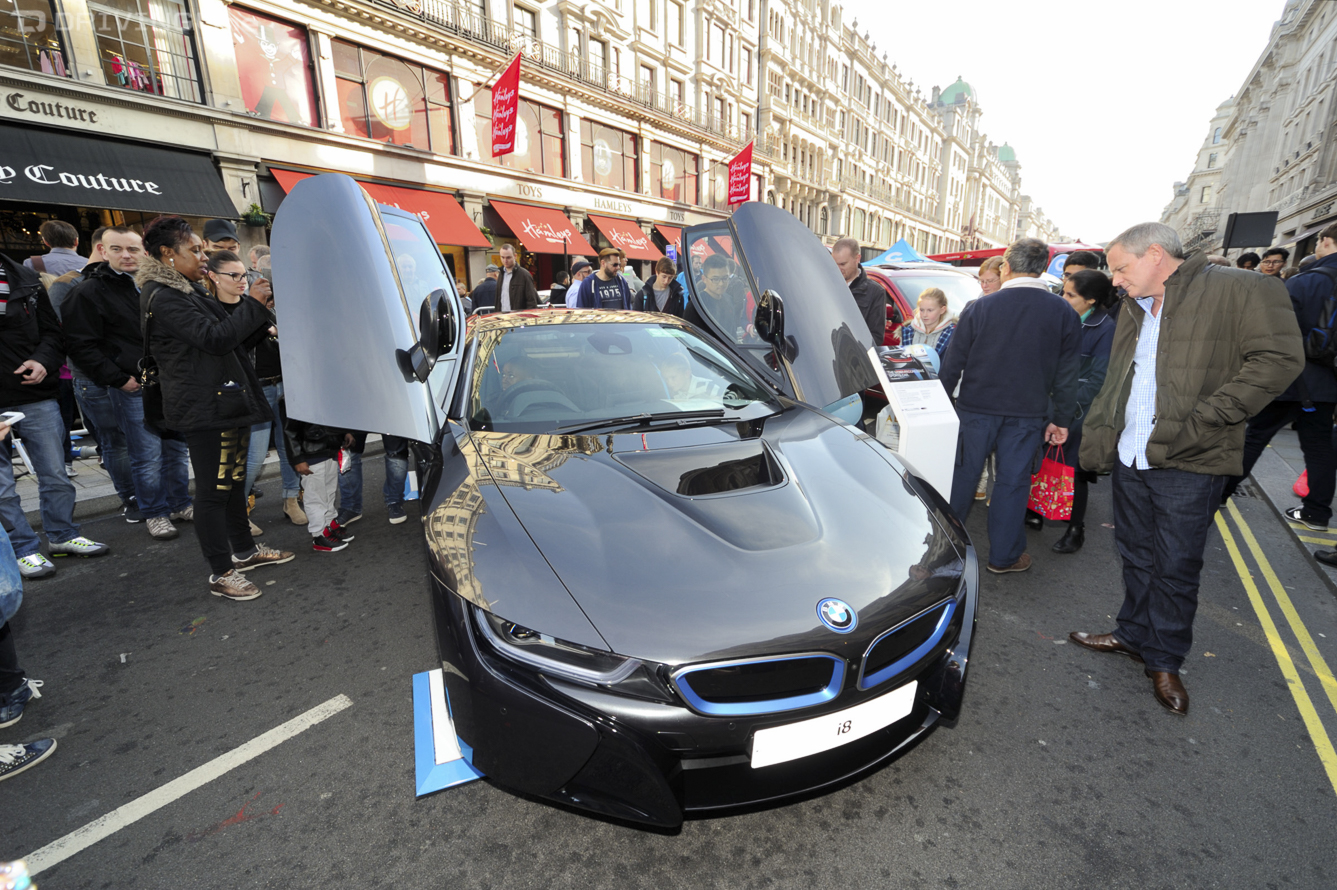
Forming part of this initiative a Low Emission Motoring Zone has been introduced to regulate older lorries and vans. There is a substantial tax ($300 per day) for using vehicles that have not been modified to reduce emissions while operated in Central London. In addition to this as of 2020 there will be an Ultra Low Emission Zone in force in the heart of London with charges payable on a daily basis for non-compliant vehicles. Manufacturers such as BMW, Mitsubishi, Toyota and Renault brought along their latest products to Regent Street to show their solutions to this issue. The star was undoubtedly the BMW i8, Munich’s dramatic hybrid Grand Tourer.

2015 JB General

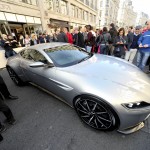
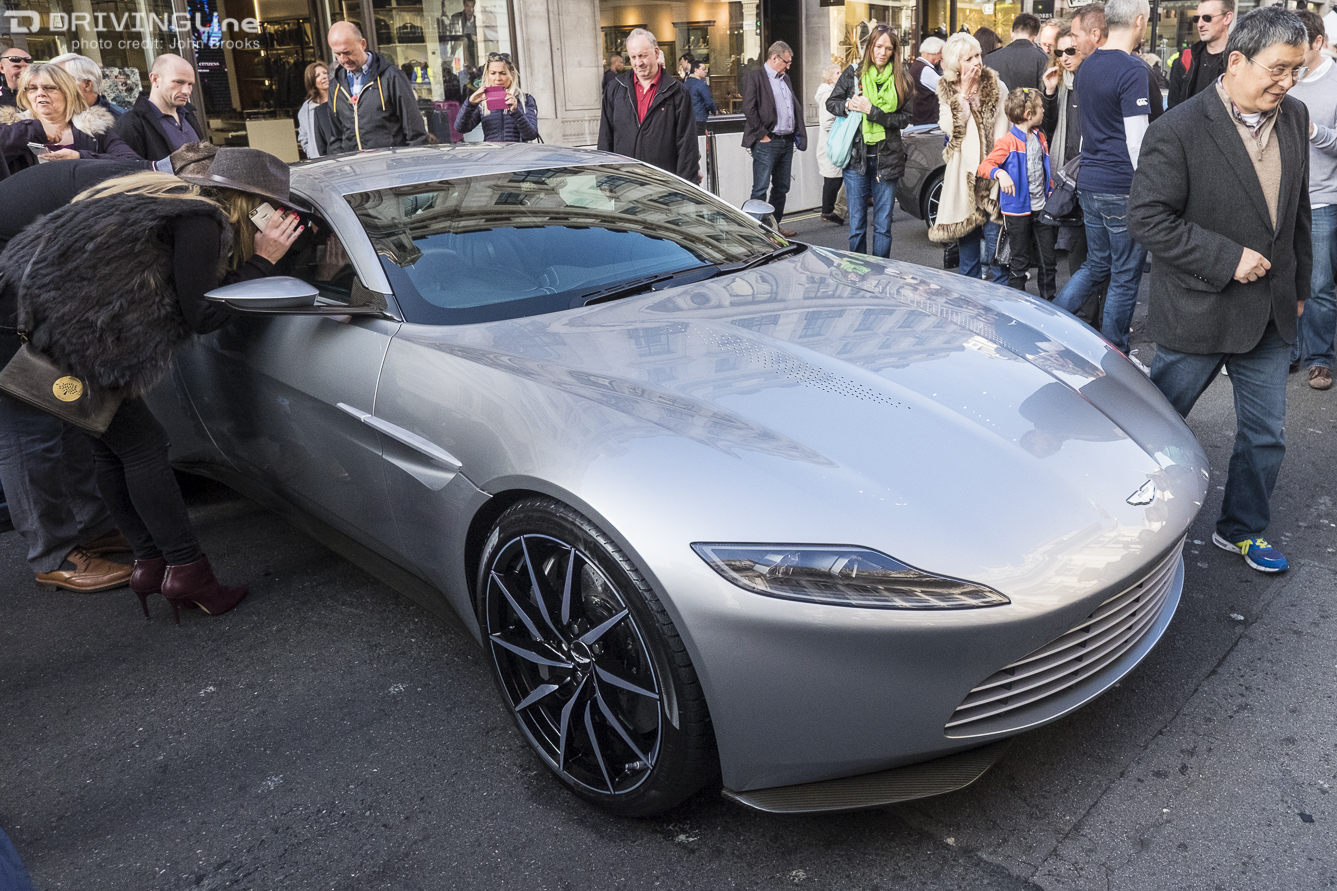
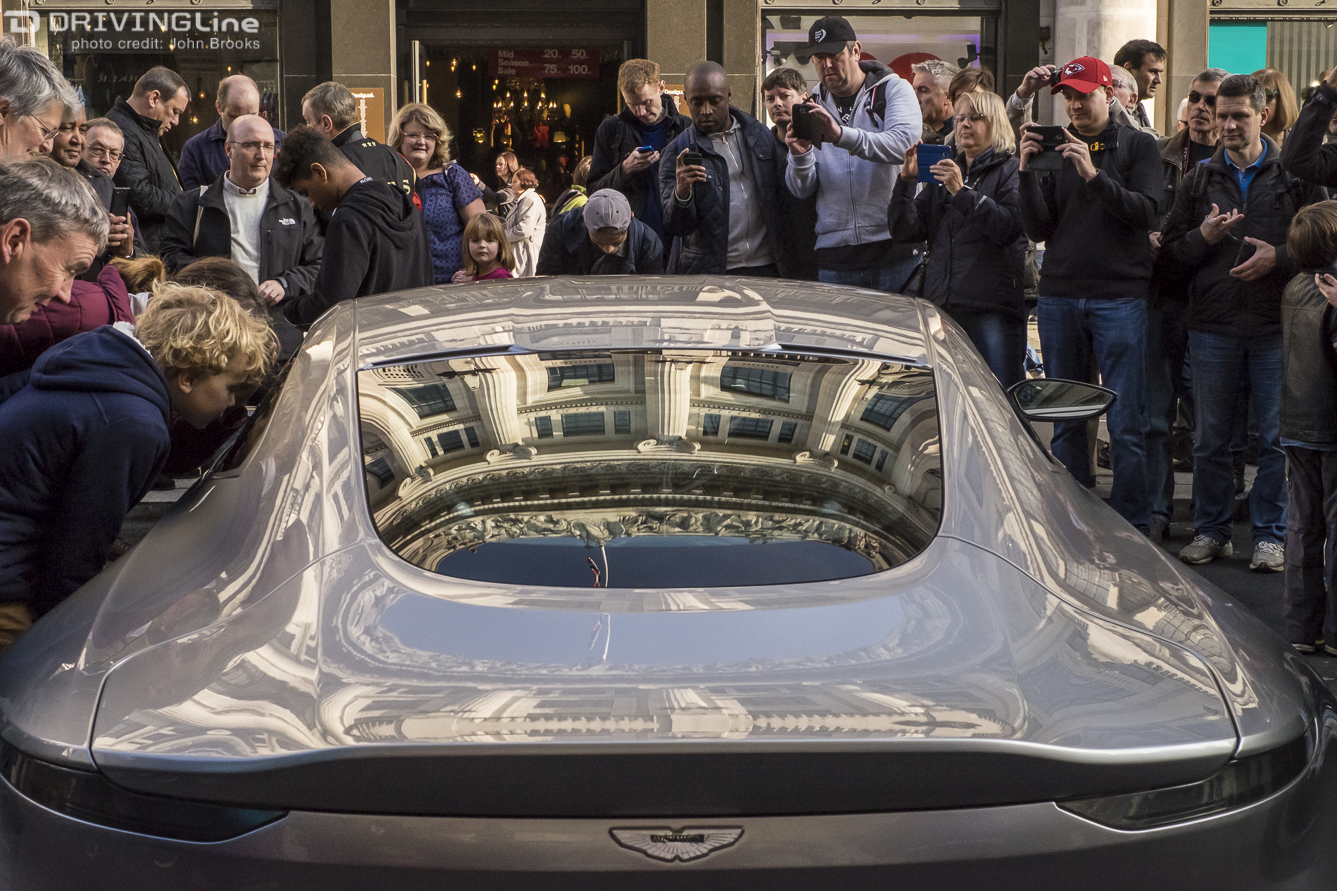
Speaking of stars, the Aston Martin display attracted much attention from the passers-by and none more than the Aston Martin DB10 that featured in the latest James Bond movie, Spectre.

2015 JB General

Spectre’s premier was only a few days back, so the timing of this exhibit was perfect. The DB10 was created specially for the film, hand-built by Aston Martin. One almost felt sorry for all the other cars.

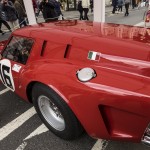
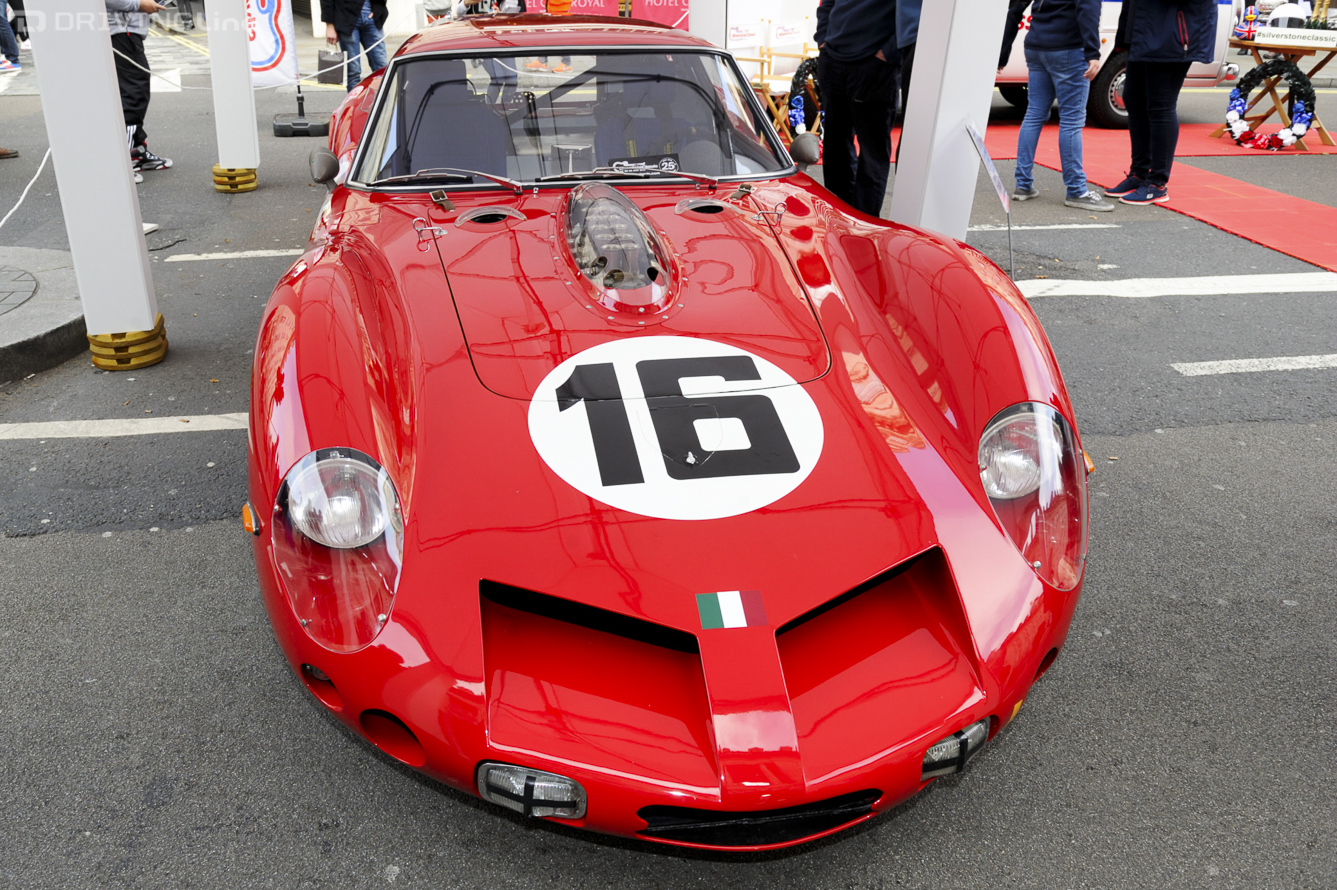
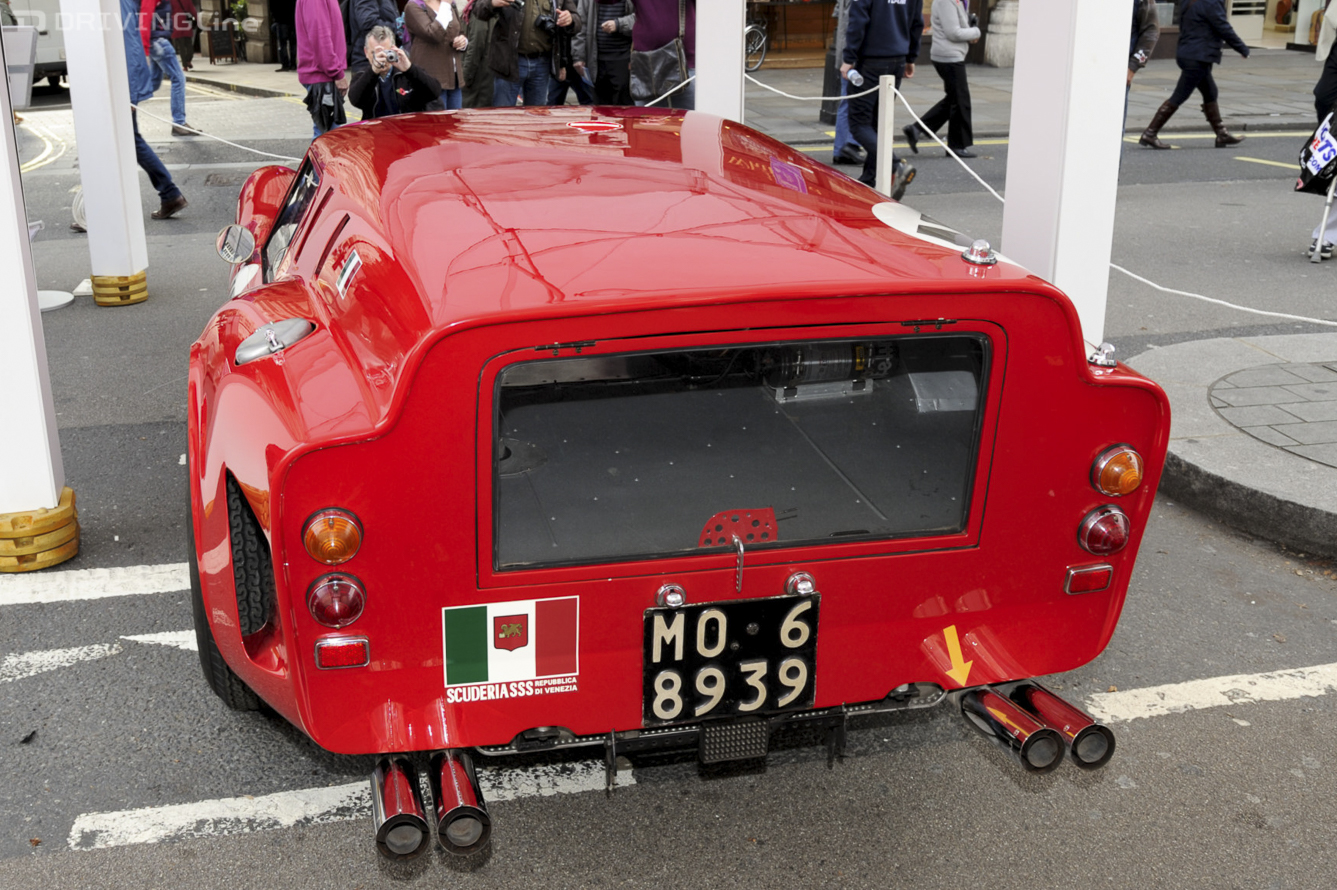
Almost I said, as for some of us even the DB10 is shaded by the Ferrari ‘Breadvan’ which greeted visitors arriving from the Piccadilly Circus end of the show.

I explained the history of this unique Ferrari 250 GT SWB earlier it is certainly special a very cool car.

2015 JB General

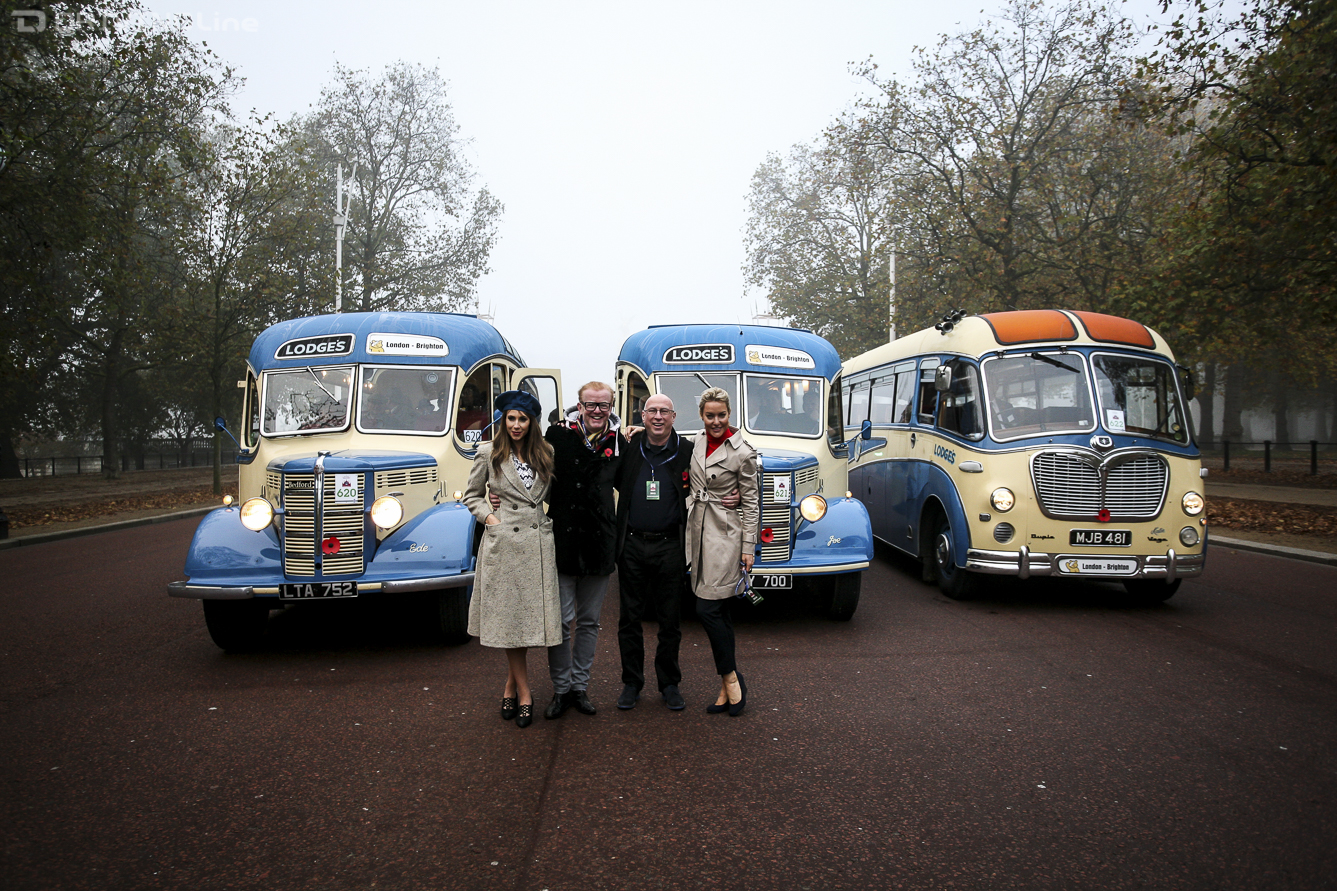
One of the celebrities that turns out for almost every serious motoring event held in the UK is the mildly annoying DJ and new Top Gear presenter, Chris Evans. Evans is tireless in his work to raise money for the charity Children in Need, indeed he has his own event to benefit that cause, I went along last year to CarFest.

e49bcf58-6d64-45d9-8346-c4c57f815b67

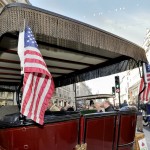
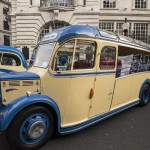
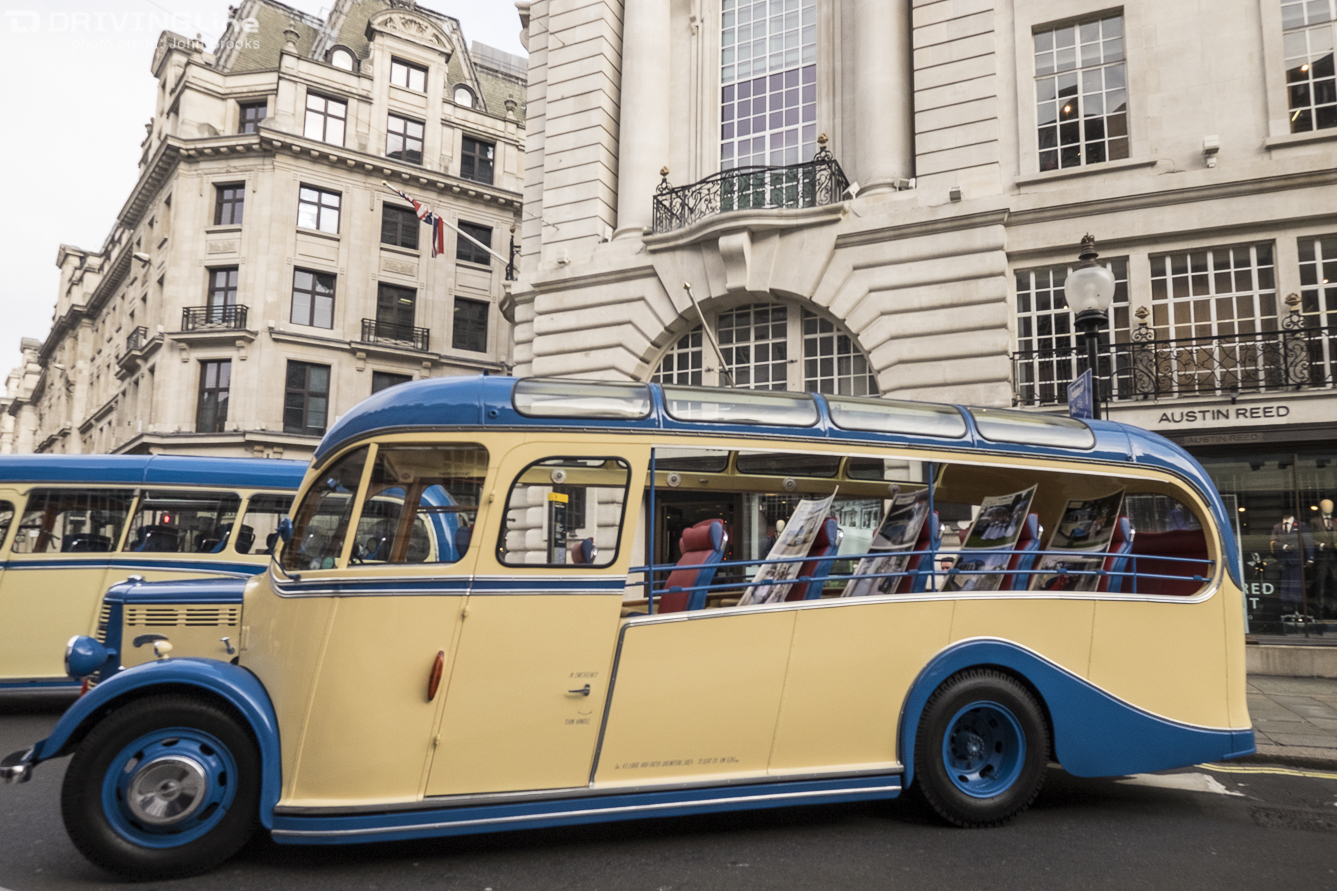
Whatever my opinion is of Mr. Evans, he is a serious car-guy, owning a fabulous collection of Ferraris and other desirable cars. In the run up to the 2015 London to Brighton event he trained to drive a bus, getting his PCV Licence. Lodge’s Coaches provided a pair of ’50s vehicles and Evans auctioned a ride to Brighton on his morning radio show. He raised the astonishing sum of $525,000 for 40 passengers.

2015 JB General

The Regent Street Motor Show is the UK’s largest free-to-view, motoring event, if you are in the West End next autumn, pop along you will not be disappointed.

John Brooks, February 2016
Photography Copyright and Courtesy of Simon Hildrew and the Author. Additional material courtesy of the organisers.


All the Stars Come Out at Night

P90208887_highRes_27-01-2016-to-31-01--1

The Rolex 24 is back to its former glory, at least that is the conclusion that any savvy observer would draw from the action on the banking last weekend.

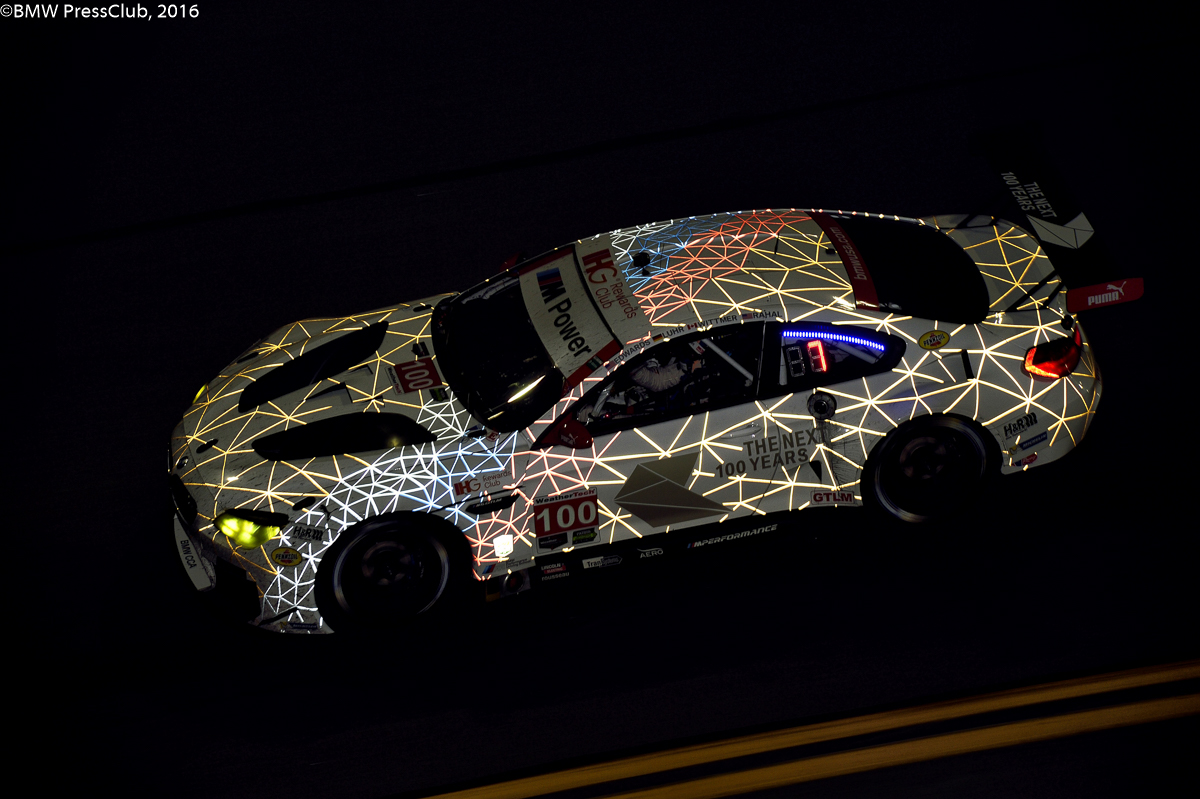
Not all the fireworks were fired into the Floridian sky on Saturday, some were constrained by a Nikon body, like this stunning image created by my old mucker, Dave Lister. Great photography is a combination of talent, hard graft, opportunity and the often-overlooked imaginative client, that alignment of planets was to be found in Volusia County last week.

ESM_Quali-Daytona2016_1-1

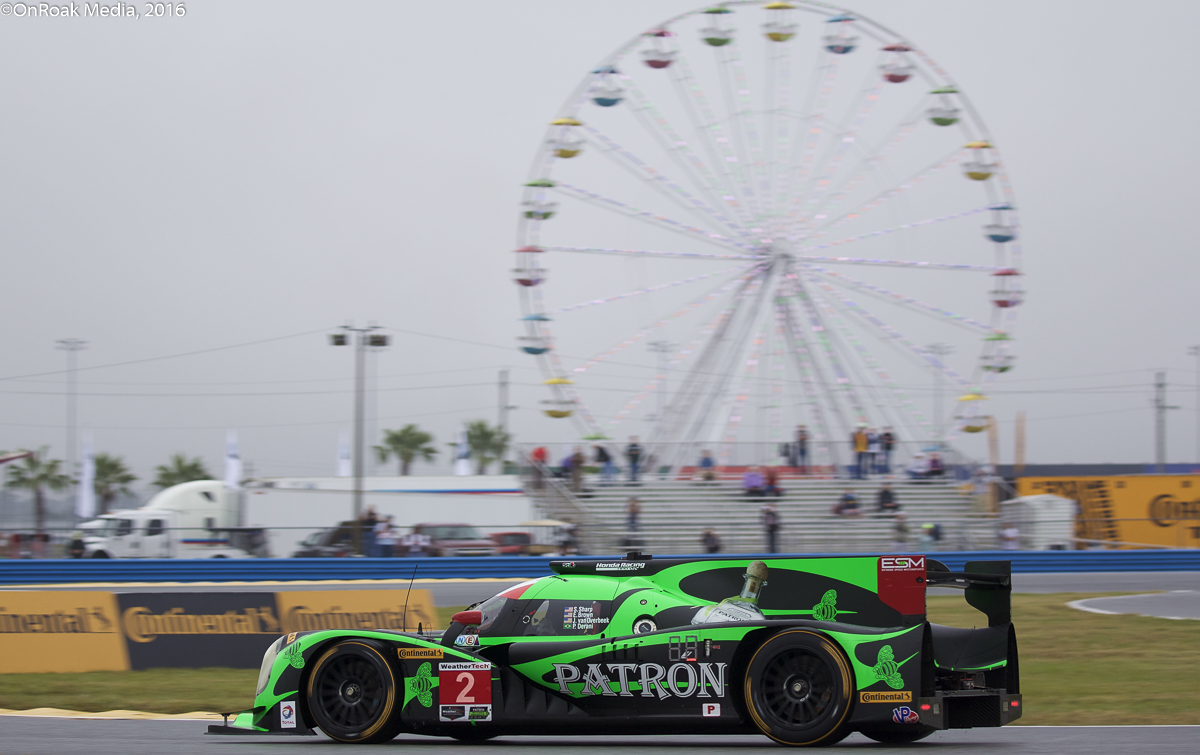
Speaking of stars, Pipo Derani stood out on track and was major factor in the overall victory for ESM, Ligier and LM P2, so bravo!

Another element that brought a smile were the grumbles from the DP clan about Balance of Performance. In fact IMSA should be congratulated in this respect, they achieved a pretty good score throughout the field.

news-2016-audi-rolex-24-daytona-16-1

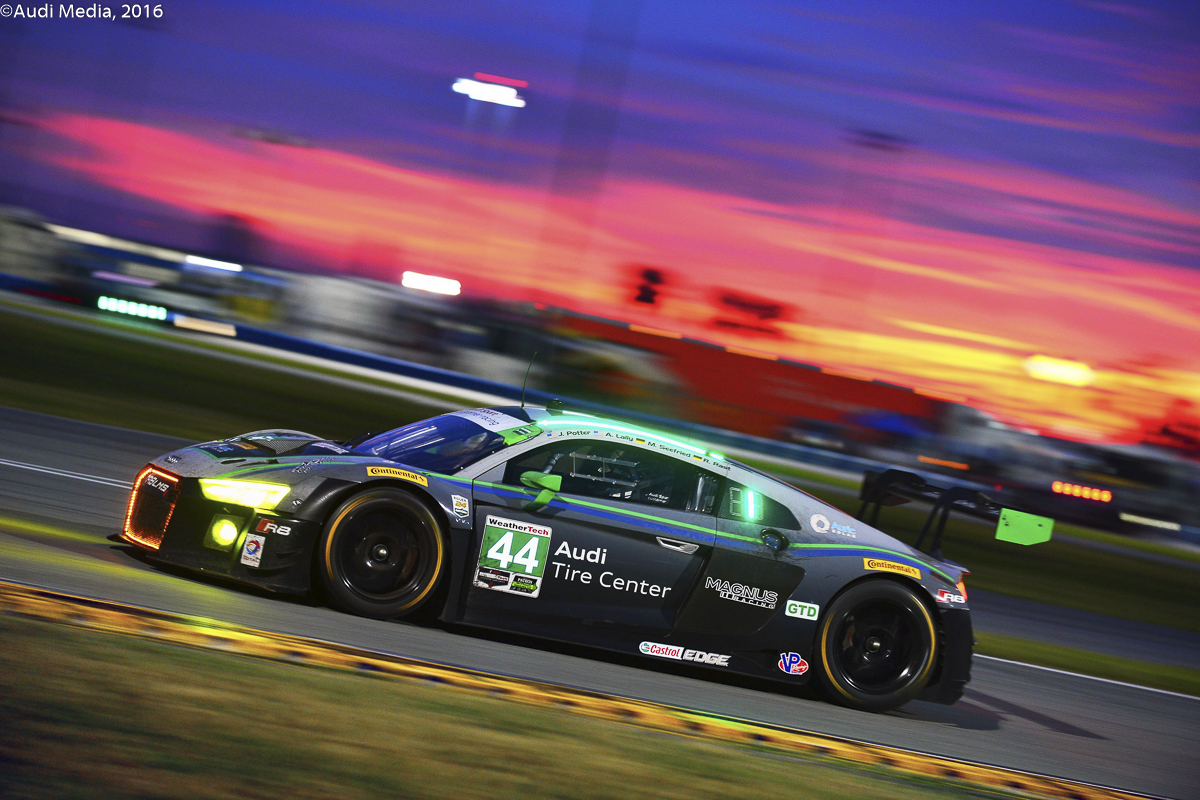
The new GTD class was a great success; close, competitive racing as one former promoter used to declare when two cars finished at the head of the field on the same lap. Victory fell at the last gasp to the Magnus Racing Audi – how odd that sounds. Their photographer caught this colourful shot precisely at the point when the tectonic plates shifted in Florida, missed that on the telly.

CorvetteC7RWinsRolex2403-1

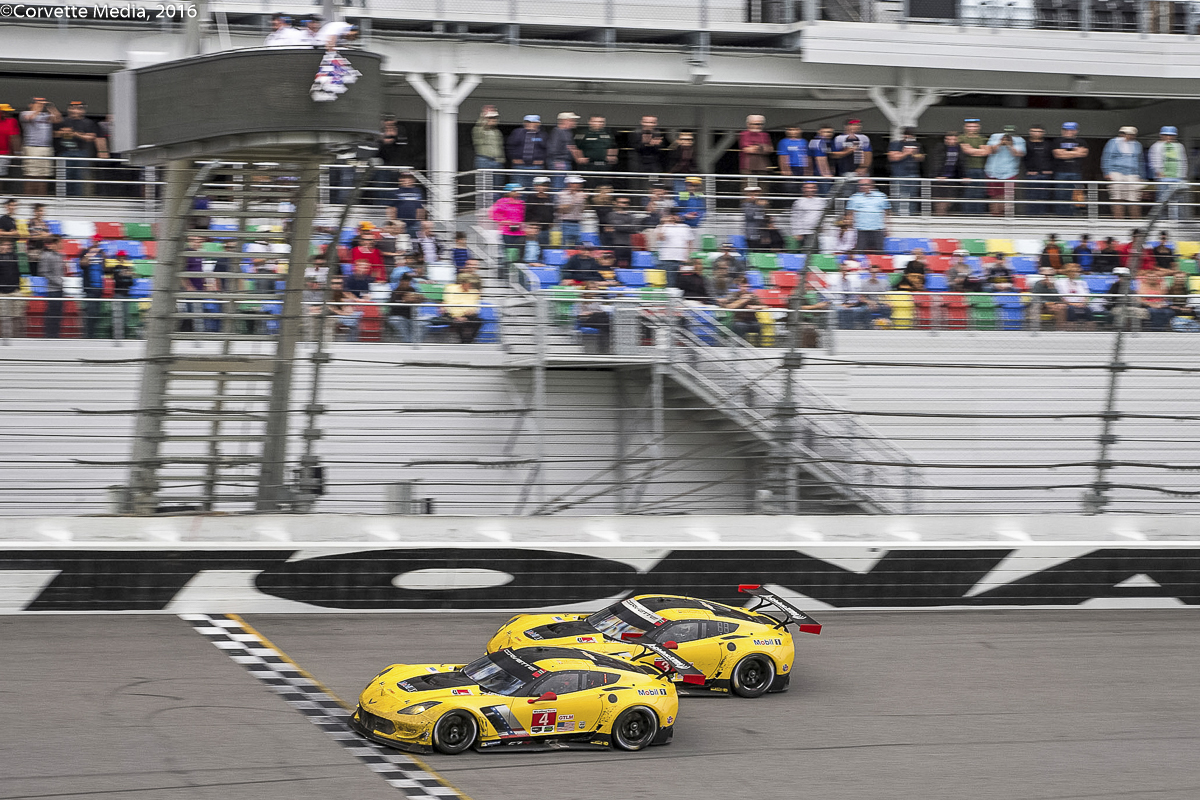
The Jewel in IMSA’s crown is the GTLM grid and the class of 2016 is set to shine brighter than ever. Corvette had the legs of the others, so the win was well deserved. But, and you knew there was a but coming, am I the only one who thought Ollie Gavin deserved some form of sanction for punting Earl Bamber’s Porsche out of the lead?
Rubbin’ is Racin’  I suppose.

John Brooks, February 2016
Day For Night At Daytona

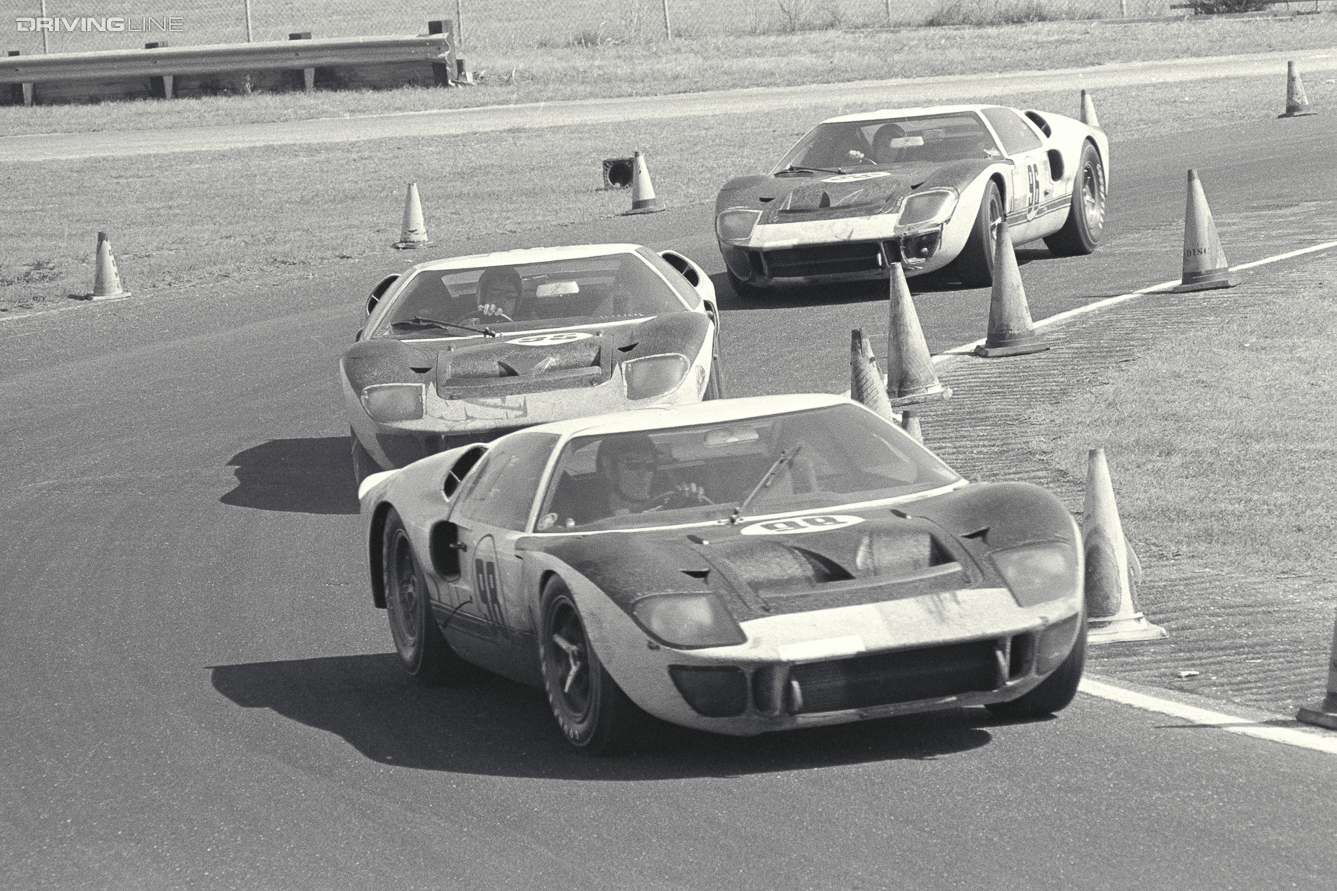
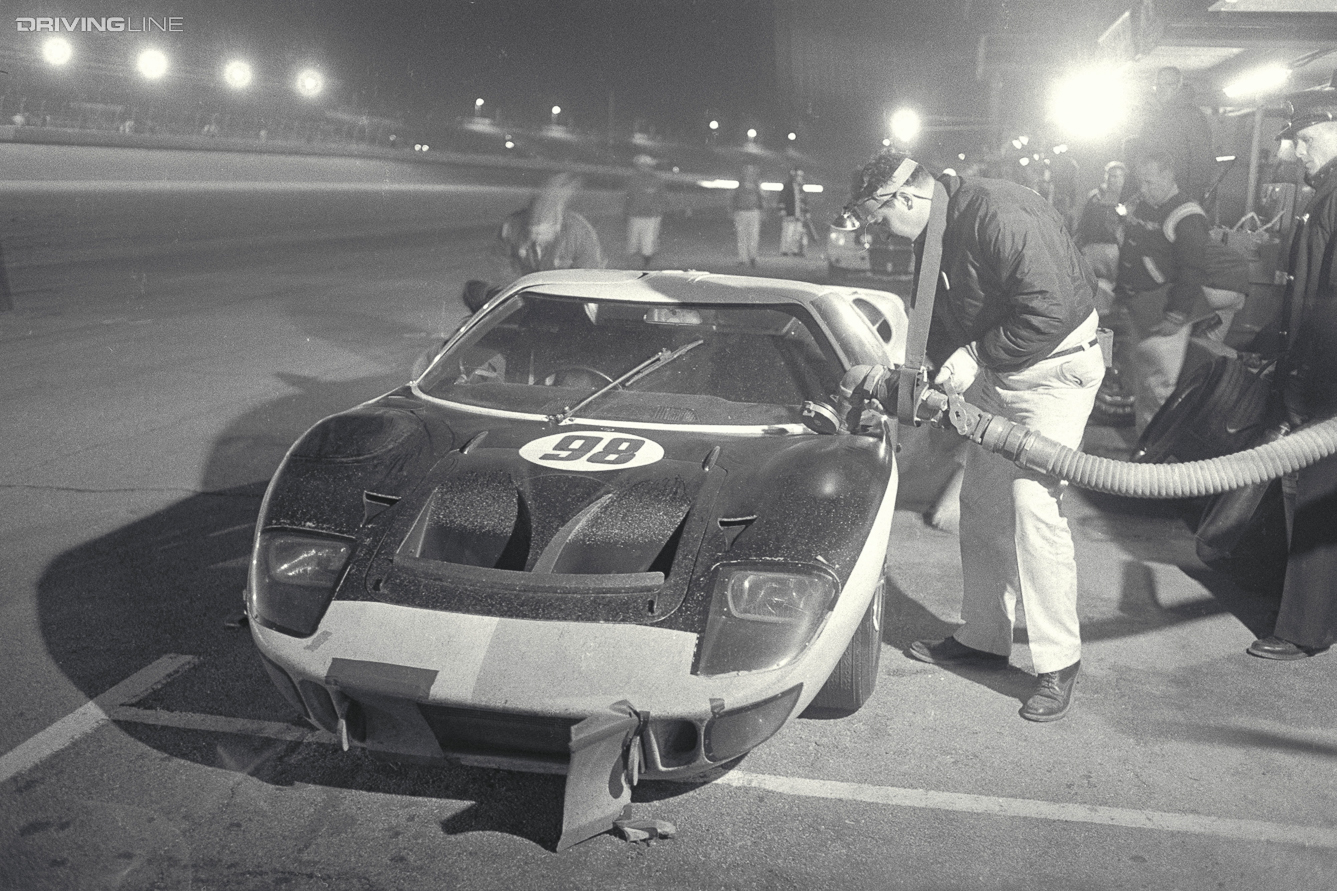
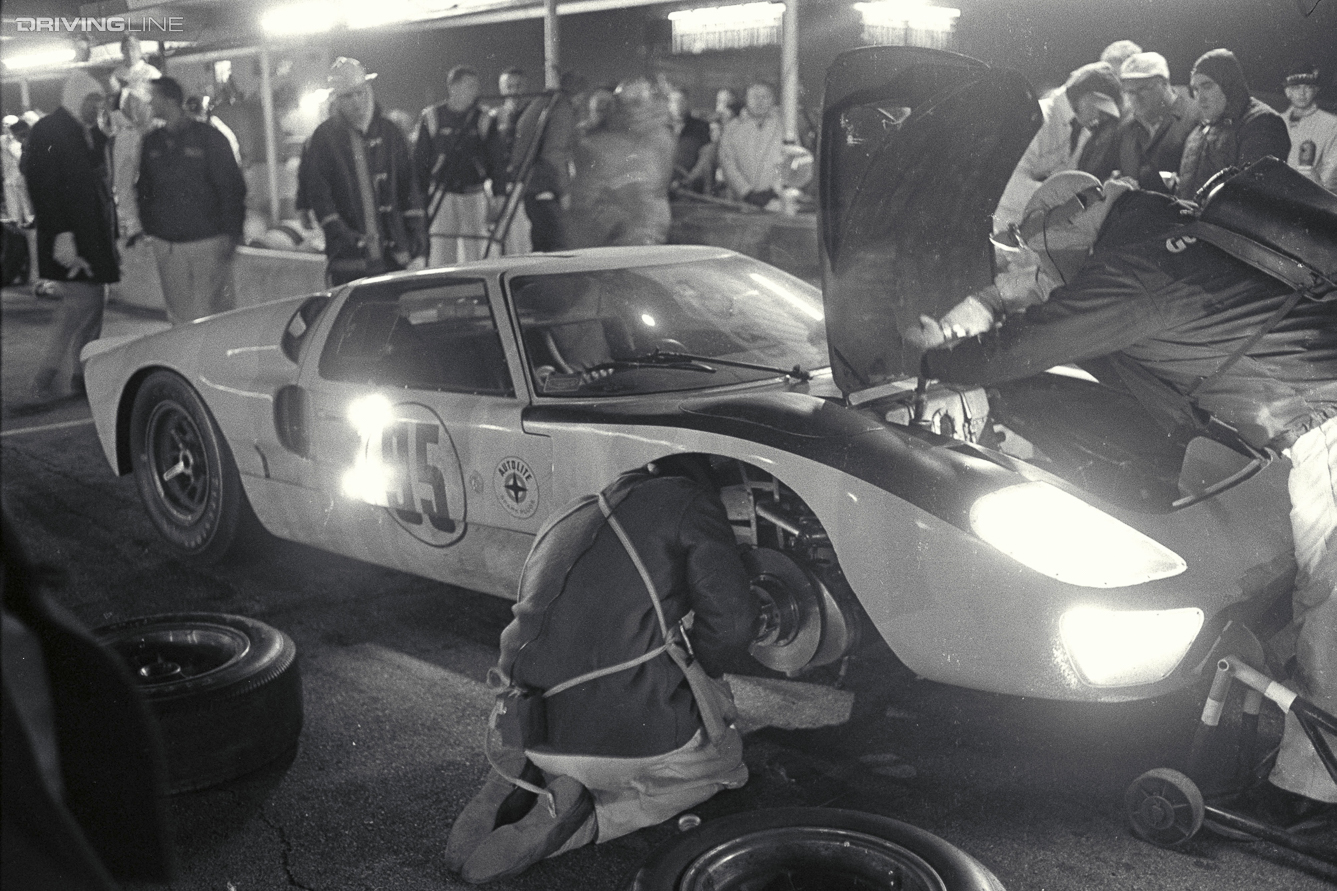
Daytona 24 Hour Race, Daytona, FL, 1966. Winning Ford Mark II (#98) leads two other Ford Mark II cars (#95 and #96). CD#0777-3292-0443-10

The presentation recently of the Ford GT program to race at Le Mans and in the FIA World Endurance Championship and the confirmation of the drivers for the upcoming Rolex 24 Hours invited comparison with a similar set of circumstances some 50 years ago.

Daytona 24 Hour Race, Daytona, FL, 1966. Race winning Ford Mark II driven by Ken Miles/Lloyd Ruby makes a scheduled pit stop. CD#0777-3292-0443-3

In 1965 Ford had suffered public humiliation at the Le Mans 24 Hours when all six factory cars retired before the halfway point. What is often overlooked is that the four Maranello-entered Ferraris also fell by the wayside leaving Italian honour to upheld by the ageing privateer NART-entered  Ferrari 250 LM driven by the unlikely combination of veteran American, Masten Gregory, and the mercurial Austrian, Jochen Rindt.

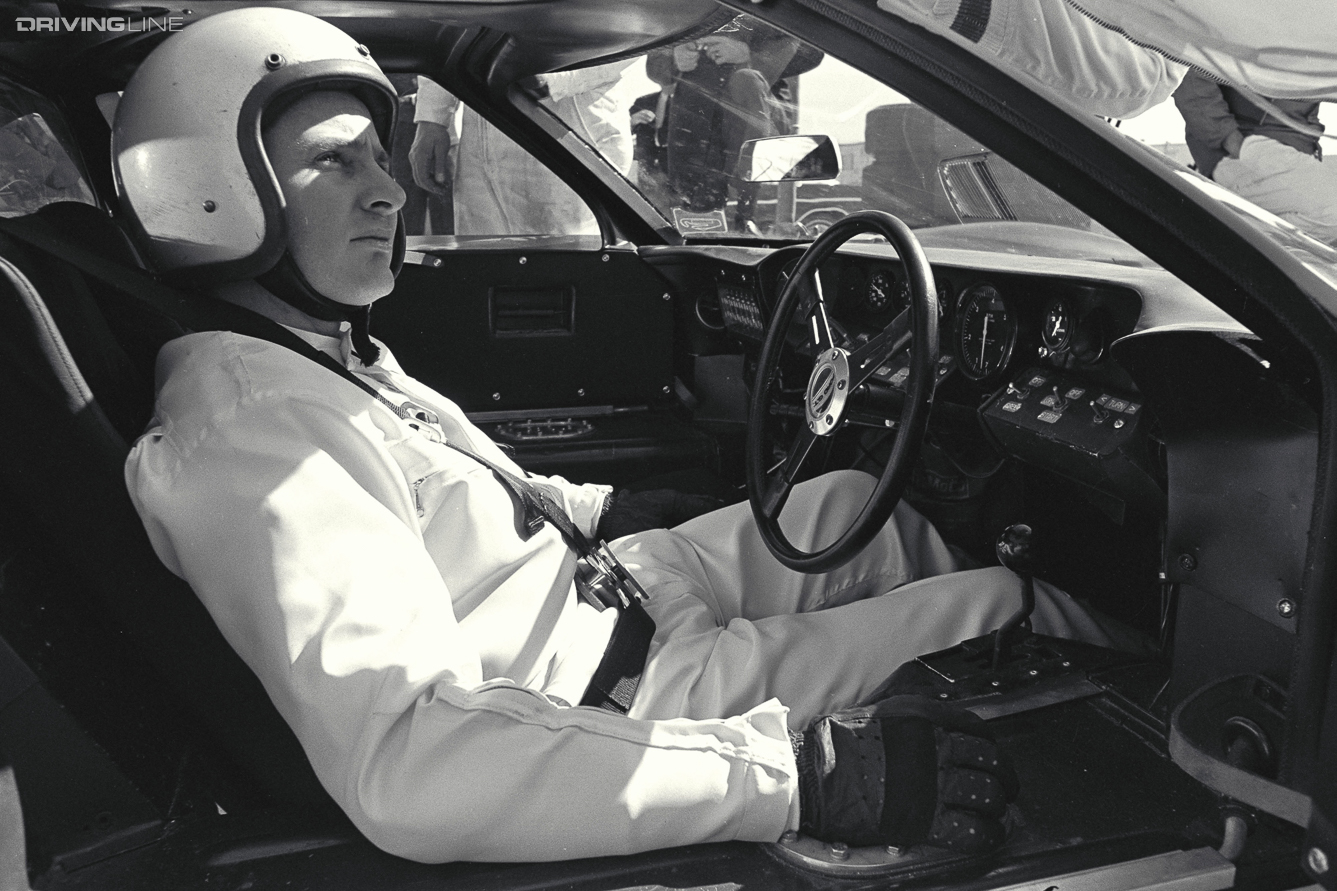
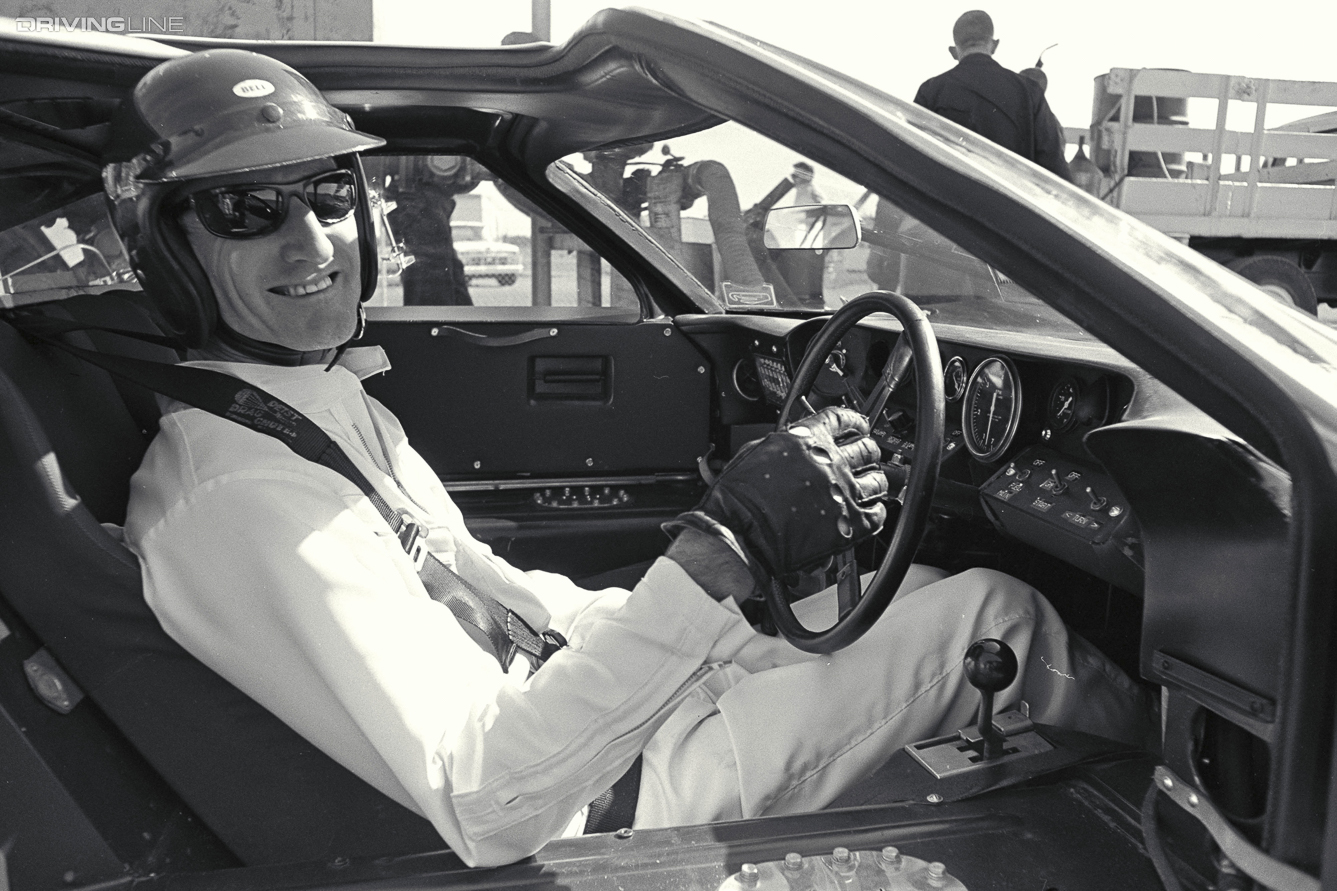
Daytona 24 Hour Race, Daytona, FL, 1966. Bruce McLaren in the cockpit of a Ford Mark II. CD#0777-3292-0443-7

In 1966 there would be no repeat of this debacle, Ford would dominate endurance racing in a manner rarely seen, the Board and, more importantly, Chairman Henry Ford ll had decreed it, Ferrari were to be crushed. There was an expression popular at the time “You can’t beat cubic Bucks!”, Ford would prove that conclusively. The first shots in the campaign would come in early February at Florida’s Daytona International Speedway with the first running of the Daytona 24 Hours.

Daytona 24 Hour Race, Daytona, FL, 1966. Walt Hansgen/Mark Donohue Ford Mark II makes a pit stop. CD#0777-3292-0443-2

The Ford GT40 had been superseded by the Ford MK ll, which had been thoroughly tested and improved after tripping up in 1965. Five examples were entered, three by Shelby American and two for Holman and Moody. Ferrari decided to give the race a miss, persistent labour relations problems, a new set of regulations for Formula One and the prospect of a drubbing all contributing in some measure to this course of action. A Ferrari 365 P2 was entered by Luigi Chinetti’s NART outfit, the same folks that had humbled Ford at La Sarthe the previous year but even with drivers of the calibre of Pedro Rodriguez and Mario Andretti this was not expected to be competitive in the face of the Detroit armada. The other speedster in the paddock was the brand new Chaparral 2D with backing from General Motors but this project was too new and untested to pose a serious threat to Ford.

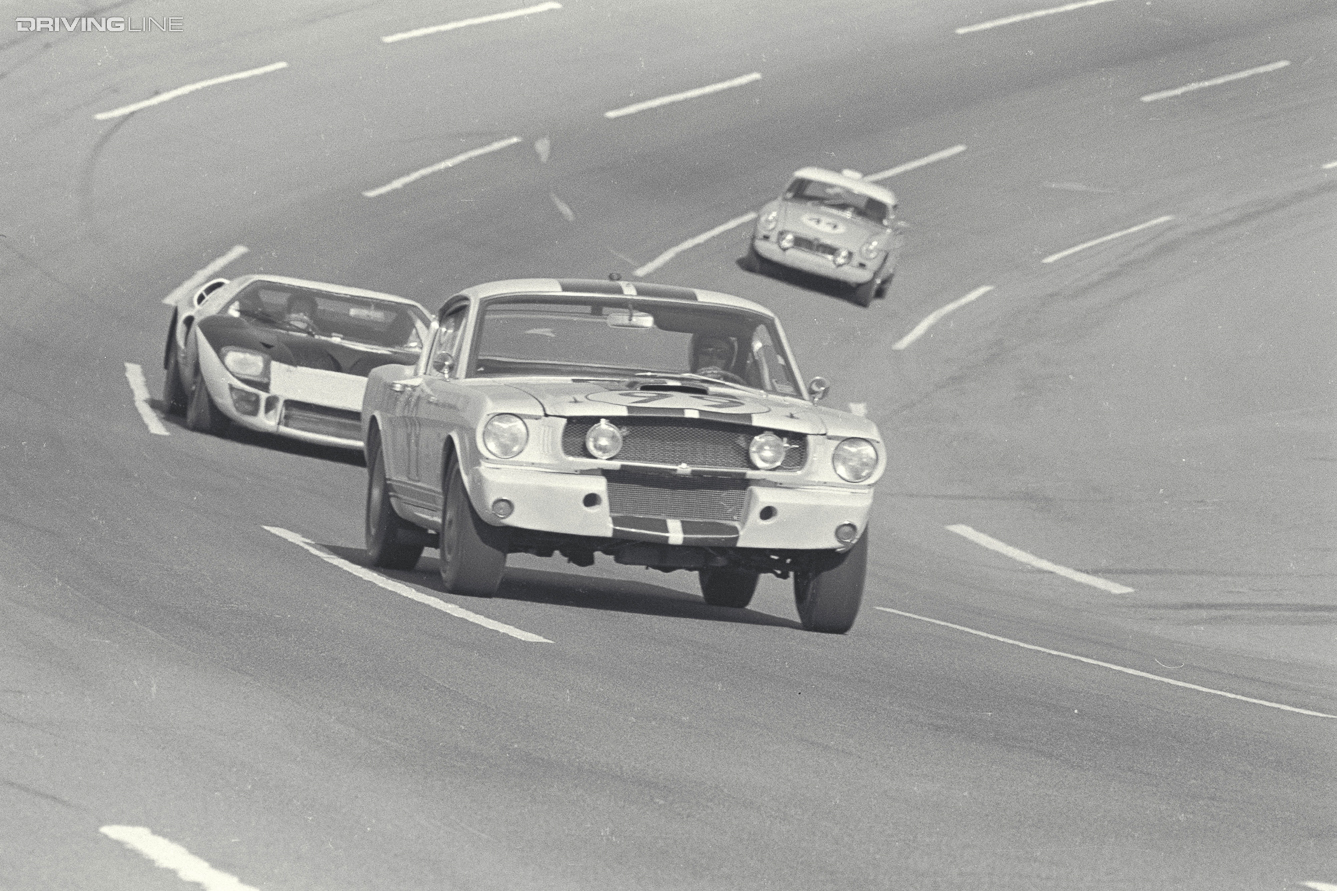
Daytona 24 Hour Race, Daytona, FL, 1966. Privately owned Shelby GT350 Mustang driven by Roger West/Richard Macon. CD#0777-3292-0443-9

The race wasn’t much of a spectacle for the reported 22,000 crowd, Ken Miles in the leading Shelby American Ford overtook Jo Bonnier’s Chaparral on lap two, motored off into the distance, and that was that. Florida in January can provide great contrast in the weather and in 1966 the daytime was pleasant enough but frost was reported on the banking during the long hours of darkness.

Just over 2,500 miles later Ford would monopolise the podium with 1-2-3-5 places, the only blot on the copybook coming with the second Holman and Moody Mk ll suffering a failure of its experimental automatic transmission.

Daytona 24 Hour Race, Daytona, FL, 1966. Ken Miles in the cockpit of a Ford Mark II. CD#0777-3292-0443-6

Ken Miles was a key part of the Shelby Cobra and Ford GT40 programs. He had served in the British Army during the Second World War as part of a tank crew. He left Britain for California in 1952 and soon immersed himself in the growing sports-car competition scene on the West Coast. A succession of wins and a growing reputation for engineering and developing racing cars brought him to the attention of Carroll Shelby.

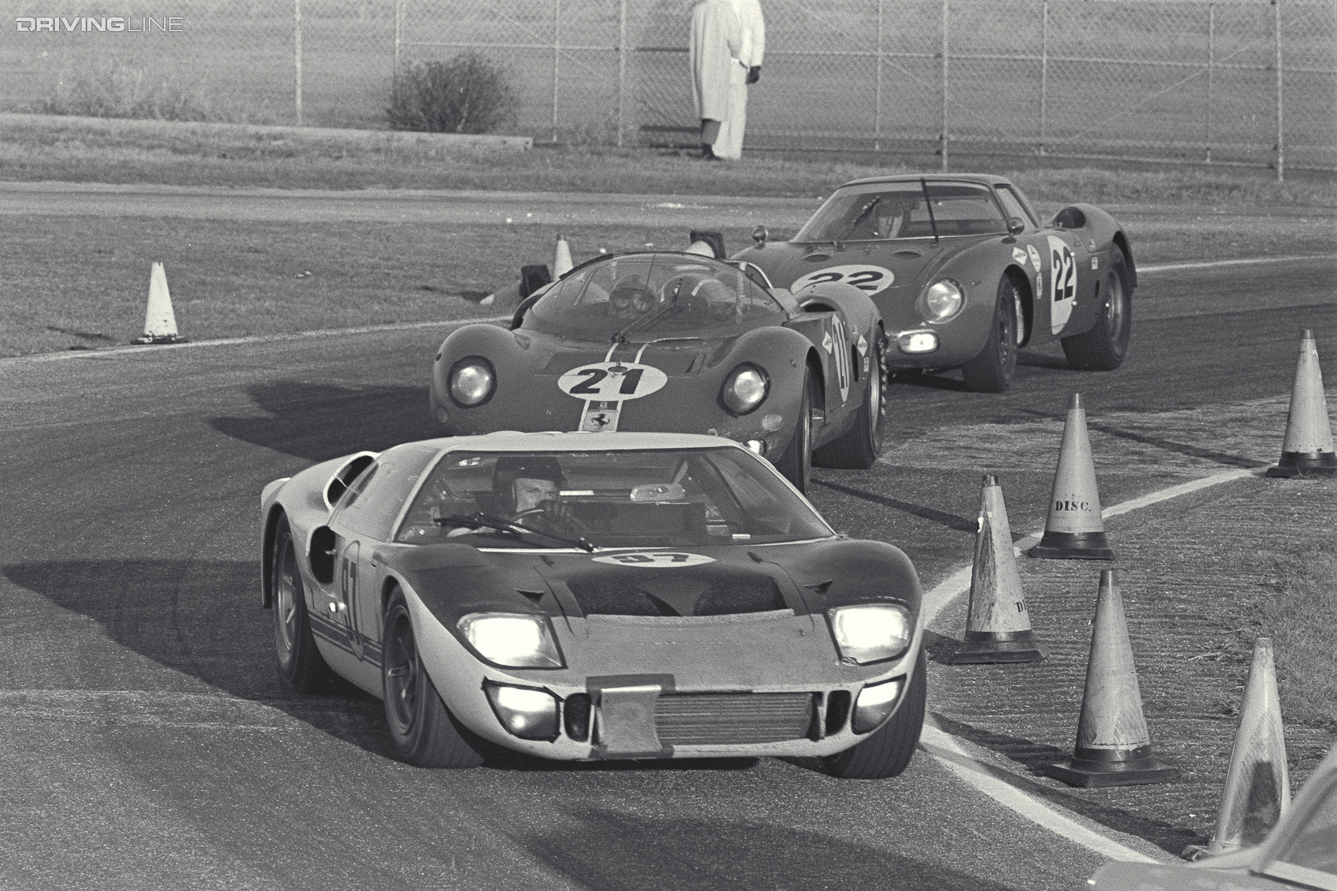
Daytona 24 Hour Race, Daytona, FL, 1966. Dan Gurney (#97) in his Ford Mark II leads two Ferraris. CD#0777-3292-0443-1

Miles is widely credited with the eventual success of the Cobra, I looked at that Here . He was also a major contributor to turning the Ford GT40 and its successor the Mk ll into truly great racing cars.

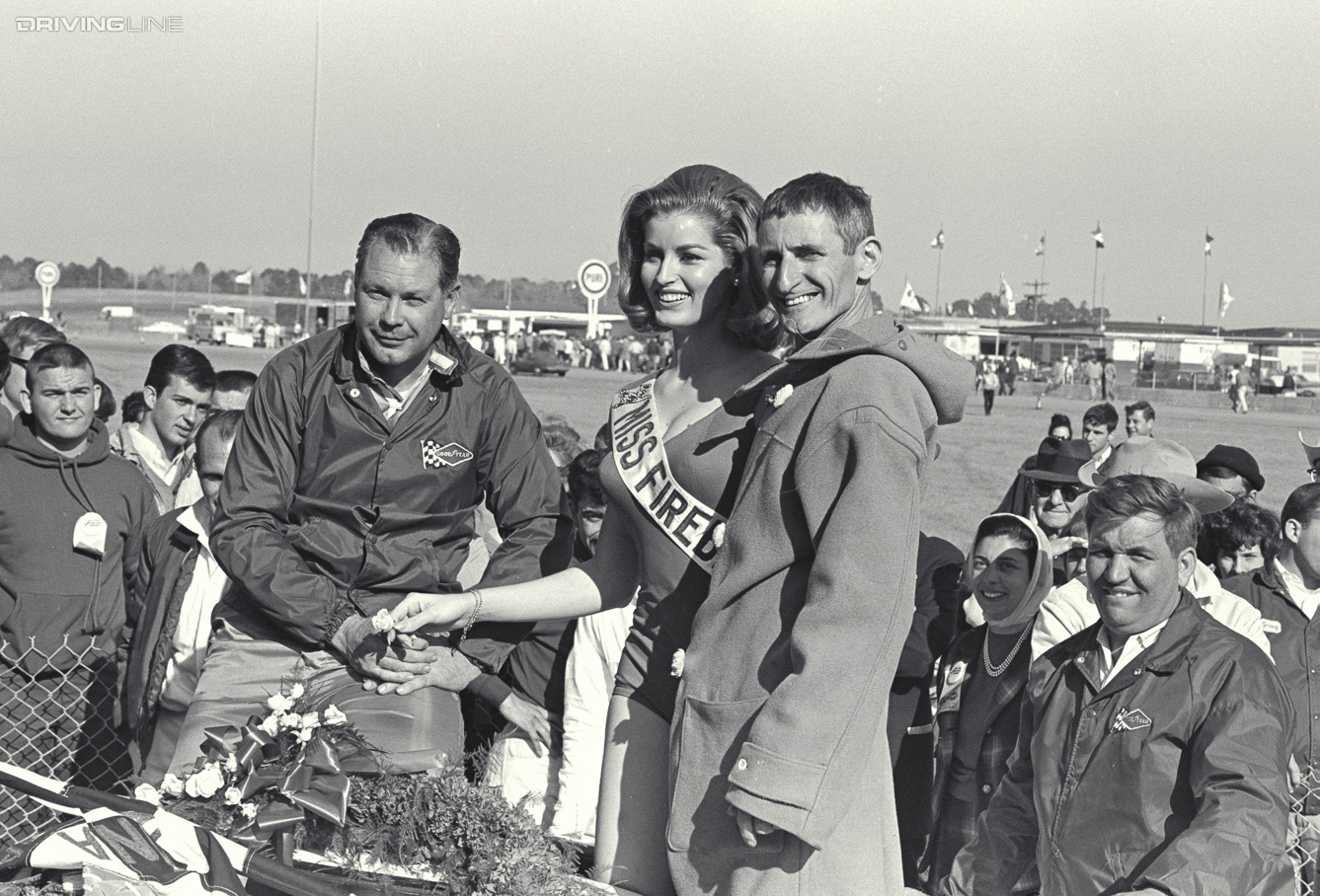
Daytona 24 Hour Race, Daytona, FL, 1966. Lloyd Ruby (left) and Ken Miles (right) in victory circle after winning their second consecutive race. CD#0777-3292-0443-5

Miles shared victory at Daytona in the Ford MK ll with Lloyd Ruby, a veteran of many Indianapolis 500 campaigns and a fast, safe pair of hands. They would share further success at the 12 Hours of Sebring a month or so later but that would be the high point for Miles. In August 1966 while testing an experimental Ford J Car at Riverside Miles was killed in an unexplained accident, the entire Shelby American team were devastated at the loss of their charismatic driver.

Photography copyright and courtesy of the Ford Motor Company

John Brooks, January 2016
Thirty Years Gone

86Daytona24_dis_0015-Edit

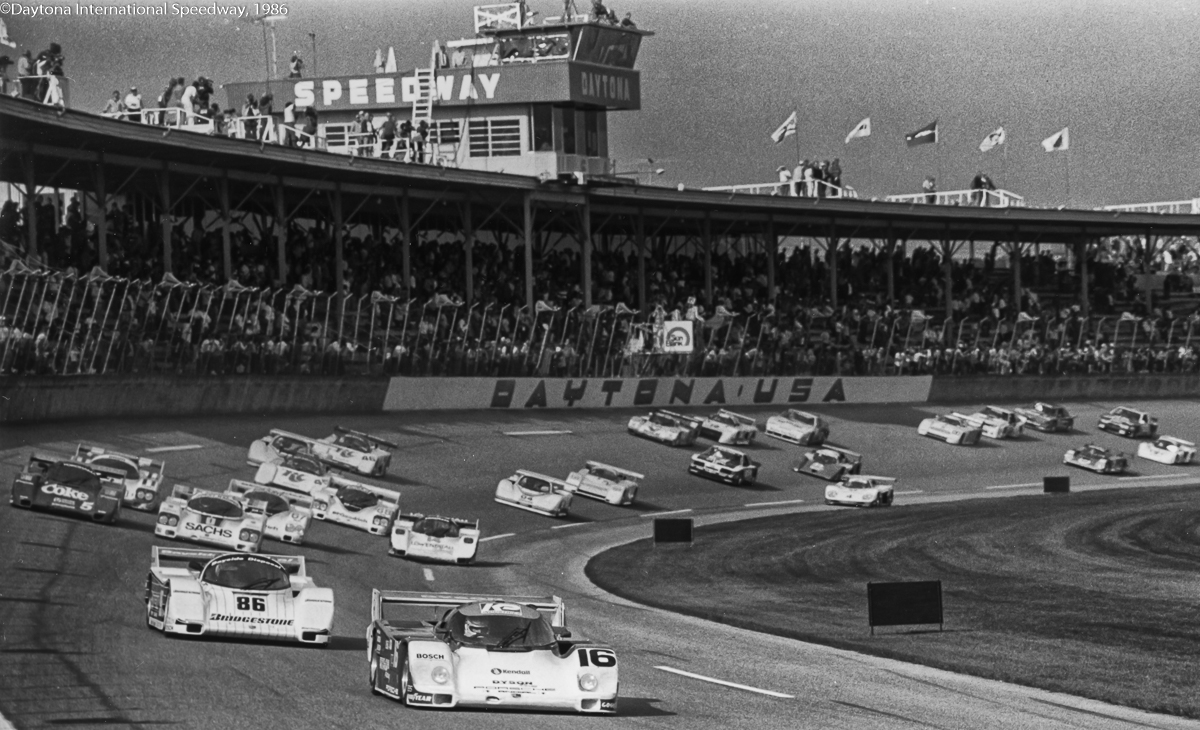
The 1986 SunBank 24 at Daytona was forecast to be the race where the old order in IMSA would be toppled. The old order was in the form of Porsche who had won eight out of the previous nine editions of the Floridian endurance classic. Even the March chassis that took honours in 1984 was Porsche-powered, quite a record.
86Daytona24_dis_0001-Edit

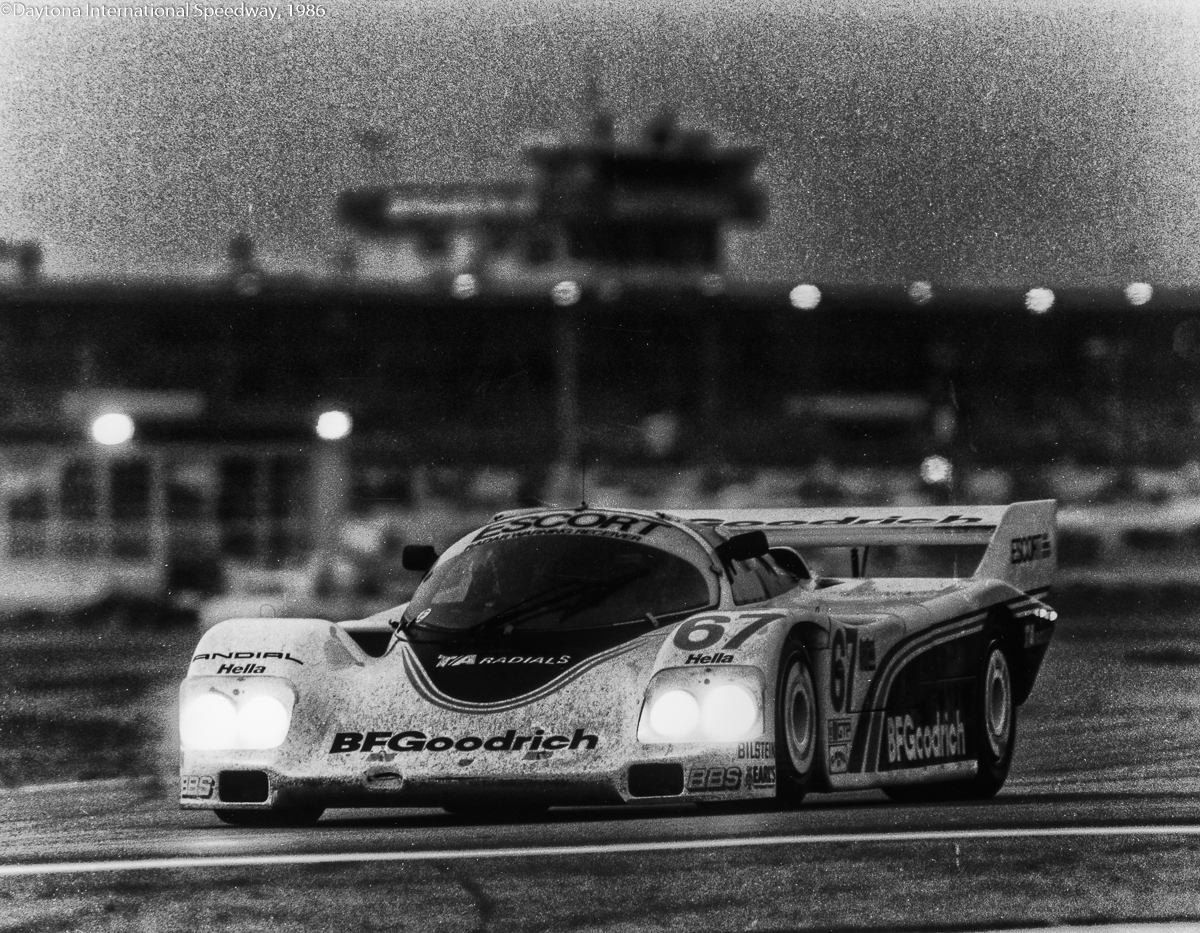
Leading the charge of Weissach’s finest were no less than nine Porsche 962s. IMSA’s regulars dominated this pack with Jim Busby bringing two BF Goodrich sponsored examples, this was supported by singleton efforts entered by Al Holbert, Preston Henn, Bruce Leven, Rob Dyson and Bob Akin. Europe’s honour was to be upheld by further 962s from Walter Brun and Reinhold Joest, a truly top quality selection of Porsche teams.

1986 Daytona 24 06-Edit


The pretenders to the endurance crown were factory-backed efforts from BMW and Chevrolet, with the Group 44 Jaguars also in contention, so a serious bunch to combat Stuttgart.  However the threat to Porsche’s hegemony had melted away even before the cars lined up on their way to the Green Flag and the start of the race.

BMW tested at Road Atlanta the week before the race and one of their GTP prototypes was consumed by fire while on track and, as the cause was not clear, it was considered prudent to withdraw the second car. One down.

86Daytona24_dis_0022-Edit

The other significant threat to Porsche’s supremacy was in the shape of the Corvette GTP of NASCAR team owner Rick Hendrick. The potential of the turbocharged V-6 powered car was evident as Sarel van der Merwe stuck it on pole position. However after an engine change a vibration was noticed in the morning warm-up. When this was investigated the cause was found to be a cracked engine block and there was insufficient time to change the unit. Scratch two!

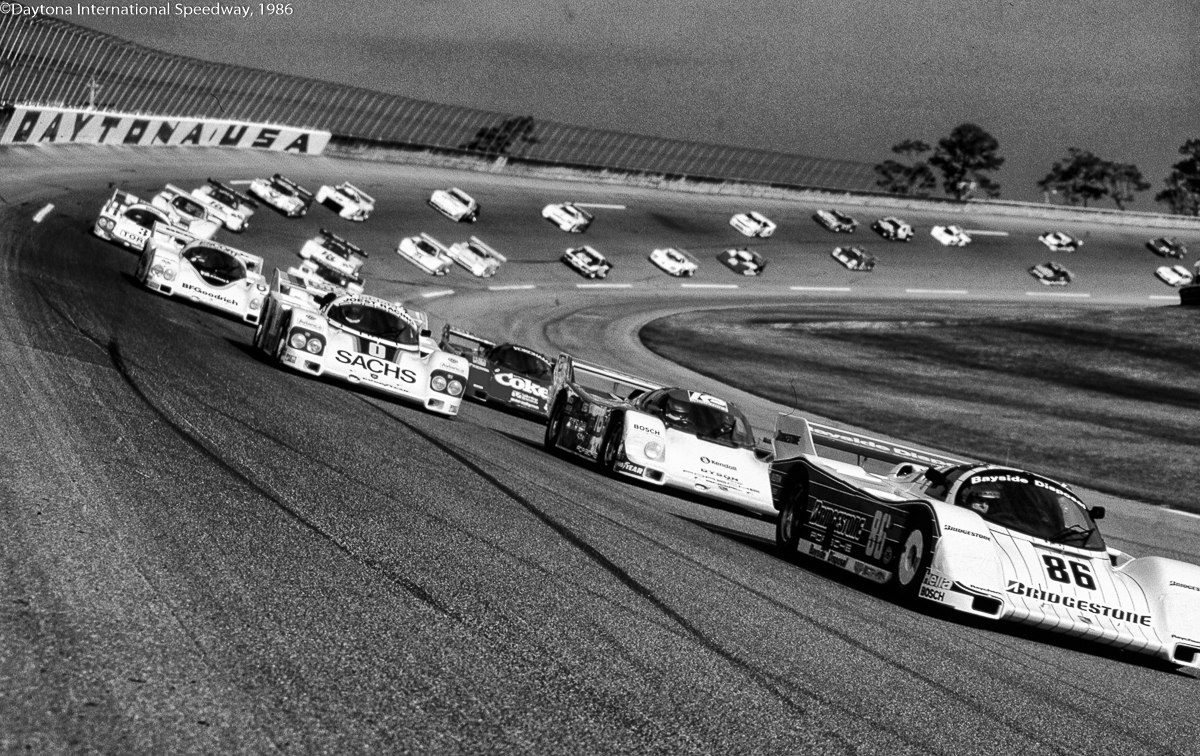
So it was Bob Wollek who led the pack on the formation lap in Bruce Leven’s Bayside Disposal Racing 962 with Price Cobb and Paolo Barilla itching to pass the veteran French racer.

1986 Daytona 24 02-Edit

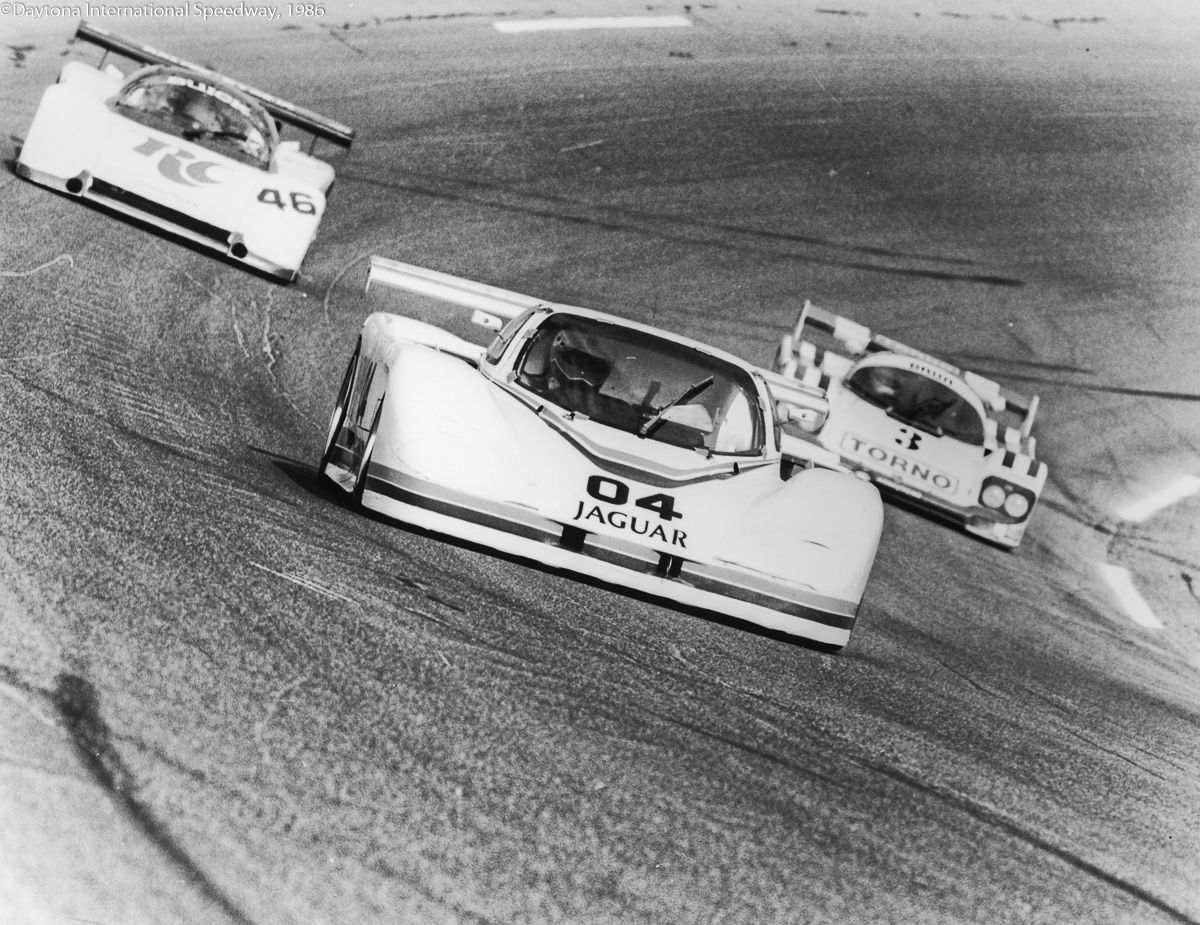
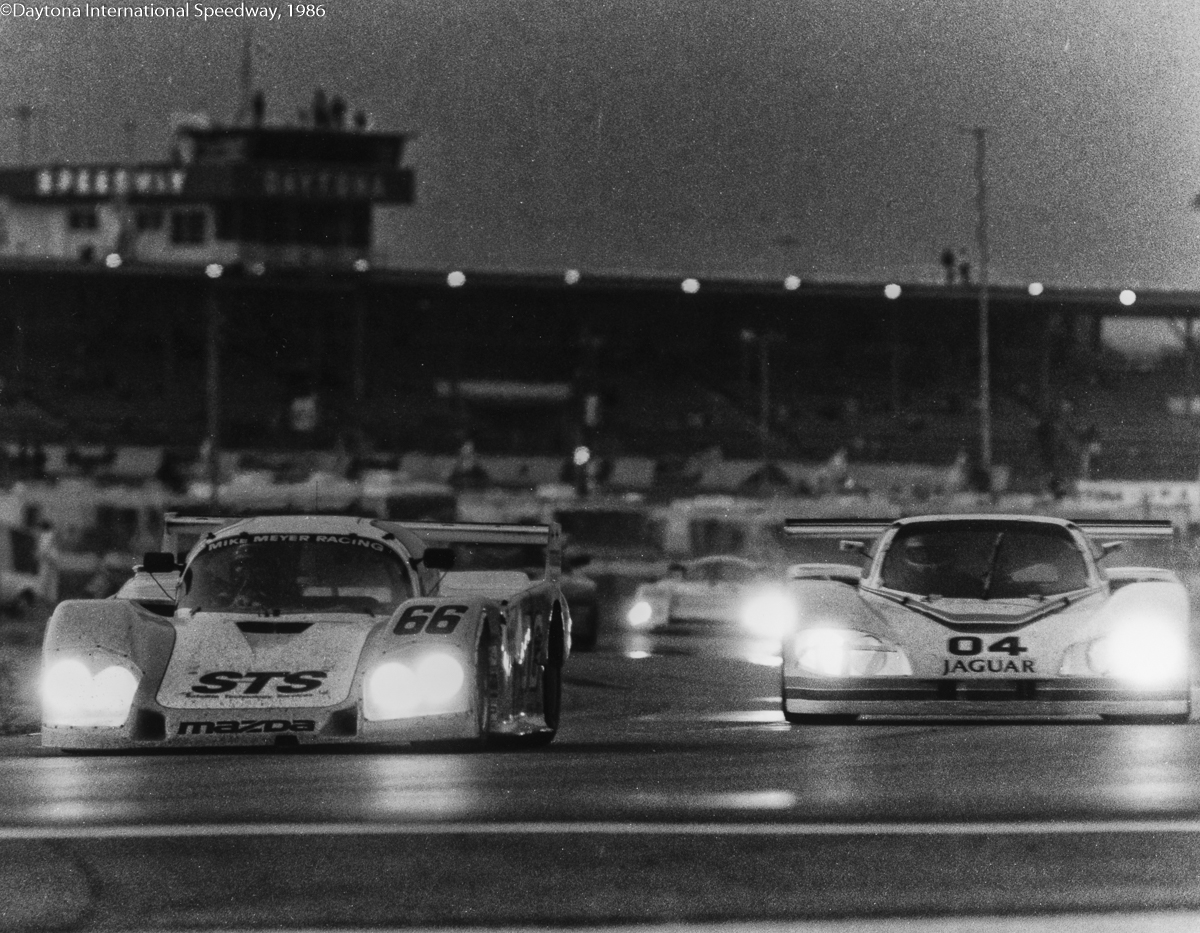
The Group 44 Jaguars were the new XJR-7 cars, a complete update of the XJR-5 and probably lacking sufficient mileage to seriously threaten the 962 gang for the top step of the podium. Team owner Bob Tullius would be partnered by Chip Robinson and Claude Ballot-Léna in #44, while in #04 there was an all-star line up of Brian Redman, Vern Schuppan and Hurley Haywood.

Untitled-20-Edit-Edit


New rules for 1986 also impacted the Porsches and would play a significant part in the race itself. The biggest change was the addition of 160lb of ballast, this would tax the already stretched components. The Daytona 24 Hours has a reputation as a car-killer and even the 962s would suffer.

86Daytona24_dis_0013-Edit

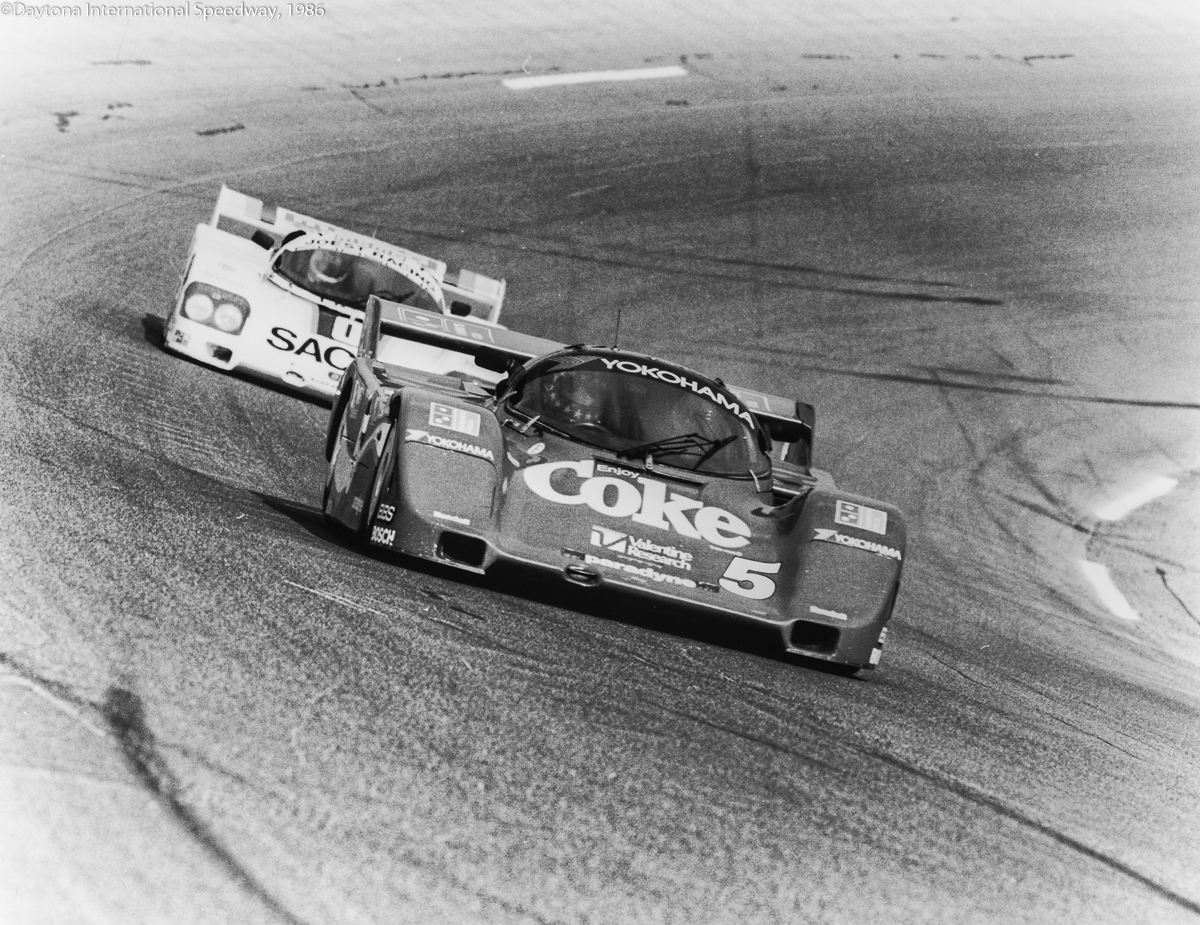
First of the leading contenders to exit the race, after only 6 laps, was the Joest car suffering a broken distributor rotor. A few laps later Hans Stuck hit the wall in the Coke-sponsored 962, the drink that is, this was after all IMSA. Then Bob Wollek collided with a suddenly slowing car on the banking and that was the end of his race and that of the Leven 962. Also out before sunset was the Brun 962 with some form of electrical malady.

86Daytona24_dis_0031-Edit

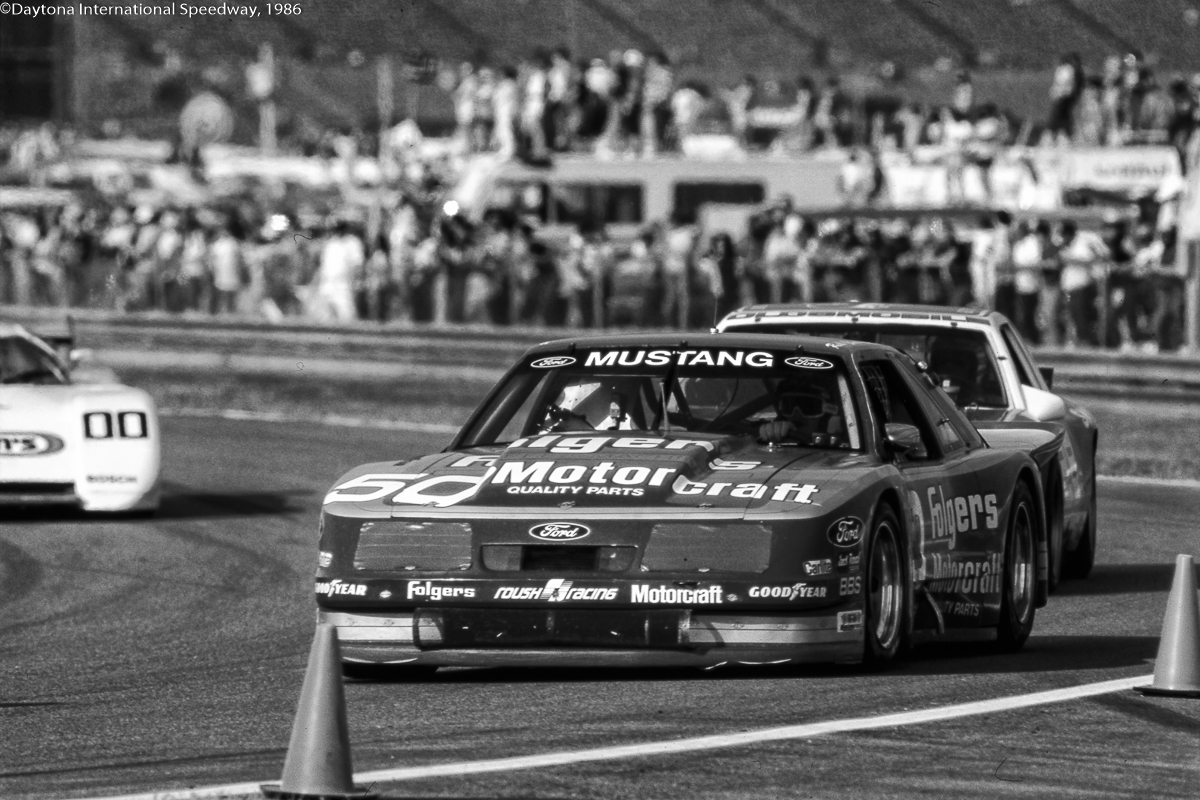
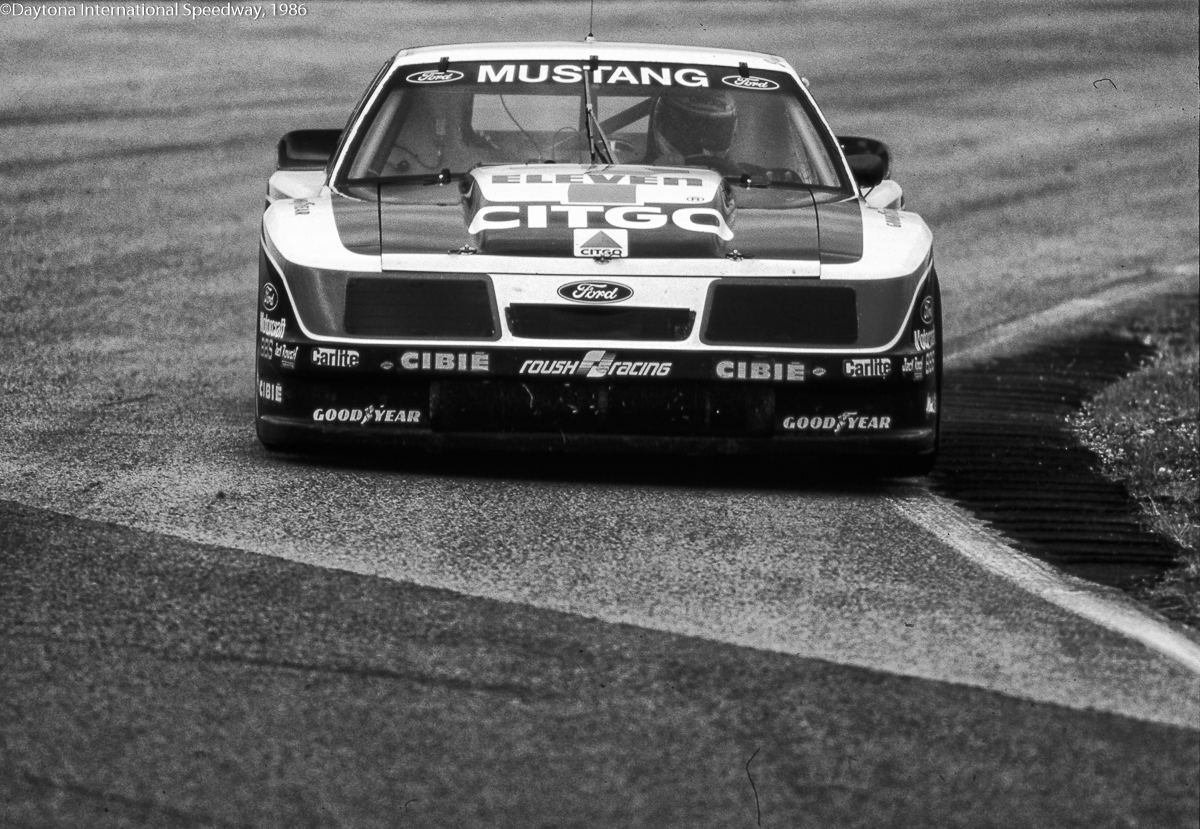
Down in the GTO class NASCAR fans had something to cheer with the #50 Jack Roush Ford Mustang having a crew comprising Bill Elliott, Ken Schrader, Kyle Petty and Ricky Rudd, all Winston Cup regulars. This car ran in the leading group of their class in this Ford-supported effort till Rudd hit the barriers coming out of the back stretch chicane sometime during the night.

Untitled-17-Edit

As forecast before the race the Group 44 Jaguars struggled on track with various suspension and transmission issues, then the engine failed in the #04 car. There was some measure of satisfaction for the team as the #44 Jag cruised home to sixth and fourth in class despite spending over an hour behind the wall during the race.

86Daytona24_0012-Edit

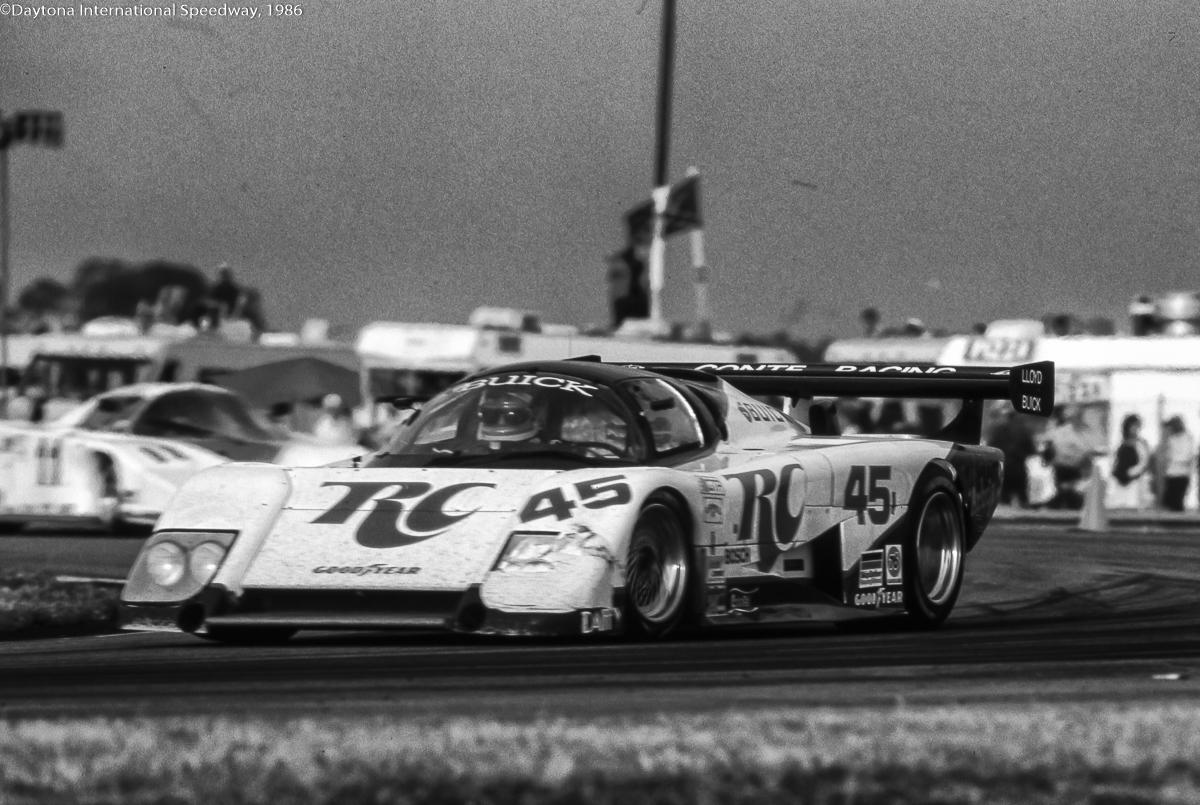
The only real challenge to the 962 armada, aside from self inflicted injuries, came from the March 85G Buick driven by John Paul Jr., Chip Ganassi, Whitney Ganz and ex-Ferrari Grand Prix star, Ivan Capelli. JP posted the fastest lap of the race and the car ran in the top three till the engine cried enough, just past the halfway point.

86Daytona24_dis_0006

Further carnage in the 962 field saw the Dyson car go out with engine failure. Jan Lammers had one of the biggest crashes of his career when the brakes failed on the second BF Goodrich 962, he had to be extracted through the windscreen as the car had folded up around him. By some miracle he survived without a scratch, only a few minor sprains.

86Daytona24_dis_0030-Edit

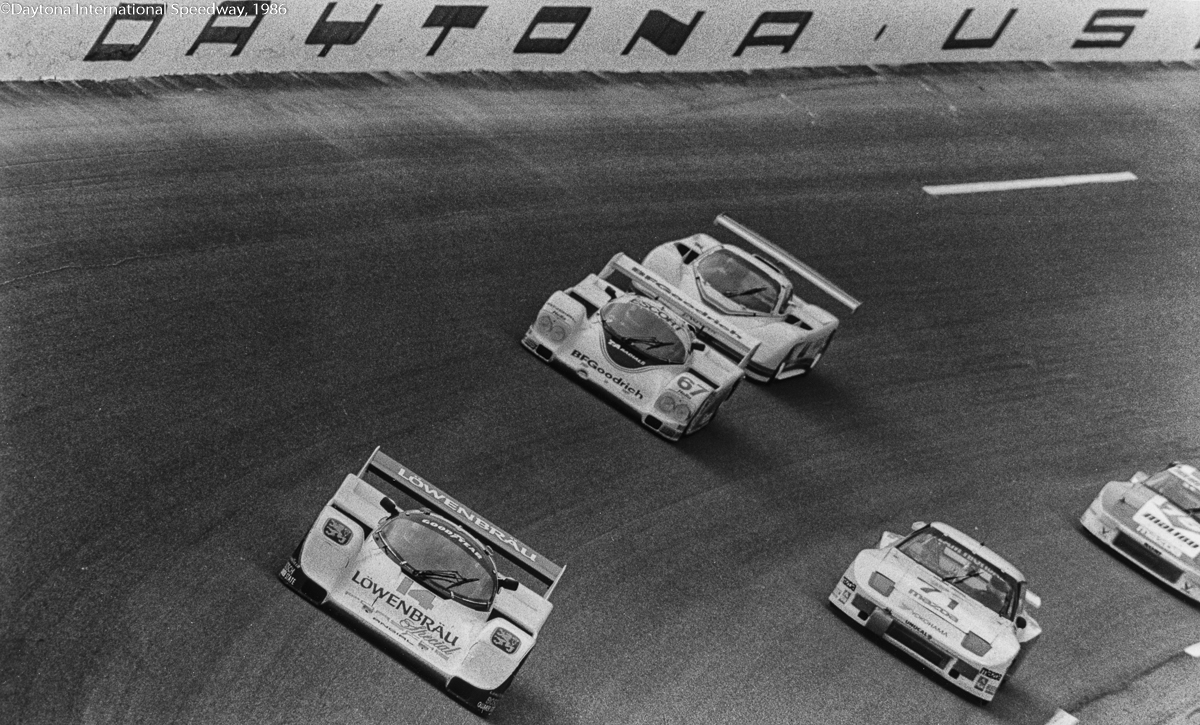
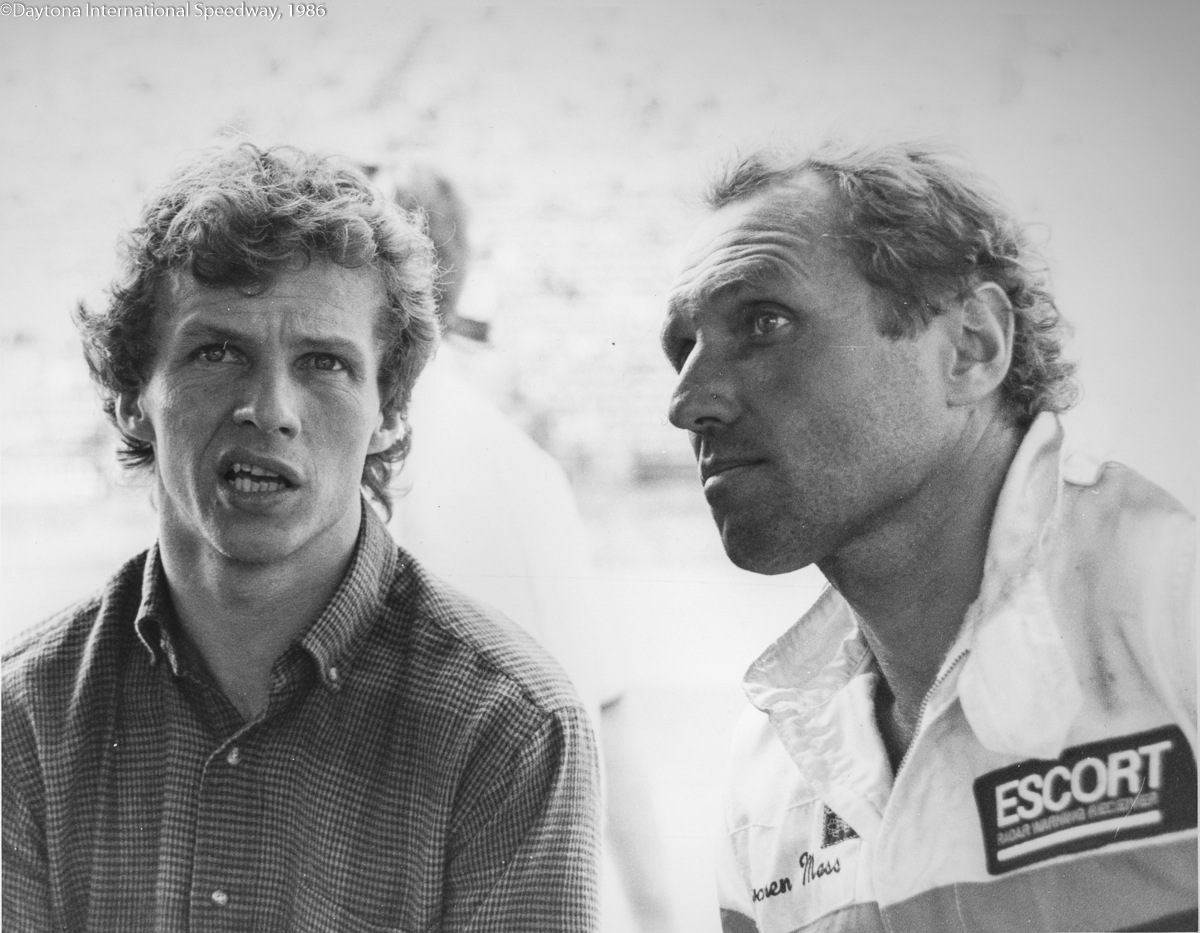
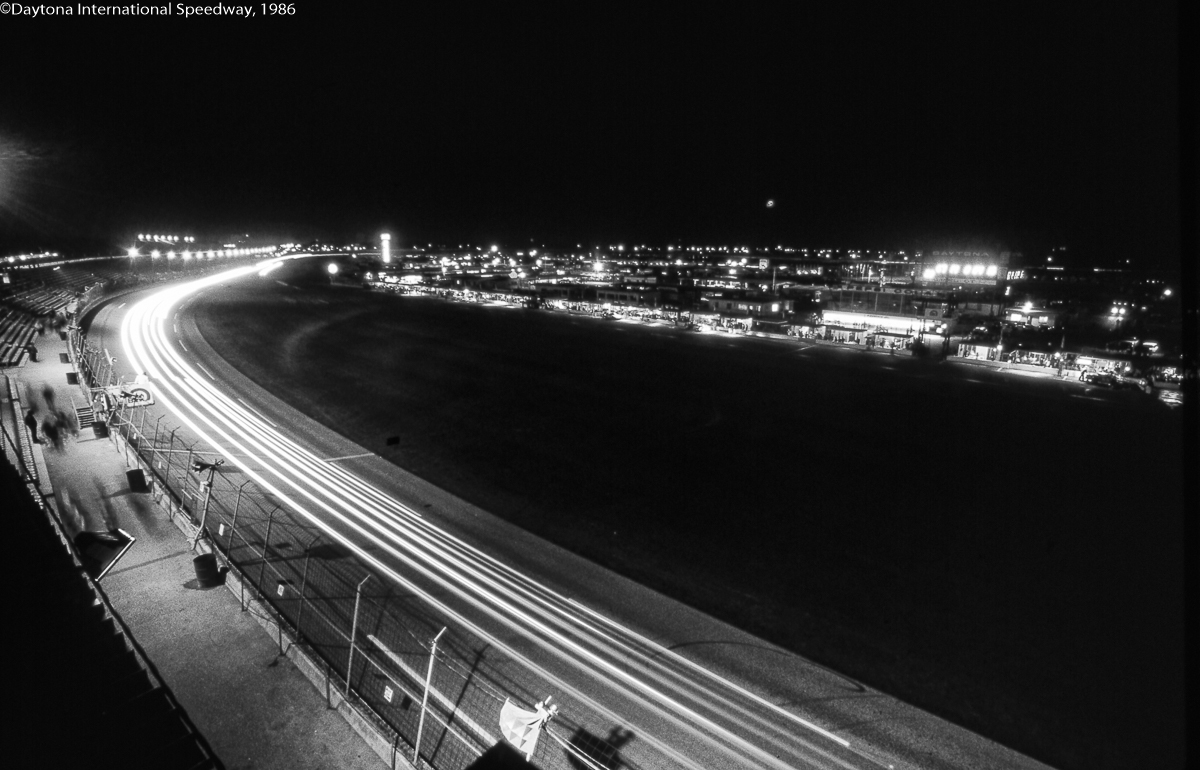
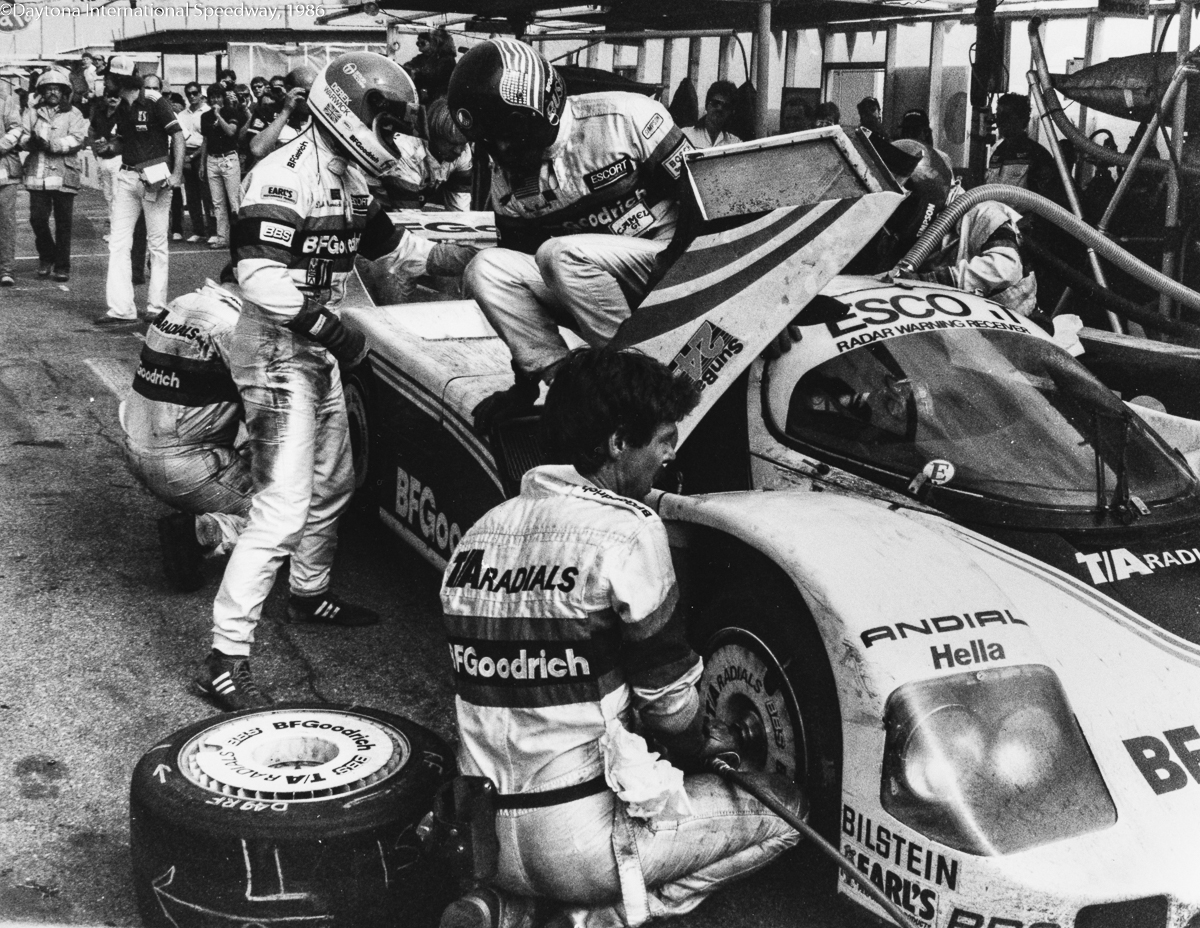
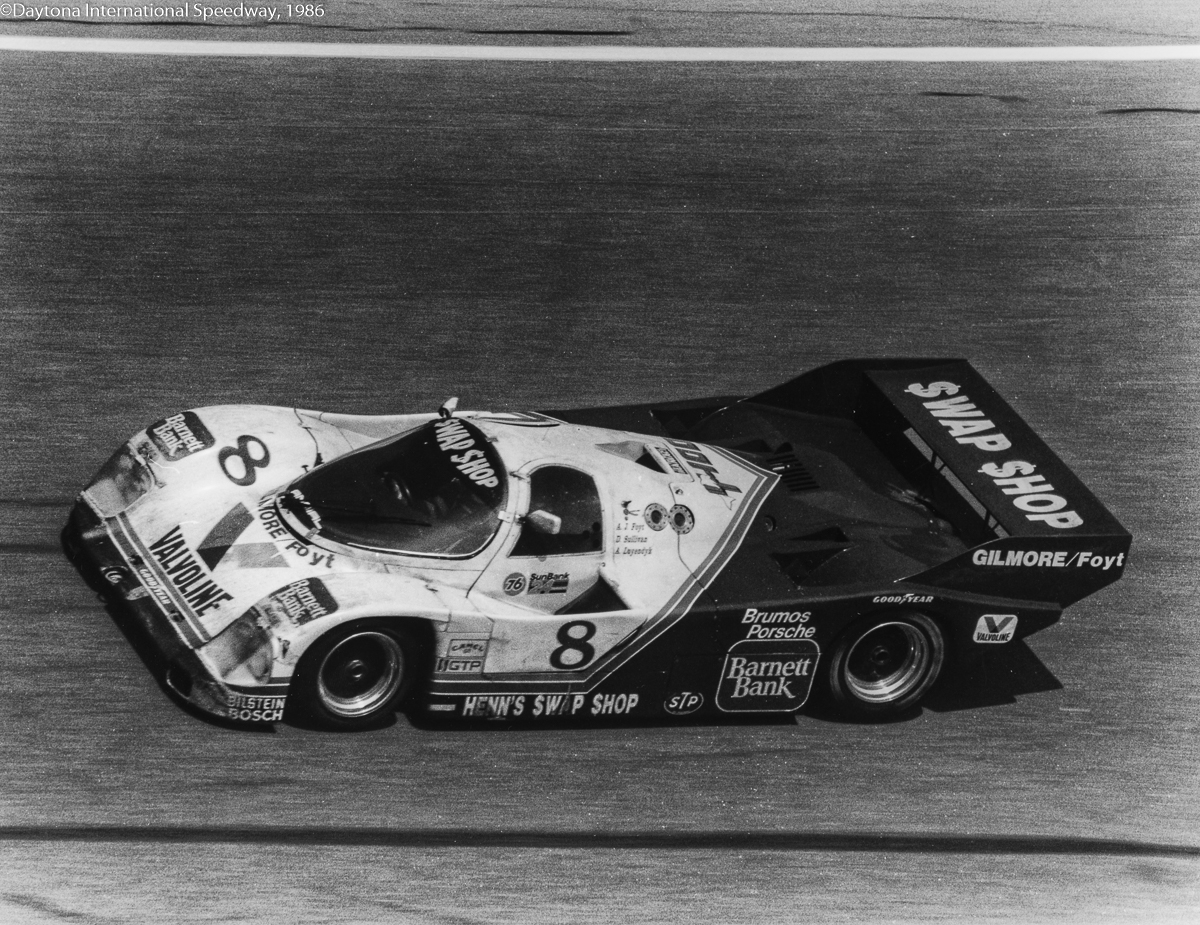
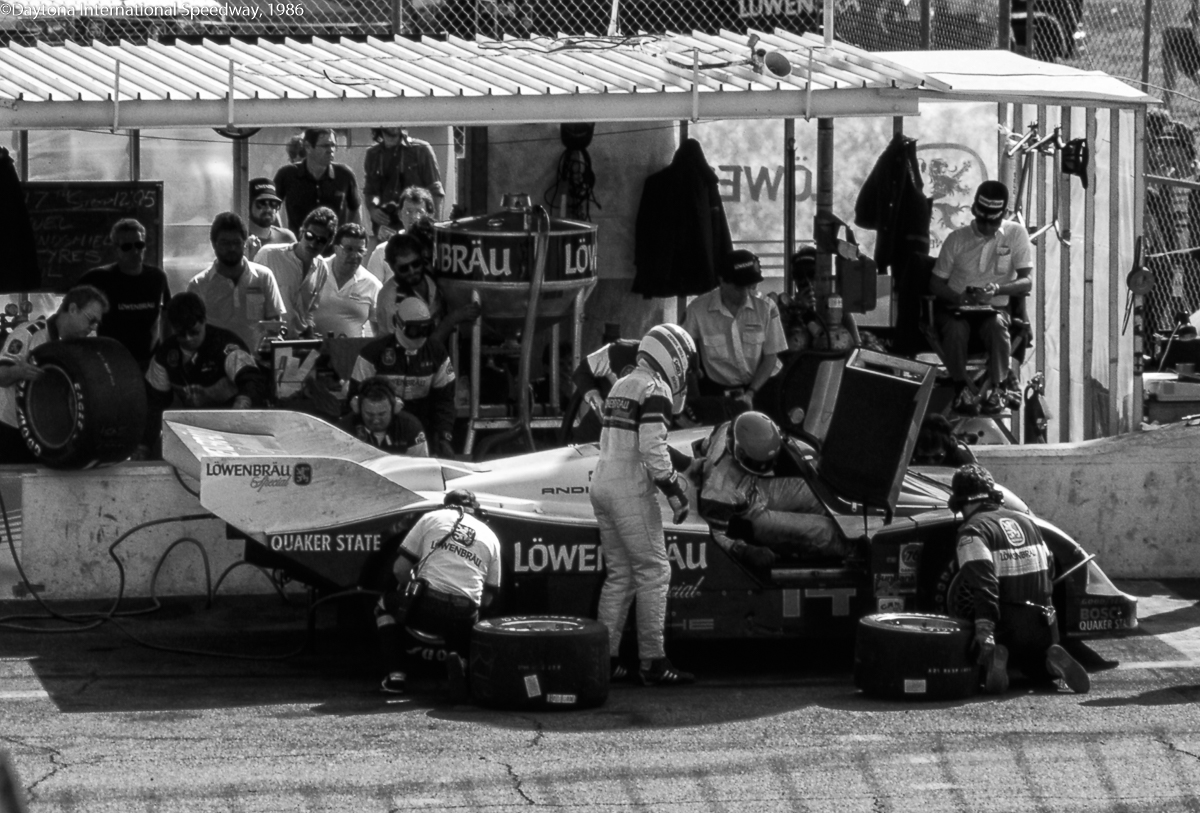
Delays to the Holbert Porsche for brake line failure and broken throttle cable meant that the lead during the darkness was disputed by the Swap Shop 962 of the owner, Preston Henn, and his trio of Indianapolis 500 winners, A.J. Foyt, Arie Luyendyk and Danny Sullivan. Opposition came from the surviving BF Goodrich Porsche of Derek Warwick, Jochen Mass, Darin Brassfield and Jim Busby, these two cars swapped the lead during the night, apparently in a race of their own. In common with the Holbert car, some distance back, these Porsches were being wrung by the neck, each lap treated like a qualifying effort.

86Daytona24_dis_0002-Edit


Then, as the sun appeared from the East, things started to go wrong for the leading pair. #67 suffered a broken CV joint and then a driveshaft failure, time was being lost in the pits, any chance of victory also seemed to have evaporated.

86Daytona24_dis_0011-Edit

#8 was also in the wars, an oil line had to be replaced as did a turbo wastegate. The biggest issue was a sticking throttle and the team elected to fix it costing some eight laps, however the problem persisted and their once substantial lead was disappearing fast.

86Daytona24_dis_0018-Edit

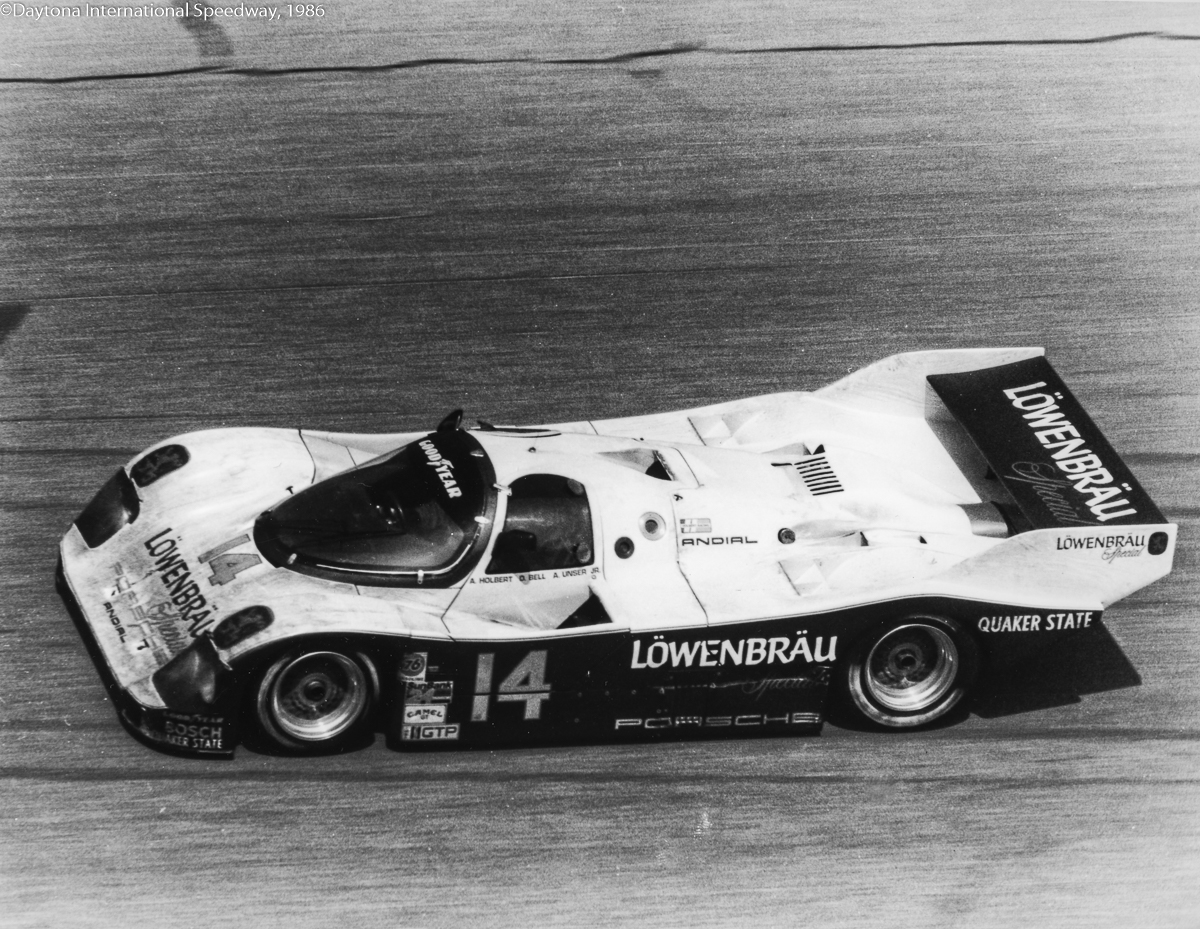
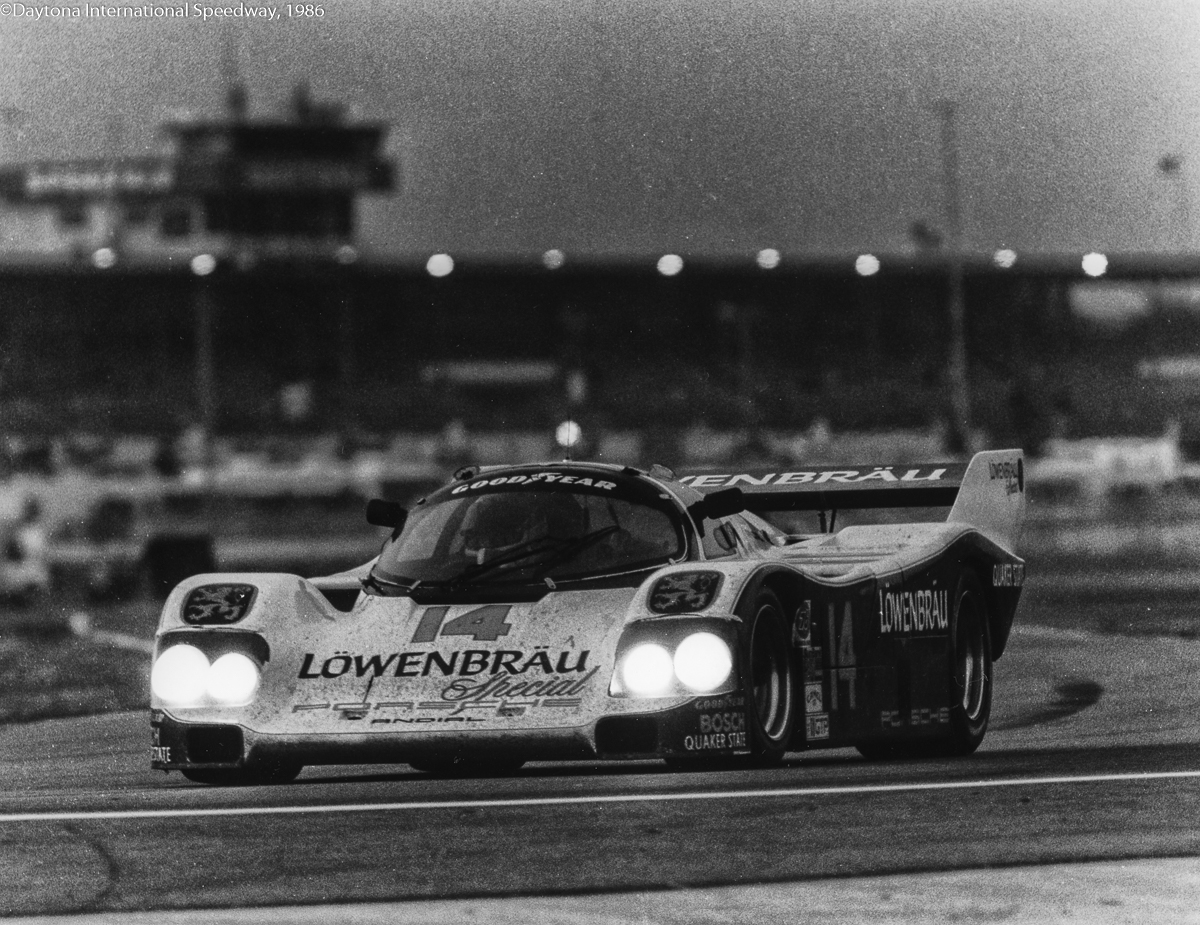
At one point the Holbert 962 had been 22 laps off first place but as their rivals struck misfortune they closed in on the top spot. Holbert, Bell and Unser Jr. knew all about the cruelty that the Daytona 24 Hours could inflict on those seemingly destined for glory. A year previously they had seen a 13 lap advantage while leading on Sunday morning turn into a 17 lap deficit that would result in second place.

86Daytona24_dis_0017-Edit

If further proof were necessary about the capricious nature of racing round the clock at Daytona Beach consider the fate of the #07 Ford Mustang. The driver trio of Klaus Ludwig, Scott Pruett and Bruce Jenner (Yes, THAT Bruce Jenner) built up a lead of 90 laps over their nearest class rivals. Late on Sunday morning they had to witness this apparently impregnable advantage unravel as they were stuck in the pits trying to repair an oil leak, they still managed a second in class and fifth overall, a good indication of the attrition suffered by the whole field.

86Daytona24_dis_0014-Edit

The closing laps were tense as the lead of the #14 car was just over a minute from the #8 962, with #67 a further lap adrift. The final result saw the Holbert car record 712 laps, just 1:49.150 ahead of their rival after 24 hours, it was the closest finish of the race to that point and also a distance record of 2,534.72 miles.

Untitled-18-Edit

There would be no repeat of the crushing disappointment of 1985, Holbert, Bell and Unser Jr. would get to spray the Champagne and hoist the trophies. They would repeat this triumph a year later but Holbert’s time was running out, he was killed in a plane crash in September 1988, an endurance champion was lost.

John Brooks, January 2016