Category Archives: Nostalgia

Orange Blossom Special

Cover Shot

For sure we live in strange times, perhaps it is the change of the seasons, perhaps some other wild cosmic shift in the Solar System. Whatever, the Mojo wire has a steady stream of bizarre stuff tumbling out, as might be expected when the first Grand Prix of the year is on, the hype dials are set to eleven. But there is more……

Bruton Smith, is normally a very sharp businessman and CEO/Owner of Speedway Motorsports, Inc. (SMI), an organisation that has a portfolio of Speedways at Charlotte, Atlanta, Bristol, Kentucky, Las Vegas, New Hampshire and Texas, plus Sears Point. So reports that he is going to recreate the Nordschleife in Nevada are to be treated with some respect, though the question is why? Where will he put the Pistenklause and will the beer be cold enough? What about sand in the Schwalbenschwanz?

Even more weird are tales that Pamela Anderson is heading towards sportscar racing.

Pamela Anderson, a renowned petrolhead, has launched her own motor racing team, Downforce1 by Pamela Anderson, with plans to enter this years’ European Le Mans Series (ELMS) with an Aston Martin Vantage GT2, the International GT Open Series and NASCAR for 2013. Austrian Markus Fux is the first driver to be named.

I suppose she will be a visual improvement on some of the Team Principals I have known but………………..according to one social media group that I am linked to she is something of an veteran when it comes to handling drivers…..Paul Gentilozzi • Her interest comes from her dating Eddie Irvine a few years ago. She was our guest at the Long Beach Grand Prix and was immediately drawn to the sport.

Strange Days Indeed, Mama.
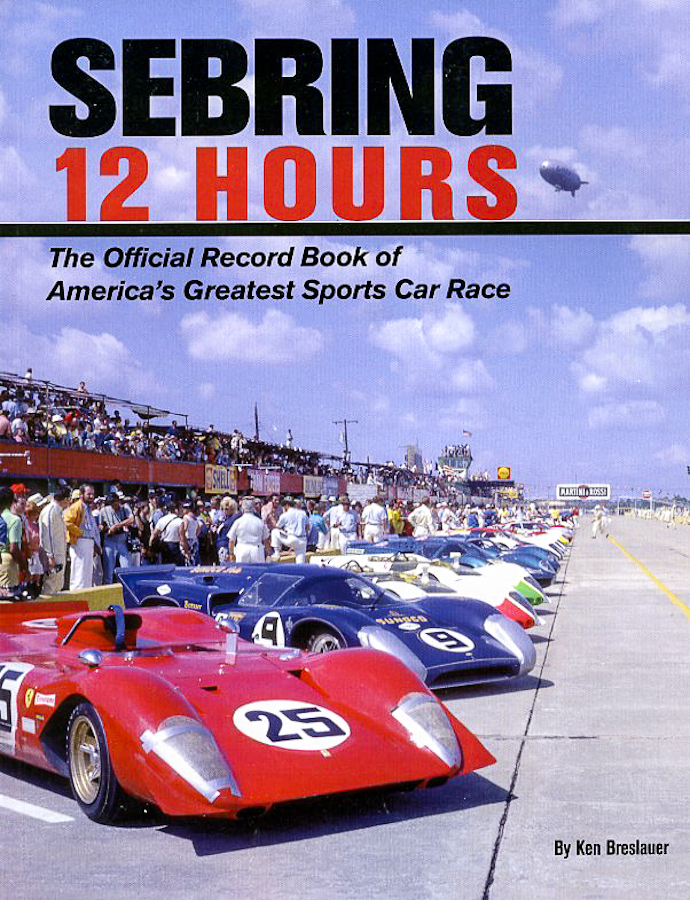
Buy This Book

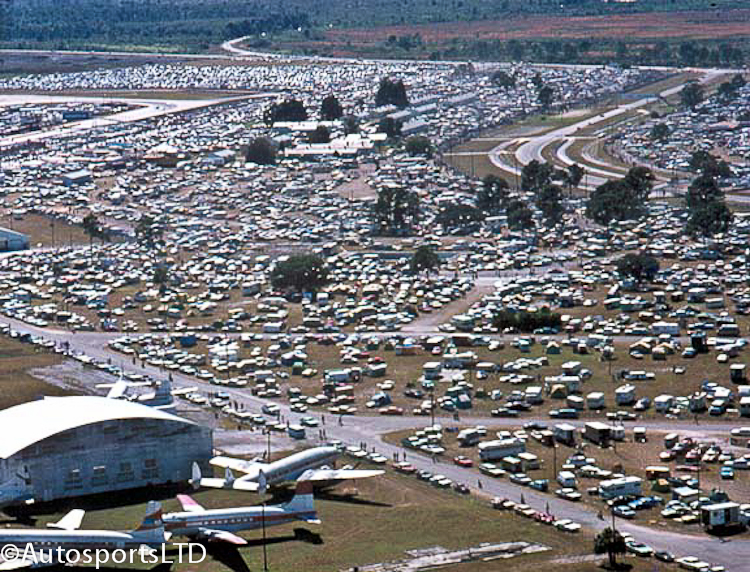
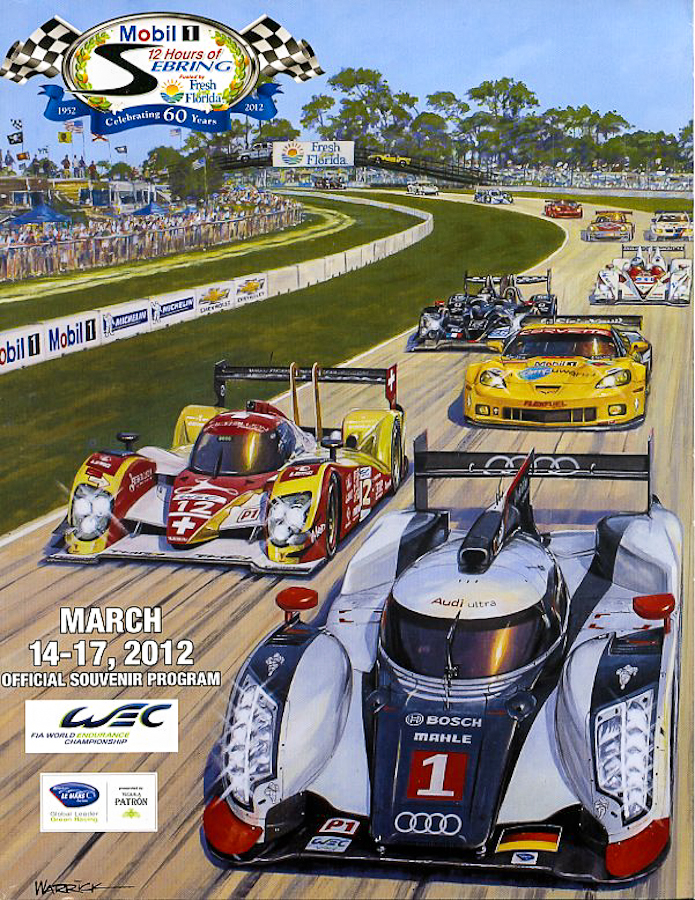
How appropriate then that I have spent the best part of a week in motorsport’s version of Saturnalia, the 12 Hours of Sebring. For those who did not attend or those who did not pick up a copy of the excellent Official Programme, I am allowed to publish some of the pieces that I collected for the publication. Ken Breslauer, PR Director for the place and Track Historian had kindly given me permission and in return I am giving a plug to his latest book the “Sebring 12 Hours Record Book” a comprehensive guide to the results from all the endurance classic held at Hendricks Field.

So starting with my own experiences here are some of the memories that Sebring provokes amongst those who have visited it in the past………….more tomorrow.
Blondes Have More Fun

The Grand Old Dame of American Sportscar races has reached Senior Citizen status. My own involvement with the annual trip round the clock-face is relatively recent, 1999 to be exact. In truth I had visited the Central Highlands a few years earlier, as part of the travelling circus that was the 1997 FIA GT Championship. I was distinctly underwhelmed by the place, remote and scruffy, yet strangely familiar, a race track based on a World War Two bomber base, hello Silverstone, hello Thruxton, hello Snetterton.

Fast forward to March 1999, like many before me, I used the opportunity of a race in Florida in March to have a holiday to try and shake off the European Winter Blues. So as I dropped my wife at Miami International for her flight to New York to visit her brother I wondered what I would encounter up Highway 27. Everyone told me what a great event the 12 Hours was, but my own experience of the place had not been positive,
On The Mean Streets Of Sebring

Most Europeans find on their first visit to the United States of America that the most distinctive feature is the scale and sheer size of the place. So, not for the last time in my travels, what looked on the map like a short hop from Miami turned into a long, and frankly, boring drive. Through the Everglades, past sugar-cane plantations, into and out of Clewiston and Moore Haven, across the Caloosahatchee and alongside Lake Okeechobee. These were places that would become familiar in the following decade but the first encounter increased my sense of apprehension, what was I going to find even further away from the bright lights of Miami? Eventually the cattle fields gave way to citrus groves and then the gates of Sebring International Raceway were in front of me.
Excitable Boys

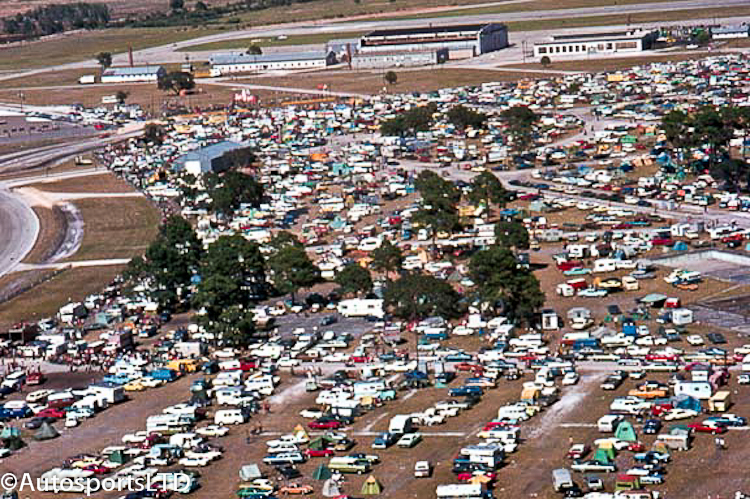
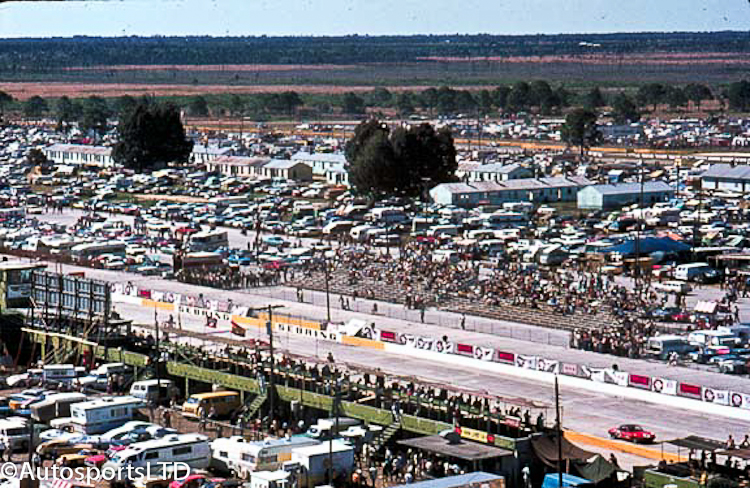
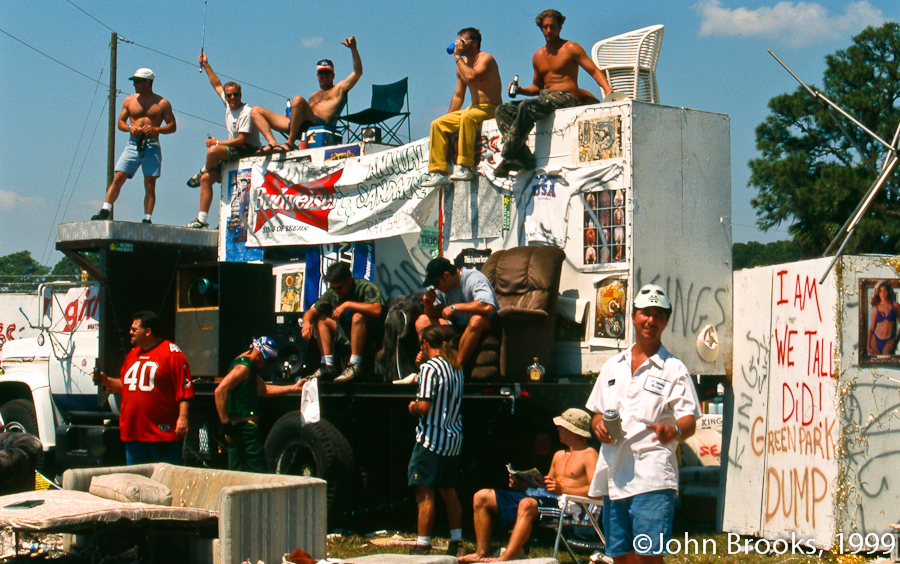
The place was transformed from the one I had seen in earlier times, it was bursting at the seams and everywhere there were folks having a good time with motor racing as a background. This was now familiar territory, it had the feeling of La Sarthe in June, now I understood what others had tried to tell me about the 12 Hours of Sebring, it really was a special time and place.
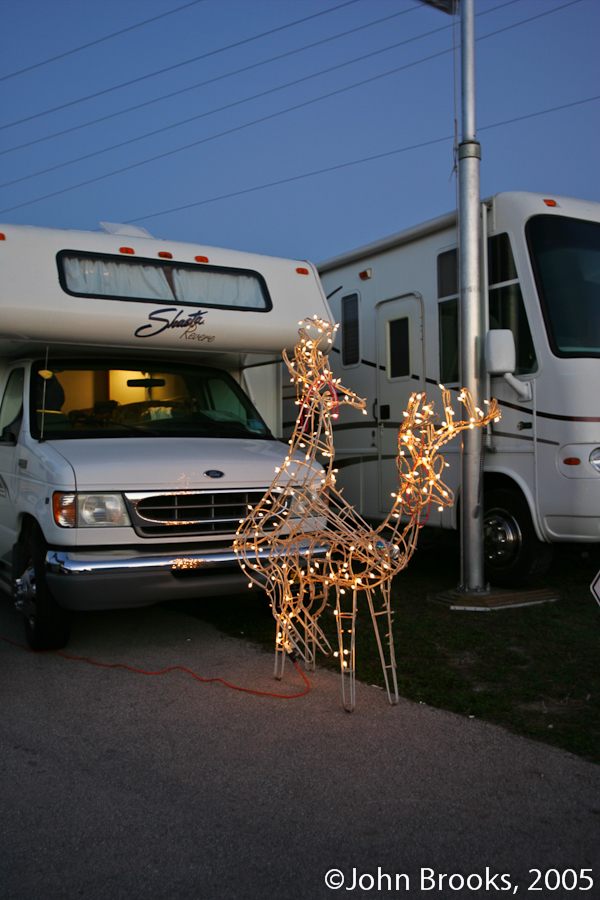
Spirit Of Sebring

Over the years it has become clear to me that the track action is just a small part of the attraction that drags some 100,000 plus souls back to the Central Highlands around Saint Patrick’s Day. Where else do folks queue outside for weeks prior to a motor race? Shared experiences forge friendships that survive the passage of a whole year or years, there is a generosity of spirit amongst the Sebring fans that is rarely, if ever, encountered elsewhere in the motorsport world. As I look back over the decade or so since my first 12 Hours a few memories come to mind.
Dining Al Fresco?

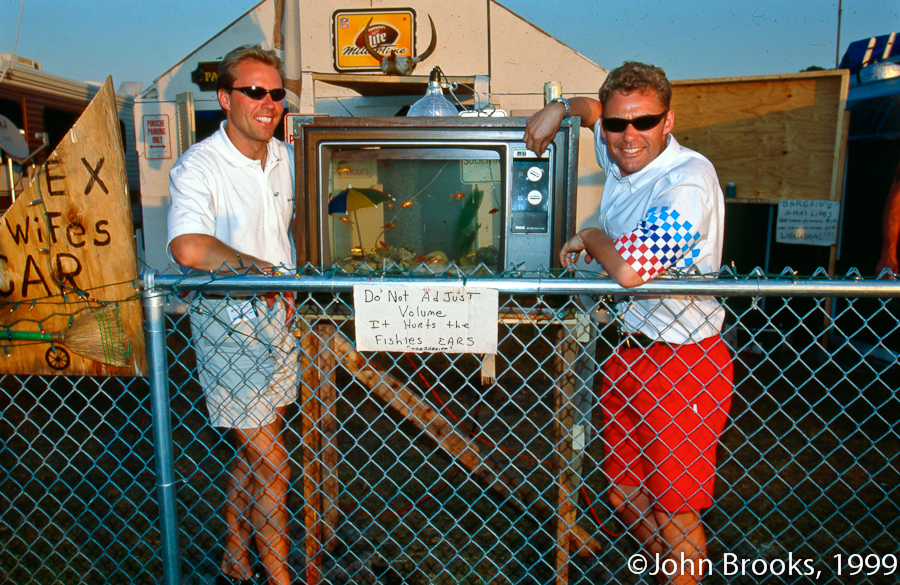
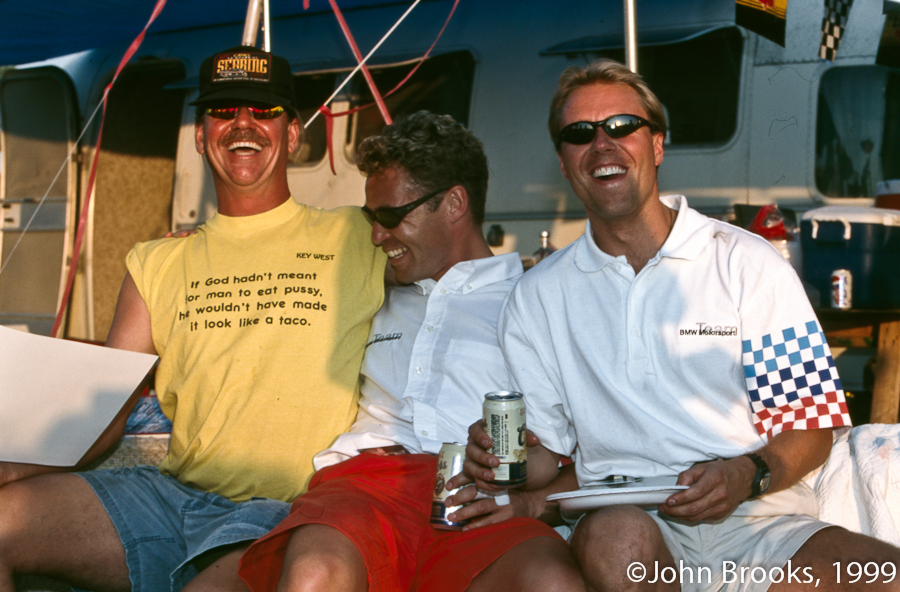
For those competing in the Big Race, the Sebring 12 Hours is a largely frenetic affair, pre-race testing in the run up to the gates being opened to the public, then all day track action on Thursday, followed by Friday Qualifying, prior to the race day itself. Friday afternoon is however a time of rest for the drivers, if not the mechanics, so most disappear to their accommodation but one or two of the more adventurous go out to see close up what they have passed at racing speeds. This was how I came to pick up a couple of blondes on the Friday afternoon in 1999.

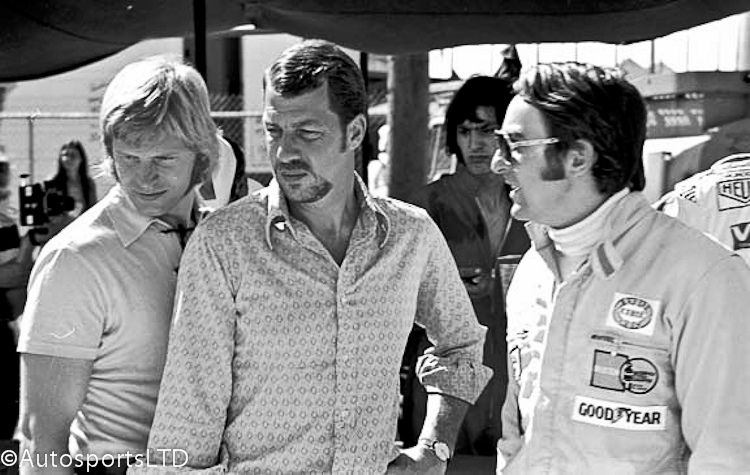
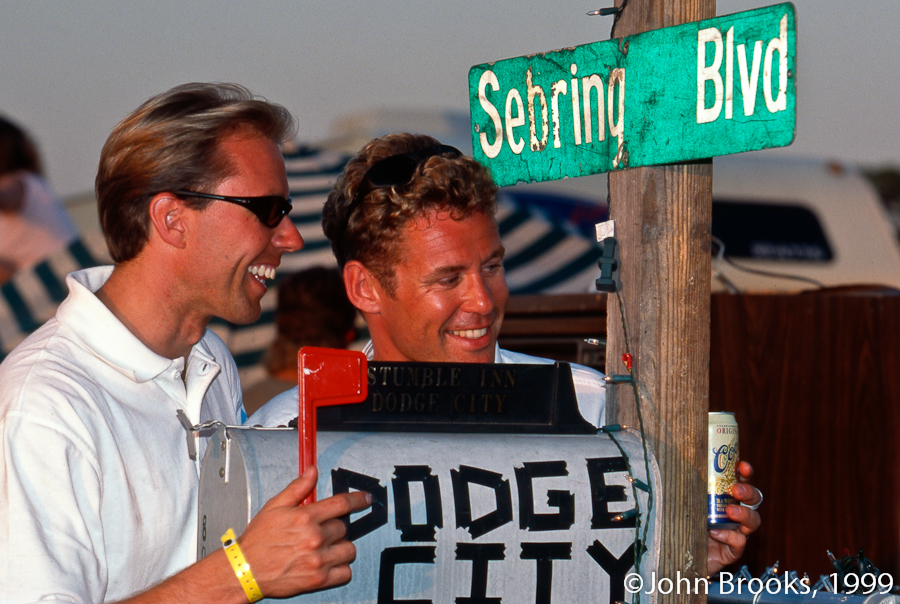
No my luck had not changed, the blondes in question were JJ Lehto and Tom Kristensen, team mates at BMW.  I caught them hanging around outside team hospitality, I knew JJ pretty well from our GT  seasons together but Tom less so. We were all a bit bored and bit curious to see more of the madness that was happening just over the bridge. So off we went for a few hours that could only be described as “different”.
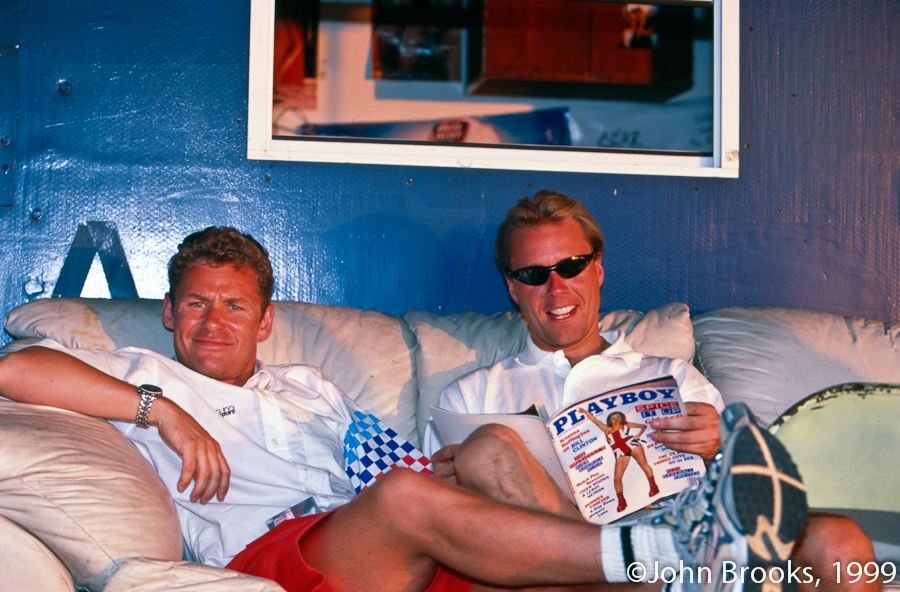
Reading The Motoring Column

Cutting a long story short, I signed the drivers for the 2000 season with La Bomba Racing, helped them read Playboy and Penthouse (only the motoring sections of course) in the Stumble Inn and watched some goldfish in, rather than on, the television. Finally we ended up at that Floridian motor racing Mecca, Turn Ten. This was my first encounter with the citizens of that particular town and thankfully not the last. As you would expect the Blondes were treated as if they were royalty, everyone was pleased to have the Pole Position winner (JJ) drop in for a beer and a snack. To round off a perfect introduction to the Sebring 12 Hours the Blondes won the race the next day, my weekend was just about complete.
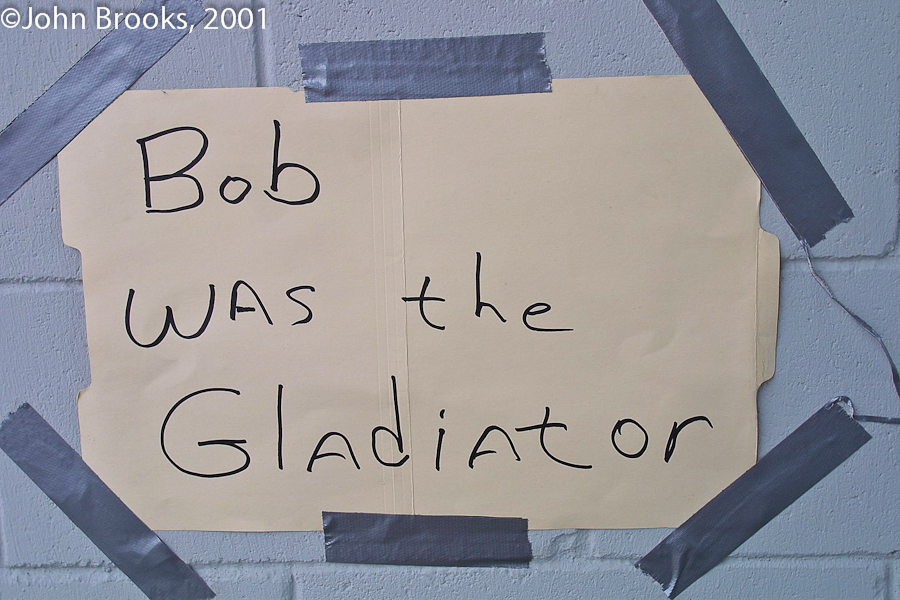
Sign Of The Times

Two years later I was at the track on race morning before the sun rose, there is always a photo briefing to look forward to, a great assembly of grumbling, groaning snappers. I understand that the collective noun for motorsport photographers is a Moan. 2001’s raceday photo meeting  was an unexpectedly solemn occasion though.  First to arrive, and in those pre-digital days, first to leave, the vast majority of us snappers had not heard the news, Bob Wollek was dead. It was unbelievable, Wollek had survived during a truly dangerous period in motorsport and now, as he contemplated retirement, he was killed in a pointless traffic incident.
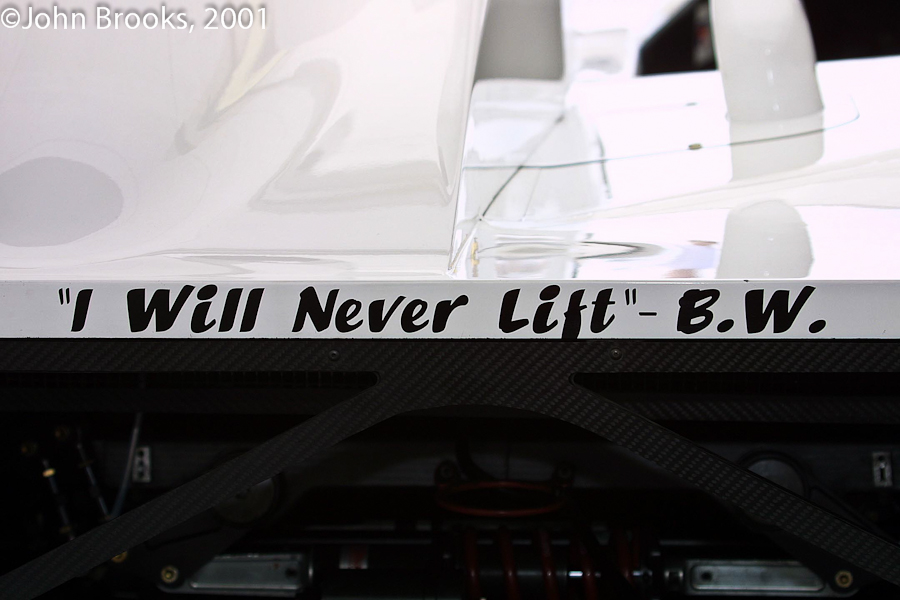
Memoriam

Just how pointless was soon evident when the circumstances emerged. Bob was a keen cyclist and would use that method of transport to get to and from the circuit. In fact he would ride to Le Mans every year from Strasbourg, and then back after the race, over 400 miles each way. So on Friday afternoon he left the Sebring paddock en route to his lodgings, west along Highway 98 towards the small town of Lorida. An 82 year old local resident driving a pickup truck collided with the Frenchman, killing him instantly.

The Florida Highway Patrol reported “Wollek had been riding close to the edge of the pavement marking and the van, travelling in the same direction behind other traffic, hit the back of the bicycle. Wollek was taken to Highlands Regional Medical Center with fatal injuries.”
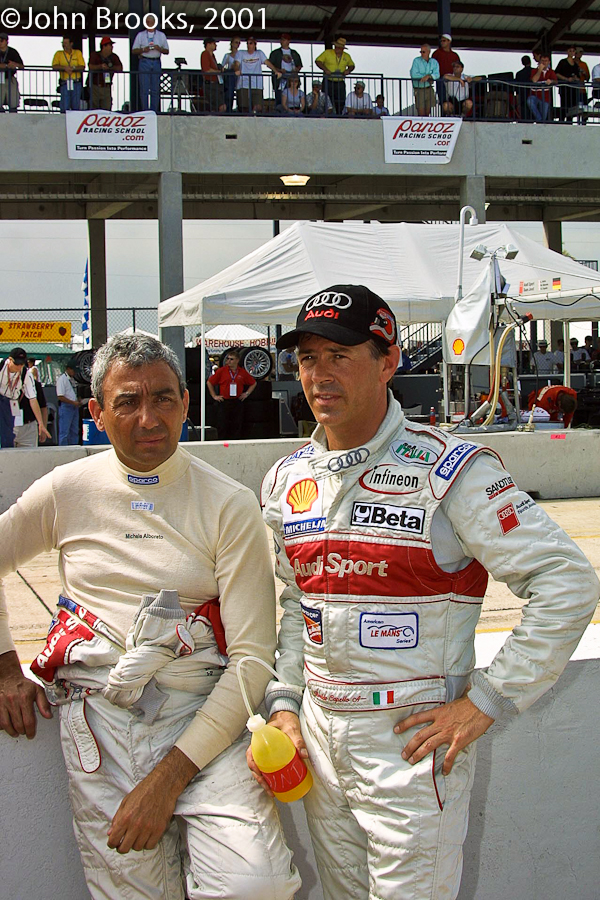
Ciao, Michele…….

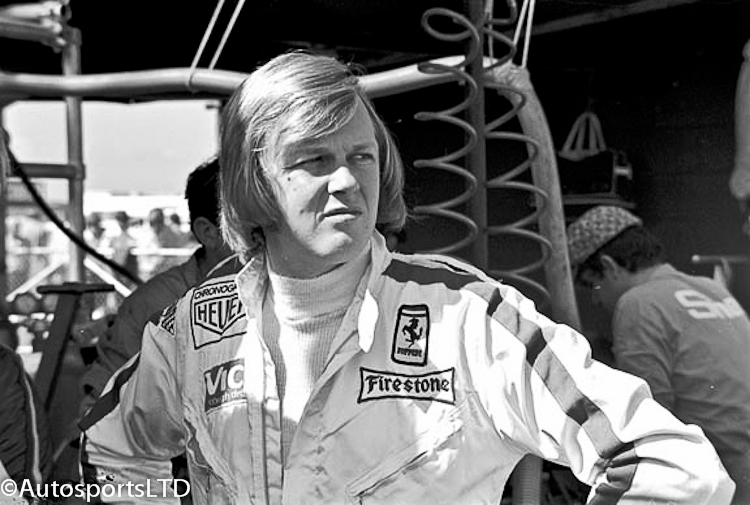
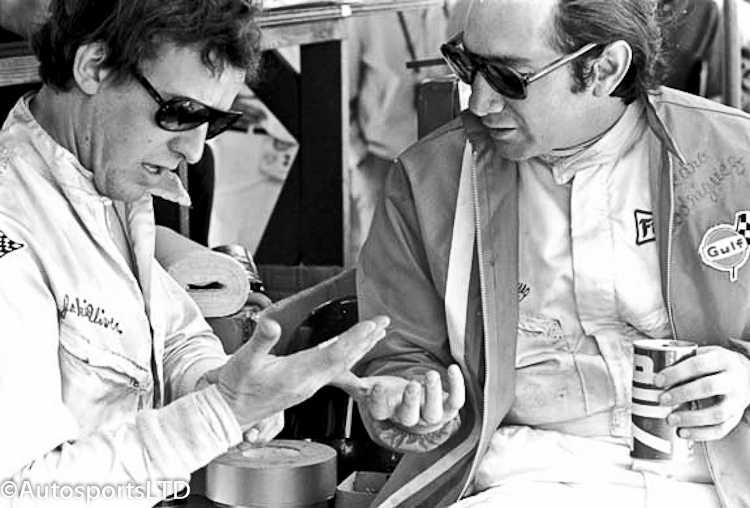
The whole paddock was in a state of shock, things like this no longer happened to drivers. A minute’s silence was observed before the race as a token of respect and there were not many dry eyes amongst those who had known him. Tributes from the fans appeared on the walls, it was the other side of the soul of motor racing. The race went on and was won by an Audi as expected, it was the R8 driven by Dindo Capello, Laurent Aiëllo and Michele Alboreto.  As if we needed any further evidence of how brief our time here on earth is, former Grand Prix star Michele was killed in a testing accident a few weeks after his victory at Sebring.
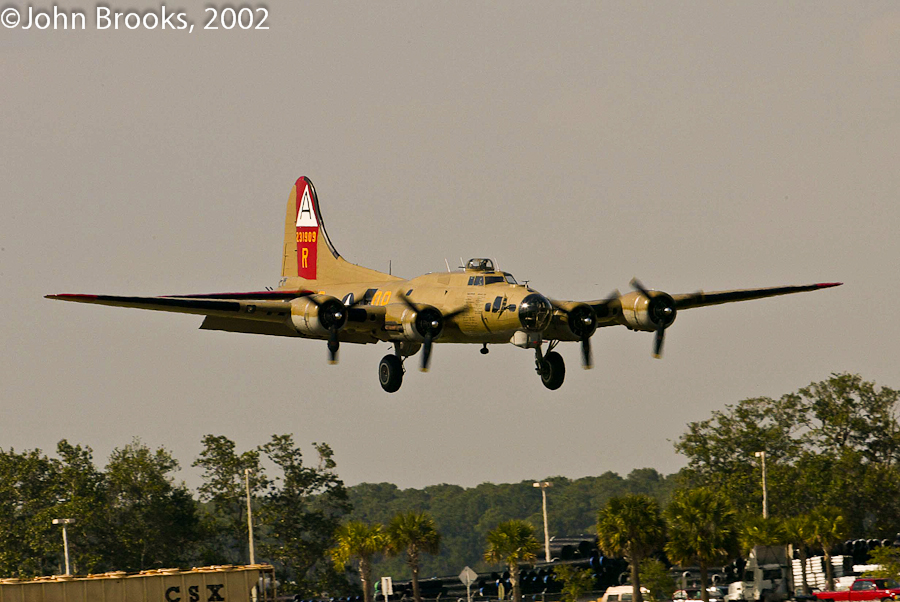
B-17

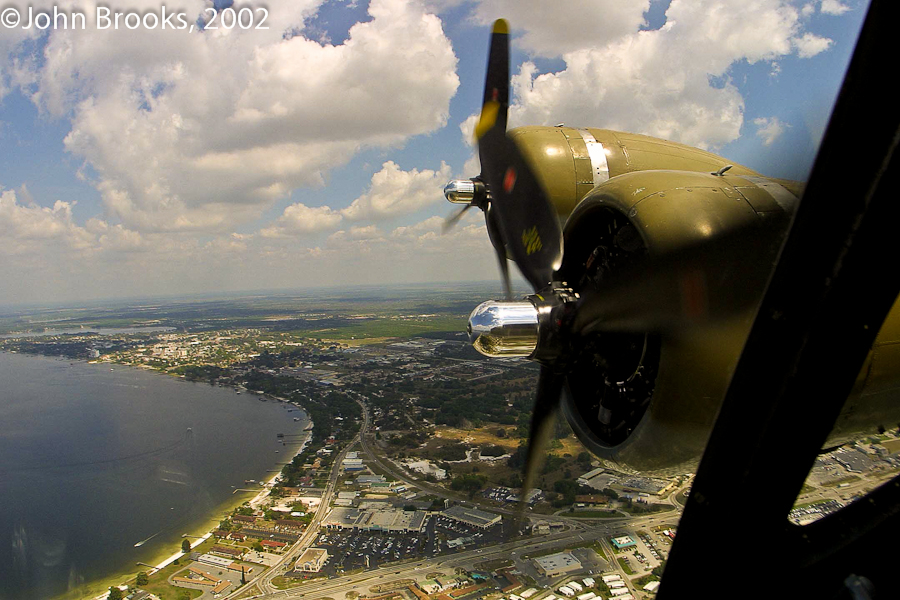
2002 marked the 50th Anniversary of the 12 Hours of Sebring. As might be imagined the boat was pushed out all round with celebrations and commemorations everywhere. For my part top of the list was a ride in Nine-O-Nine, a B-17. During World War Two, the current track location was known as Hendricks Field, a  B-17 Flying Fortress crew training base of the United States Army Air Force. So what more appropriate way of marking 50 years of the Floridian classic than the appearance of this fabulous aeroplane, paying tribute not only to the race itself but also to the men and women who served their country and who passed through the base during its years as a military establishment.
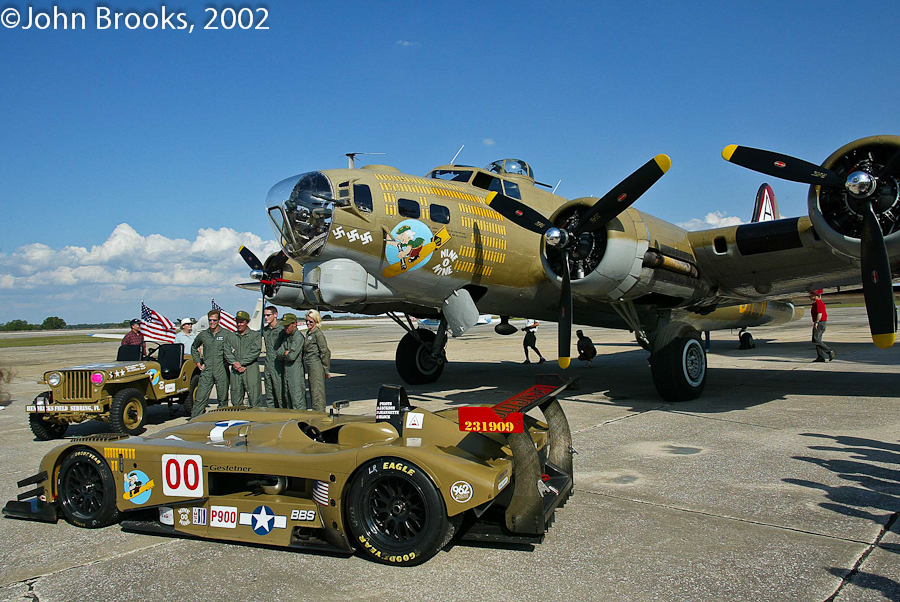
On Parade

The Flying Fortress idea was facilitated by Vintage Porsche Guru, Kevin Jeannette, who persuaded The Collings Foundation to bring their extremely rare war bird along to raise money for various deserving charities. The B-17 arrived to much fanfare on Friday with Kevin’s son, Gunnar, hitching a ride with the crew on their journey South. To support this worthy effort the team painted up their Panoz LMP01 in a USAAF camouflage dull green and raised more funds for Services’ charities.
High Flying Bird

Saturday morning and the call came from Kevin, a real dream come true.

Get over to the airport and you can have a ride in the B-17, if you want.”

“Try and stop me.”

So an hour or so into the race I, and a few other lucky dogs, took to the skies over the temporary city of Sebring International Raceway. The abiding memory of the short flight was of how small the plane was inside and how vulnerable the crew would have been, flying for hour upon hour over enemy territory. As the plane droned along, tracing the outline of Lake Jackson and the shopping malls on Highway 27, a silence descended over the passengers. Each of each us started to gain a small appreciation of the courage of the very young crews who had endured such terrible casualties in the skies during the War. It was a sobering thought and there are not many of those to be found in Highlands County during race week. It was a rare privilege to be a passenger in such an aircraft and a memory that I shall always treasure.
One For The Frog & Toad?

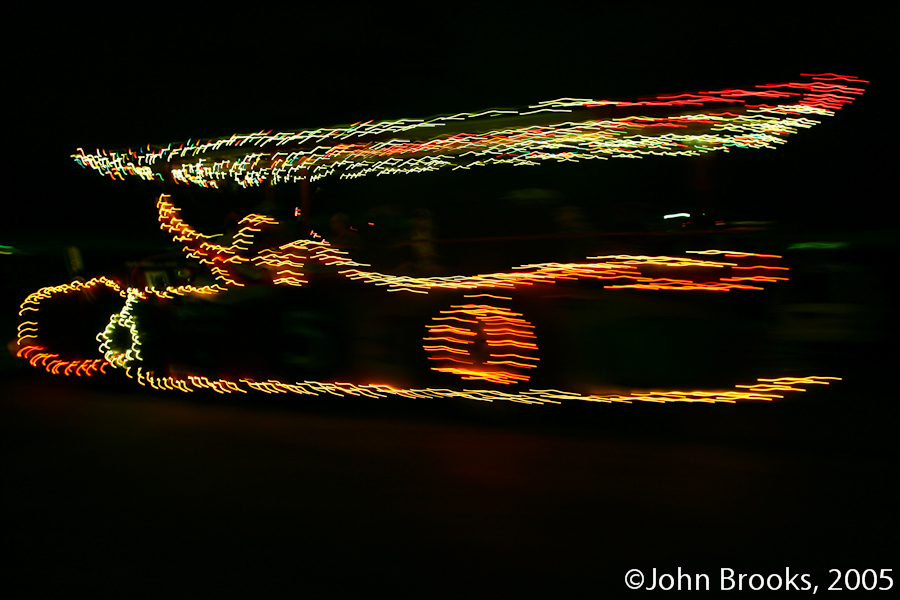
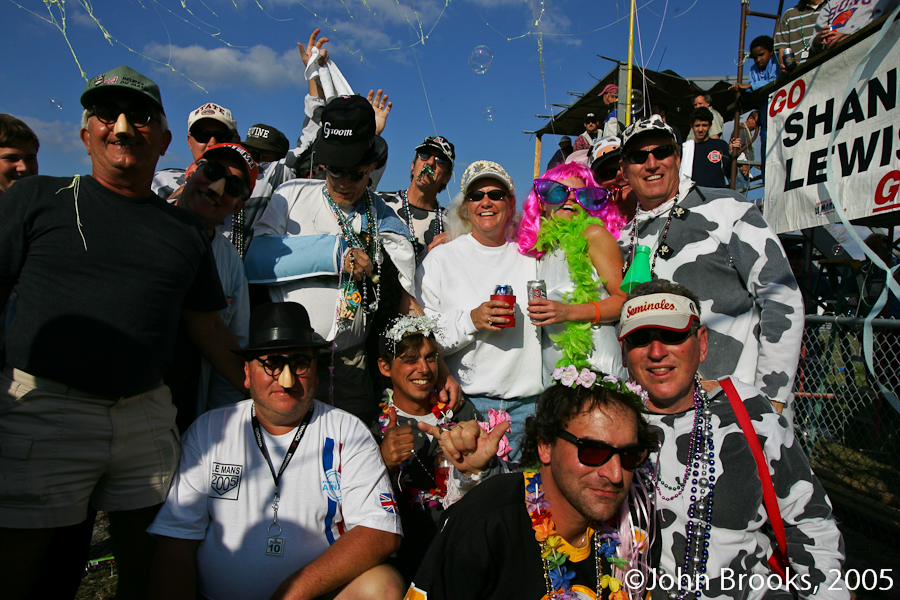
I have seen many strange things during my time at the tracks but a wedding is definitely in my top ten list of oddities. But perhaps I should not be surprised at any of the antics that the real Sebring fans get up to. So in 2005 I gathered with all the other guests in the Florida sunshine to celebrate the institution of marriage. Of course this being organised by the gang at Turn Ten, this was no conventional ceremony. Unusually for weddings in Florida’s Central Highlands it was reported in the London Daily Telegraph, not I grant you in the Court and Social pages, but in the Motoring Section.
Derek Pye

“It was a moving ceremony. The bride wore vaguely white and carried a bouquet in one hand and a large Budweiser in the other. The bridegroom wore an Hawaiian shirt, shorts and sandals. He had one arm in a sling and a 10-pin bowling ball chained to his ankle, convict style. But he looked very relaxed.
Bride or Groom?

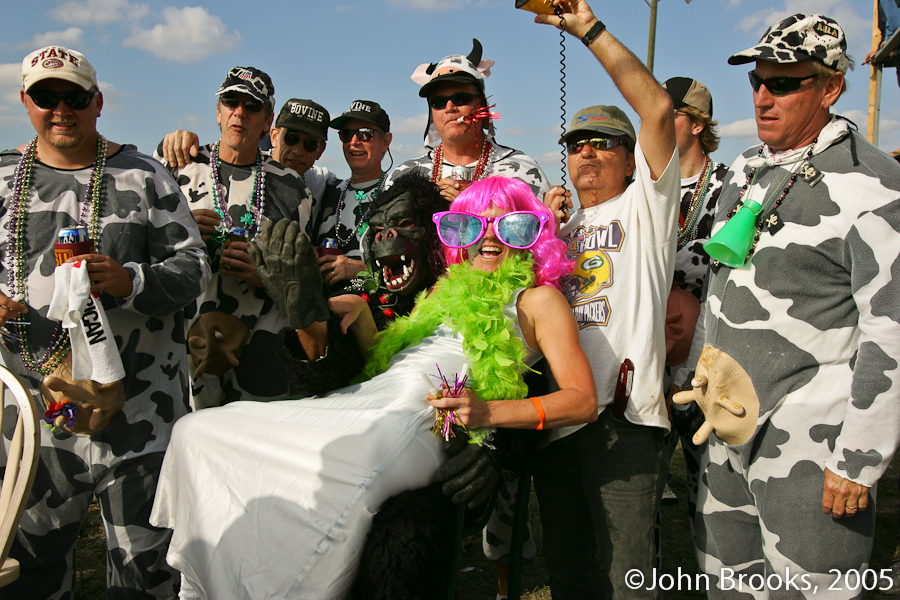
The flower-girls looked particularly fetching – male, admittedly, and more heavily stubbled than is usual, but nicely turned out, especially the taller one in the American football shirt, faded jeans, unlaced Caterpillar boots, flowery headband and lime-green tutu. The maid of honour was colourful, too, in a floaty off-white dress with fluorescent green feather boa and shocking-pink wig – like a psychedelic and visibly better- developed Shirley Temple.
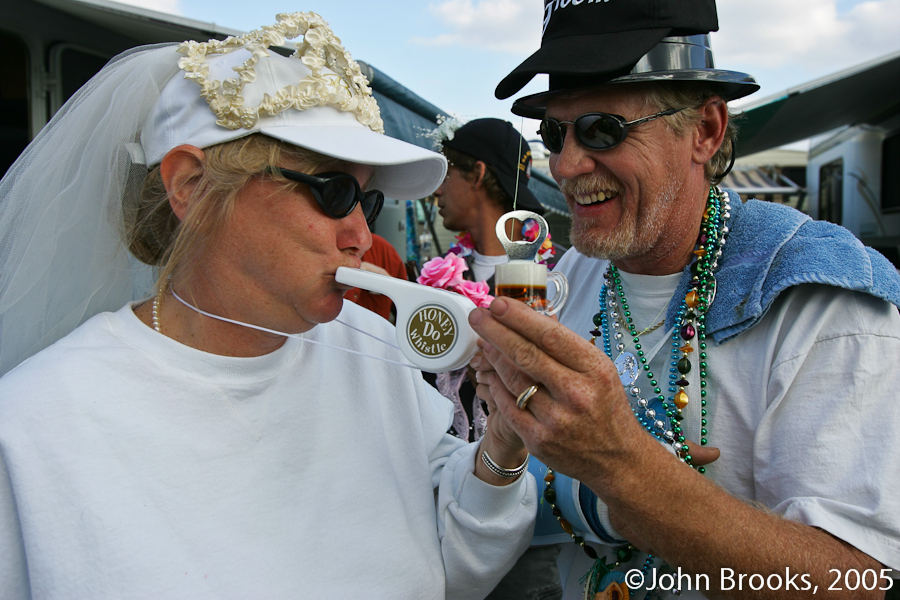
Honey Do?

The bride arrived a little late and walked the length of stair-carpeted aisle to warm applause from the large congregation, accompanied by the best man, looking frighteningly like the Elwood half of the Blues Brothers. And in a touching if oddly ethereal moment, the strains of Here Comes the Bride crackled out on loud hailers, led by a choir of Friesian cows with prominent udders, truck-drivers’ caps and very large cocktails.
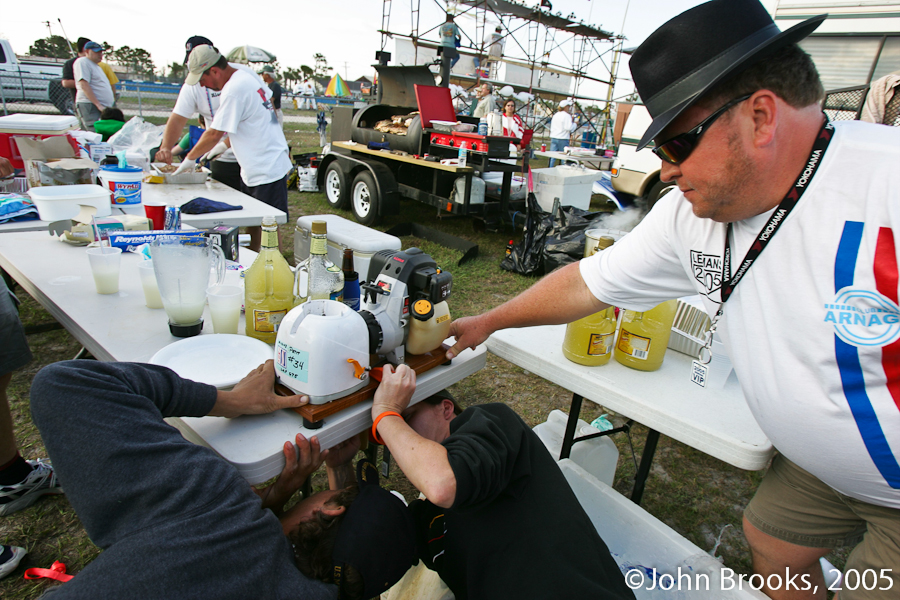
Emergency Supplies

The candles, in Jack Daniel’s bottles on a flag-draped altar that doubled as a substantial coolbox for emergency beers, were ceremonially lit, as the preacher, in full gorilla suit, pronounced the blessing through another megaphone. The gorilla invited the groom to kiss the bride (which he managed with some enthusiasm) and the Friesians proposed another toast, warmly taken up. Twenty feet away on the other side of the barriers, the racing cars thundered past, apparently oblivious to the solemnity of the moment.”

What more can I add to the late Brian Laban’s purple prose?
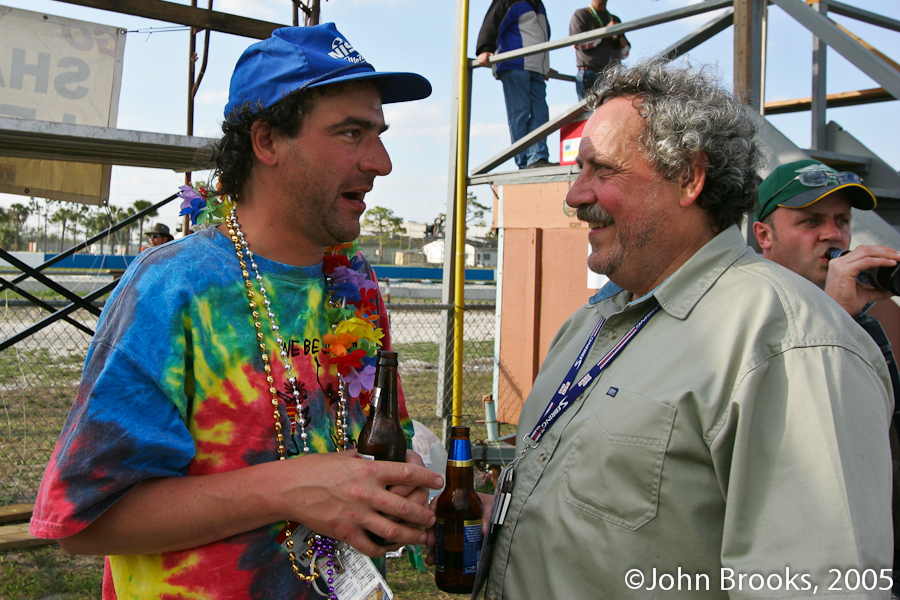
Norm meets the Fourth Estate

I witnessed the other side of the human experience on my last visit to the 12 Hours, back in 2010. The news had come at the end of February that one of great characters of Sebring’s annual race was not at all well. A few days later there was an announcement that Norm “It’s a dry rain” Koury had passed away. He was a true eccentric, even by Sebring Fan standards, but much loved by the nomadic community. So to celebrate his life and to assuage some of the grief and sorrow of those left behind, it was decided that there would a Wake For Norm on the Thursday evening. As a guest but not a member of the Turn Ten clan, I felt that I would show up, pay my respects and proudly display my “2002 Year of the Norm” beer cover. So I did, as did many, many others. The ceremony was given a dignified start by Richard Anderson (also now sadly departed), from Motorsport Ministries, who said a few words and prayers for Norm. It seemed a very appropriate way to mark the passing of such a Sebring Citizen.
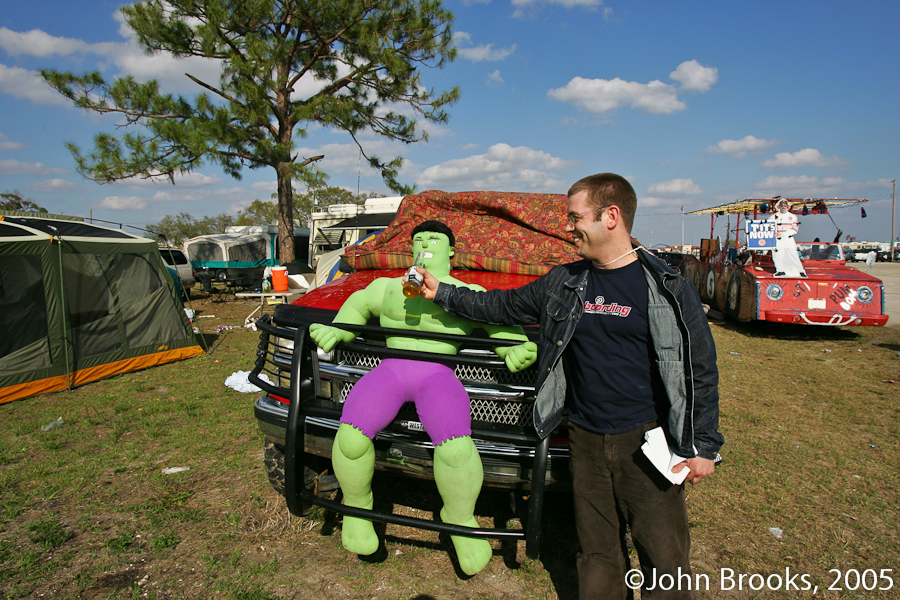
Hen’s Teeth

When someone mentions Sebring to me these days I think not of the cars and track action but of the fans who make the atmosphere of March in the Central Highlands of Florida unique.
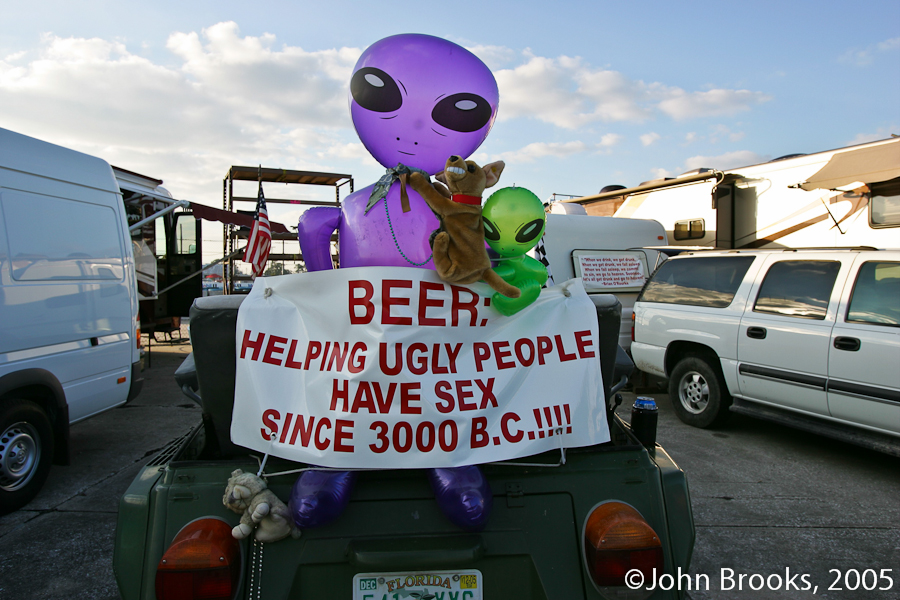
Message In A Bottle

Remember Steve McQueen may have acted at Le Mans but he raced at Sebring, that tells you all you need to know.

John Brooks, March 2012
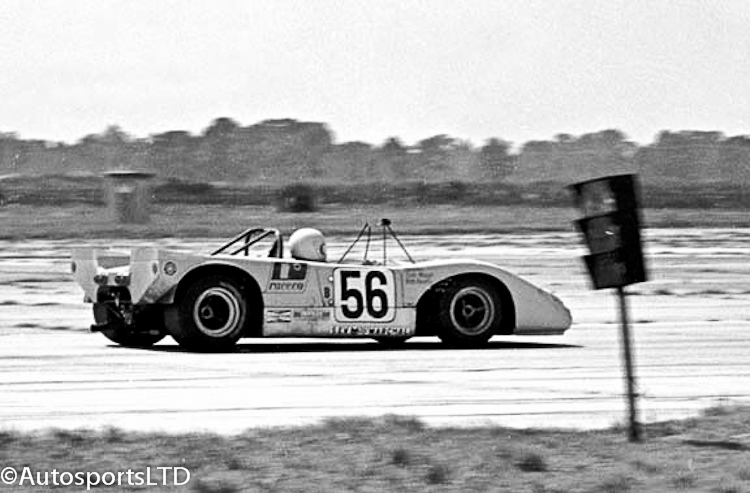
Landing Lights

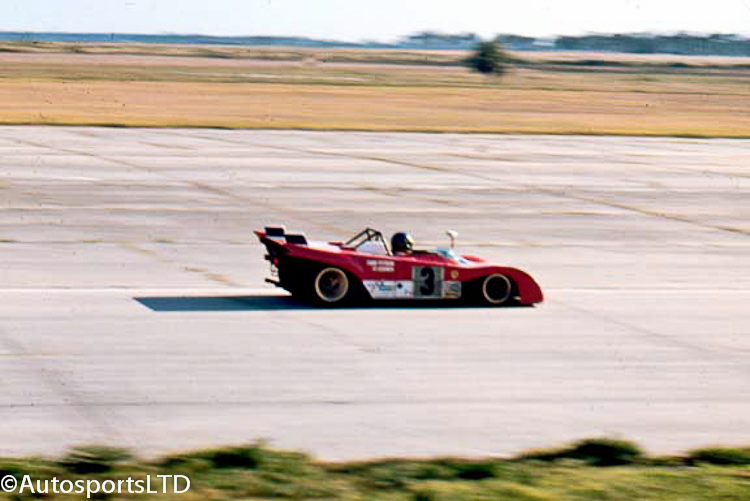
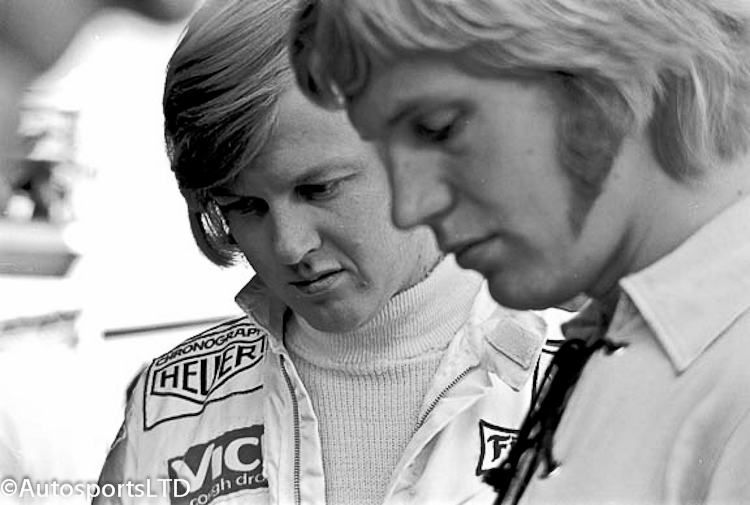
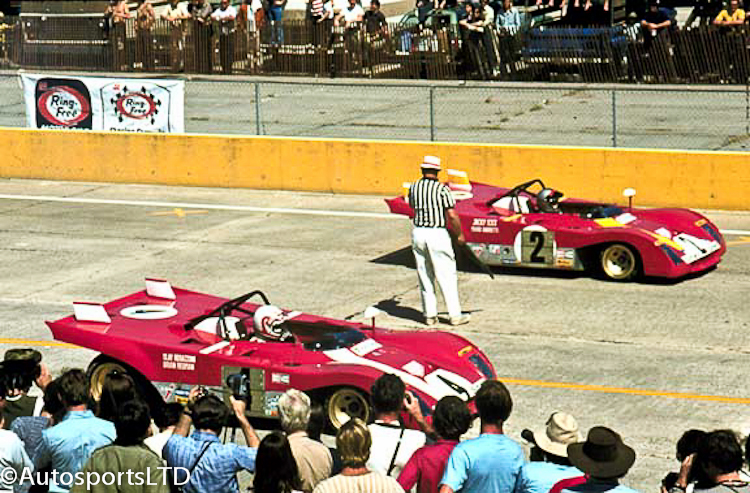
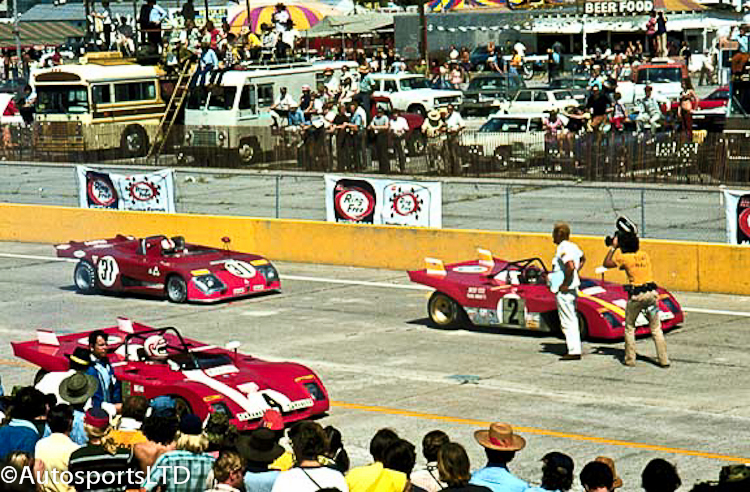
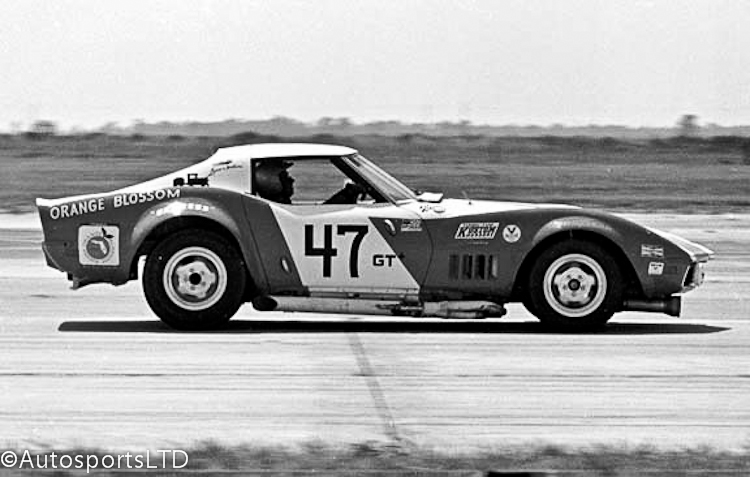
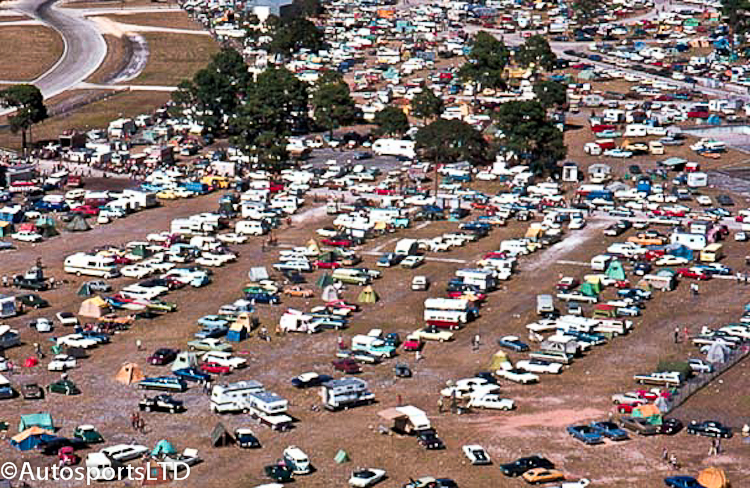
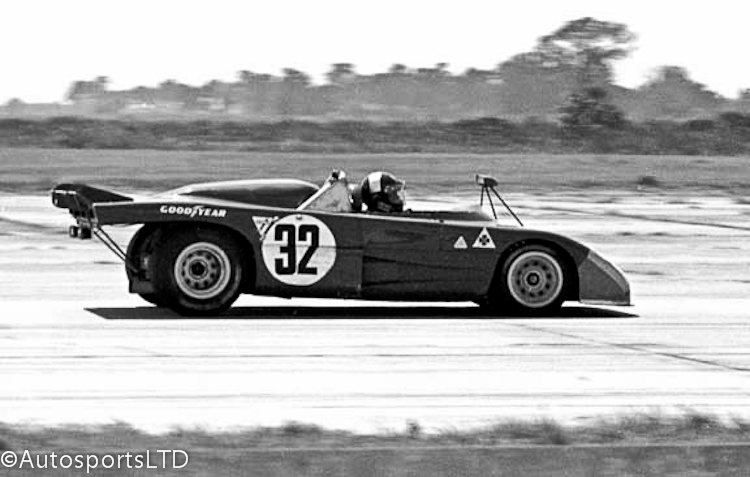
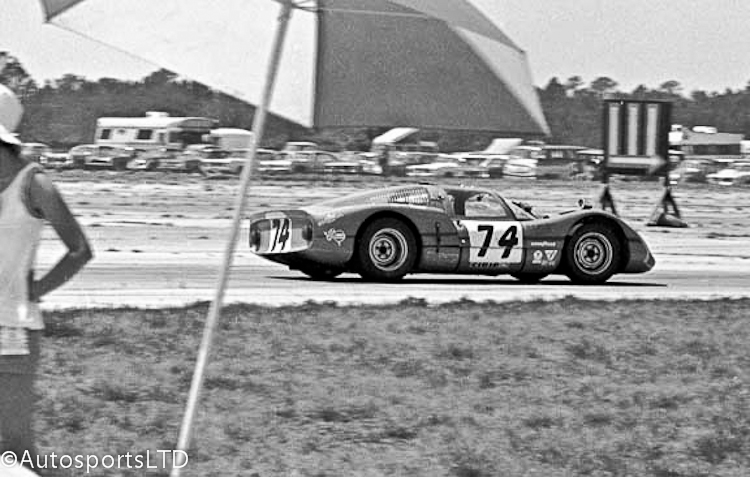
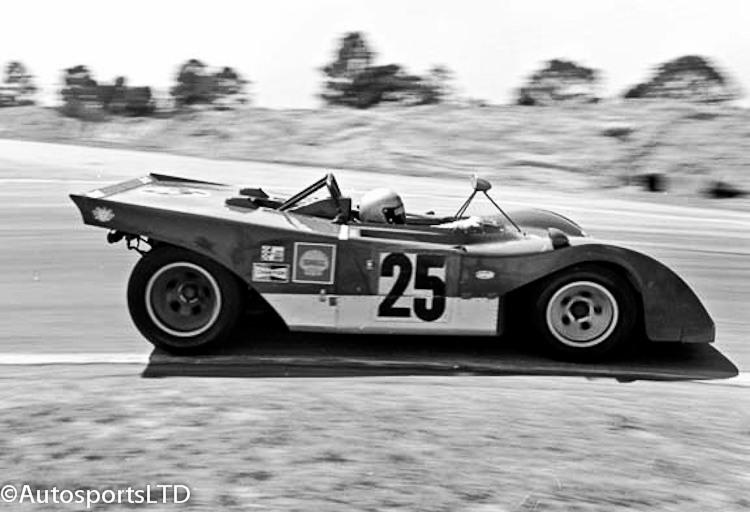
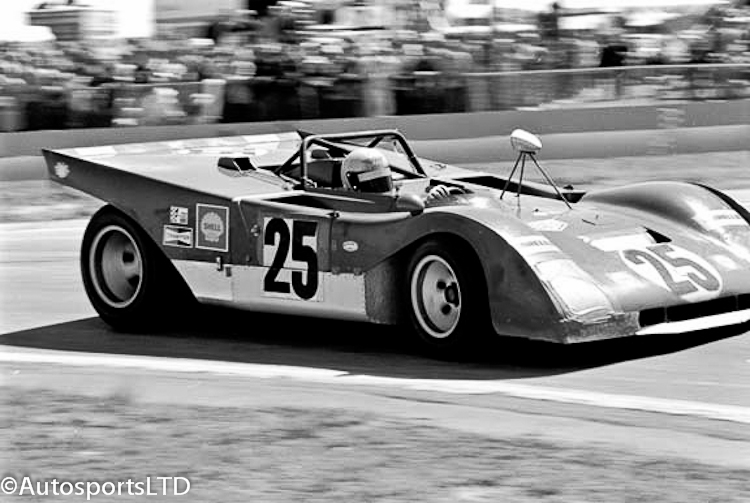
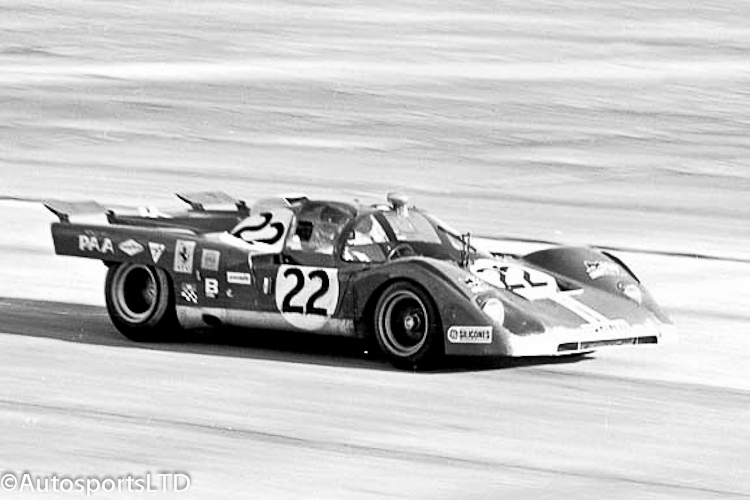
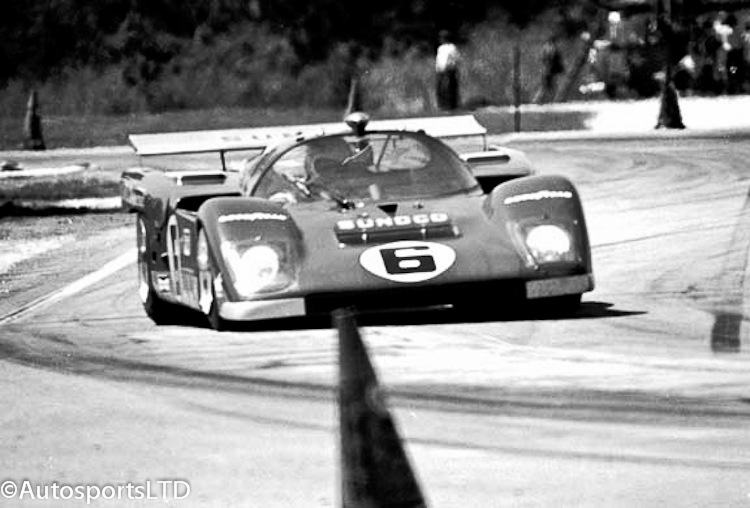
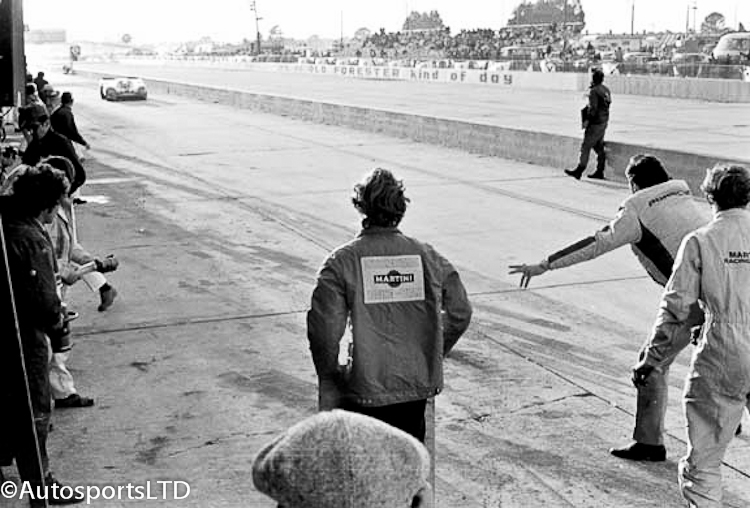
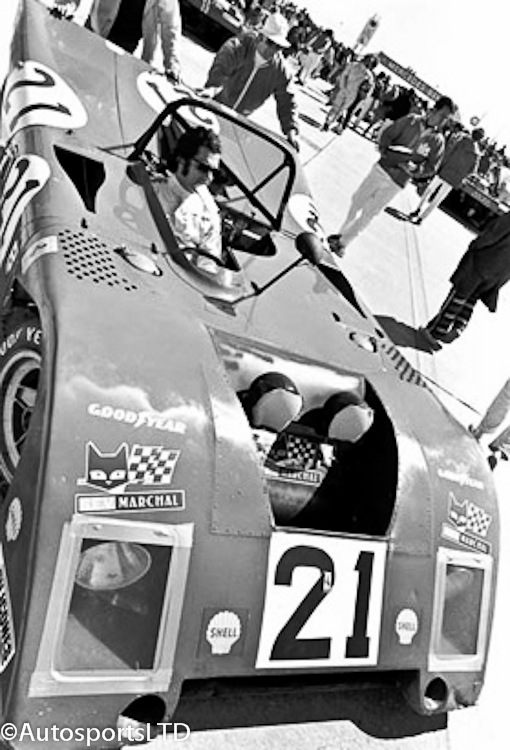
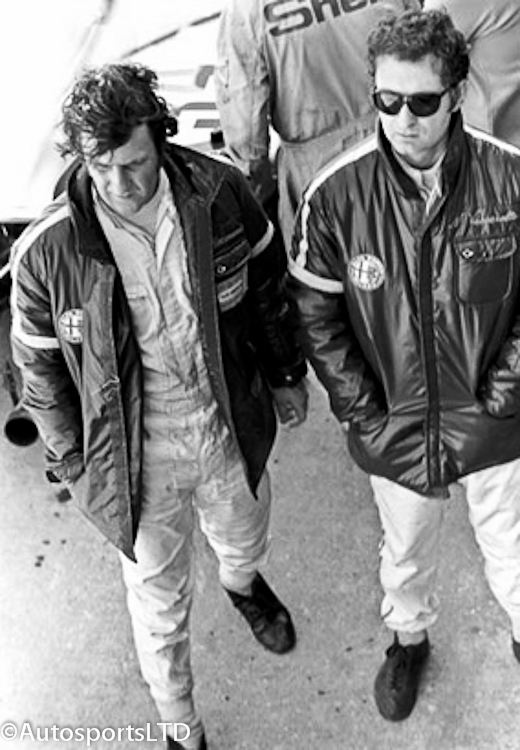
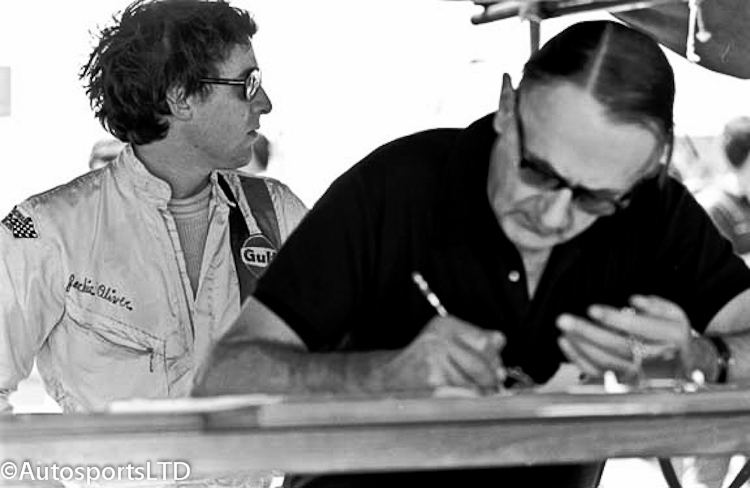
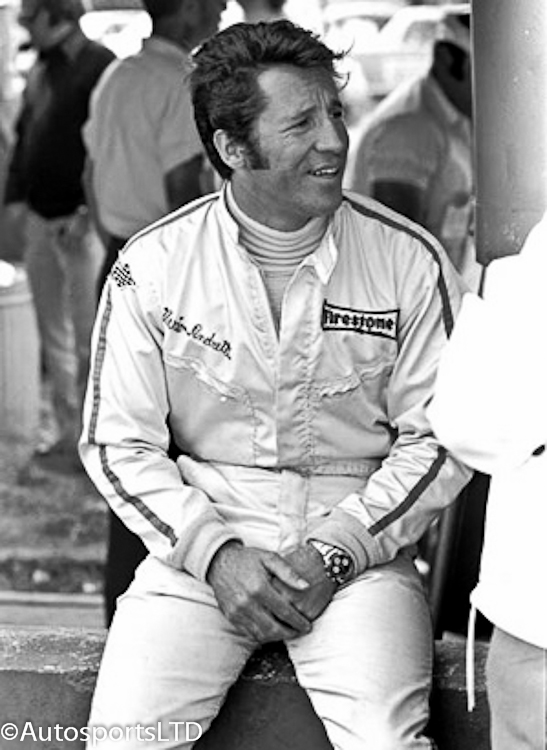
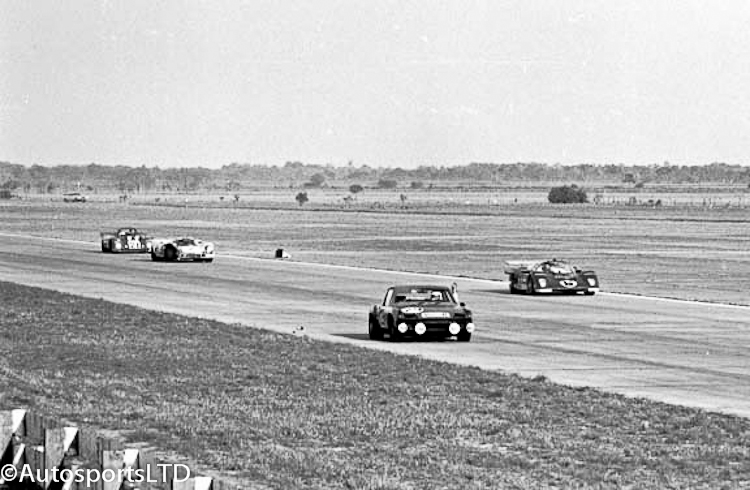
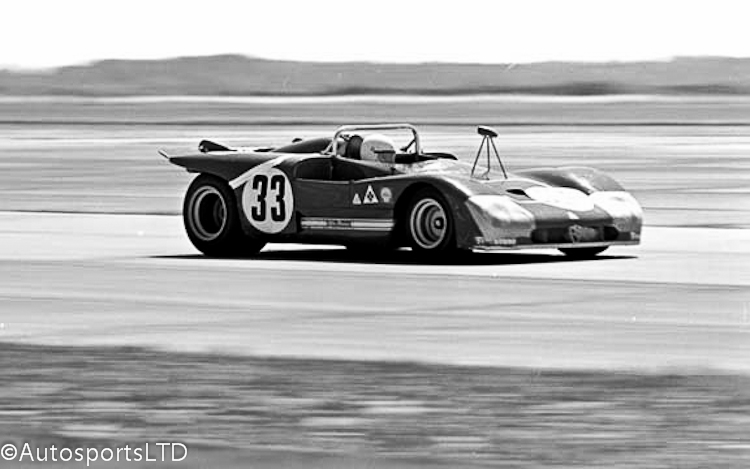
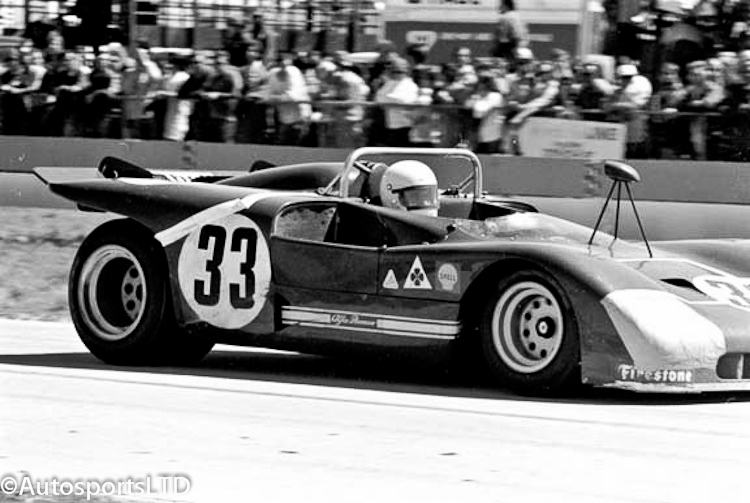
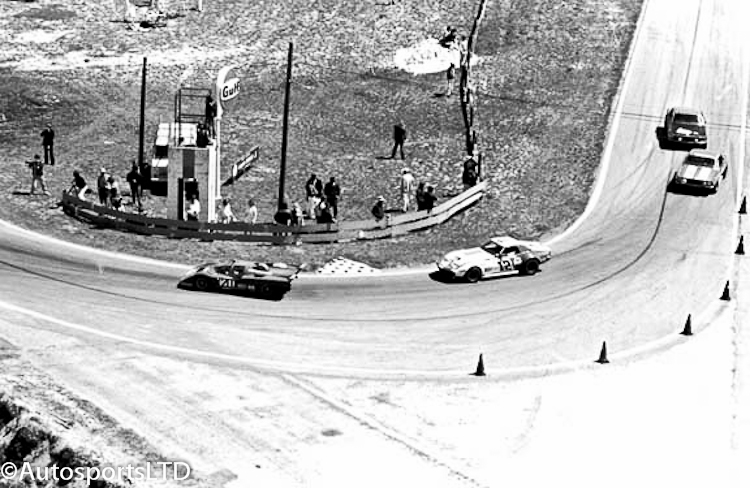
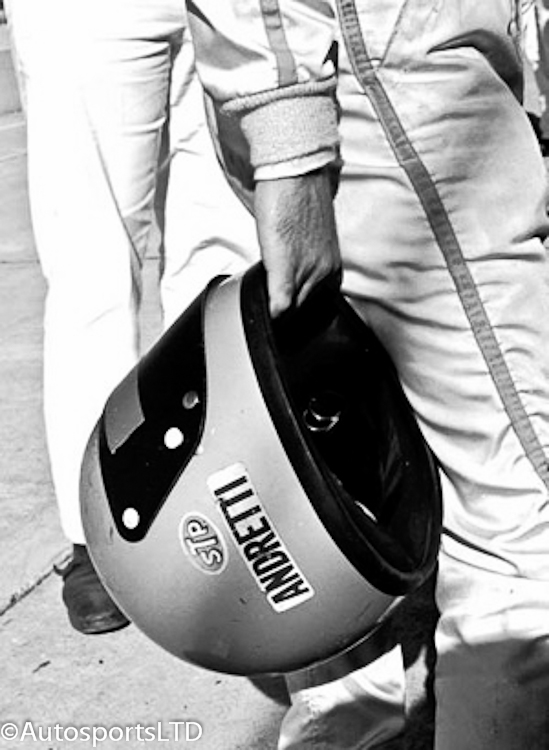
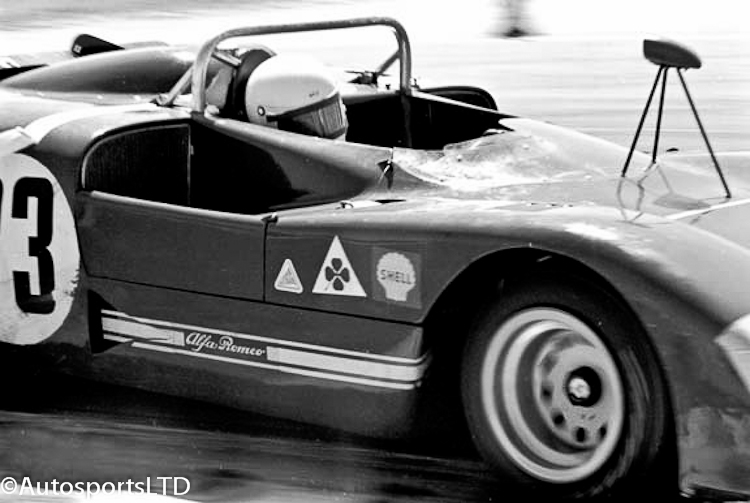
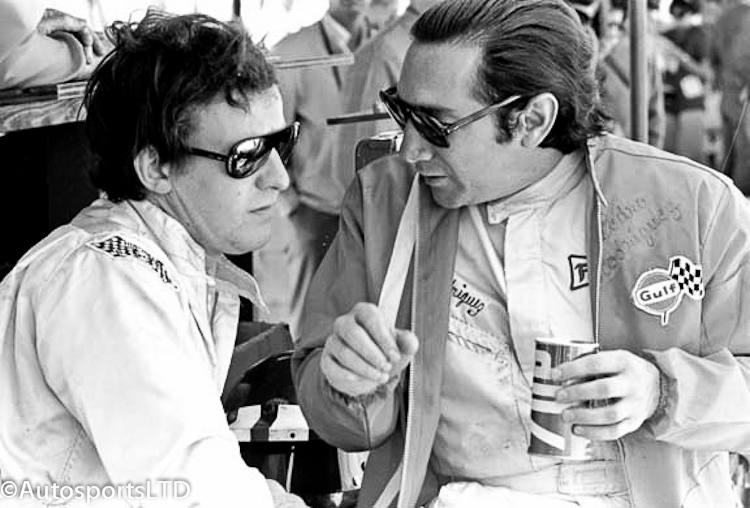
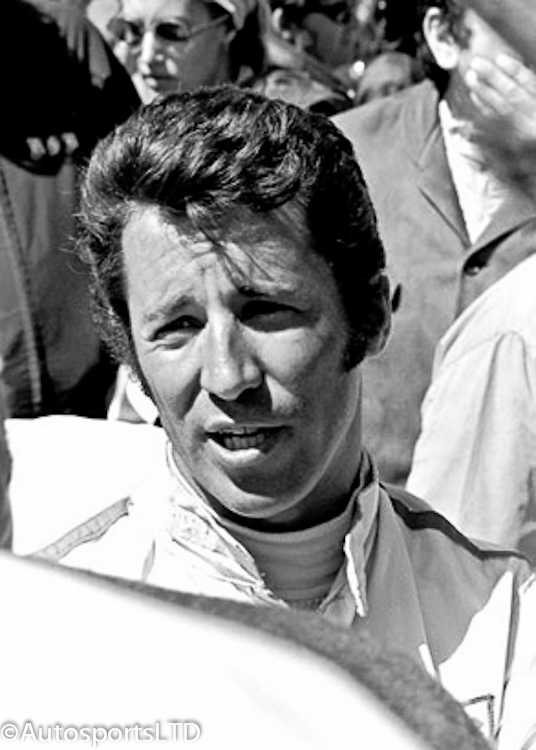
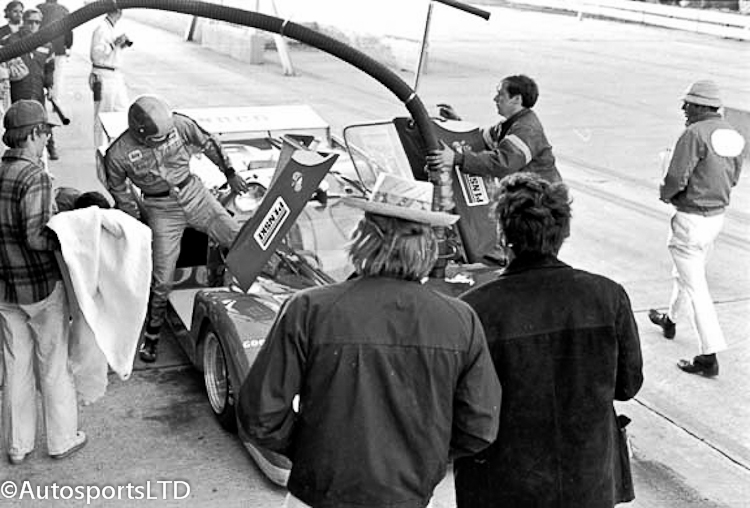
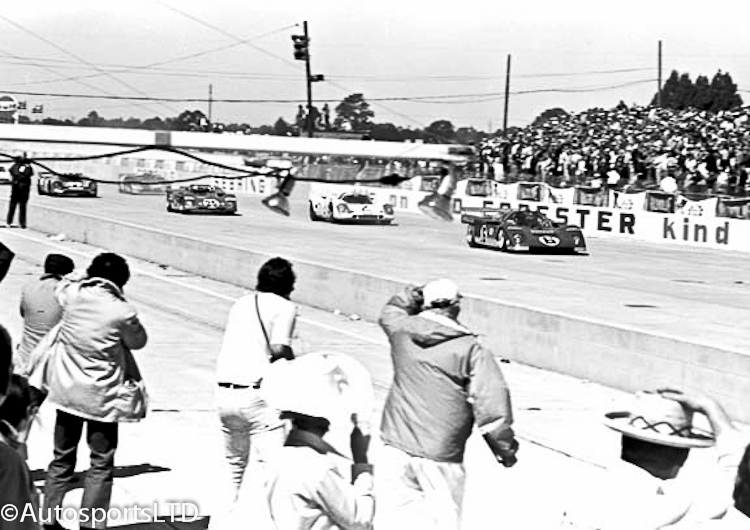
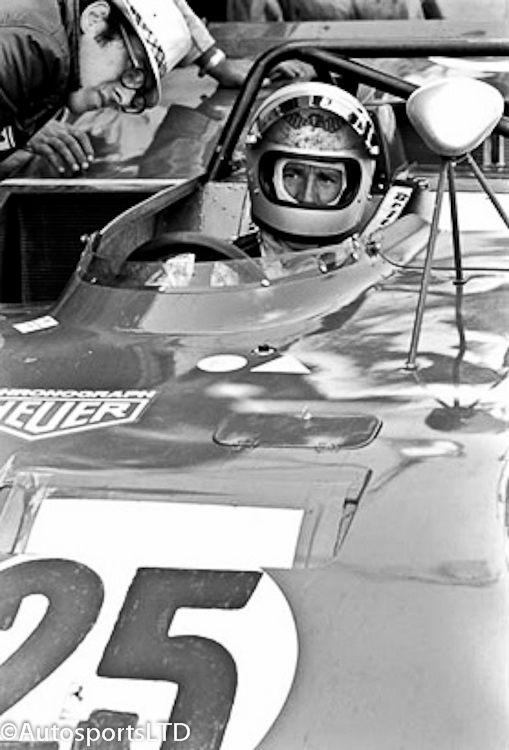
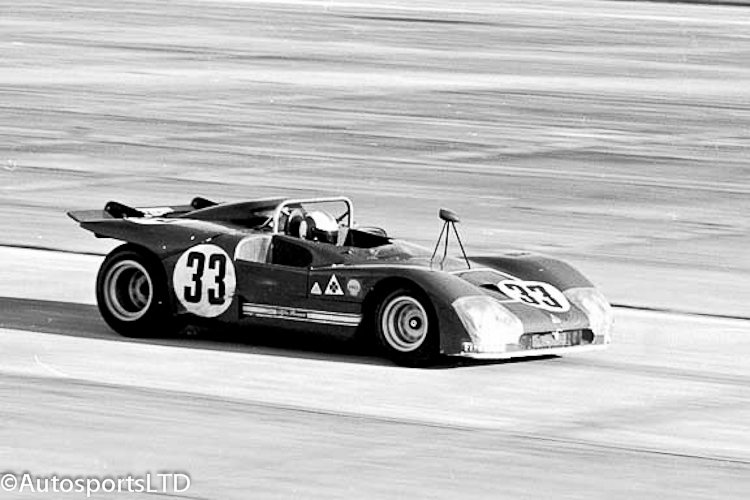
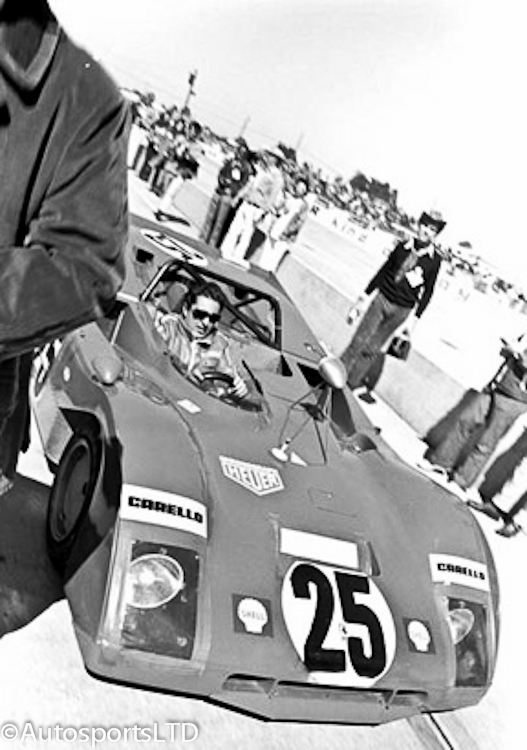
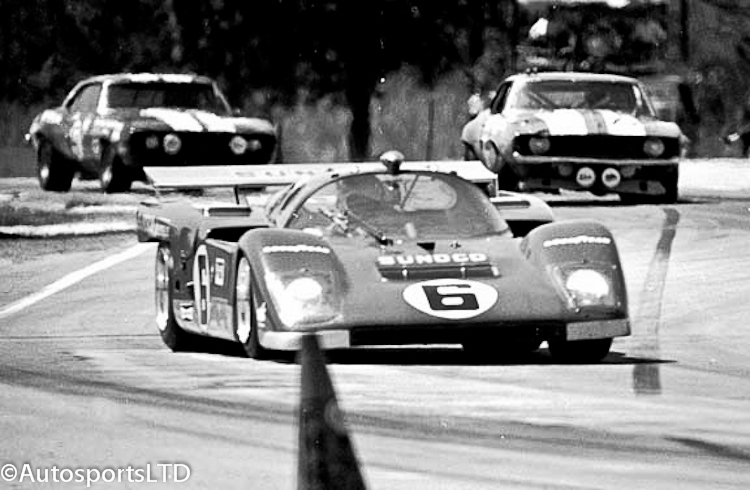
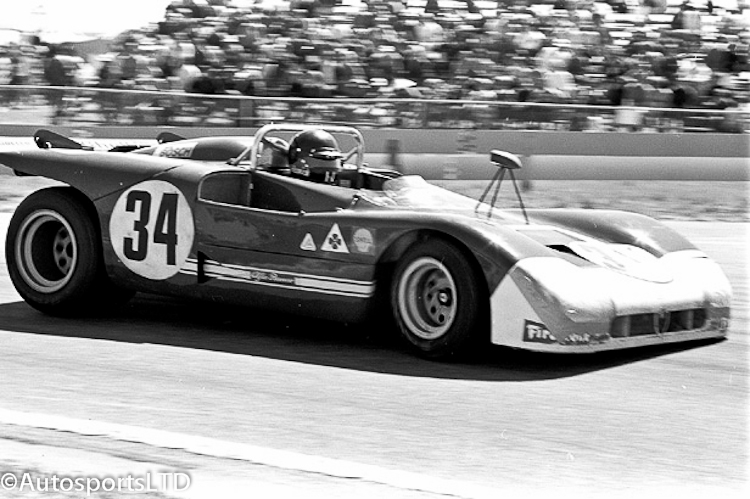
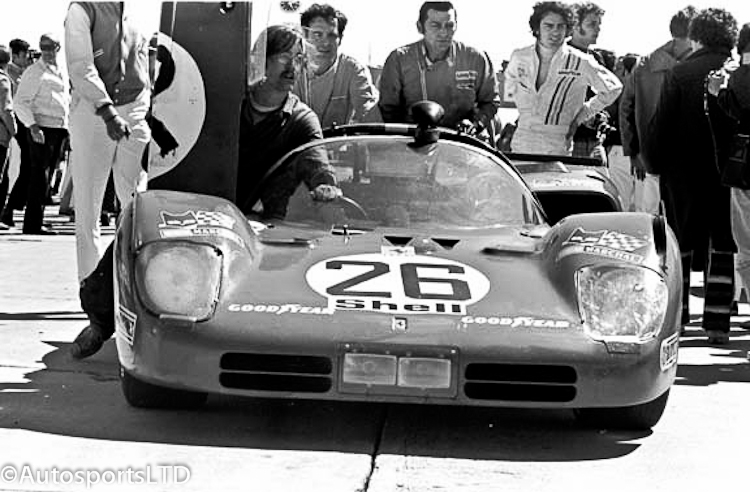
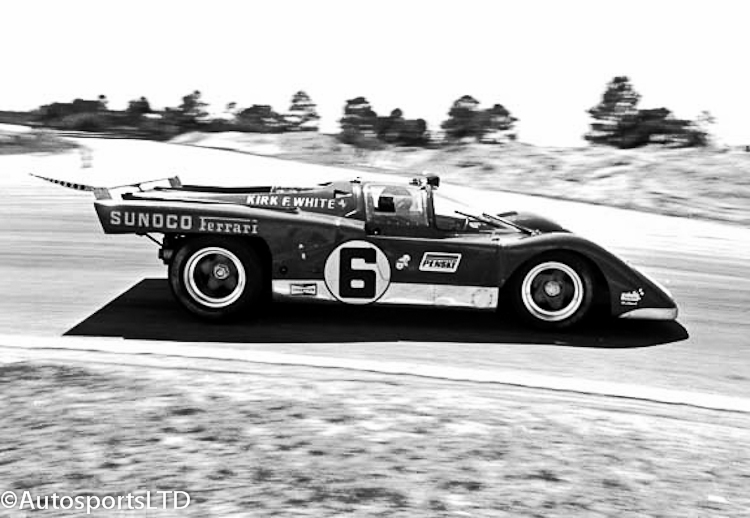
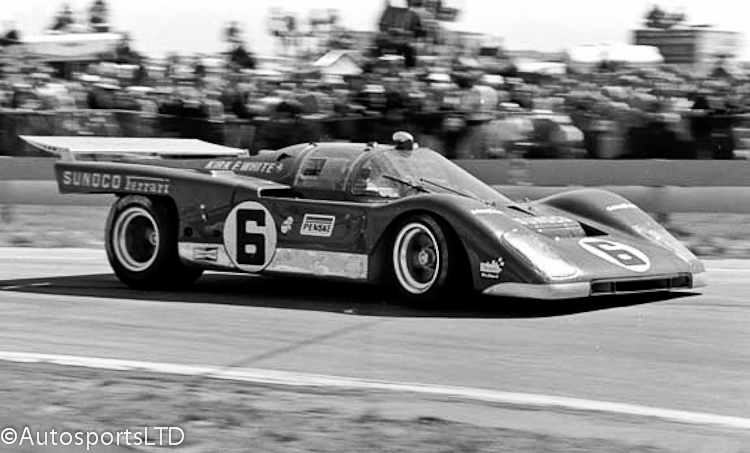
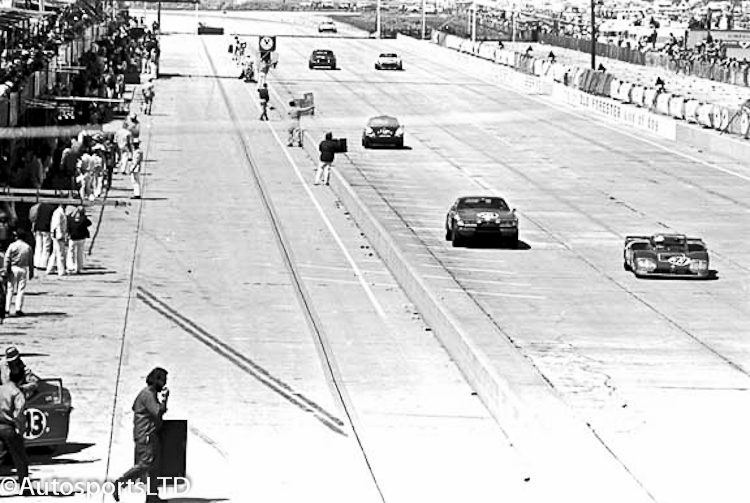
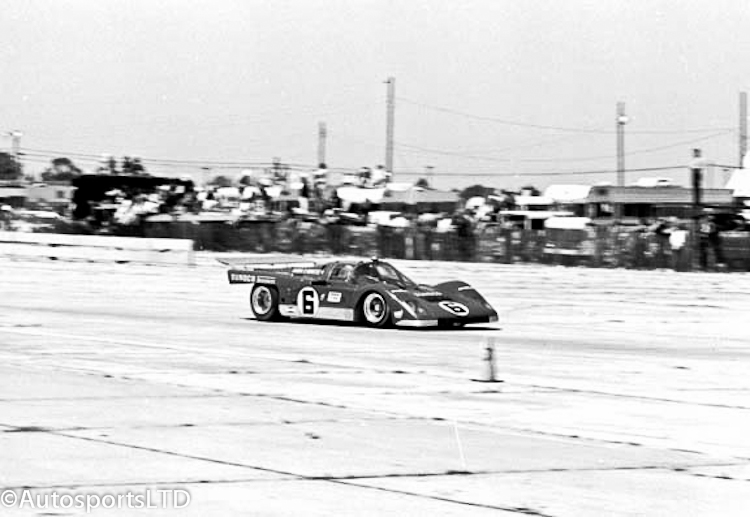
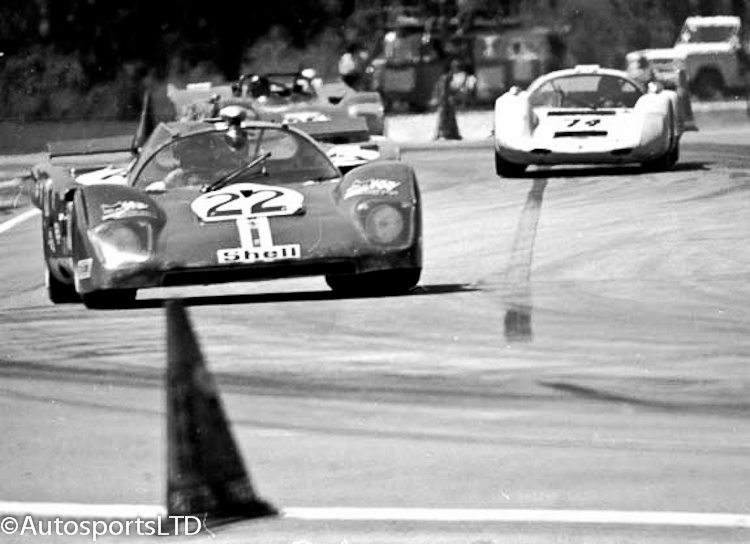
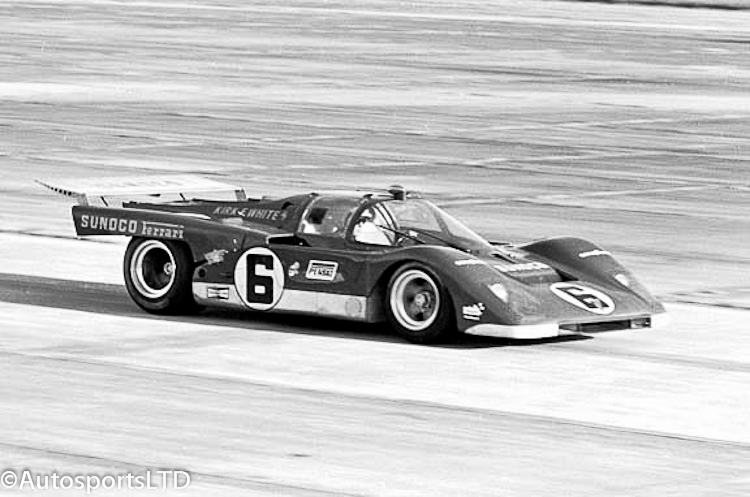
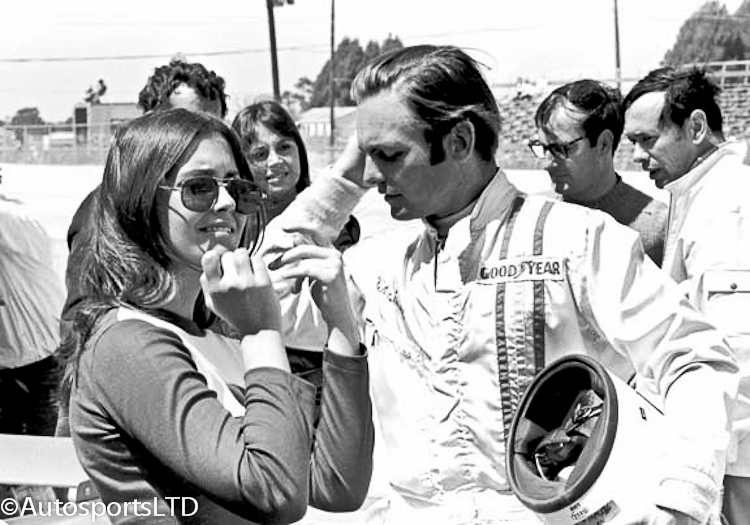
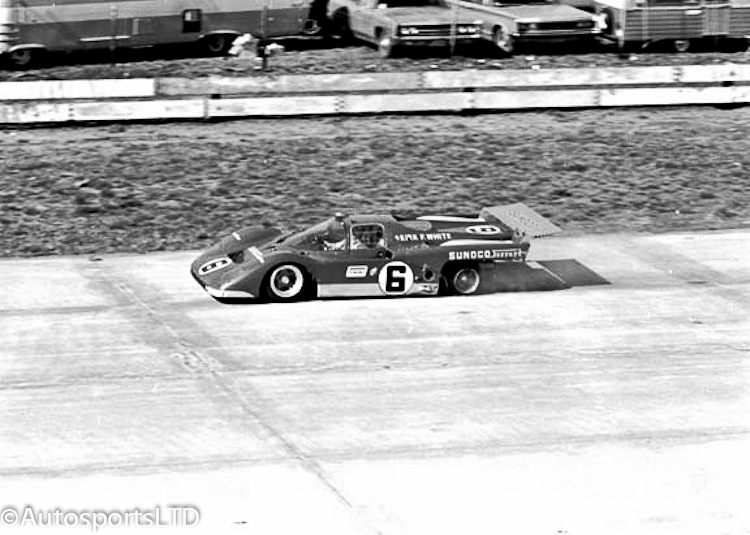
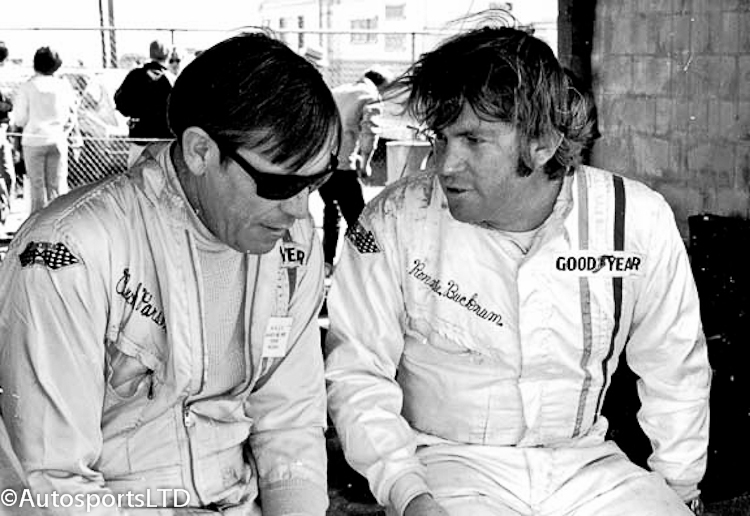
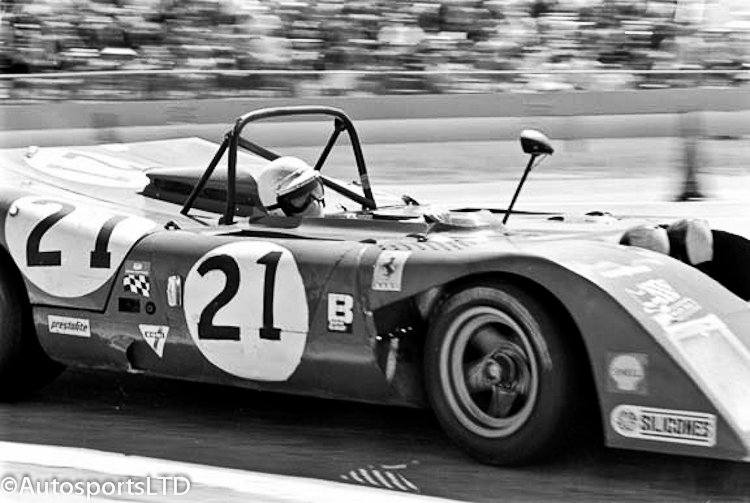
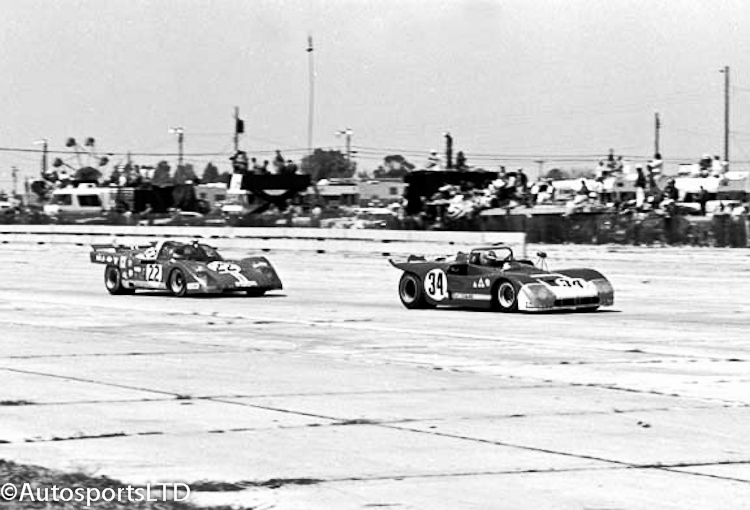
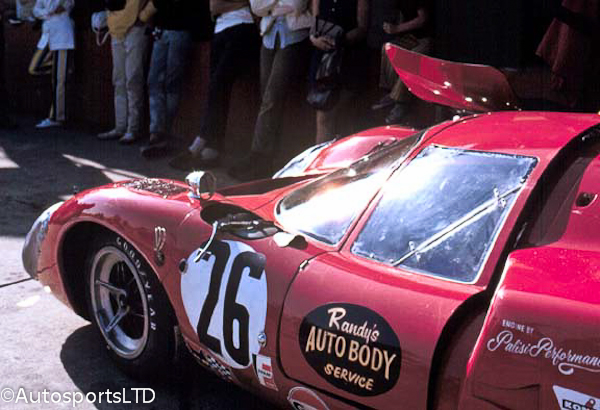
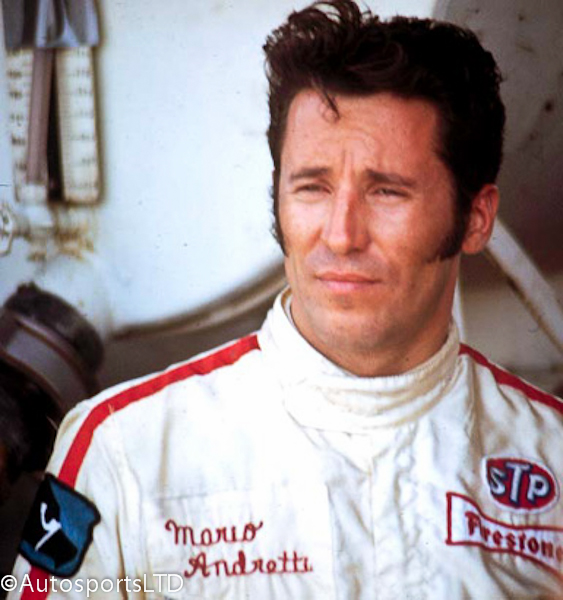
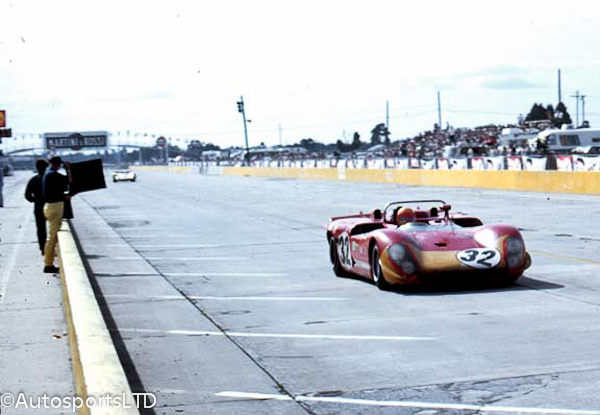
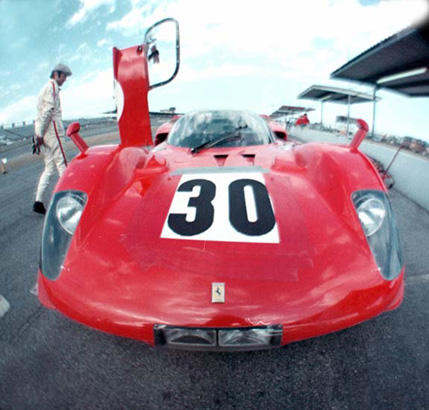
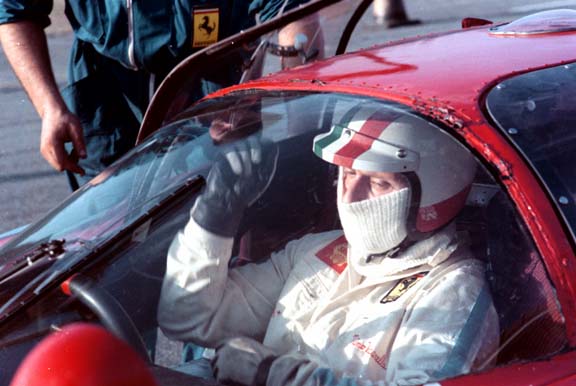
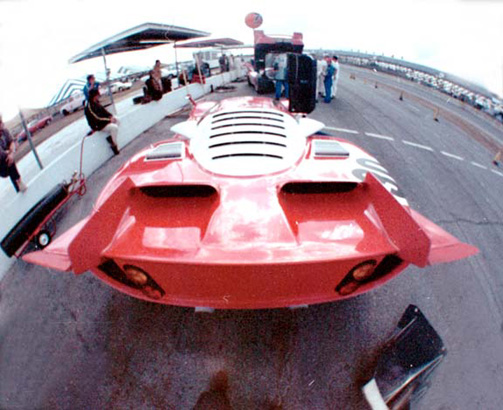
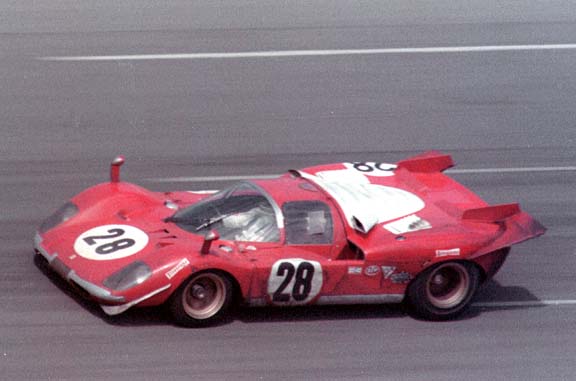
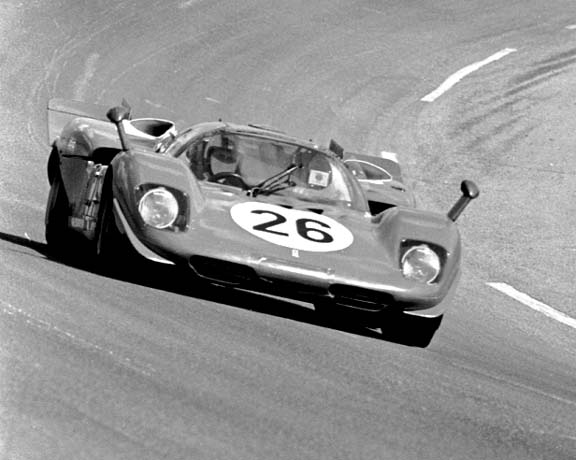
The last of the treasure from the Michael Keyser archive, this time back some 40 years to 1972………..a time of Ferrari, Jacky Ickx and Mario Andretti………………

The Passage Of Time

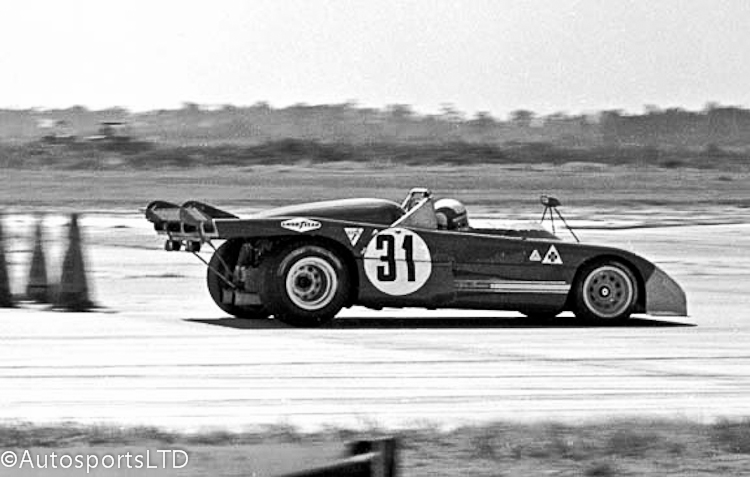
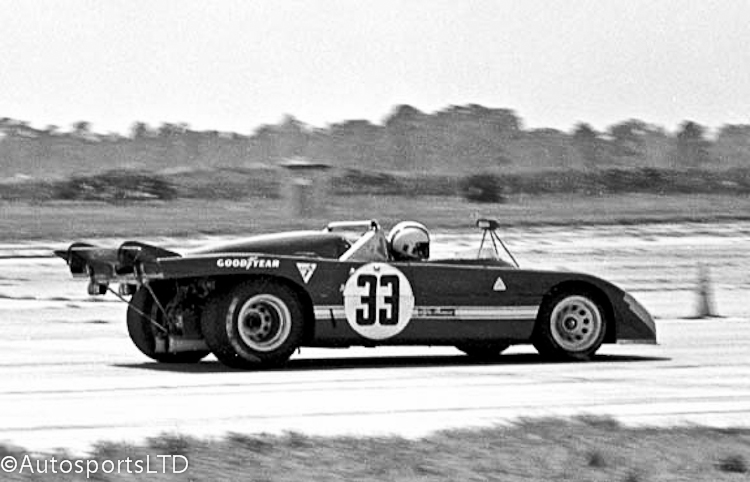
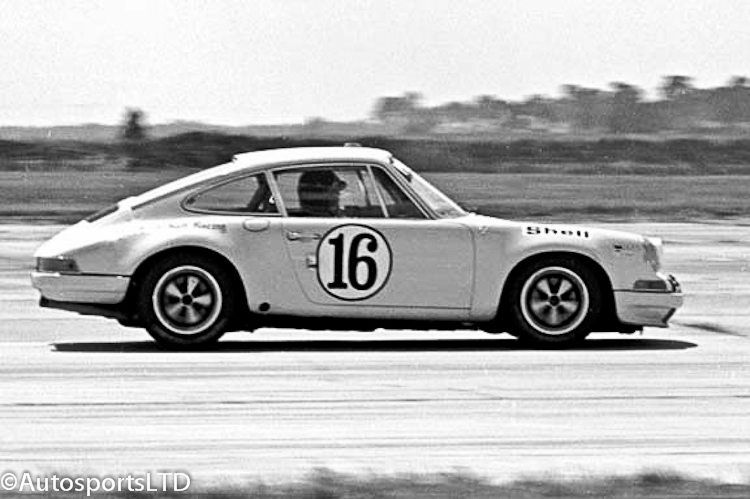
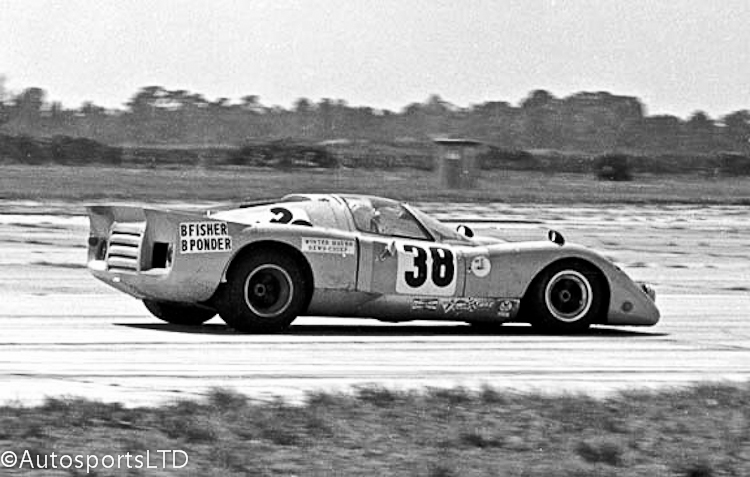
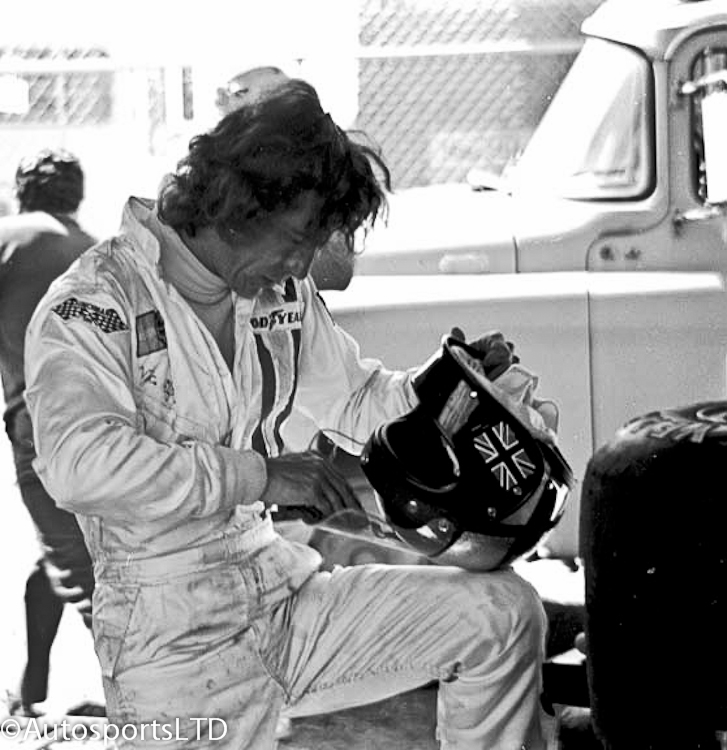
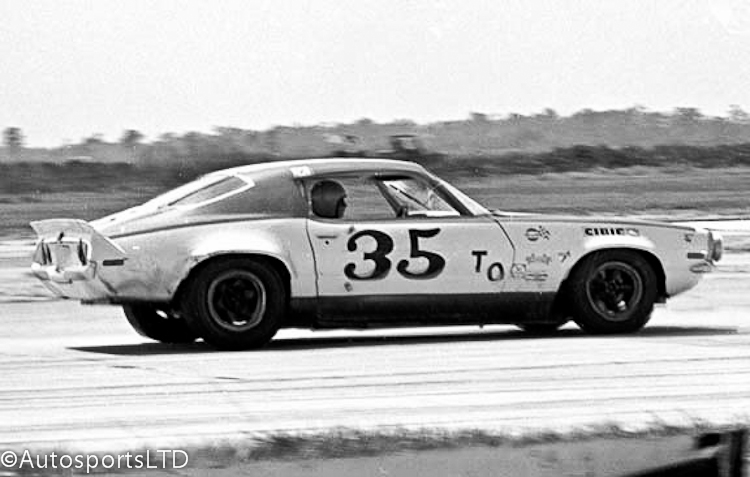
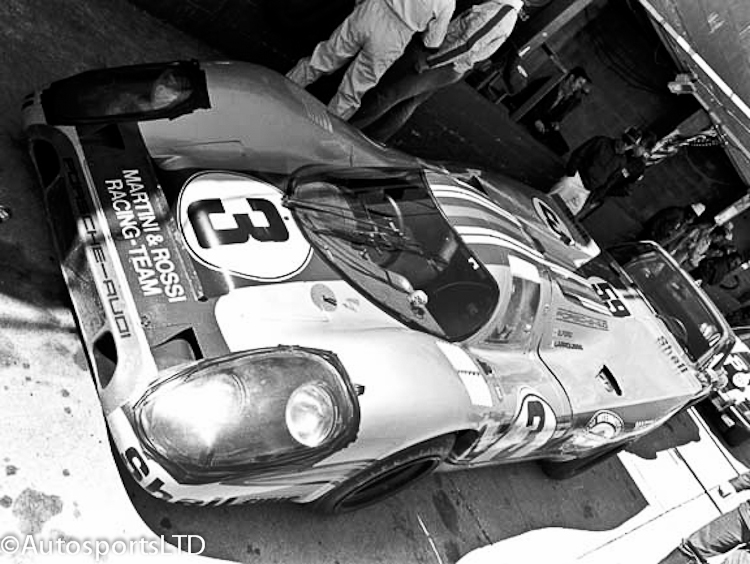
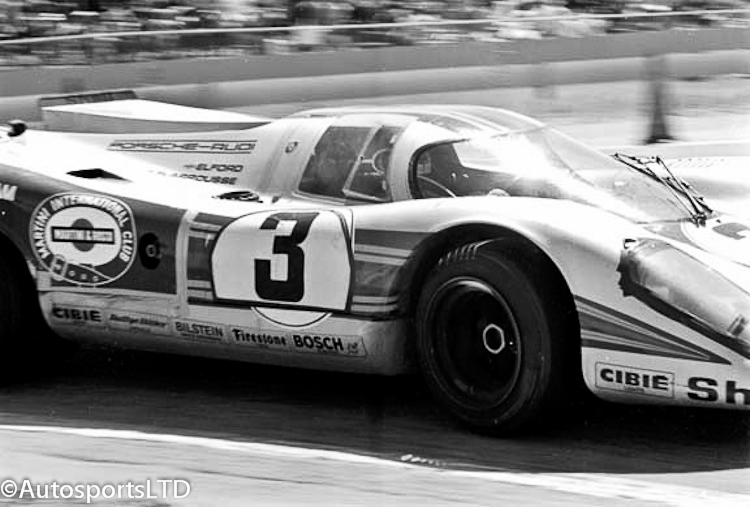
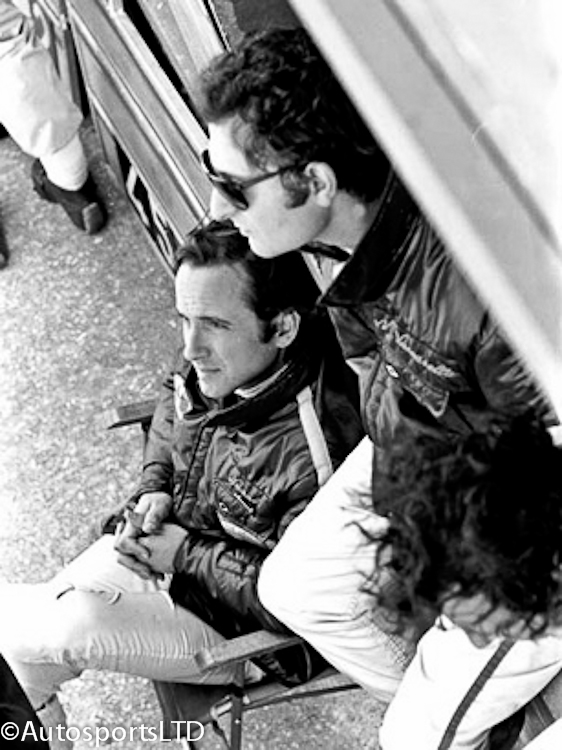
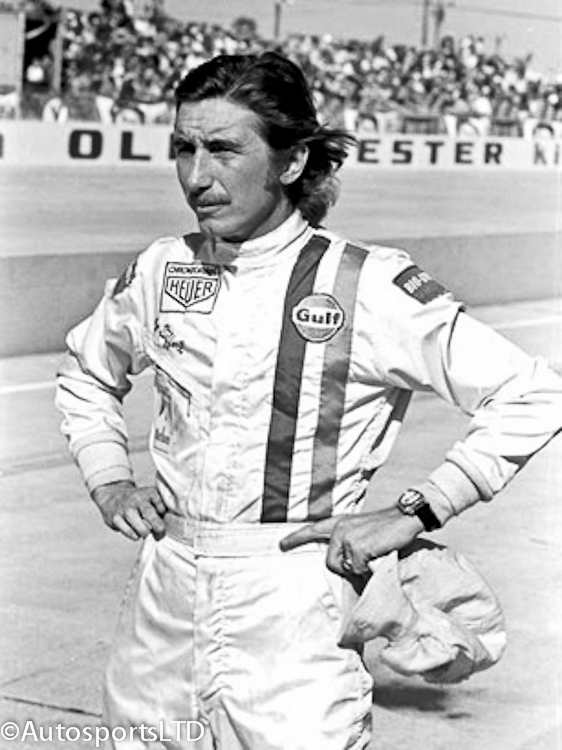
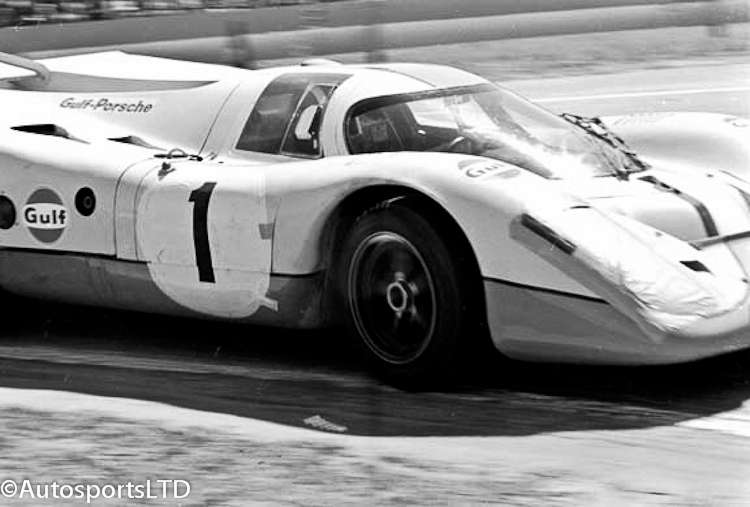
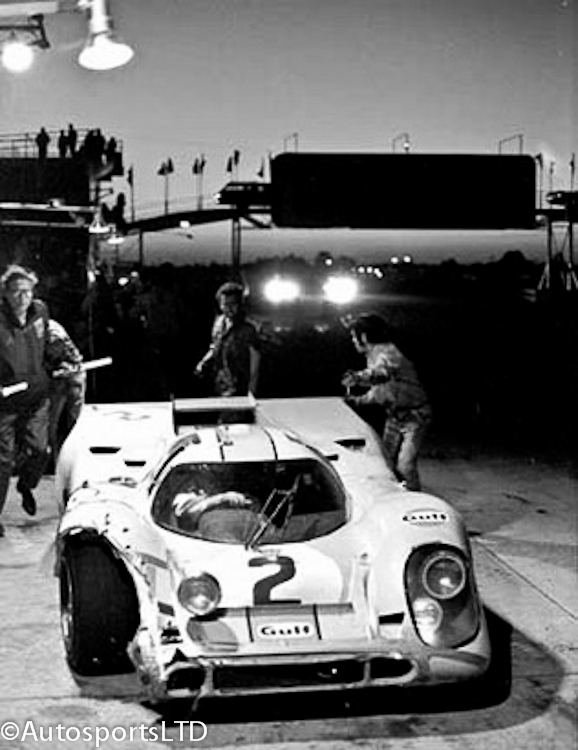
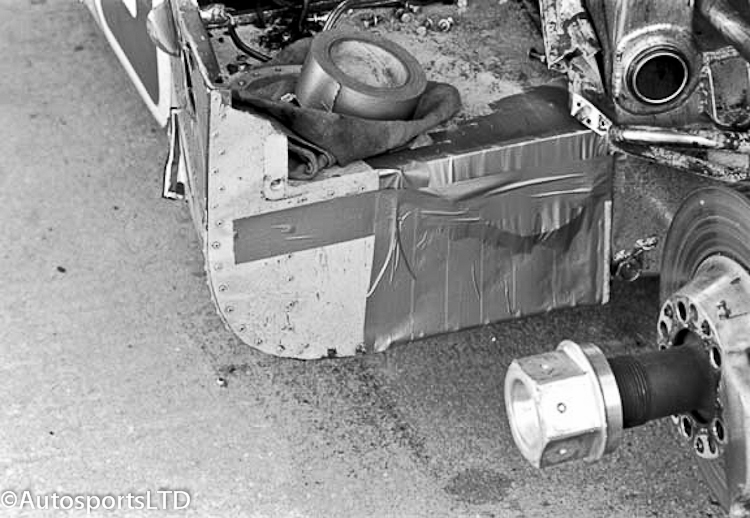
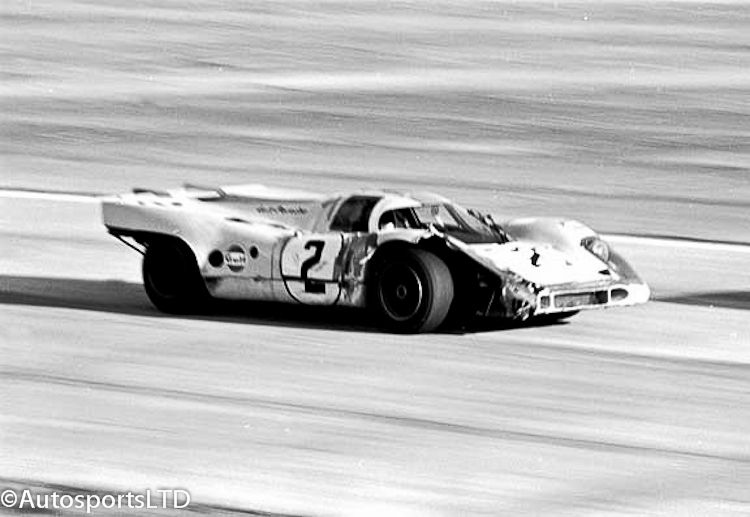
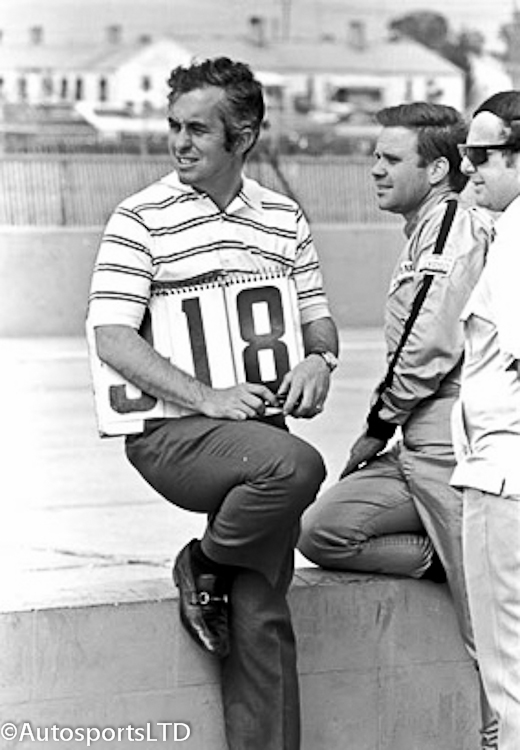
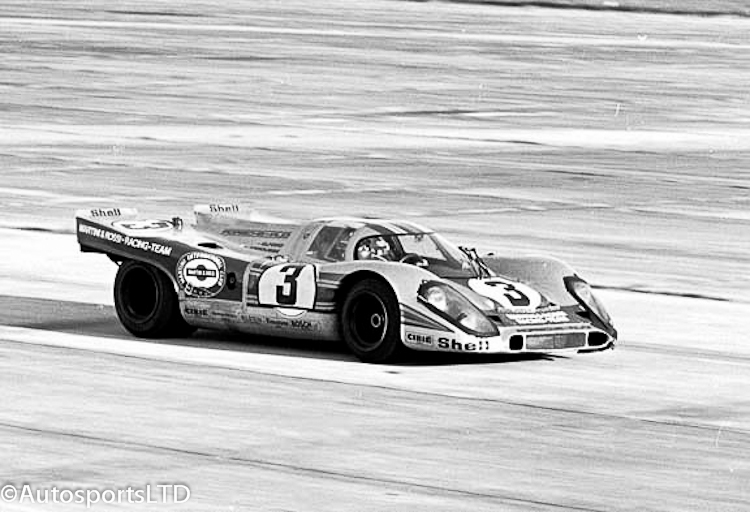
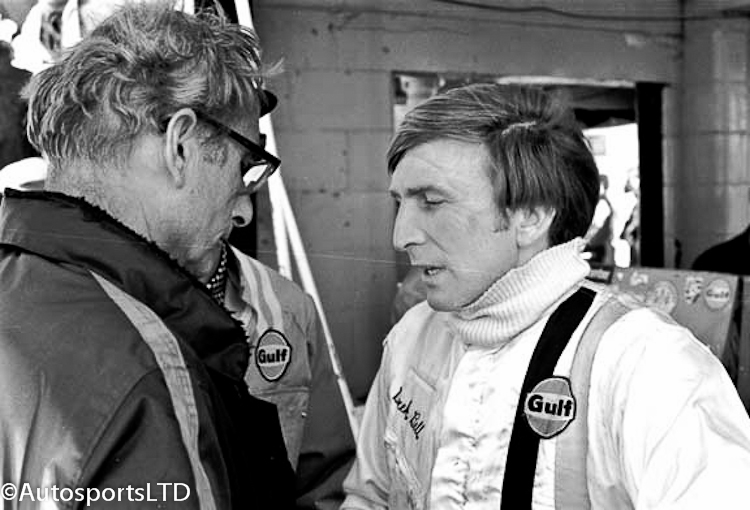
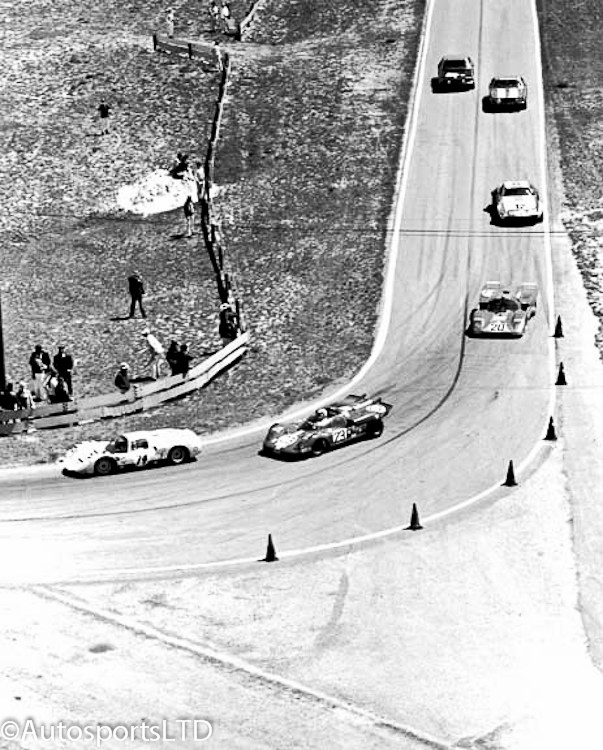
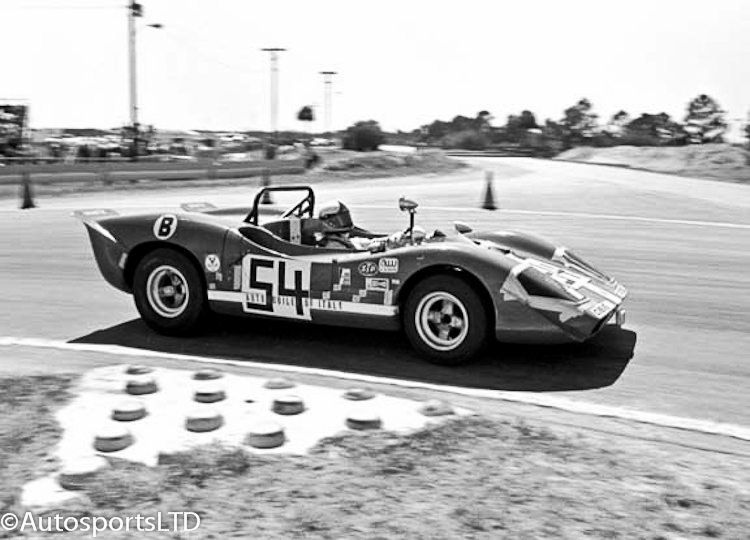
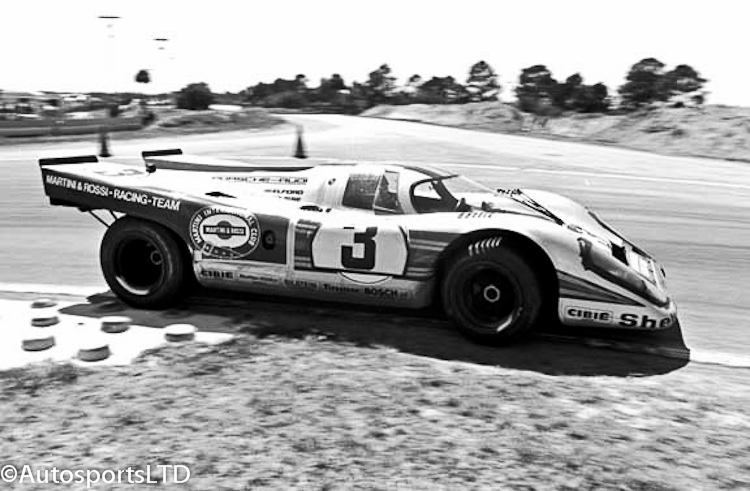
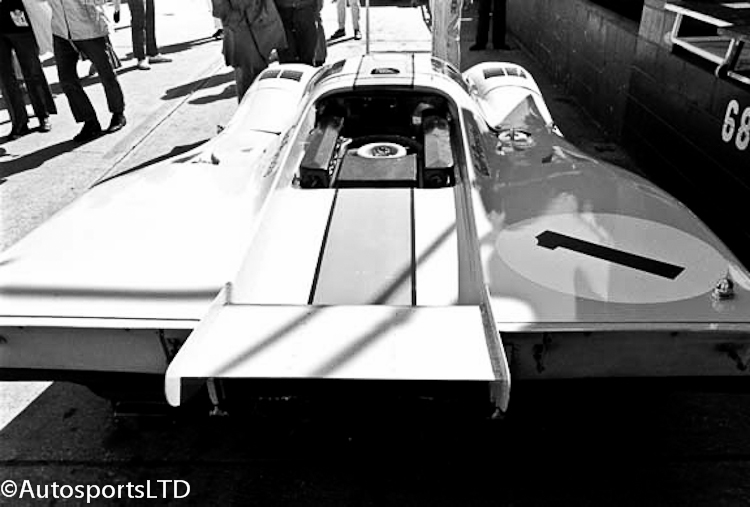
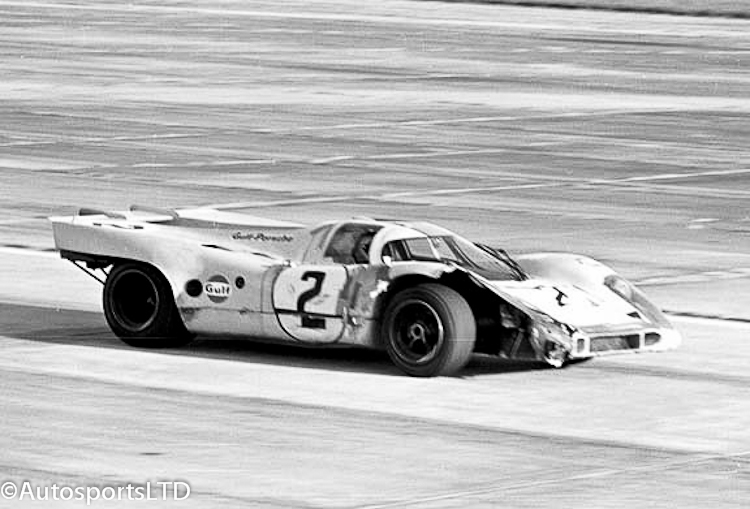
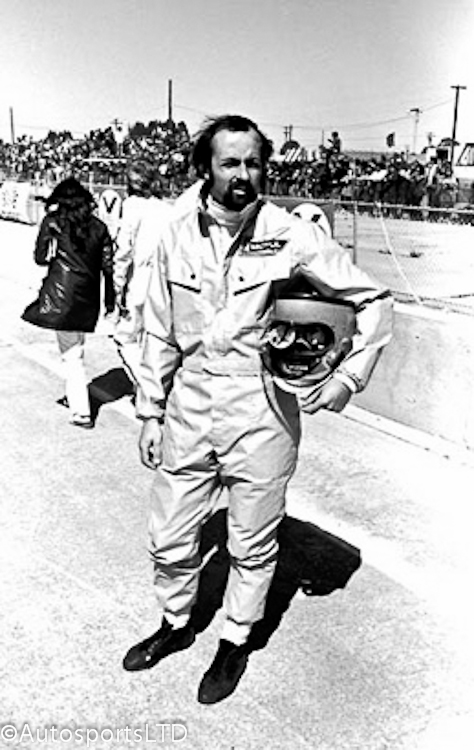
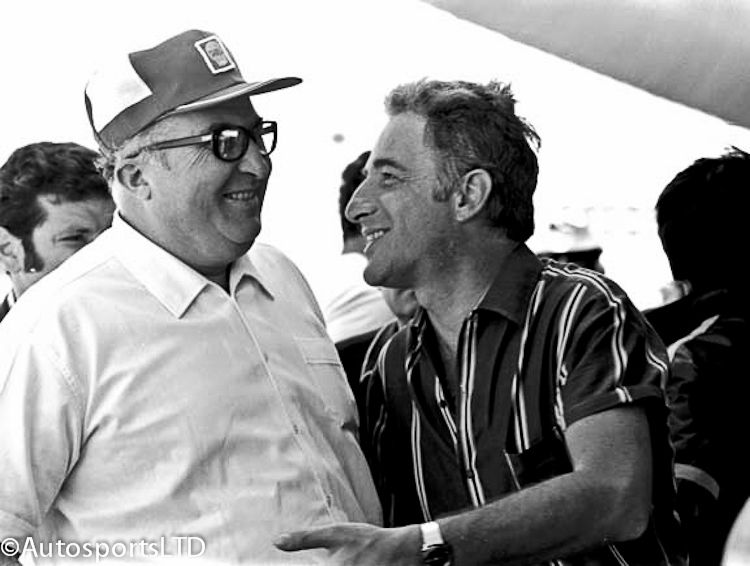
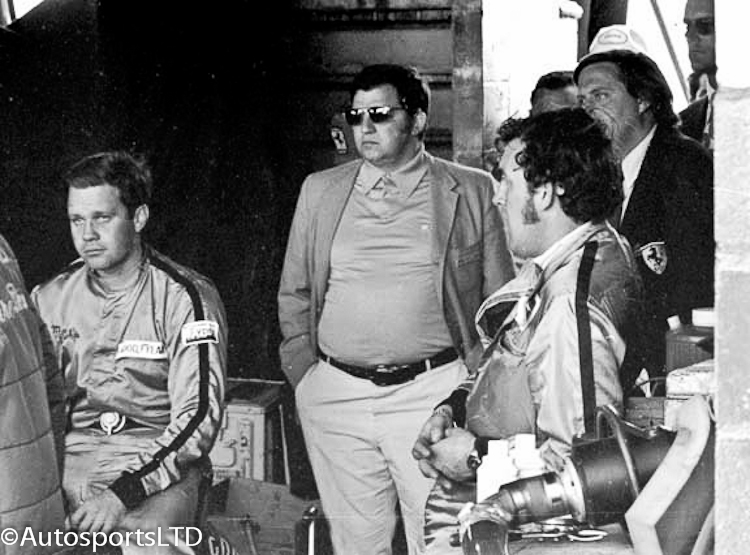
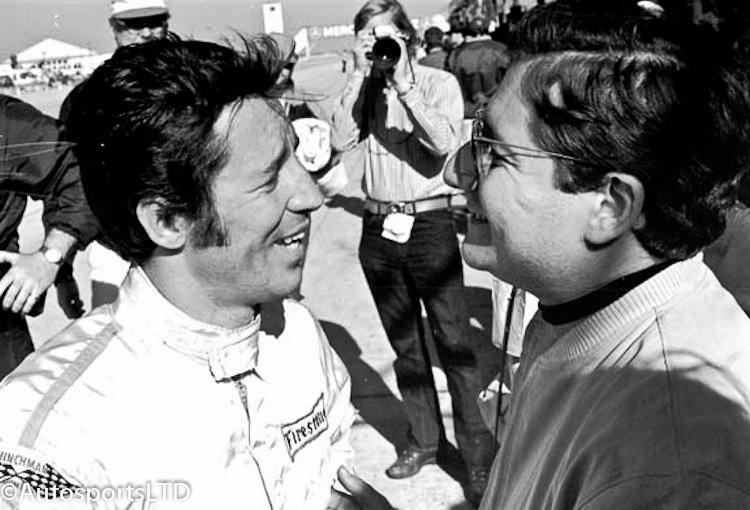
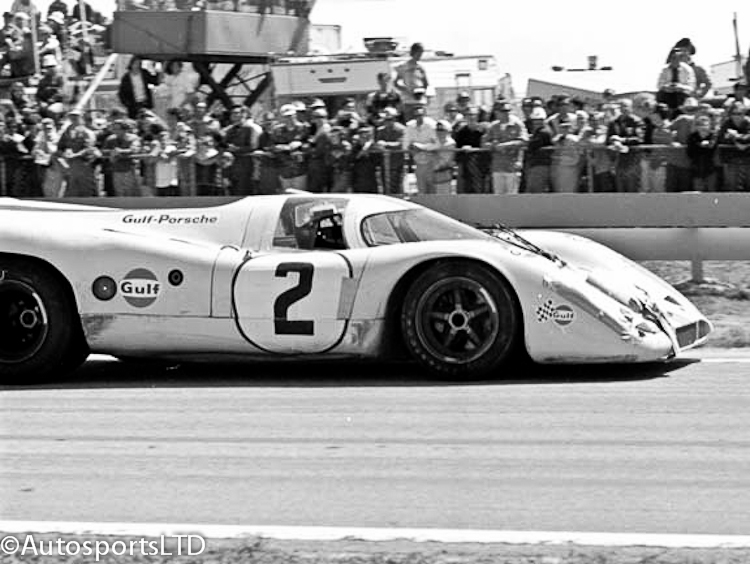
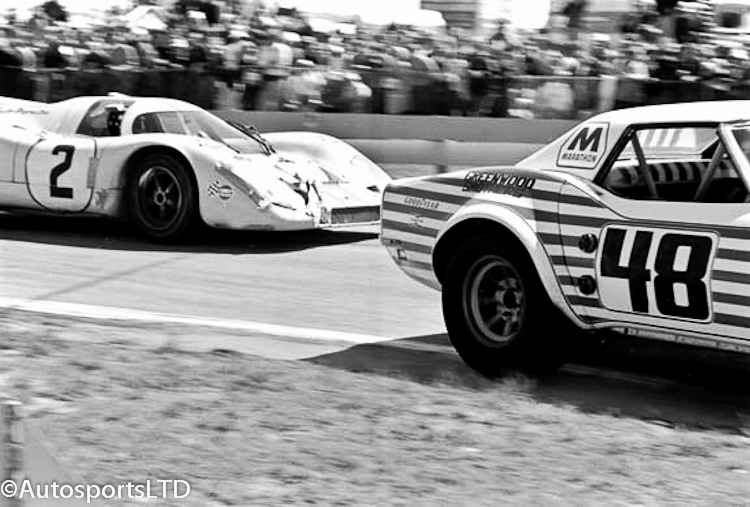
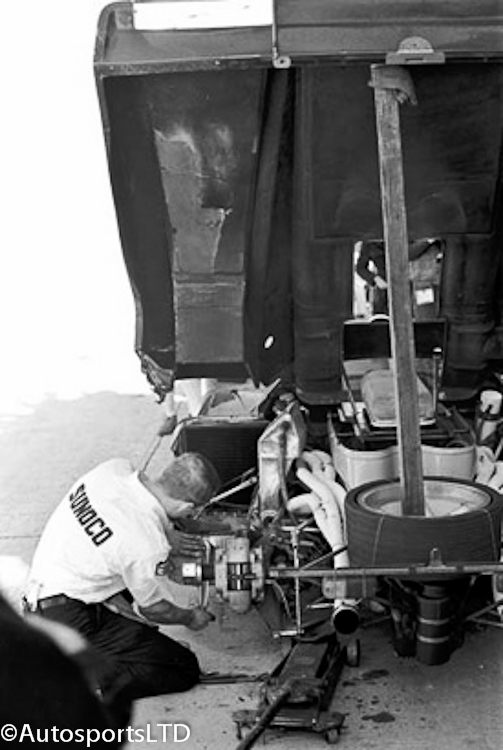
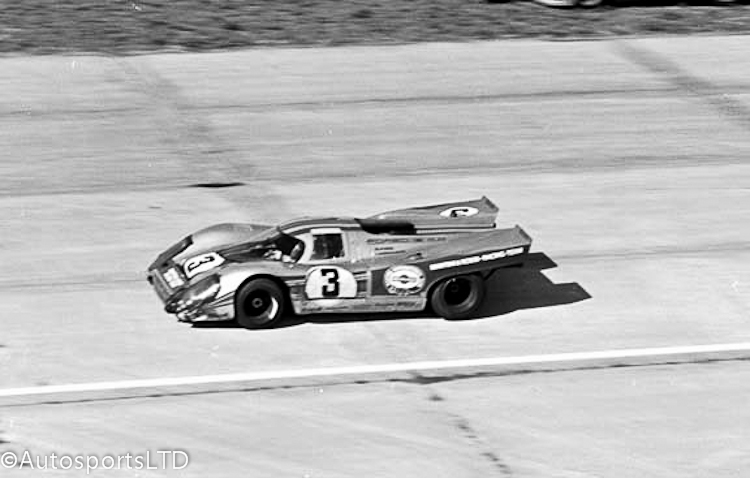
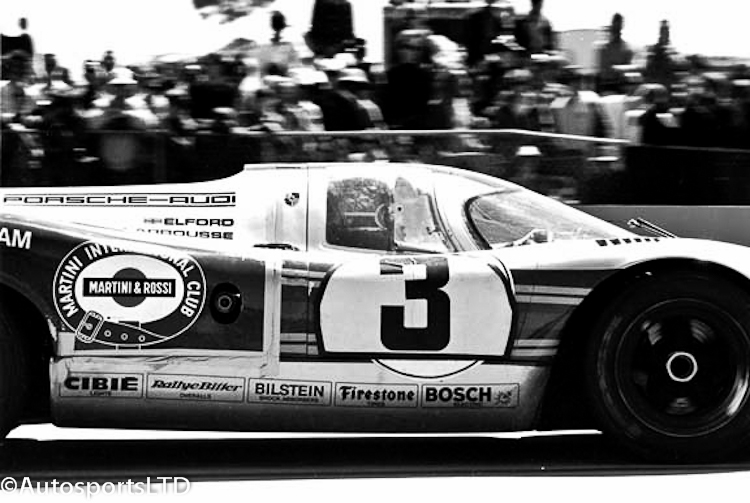
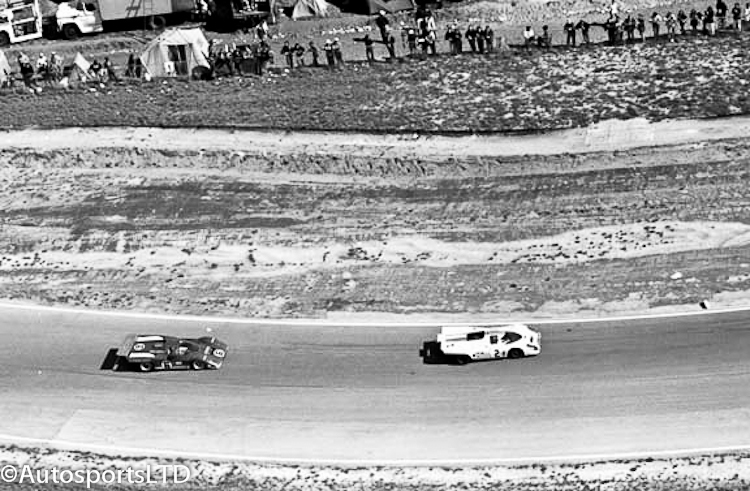
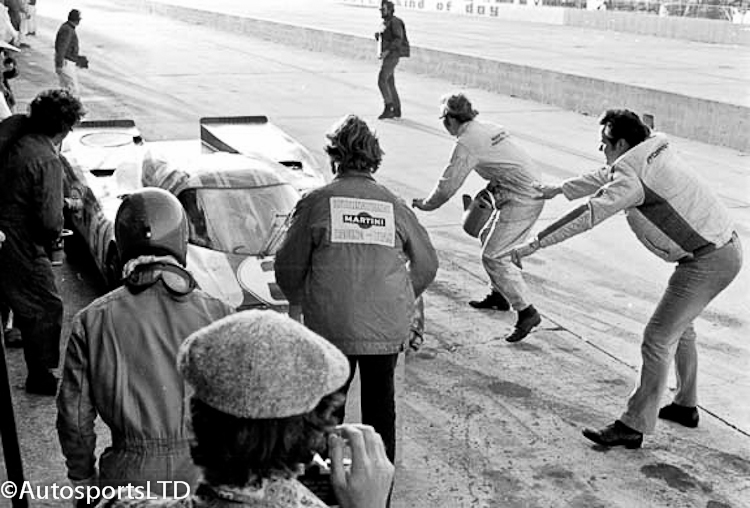
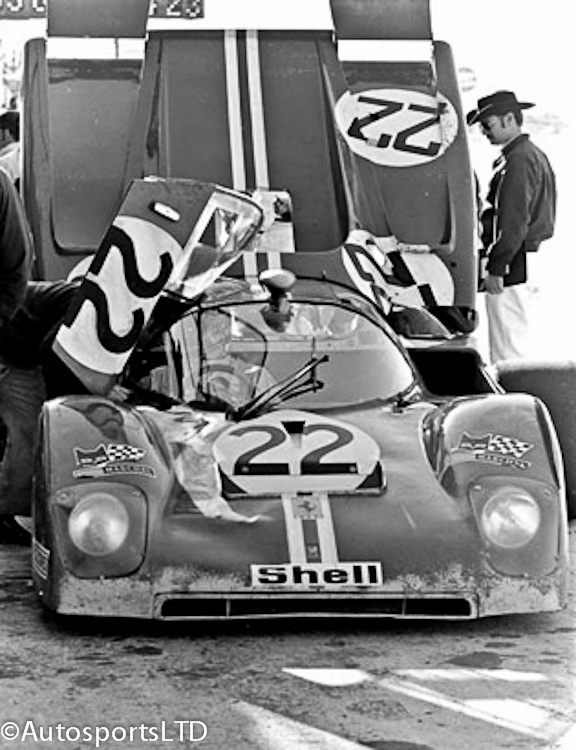
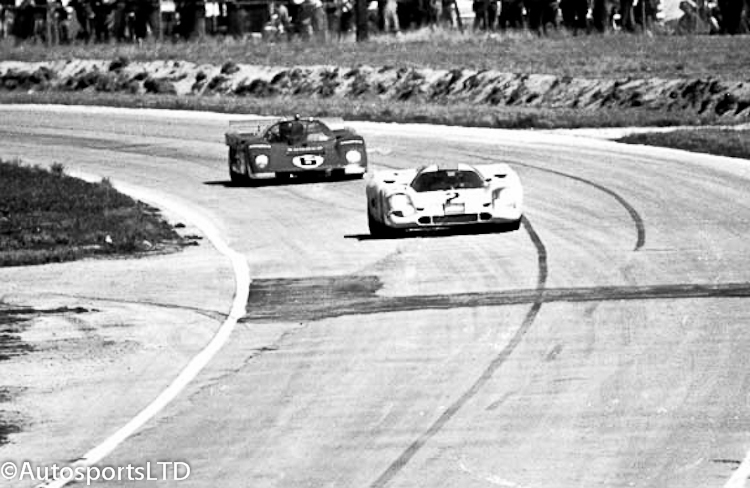
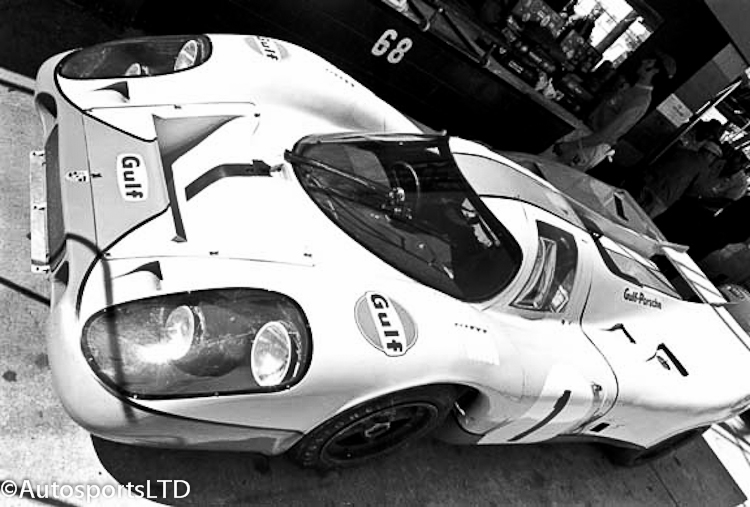
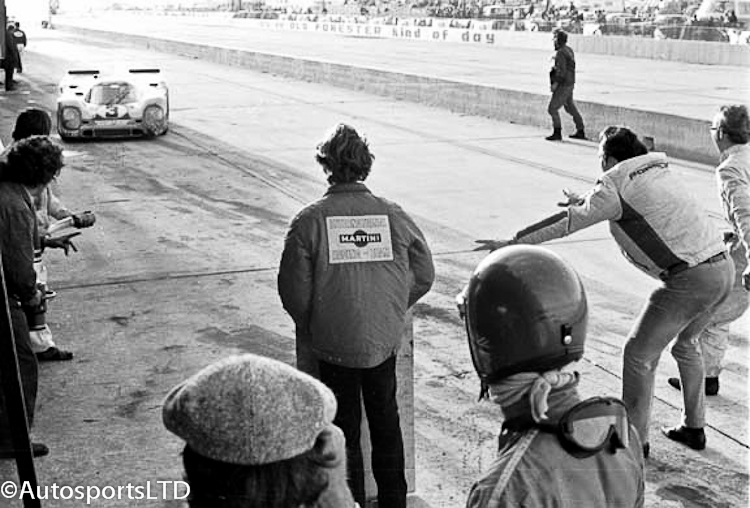
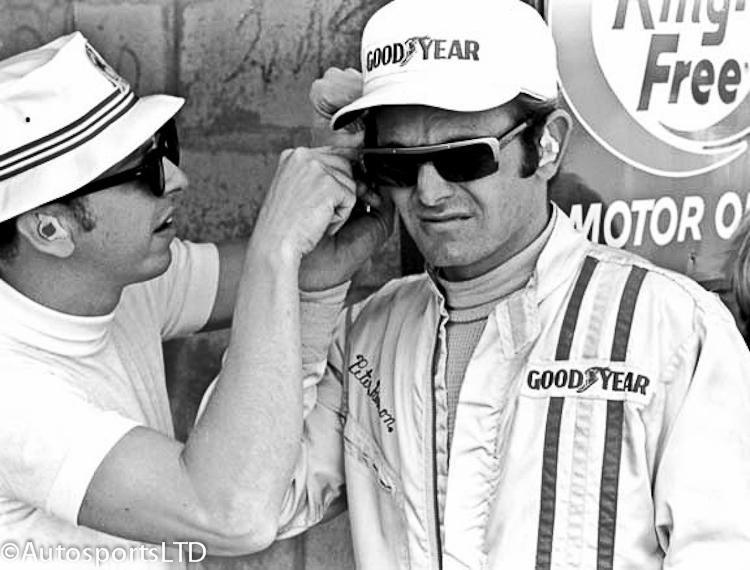
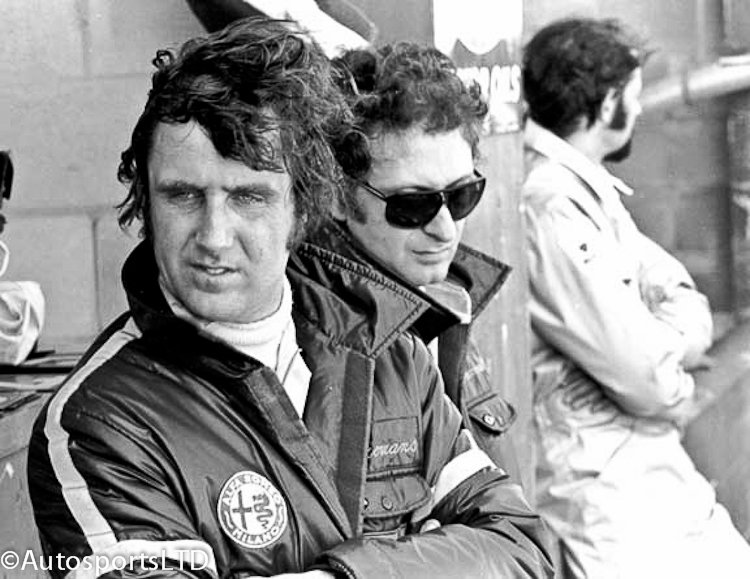
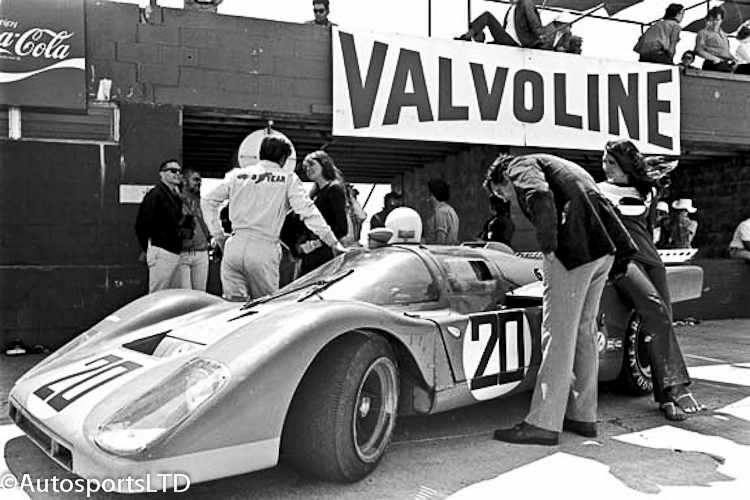
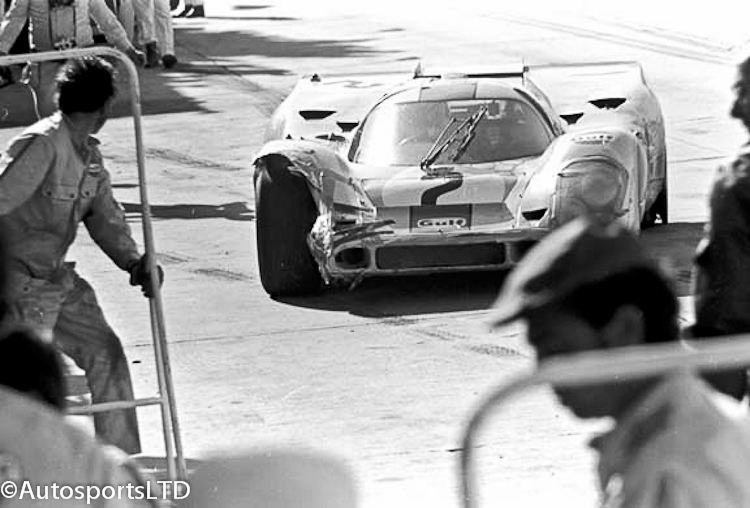
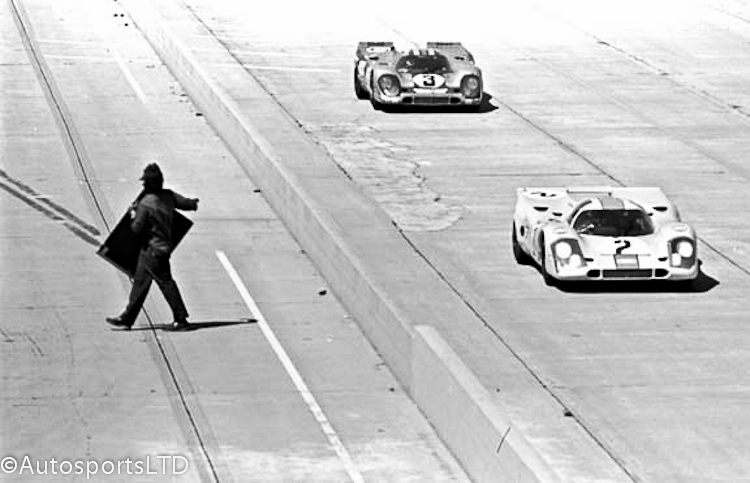
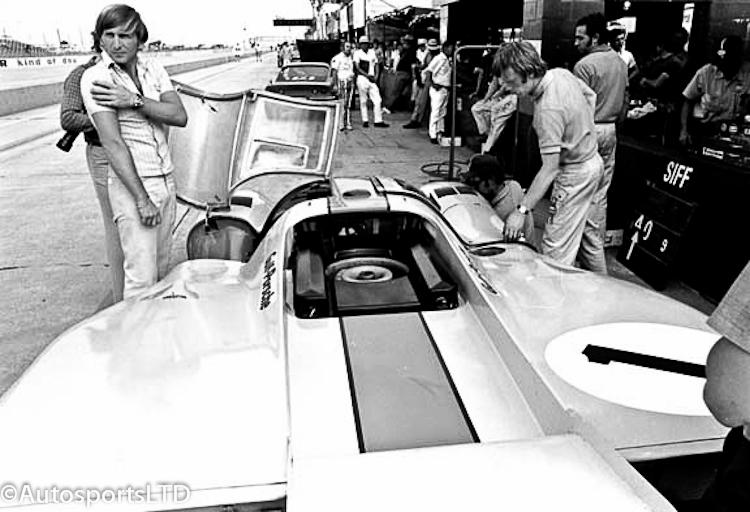
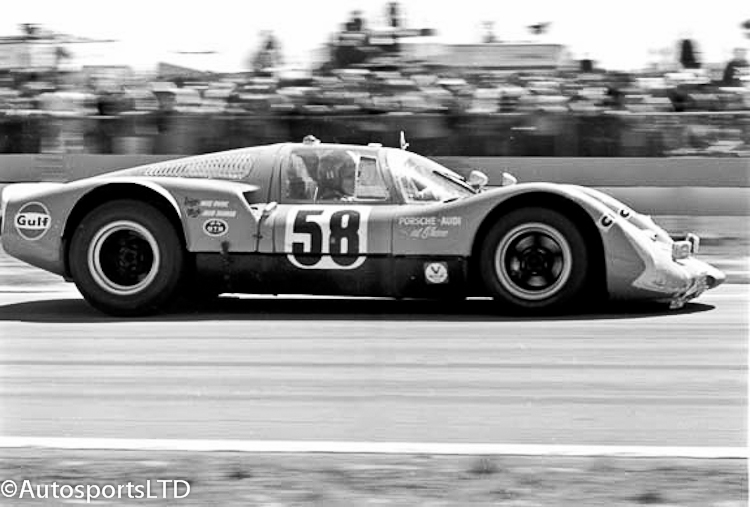
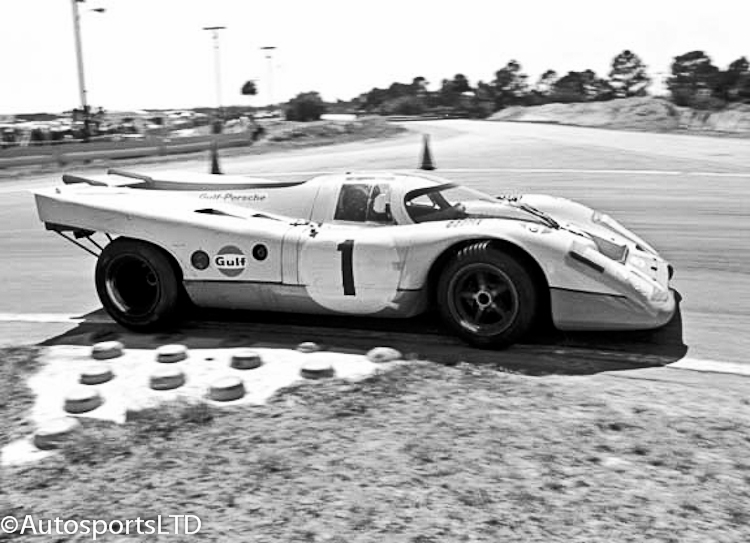
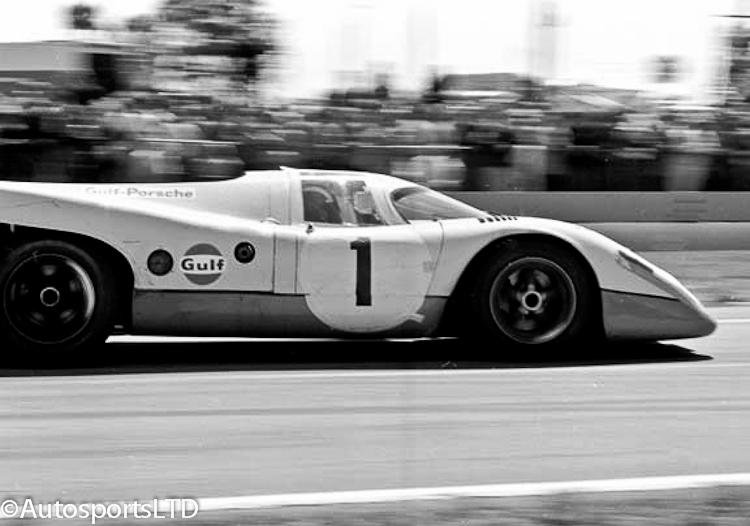
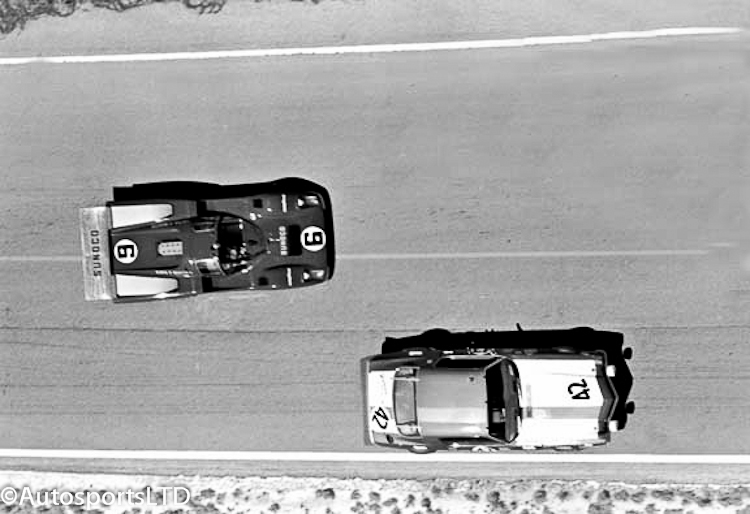
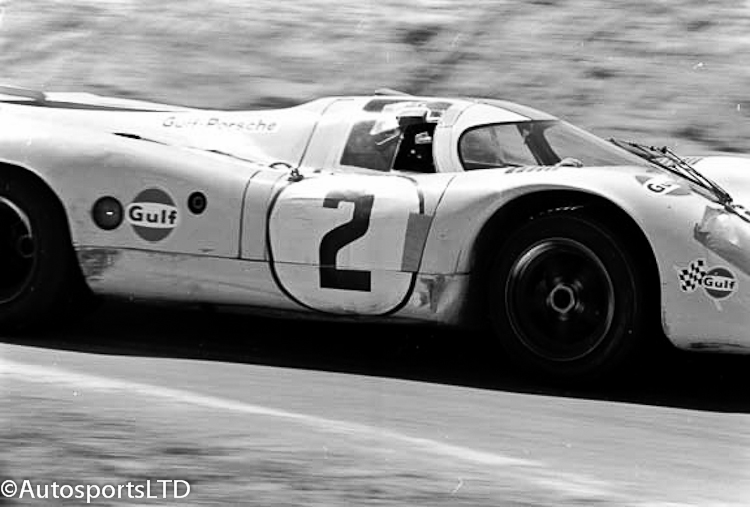
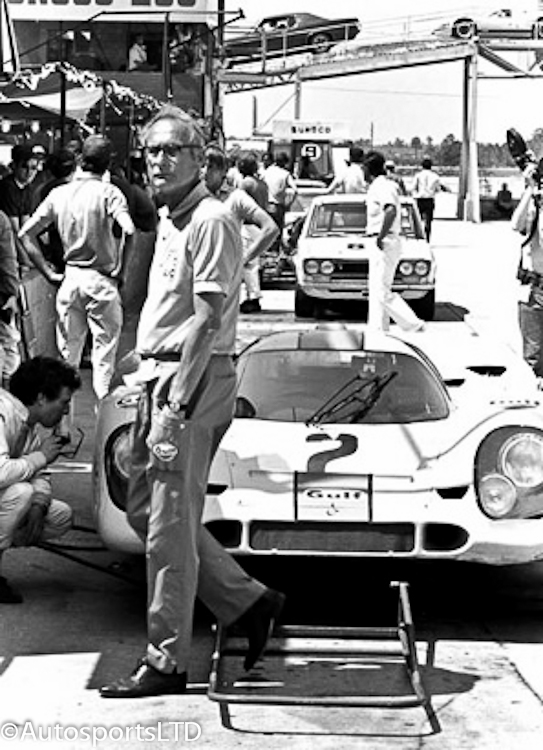
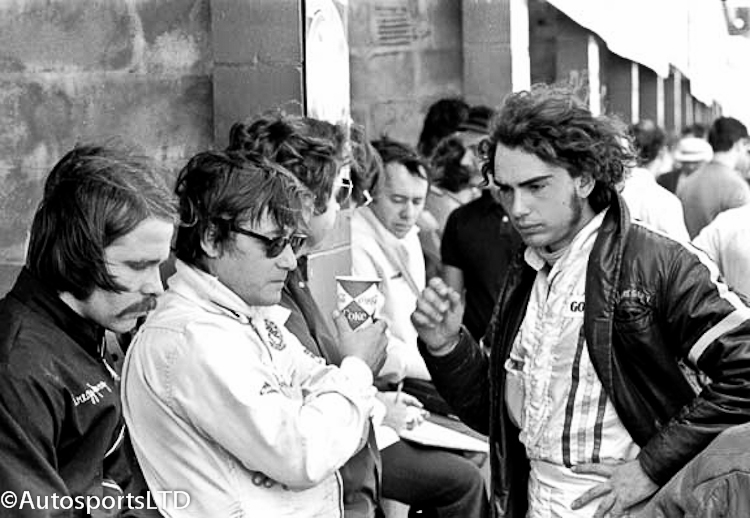
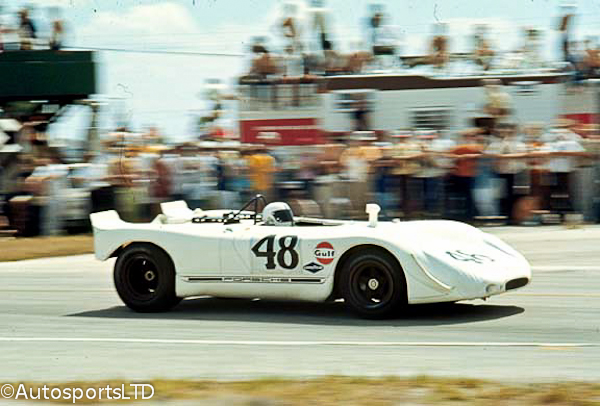
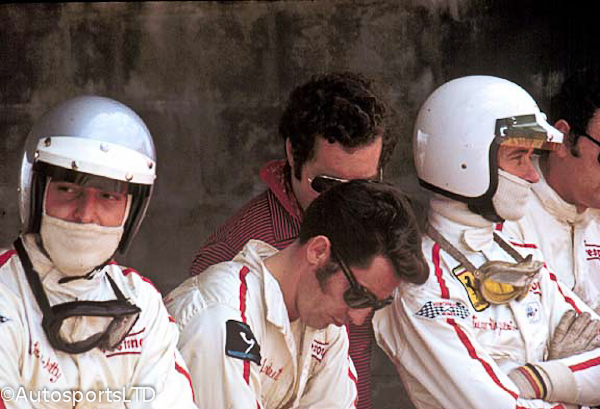
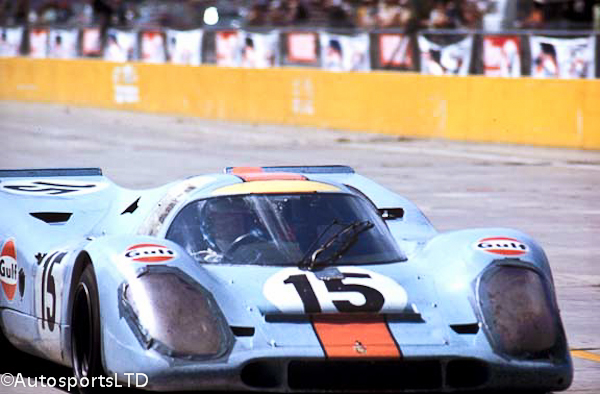
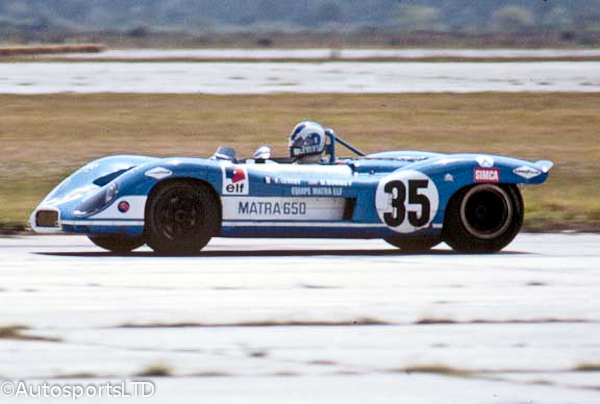
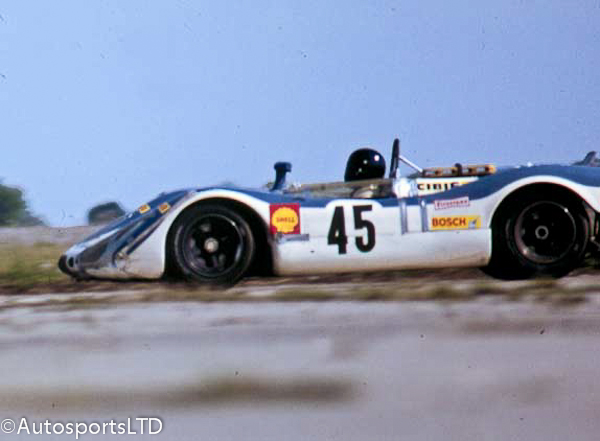
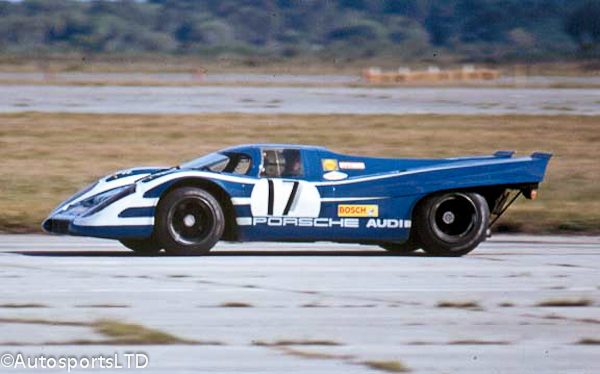
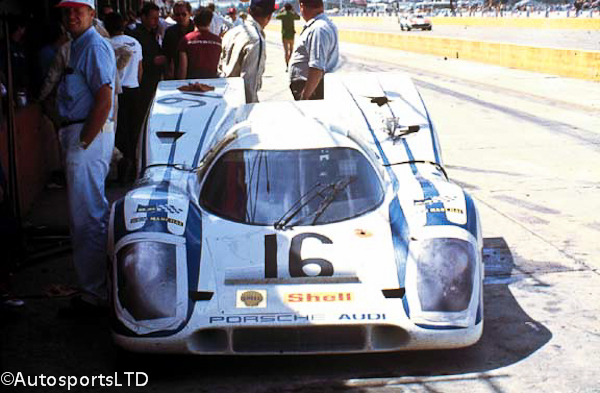
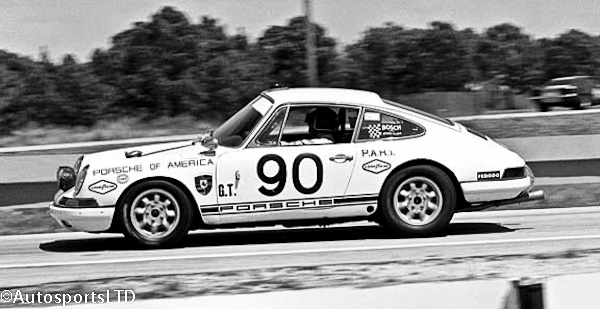
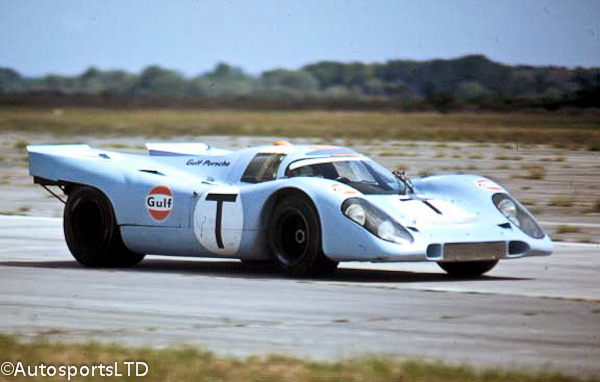
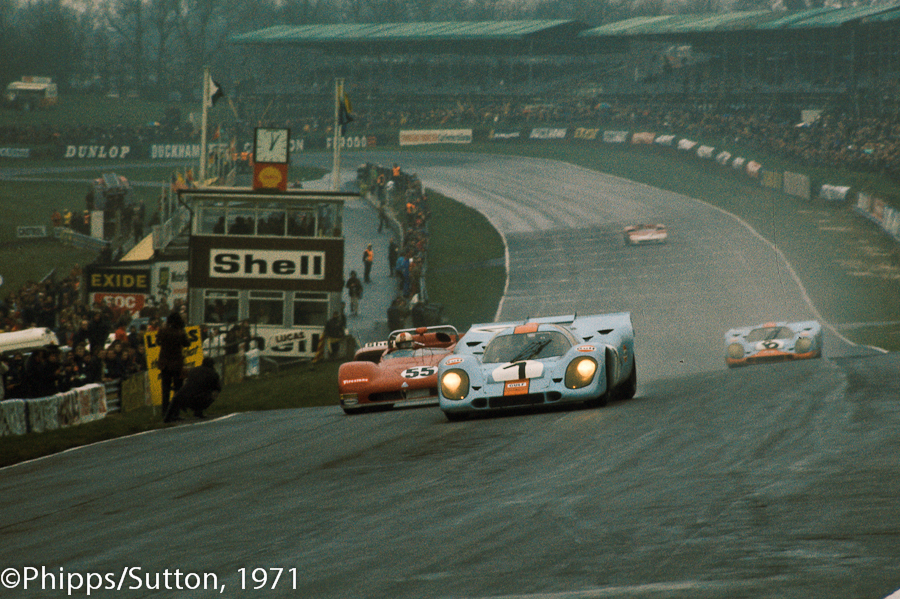
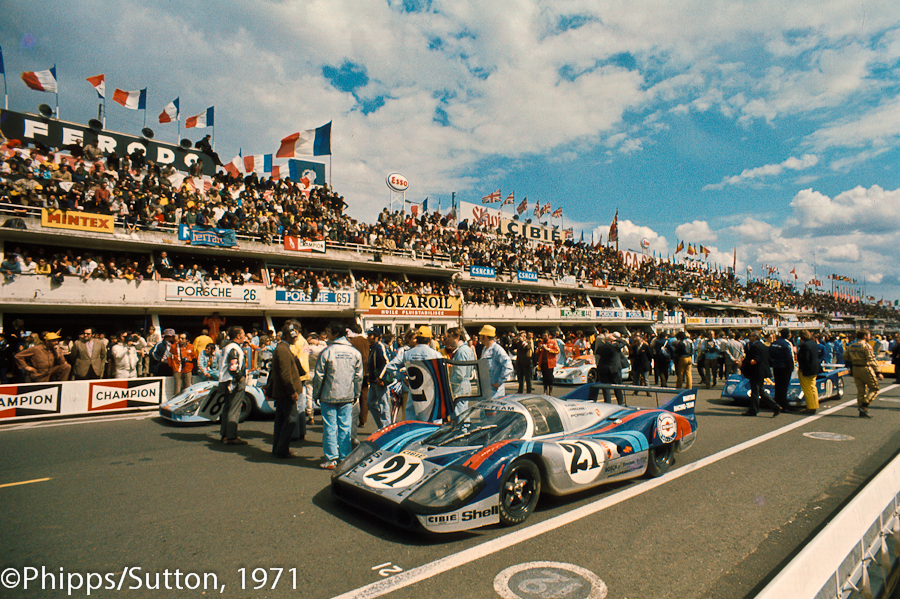
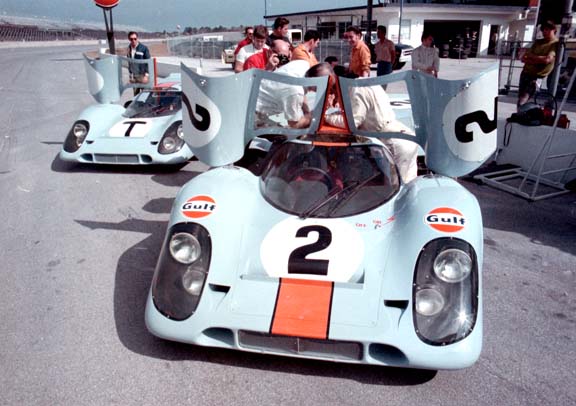
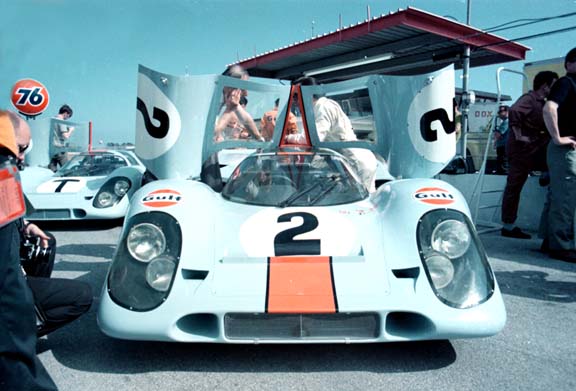
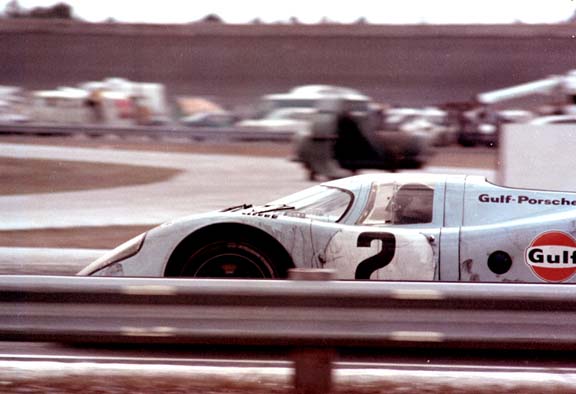
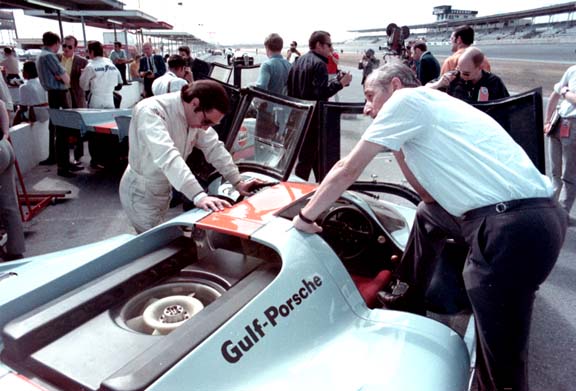
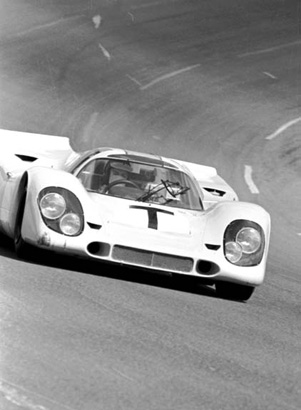
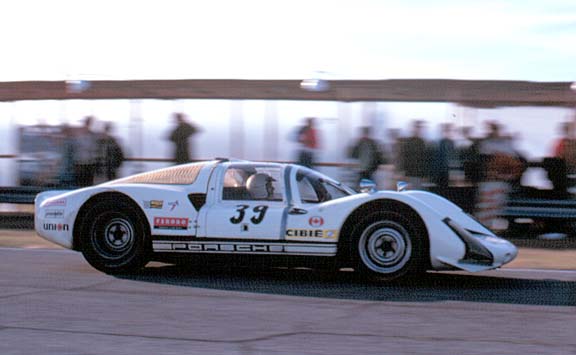
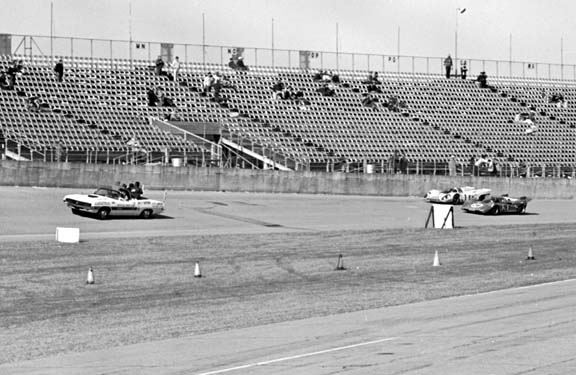
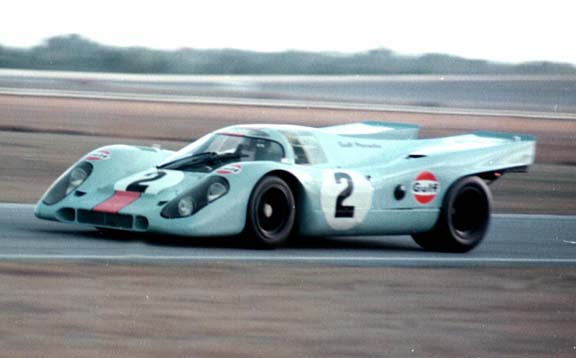
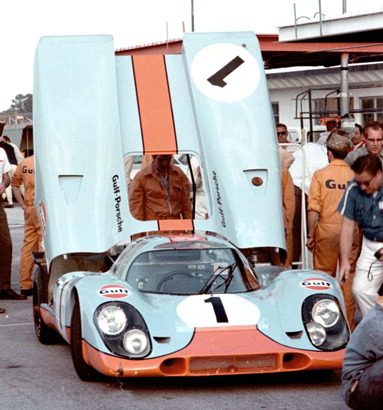
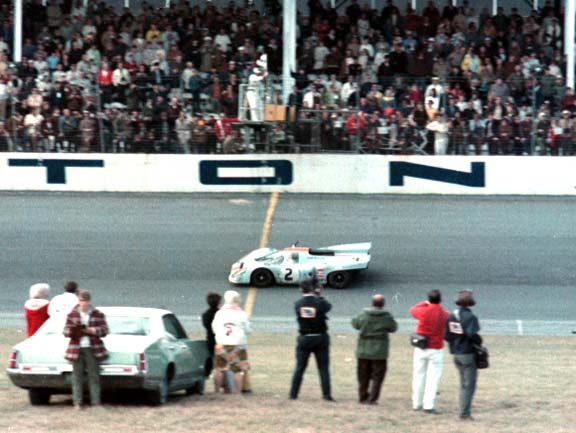
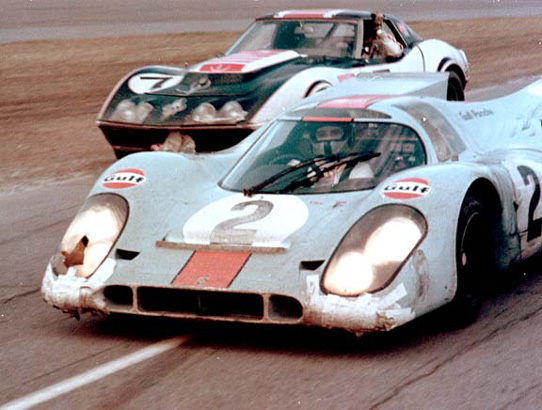
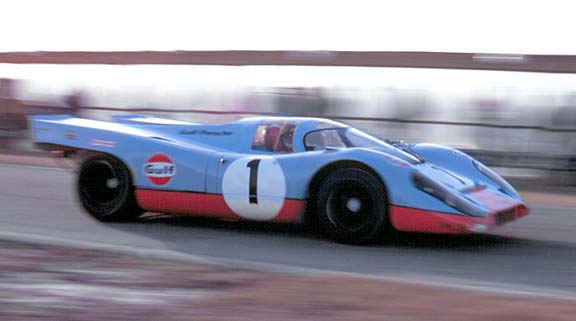
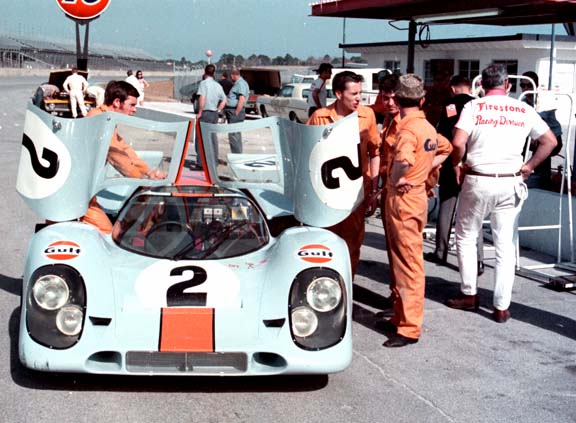
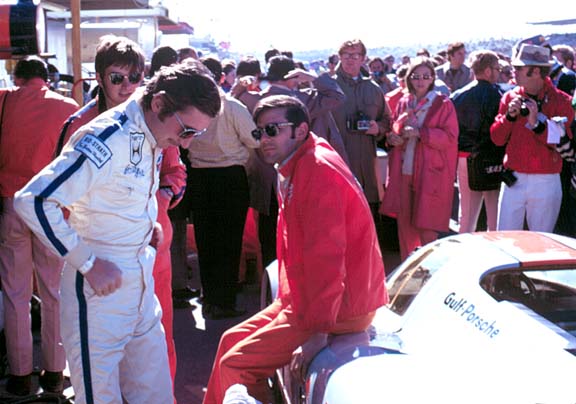
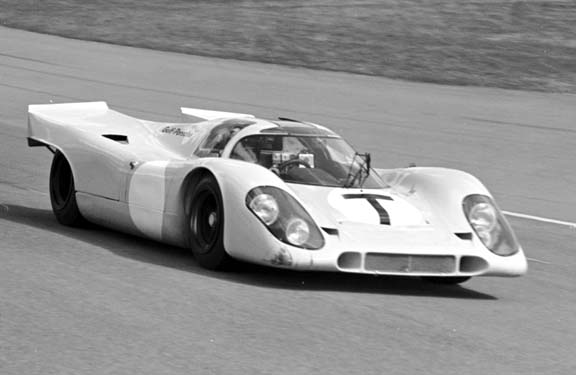
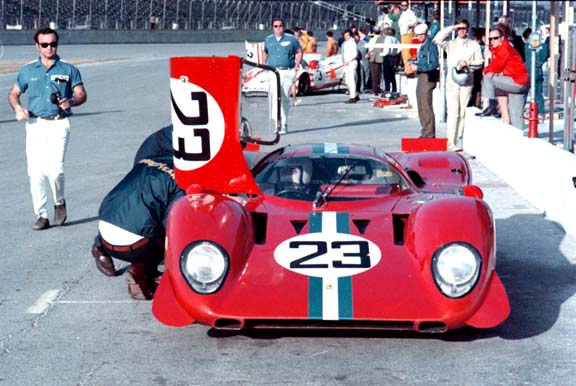
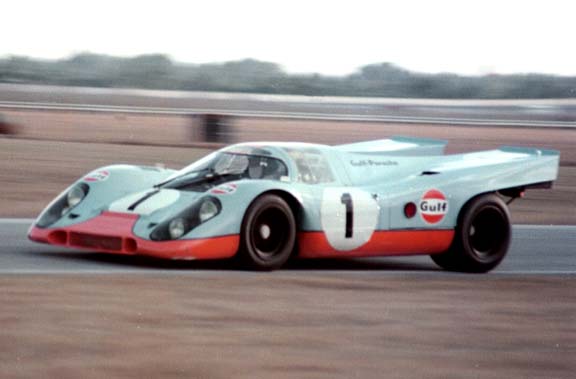
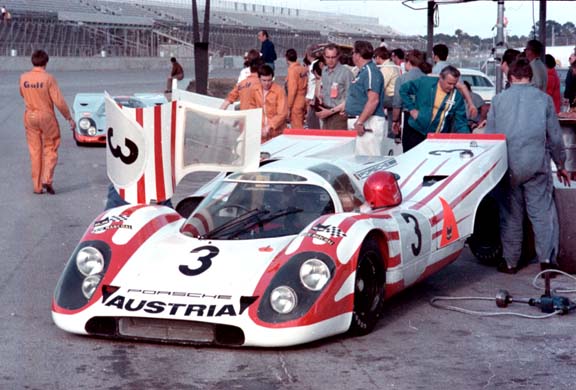
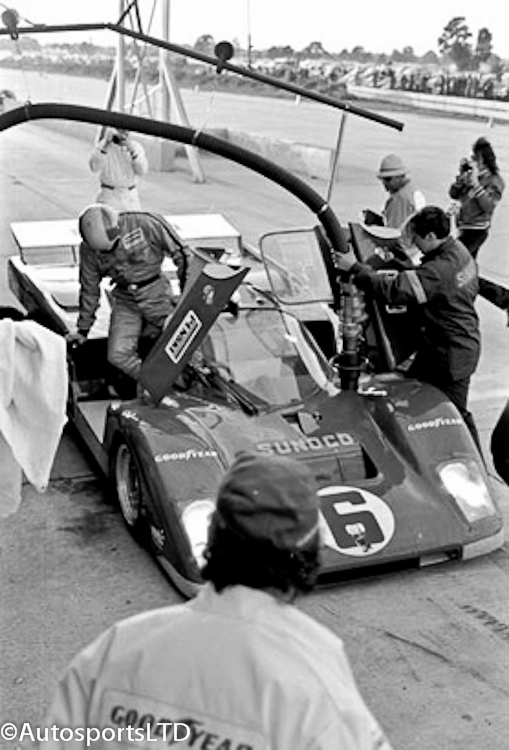
More goodness from Michael Keyser’s archive. The final roar of the Porsche 917, killed by the CSI and others, to what purpose? Don’t ask, you will be looking at grassy knolls next, just enjoy a real flavour of Sebring circa 1971.

Through The Looking Glass

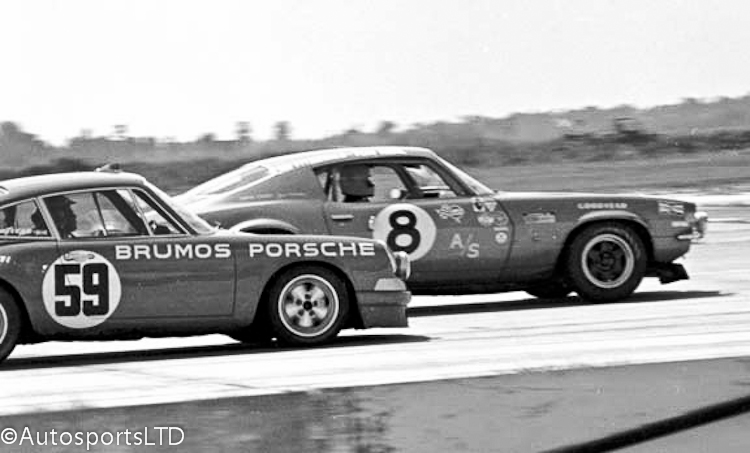
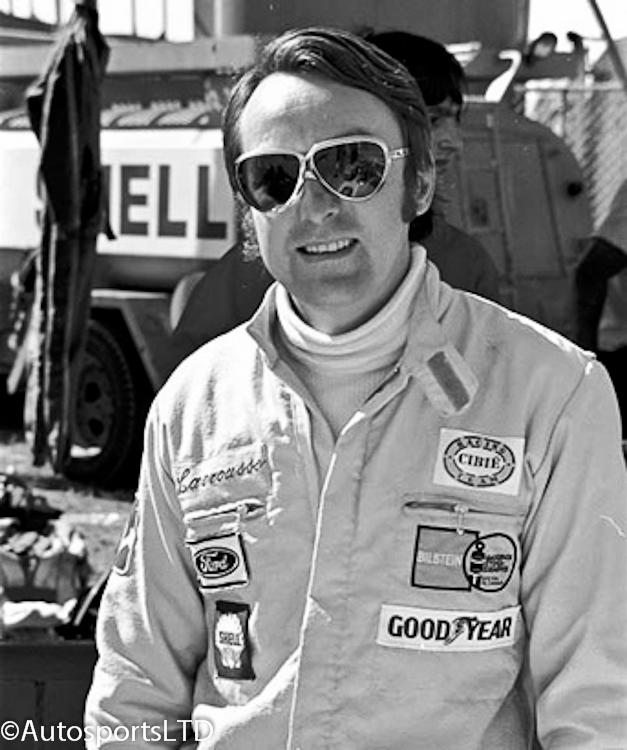
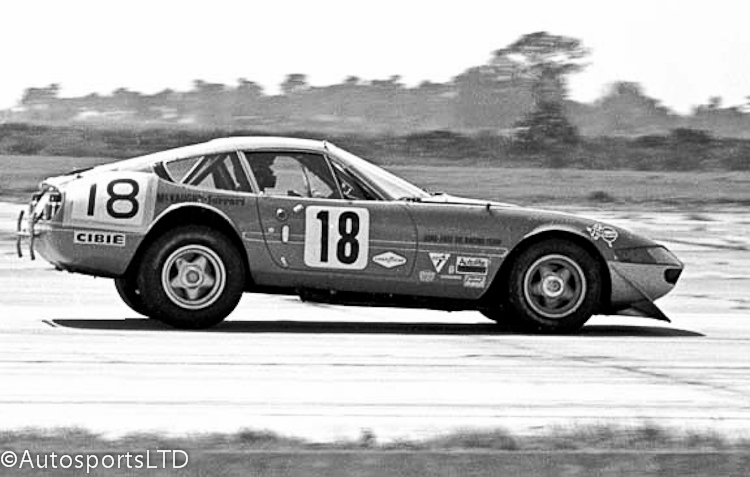
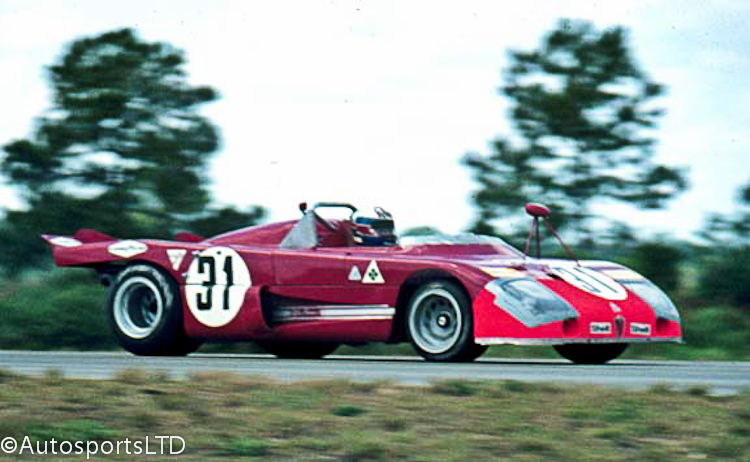
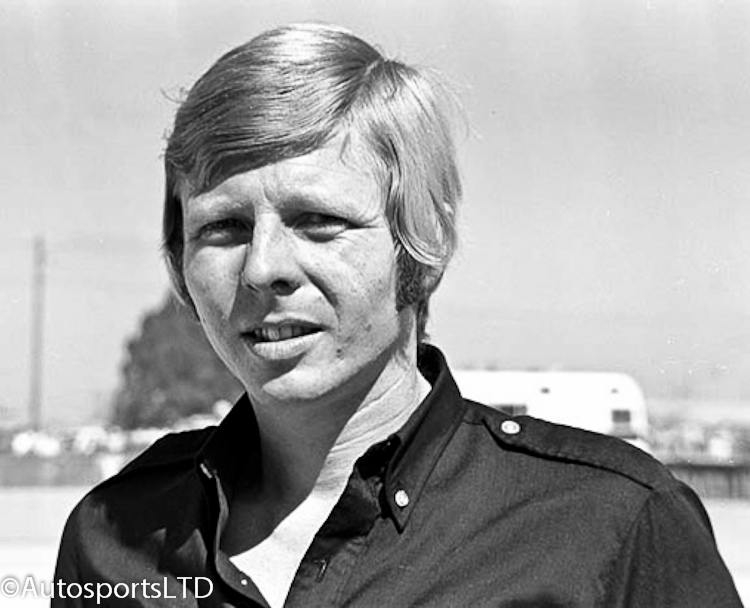
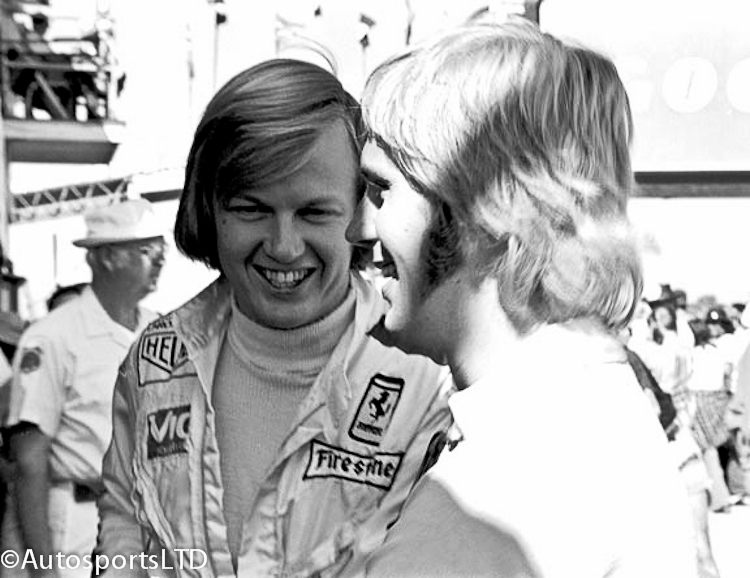
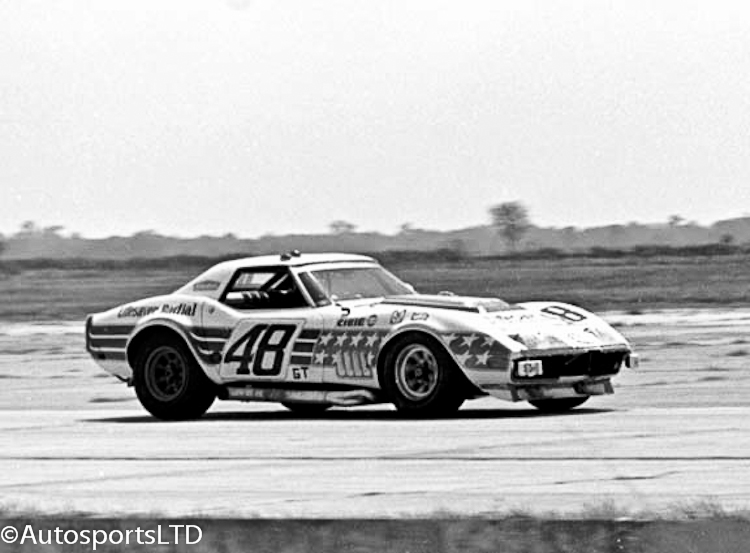
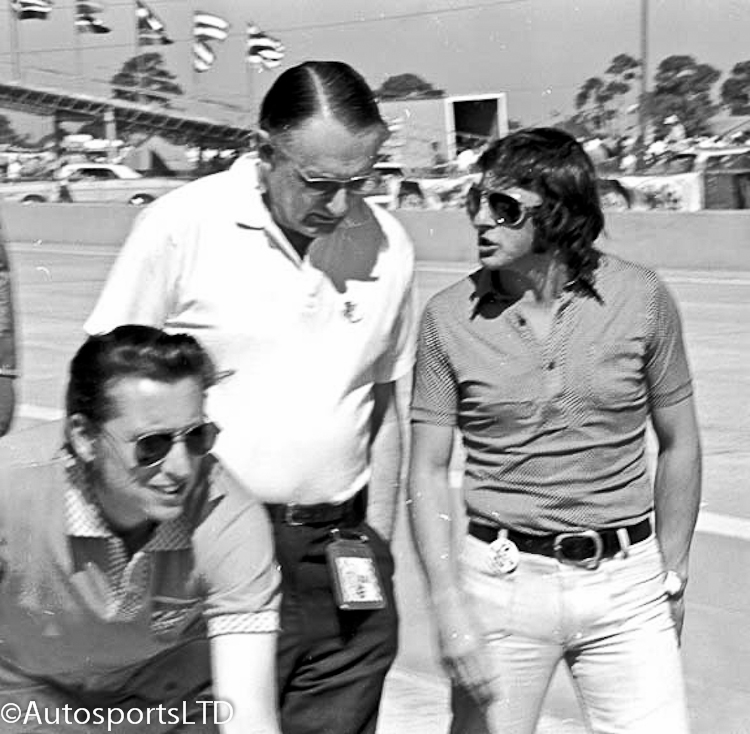
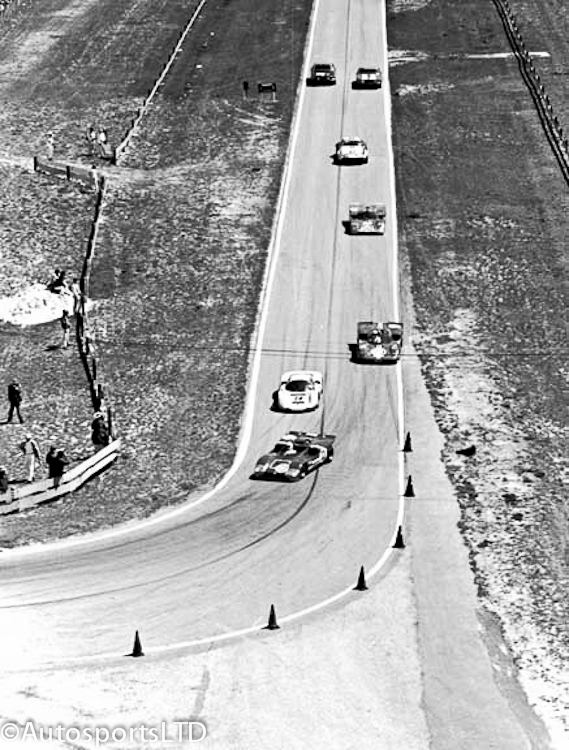
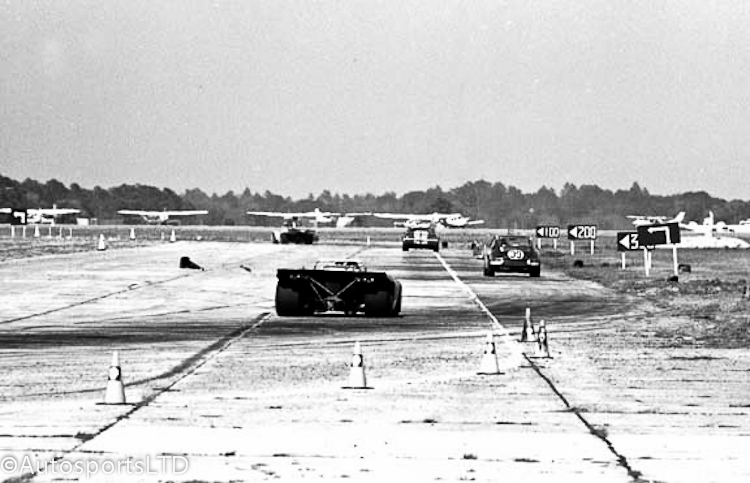
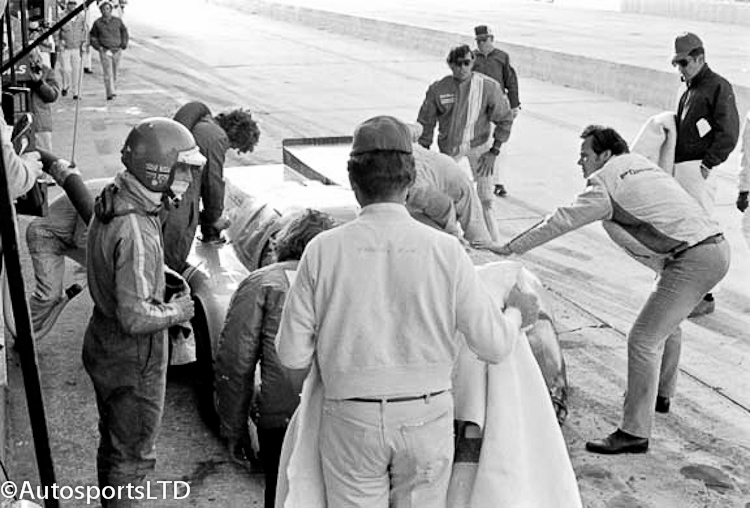
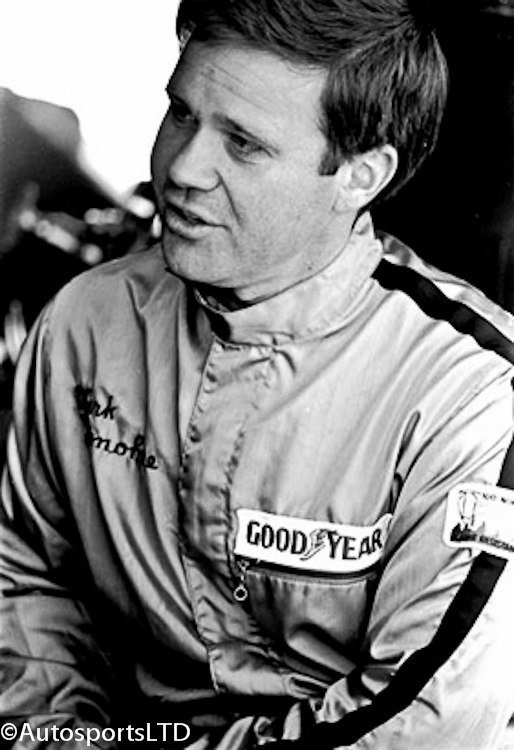
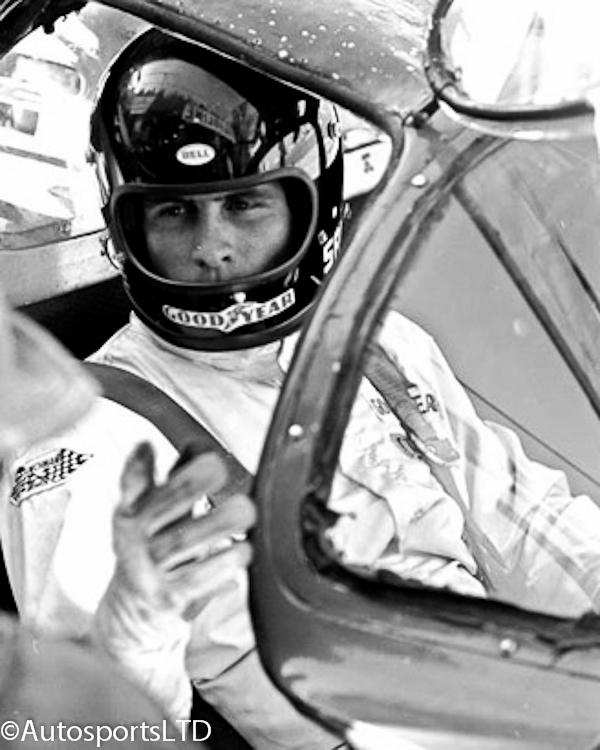
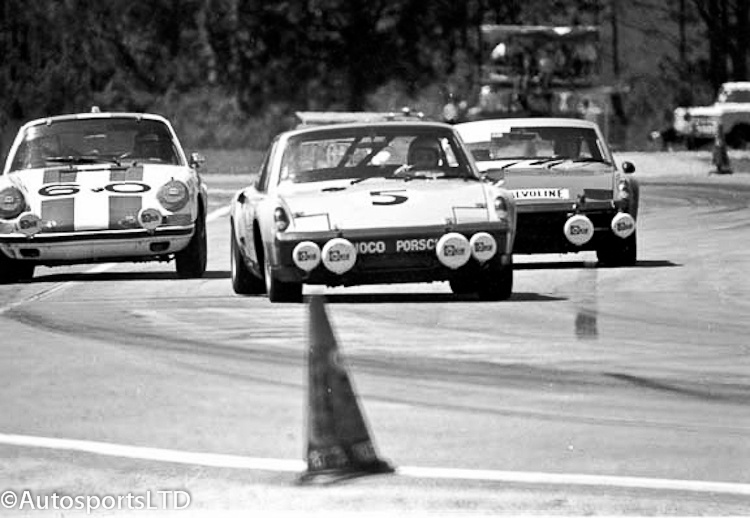
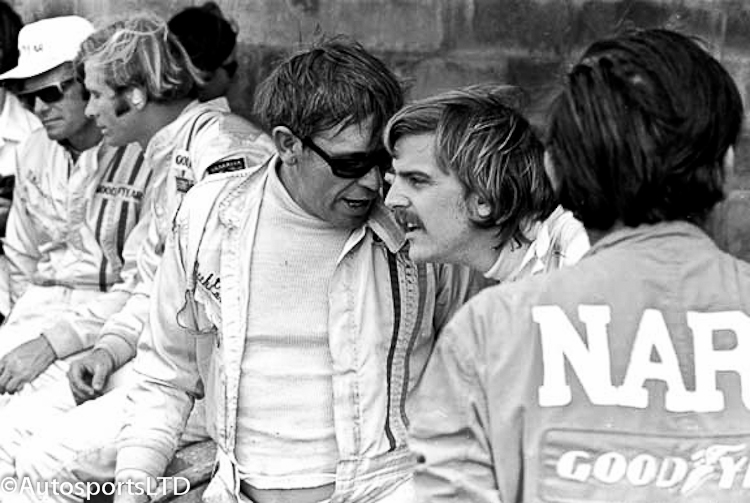
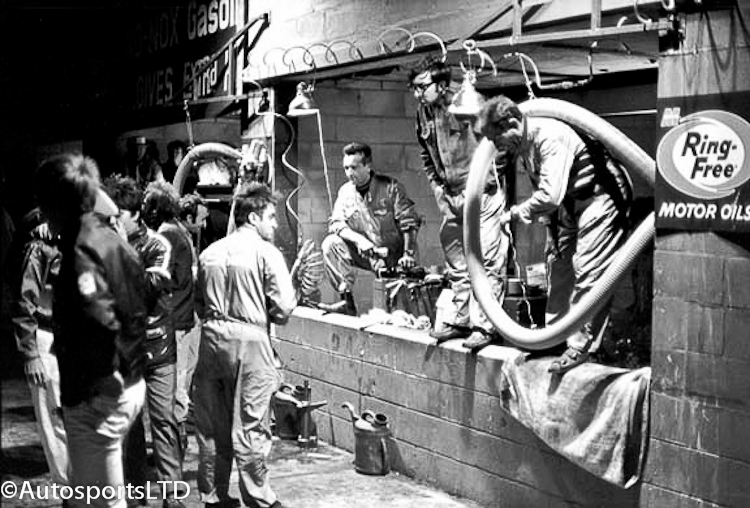
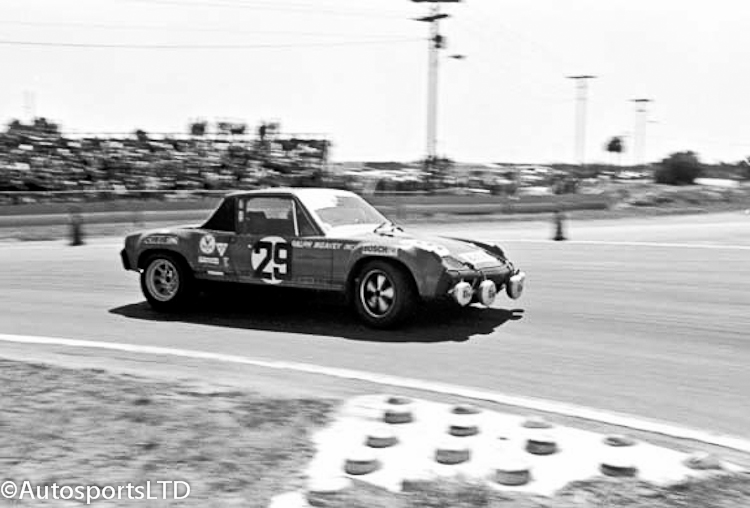
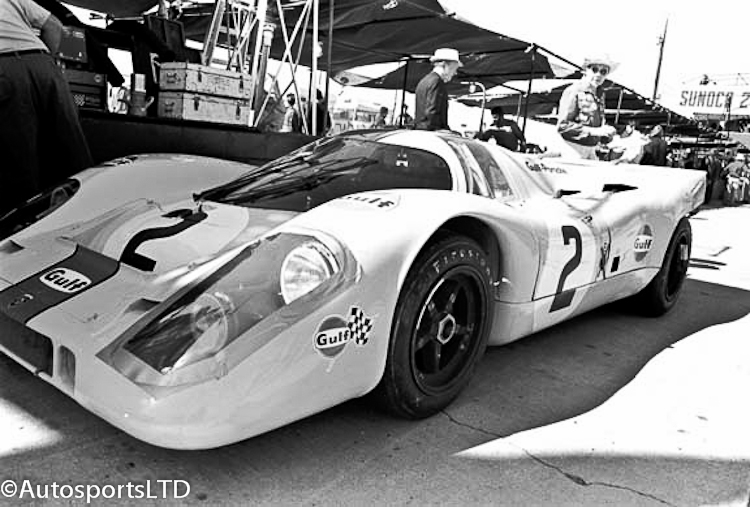
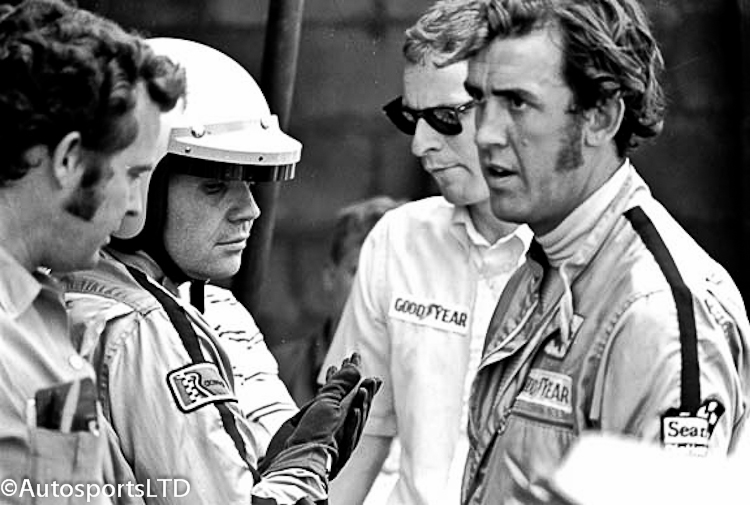
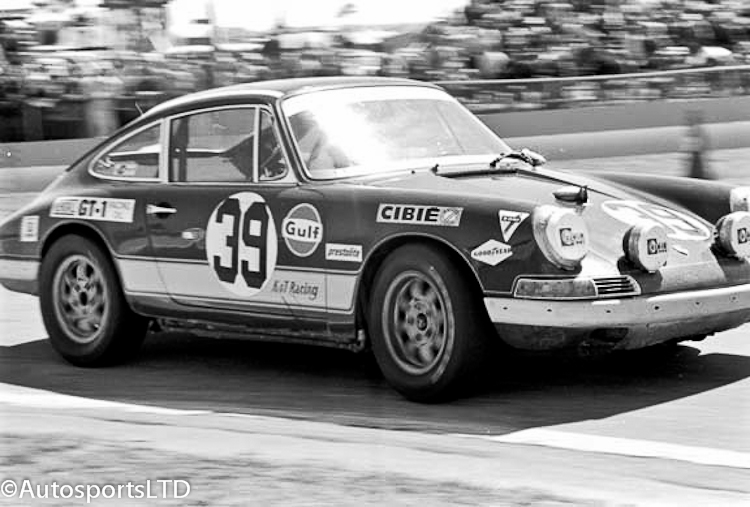
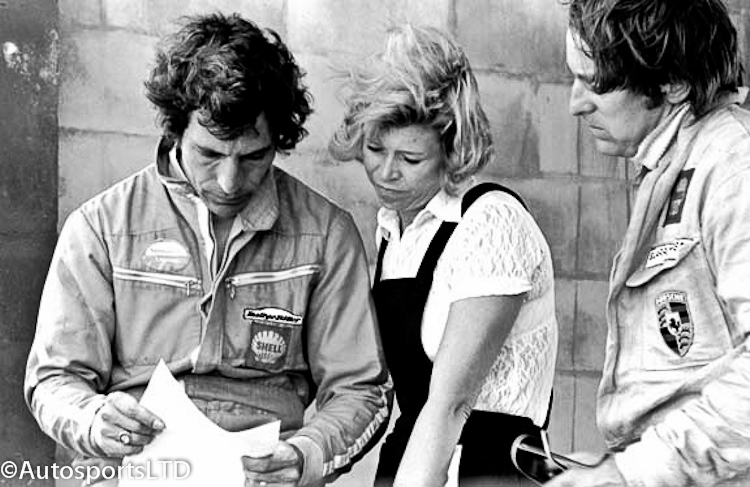
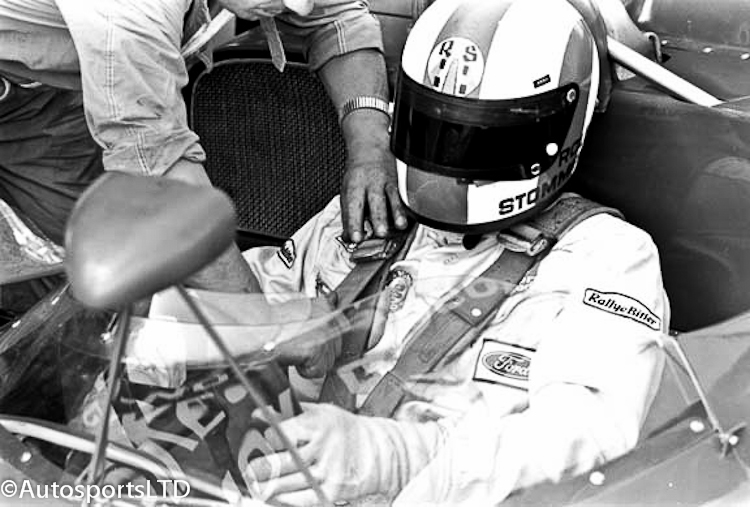
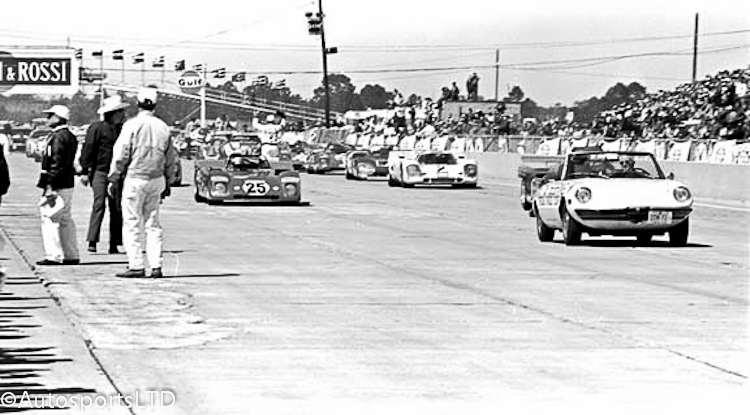
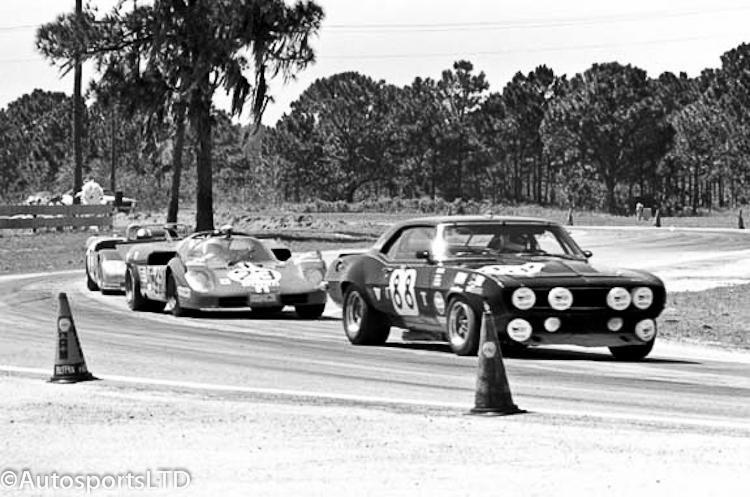
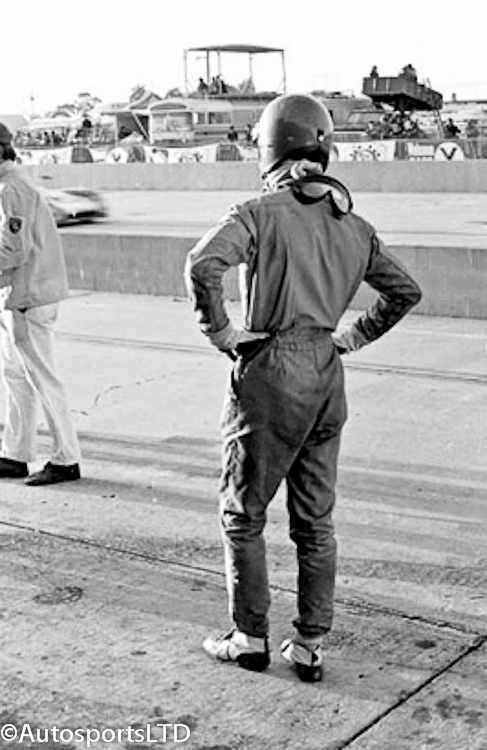
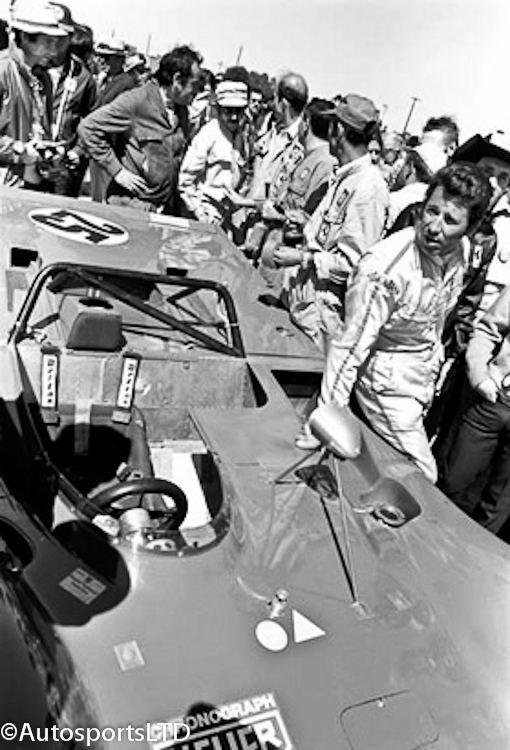
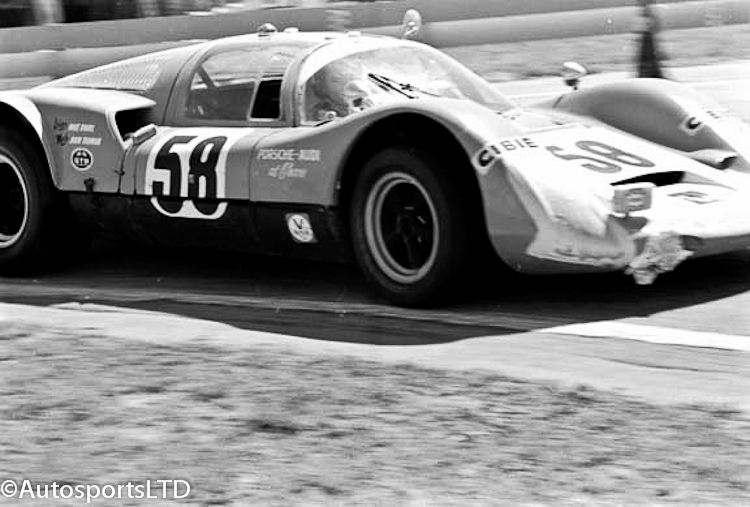
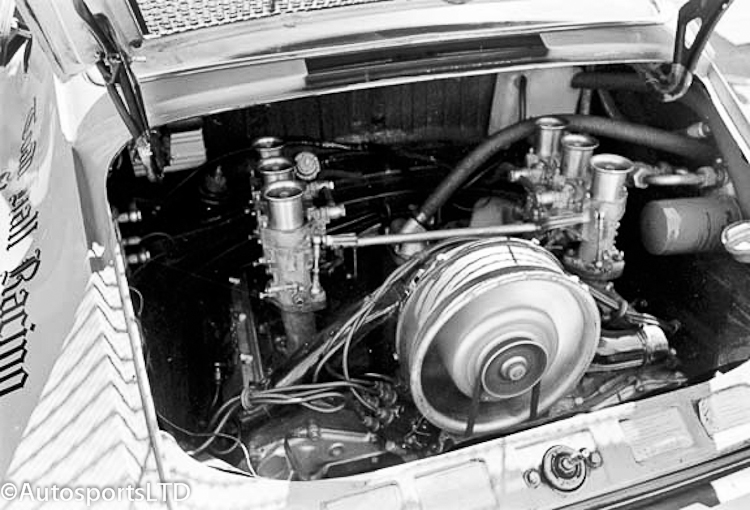
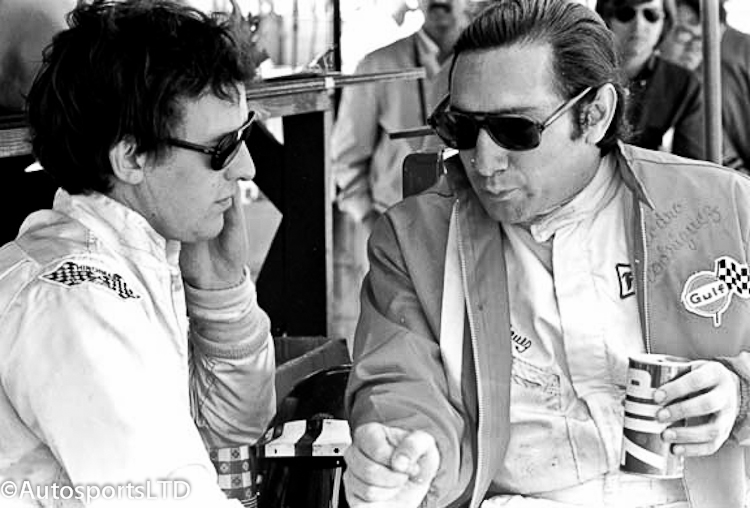
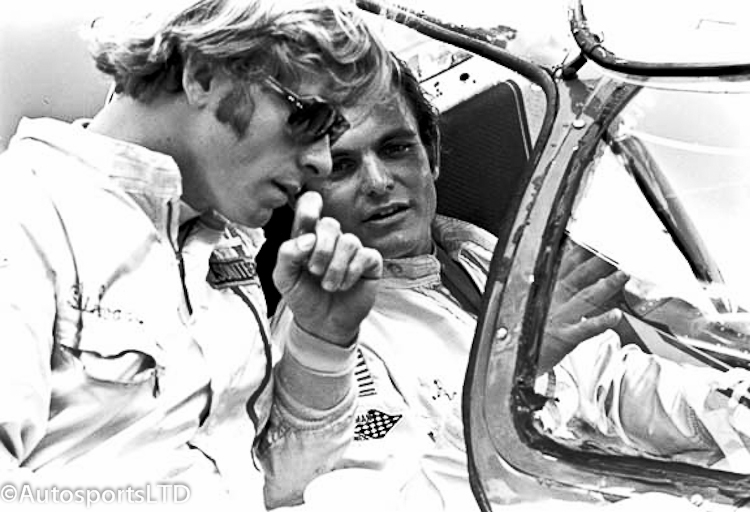
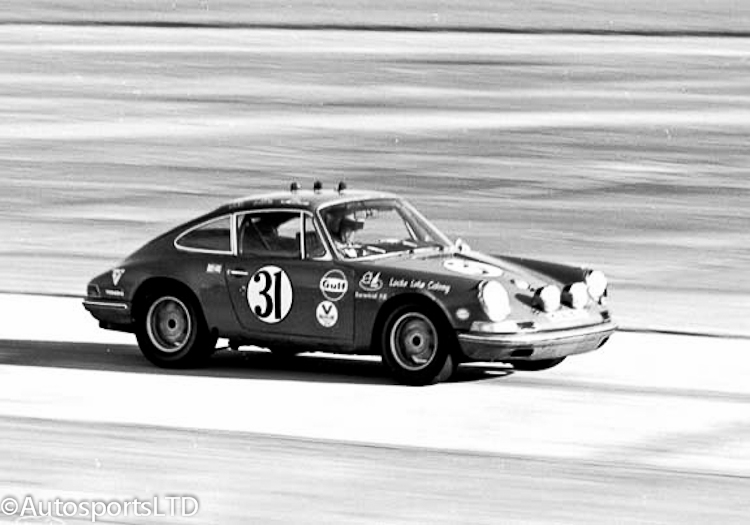
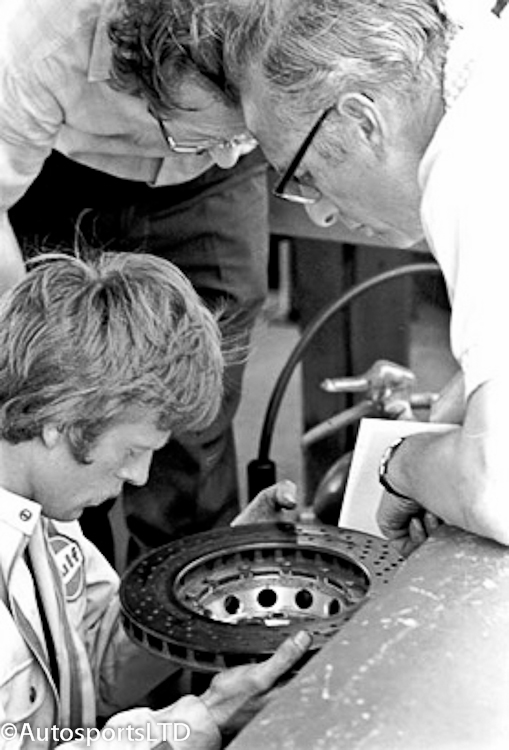
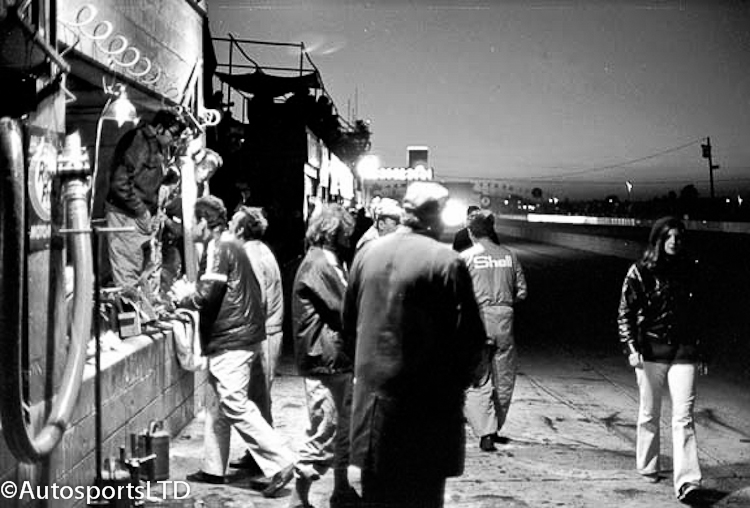
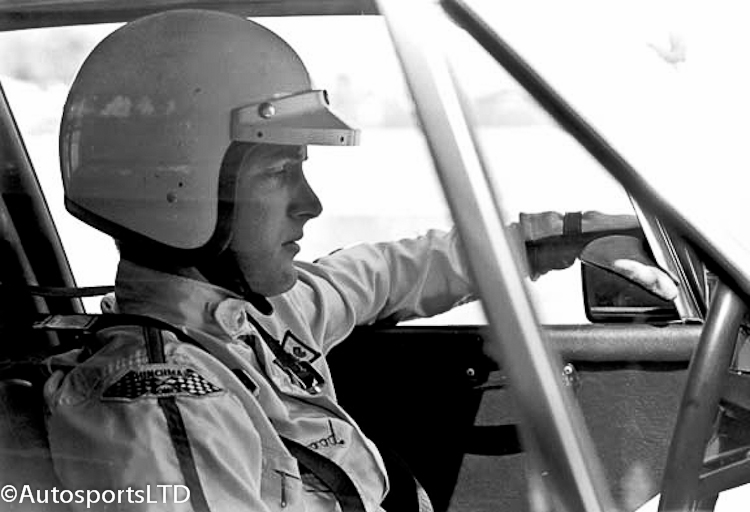
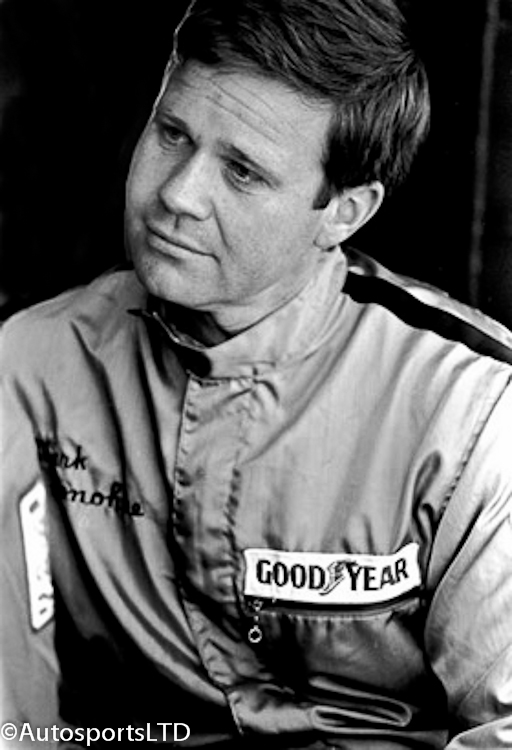
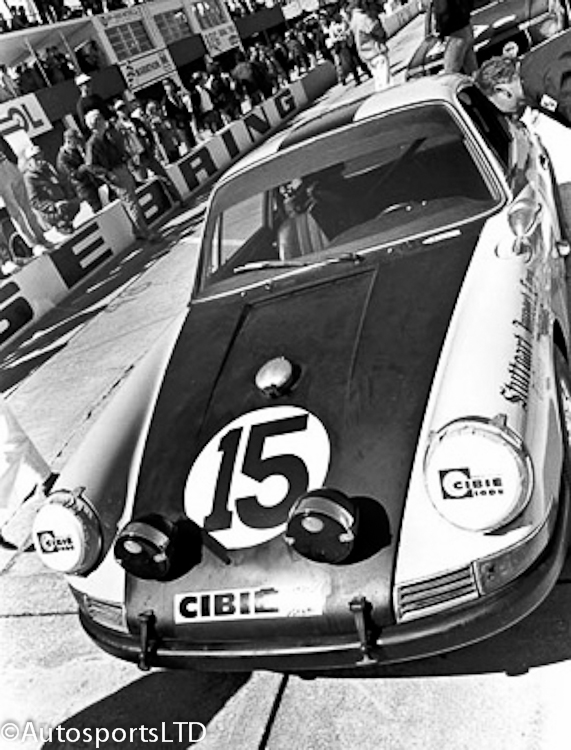
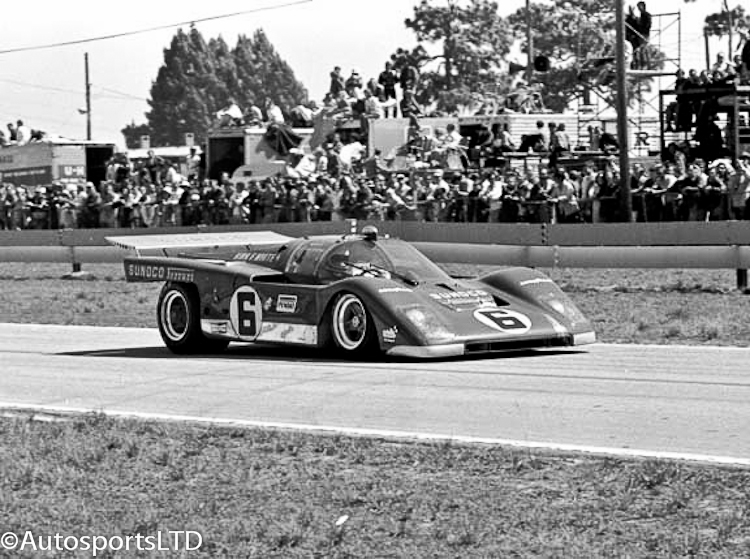
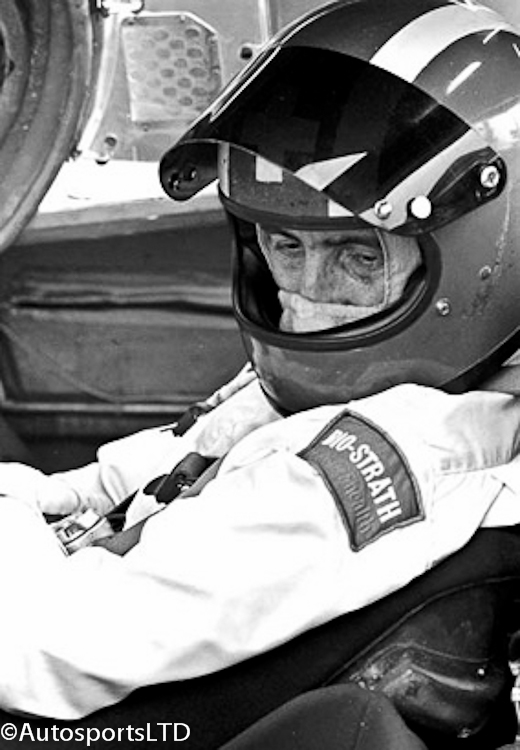
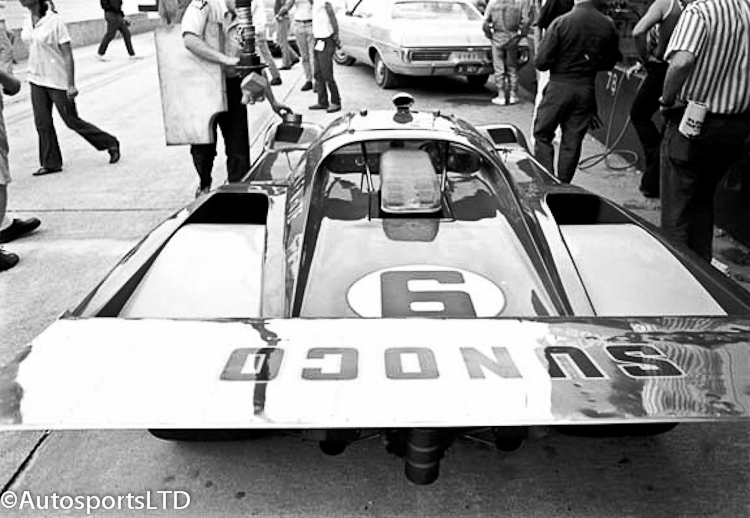
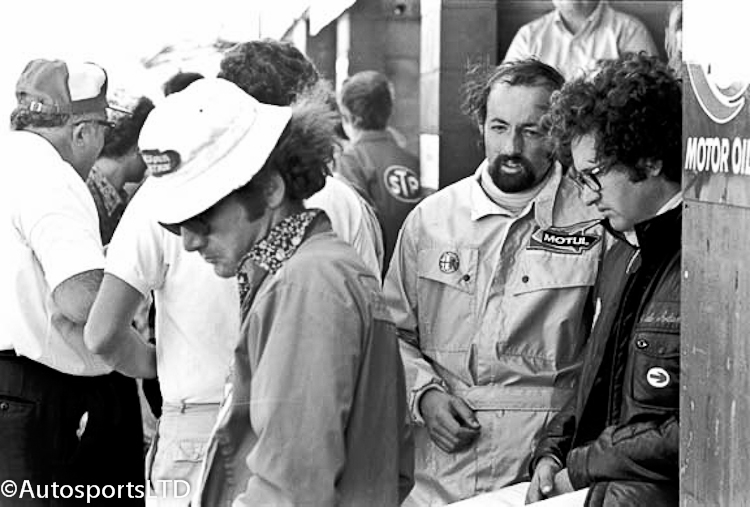
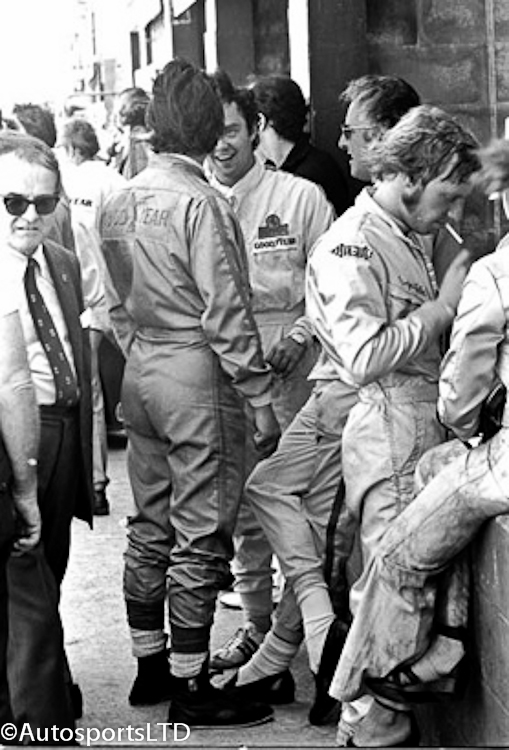
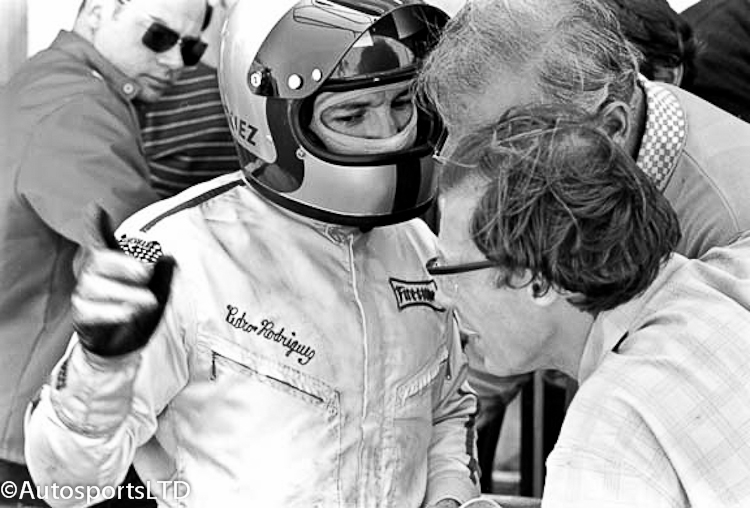
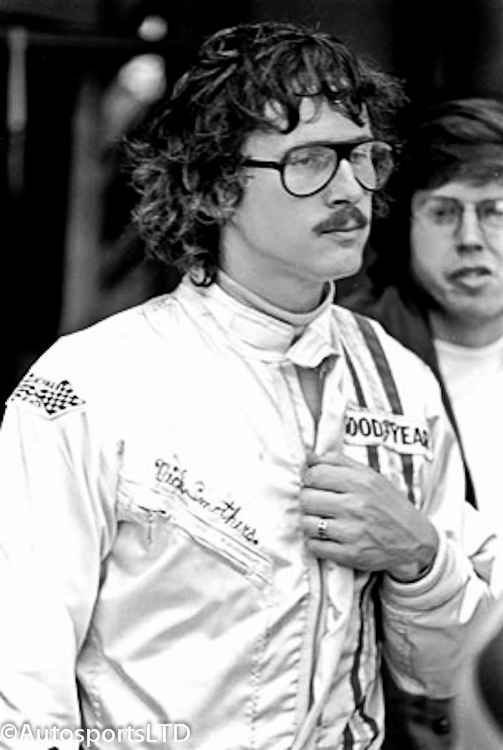
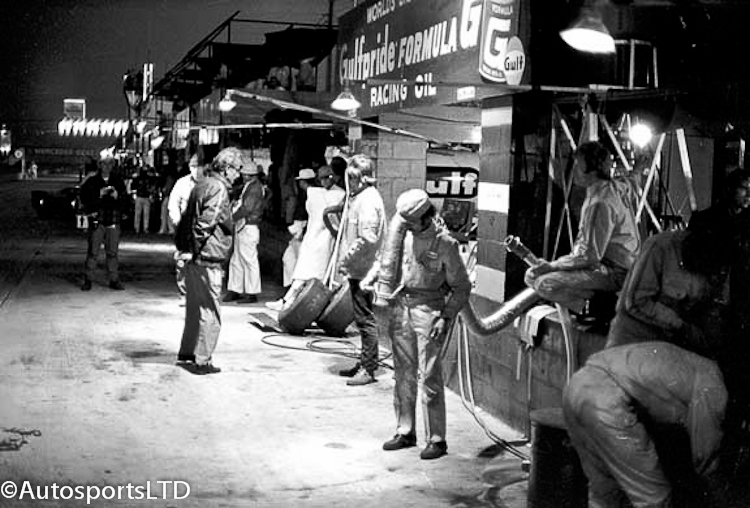
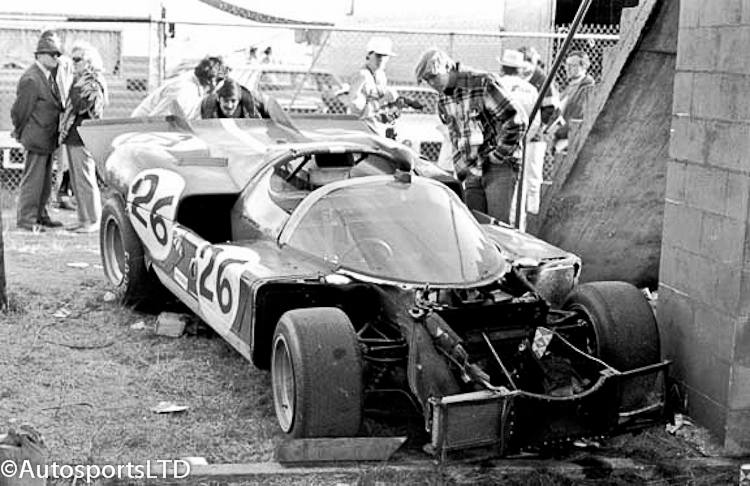
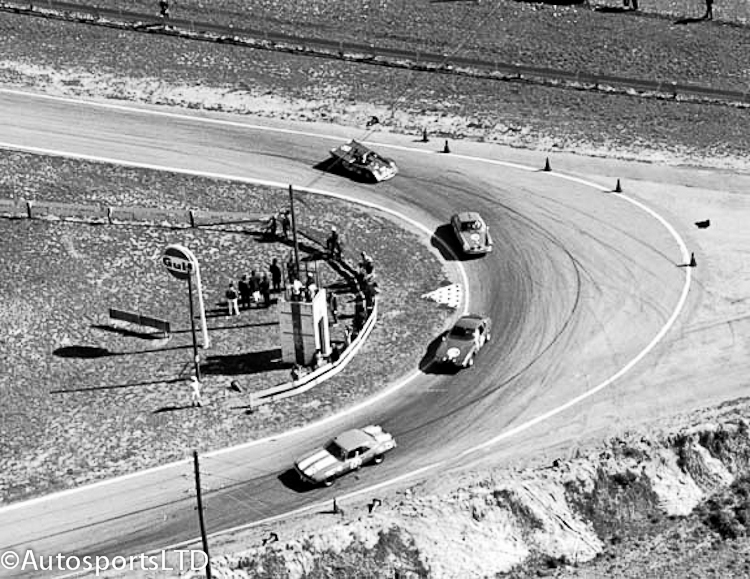
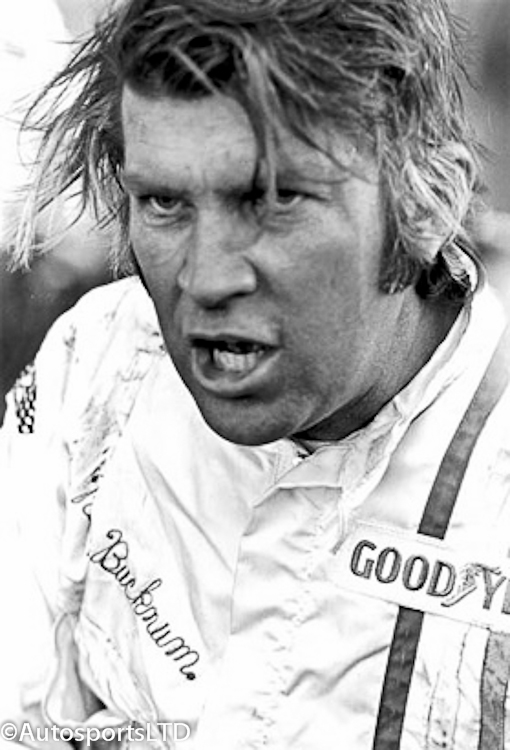
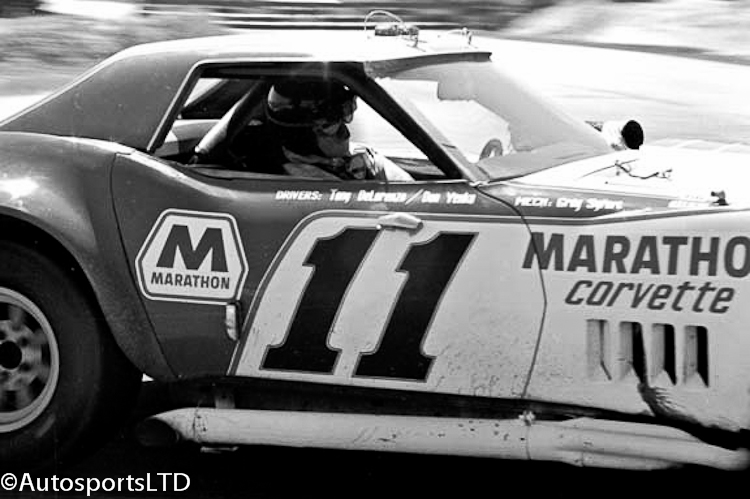
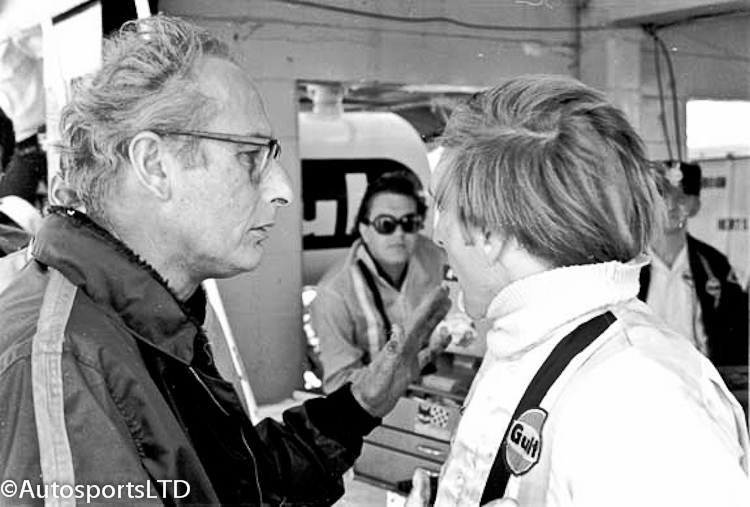
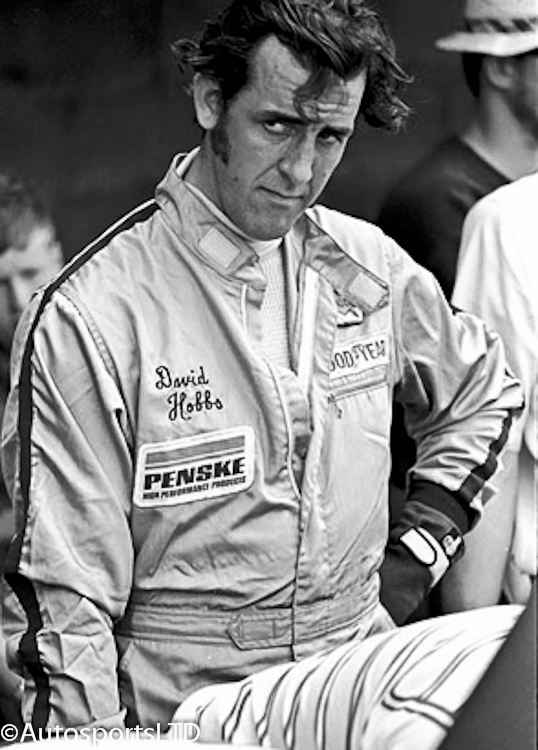
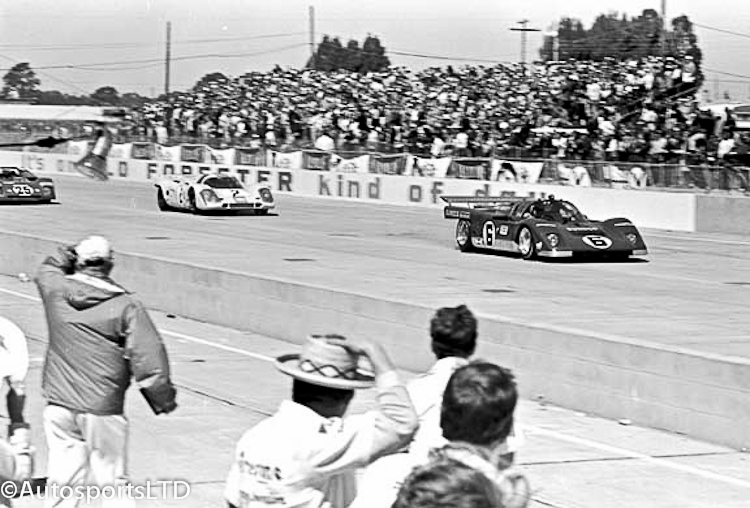
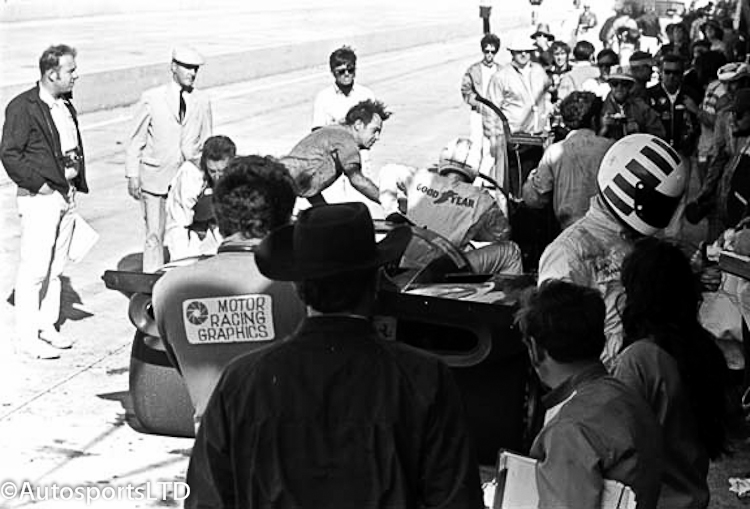
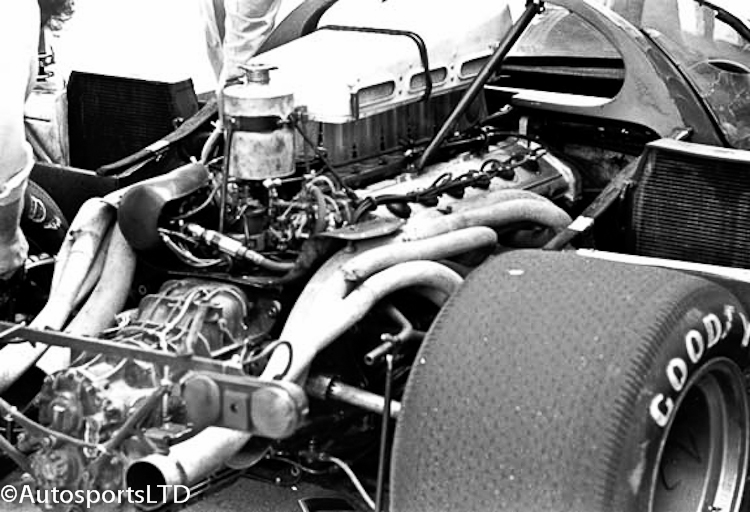
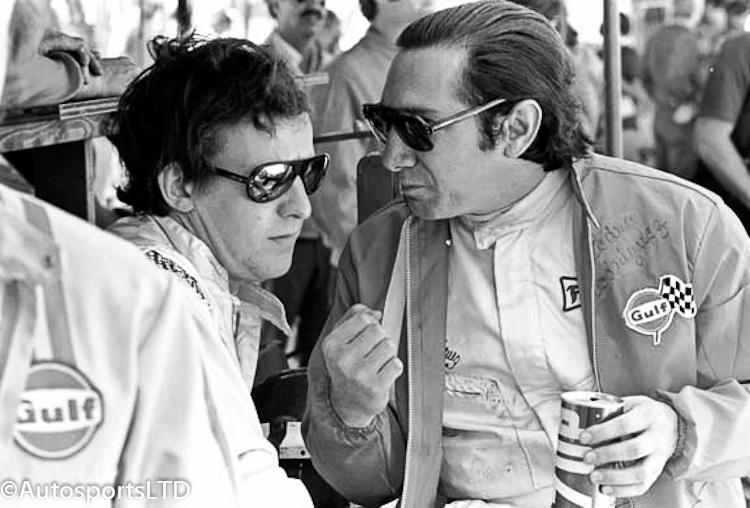
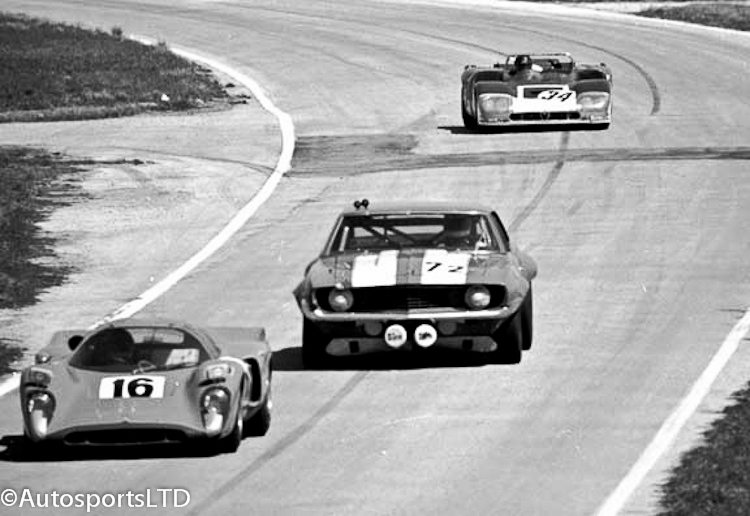
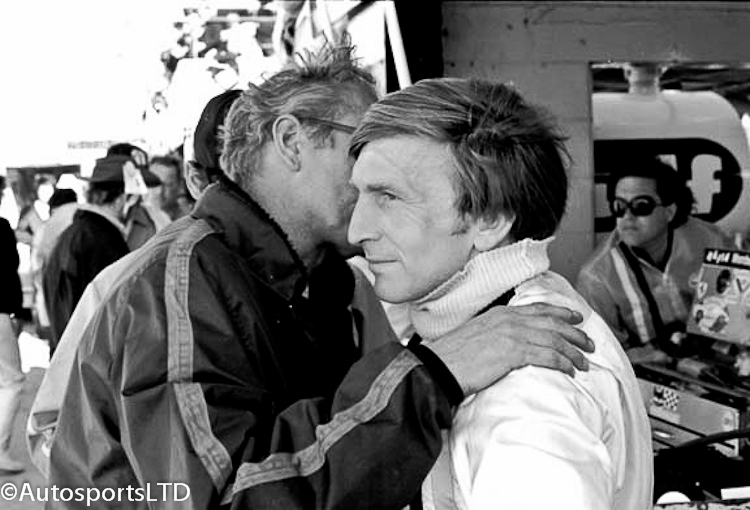
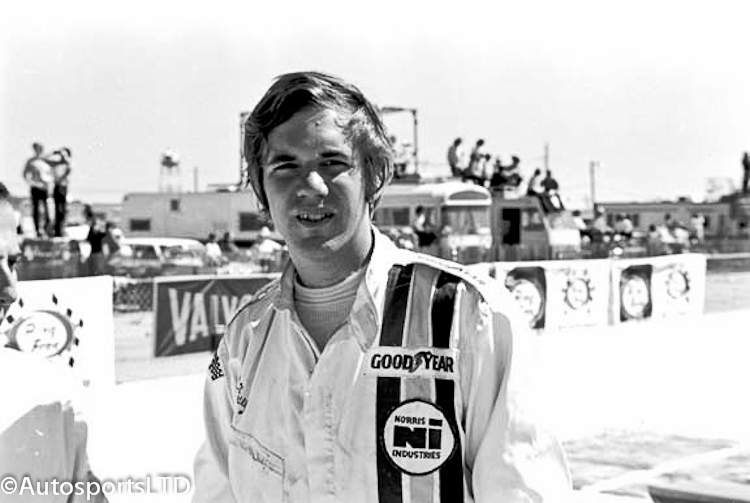
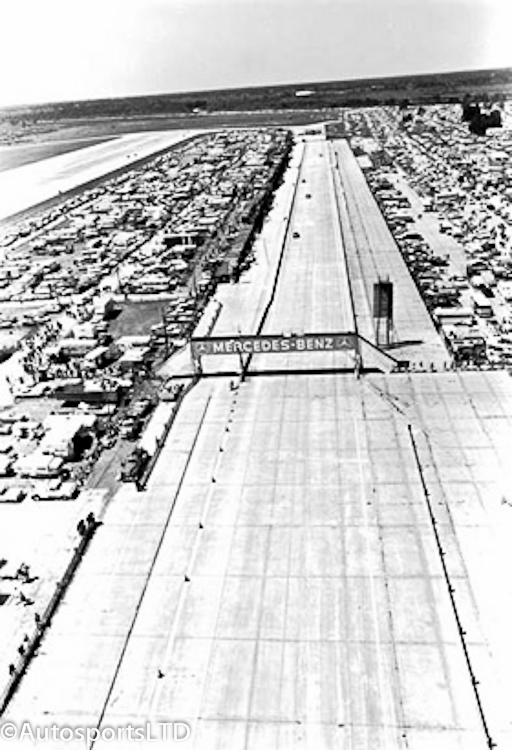
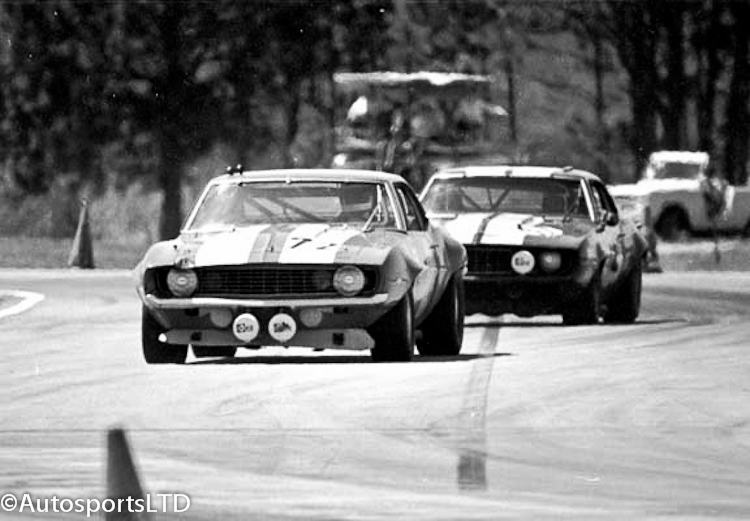
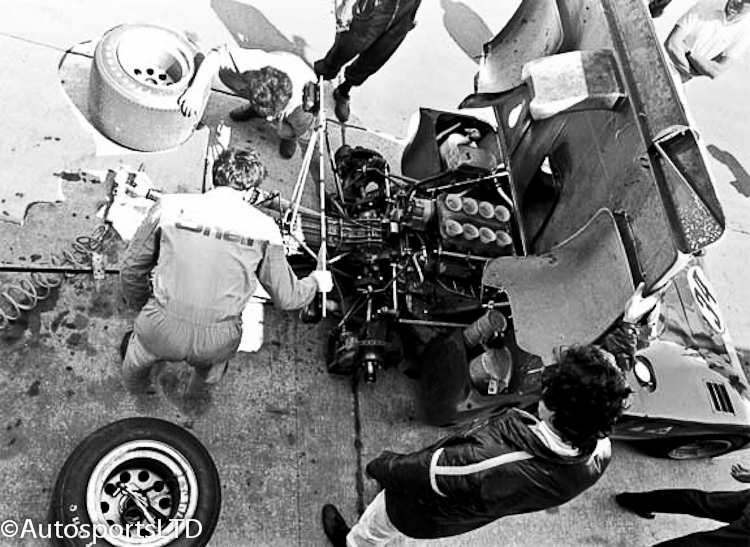
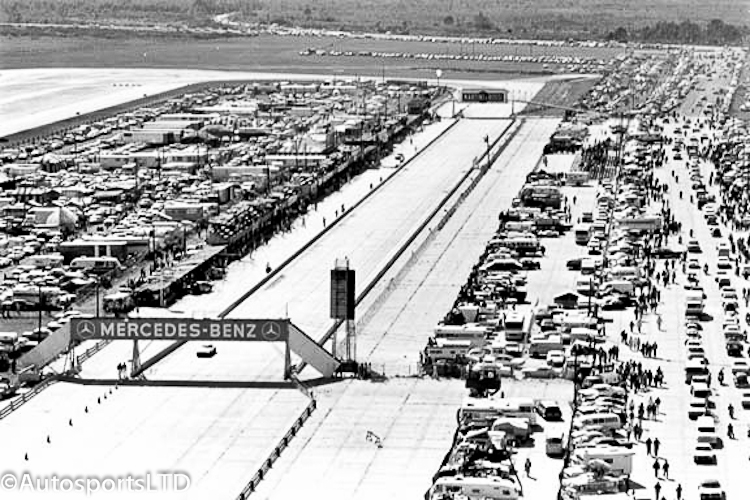
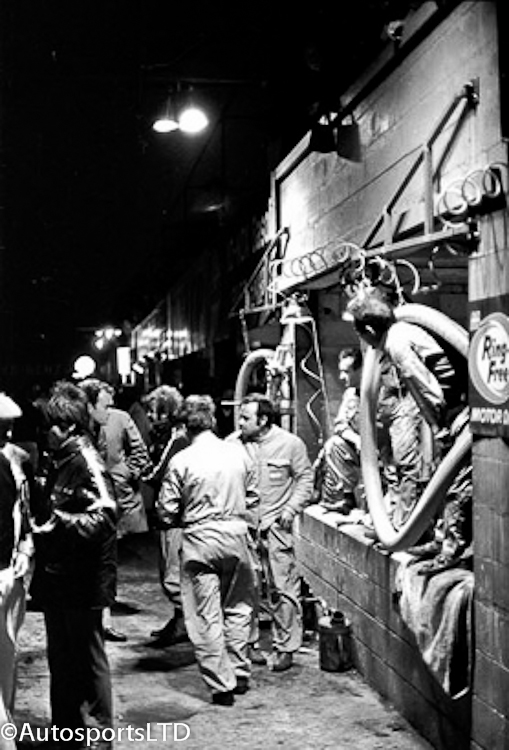
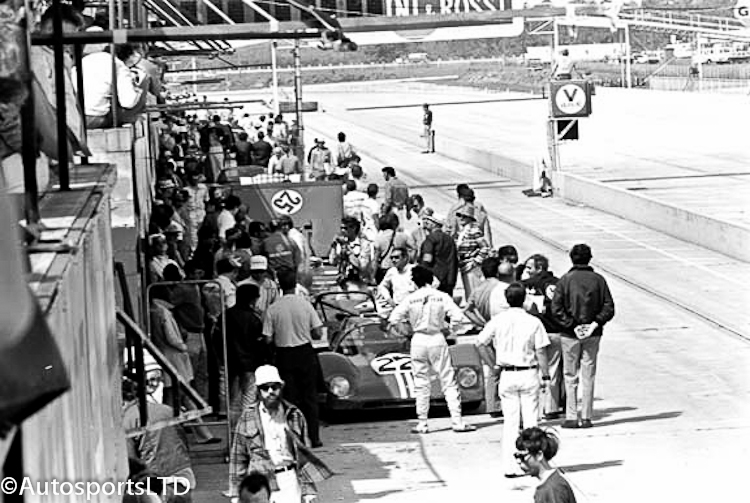
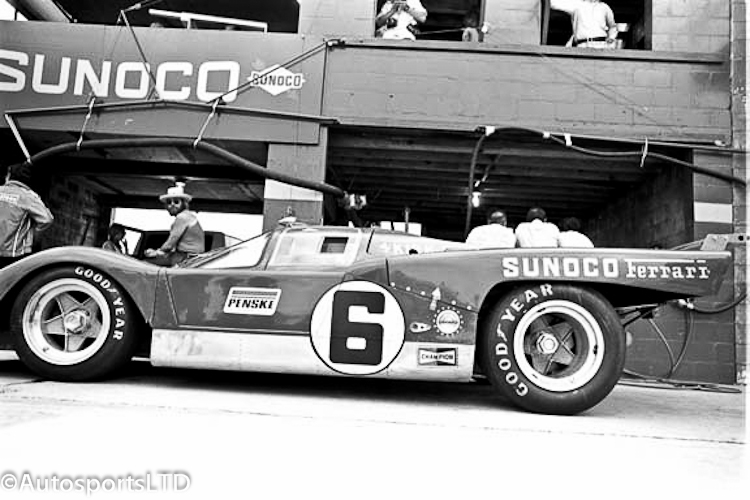
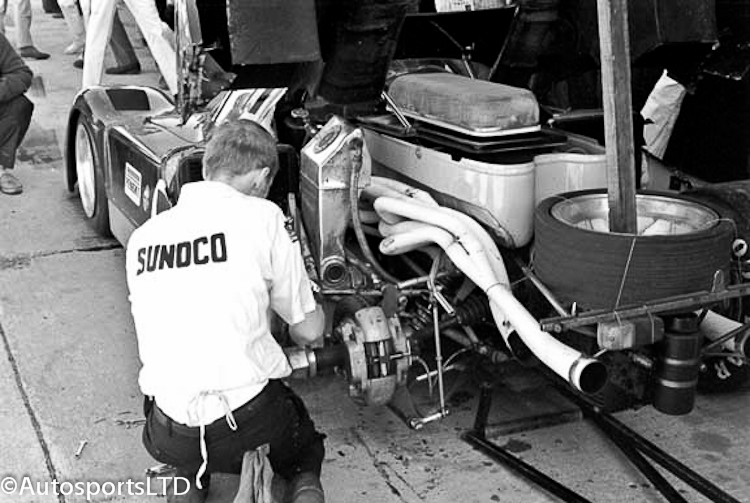
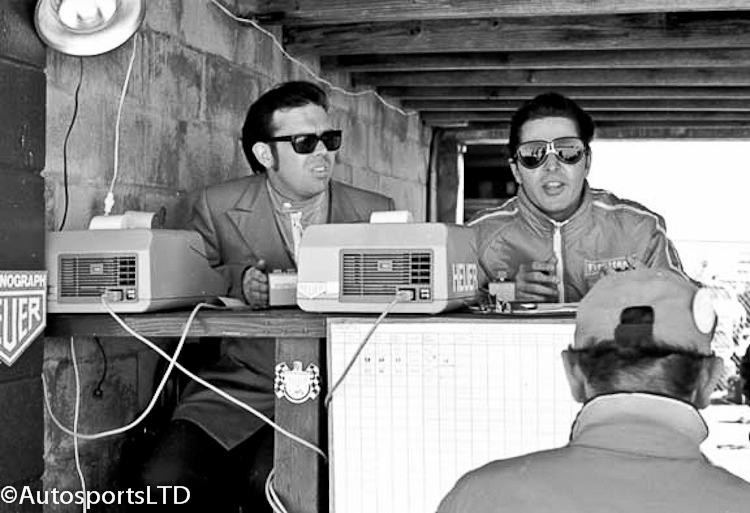
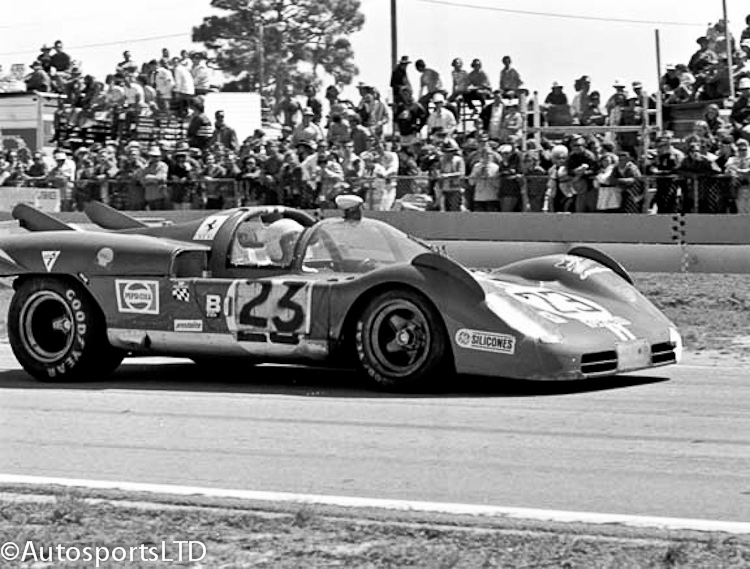
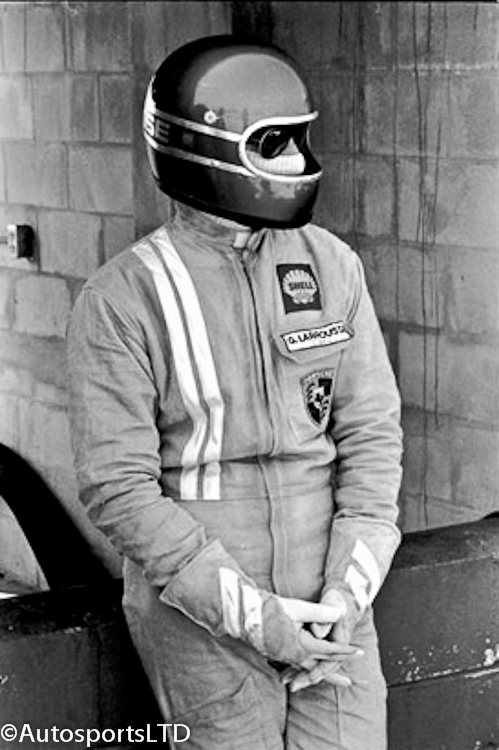
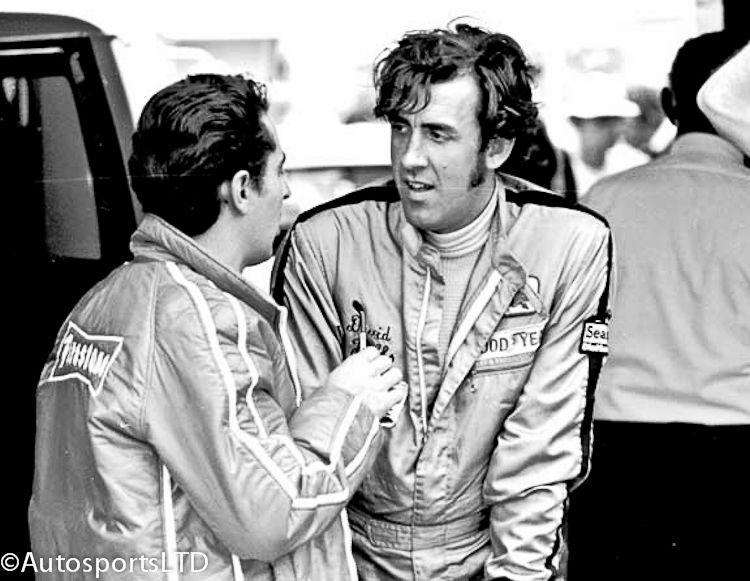
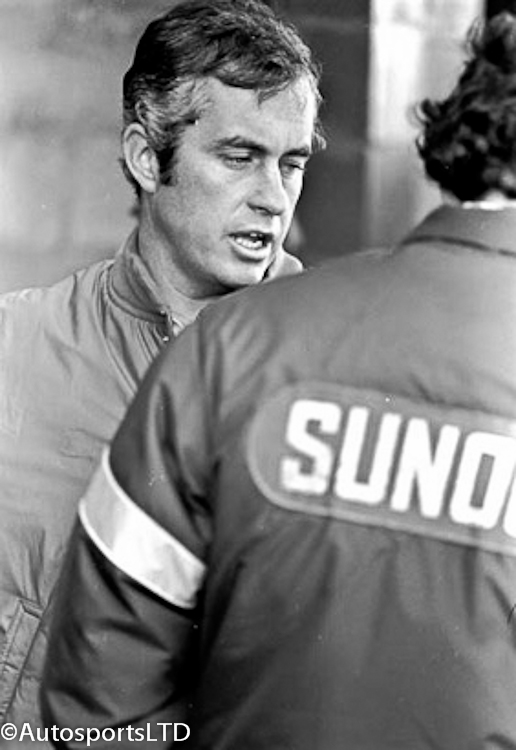
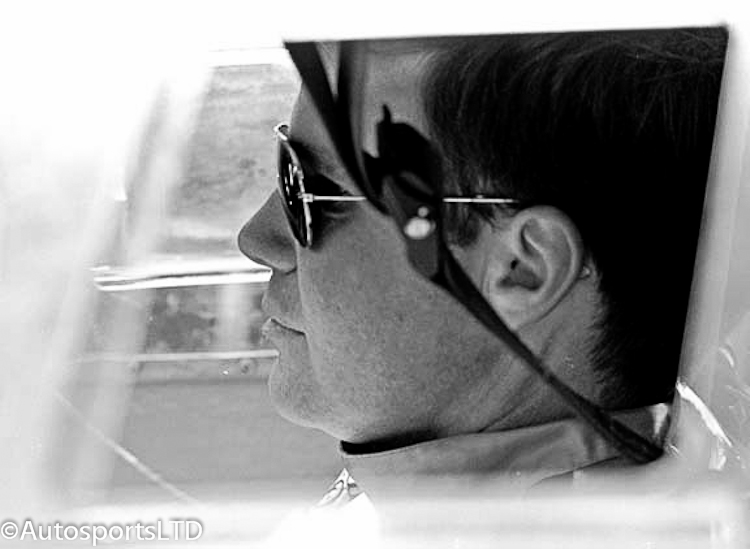
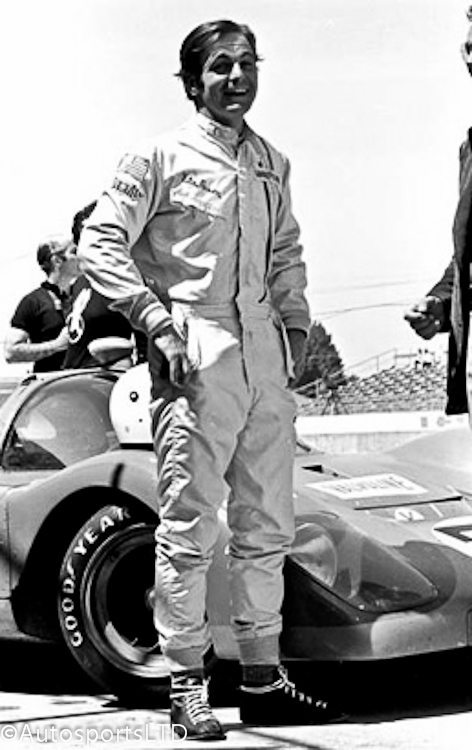
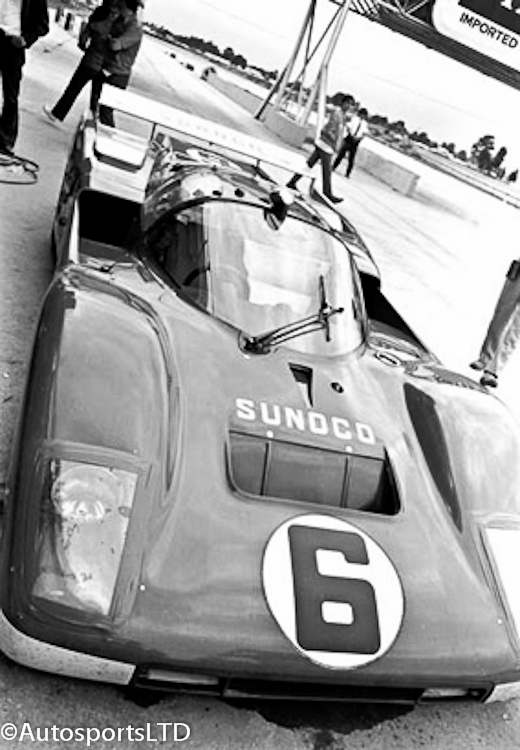
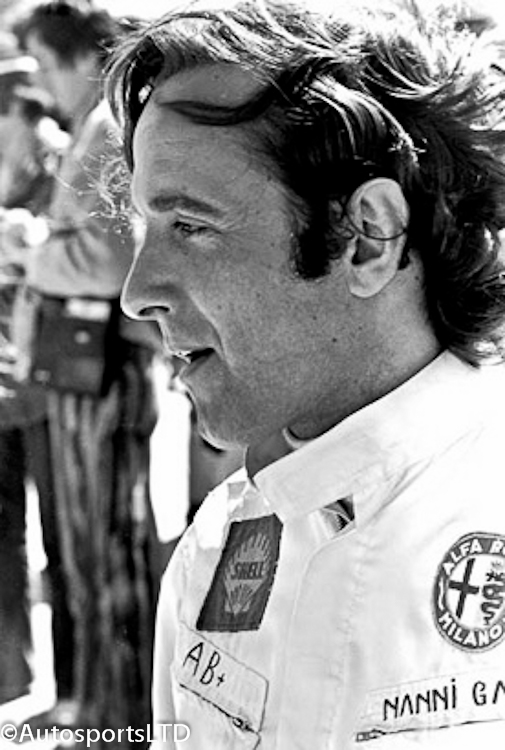
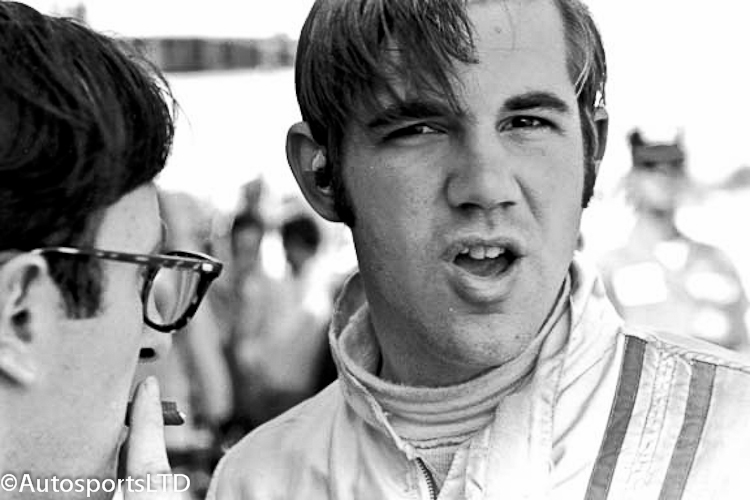
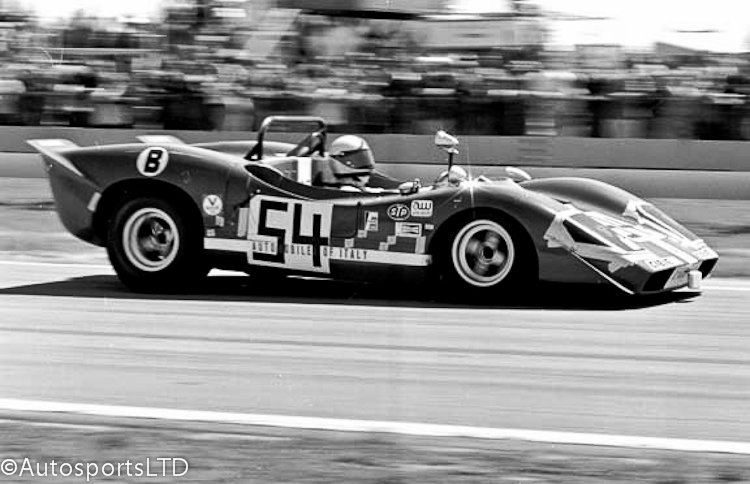
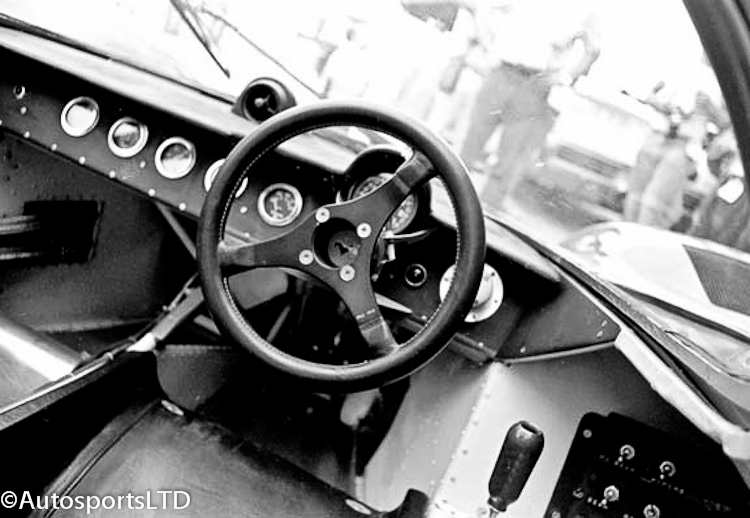
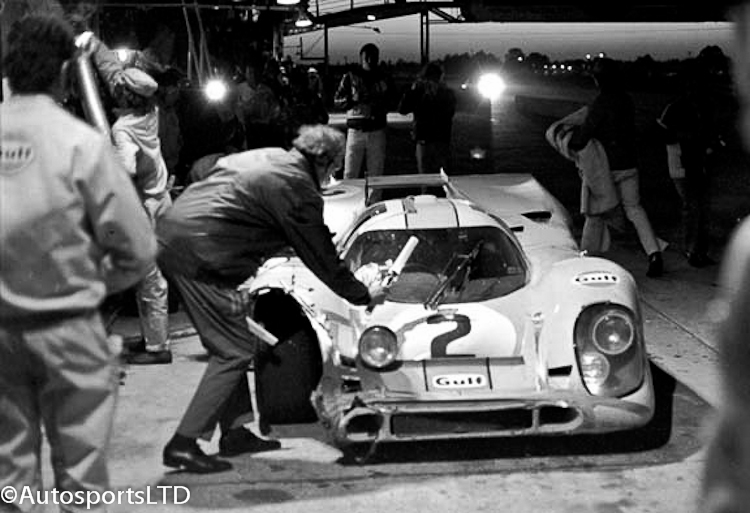
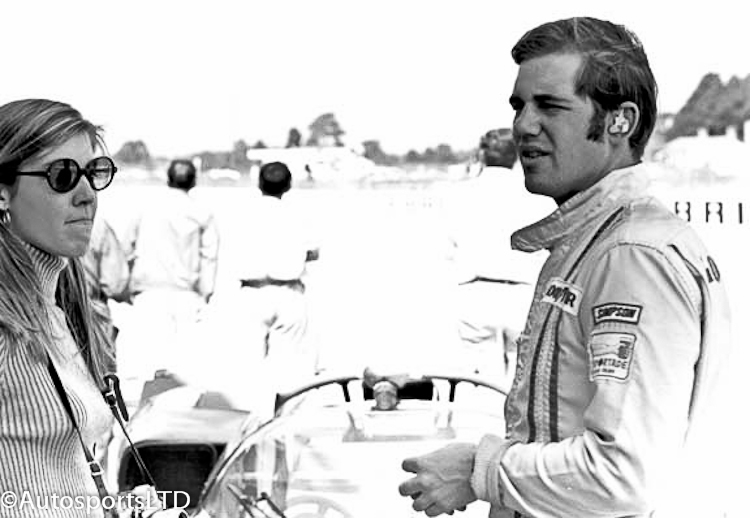
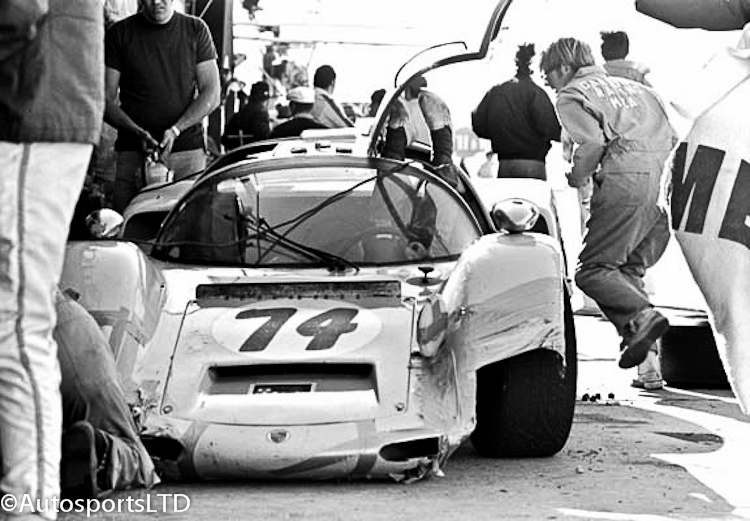
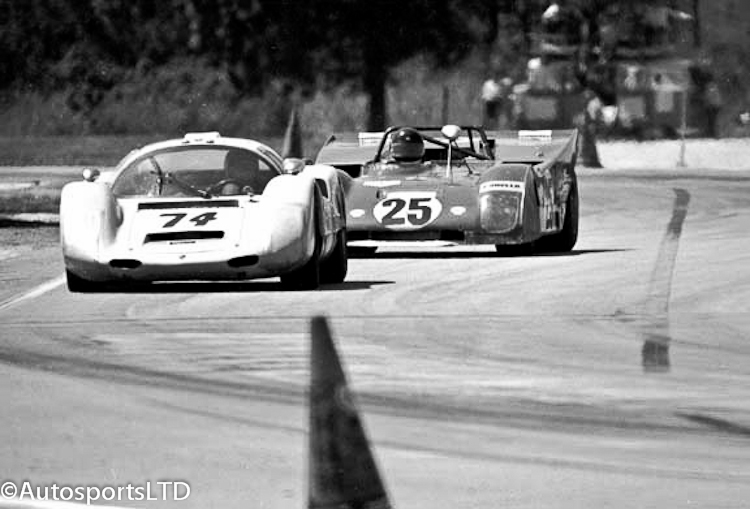
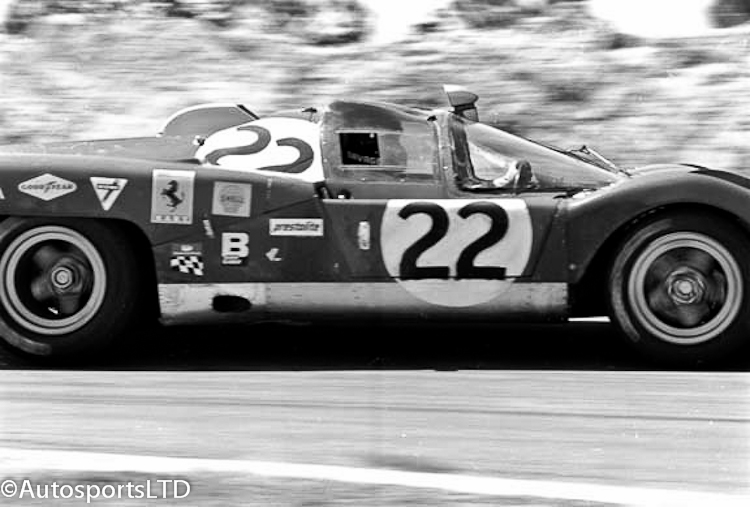
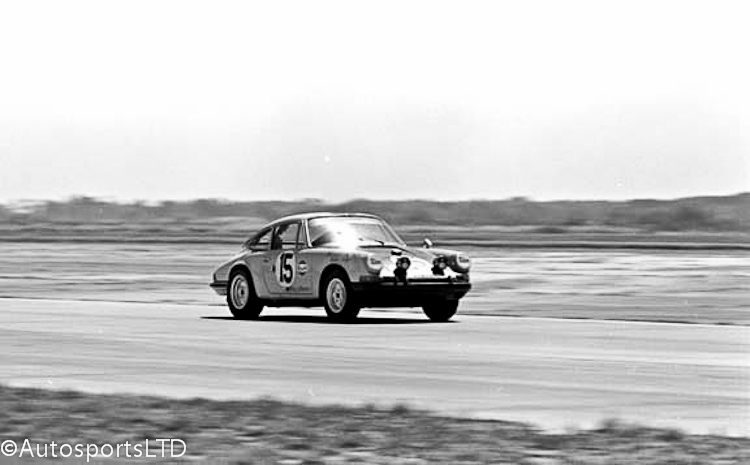
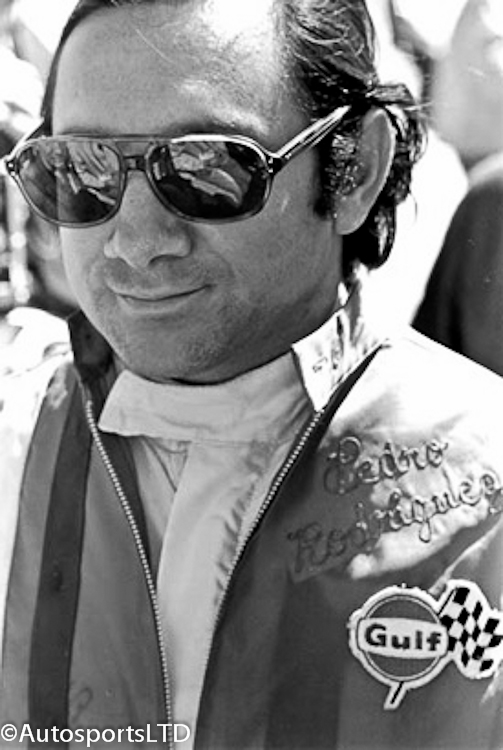
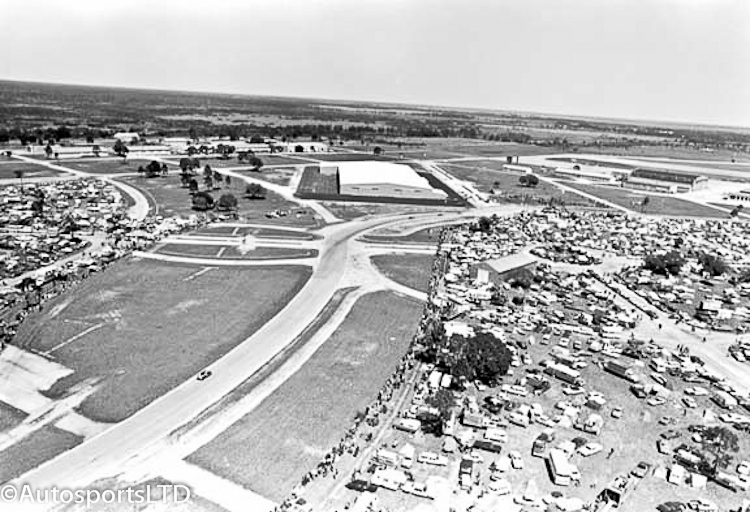
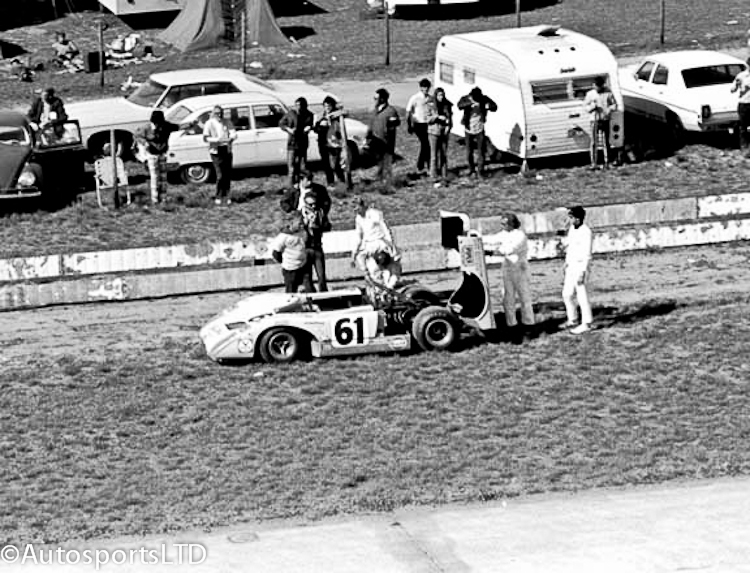
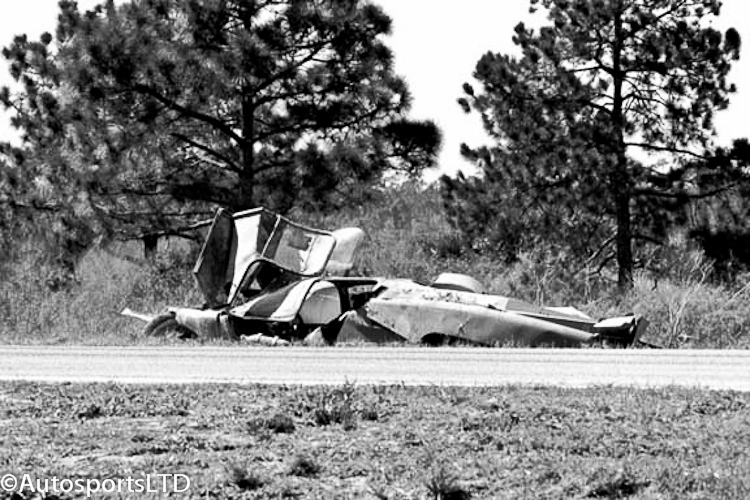
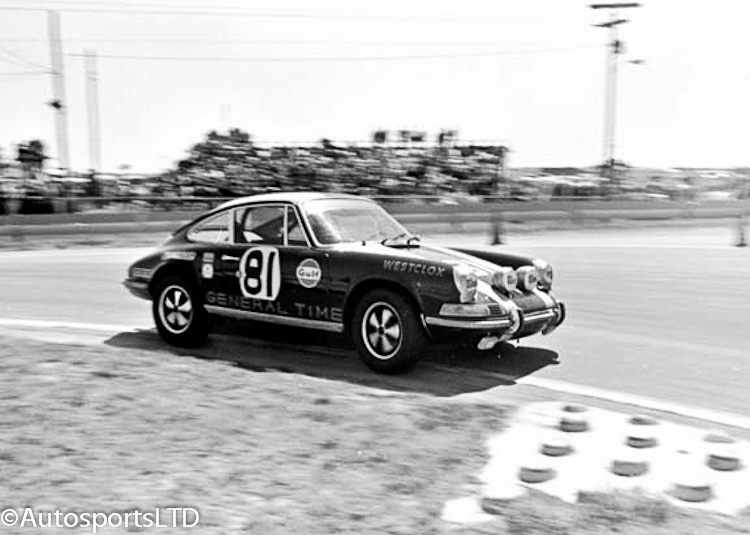
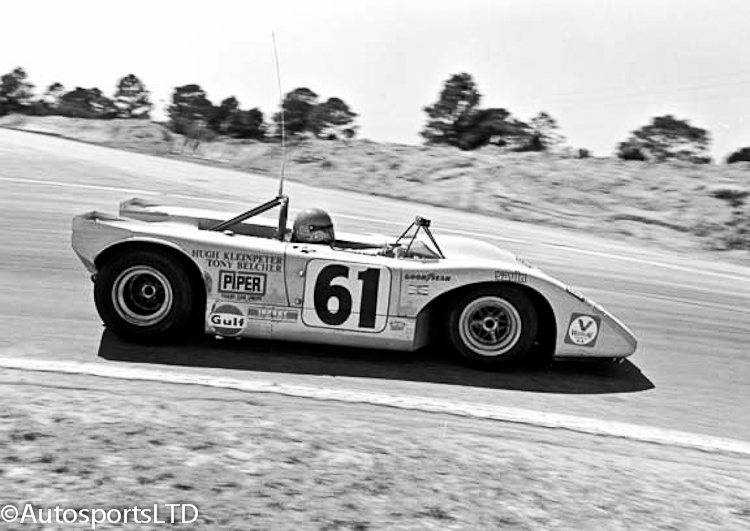
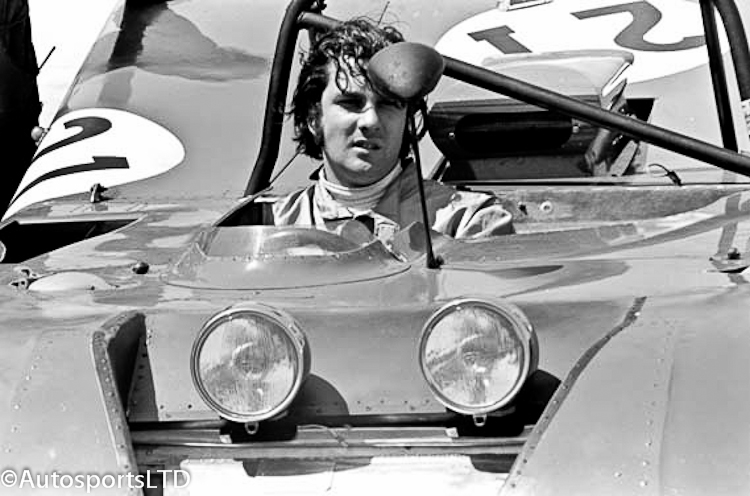
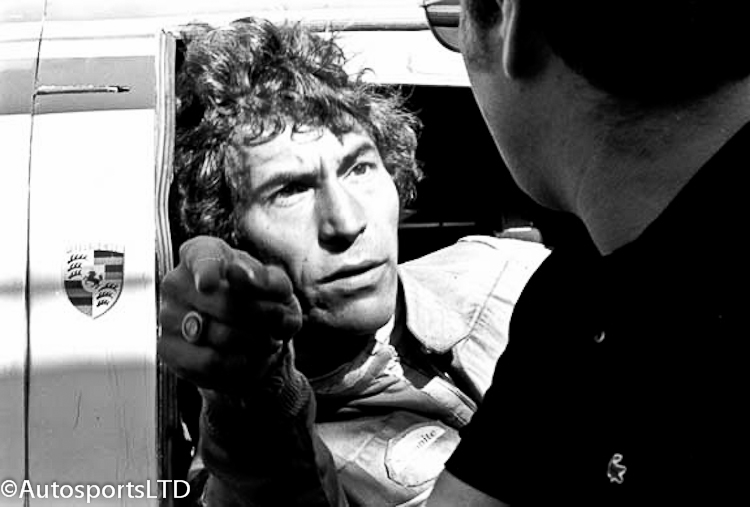
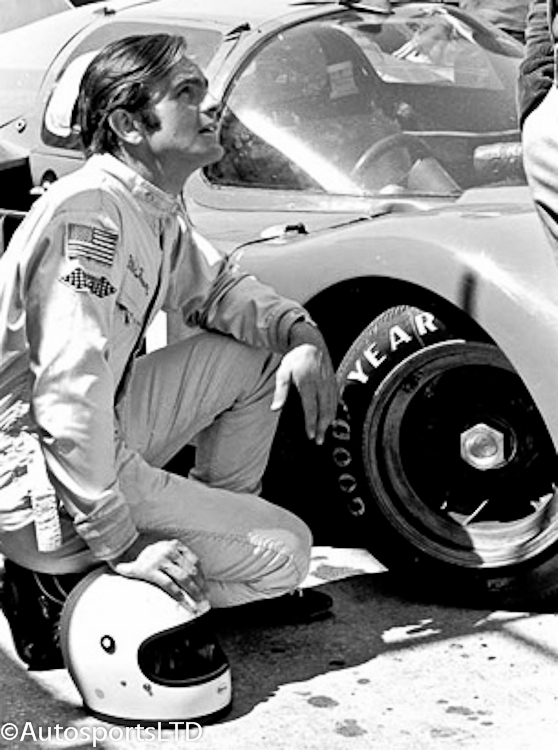
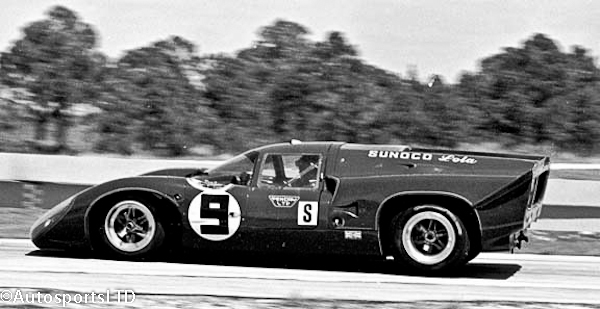
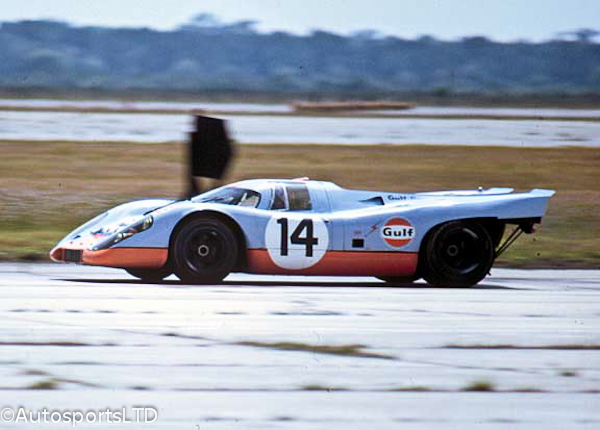
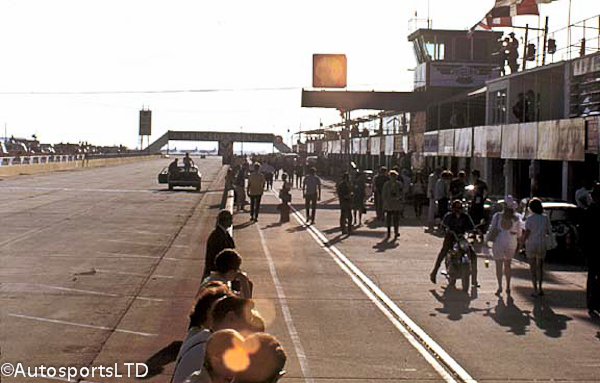
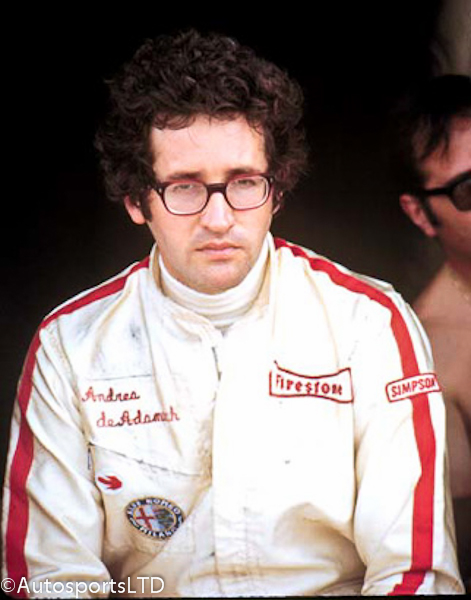
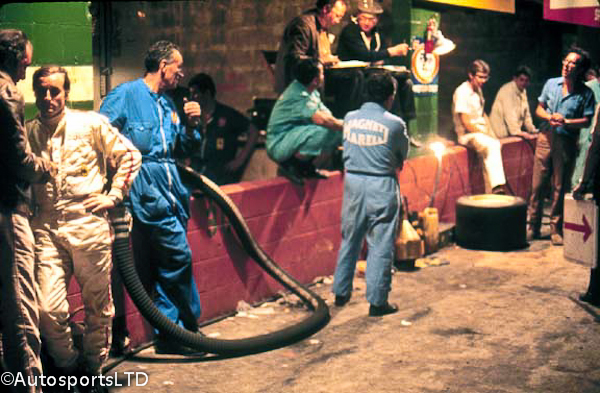
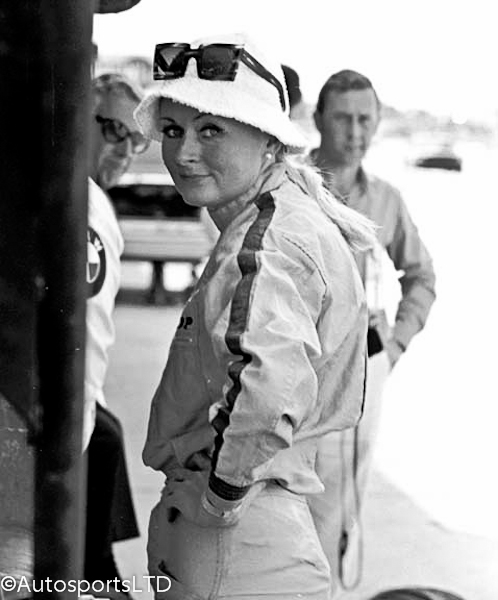
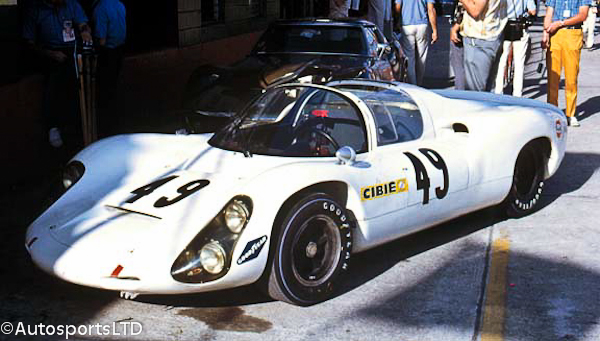
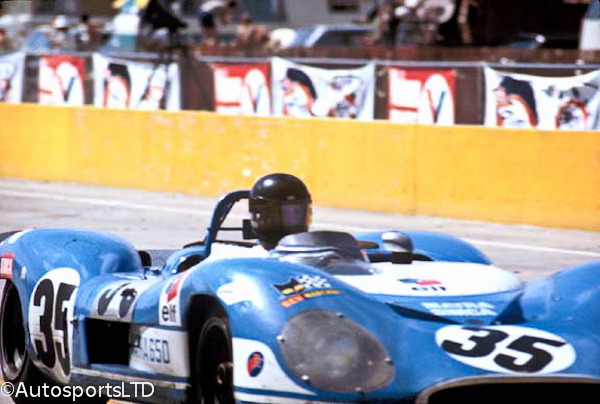
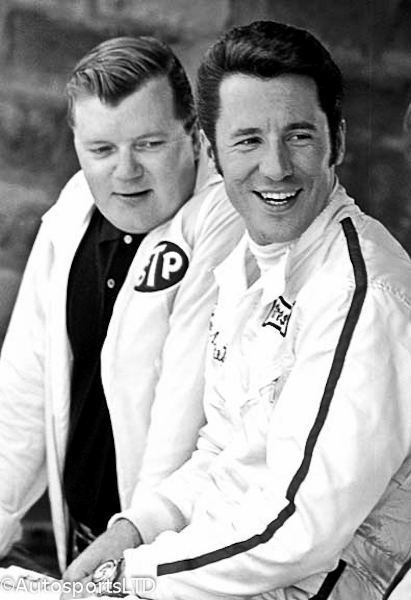
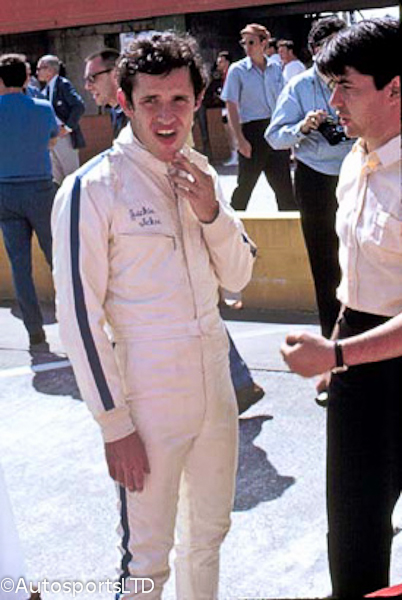
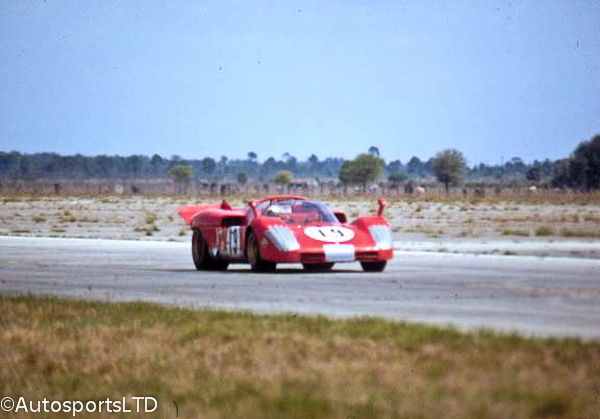
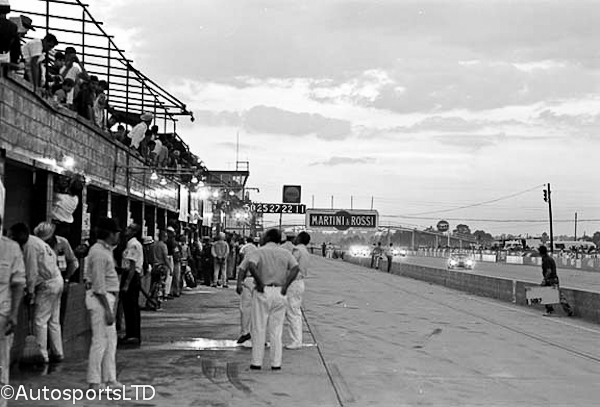
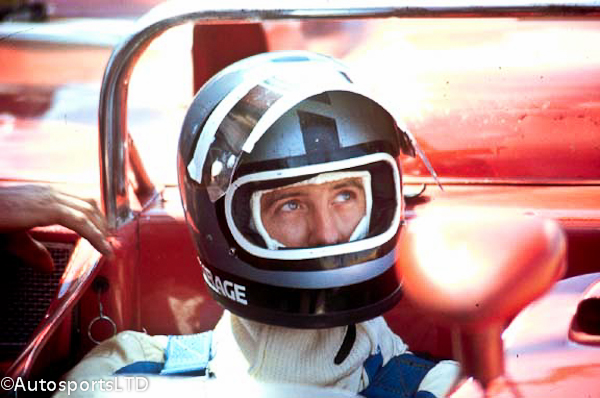
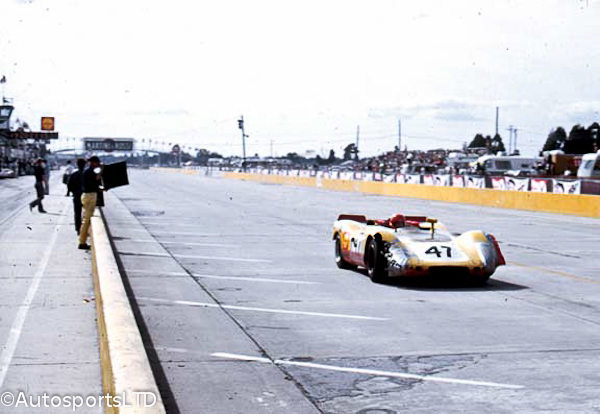
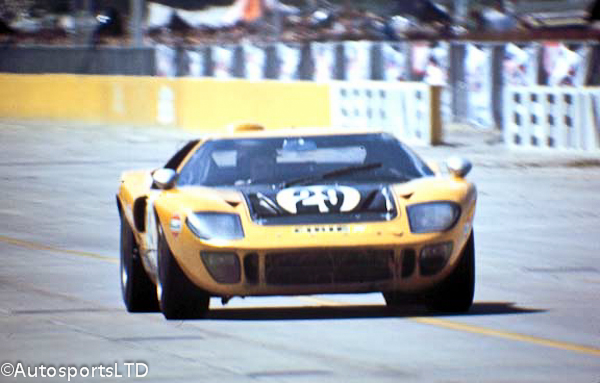
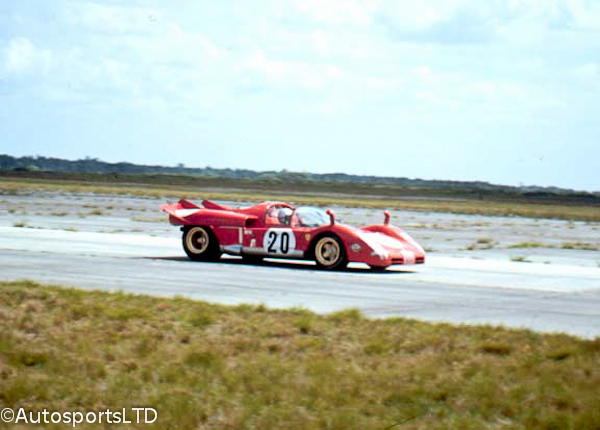
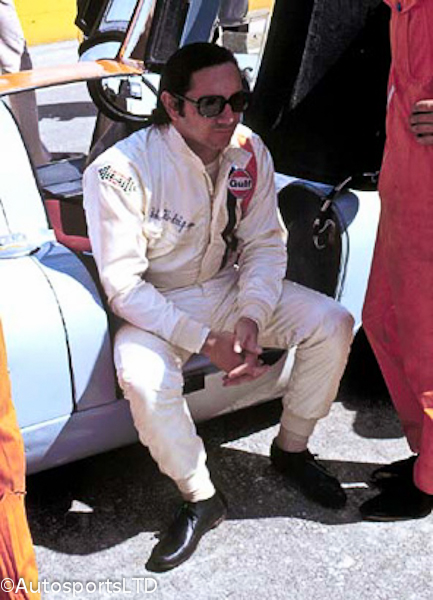
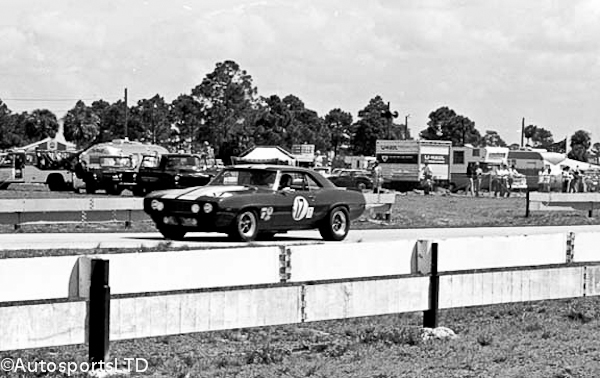
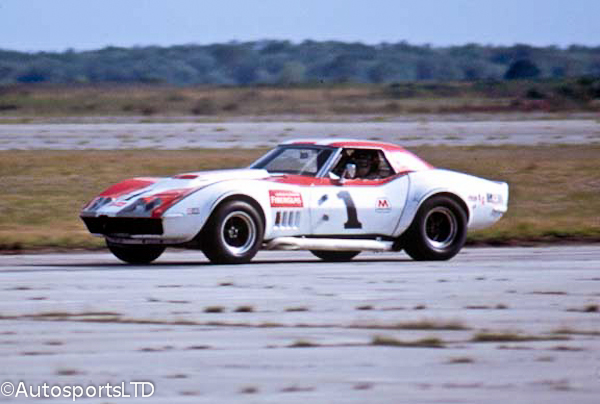
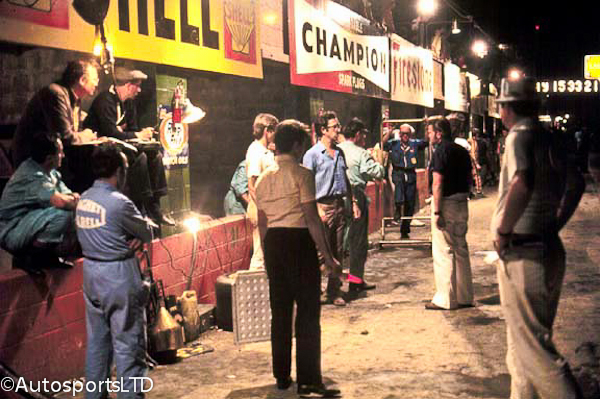
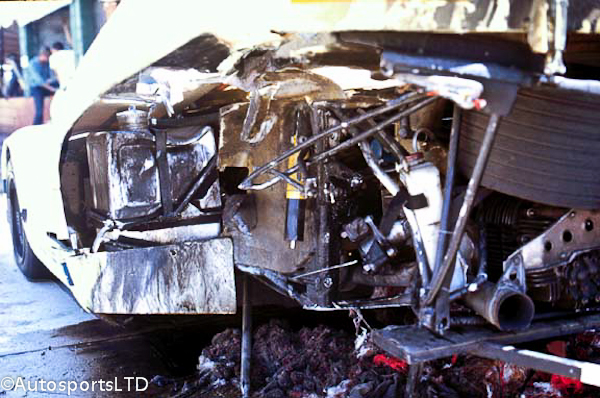
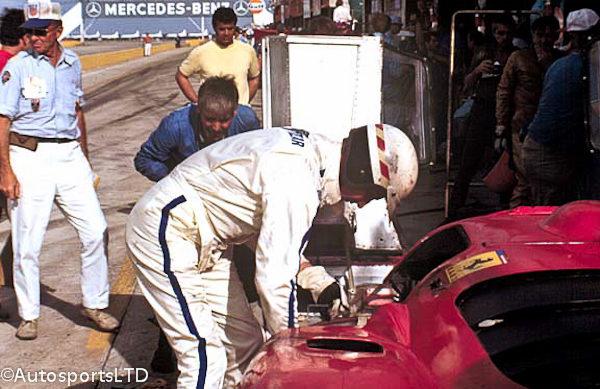
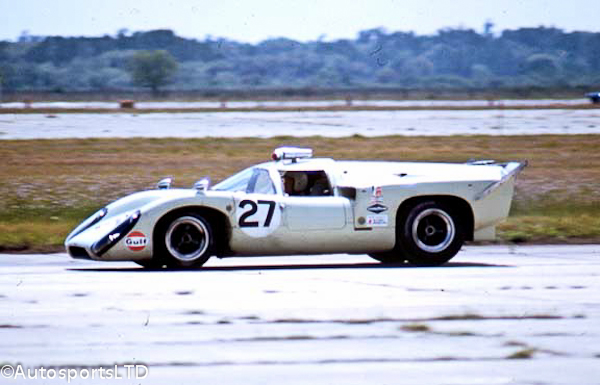
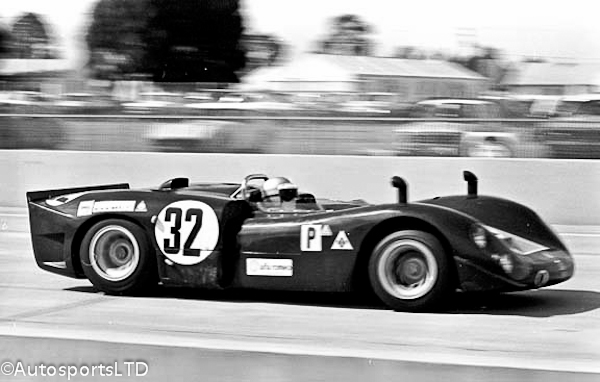
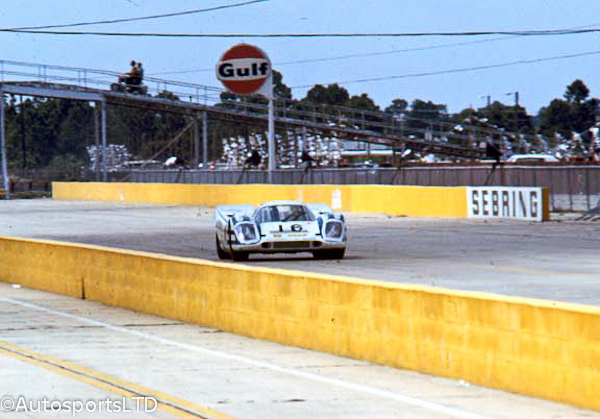
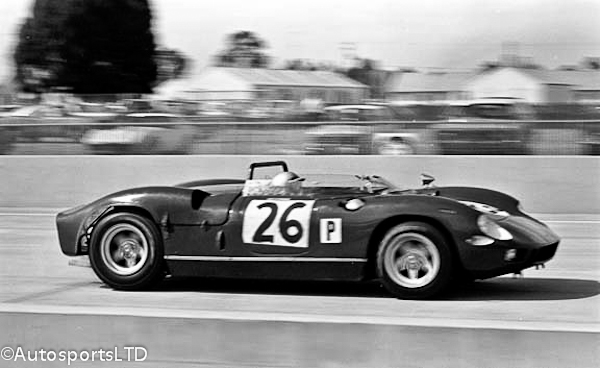
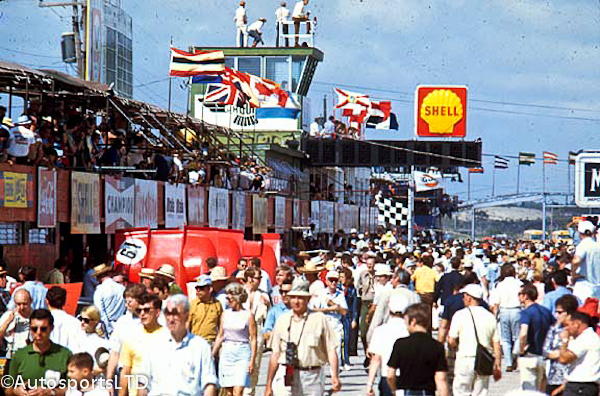
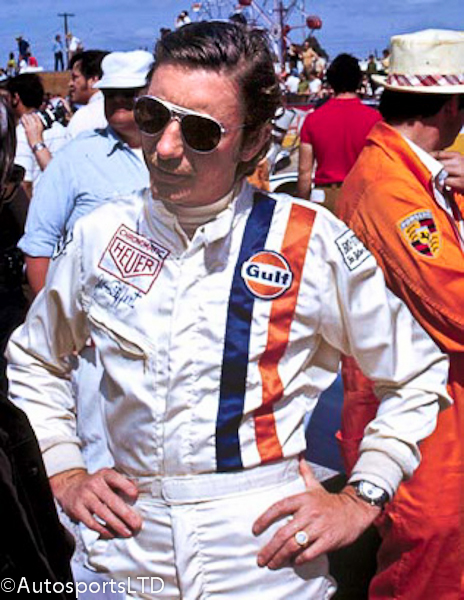
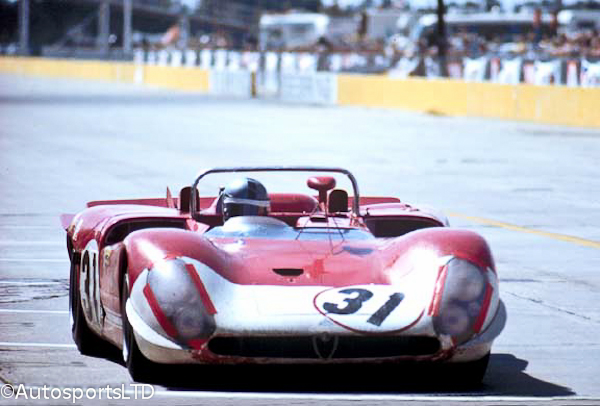
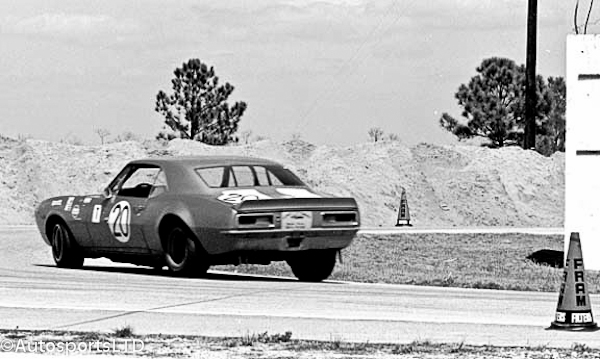
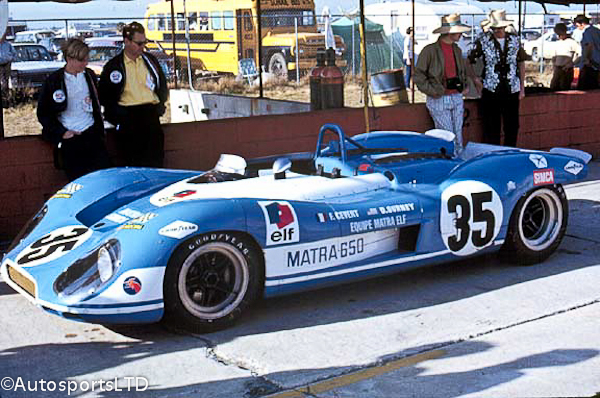
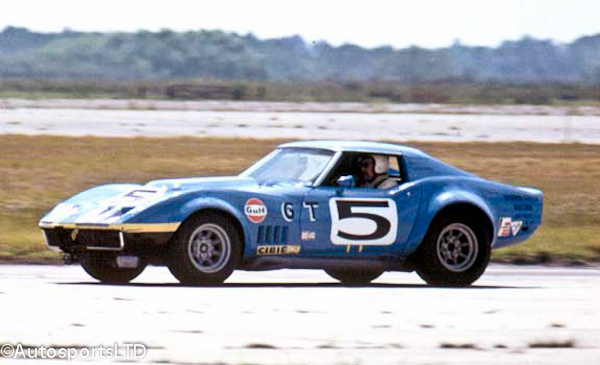
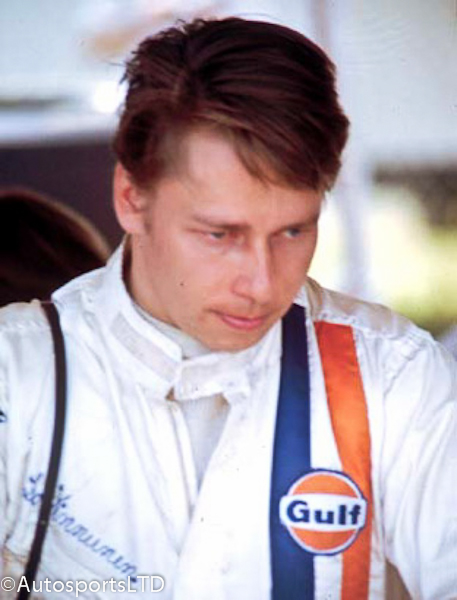
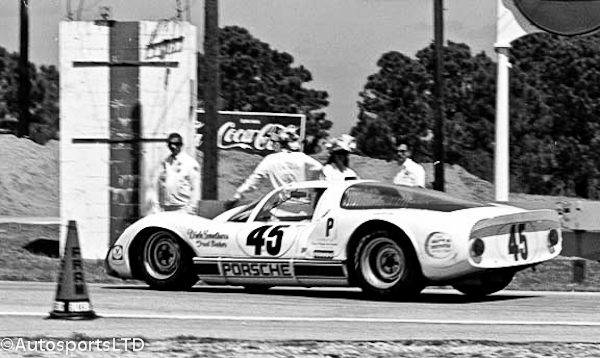
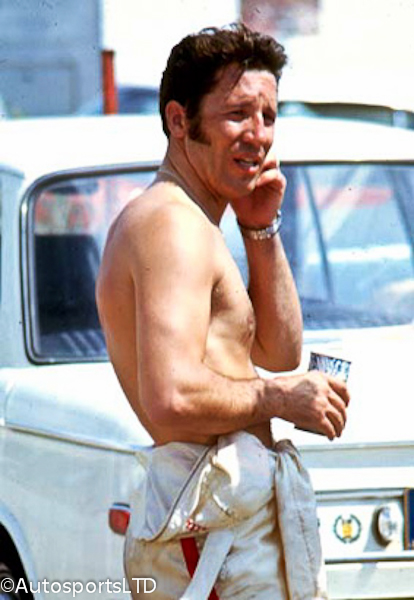
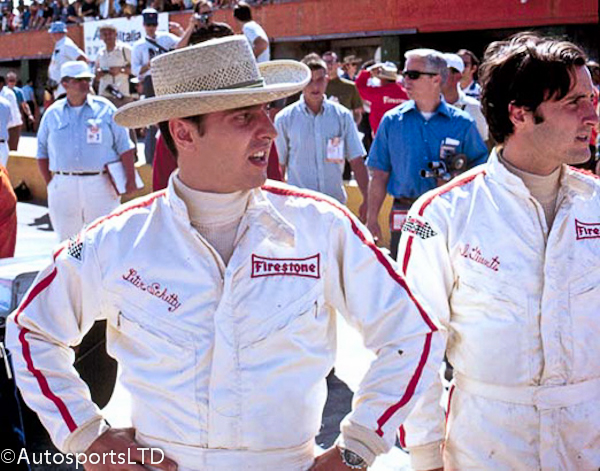
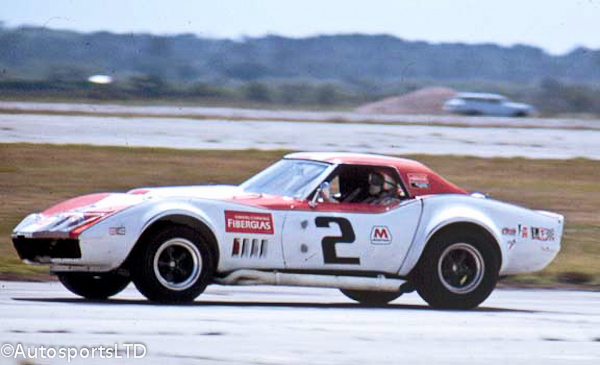
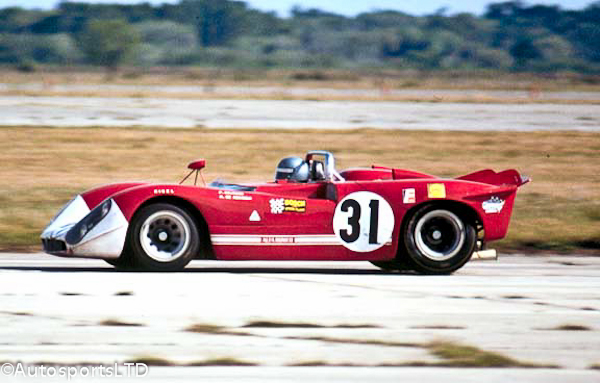
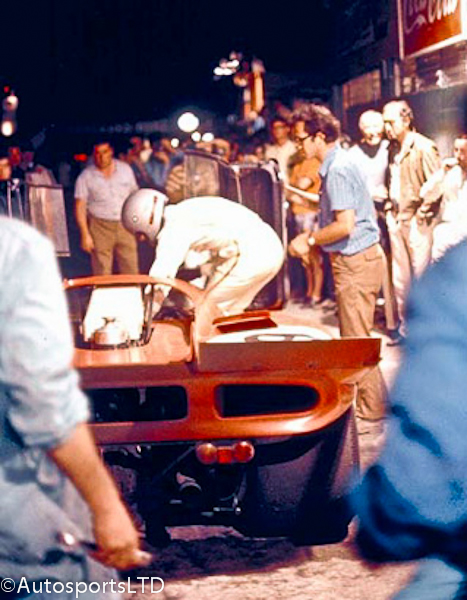
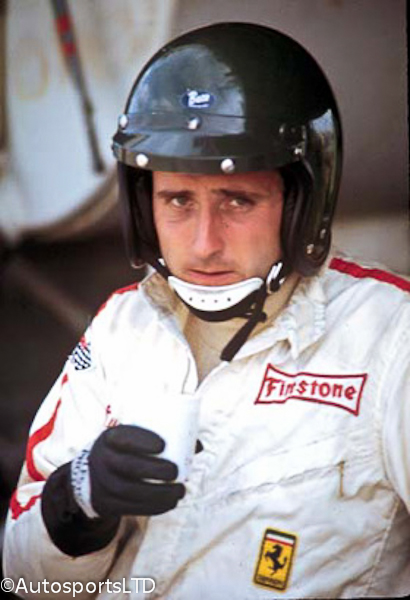
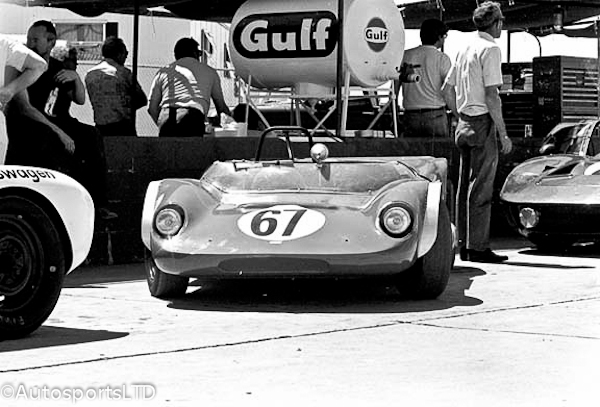
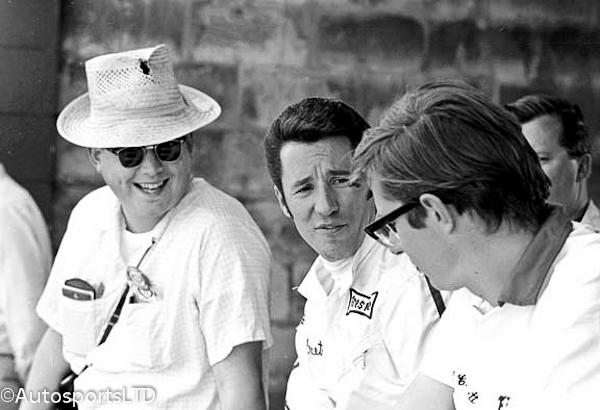
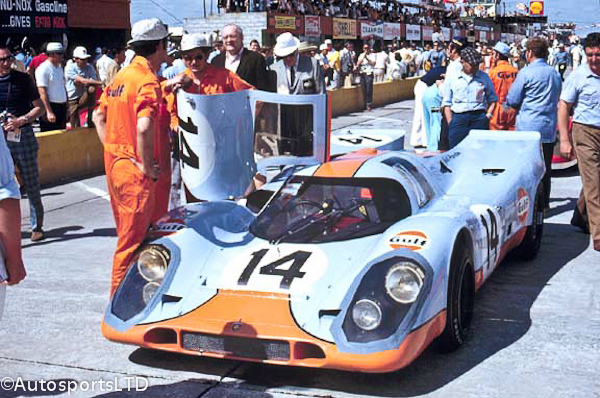
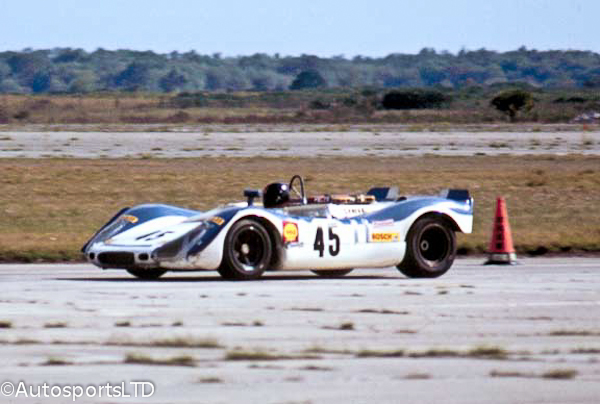
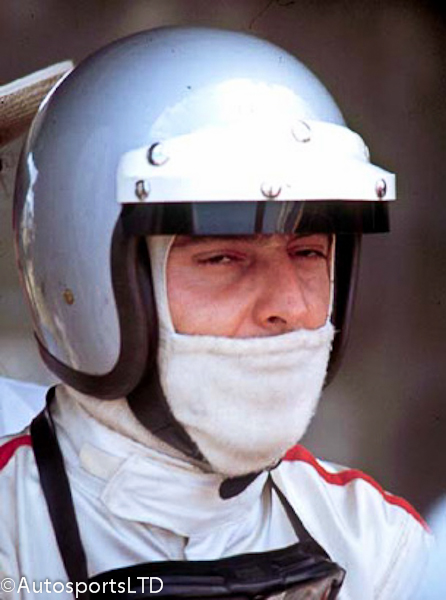
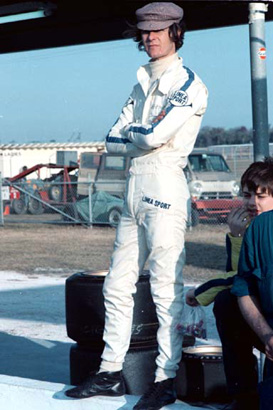
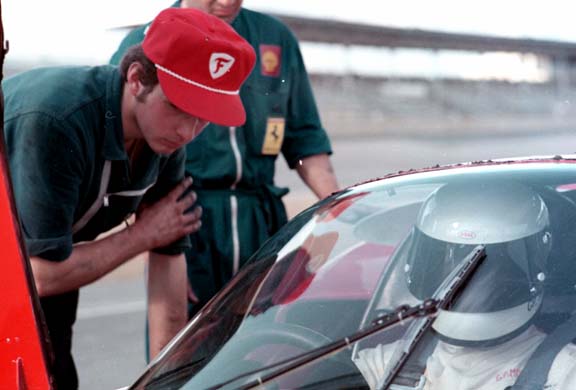
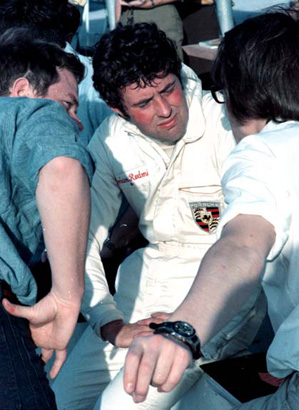
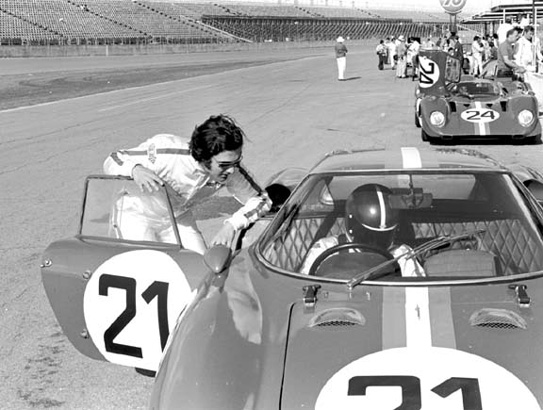
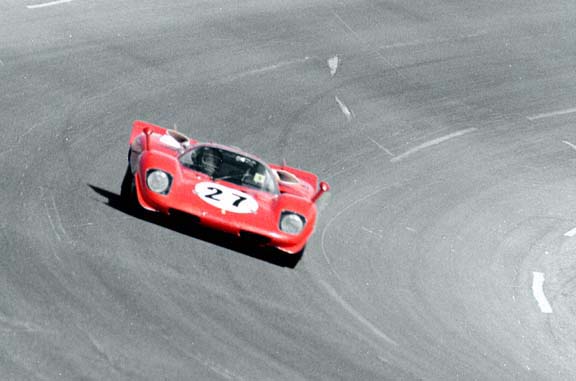
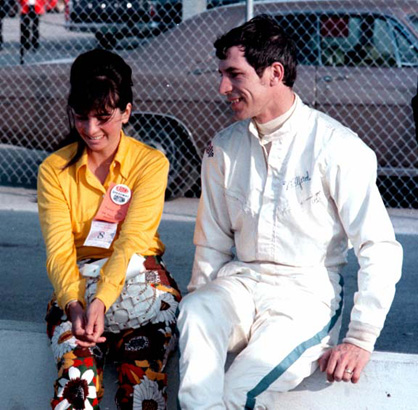
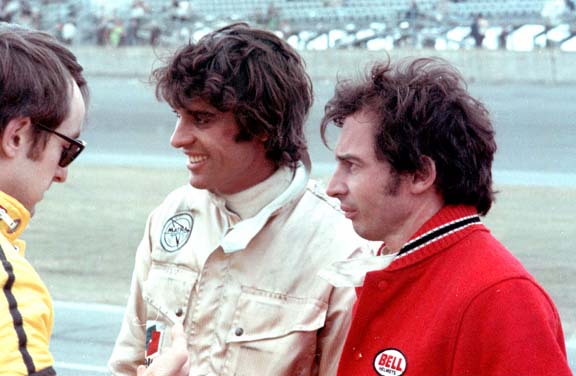
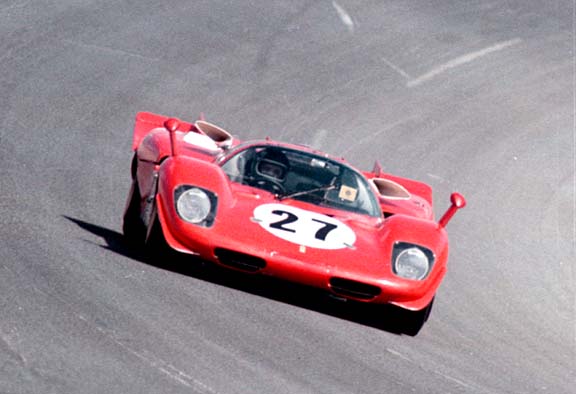
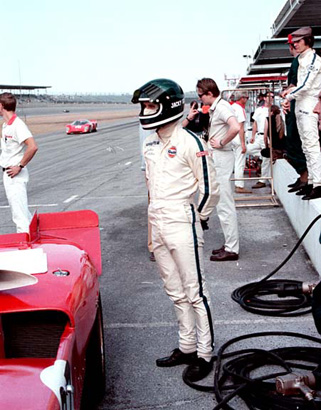
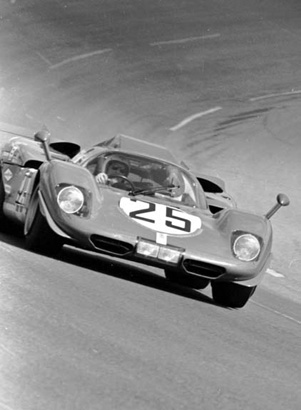
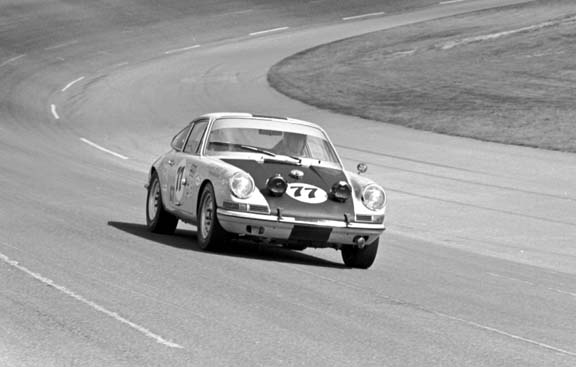
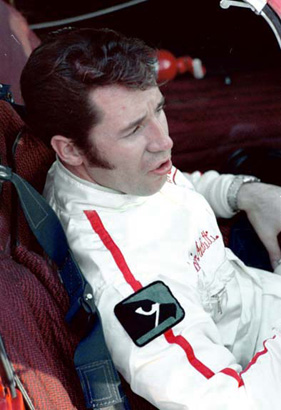
It is March, the days grow longer and the spirits lift. It is also the month for the annual trek to the Central Highlands and the 12 Hours of Sebring. Many years ago Michael Keyser made this journey, camera in hand, here is some of what he saw, from 1969 and 1970. All images courtesy of and copyright Autosports Marketing Limited.

See more HERE

Sprint Start

Fast Ford

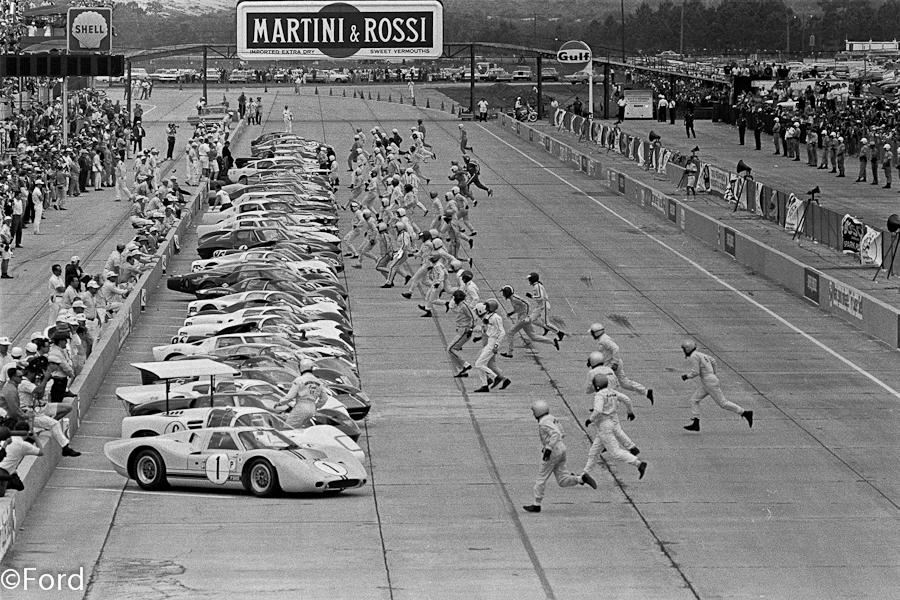
The Summer of Love was on the way soon, we would all go to San Francisco and wear flowers in our hair……..and think of how daft we looked………thank  you very much, Scott McKenzie.

No love lost here though, as Bruce McLaren and the rest of the field sprint across the tarmac at the start of the 1967 edition of the 12 Hours of Sebring. The track had been revised after the spectator fatalities the year before. Also new was the Ford Mk. IV that the New Zealander and his co-driver, Mario Andretti, took to a famous victory.

Another fantastic image, courtesy of Ford.

John Brooks, February 2012
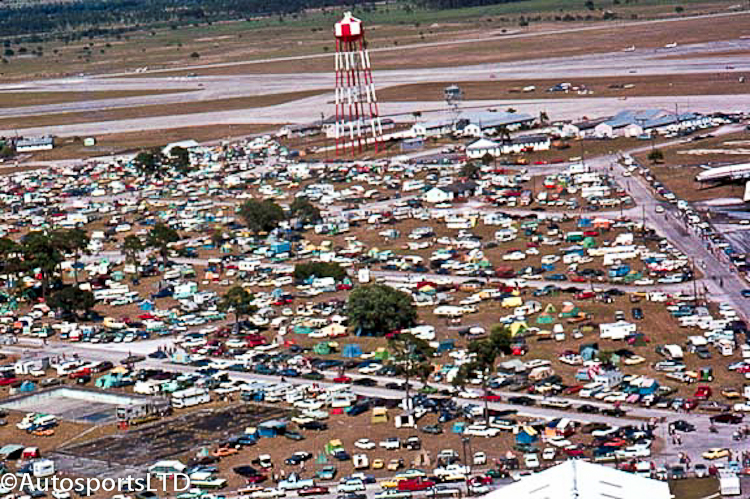
Showroom Soliloquy

As money is losing value almost as fast as the politicians and bureaucrats can waste it, many are turning to assets to hedge against the silent theft of their wealth by the State. So art dealers’ businesses are  flourishing, as are those in the buoyant classic car market. Our Special Correspondent paid a visit to the hallowed ground at Brooklands, to see for himself what was on offer in the first big sale of the year in this locality.

Auctions invariably turn up some interesting cars and that of Historics at the Mercédès-Benz World at Brooklands was no exception, and a quick excursion into the museum at the old track also revealed one or two new exhibits as well.

1934 Hillman Aero Minx Streamline

Conceived by Capt. J.S.Irving – designer of the “Golden Arrow” Land Speed Record car – and A.H. Wilde, the Hillman Minx was launched in 1931 and went on sale in 1932. Some six months later the Aero Minx was introduced.

1934 Hillman Aero Minx Streamline

Mechanically similar with the same 1185 c.c. 4-cylinder side-valve engine, it was given a new under-slung frame, a high compression cylinder head and a remote control gear-change. To give a more sporting appearance the radiator grille was swept forward at its base. The standard bodywork style was a 2+1 fastback coupé with the rear seat set crosswise. From late 1934 an all- synchromesh gearbox was fitted and the Streamline open two-seater body was available.

1934 Hillman Aero Minx Streamline

By 1936 Rootes badge-engineering had taken over and the car evolved into the new Talbot 10.

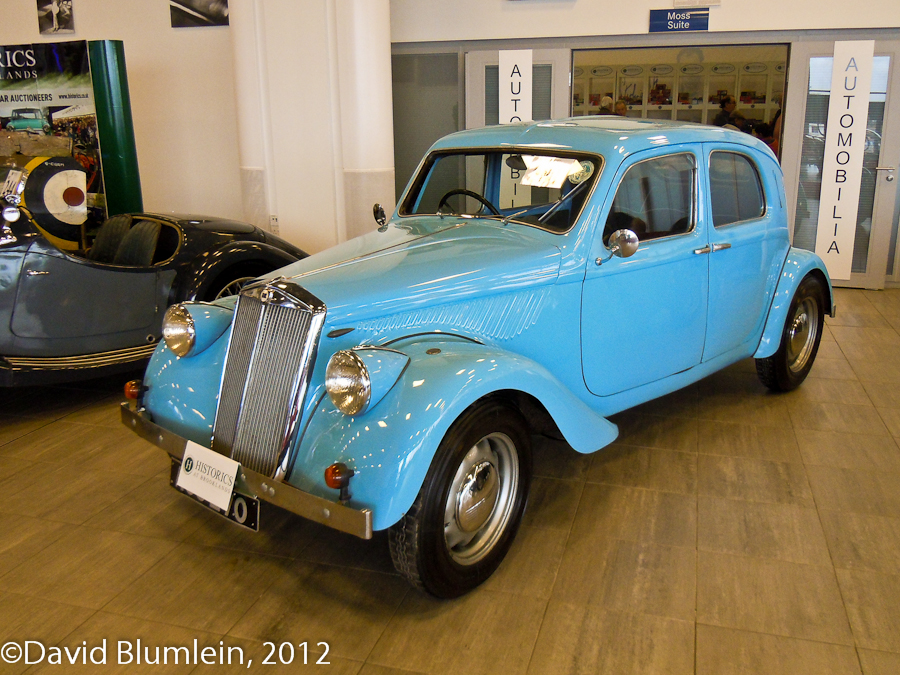
1938 Lancia Aprilia

Irresistible was this beautiful blue Lancia Aprilia, Vincenzo Lancia’s last masterpiece. Of monocoque pillarless construction it boasted all independent suspension

1938 Lancia Aprilia

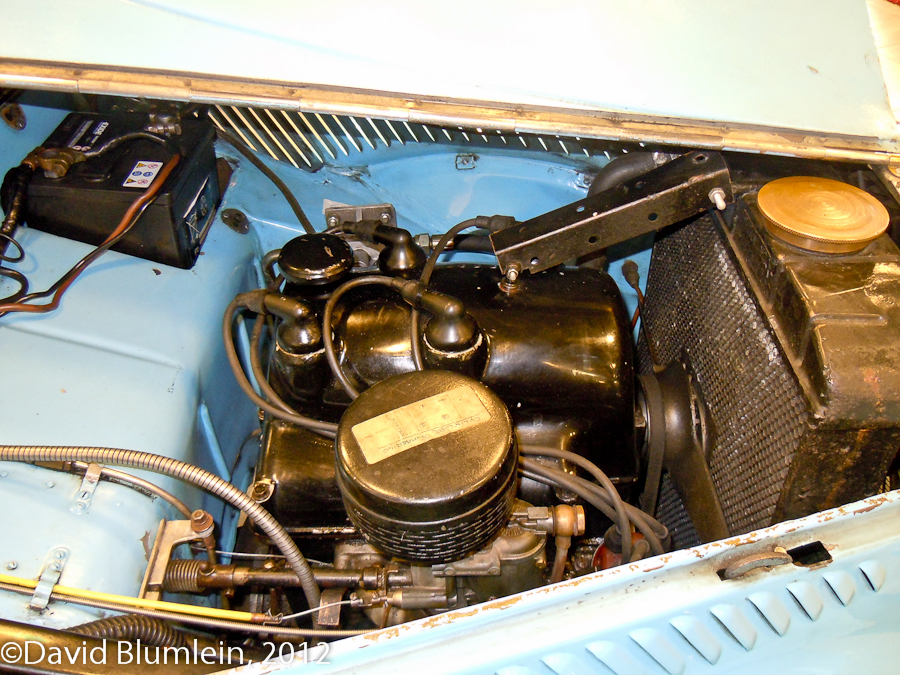
and a little gem of an engine, the 1352 c.c. V4 .

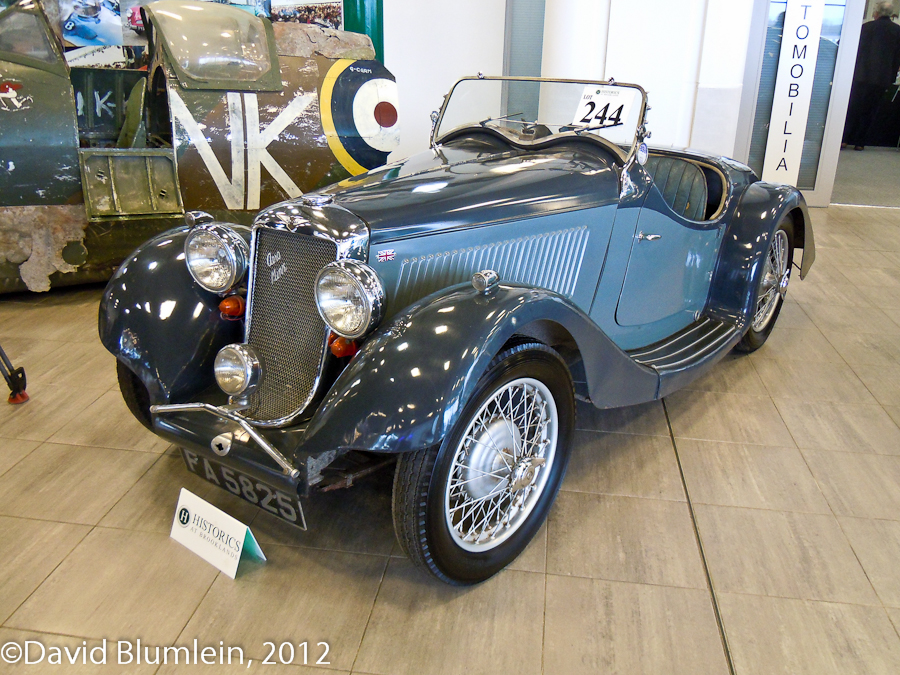
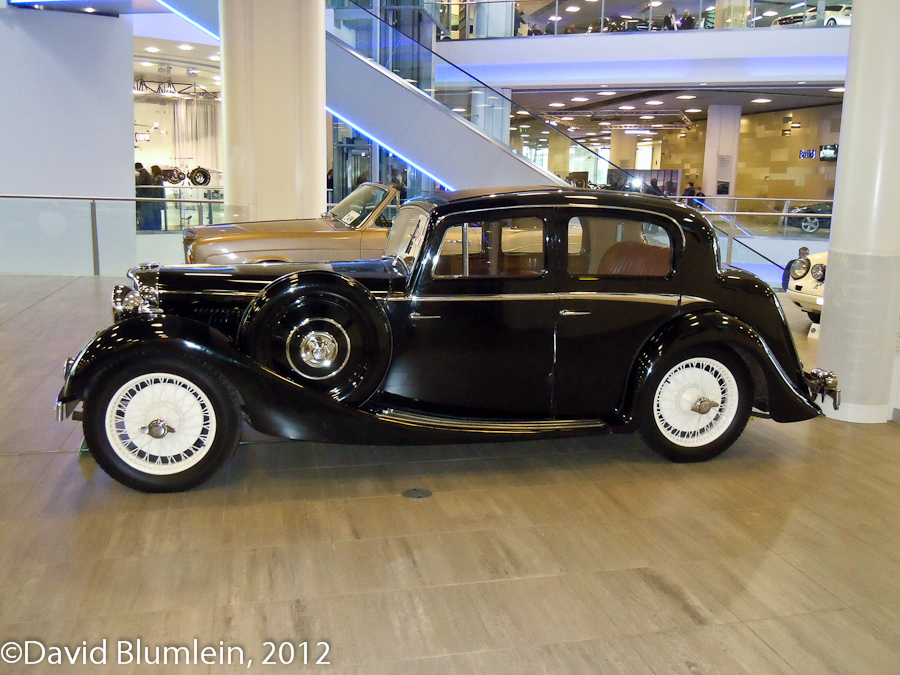
1937 SS Jaguar 1.5-litre

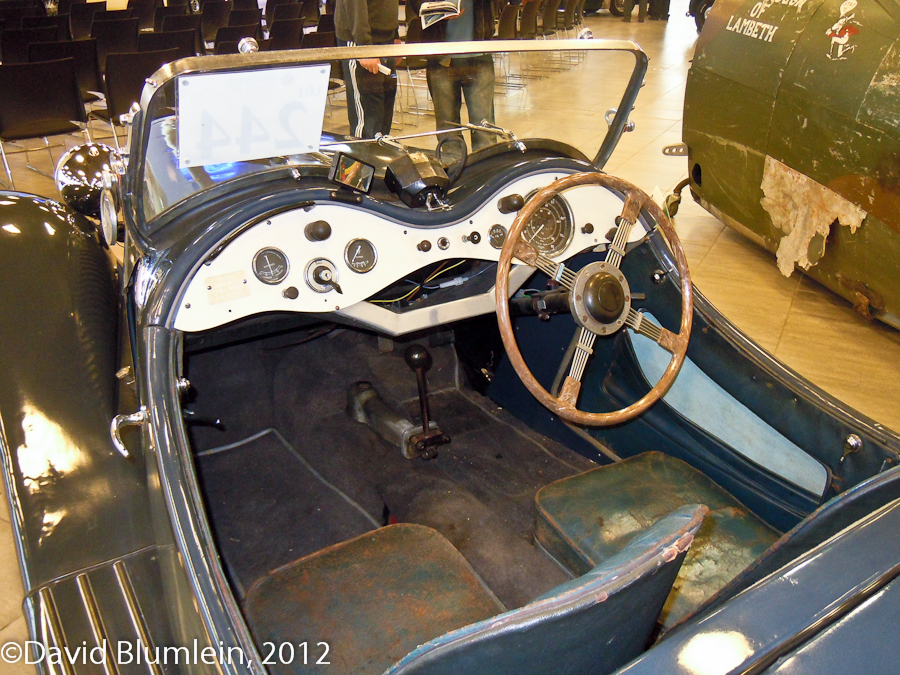
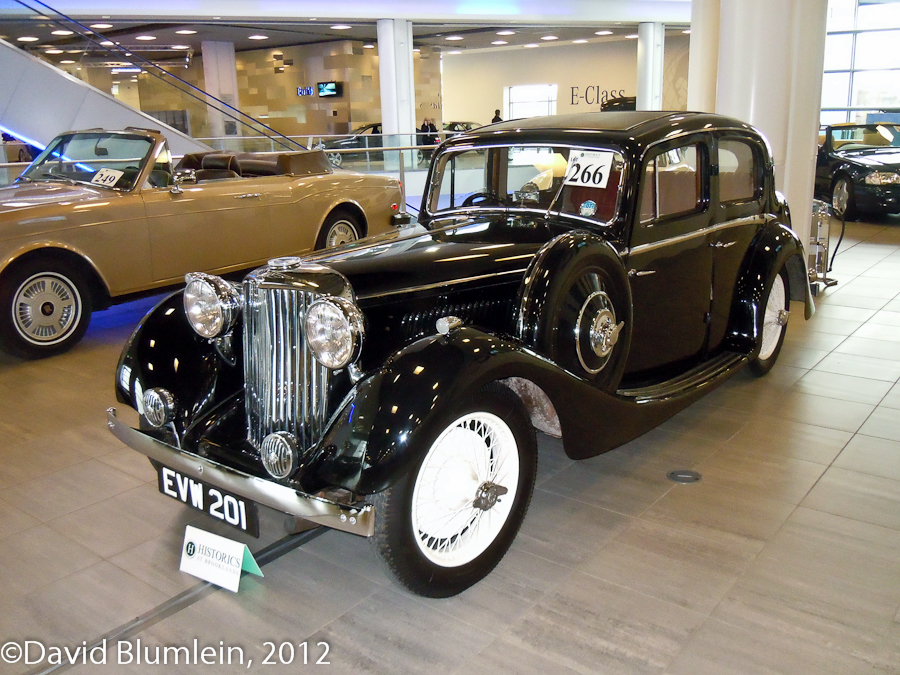
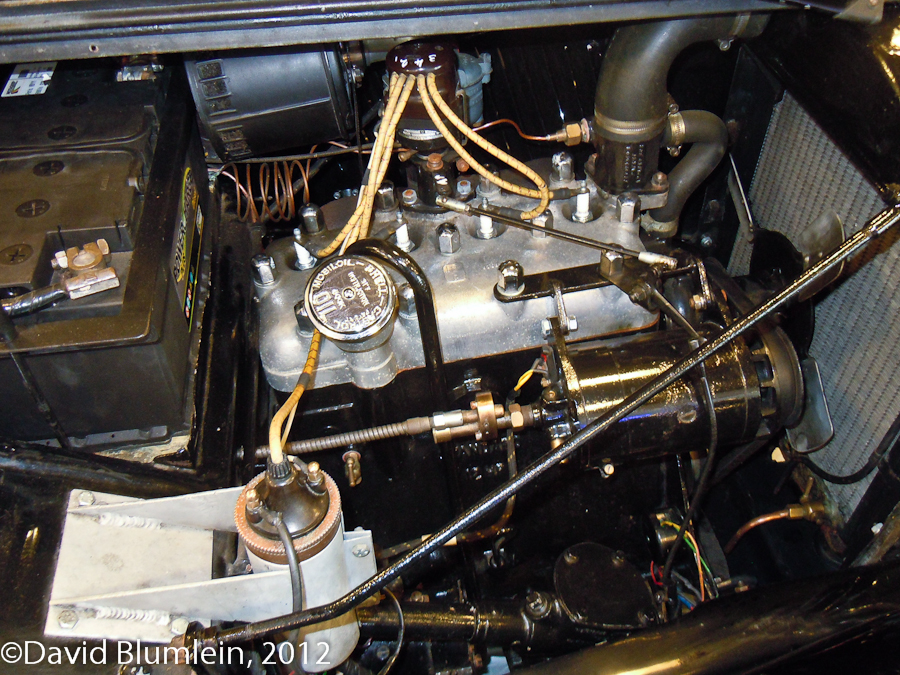
This was the smallest car Jaguar ever produced. Like all the stunning SS Jaguars introduced in 1935, it relied on Standard mechanicals, in this case the 4-cylinder Standard Twelve 1608 c.c. side valve engine. In the picture below you can see the name Standard stamped on the cylinder block.

1937 SS Jaguar 1.5-litre

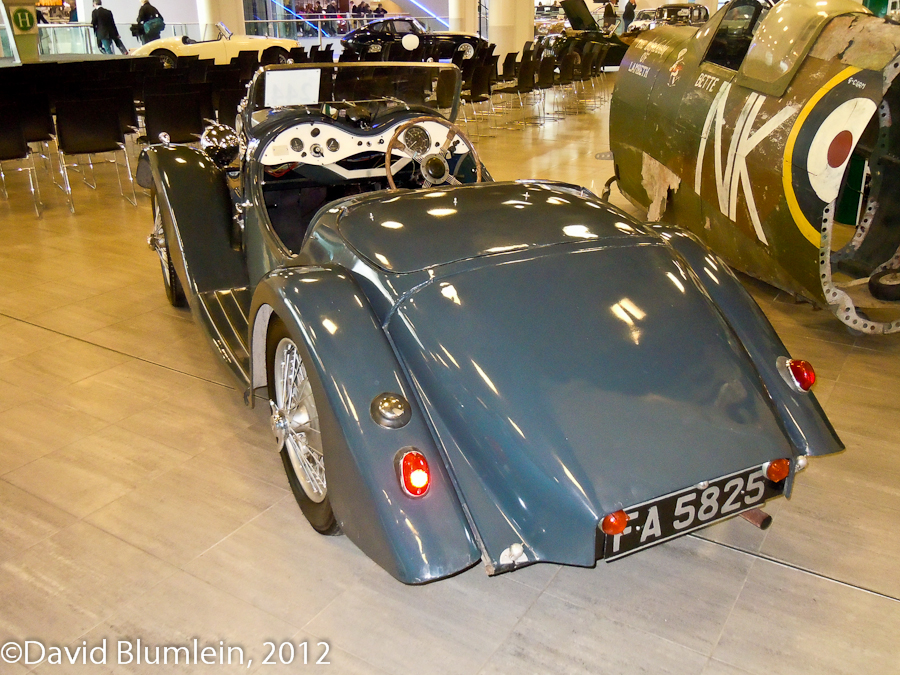
While by 1938 the bigger 2.5-litre and 3.5-litre models were using special Weslake-developed overhead valve heads, the 1.5-litre used the Standard Fourteen 1776 c.c. engine with Standard-produced o.h.v. – this engine went on to power the post-war Triumph Roadster and Renown models as well as the what-was-now the Jaguar 1.5-litre. The early small SS Jaguar can be recognised by the spare-wheel cover whose top is higher than the level of the bonnet.

1937 SS Jaguar 1.5-litre

This “baby” Jaguar easily outsold all the other models in the pre-war range.

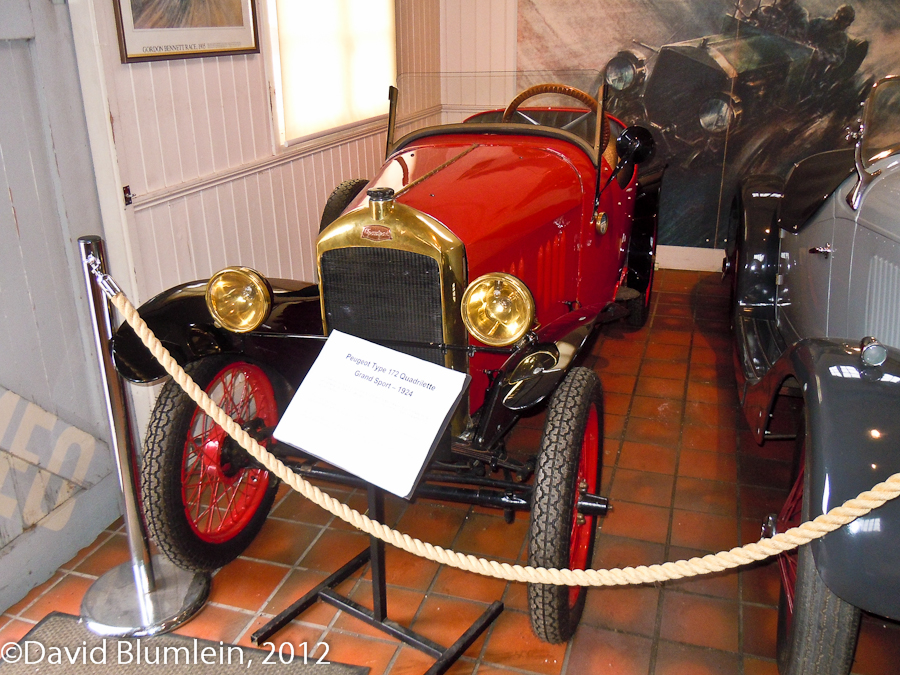
1924 Peugeot Quadrilette Type 172 Grand Sport

In the last days of 1919 Peugeot revealed their successor to the Bugatti-designed Bébé: the Type 161 Quadrilette which had a 4-cylinder 667 c.c. engine and the two seats mounted in tandem; this successful little car was made in the factory at Beaulieu in eastern France. In 1922 it was re-designed as the Type 172 and it acquired staggered seats. By 1924 production was moved to Peugeot’s main plant at Sochaux and later the engine size was increased to 720 c.c.

It was joined in 1924 by the Grand Sport, a 5CV model of which only 100 were made. It was clearly a tough little car as one of them won its class in 1926 in the car-destroying Circuit des Routes Pavées, a demanding race around cobbled roads in the southern outskirts of Lille. The standard model evolved into the 5CV Type 172 which appeared at the 1924 Tour de France and examples of the car took the first three places in its class in the first Mille Miglia in 1927. Certainly a rugged little car!

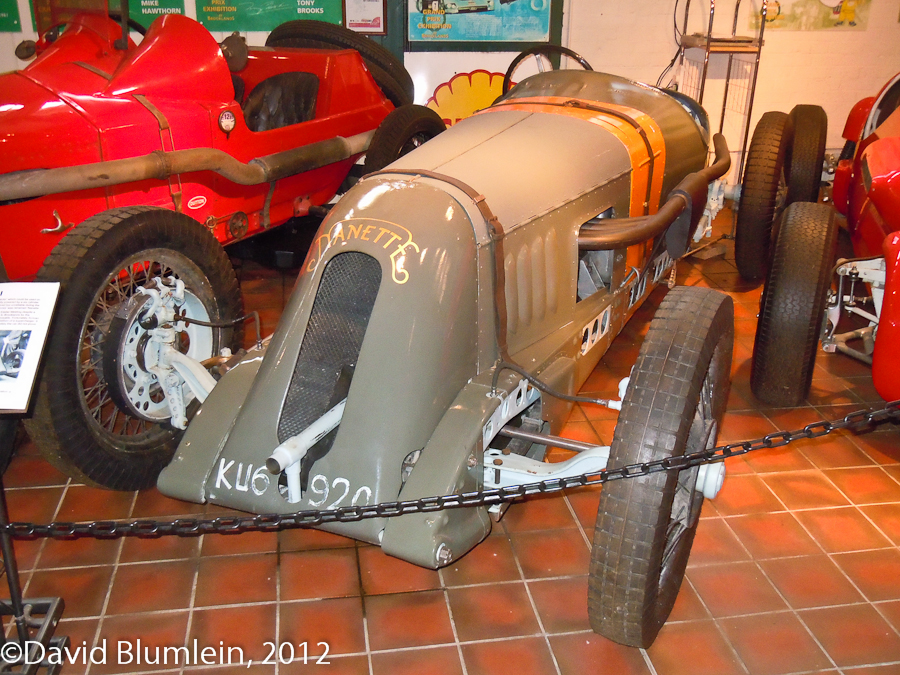
Nanette – a Brooklands Special

Felix Scriven was well-known as a driver at Brooklands in the 1920s where he campaigned an unlikely Austin Twenty which he painted in a variety of colours according to his whims. Later he commissioned F.W.Bond to design a 2-seater special for road and track use. Bond is chiefly remembered for his low-slung 2-seater sports cars  which he built in 1926/28.

The car for Scriven had a low under-slung chassis built by Rubery Owen and the engine was initially a 6-cylinder Sage unit but as this soon proved very unreliable Scriven was able to persuade the great Parry Thomas to provide him with a 4-cylinder 1847 c.c. Hooker-Thomas engine. Named “Nanette”, the car brought Scriven a convincing win in the “90 Short” race at the Summer B.A.R.C. meeting held at Brooklands in 1926.

TAILPIECE

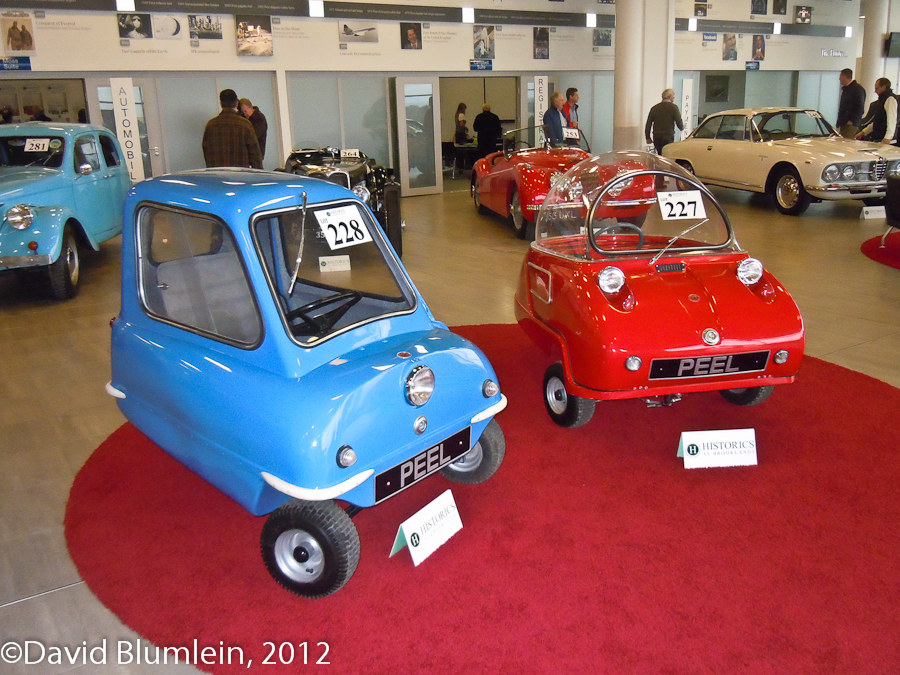
A Pair of Peels

As examples of the modern production of electric-powered Peels, they provide an excuse to say something briefly about the original little Peel cars which qualified as almost certainly the world’s smallest passenger cars.

Mention the Isle of  Man to a car enthusiast and you will probably conjure up thoughts about the early Tourist Trophy races run around the island up to 1922 or the British Empire Trophy sports car races held at Douglas from 1951-53. But the Isle of Man had its own little car “industry” when the Peel Engineering Company of the town of Peel on the west coast, as fibreglass pioneers, decided to manufacture these extraordinary tiny cars.

The first model, the P50 similar to the blue car in the above picture, had a D.K.W. 49 c.c. fan-cooled 2-stroke single –cylinder engine mounted under the single seat and drove the single rear wheel by chain via a 3-speed gearbox. The little fibreglass-bodied car was only 53 inches long and 39 inches wide! The P50, which appeared in 1962, was joined by the 2-seater Trident in 1965 and this was all of 72 inches long!

Of special interest is the fact that British Leyland commissioned the Peel company to produce some fibreglass-bodied examples of the original Mini. Apparently these prototypes stood up very well to the rigorous testing schedule to which they were subjected but the project seemed to fizzle out.

David Blumlein, February 2012

A Fork In The Road

Pedro

There comes a point in all our lives when we reach a crossroads, the road we take determines our future, rarely do we have the chance to go back. Often we are not even aware that the choice has been made or is really significant. For me this position was reached some 40 years ago and certainly at the time I was oblivious to the consequences. However if I had not taken that course back then, it is highly unlikely that I would be writing for you, the audience, today.

Siren Song

1971 was the year when I really caught the motorsport virus, from that small start I have ended up making some sort of career out of the sport, but it is at that time that I passed the point of no return. I had been following the glamorous and seductive racing scene second hand, reading everything and anything I could about this world, so unlike my own life as a rather dull-witted schoolboy. Some of my contemporaries found their escape in Hollywood, I found it at Le Mans, at Monaco, at Nürburgring, anywhere that racing happened. Autocar, Motor Sport, Autosport and other long forgotten titles were devoured eagerly, I can still remember race results from 1969, when now I get confused about what happened ten minutes ago. I had actually managed to attend the 1970 British Grand Prix, seeing Jochen Rindt score a last lap victory over Jack Brabham but the following year I was geared up for seeing as many races as I could.

Heroes………

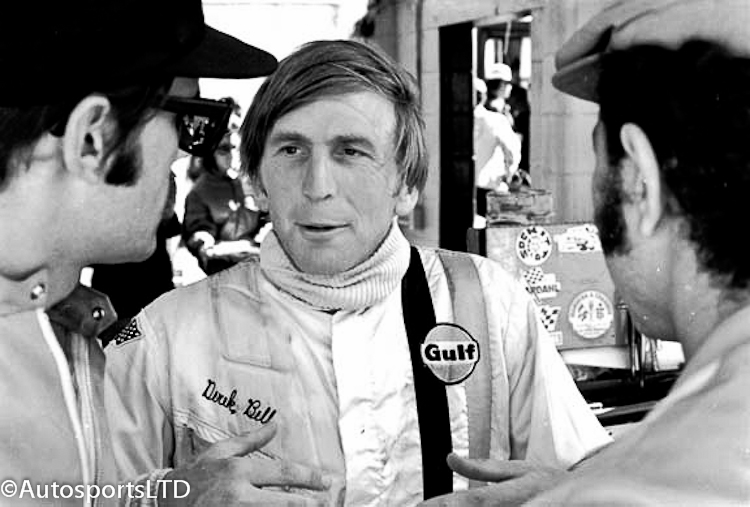
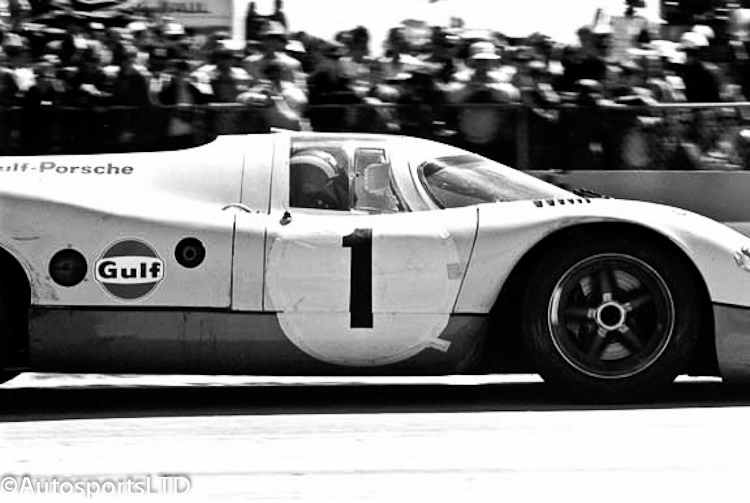
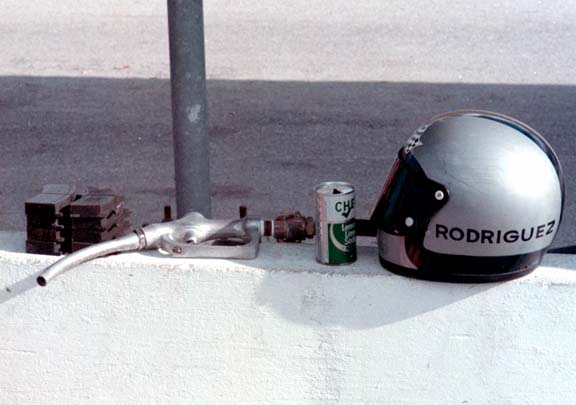
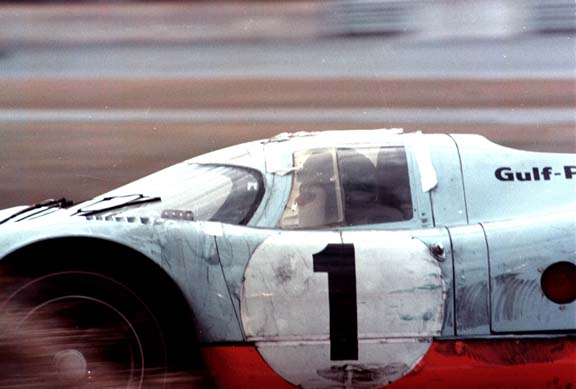
Everyone has heroes, especially when we are younger, they are those that we look up to and imagine that one day, we too might acquire some of the qualities that we admire. Back then my heroes were two drivers, Jo Siffert and Pedro Rodriguez, I was inspired by their performances in arguably the greatest sportscar of them all, the Porsche 917. I would read the race reports, especially in Motor Sport, from Denis Jenkinson, Michael Cotton and Andrew Marriott, the last two I would later become friends with. I simply HAD to go and see these guys race that year, the situation was given an urgency by the crazy decision of the FIA (where have we heard that before?) to scrap the 917s and 512s. There was only one solution, as I was too young to drive, I would get the train and bus to Brands Hatch. It was only on the other side of London.

March Hare

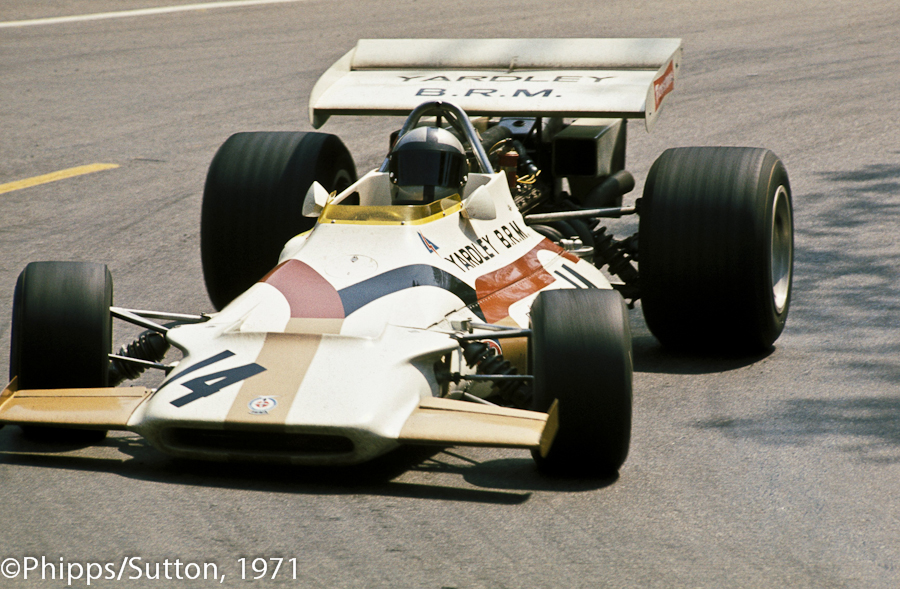
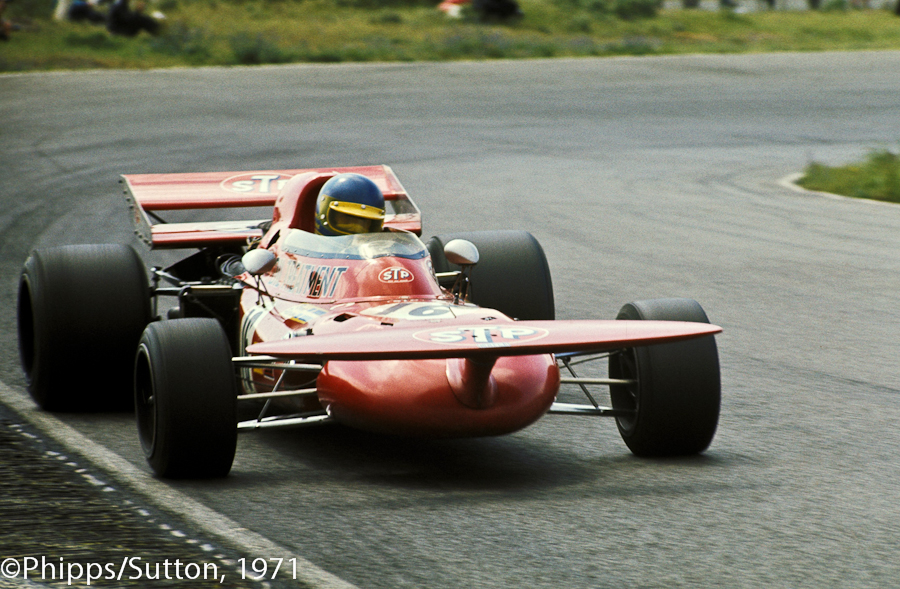
The calendar in 1971 had several international races held at the fantastic Kent track. First up for me was the Race of Champions. Back in the dark ages BE (Before Ecclestone), there were non-Championship Formula One races, so you could get to see the Grand Prix circus several times in a season, especially if you lived in England. OK, not all the F1 regulars turned out but that was also the case at some Grand Prix, especially the far flung ones, there was no FOCA package back then. One thing that has not really changed in 40 years is the grim weather, cold, damp and grey, that bit of Brands Hatch in March remains a constant. The front row had Jackie Stewart’s Tyrrell on pole with Denny Hulme alongside in his McLaren and completing the line up was Clay Regazzoni in the delicious Ferrari. There were former and future World Champions Graham Hill, John Surtees and Emerson Fittipaldi in the field but my two heroes were missing, both on Gulf 917 duty at Sebring. A couple of things stuck in my mind from that race, the variety of noses on the cars with wild variations ranging from the Brabham BT34 “lobster claw” to the March 711 “tea tray”, did any of them really work? That day also saw the début of the Lotus 56B powered by a Pratt & Whitney gas turbine, one of Colin Chapman’s ideas that worked as an Indianapolis 500 car but was not suited to the Formula One world. I cannot remember much about the race, except that Ferrari and Regazzoni won it.

Gloria in Excelsis Deo

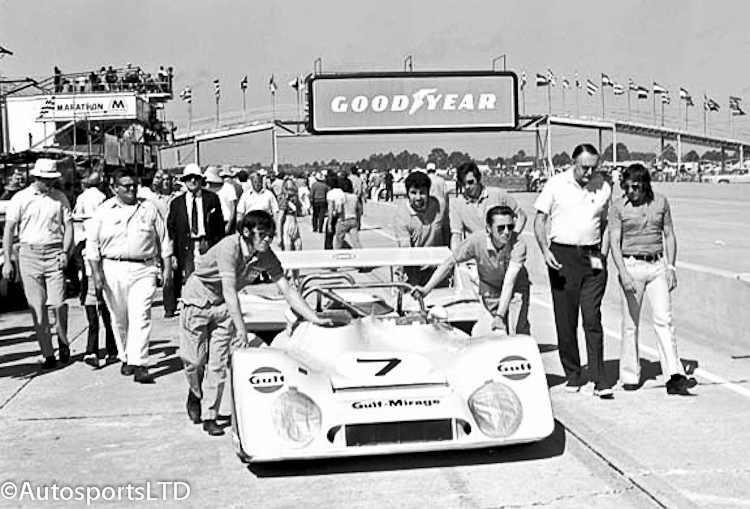
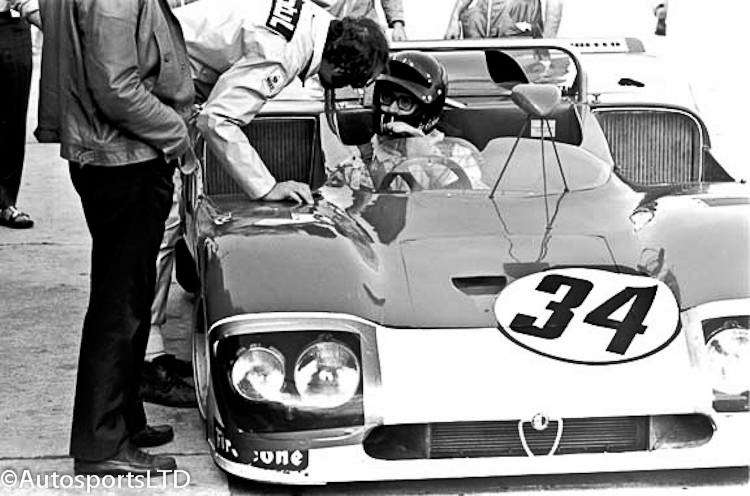
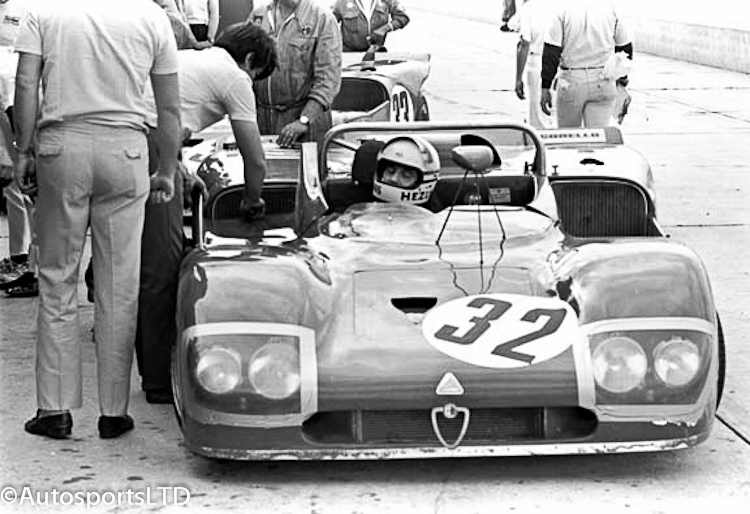
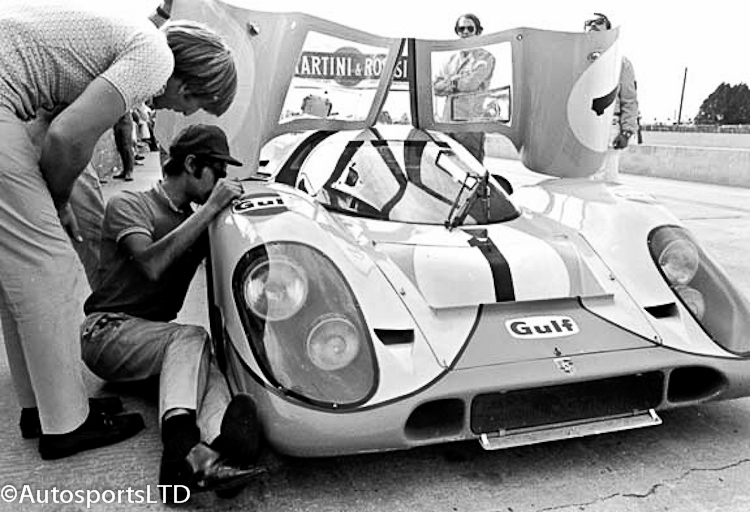
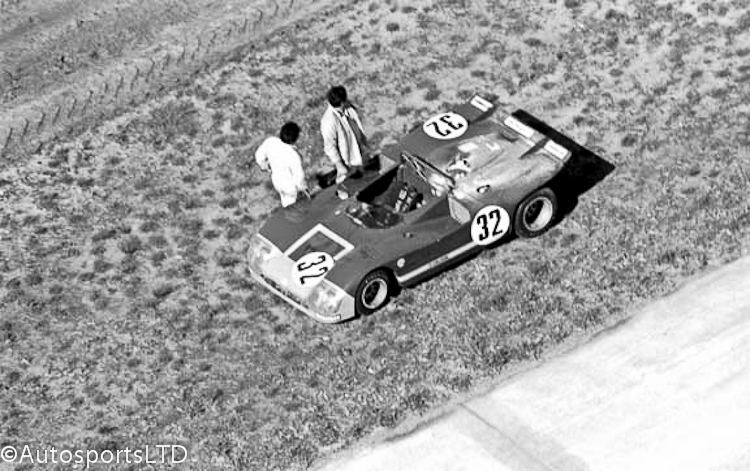
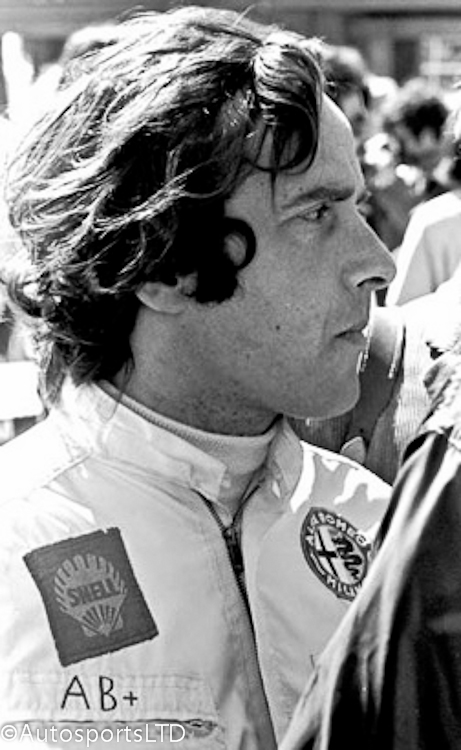
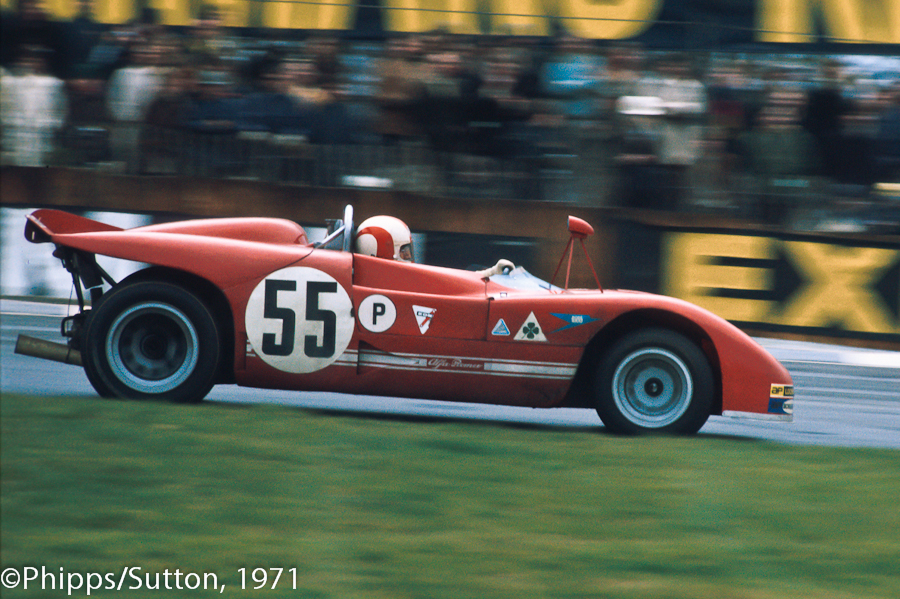
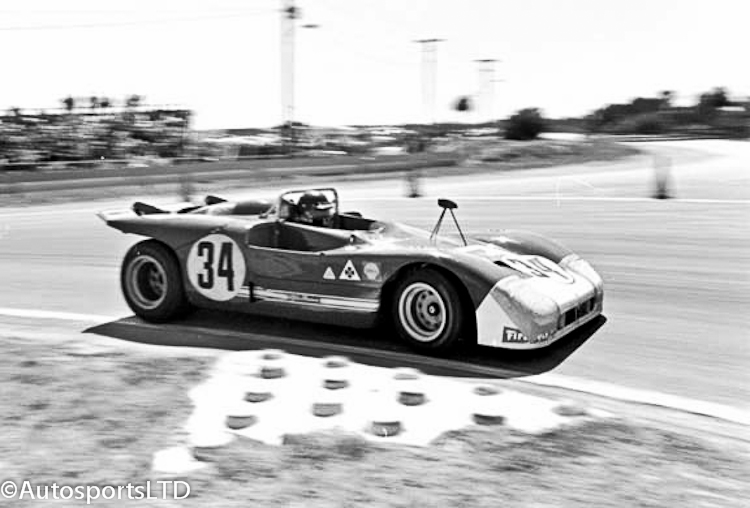
A few weeks later and I was back at Brands Hatch for the BOAC 1000 Kilometres, now I would get to see both Siffert and Rodriguez and the Gulf Porsche 917s. These guys would see off the opposition for sure, but as I would find out, life is not that simple. The weather was similar to the previous race and near freezing point. I thought, perhaps it is always like that in Kent. The field was a bit thin, frankly. The pair of Gulf 917s were backed up by two Martini & Rossi cars  and  privately entered 1970 spec 917. Against this line up was a lone Ferrari 312P and a brace of Alfa Romeo T33/3s run by Autodelta. Even I could see that the rest of the field of upgraded 512Ms and 2-litre prototypes would have real chance in the race.

T33/3

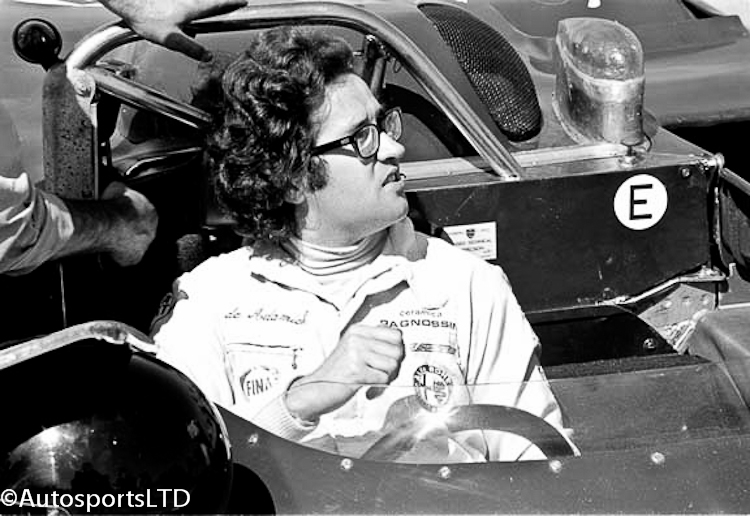
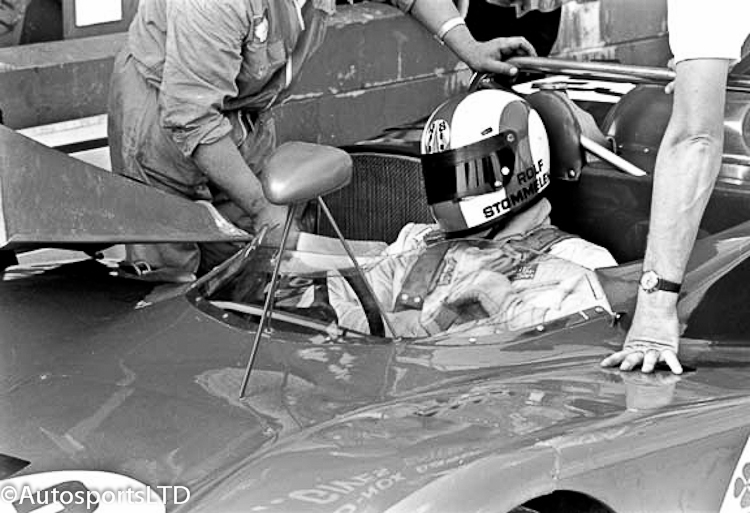
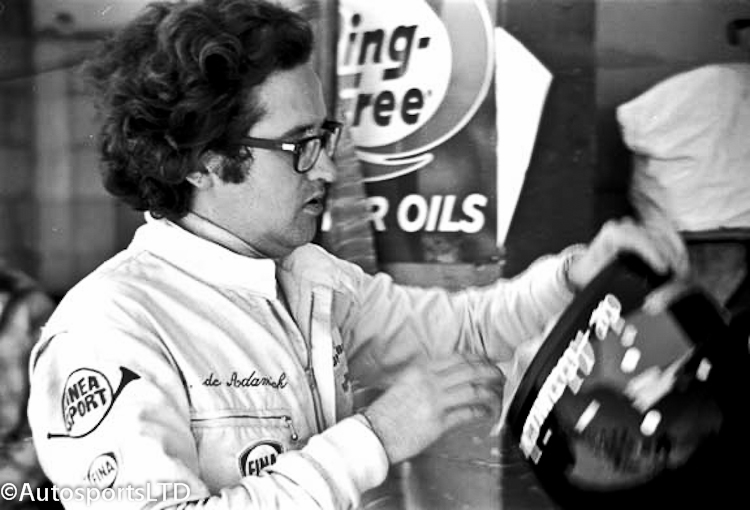
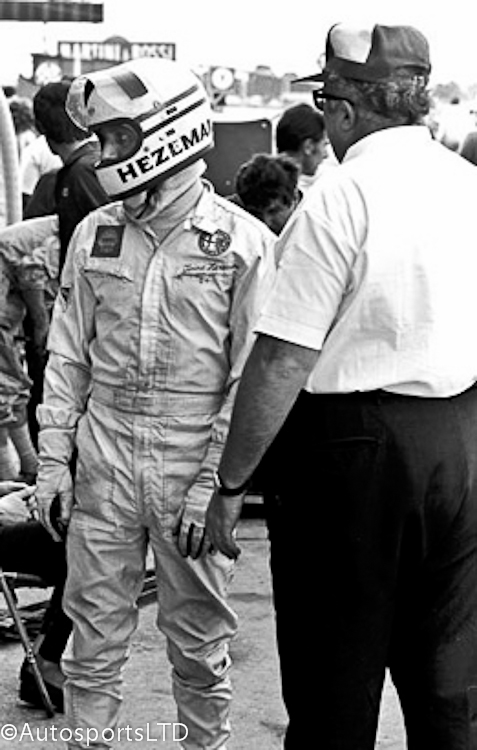
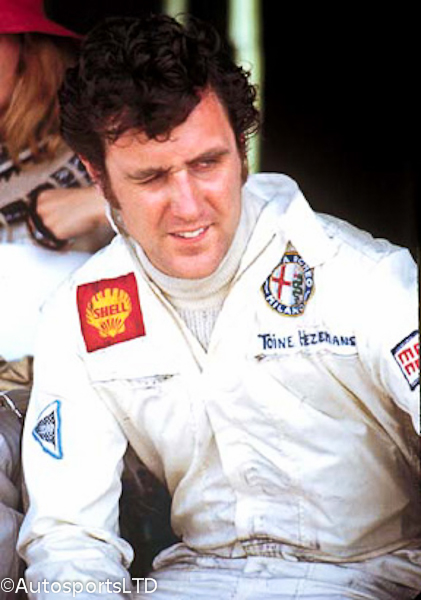
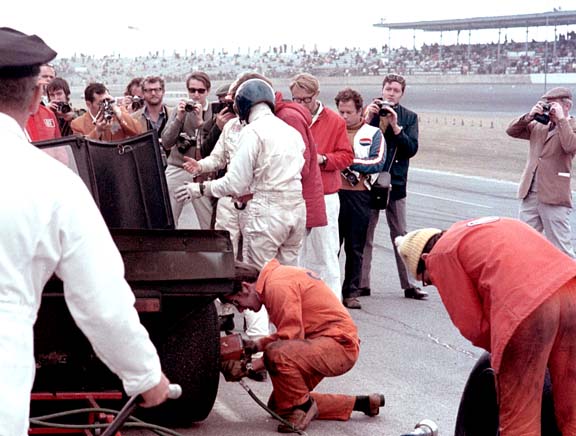
Midday saw the race get underway and immediately my version of the script was proved wrong, with Ickx and the Ferrari taking the lead with the two Blue & Orange 917s in pursuit from the Alfa Romeos. Soon the natural order of things was restored as the Ferrari disappeared for several laps leaving the Mexican star leading his Swiss team mate, this was more like it. Then after an hour or so I went tramping around the track and  noticed that the #7 Porsche was missing, after a while I found it parked up at Dingle Dell. I read later that the fuel filter had been clogged up with debris from an experimental pit refuelling system that the team were trying for the first time. Siffert too was having problems with changing tyres, an new alloy hub had expanded meaning that getting the nuts undone and done became almost impossible. JW Automotive had comprehensively shot itself in both feet. The upshot of all this was to hand Alfa Romeo its first international motorsport victory in 20 years. It looked as if Rolf Stommelen and Toine Hezemans, with a lap advantage over Andrea de Adamich and Henri Pescarolo, would be the heroes for Autodelta but the race had one final twist. A suspected piston failure halted the leading T33/3 in a cloud of smoke. Some 30+ years later I was enjoying the company of Hezemans, father and son, in a bar, where else? I happened to mention to Toine about seeing him all those years before at Brands Hatch. His answer was a stream of invective directed at Carlo Chitti, who he blamed for all the car’s problems, the competitive fires still burn. Of course being Toine this was also very funny, being almost paralysed with the combination of beer and laughter is the only thing I can recall from that evening. Long may he go on.

Champion

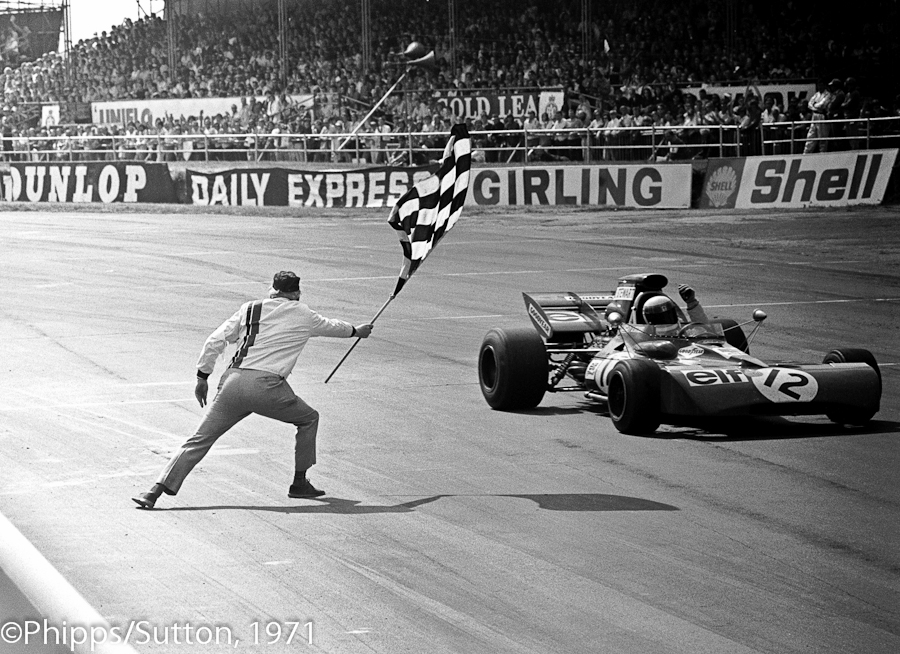
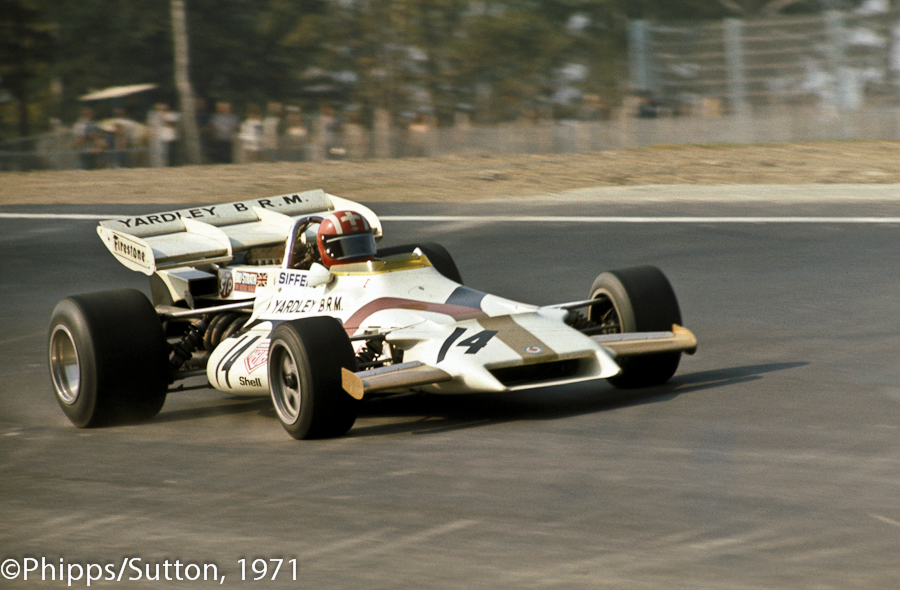
I had seen the Men and the Machines but there had been no fairy tale victory. Indeed things would take a very dark course for the rest of the year. The British Grand Prix was due to be held at Silverstone and I had persuaded a neighbour to let me come along with him. The BRMs that both Rodriguez and Siffert drove were competitive that season, arguably the last year that could be said. So I was really looking forward to seeing them take the fight to Jackie Stewart. Of course that did not happen, Pedro had decided to accept a drive the weekend before in Herbert Müller’s Ferrari 512 at the Norisring. Early in the first race a front tyre punctured, the Ferrari went out of control and hit a concrete wall. The impact destroyed the car and Pedro died soon after from the injuries received in the accident. Back then there was no internet, no TV news channels, so I did not hear anything about  the death of the Mexican till a few days later when I was back at school, it was very unreal, unbelievable. Of course it was very real and all too believable. Two BRMs lined up at the Grand Prix instead of three and I had almost lost interest in the proceedings. It was a dull race dominated by Jackie Stewart but at least it was a proper summer’s day at Silverstone. No Pedro though.

P160

Later that summer the news arrived regarding the cancellation of the Mexican Grand Prix due to be run in October. A replacement event was put together, The Rothmans World Championships Victory Race, to be held at, yes, Brands Hatch. Another chance to see Formula One, in my back yard, this race was to be held in the honour of the new World Champions, Jackie Stewart and Tyrrell. Jo Siffert had stepped up to the plate after the death of his team mate and had won the Austrian Grand Prix, as well as taking the lead role in Porsche’s Can-Am campaign. So he was one of the favourites for the last race of the year and indeed started from pole position. My mate James and I made another journey by train and bus to arrive in time for the race. We wondered over to South Bank to the point where the cars head out of the stadium onto the Grand Prix loop. It was a beautiful sunny day, generally a good way to sign off a difficult season. When the cars reached us on the first lap, a BRM was leading but the helmet was a dark blue and not the red and white of the Swiss flag, it was Peter Gethin not Jo Siffert.  The Swiss driver had a problem at the start and was down in 9th place. Gradually he climbed through the field up to 4th, then on lap 15 he accelerated away out our sight and never came back. It is thought that the rear suspension had failed at Pilgrims Drop, pitching the car into a bank where it rolled and collected a marshals’ post and then it exploded in flames. Attempts to rescue the unfortunate Siffert failed and he was asphyxiated in the delay, his only other injury was a broken ankle.
From our viewing point at the bottom of the circuit we could see nothing but it was clear that something was very wrong. We were advised that racing was done for the day (it was not) and to go home. So we trudged to bus stop and joined the queues, over 40,000 had turned out that day.  I still had no idea what had happened until arrived back at my house, my father broke the news to me. Another bad day.

Is it not passing brave to be a King, and ride in Triumph through Persepolis?

The year ended with death of my two heroes and the end of the endurance career of the Porsche 917. I have to admit that my interest in the sport dipped for a while as I struggled to understand the events of 1971, but motorsport is like a drug, once you are hooked you never really get over it. The year had seen the release of the film “Le Mans” which of course I had to see, and I did several times. The 917s and 512s, the stars, Le Mans, and some of the greatest action footage ever shot. The ACO should thank Steve McQueen every day that the sun rises, the coolest guy on the planet made the coolest movie about the coolest race. Even the sparse dialogue contained some philosophy that helped me to understand the motivation of drivers like Siffert and Rodriguez, in the face of almost certain death or injury.
“A lot of people go through life doing things badly. Racing’s important to men who do it well. When you’re racing, it… it’s life. Anything that happens before or after… is just waiting.”
Michael Delaney’s words struck a chord with me, perhaps such a simple statement could explain why I am still chasing the sport some 40 years later. On balance I think I took the right road back then, there has been no looking back.

Seppi


John Brooks, February 2012
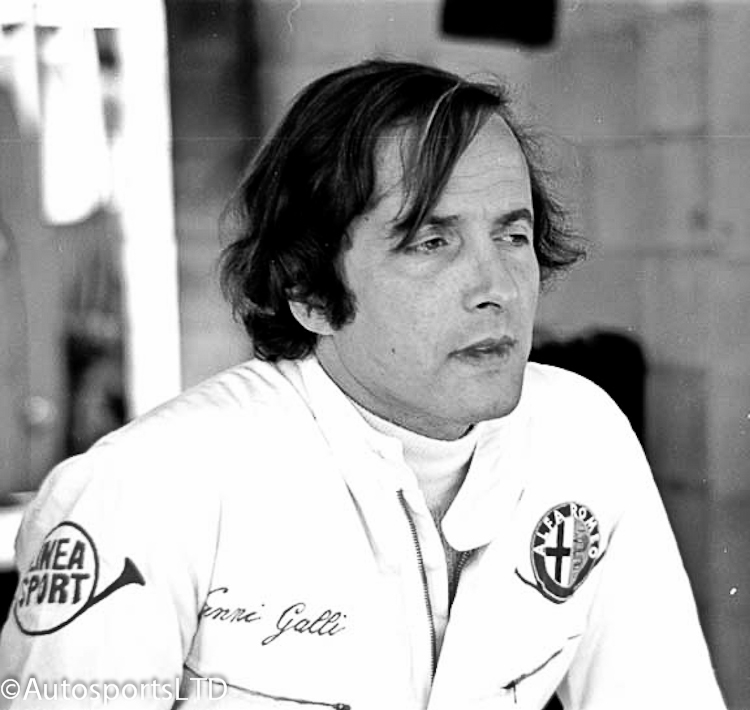
Speed Merchants

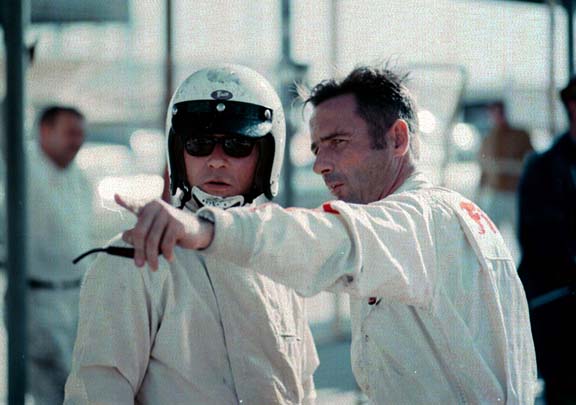
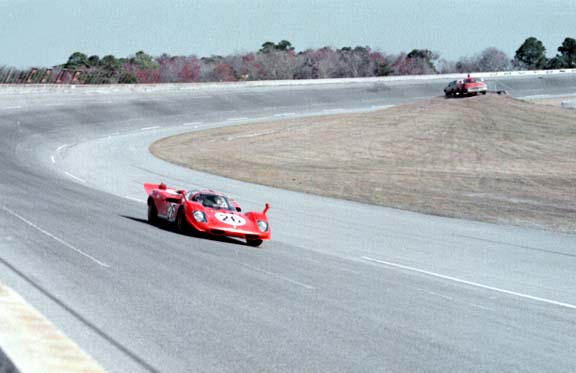
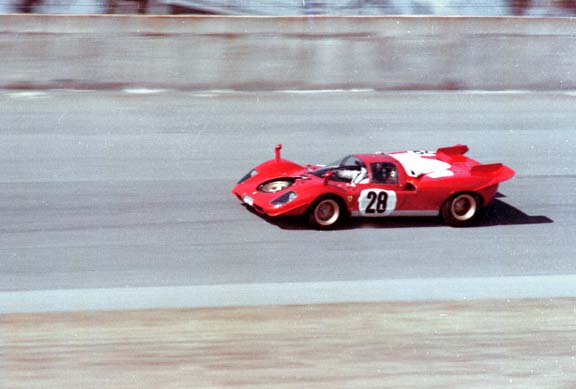
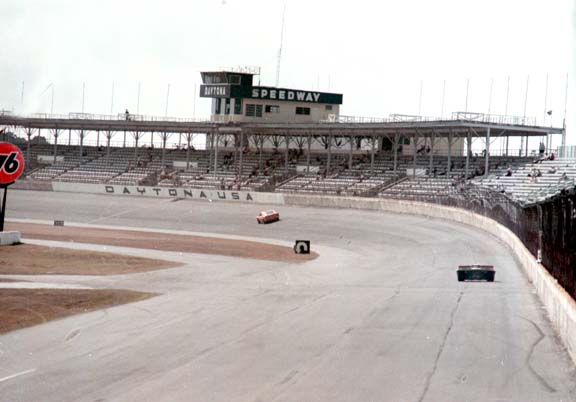
The few of you who read this blog regularly will know of my enthusiasm for the work of Michael Keyser. Aside from anything else he has the good taste to purchase images from me. Michael had a pretty handy record as a driver, including an outright win at Sebring, he has published many works which capture the essence of endurance racing in the early 70’s. So as the Sun is on its way towards Daytona Beach to herald another 24 Hour race, it is perhaps appropriate to look back to 1970 with the aid of his pictures.

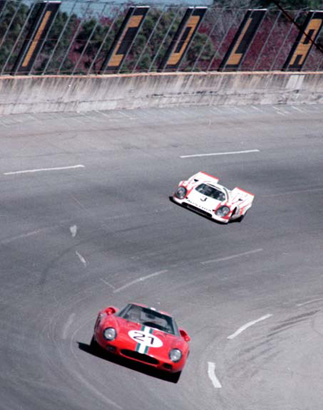
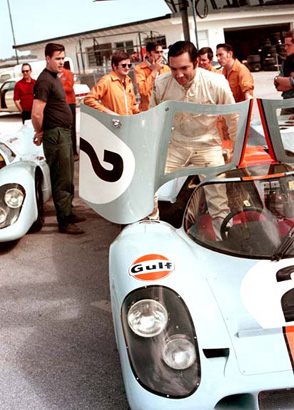
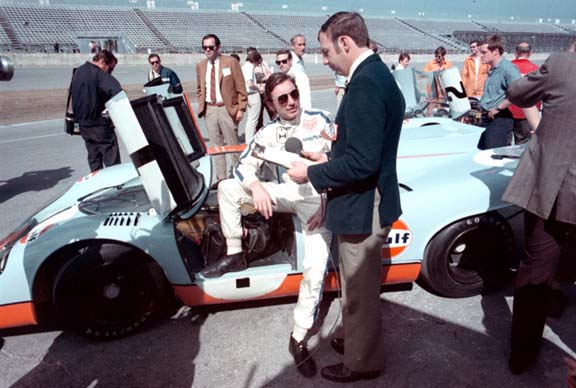
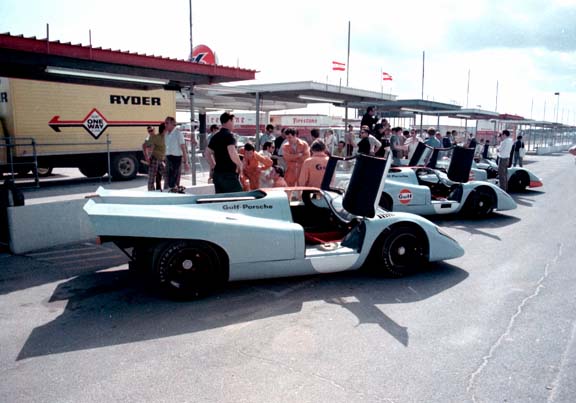
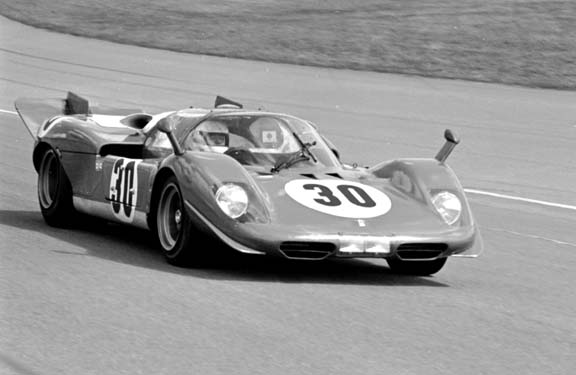
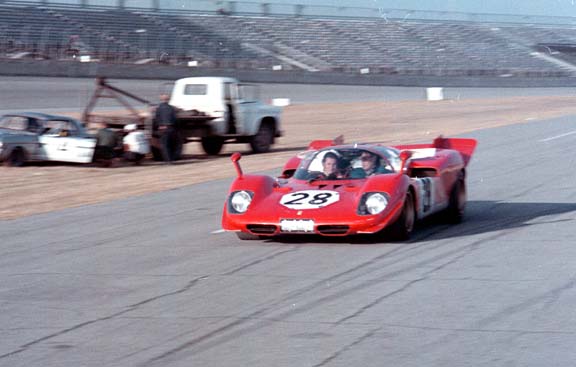
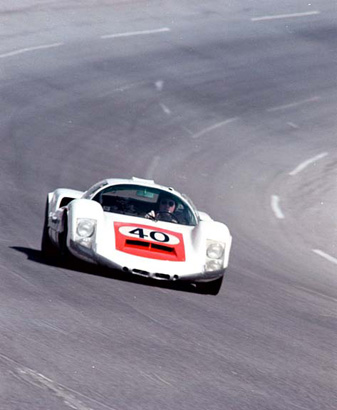
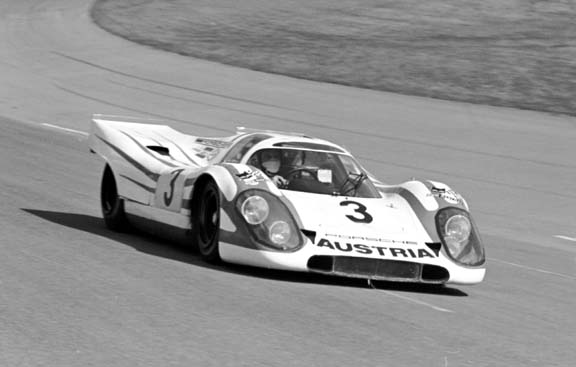
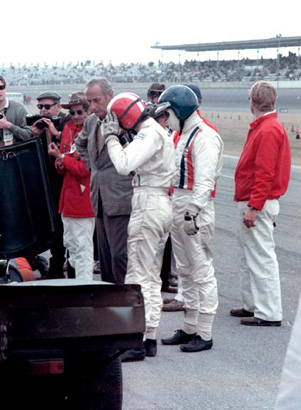
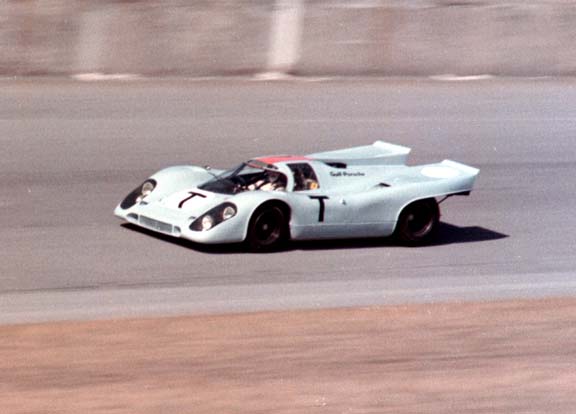
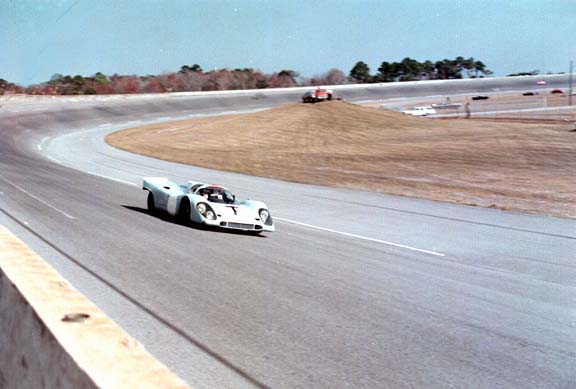
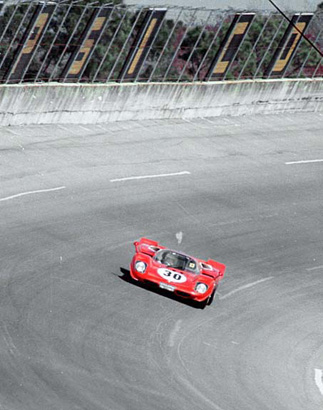
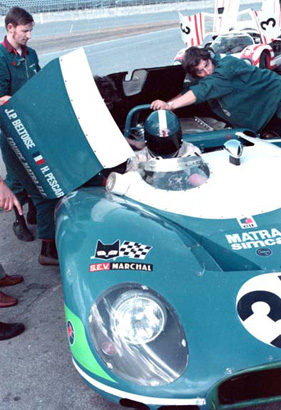
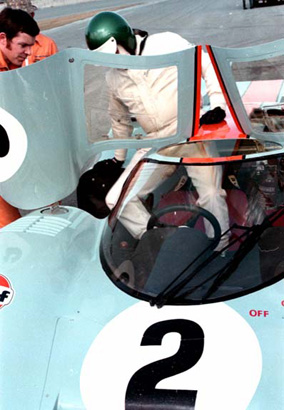
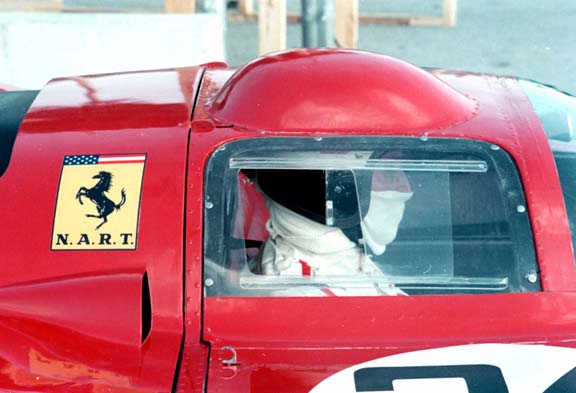
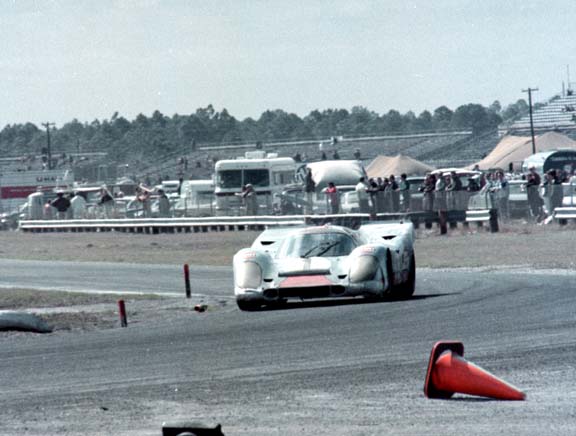
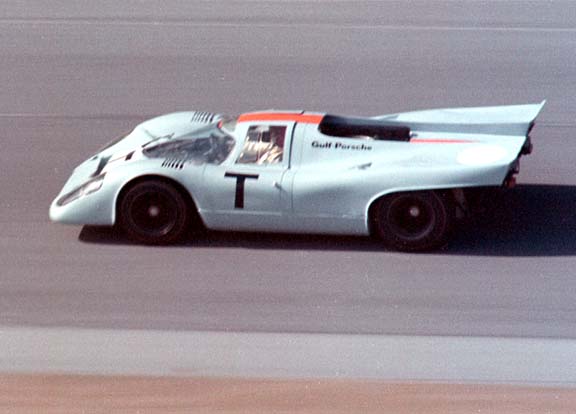
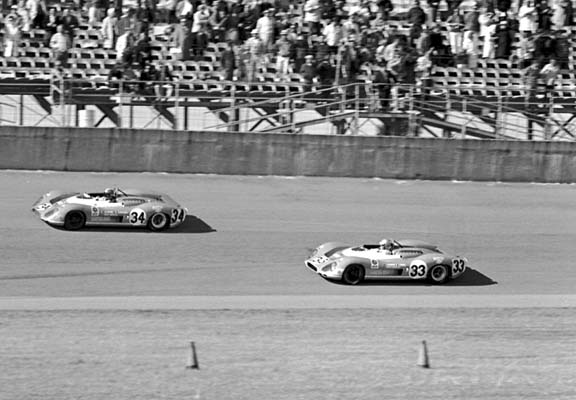
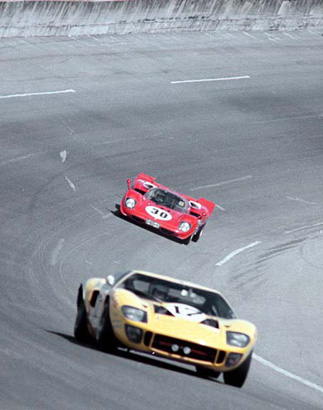
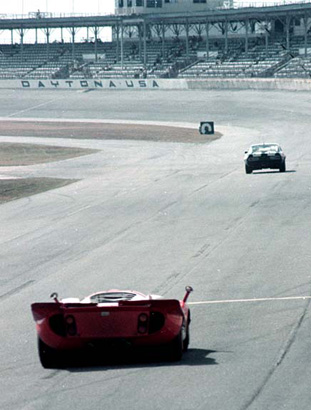
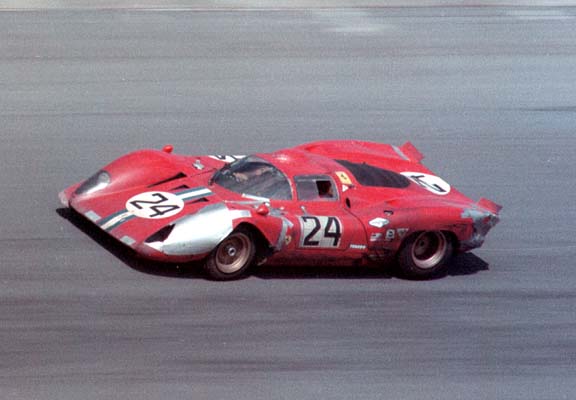
1970 saw a brilliant, if brief, struggle between Porsche and Ferrari with the 917 and 512. The first encounter of the year was on the banking in Volusia County. Five Ferrari 512 entries took on two Gulf JWA 917s, add to this two NART Ferrari 312P coupés, two Matras, another 917 from Porsche Salzburg, and let’s not forget the Volvo 122S. I somehow doubt that in 42 years time the contemporary grid will inspire as much affection or interest………..
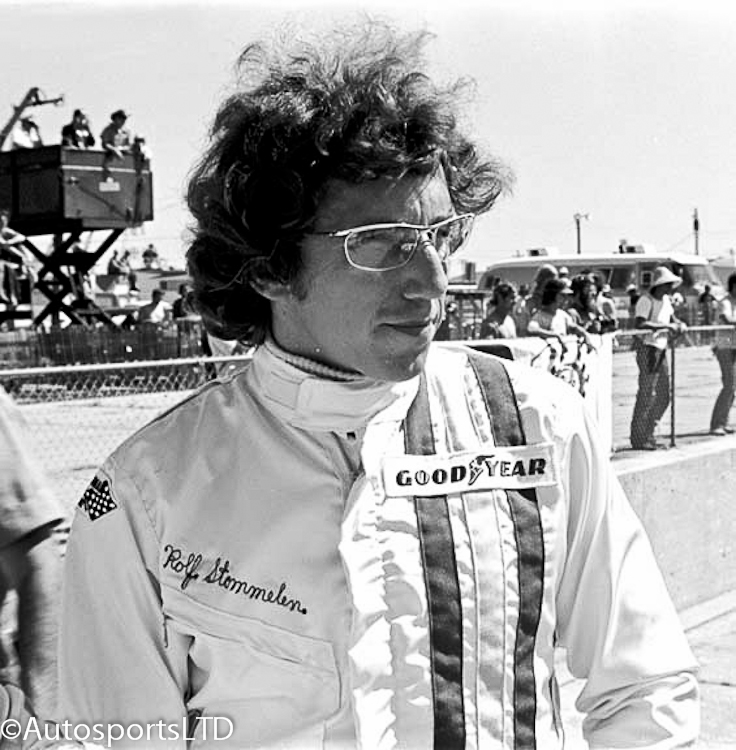
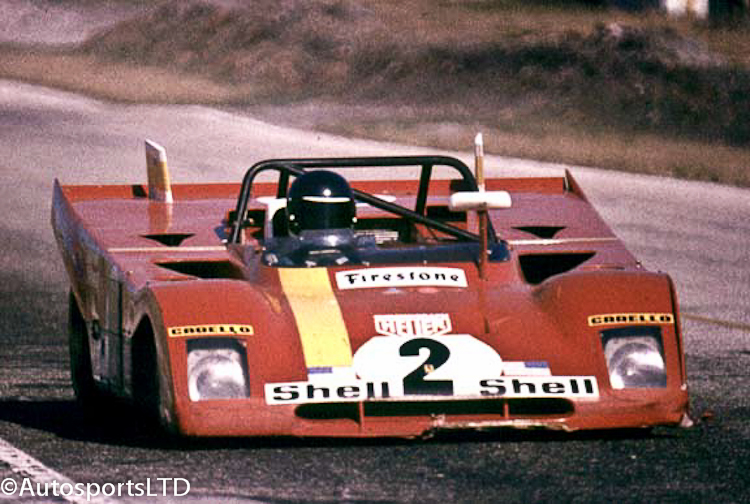
Much is made this year of the line up of driver talent that will be on display at the 2012 Rolex 24 and rightly so. However I think that the crop in 1970 was every bit as good, if not better………in no particular order.
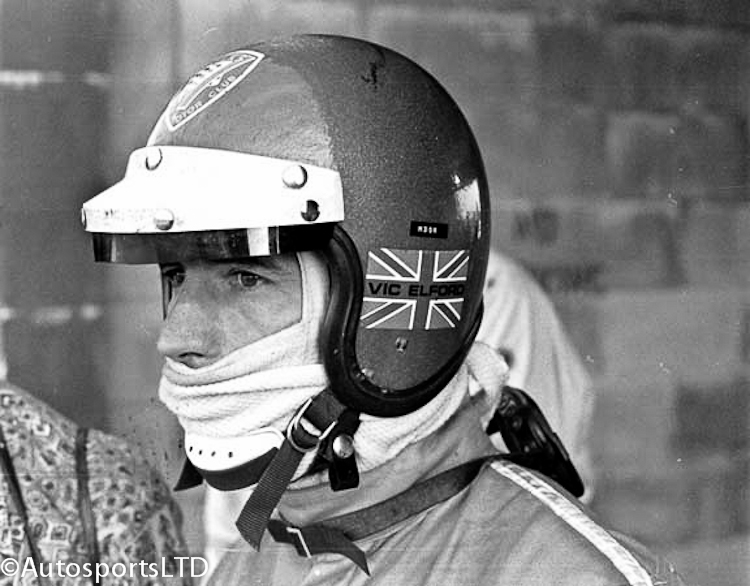
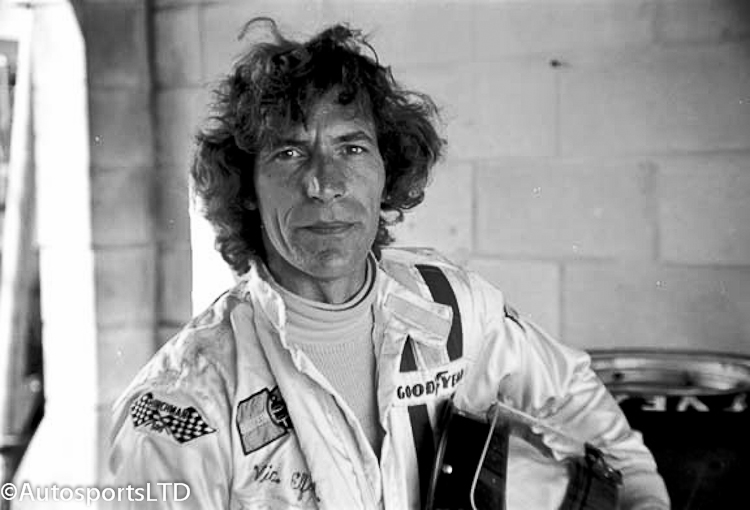
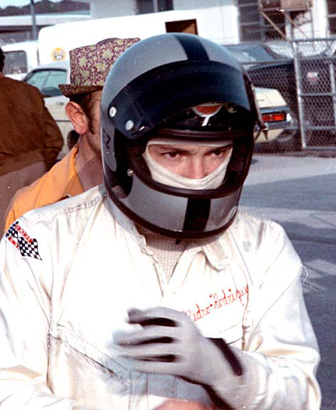
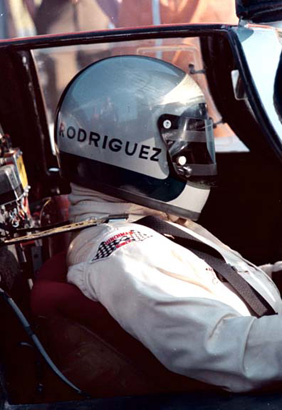
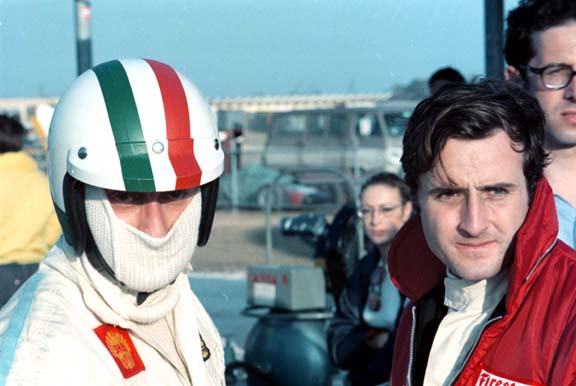
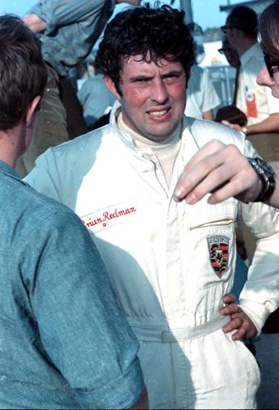
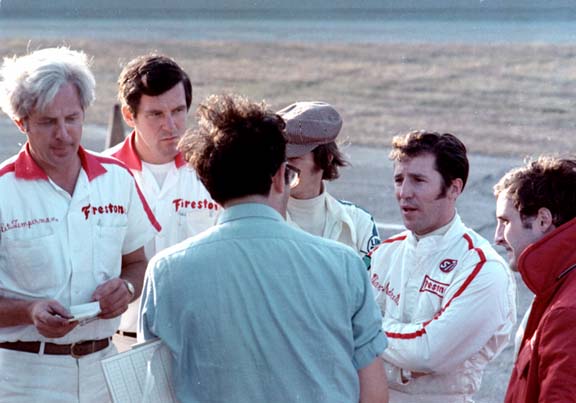
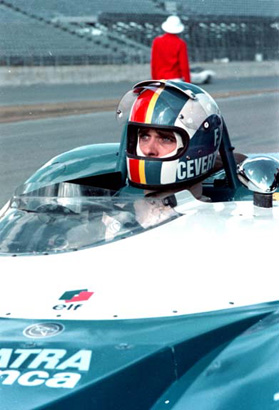
Pedro Rodriguez/Nino Vaccarella/Jacky Ickx/Mark Donohue/Peter Revson/Vic Elford/Gijs van Lennep/Dan Gurney/Jean-Pierre Beltoise/Henri Pescarolo/Francois Cevert/Jack Brabham/Jo Siffert/Brian Redman/Mario Andretti/Arturo Merzario to name but a few……….F1 World Champions, Grand Prix Winners, Le Mans Victors, Indy 500 Champs…………what a line up

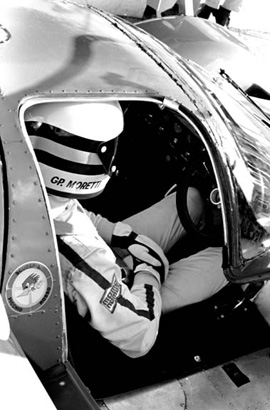
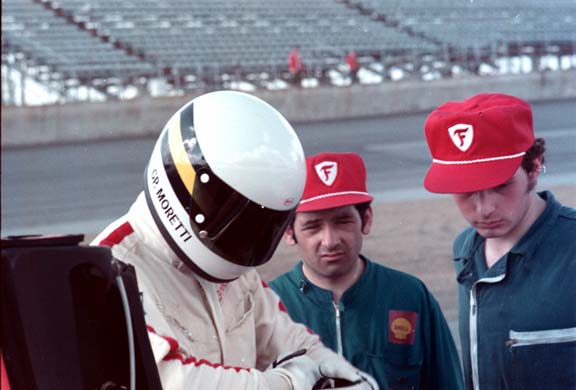
The race was a triumph for the Rodriguez/Kinnunen/Redman Gulf Porsche who had a winning margin of 45 laps. The crowd were kept entertained by a right old dust up for second place with the Siffert/Redman 917 just shading the 512 of Andretti/Merzario. Gianpiero Moretti made his Daytona race debut and had to wait another 28 years to win the race he coveted above all others. As if to reinforce the cosmopolitan nature of the event a Ferrari 250LM, at least 5 or 6 years old at that point, finished seventh overall and the Volvo retired.

One thing is certain, the 2012 race will be much closer…………….
All the images are courtesy and copyright of Michael Keyser and more can be seen HERE

John Brooks January 2012

Cat With A Hot Tin Roof

The U Haul Grandstand

It is a widely accepted fact that the 24 Hours of Daytona is one of the toughest endurance races on the calendar. Traffic, extremes of weather and the very long night, added to the layout of the infield course at Daytona International Speedway make for a race that stretches man and machine.

Sunset Boulevard

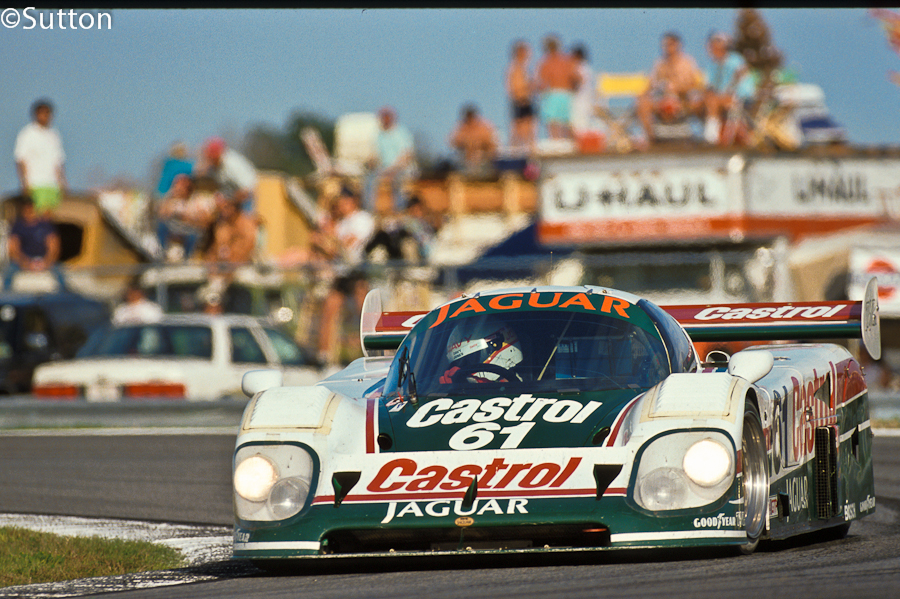
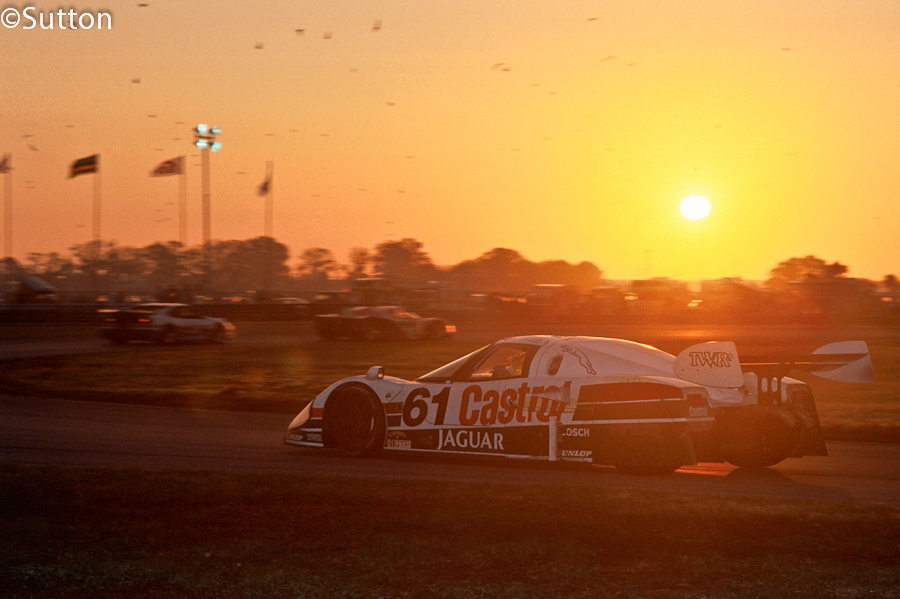
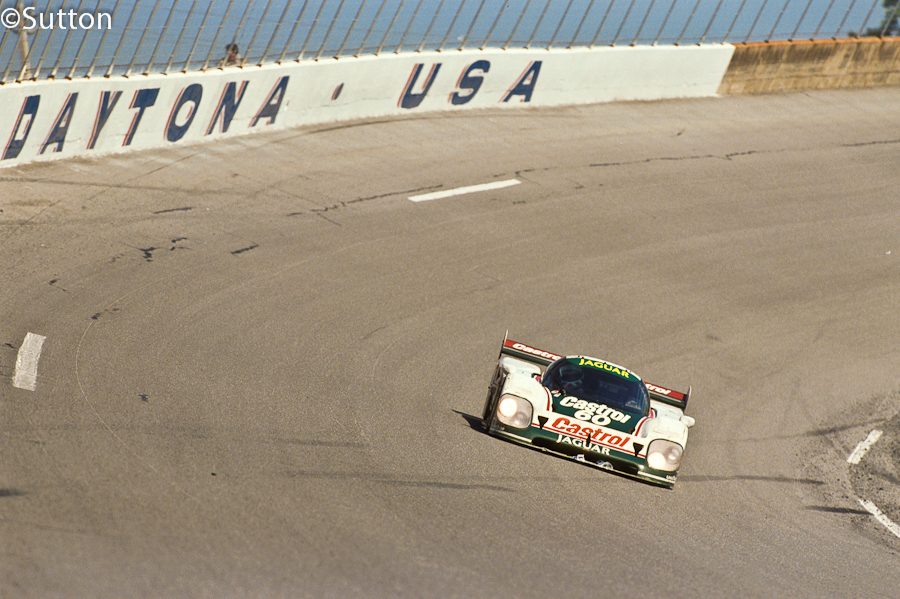
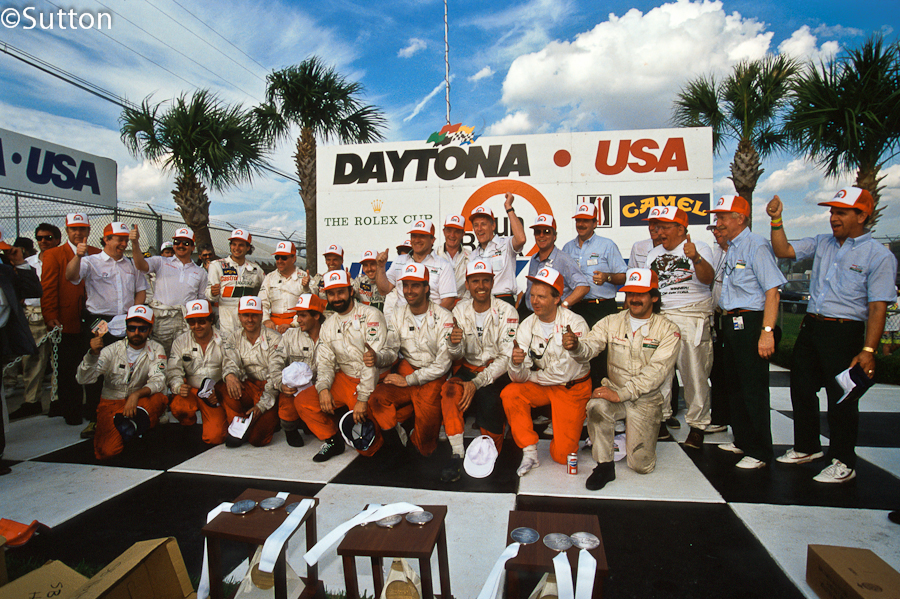
To win takes a heap of intestinal fortitude and a dollop of good fortune. For a team to finish 1-2 is really something special. So achieving that feat in 1990 was a truly great performance for the TWR Jaguar outfit.

Sun Bank

Their opposition came from a bunch of muscular, but ageing, IMSA privateer Porsche 962 entries and a brace of factory Nissans. As is customary at Daytona, the dreams of most of the pre-race favourites were over by the halfway point, tales of woe were to be found up and down the pit lane.

Anyone Fancy A Cuppa?

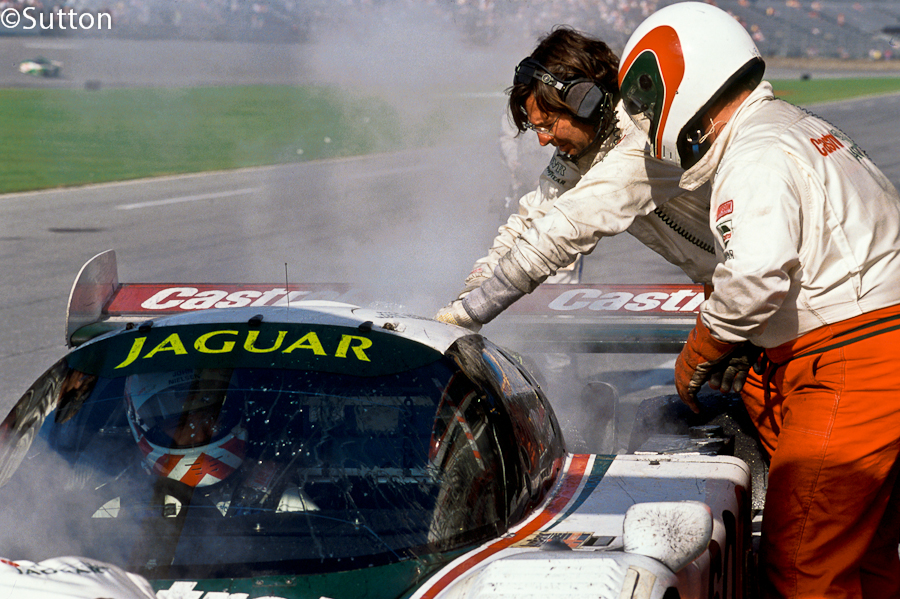
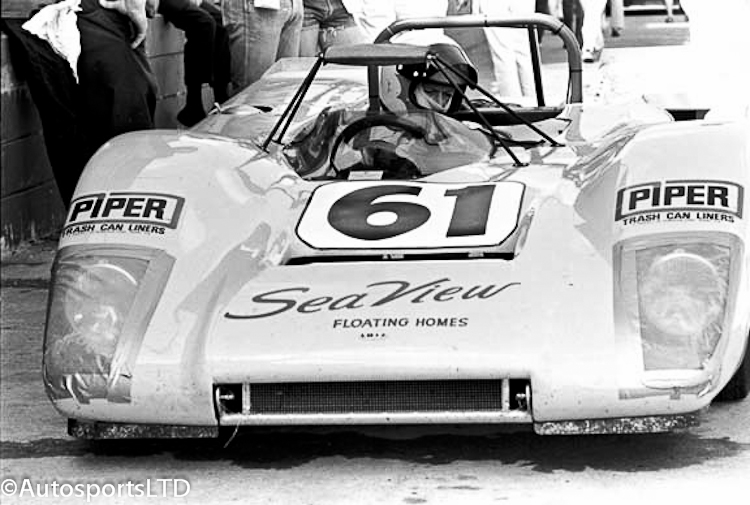
Despite a 15 lap advantage at one point, even the Jaguar XJR-12 pair struggled to get to the finish in working order. Both of the glorious V12 engines suffering with overheating but TWR’s Guvnor, Tony Dowe, was equal to the task. The story goes that the team’s tea urn was put to good use, mixing boiling water and radiator sealant in sufficient quantities to flush out the cooling system and keep both cars running. In the end the #61 car of Jan Lammers, Davy Jones and Andy Wallace had a four lap advantage over #60 with Martin Brundle, John Nielsen and Price Cobb aboard.
Savour The Moment

So the 1990 Daytona 24 Hours was a triumph for one of the truly great endurance racing outfits of any era. Astoundingly the North American part of the TWR organisation was destined to repeat this triumph some months in France. But that, as they say in the movies, is another story……………

John Brooks. January 2012

The Heavyweight Champion of the World

Battle Scars

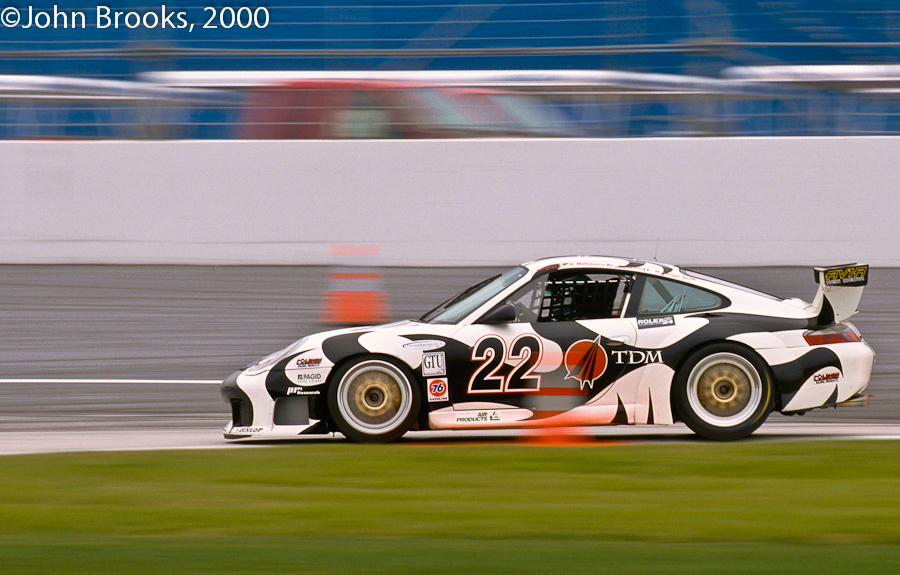
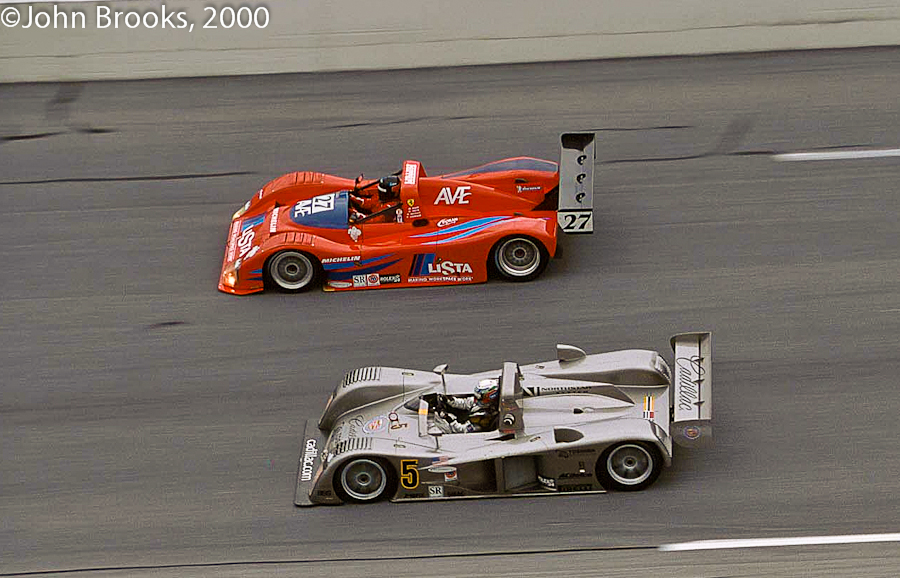
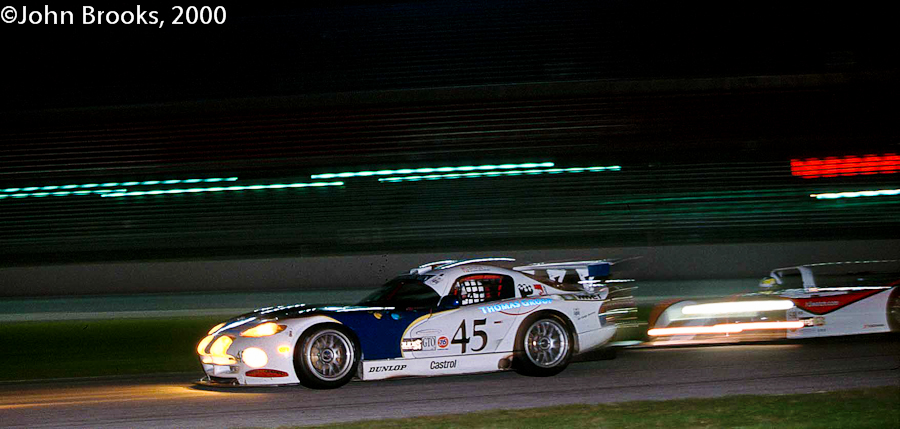
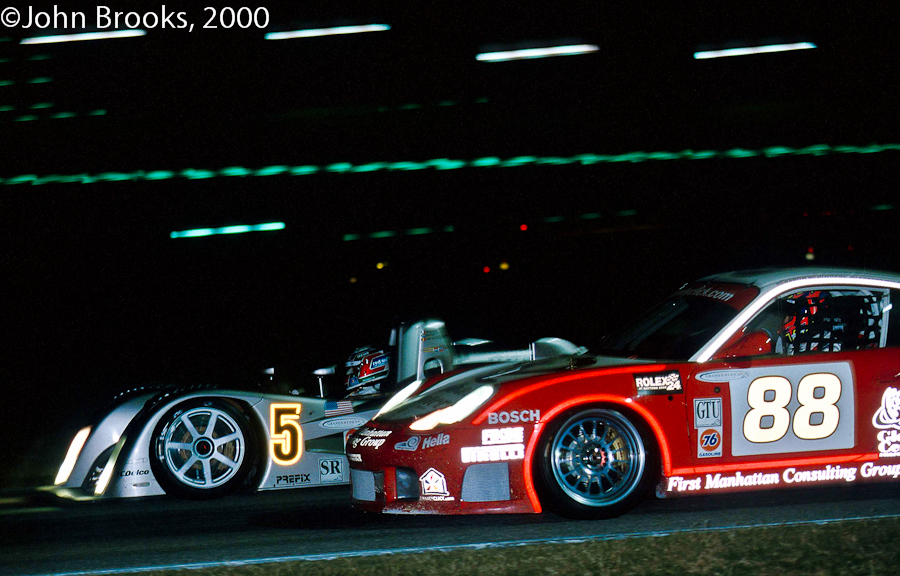
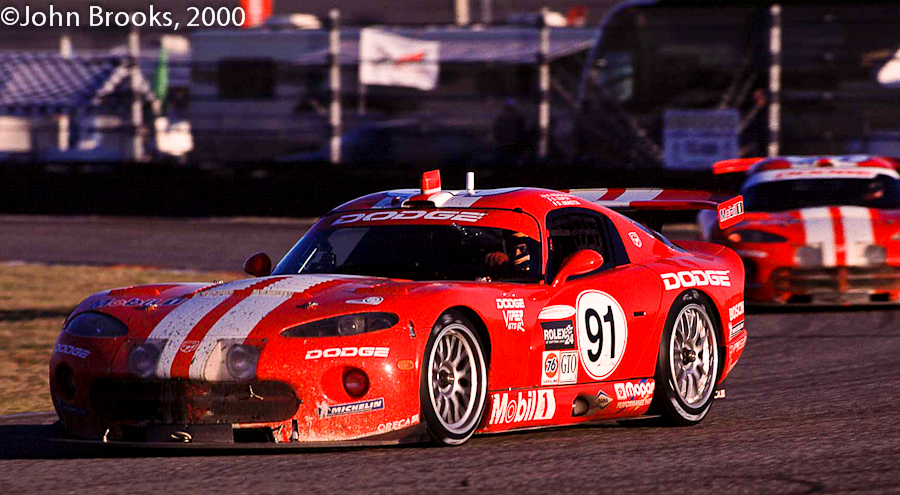
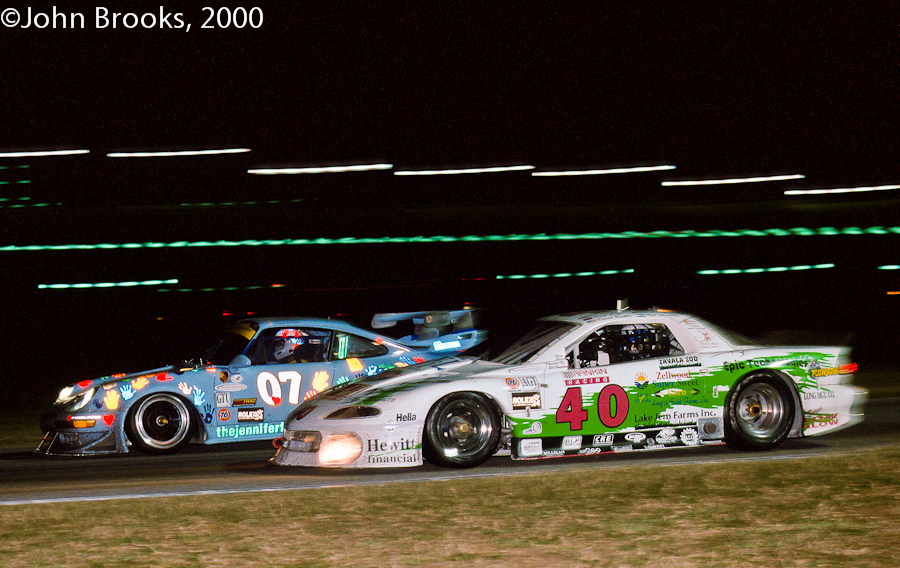
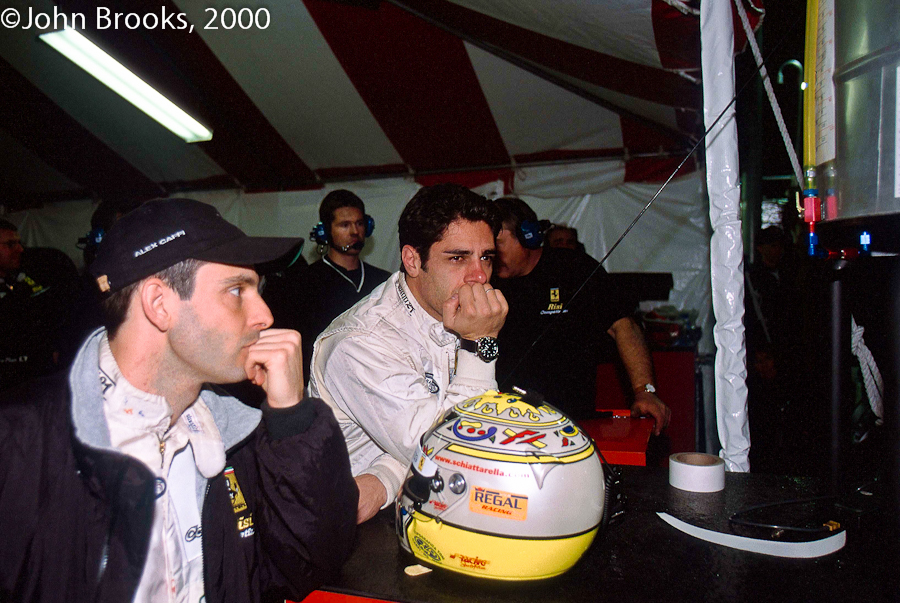
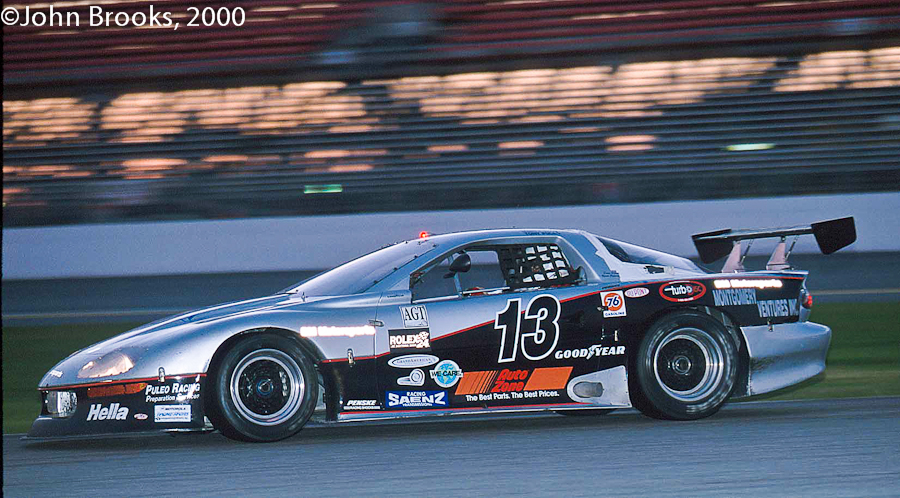
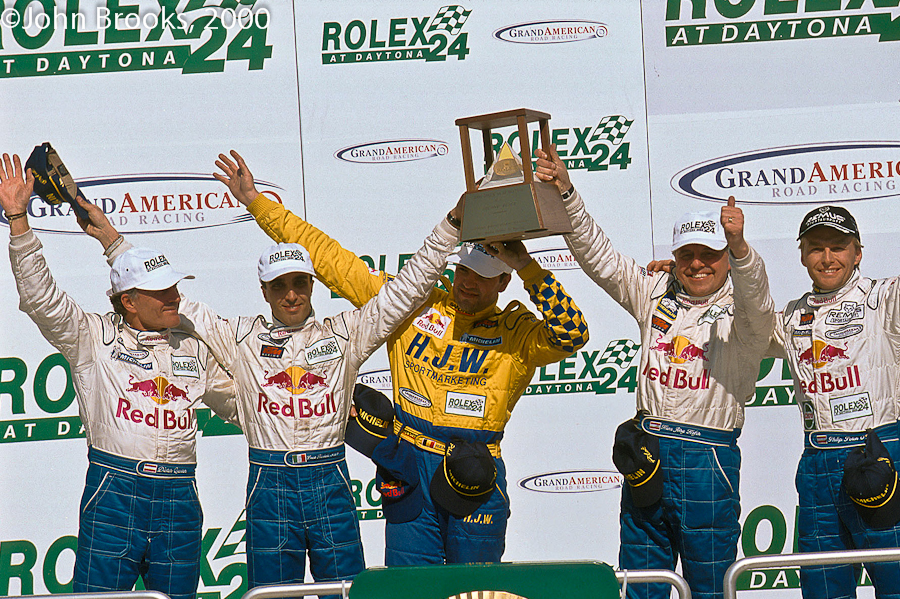
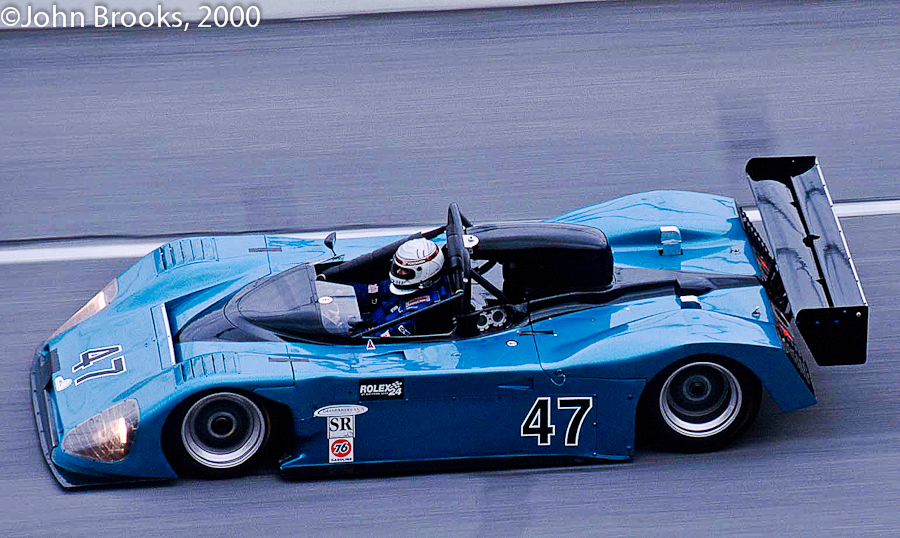
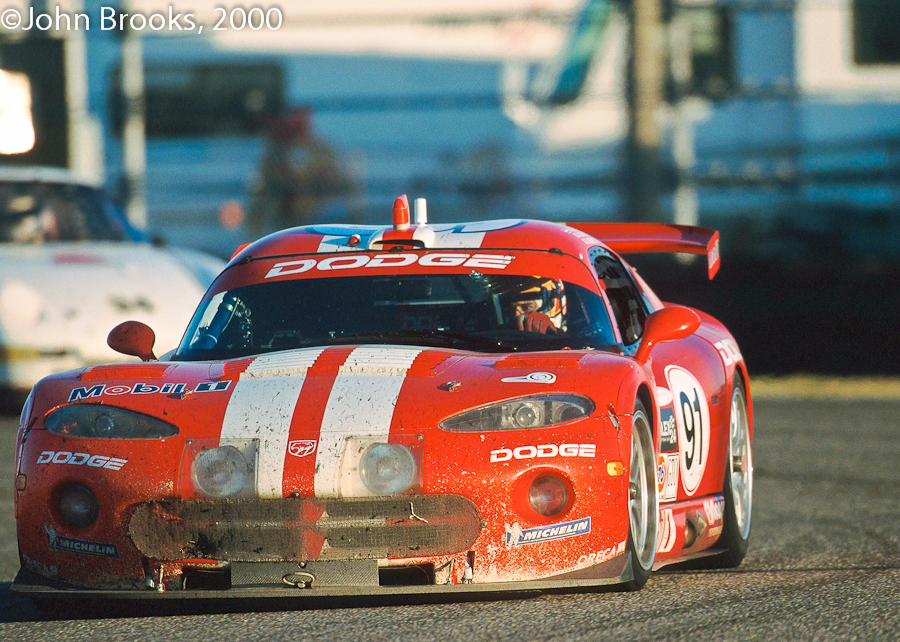
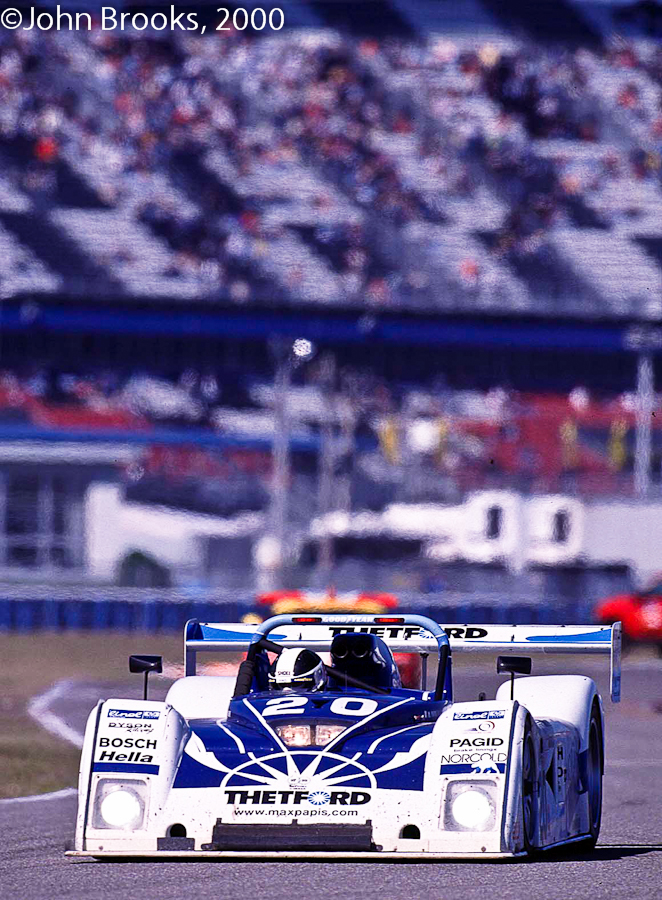
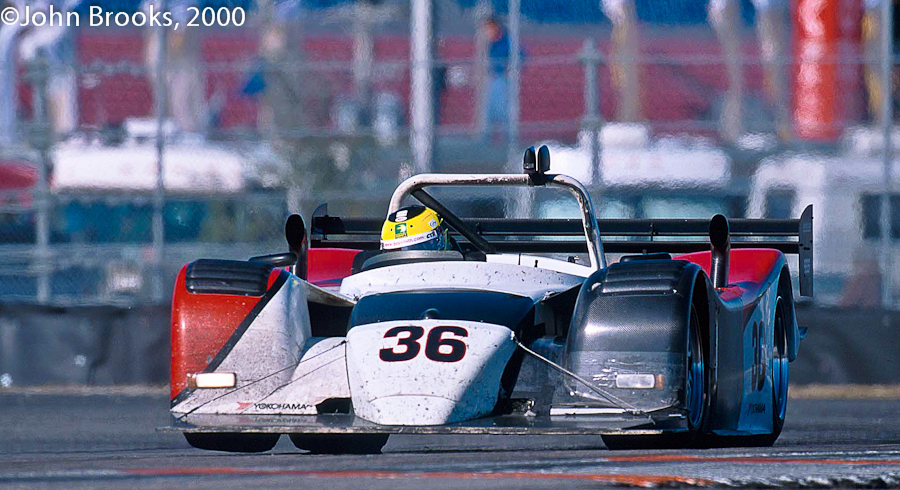
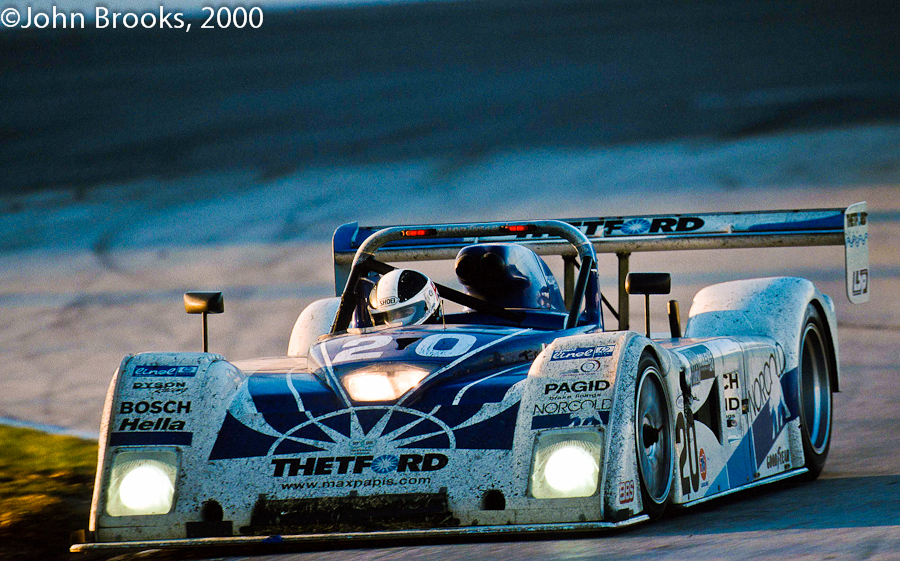
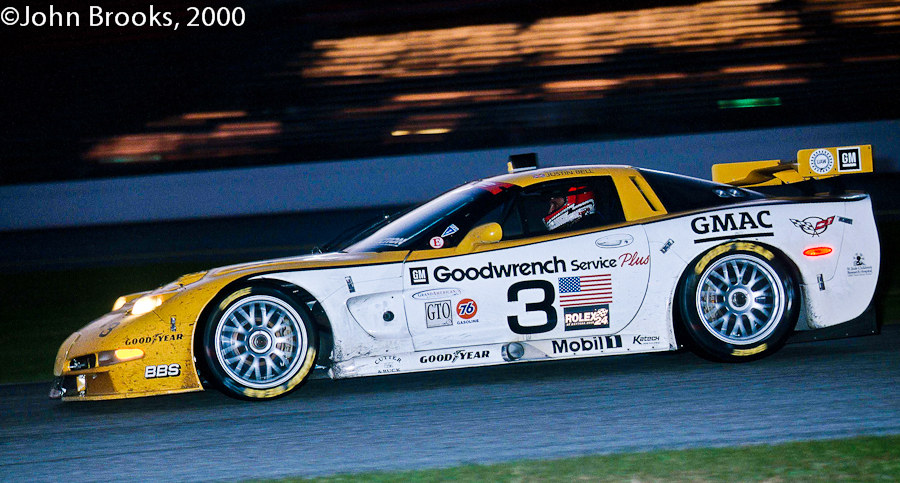
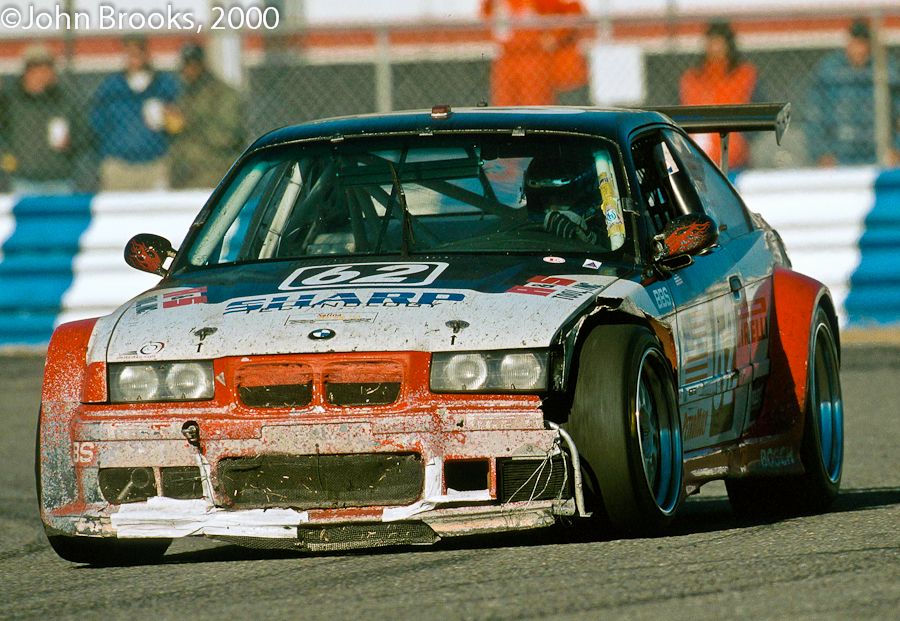
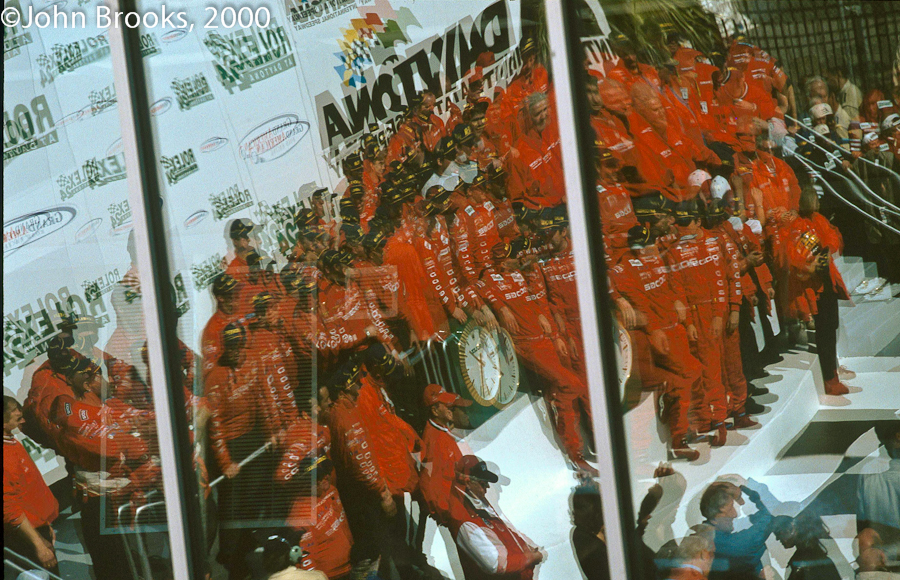
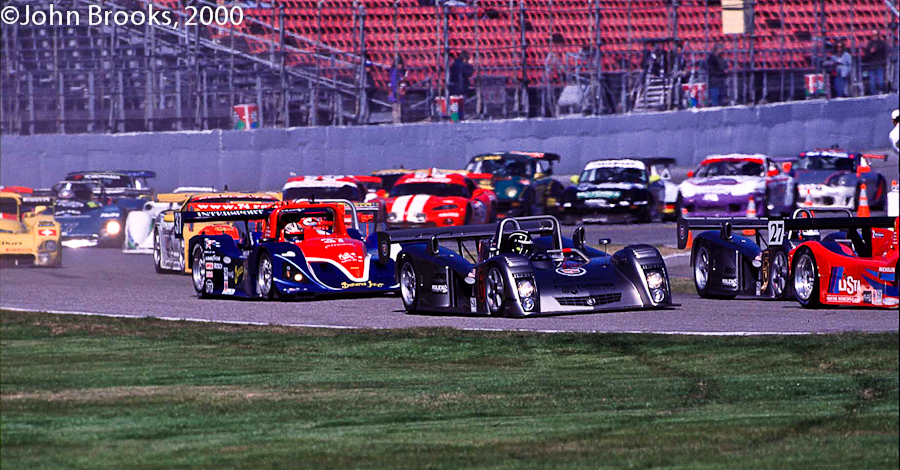
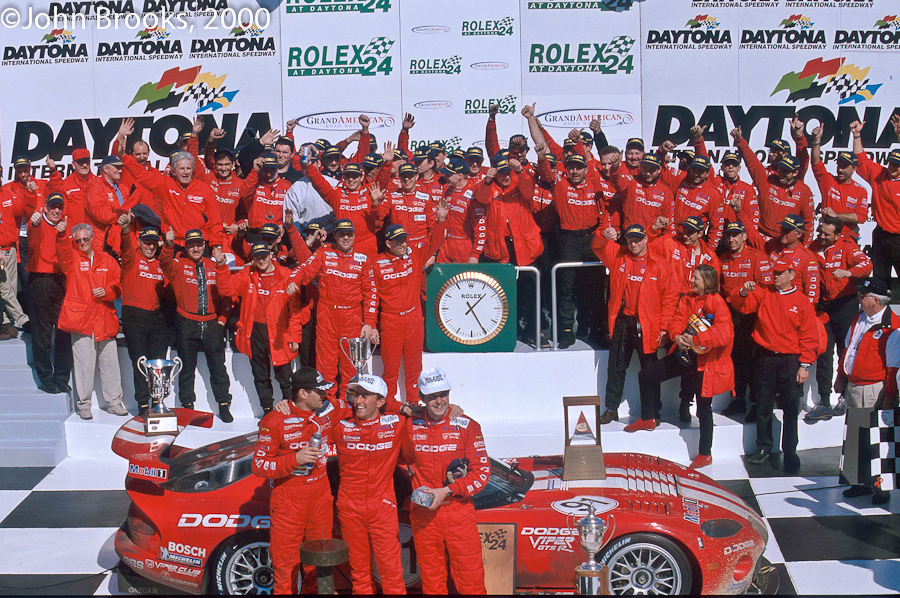
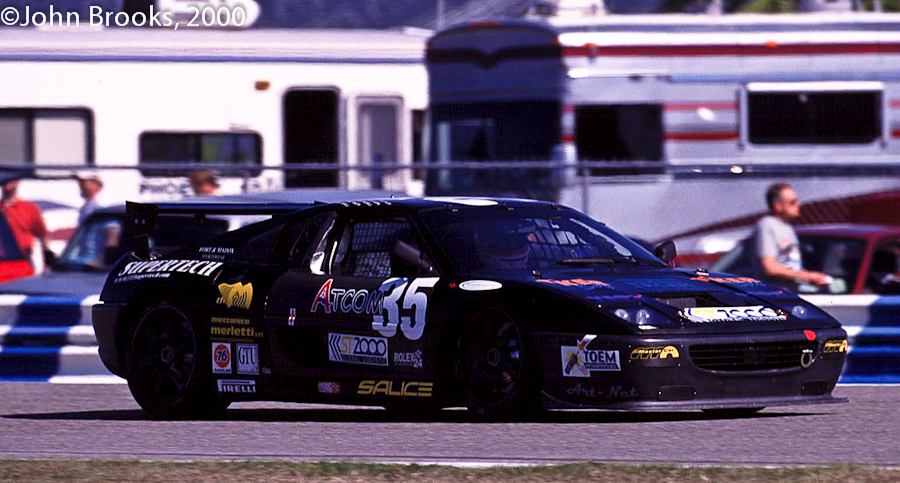
The 2000 Rolex 24 Hours was without doubt one of the most significant races that has been sanctioned by the Grand Am organisation. Even if the race had been terrible it would have a special place in the hearts of those who live down International Speedway Boulevard, it was the first to be run under the new flag.

The Bell Tolls

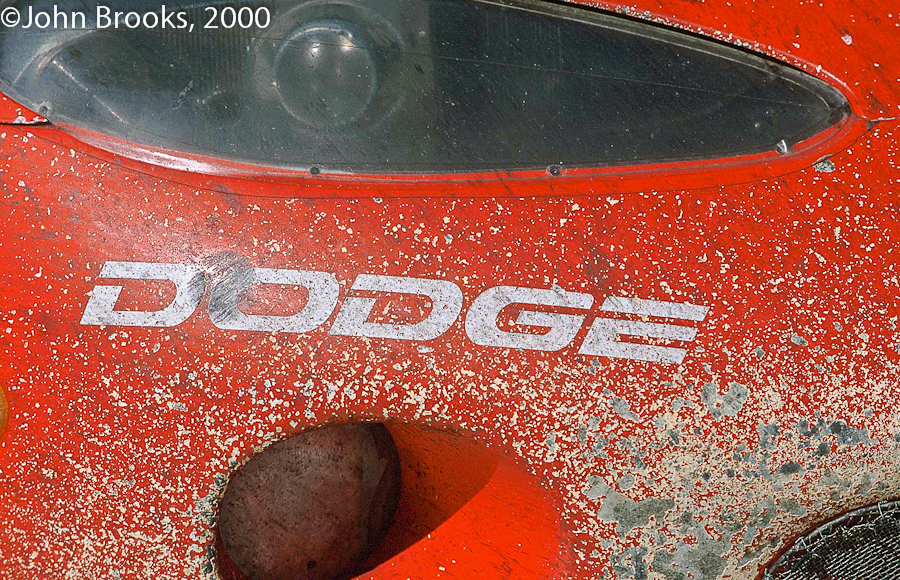
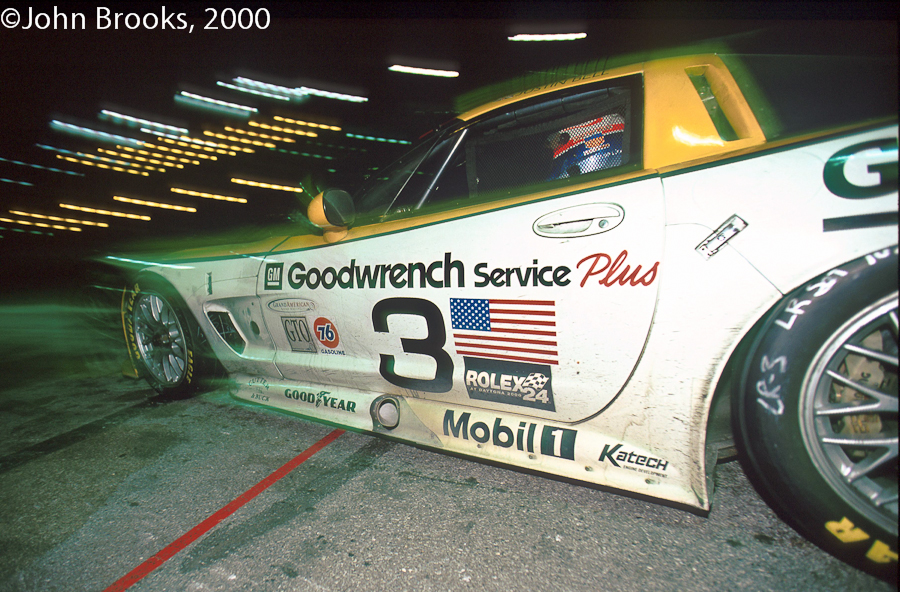
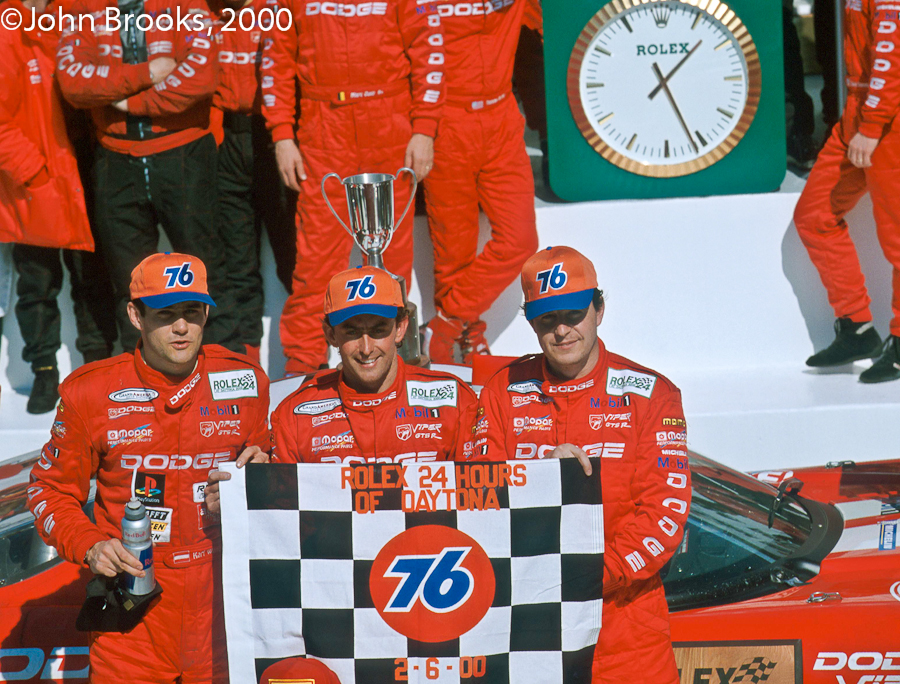
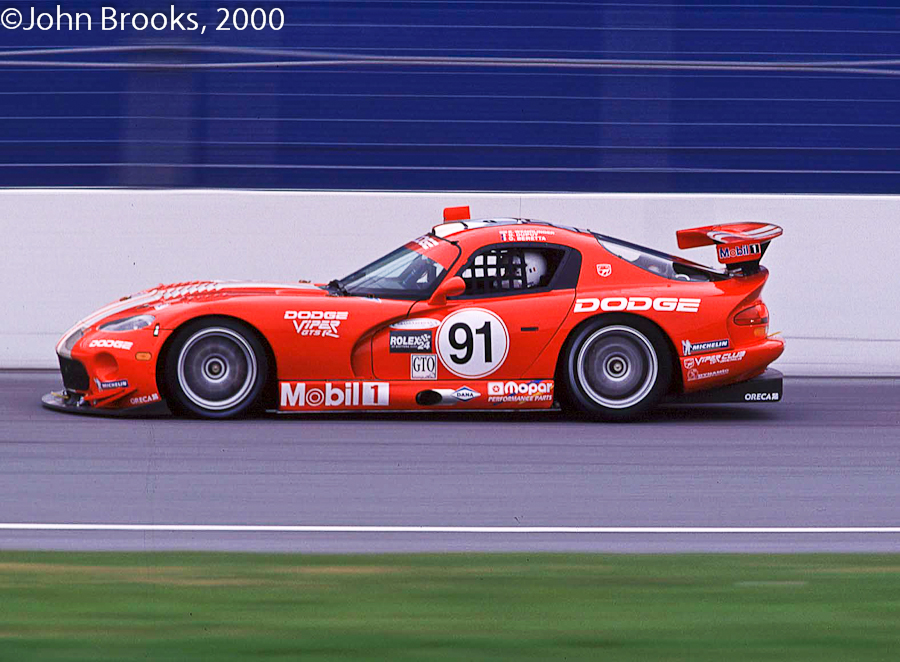
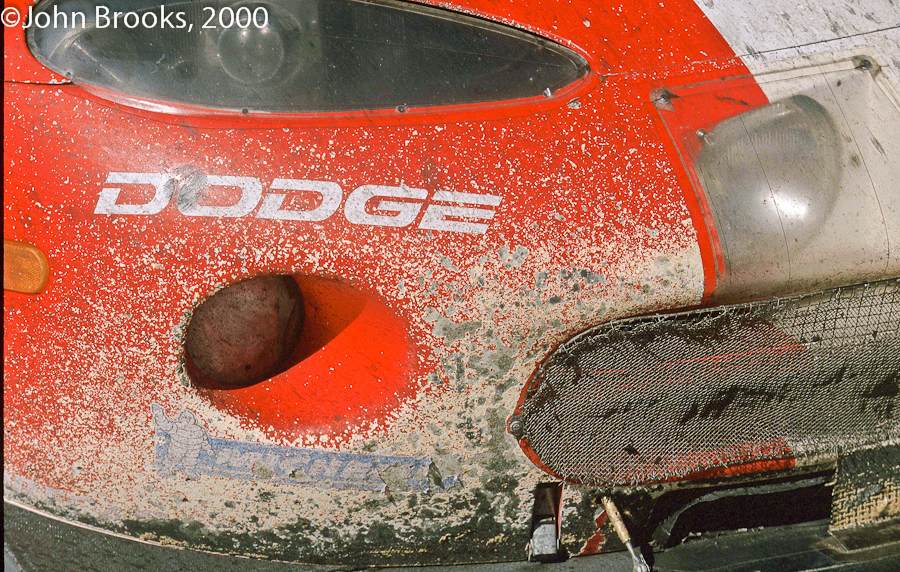
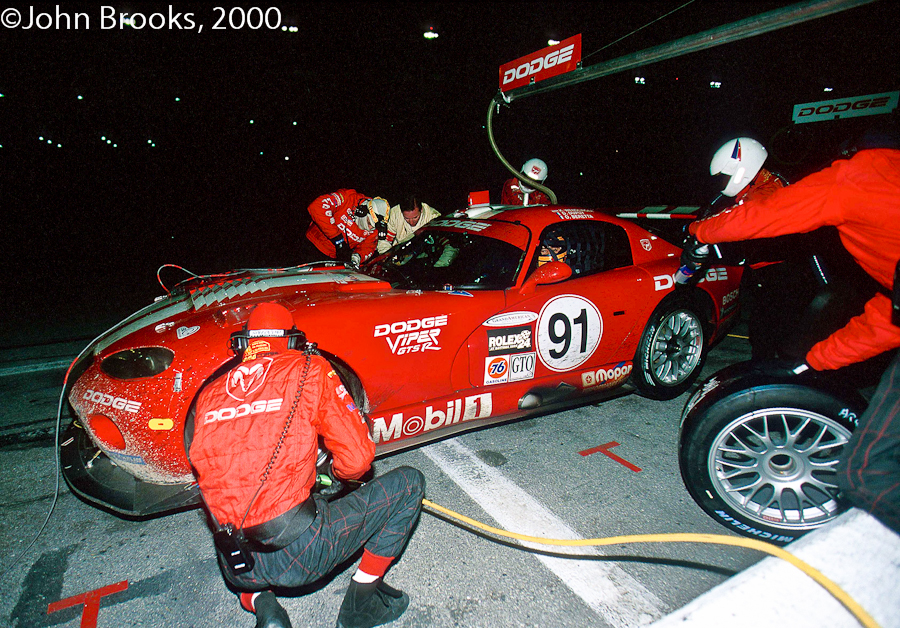
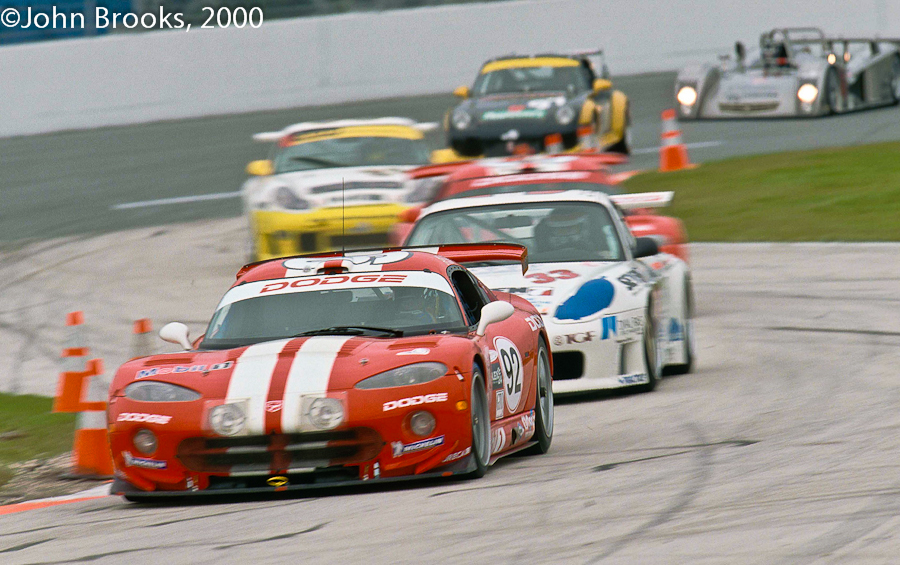
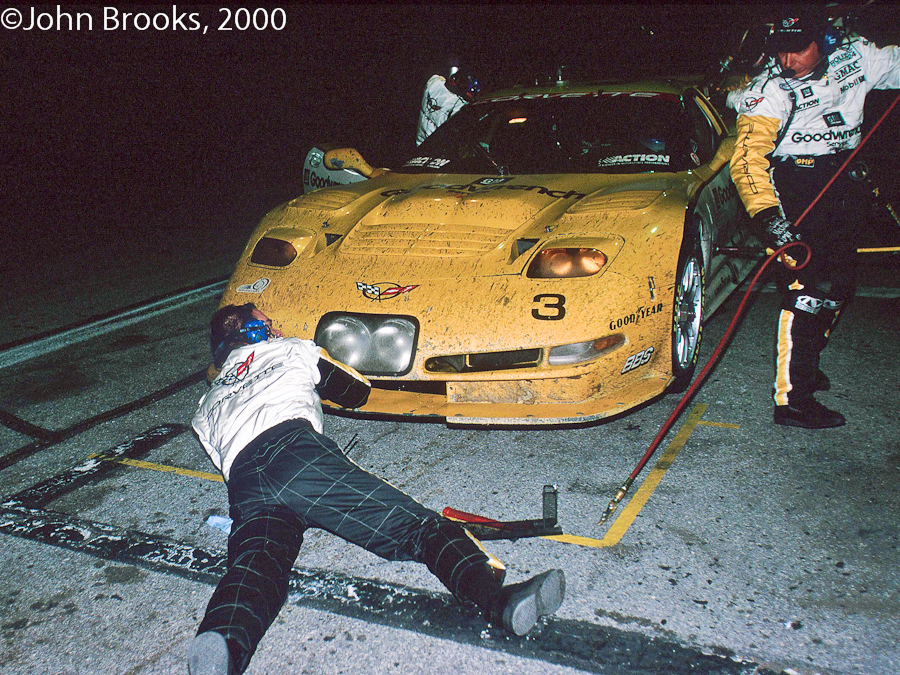
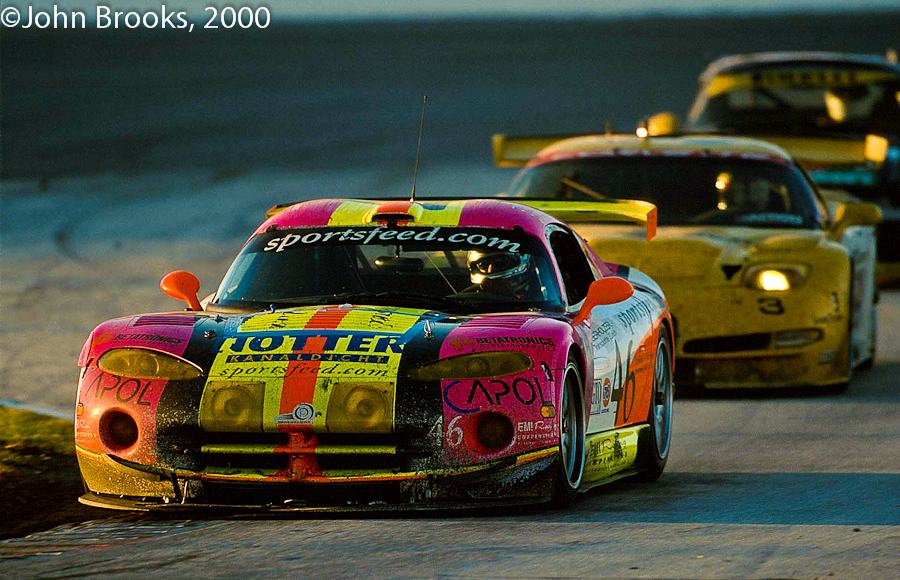
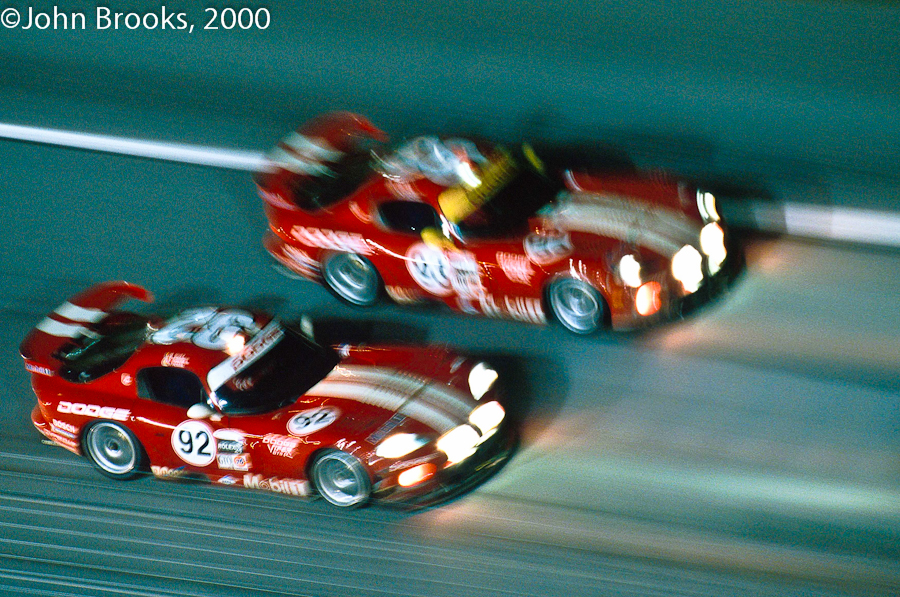
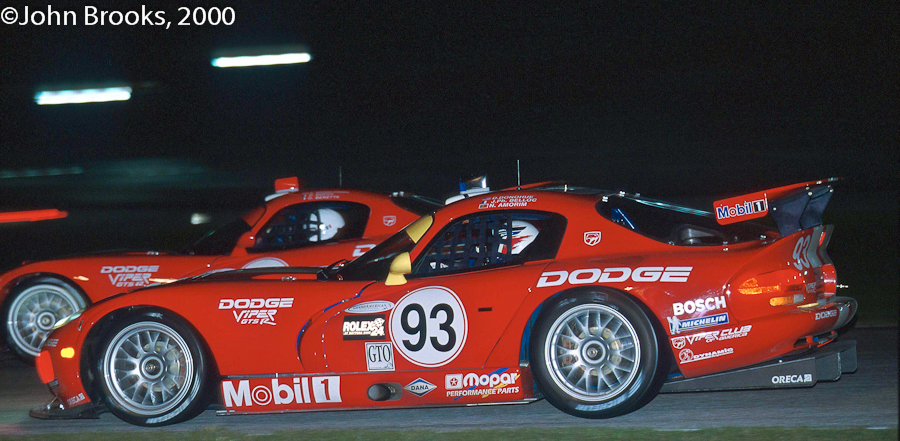
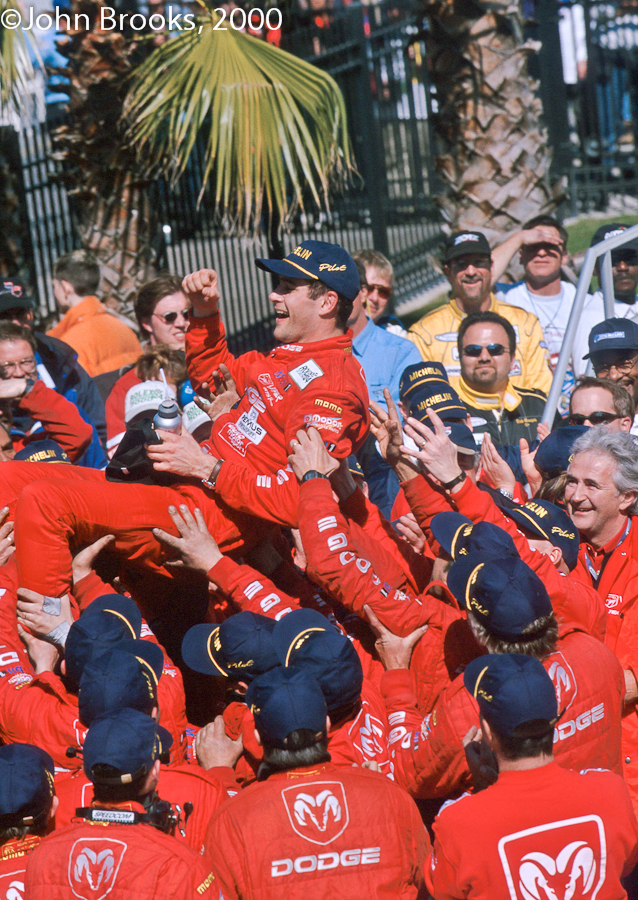
However the contest will go down in history as one of those that you were grateful to have witnessed. There was a titanic struggle between two motorsport heavyweights, ORECA with their armada of Dodge Vipers against fellow Detroit spinners, Pratt & Miller, fielding the mighty Chevrolet Corvettes. It went all the way to the finish and after 723 laps there was less than 30 seconds separating the Viper from the Vette. Compelling and hard fought by two great teams.

Rolex Seeker

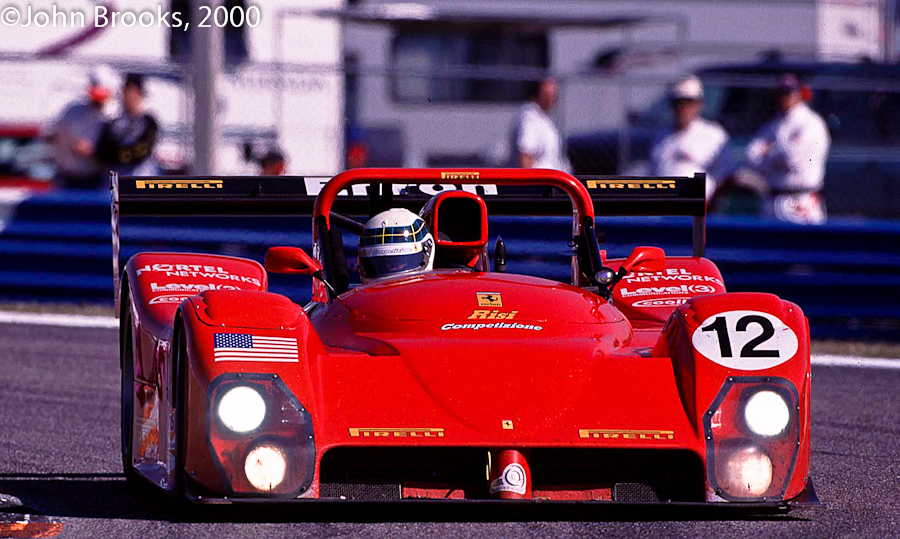
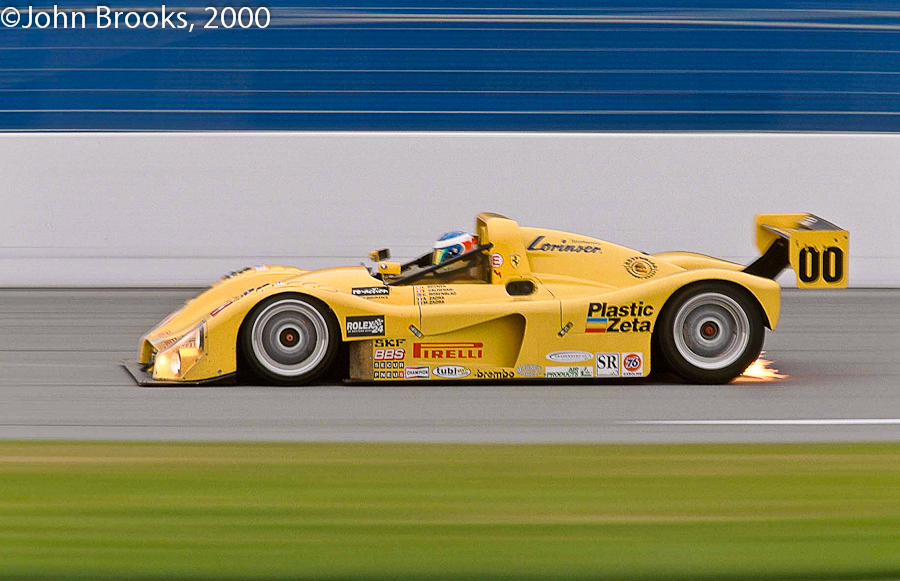
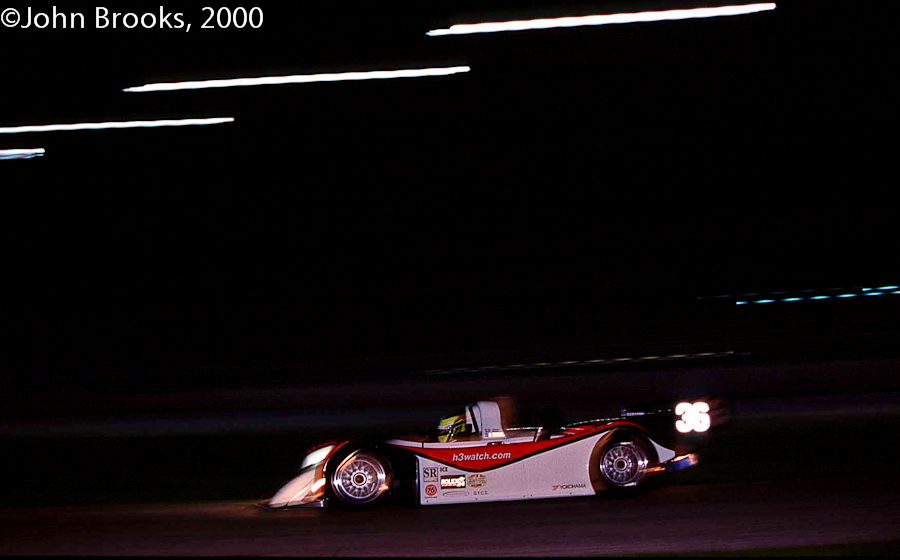
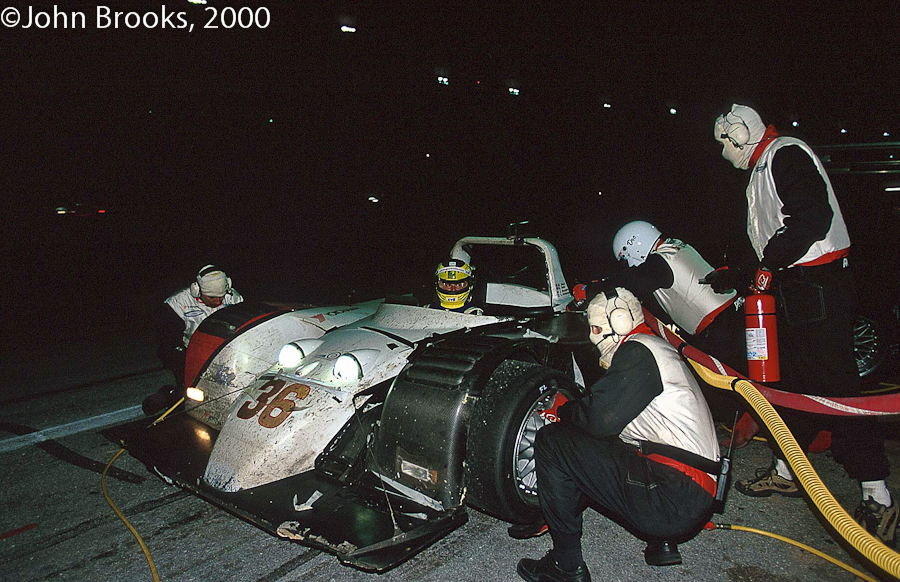
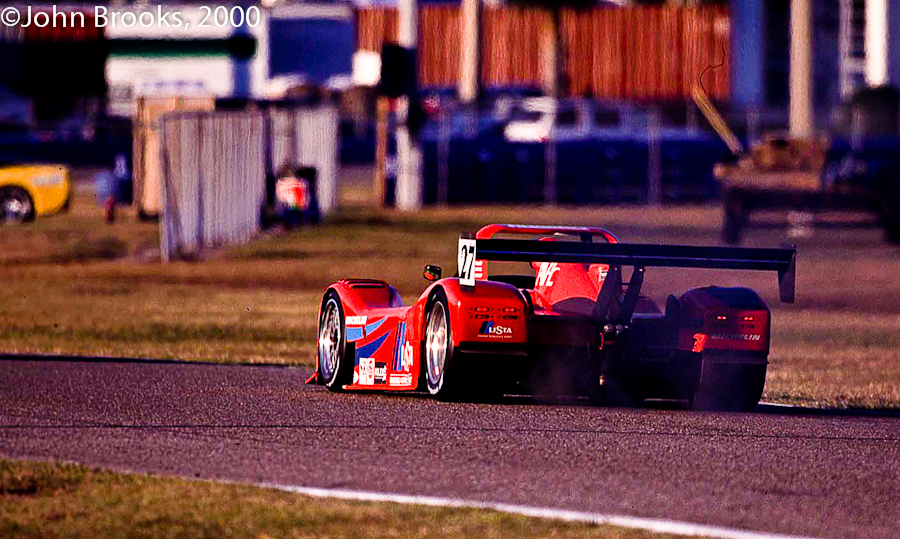
So a fantastic GT race then? Well no, there was a pretty handy bunch of prototypes heading up the grid, state of the art or so we thought. Well that theory was going to be blown out of the water in less than six weeks, when the Audi R8 would appear at Sebring. At a stroke the 333SPs and Rileys were all yesterday’s men, welcome to the 21st Century.

Wayne’s World

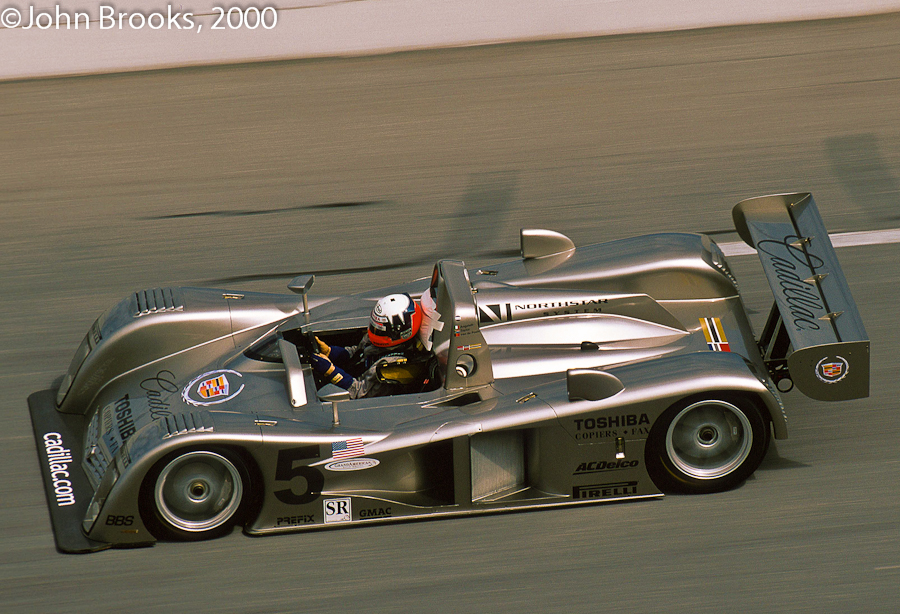
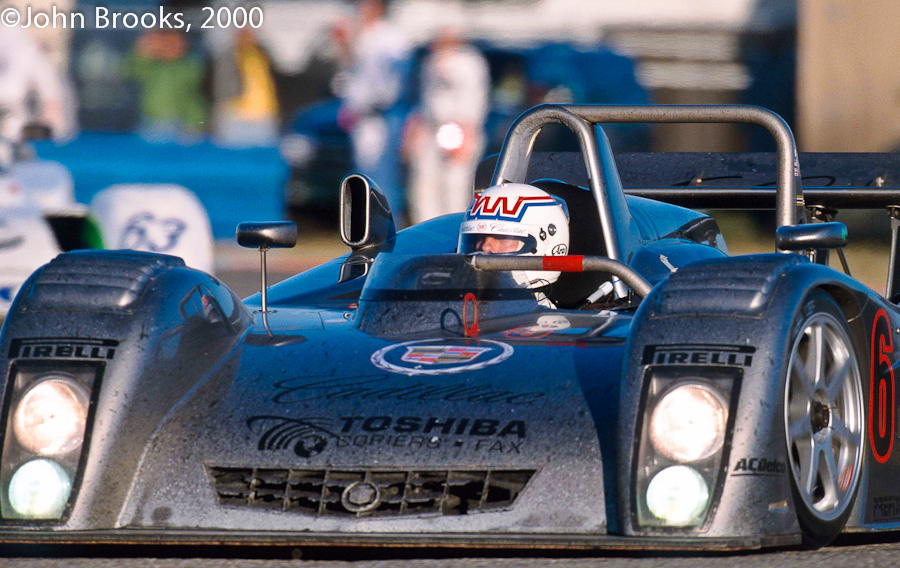
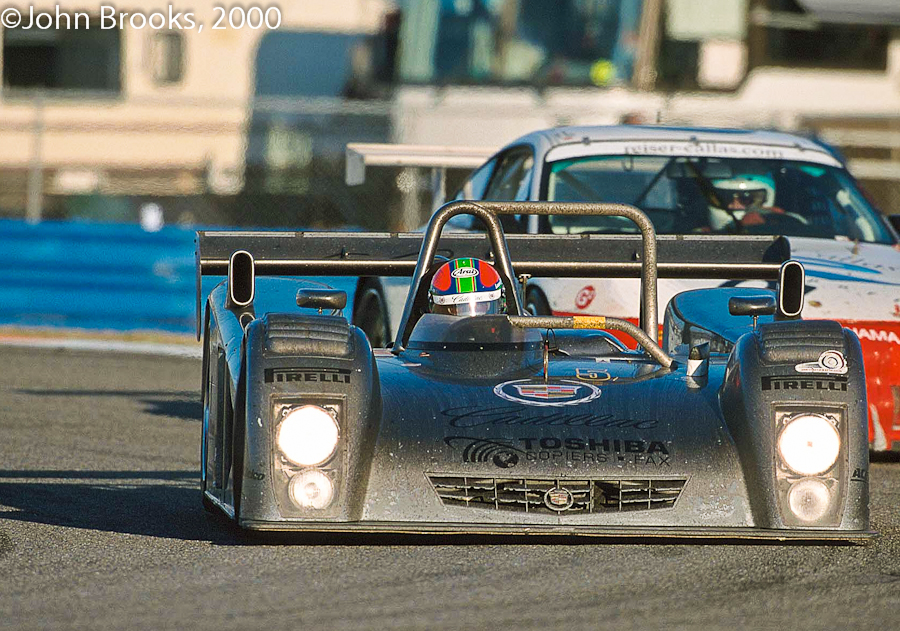
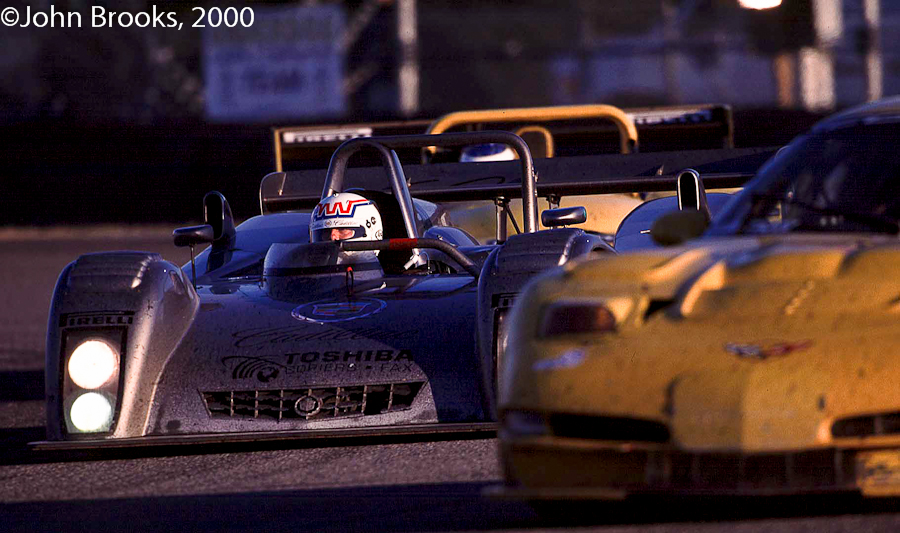
As if there was not enough Detroit goodness present in the GTO class, the race also saw the debut of the Cadillac LMP project. After 50 years away from the tracks there was new marketing thrust, “Art & Science” which would launch the brand on a path to develop their range to be the equal of the likes of Lexus and the German trio, Audi, BMW and Mercedes Benz.

Daybreak

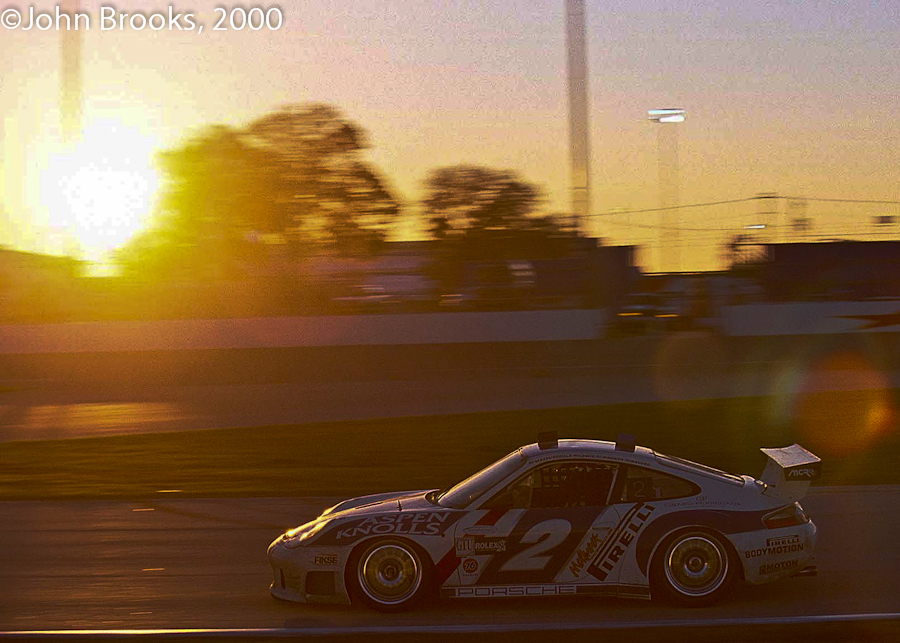
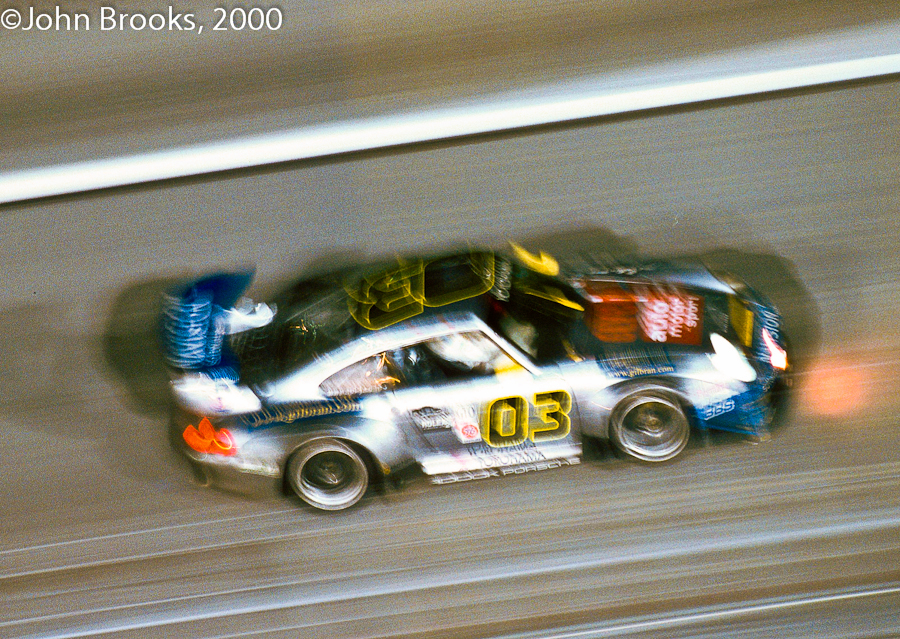
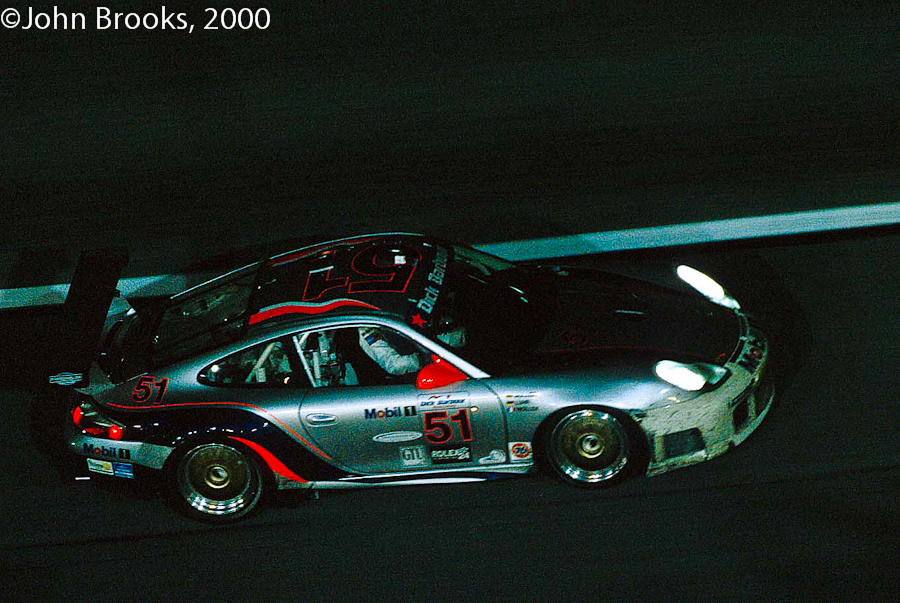
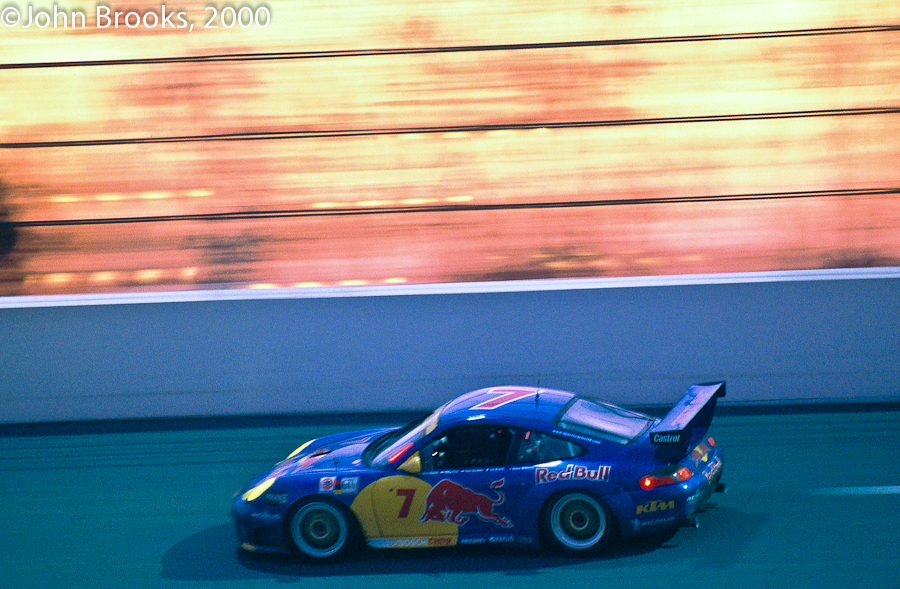
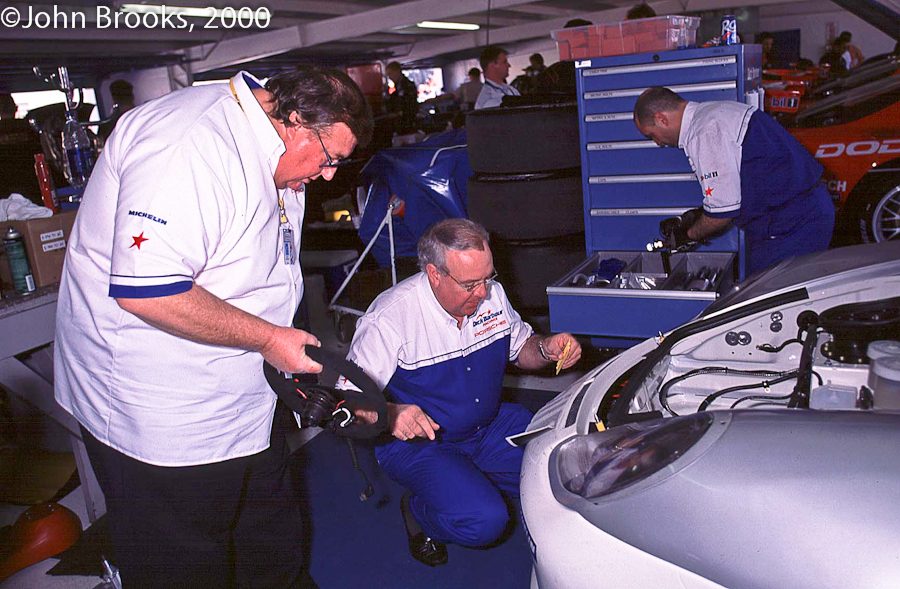
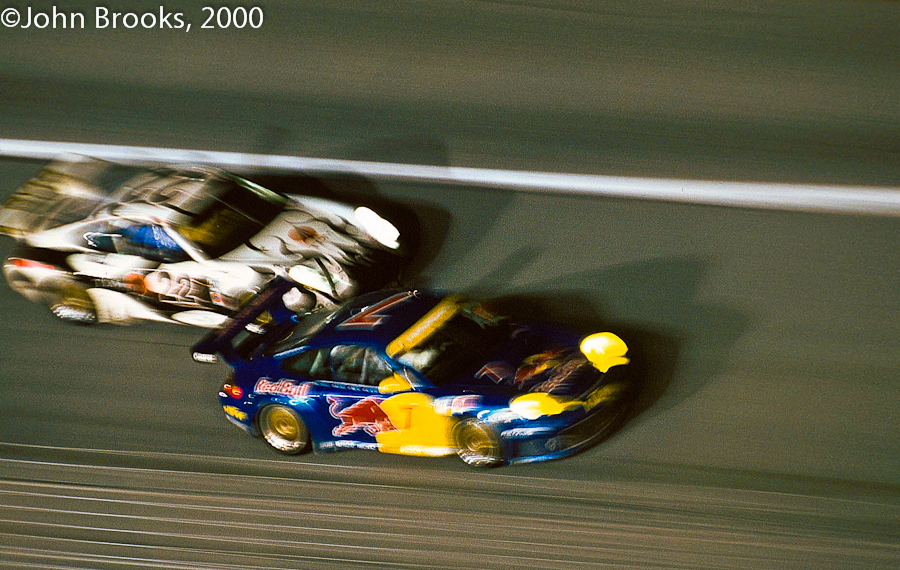
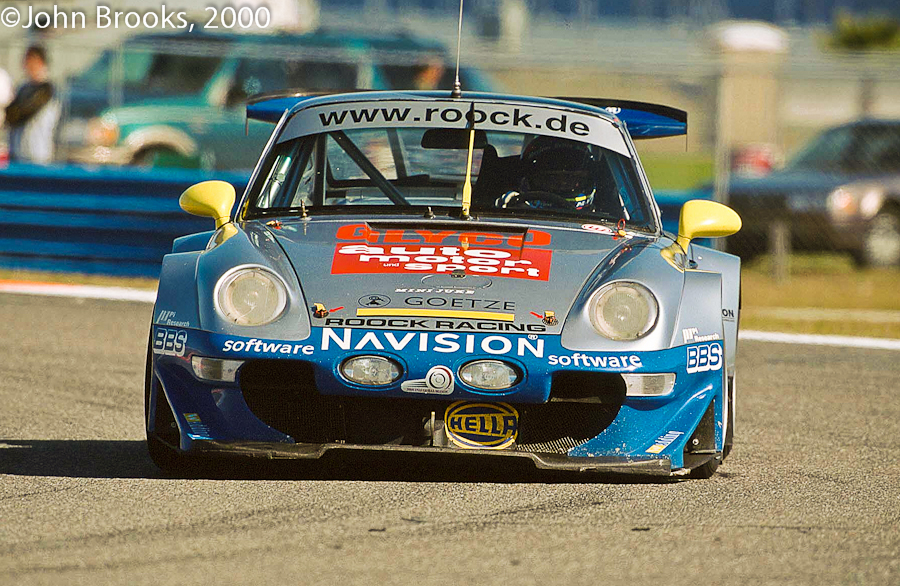
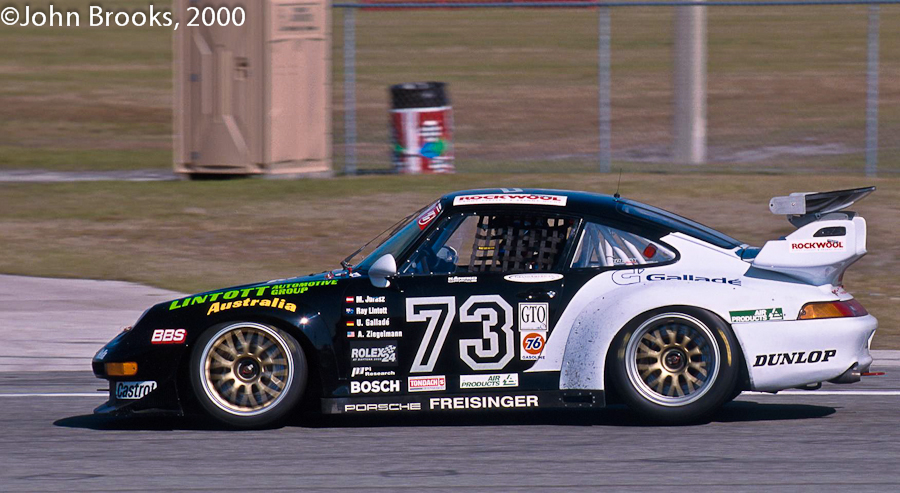
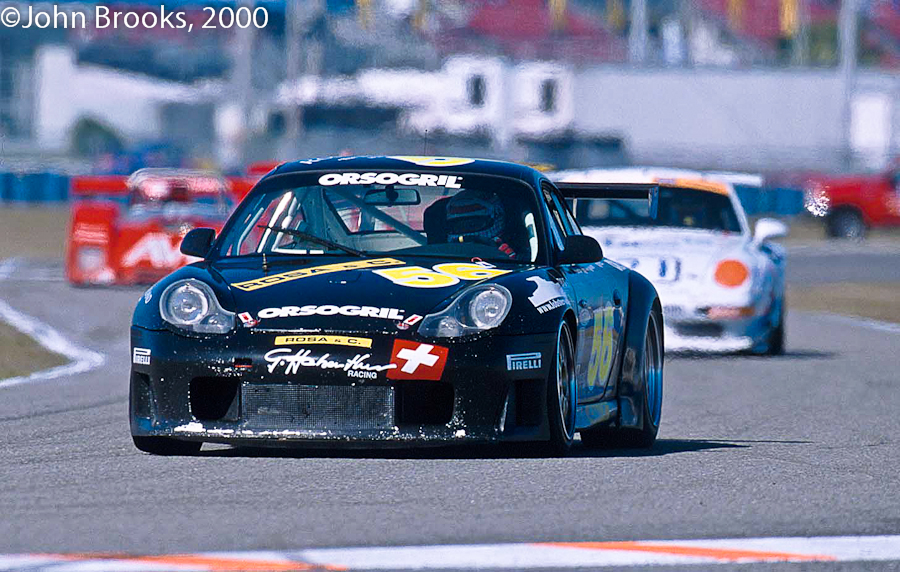
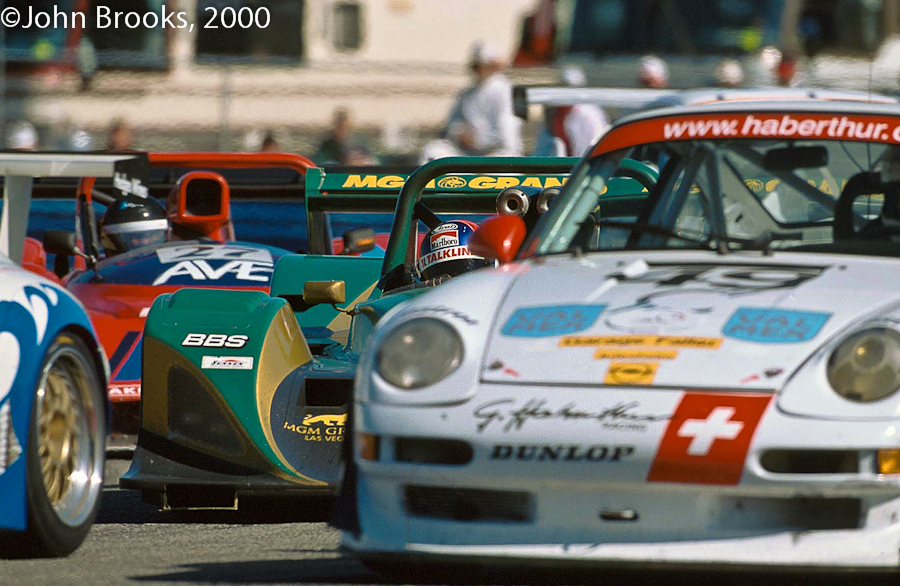
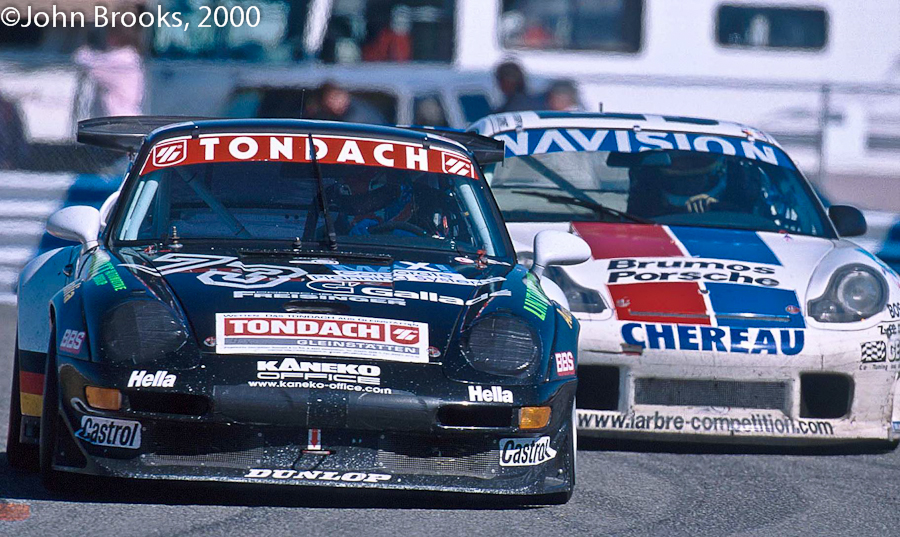
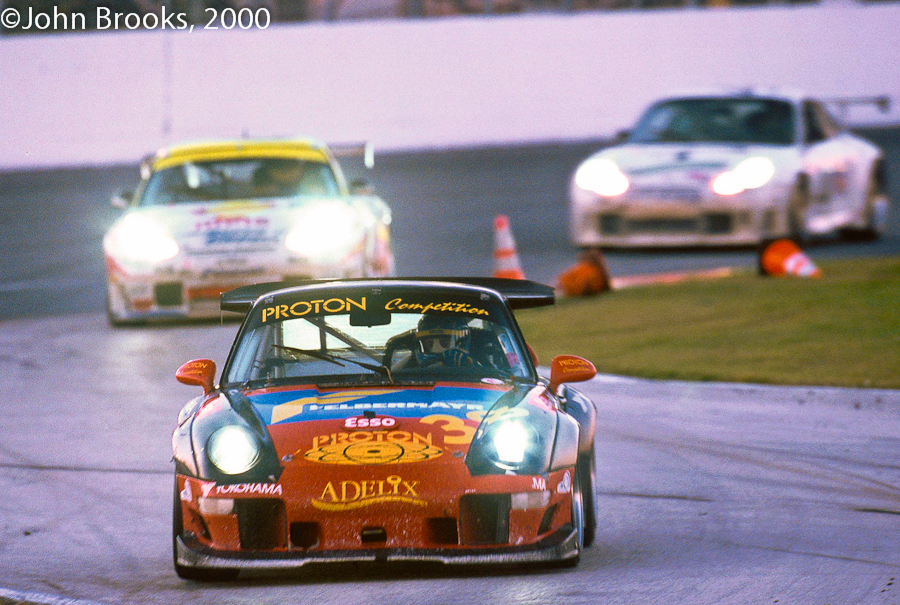
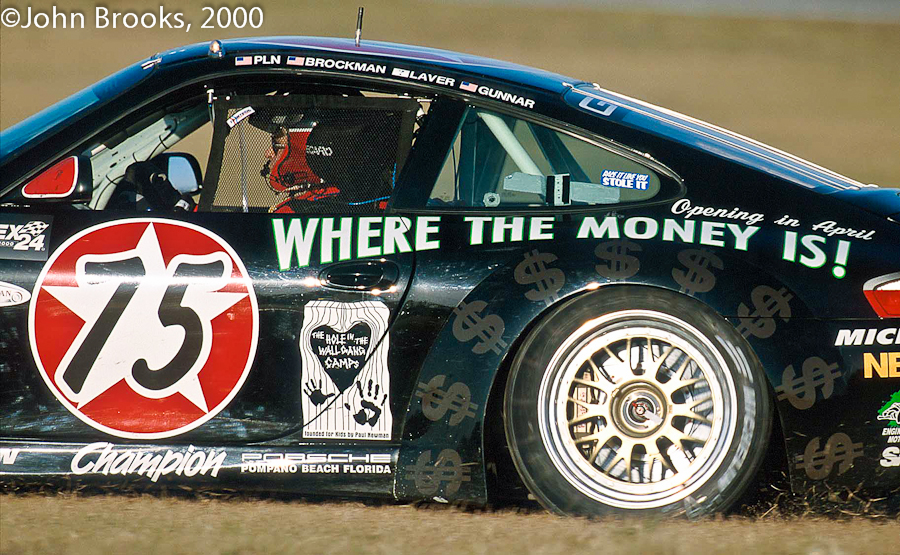
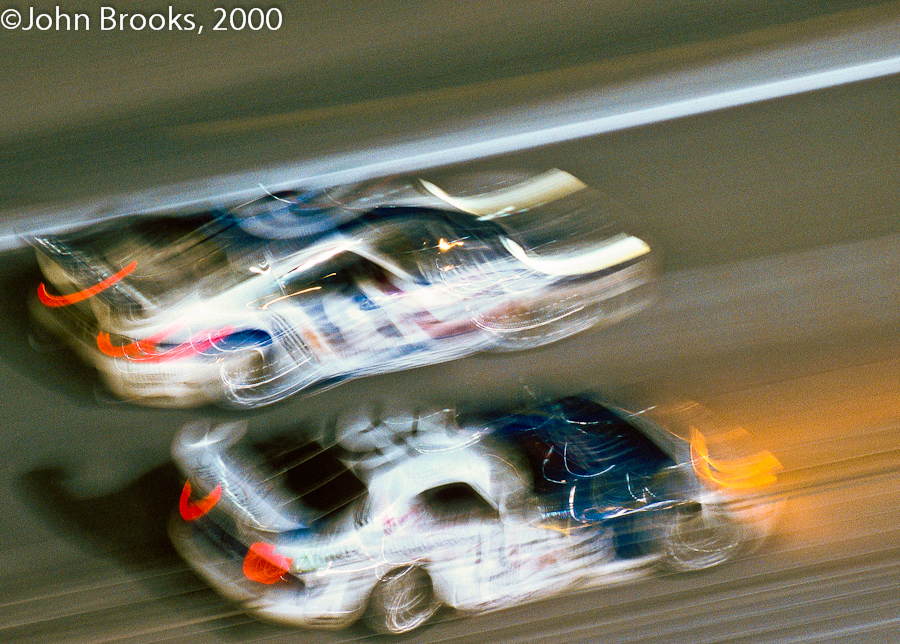
Perhaps even more significant in the long term was the debut of 23 examples of the Porsche 911 GT3R. The Porsche 911 has long underpinned GT Racing and here was their latest effort, their first water cooled racer. It demonstrated, that despite withdrawing as a factory team aiming for victory in classic races, that motorsport was still a core element in the Porsche DNA. The presence of movie star, Paul Newman, added lustre to the Porsche contingent, pity that the motto “Excellence Was Expected” seemed to have been forgotten as one by one water pumps and consequently engines failed. Inspection by flustered representatives of Weissach revealed that the sand used in the engine block casting process had not been cleaned out and the residue clogged the water pumps causing them to seize and the engines to go bang. Entries from Barbour Racing, Labre, MAC Racing, Racers Group, Skea, Seikel, MCR, PK Sport, Reiser Callas and Haberthur all retired as a result of this issue. Not good.

Blue Streak

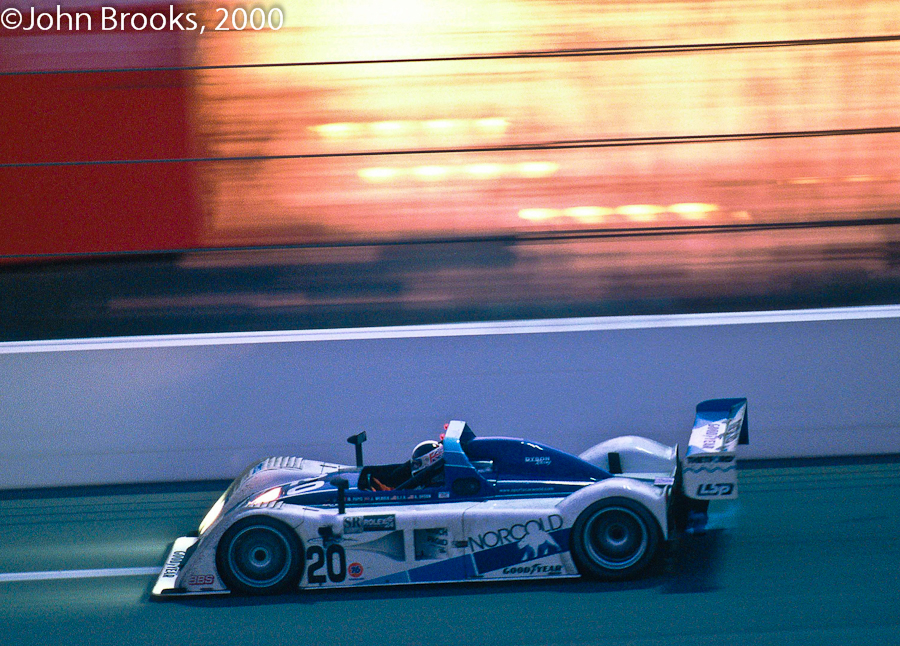
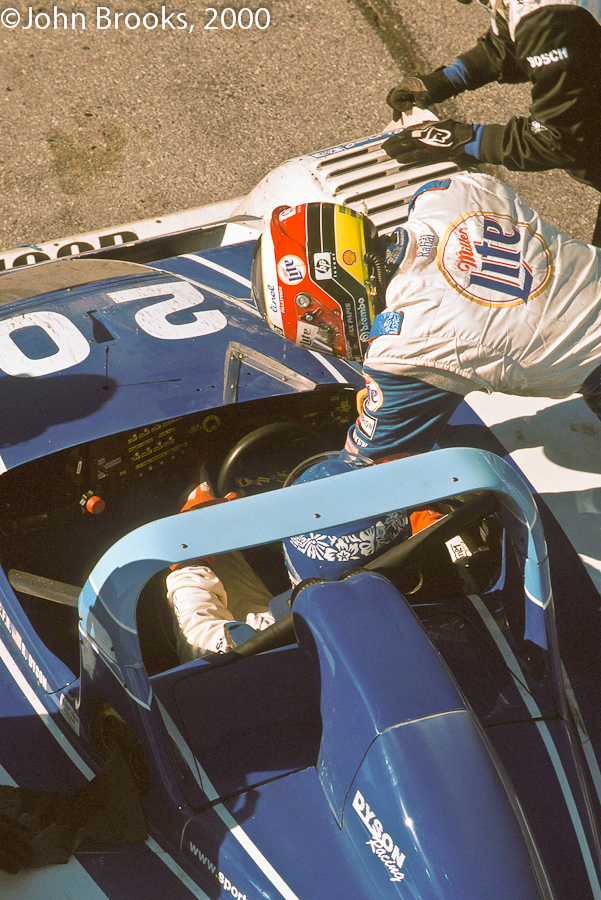
The race unfolded as, one by one, the prototypes struck problems until there just the Dyson Riley & Scott holding the two Detroit GTO outfits at bay. Then this leader slowed as well and was gradually caught by the pack of Vipers and Vettes.

Tres Amigoes

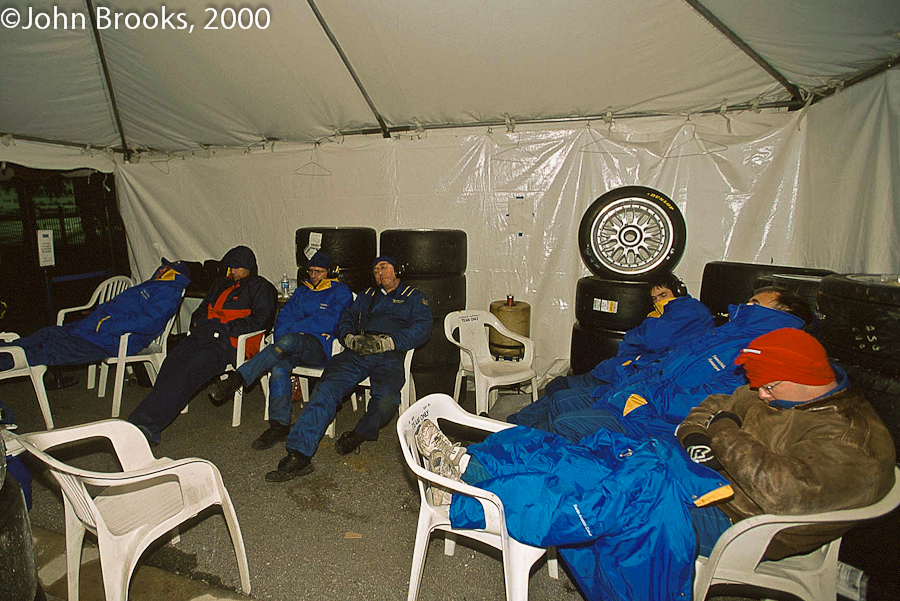
So that was how Grand Am’s first race played out, in absolutely freezing conditions by Florida’s standards, the combination of Gallic flair and American Muscle prevailed. Grand Am was launched in the best possible way.

John Brooks, January 2012.