It is safe to say that the Classic Car Season really kicks off when the Retromobile comes round.
Held at Pavilions 2 and 3 at the Parc des expositions, Porte de Versailles, Paris, the Retromobile has grown in stature and importance, as well as size, reflecting, perhaps, the general rising level of interest in automotive heritage.
The Show is a cocktail of many ingredients, from the flea market to the top dealers, car manufacturers to the car clubs, enthusiasm abounds and there is much to see for even the casual visitor, let alone the dyed in the wool enthusiast.
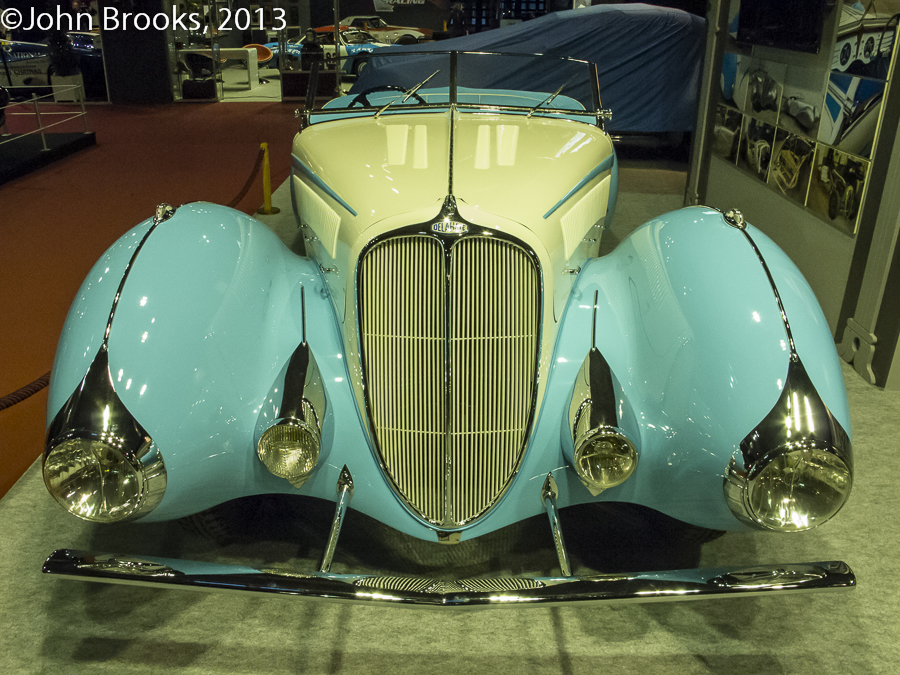
This Delahaye is typical of the quality that was found throughout the Retromobile.
Despite the difficult trading conditions that prevail in Europe’s car market, especially for the French, there were prominent stands from Peugeot, Citroën and Renault, the latter having a well designed circular effort with the stars being
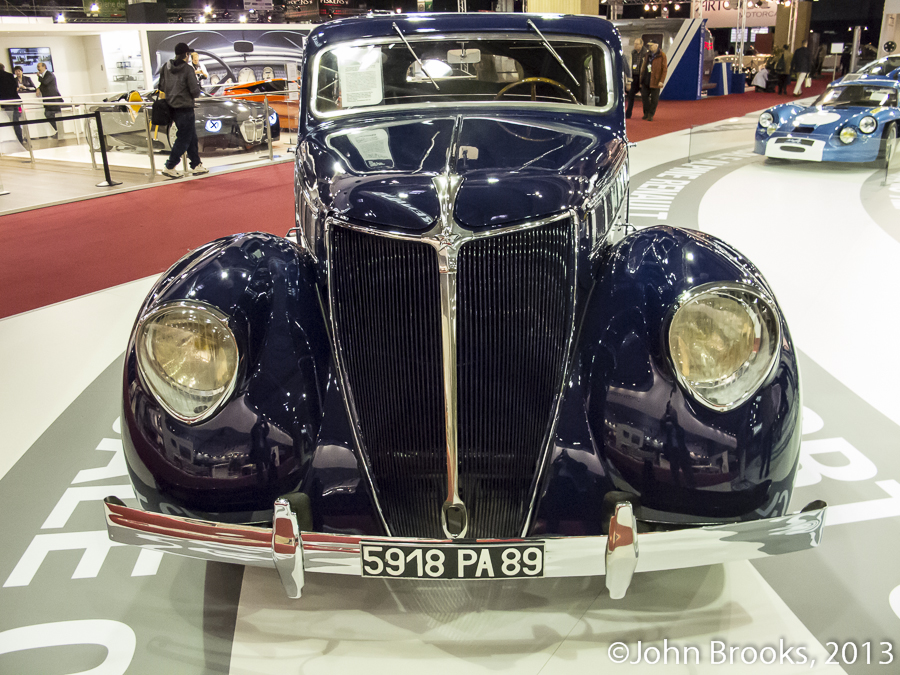
a 1937 Renault Nerva Grand Sport
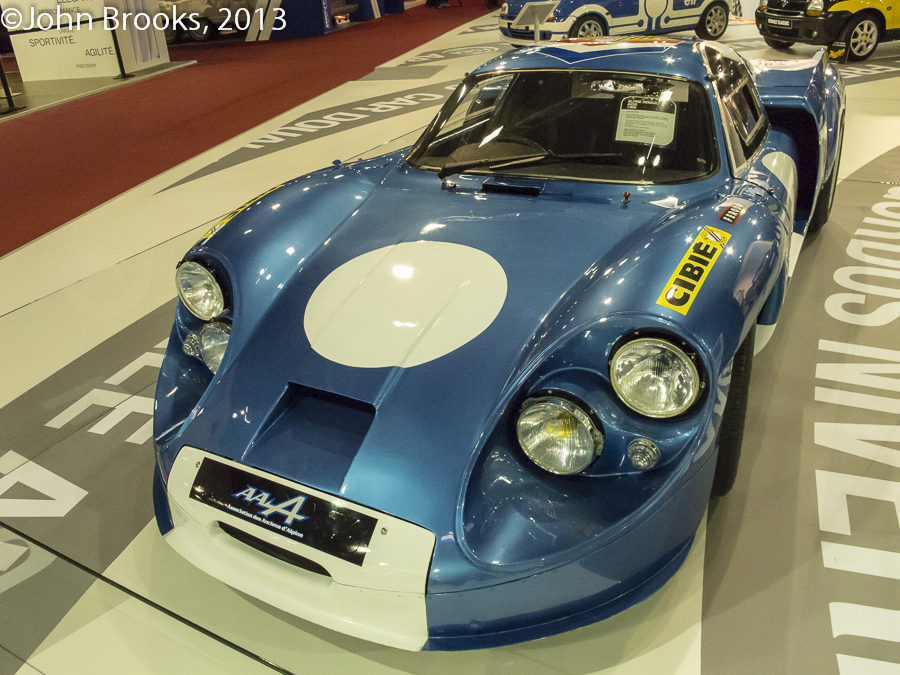
and, from 1968/69, an Alpine Renault A220 that ran at the Le Mans 24 Hours.
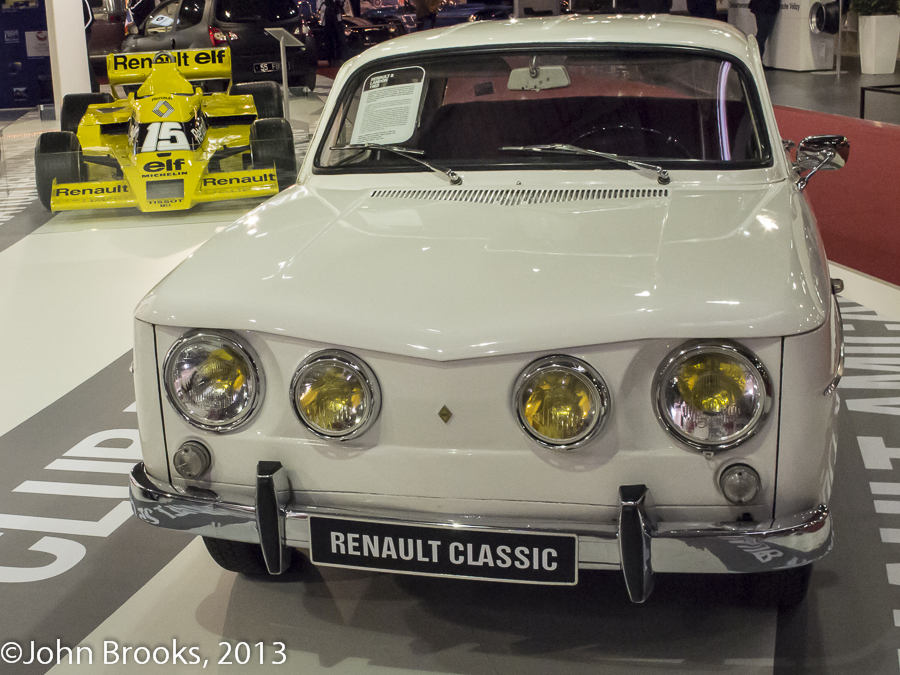
I also liked the contrast between the Renault 8 and Renault’s first modern day F1 car.
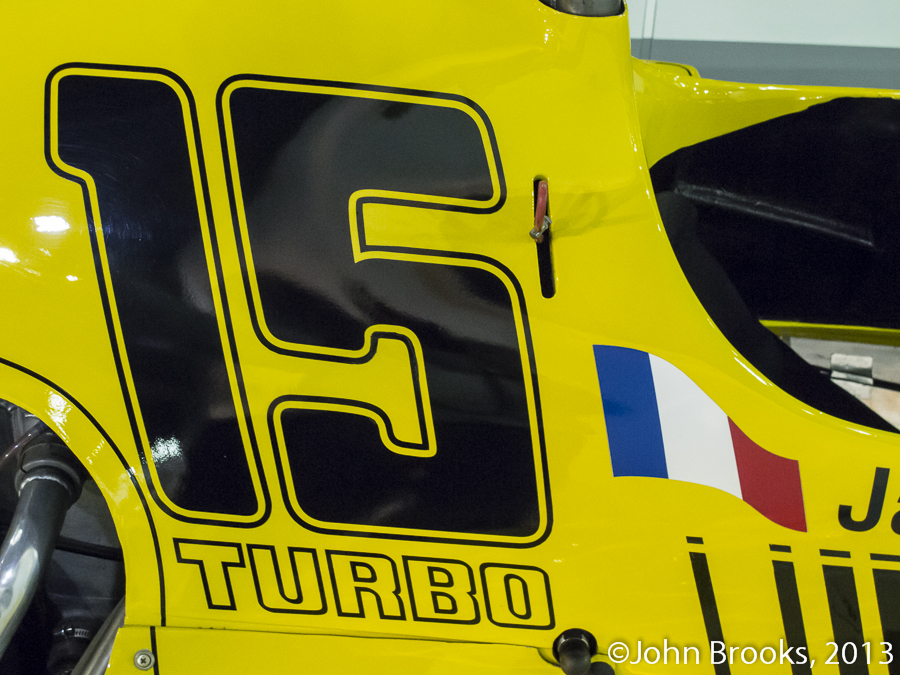
The 70’s graphics are still striking.
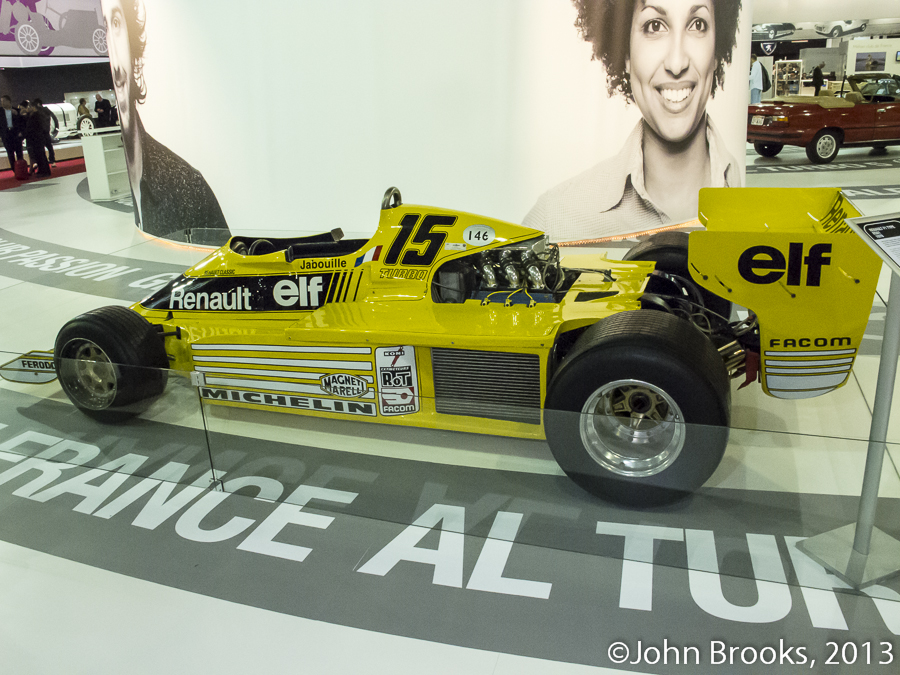
I witnessed the Renault RS01’s first race at Silverstone in 1977, the turbo era had arrived, though we did not appreciate it that day. We were more concerned with James Hunt and John Watson, and some crazy Canadian, Gilles Villeneuve making his debut.
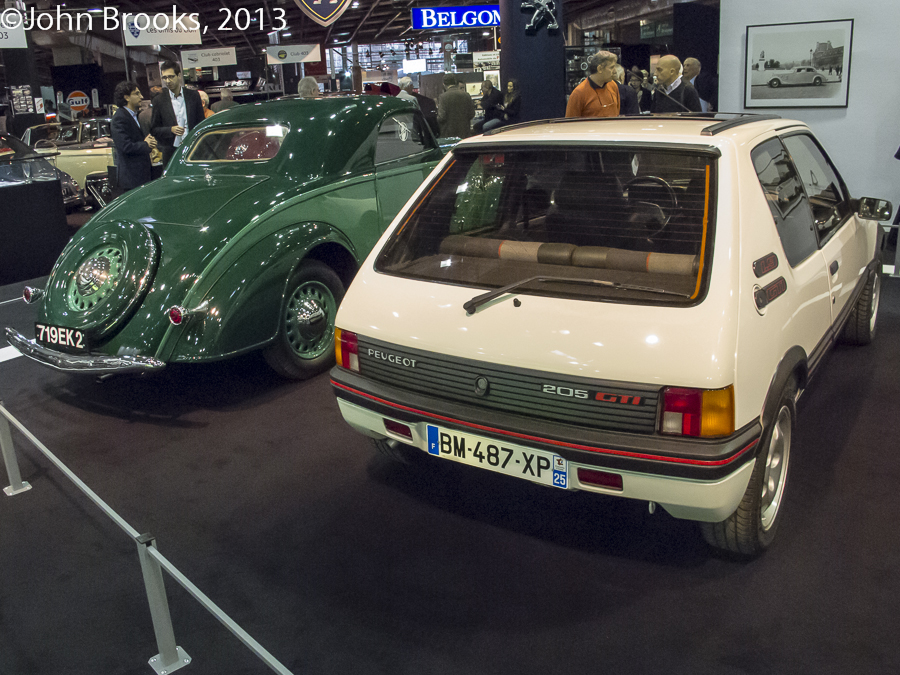
As with every show, anniversaries and birthdays are celebrated, any excuse and the Retromobile was no exception. So 30 years of the 205, one the quintessential hot hatches, was a focus on the Peugeot stand.
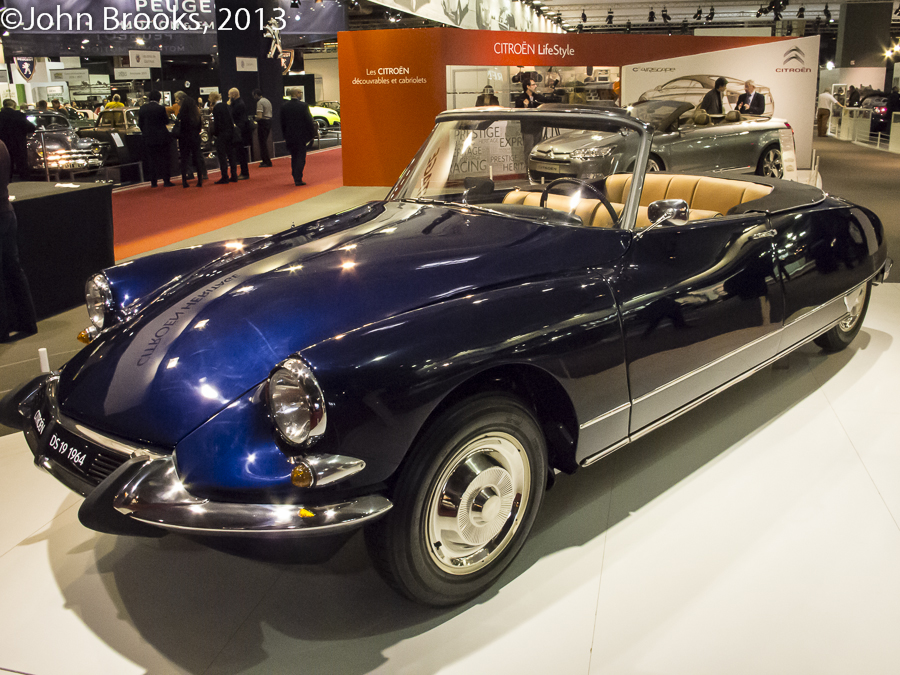
Citroën’s DS19 did not have any obvious celebration to make, except being about as Gallic as is possible for a car. There were many fine examples of this ground breaker to be seen.
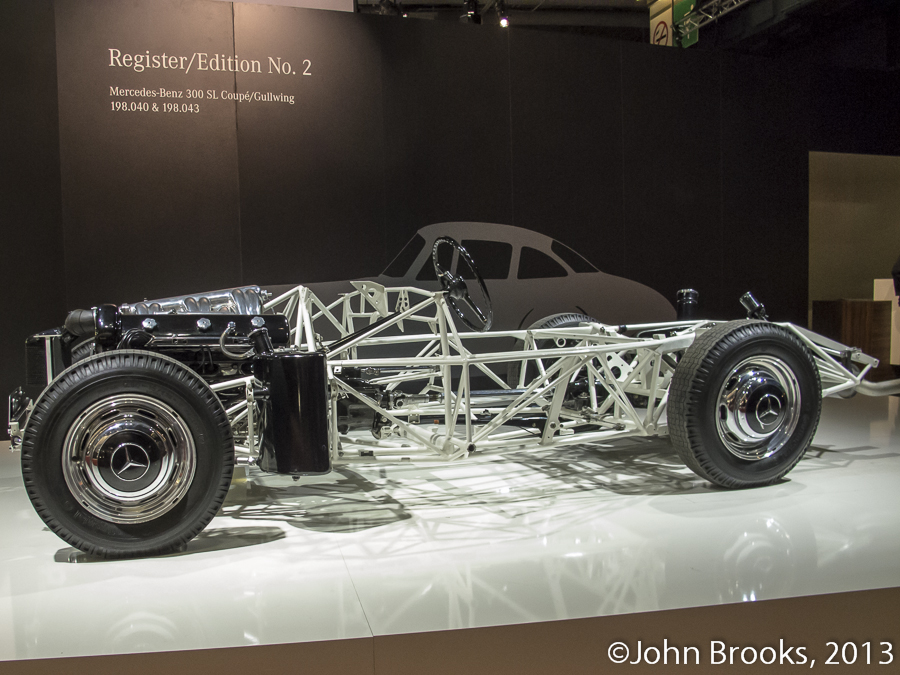
The Germans occupied a big slice of Parisian territory with one of the show’s highlights being the Mercedes-Benz stand.
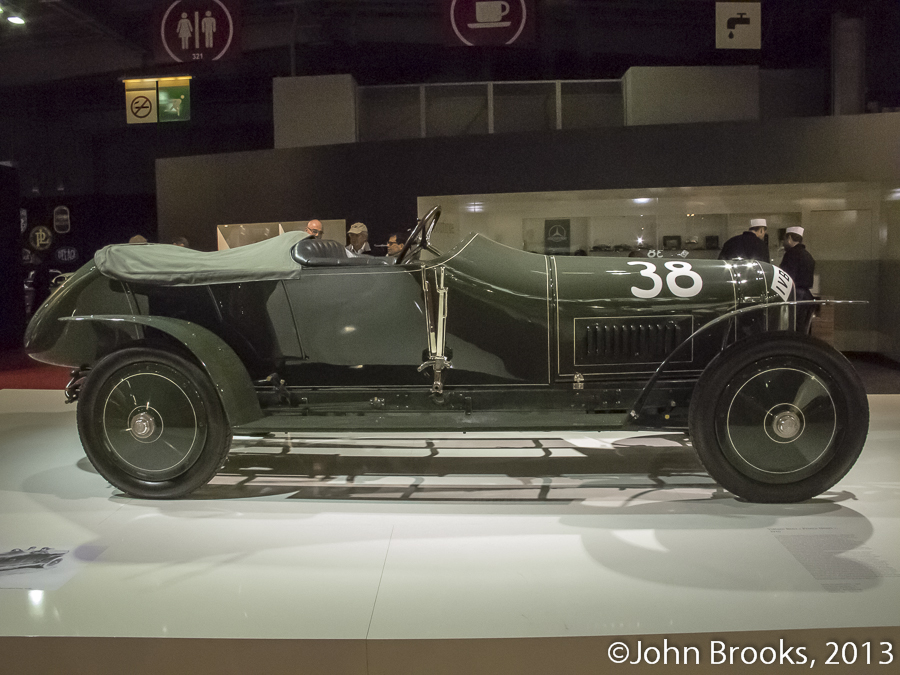
Leading the fine selection of Mercedes rarities was a joint exhibition with the Louwman Museum of the pair of recently restored Prince Heinrich 1910 Benz. The pair of cars had left in store room for decades, and recognising the importance of these cars, the two organisations decided to pool their efforts at restoration.
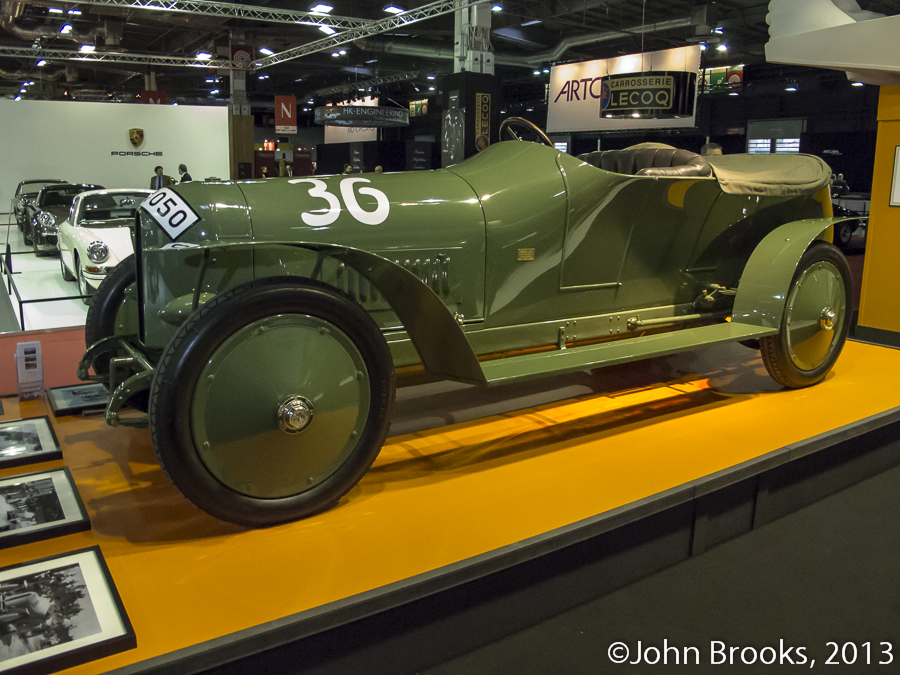
“Since the beginning of the twentieth century, a large number of car races have taken place in Europe. Sons of wealthy families and rich sportsmen were the main competitors. One of these races was the Prince Heinrich, named after a keen sportsman who was the brother of Kaiser Wilhelm II. It was restricted to four-seater touring cars.”
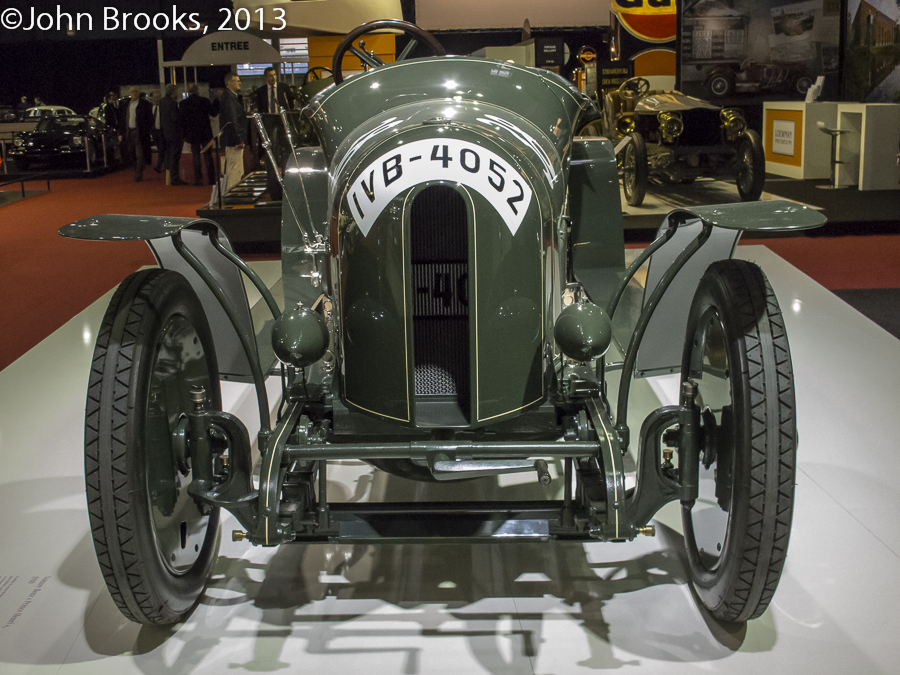
“On 10 June 1910 no less than 10 Benz cars took part in a 1,900 kilometer race across Germany and part of France. They had 80HP and 100HP engines with lubrication pumps, drive shaft transmission replacing the old chain system, and elegant ‘tulip’ bodywork. A month later, some of these cars took part in the ‘Kaiser Nicolas’ race in Russia covering 2,800 kilometres in eight days.”
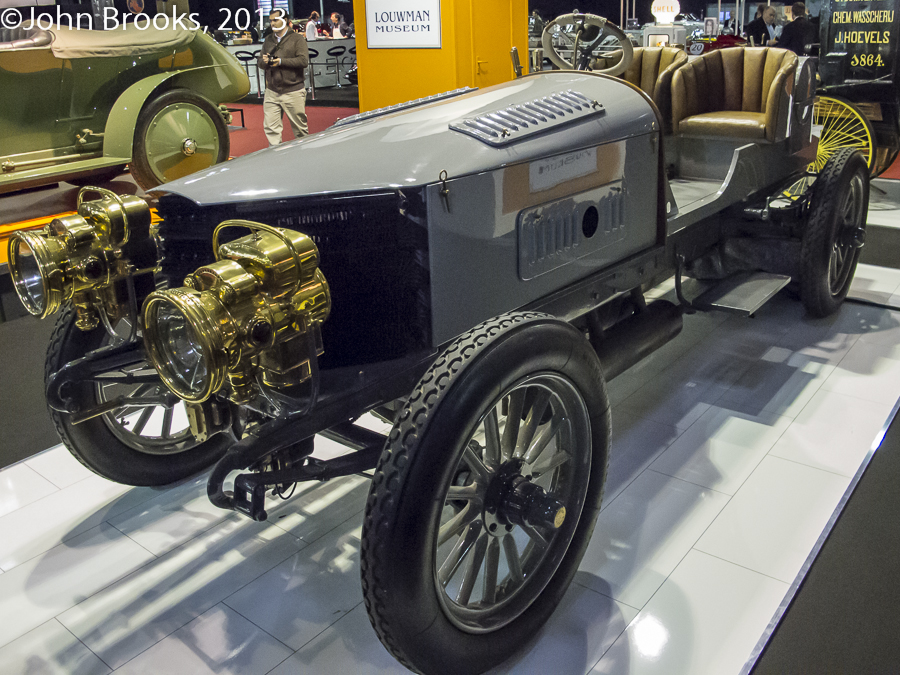
Speaking of the Louwman Museum, they had as a companion to the Benz a 1903 Spyker as they describe it. “This was the first car in the world to be equipped with a six-cylinder engine, and the first petrol-driven car with four-wheel drive and all-wheel brakes. This Spyker 60-HP is therefore one of the most significant cars in motoring history.”
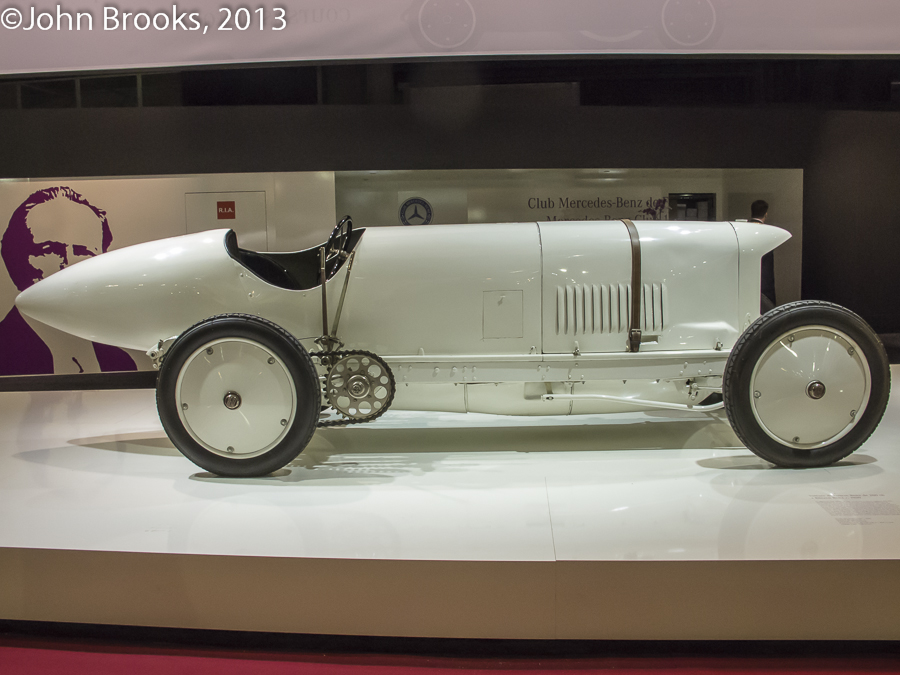
Rounding off the display of Mercedes Benz’ rich heritage was the “Blitzen Benz”.
“One of the key goals in those early years of the 20th century was to break the then magic speed barrier of 200 km/h. Benz was the first company to do so, with a petrol-engine automobile: the 200 hp racing car took to the track at the Brooklands circuit in England in 1909, achieving an average speed of 202.7 km/h. This record-breaking racing car, with its massive four-cylinder engine, would however go on to achieve its greatest successes in Florida, USA. In 1911, Bob Burman reached the amazing speed of 228.1 km/h on the sand track at Daytona Beach, so making the “Lightning Benz”, as the model became known in the US, the fastest vehicle in the world – faster even than any aeroplane or train. It was a record that would remain unbeaten for eight years.”
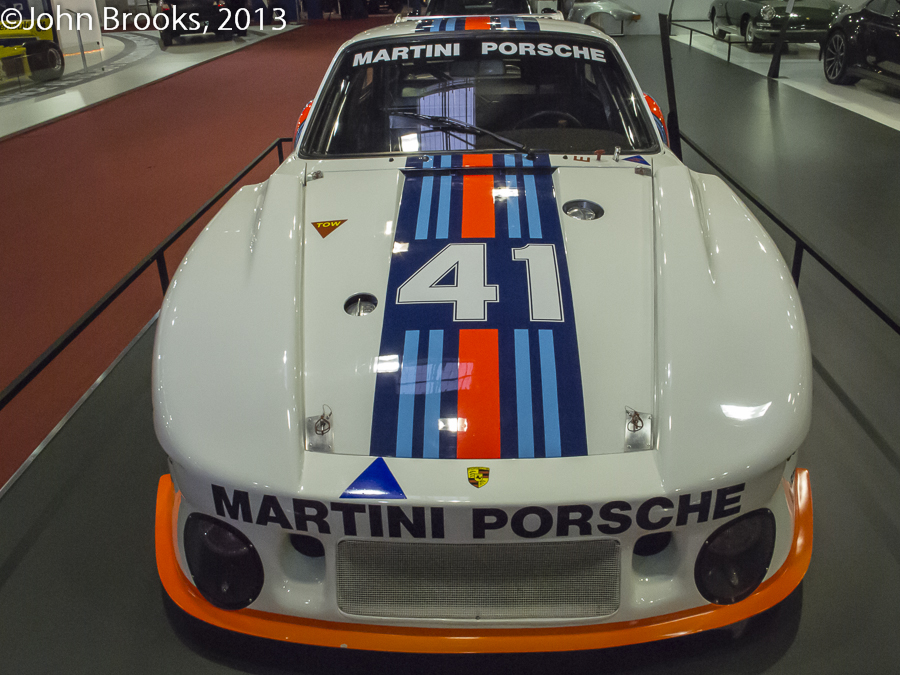
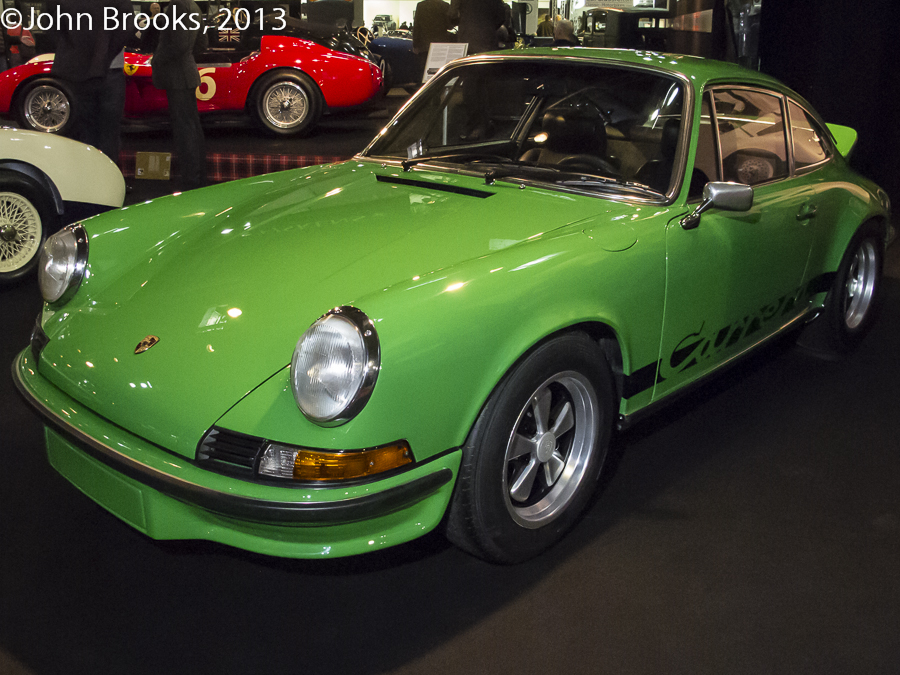
Porsche began the first of many celebrations of the 50th anniversary of the 911 with a fine selection of examples of the model through the years. Yes I know it’s a 935…………….
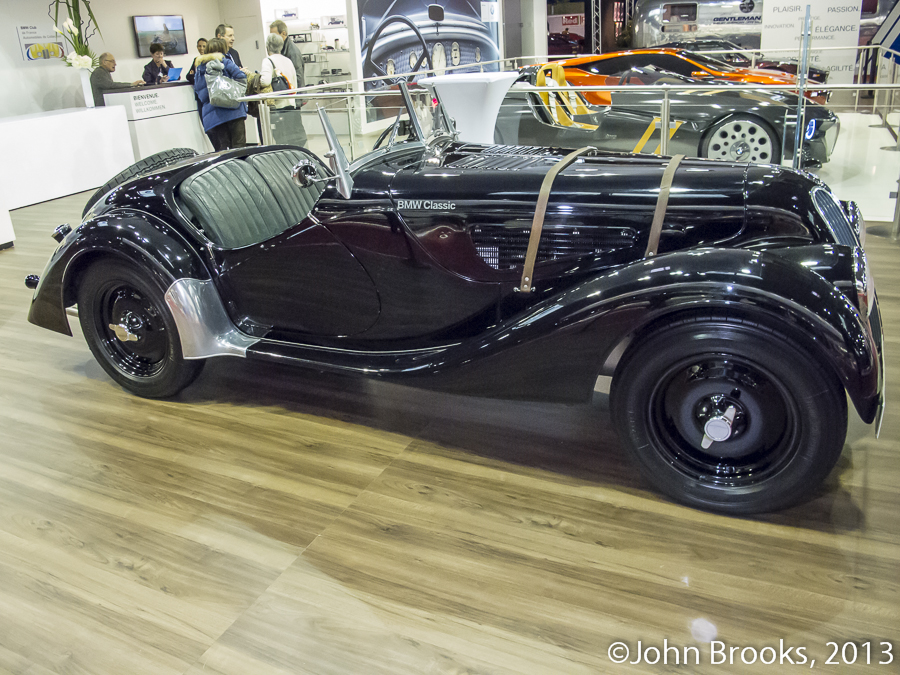
BMW’s stand was frankly disappointing with some strange concept cars paying homage to the 328 and the M1, must have sounded better on paper than it looked in reality.
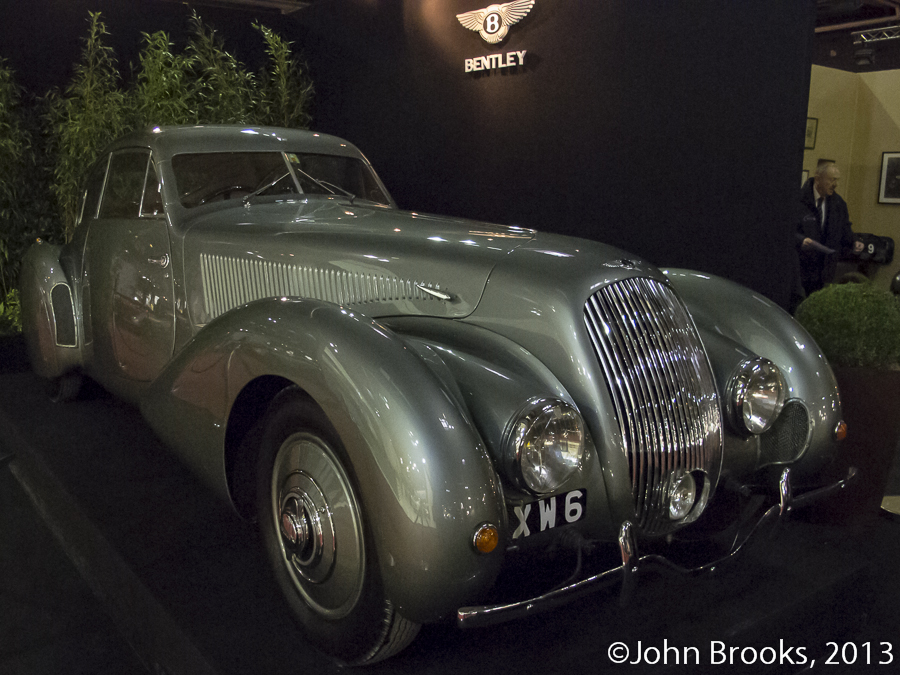
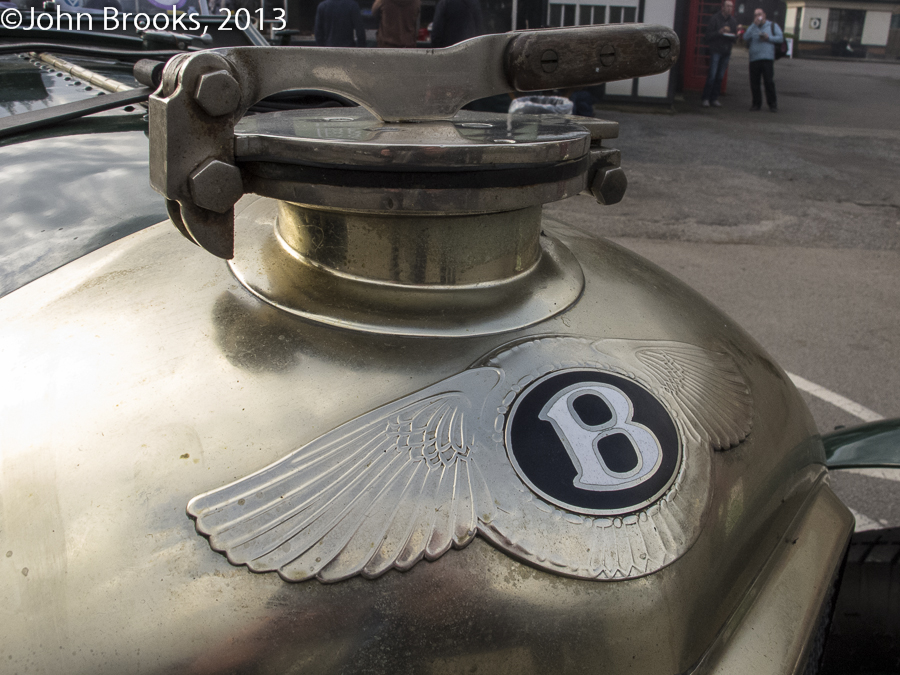
Bentley had a small stand with the amazing Embiricos 4¼ Litre Pourtout Coupé on display, the impact of this important car only slightly diminished by obscure location and lighting of the stand. This will be the last appearance of this Le Mans’ veteran on this side of the Atlantic for a while.
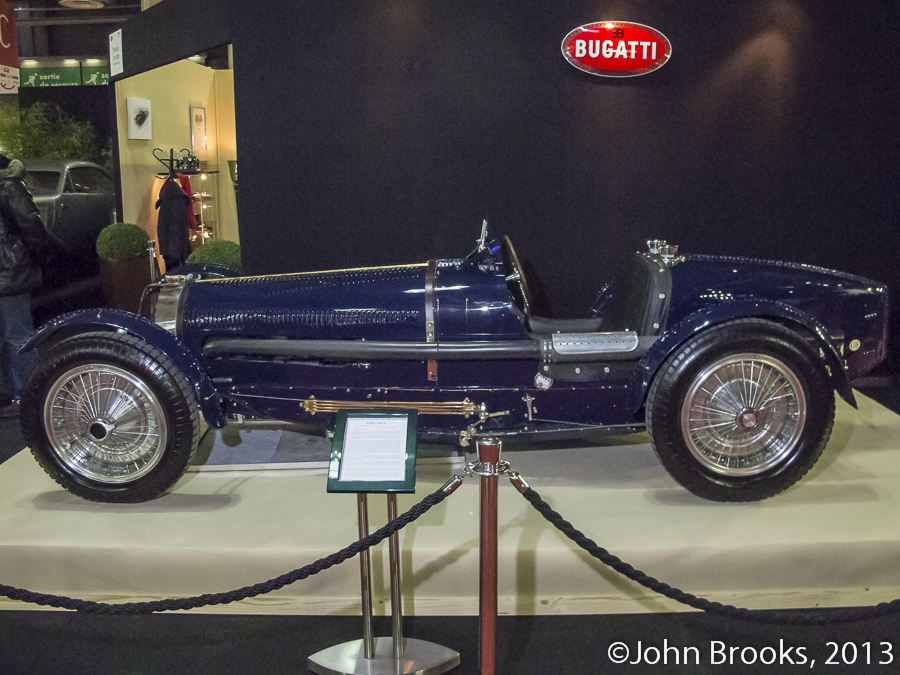
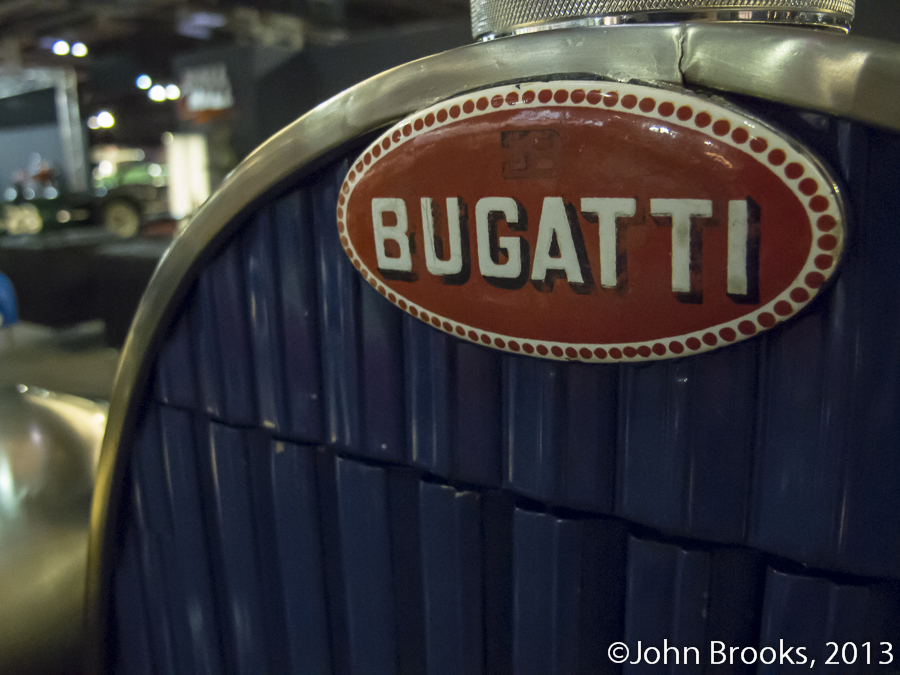
Sharing with the men from Crewe were fellow VW Group members, Bugatti, who brought out a Type 59 Grand Prix racer from 1934. I drew encouragement from the fact that it sported a tax disk, meaning that someone drives it on the UK roads.
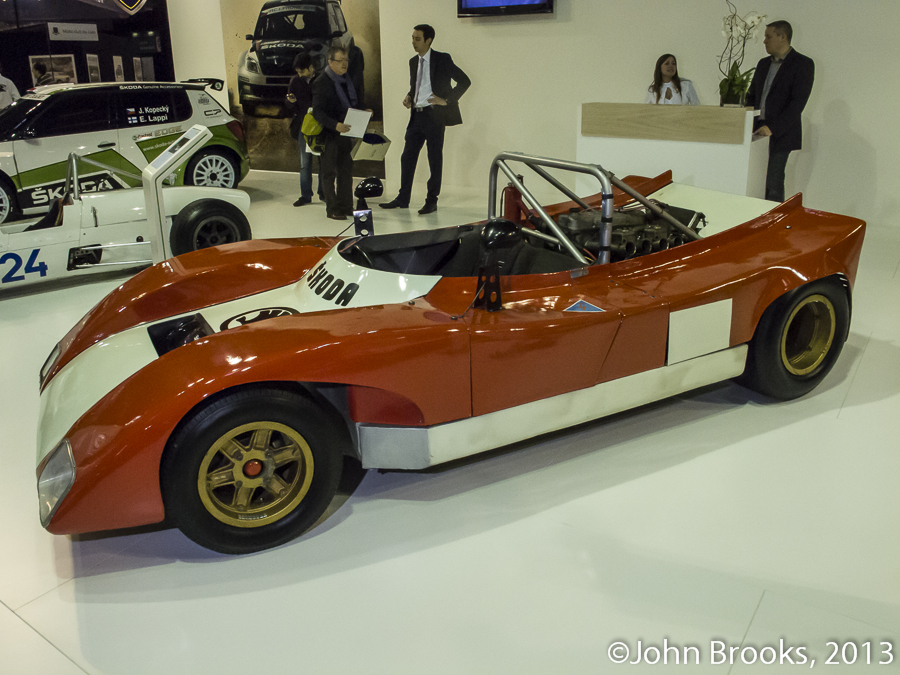
Skoda displayed an interesting array of rarely seen competition cars dating back to the 60’s including this sports prototype, the 720.
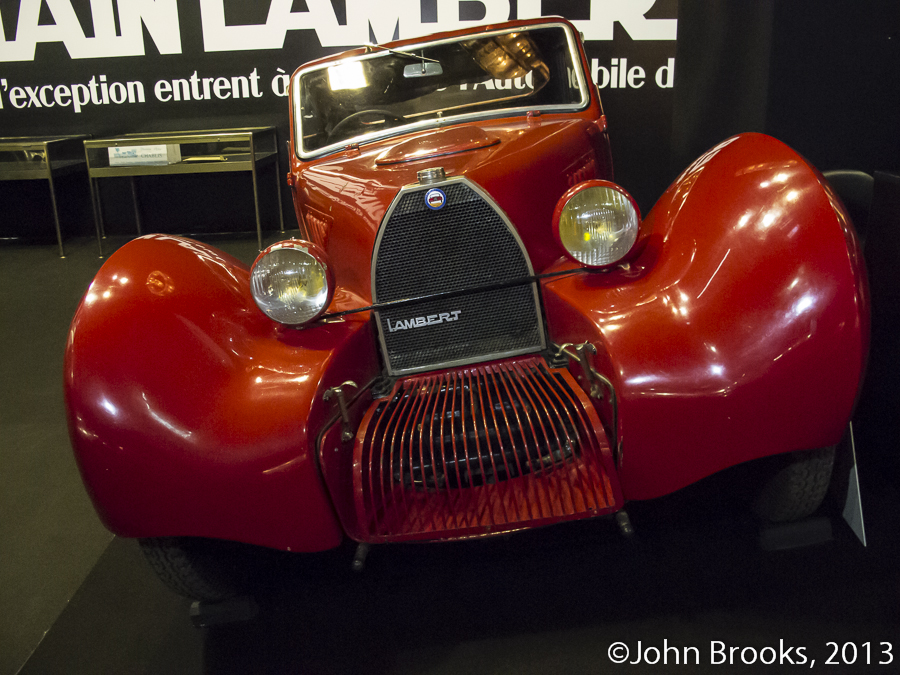
There are always a selection of quite obscure vehicles at the top shows, tucked away in a corner was a stand celebrating Germain Lambert, an enterprising engineer who ran Automobiles Lambert from the 20’s through to 1953. This is the Lambert 6CV.
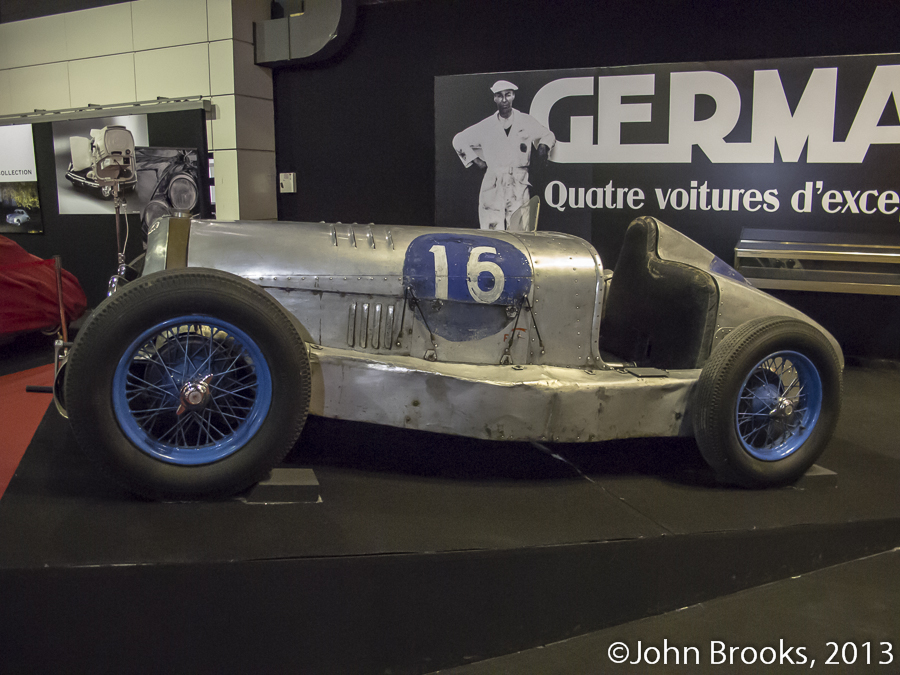
Lambert was also an enthusiast, who raced his own creations, this is the CS Cabriolet Sport
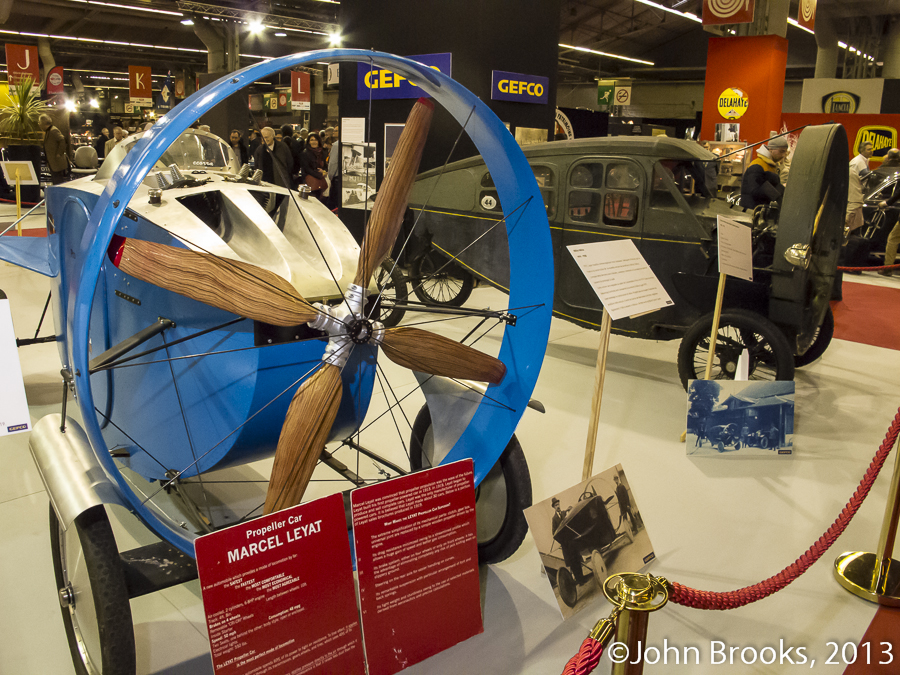
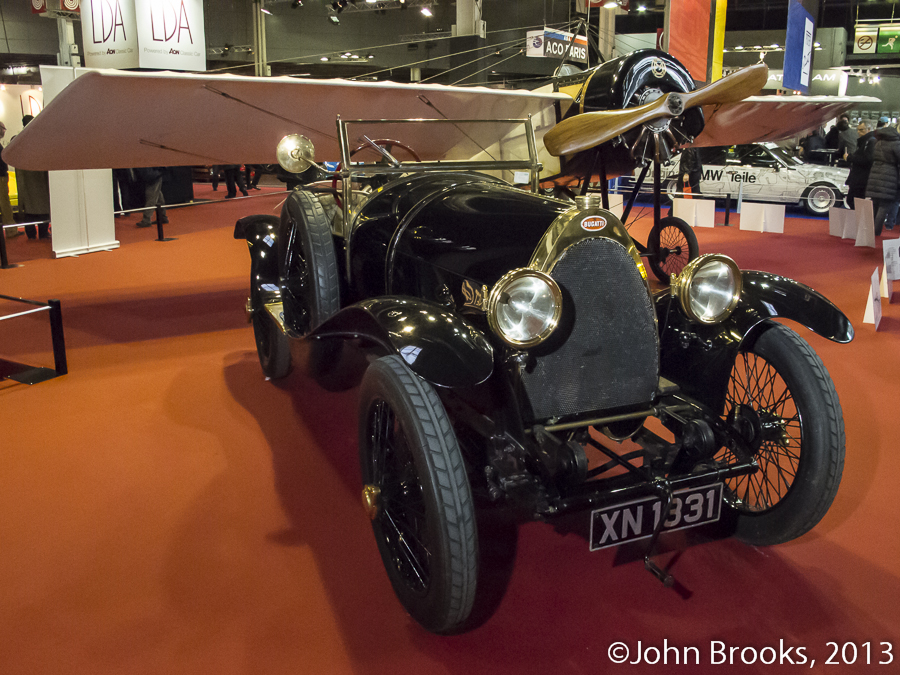
The output of another French engineer, Marcel Leyat, was also exhibited at the Show. His idea was to have a lightweight wooden chassis powered by a propeller, a plane without wings.
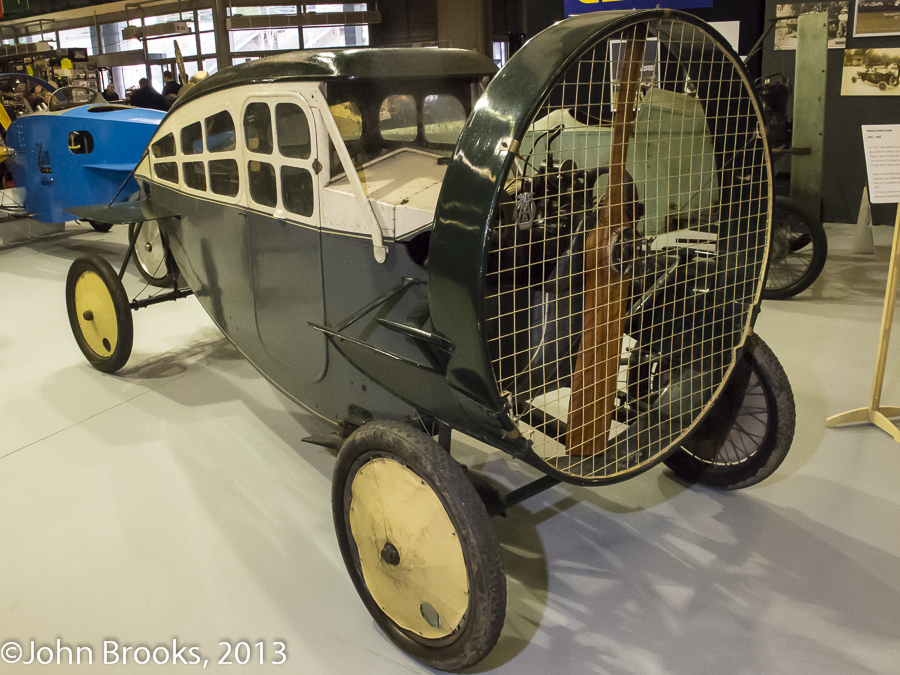
During the 20’s he managed to sell around 30 of these strange contraptions but the concept never really caught on.
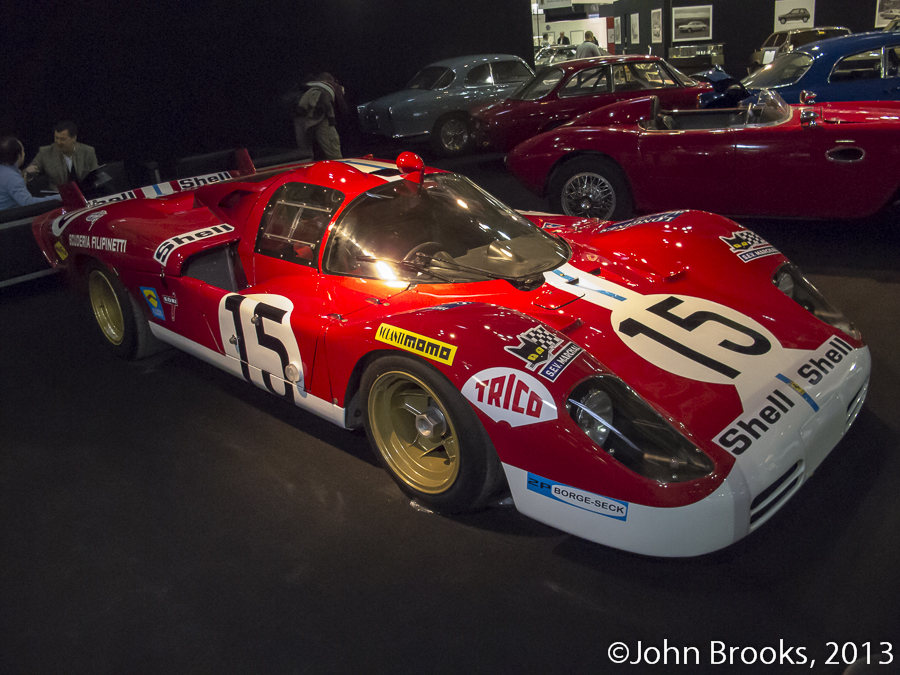
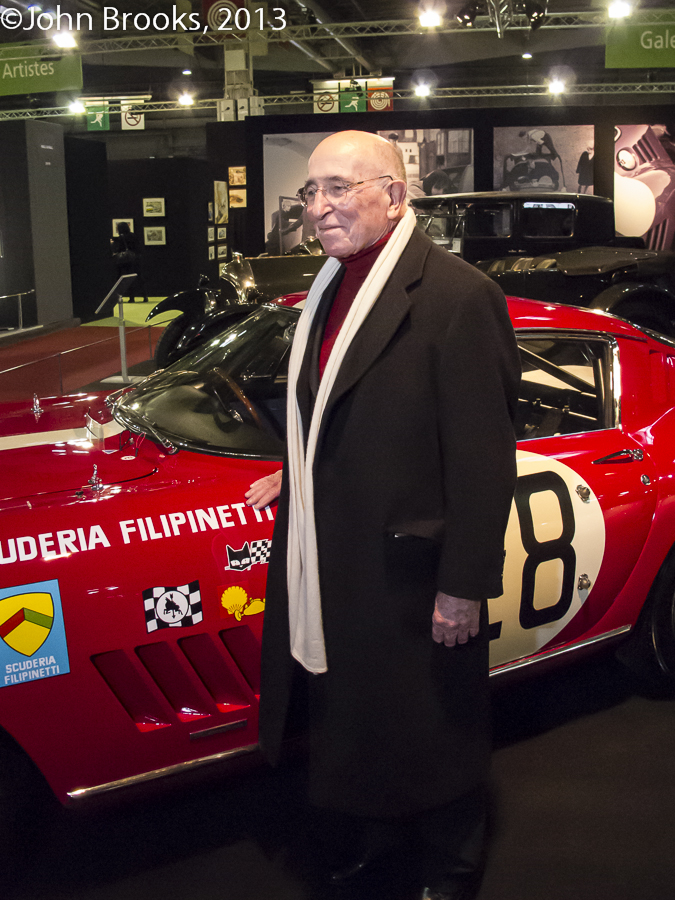
One of the delights of shows such as the Retromobile is finding the unexpected, here I encountered the Scuderia Filipinetti Ferrari 512S as driven at Le Mans in 1970 by Mike Parkes and Herbert Müller. They were eliminated in the notorious accident early in the race that took out the three 512s of Regazzoni and Wisell, as well as Parkes, I am sure it made for an interesting debrief.
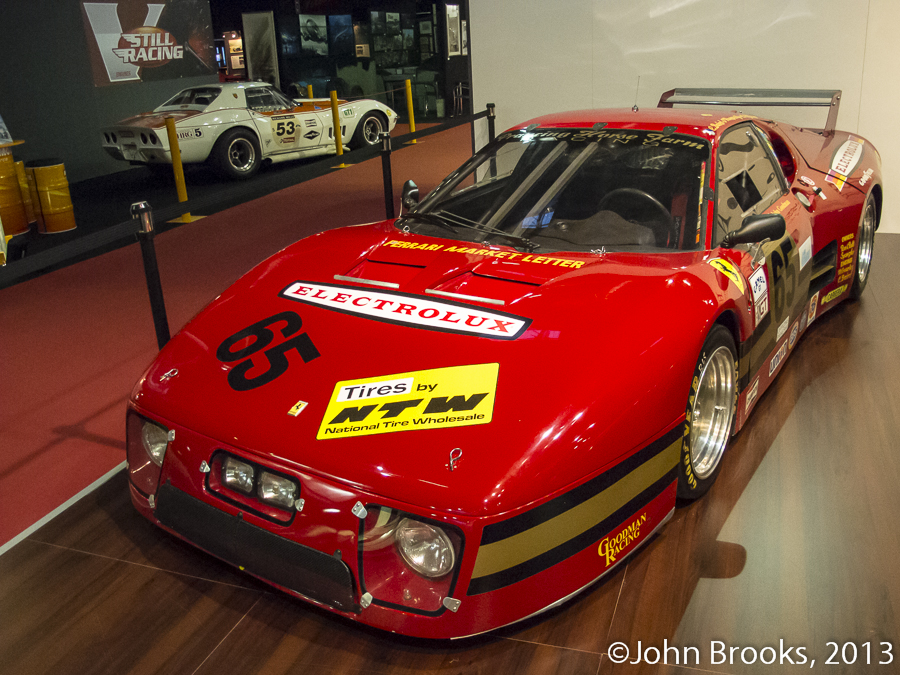
Another 70’s Ferrari present was this immaculate 512 BB LM
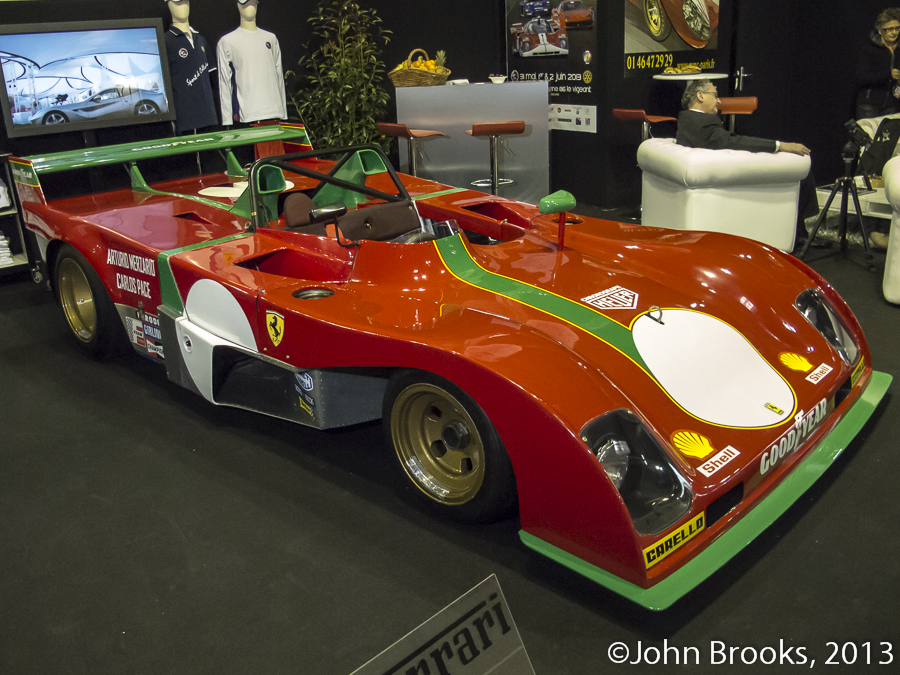
And Paul Knapfield’s 312PB, with extra air intake to cool the F1 spec engine.
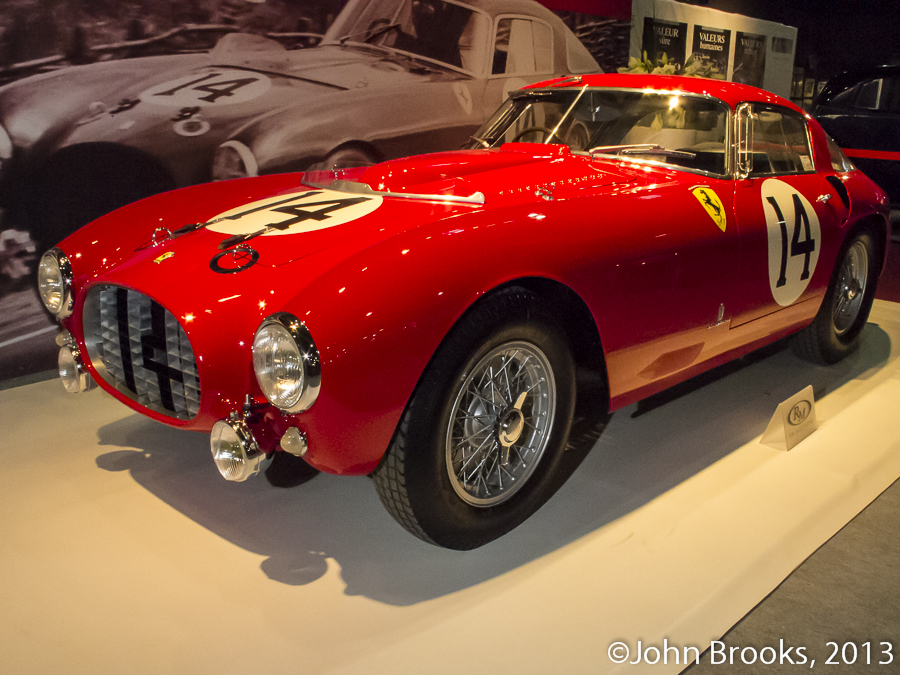
And one last Prancing Horse, from the early days, a Ferrari 340/375 MM Berlinetta Competizione, promoting the Villa d’Este Concours.
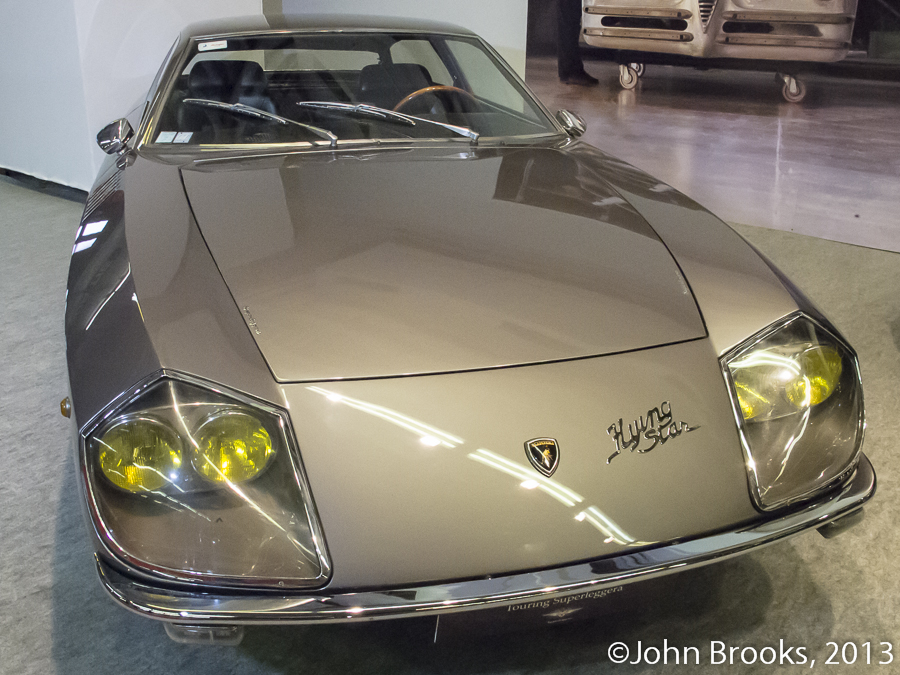
Carrozzeria Touring Superleggera had a stand to show off their skills and it contained a rarity from Lamborghini, dating back to 1966, the Flying Star II prototype. This was a collaboration with the factory and based on a Lamborghini chassis.
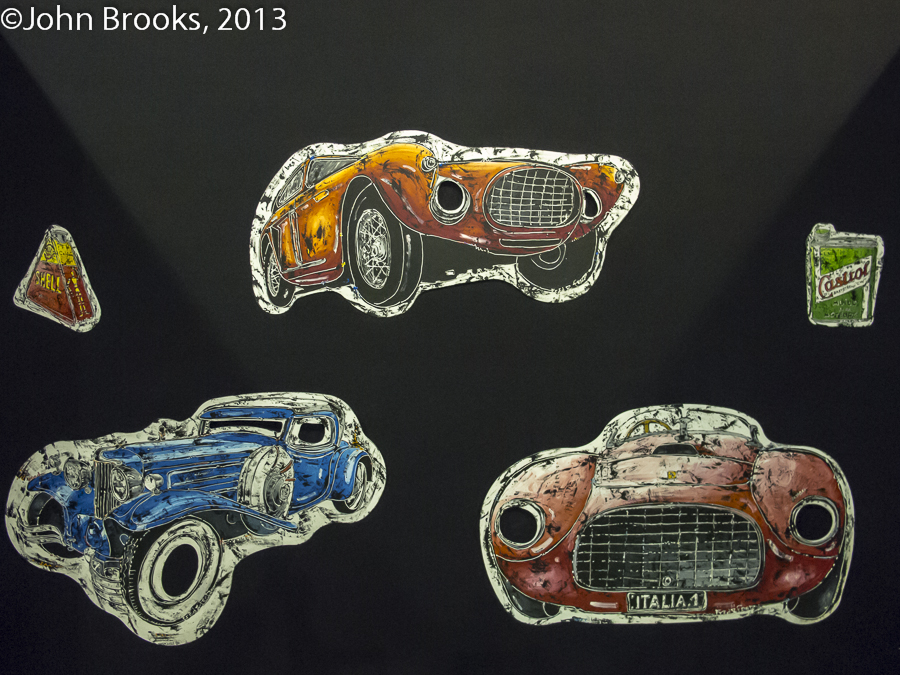
The Retromobile had a wide range of automobilia for sale, from the likes of Hortons Books to several stands offering fine wines, and of course there are the ART stalls.
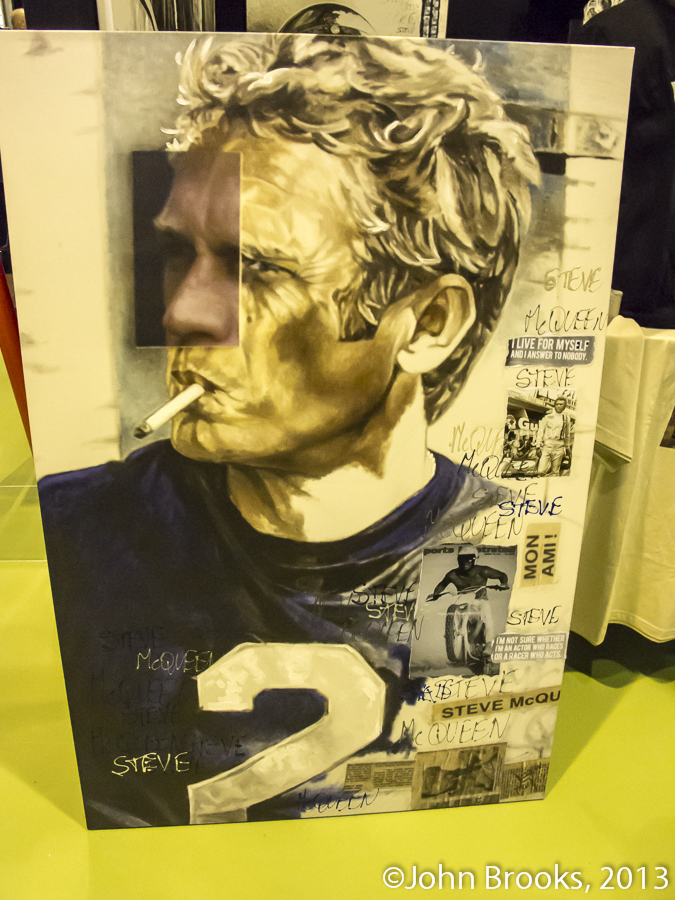
Steve McQueen still has a power to fascinate……………..
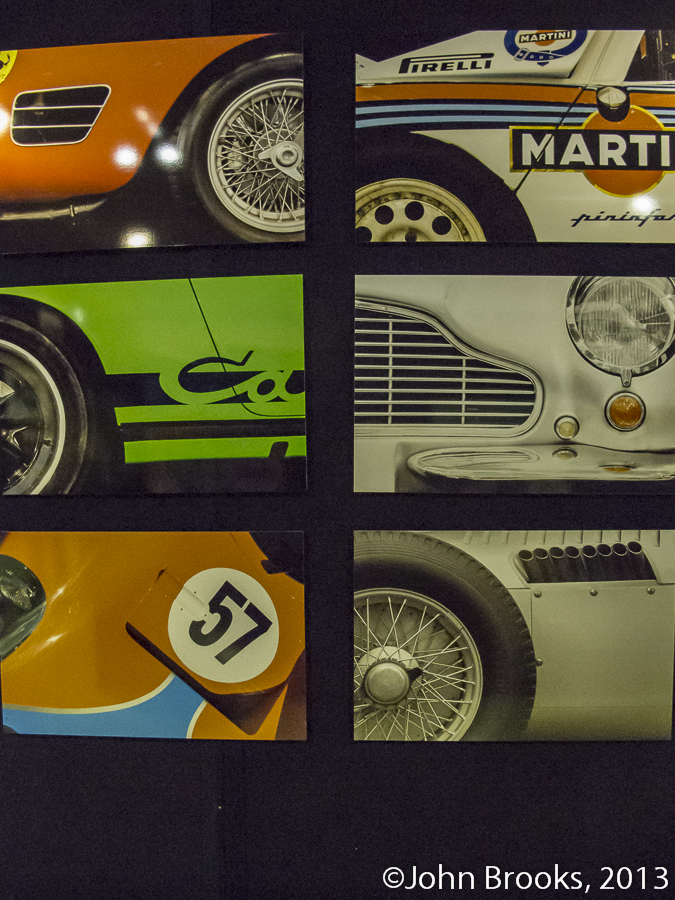
Someone’s wall is incomplete without this
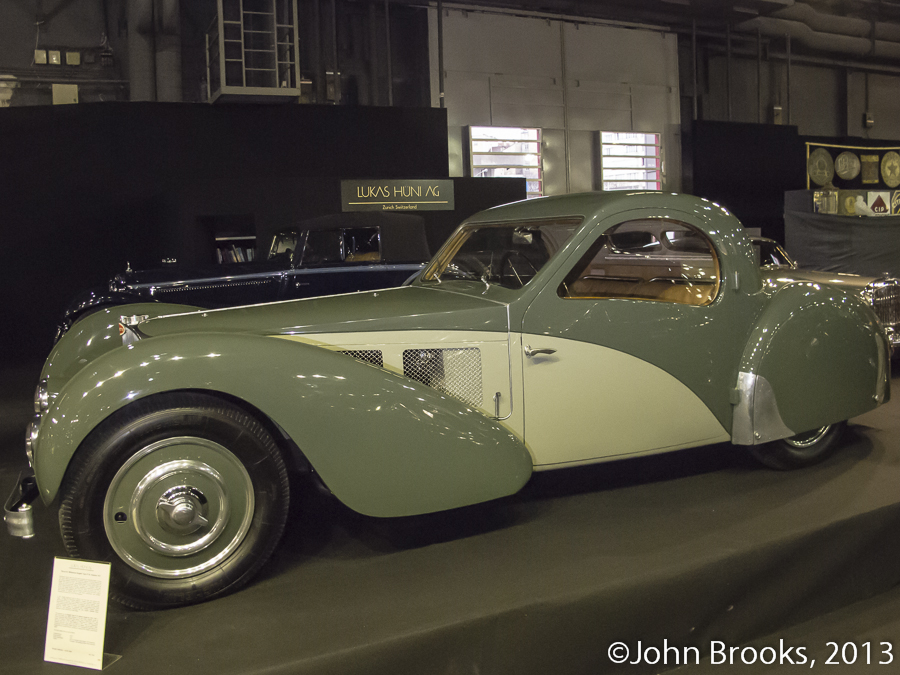
The Lukas Huni stand had several outstanding cars, the pick of which was this Type 57 Bugatti
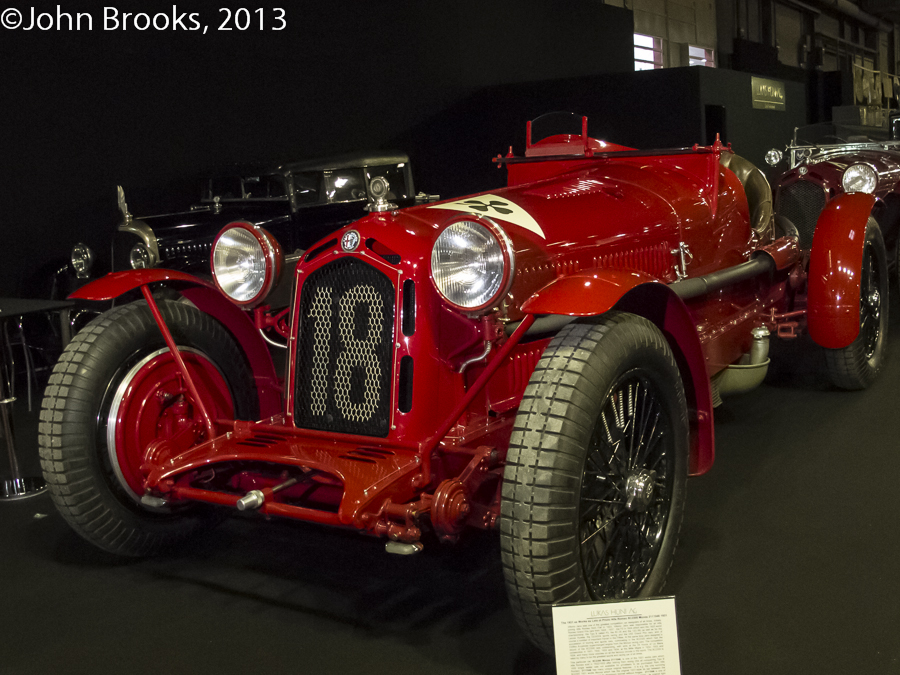
And this Alfa Romeo 8C 2300 Monza
I might be a bit biased but to my mind the two stands that were head and shoulders above the others came from across the English Channel.
The sheer quality of the cars on Hall & Hall and Fiskens, or Fiskens and Hall & Hall, depending on whose stand you were on, was staggering.
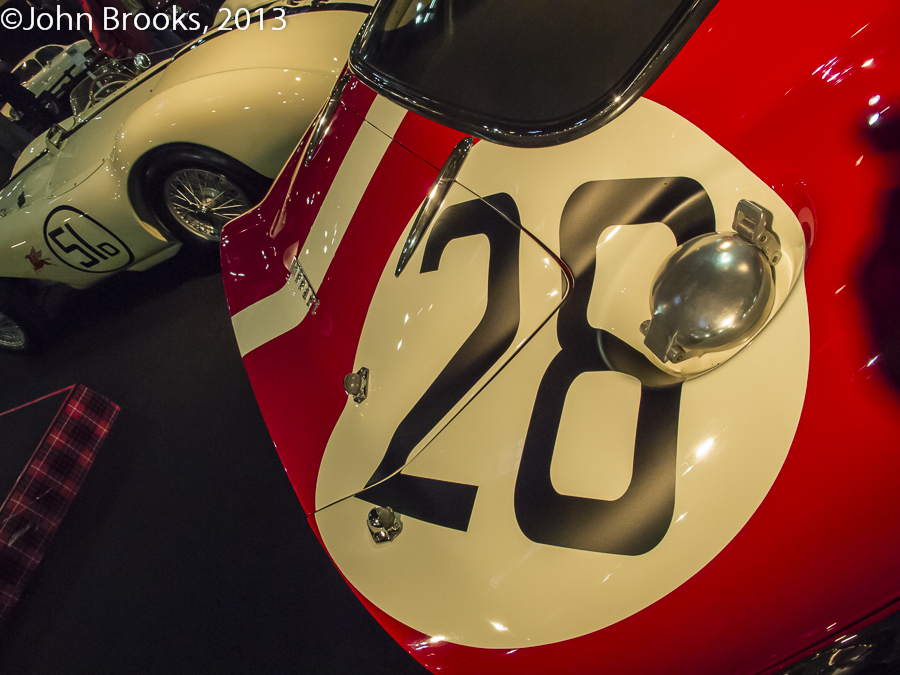
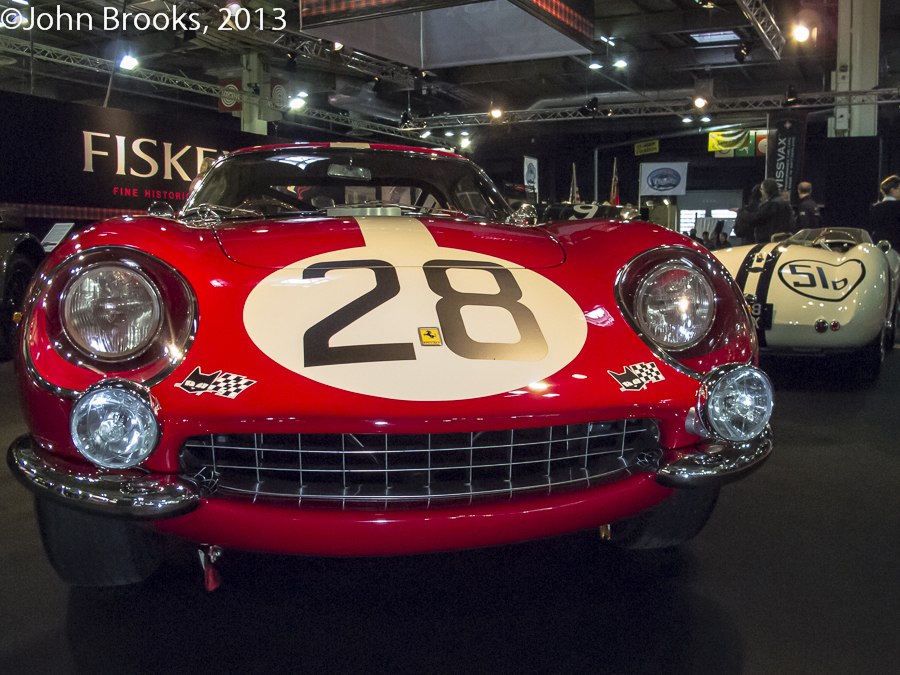
Highlights at Fiskens were two Le Mans’ veterans, the 1926 Bentley 3L Le Mans and Scuderia Filipinetti Ferrari 275 GTB/C that was a class winner in 1967, these endurance classics were just part of a fantastic set of cars that the well known London based dealer had in Paris.
I caught up with Gregor Fisken who gave his thoughts on the 2013 Retromobile.
“Every year it gets a little bit bigger, a little bit better, I think the show has really found the right balance. It is important that it still has elements of a flea market, it is important that the modern manufacturers can come in and embrace their heritage as well. It is important that there is wonderful art, models, parts but it is also important that it is Europe’s pre-eminent début event of the year. It kicks off the year and everyone leaves here motivated, they see old friends, they make new friends, they plan for the season and they have the opportunity to review what they are going to use in the future.”
“What we have here on the stand today, I think, is a little bit of something for everyone. We have arguably one of the most important Le Mans’ Bentley team cars to come on the market in recent years and we have a Bugatti T37A that has had 50 years of one family ownership, so that is a special opportunity. Of course with the Ferrari 275 GTB/C there is an opportunity to purchase a car that raced in Les Vingt-Quatre Heures du Mans three times and it won its class. We had Claude Sage on the stand, from Scuderia Filipinetti, who ran the car in period. He remembered driving the car from Geneva to Le Mans, the car running in the race and then being driven back afterwards, absolutely fantastic.”
“I think cars from this period, the 60’s GT era, were the last that could be genuinely driven from the factory to Le Mans, win their class and be driven home. I think for a lot of new people that are coming into the market they find the opportunity to use such a car on the road and on rallies, events and races is very attractive. They can go to the Le Mans Classic and have a pretty prestigious way to travel down the Mulsanne.”
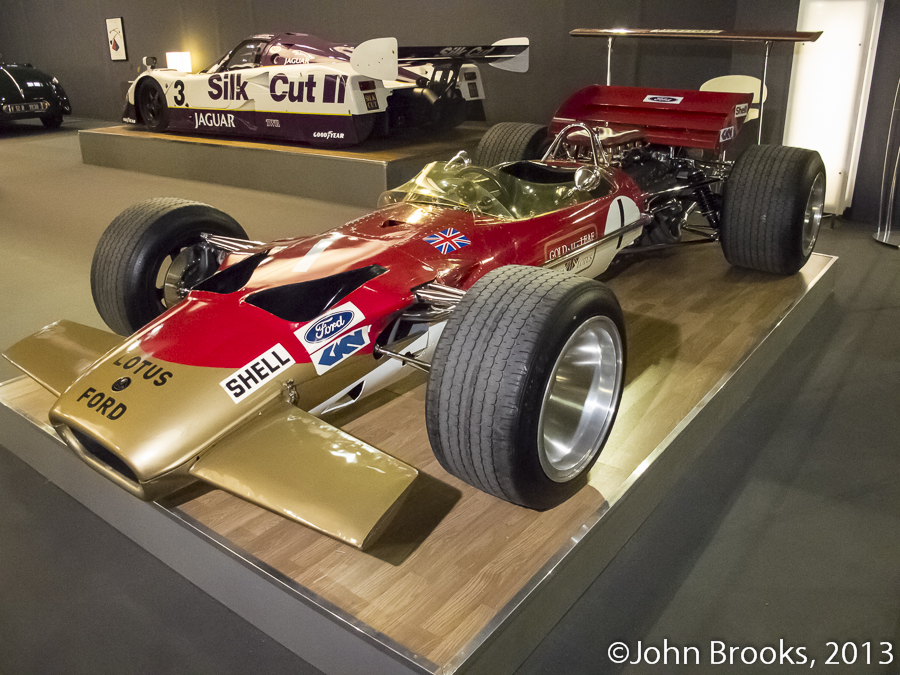
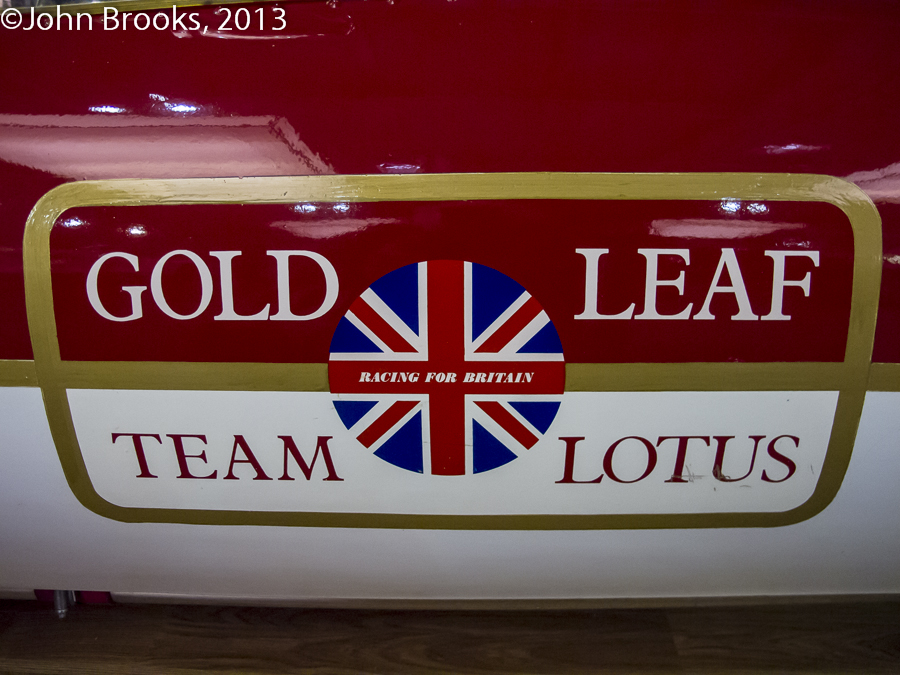
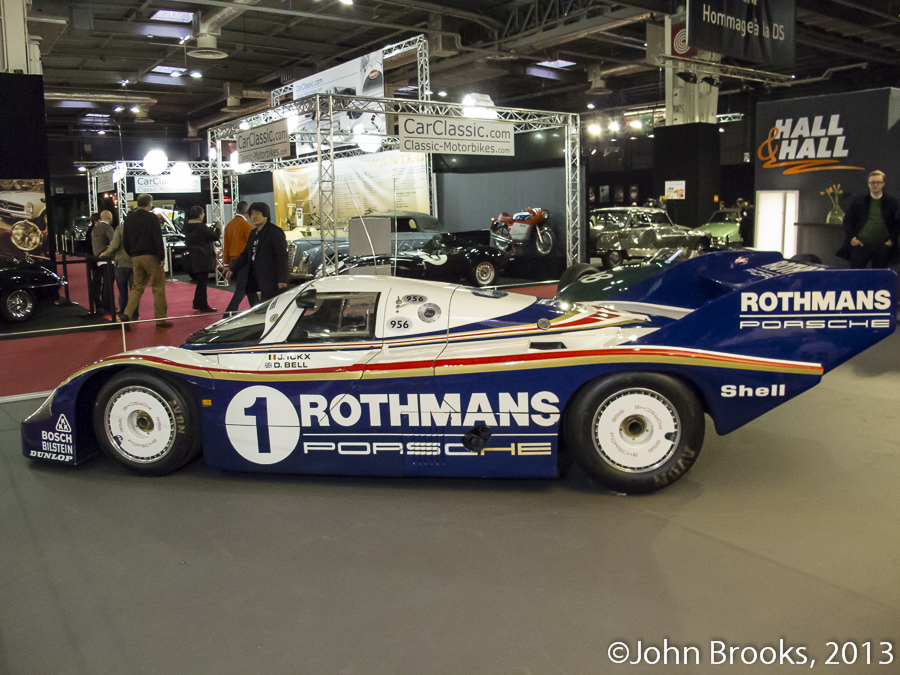
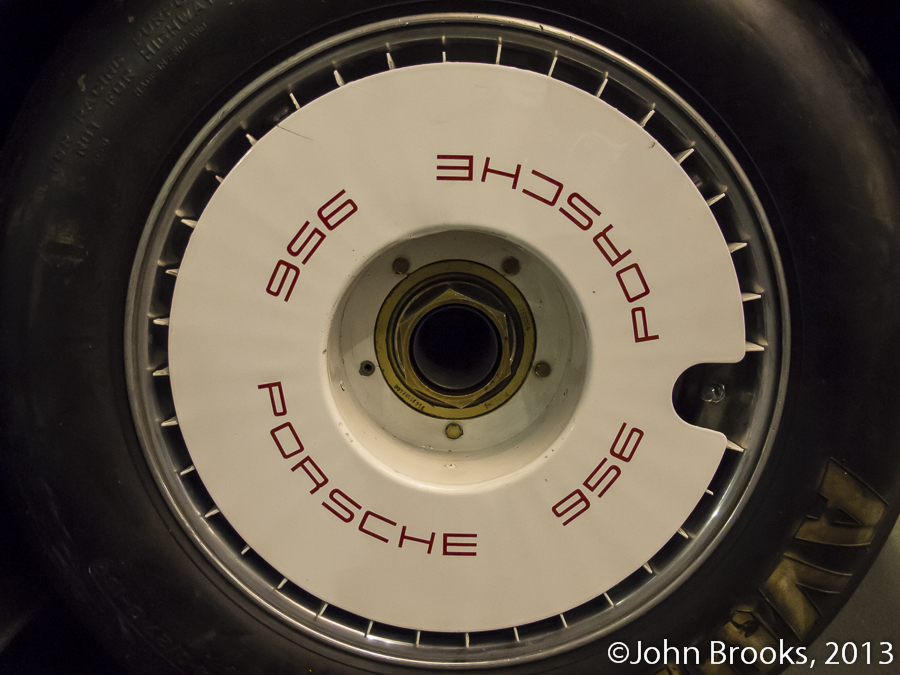
It is hard to imagine but this impressive array of classics were matched by the Hall & Hall display. Endurance Racing was again well represented with Porsche 956/001 supporting Jaguar XJR-12 chassis 288, with the unique record of a victory in both the Le Mans and Daytona 24 Hours. Another flash from my misspent youth was a Lotus 49C in Gold Leaf Team Lotus livery, this being an unraced spare built for Ford.
Rob Hall gave me his views on the Retromobile. “We have been attending the Retromobile for seven years now, it starts the season off for us really, it is a good shop window for the selling side of the business, a few of the cars here are not for sale but they add to interest to the exhibit and it gets our name noticed. It costs us certainly but during the rest of the year we recoup the outlay, either through picking up work or picking up sales.”
“I had a quick look round the Show early today before things got busy and it is clearly a great event. There is something for everyone, whether it is old, new or something to help you work on your car.”
“The Show is quite a big commitment but what has made it a lot easier is that it is now condensed into one weekend and a few days as opposed running over two weekends as it did in the past. The cost of hotels and travel and having staff on site has been reduced and that acts as an incentive for us to come to Paris. So both parties benefit.”
A show would not be a show without an auction taking place and Artcurial provided the necessary ingredients, with many fine lots. The hammer came down the loudest when a 1936 Talbot Lago T150C Roadster went to a new owner for just under €1,500,000, despite the financial storms that rage in Europe there is still some money about for a classic car.
The 2013 season is now underway having been launched at the Retromobile, it is worth a visit and especially as Paris is but a short train ride away, it can be done in a day and enthusiasts should be making their plans for February 2014.
John Brooks, February 2013