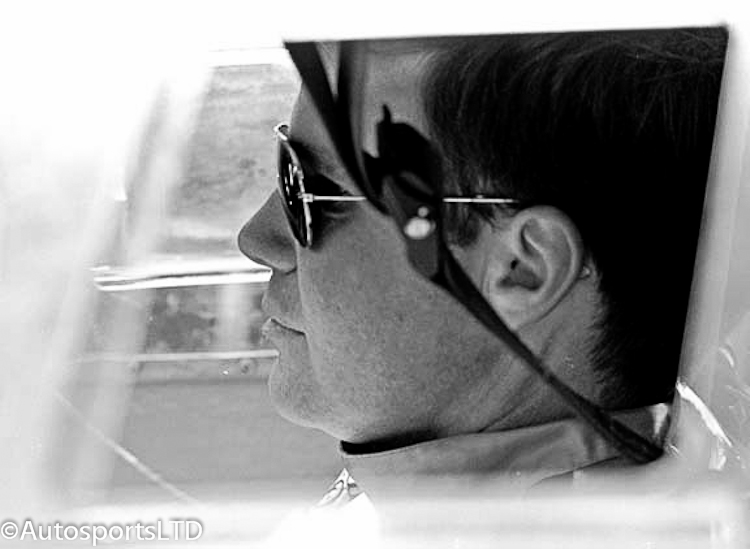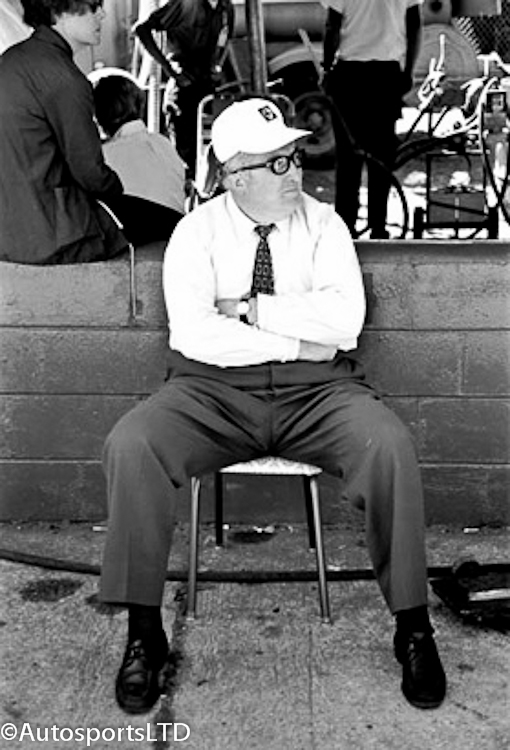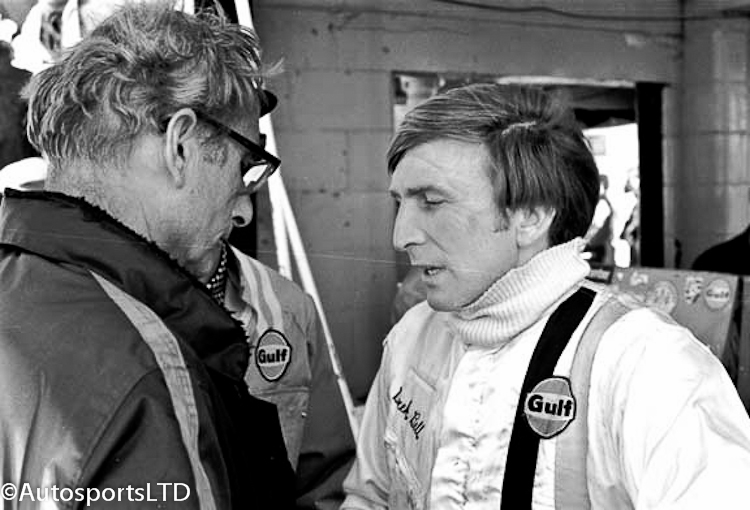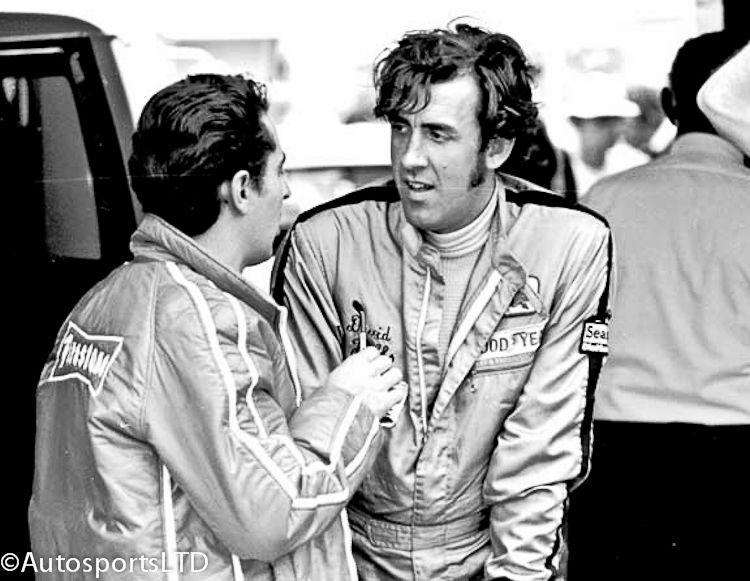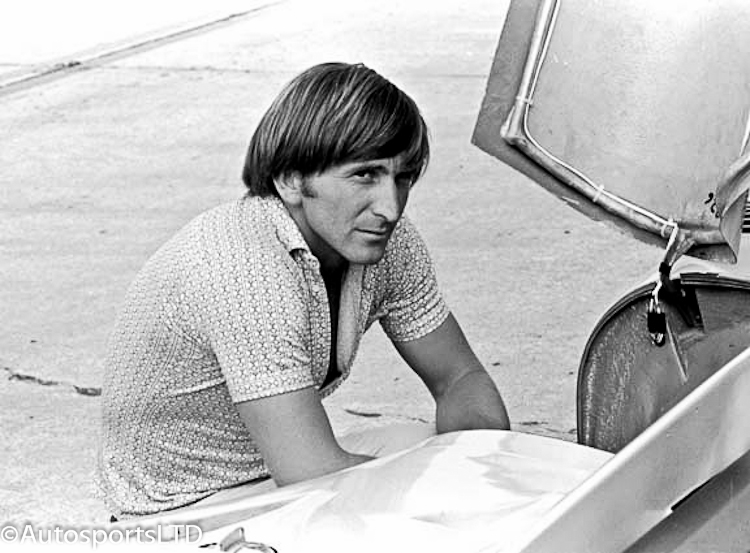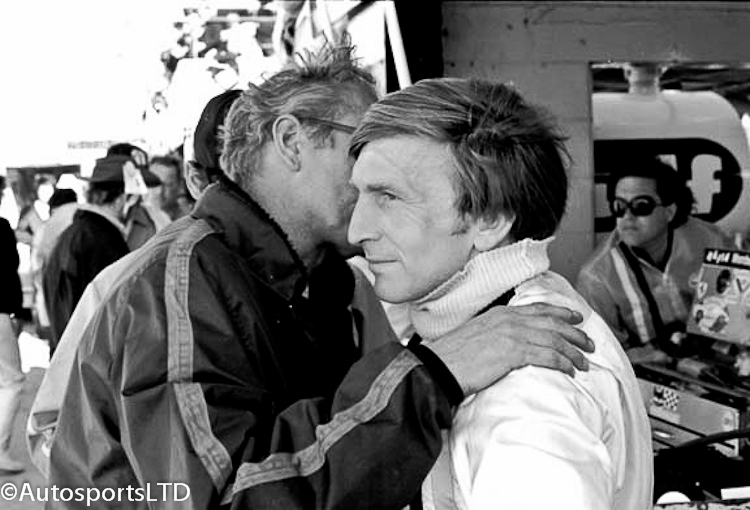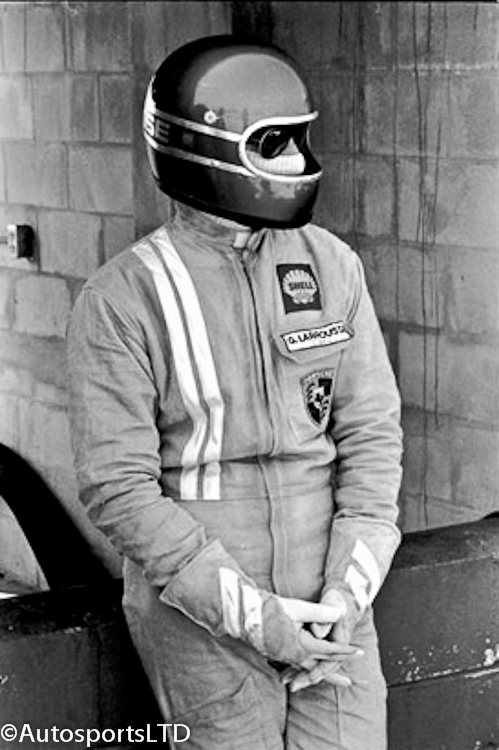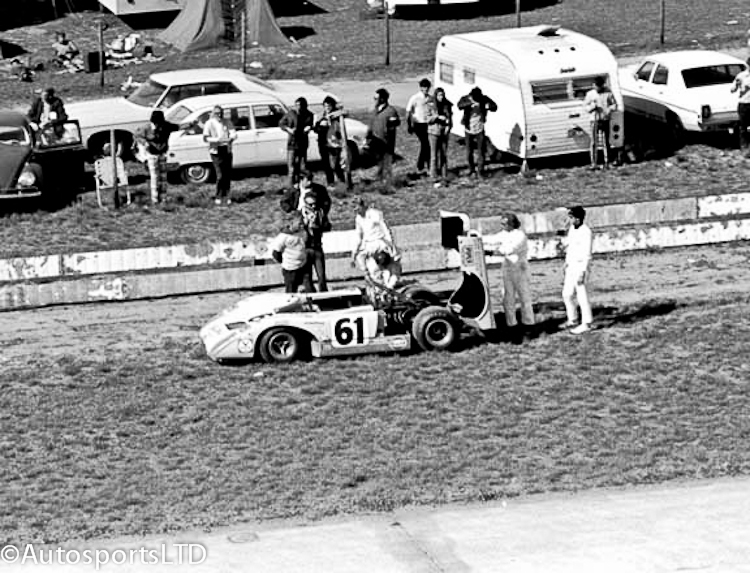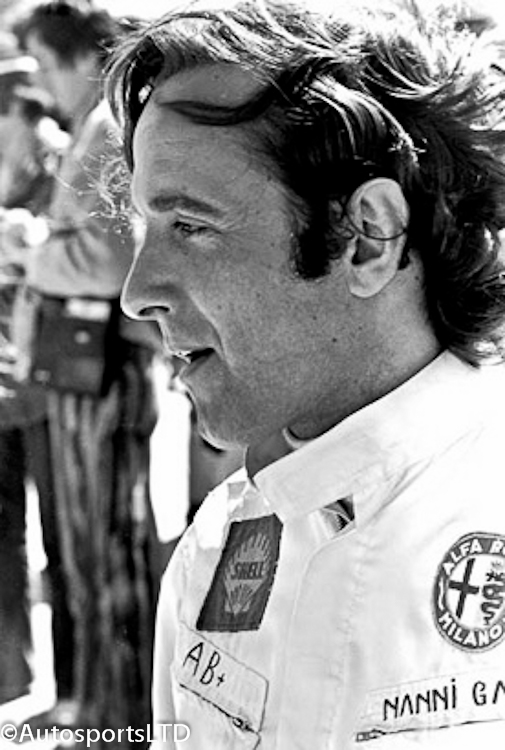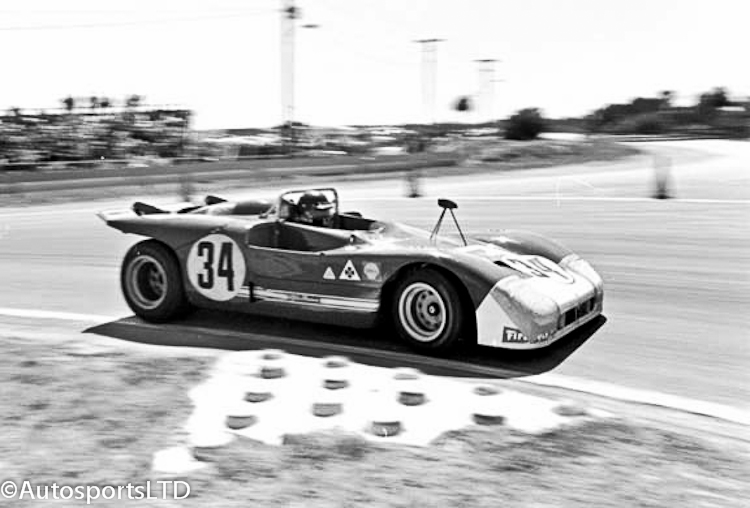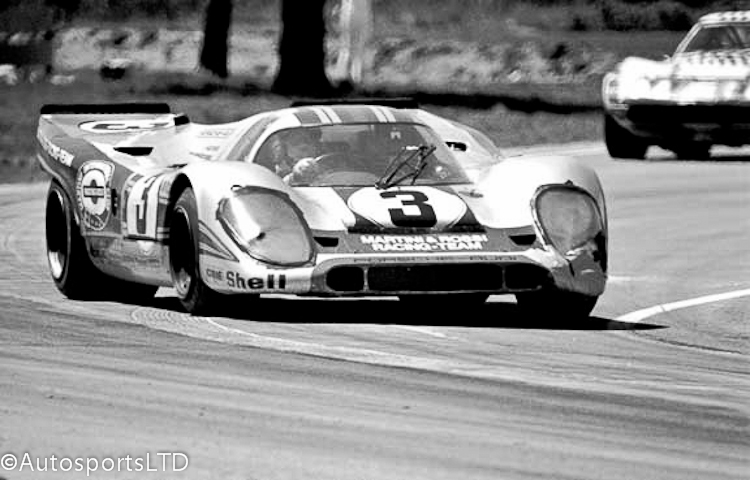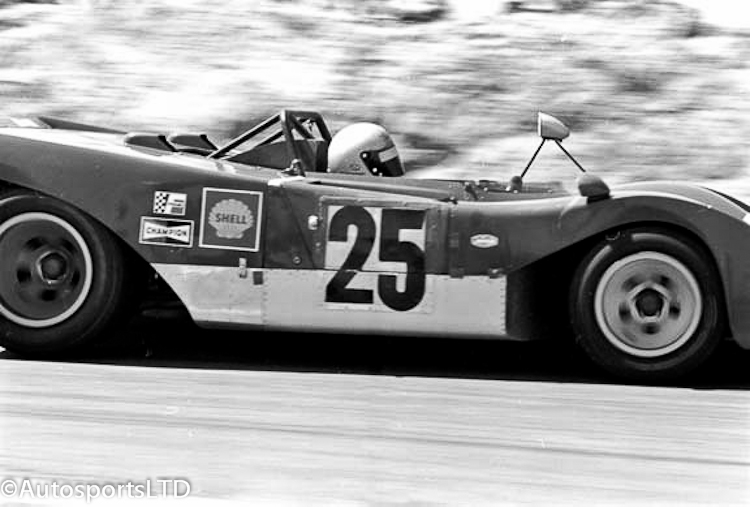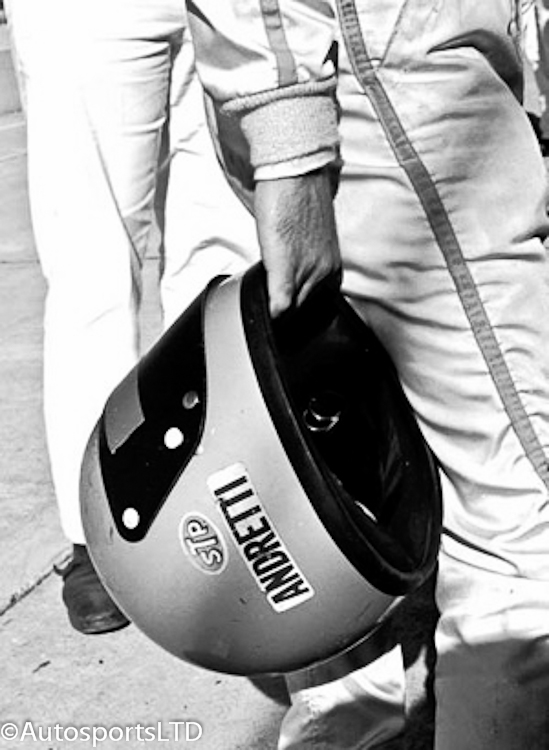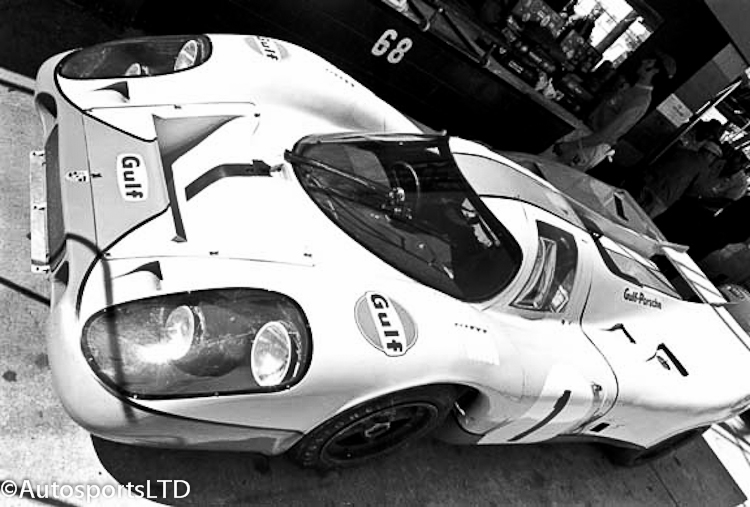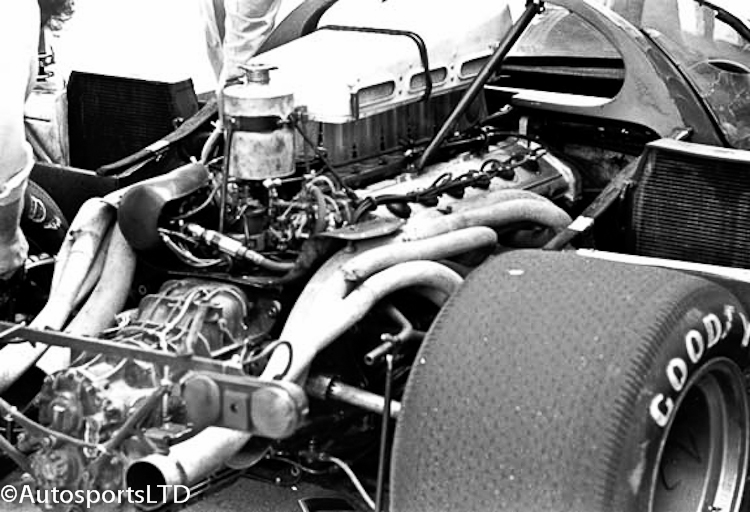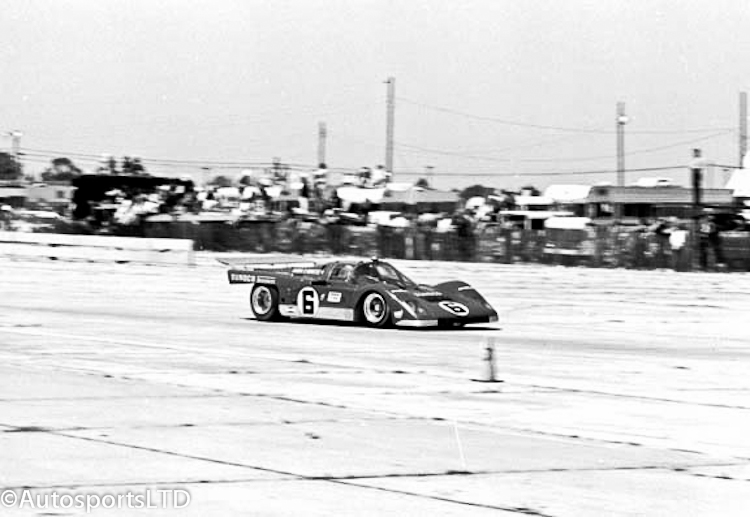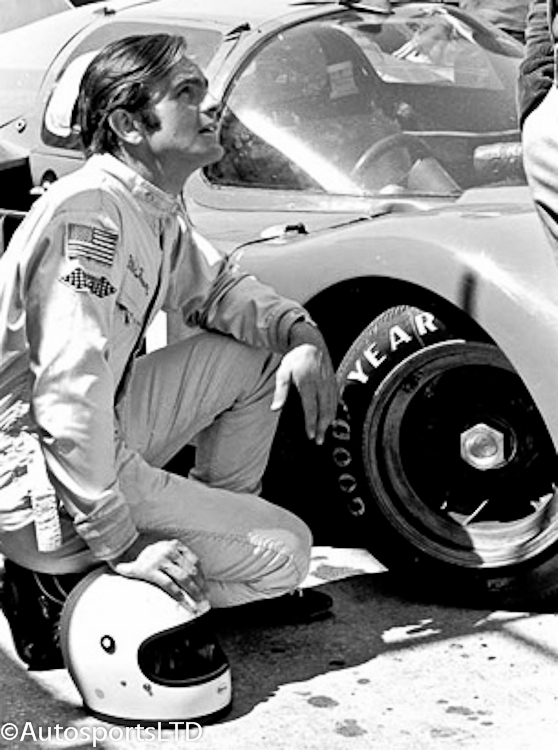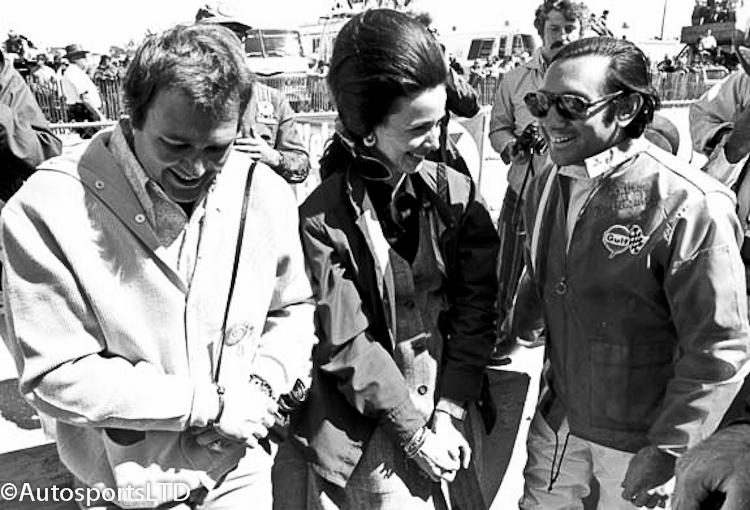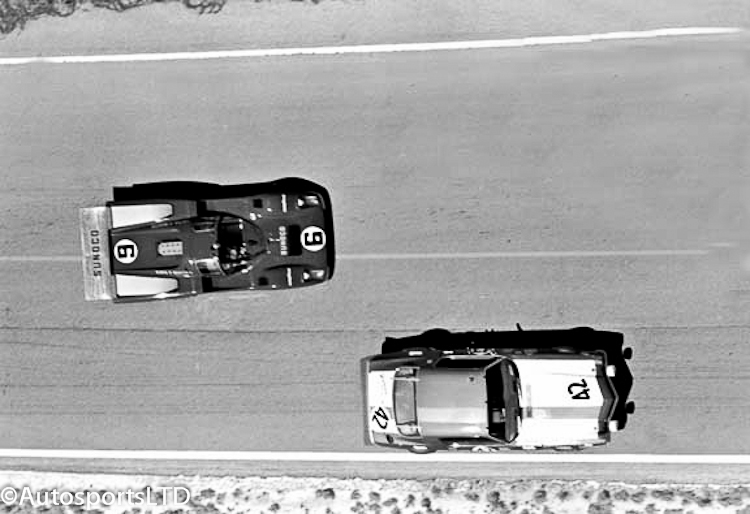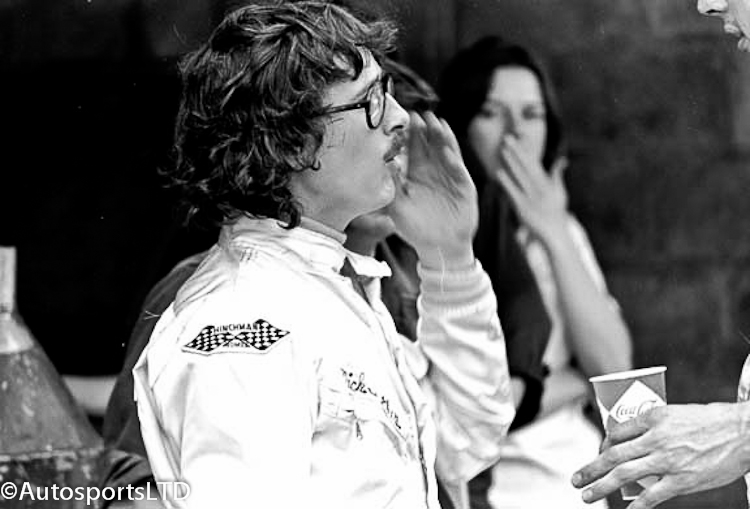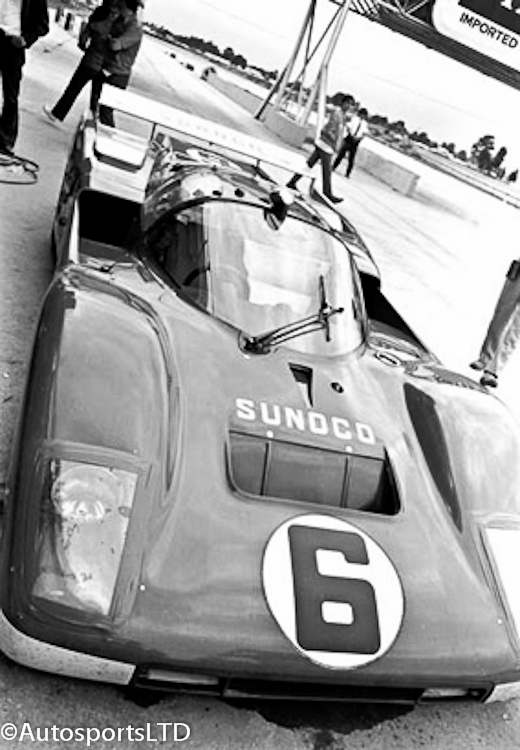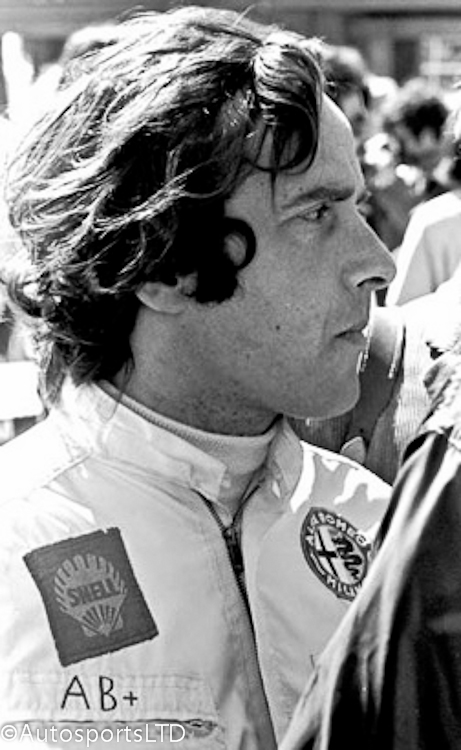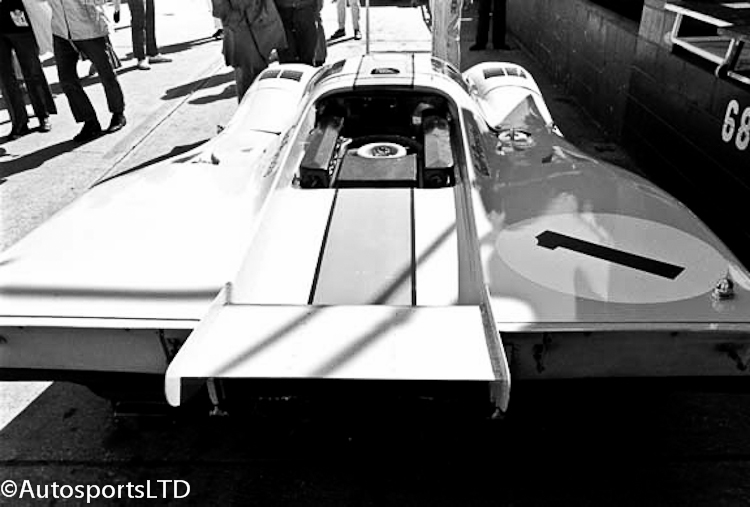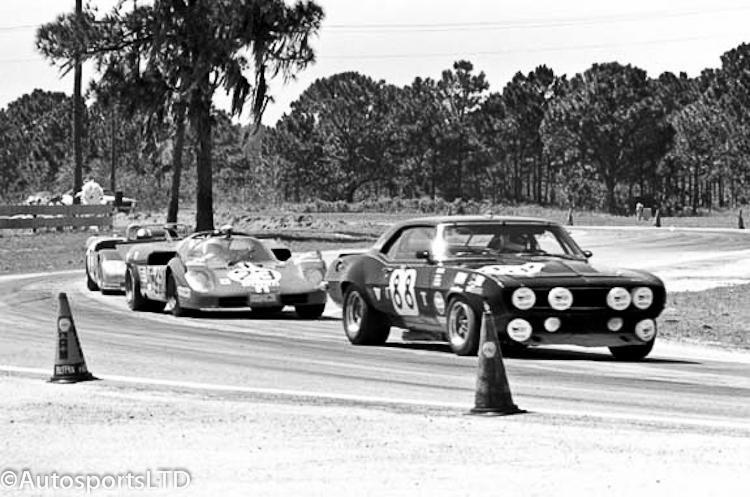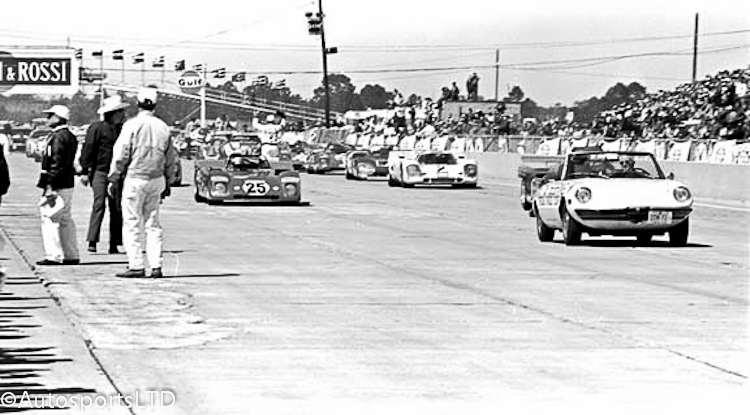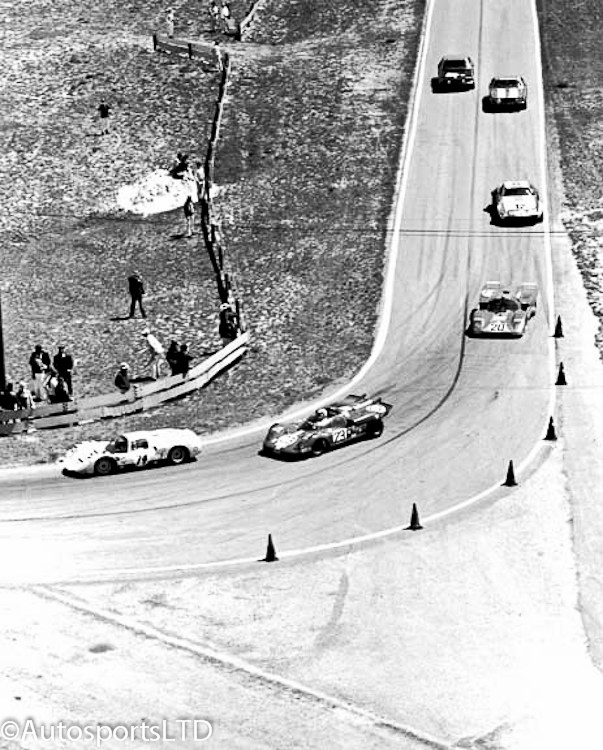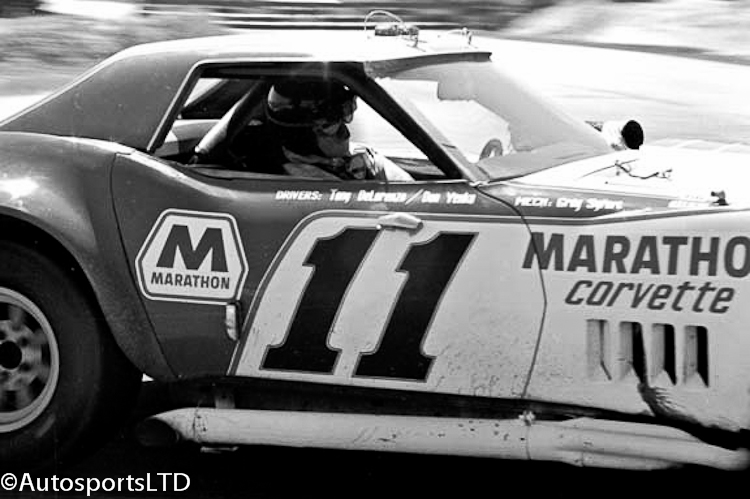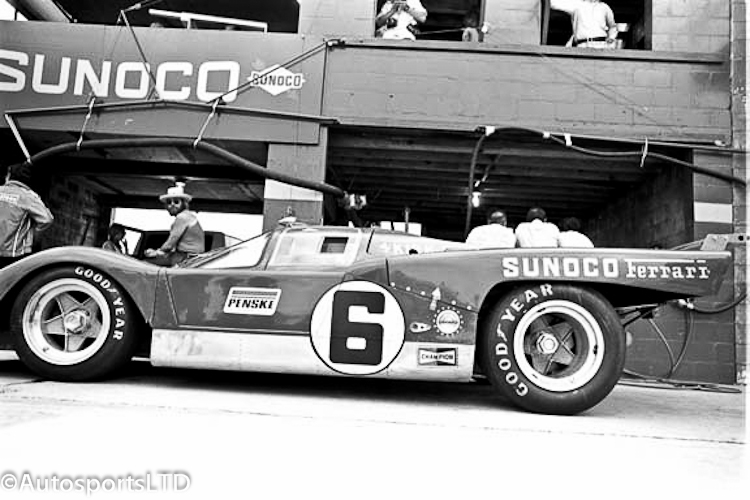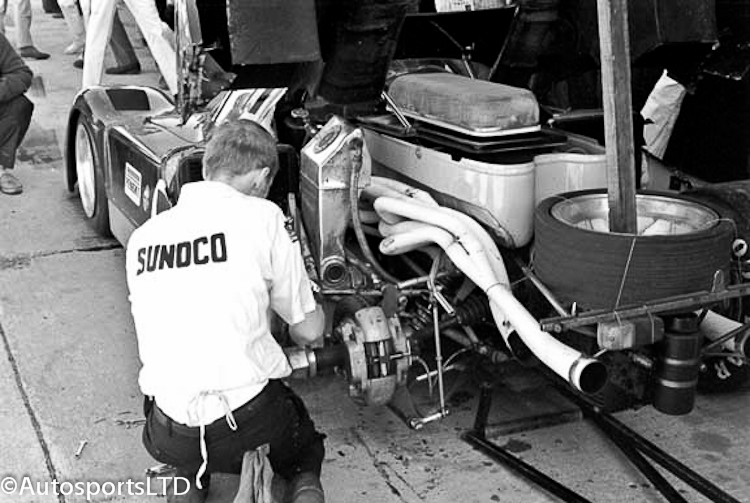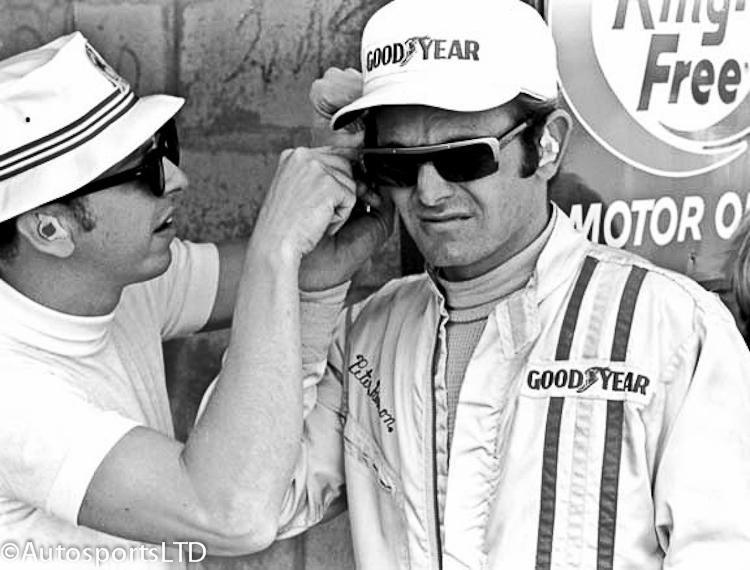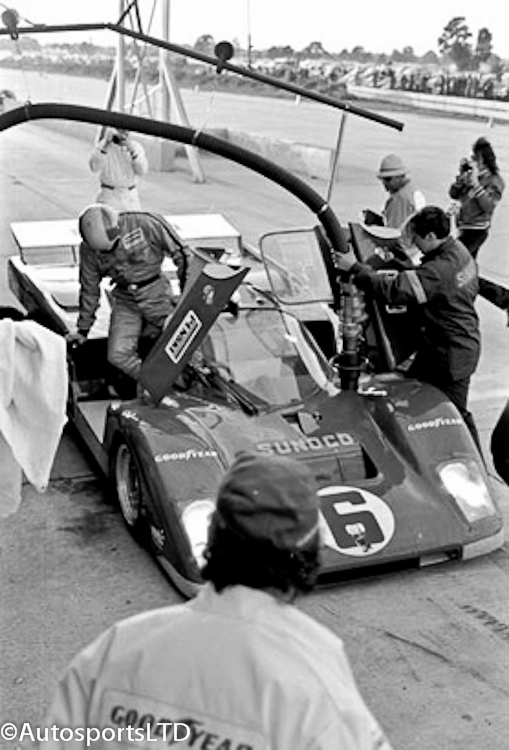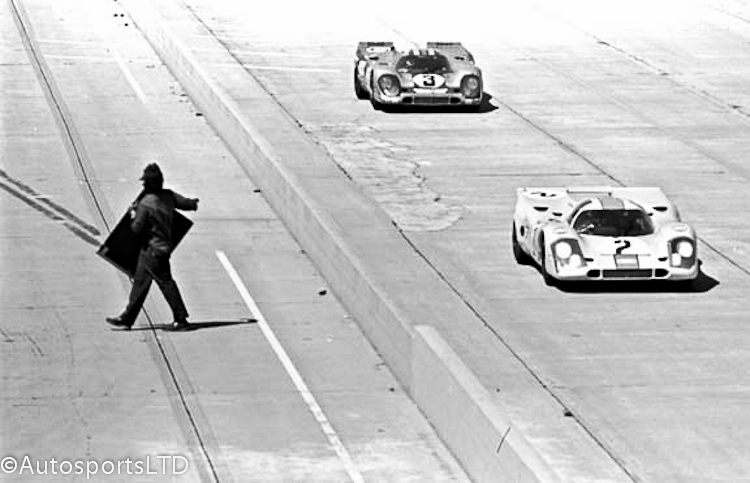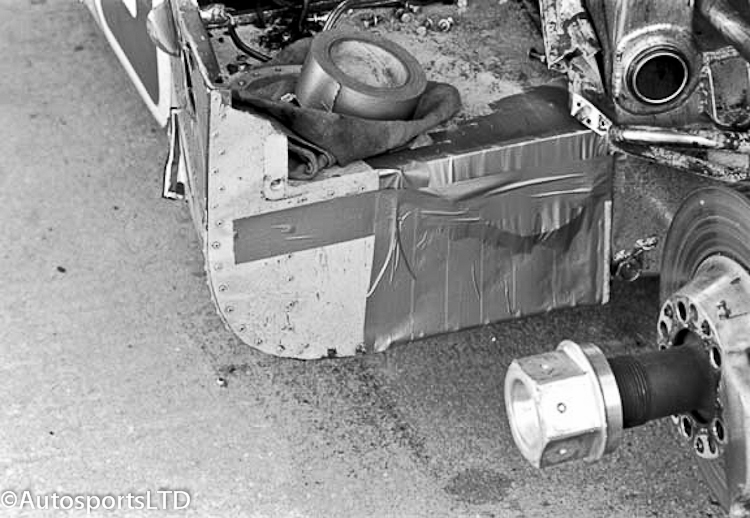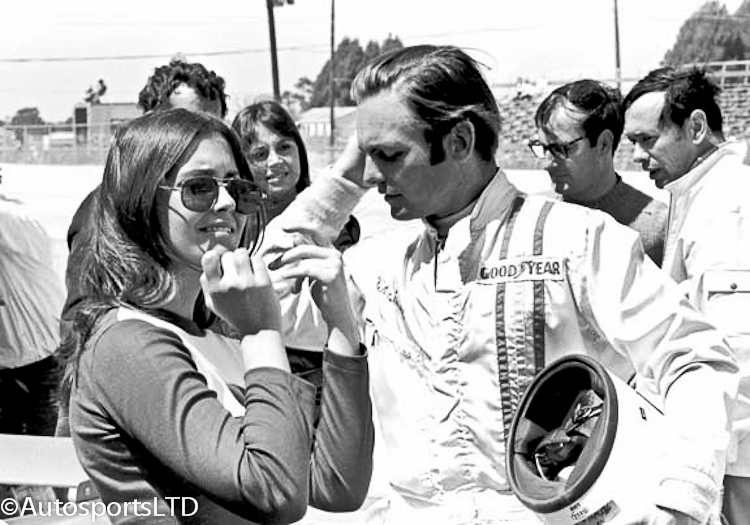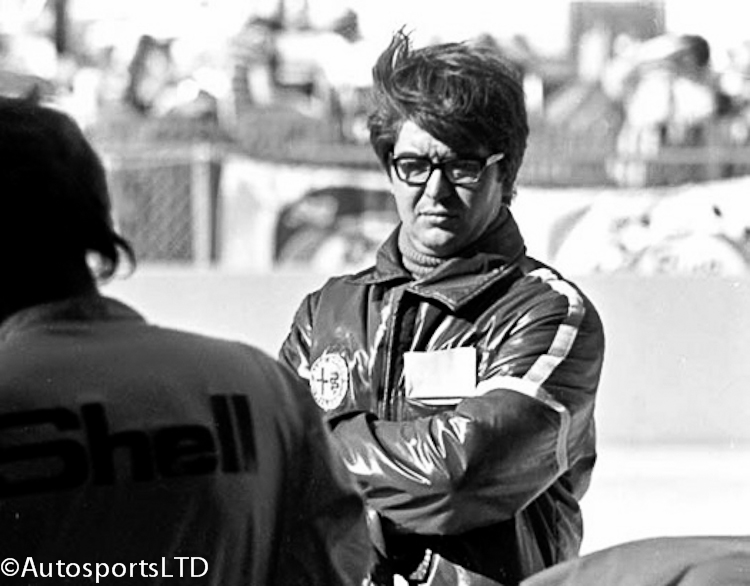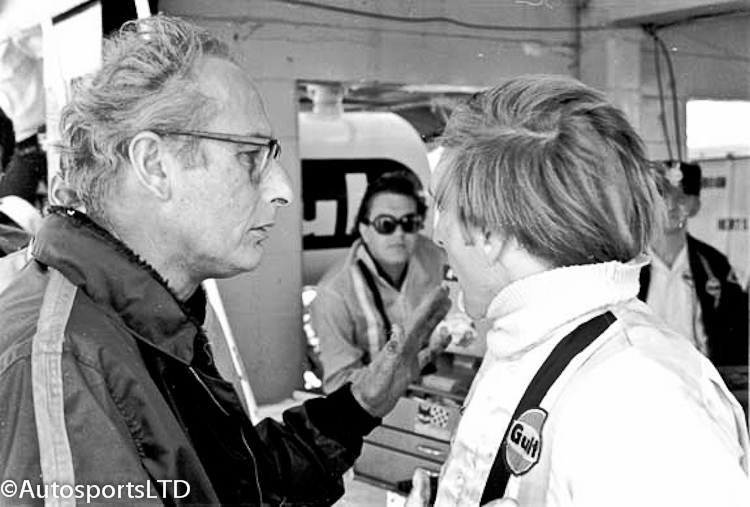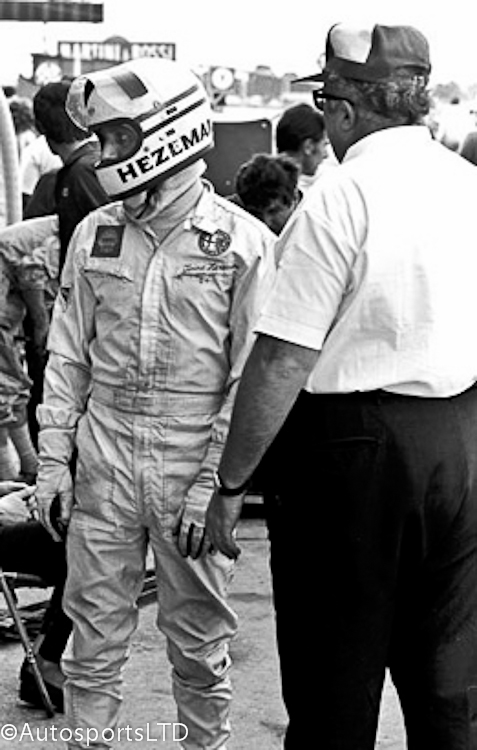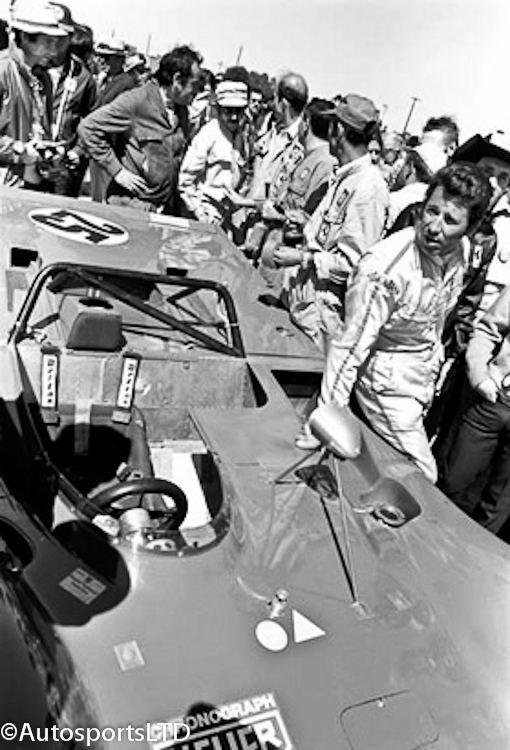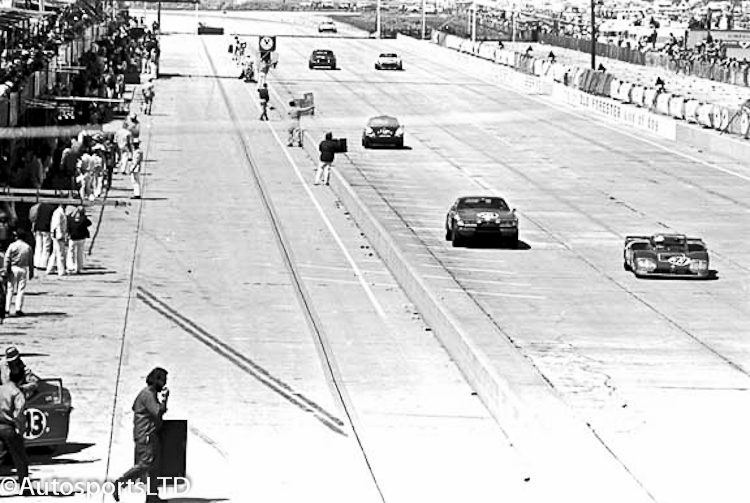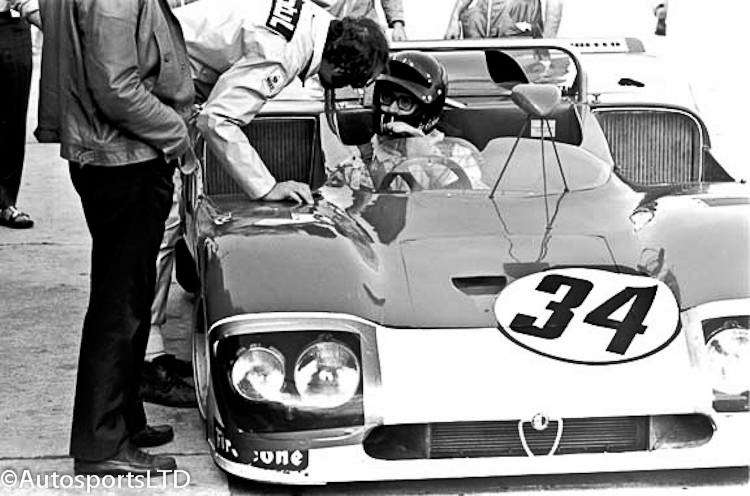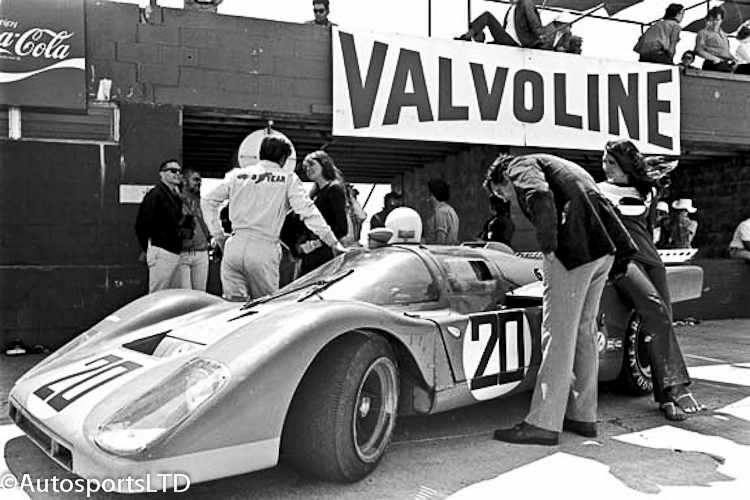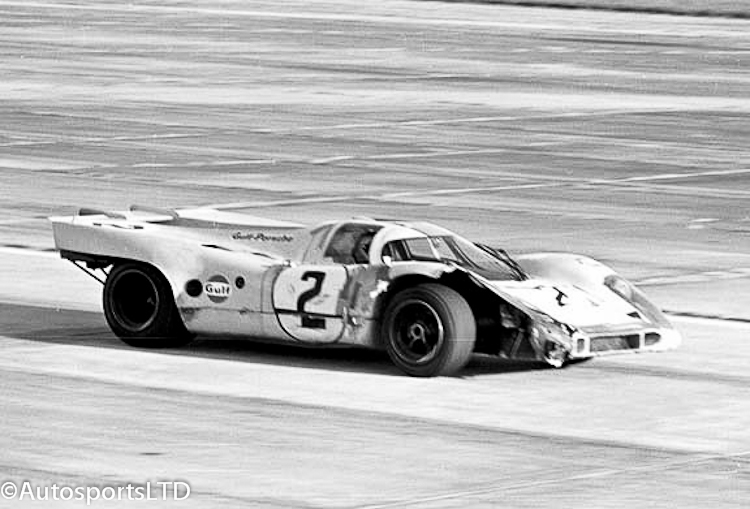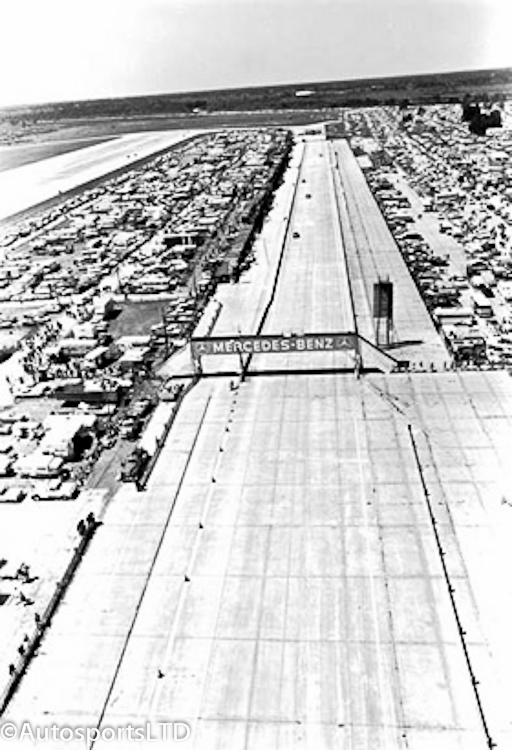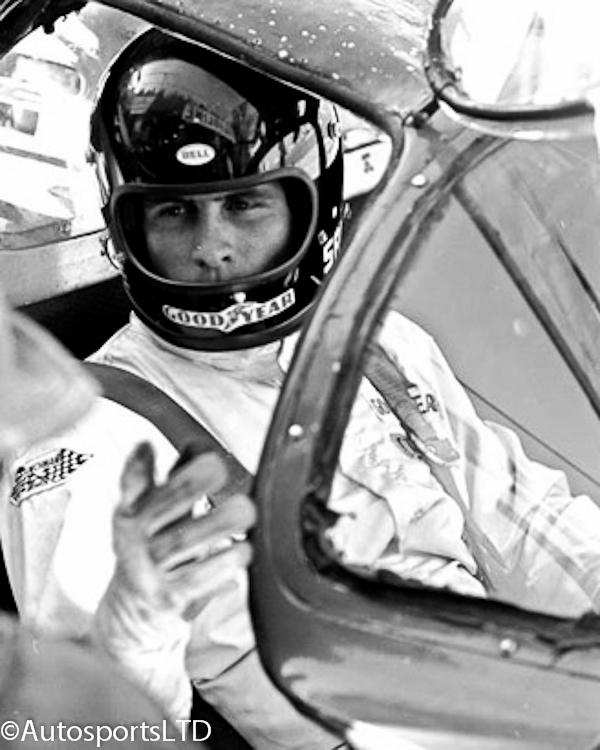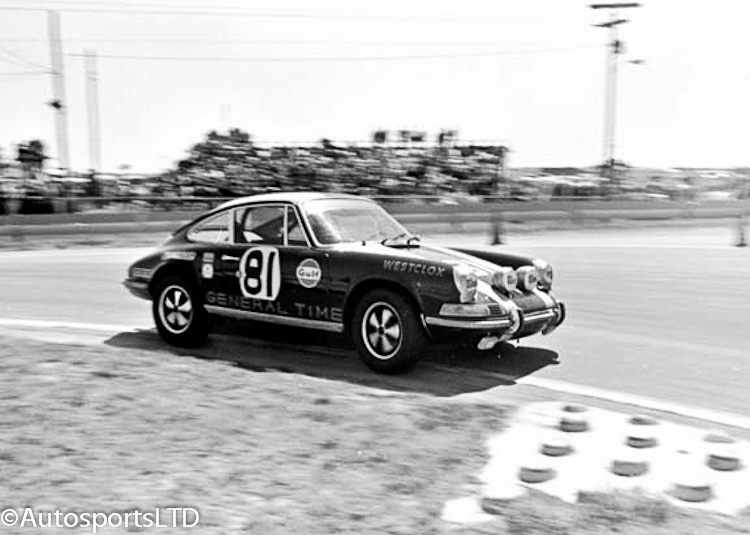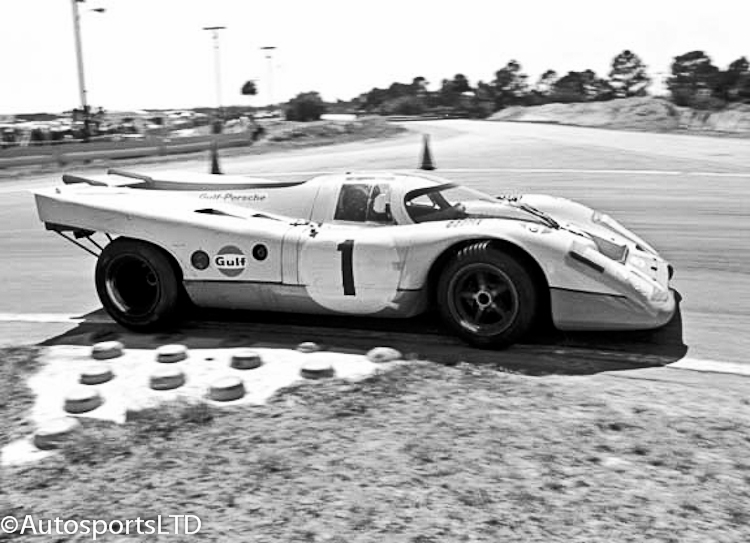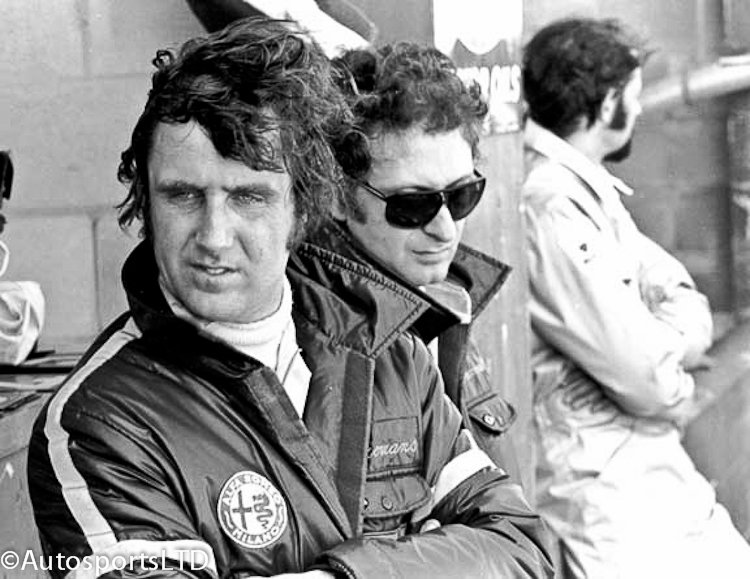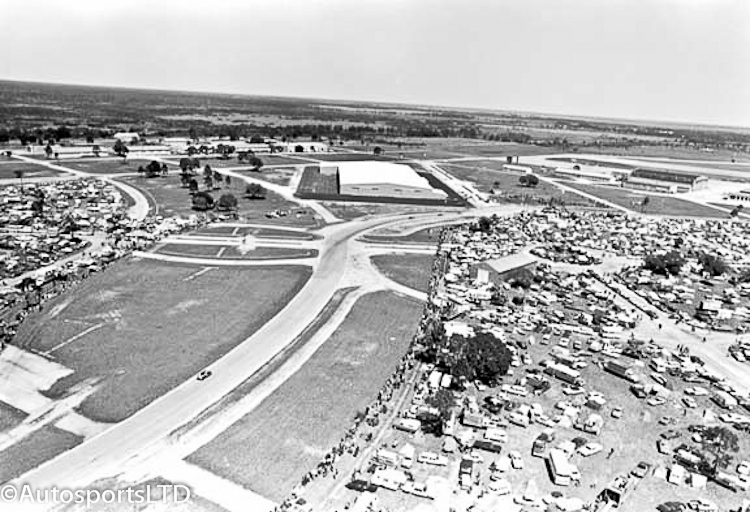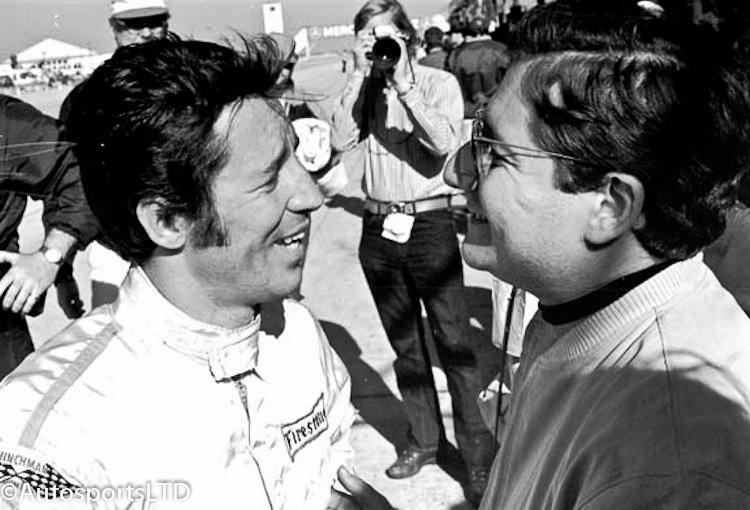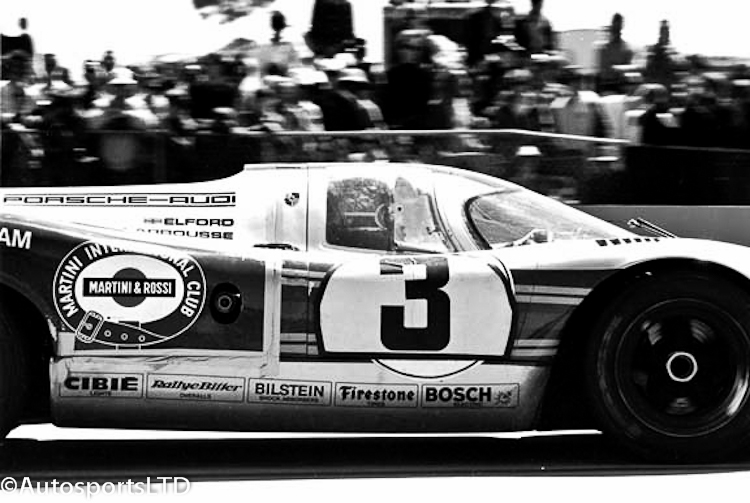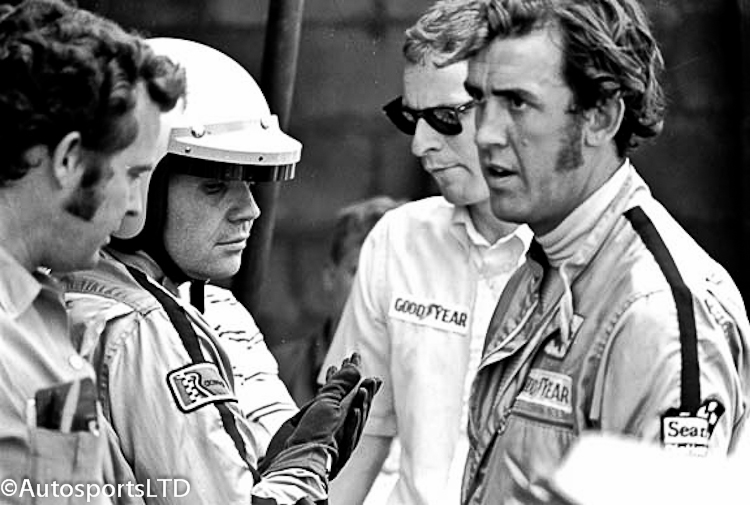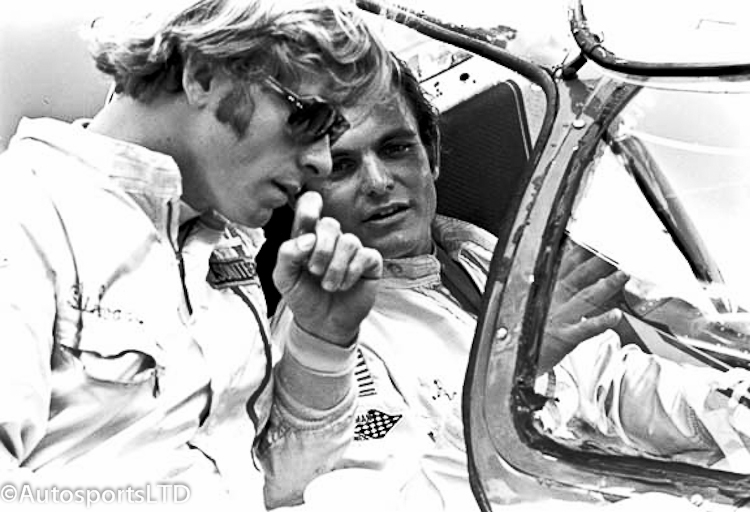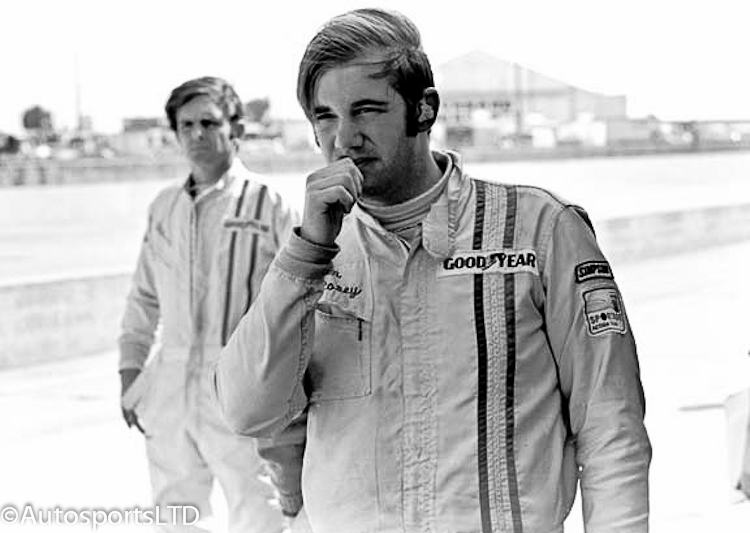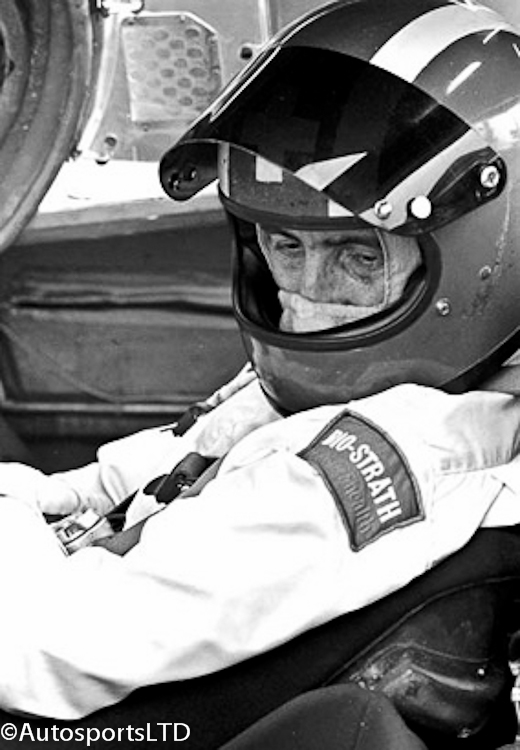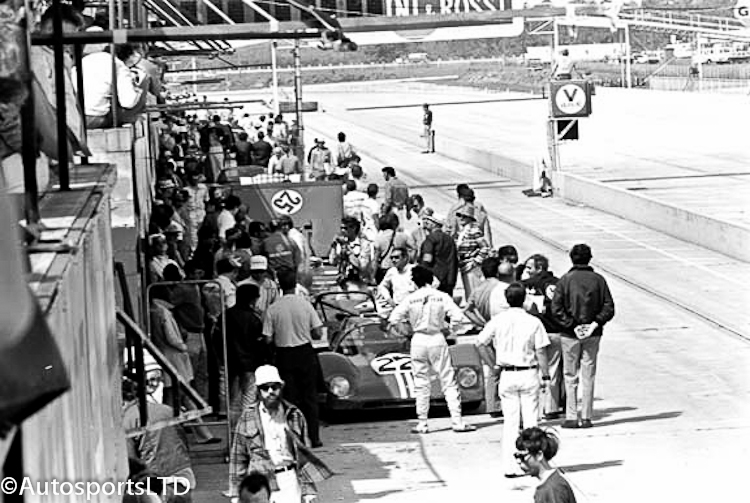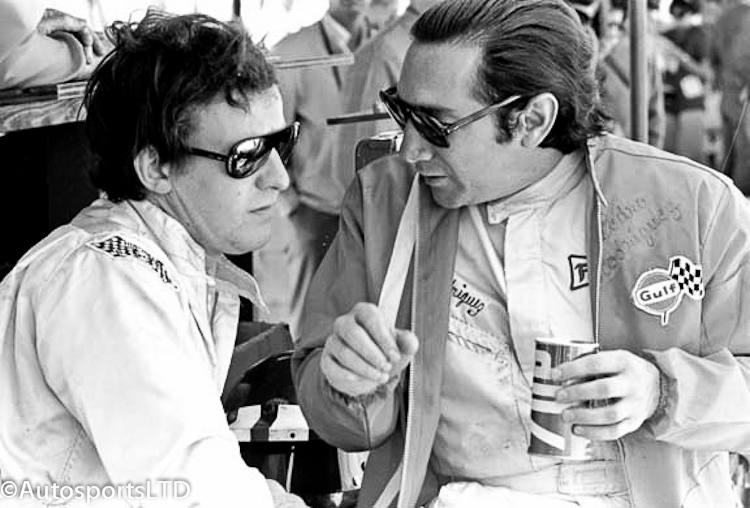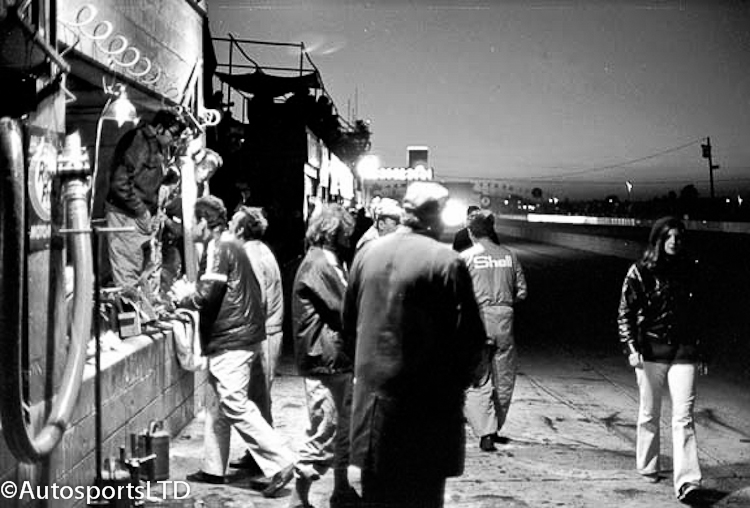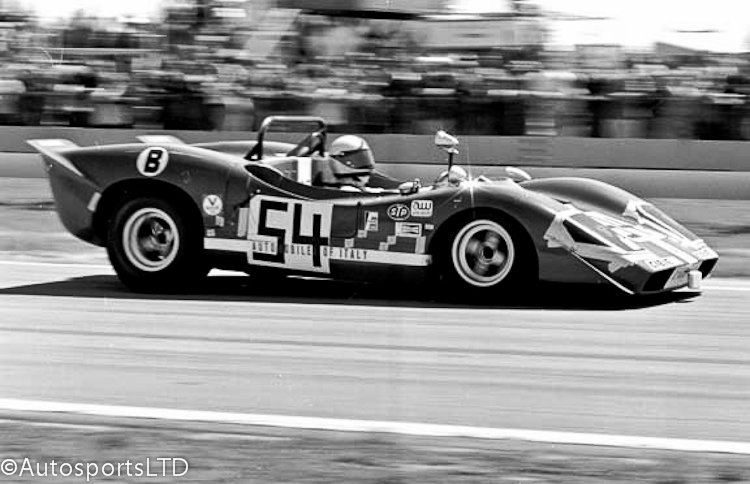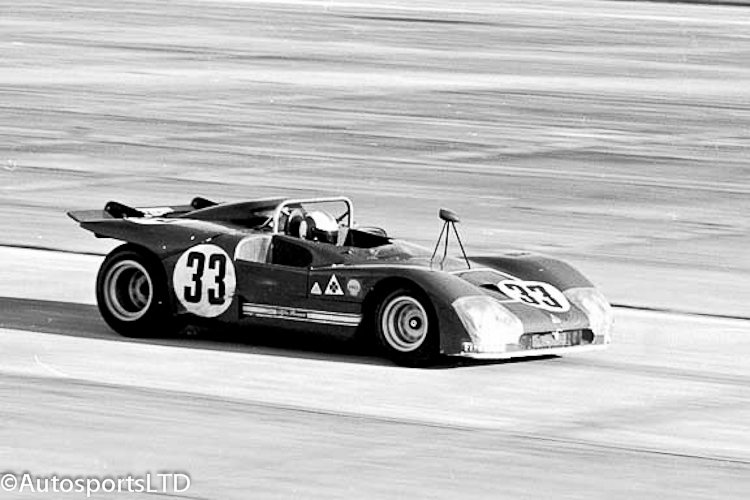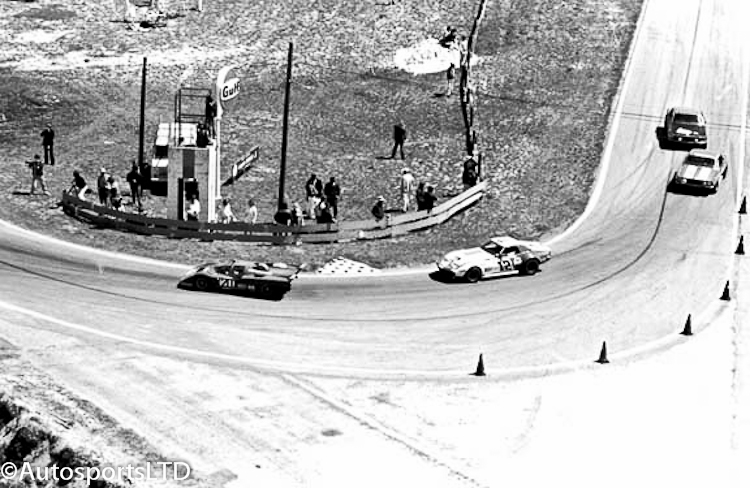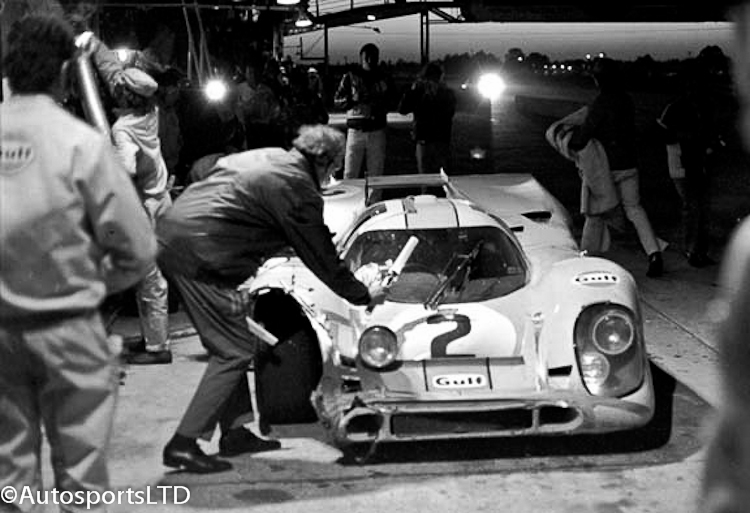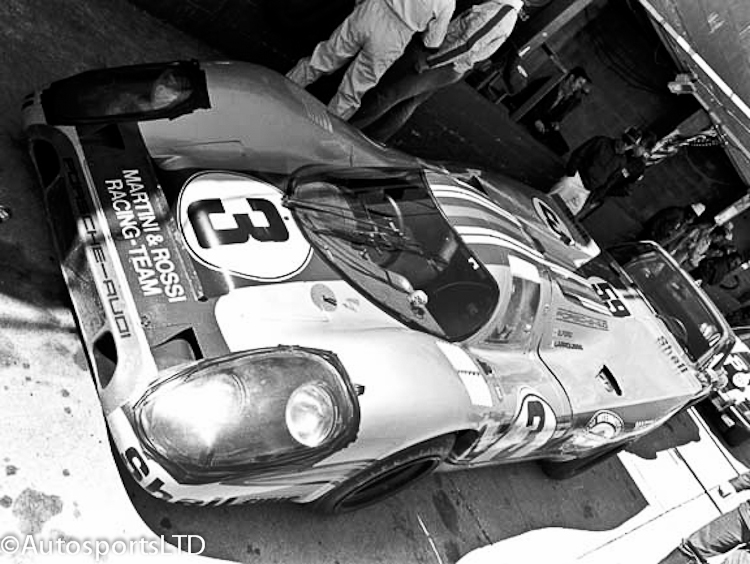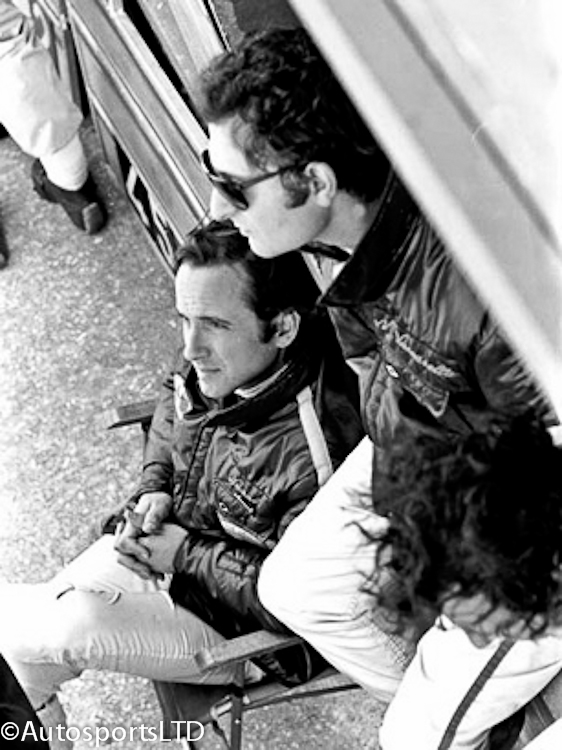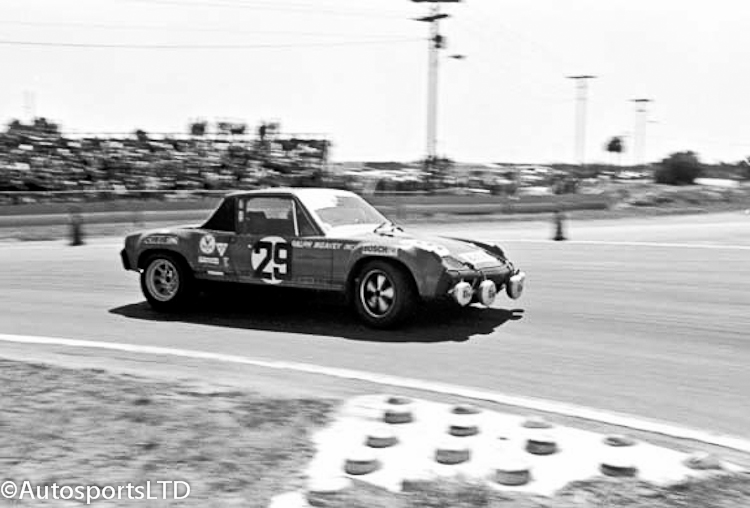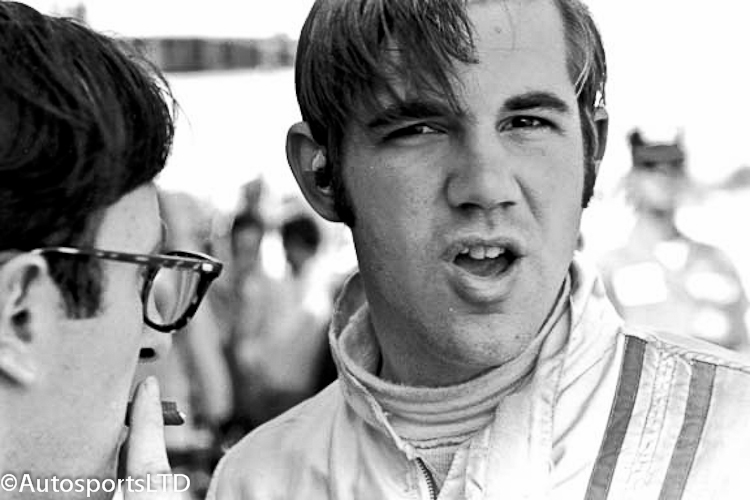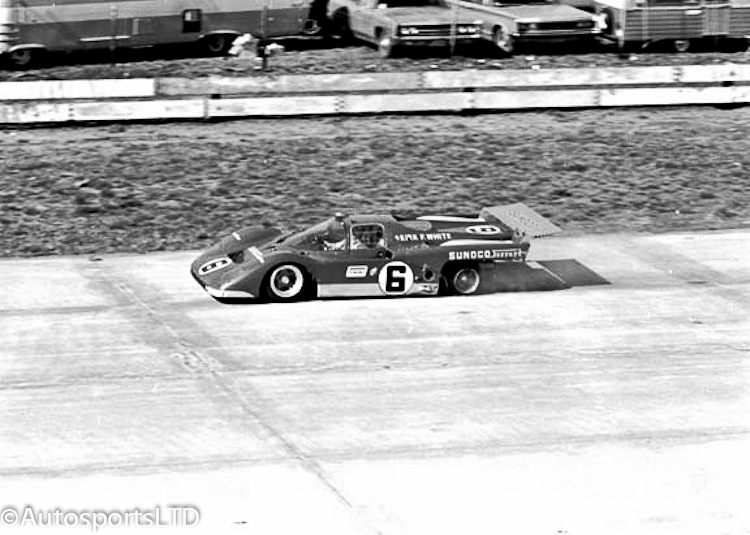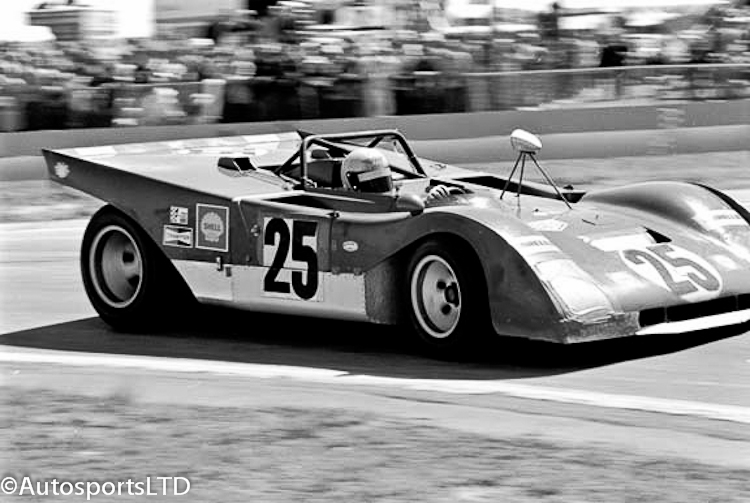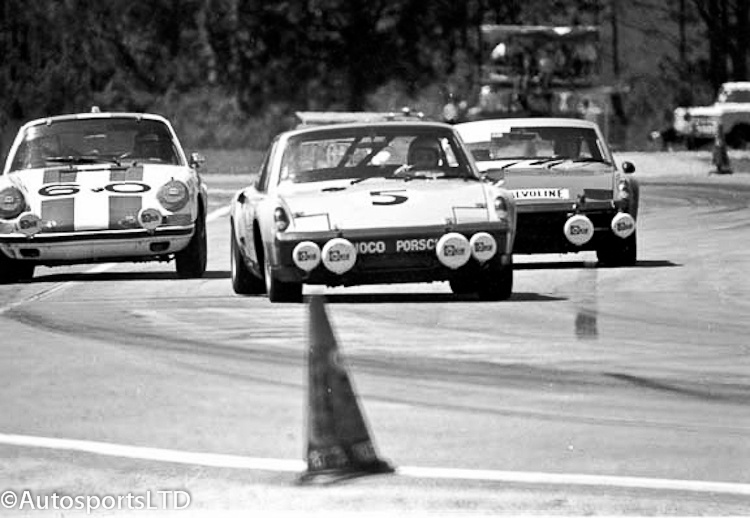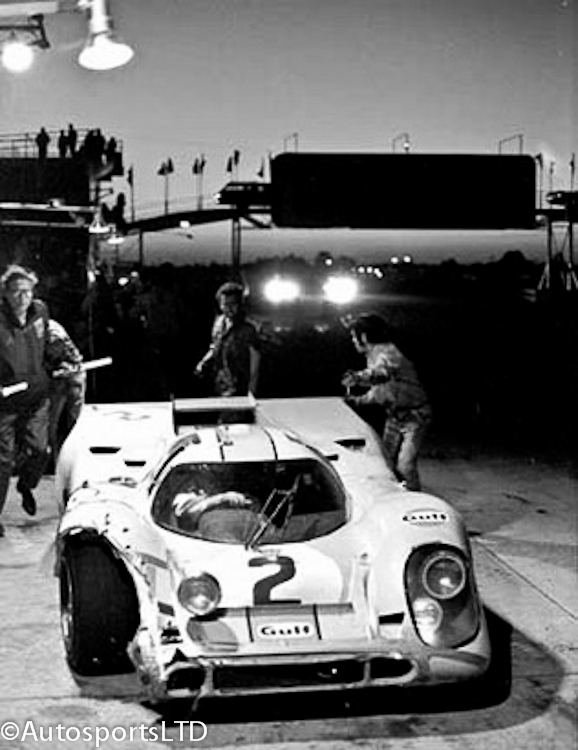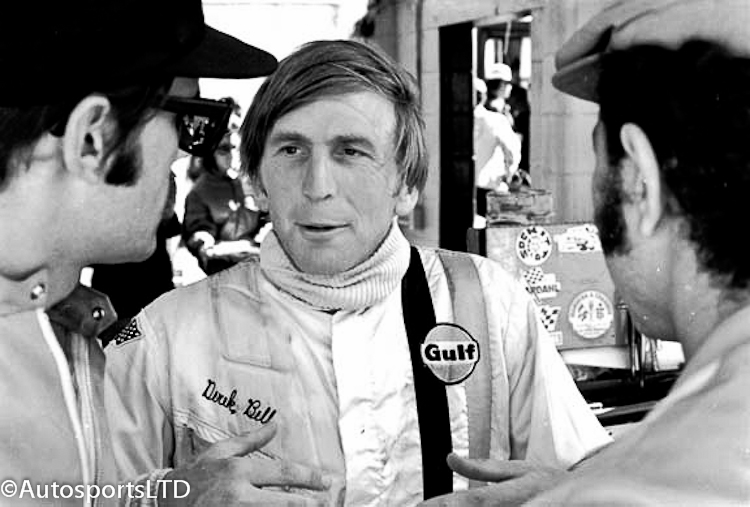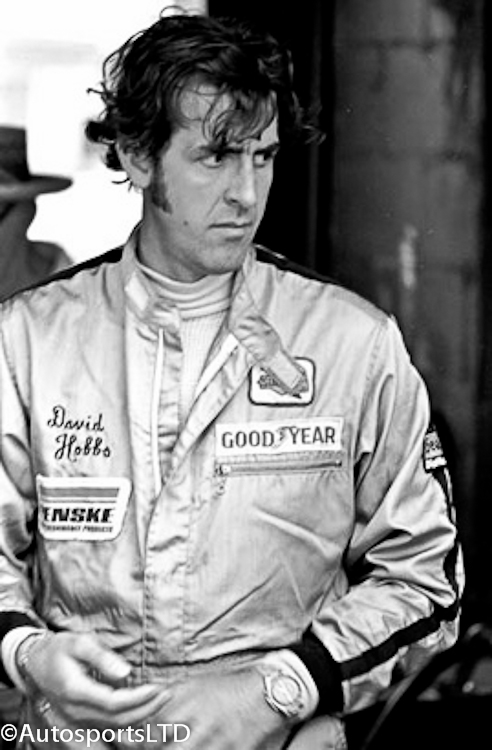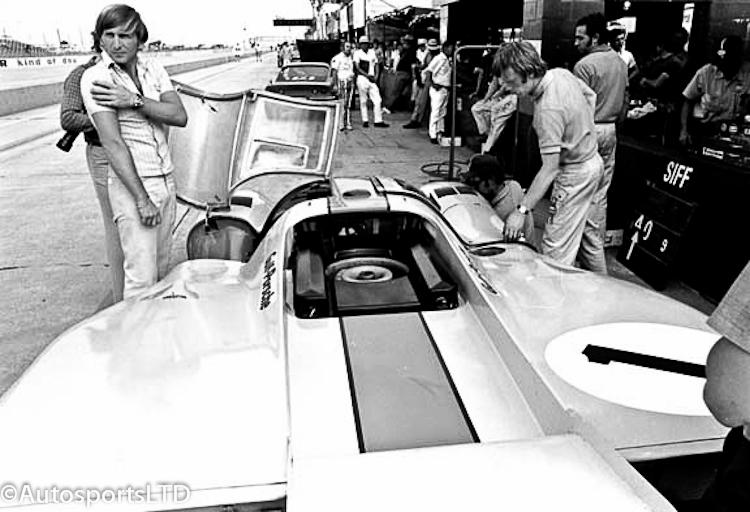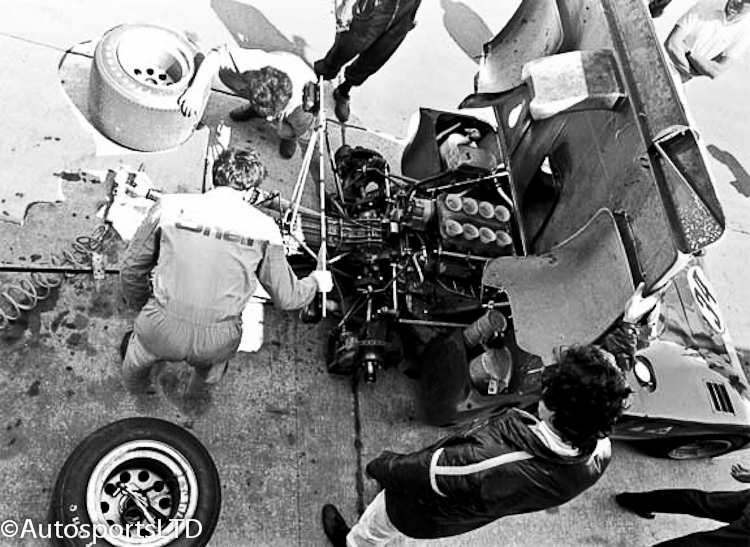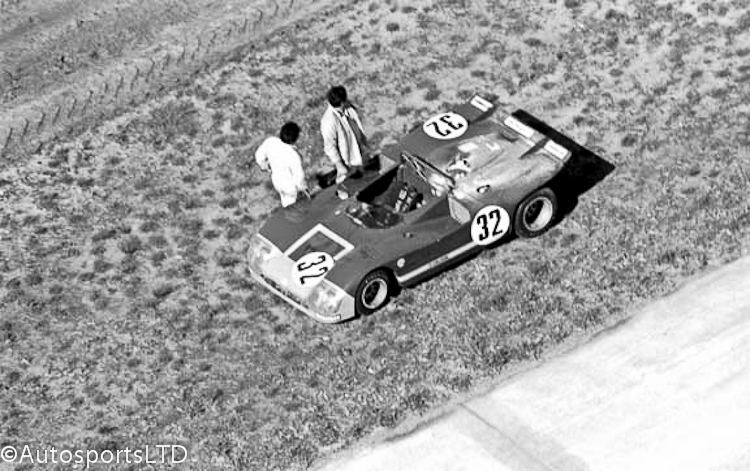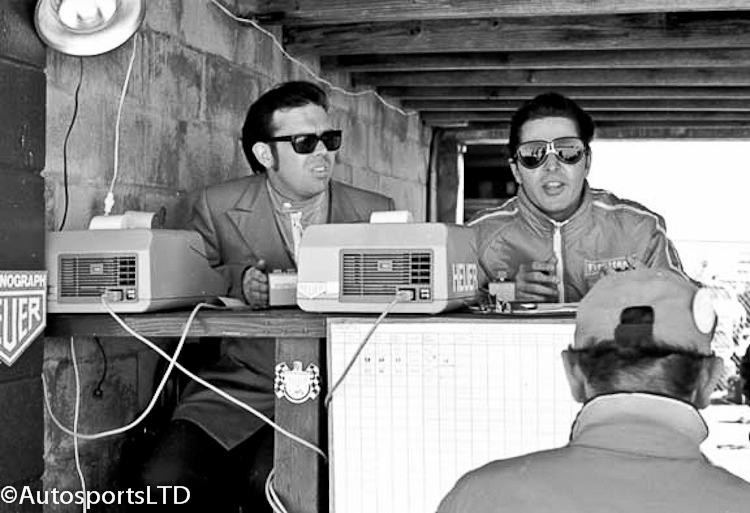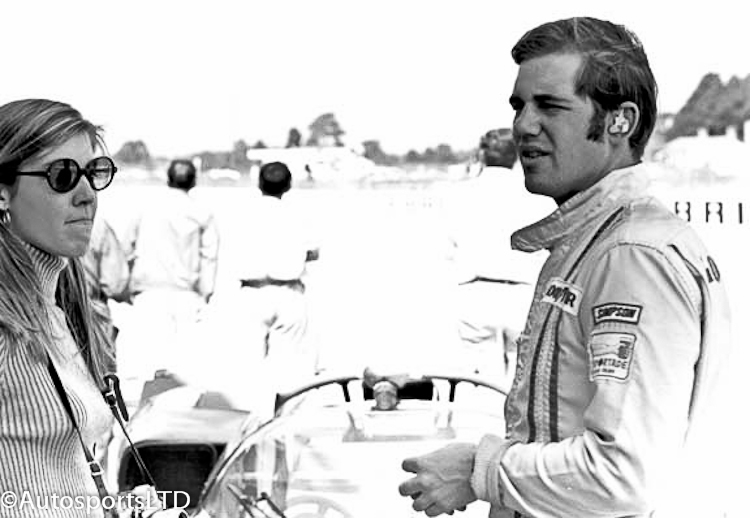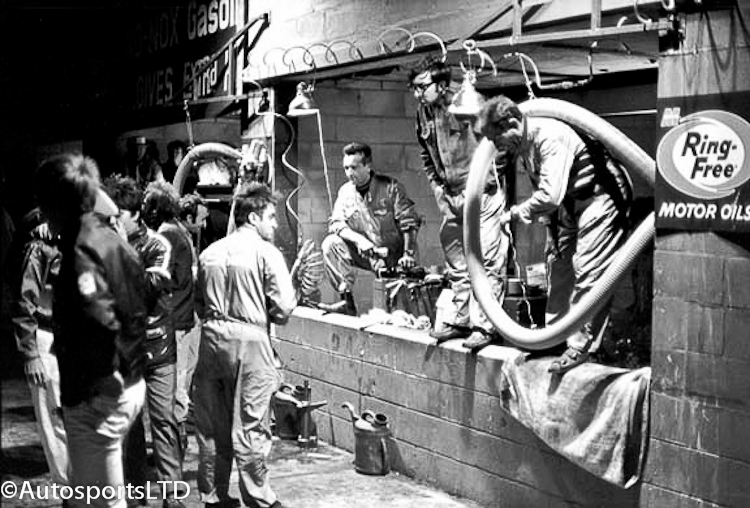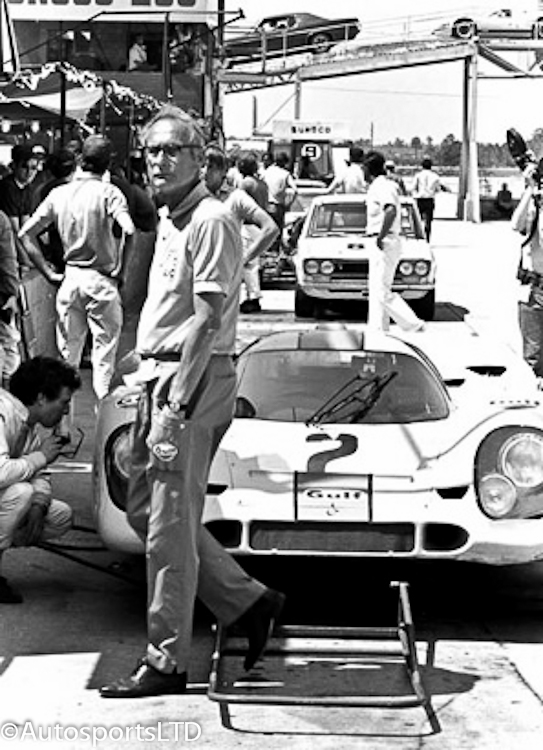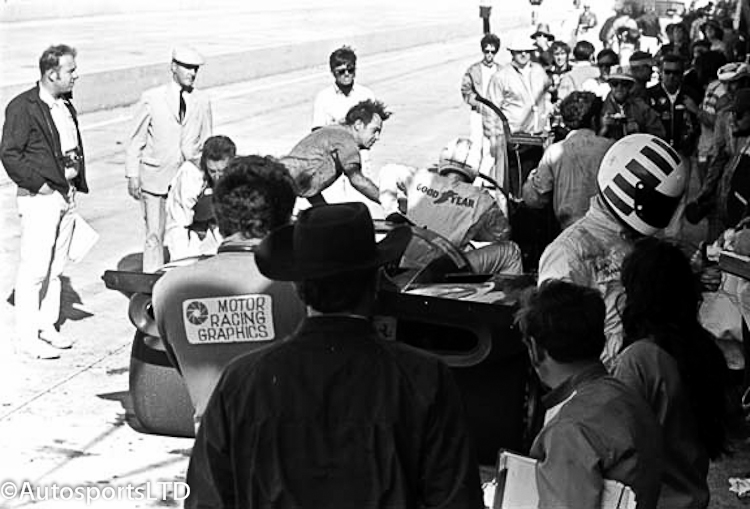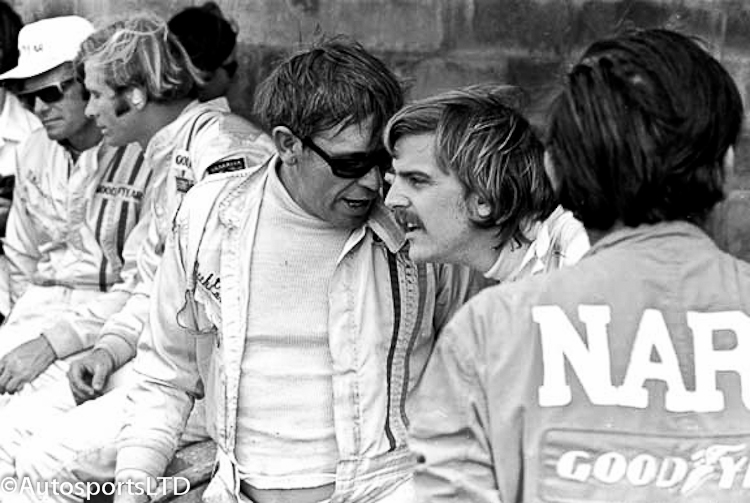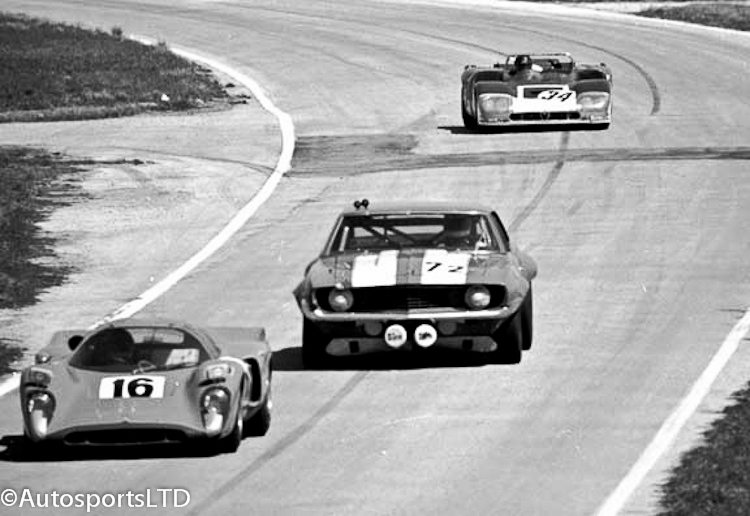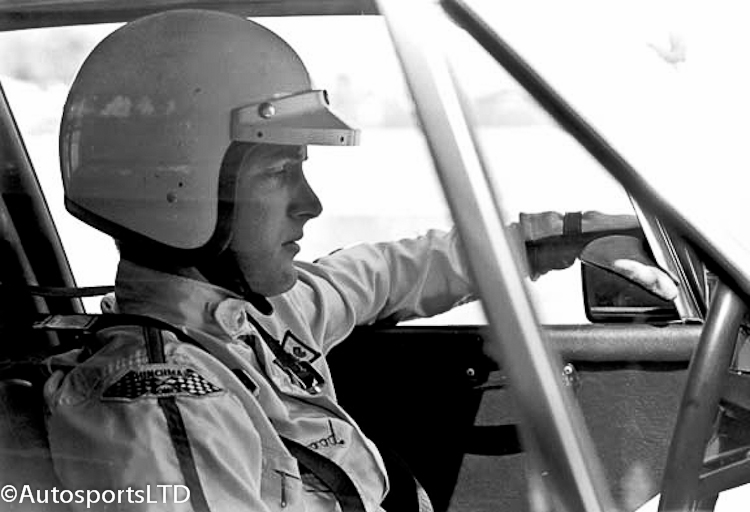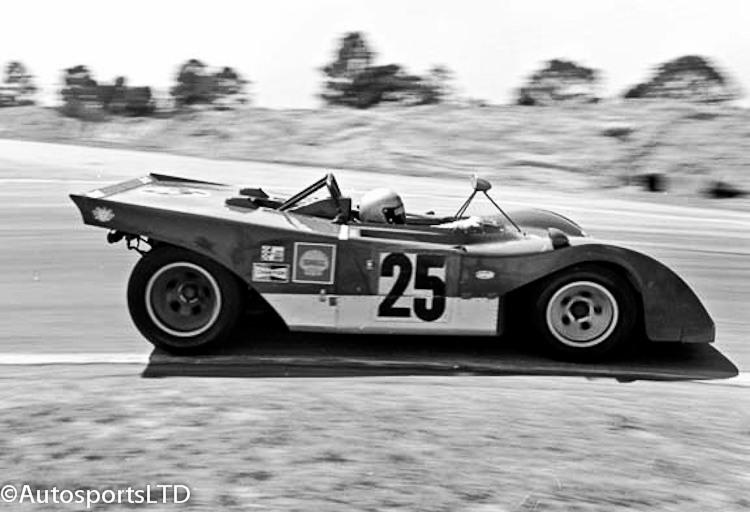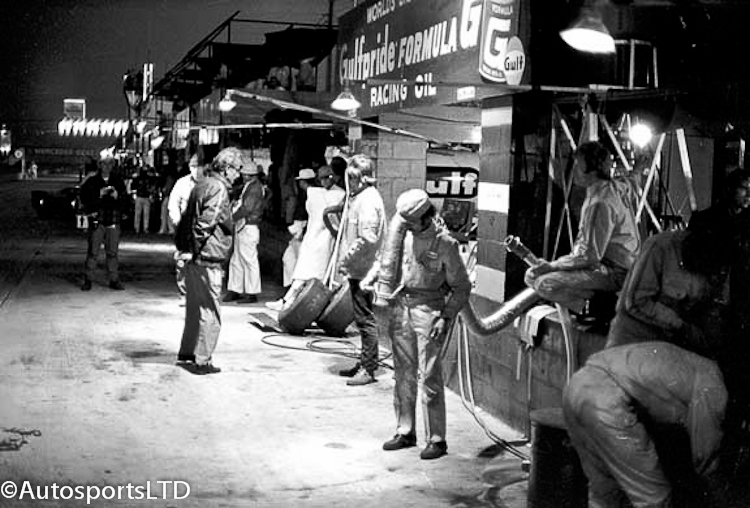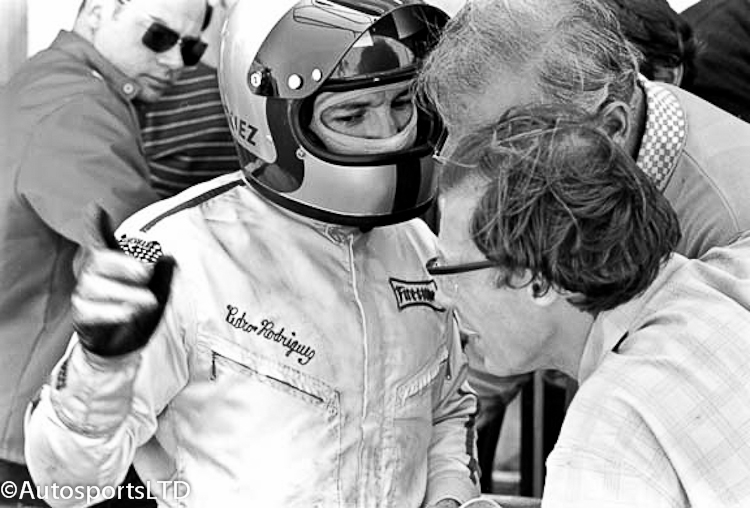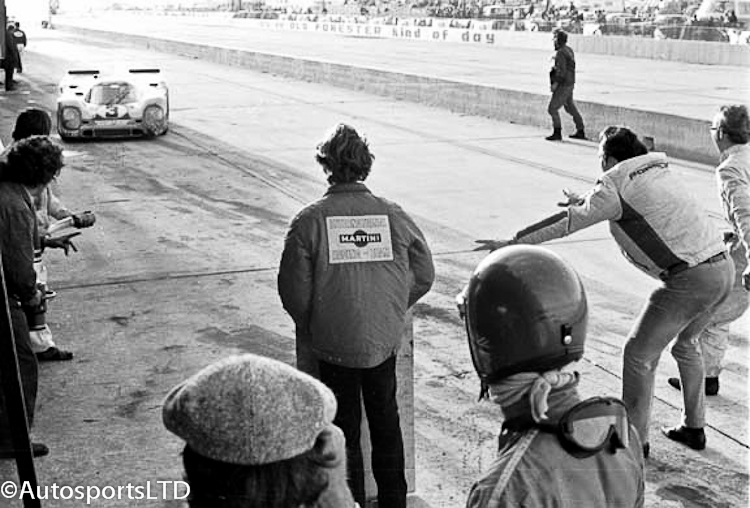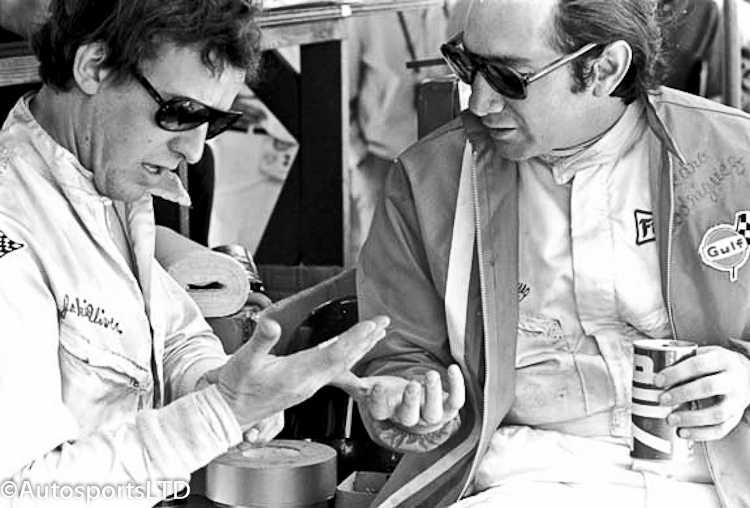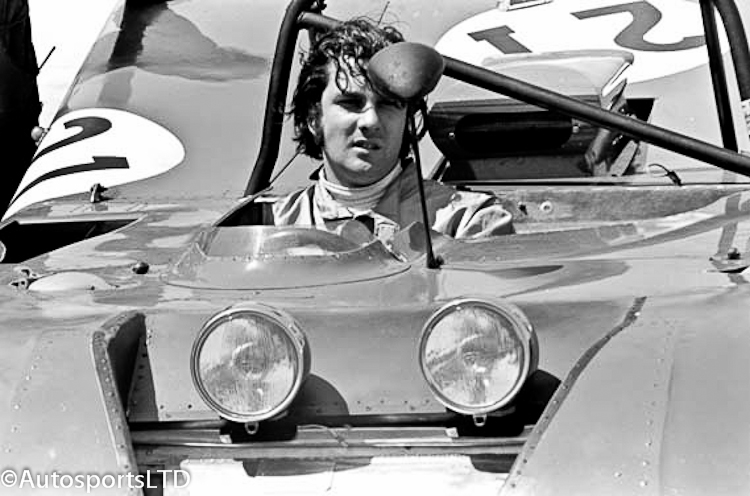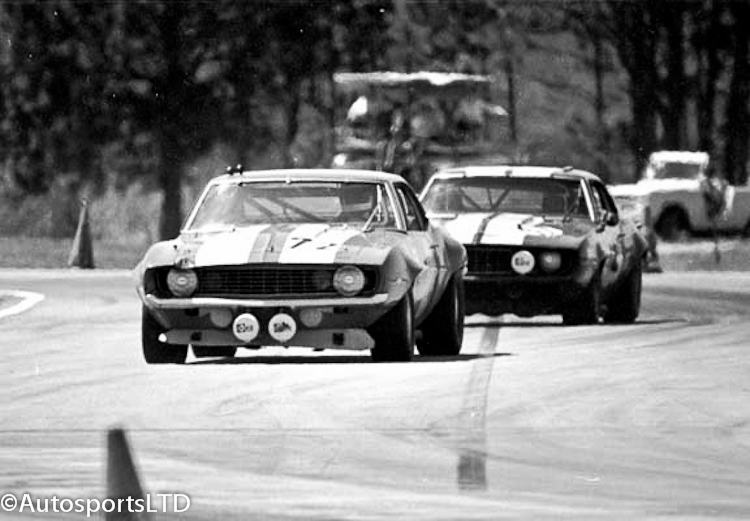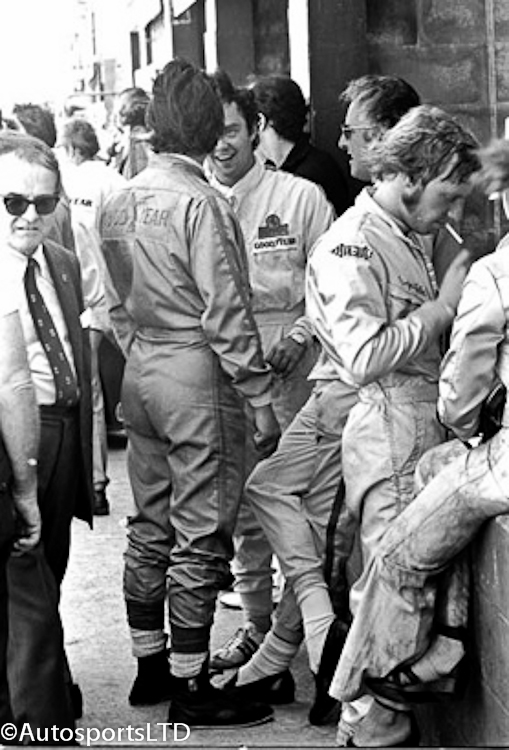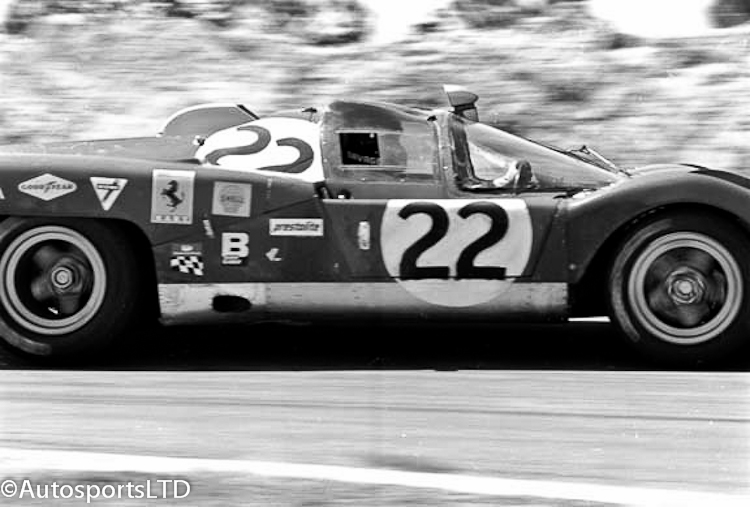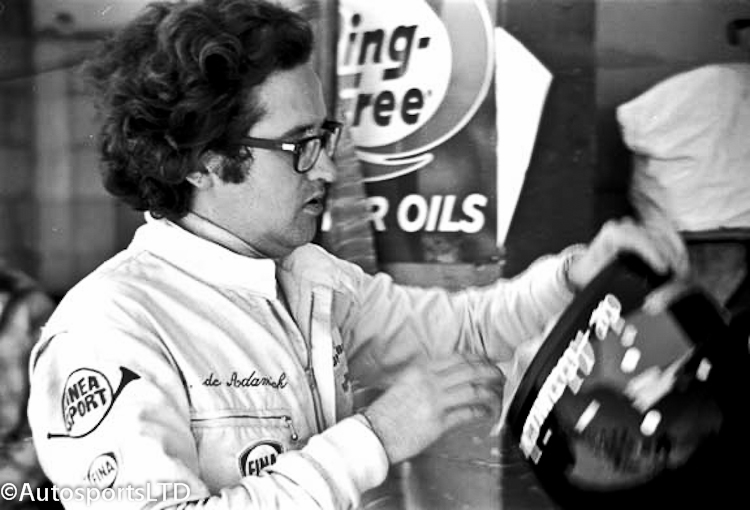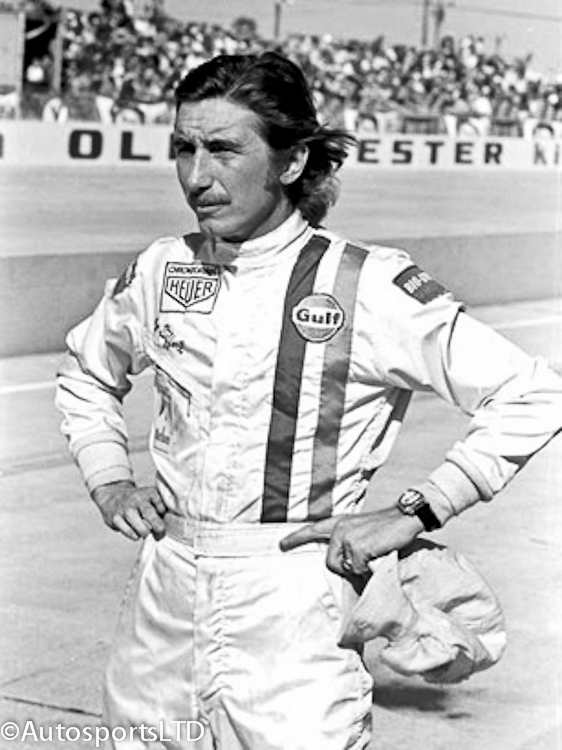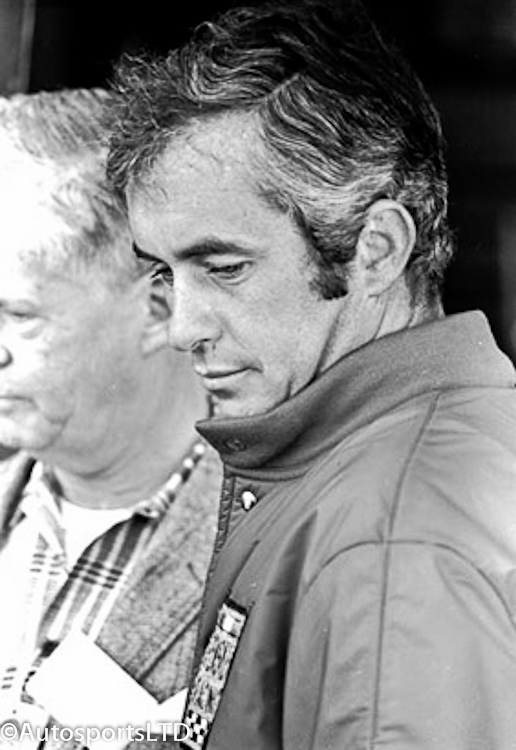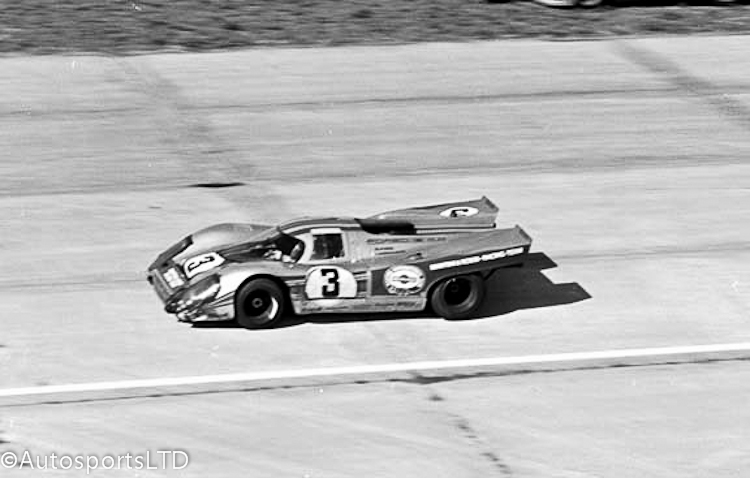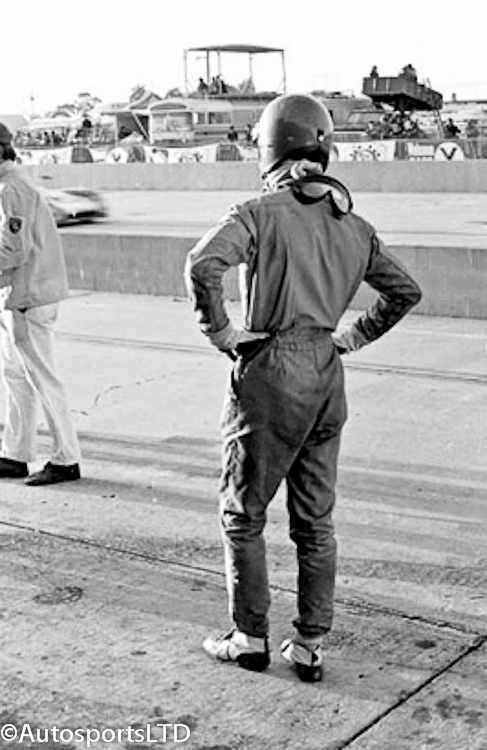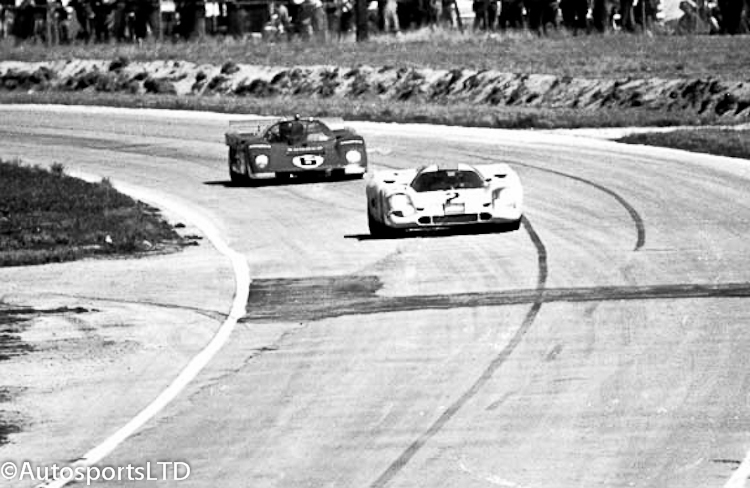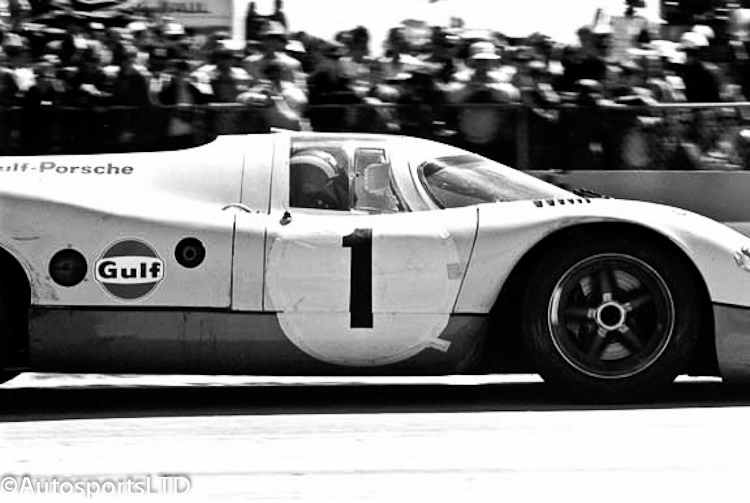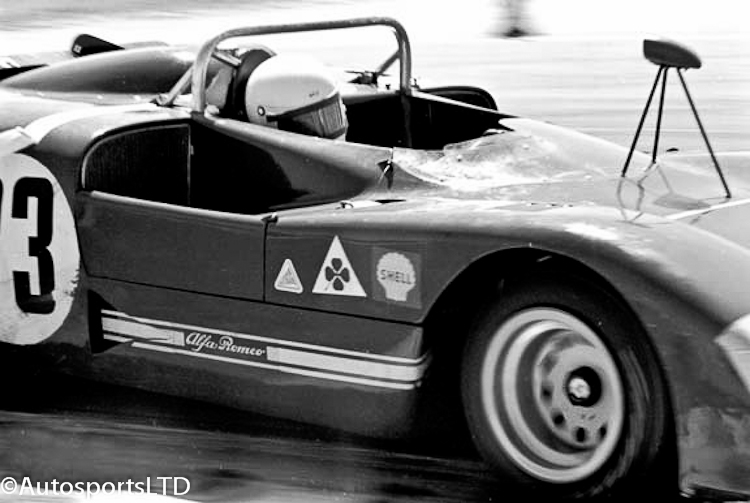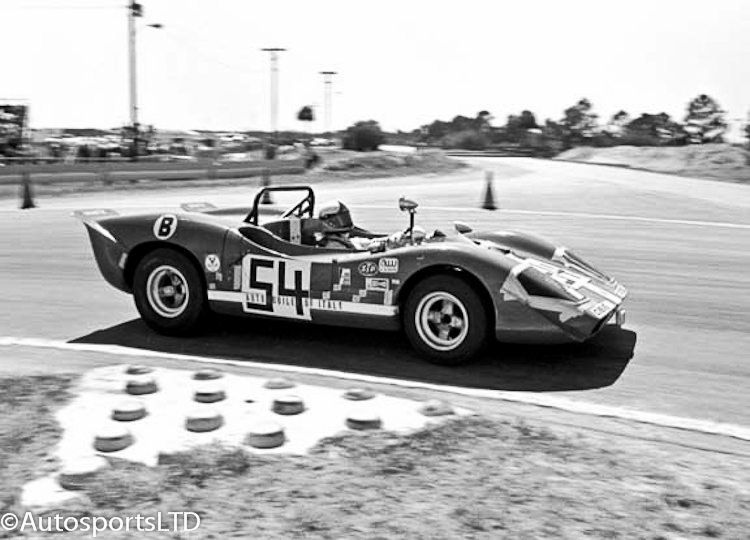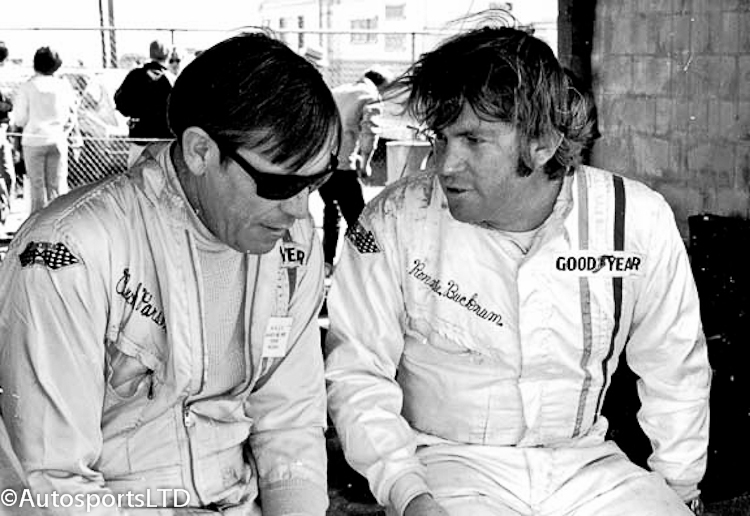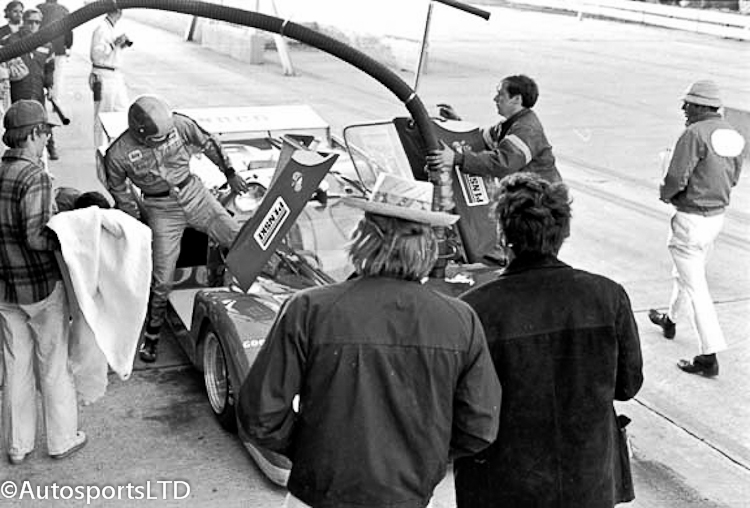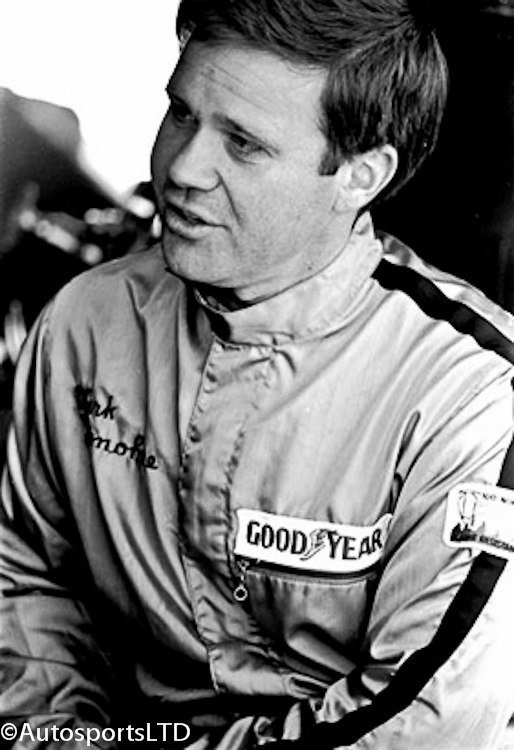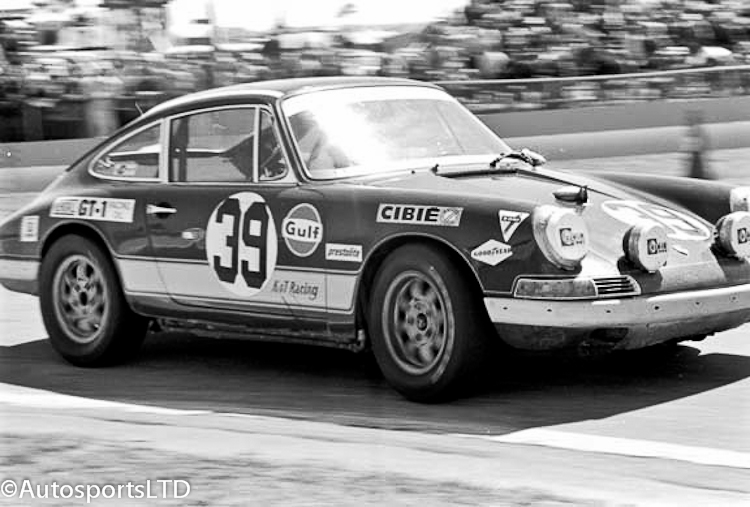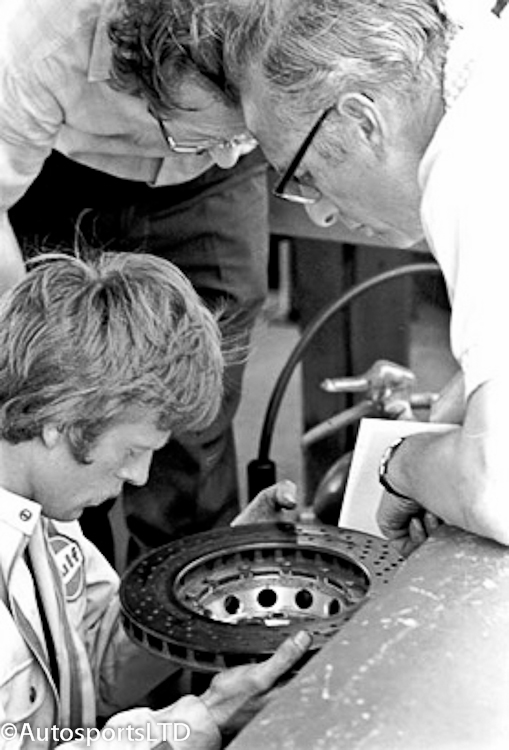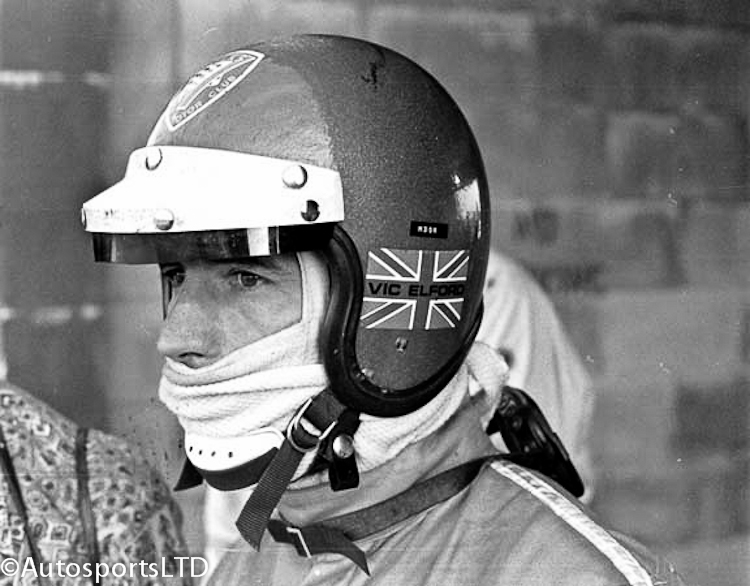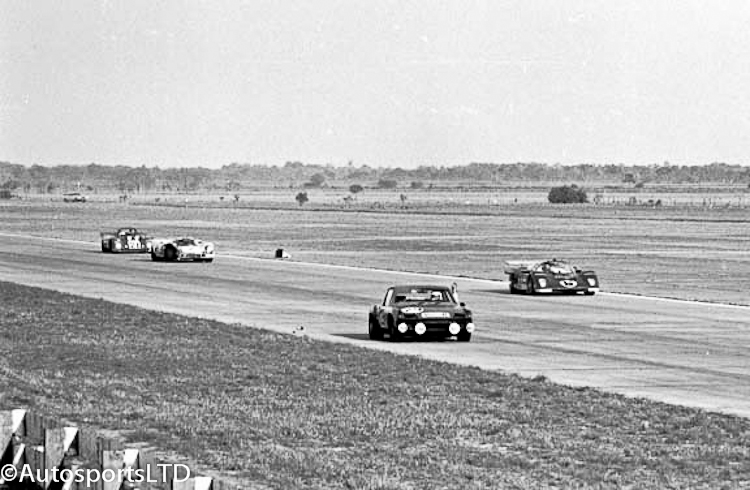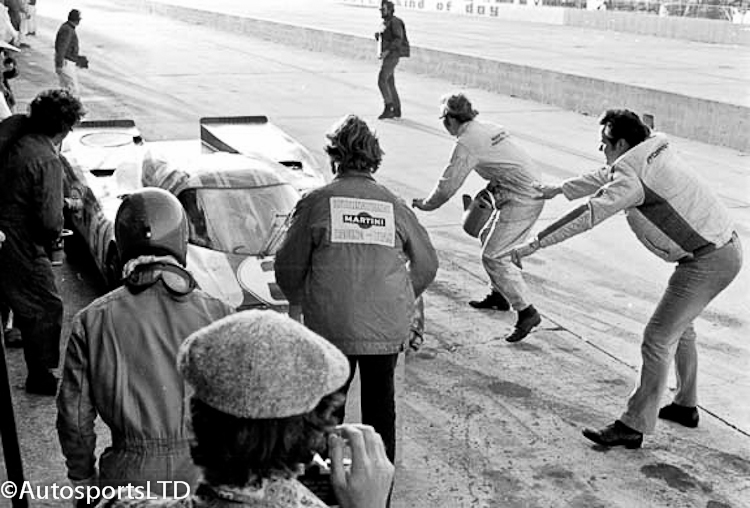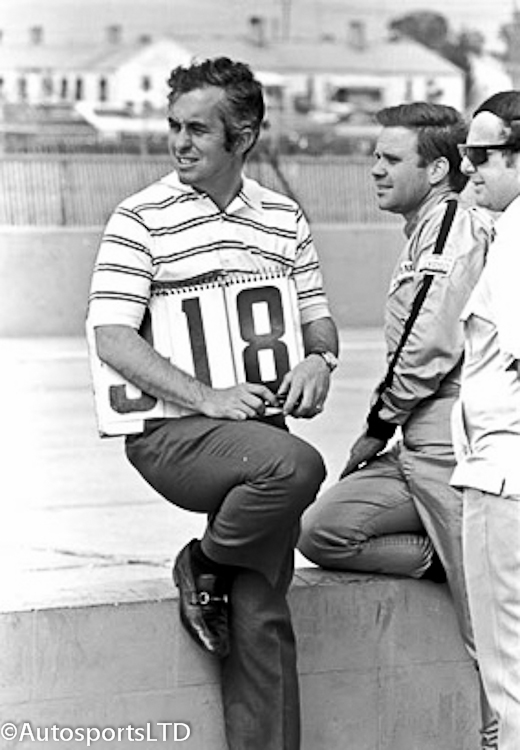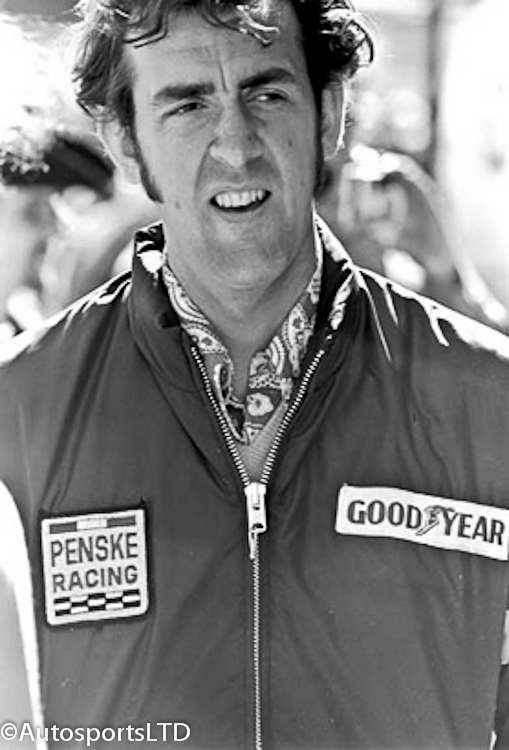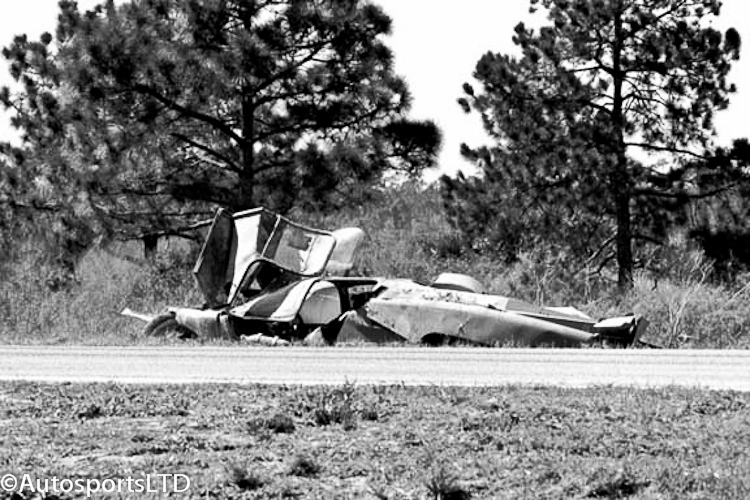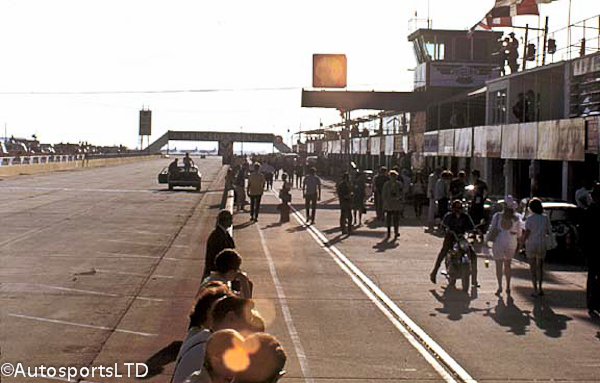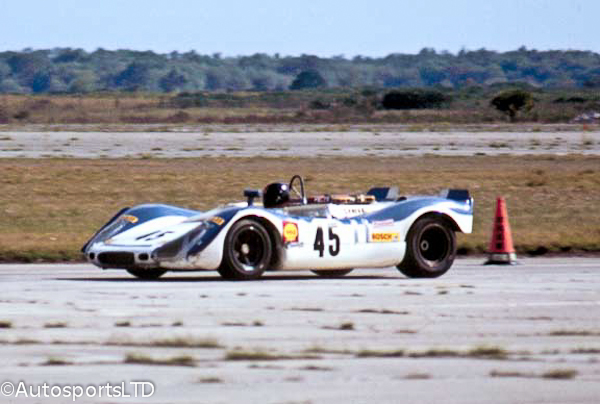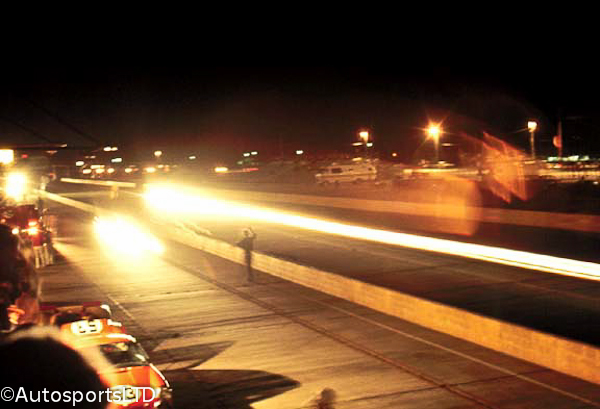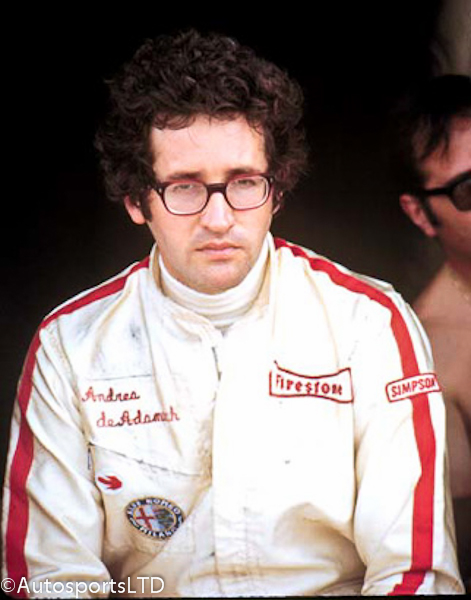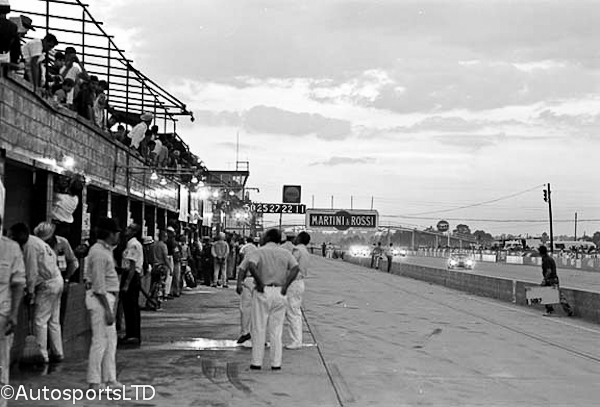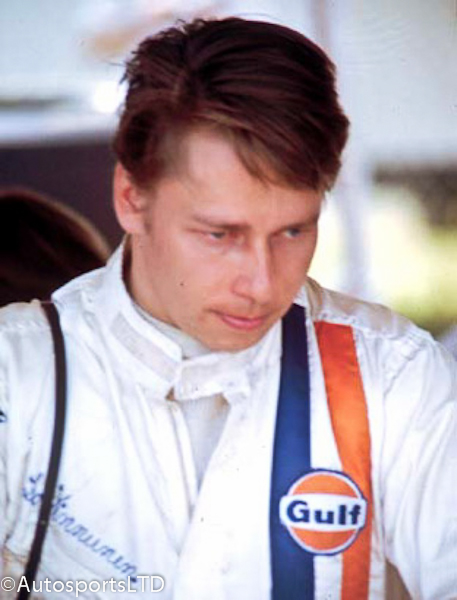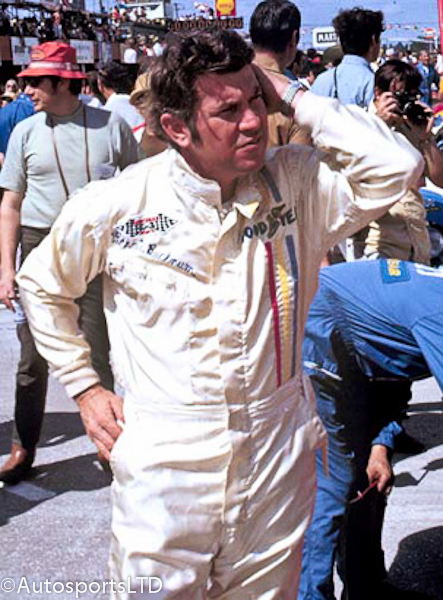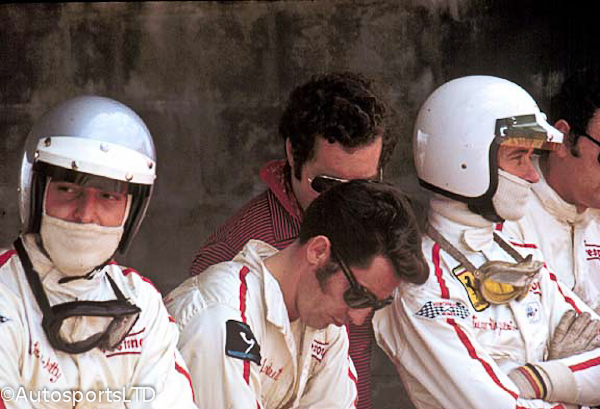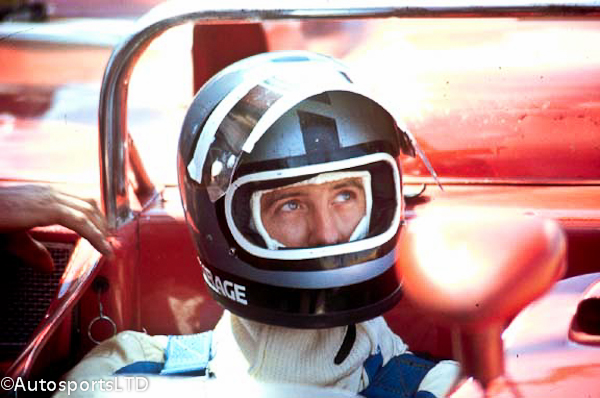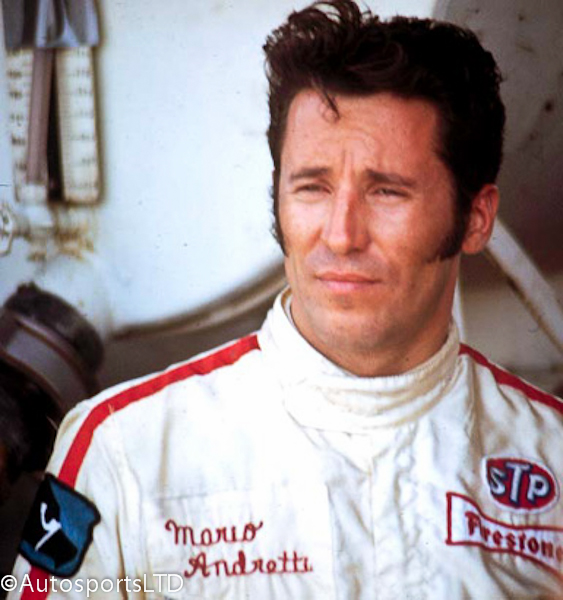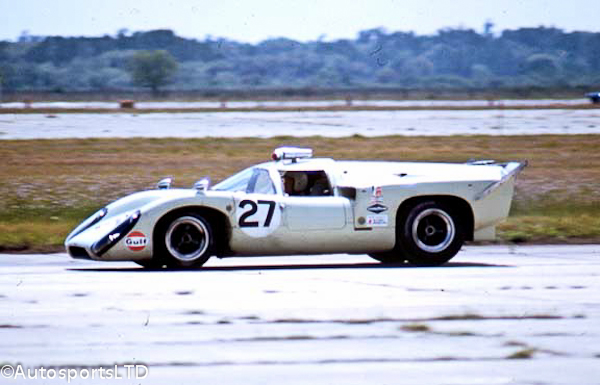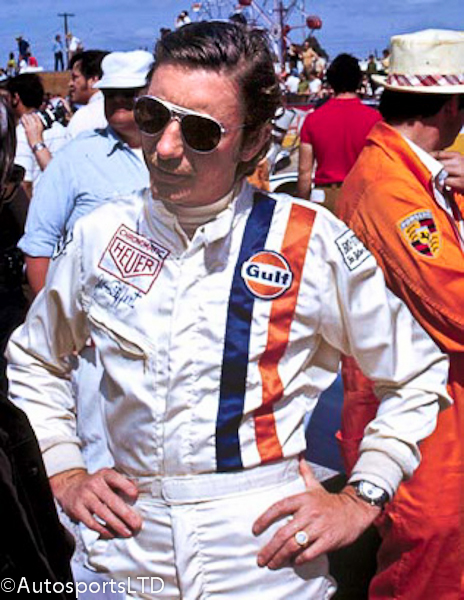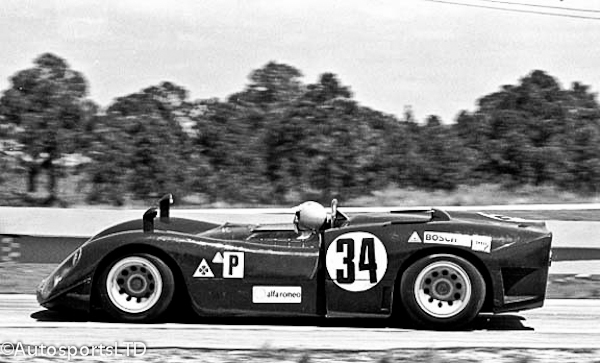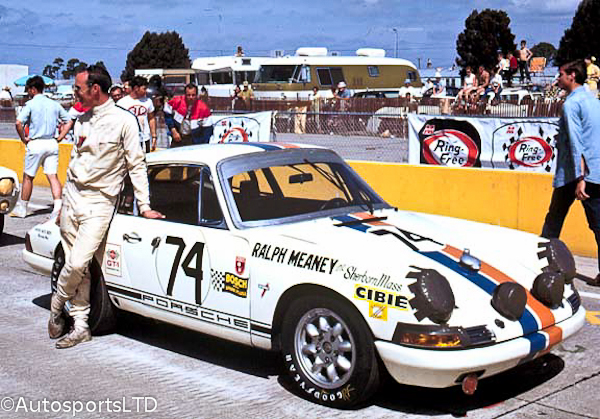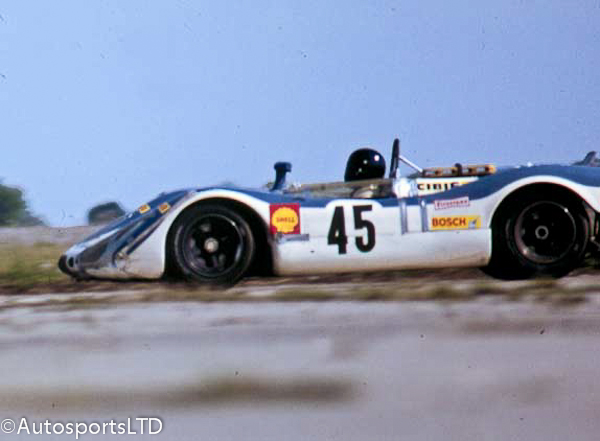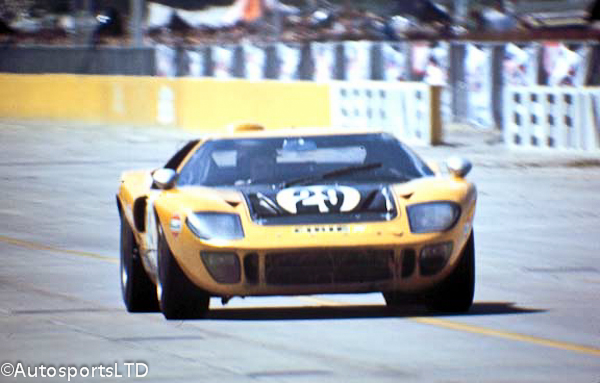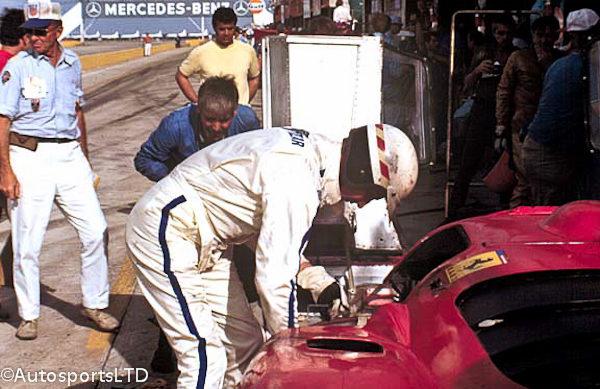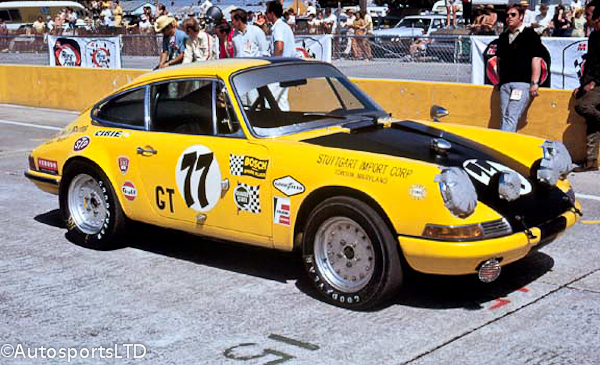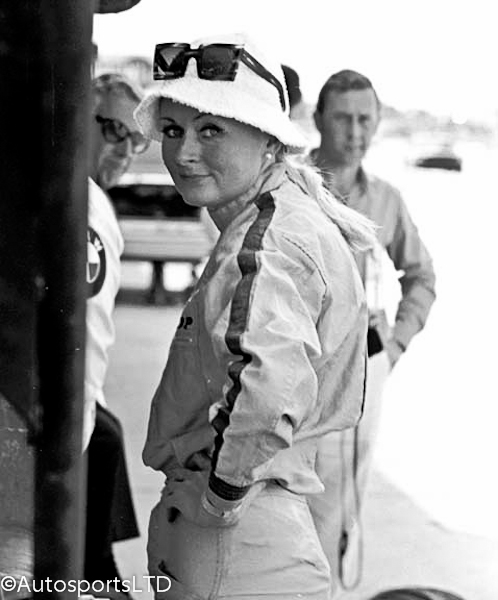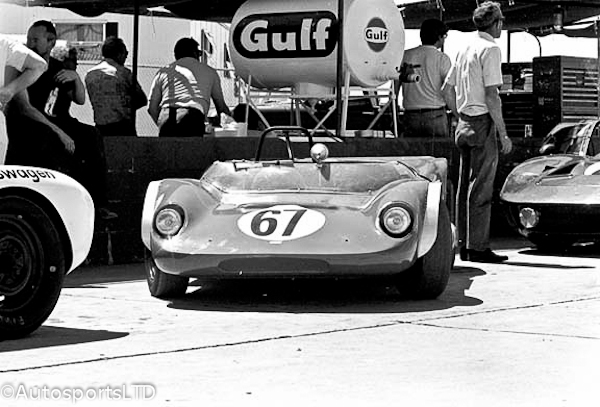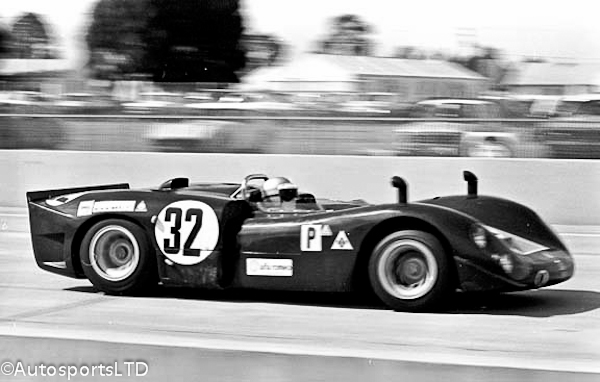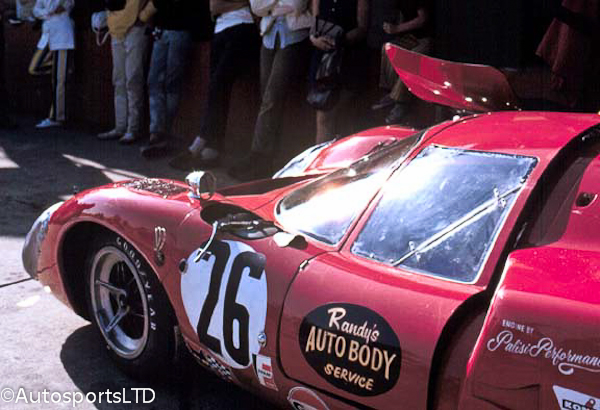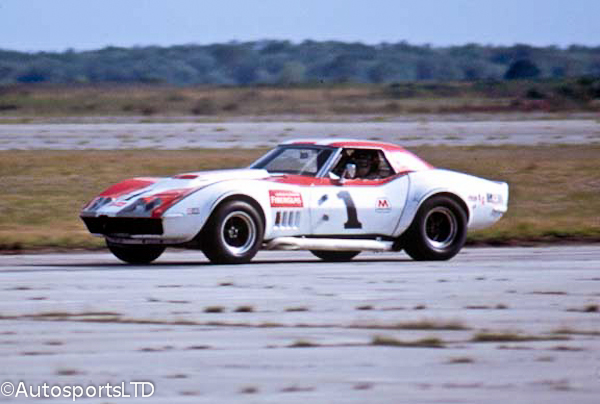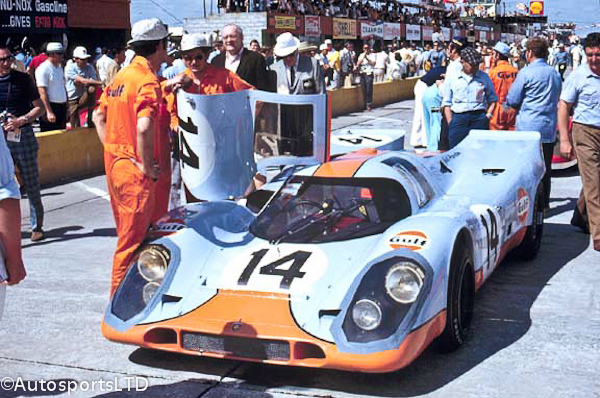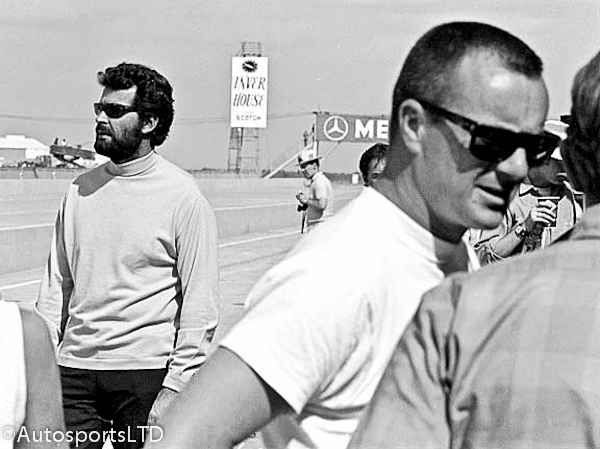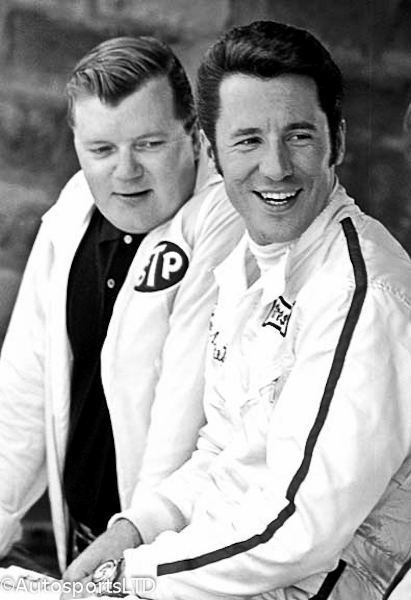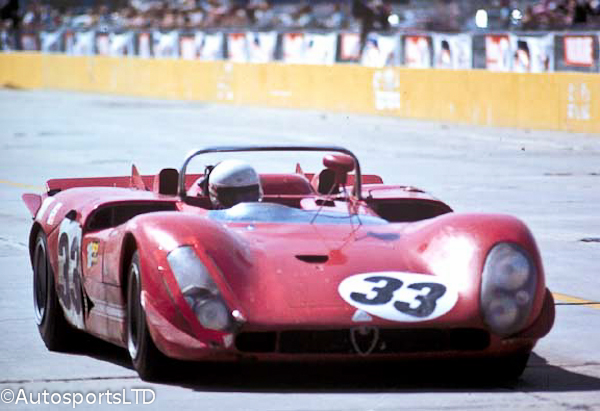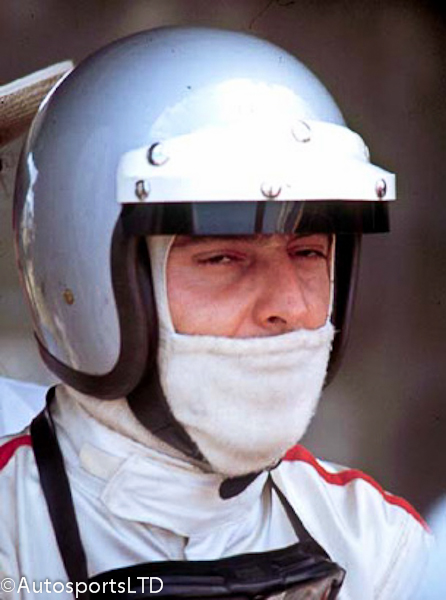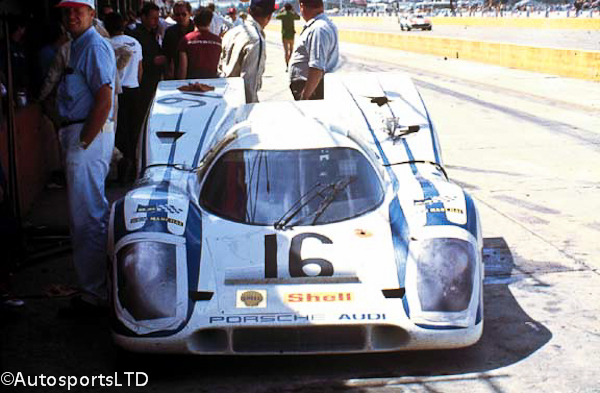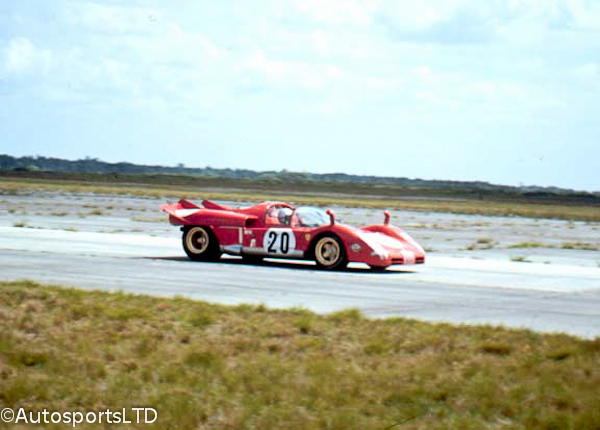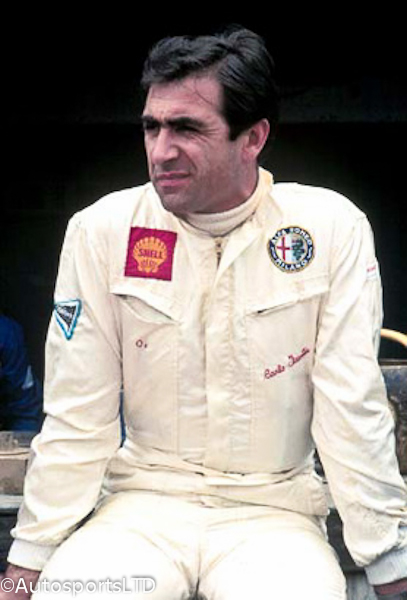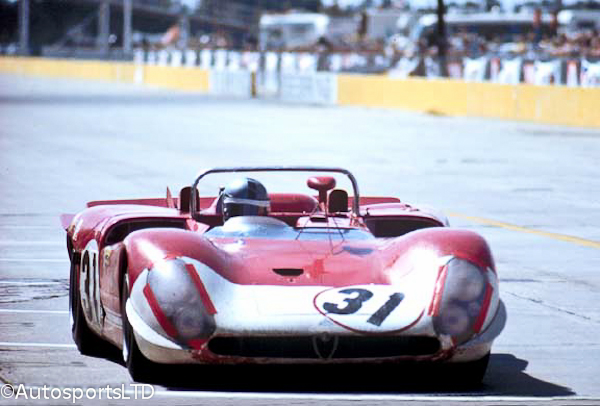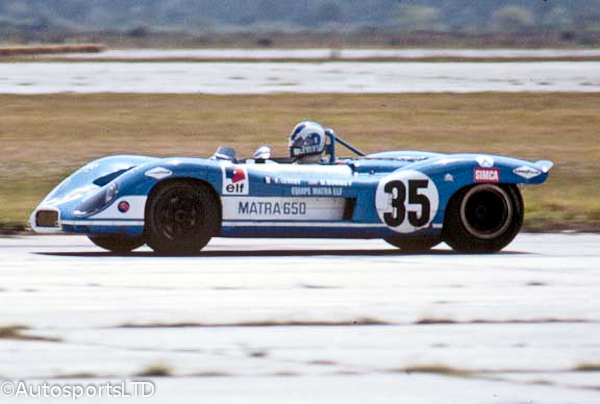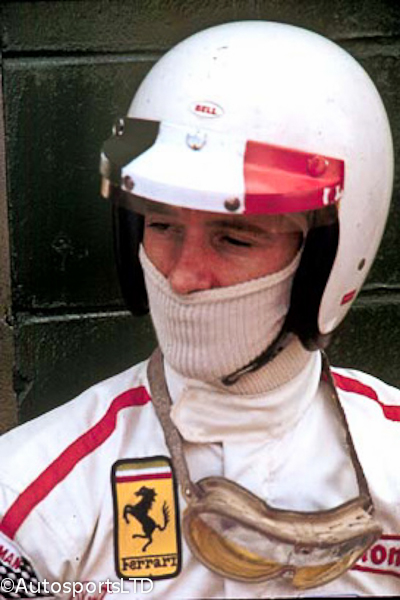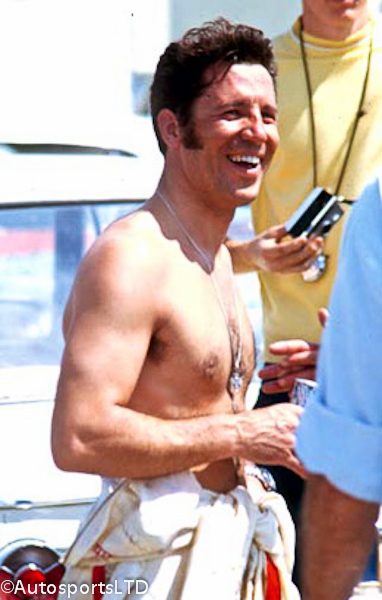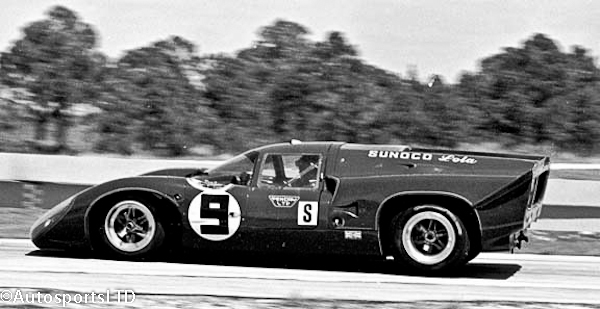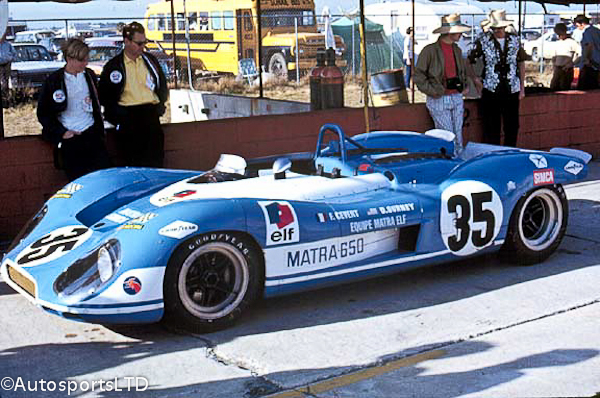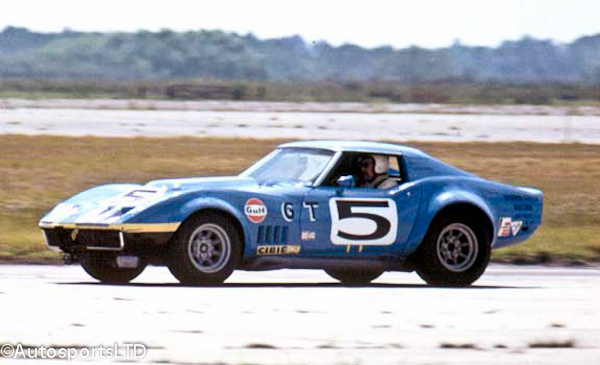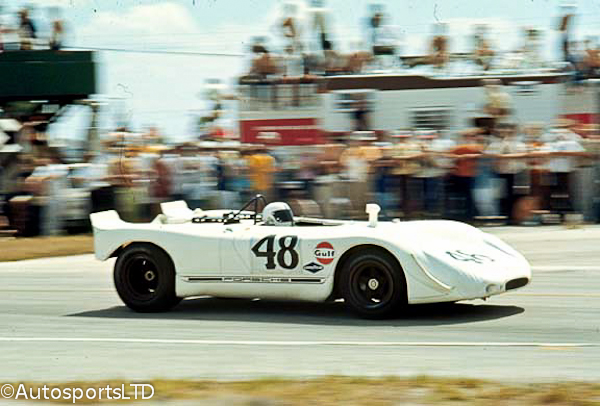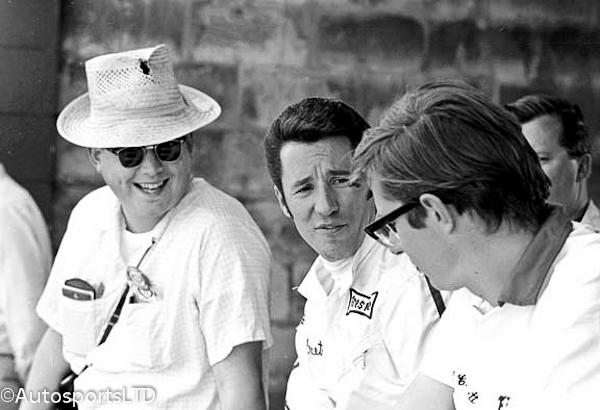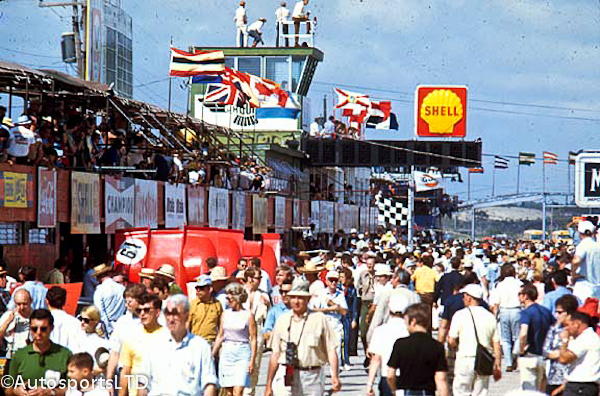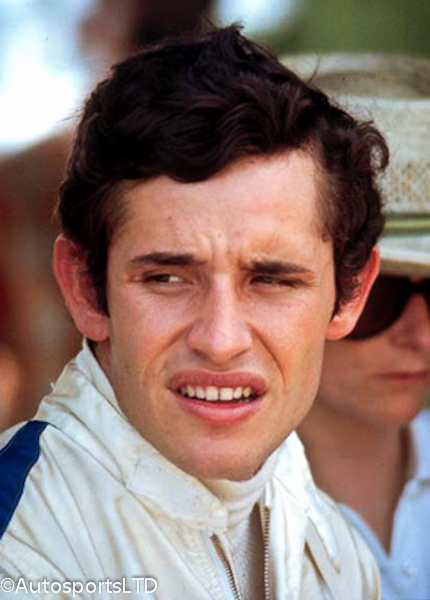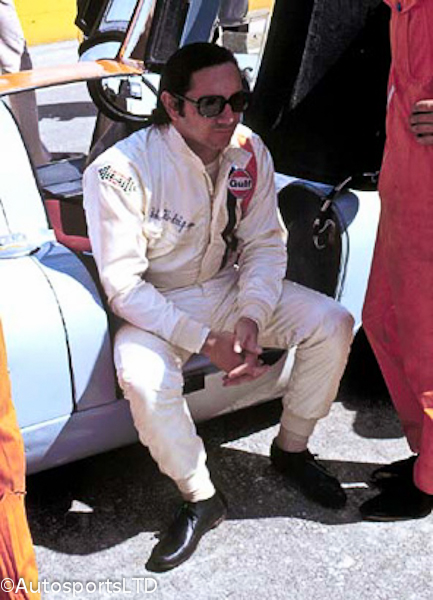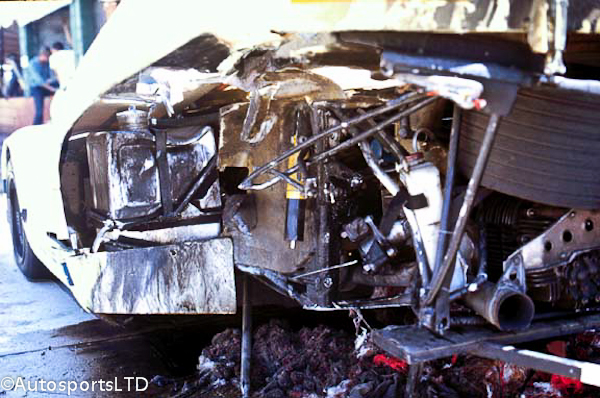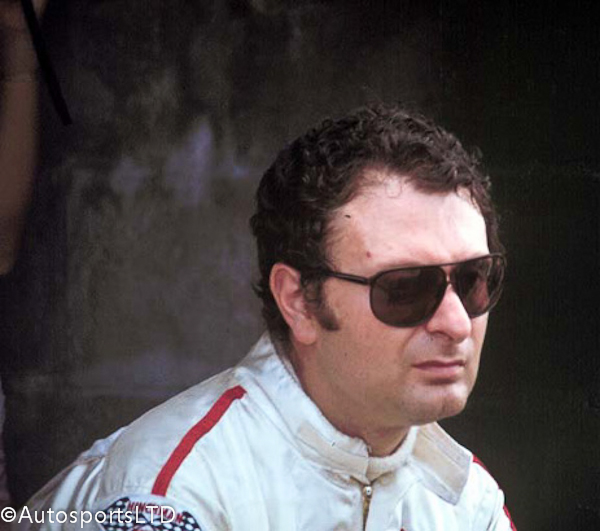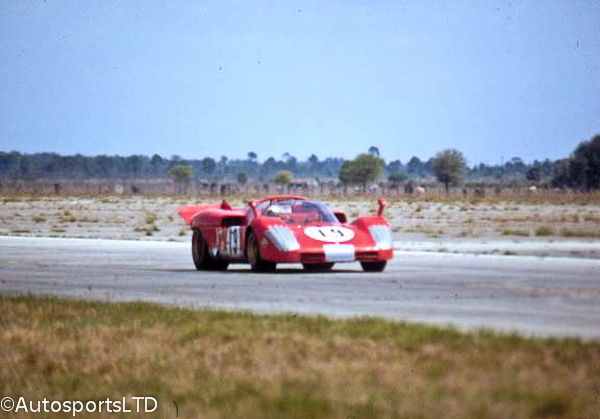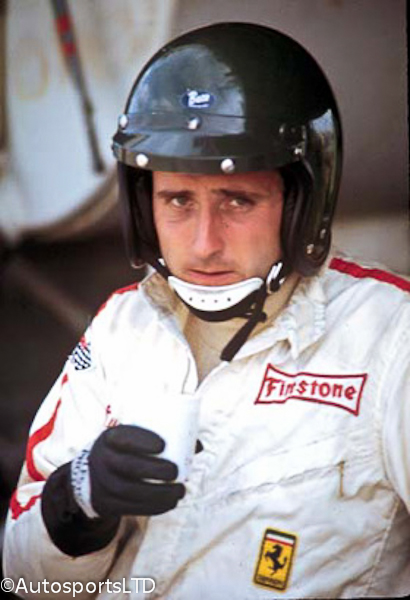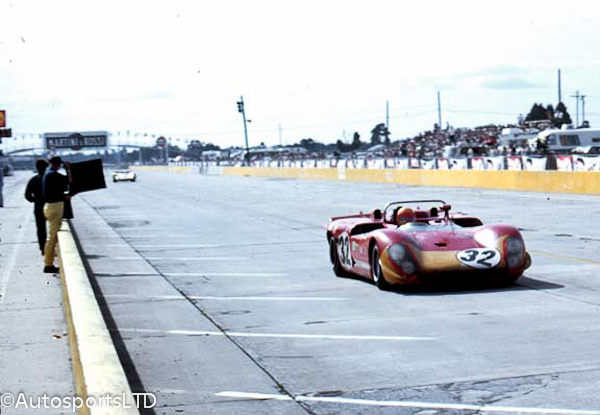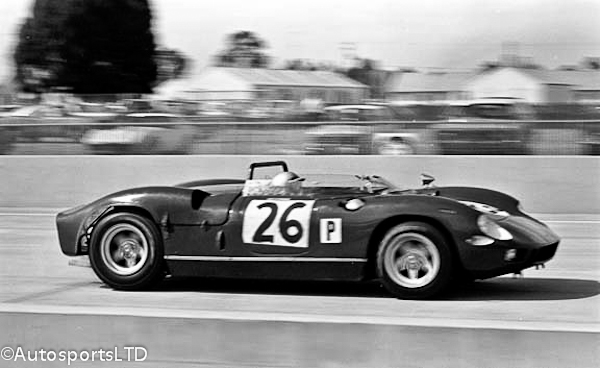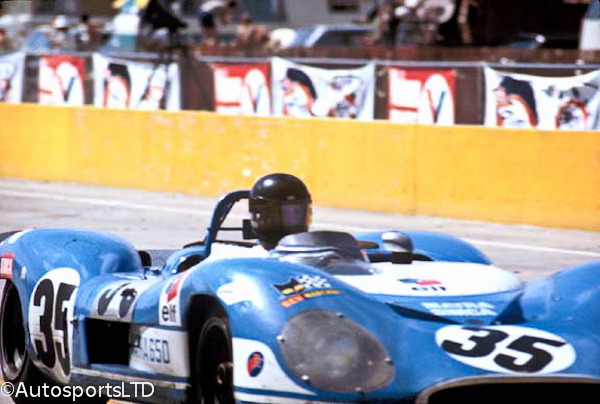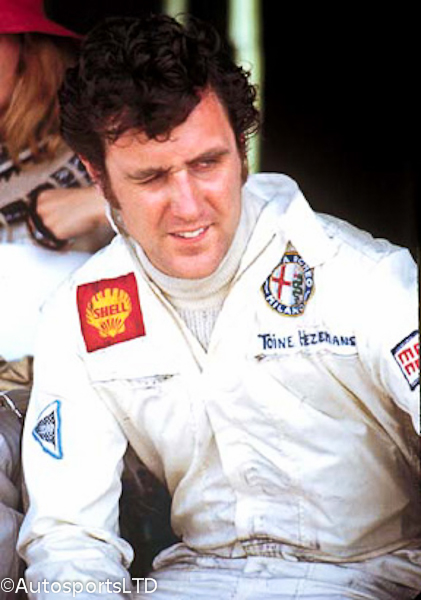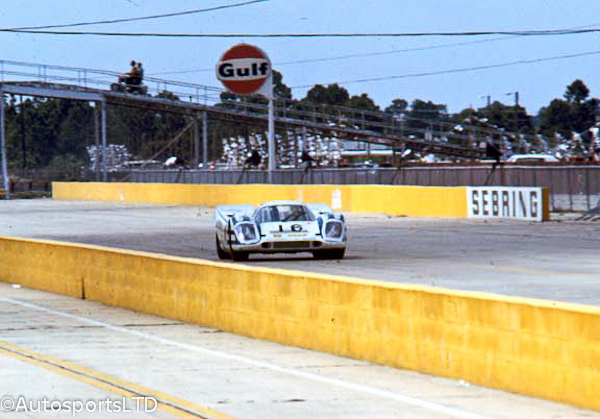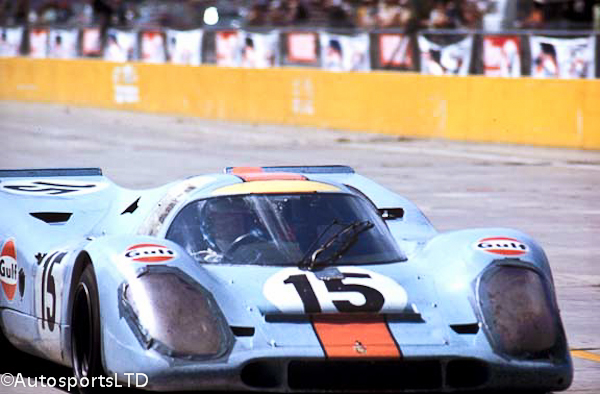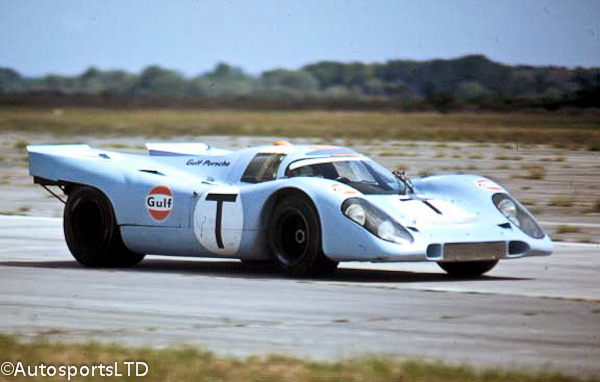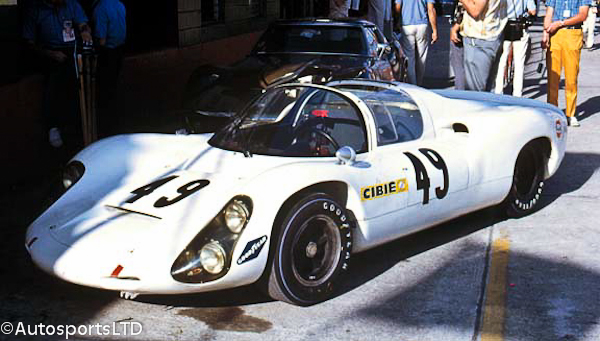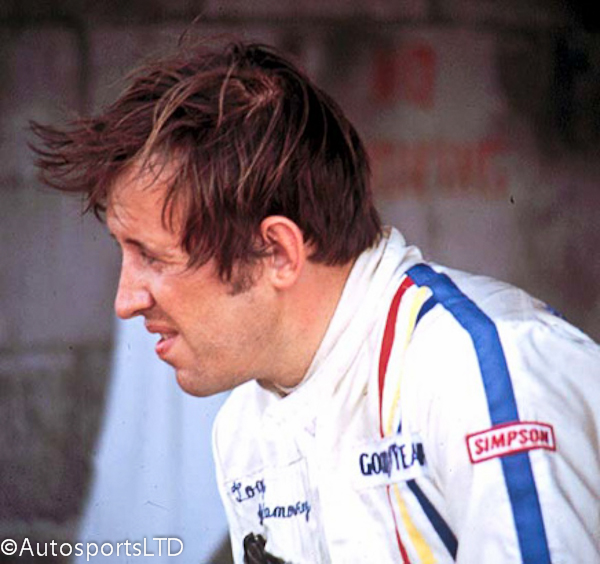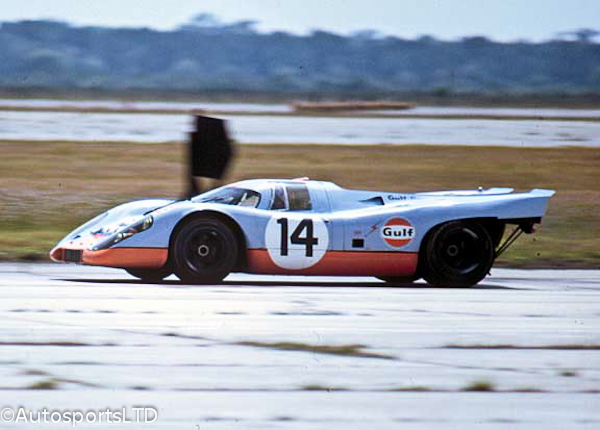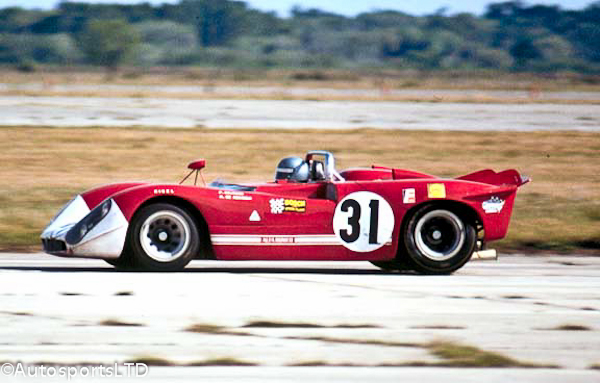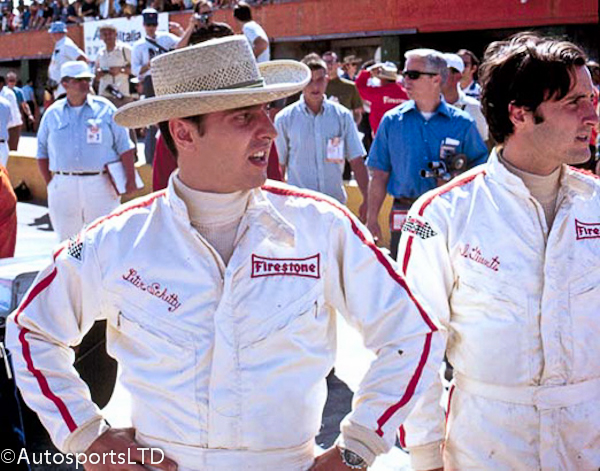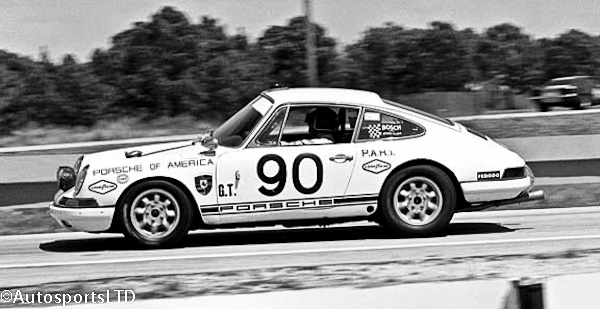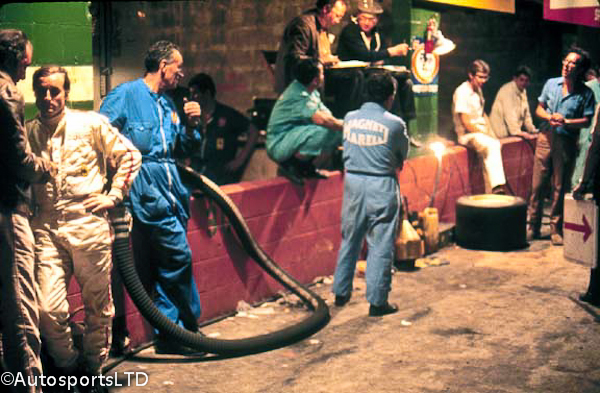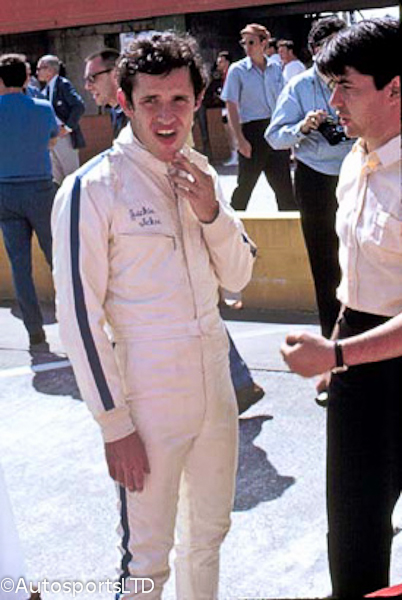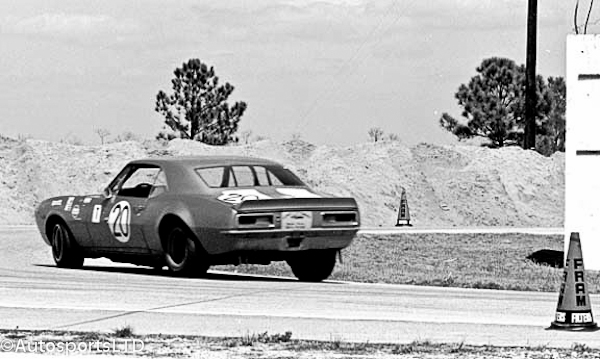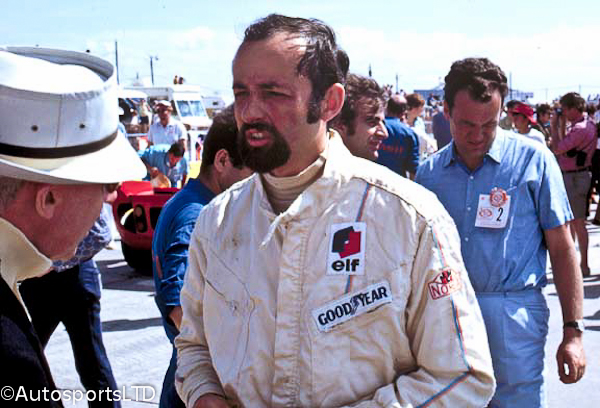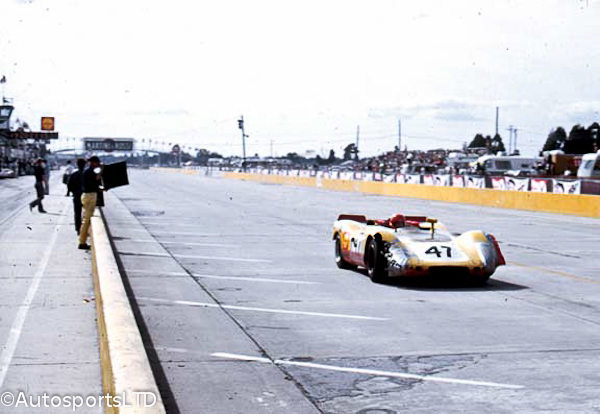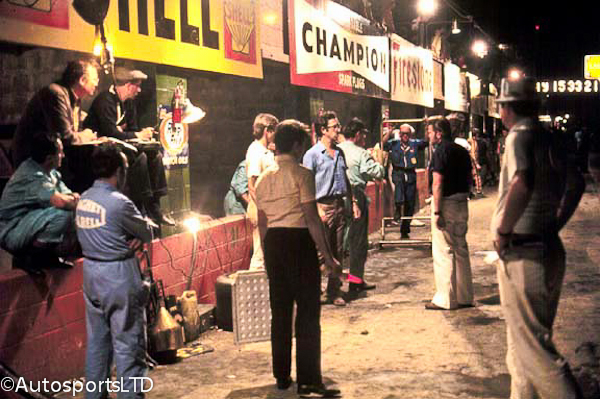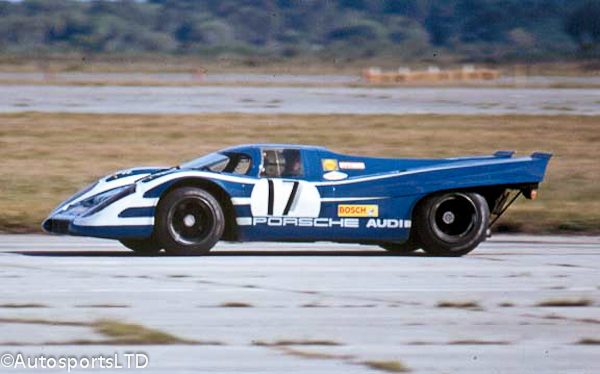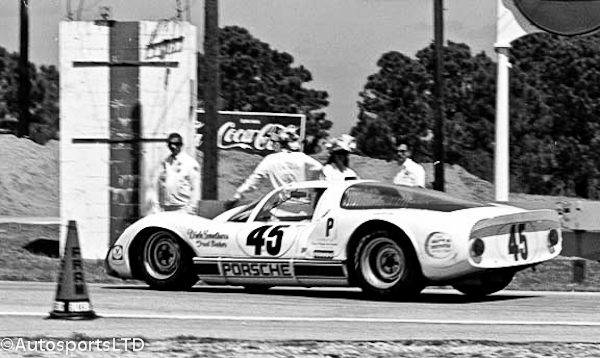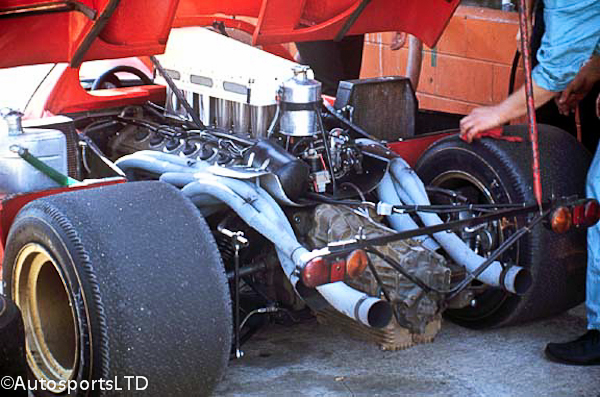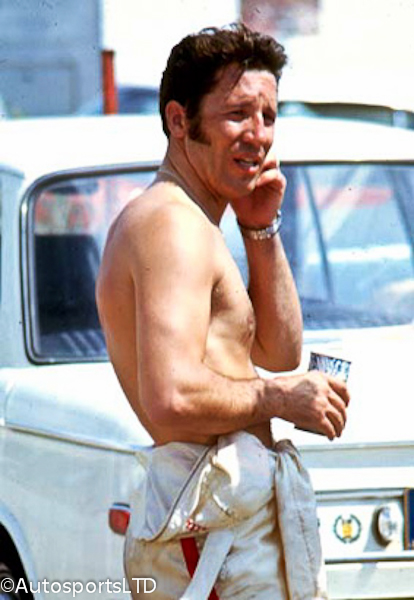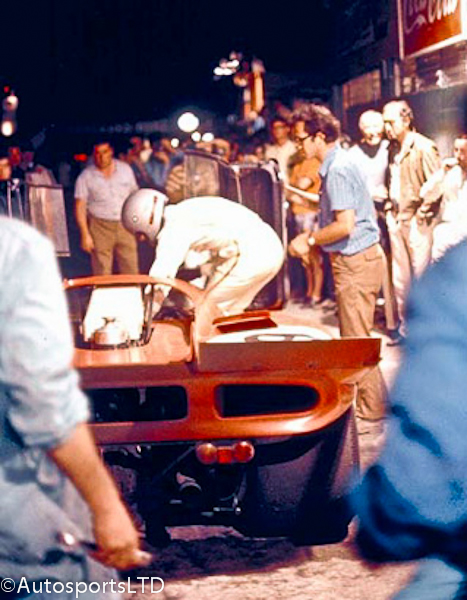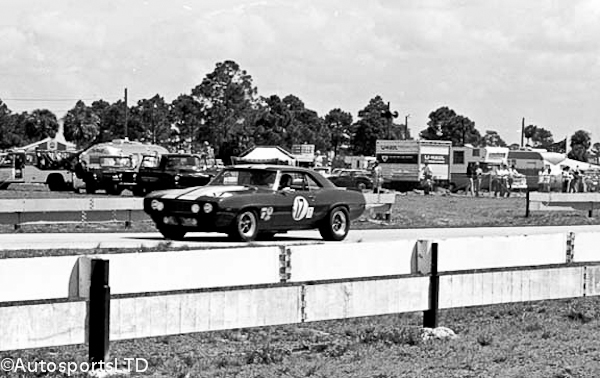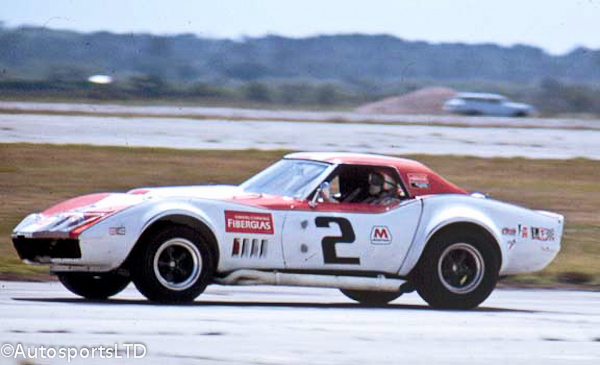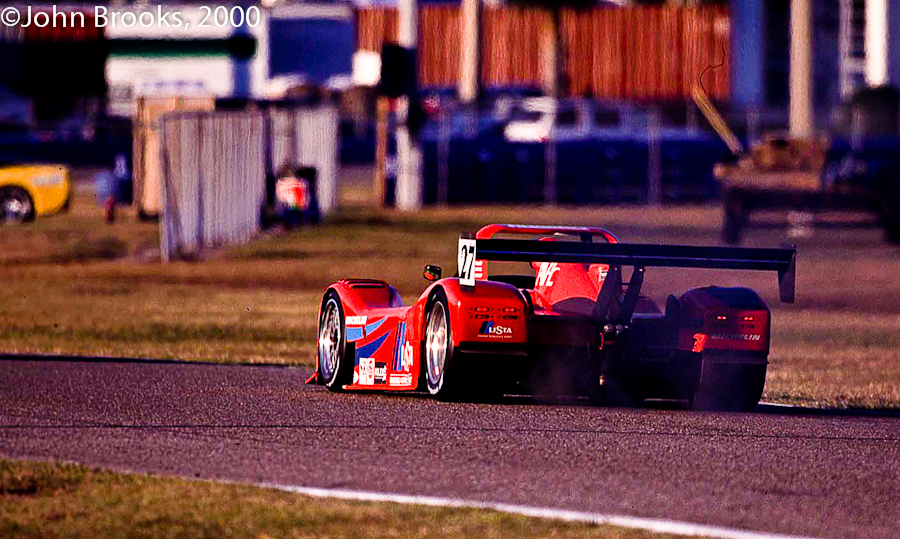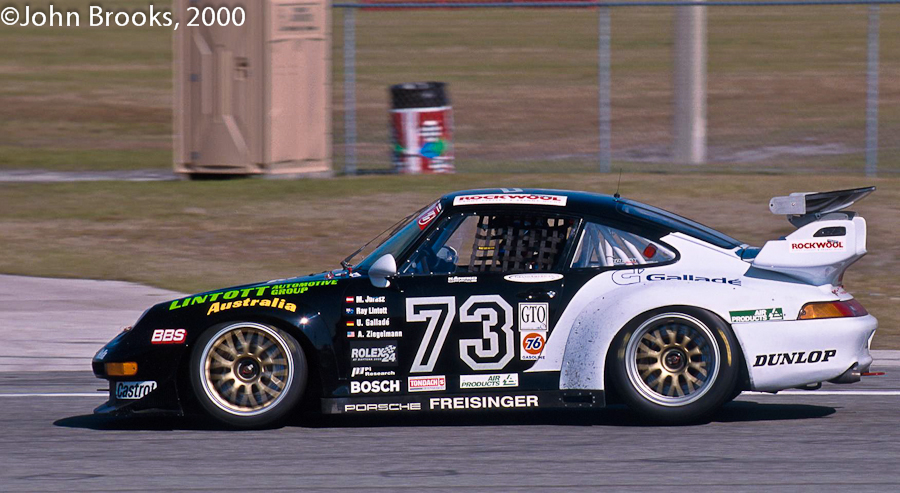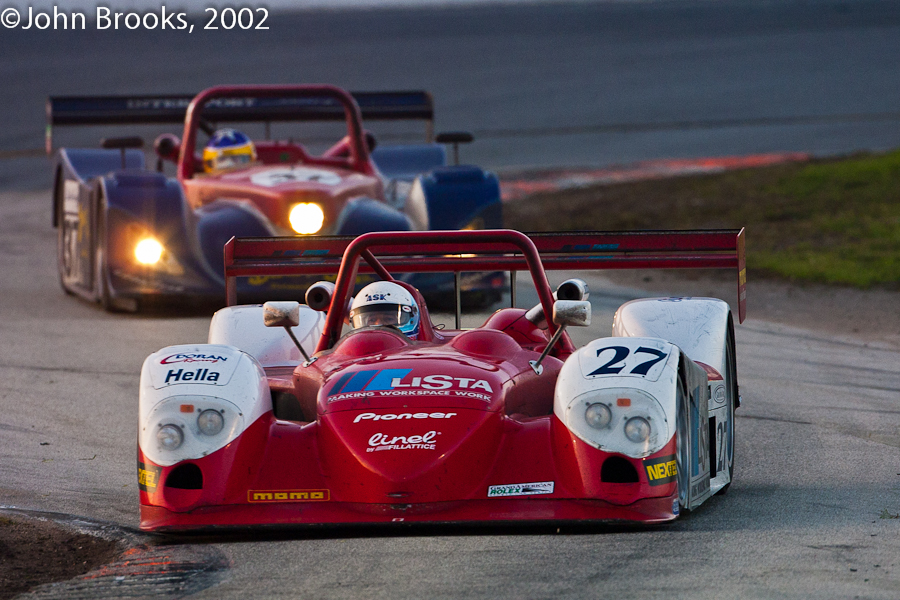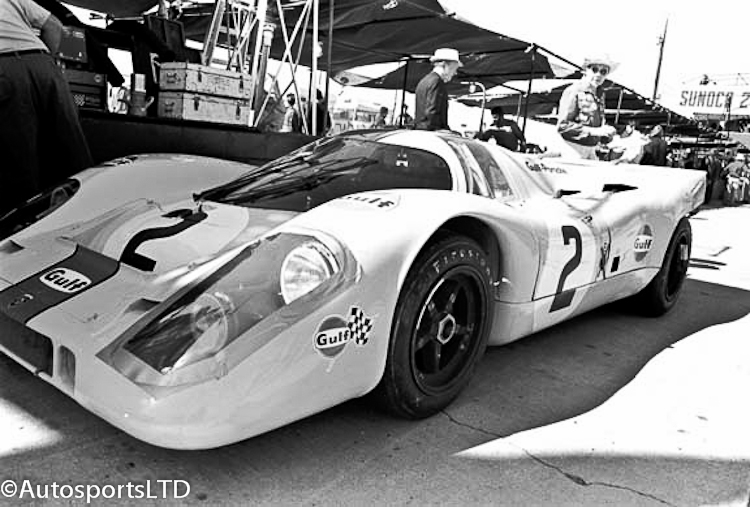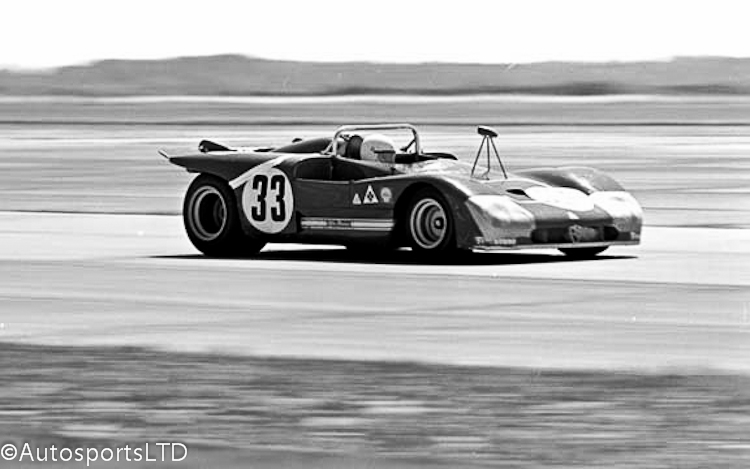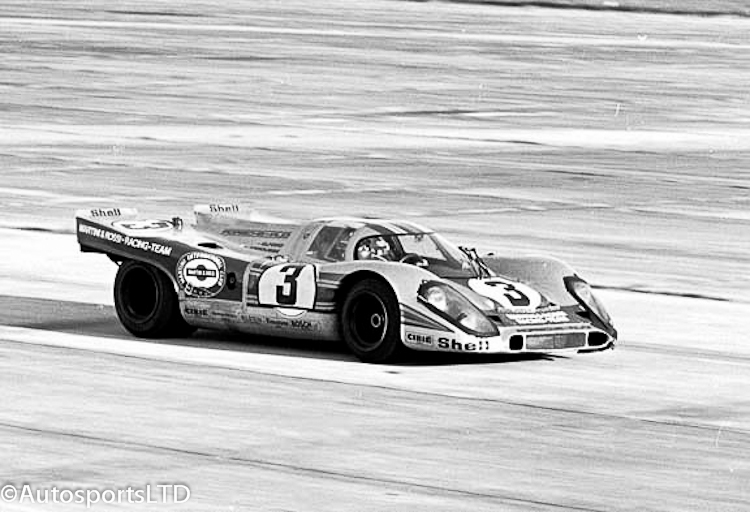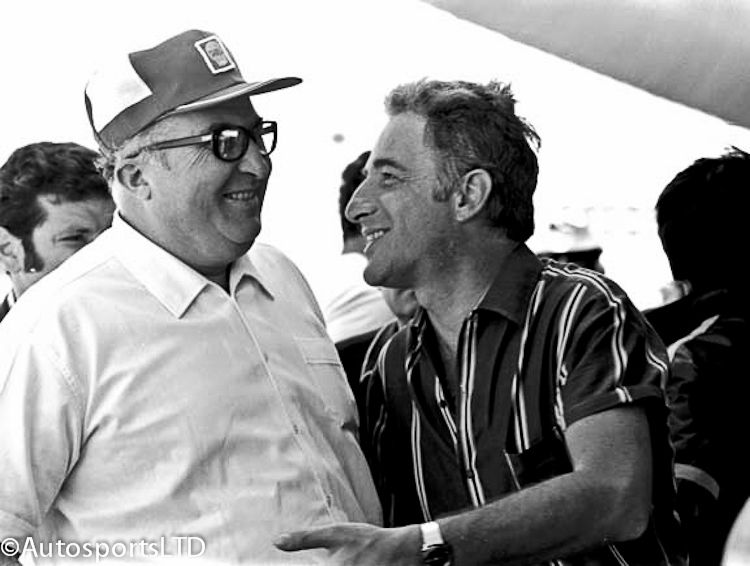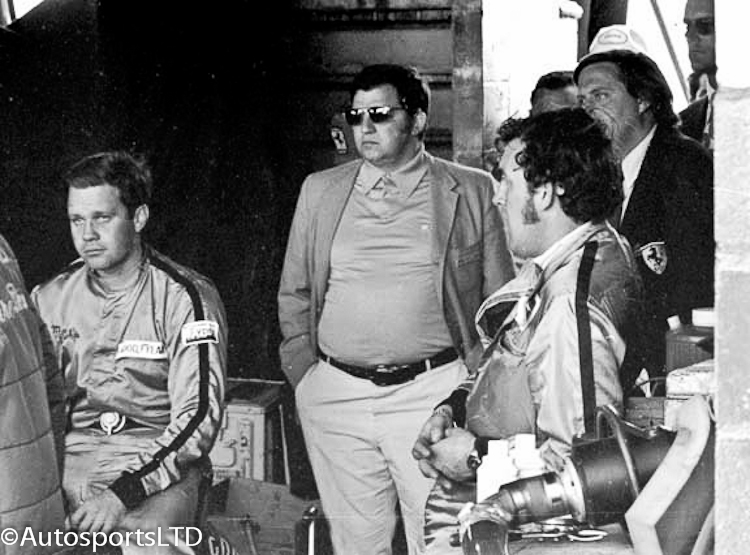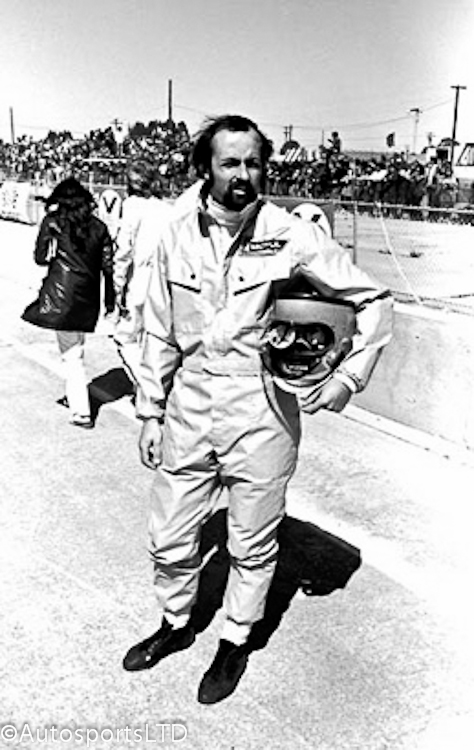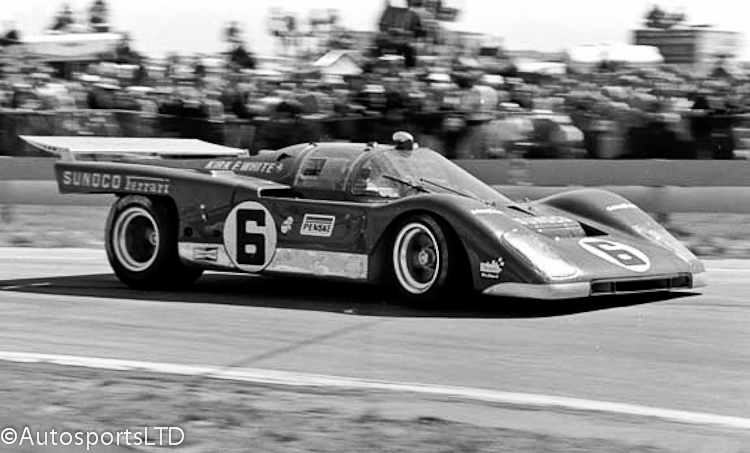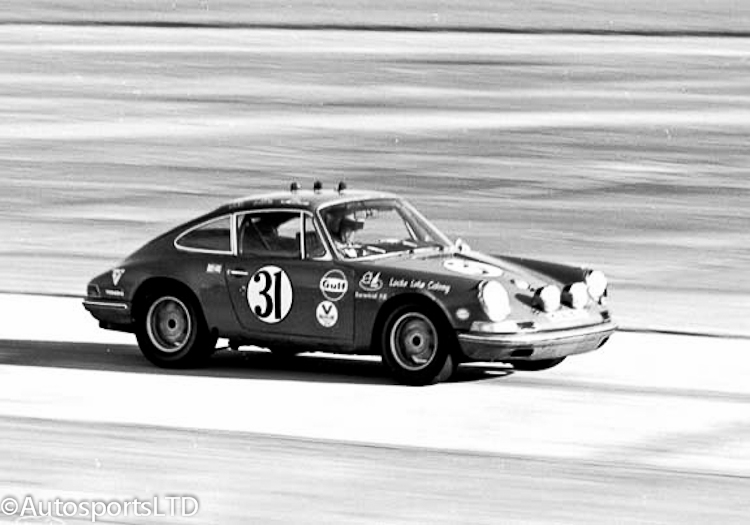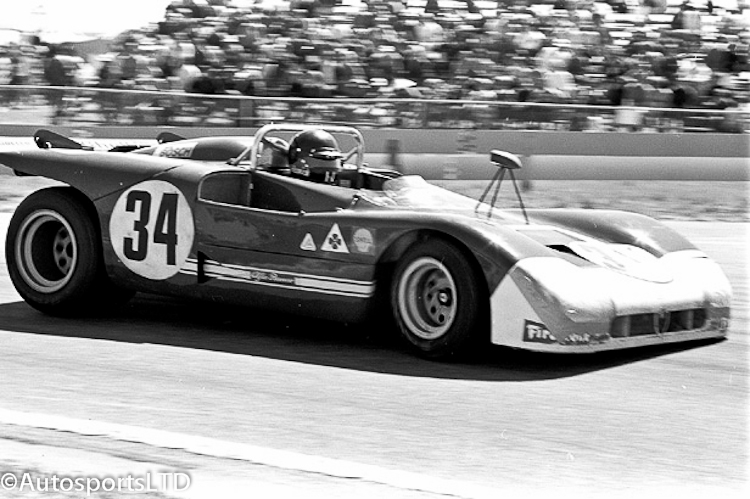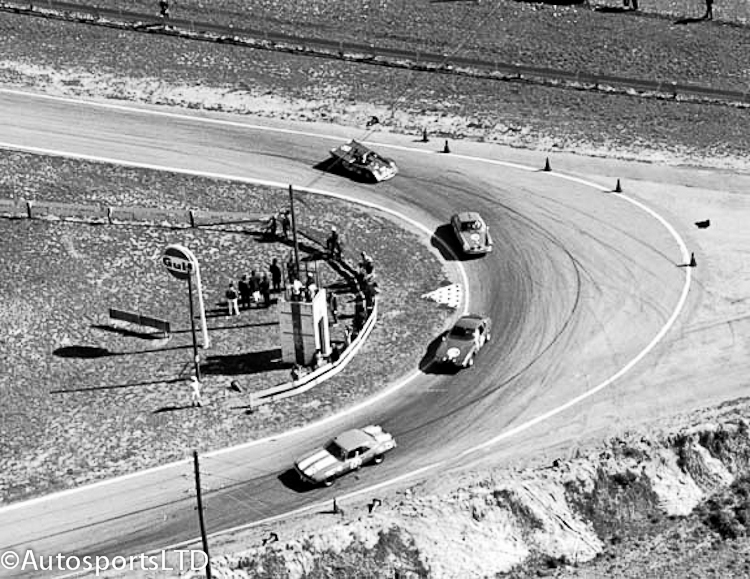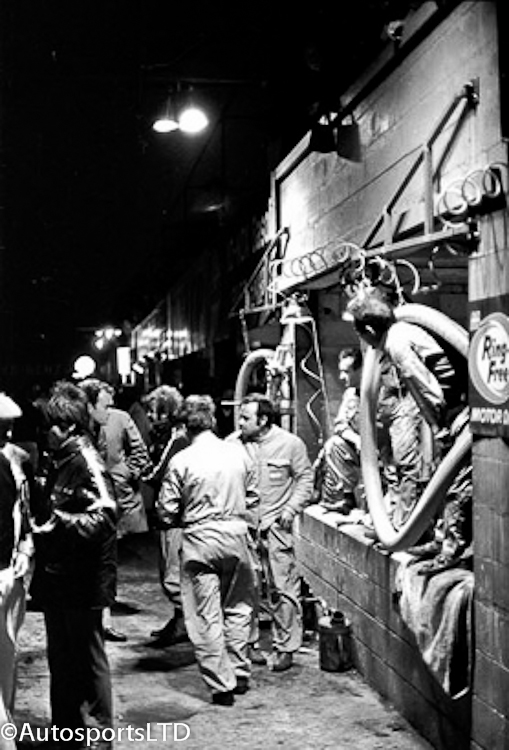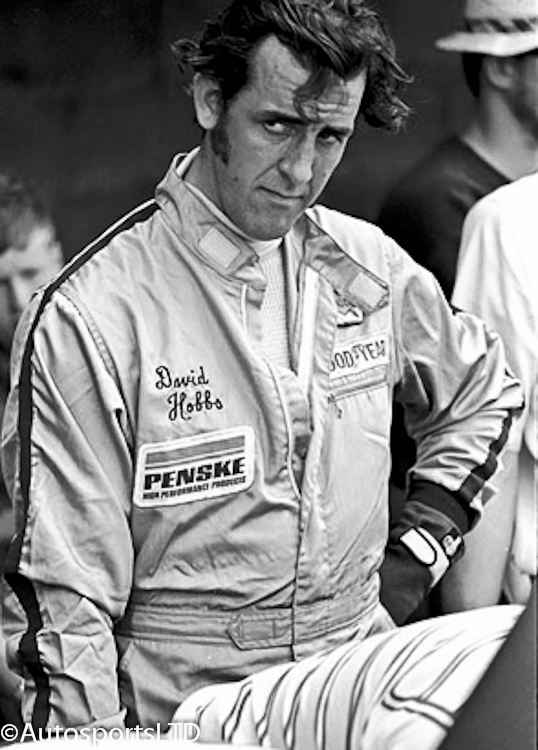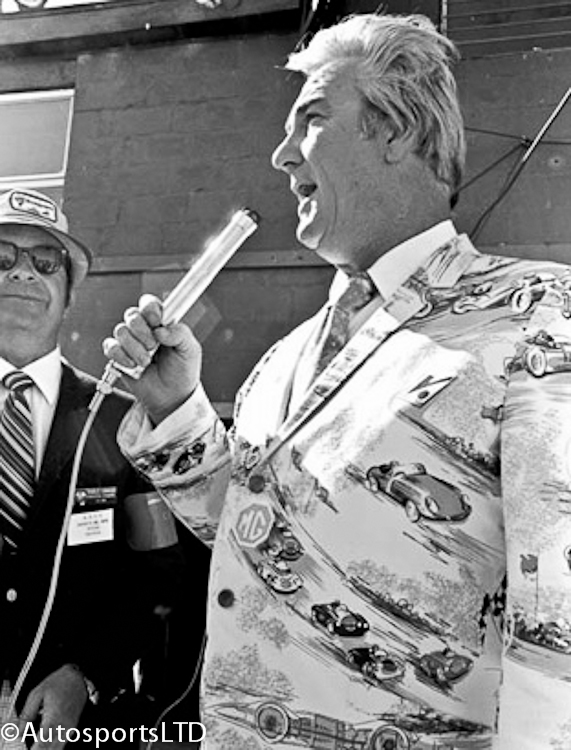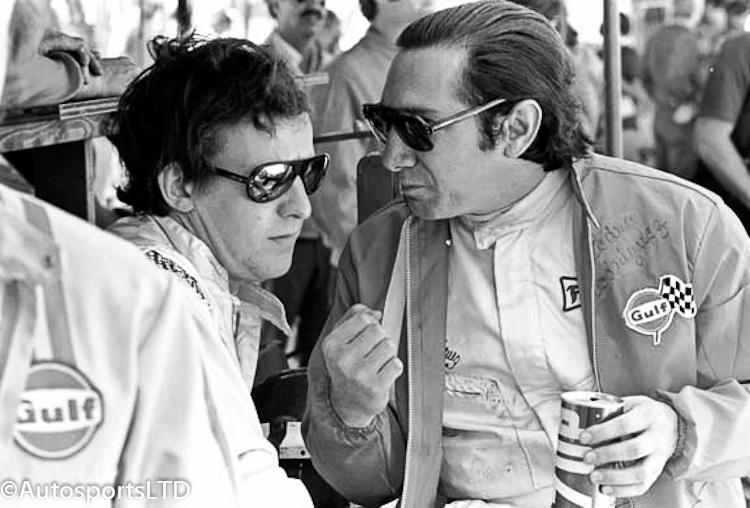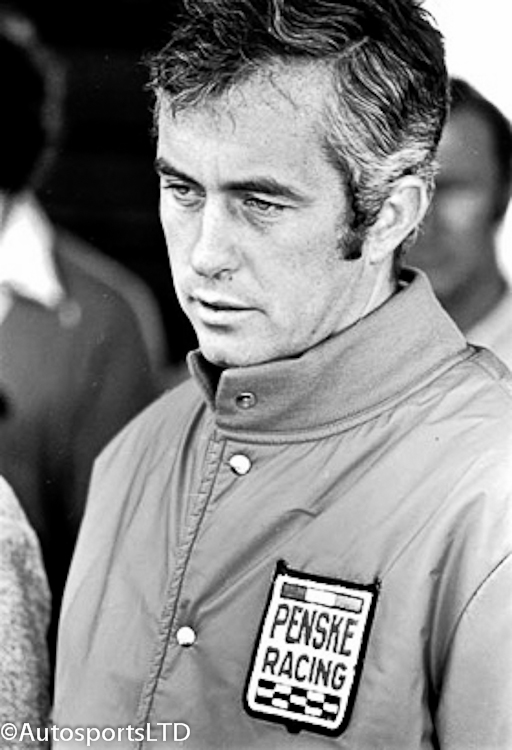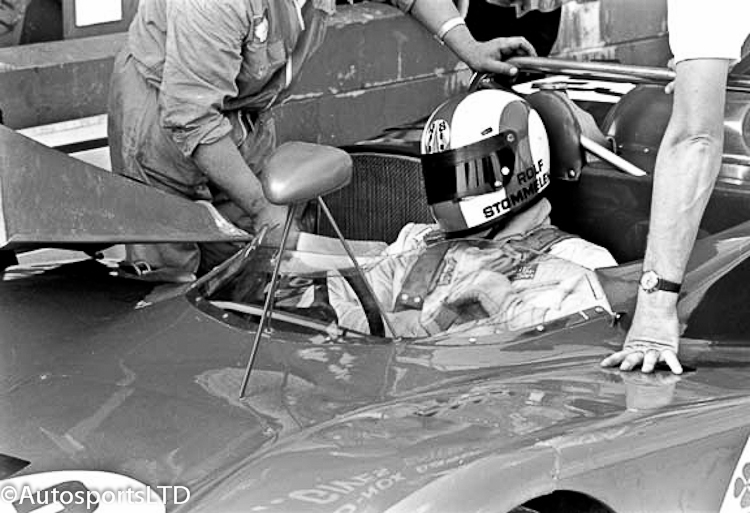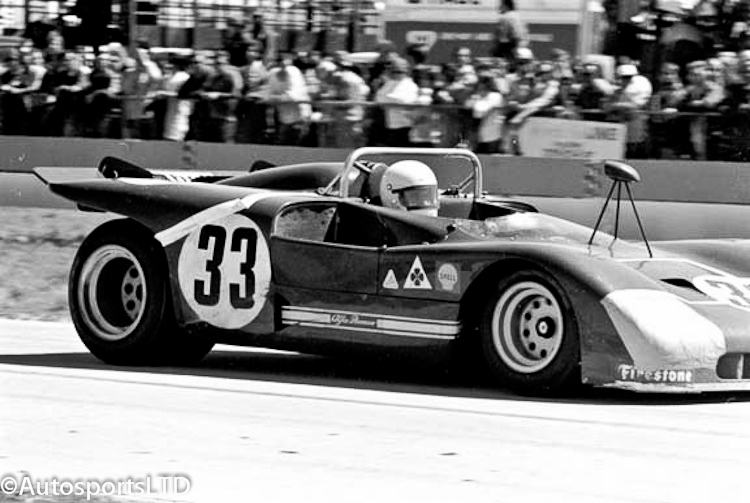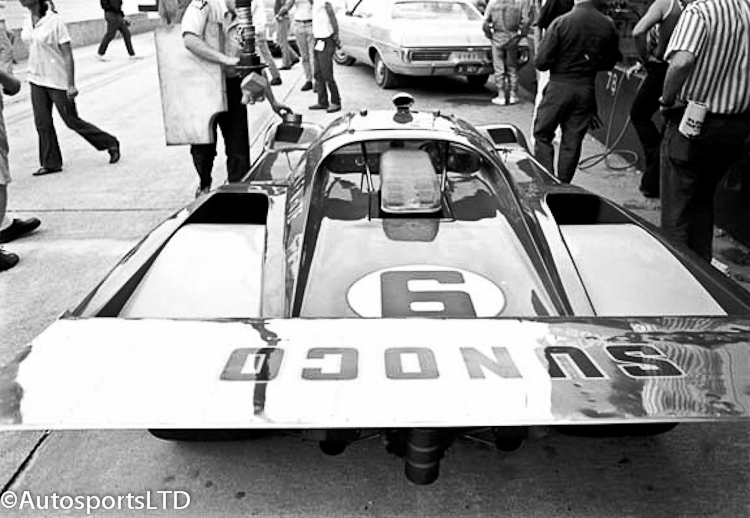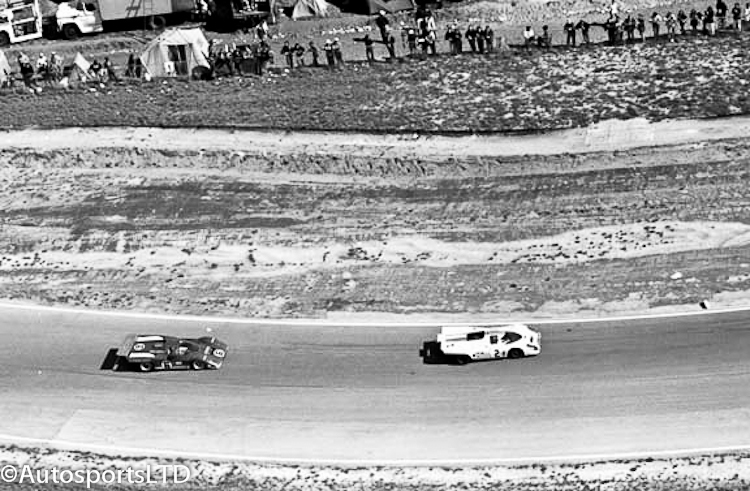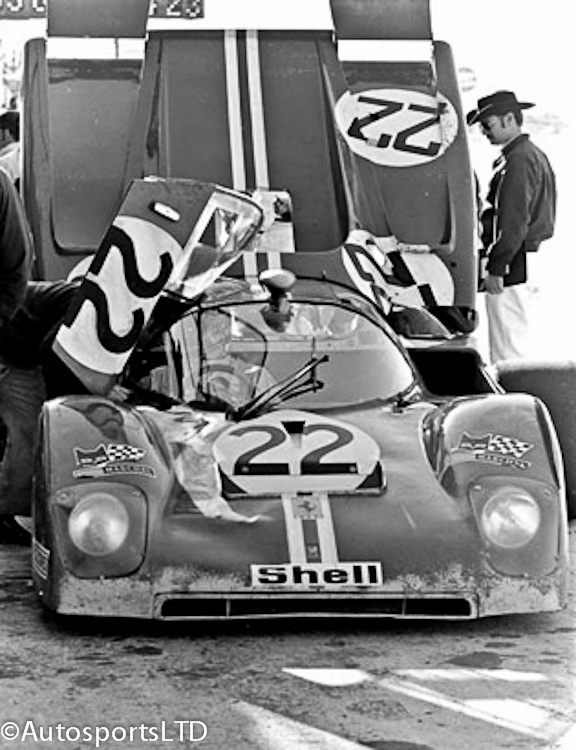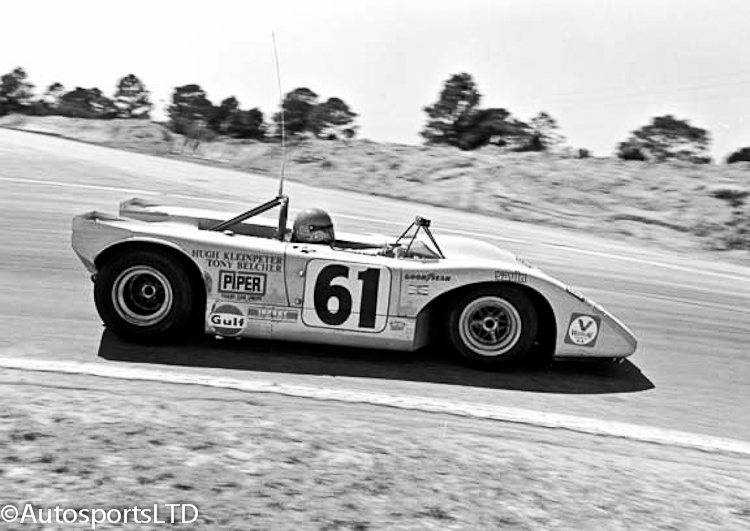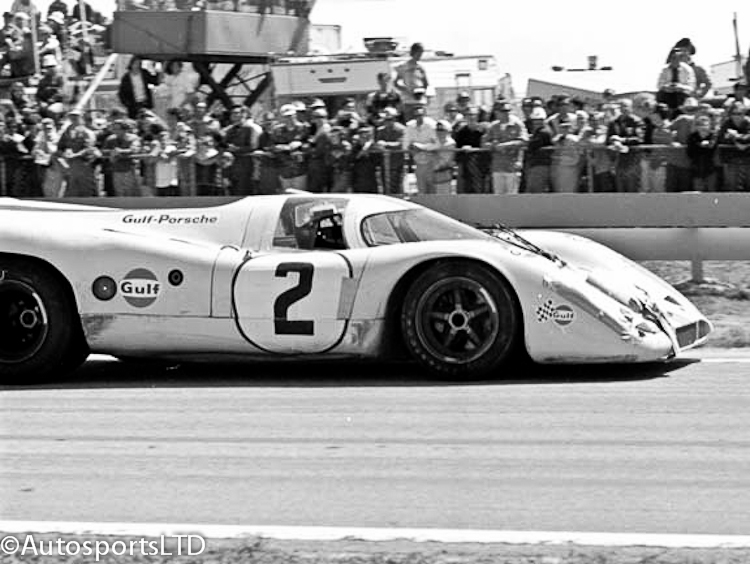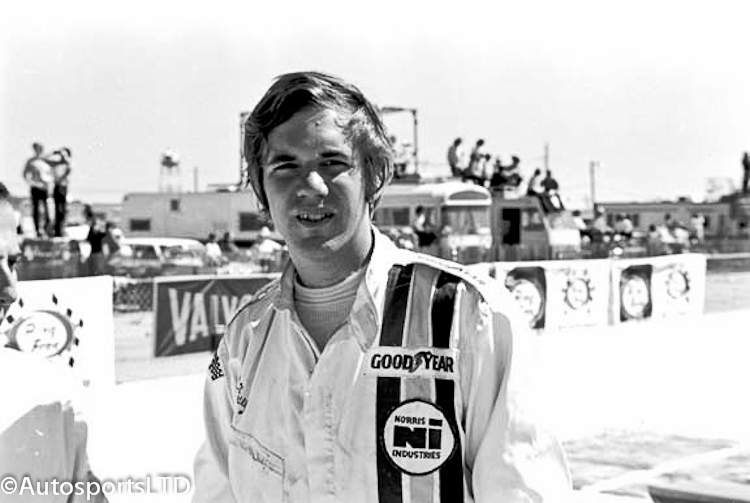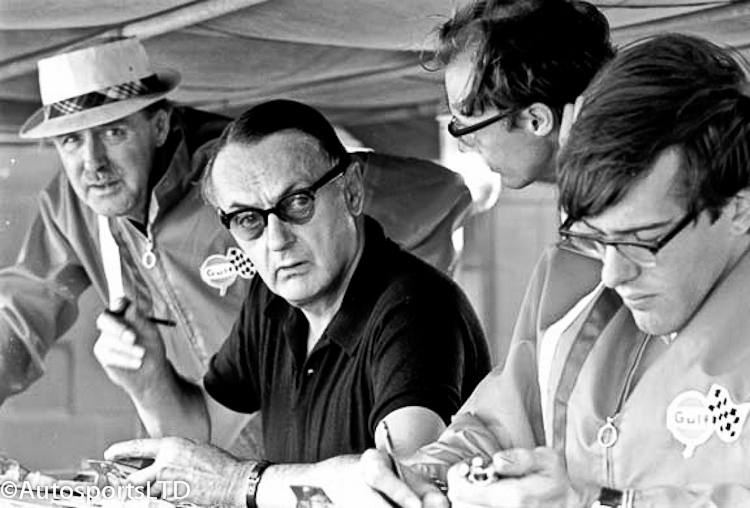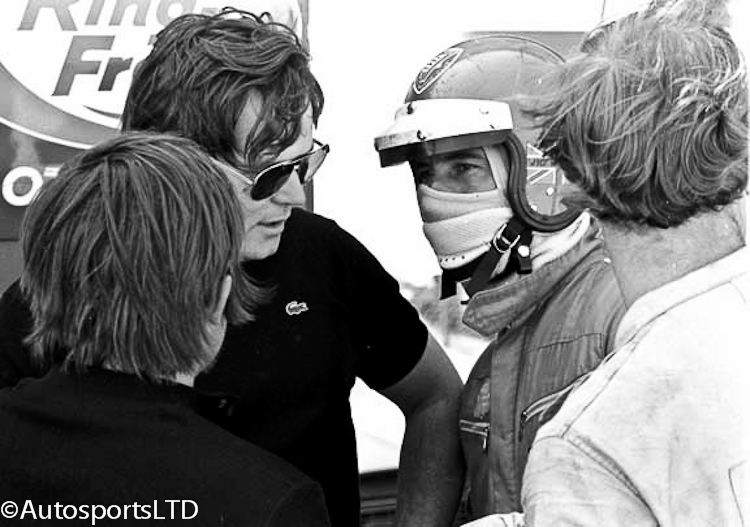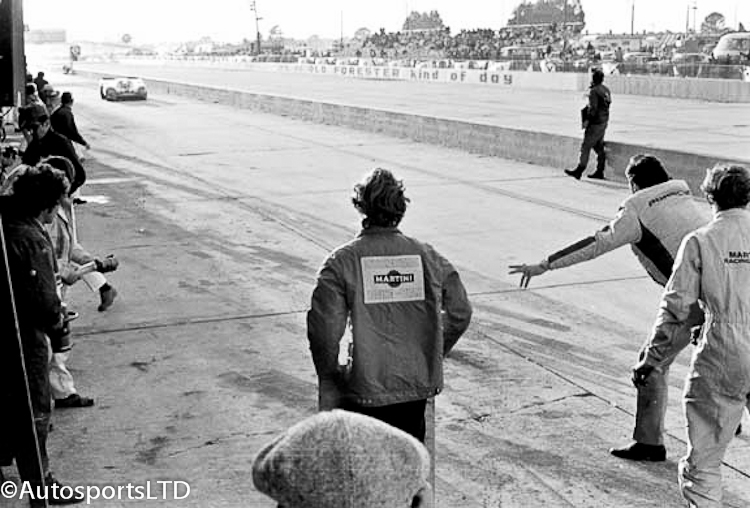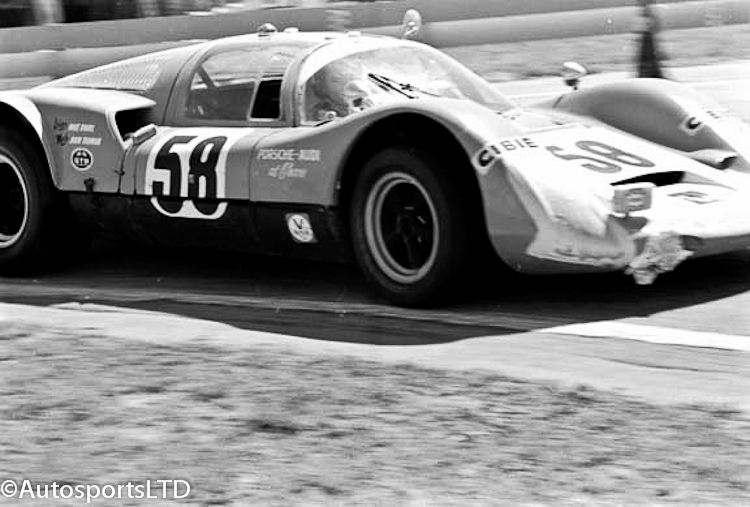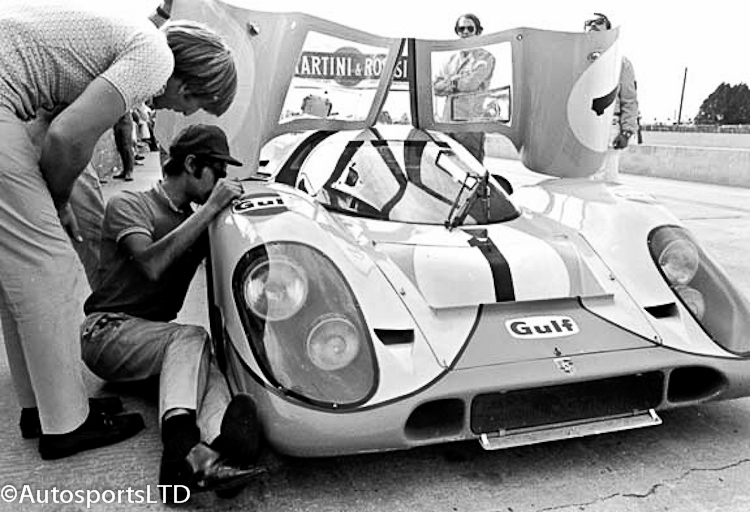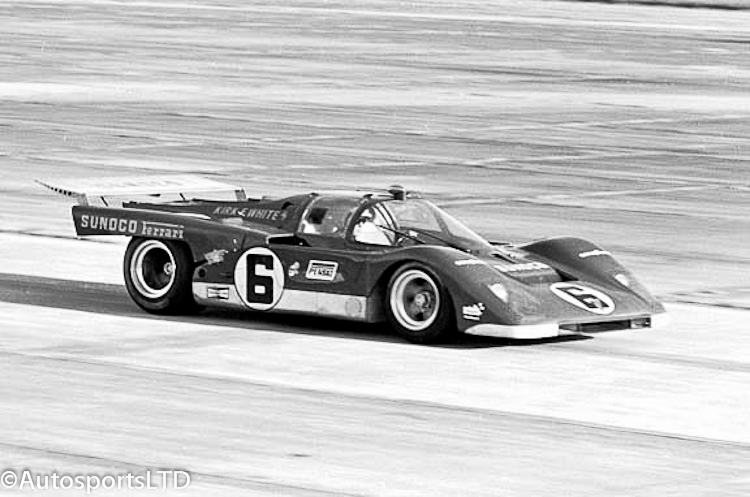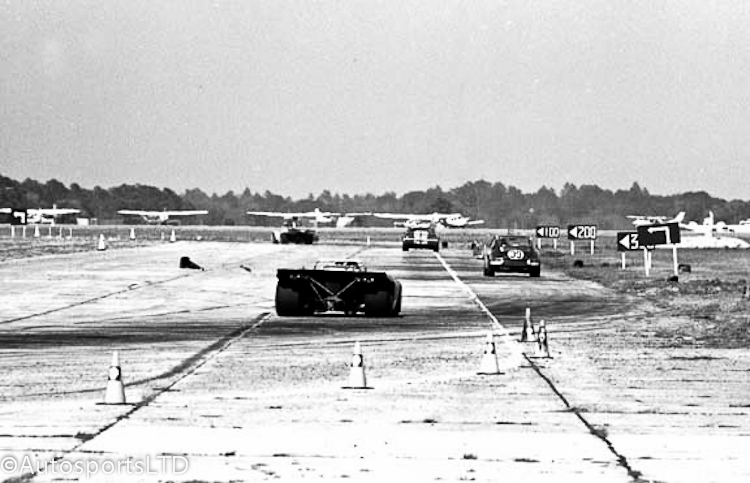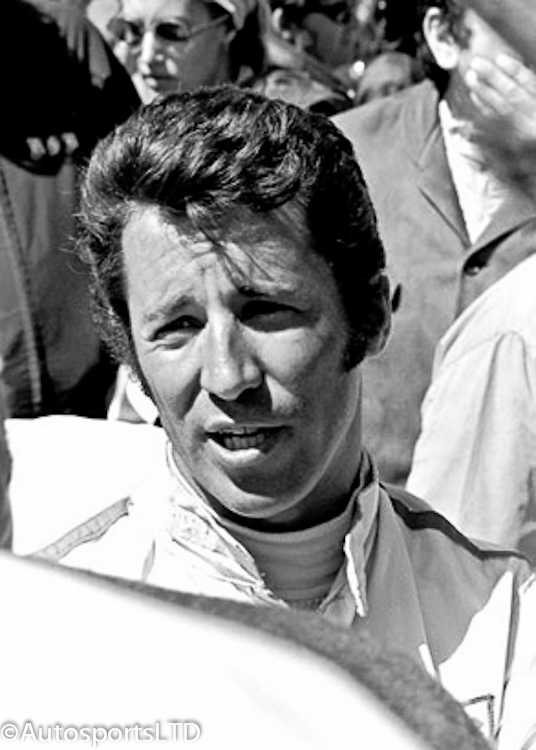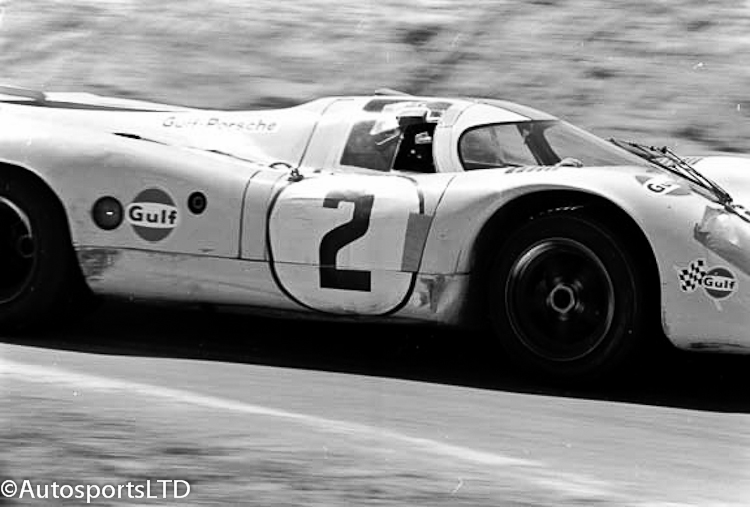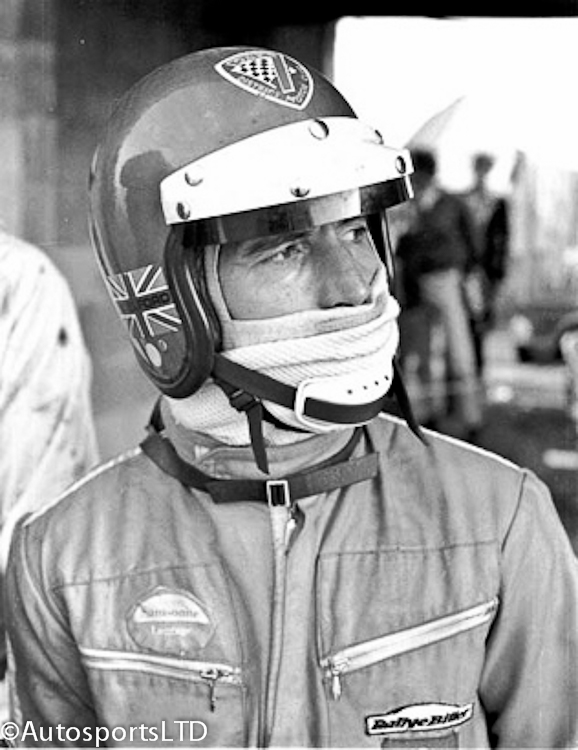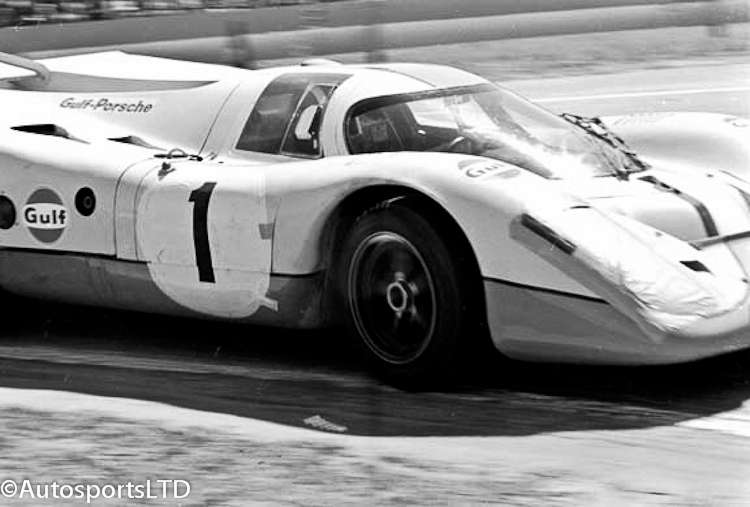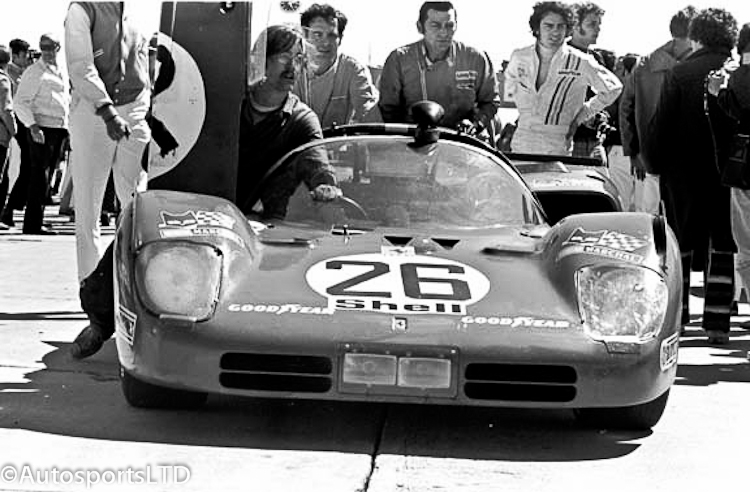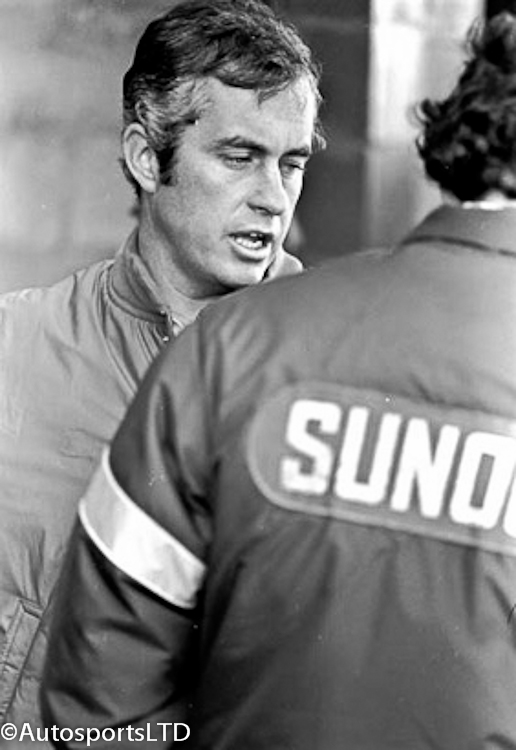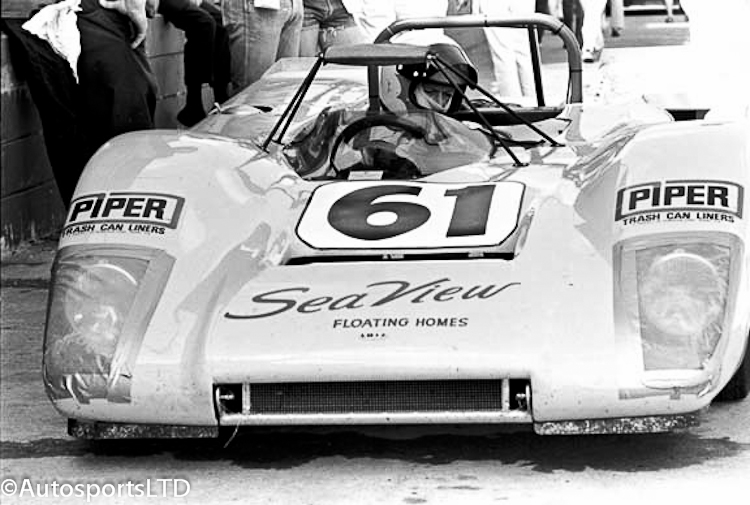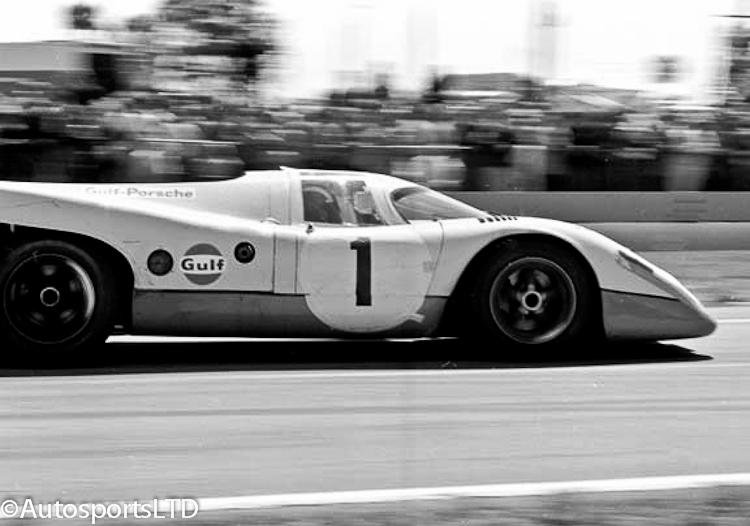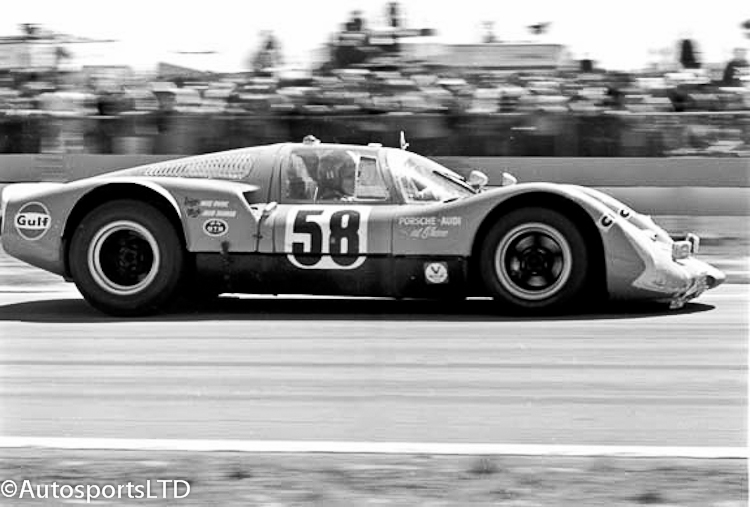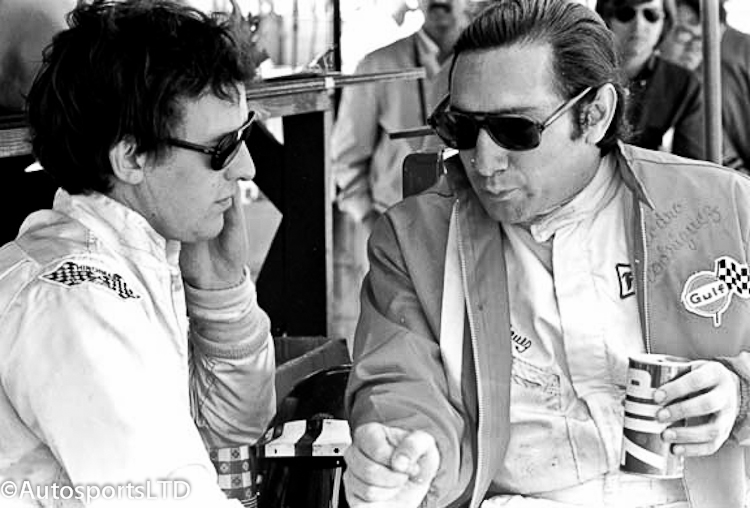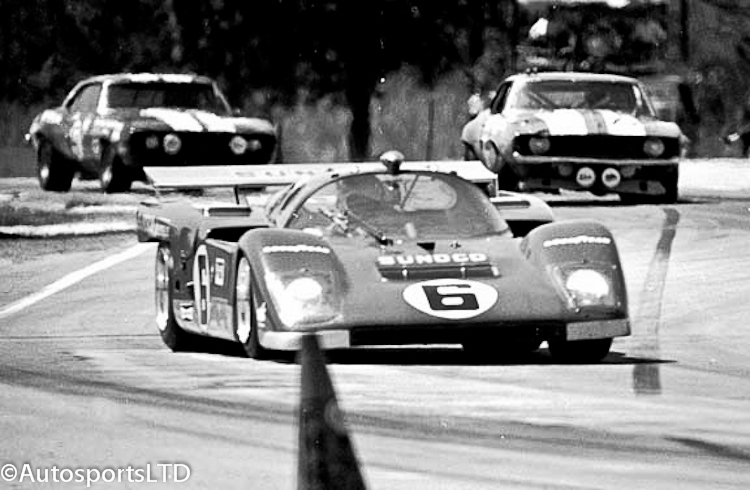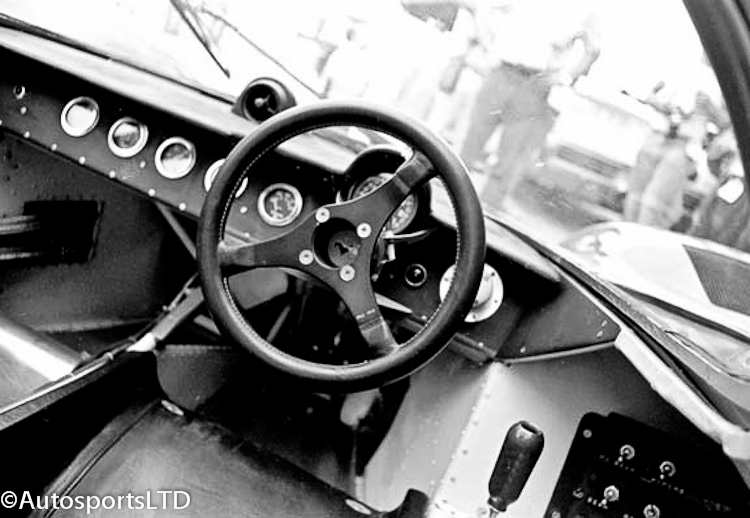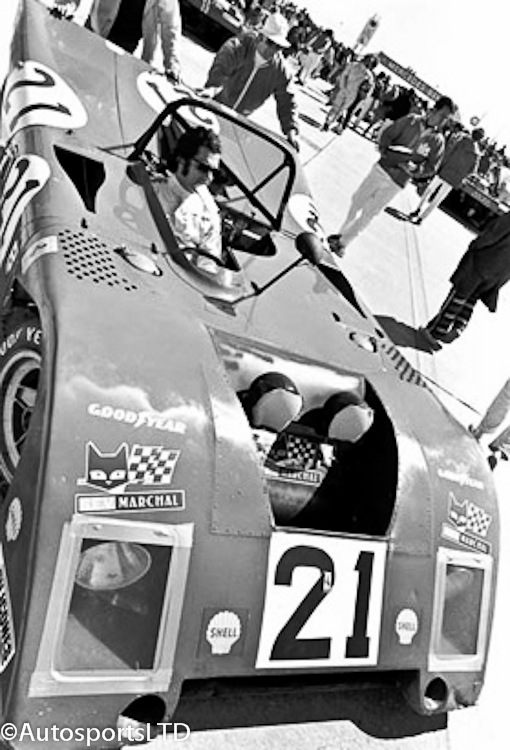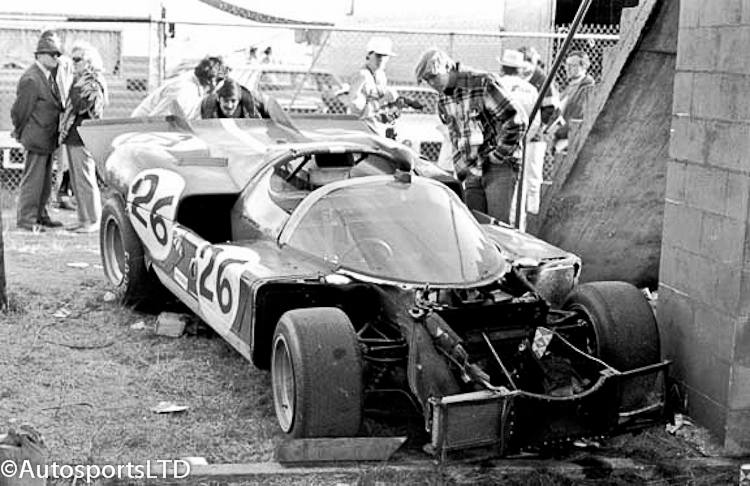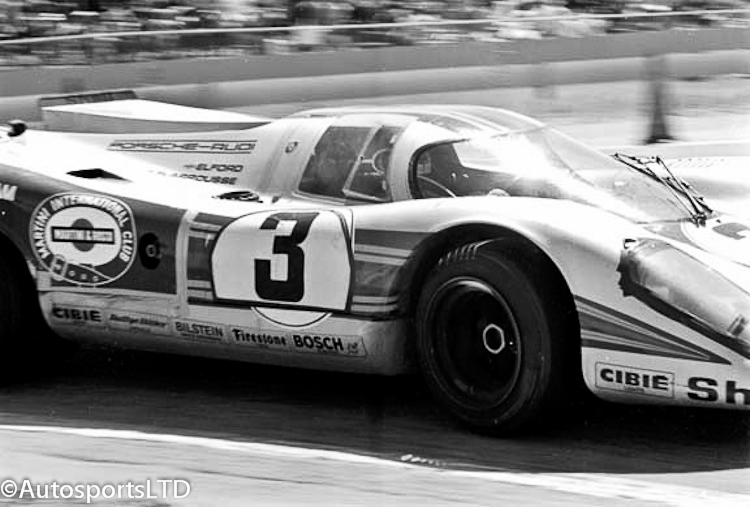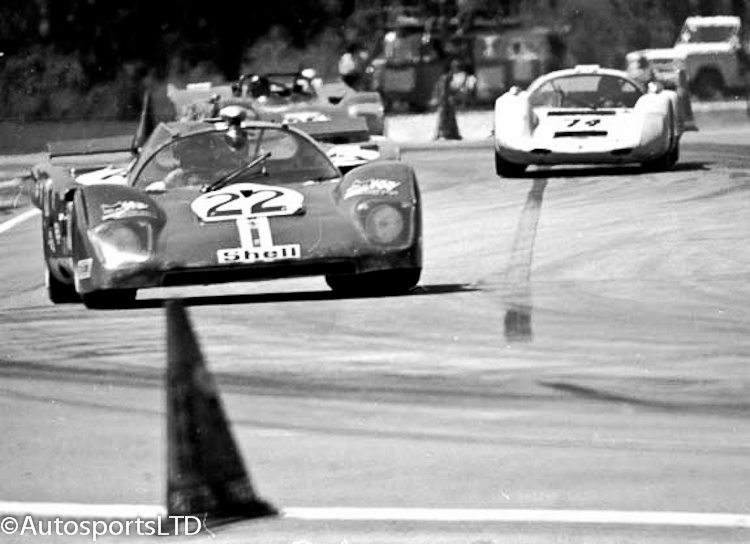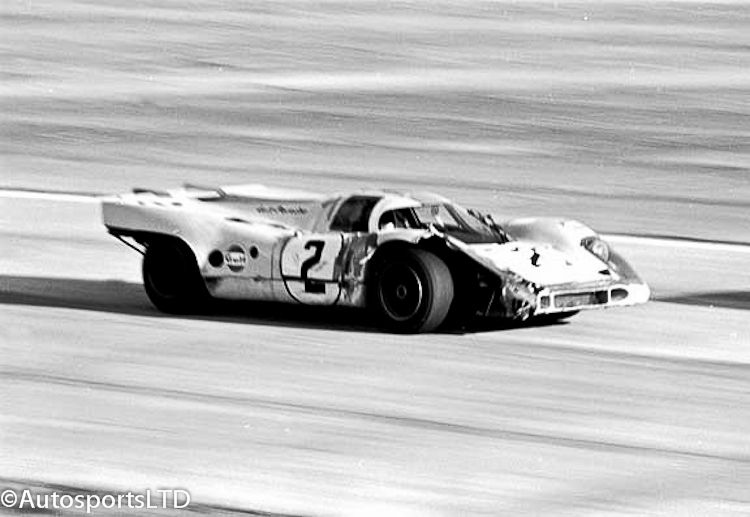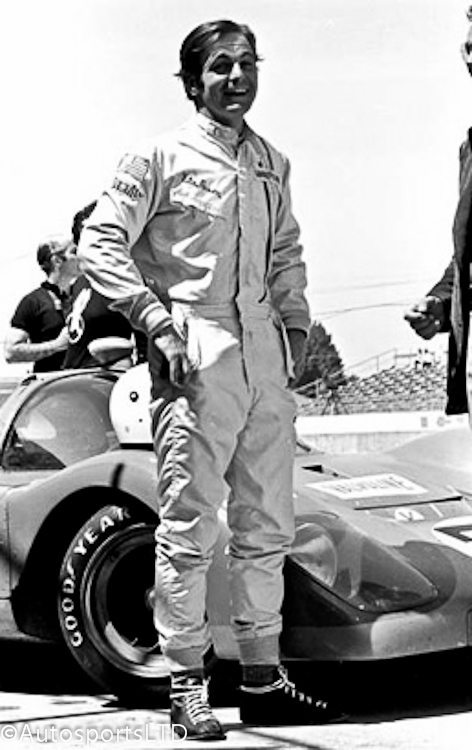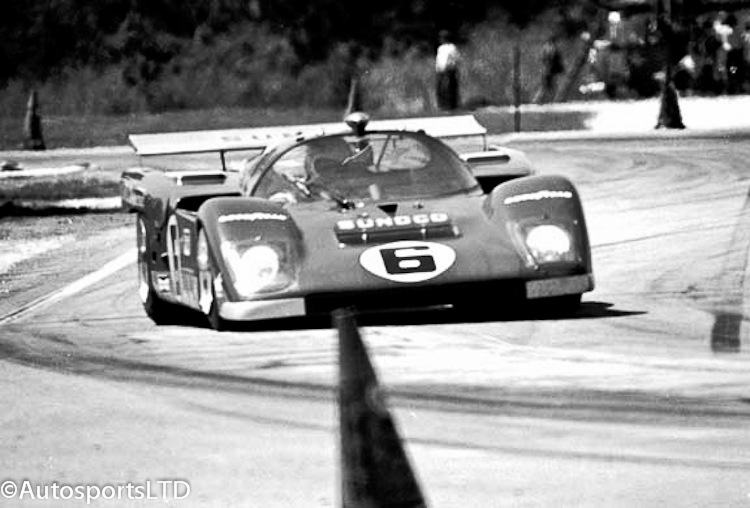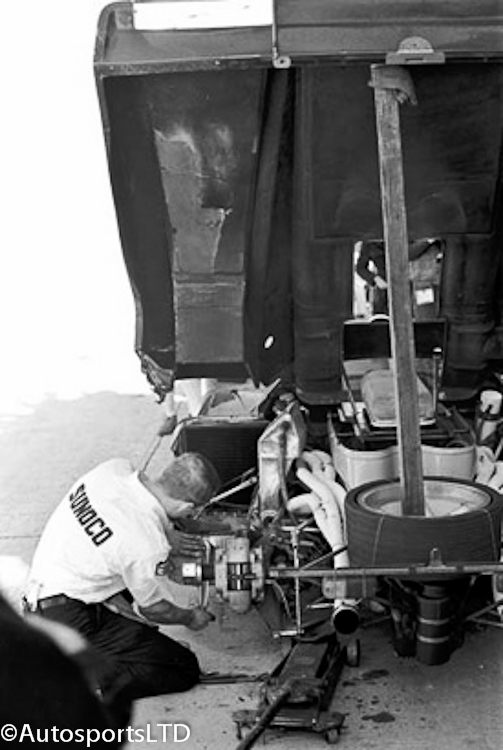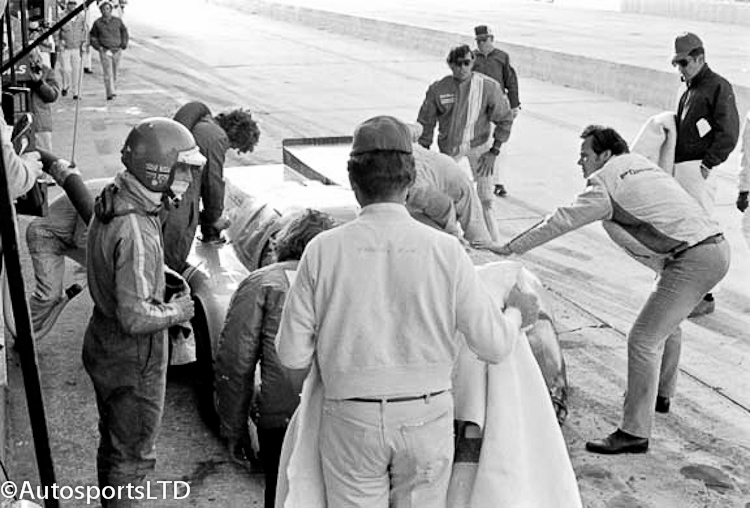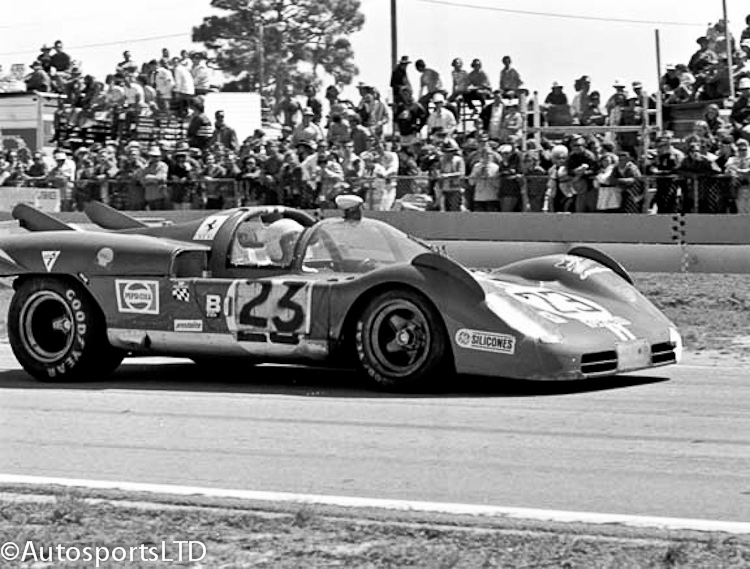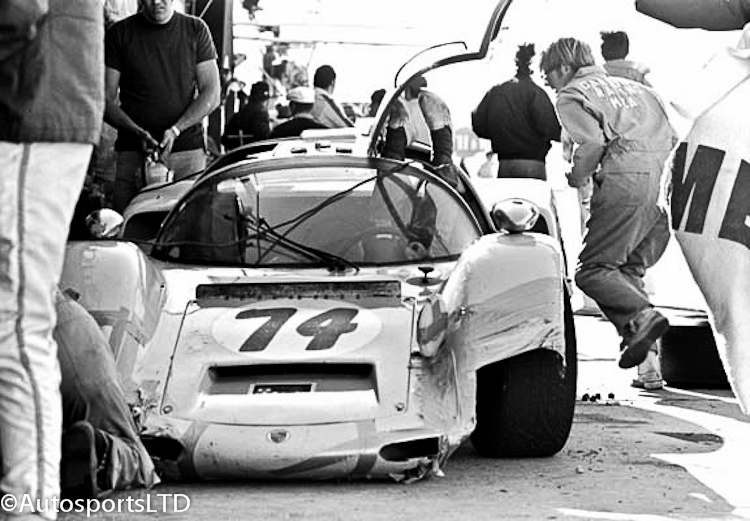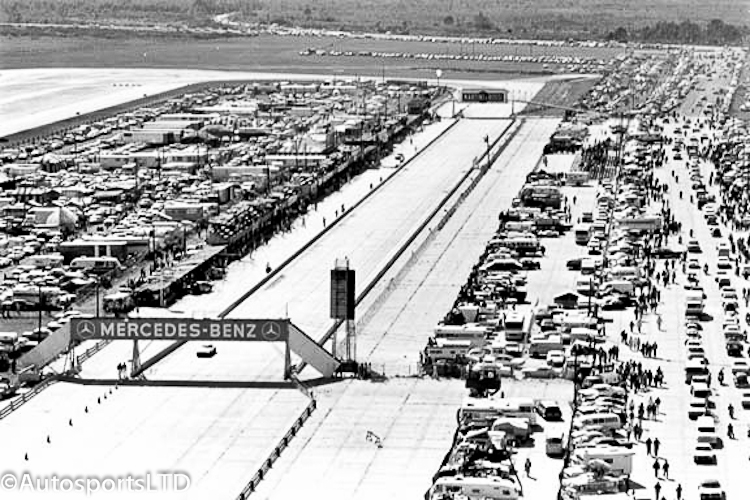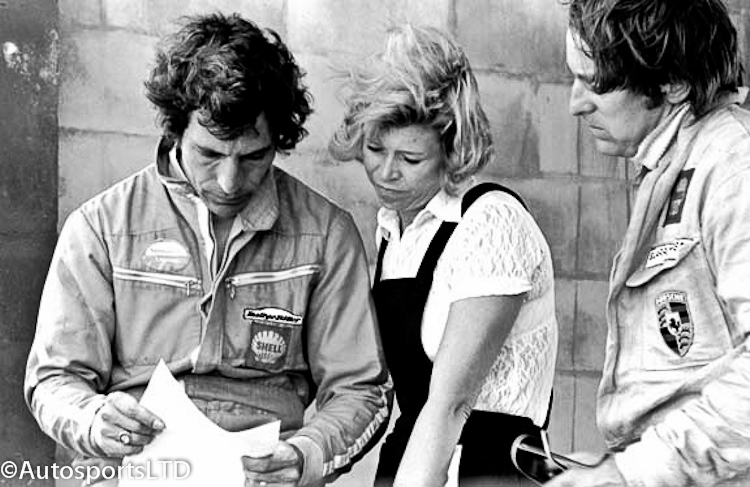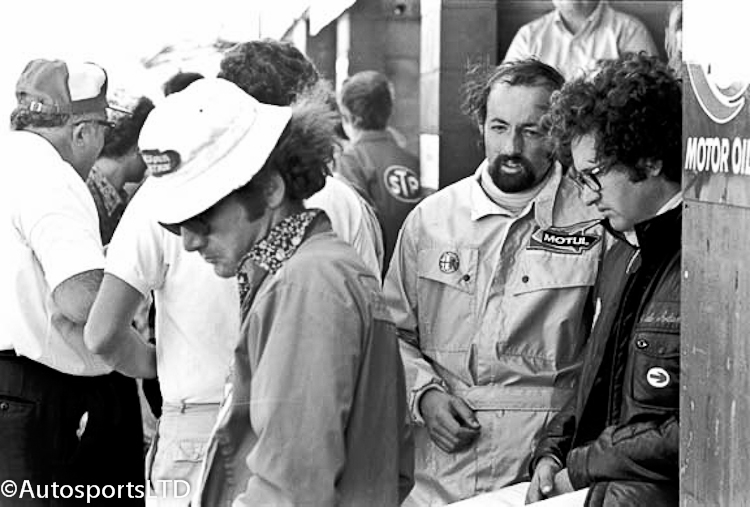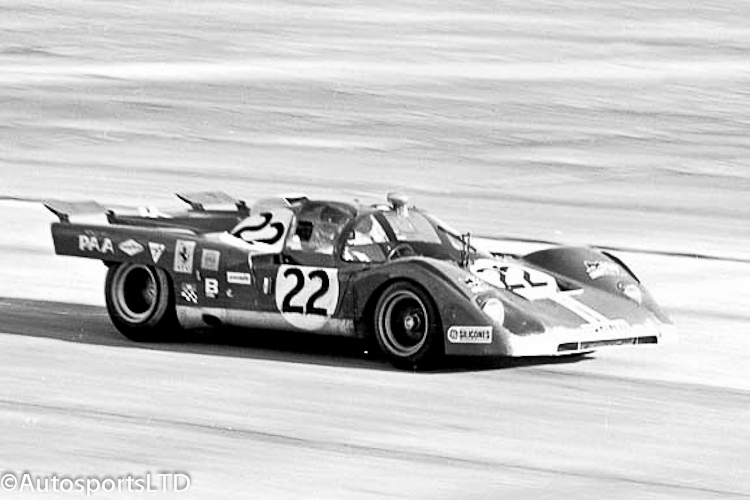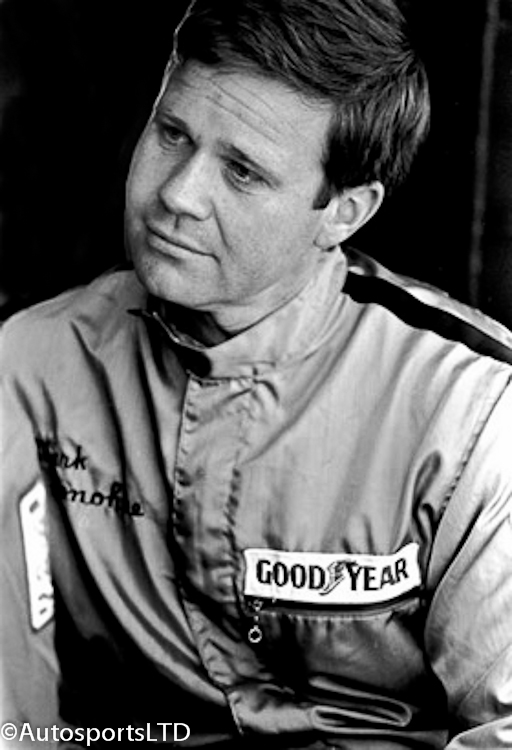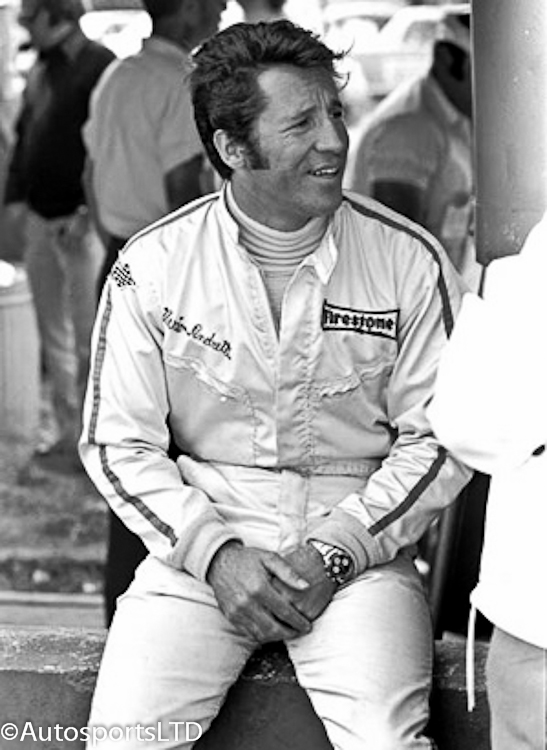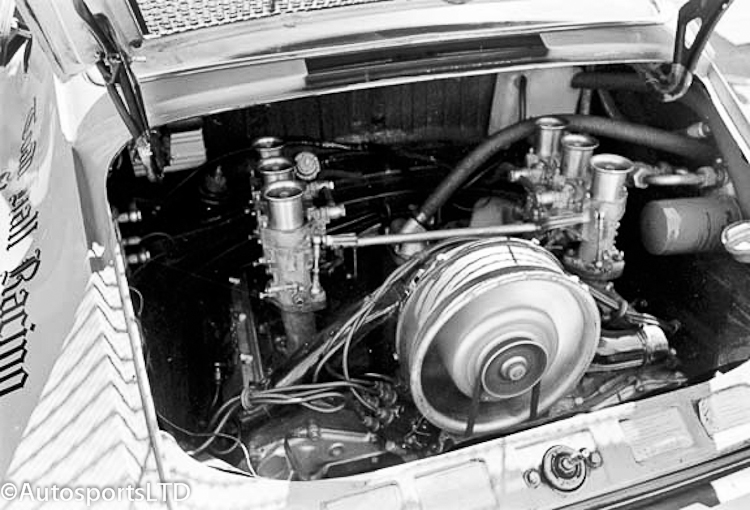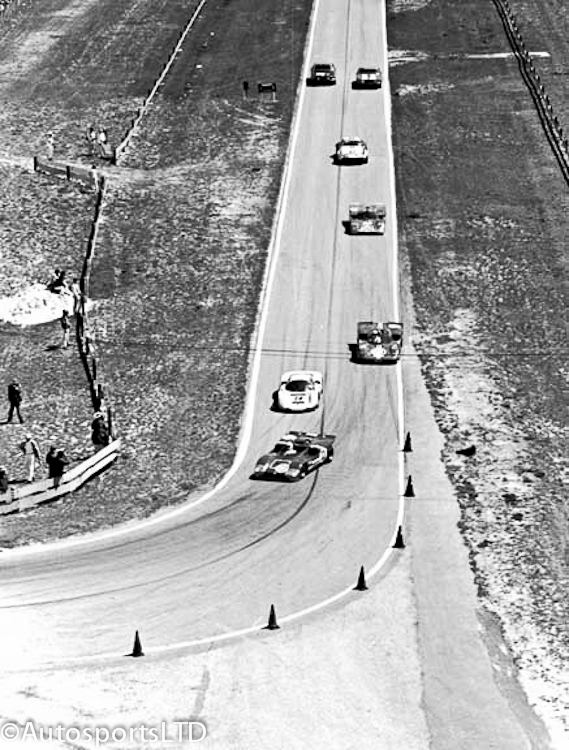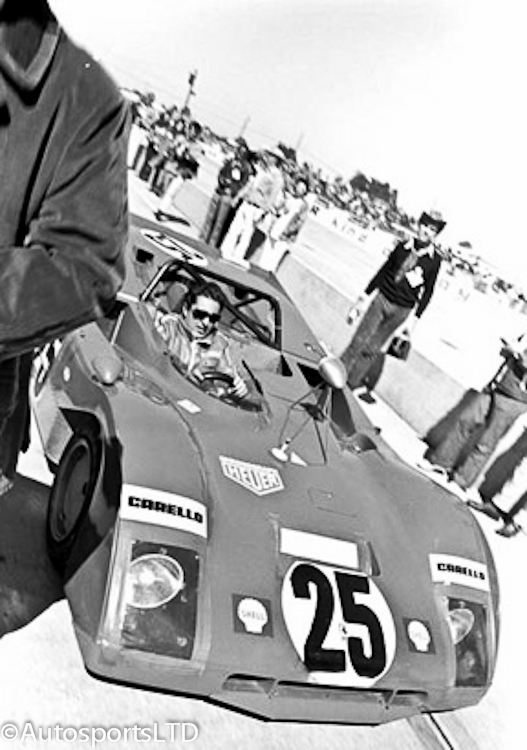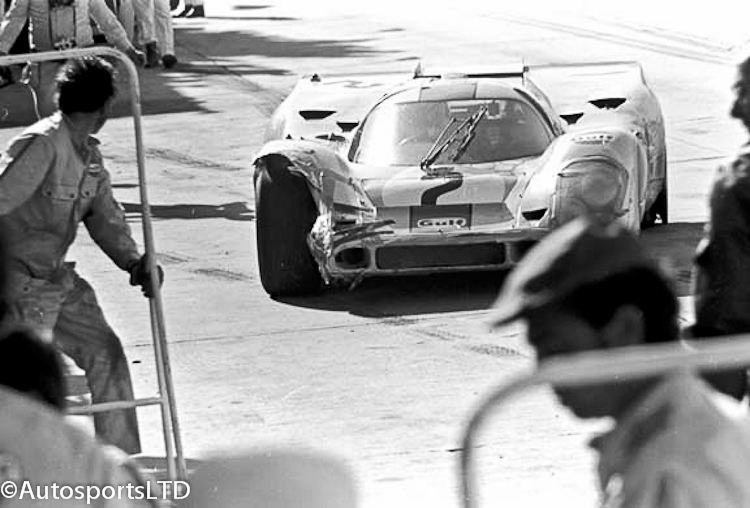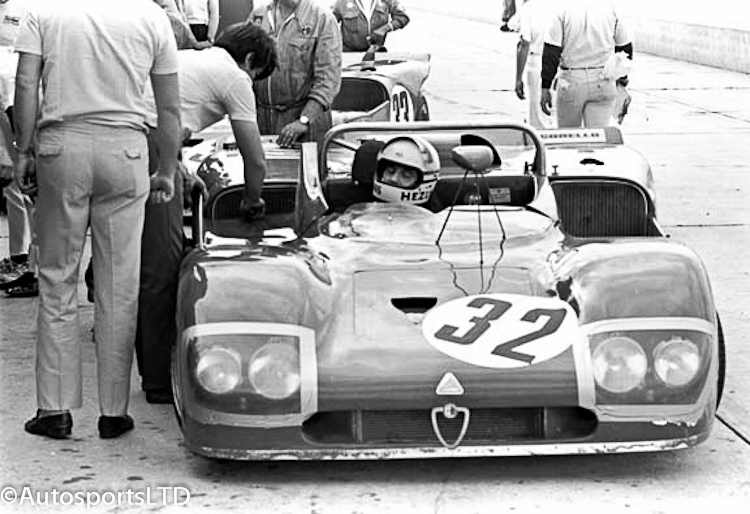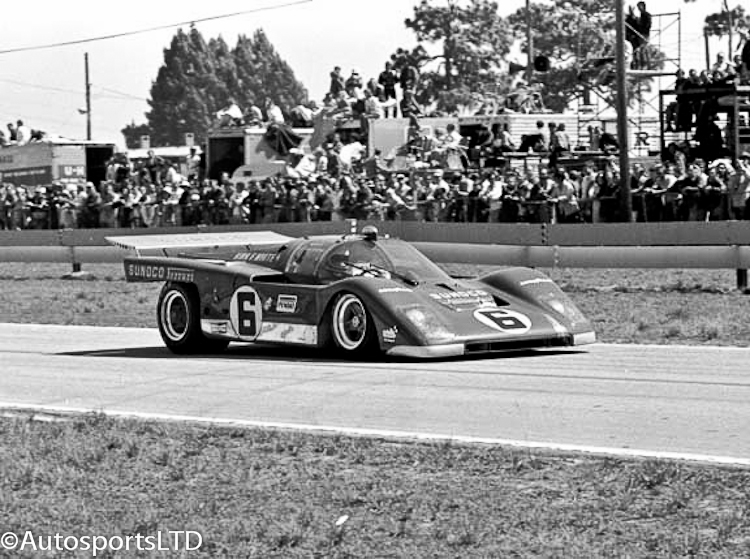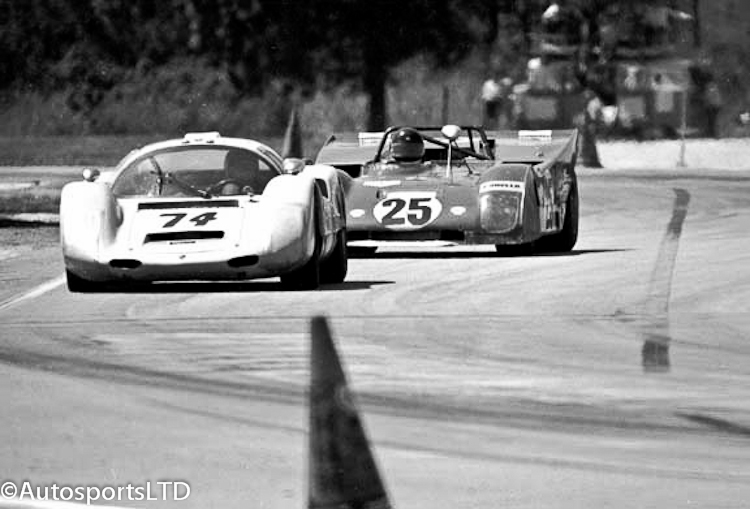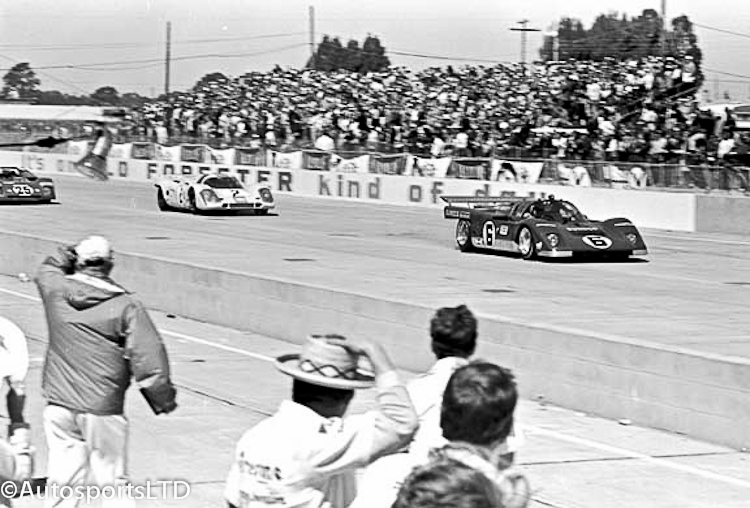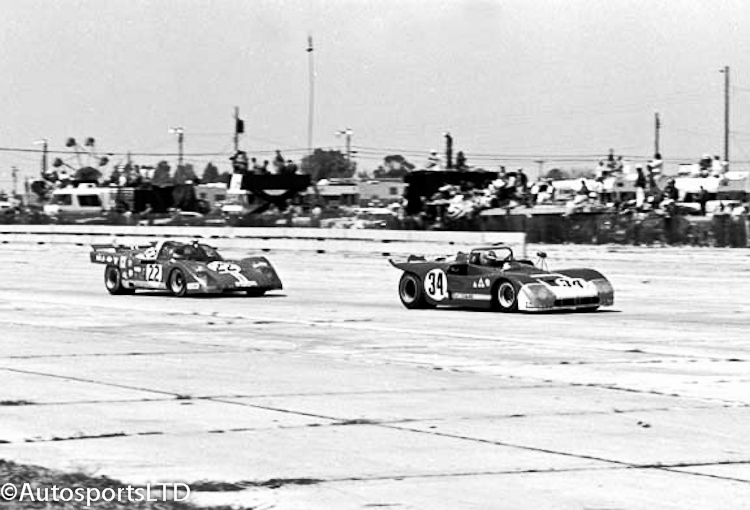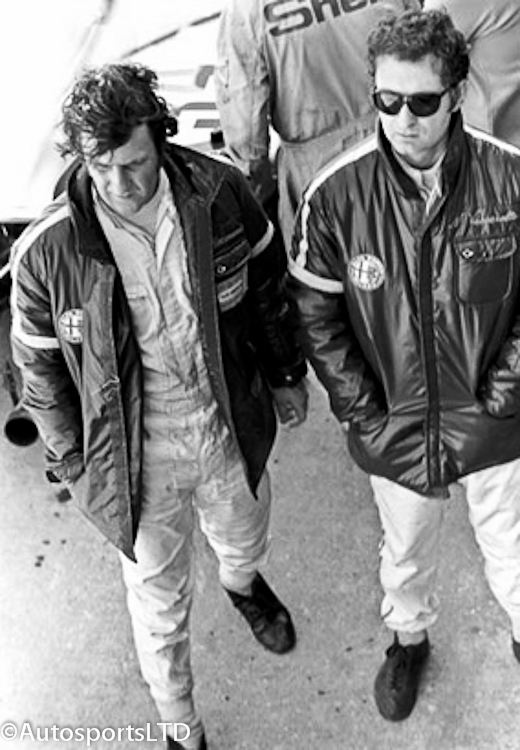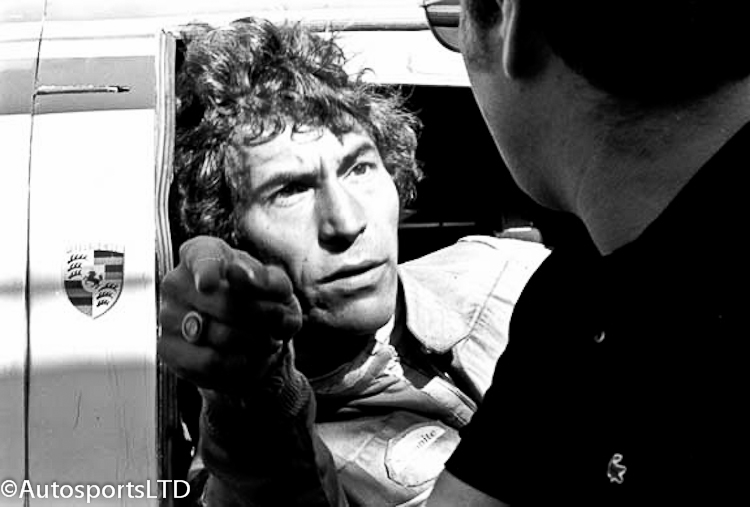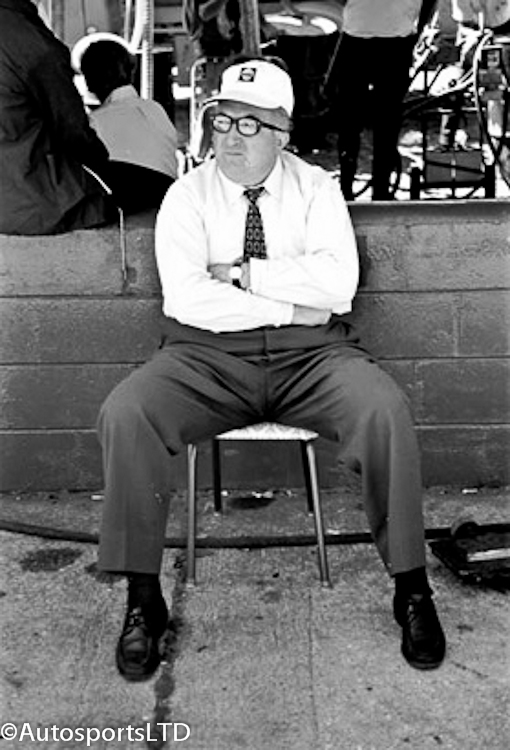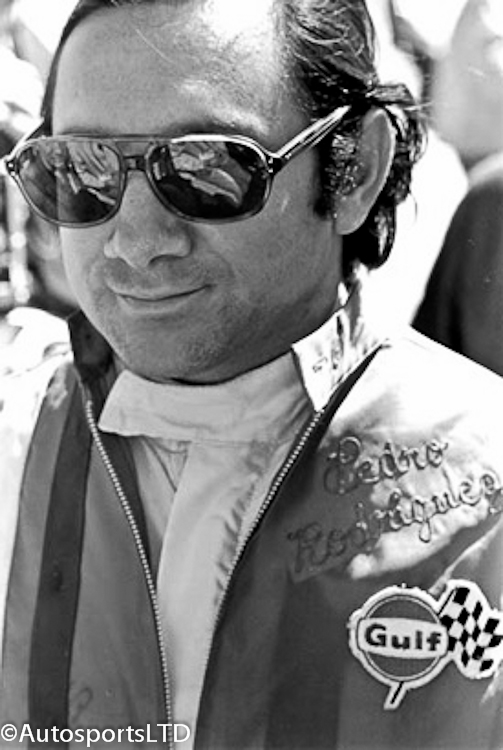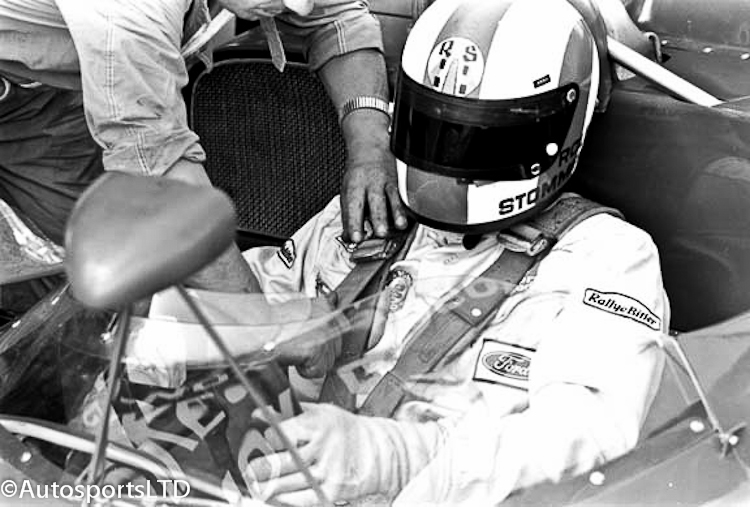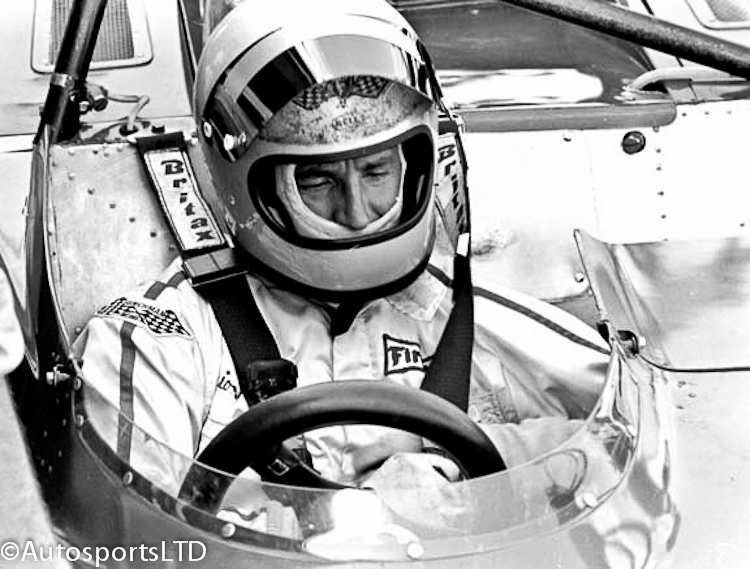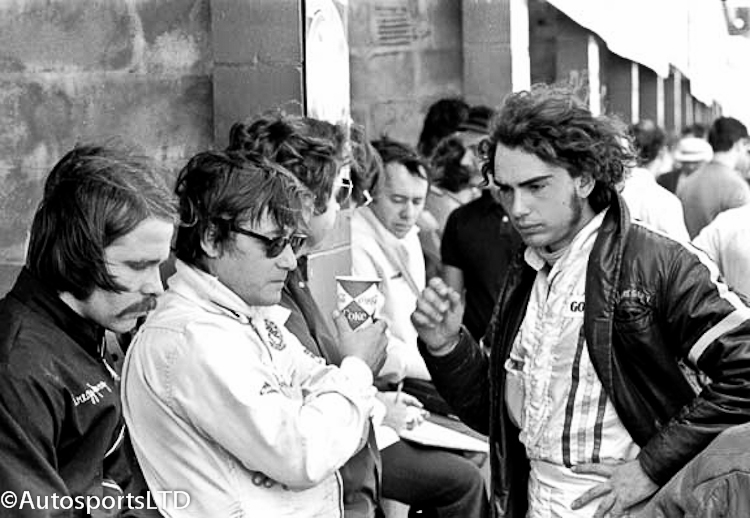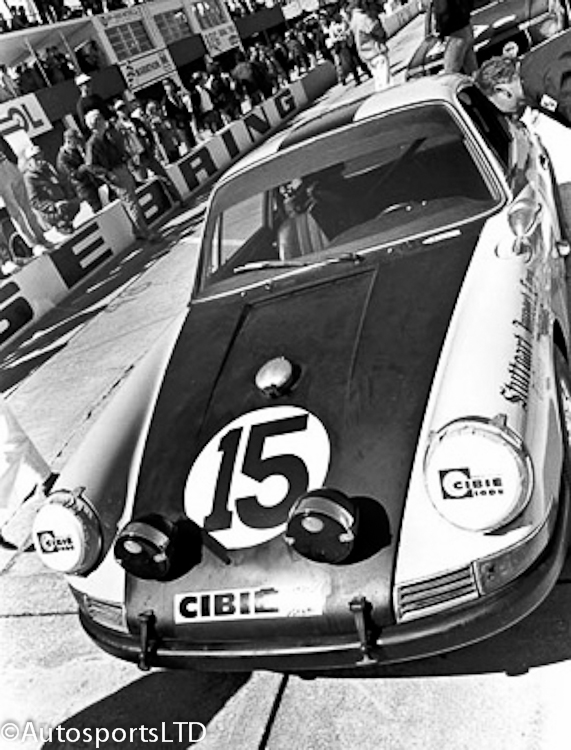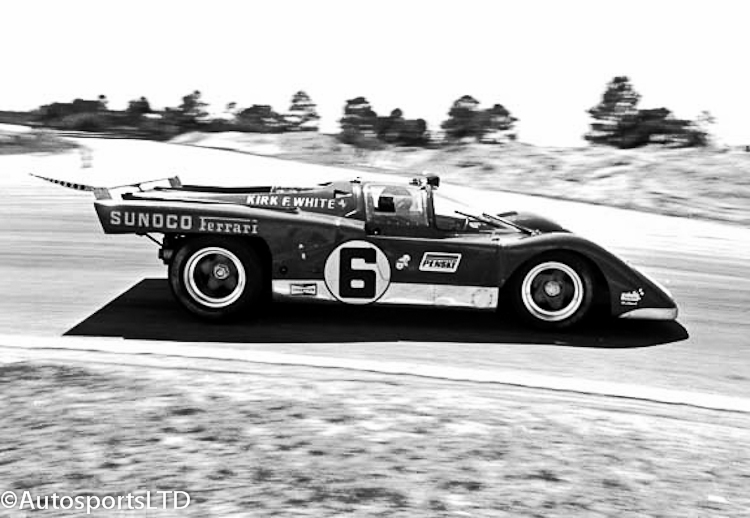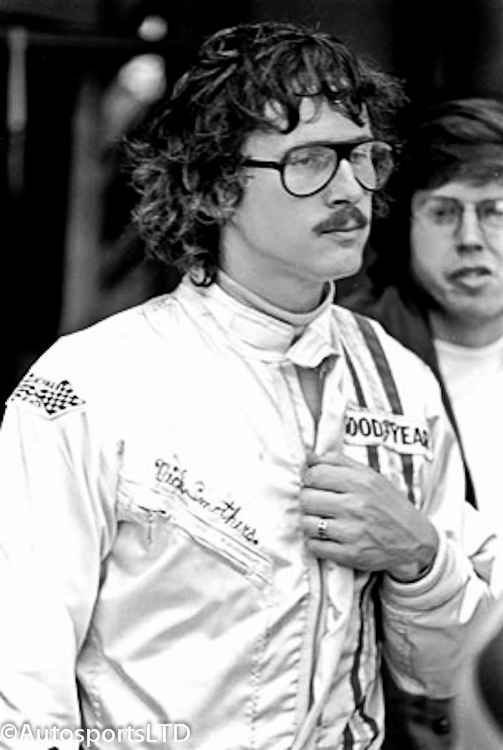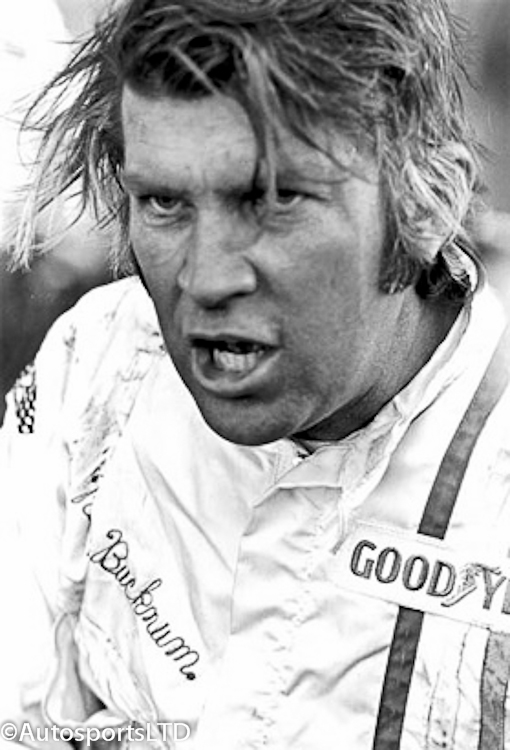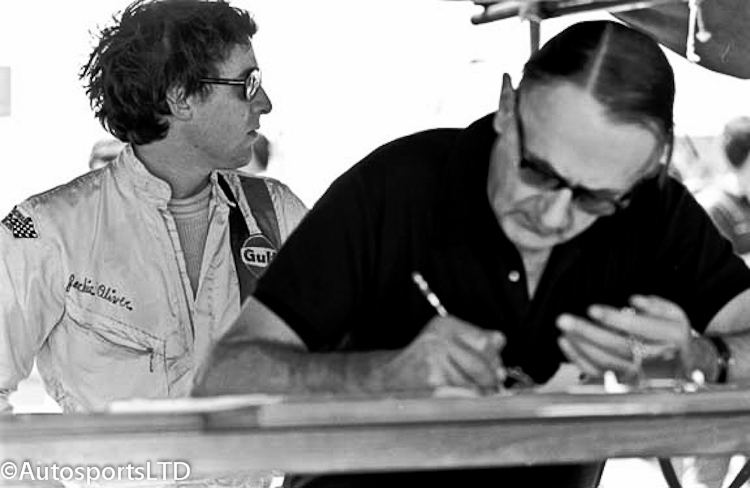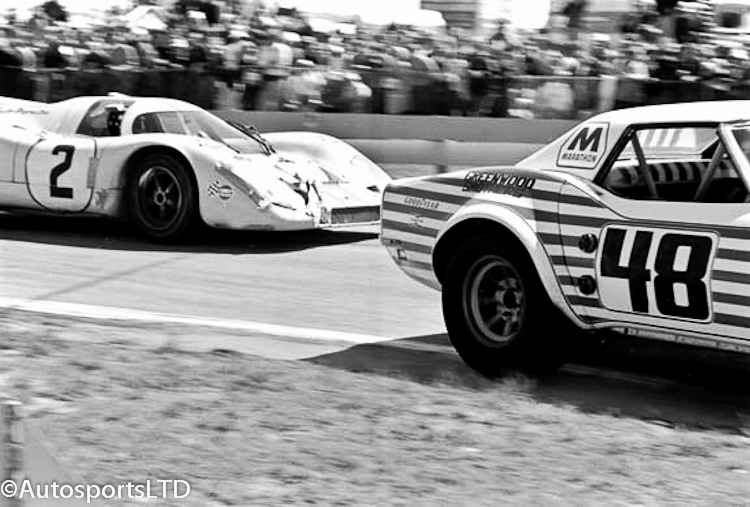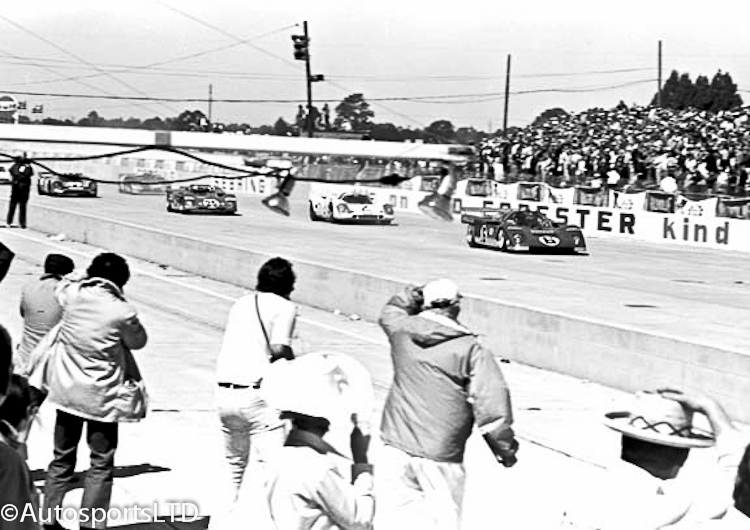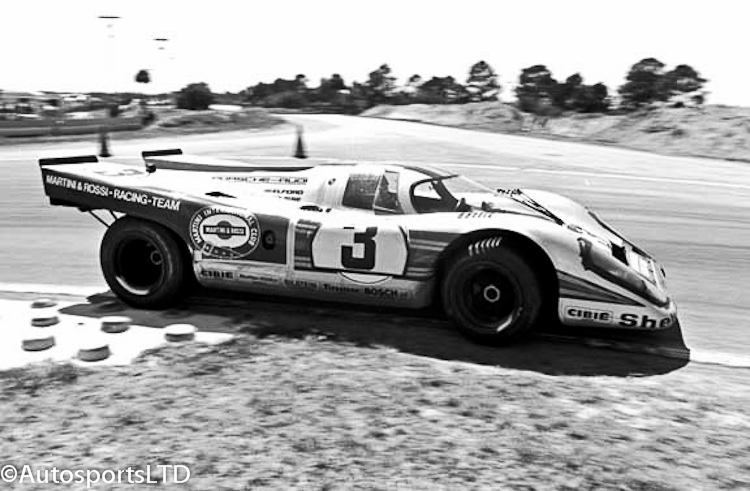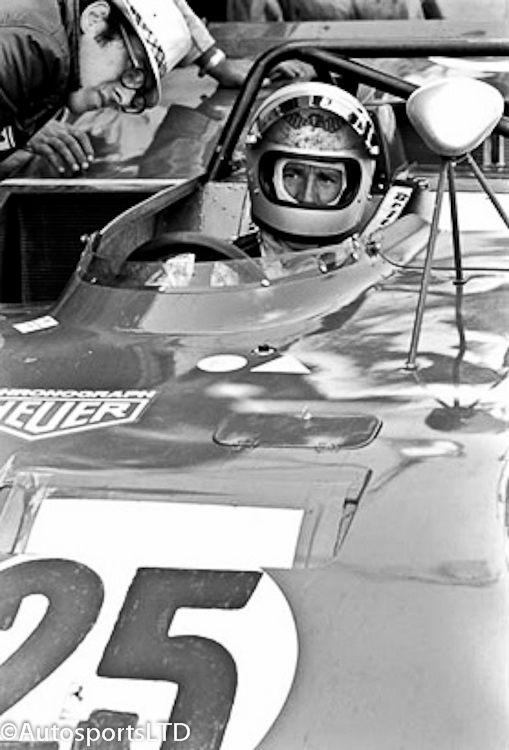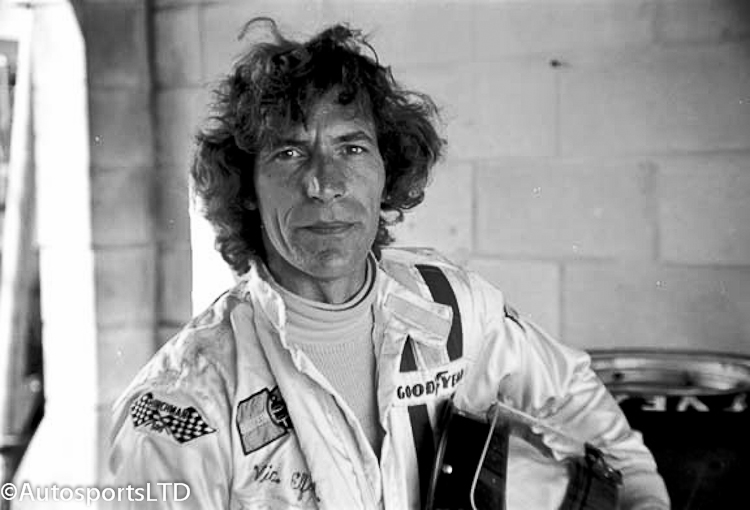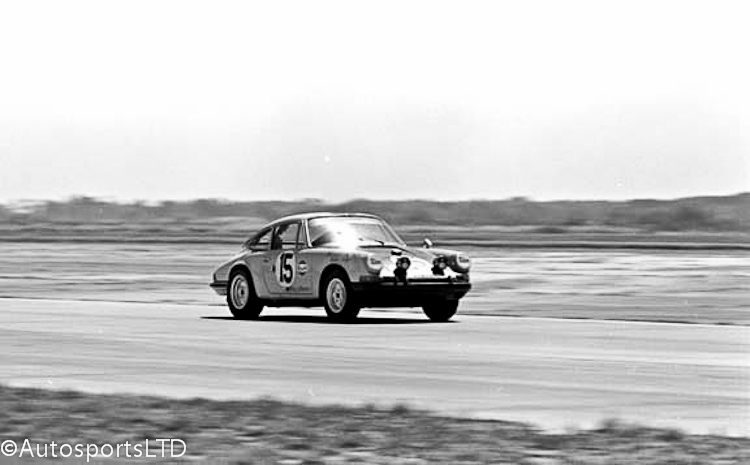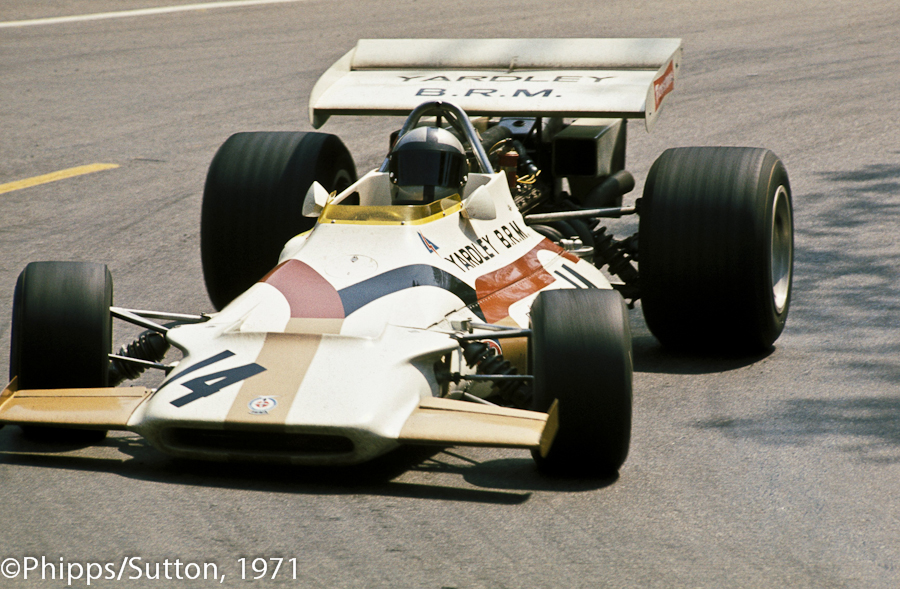
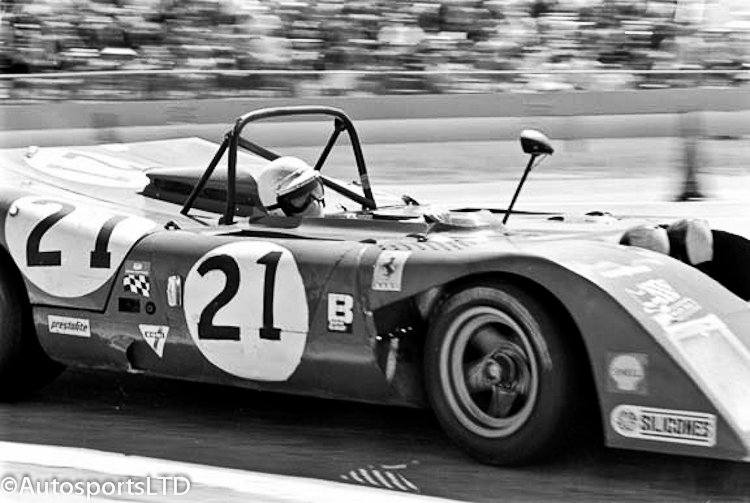
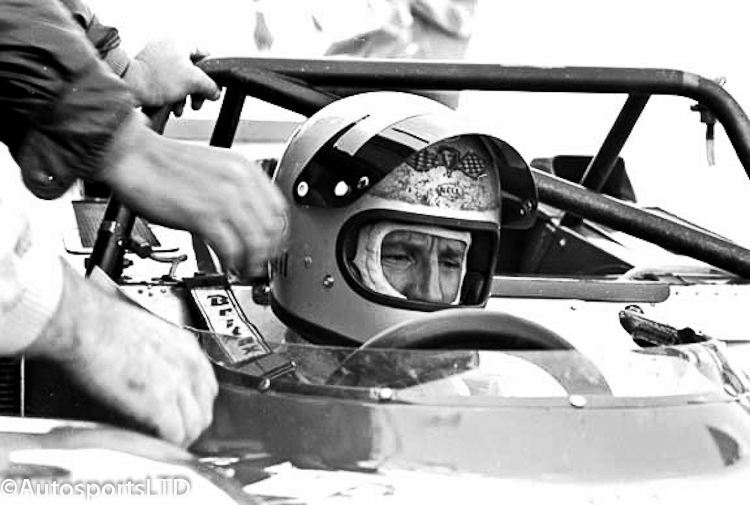
More goodness from Michael Keyser’s archive. The final roar of the Porsche 917, killed by the CSI and others, to what purpose? Don’t ask, you will be looking at grassy knolls next, just enjoy a real flavour of Sebring circa 1971.
Category Archives: Notes from the Cellar
Through The Looking Glass
It is March, the days grow longer and the spirits lift. It is also the month for the annual trek to the Central Highlands and the 12 Hours of Sebring. Many years ago Michael Keyser made this journey, camera in hand, here is some of what he saw, from 1969 and 1970. All images courtesy of and copyright Autosports Marketing Limited.
See more HERE
Sprint Start
The Summer of Love was on the way soon, we would all go to San Francisco and wear flowers in our hair……..and think of how daft we looked………thank you very much, Scott McKenzie.
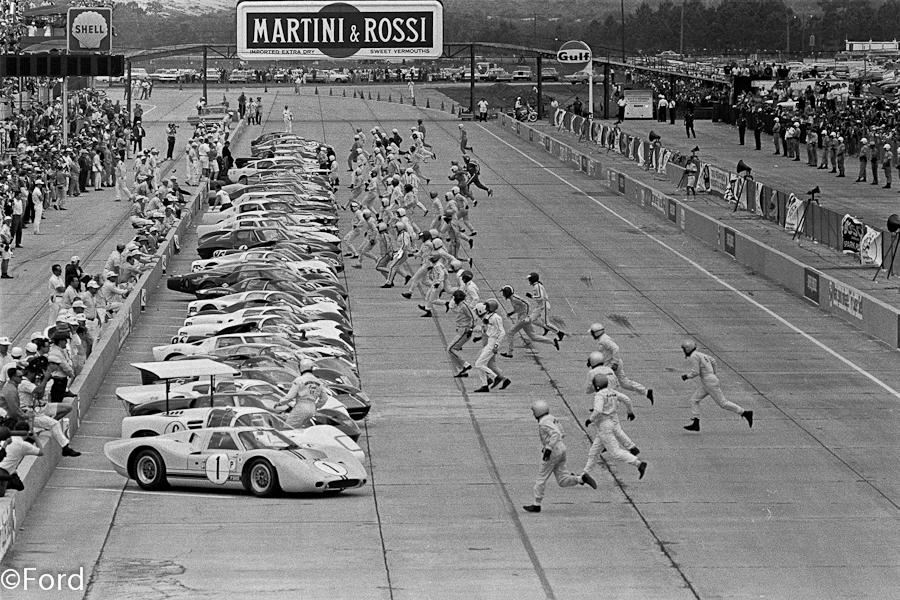
No love lost here though, as Bruce McLaren and the rest of the field sprint across the tarmac at the start of the 1967 edition of the 12 Hours of Sebring. The track had been revised after the spectator fatalities the year before. Also new was the Ford Mk. IV that the New Zealander and his co-driver, Mario Andretti, took to a famous victory.
Another fantastic image, courtesy of Ford.
John Brooks, February 2012
Financial Reporting
It would appear that Peugeot’s sudden withdrawal from its Le Mans campaign has provoked a state of ire amongst the motorsport mavens of the UK’s journalistic community. As I noted recently, Autosport ran a piece last week purporting to the REAL reasons behind the Lion’s retreat. Of course, it did nothing of the sort and I was surprised at the reaction of those who took the time to peruse and reply to my piece. Some of what was written would not make comfortable reading for the magazine’s leadership, as they appear to have alienated a significant section of what should be their core market. Maybe only the cranks write to me, an unrepresentative selection; it would make perfect sense.
This week Damien Smith, editor of Motor Sport, gets into the act in his monthly editorial “Matters of Moment”. Mr Smith correctly declares that the stuffing has been knocked out of FIA WEC and Le Mans as a result of Peugeot’s withdrawal and Audi having little or no opposition, except a small Japanese company called Toyota. However getting the bit between his teeth he veers away from the rational.
“Peugeot is likely to return one day, if finances allow. But for now the best thing about a company that produces dull road cars is over. What a shortsighted and plain selfish decision, totally in keeping with a corporate bean-counter boardroom mentality.”
What??
What??
Motor Sport has been one of the recent success stories in the motoring print media. Since being sold to an independent publisher by the Haymarket empire, it has put on circulation, bucking the trend in the market and I would guess that advertising revenues are also on an upward course. The secret of this performance is simple really, well written content matched to top level production values; it is a premium product. This is why I take issue with the statement quoted above. It is completely at odds with the customary intelligence displayed throughout the magazine.
PSA Peugeot Citroën is Europe’s second largest car manufacturer, employing around 200,000 directly, though recent events have seen that number cut by over 5,000. So perhaps up to a million or so people are directly affected by the company’s performance, a number that is amplified many times when one considers those employed in the supply chain and other related businesses. Then there is the huge amount of tax that these people pay, directly or indirectly. These are big numbers.
Furthermore, in common with virtually the whole motor industry, PSA has strategic alliances with other giants such BMW, Chang’An, Dongfeng, Fiat, Mitsubishi, Renault and Toyota, either producing models under licence or developing new technologies. So even more people around the world who are directly affected if there are problems at PSA. New legislation is being introduced throughout the world is aimed at reducing emissions from motor vehicles, a costly process with all the expenditure and risk front loaded, a major financial headache for the management of any car manufacturer. Consideration must also be given to the social responsibilities that large corporations are bound by, particularly in Europe. The fortunes of PSA have potentially a major impact on the financial stability of France, Europe and the rest of the world. The Supervisory Board of PSA have on their shoulders a heavy responsibility. Many people depend on them doing the right thing; peoples’ future prosperity is at stake.
I wrote last week of the catastrophic losses in the second half of 2011 suffered by Peugeot.
Desperate times call for desperate measures. In last October PSA planned a reduction of annual overheads amounting to €800 million, coming at a cost of 6,000 jobs. Subsequently further cost cutting of around €200 million from annual overheads has been considered necessary. A race programme consuming a rumoured €50-60 million per annum would be an obvious target for both management and unions, given that any easy options had already been exhausted.
The losses will have also drained the cash reserves of PSA, so assets are being disposed of. The company raised €440 million from the sale of car rental company CITER and there is plan to dispose of real estate which is anticipated to raise a further €500 million. Perhaps the most significant sale is that of an undisclosed shareholding in wholly owned transport company GEFCO. Even in the difficult market conditions of 2011 GEFCO accounted for 16% of the PSA Group’s profits. Furthermore, disposing of these assets in the prevailing economic climate and in the circumstances of a fire sale is hardly likely to maximise potential returns. The PSA Group is hoping raise €1.5 billion from these transactions, a tall order.
What I had not looked closely at until now was the cash flow statement. Cash and liquidity are the life blood of any business. You can be profitable but if you run out of cash then you will go out of business. Even I can understand that.
The PSA Group had net cash and cash equivalents at the 2011 year end of €5.7 billion, a drop of €4.7 billion from the end of 2010. This massive decrease can be attributed to several factors, some planned, some not. On the planned side of the ledger the accounts reveal investment in new plants and ventures in India and China, markets that are expanding while Europe contracts. In addition there are the development and launch costs anticipated in 2012 of the Peugeot 208, the Citroën DS5 and the introduction of four other diesel hybrid models. During the first quarter of 2011 PSA also repaid €2 billion to the French State, the balance of a financial assistance package agreed in 2009.
What could not be foreseen at the time of budgeting for 2011 was the calamitous effect that the European Sovereign Debt Crisis would have on trade, particularly in PSA’s major market sectors. There are several problems affecting cash flow that manifest themselves in these circumstances, lack of profitability as margins are eroded, the holding cost of inflated inventory levels and the difficulty of hedging against currency fluctuations. The cost of raw materials was also increased unexpectedly by the instability on the currency exchange market. The ability to raise finance is also under pressure as sovereign nations struggle to meet their own liabilities. Put simply, borrowing and lending are a matter of trust and that is in short supply right now. Another unforeseen event that had an adverse effect was the Great East Japan Earthquake and Tsunami, causing a costly interruption of the supply of vital components.
So taking all of these factors into account it is difficult to see how the Supervisory Board of PSA could have done anything but axe the Le Mans project. If they are to continue to raise finance in an adverse market, then they need to demonstrate that they are willing to make difficult decisions and what better way than making a substantial cost saving in a high profile manner? There is also the small matter of the powerful French Trades Unions. There is no way that are they going to allow a non core activity such as racing to continue while their members are faced with possible redundancy. The argument that the new technology necessary to provide personal transport in the future will be developed faster in the heat of competition is a valid one, but all the technological advances in the world are pointless if the business has gone bust. The development will go on, perhaps at a reduced pace, but we live in an imperfect world.
Most people do not have as the centre of their universe a small city 120 miles to the west of Paris. Motorsport will not bring the cure for cancer or save the universe; it is part entertainment, part technological development and to those, like myself who are lucky to being involved in some minor capacity, mostly hugely enjoyable. Like all children I do not want my toys taken away, but just occasionally it has to happen. Who is being selfish now?
Finally calling the members of the PSA Supervisory Board “corporate bean-counters” is not polite nor strictly accurate. The Vice Chairman of the Managing Board is one Jean-Philippe Peugeot. He is definitely a motorsport enthusiast, having raced in 2010 in the Nurburgring 24 Hours in a Peugeot RCZ HDI. He also took part in four rounds of the 2005 Le Mans Endurance Series, driving a Pilbeam MP93 in the LM P2 class with Pierre Bruneau and Marc Rostan; he scored points in two races, including a podium place at Spa. However much Mr Peugeot enjoys motorsport, as senior management at PSA, he has responsibilities that must be discharged. A lot people are depending on him and his colleagues. I suspect that others in high places are “car guys” too.
So Mr Smith, withdraw your remarks. They are not in keeping with the brand values that are proclaimed on Motor Sport’s front covers:
Passion, Independence, Perspective, Opinion, Authority.
John Brooks, February 2012
Missing In Action
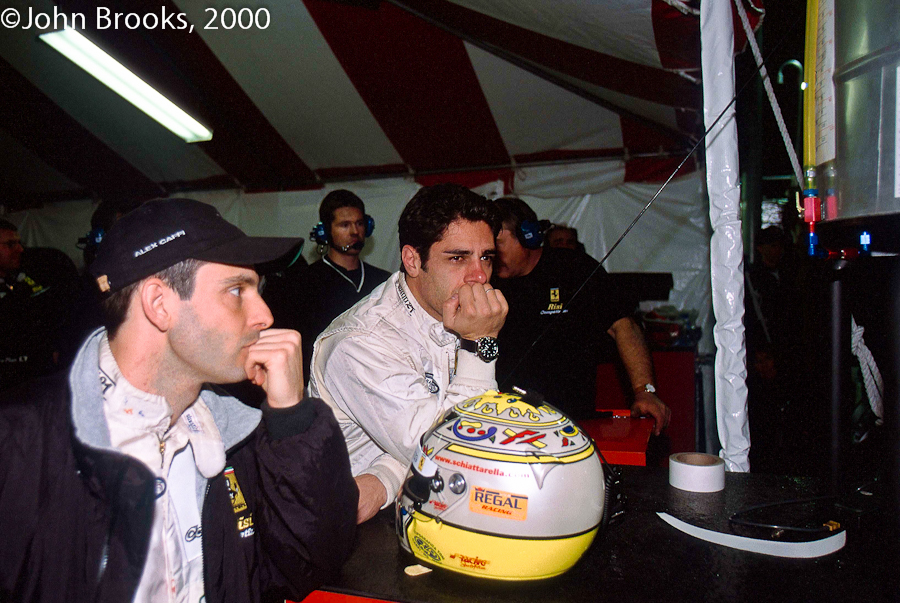
The news that came down the mojo wire yesterday was not good. An announcement that Risi Competizione would not be racing at Sebring was exactly what we did not want to hear. The press release went on………..
Team Principal, Giuseppe Risi, spoke of the difficult decision: “Unfortunately the current economic climate has not allowed us to approach the 2012 season as we would have wished. None of us want to go into an event such as Sebring feeling less than 100% ready and prepared, and we aren’t at that point.
“Risi Competizione, racing with Ferrari, has been a stalwart of the Series for the last decade and we fully recognize the extremely high level of competition it supports. To race a Ferrari is to enter into a partnership with history and legend. The standards are so high that commitment must be total and complete. Risi Competizione knows better than many what it takes to win the 12 Hours of Sebring, and I feel that, right now, we wouldn’t be representative of our best.”
The 2012 12 Hours of Sebring will be a poorer place without the Team, Giuseppe, Beaky and the Contessa, come back soon.
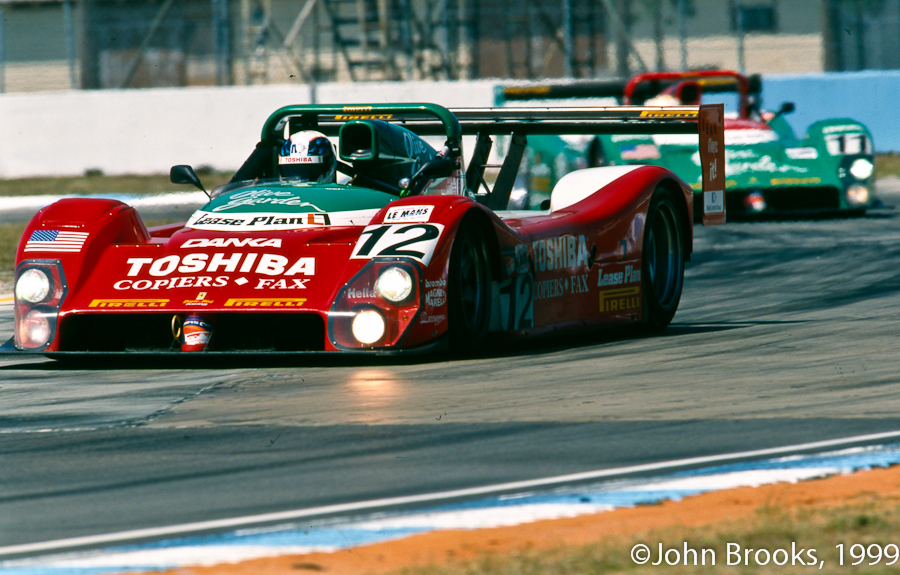
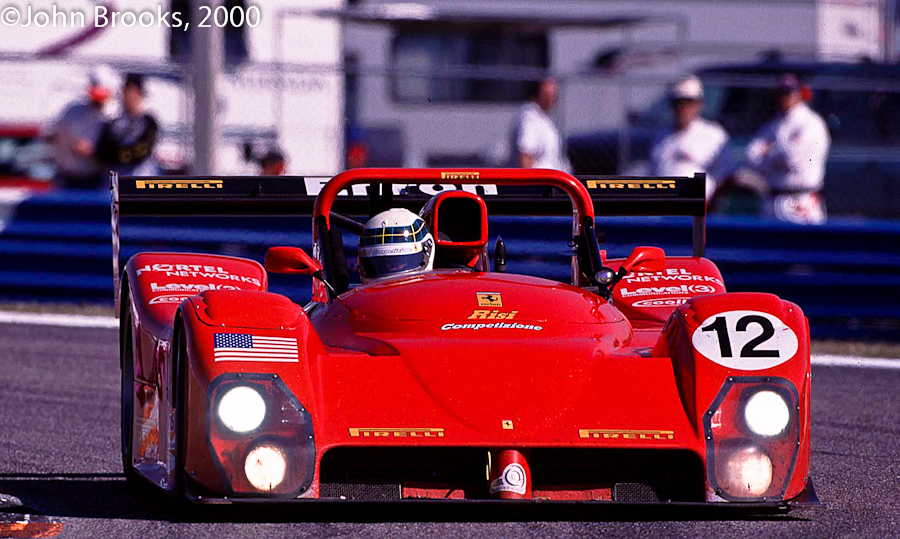
Happier Times in 1999 with a brace of fabulous 333SPs.
John Brooks, February 2012
Hold The Presses
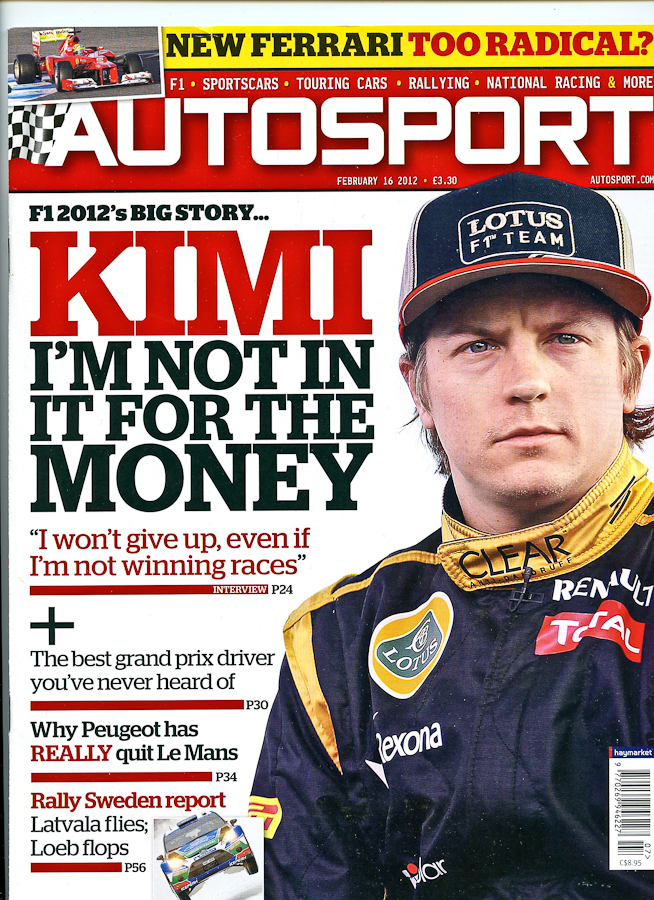
Friday morning’s mail for once includes the latest issue of Autosport, arriving a day earlier than of late. The cover features a snap of the Kimster looking “slightly foxed” as Private Eye would say. The accompanying headline screams “Kimi – I’m not in it for the money. I won’t give up, even if I’m not winning races”. Yeah, whatever.
Further down the page another headline really caught my eye, “Why Peugeot has REALLY quit Le Mans”, a non F1 feature making the cover, now that is special. Then the story of a major manufacturer quitting a new World Championship and the World’s greatest race without notice really is news.
Turning through the acres of pre-season F1 stories I reached page 34 and settled in to read the feature penned by Gary Watkins. As one might expect of such an experienced and skilled journalist, the piece was well written, stacked with quotes and facts that were relevant, a succinct summary of “five years of the 908”. Unfortunately that was not what had been promised.
Nowhere in the article was vulgar subject of money mentioned, no attempt to answer the question as to why the total cancellation of this high profile project without notice was considered necessary by the Supervisory Board of PSA Peugeot Citroën. As one of my highly respected colleagues put it, the piece read like a retrospective that might run in Motor Sport in a few years time. Certainly there was no commentary to support the promise of the headline on the front cover.
So what really happened at Peugeot to force such a draconian measure? About ten minutes on the Internet gives all the answers. Peugeot cars made an operating profit in 2010 of €621 million. In the first six months of 2011 a further profit of €405 million was accrued but when the year end was reached this had fallen to an overall loss of €92 million, a six month loss of €497 million, that is not sustainable for any enterprise in the long run.
It would appear that the company has still been turning out cars as normal but selling them in the tough market conditions at a loss. Chief Financial Officer Jean-Baptiste de Chatillon admitted inventory levels of assembled vehicles at the end of 2011 were “unsatisfactory”. That is a way of saying that potentially, further financial pain is on the way. Back in the last century when I had a real job, the accounting convention was to value Stock and Work in Progress at the lower of cost or net realisable value. It was a fantastic accountants’ equivalent of advertising industry’s weasel word, as an element of subjectivity is introduced under the cover of objectivity. Valuation of stock has a direct affect on the profitability or not of a company’s accounts. A perfectly reasonable judgement, made with all due diligence, can, with the passage of time, turn out to be erroneous. To be fair predicting the future is an inexact science and you have to do the best you can with the information available. I am not in a position to judge whether the value of Peugeot inventory held at the year end remains valid today. All that can be said is that car sales throughout Europe have plummeted in January 2012 and the expectations for the next few months are no more optimistic.
Figures from the European Automobile Manufacturers’ Association (ACEA) show sales of passenger cars fell 7.1% to 968,769 in January compared to the previous year. Sales in Portugal collapsed, falling 47.4%, while France saw sales drop 20.7%, Italy was down by 16.9%. This makes it even more unlikely that Peugeot, already suffering, will be able to trade its way out the hole that it finds itself in. Will the inventory even make the written down position as at the end of December 2011 and what will be the likely effect on margins?
Desperate times call for desperate measures. In last October PSA planned a reduction of annual overheads amounting to €800 million, coming at a cost of 6,000 jobs. Subsequently further cost cutting of around €200 million from annual overheads has been considered necessary. A race programme consuming a rumoured €50-60 million per annum would be an obvious target for both management and unions, given that any easy options had already been exhausted.
The losses will have also drained the cash reserves of PSA, so assets are being disposed of. The company raised €440 million from the sale of car rental company CITER and there is plan to dispose of real estate which is anticipated to raise a further €500 million. Perhaps the most significant sale is that of an undisclosed shareholding in wholly owned transport company GEFCO. Even in the difficult market conditions of 2011 GEFCO accounted for 16% of the PSA Group’s profits. Furthermore, disposing of these assets in the prevailing economic climate and in the circumstances of a fire sale is hardly likely to maximise potential returns. The PSA Group is hoping raise €1.5 billion from these transactions, a tall order.
As has been proved time after time, manufacturers only go racing when it suits them, it is not part of their core activity and while bragging rights are great for the marketing department, they mean little to the employee on the shop floor whose livelihood is under threat. I have been told, but cannot possibly confirm, that the competitions department was shut as part of the horse trading that went on between the PSA management and the very powerful French trade unions. Suggestions that the programme might reappear in a year or two are wide of the mark. The factory and equipment are being liquidated as part of the asset disposal plan, I know of teams that been given the opportunity to purchase the inventory. The personnel are being redeployed within the PSA group, or so we are told. While the high profile drivers and team bosses scramble to find another role, the real tragedy lies in the fate of the foot soldiers. For over 30 years Peugeot have been a major force in motorsport, successful in pretty much everything they have attempted. The wins have been founded on the efforts of the Jean-Michels and Jean-Philippes of the factory floor, for the most part anonymous but vital to the result. In recent years they have taken on the might of Audi and for the most part beat them comprehensively, two high profile defeats at Le Mans in 2010 and 2011 being the only black marks. Those who toiled at Peugeot Sport can look back on their achievements with pride, it is not their fault that the department has been closed.
Which brings us full circle to the Autosport feature, which has a very good explanation of the recent racing history of Peugeot, without any mention of the financial issues that killed off that activity. I would have expected both inter-related areas to have been covered, especially from the headline on the cover or indeed the banner above the piece. Insight – Peugeot’s Pull-Out. Anyone might surmise that the sub editor writing the headlines had not read the piece.
But what do I know?
John Brooks, February 2011
A Fork In The Road
There comes a point in all our lives when we reach a crossroads, the road we take determines our future, rarely do we have the chance to go back. Often we are not even aware that the choice has been made or is really significant. For me this position was reached some 40 years ago and certainly at the time I was oblivious to the consequences. However if I had not taken that course back then, it is highly unlikely that I would be writing for you, the audience, today.
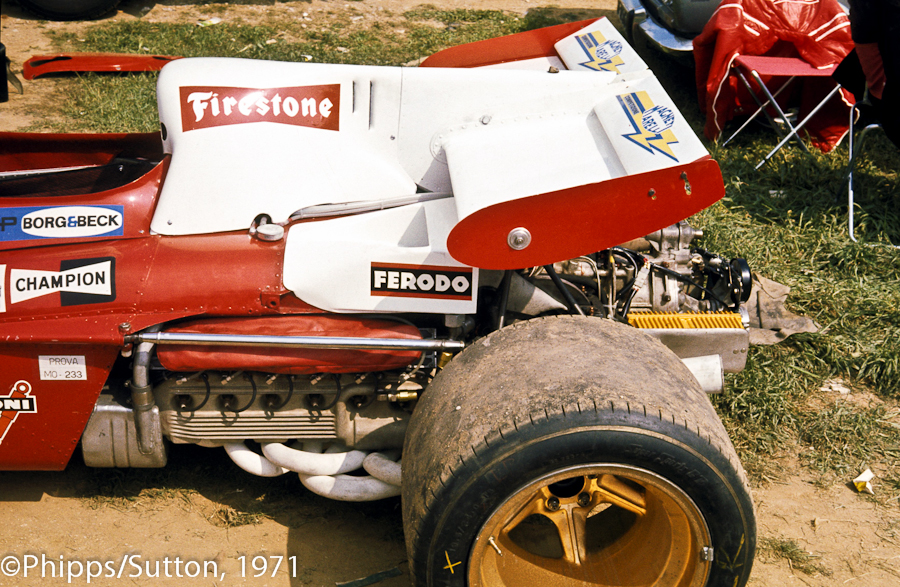
1971 was the year when I really caught the motorsport virus, from that small start I have ended up making some sort of career out of the sport, but it is at that time that I passed the point of no return. I had been following the glamorous and seductive racing scene second hand, reading everything and anything I could about this world, so unlike my own life as a rather dull-witted schoolboy. Some of my contemporaries found their escape in Hollywood, I found it at Le Mans, at Monaco, at Nürburgring, anywhere that racing happened. Autocar, Motor Sport, Autosport and other long forgotten titles were devoured eagerly, I can still remember race results from 1969, when now I get confused about what happened ten minutes ago. I had actually managed to attend the 1970 British Grand Prix, seeing Jochen Rindt score a last lap victory over Jack Brabham but the following year I was geared up for seeing as many races as I could.
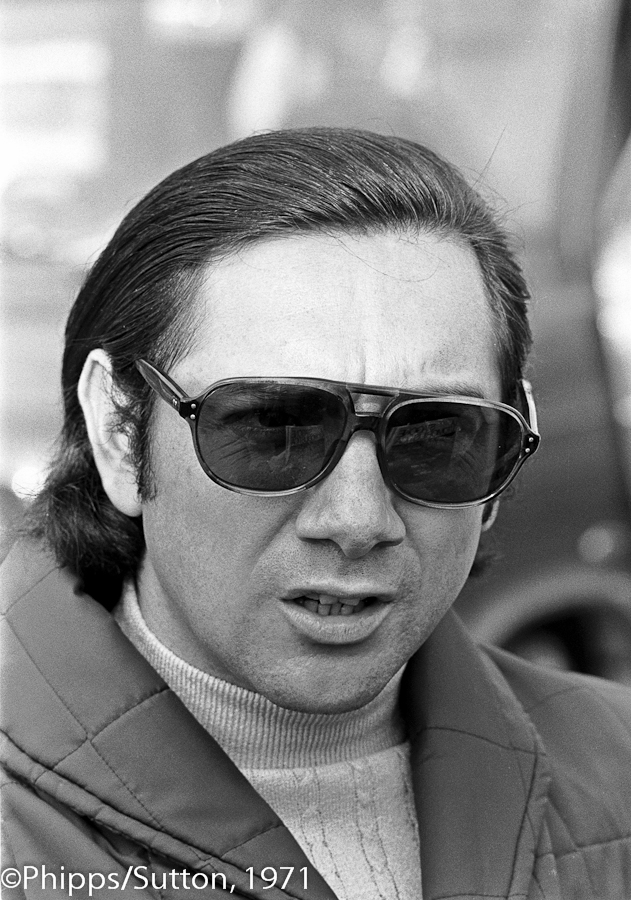
Everyone has heroes, especially when we are younger, they are those that we look up to and imagine that one day, we too might acquire some of the qualities that we admire. Back then my heroes were two drivers, Jo Siffert and Pedro Rodriguez, I was inspired by their performances in arguably the greatest sportscar of them all, the Porsche 917. I would read the race reports, especially in Motor Sport, from Denis Jenkinson, Michael Cotton and Andrew Marriott, the last two I would later become friends with. I simply HAD to go and see these guys race that year, the situation was given an urgency by the crazy decision of the FIA (where have we heard that before?) to scrap the 917s and 512s. There was only one solution, as I was too young to drive, I would get the train and bus to Brands Hatch. It was only on the other side of London.
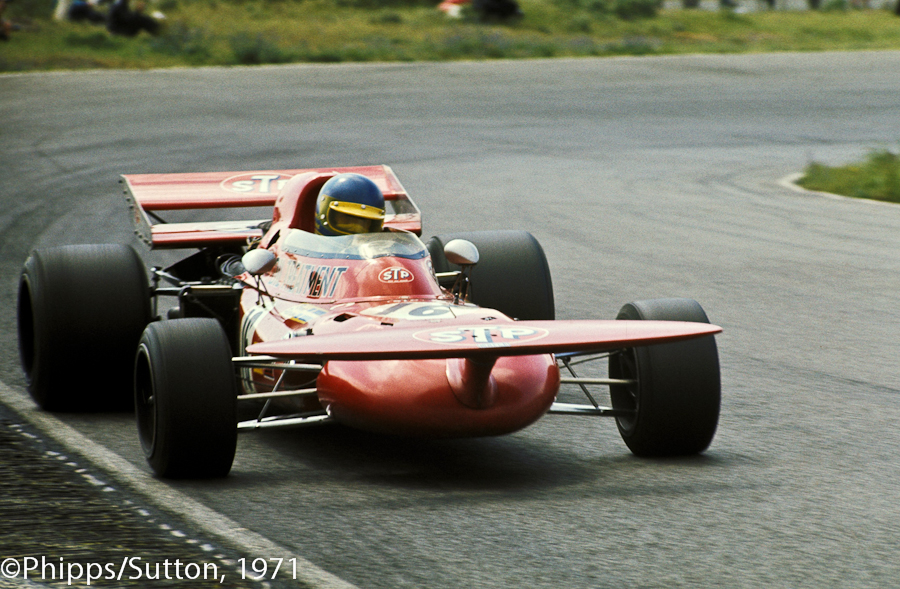
The calendar in 1971 had several international races held at the fantastic Kent track. First up for me was the Race of Champions. Back in the dark ages BE (Before Ecclestone), there were non-Championship Formula One races, so you could get to see the Grand Prix circus several times in a season, especially if you lived in England. OK, not all the F1 regulars turned out but that was also the case at some Grand Prix, especially the far flung ones, there was no FOCA package back then. One thing that has not really changed in 40 years is the grim weather, cold, damp and grey, that bit of Brands Hatch in March remains a constant. The front row had Jackie Stewart’s Tyrrell on pole with Denny Hulme alongside in his McLaren and completing the line up was Clay Regazzoni in the delicious Ferrari. There were former and future World Champions Graham Hill, John Surtees and Emerson Fittipaldi in the field but my two heroes were missing, both on Gulf 917 duty at Sebring. A couple of things stuck in my mind from that race, the variety of noses on the cars with wild variations ranging from the Brabham BT34 “lobster claw” to the March 711 “tea tray”, did any of them really work? That day also saw the début of the Lotus 56B powered by a Pratt & Whitney gas turbine, one of Colin Chapman’s ideas that worked as an Indianapolis 500 car but was not suited to the Formula One world. I cannot remember much about the race, except that Ferrari and Regazzoni won it.
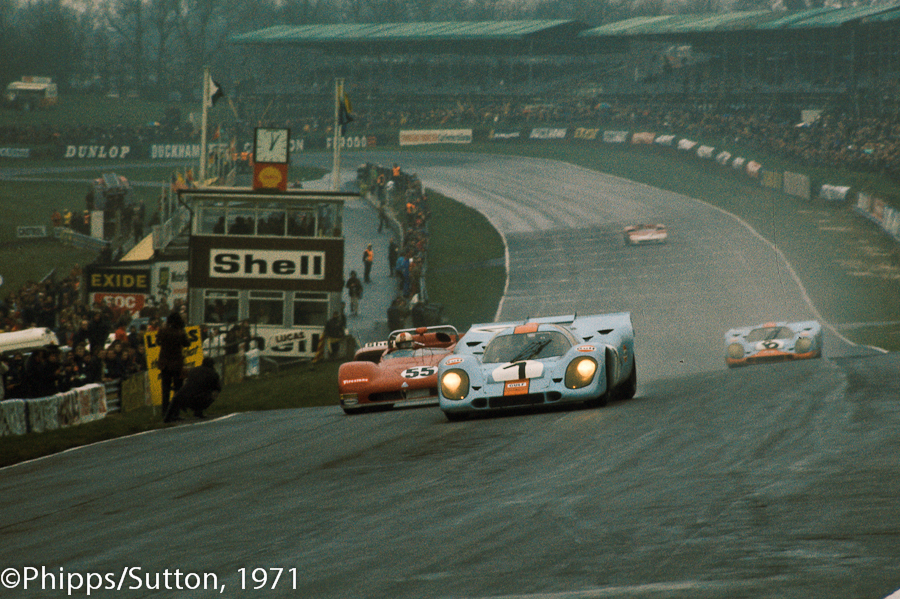
A few weeks later and I was back at Brands Hatch for the BOAC 1000 Kilometres, now I would get to see both Siffert and Rodriguez and the Gulf Porsche 917s. These guys would see off the opposition for sure, but as I would find out, life is not that simple. The weather was similar to the previous race and near freezing point. I thought, perhaps it is always like that in Kent. The field was a bit thin, frankly. The pair of Gulf 917s were backed up by two Martini & Rossi cars and privately entered 1970 spec 917. Against this line up was a lone Ferrari 312P and a brace of Alfa Romeo T33/3s run by Autodelta. Even I could see that the rest of the field of upgraded 512Ms and 2-litre prototypes would have real chance in the race.
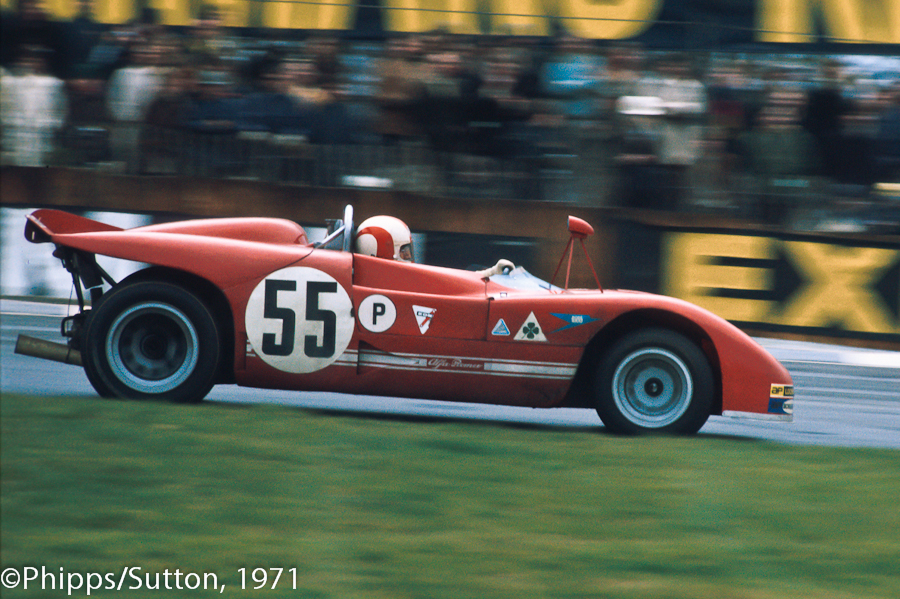
Midday saw the race get underway and immediately my version of the script was proved wrong, with Ickx and the Ferrari taking the lead with the two Blue & Orange 917s in pursuit from the Alfa Romeos. Soon the natural order of things was restored as the Ferrari disappeared for several laps leaving the Mexican star leading his Swiss team mate, this was more like it. Then after an hour or so I went tramping around the track and noticed that the #7 Porsche was missing, after a while I found it parked up at Dingle Dell. I read later that the fuel filter had been clogged up with debris from an experimental pit refuelling system that the team were trying for the first time. Siffert too was having problems with changing tyres, an new alloy hub had expanded meaning that getting the nuts undone and done became almost impossible. JW Automotive had comprehensively shot itself in both feet. The upshot of all this was to hand Alfa Romeo its first international motorsport victory in 20 years. It looked as if Rolf Stommelen and Toine Hezemans, with a lap advantage over Andrea de Adamich and Henri Pescarolo, would be the heroes for Autodelta but the race had one final twist. A suspected piston failure halted the leading T33/3 in a cloud of smoke. Some 30+ years later I was enjoying the company of Hezemans, father and son, in a bar, where else? I happened to mention to Toine about seeing him all those years before at Brands Hatch. His answer was a stream of invective directed at Carlo Chitti, who he blamed for all the car’s problems, the competitive fires still burn. Of course being Toine this was also very funny, being almost paralysed with the combination of beer and laughter is the only thing I can recall from that evening. Long may he go on.
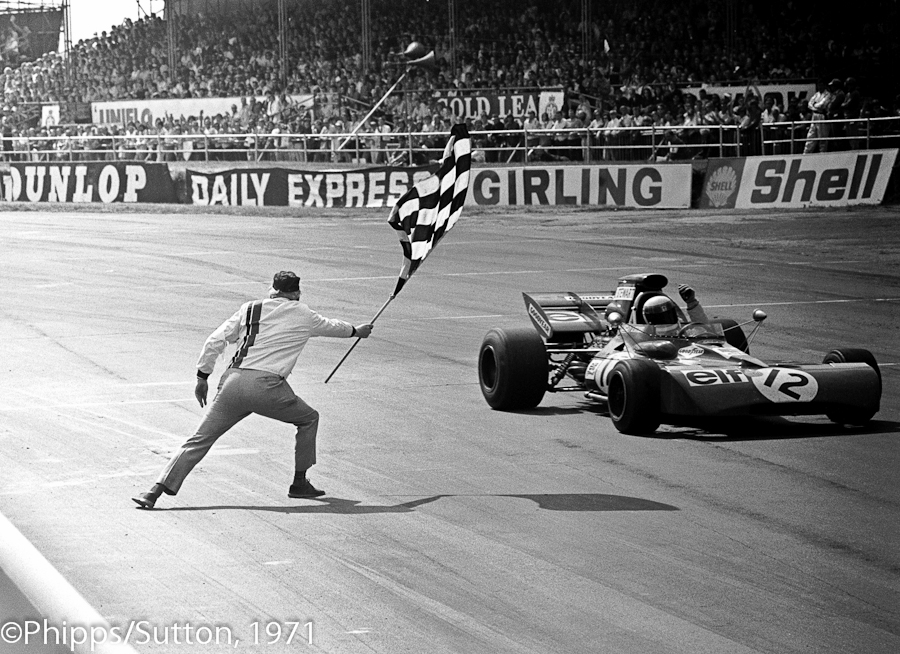
I had seen the Men and the Machines but there had been no fairy tale victory. Indeed things would take a very dark course for the rest of the year. The British Grand Prix was due to be held at Silverstone and I had persuaded a neighbour to let me come along with him. The BRMs that both Rodriguez and Siffert drove were competitive that season, arguably the last year that could be said. So I was really looking forward to seeing them take the fight to Jackie Stewart. Of course that did not happen, Pedro had decided to accept a drive the weekend before in Herbert Müller’s Ferrari 512 at the Norisring. Early in the first race a front tyre punctured, the Ferrari went out of control and hit a concrete wall. The impact destroyed the car and Pedro died soon after from the injuries received in the accident. Back then there was no internet, no TV news channels, so I did not hear anything about the death of the Mexican till a few days later when I was back at school, it was very unreal, unbelievable. Of course it was very real and all too believable. Two BRMs lined up at the Grand Prix instead of three and I had almost lost interest in the proceedings. It was a dull race dominated by Jackie Stewart but at least it was a proper summer’s day at Silverstone. No Pedro though.
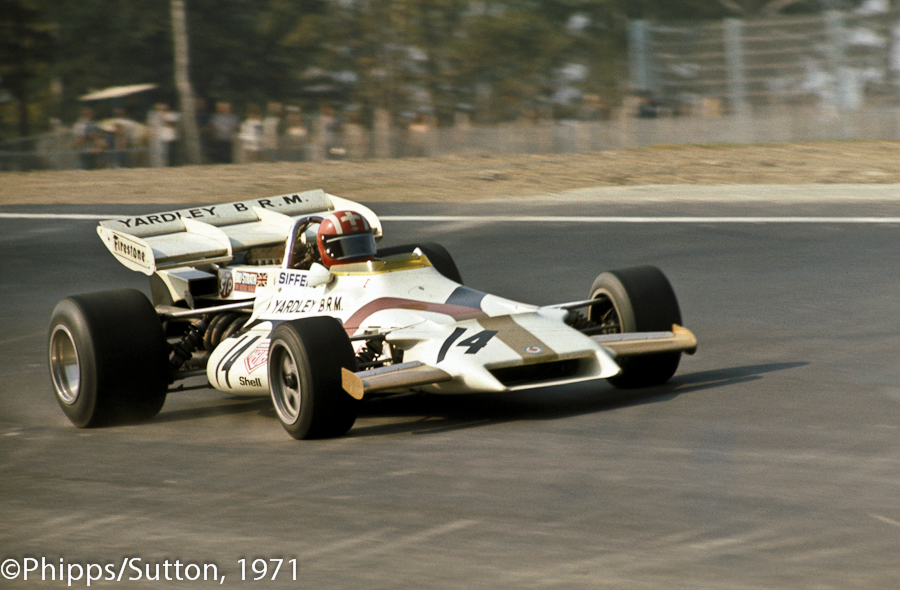
Later that summer the news arrived regarding the cancellation of the Mexican Grand Prix due to be run in October. A replacement event was put together, The Rothmans World Championships Victory Race, to be held at, yes, Brands Hatch. Another chance to see Formula One, in my back yard, this race was to be held in the honour of the new World Champions, Jackie Stewart and Tyrrell. Jo Siffert had stepped up to the plate after the death of his team mate and had won the Austrian Grand Prix, as well as taking the lead role in Porsche’s Can-Am campaign. So he was one of the favourites for the last race of the year and indeed started from pole position. My mate James and I made another journey by train and bus to arrive in time for the race. We wondered over to South Bank to the point where the cars head out of the stadium onto the Grand Prix loop. It was a beautiful sunny day, generally a good way to sign off a difficult season. When the cars reached us on the first lap, a BRM was leading but the helmet was a dark blue and not the red and white of the Swiss flag, it was Peter Gethin not Jo Siffert. The Swiss driver had a problem at the start and was down in 9th place. Gradually he climbed through the field up to 4th, then on lap 15 he accelerated away out our sight and never came back. It is thought that the rear suspension had failed at Pilgrims Drop, pitching the car into a bank where it rolled and collected a marshals’ post and then it exploded in flames. Attempts to rescue the unfortunate Siffert failed and he was asphyxiated in the delay, his only other injury was a broken ankle.
From our viewing point at the bottom of the circuit we could see nothing but it was clear that something was very wrong. We were advised that racing was done for the day (it was not) and to go home. So we trudged to bus stop and joined the queues, over 40,000 had turned out that day. I still had no idea what had happened until arrived back at my house, my father broke the news to me. Another bad day.
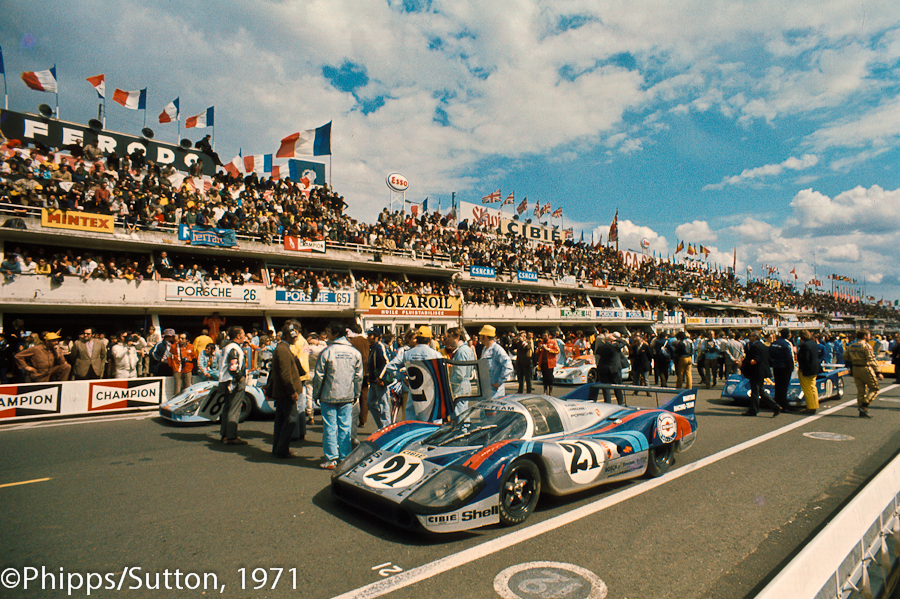
The year ended with death of my two heroes and the end of the endurance career of the Porsche 917. I have to admit that my interest in the sport dipped for a while as I struggled to understand the events of 1971, but motorsport is like a drug, once you are hooked you never really get over it. The year had seen the release of the film “Le Mans” which of course I had to see, and I did several times. The 917s and 512s, the stars, Le Mans, and some of the greatest action footage ever shot. The ACO should thank Steve McQueen every day that the sun rises, the coolest guy on the planet made the coolest movie about the coolest race. Even the sparse dialogue contained some philosophy that helped me to understand the motivation of drivers like Siffert and Rodriguez, in the face of almost certain death or injury.
“A lot of people go through life doing things badly. Racing’s important to men who do it well. When you’re racing, it… it’s life. Anything that happens before or after… is just waiting.”
Michael Delaney’s words struck a chord with me, perhaps such a simple statement could explain why I am still chasing the sport some 40 years later. On balance I think I took the right road back then, there has been no looking back.
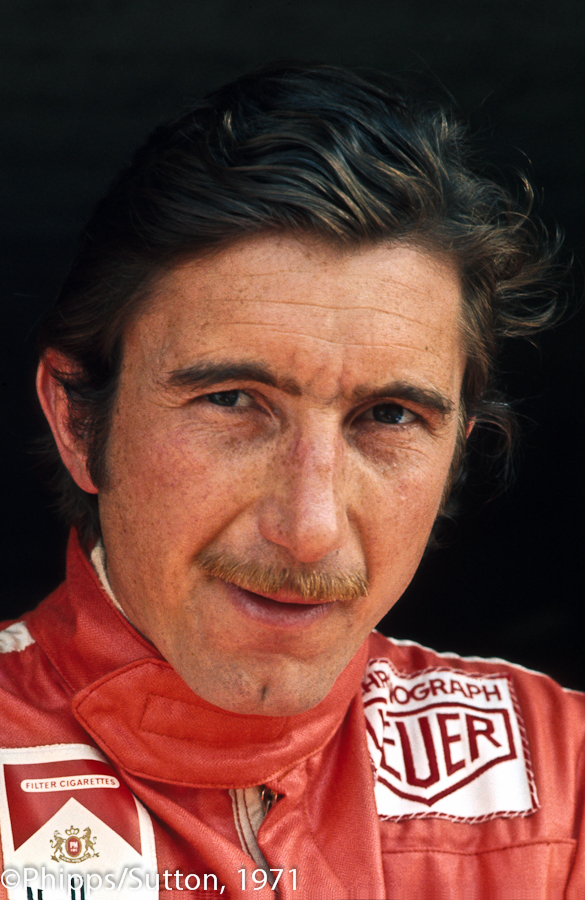
John Brooks, February 2012
Cat With A Hot Tin Roof
It is a widely accepted fact that the 24 Hours of Daytona is one of the toughest endurance races on the calendar. Traffic, extremes of weather and the very long night, added to the layout of the infield course at Daytona International Speedway make for a race that stretches man and machine.
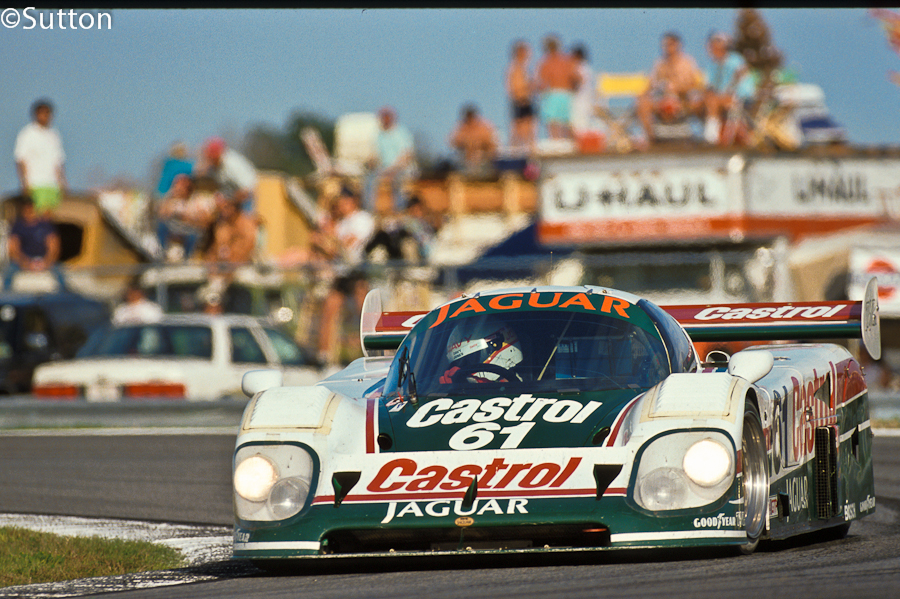
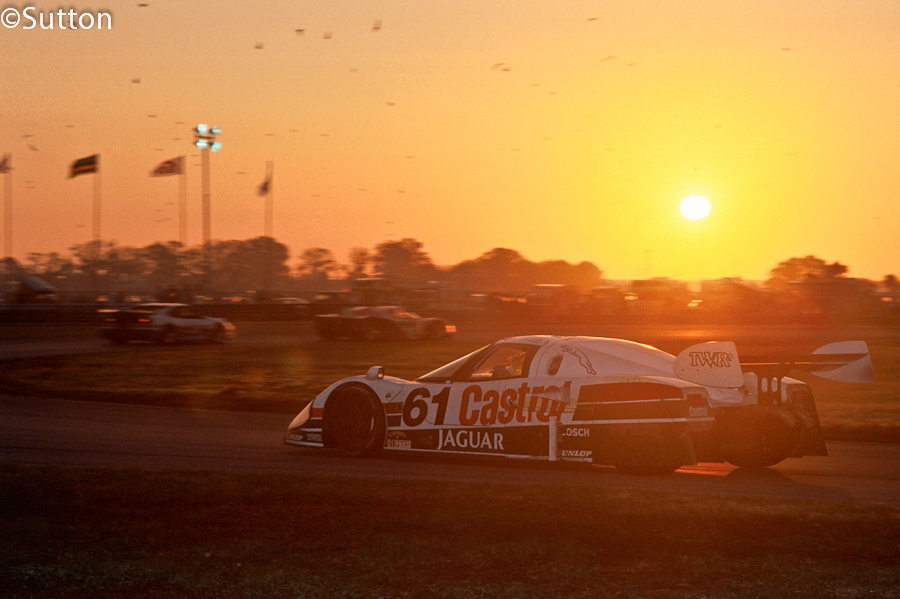
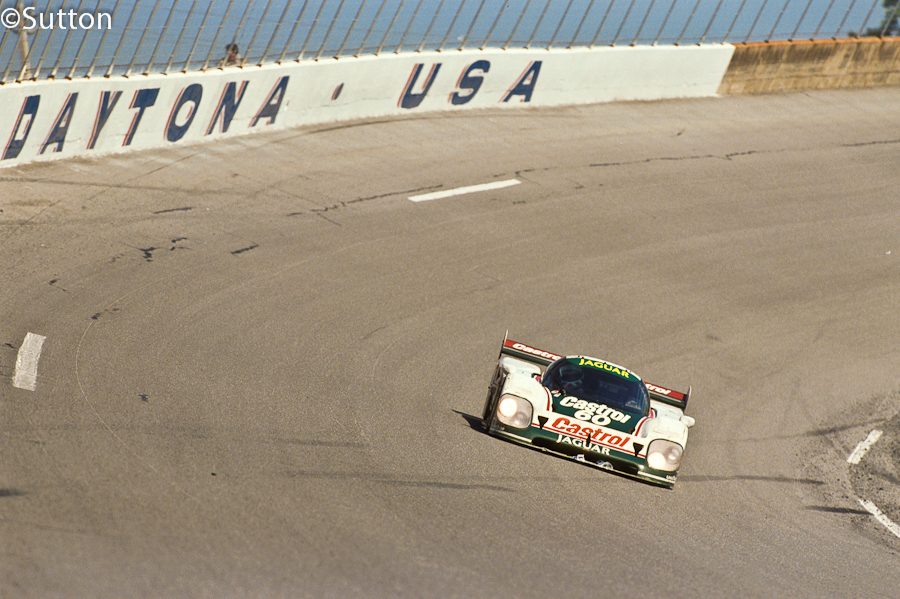
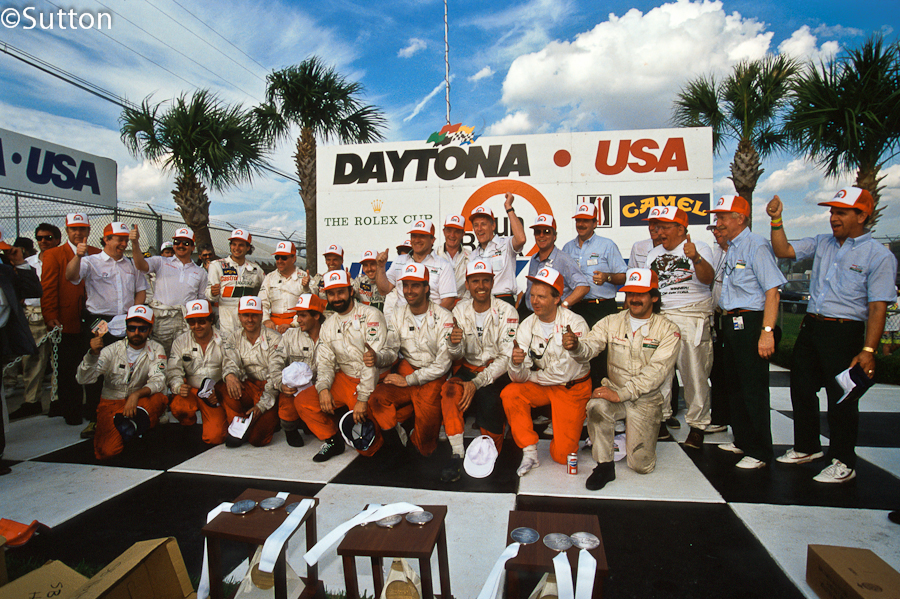
To win takes a heap of intestinal fortitude and a dollop of good fortune. For a team to finish 1-2 is really something special. So achieving that feat in 1990 was a truly great performance for the TWR Jaguar outfit.
Their opposition came from a bunch of muscular, but ageing, IMSA privateer Porsche 962 entries and a brace of factory Nissans. As is customary at Daytona, the dreams of most of the pre-race favourites were over by the halfway point, tales of woe were to be found up and down the pit lane.
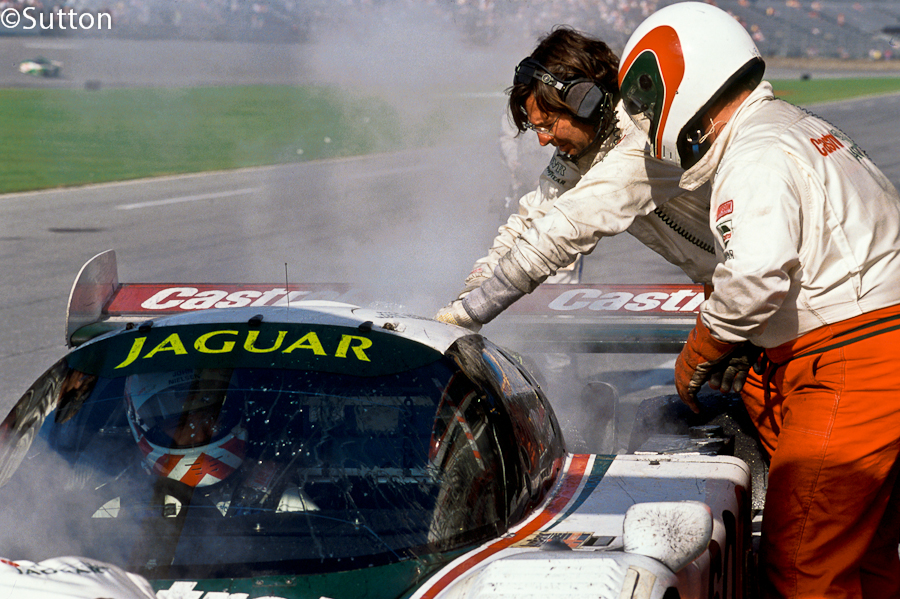
Despite a 15 lap advantage at one point, even the Jaguar XJR-12 pair struggled to get to the finish in working order. Both of the glorious V12 engines suffering with overheating but TWR’s Guvnor, Tony Dowe, was equal to the task. The story goes that the team’s tea urn was put to good use, mixing boiling water and radiator sealant in sufficient quantities to flush out the cooling system and keep both cars running. In the end the #61 car of Jan Lammers, Davy Jones and Andy Wallace had a four lap advantage over #60 with Martin Brundle, John Nielsen and Price Cobb aboard.
So the 1990 Daytona 24 Hours was a triumph for one of the truly great endurance racing outfits of any era. Astoundingly the North American part of the TWR organisation was destined to repeat this triumph some months in France. But that, as they say in the movies, is another story……………
John Brooks. January 2012
The Heavyweight Champion of the World
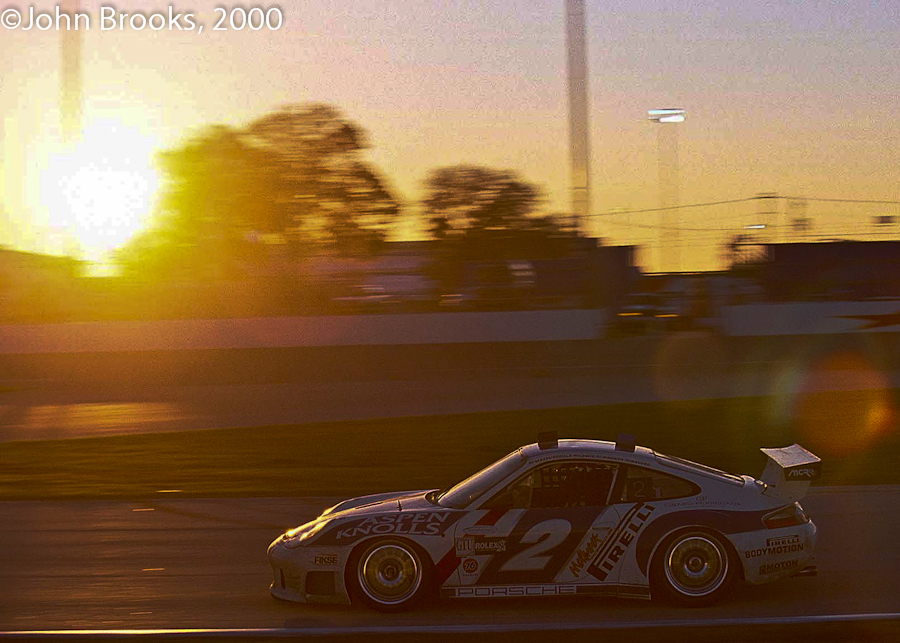
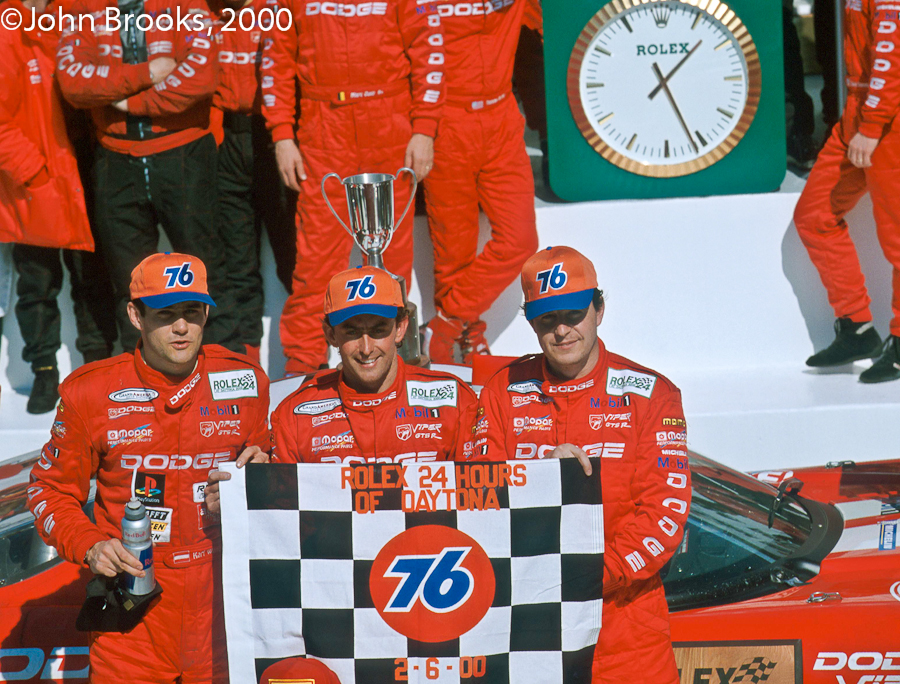
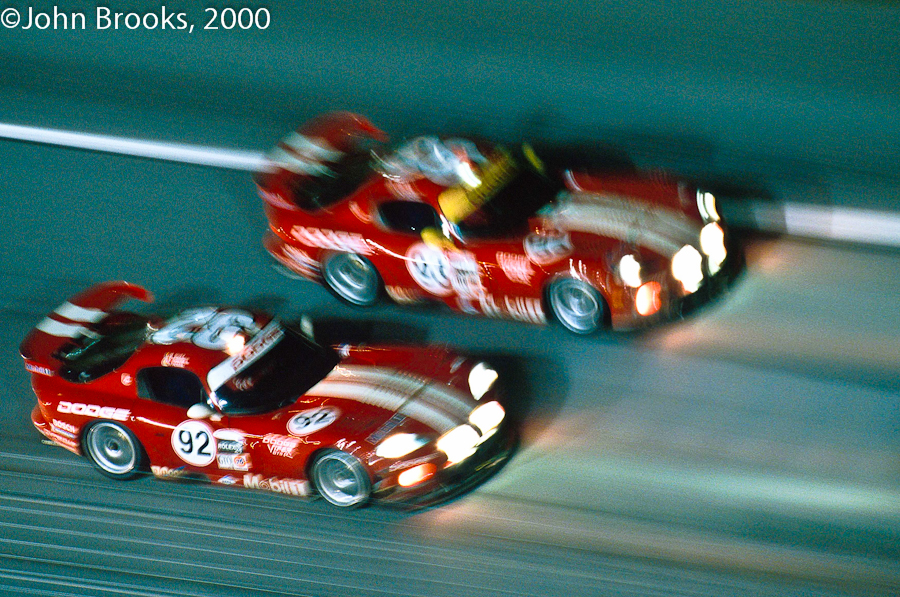
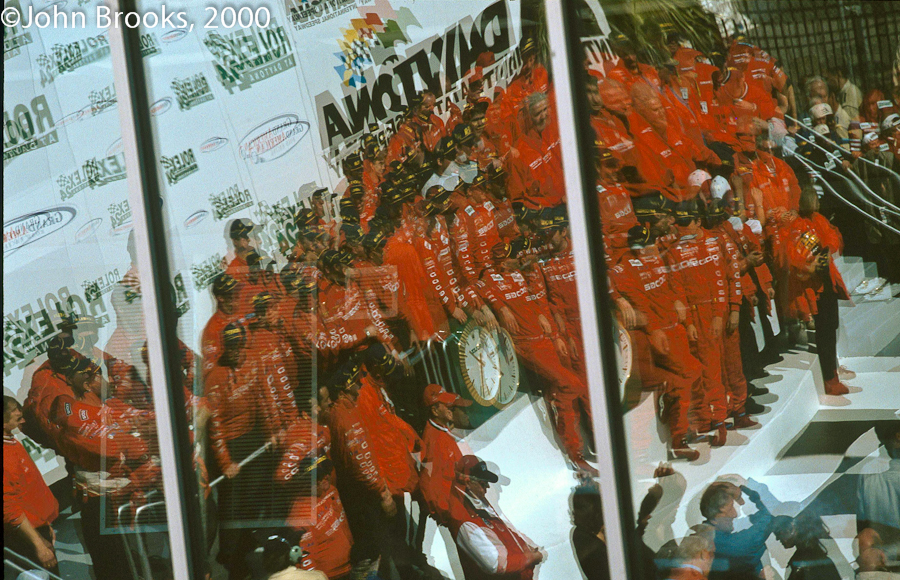
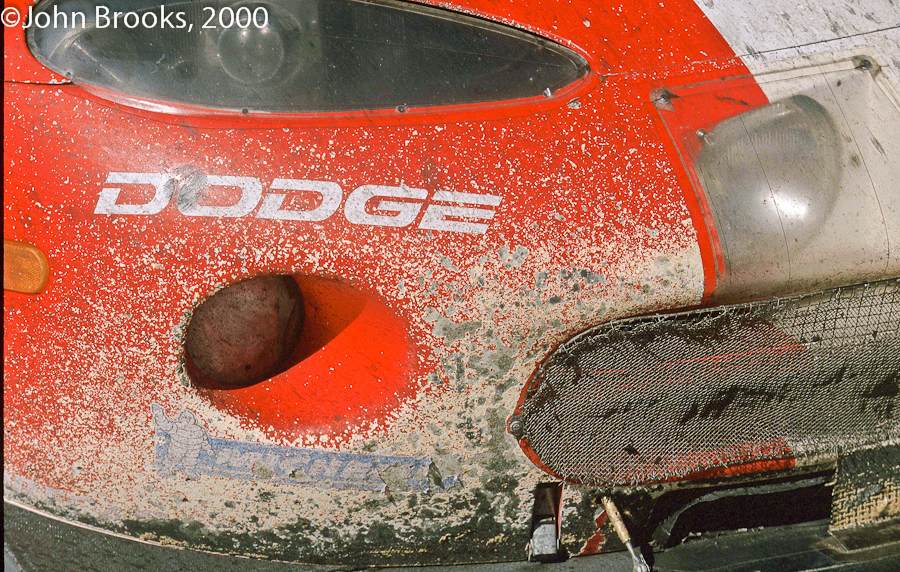
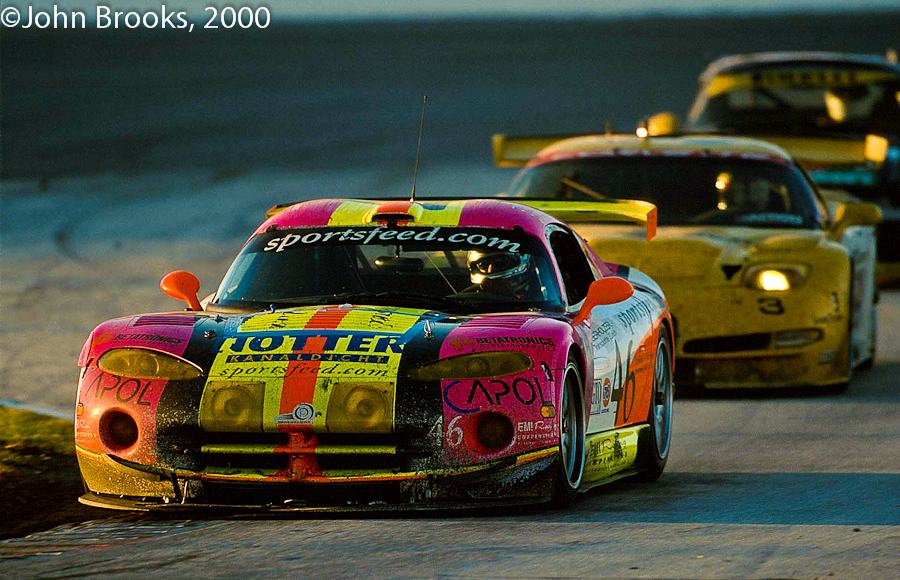
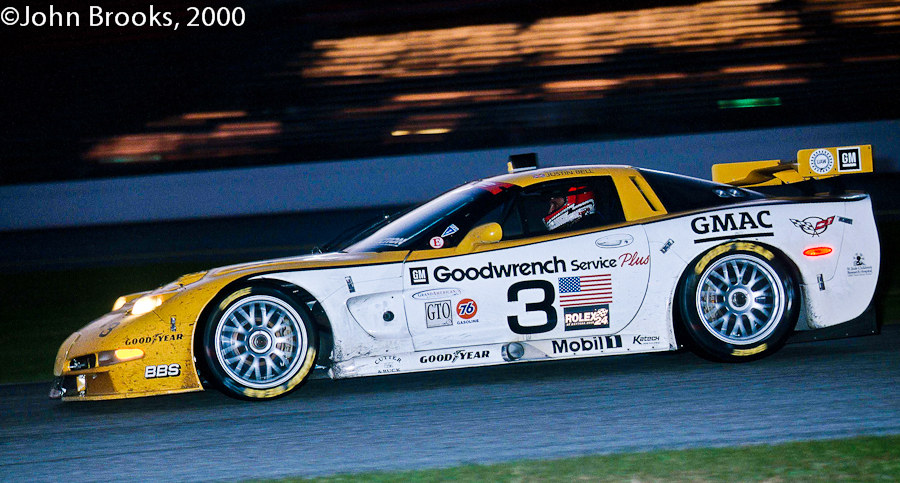
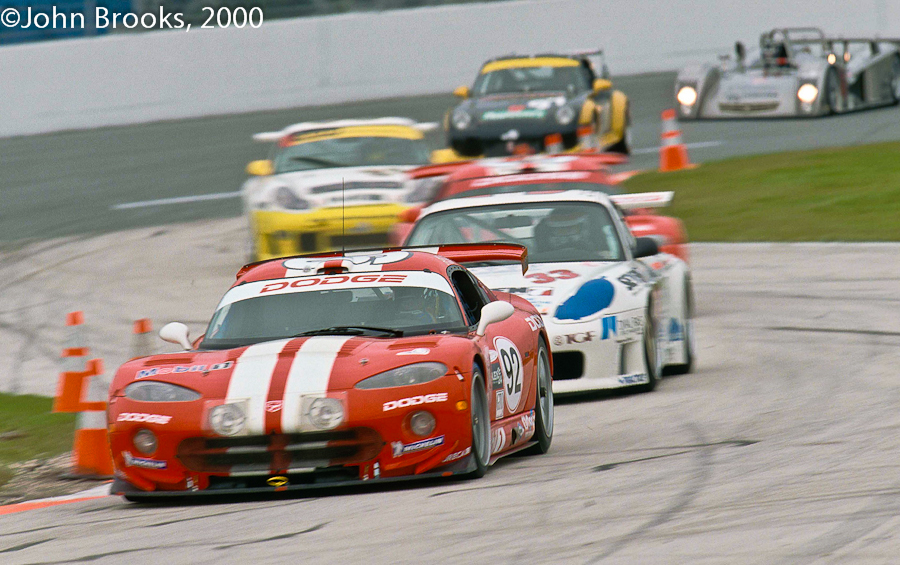
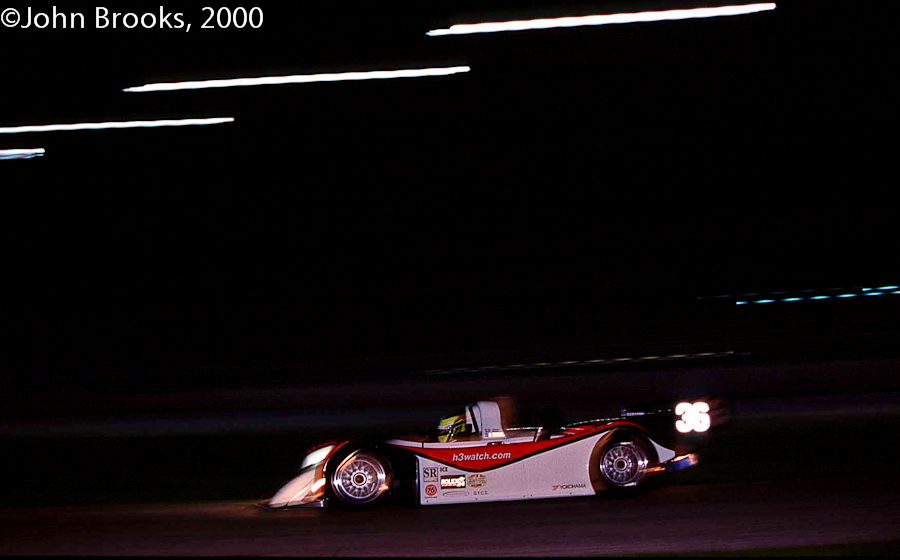
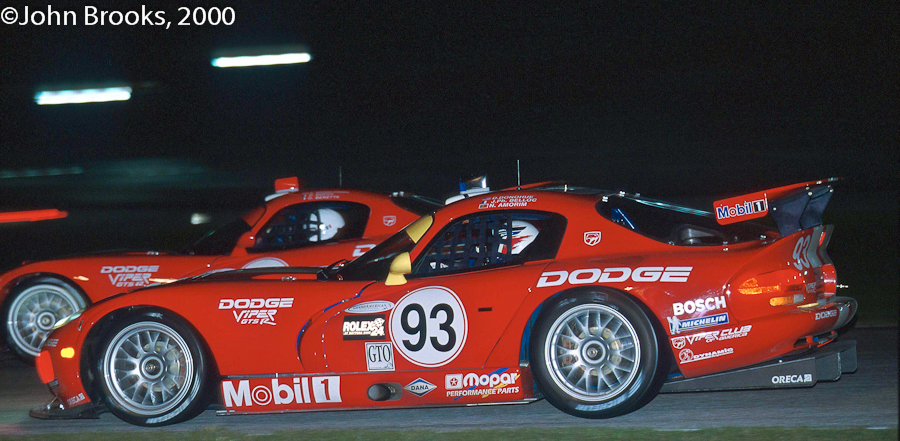
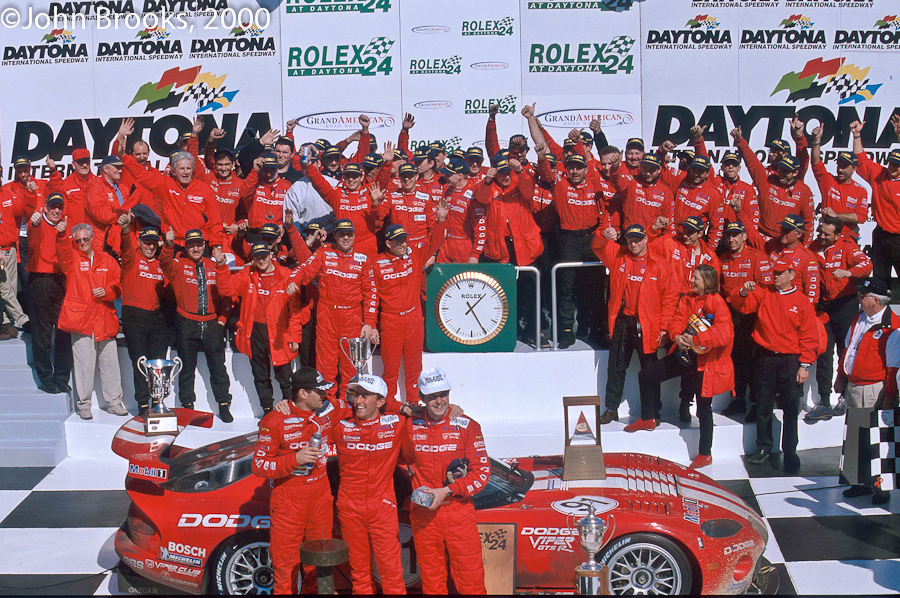
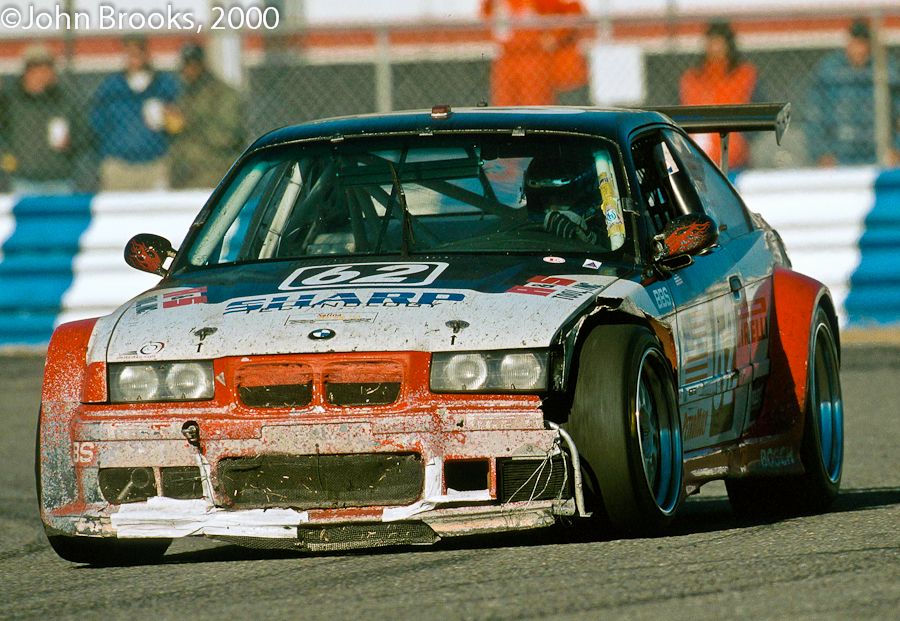
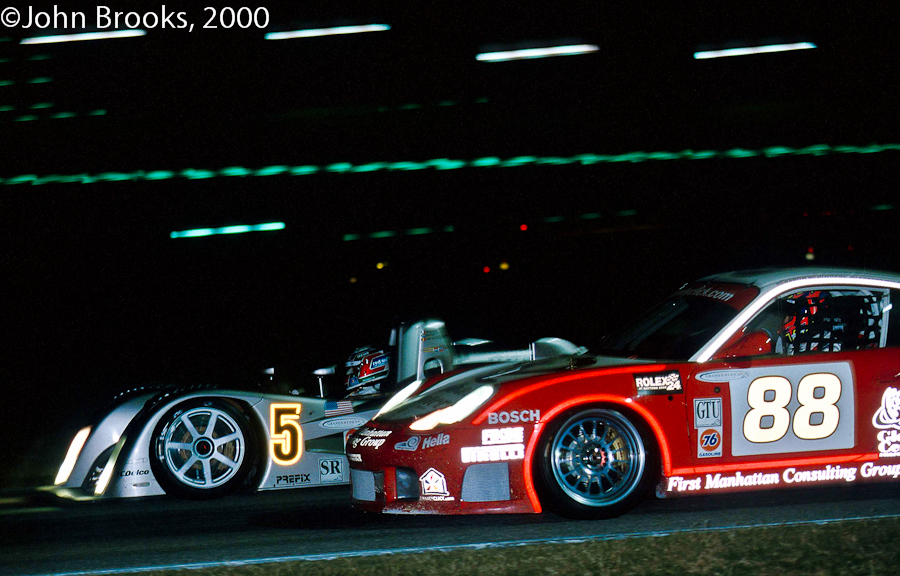
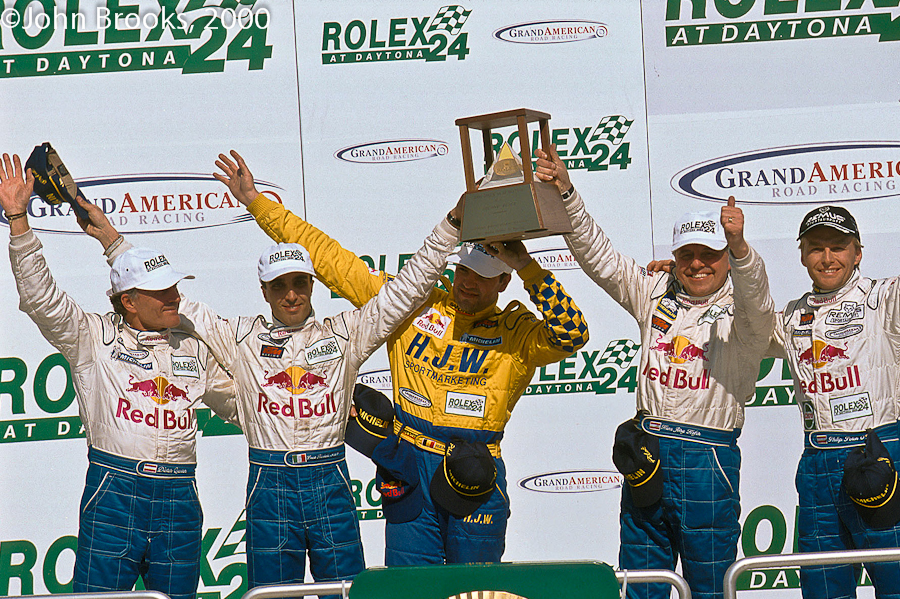
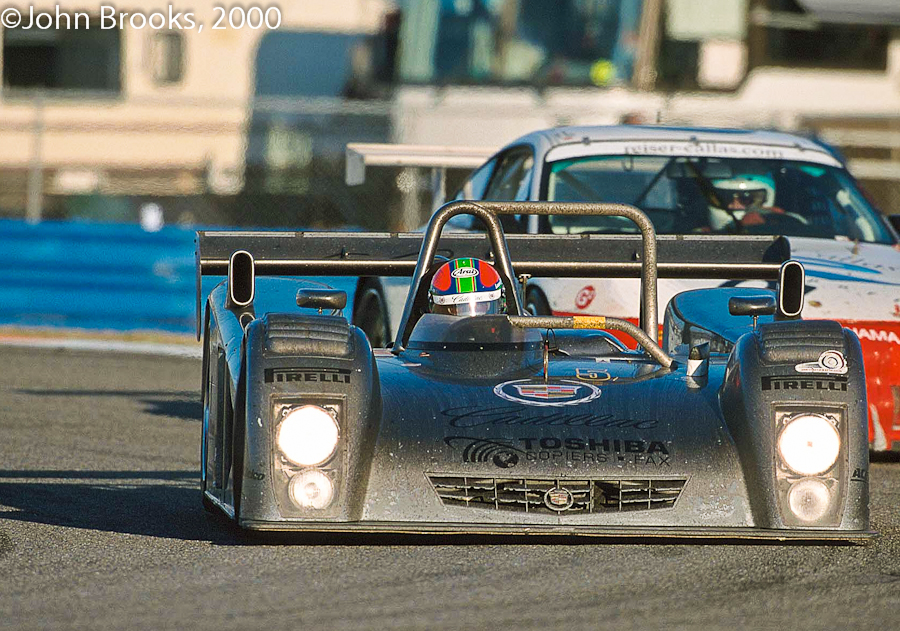
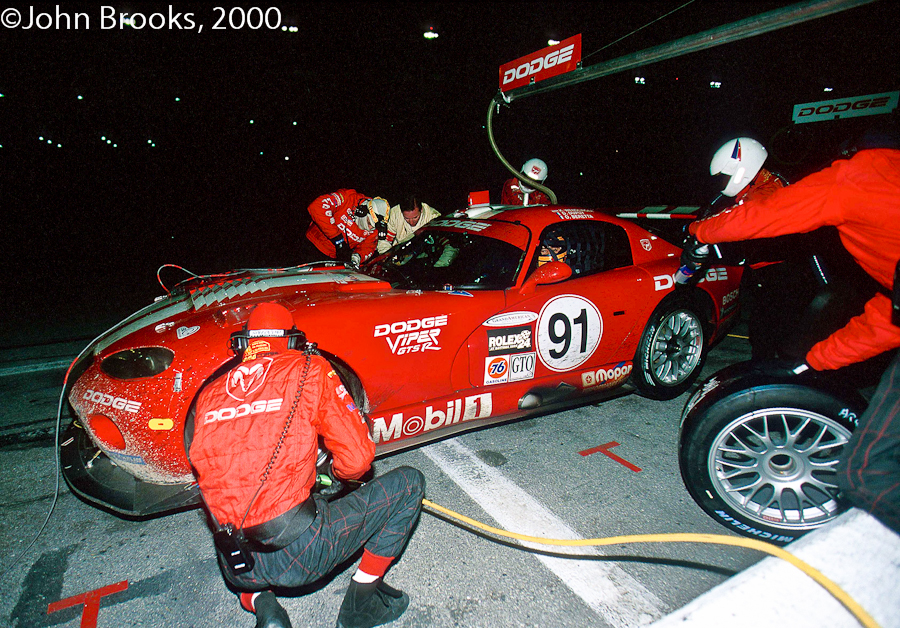
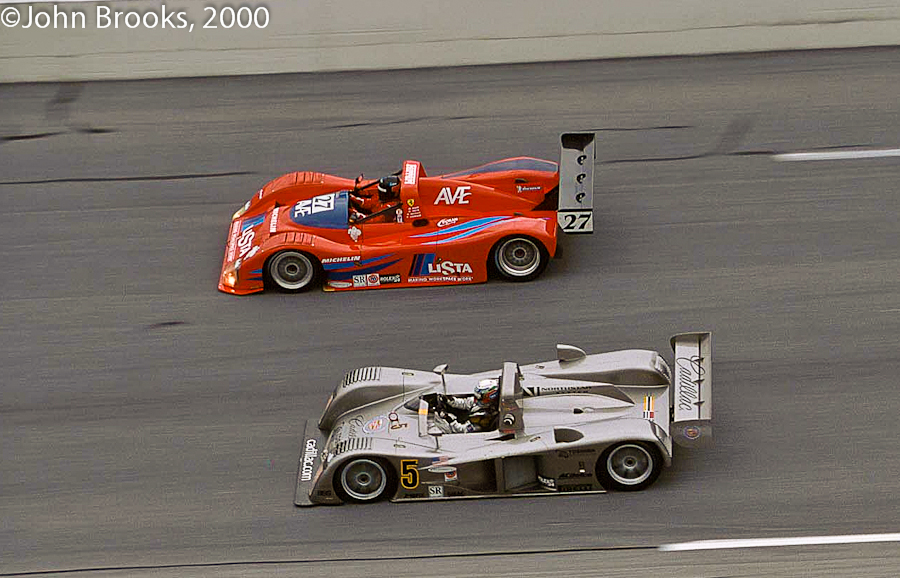
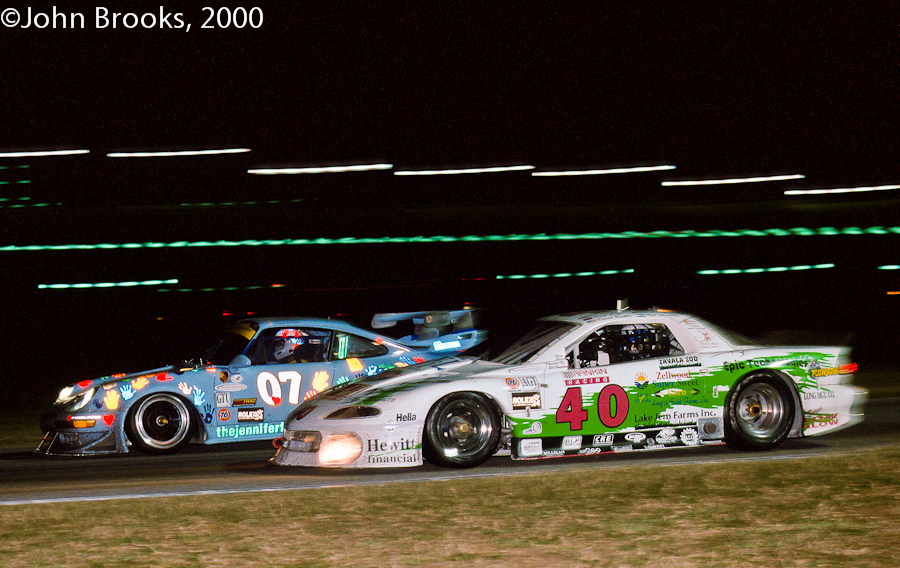
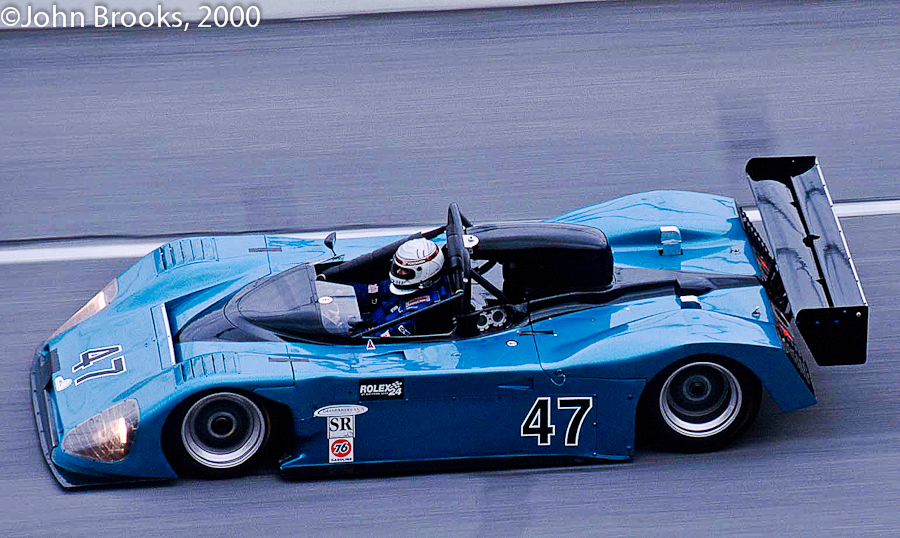
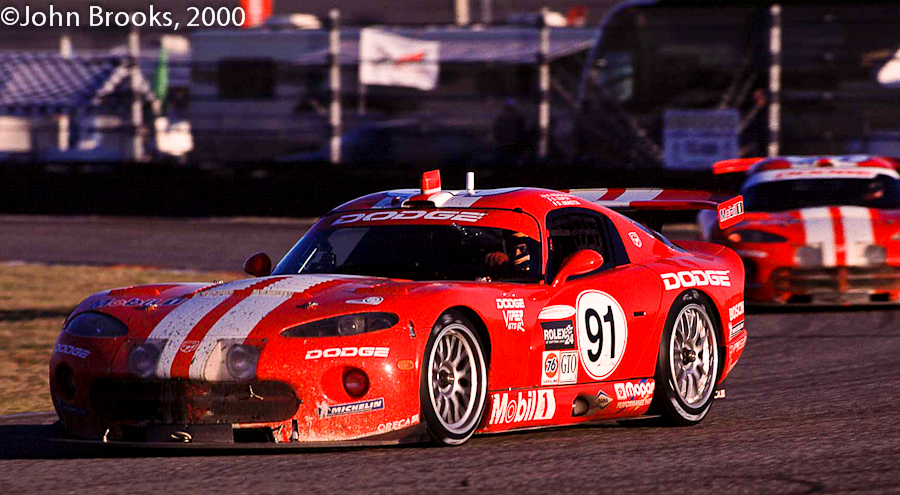
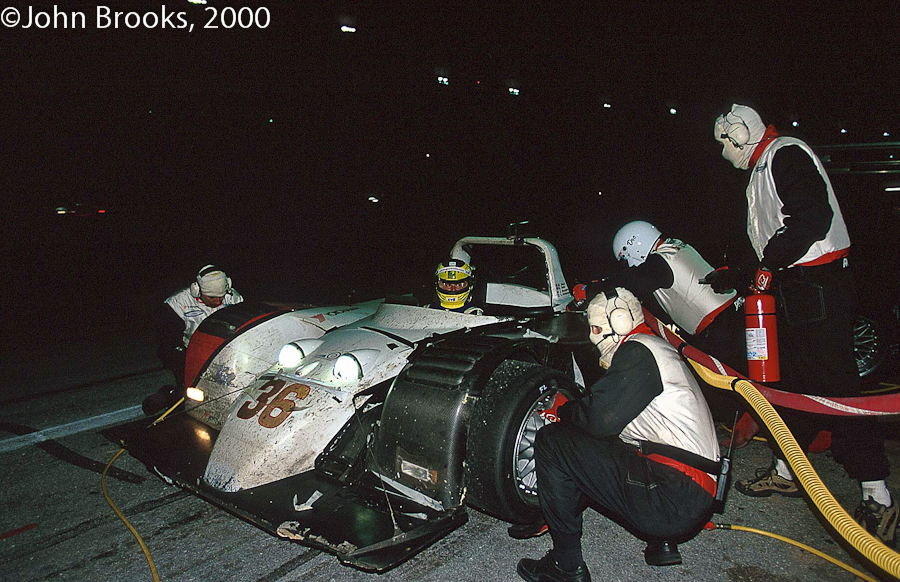
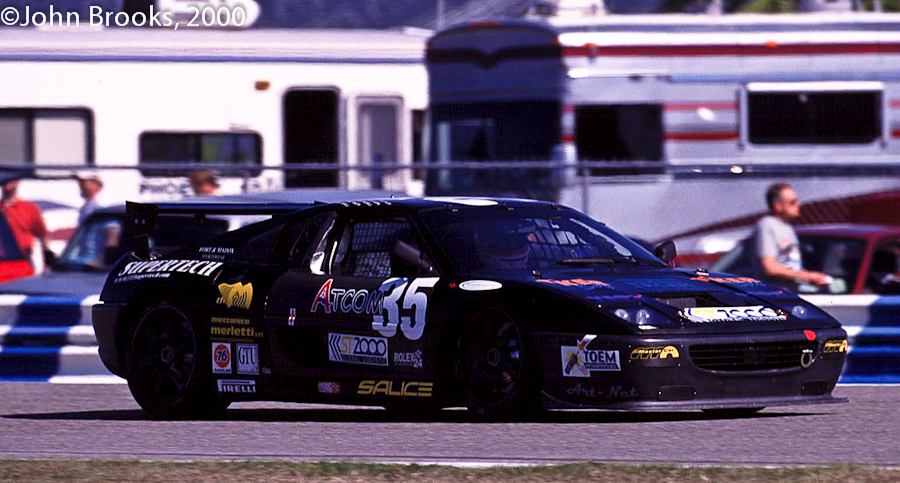
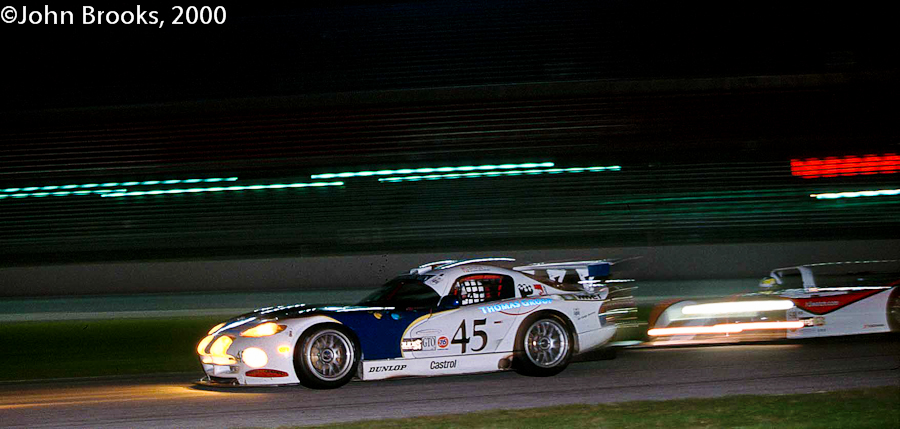
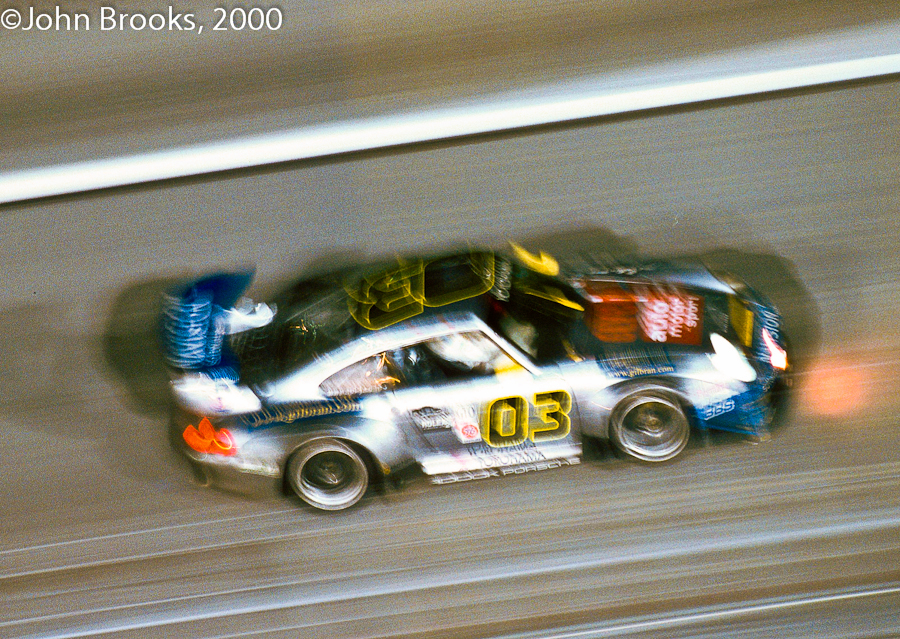
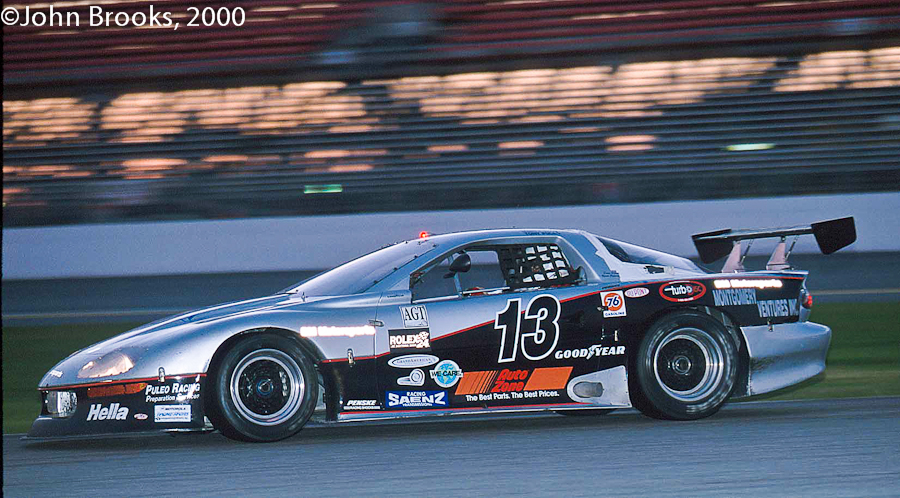
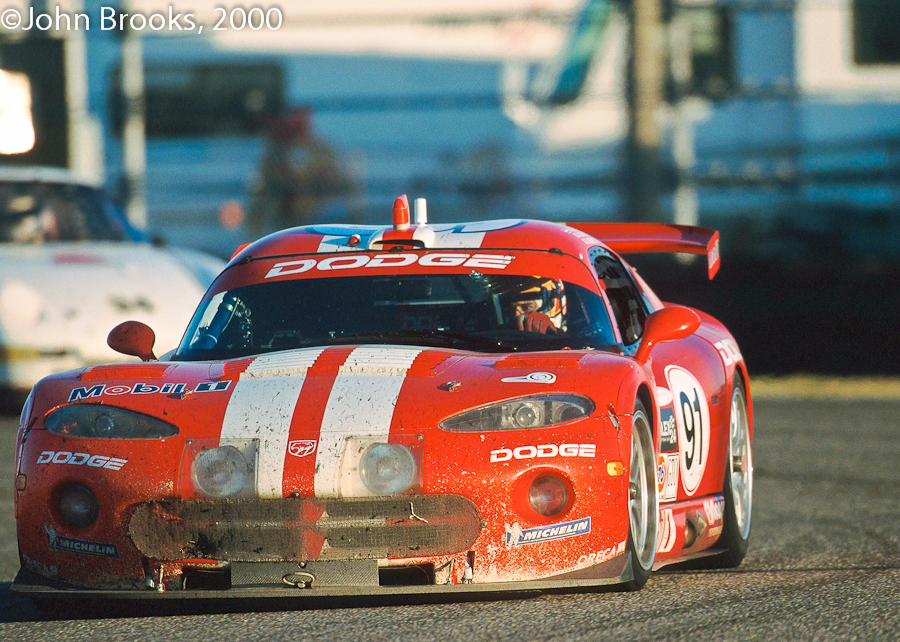
The 2000 Rolex 24 Hours was without doubt one of the most significant races that has been sanctioned by the Grand Am organisation. Even if the race had been terrible it would have a special place in the hearts of those who live down International Speedway Boulevard, it was the first to be run under the new flag.
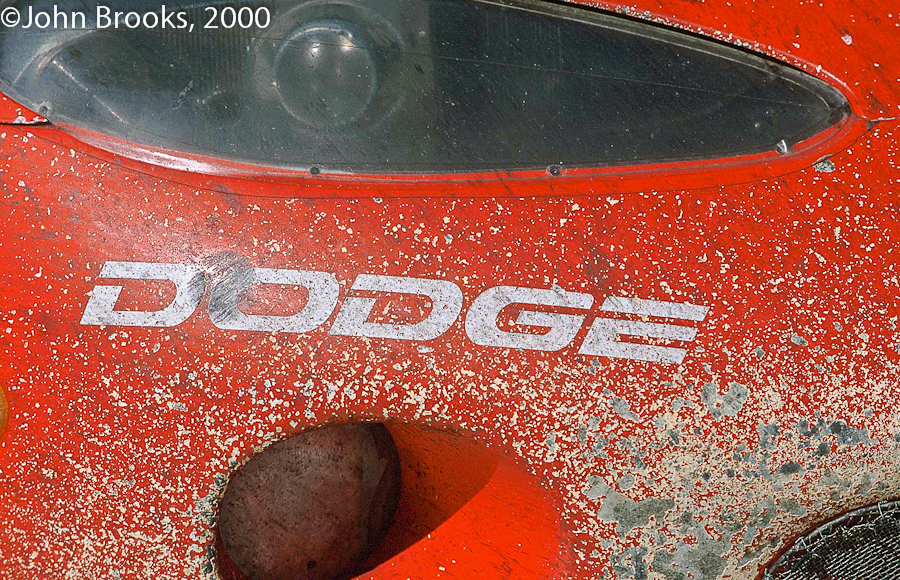
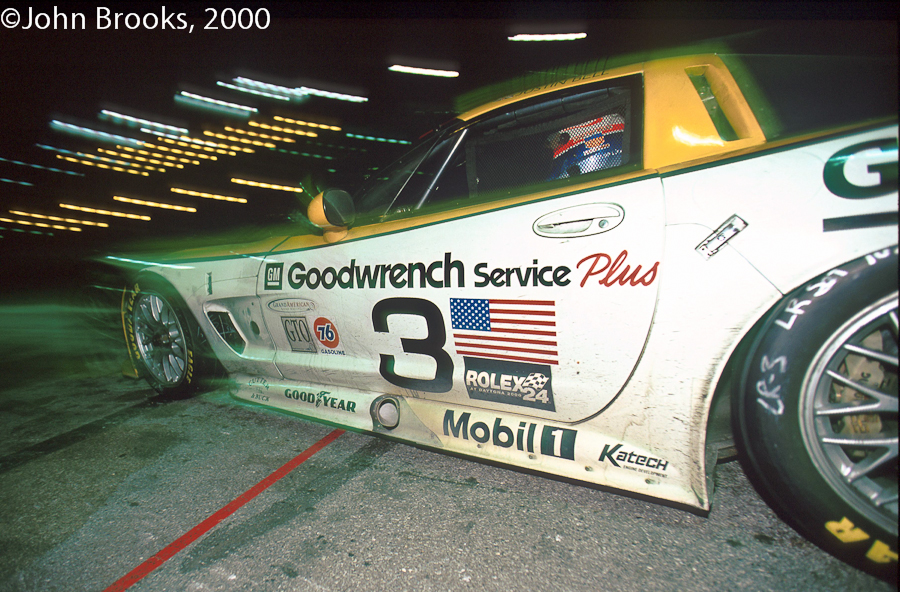
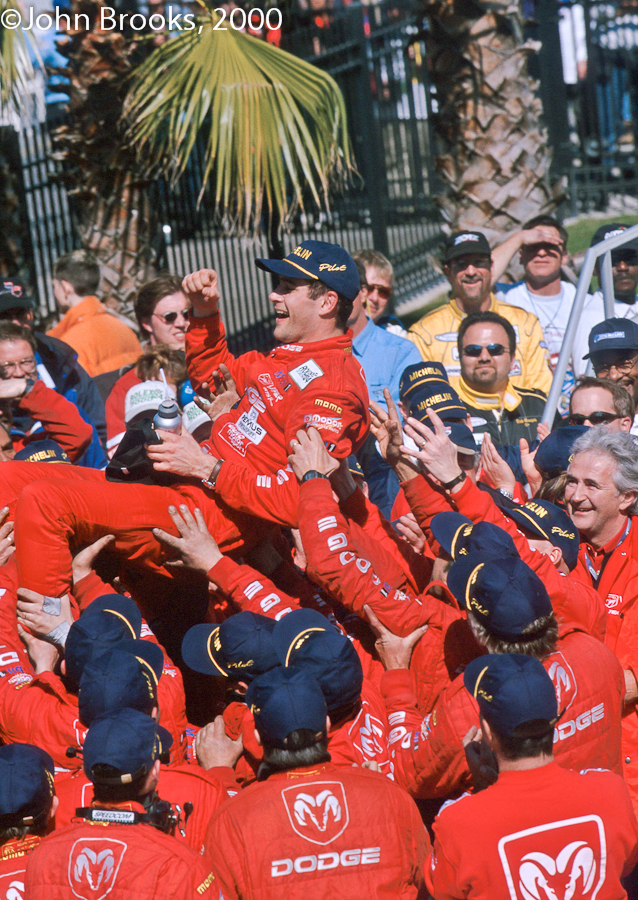
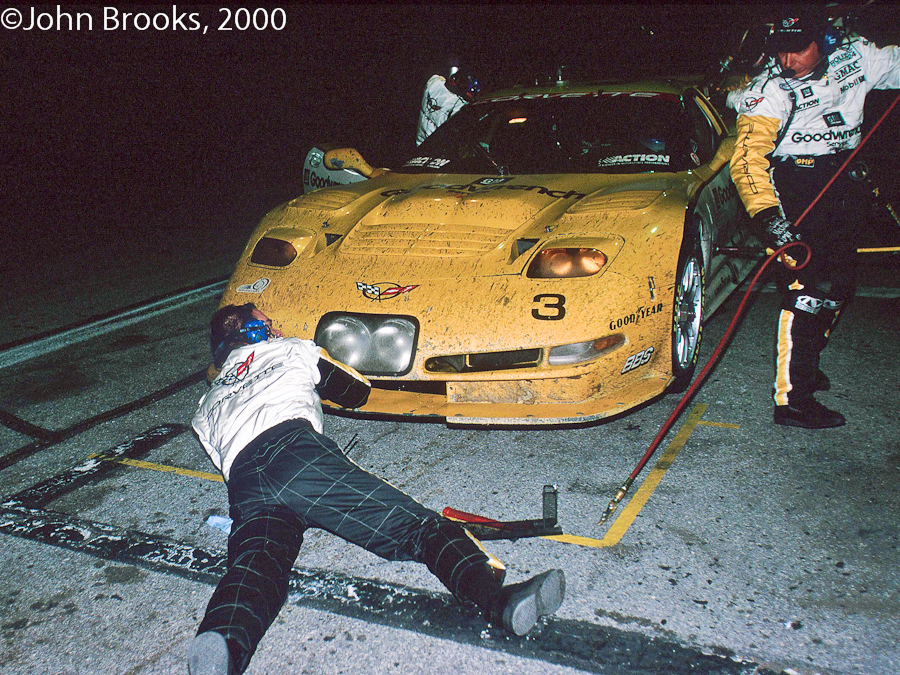
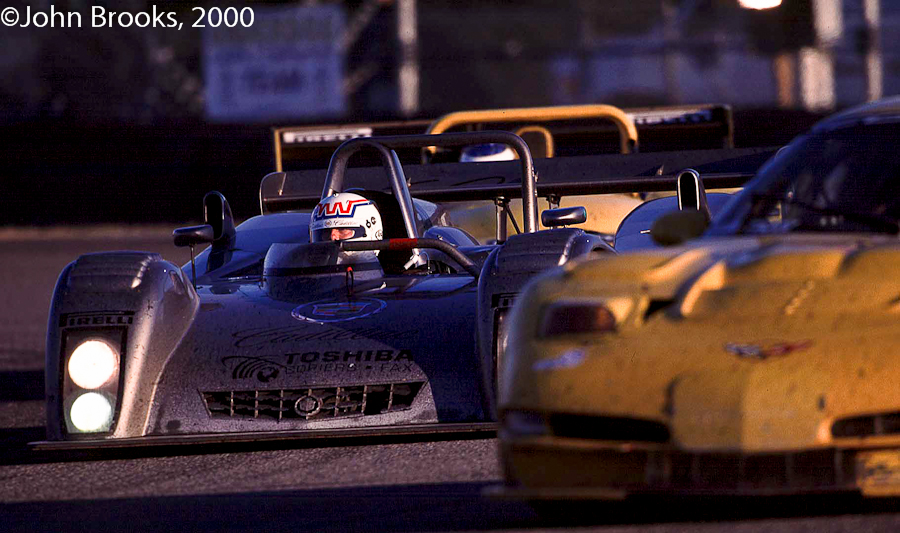
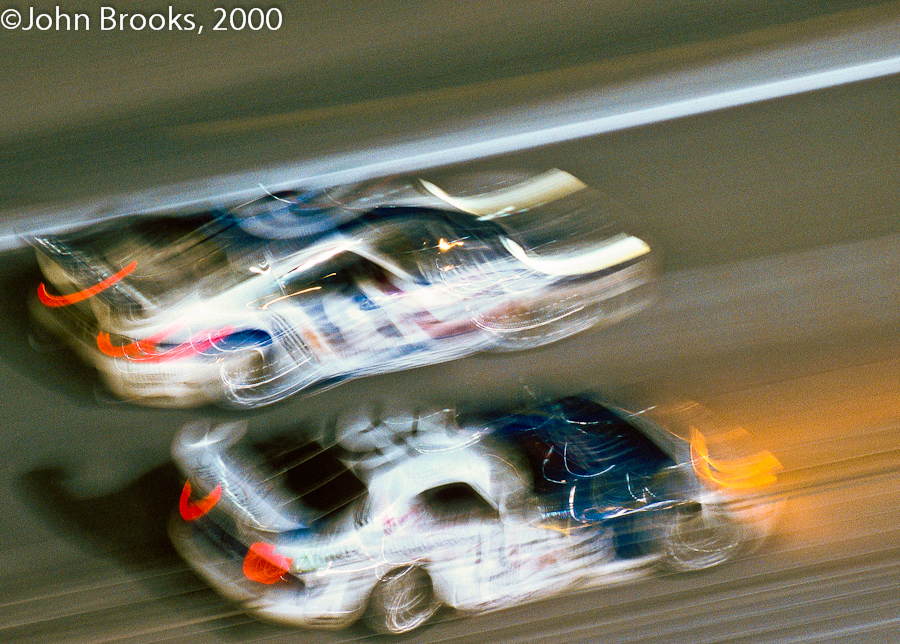
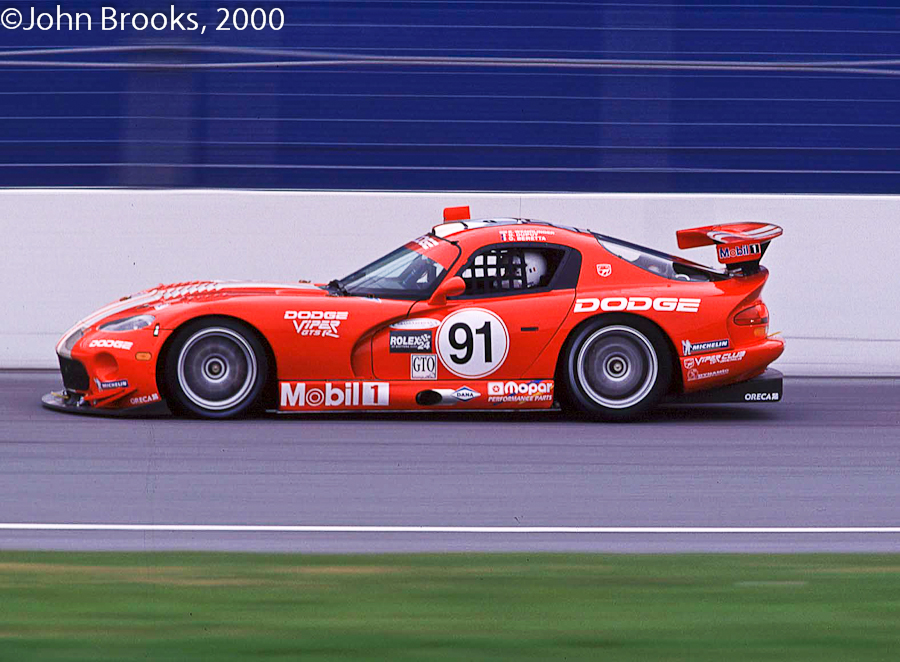
However the contest will go down in history as one of those that you were grateful to have witnessed. There was a titanic struggle between two motorsport heavyweights, ORECA with their armada of Dodge Vipers against fellow Detroit spinners, Pratt & Miller, fielding the mighty Chevrolet Corvettes. It went all the way to the finish and after 723 laps there was less than 30 seconds separating the Viper from the Vette. Compelling and hard fought by two great teams.
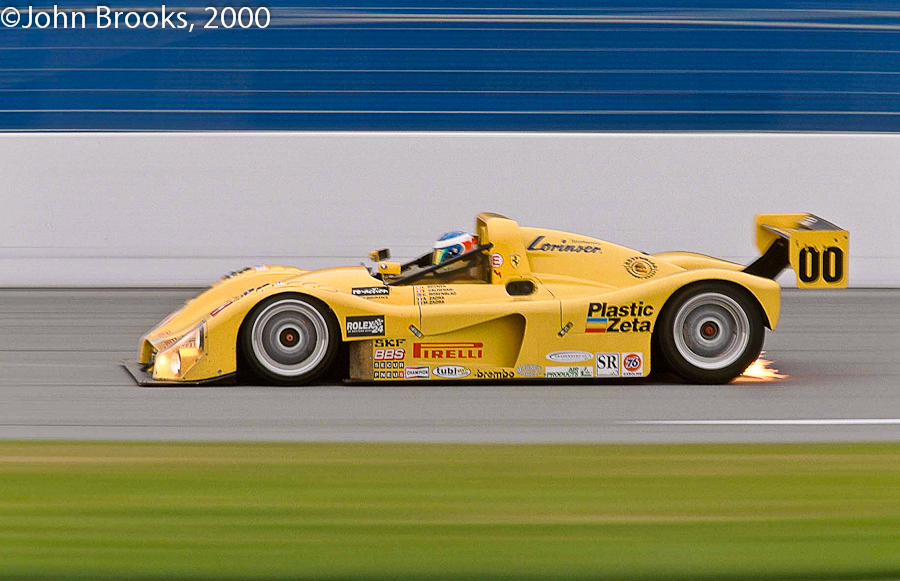
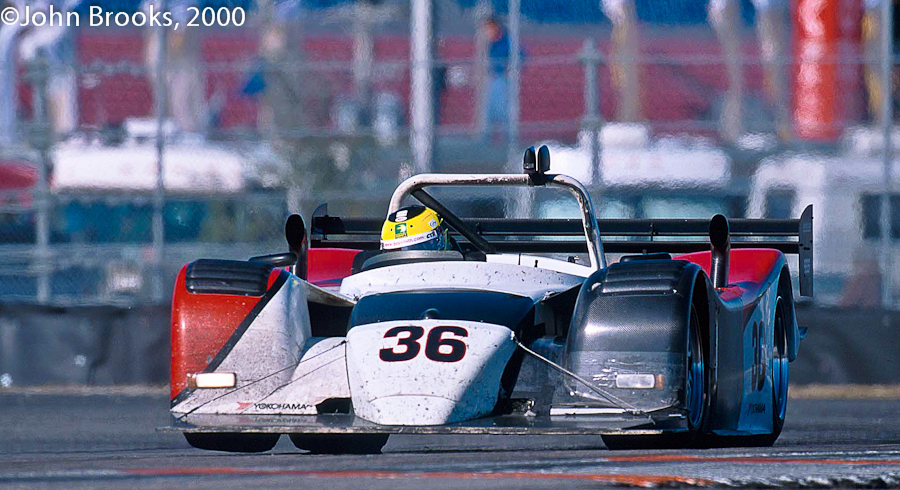
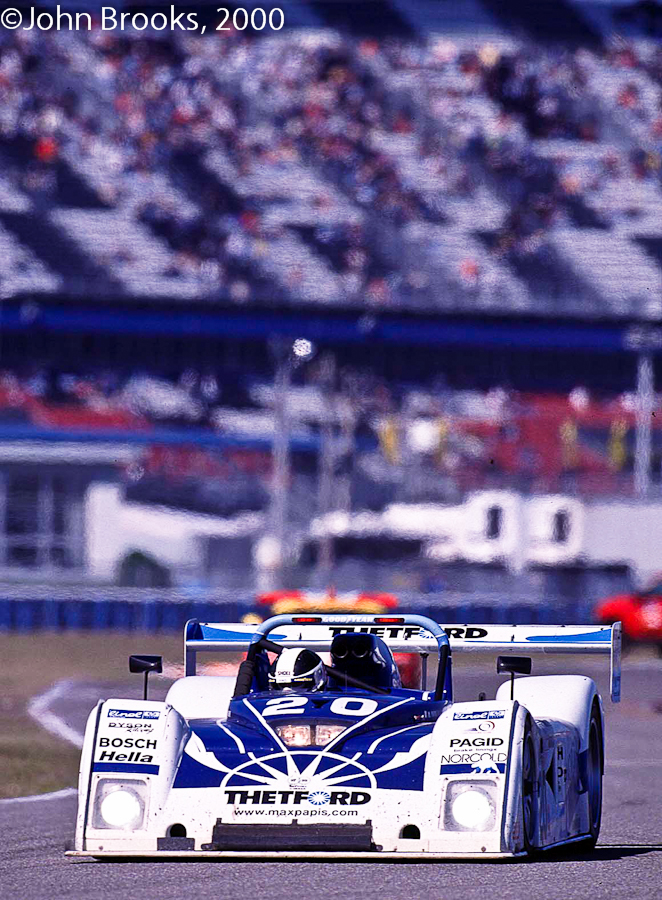
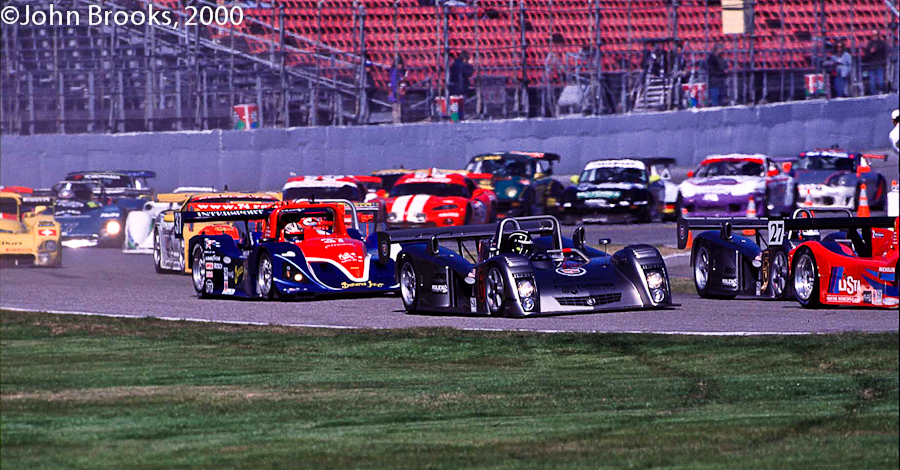
So a fantastic GT race then? Well no, there was a pretty handy bunch of prototypes heading up the grid, state of the art or so we thought. Well that theory was going to be blown out of the water in less than six weeks, when the Audi R8 would appear at Sebring. At a stroke the 333SPs and Rileys were all yesterday’s men, welcome to the 21st Century.
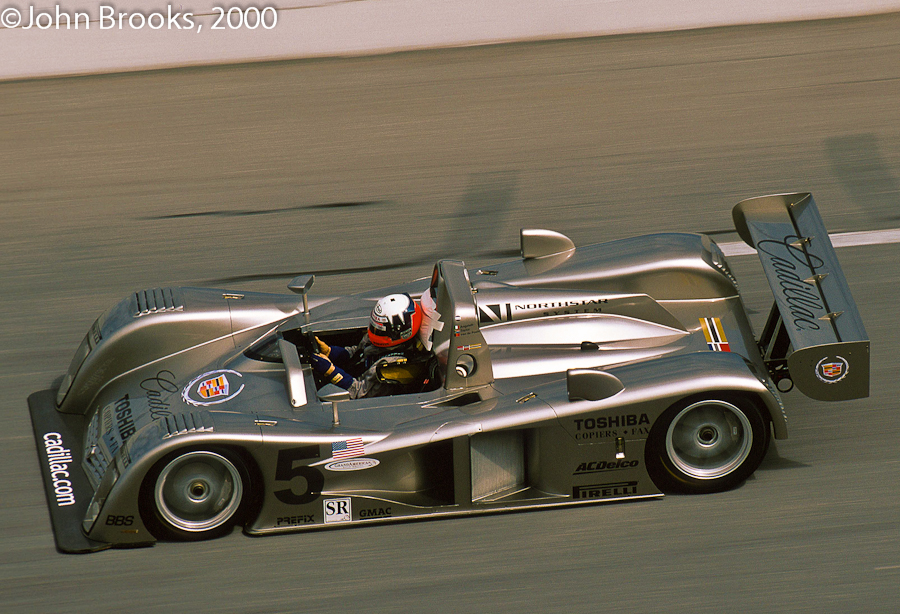
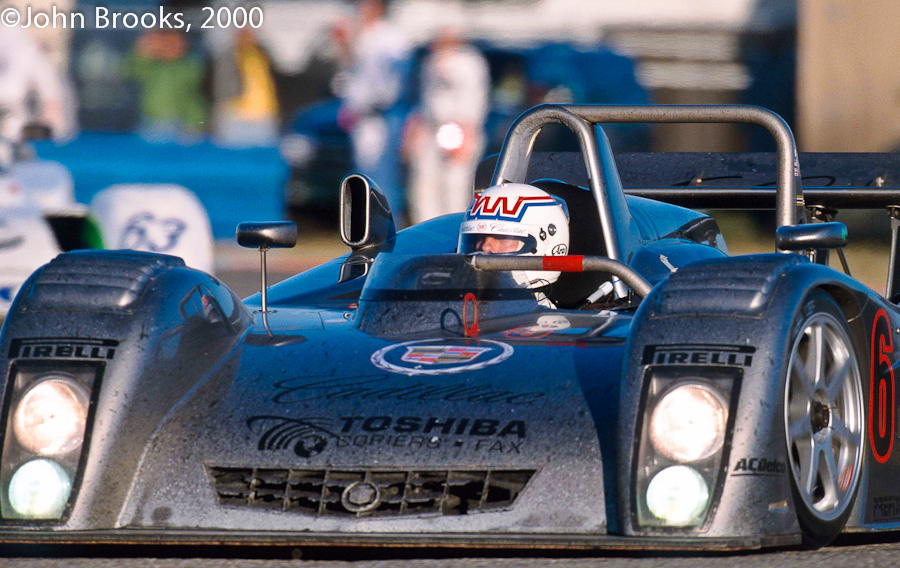
As if there was not enough Detroit goodness present in the GTO class, the race also saw the debut of the Cadillac LMP project. After 50 years away from the tracks there was new marketing thrust, “Art & Science” which would launch the brand on a path to develop their range to be the equal of the likes of Lexus and the German trio, Audi, BMW and Mercedes Benz.
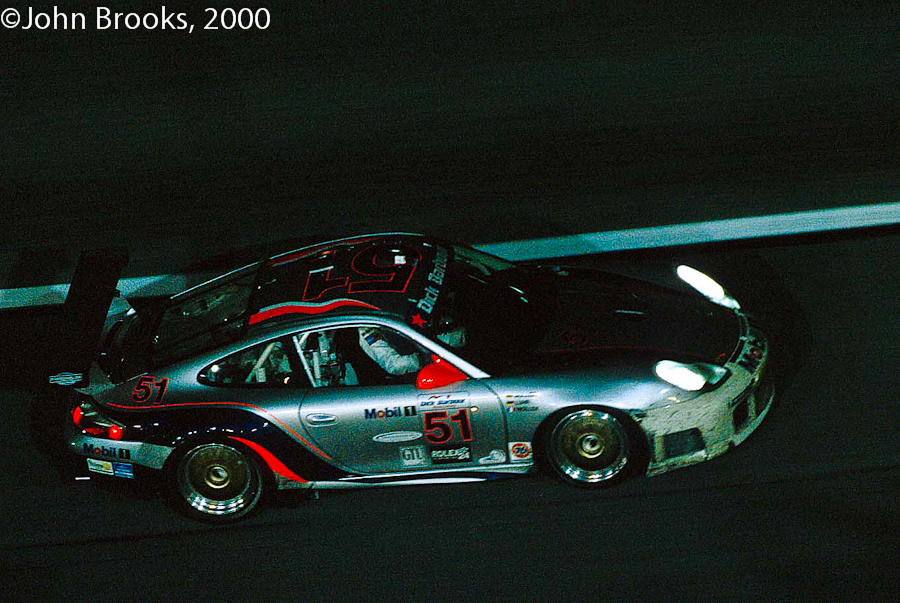
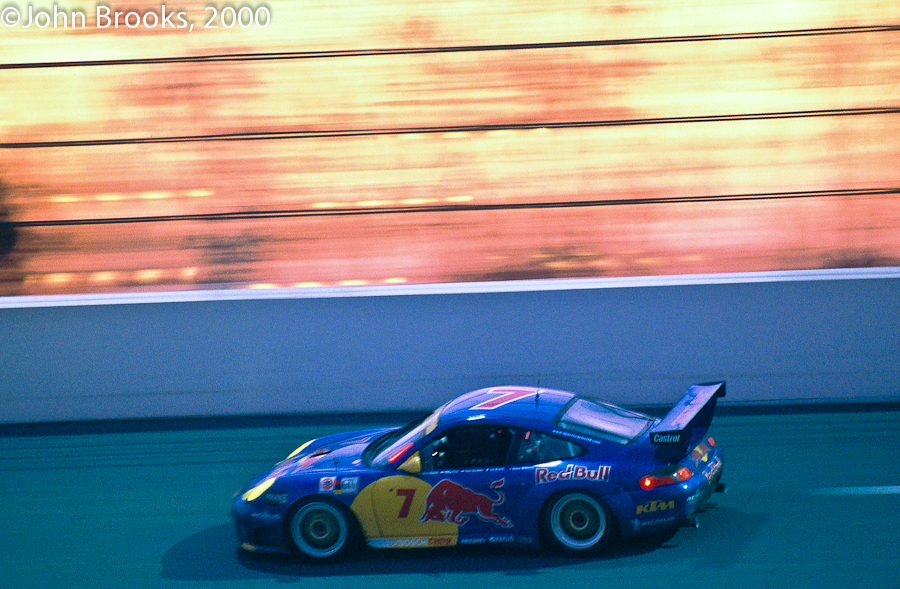
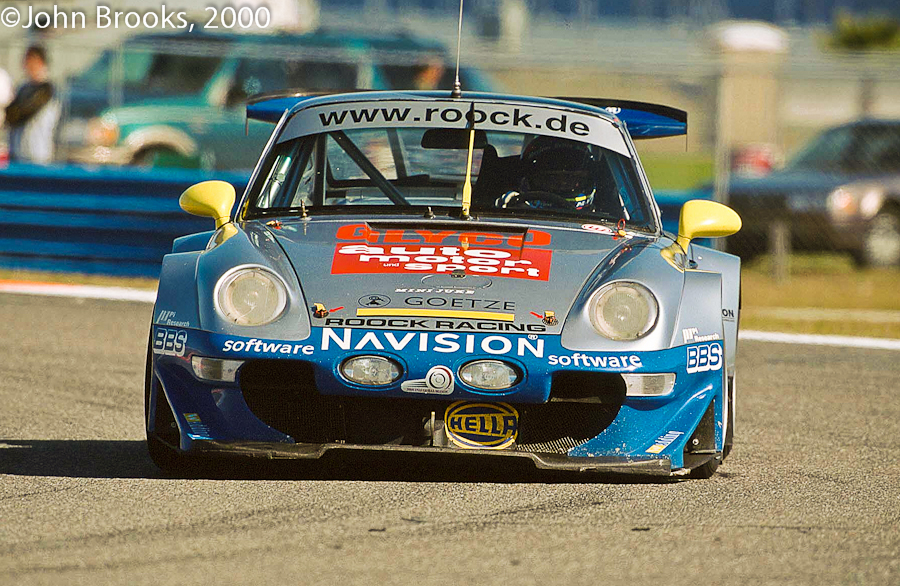
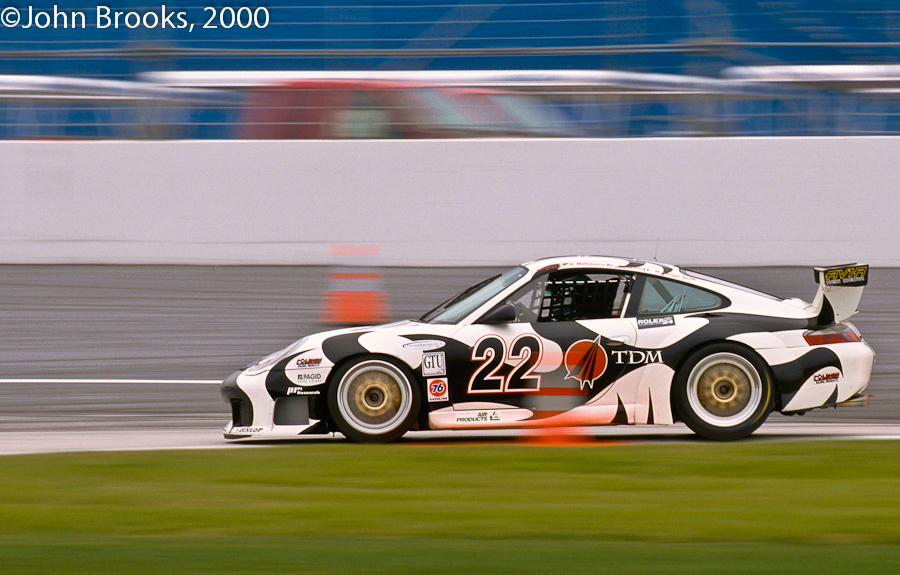
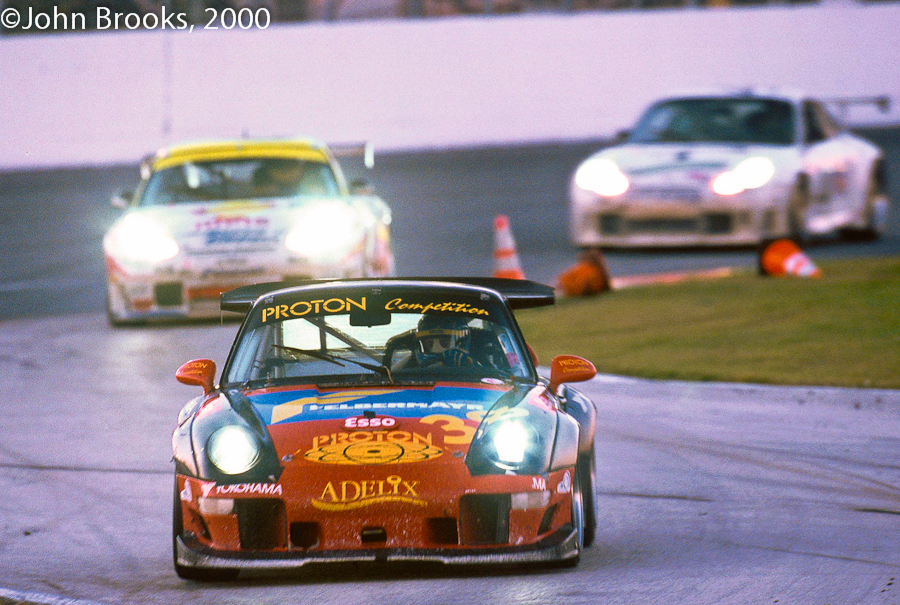
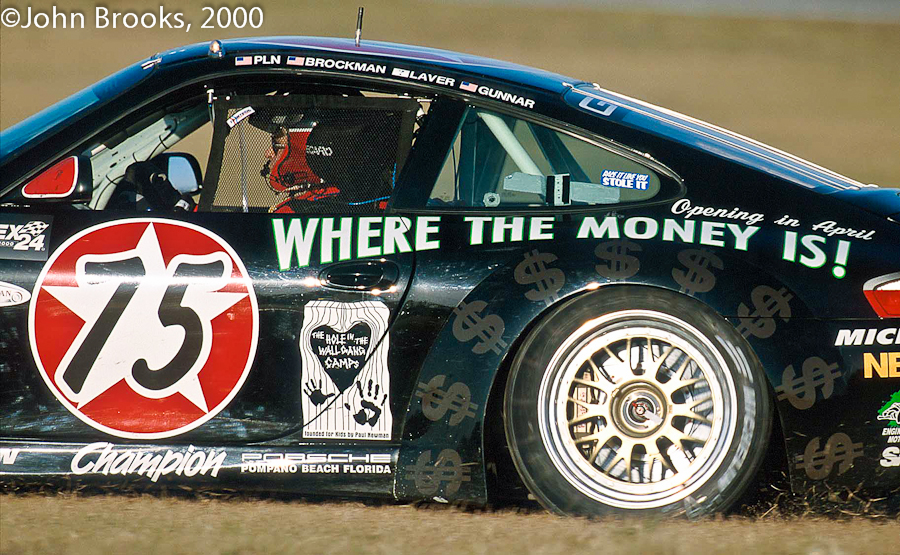
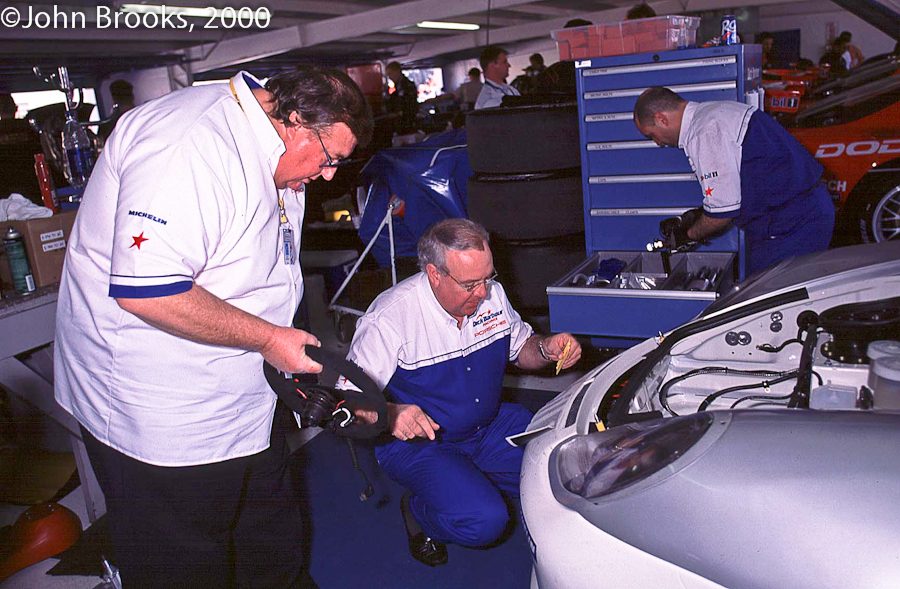
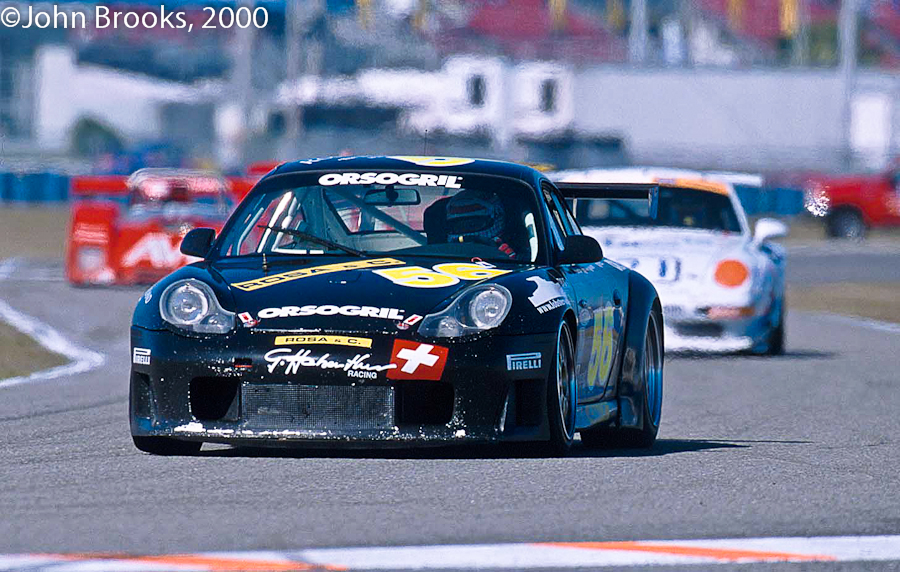
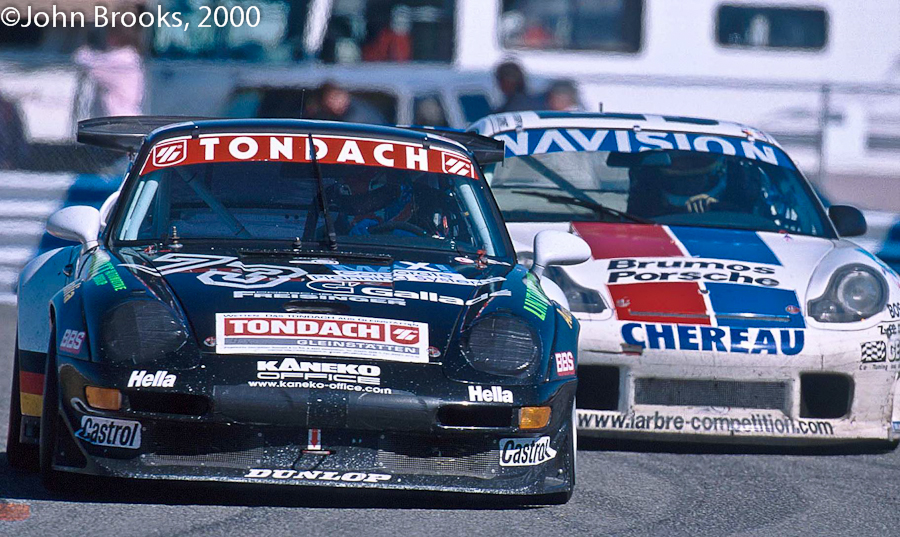
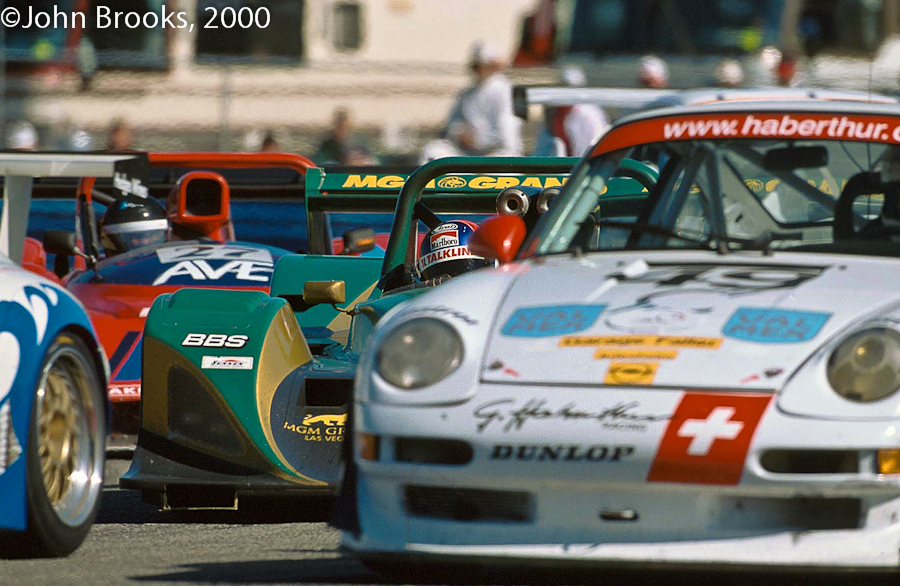
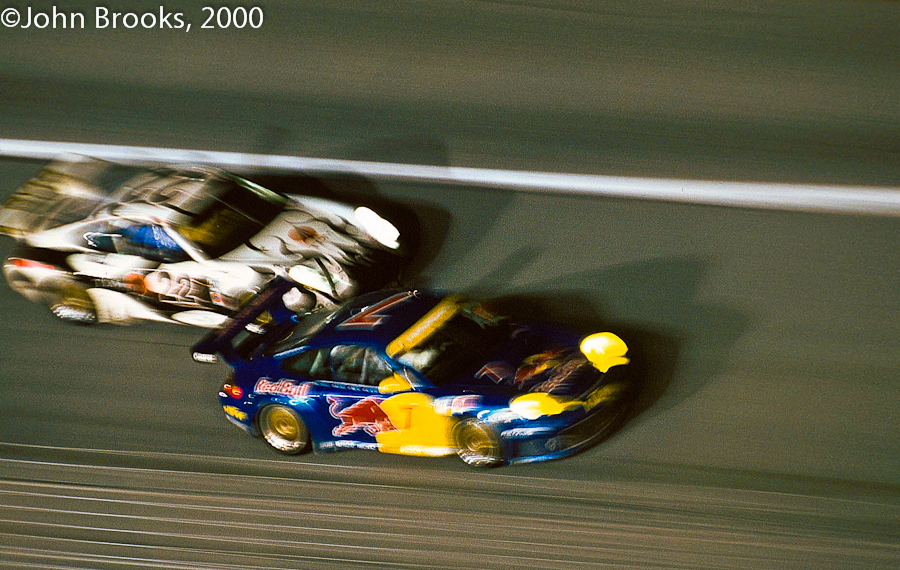
Perhaps even more significant in the long term was the debut of 23 examples of the Porsche 911 GT3R. The Porsche 911 has long underpinned GT Racing and here was their latest effort, their first water cooled racer. It demonstrated, that despite withdrawing as a factory team aiming for victory in classic races, that motorsport was still a core element in the Porsche DNA. The presence of movie star, Paul Newman, added lustre to the Porsche contingent, pity that the motto “Excellence Was Expected” seemed to have been forgotten as one by one water pumps and consequently engines failed. Inspection by flustered representatives of Weissach revealed that the sand used in the engine block casting process had not been cleaned out and the residue clogged the water pumps causing them to seize and the engines to go bang. Entries from Barbour Racing, Labre, MAC Racing, Racers Group, Skea, Seikel, MCR, PK Sport, Reiser Callas and Haberthur all retired as a result of this issue. Not good.
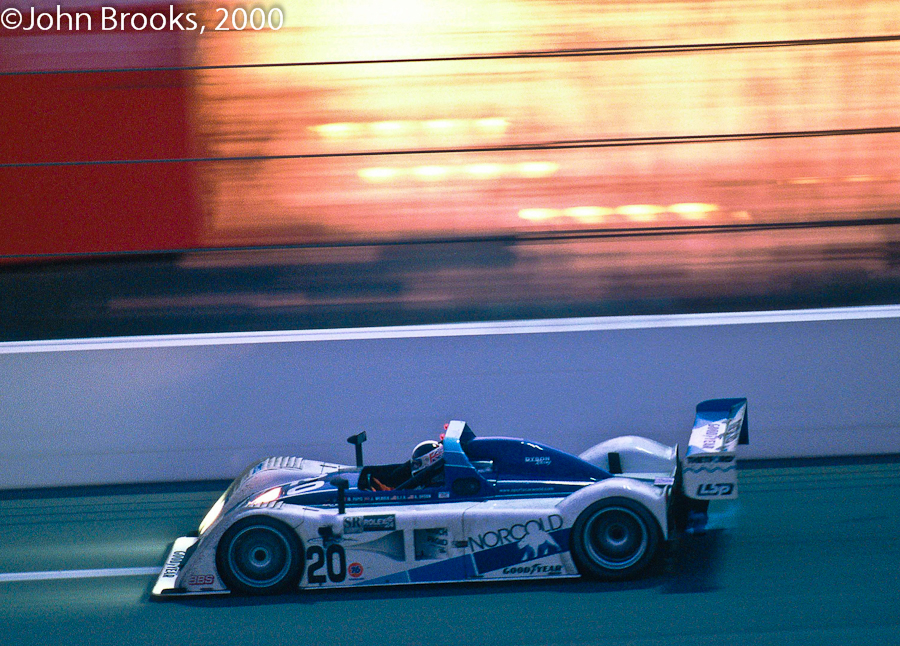
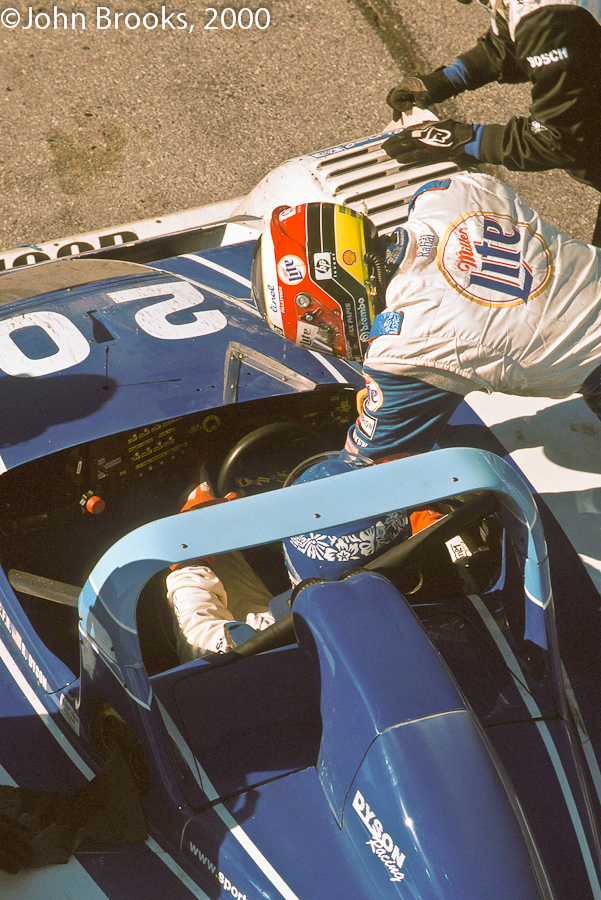
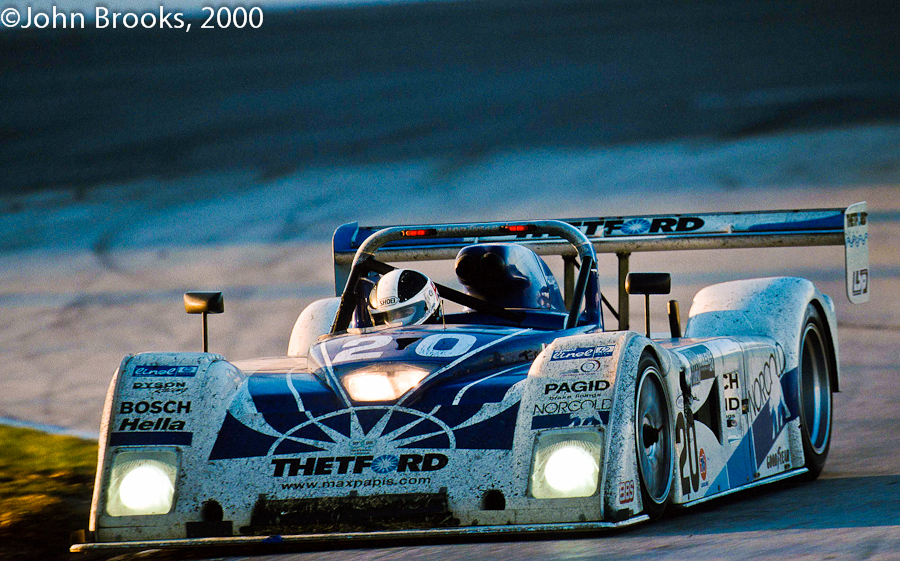
The race unfolded as, one by one, the prototypes struck problems until there just the Dyson Riley & Scott holding the two Detroit GTO outfits at bay. Then this leader slowed as well and was gradually caught by the pack of Vipers and Vettes.
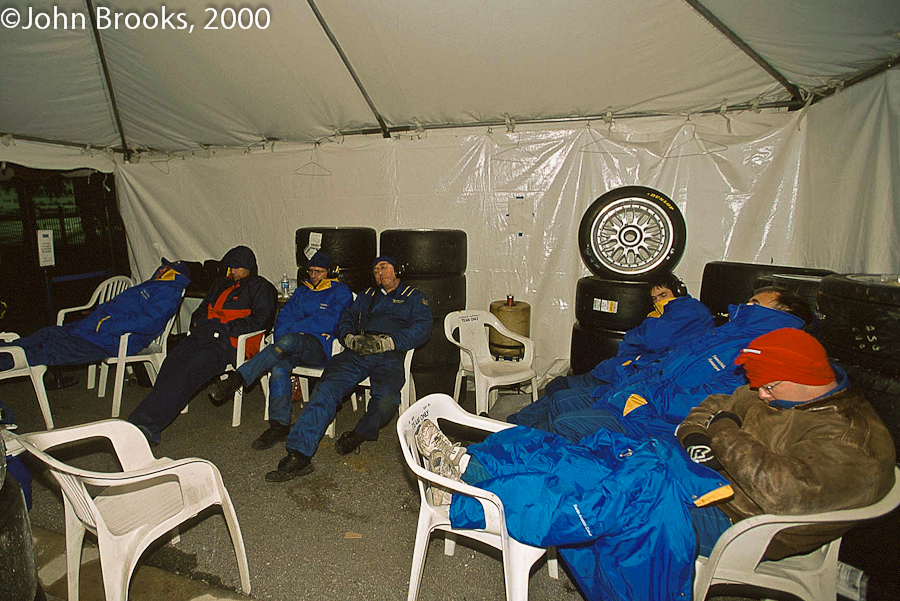
So that was how Grand Am’s first race played out, in absolutely freezing conditions by Florida’s standards, the combination of Gallic flair and American Muscle prevailed. Grand Am was launched in the best possible way.
John Brooks, January 2012.
- The Bell Tolls
- Daybreak
- Blue Streak
- Wayne’s World
- Tres Amigoes
- Battle Scars
- Rolex Seeker
The Last Hurrah
Mauro Baldi powers the Dallara SP1-Judd through the Turn Three Chicane on his way to the top step at the 2002 Rolex 24. The win was very popular, as once again persistence was rewarded, with long time entrant Fredy Leinhard and co-drivers Didier Theys and Max Papis sharing the spoils. The 2002 edition of the Rolex 24 was the last time that the Florida Classic was run to rules that allowed in non- Grand Am competitors able to aim at outright victory. Since then only Daytona Prototypes have been eligible to run in the top class, though Kevin Buckler made a mockery of this in 2003, winning with a GT3 Porsche.
Aside from the dreadful aesthetics and antediluvian technology involved, the Proto-Turtles, as they are affectionately known, may make some form of commercial sense, particularly with a helpful bank like Sun Trust on board. Undoubtedly the Rolex 24 is much less important these days in an international context despite the stellar line up of drivers regularly lured to the Speedway in late January. This is a pity as the race is a genuine classic and has a great heritage that will be on display this week in the paddock. However even the biggest Grand Am fan will be hard pressed to favourably compare a Riley Mk XI with Jaguar XJR-9 or a Porsche 962, let alone a Ferrari 333 SP.
Another issue is that the difference in the rule books with the rest of the world has created a schism in North American Endurance racing, neither Grand Am nor ALMS can afford this dilution of resource but quite how it can be resolved is not clear. I suppose that the question is who benefits from this situation?
Without doubt the racing will be close and competitive this coming week and maybe that will be enough for the fans who show up, but there is the feeling in the old guard like myself that it could, and should, be better. The 24 Hour race at Daytona International Speedway deserves that, no doubt.
John Brooks January 2012