Category Archives: Real Men

Through The Looking Glass

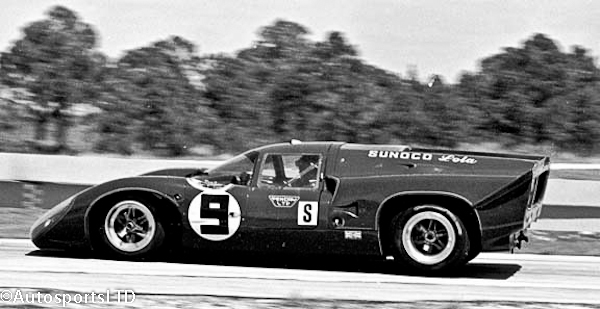
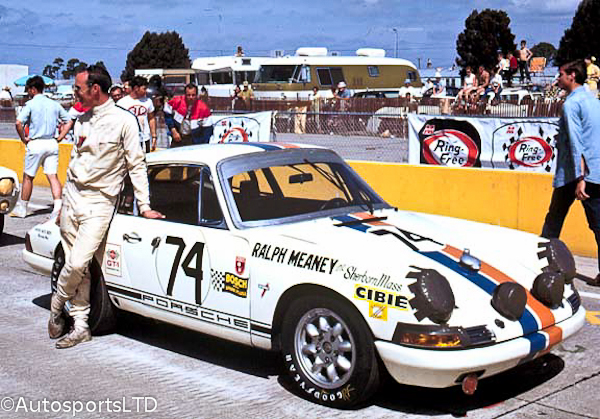
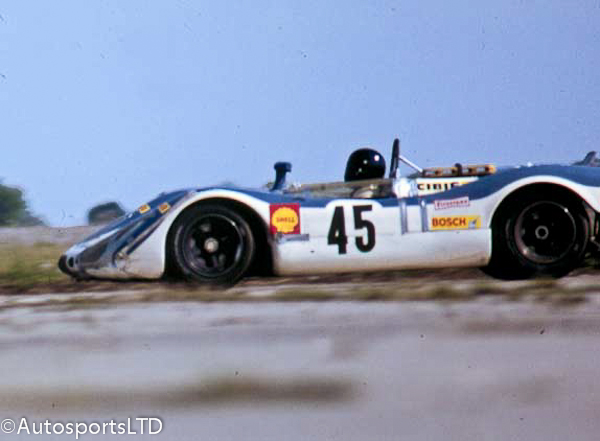
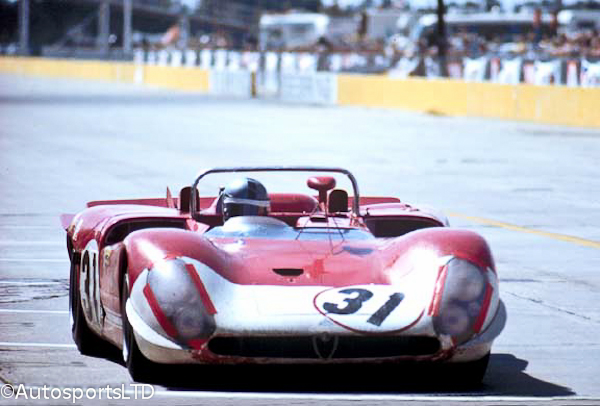
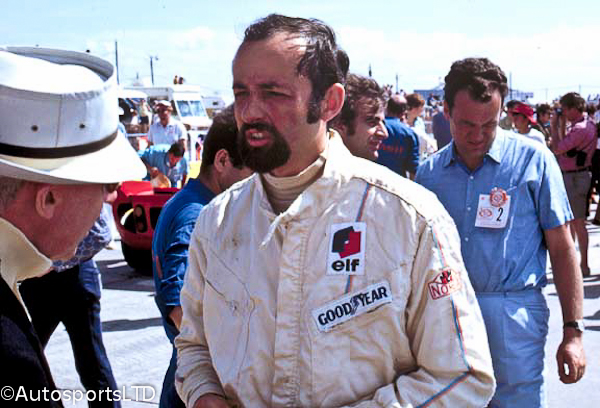
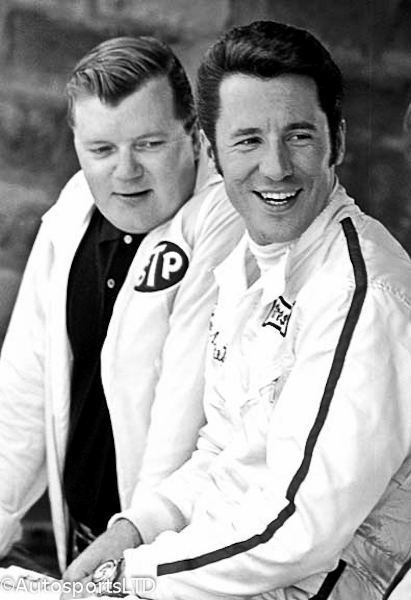
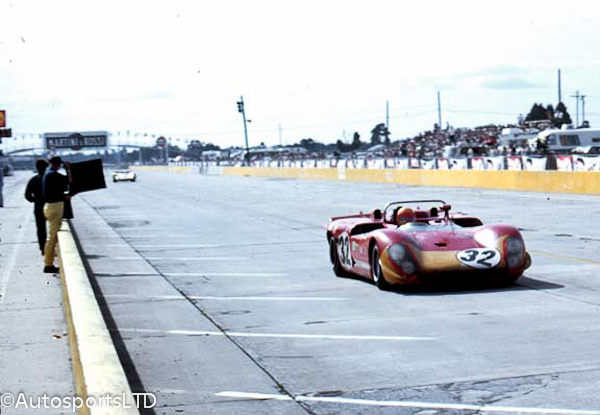
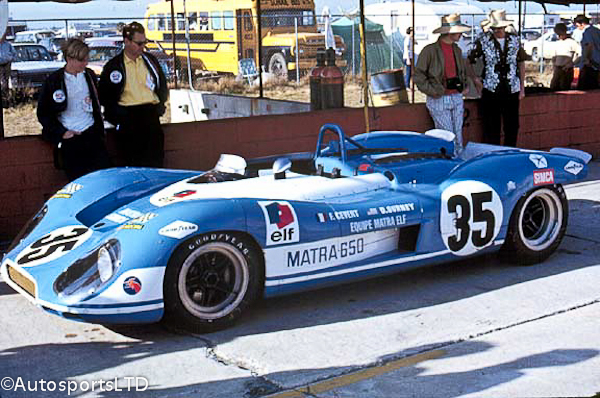
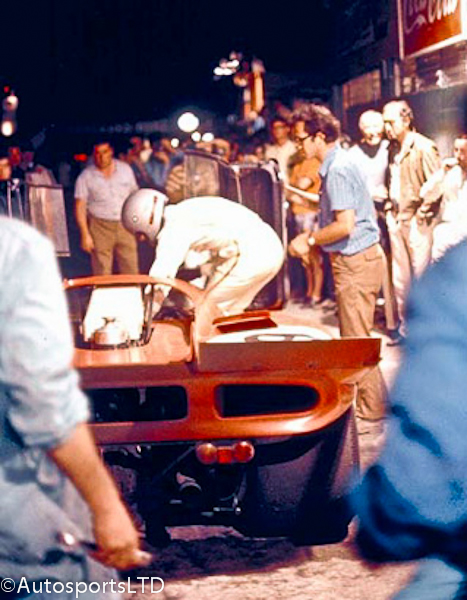
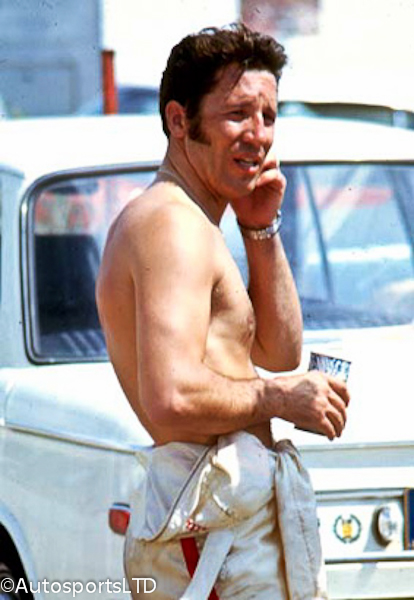
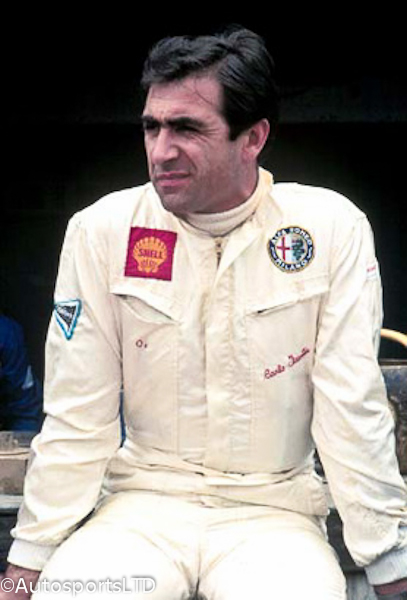
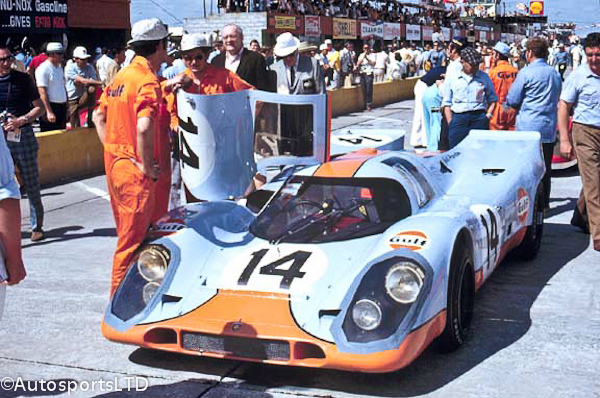
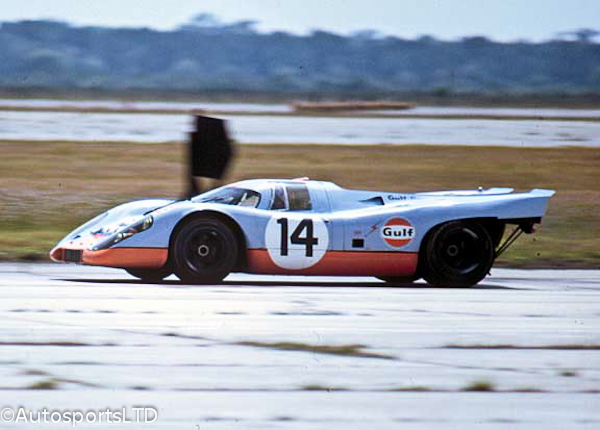
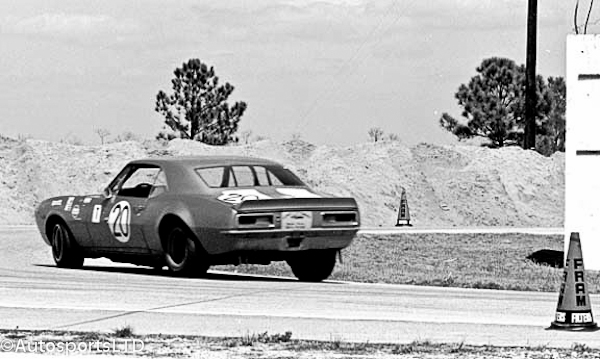
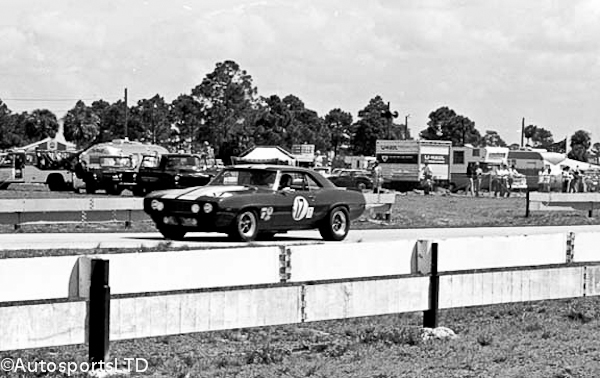
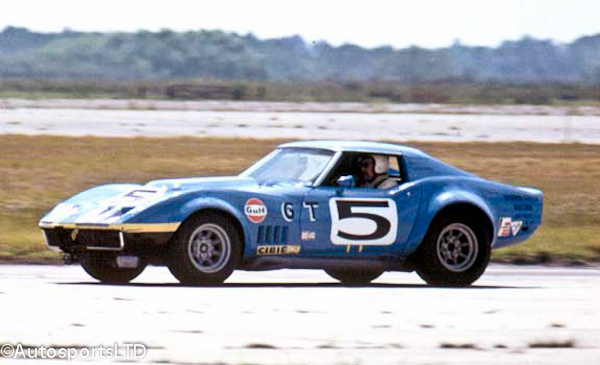
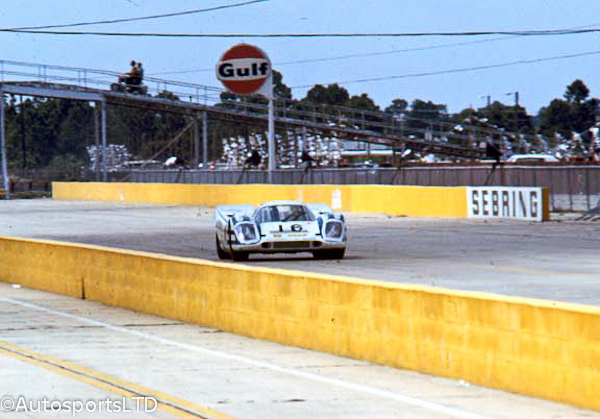
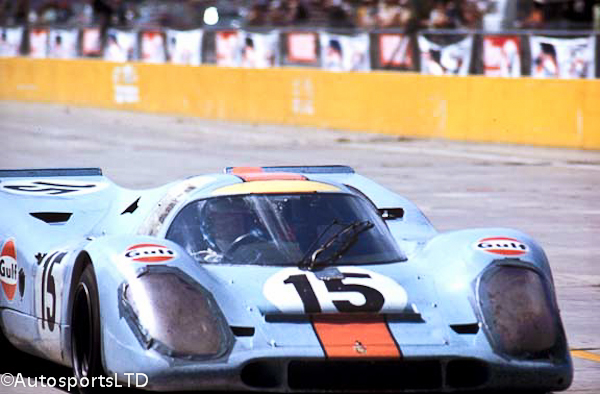
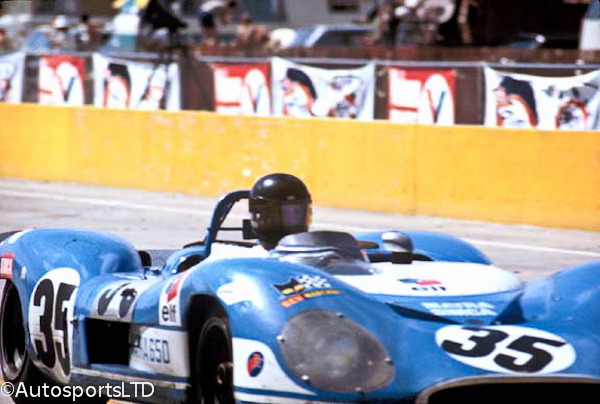
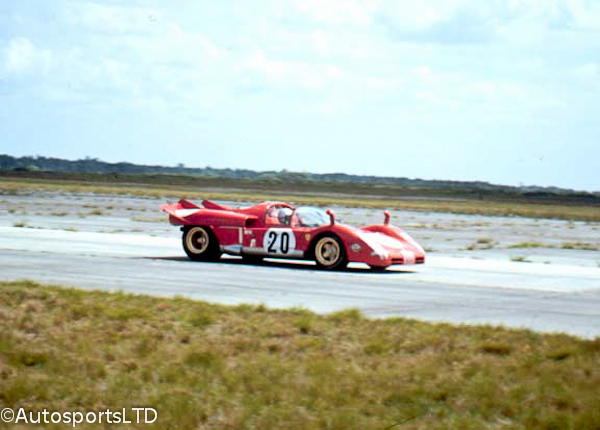
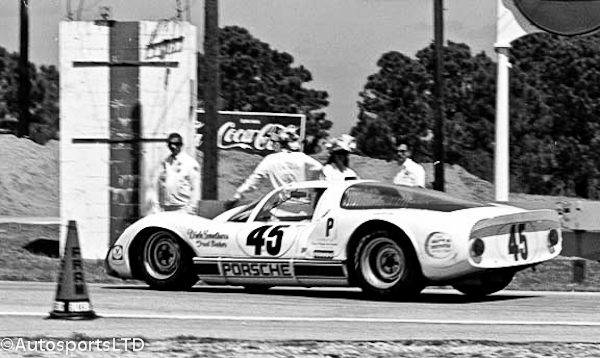
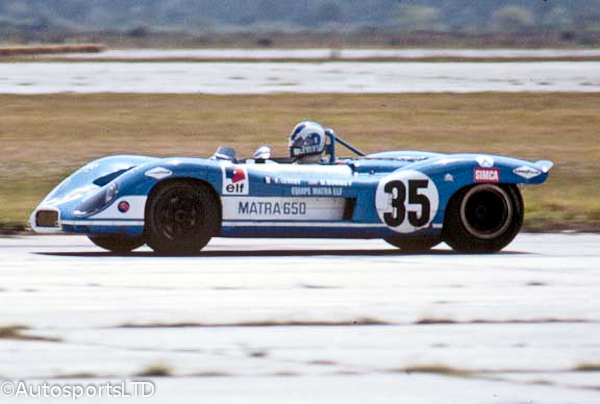
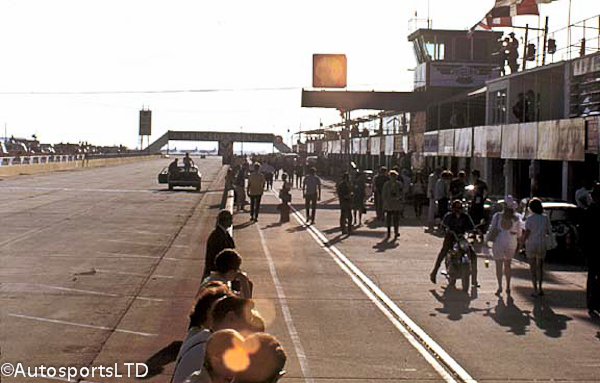
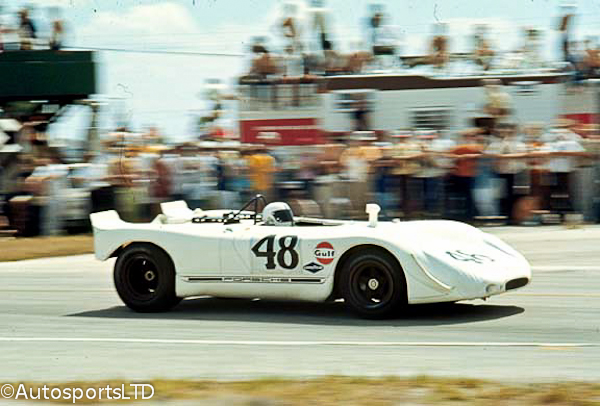
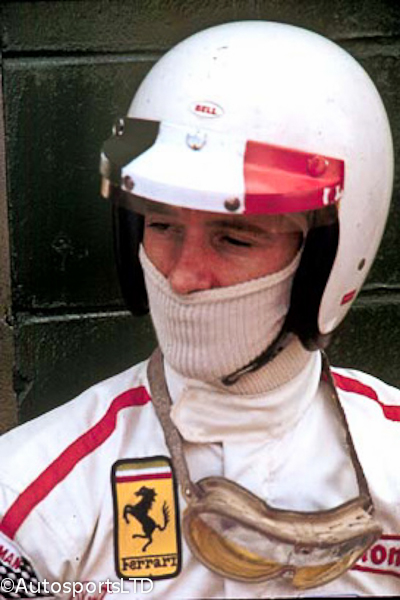
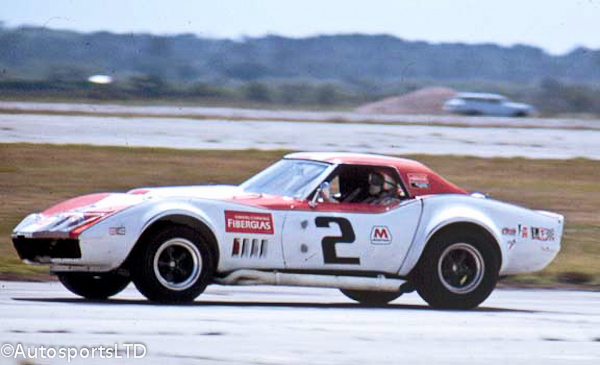
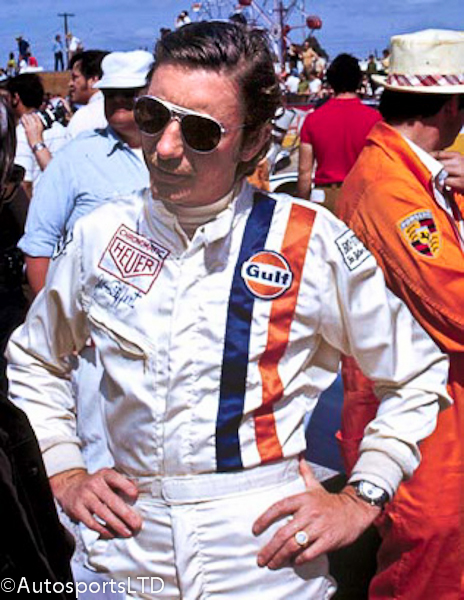
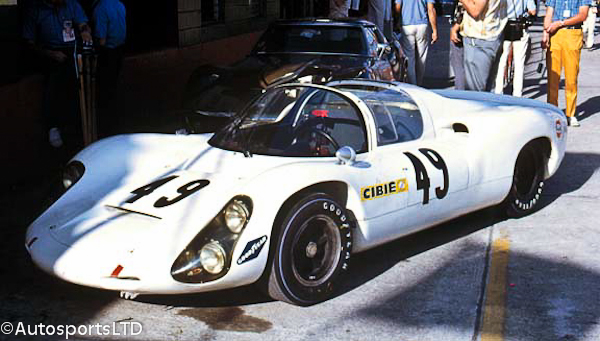
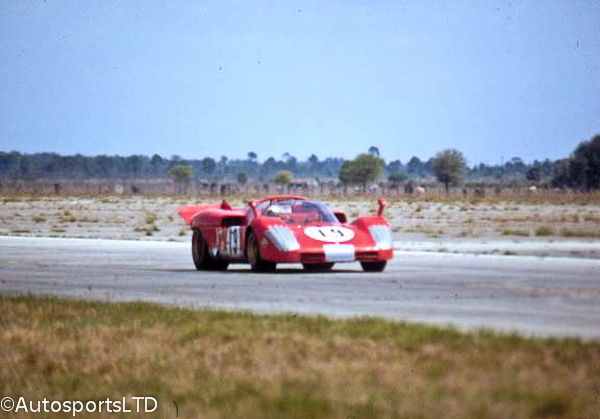
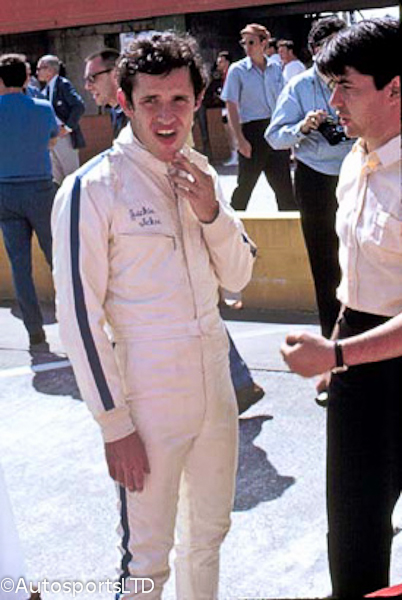
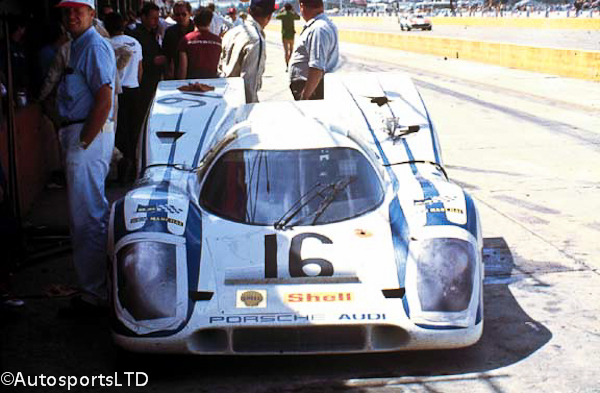
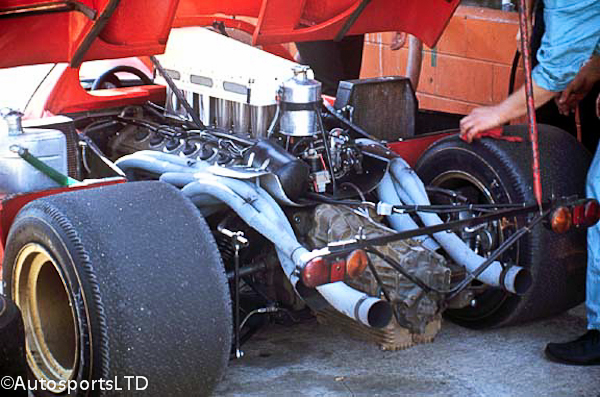
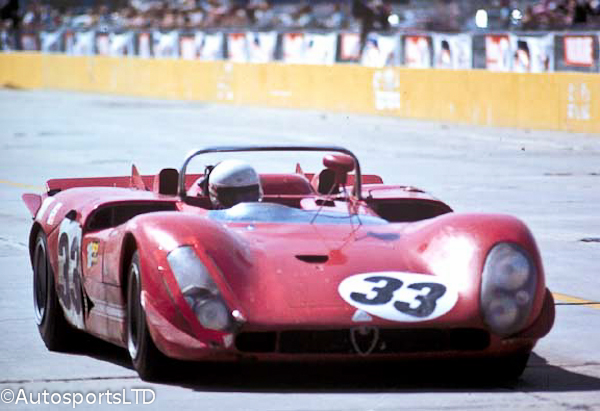
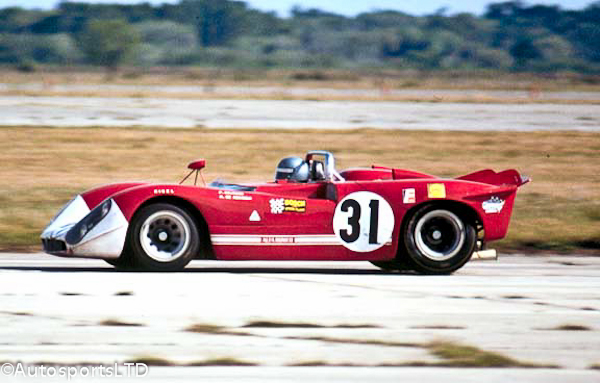
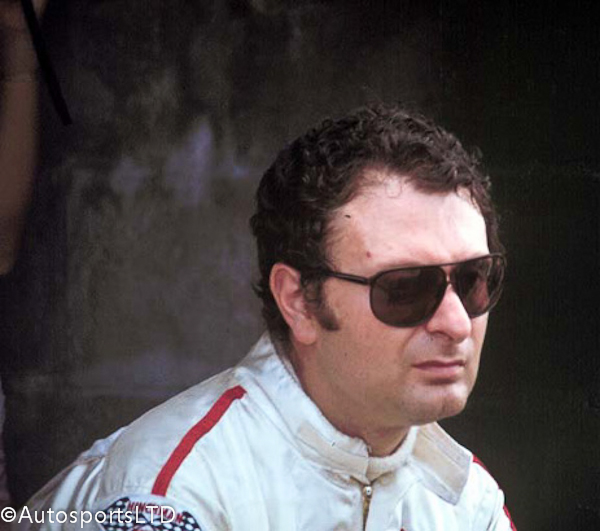
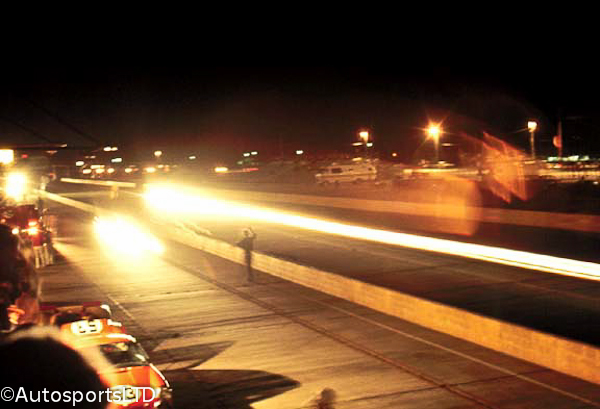
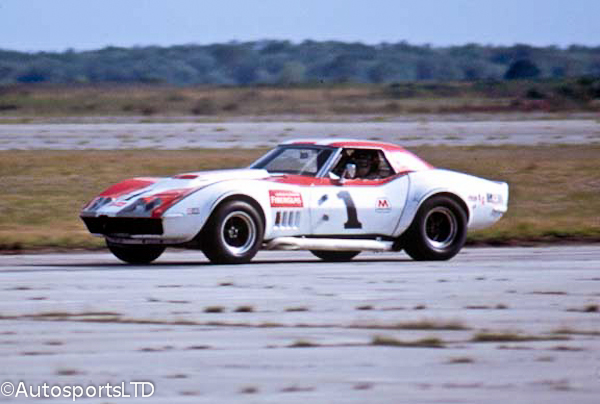
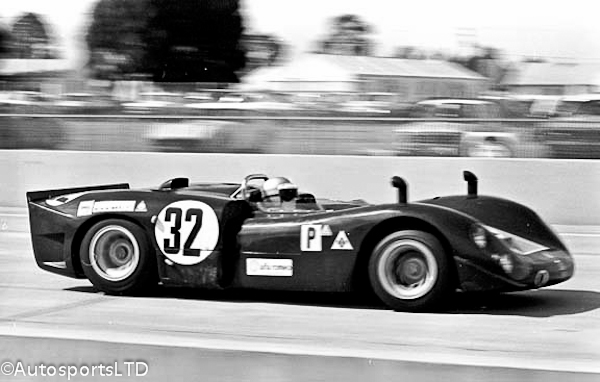
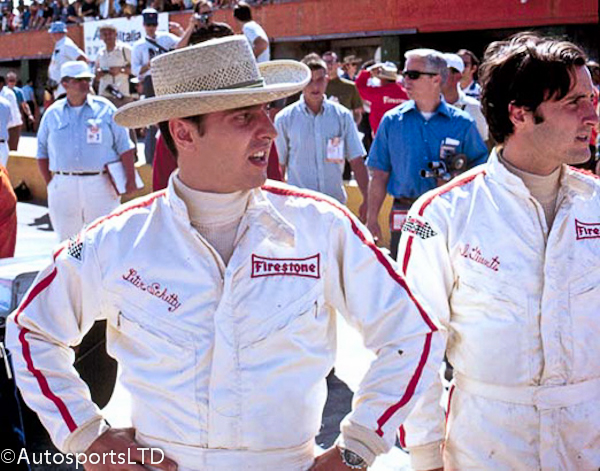
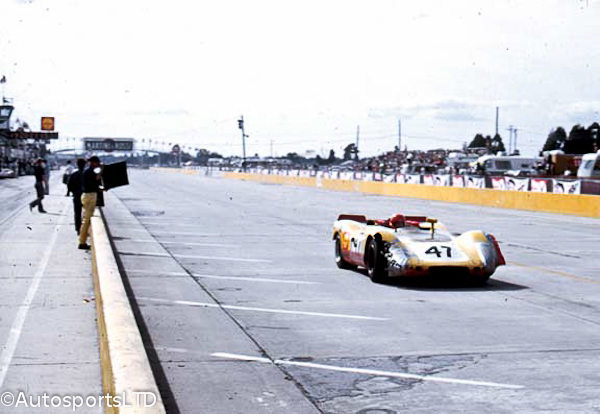
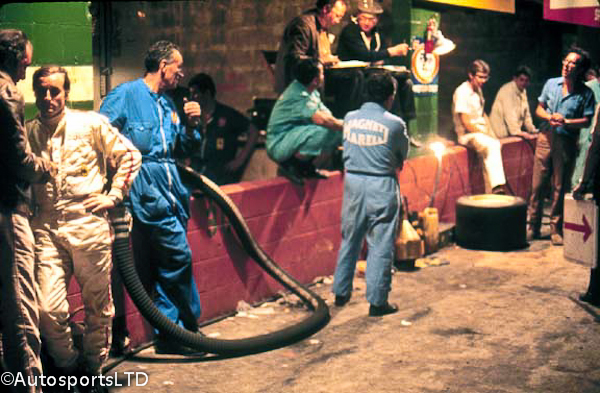
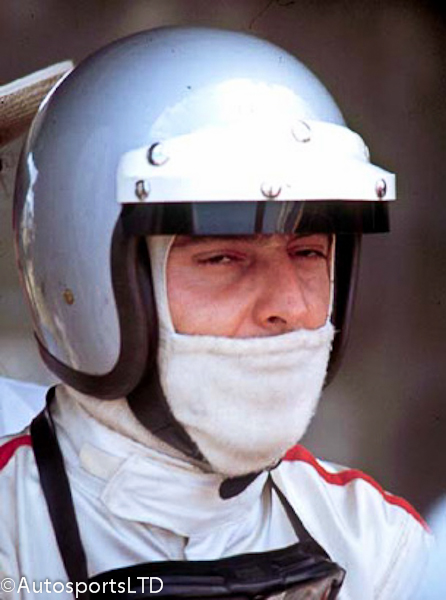
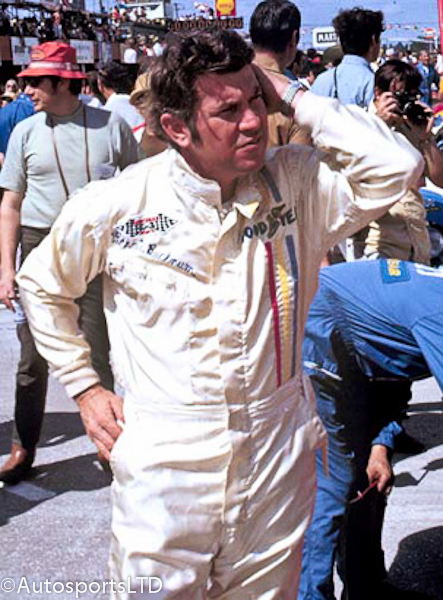
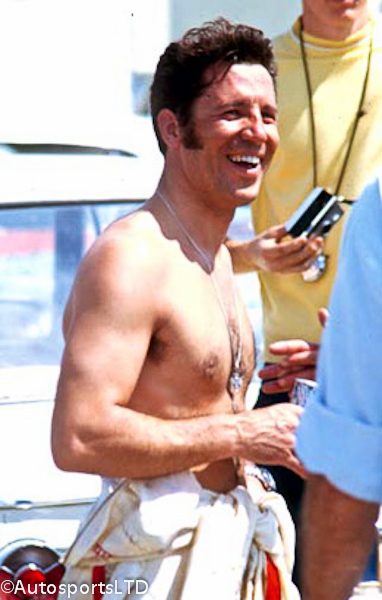
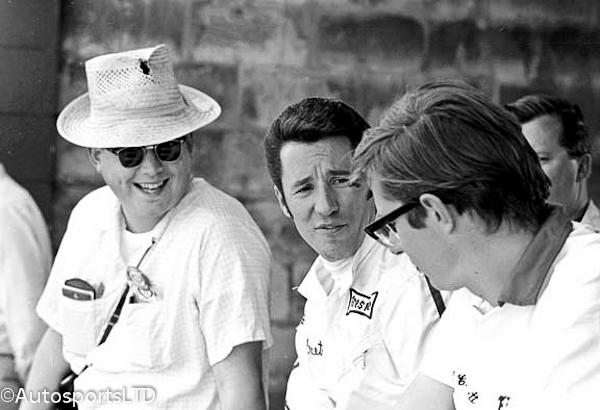
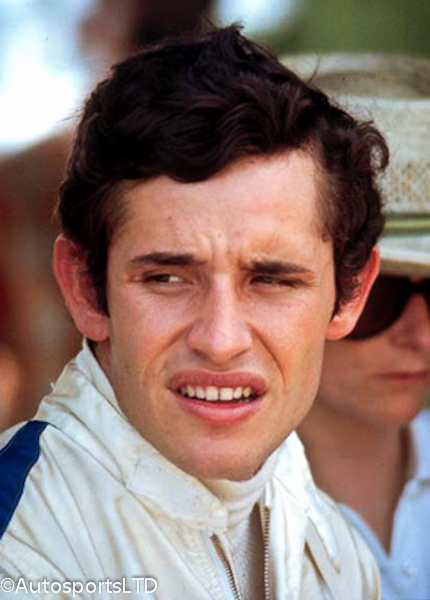
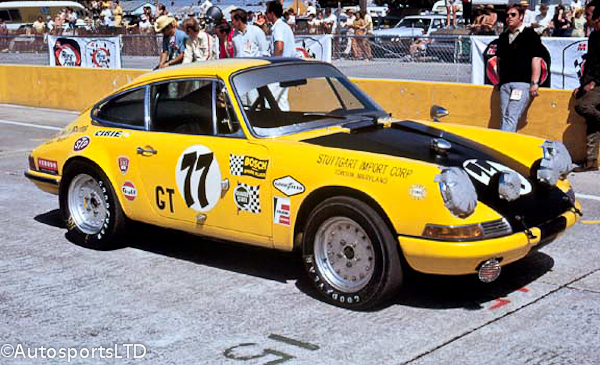
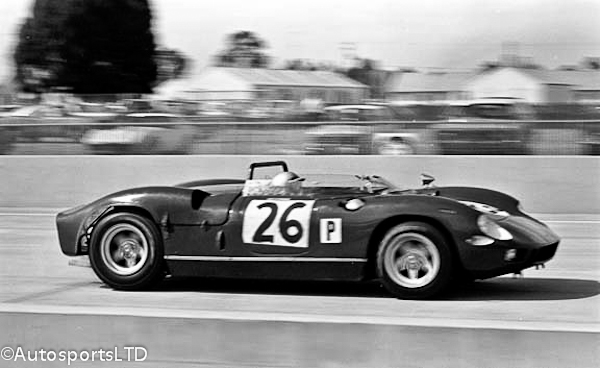
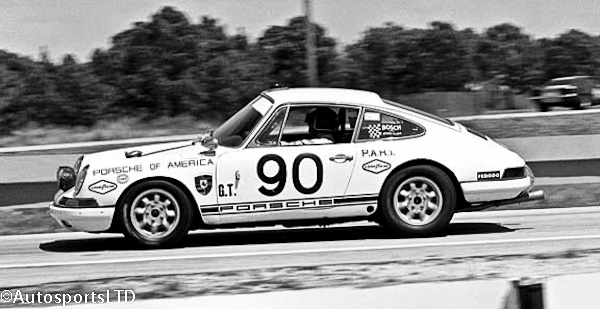
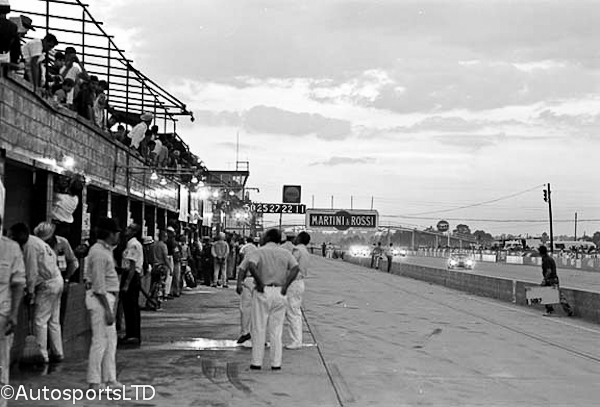
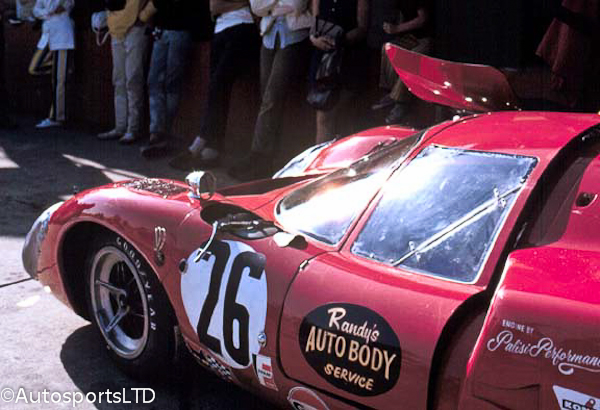
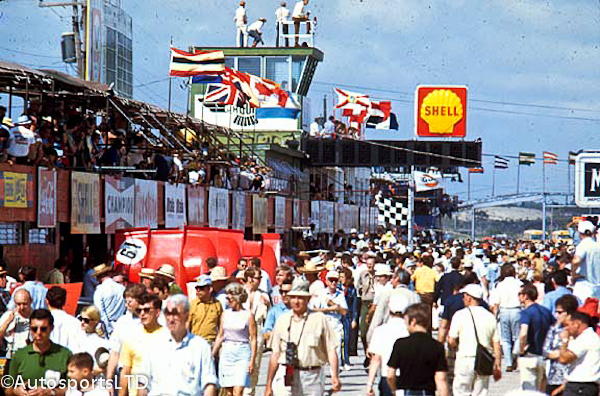
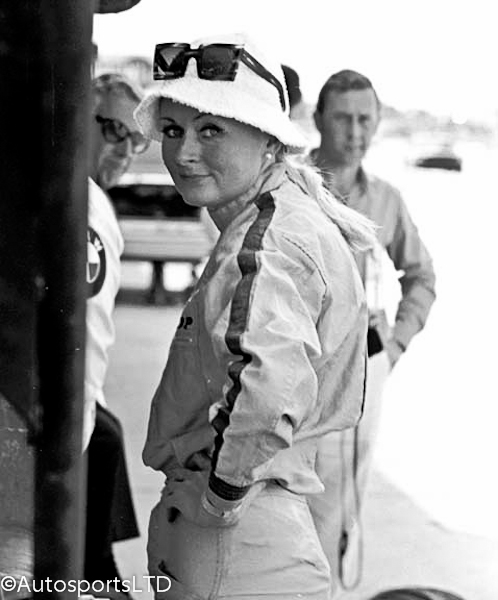
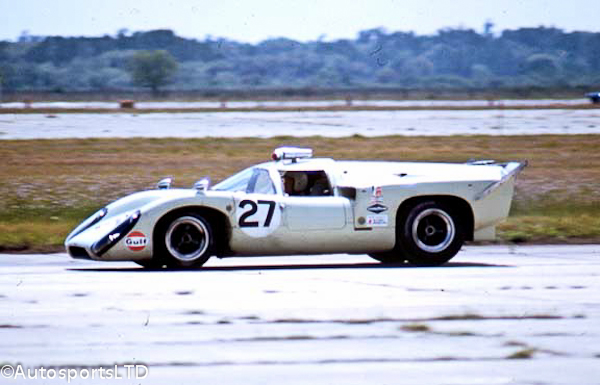
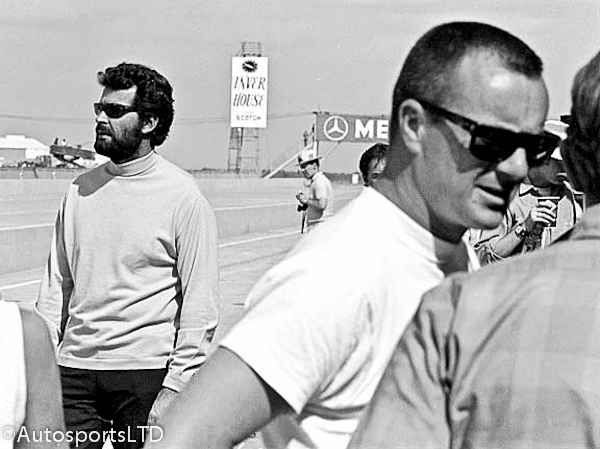
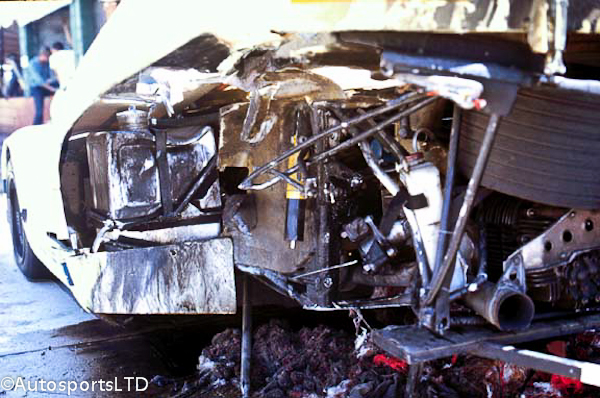
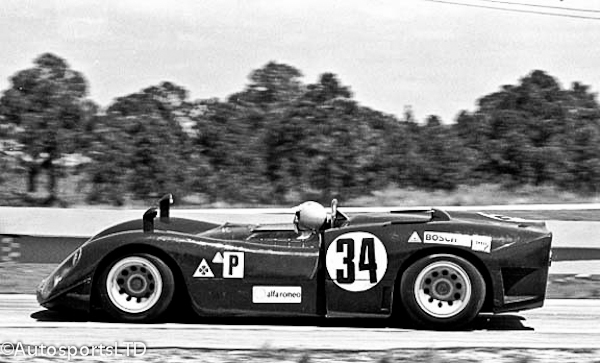
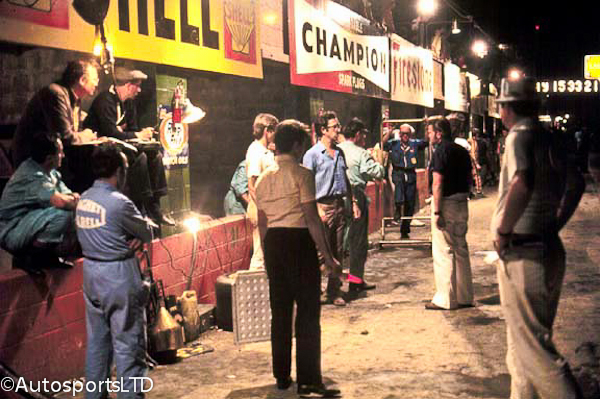
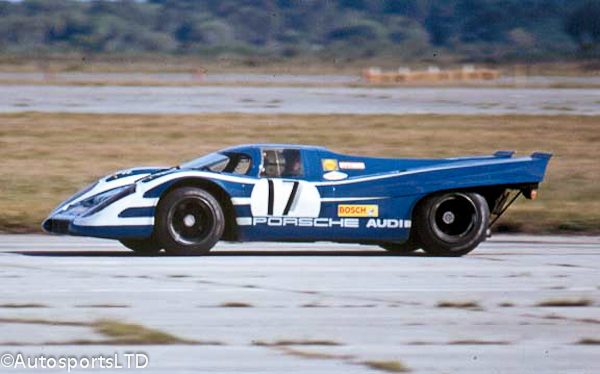
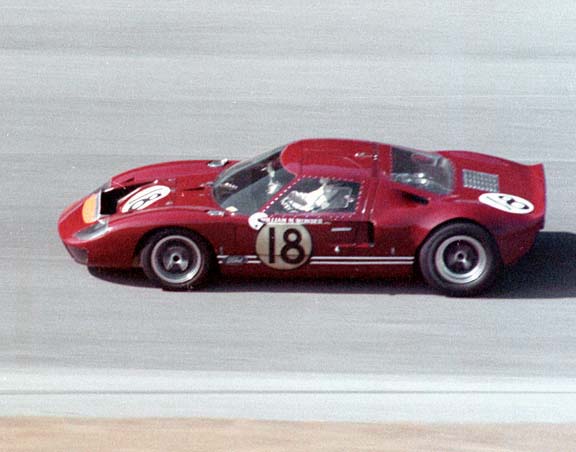
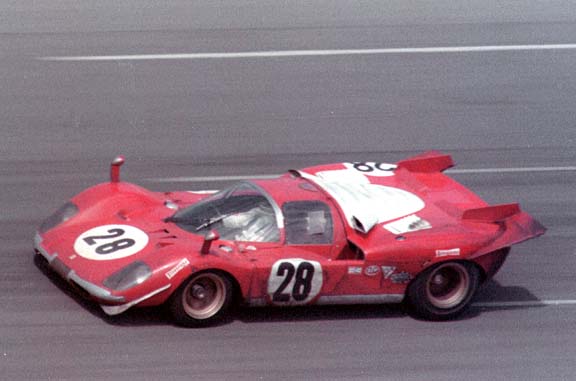
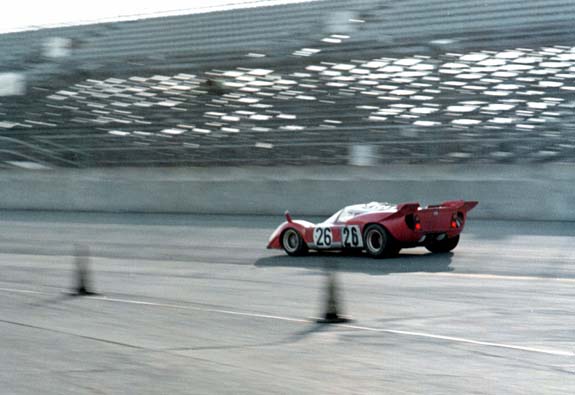
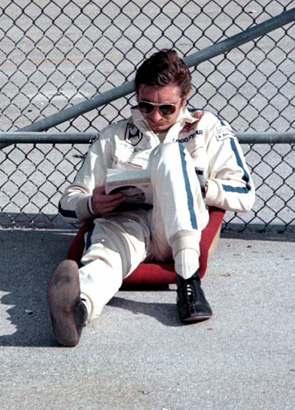
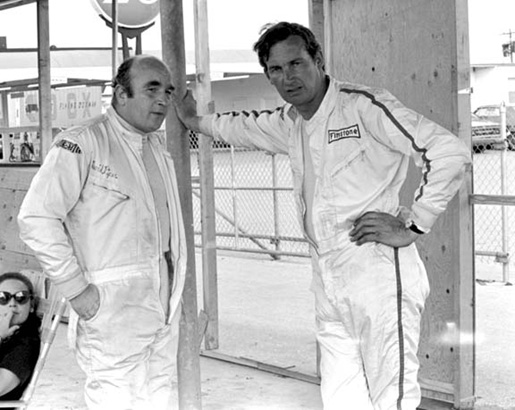
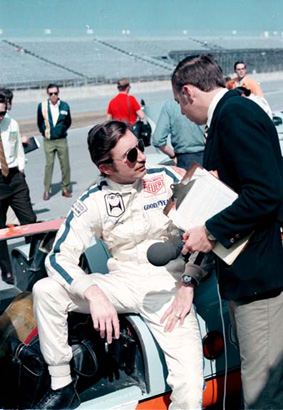
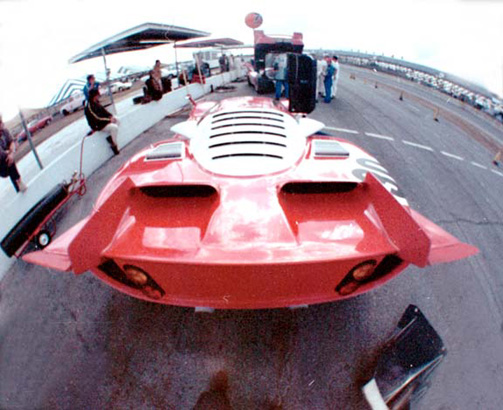
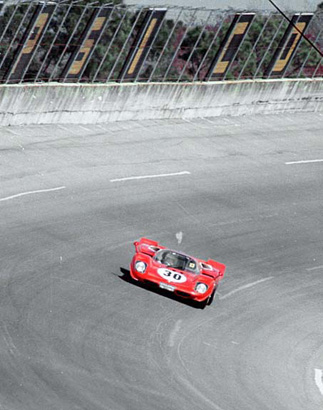
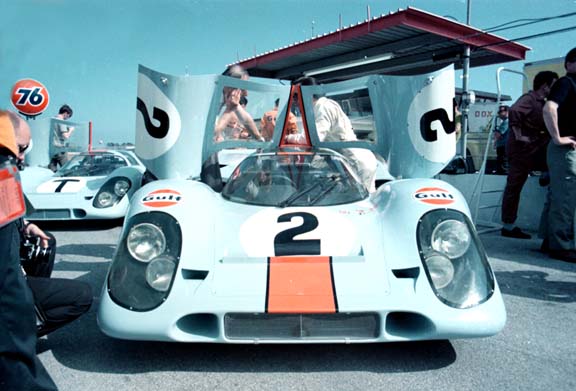
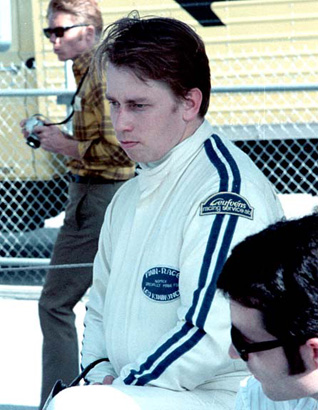
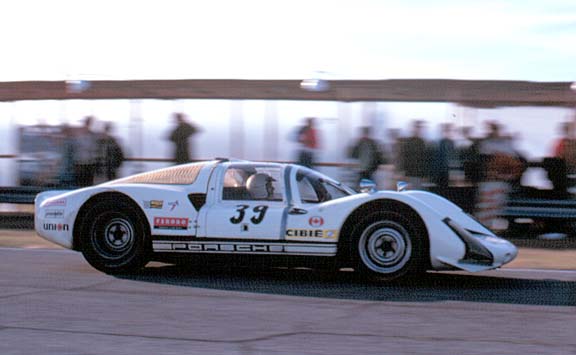
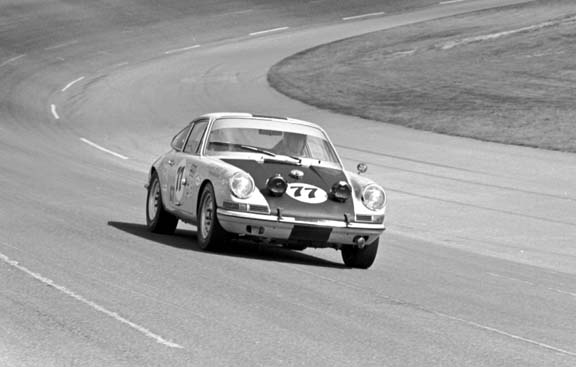
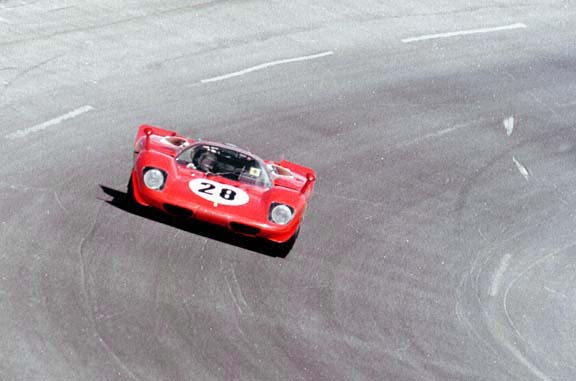
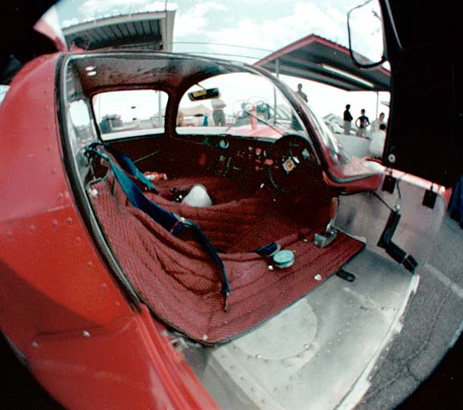
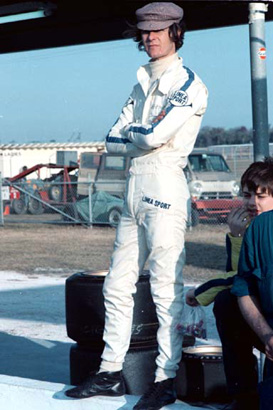
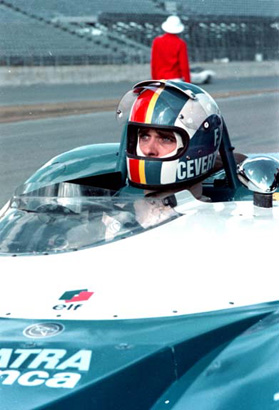
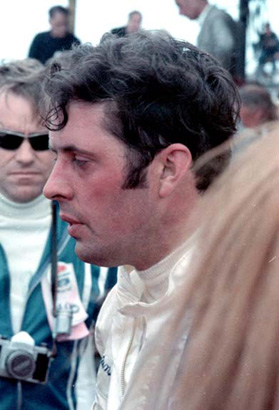
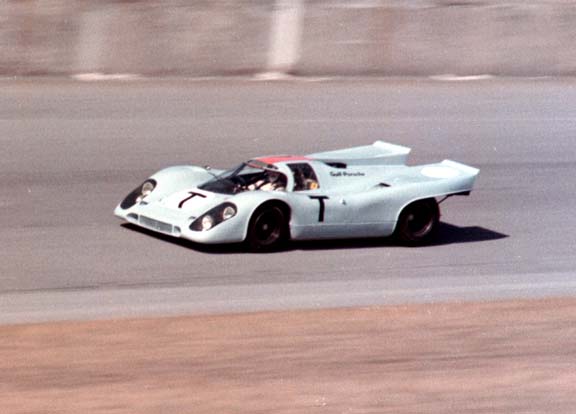
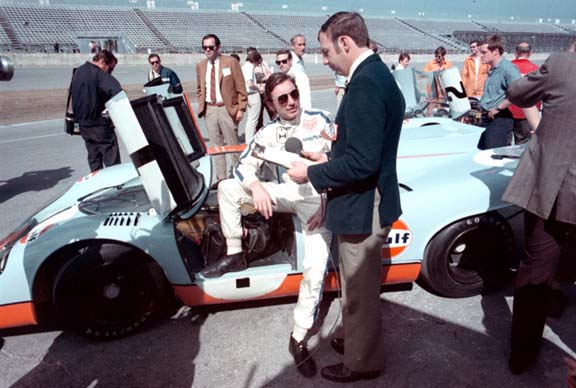
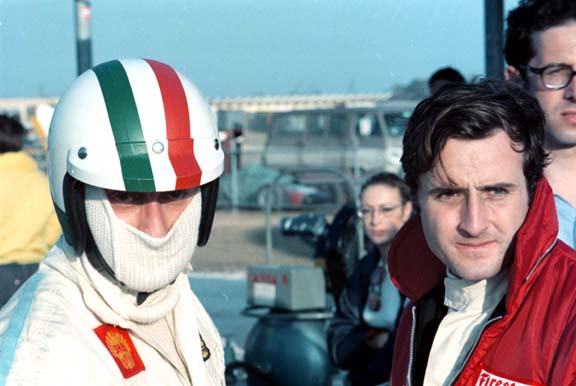
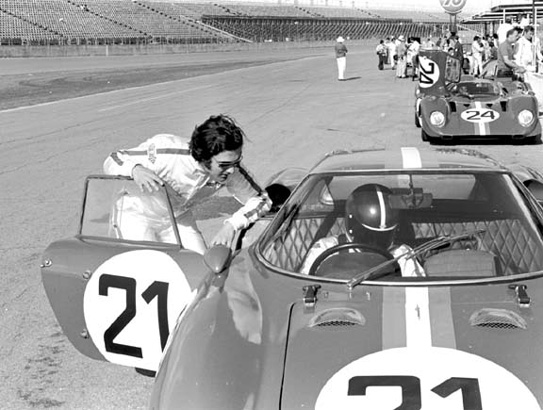
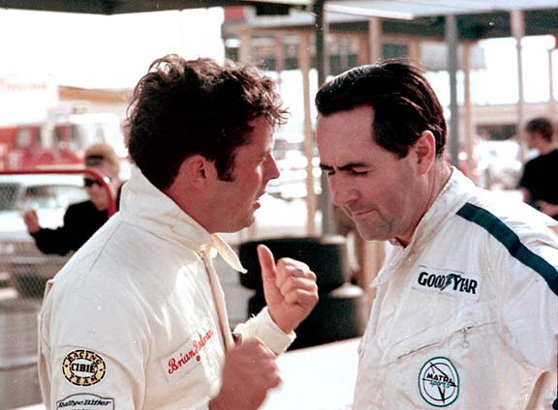
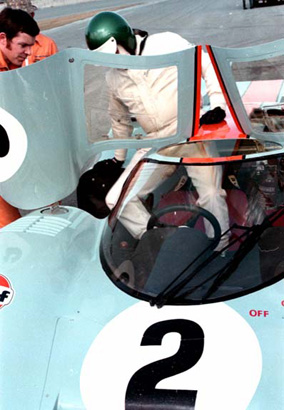
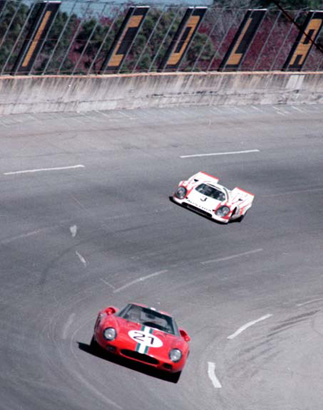
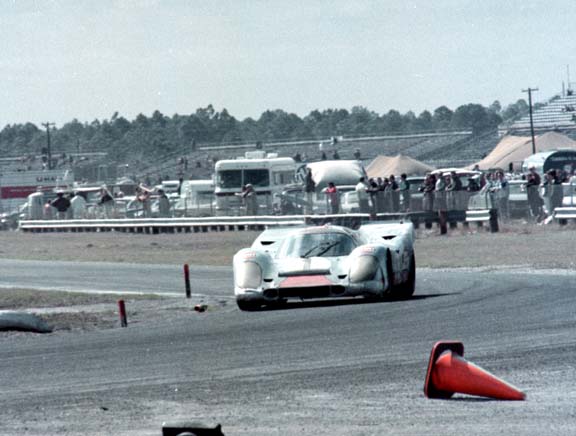
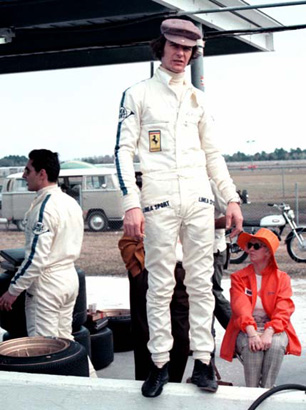
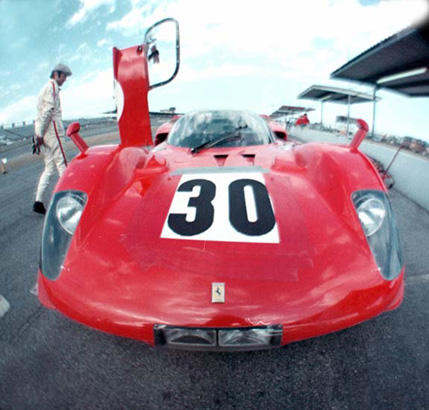
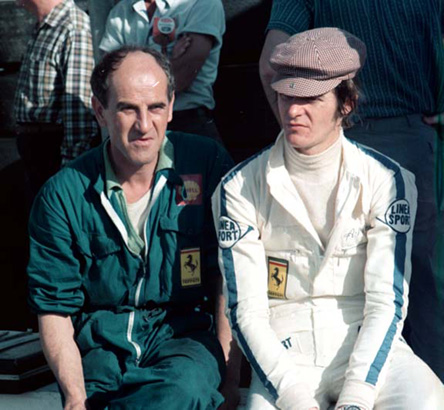
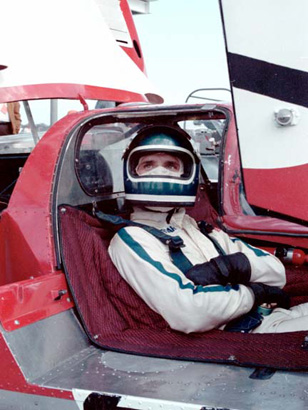
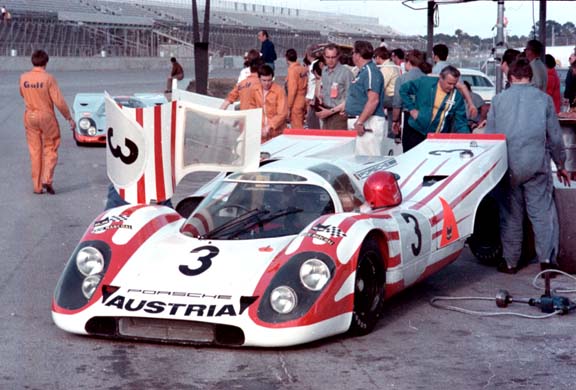
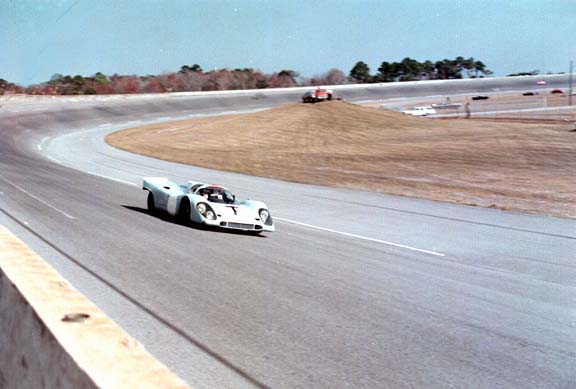
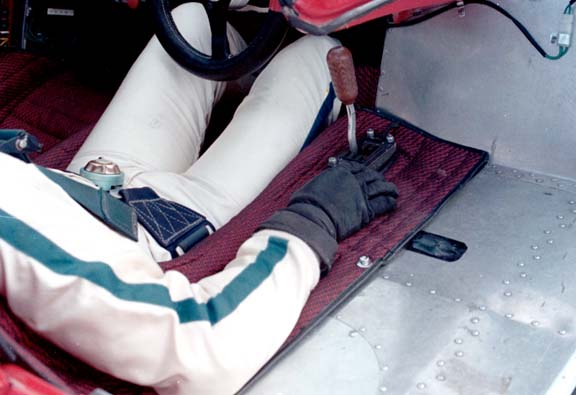
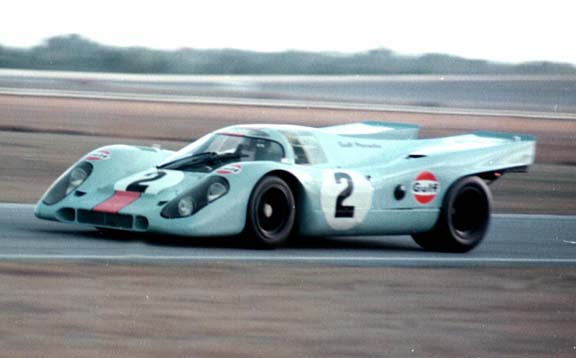
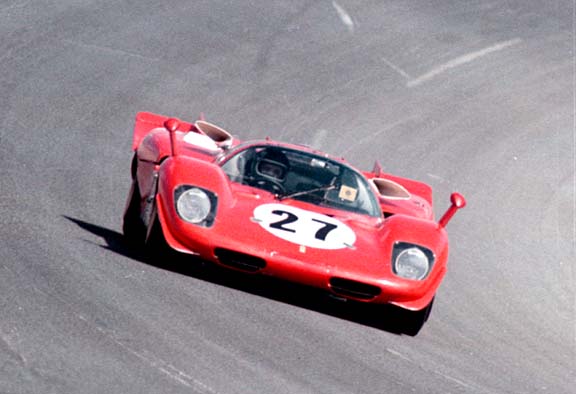
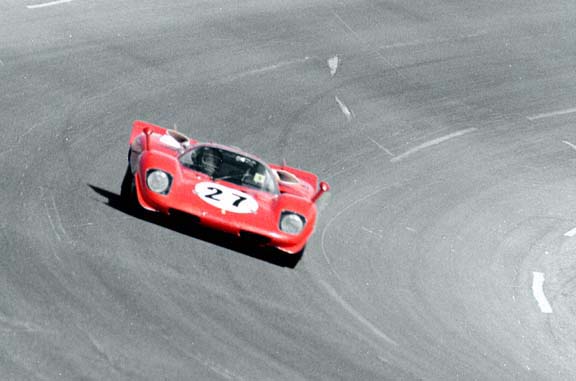
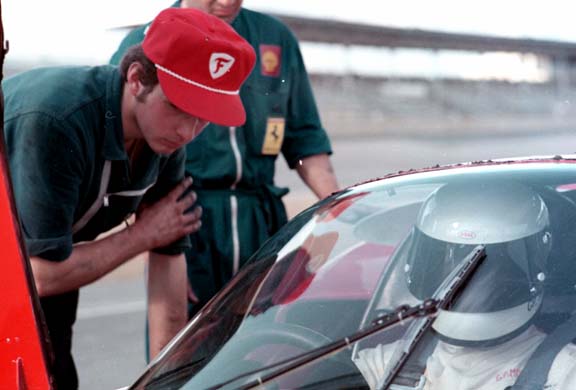
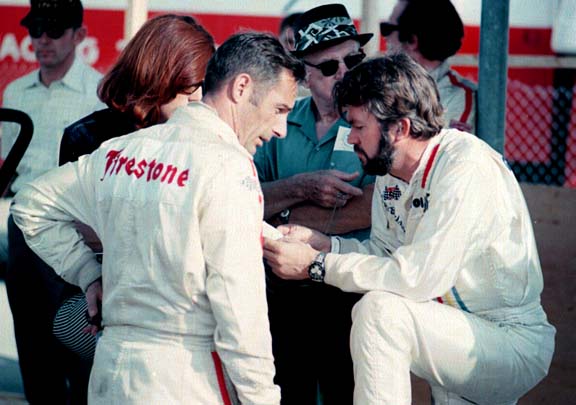
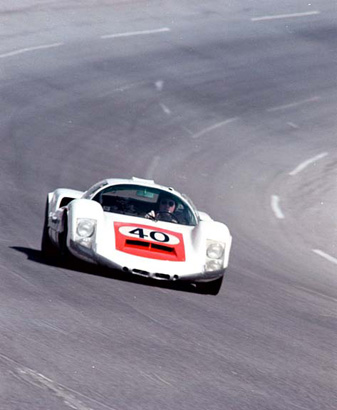
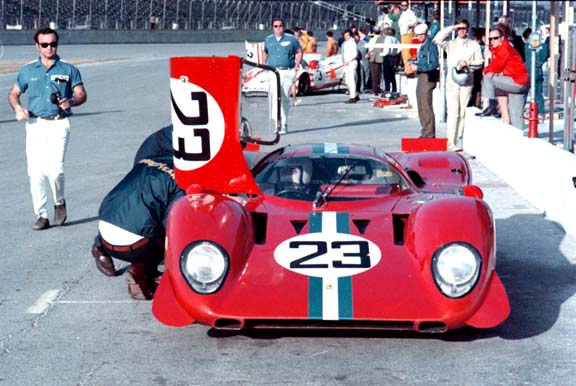
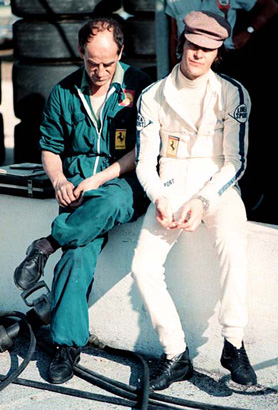
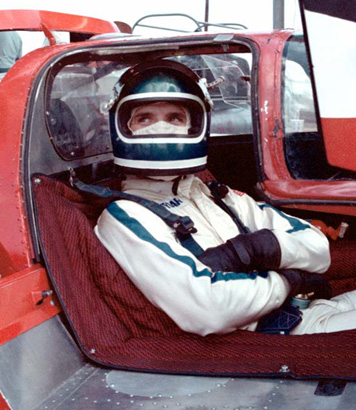
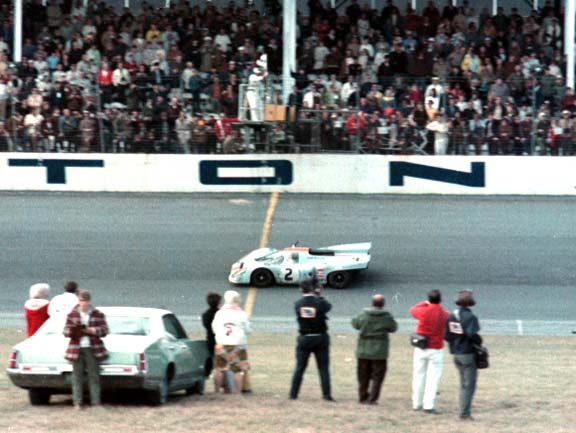
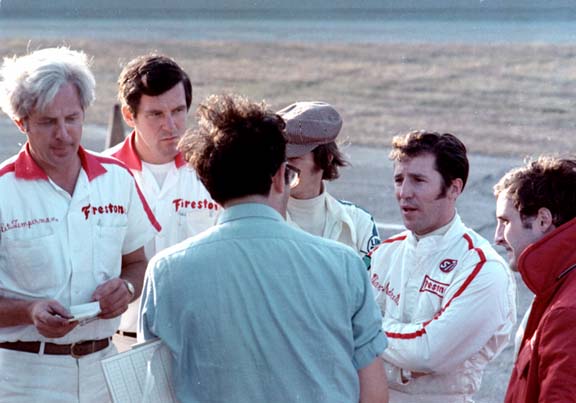
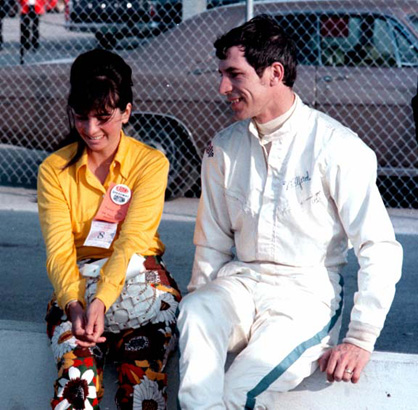
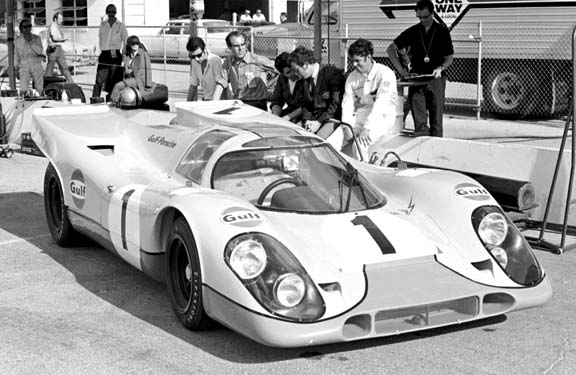
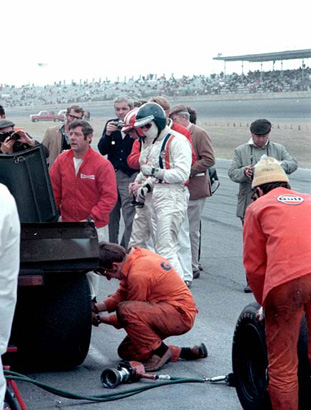
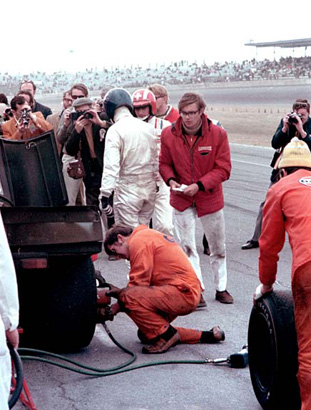
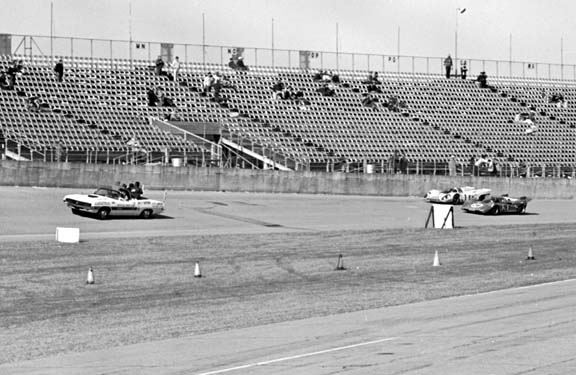
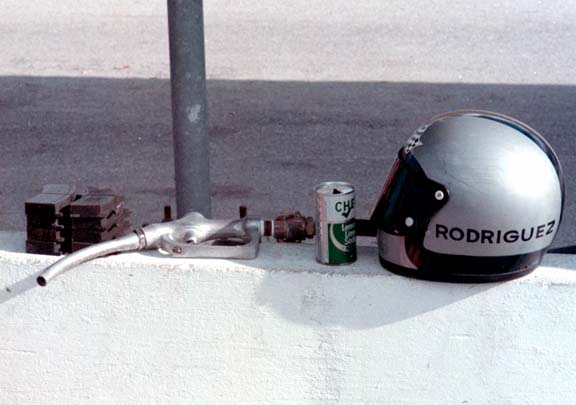
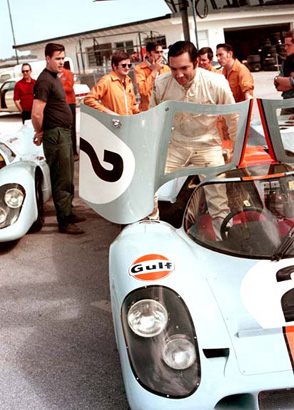
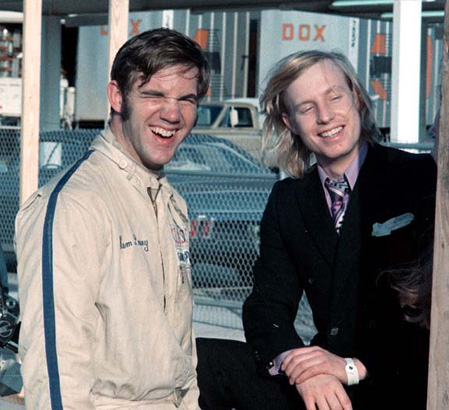
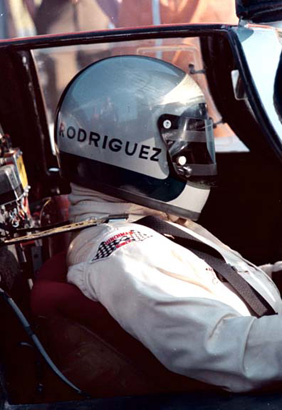
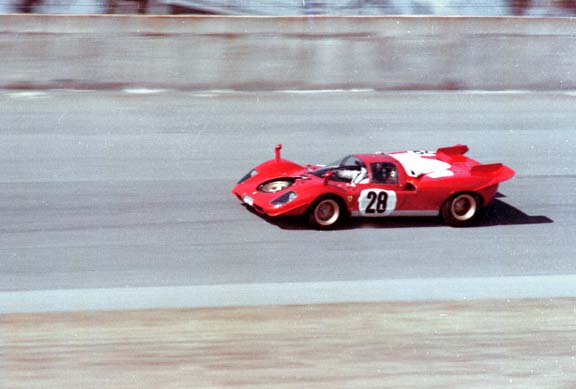
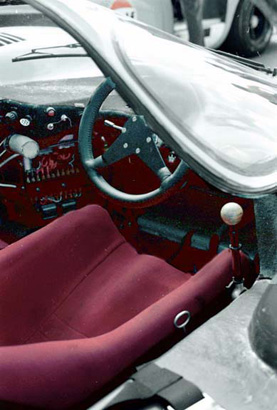
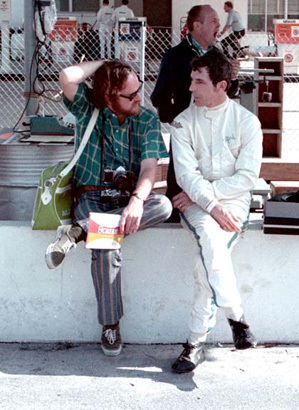
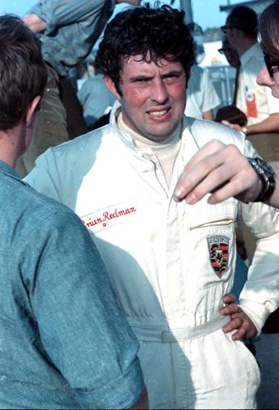
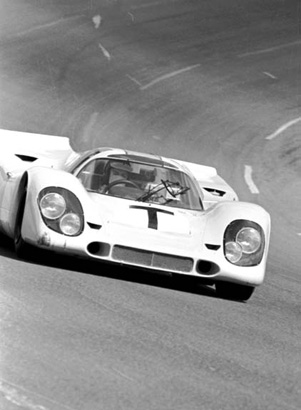
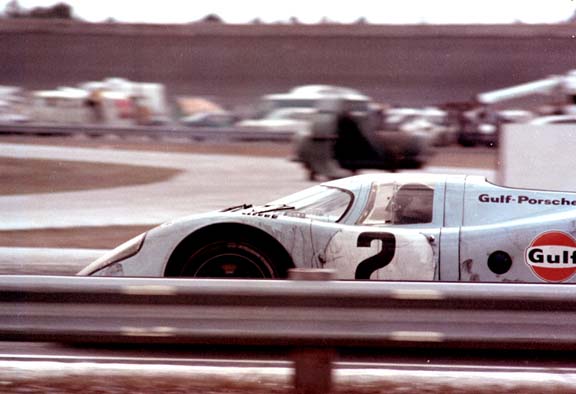
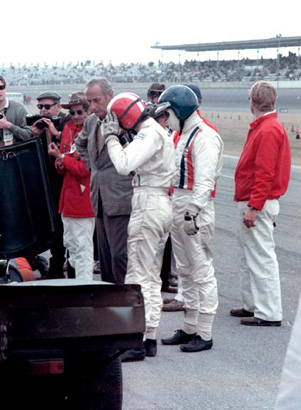
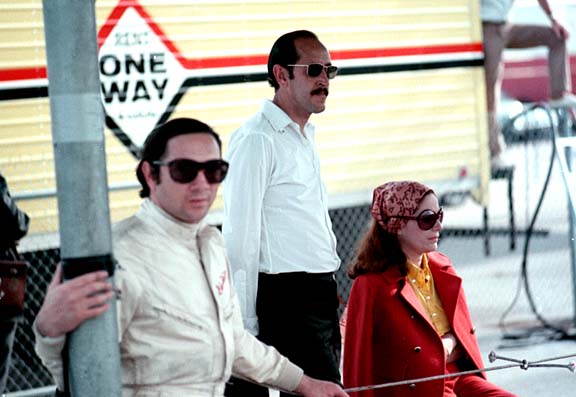
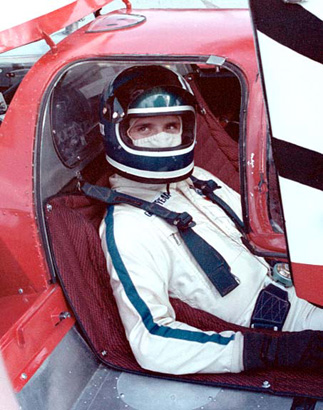
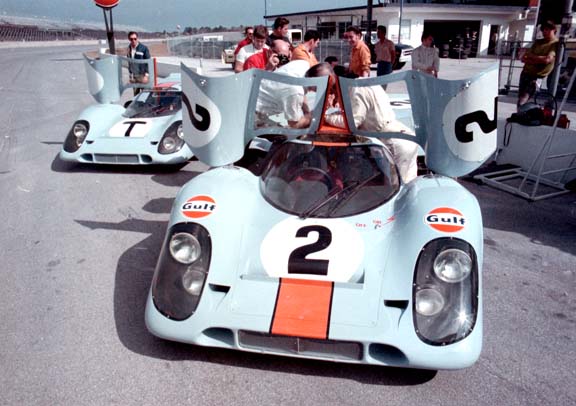
It is March, the days grow longer and the spirits lift. It is also the month for the annual trek to the Central Highlands and the 12 Hours of Sebring. Many years ago Michael Keyser made this journey, camera in hand, here is some of what he saw, from 1969 and 1970. All images courtesy of and copyright Autosports Marketing Limited.

See more HERE

Sprint Start

Fast Ford

The Summer of Love was on the way soon, we would all go to San Francisco and wear flowers in our hair……..and think of how daft we looked………thank  you very much, Scott McKenzie.

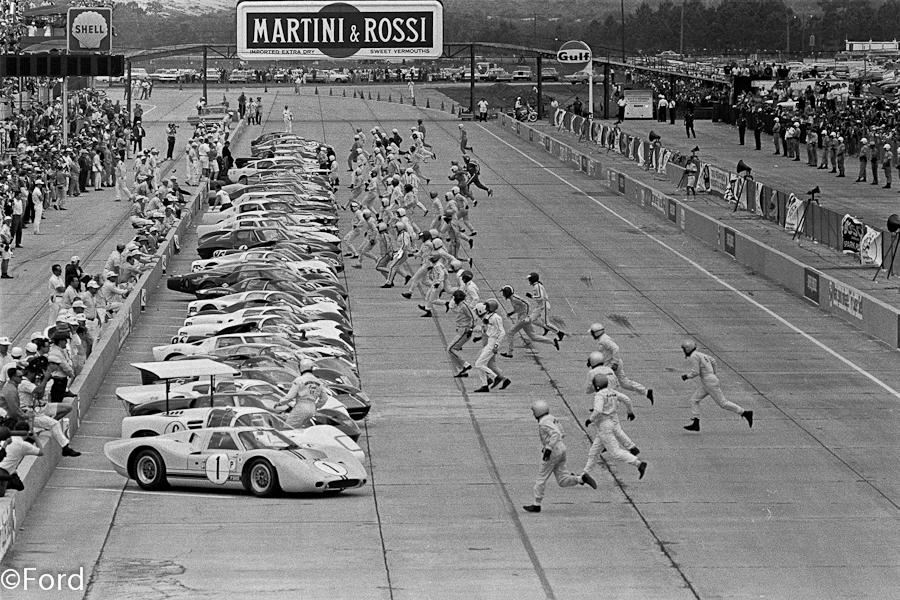
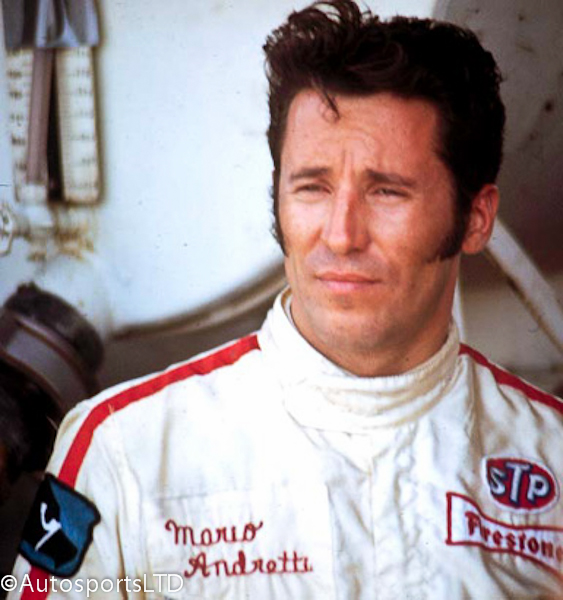
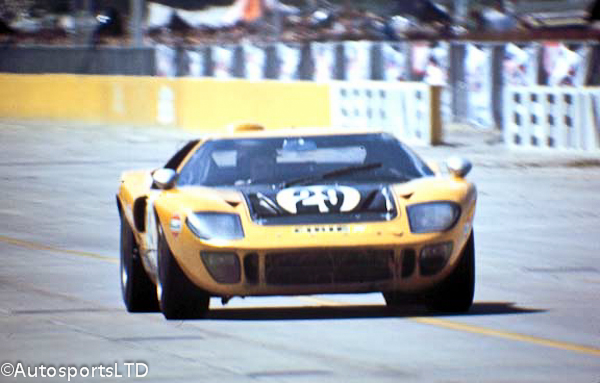
No love lost here though, as Bruce McLaren and the rest of the field sprint across the tarmac at the start of the 1967 edition of the 12 Hours of Sebring. The track had been revised after the spectator fatalities the year before. Also new was the Ford Mk. IV that the New Zealander and his co-driver, Mario Andretti, took to a famous victory.

Another fantastic image, courtesy of Ford.

John Brooks, February 2012

A Fork In The Road

Pedro

There comes a point in all our lives when we reach a crossroads, the road we take determines our future, rarely do we have the chance to go back. Often we are not even aware that the choice has been made or is really significant. For me this position was reached some 40 years ago and certainly at the time I was oblivious to the consequences. However if I had not taken that course back then, it is highly unlikely that I would be writing for you, the audience, today.
Siren Song

1971 was the year when I really caught the motorsport virus, from that small start I have ended up making some sort of career out of the sport, but it is at that time that I passed the point of no return. I had been following the glamorous and seductive racing scene second hand, reading everything and anything I could about this world, so unlike my own life as a rather dull-witted schoolboy. Some of my contemporaries found their escape in Hollywood, I found it at Le Mans, at Monaco, at Nürburgring, anywhere that racing happened. Autocar, Motor Sport, Autosport and other long forgotten titles were devoured eagerly, I can still remember race results from 1969, when now I get confused about what happened ten minutes ago. I had actually managed to attend the 1970 British Grand Prix, seeing Jochen Rindt score a last lap victory over Jack Brabham but the following year I was geared up for seeing as many races as I could.
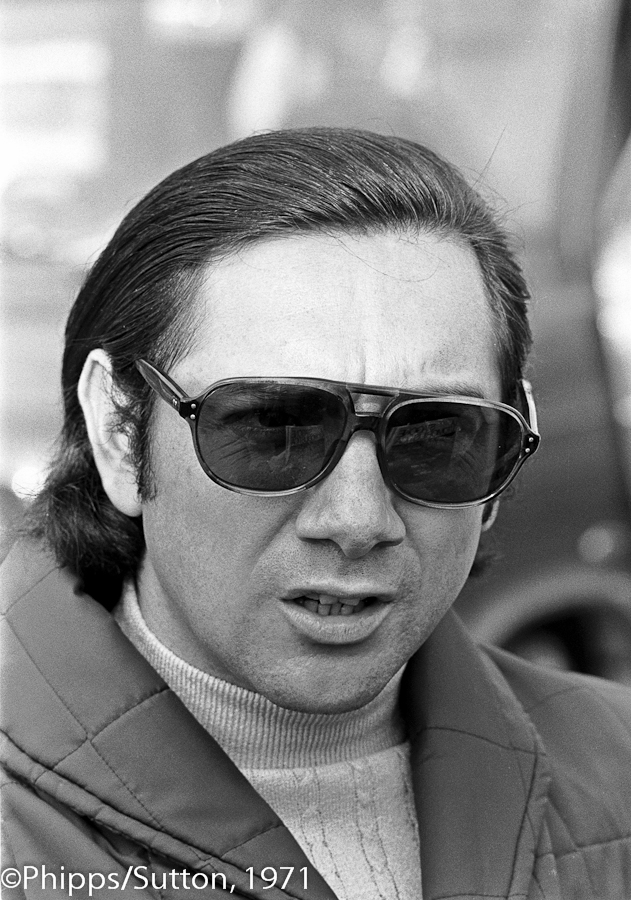
Heroes………

Everyone has heroes, especially when we are younger, they are those that we look up to and imagine that one day, we too might acquire some of the qualities that we admire. Back then my heroes were two drivers, Jo Siffert and Pedro Rodriguez, I was inspired by their performances in arguably the greatest sportscar of them all, the Porsche 917. I would read the race reports, especially in Motor Sport, from Denis Jenkinson, Michael Cotton and Andrew Marriott, the last two I would later become friends with. I simply HAD to go and see these guys race that year, the situation was given an urgency by the crazy decision of the FIA (where have we heard that before?) to scrap the 917s and 512s. There was only one solution, as I was too young to drive, I would get the train and bus to Brands Hatch. It was only on the other side of London.
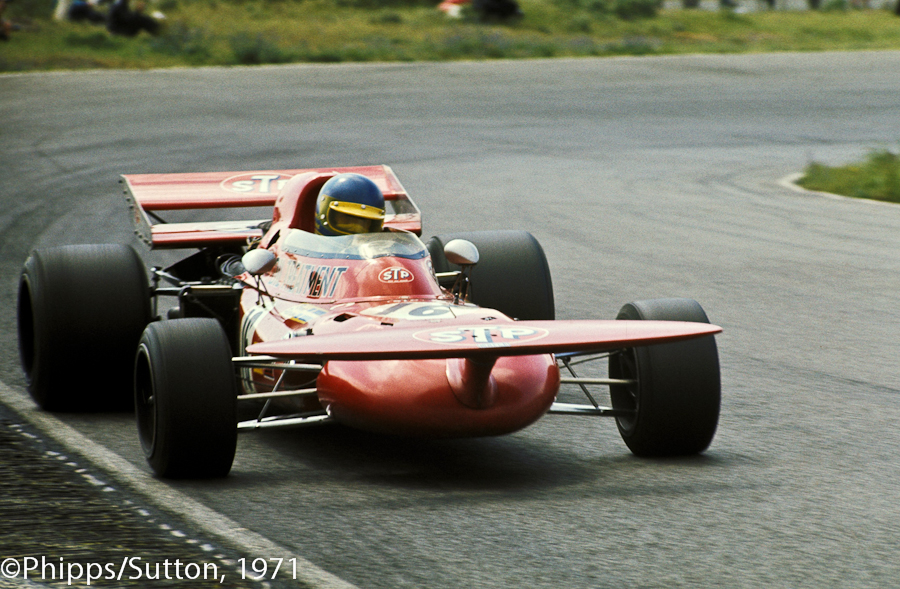
March Hare

The calendar in 1971 had several international races held at the fantastic Kent track. First up for me was the Race of Champions. Back in the dark ages BE (Before Ecclestone), there were non-Championship Formula One races, so you could get to see the Grand Prix circus several times in a season, especially if you lived in England. OK, not all the F1 regulars turned out but that was also the case at some Grand Prix, especially the far flung ones, there was no FOCA package back then. One thing that has not really changed in 40 years is the grim weather, cold, damp and grey, that bit of Brands Hatch in March remains a constant. The front row had Jackie Stewart’s Tyrrell on pole with Denny Hulme alongside in his McLaren and completing the line up was Clay Regazzoni in the delicious Ferrari. There were former and future World Champions Graham Hill, John Surtees and Emerson Fittipaldi in the field but my two heroes were missing, both on Gulf 917 duty at Sebring. A couple of things stuck in my mind from that race, the variety of noses on the cars with wild variations ranging from the Brabham BT34 “lobster claw” to the March 711 “tea tray”, did any of them really work? That day also saw the début of the Lotus 56B powered by a Pratt & Whitney gas turbine, one of Colin Chapman’s ideas that worked as an Indianapolis 500 car but was not suited to the Formula One world. I cannot remember much about the race, except that Ferrari and Regazzoni won it.
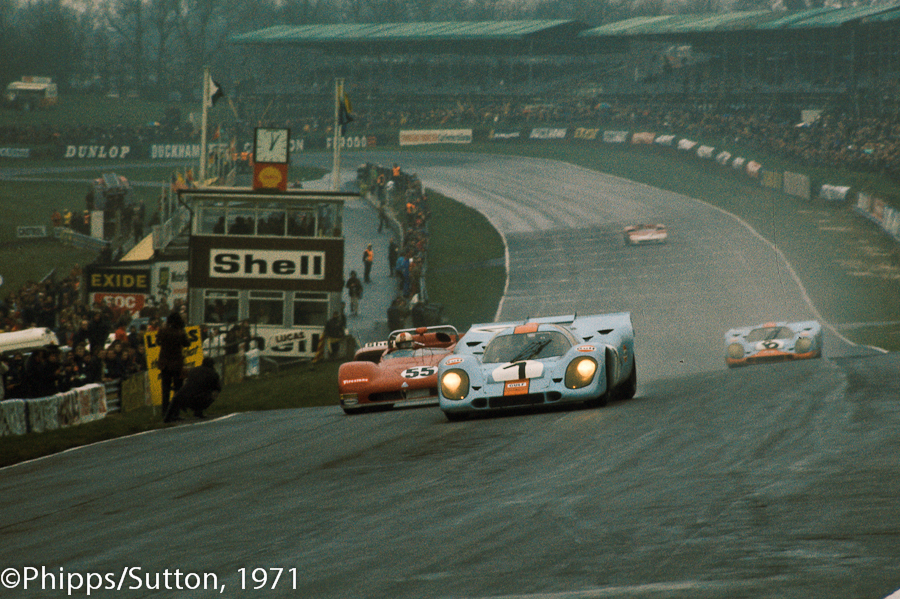
Gloria in Excelsis Deo

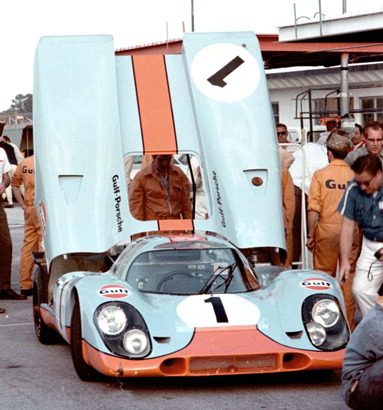
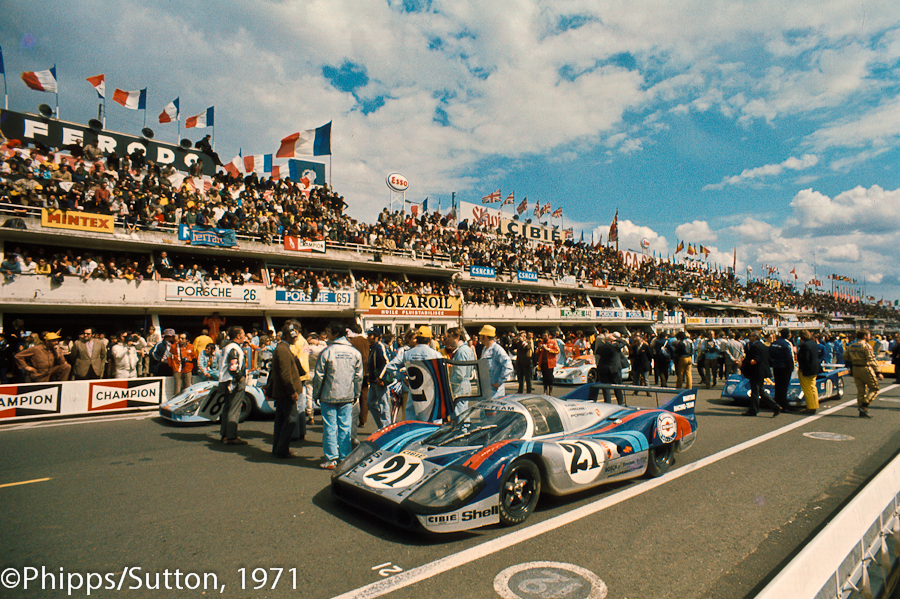
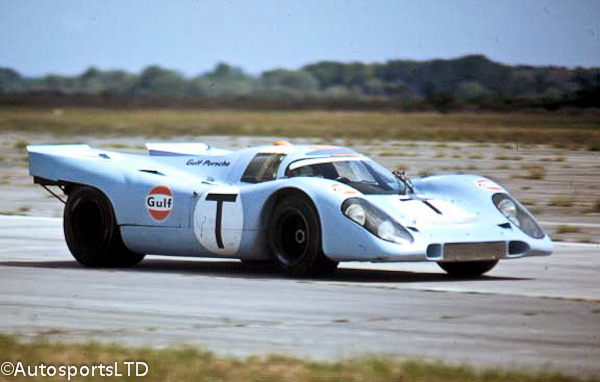
A few weeks later and I was back at Brands Hatch for the BOAC 1000 Kilometres, now I would get to see both Siffert and Rodriguez and the Gulf Porsche 917s. These guys would see off the opposition for sure, but as I would find out, life is not that simple. The weather was similar to the previous race and near freezing point. I thought, perhaps it is always like that in Kent. The field was a bit thin, frankly. The pair of Gulf 917s were backed up by two Martini & Rossi cars  and  privately entered 1970 spec 917. Against this line up was a lone Ferrari 312P and a brace of Alfa Romeo T33/3s run by Autodelta. Even I could see that the rest of the field of upgraded 512Ms and 2-litre prototypes would have real chance in the race.
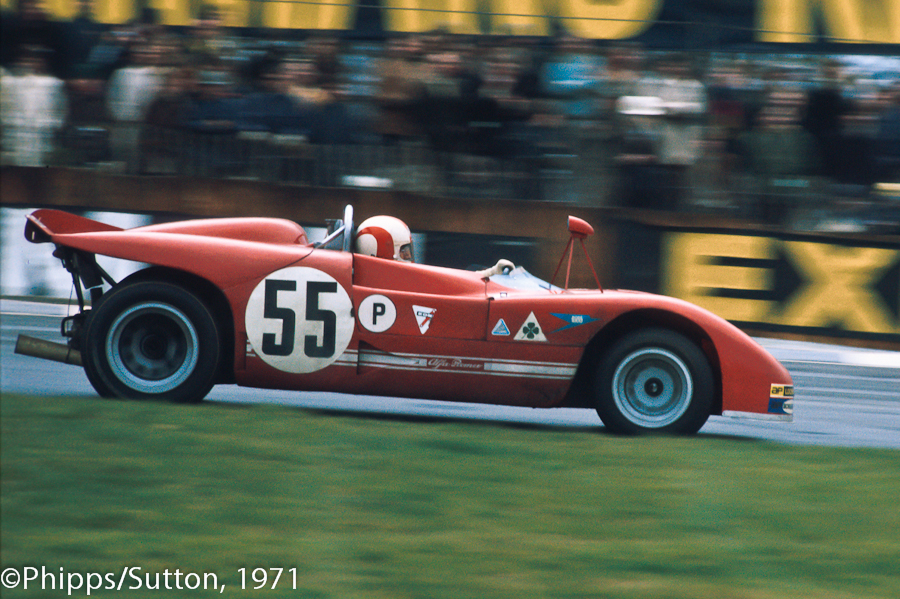
T33/3

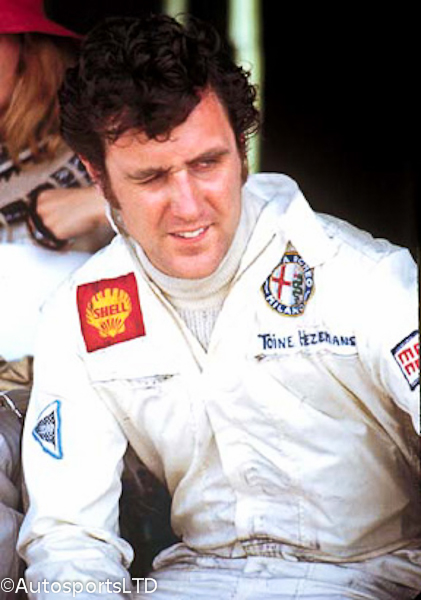
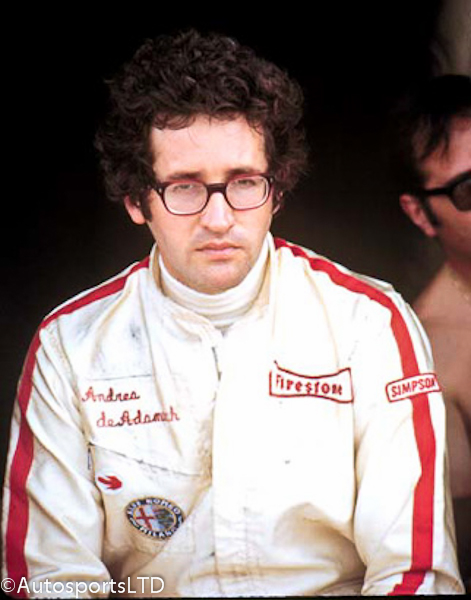
Midday saw the race get underway and immediately my version of the script was proved wrong, with Ickx and the Ferrari taking the lead with the two Blue & Orange 917s in pursuit from the Alfa Romeos. Soon the natural order of things was restored as the Ferrari disappeared for several laps leaving the Mexican star leading his Swiss team mate, this was more like it. Then after an hour or so I went tramping around the track and  noticed that the #7 Porsche was missing, after a while I found it parked up at Dingle Dell. I read later that the fuel filter had been clogged up with debris from an experimental pit refuelling system that the team were trying for the first time. Siffert too was having problems with changing tyres, an new alloy hub had expanded meaning that getting the nuts undone and done became almost impossible. JW Automotive had comprehensively shot itself in both feet. The upshot of all this was to hand Alfa Romeo its first international motorsport victory in 20 years. It looked as if Rolf Stommelen and Toine Hezemans, with a lap advantage over Andrea de Adamich and Henri Pescarolo, would be the heroes for Autodelta but the race had one final twist. A suspected piston failure halted the leading T33/3 in a cloud of smoke. Some 30+ years later I was enjoying the company of Hezemans, father and son, in a bar, where else? I happened to mention to Toine about seeing him all those years before at Brands Hatch. His answer was a stream of invective directed at Carlo Chitti, who he blamed for all the car’s problems, the competitive fires still burn. Of course being Toine this was also very funny, being almost paralysed with the combination of beer and laughter is the only thing I can recall from that evening. Long may he go on.
Champion

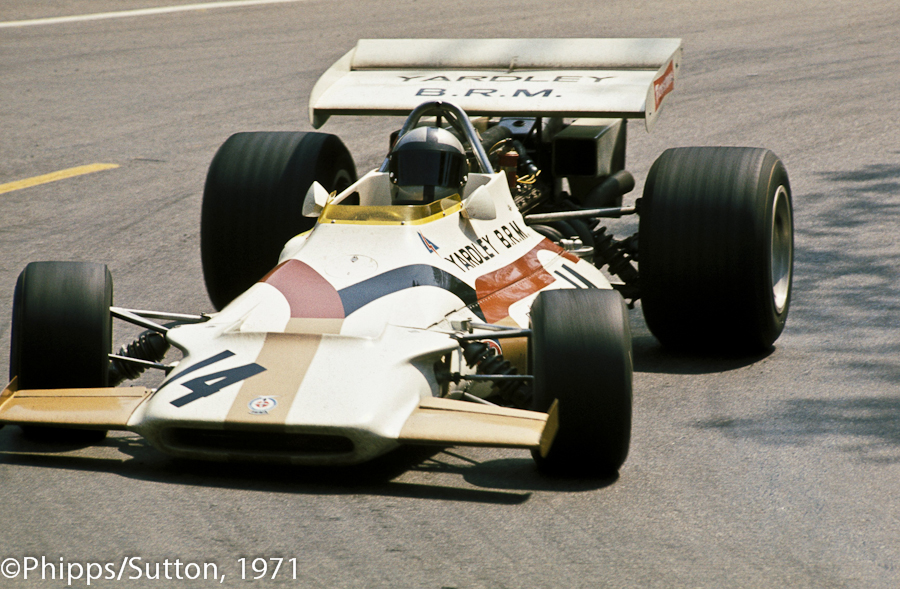
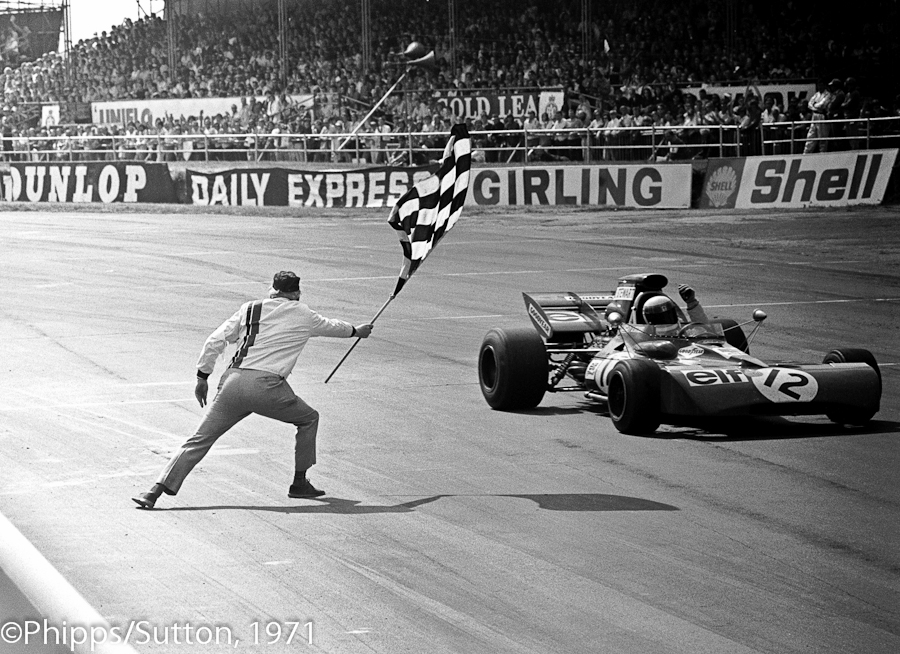
I had seen the Men and the Machines but there had been no fairy tale victory. Indeed things would take a very dark course for the rest of the year. The British Grand Prix was due to be held at Silverstone and I had persuaded a neighbour to let me come along with him. The BRMs that both Rodriguez and Siffert drove were competitive that season, arguably the last year that could be said. So I was really looking forward to seeing them take the fight to Jackie Stewart. Of course that did not happen, Pedro had decided to accept a drive the weekend before in Herbert Müller’s Ferrari 512 at the Norisring. Early in the first race a front tyre punctured, the Ferrari went out of control and hit a concrete wall. The impact destroyed the car and Pedro died soon after from the injuries received in the accident. Back then there was no internet, no TV news channels, so I did not hear anything about  the death of the Mexican till a few days later when I was back at school, it was very unreal, unbelievable. Of course it was very real and all too believable. Two BRMs lined up at the Grand Prix instead of three and I had almost lost interest in the proceedings. It was a dull race dominated by Jackie Stewart but at least it was a proper summer’s day at Silverstone. No Pedro though.
P160

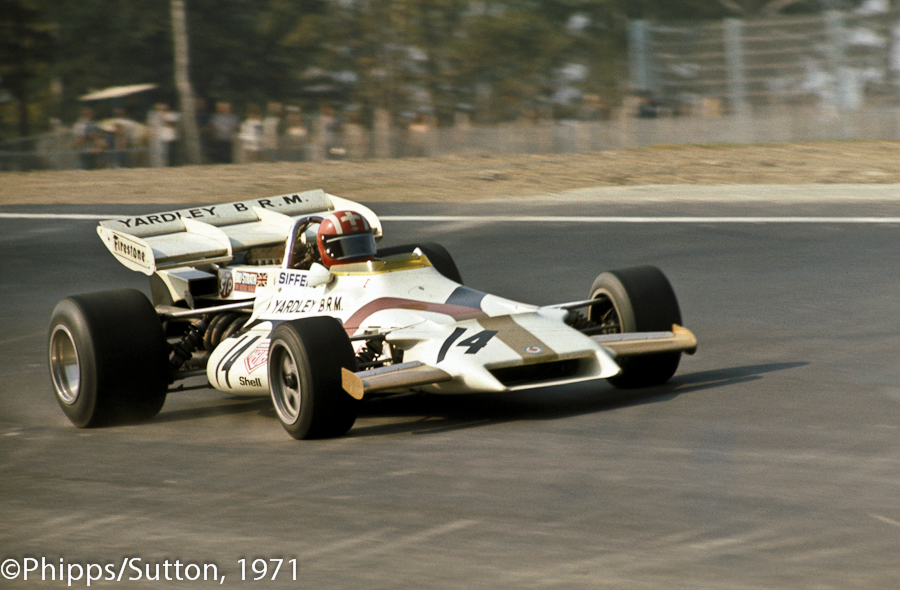
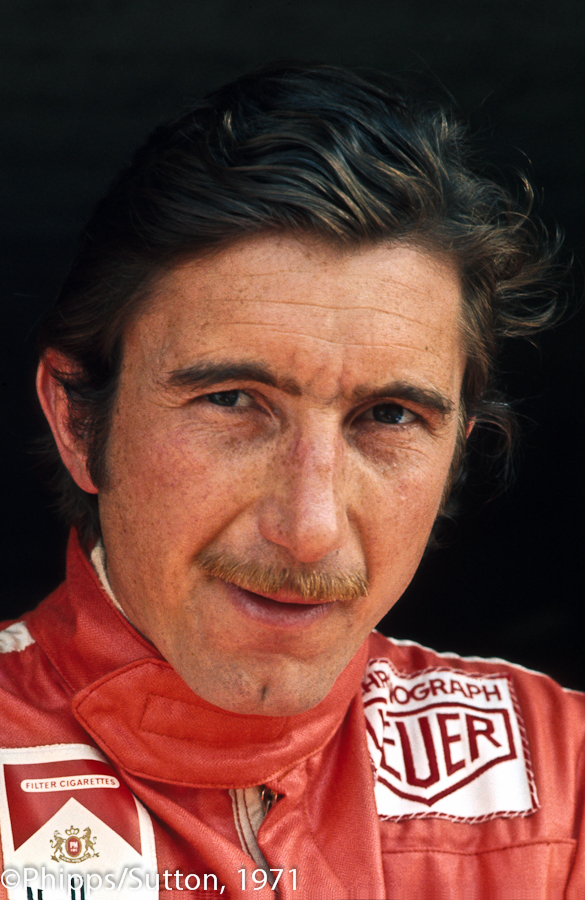
Later that summer the news arrived regarding the cancellation of the Mexican Grand Prix due to be run in October. A replacement event was put together, The Rothmans World Championships Victory Race, to be held at, yes, Brands Hatch. Another chance to see Formula One, in my back yard, this race was to be held in the honour of the new World Champions, Jackie Stewart and Tyrrell. Jo Siffert had stepped up to the plate after the death of his team mate and had won the Austrian Grand Prix, as well as taking the lead role in Porsche’s Can-Am campaign. So he was one of the favourites for the last race of the year and indeed started from pole position. My mate James and I made another journey by train and bus to arrive in time for the race. We wondered over to South Bank to the point where the cars head out of the stadium onto the Grand Prix loop. It was a beautiful sunny day, generally a good way to sign off a difficult season. When the cars reached us on the first lap, a BRM was leading but the helmet was a dark blue and not the red and white of the Swiss flag, it was Peter Gethin not Jo Siffert.  The Swiss driver had a problem at the start and was down in 9th place. Gradually he climbed through the field up to 4th, then on lap 15 he accelerated away out our sight and never came back. It is thought that the rear suspension had failed at Pilgrims Drop, pitching the car into a bank where it rolled and collected a marshals’ post and then it exploded in flames. Attempts to rescue the unfortunate Siffert failed and he was asphyxiated in the delay, his only other injury was a broken ankle.
From our viewing point at the bottom of the circuit we could see nothing but it was clear that something was very wrong. We were advised that racing was done for the day (it was not) and to go home. So we trudged to bus stop and joined the queues, over 40,000 had turned out that day.  I still had no idea what had happened until arrived back at my house, my father broke the news to me. Another bad day.
Is it not passing brave to be a King, and ride in Triumph through Persepolis?

The year ended with death of my two heroes and the end of the endurance career of the Porsche 917. I have to admit that my interest in the sport dipped for a while as I struggled to understand the events of 1971, but motorsport is like a drug, once you are hooked you never really get over it. The year had seen the release of the film “Le Mans” which of course I had to see, and I did several times. The 917s and 512s, the stars, Le Mans, and some of the greatest action footage ever shot. The ACO should thank Steve McQueen every day that the sun rises, the coolest guy on the planet made the coolest movie about the coolest race. Even the sparse dialogue contained some philosophy that helped me to understand the motivation of drivers like Siffert and Rodriguez, in the face of almost certain death or injury.
“A lot of people go through life doing things badly. Racing’s important to men who do it well. When you’re racing, it… it’s life. Anything that happens before or after… is just waiting.”
Michael Delaney’s words struck a chord with me, perhaps such a simple statement could explain why I am still chasing the sport some 40 years later. On balance I think I took the right road back then, there has been no looking back.
Seppi


John Brooks, February 2012
Speed Merchants

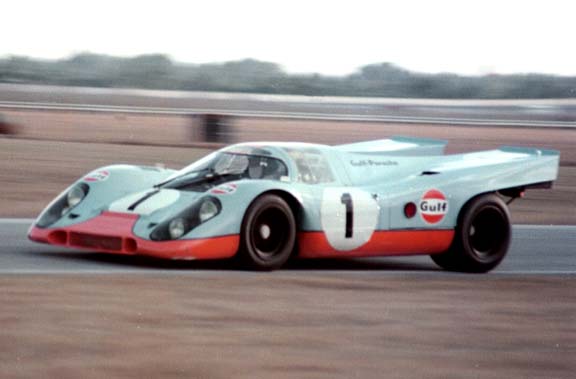
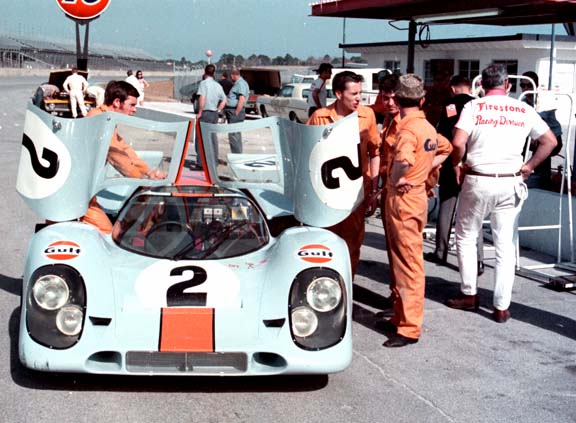
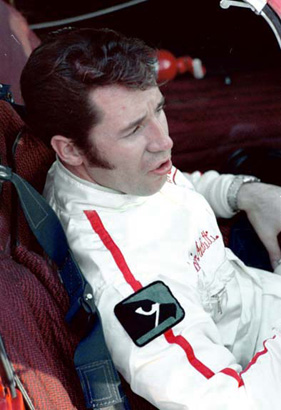
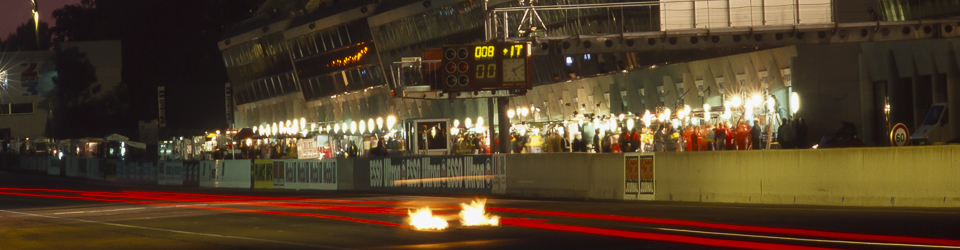
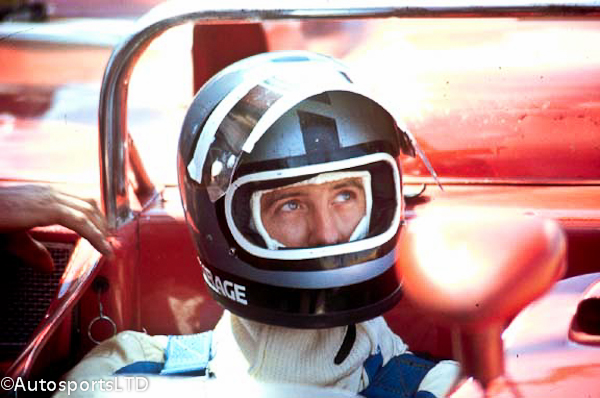
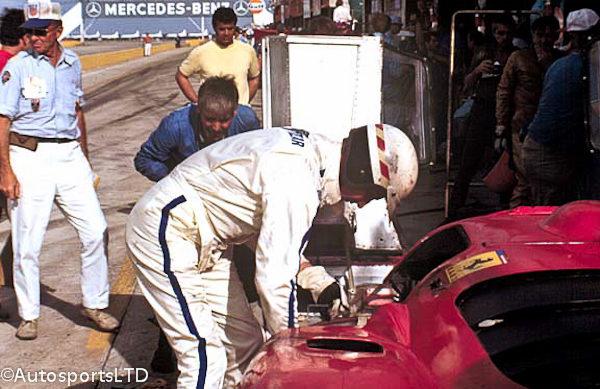
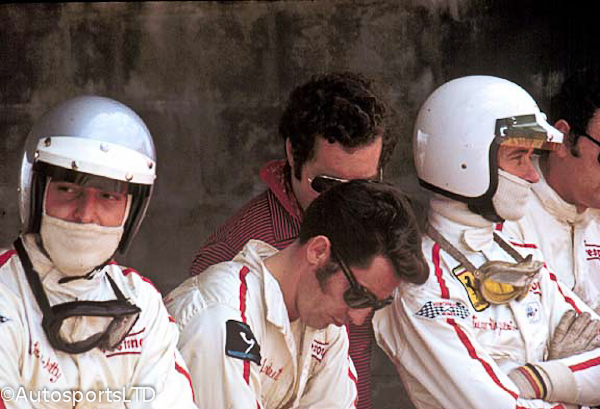
The few of you who read this blog regularly will know of my enthusiasm for the work of Michael Keyser. Aside from anything else he has the good taste to purchase images from me. Michael had a pretty handy record as a driver, including an outright win at Sebring, he has published many works which capture the essence of endurance racing in the early 70’s. So as the Sun is on its way towards Daytona Beach to herald another 24 Hour race, it is perhaps appropriate to look back to 1970 with the aid of his pictures.

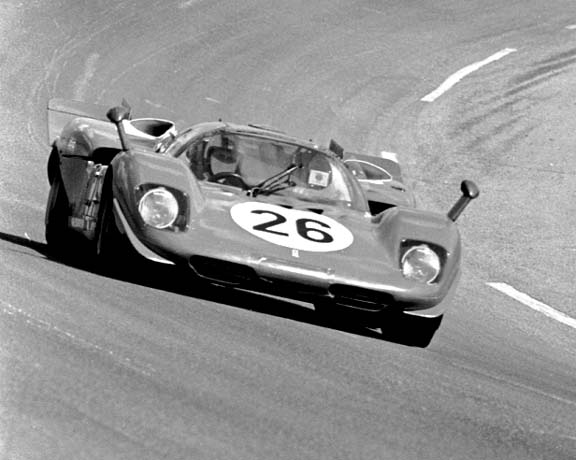
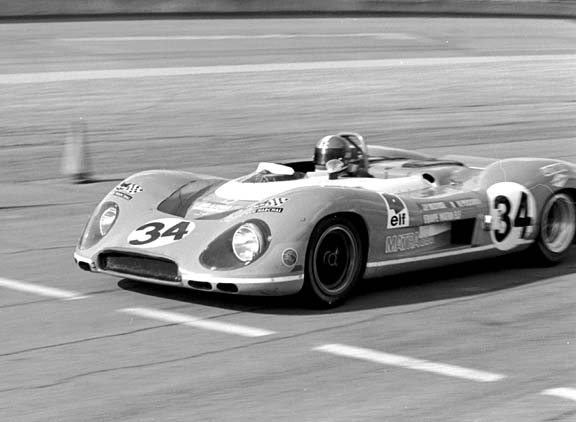
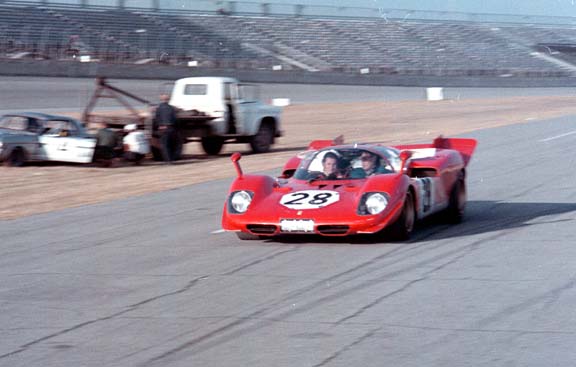
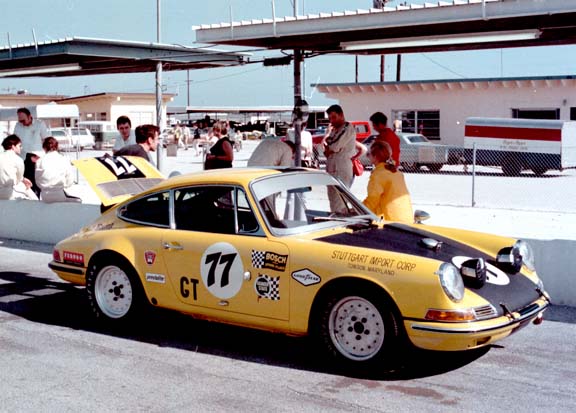
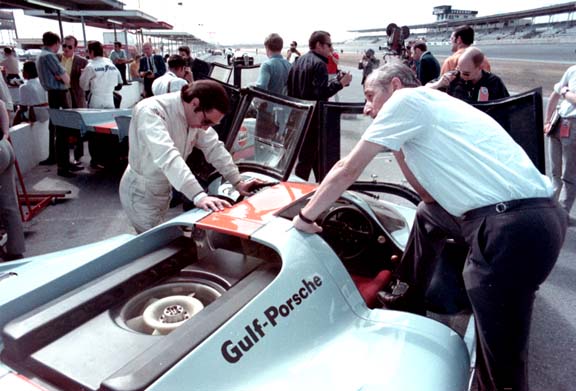
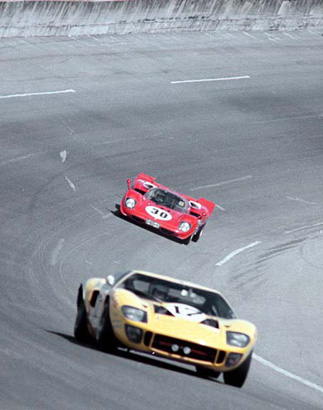
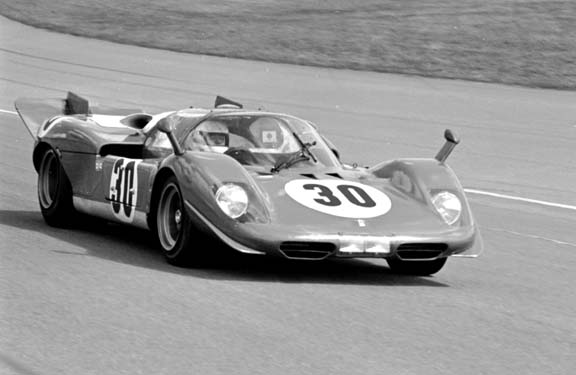
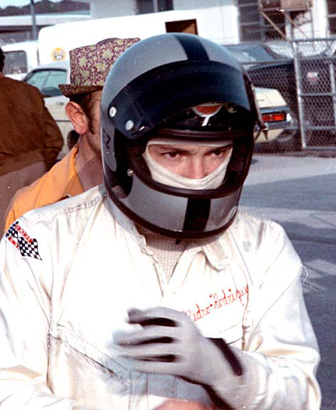
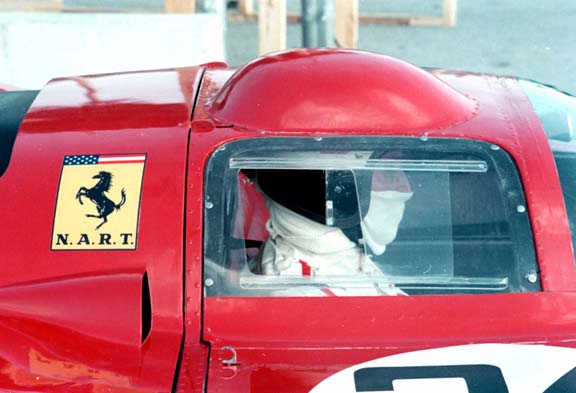
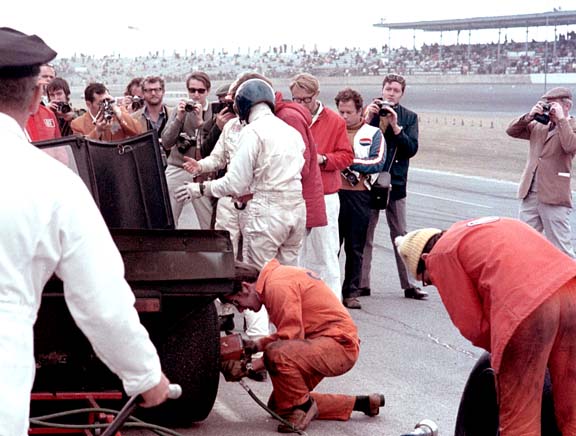
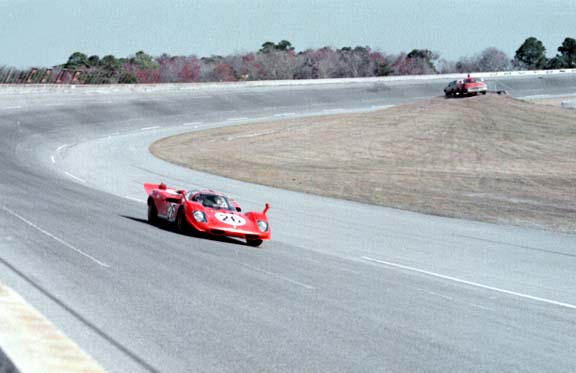
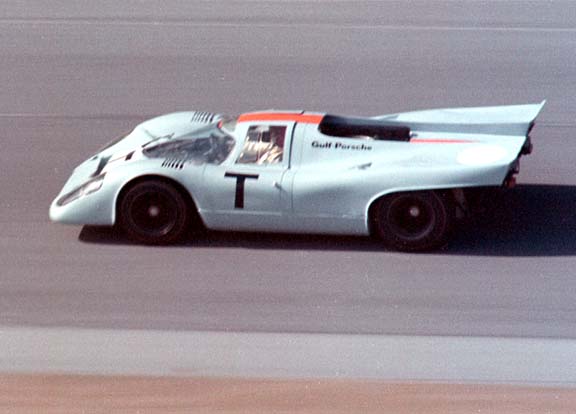
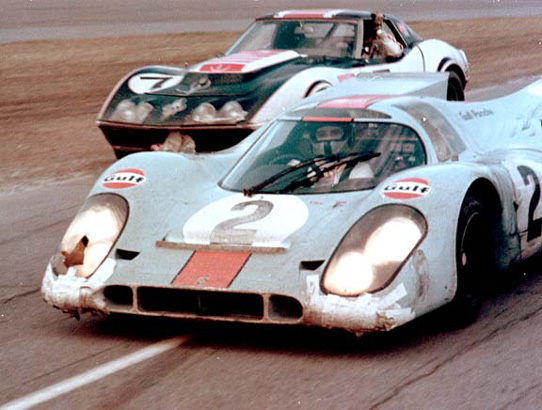
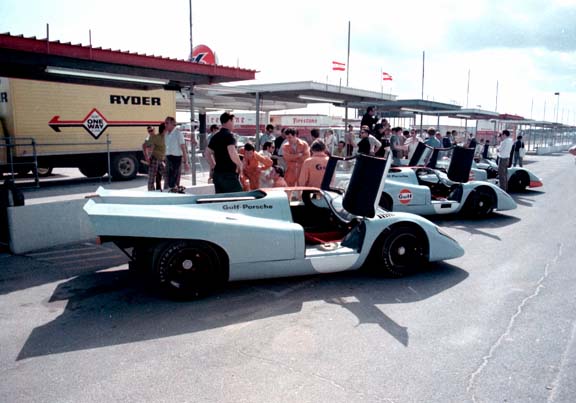
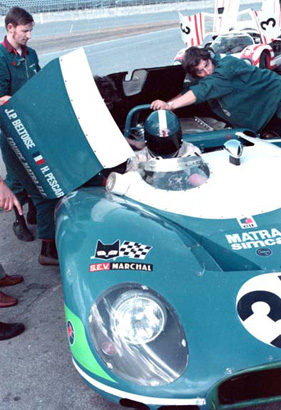
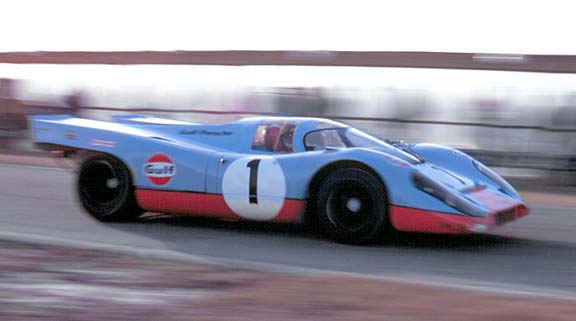
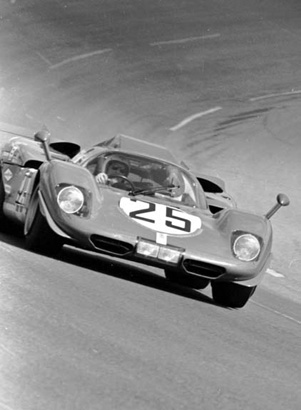
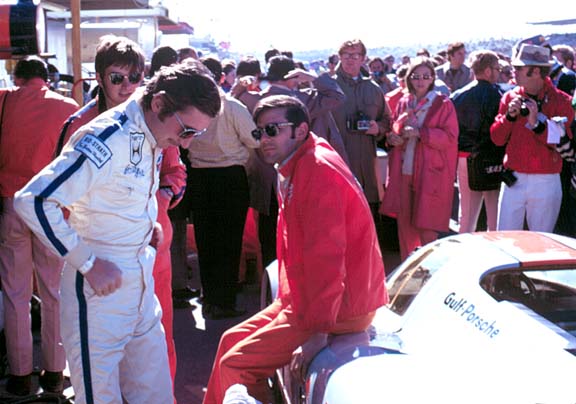
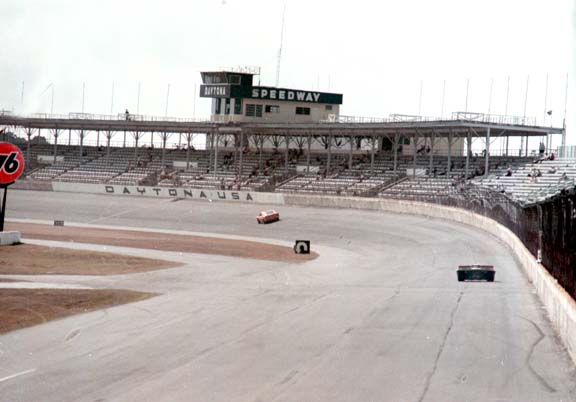
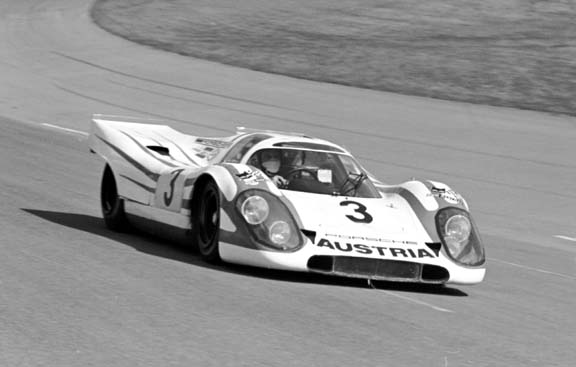
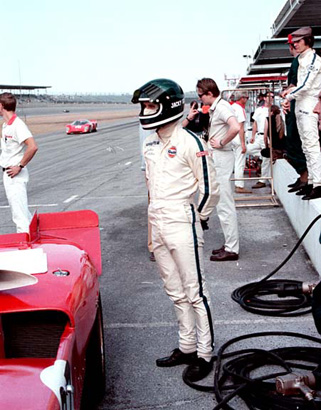
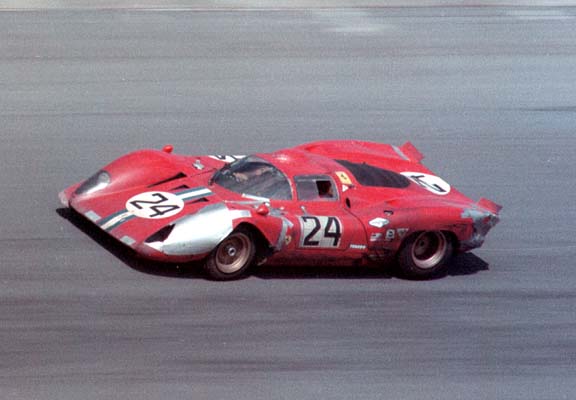
1970 saw a brilliant, if brief, struggle between Porsche and Ferrari with the 917 and 512. The first encounter of the year was on the banking in Volusia County. Five Ferrari 512 entries took on two Gulf JWA 917s, add to this two NART Ferrari 312P coupés, two Matras, another 917 from Porsche Salzburg, and let’s not forget the Volvo 122S. I somehow doubt that in 42 years time the contemporary grid will inspire as much affection or interest………..

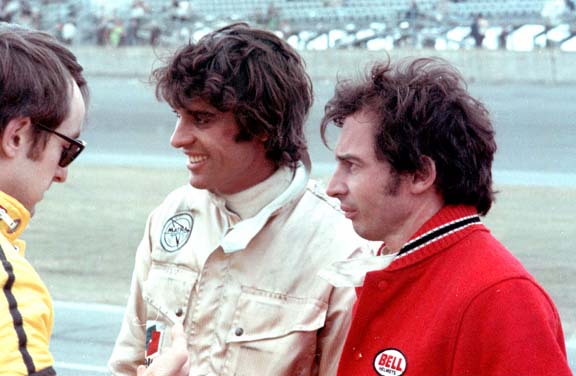
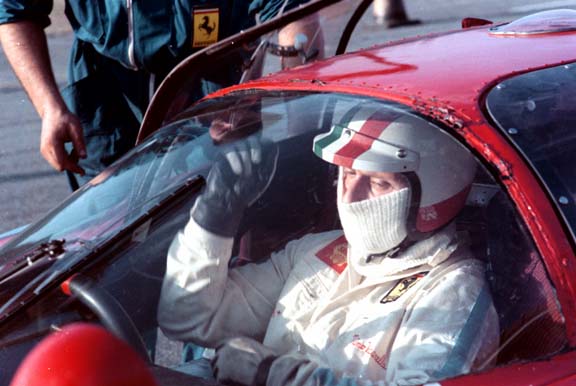
Much is made this year of the line up of driver talent that will be on display at the 2012 Rolex 24 and rightly so. However I think that the crop in 1970 was every bit as good, if not better………in no particular order.

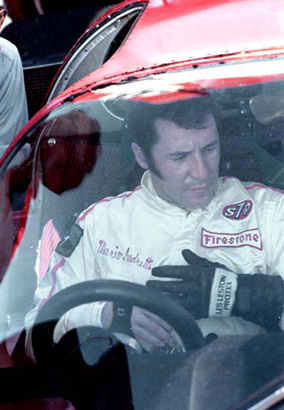
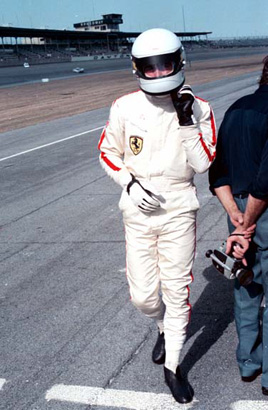
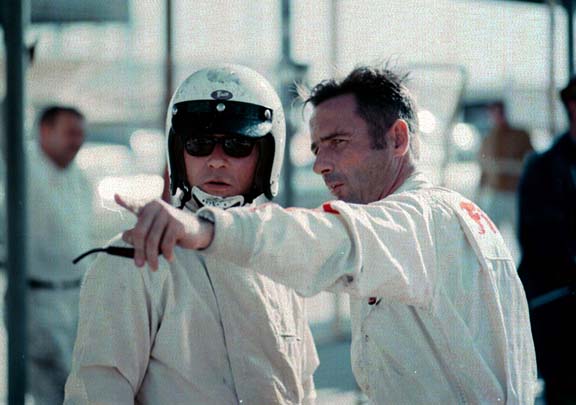
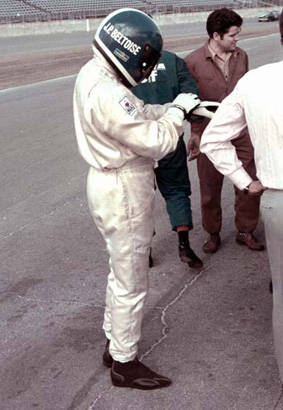
Pedro Rodriguez/Nino Vaccarella/Jacky Ickx/Mark Donohue/Peter Revson/Vic Elford/Gijs van Lennep/Dan Gurney/Jean-Pierre Beltoise/Henri Pescarolo/Francois Cevert/Jack Brabham/Jo Siffert/Brian Redman/Mario Andretti/Arturo Merzario to name but a few……….F1 World Champions, Grand Prix Winners, Le Mans Victors, Indy 500 Champs…………what a line up

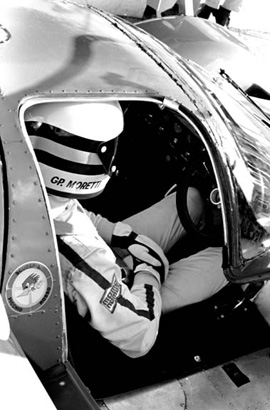
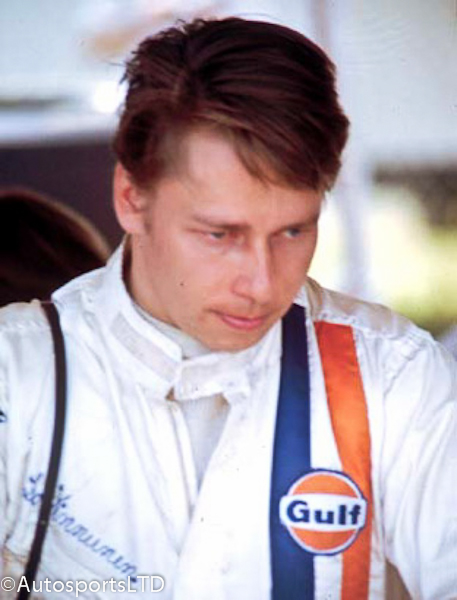
The race was a triumph for the Rodriguez/Kinnunen/Redman Gulf Porsche who had a winning margin of 45 laps. The crowd were kept entertained by a right old dust up for second place with the Siffert/Redman 917 just shading the 512 of Andretti/Merzario. Gianpiero Moretti made his Daytona race debut and had to wait another 28 years to win the race he coveted above all others. As if to reinforce the cosmopolitan nature of the event a Ferrari 250LM, at least 5 or 6 years old at that point, finished seventh overall and the Volvo retired.

One thing is certain, the 2012 race will be much closer…………….

All the images are courtesy and copyright of Michael Keyser and more can be seen HERE

John Brooks January 2012

Cat With A Hot Tin Roof

The U Haul Grandstand

It is a widely accepted fact that the 24 Hours of Daytona is one of the toughest endurance races on the calendar. Traffic, extremes of weather and the very long night, added to the layout of the infield course at Daytona International Speedway make for a race that stretches man and machine.

Sunset Boulevard

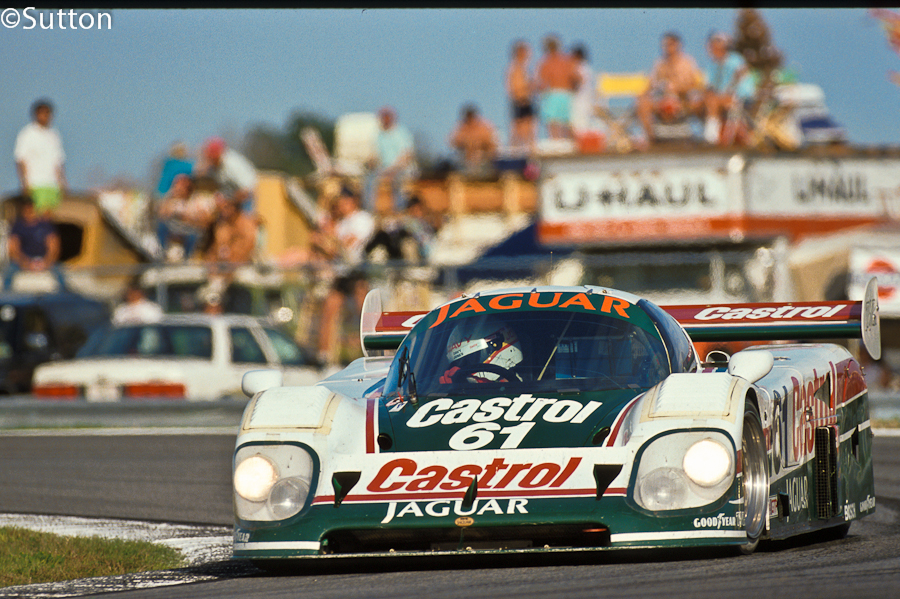
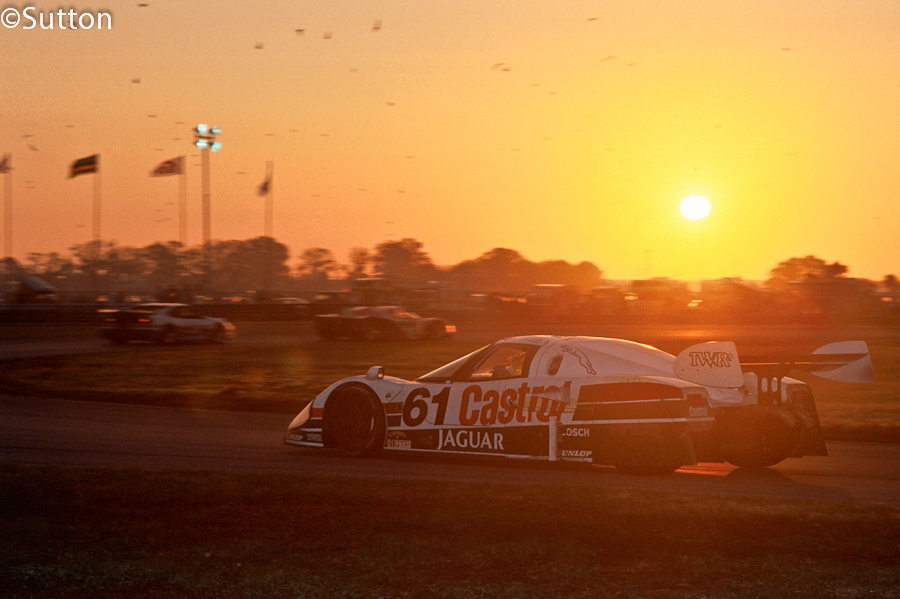
To win takes a heap of intestinal fortitude and a dollop of good fortune. For a team to finish 1-2 is really something special. So achieving that feat in 1990 was a truly great performance for the TWR Jaguar outfit.

Sun Bank

Their opposition came from a bunch of muscular, but ageing, IMSA privateer Porsche 962 entries and a brace of factory Nissans. As is customary at Daytona, the dreams of most of the pre-race favourites were over by the halfway point, tales of woe were to be found up and down the pit lane.

Anyone Fancy A Cuppa?

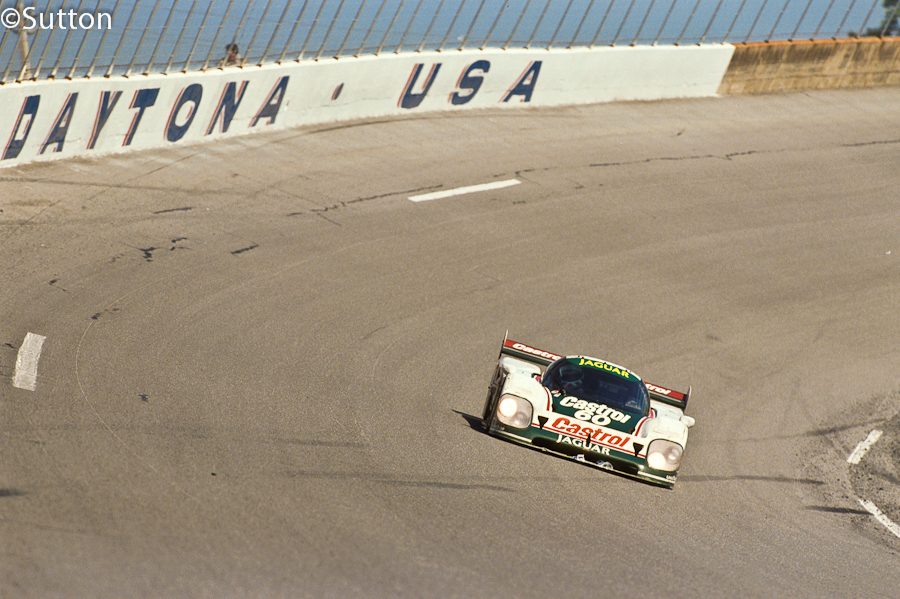
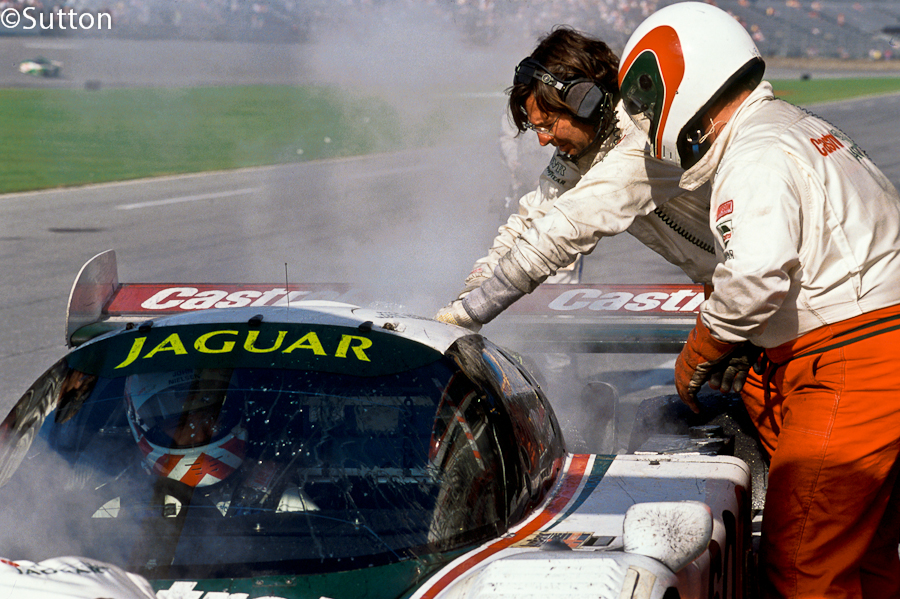
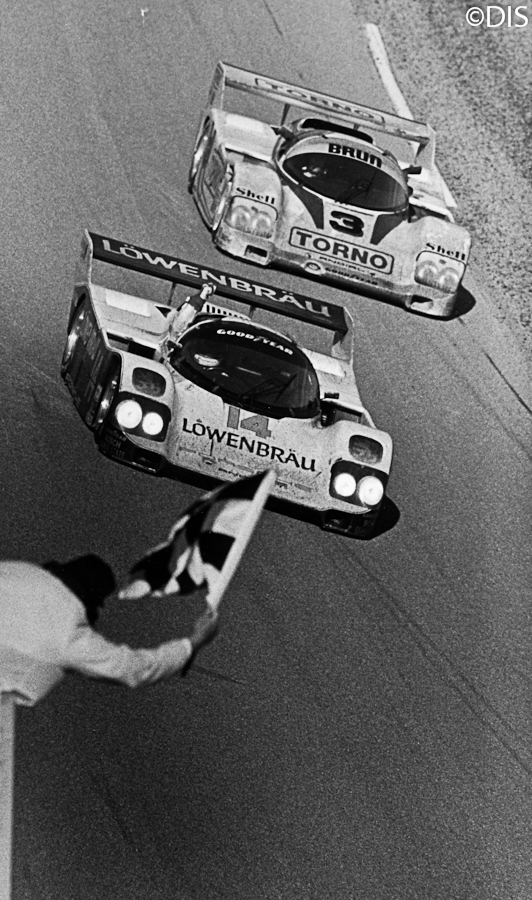
Despite a 15 lap advantage at one point, even the Jaguar XJR-12 pair struggled to get to the finish in working order. Both of the glorious V12 engines suffering with overheating but TWR’s Guvnor, Tony Dowe, was equal to the task. The story goes that the team’s tea urn was put to good use, mixing boiling water and radiator sealant in sufficient quantities to flush out the cooling system and keep both cars running. In the end the #61 car of Jan Lammers, Davy Jones and Andy Wallace had a four lap advantage over #60 with Martin Brundle, John Nielsen and Price Cobb aboard.

Savour The Moment

So the 1990 Daytona 24 Hours was a triumph for one of the truly great endurance racing outfits of any era. Astoundingly the North American part of the TWR organisation was destined to repeat this triumph some months in France. But that, as they say in the movies, is another story……………

John Brooks. January 2012
Daytona Cobra Coupés

King Cobras

There will be much talk in the next week, especially from the PR flacks, about the 50th Anniversary of the Rolex 24 Hours. Well back in the 60’s Rolex did not sponsor the event and the race was only extended to 24 Hours in 1966, but hey why get in the way of a good headline? Plus it gives the Good Ol’ Boys down on International Speedway Boulevard an excuse to repeat the celebrations in four years and who wants to be a party pooper?

In 1965 the sportscar endurance event held at Daytona International Speedway was over a distance of 2,000 kilometres or 327 laps. It took over 12 hours for the winner, a Ford GT40 driven by Ken Miles and Lloyd Ruby, to complete the distance.

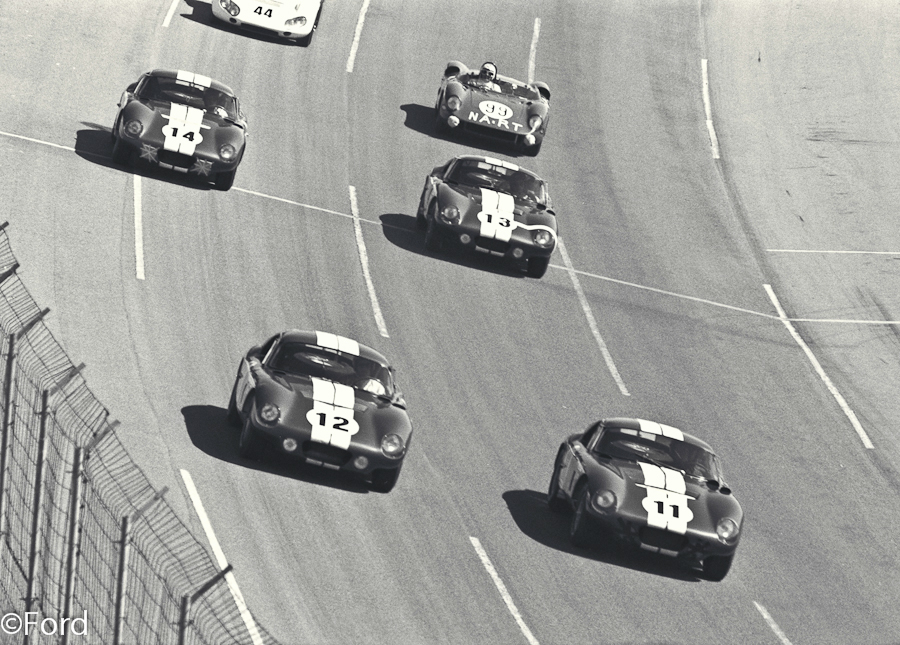
In 1965 the real success story for the Ford steamroller was that of the Shelby Daytona Cobra Coupés on their way to the FIA GT Manufacturer’s Championship. The opening salvo in that campaign was at Daytona and here are the four cars on the opening lap, flying in formation. #13 (CSX 2299) would finish second overall and top of the GT class with Jo Schlesser and Hal Keck on driving duties. This car was perhaps the most successful Daytona Cobra of them all, with class wins at Le Mans, Goodwood, Sebring and Oulton Park to add to the win on the banking in Florida.

John Brooks January 2012
Volusia On My Mind

The Bank Is Open

In an attempt to distance ourselves from Peugeot’s Napoleonic-style retreat from Moscow Le Mans, I suspect most of us will now focus on the State of Florida and Daytona Beach in particular, in the run up to the 2012 edition of the Rolex 24 Hours due next week.

So as a dedicated follower of fashion I will join the herd.

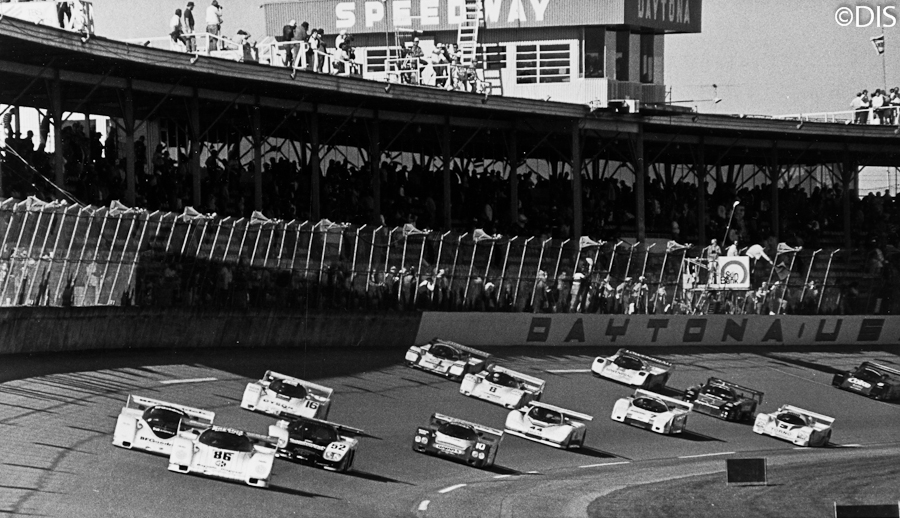
Here we have the Green Flag Lap for 1987. Klaus Ludwig leads in the Bruce Leven Porsche. As one would expect Bob Wollek is in hot pursuit but neither of these 962s would see the night arrive. Also falling by the wayside would be the third placed car at the start, the Chevrolet Corvette GTP……it was a typical race of attrition at Daytona International Speedway, often cited as the toughest of them all.

The eventual winner is at the rear of this pack, down in tenth; no matter, 24 hours and 753 laps later they would be steering into Victory Lane. Al Holbert, Derek Bell, Chip Robinson and Al Unser Jr. would score a second successive victory for Holbert Racing’s Porsche 962 at the Daytona 24 Hours. Holbert and Bell would repeat the performance a few months later by winning at Le Mans, also driving for Porsche. However it would be the final Floridian Classic victory for Holbert as he would be killed in a plane crash the following year. By any standards he was one of the greatest endurance drivers of all time, three wins at Le Mans, two at Daytona and two at Sebring.

John Brooks, January 2012


The End Of The Road


I See It Shining Plain………..

The internet has for the most part been beneficial to me. It allows me to conduct what passes for my business in some sort of order and it has introduced me to many good people around the globe. It is also the biggest time waster invented since bureaucrats crawled out of the swamps in Jurassic times, but I digress.

Michael Keyser is someone who should be familiar to sportscar fans, especially the more fanatical amongst you. Real anoraks will recall him winning the 1976 Sebring 12 Hours with Al Holbert, well the few that were sober at that particular event. As the doyen of chassis plate fondlers, Janos Wimpffen, describes the scene in his epic work Time and Two Seats.

“None of the on-track incidents were as thrilling as those of the notorious Green Park spectator area. Several large bonfires had been started, wild parties were in full swing, and one section by Turn Seven had been taken over by a motorcycle gang. In full view of the passing race cars, a woman mounted a bike and performed a striptease. Needless to say, lap times slowed considerably.”

Typical of me to miss fun like that, still ’76 was the long, hot summer of James Hunt and I am sure that he would have enjoyed racing in such conditions. I certainly have some vague memories of a few wild days myself that year, it was the spirit of the time, but perhaps I imagined it all.

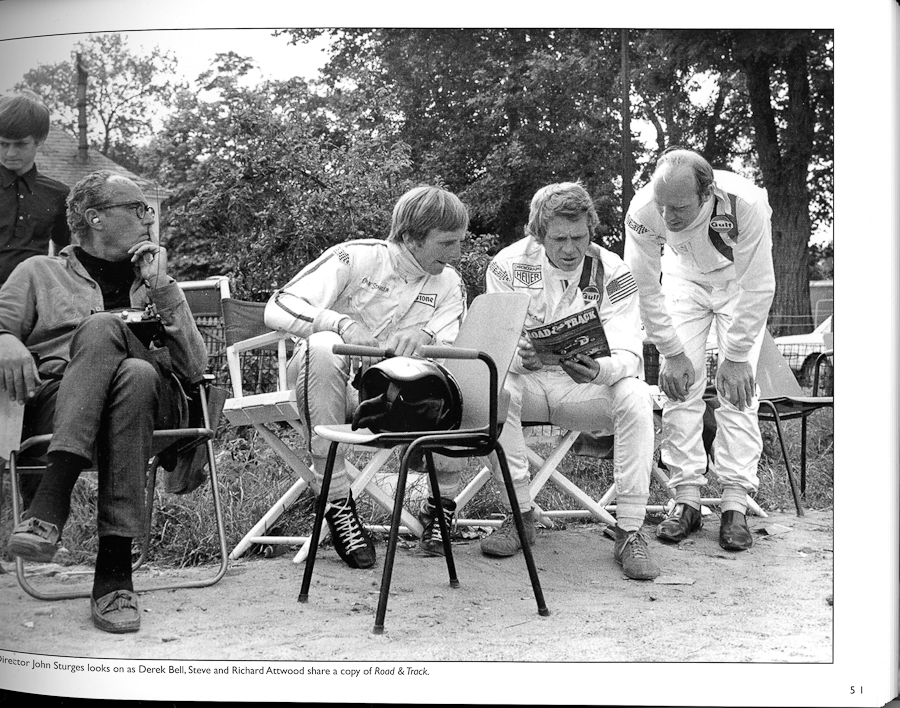
Michael Keyser is also known for his work as an author and film maker, in particular “A French Kiss With Death” about Steve McQueen and the making of the movie Le Mans.

Le Mans is certainly a candidate for the Oscar awarded to maddest film ever conceived. No plot to speak of, no dialogue really and obsessively focused on a race that most the audience had never heard of. It was a commercial disaster when released but since has grown to achieve cult status. Partly this is a consequence of the purity of the production, no CGI and McQueen’s insistence on emulating real racing from the time rather than allowing a Hollywood blockbuster approach.

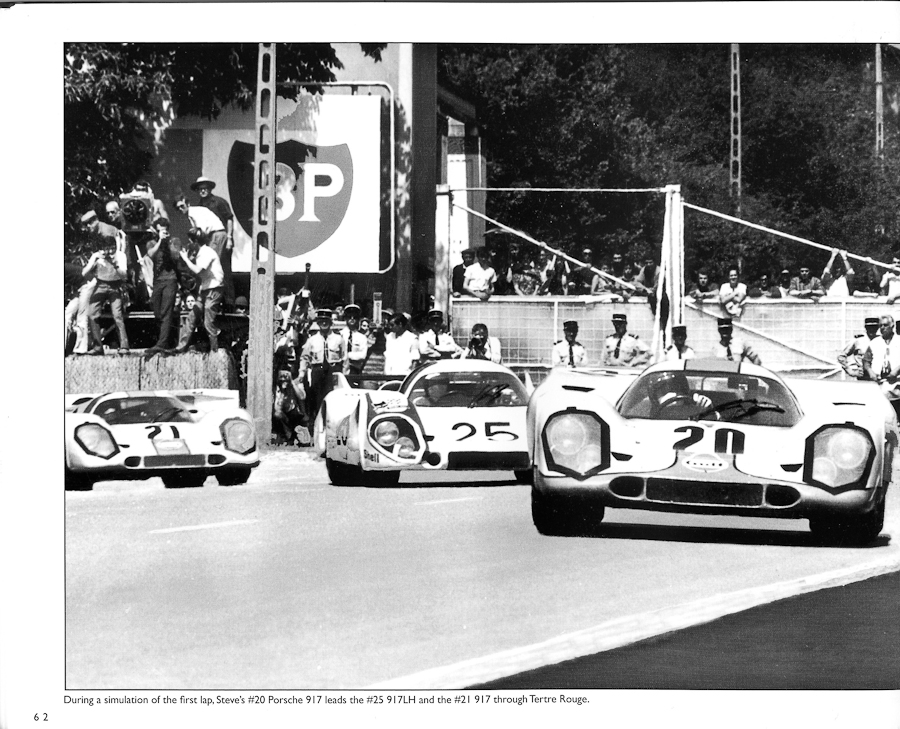
Perhaps the greatest appeal lies in the cast of cars, Porsche 917s and Ferrari 512s, surely some of the most evocative racers ever run. Like racing dragonflies they emerged in mid-69 and were gone by ’71. A golden time immortalised on screen, we can all be young again while drinking at this fountain of youth.

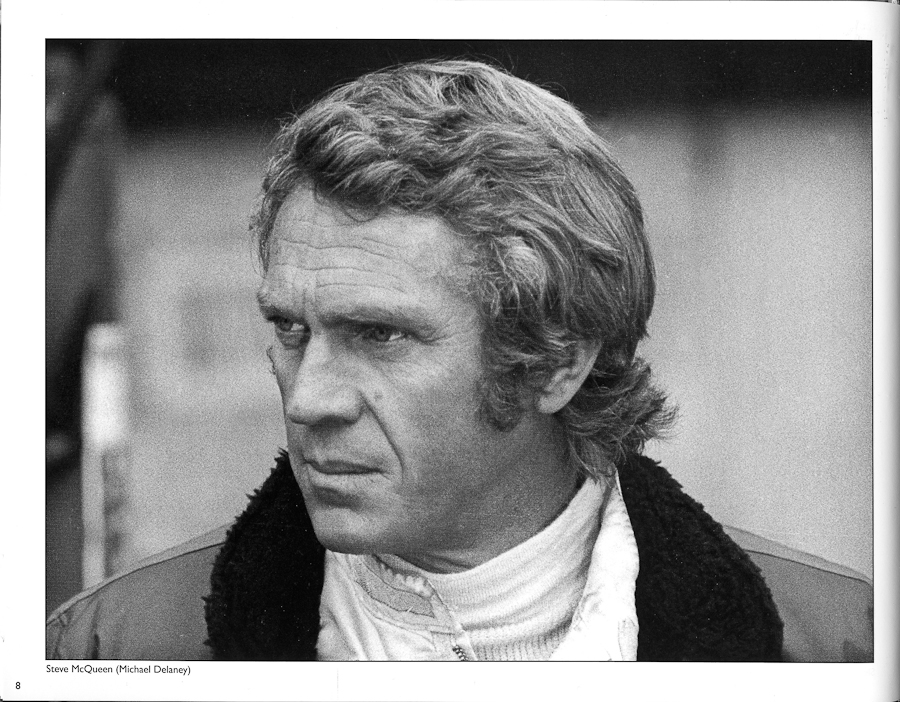
Steve McQueen was the coolest guy on the planet when he started making the film, he had just enjoyed huge success with Bullitt and here were the coolest cars, at the coolest race. What could go wrong?

Well that answer to that question judged in the long term, is not much. That is why the original book about the film sold so well, that and the fact it is a well researched and written account.

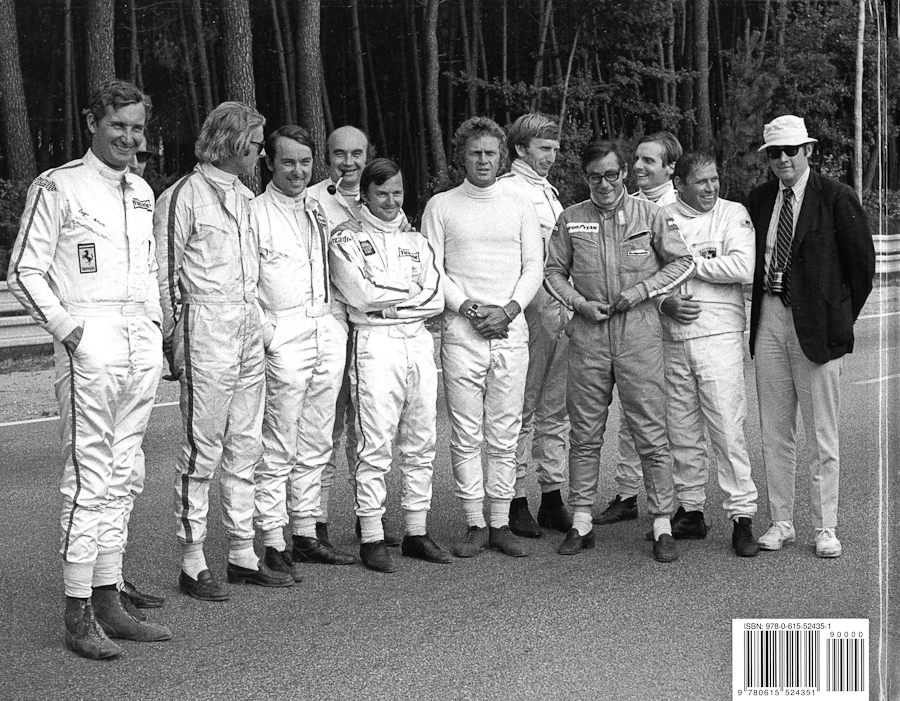
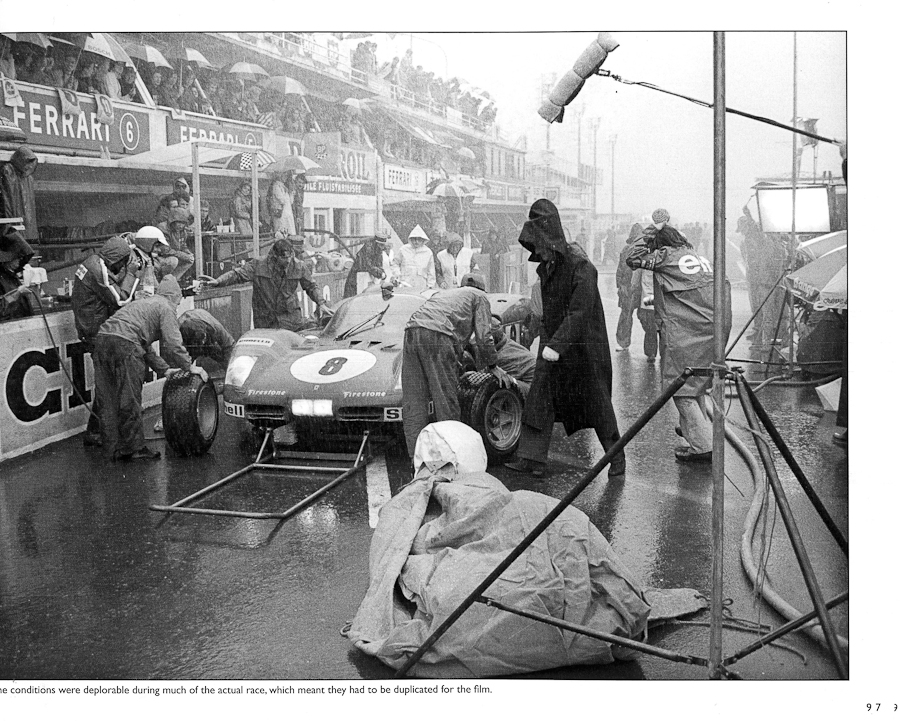
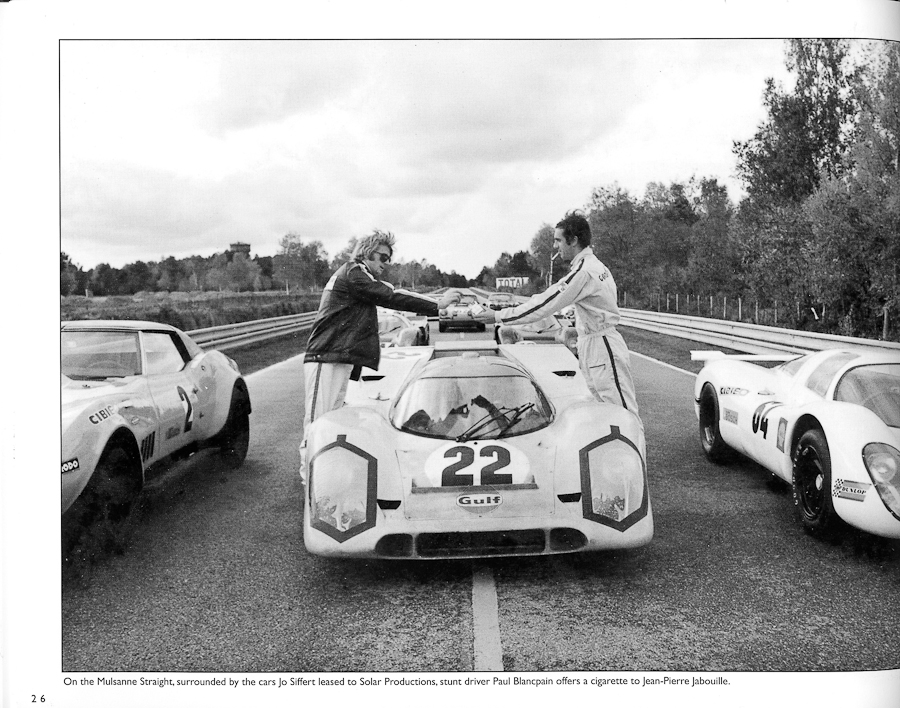
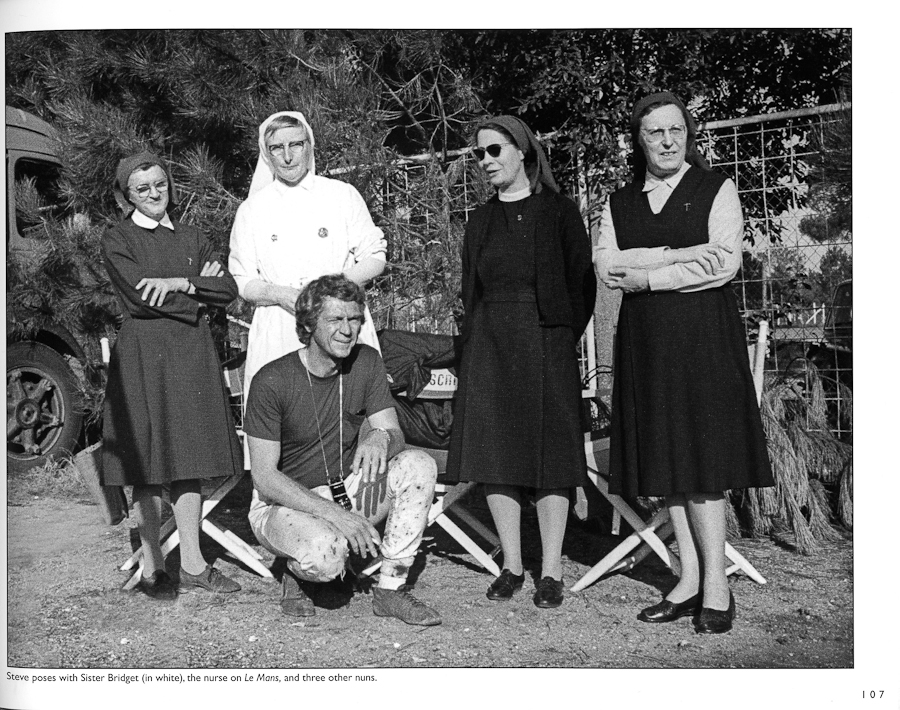
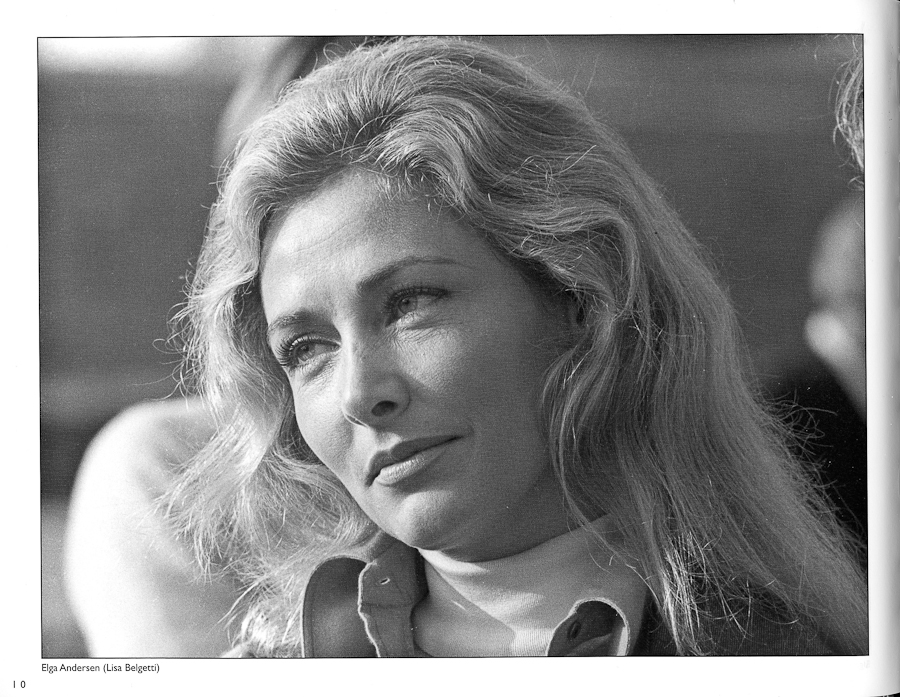
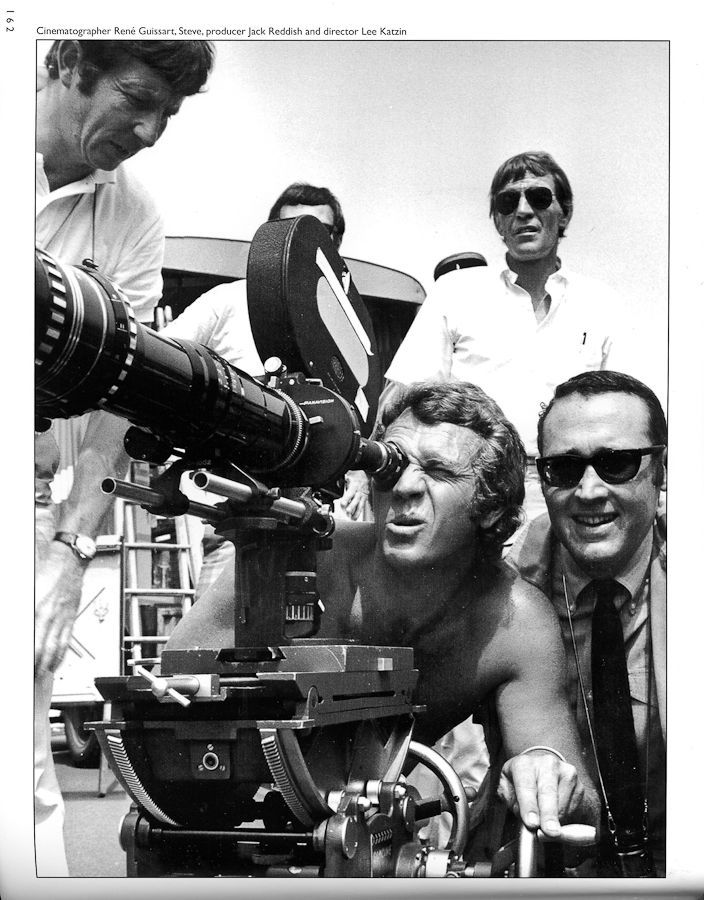
Les Vingt-Quatre Heures du Mans tends to attract obsessives and Hollywood’s version of the race receives similar attention, hence the raison d’être of this photo book. It is produced to the usual high standard associated with any Michael Keyser project. For those interested in the movie and its background, these images will add to their understanding and enjoyment of the film.

The majority of the shots were taken by the great photographer, Nigel Snowden. I was lucky enough to meet him in my early days trackside. He and his charming wife, Diana, were always very gracious to a complete no hoper like myself. The monochrome images have a depth to them that reflects a master at work. Despite what many of the up and comers of today imagine, there is nothing new in the world of photography. Composition, the ability to see the finished product before firing the shutter, is as important today as it always has been. The images in this book could act as a guide to many, of course they are too talented to see that.

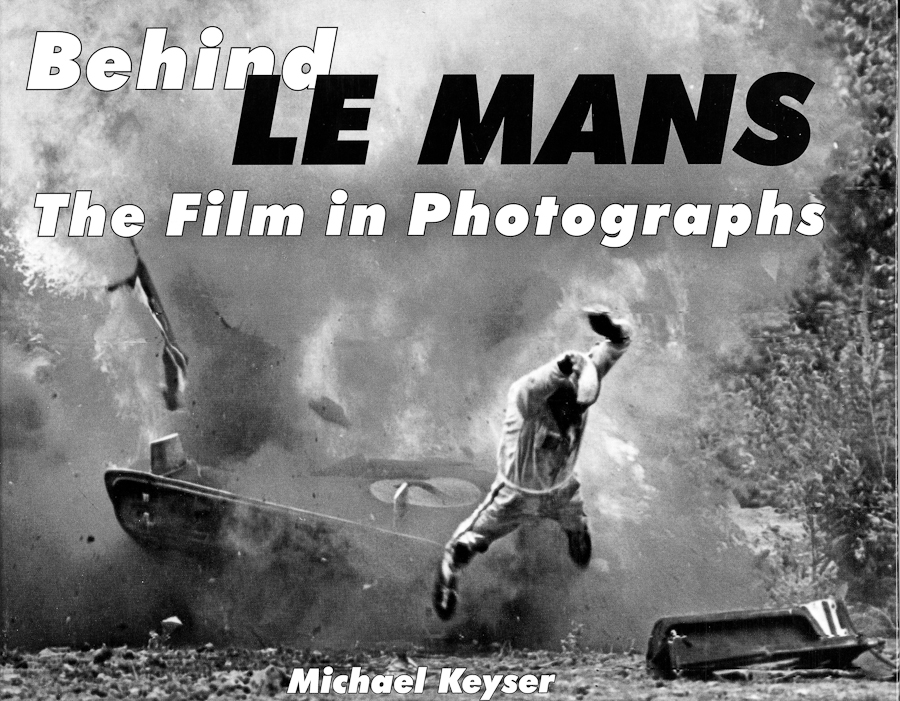
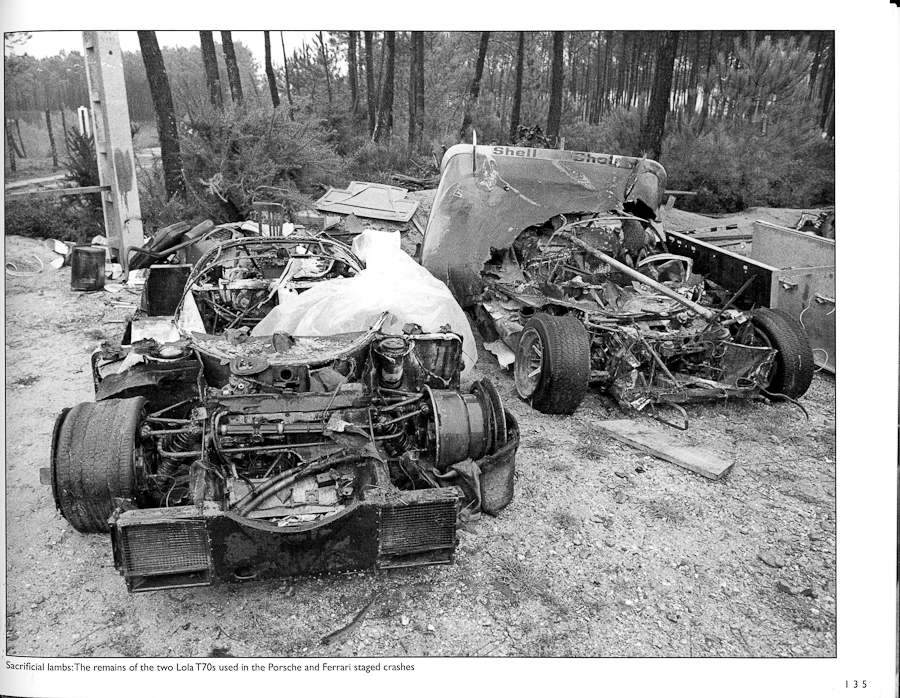
The whole story of the process of making the film is covered from the planned mayhem inflicted on two Lola T70s, disguised as a 917 and a 512.

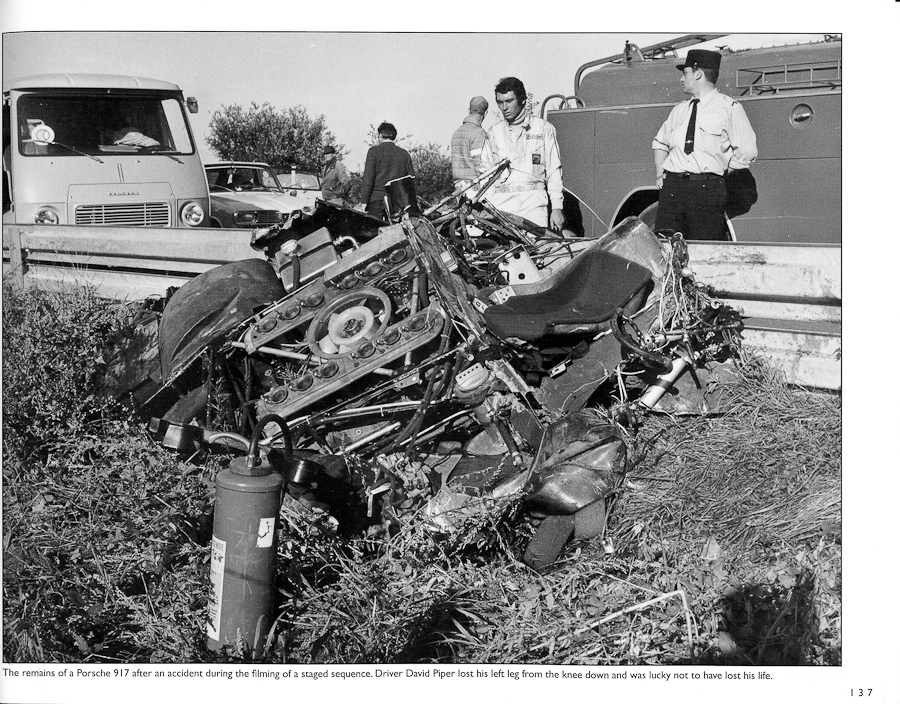
Art imitates life and as with real racing back then, there were unplanned accidents, this one costing David Piper his leg.

Perhaps the question is why should you buy this book ? That almost answers itself. Anyone who has more than a passing interest in the McQueen epic will enjoy this book, it has integrity and is a faithful depiction of the greatest movie ever made, or likely to be made, about the sport.

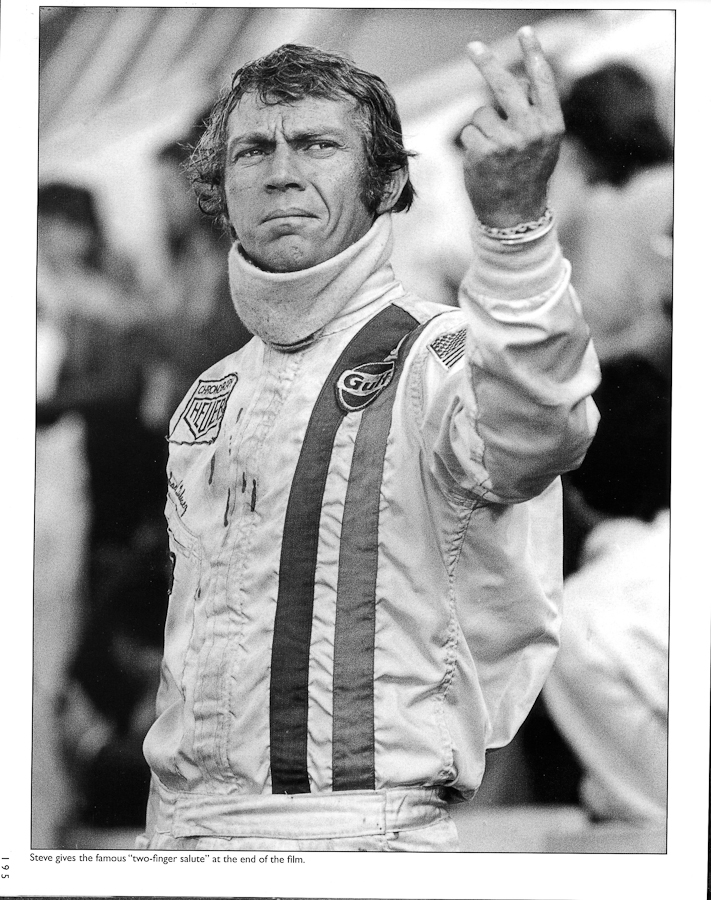
And who can resist this iconic, very British gesture, The Longbowman Salute? We have been winding up the French with it since Agincourt. Clearly Steve was one of us………………..

Those who might like to purchase a copy of this book can do so HERE

Apologies for the poor quality of the scans,

John Brooks, January 2012
Living The Dream

Very ‘appy

Back in late 1997 I decided to leave work and go motor racing. I would earn a crust as a photographer, well it should be easy enough, look at all the guys in F1, driving flash cars and living in big houses.

In common with most snappers of the time I was technologically illiterate and failed to see the massive iceberg on the horizon, the cheap DSLR. Sure there were some strange contraptions around that were “digital” but they cost a year’s salary and produced tiny images, OK for the Fleet Street Boys but not for us artists. Kodachrome and Velvia were our weapons of choice. It proved to be taking a knife to a gun fight. Since then, Titanic-like, we have sailed at full pelt into this object, wrecking our businesses in the process. It was going to be great, no more loading or buying  film, no more processing, no more chemicals, no more screwed up shots. It was all going to be easy.

Well that bit we got right, but the law of unintended consequences also followed. If it got easier for us, then the same would apply to those who wished to enjoy the hero status of being a professional motorsport photographer, now you struggle to give work away.

Red On Green

But at least we were living the dream.

Momo

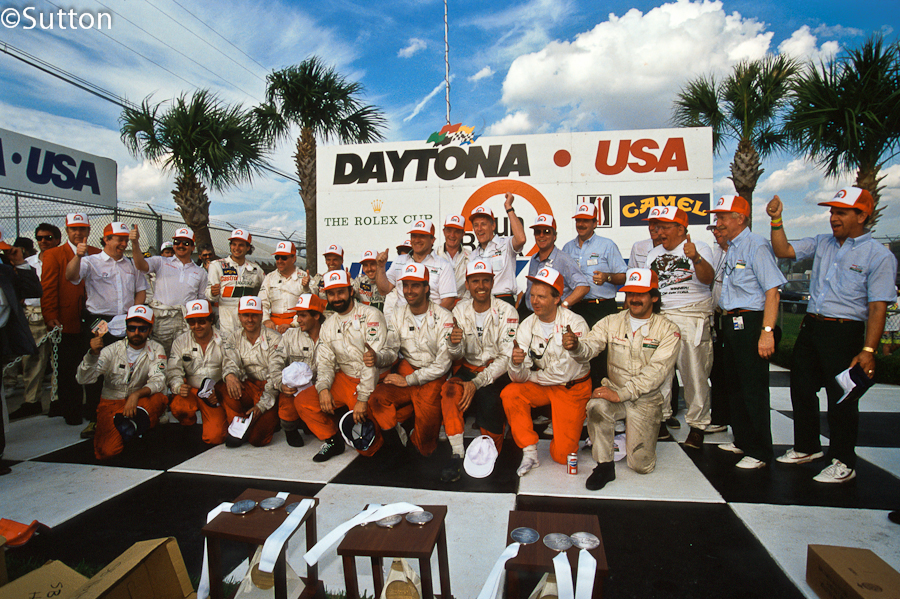
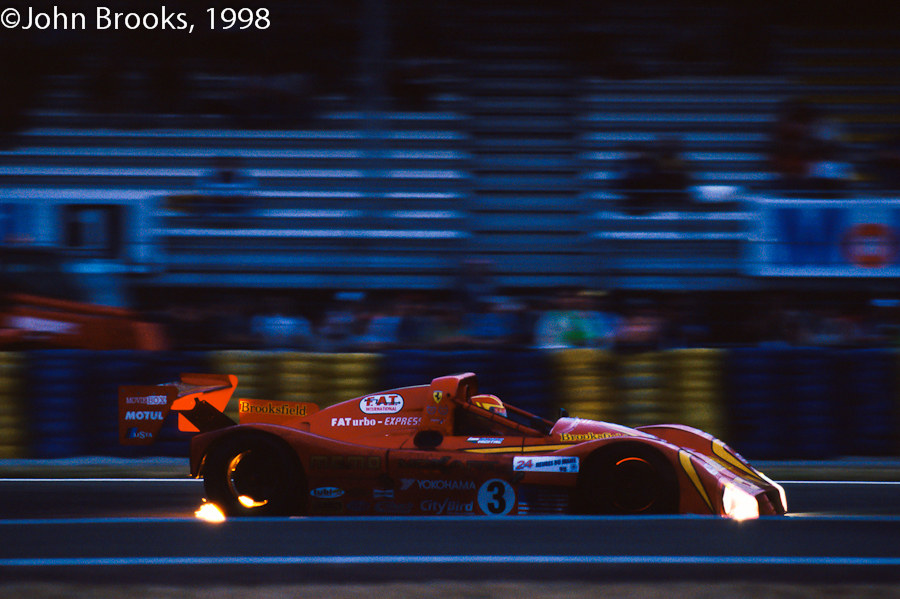
The first race I shot as a full time Pro was the 1998 Rolex 24 at Daytona International Speedway. It seemed a great adventure at the time, my costs paid for by the charming Laurence Pearce of Lister Cars fame. I thought that this was how it was going to be, travelling around at someone else’s expense, shooting race cars and getting paid for it. What a fool believes……………….

Keep The Flame Burning

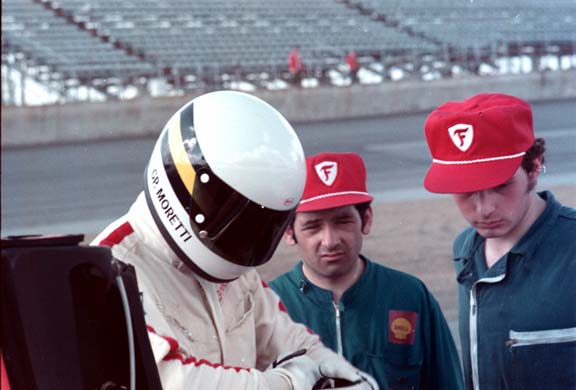
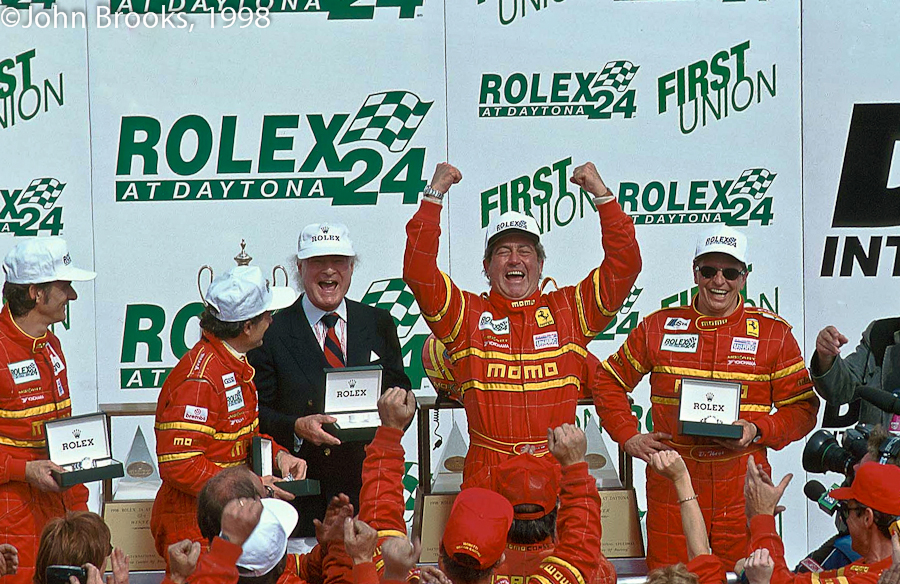
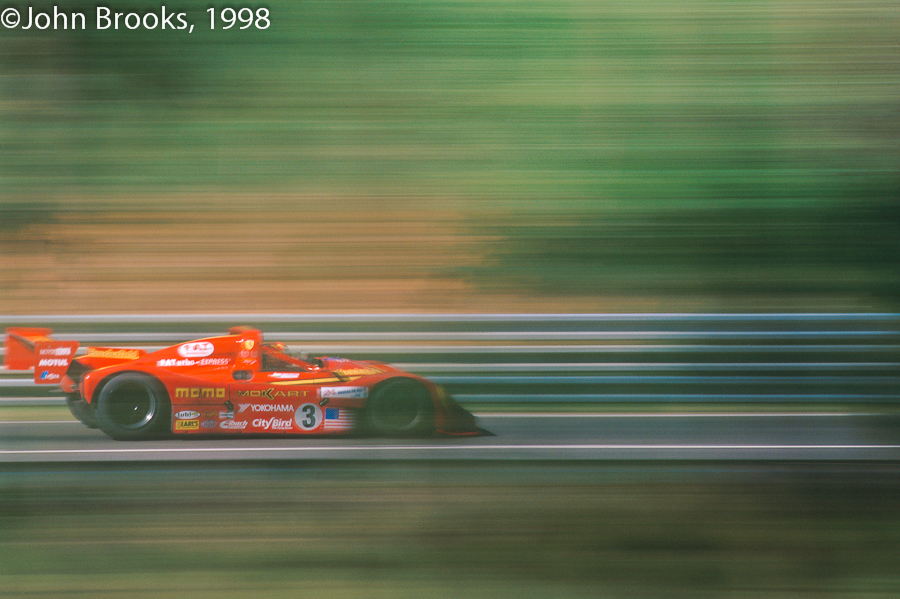
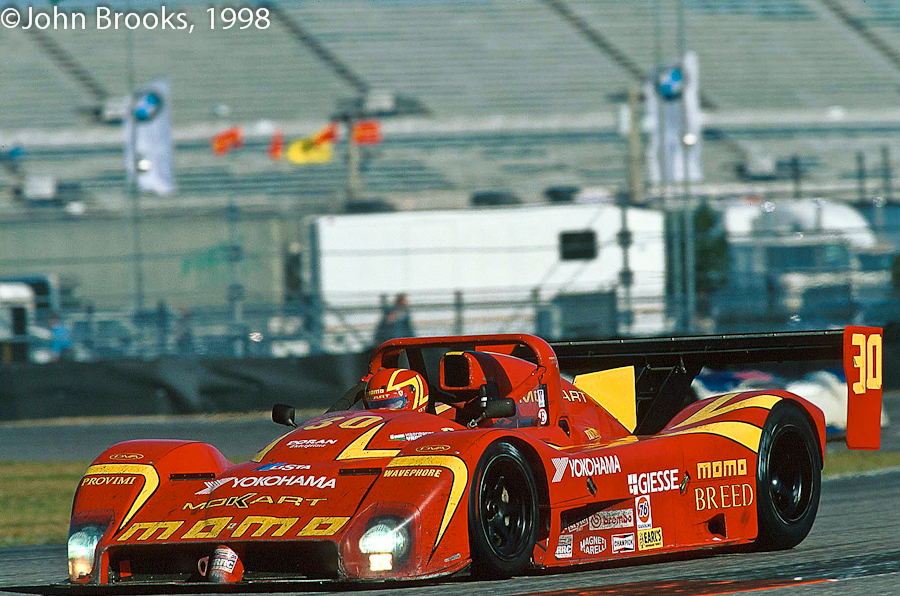
The winner of that race in Florida was one Gianpiero Moretti, who owned the fabulous Ferrari 333 SP that he drove to victory with Mauro Baldi, Arie Luyendyk and Didier Theys. “Momo” had chased success over many years in IMSA and 1998 he won the Big Three, Daytona, Sebring and Watkins Glen. Not bad for a guy in his late-50’s.

The news came down the Mojo wire at the weekend that Moretti had passed away, another good man gone. Living The Dream…….some get to do it better than others…………Rest In Peace, Momo.

John Brooks, January 2012
The Brooklands Battleship

New Years Day…….the plan had been to biff along to Brooklands for the traditional meeting….a late change to the running order means that Hampton Court Palace is now the destination.

Byfleet Banking

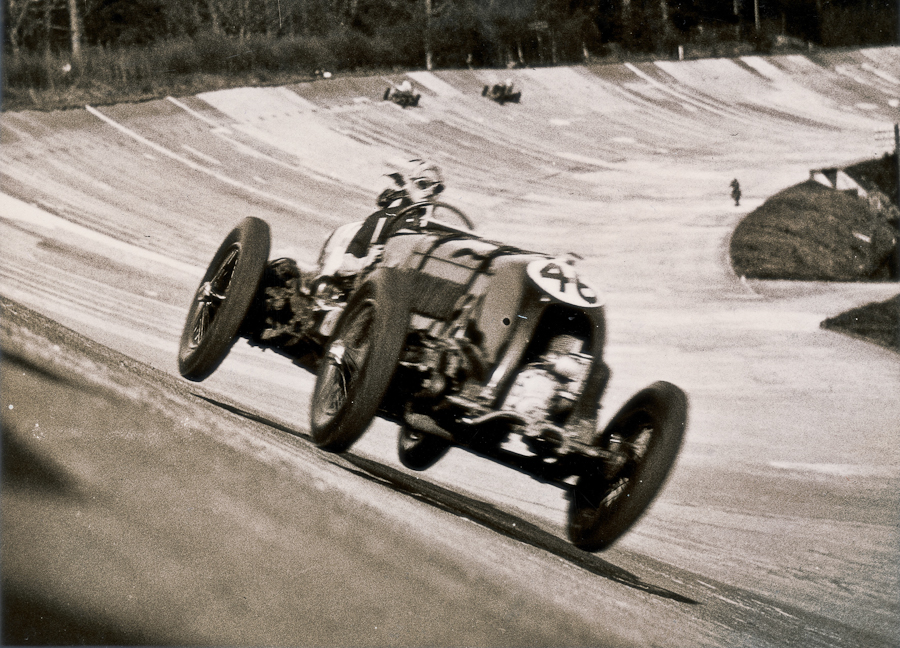
However as a substitute here is a snap from the glory days on the banks……The Brooklands Battleship’ – Blower 4 1/2 litre Bentley being driven by Sir Henry Birkin at Brooklands where it set a lap record of 137.96 mph in 1932……may I wish the one or two readers who stop by this remote outpost of the motorsport empire a happy and healthy 2012.
John Brooks, January 2012