Category Archives: Cool Stuff

Everything Must Go!

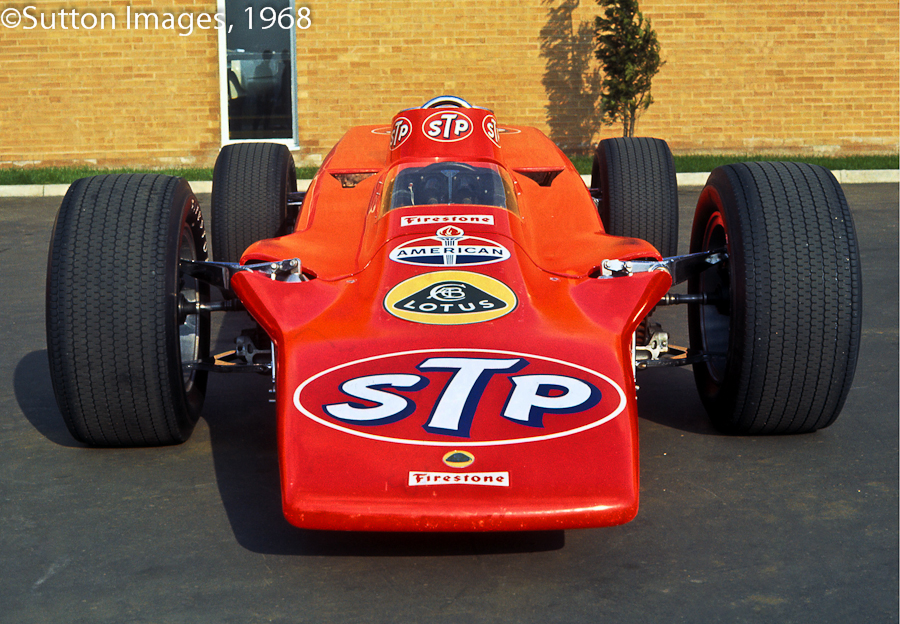
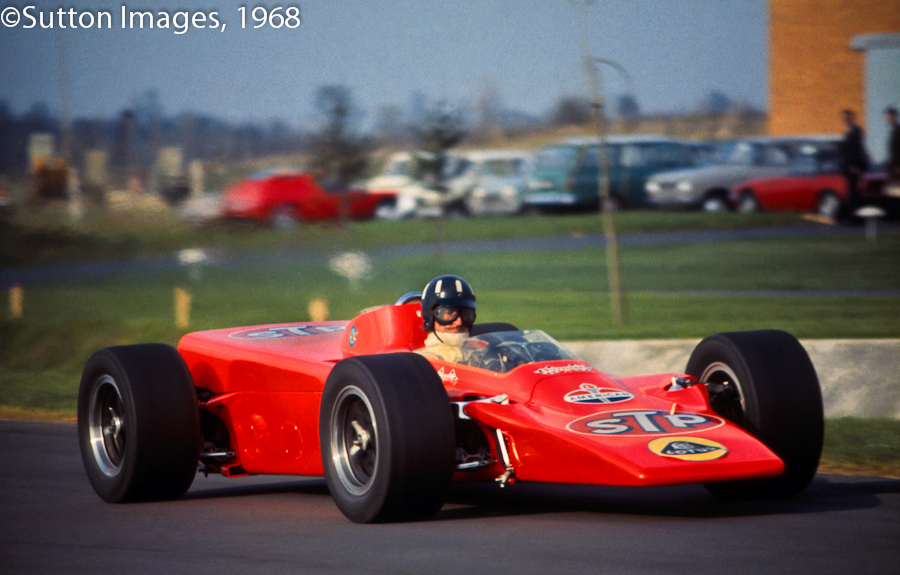
The internet site Ebay has many strange things for sale but I spotted this today and it just made me shake my head. Not really what you would expect to find.

http://cgi.ebay.com/ebaymotors/1968-Lotus-56-STP-Indy-wedge-car-/150646273609?pt=US_Cars_Trucks&hash=item231337b649#ht_2208wt_958

Lotus 56

The bit I most liked was the transport costs……Will deliver for $2 a mile round trip.

$1,500,000 asking price and they expect a delivery charge………………

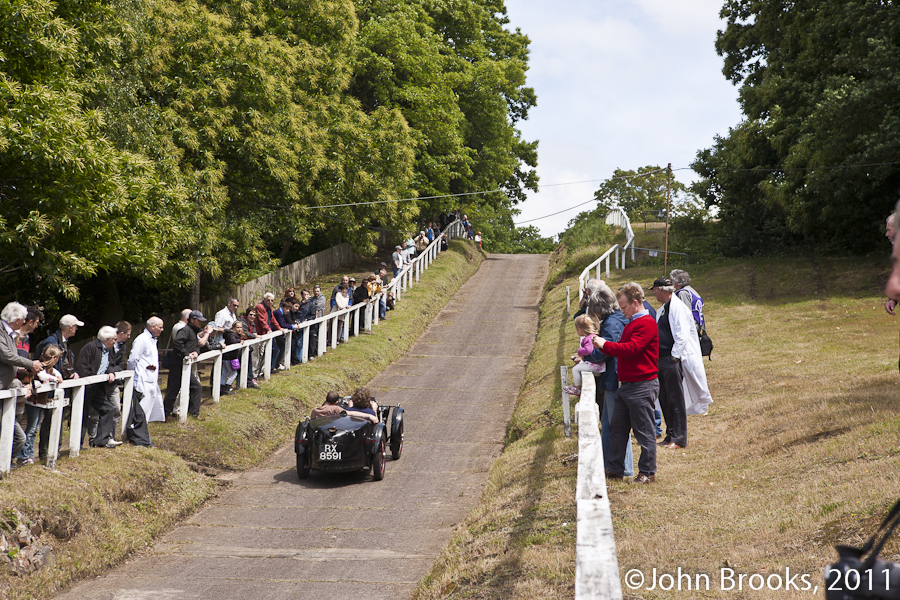
Hill at Hethel

It is a very cool car though.

John Brooks, August 2011


Classical Gas

Silverstone Classic

Is biggest necessarily best?


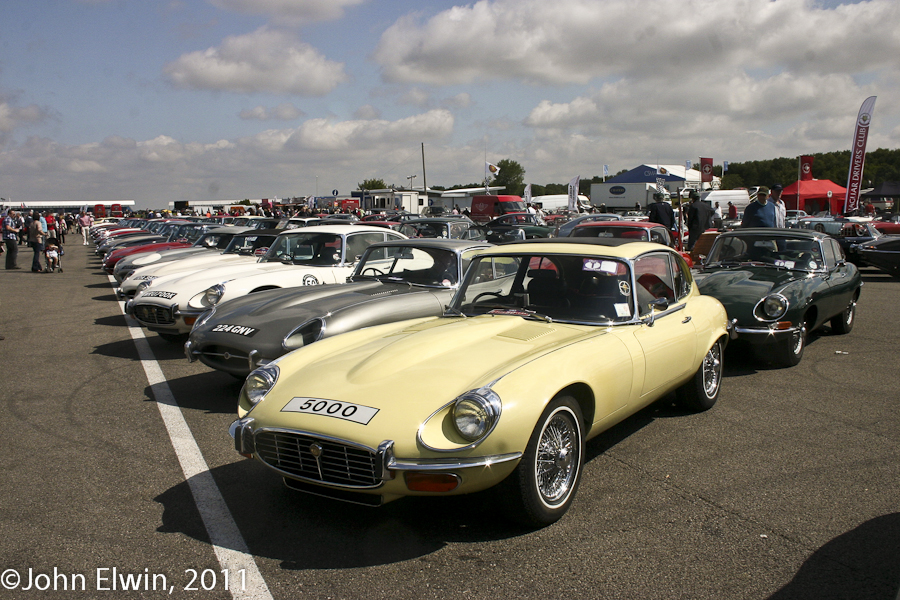
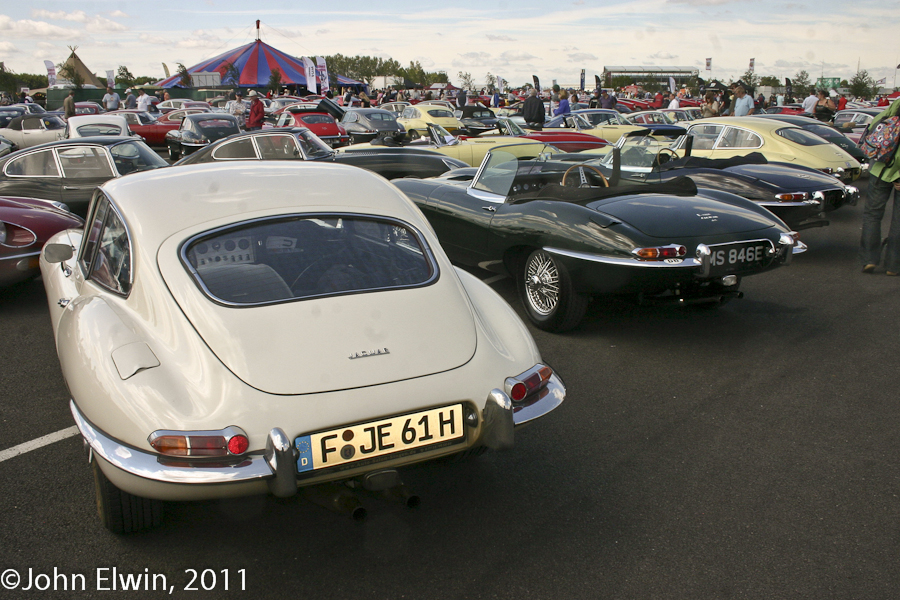
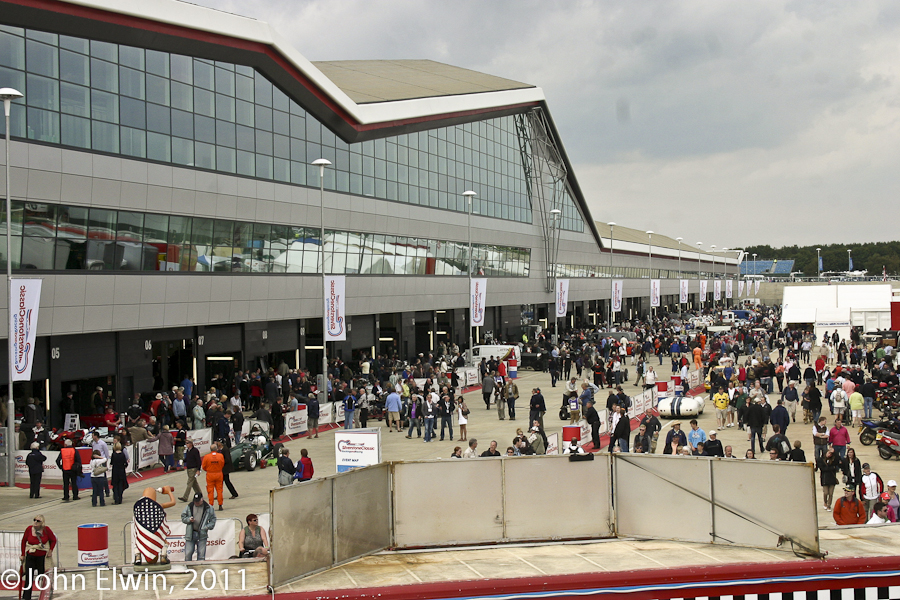
The organisers of this year’s Silverstone Classic were proudly boasting that theirs was the biggest race meeting ever. With nigh on 1,000 contestants and 800 cars taking part they were probably right. Add to that something like 7,000 classic cars on site, almost 1,000 of which were E-Type Jaguars. But can you have too much of a good thing?

Some 80,000 fans descended upon the circuit, contributing to huge traffic jams building-up on the A43, entry into the circuit being slow as all those classics needed to be directed to their allotted parking area in what was a very crowded site. Not all of them made it that far even, as reports were coming in on Saturday of up to 100 E-Types having suffered overheating and other breakdowns en route.

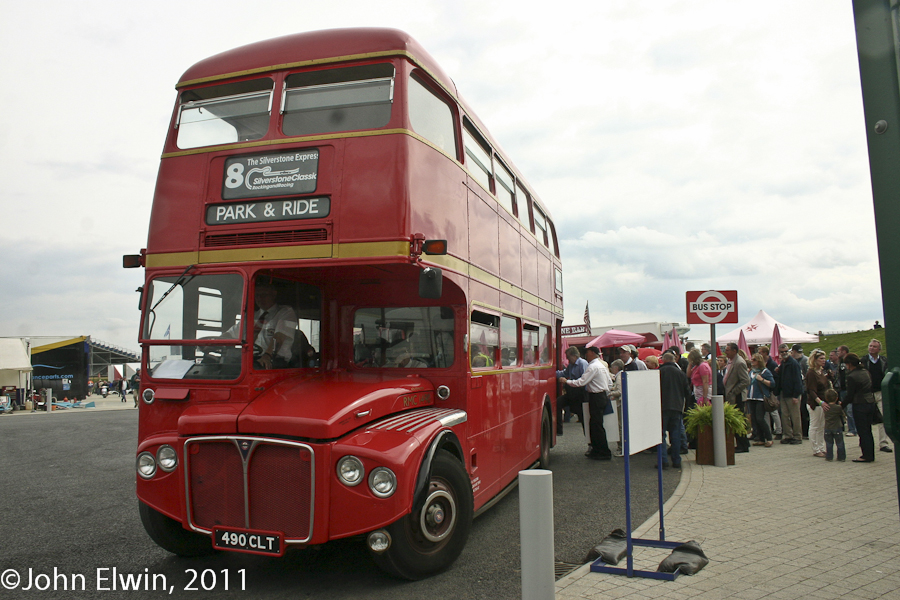
Having made it into the circuit there was a lot to see and do. The competitors were split between two paddock areas, the impressive new Silverstone ‘Wing’ acting as home to many whilst others were based in the old paddock at the opposite end of the circuit. That was something of a logistical nightmare for teams with cars based in both paddocks, especially as the only means of getting from one to the other was via Routemaster ‘bus – nothing wrong with that, the buses were run very efficiently but with the sheer number of people, queues and delays inevitably built up and some very unfriendly security operatives would not allow you to walk between the two areas.

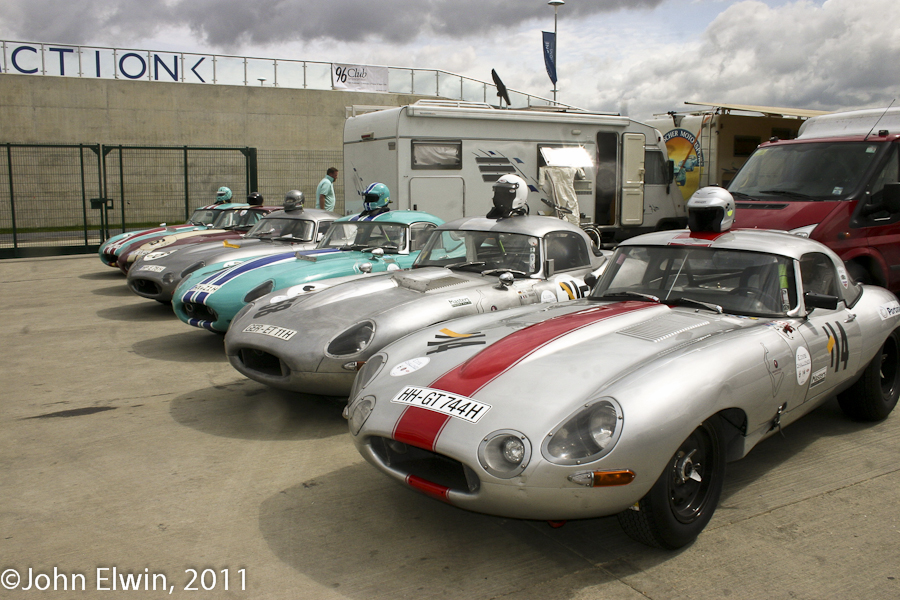
Well, with the gripes out of the way, how was the racing? Pretty good actually, with some close and exciting action, most classes getting two races each. The revised circuit was new to many so that was just as well, as even seasoned hands such as former BTCC Champion John Cleland were having to find their way around. Cleland was driving in the Jaguar E-Type Celebration race and got taken by surprise as he turned into the new-look Abbey for the first time – “where did tha-at come from? said the ever quotable Scot afterwards. Didn’t stop him from winning his class for near standard cars though. Jon Minshaw’s well-developed car (even been in a wind tunnel, allegedly) was the outright winner of both races. Such is the value of genuine original E-Type’s that many of the modified cars in this anniversary series of races have been specially built; they’ve still cost their owners six-figure sums however…

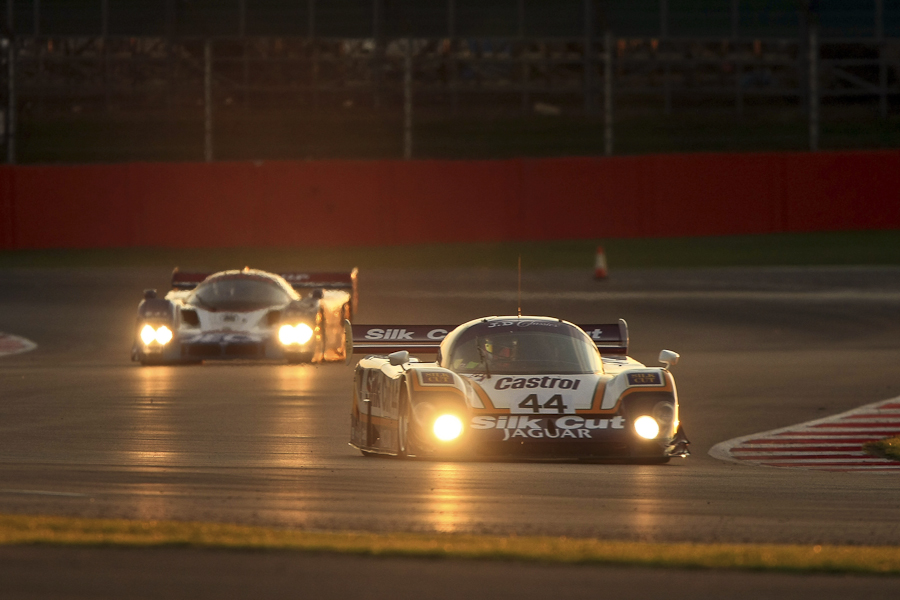
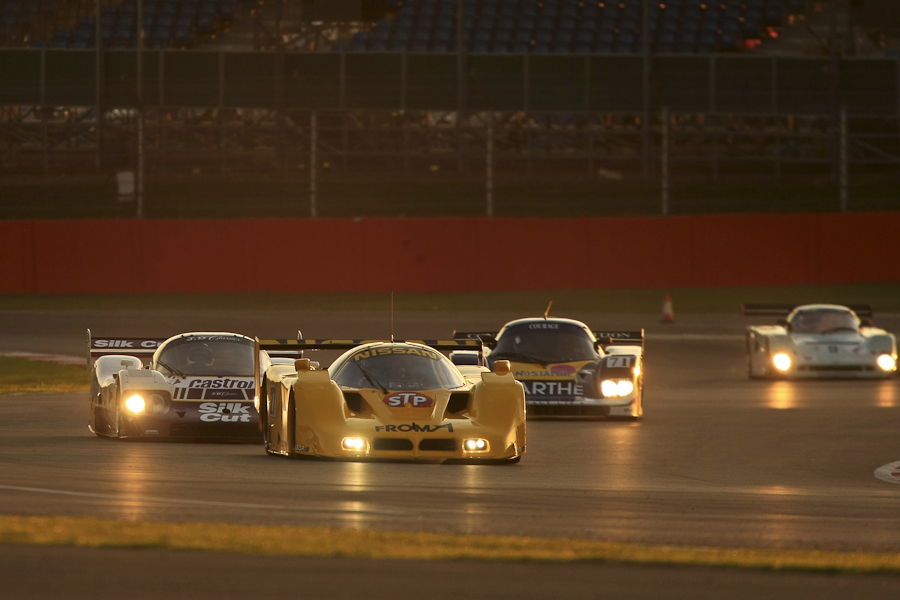
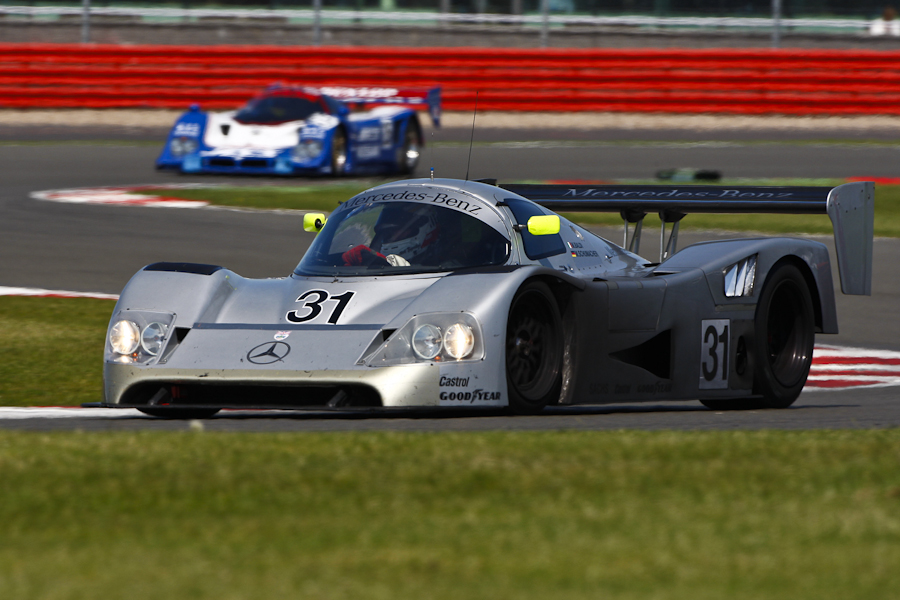
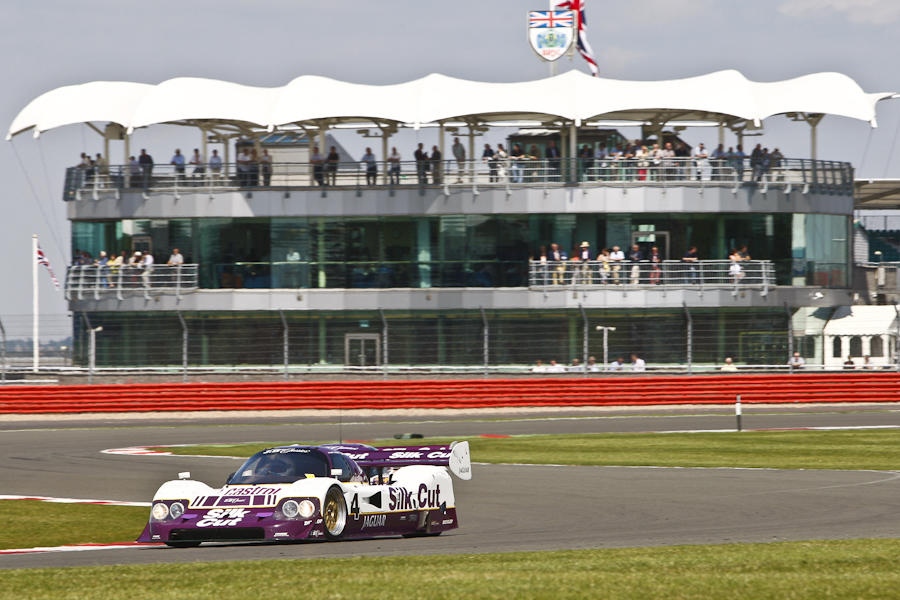
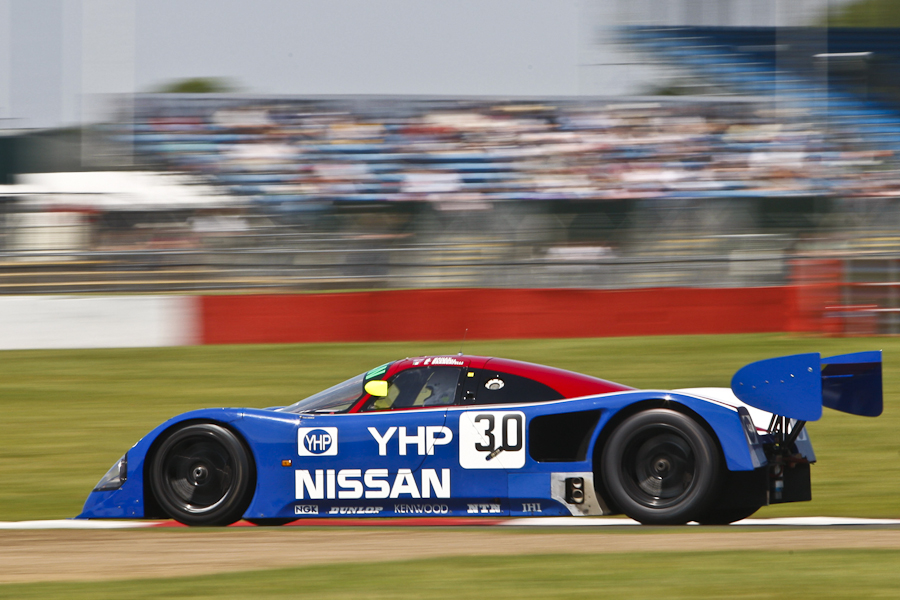
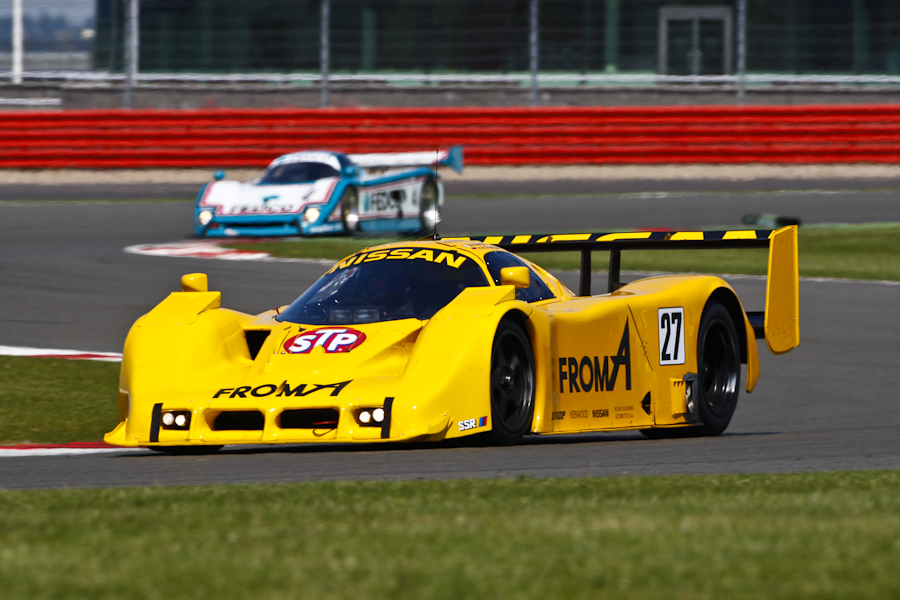
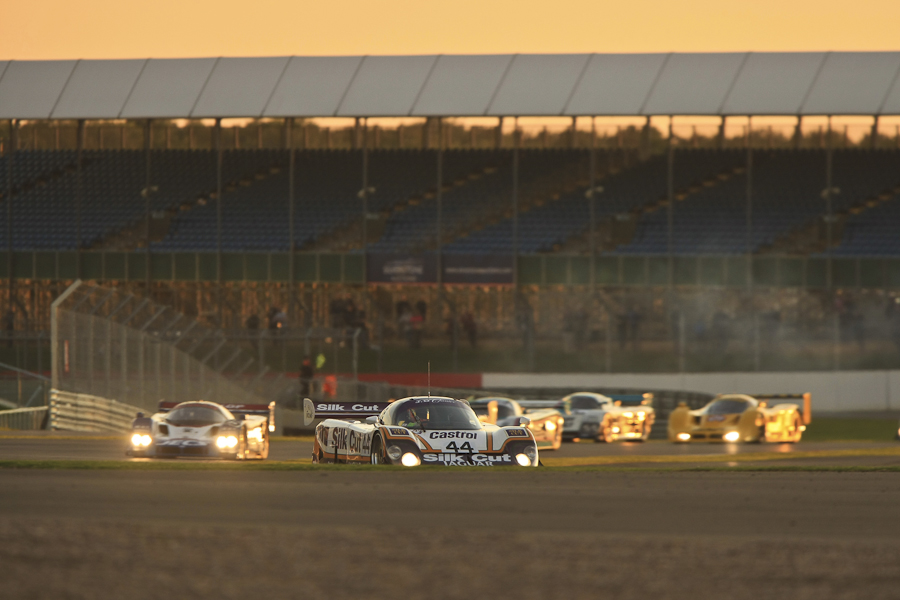
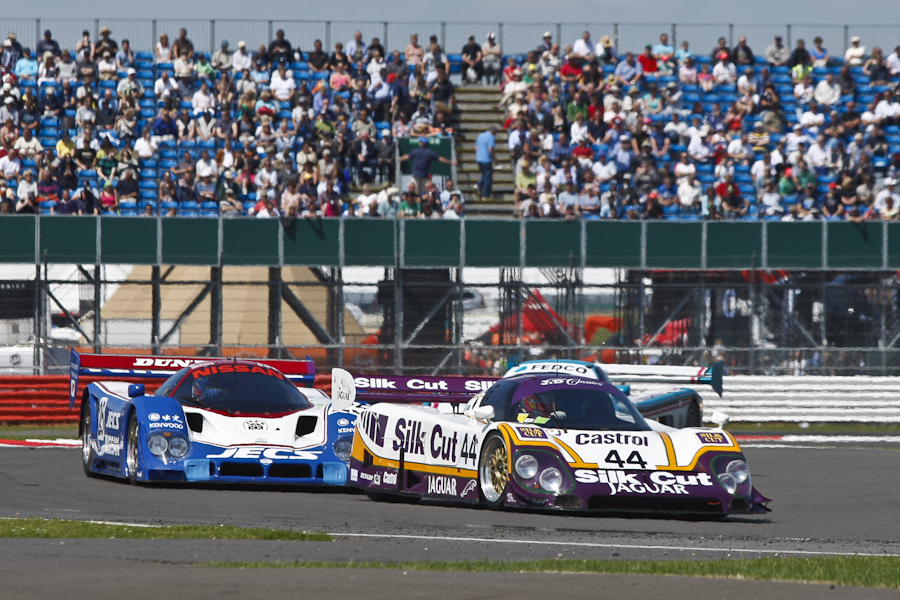
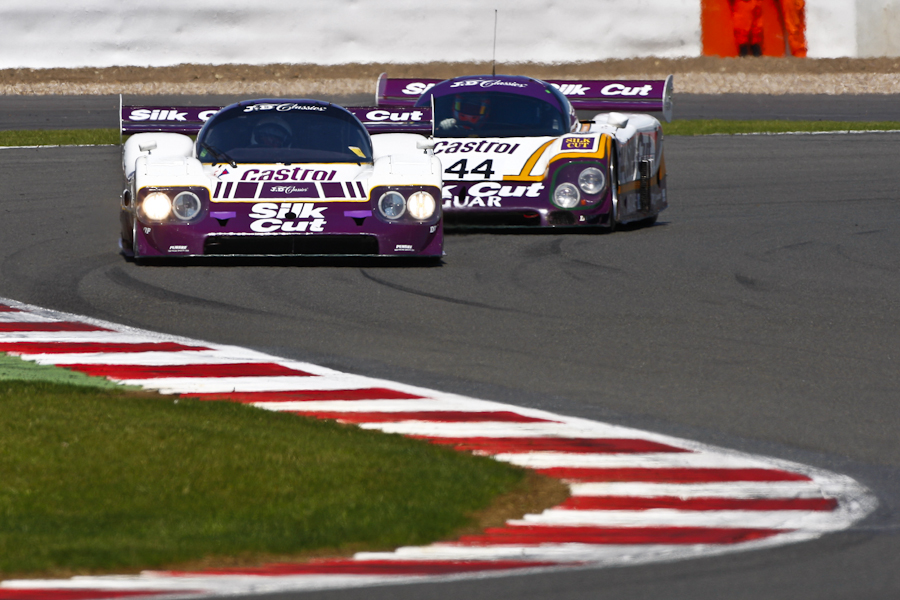
Group C got star billing with the first of their races being run as an ‘into the twilight’ affair on Saturday evening. Both Alex Buncombe (Jaguar XJR9) and Katsu Kubota (Nissan R90C) got the jump on Gareth Evans’ Mercedes C11 on the run down to the first corner and set off on a race-long battle over 15 laps. After swapping places several times Kubota led at the most important moment as they crossed the line, Buncombe having briefly been delayed by a backmarker whilst the Merc recovered to finish third.

If Saturday’s race was fast and furious Sunday’s affair was even more so. With Bob Berridge now in the Mercedes and Japanese F3 racer Hideki Yamauchi on board the Nissan the wick was really turned up  –  and remember these cars are now unfettered by the period fuel limitations – and again we were treated to a see-saw race as they swapped places but this time it was the turn of the Nissan to fall foul of lapped cars late in the race, handing the win to Berridge, such was the pace that they completed one more lap in the available time than had been managed the night before. Even so, a remarkable drive by Andy Meyrick saw his C2 Spice take the final podium spot.

Meyrick showed his versatility by taking both Grand Prix Masters counters too in his March 761. It was another version of the 761, built locally in Bicester that was grabbing much of the attention however. Jeremy Smith was giving the six-wheel March 2-4-0 its first ever race. Originally conceived for the 1977 season, it never actually raced in period although it was subsequently hill-climbed.  Unlike the Tyrrell P34, the March featured an extra pair of wheels at the back with smaller tyres than normal, thus reducing the drag. However, March was strapped for cash at the time and was unable to afford the sufficiently robust transmission casing needed to carry drive to the rearward wheels. The affair they did create actually twisted and damaged the internals on a short press demo run, so it was quietly put away. However, according to Mike Lawrence in his excellent history of March it turned out eventually to be their most profitable F1 car as they sold the rights to Scalextric!

Other excitement at Silverstone was provided by such varied machinery as Formula Junior, Under Two Litre Touring Cars (U2TC) and the RAC TT for Pre ’63 GT cars. In the latter Stuart Graham and Richard Attwood stole a lucky win on the very last lap in their Aston Martin DB4 when the leading Ferrari 250 GT crewed by Hans Hugenholtz and David Hart expired. U2TC went to the Leo Voyazides/Simon Hadfield Lotus Cortina after a nail-biting battle with the similar car of Howard Redhouse/Mike Jordan and the Jackie Oliver/Richard Shaw BMW. In shades of days of old we even had a TWO-wheeling Cortina at one point!  Often overlooked, the FJ tiddlers were thrilling with race wins going to Sam Wilson and Jon Milicevic, both Cooper T59-mounted.

Of course there was so much more to see with small sports cars and big saloons (where do all those V8 Fords come from?). Not all the Mustangs were on the ground either, for one took part in an air display together with a Spitfire. Amongst all the other anniversaries being marked this year, mustn’t forget that RJ Mitchell’s truly iconic design is 75.

Despite our opening comments, Nick Wigley and his team are to be congratulated for pulling together such a massive event but just sometimes less is more.

John Elwin, August 2011


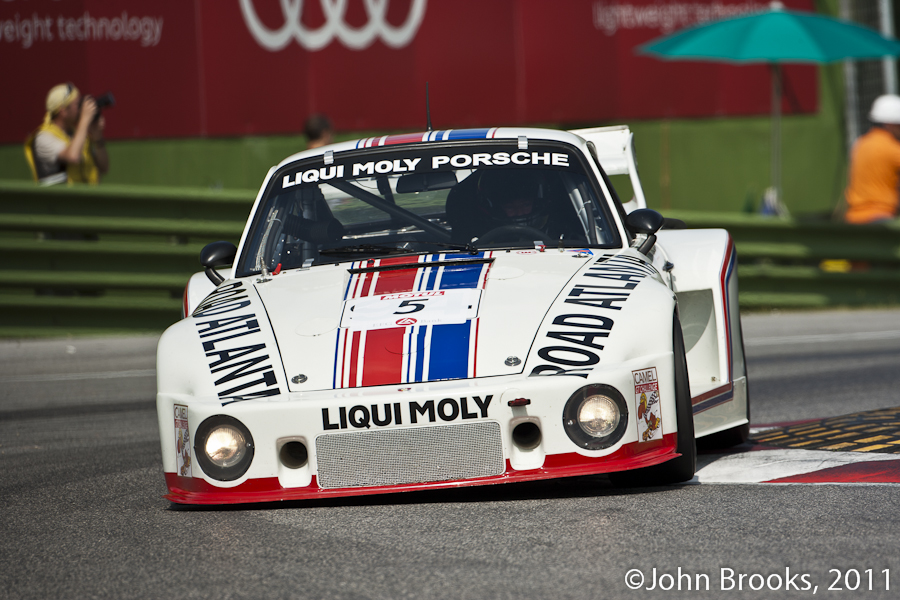
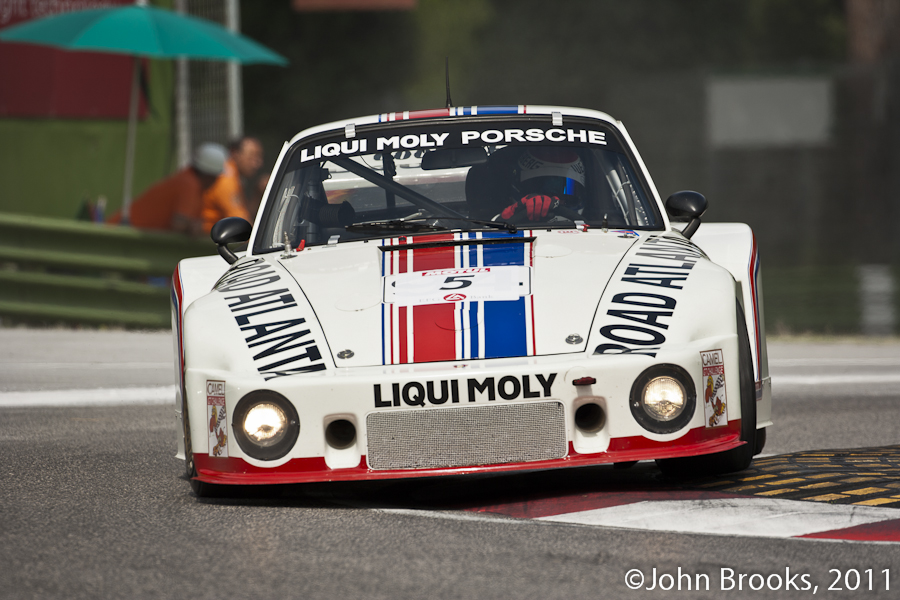
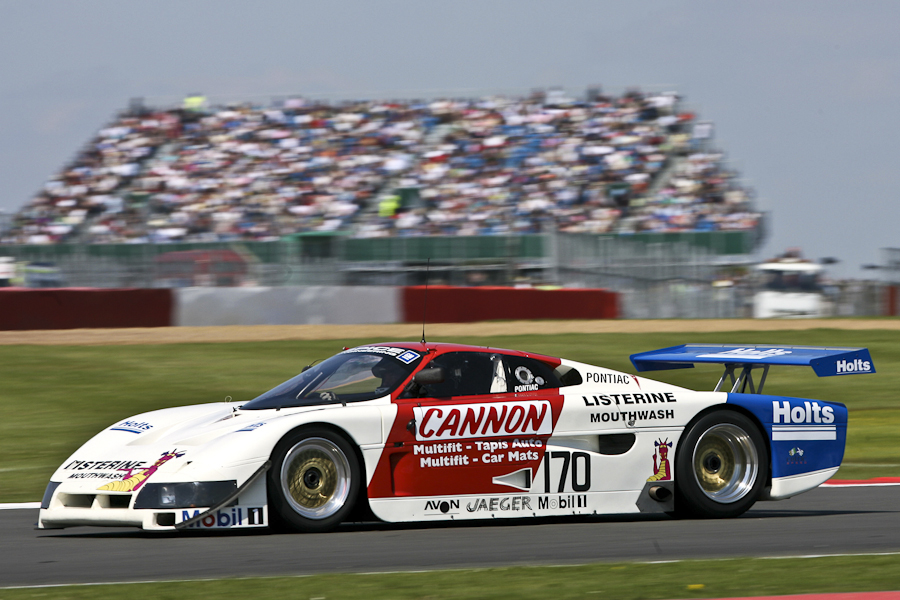
Classic Group C

To those of a certain age, the Group C era of endurance racing was arguably the pinnacle. That is not to say that today’s battles between Audi and Peugeot are any less compelling, but perhaps time adds a lustre to the competition of the 80’s.

We are fortunate that the cars themselves are still around, even if those who drove them at the time, have, for the most part, left the stage.

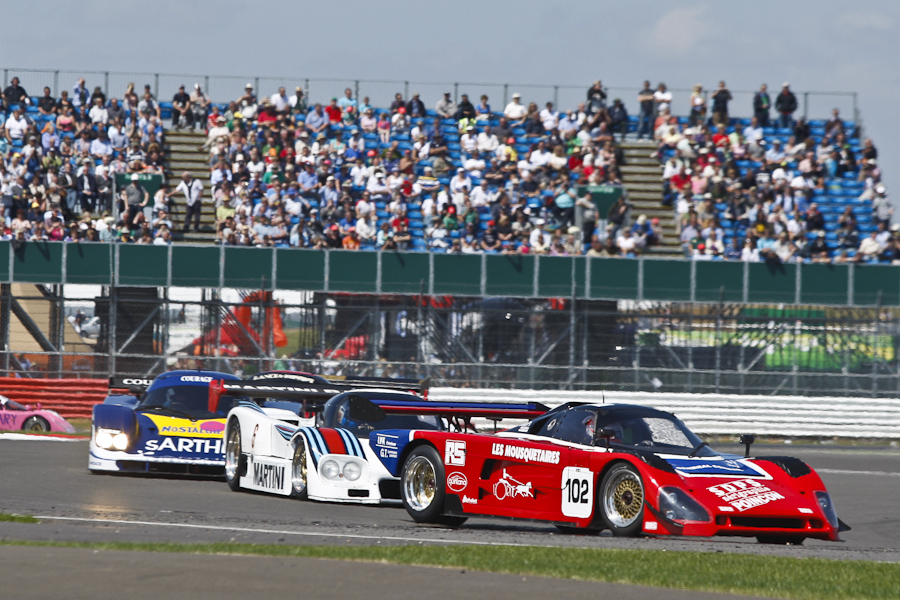
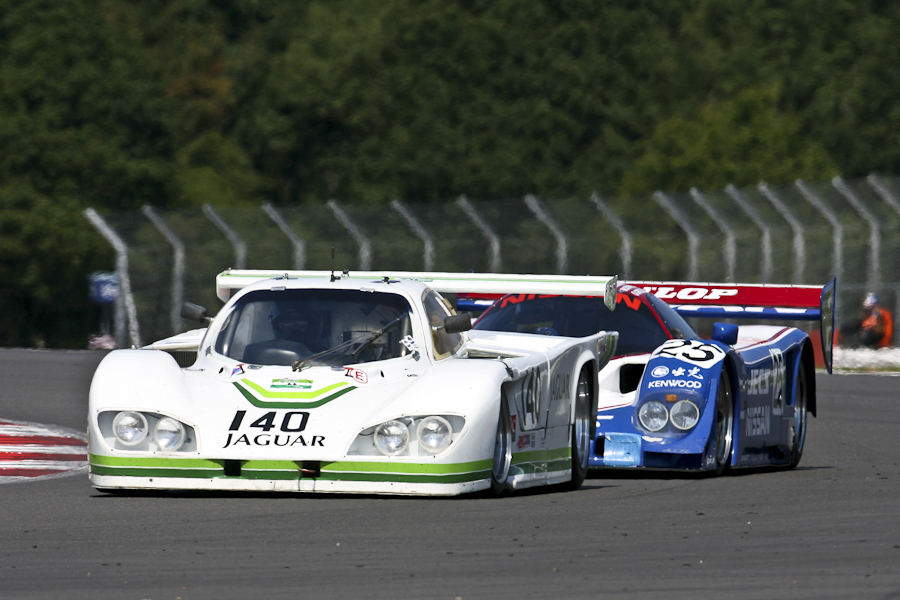
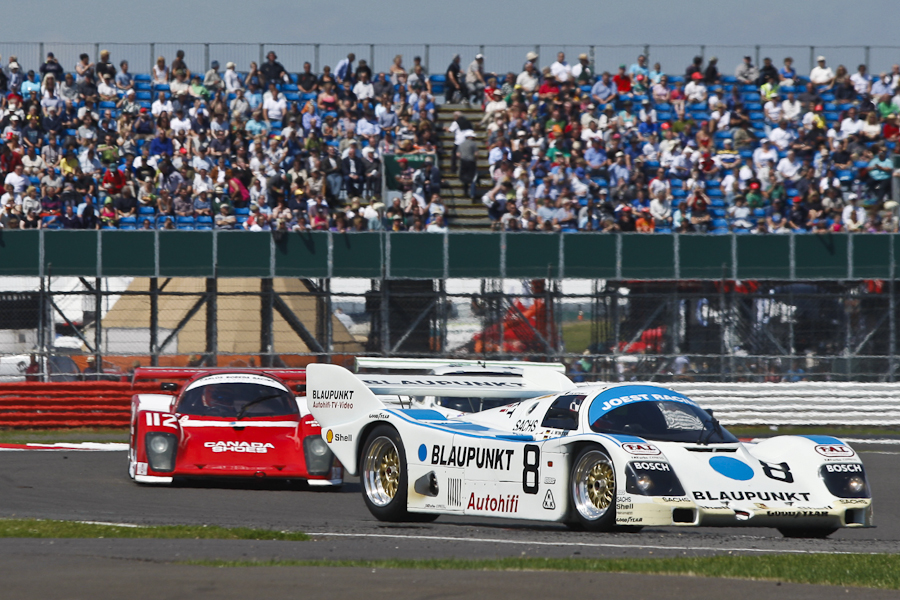
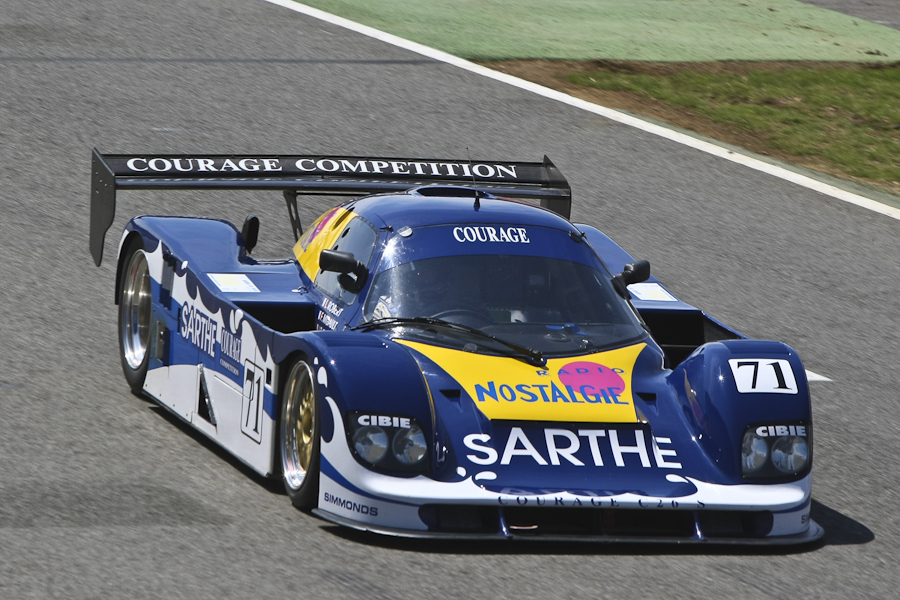
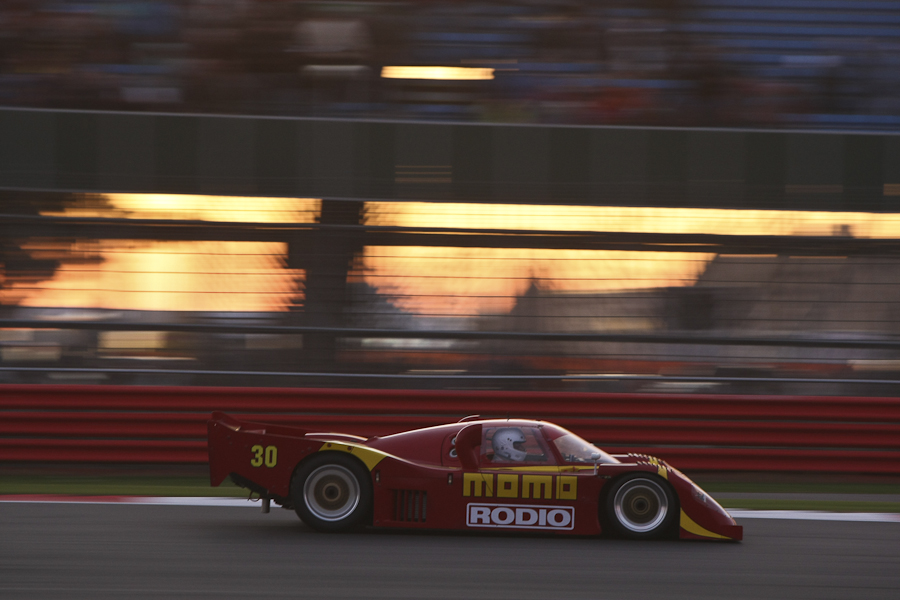
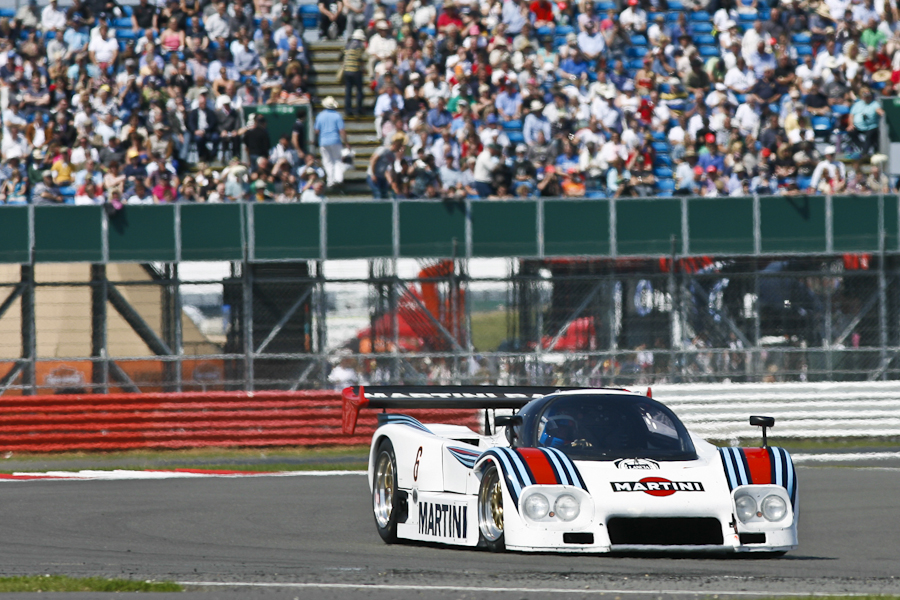
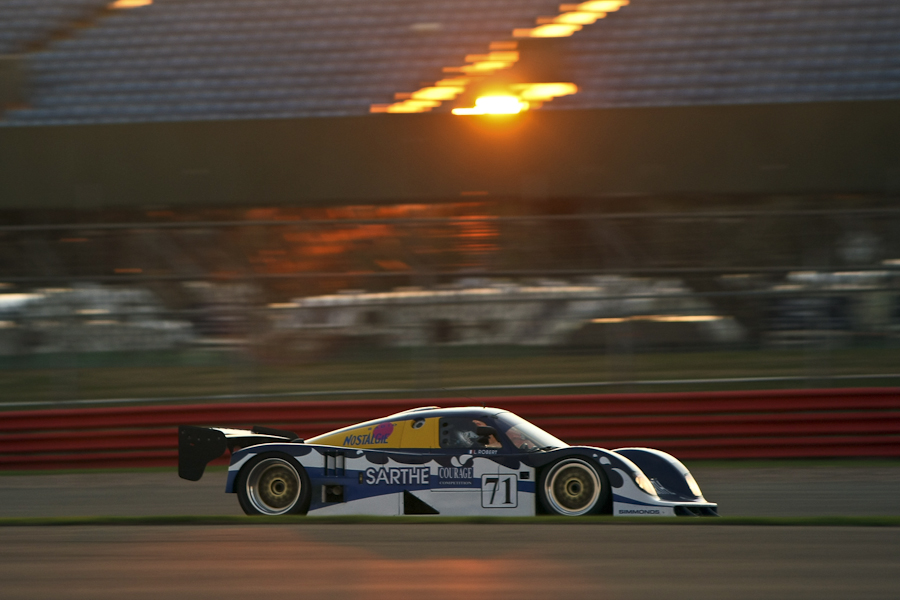
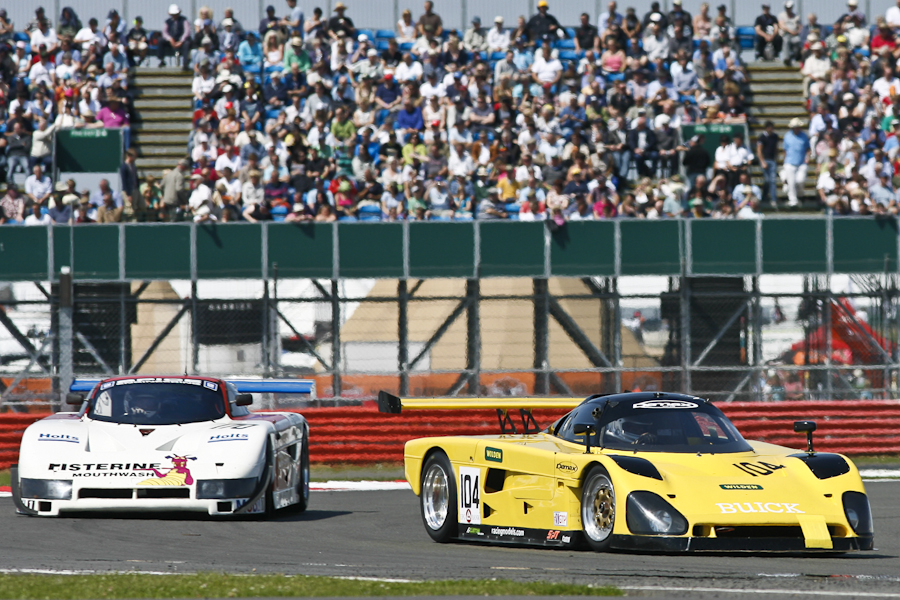
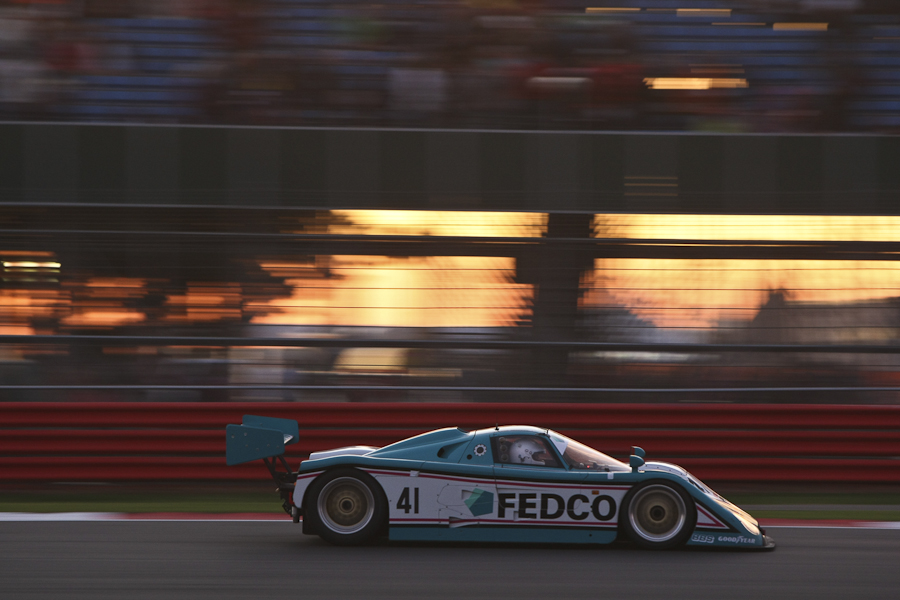
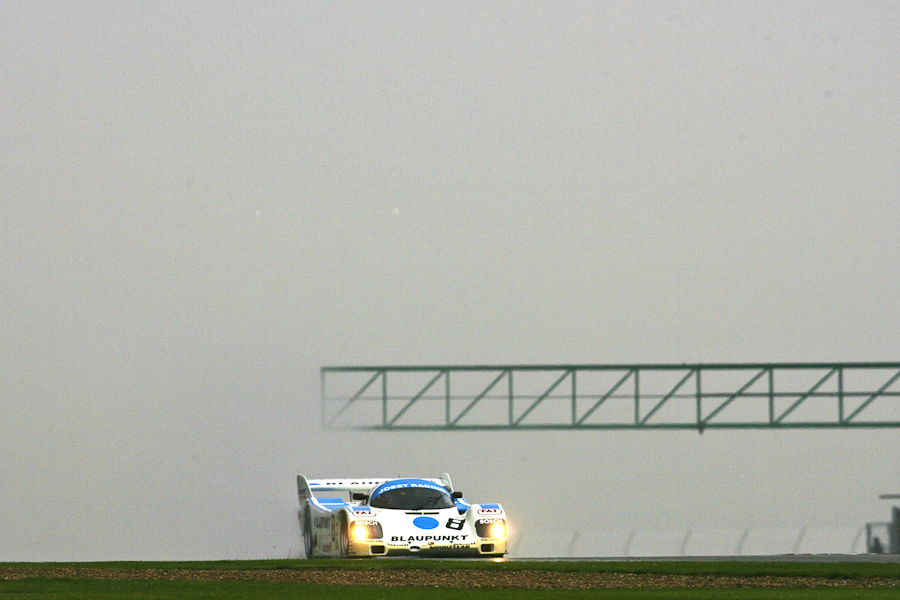
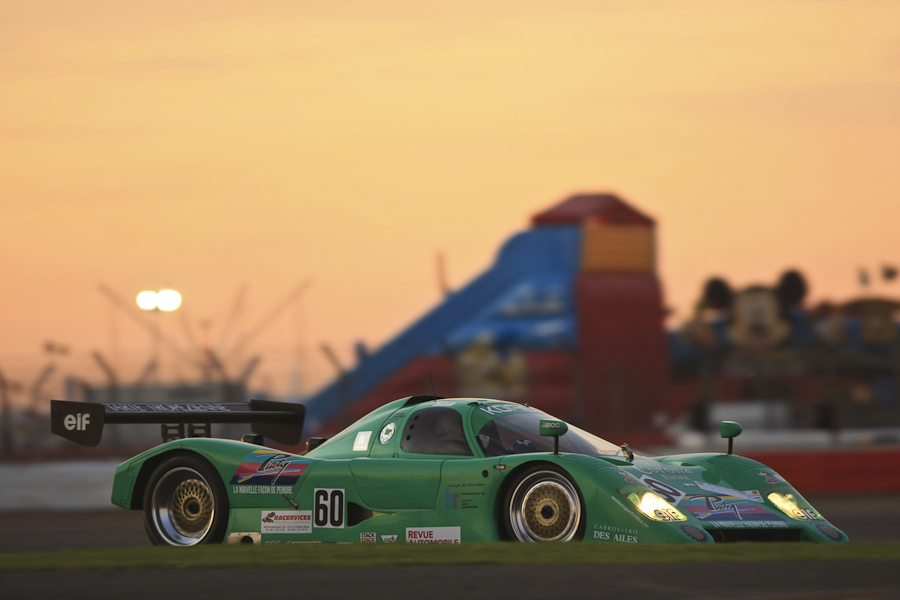
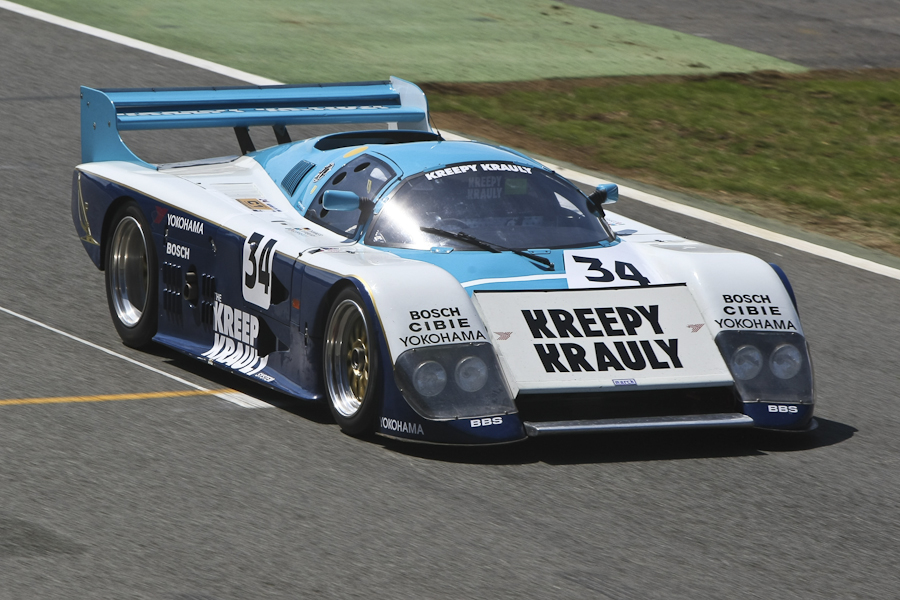
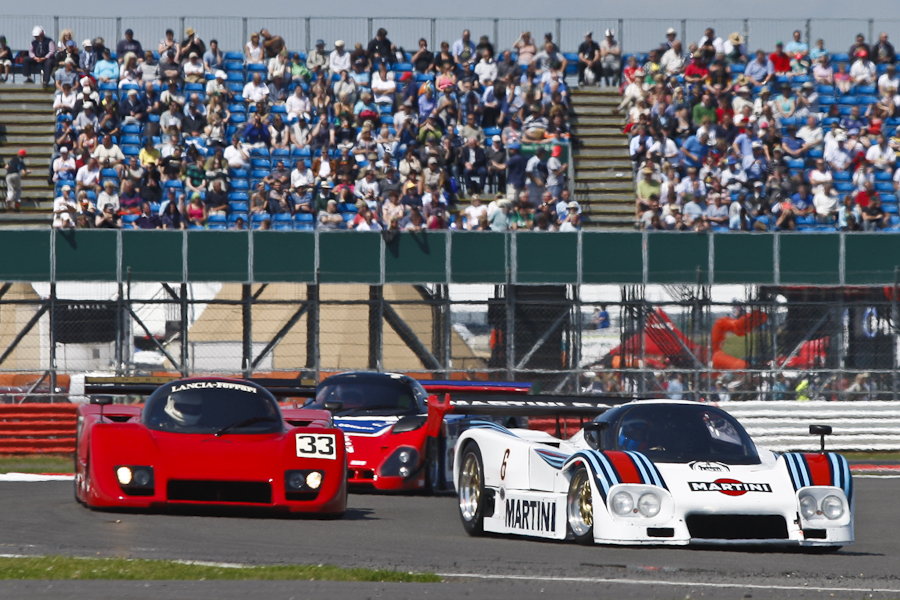
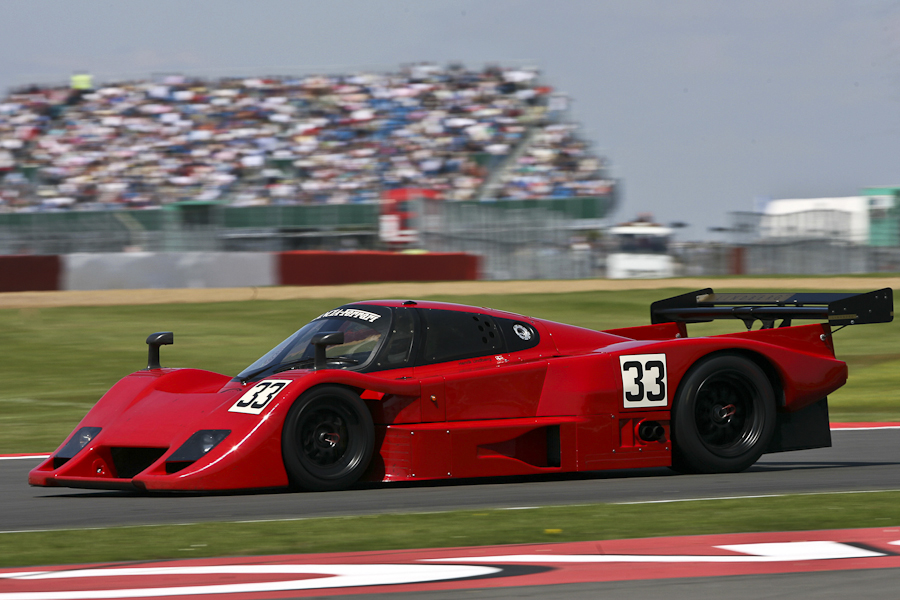
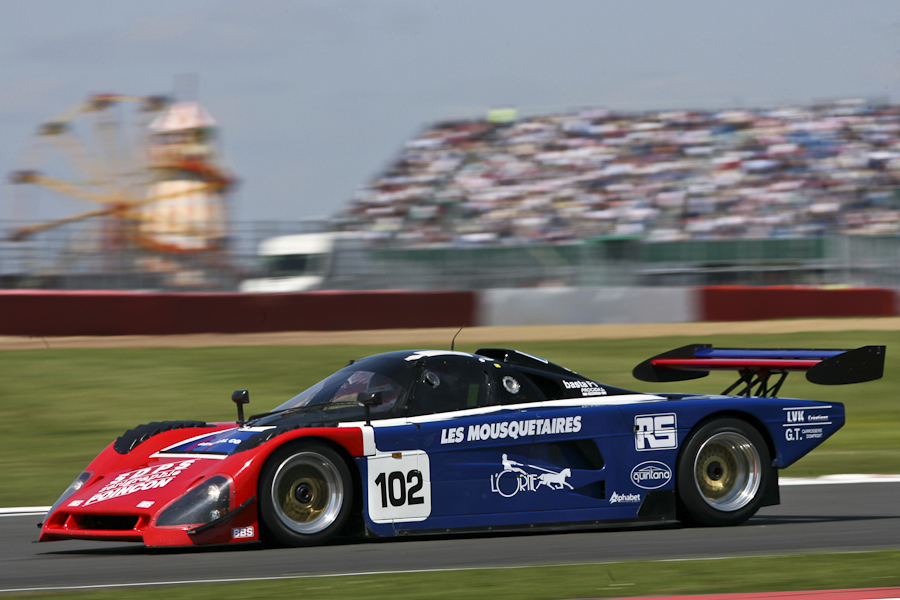
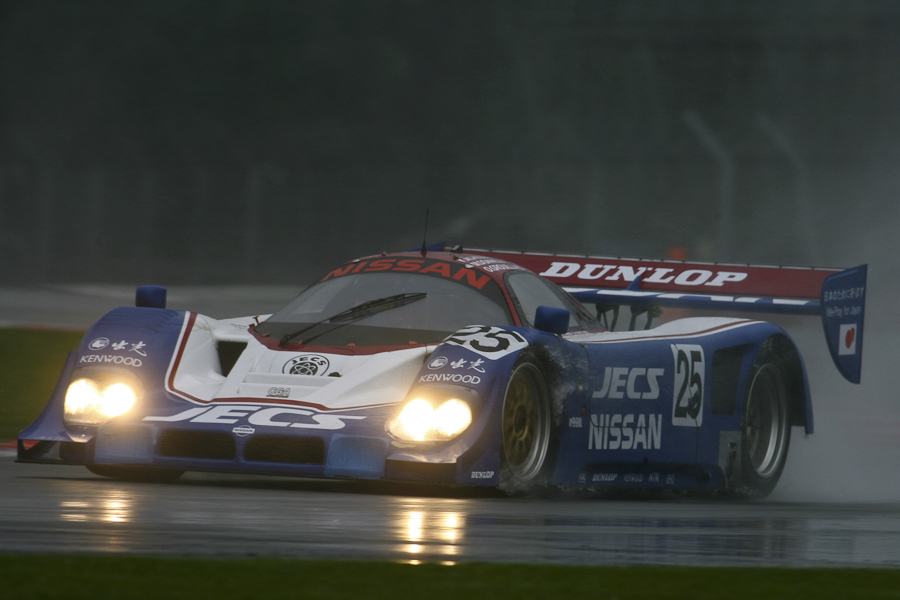
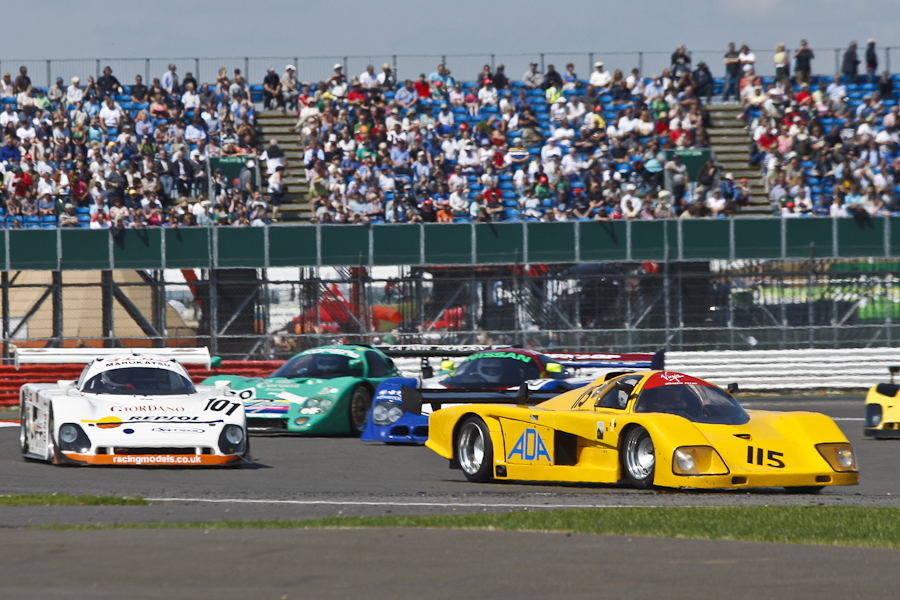
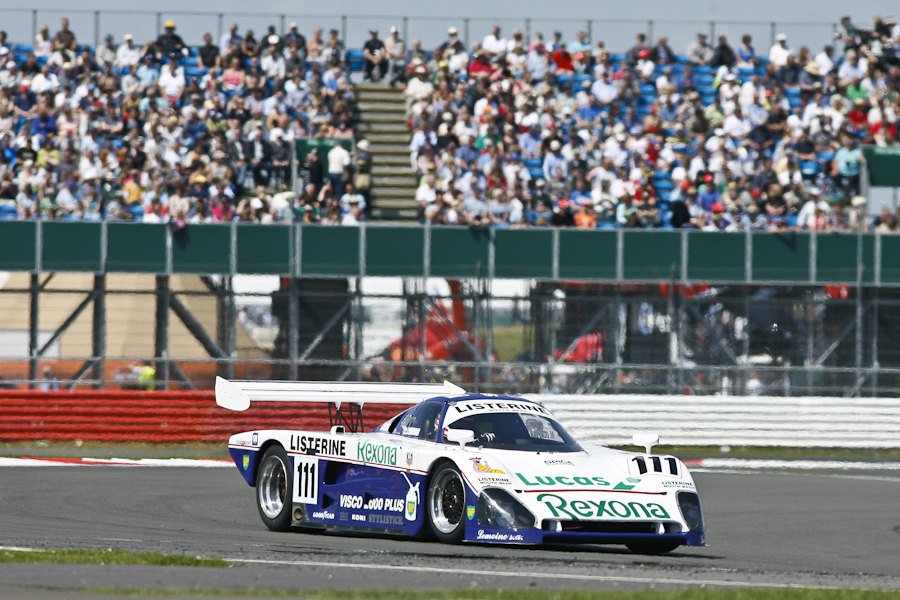
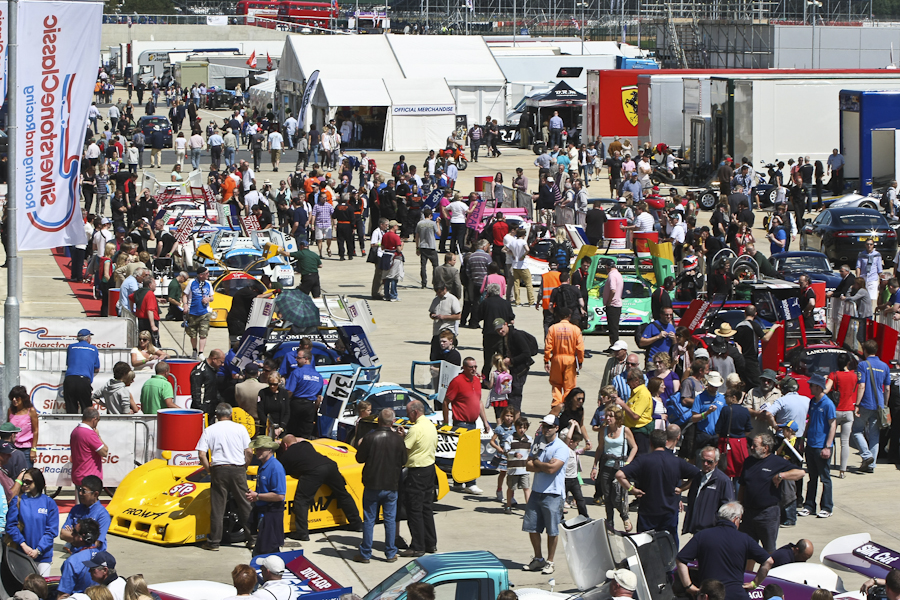
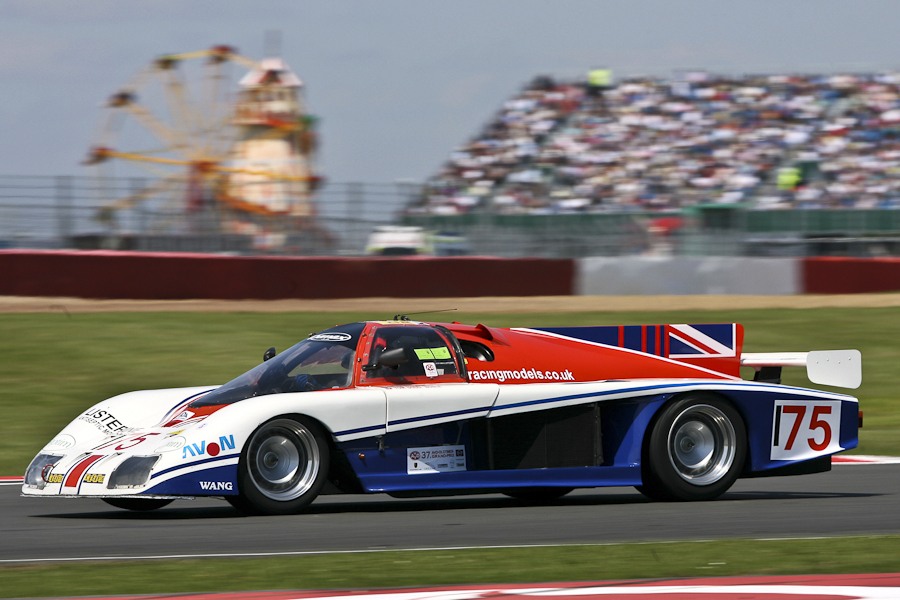
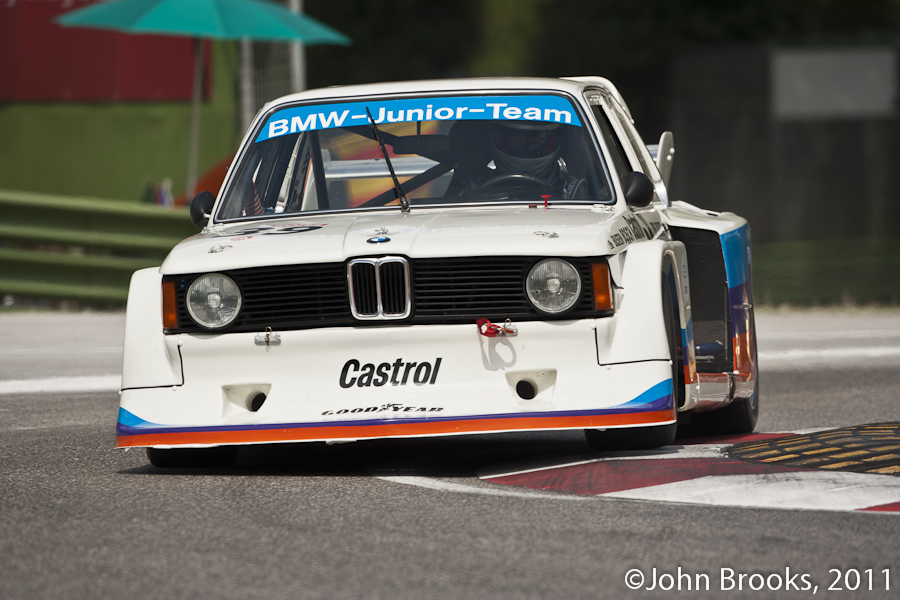
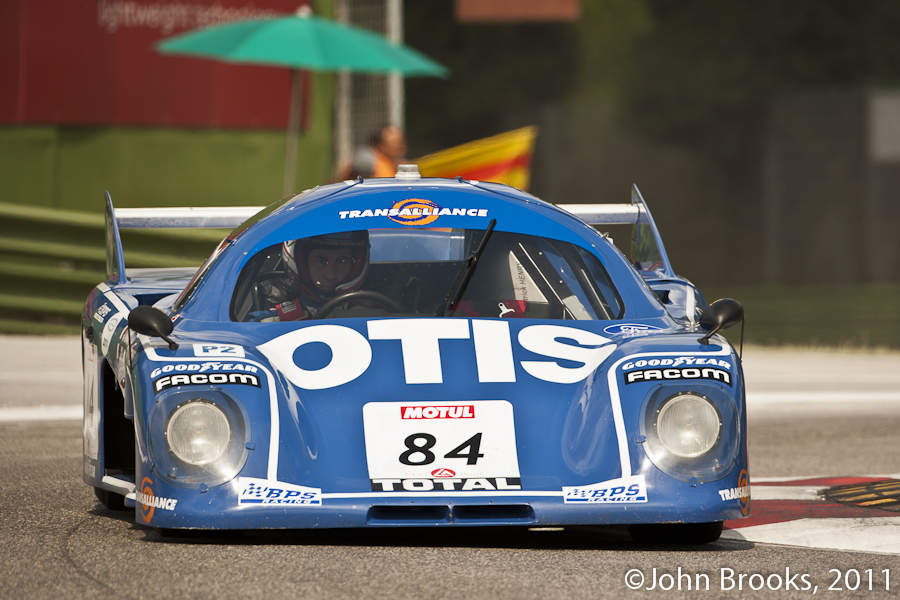
The weekend just past saw the huge motorsports extravaganza, The Silverstone Classic, take place. We will get an expert eye’s view on the event in due course but in the meantime I will bring you a gallery of the Group C entry.

John Brooks, July 2011

Images courtesy of the Silverstone Classic.


Motor Klassik

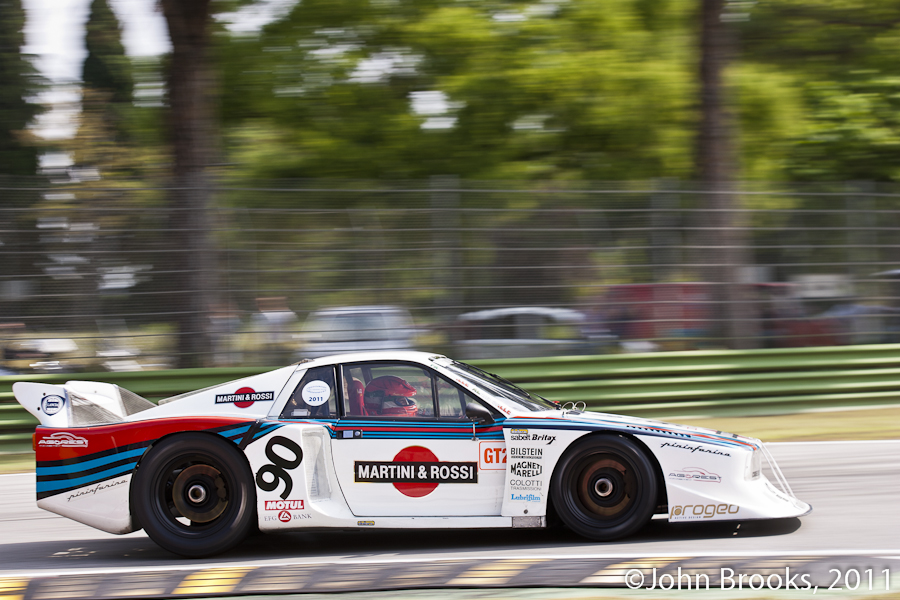
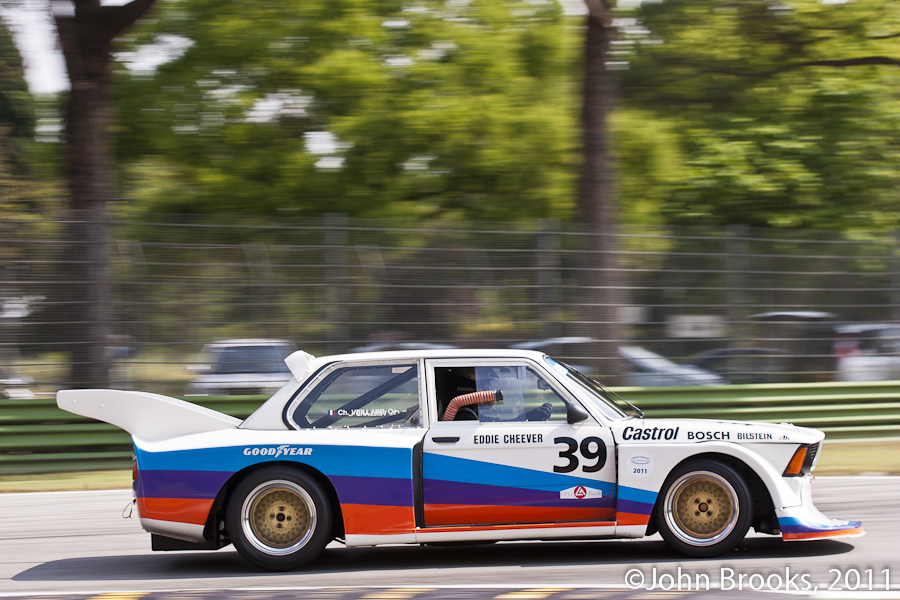
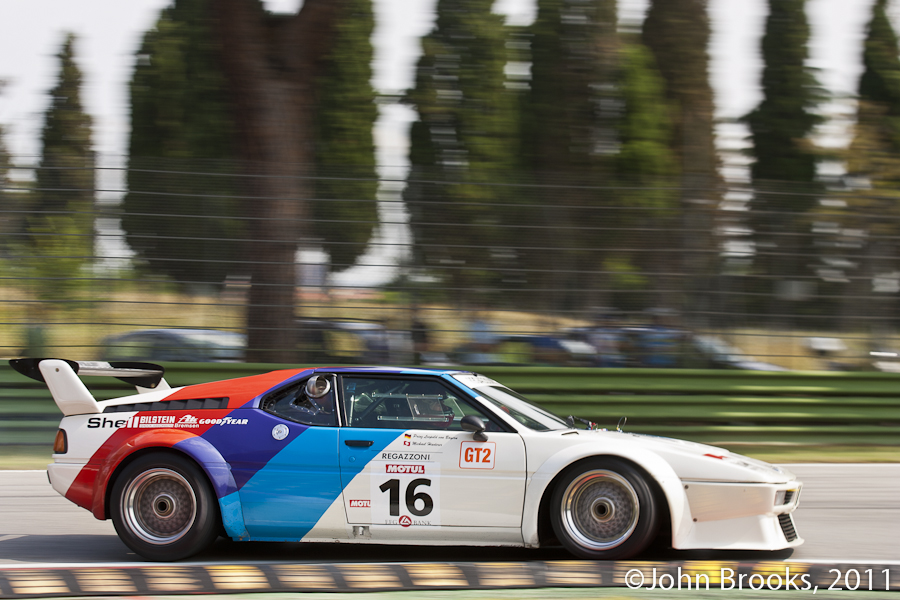
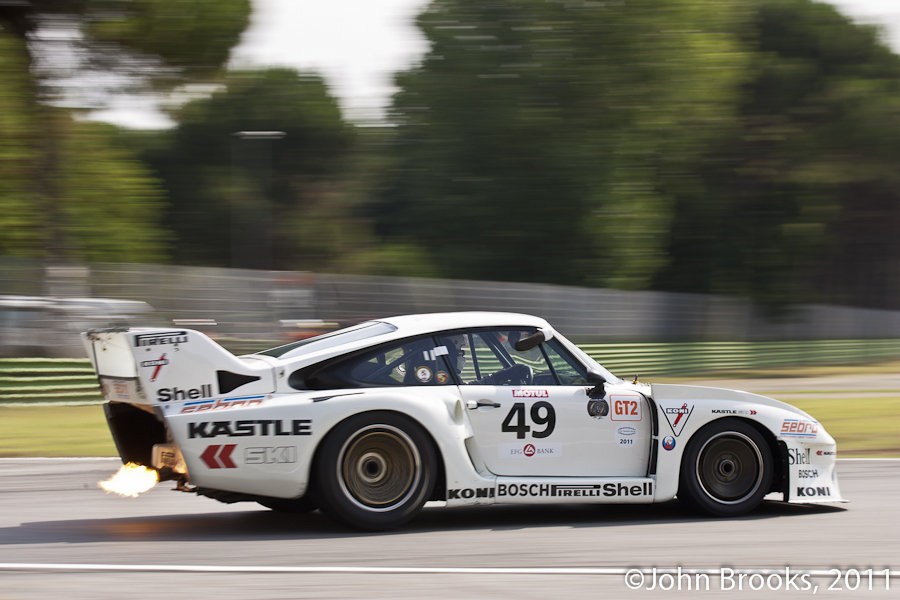
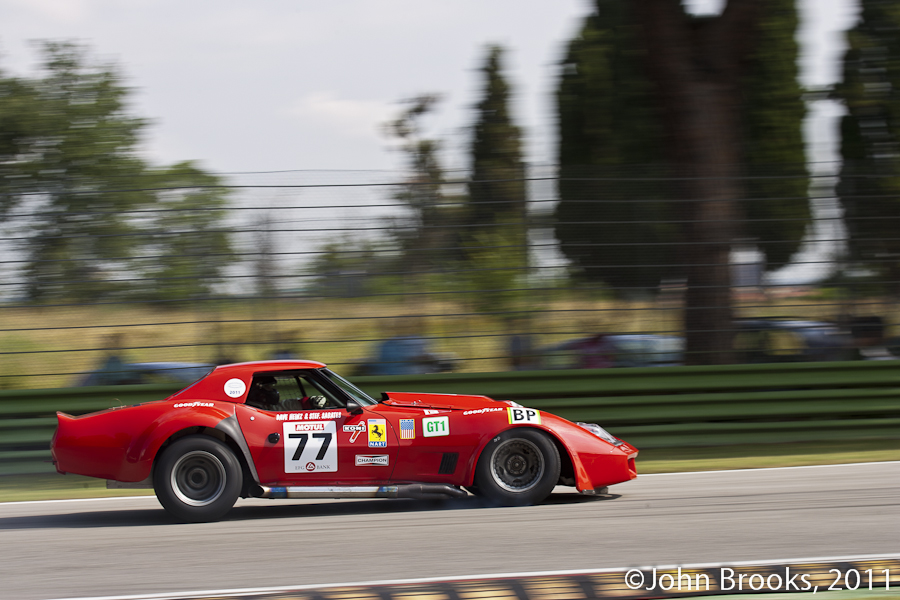
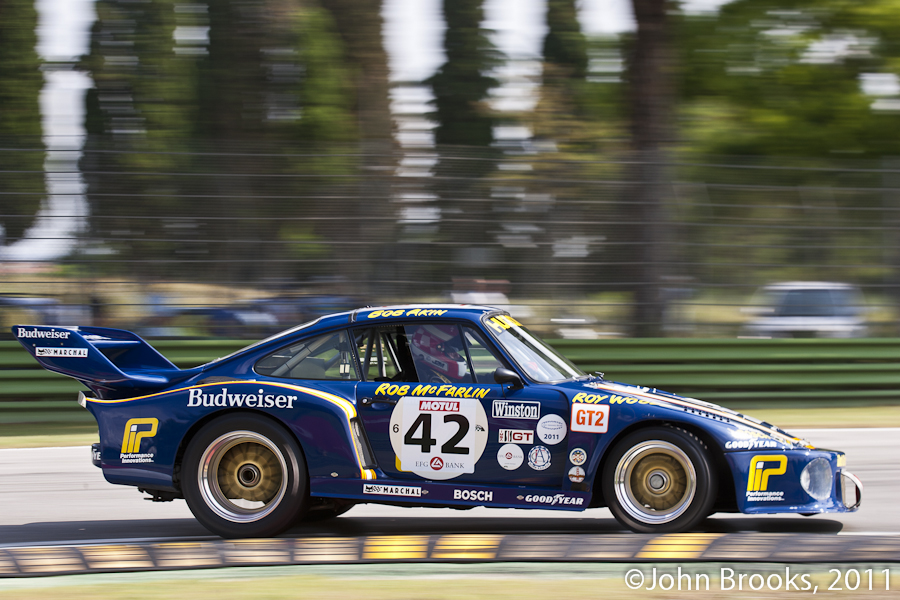
Over the past few seasons we have had good reason to be grateful for the Patrick Peter Organisation arranging a series of historic sportscar races, known as Classic Endurance Racing. There have been a great number of unusual and interesting cars to see, something new nearly every race.

In the previous years they have acted as a fantastic support to the Le Mans Series events but in 2011 they have gone off on their own highway. Till the ILMC reached Italy.

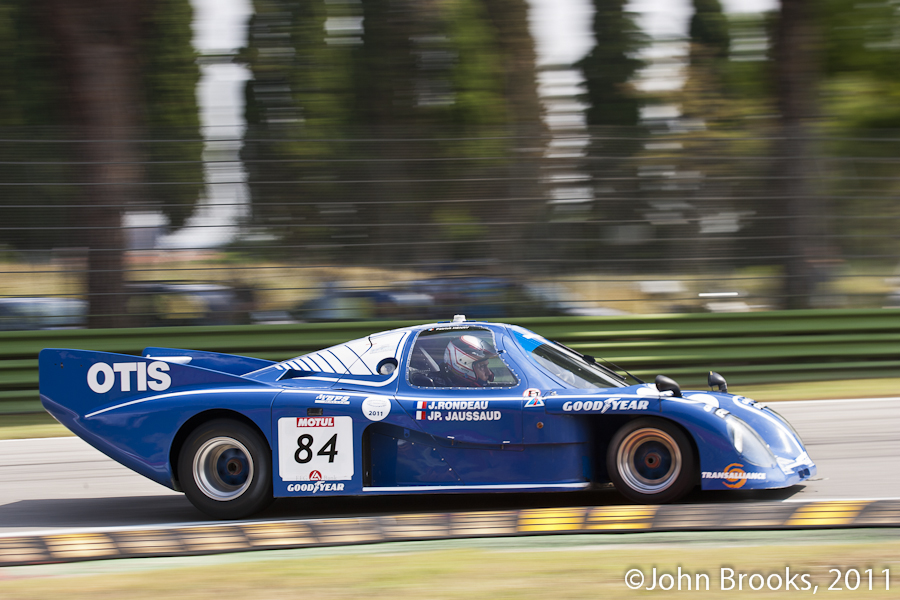
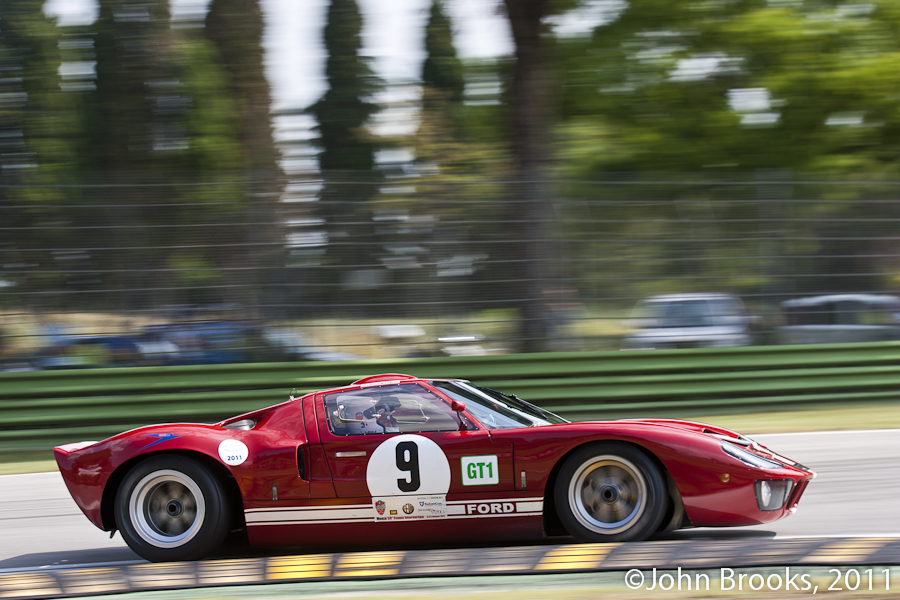
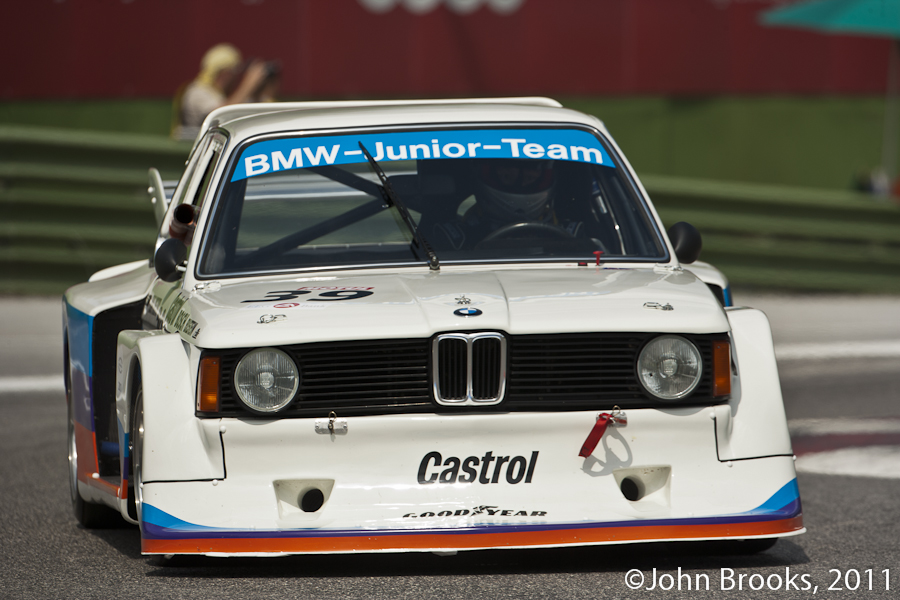
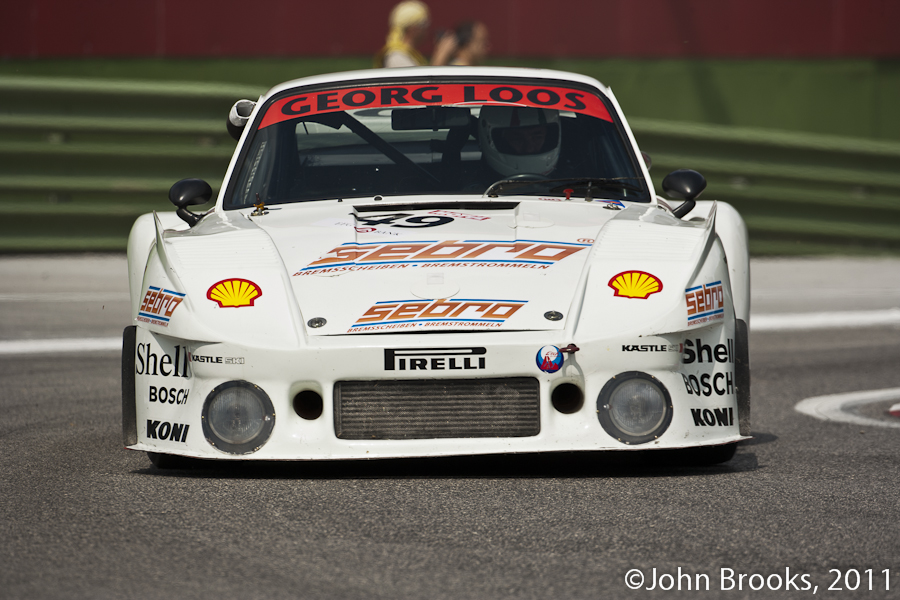
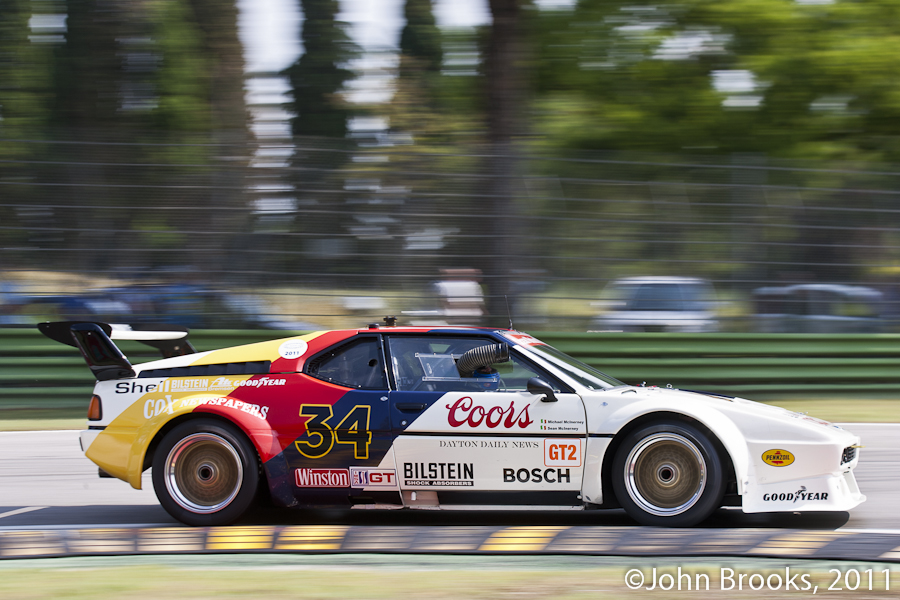
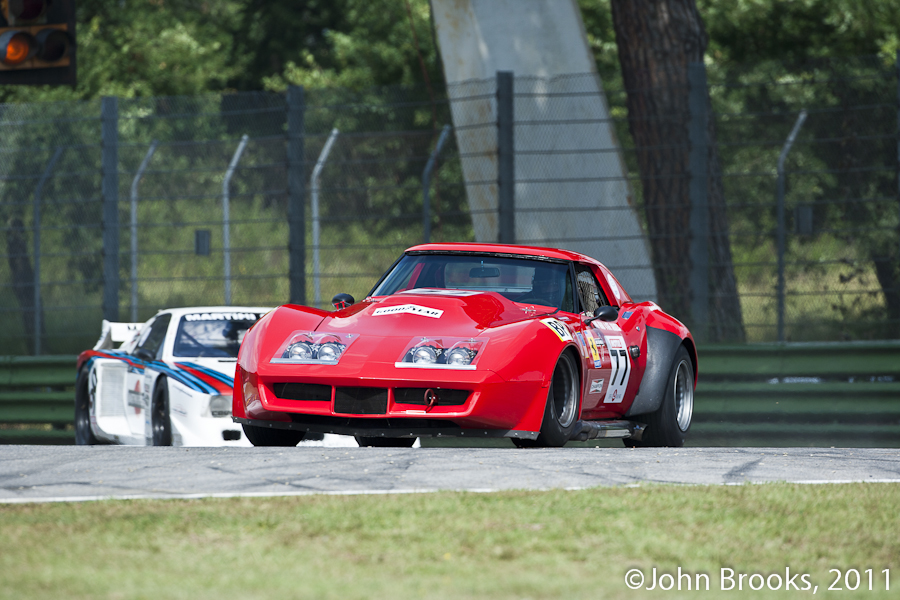
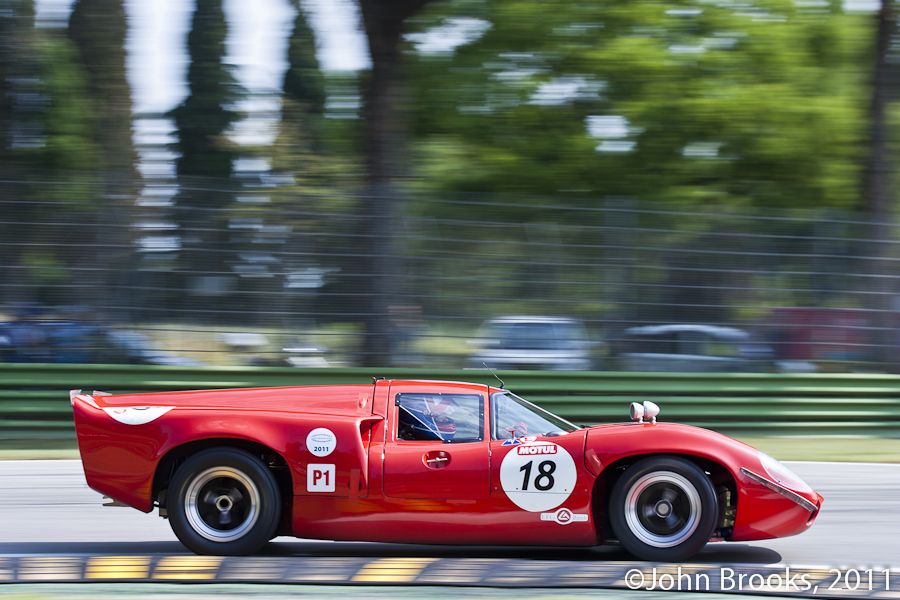
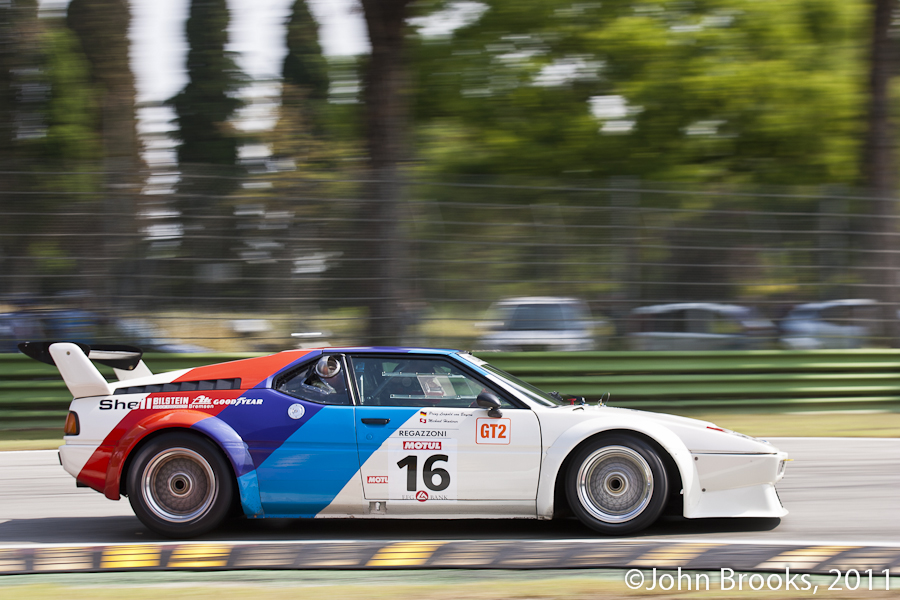
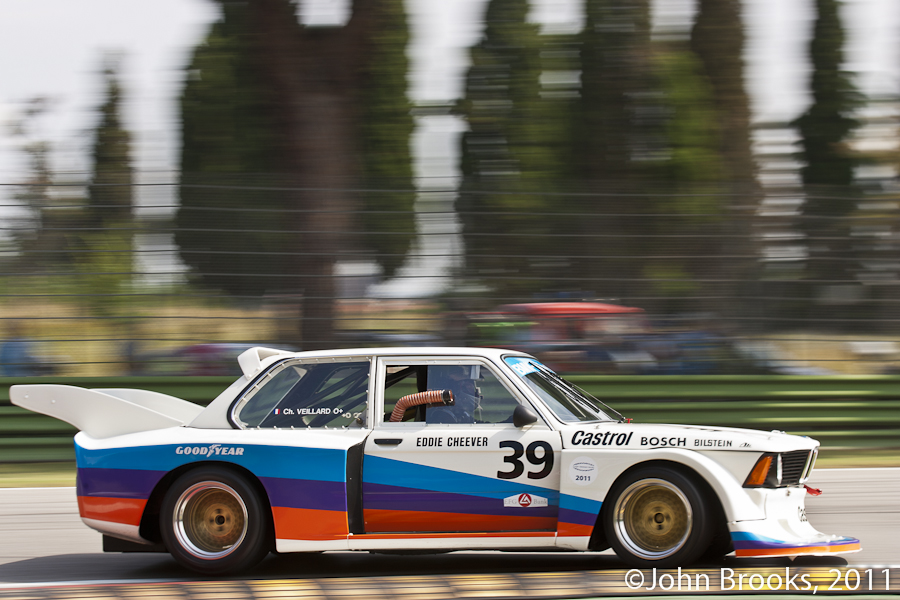
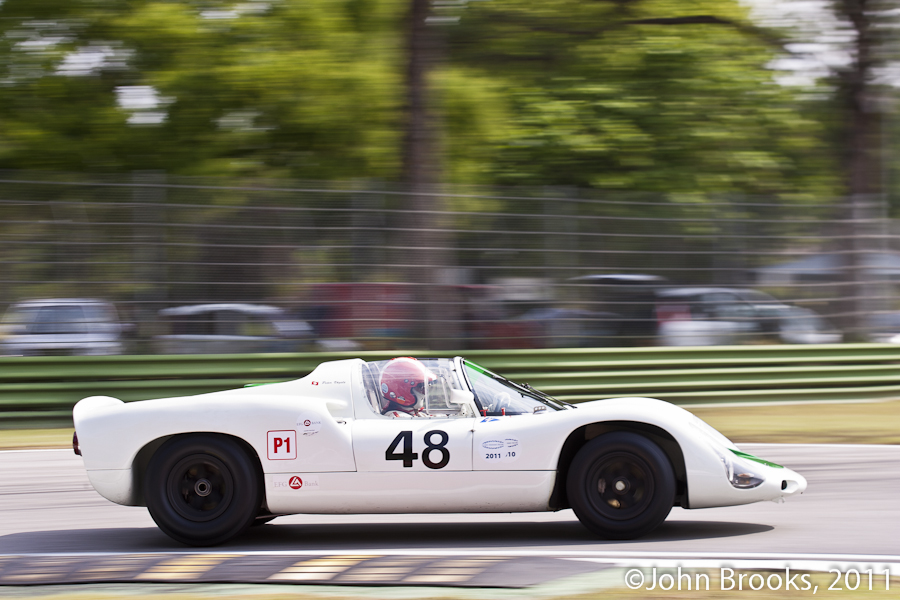
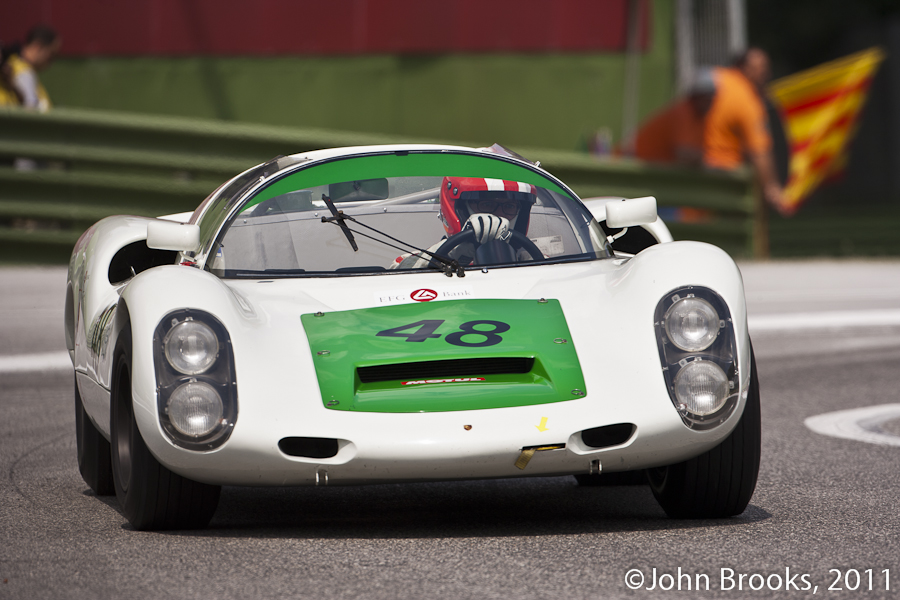
So last month in Imola it was great to see the pack of veterans back. So much so, I hung around at Variante Alta, camera poised. In the warm Italian sunshine, with your eyes closed you could imagine it was 30 years ago, the song remains the same.

Ars Longs, Vita Brevis.

John Brooks, July 2011


Rolling Downs


After nineteen years it must surely be getting difficult to unearth yet more rarely seen racers with which to attract the crowds to Lord March’s front garden and this year’s event did have a slight ‘so what’s new?’ feel to it.
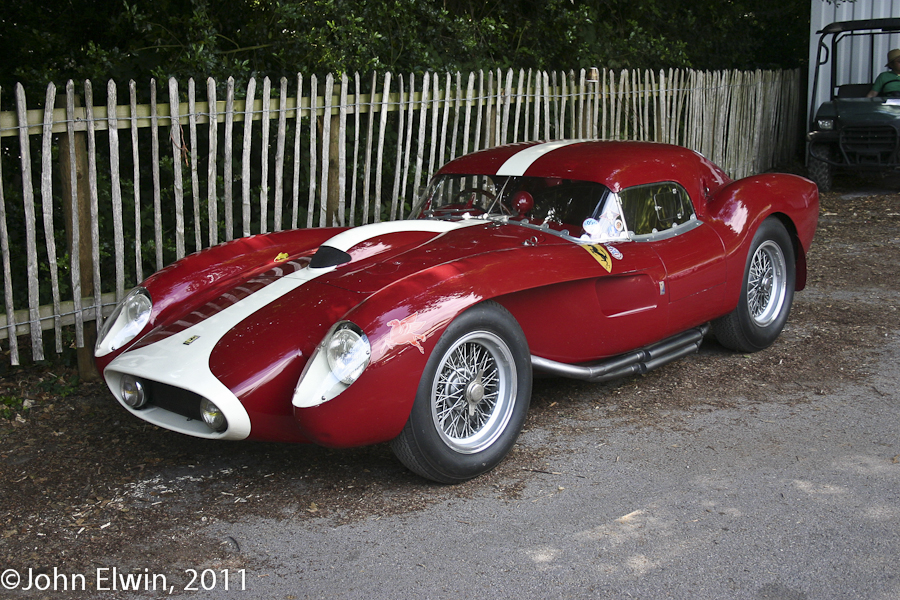
Bellissimo

Nevertheless that did not deter a record attendance of more than 181,000 popping down to Sussex, many of them appearing to be first-timers and somewhat different to, shall we say, the regular crowd.
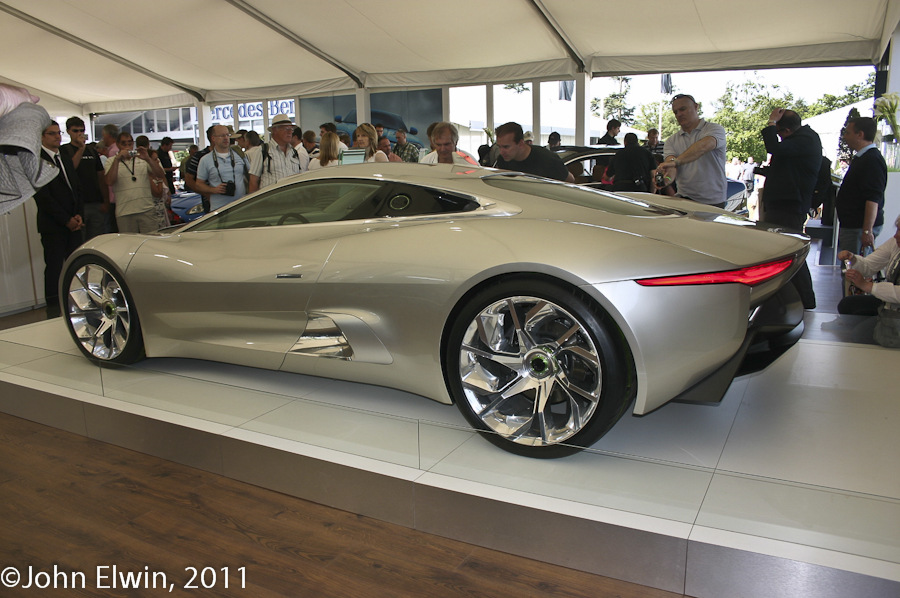
Jaguar Concept

Of course a large number were attracted by the Moving Motor Show event that ran on the Thursday for the second year. Such is the success of this that it is likely to become a slightly more stand-alone show run over two days earlier in the week.
Beauty is in the eye…

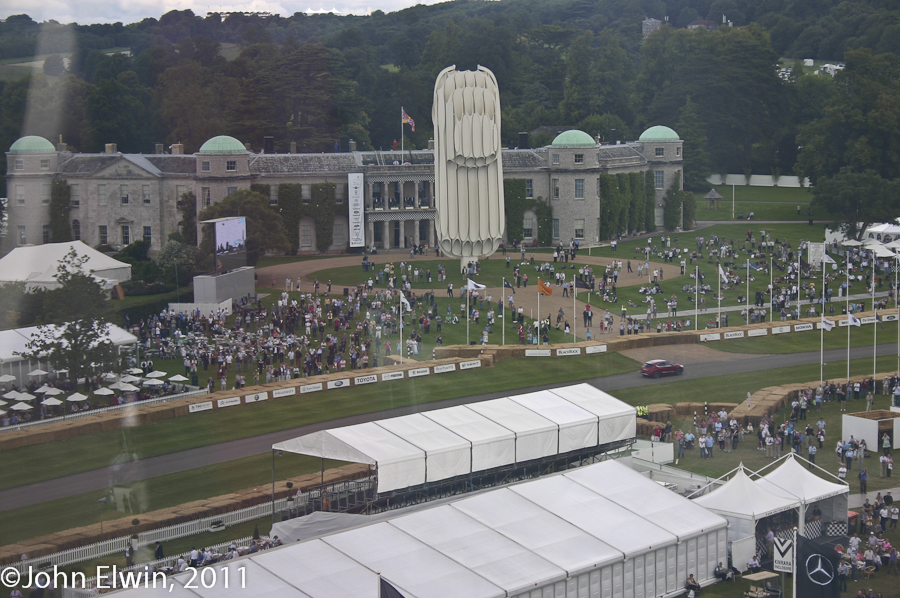
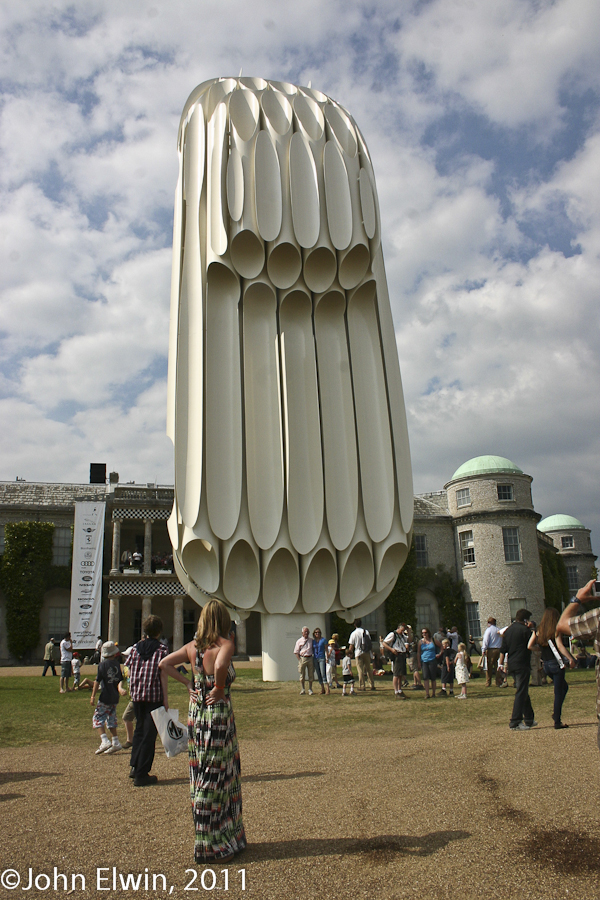
With the E-Type celebrating its’ 50th birthday this year, Jaguar was the featured marque with Gerry Judah’s customary sculpture in front of Goodwood House depicting an E-Type Coupé nose-diving into the ground; apparently the other way up was considered to look just too phallic! Whatever, looking as though it was made out of a re-cycled windmill it did not have the presence of Judah’s previous masterpieces although those lucky enough to see it after dark reckoned it was more impressive when floodlit. Strangely though, Jaguar themselves did not seem to make much of the occasion, unlike others before them.
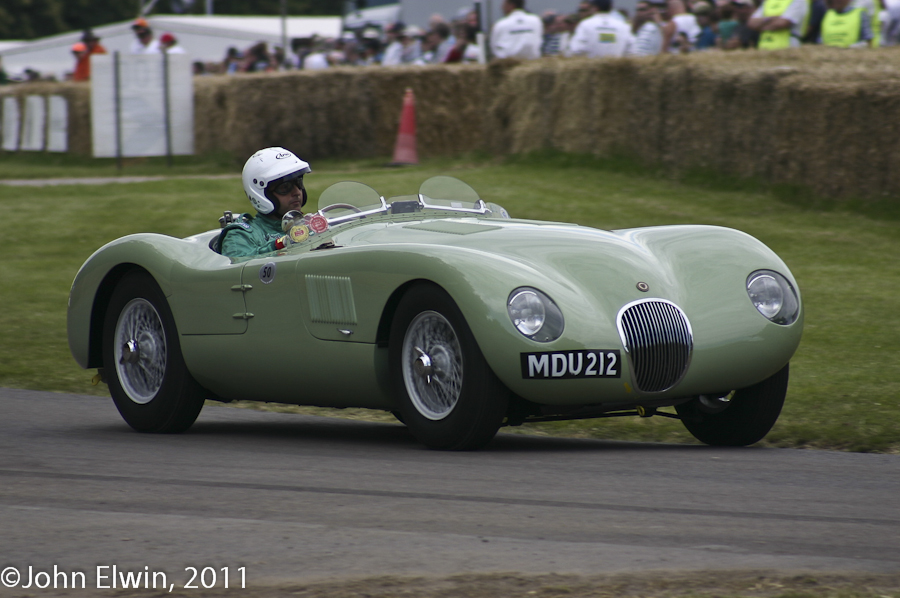
See the C-Type

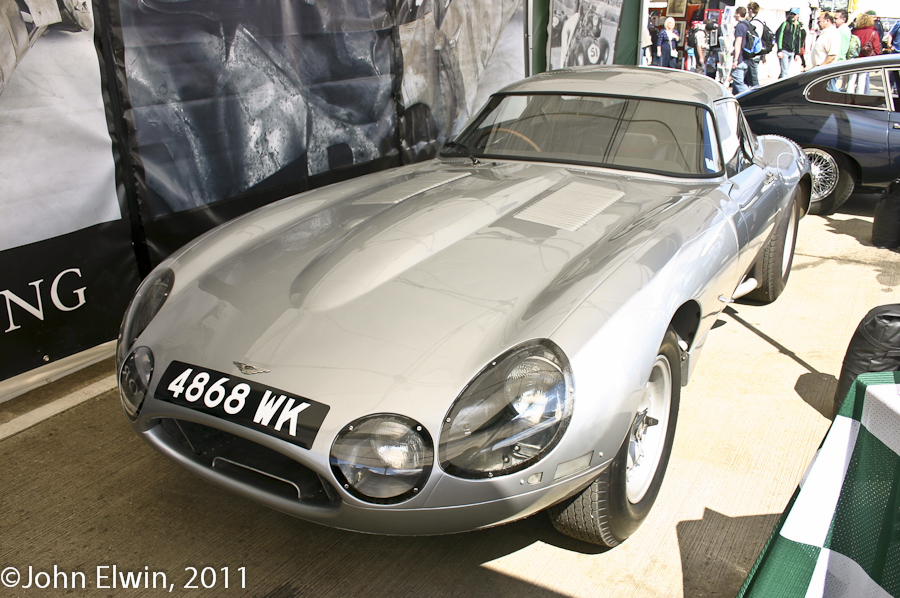
There was a dedicated Jaguar class taking to the Hill in honour of the Big Cat’s history at Le Mans; it’s 60 years since a C-Type took the first win and amongst those turning out was a rare appearance of a ‘Lowdrag’ C-Type built for the 1952 race. The streamlined bodywork might have increased performance down the Mulsanne but it also ruined the cooling and two of the three cars retired due to overheating, the third for other mechanical reasons. Amongst the E-Types being exercised were E2A, the early factory prototype that Briggs Cunningham took to La Sarthe in 1960 and ‘ECD 400’, the first E-Type to win a race in the hands of Graham Hill at Oulton Park in April 1961.
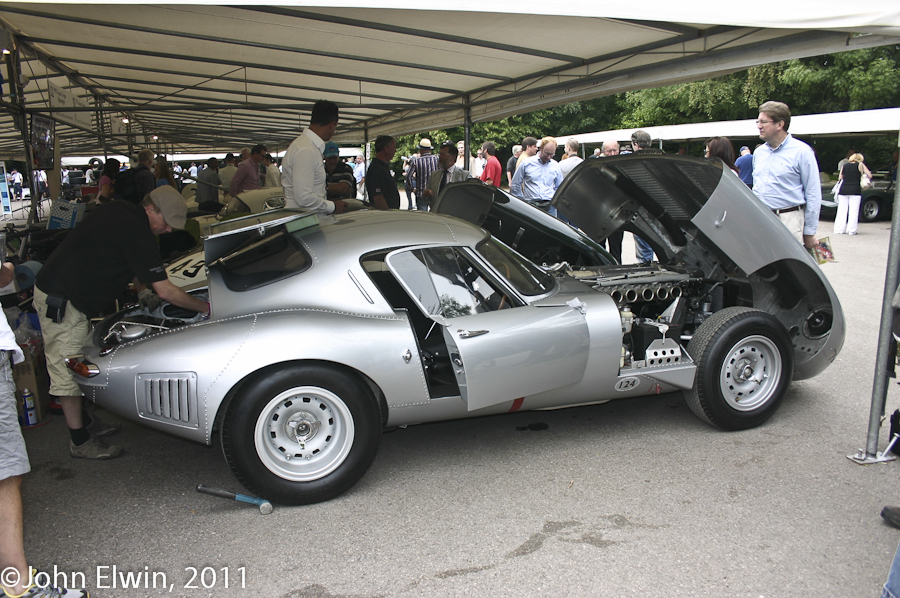
Beautiful Restoration

All eyes however were on the recently restored Lowdrag car that claimed Peter Nocker’s life at Montlhery in 1964.
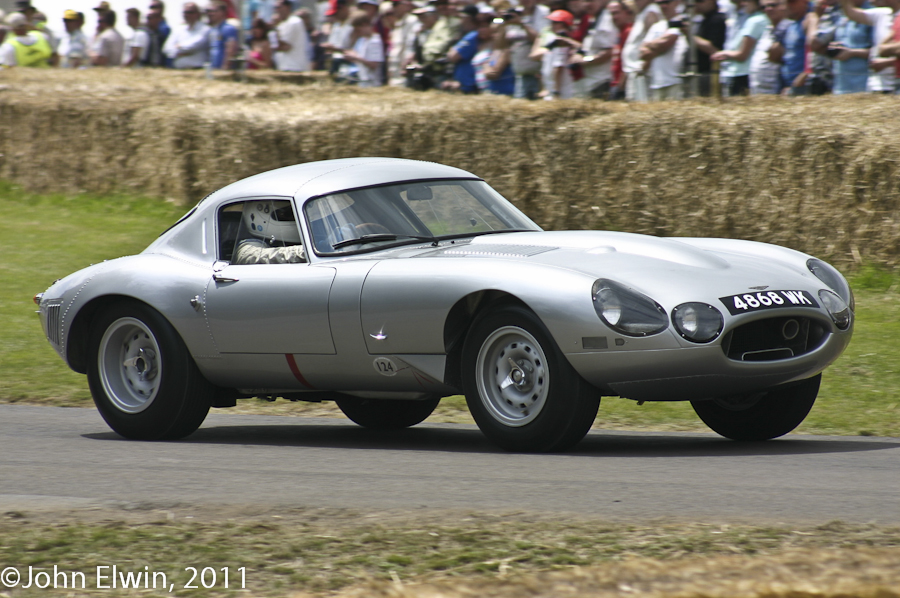
Lindner Nocker E-Type

After languishing for many years the wreck has been rebuilt by Peter Neumark’s Classic Motor Cars Ltd business, representing some four years’ work and utilising as much of the original as possible – more than 5,000 hours went into the very individual bodywork alone. And no, it’s not for sale.
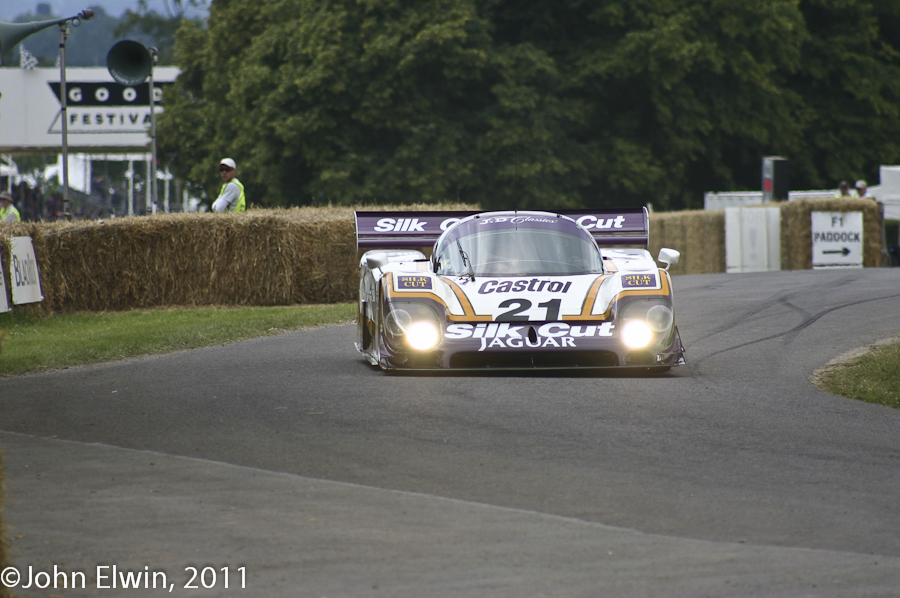
Future Past

With chatter about a possible return to Le Mans by the Tata-owned marque, former works driver, Andy Wallace, was on hand to remind everyone he has not lost his touch as he took to the Hill in a gorgeous Silk Cut XJR9LM.
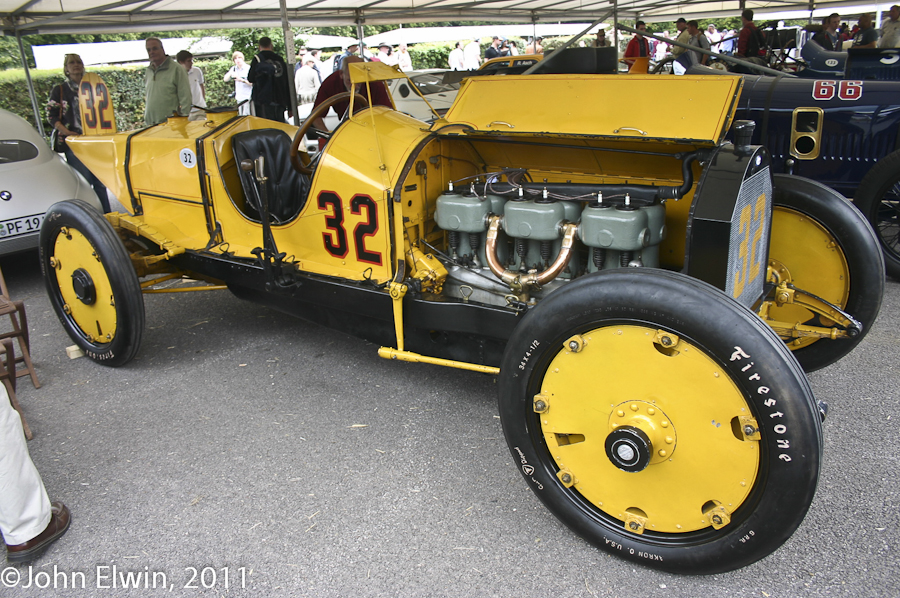
Old Stinger

If Goodwood had a central theme it was the Indianapolis 500’s centenary, an impressive array of men and machinery being lured across the pond, ranging from the 1911 Marmon Wasp that won the first race, to most recent winning driver Dan Wheldon. Whilst some took to the Hill during the weekend an ‘Indy Track Moment’ took place each day.
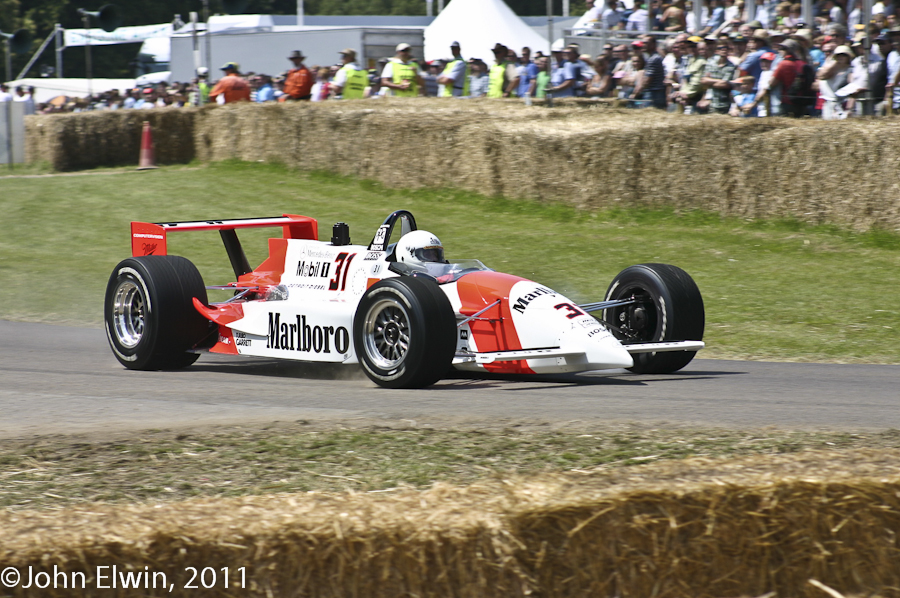
Accident in Progress

A symbolic line of bricks was brought over from the Brickyard (must have been interesting explaining away that hand luggage!) and laid on the track in front of the House where 33 cars – the same number as form an Indy grid – were lined up behind a 1958 Chevrolet Pace Car, whilst an authentic American announcer did the introductions. Marching bands and majorettes added to the occasion before a roof-top guitarist pounded out ‘Back Home in Indiana’ before the familiar ‘Gentlemen, start your engines’ was given.
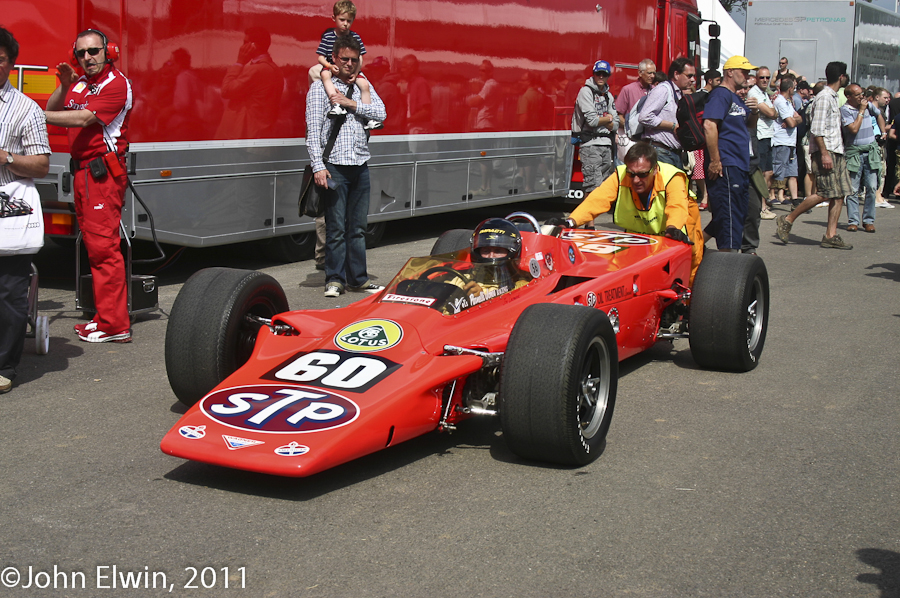
Parnelli Jones & Lotus 56

Amongst the stars who drove were Parnelli Jones, Al Unser Jnr., Danny Sullivan, Bobby Rahal, Emerson Fittipaldi and Dario Franchitti whilst Josh Hill got to drive grandad Graham’s ’66 race winning Lola – or at least the re-creation thereof.
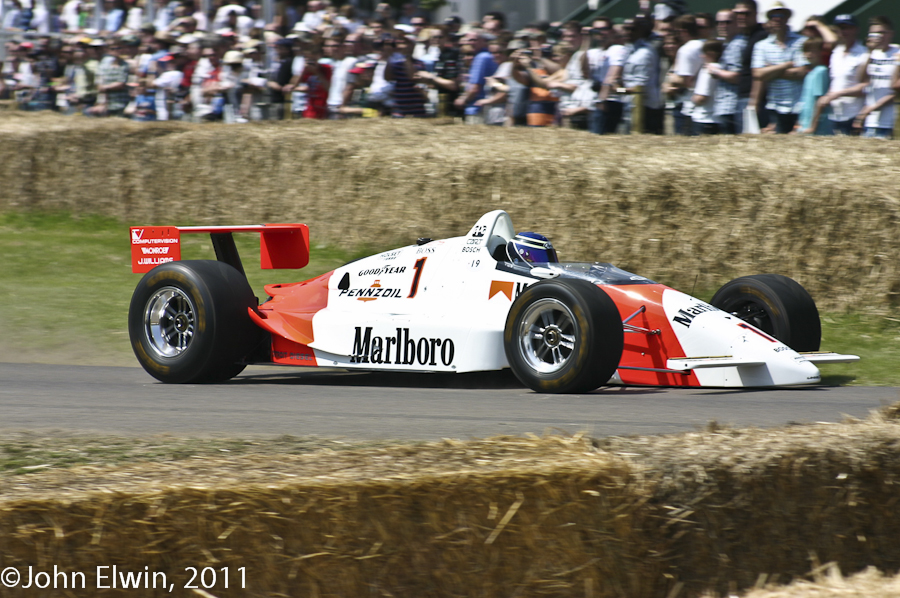
Penske PC19

Two-times winner Dario was in seventh heaven though. With a keen sense of history he is a great fan of fellow Scot Jim Clark and having had the opportunity to briefly get behind the wheel of Jim’s ‘65 Indy-winning Lotus 38 so sensitively restored by Classic Team Lotus last year, he was able to have a proper run in the sister car that Bobby Johns drove to seventh place that year before Clark himself used it to finish second in 1966, making it a British one-two. Franchitti was even resplendent in Clark look-alike helmet.
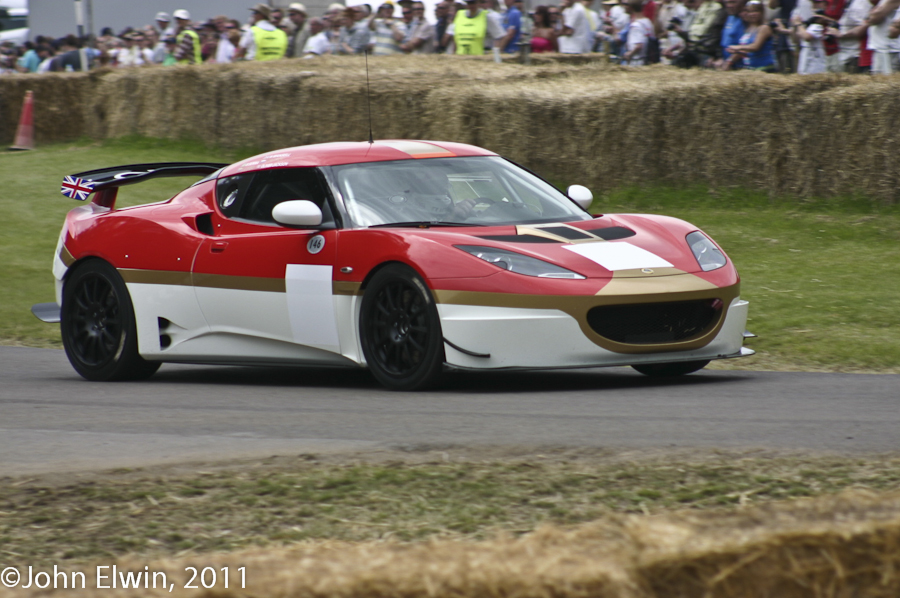
Our Nige

Lotus was very much in evidence at Goodwood, as befits an event with the title “Quantum leaps that shaped motor sport”, for Lotus were responsible for many of them. Amongst the impressive array under CTL’s awning was a Type 25 (first monocoque chassis in F1), 49B (first F1 car to race with a high wing), 76 (first F1 car to run a semi automatic clutch), 88 (first F1 car to run with a composite monocoque, not to mention two chassis), 96T (first Indycar with composite monocoque).
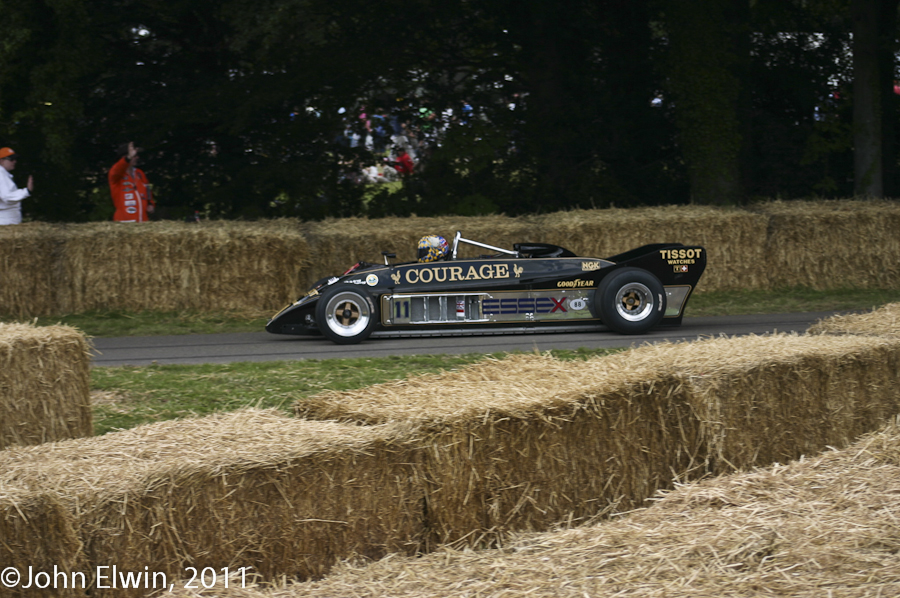
88 Mate

It was a terrific vindication of all that Clive Chapman and his team have done to keep the Team Lotus to the forefront in recent years that Dan Collins set BTD during the Top 20 Shoot-out on board the twin-chassis Type 88.
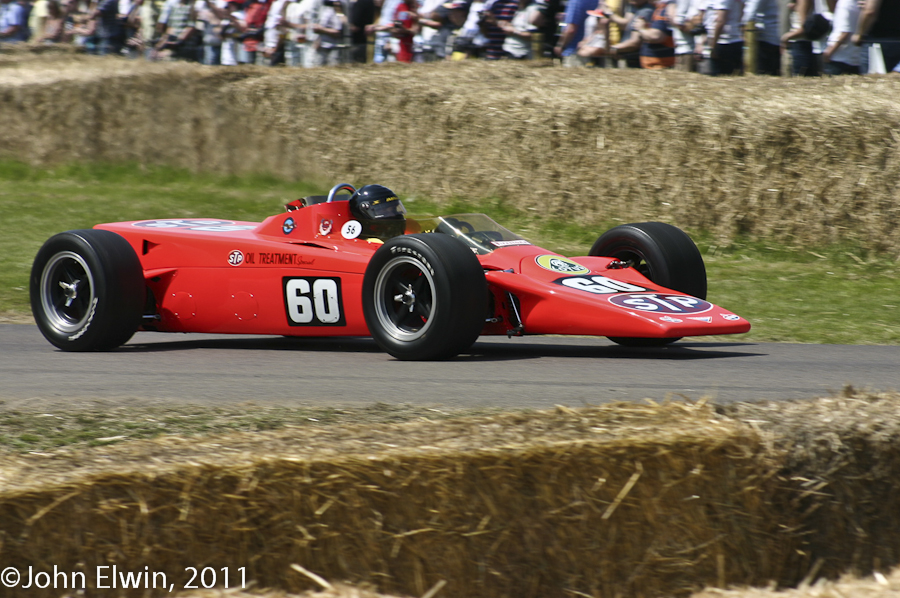
Inspirational

It was another Lotus that caught Clive’s eye though, as Parnelli Jones had brought over the day-glo red STP-liveried 56 Turbine car with which Joe Leonard so nearly won the 1968 Indy – he was leading when with just nine laps remaining the Pratt & Whitney turbine suffered a flame-out, leaving Bobby Unser to take the first win for a turbocharged car. Mused Clive, “I think our winter project will have to be restoration of our 56B if I can find an engine.”
The Vulcan

The 56B was the F1 interpretation of the Indy car built for the 1971 season. It ran in Gold Leaf colours initially, debuting at the Race of Champions before Dave Walker gave it a brief  GP debut at a wet Zandvoort. In the wake of problems surrounding the death of Jochen Rindt the year before the car was painted gold and black and sent to Monza under the World Wide Racing banner for Emerson Fittipaldi, finishing eighth. After one more non-championship race the car was abandoned in favour of the Type 72, and for sometime languished in a corridoor at Lotus, where this particular writer made use of the flat rear deck to sort-out filing whilst working there. It did have its uses after all!
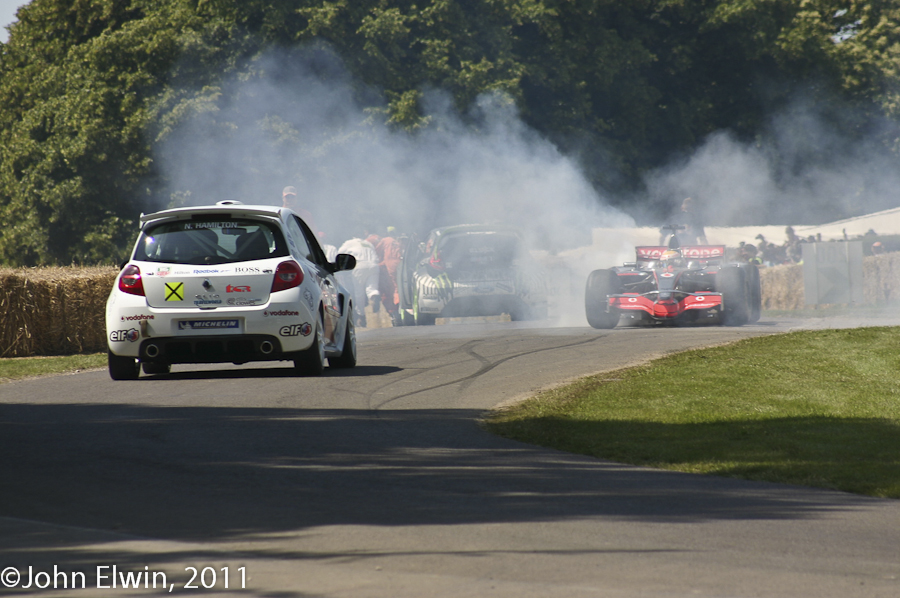
The Hamilton Brothers go head to head

Modern F1 cars no longer set times at Goodwood but many of today’s stars turned out, inevitably home-grown stars Lewis Hamilton and Jenson Button received a tumultuous welcome. And without any FIA stuffed shirts in attendance to give him the seemingly obligatory dressing down, Hamilton truly entertained in a 2008 MP4-23. He also got to drive – with a little more respect – the 1981 MP4, John Barnard’s design that utilised the then novel carbonfibre and launched the now Ron Dennis-run McLaren on the path to future success.
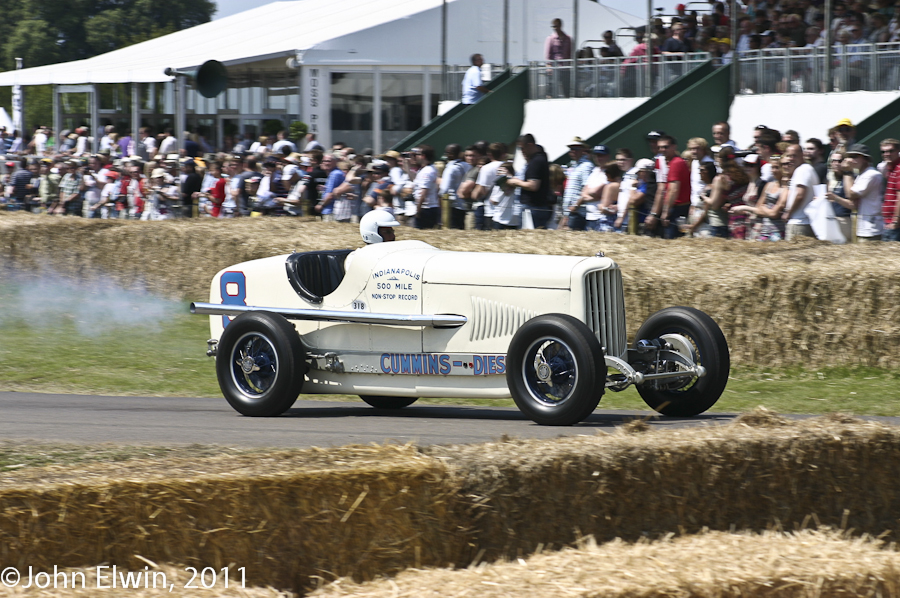
Who says racing diesels are new?

Incidentally, McLaren test driver Chris Goodwin has invested some of his earnings in a McLaren M1B, the first chassis built and raced in the US by Chris Amon. Goodwin will be following in the footsteps of his long-time historic racing father Tony when he races it at the Revival.
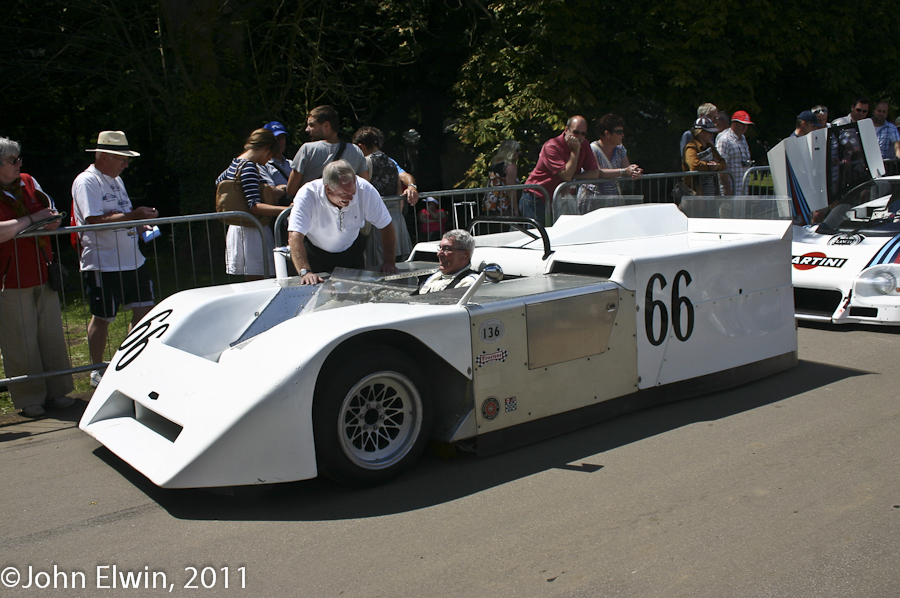
Quick Vic & Chaparral

Other current F1 teams represented included Red Bull with an old RB1 for Mark Webber and Adrian Newey, Williams, Ferrari and both Team Lotus and Renault, all using older cars.
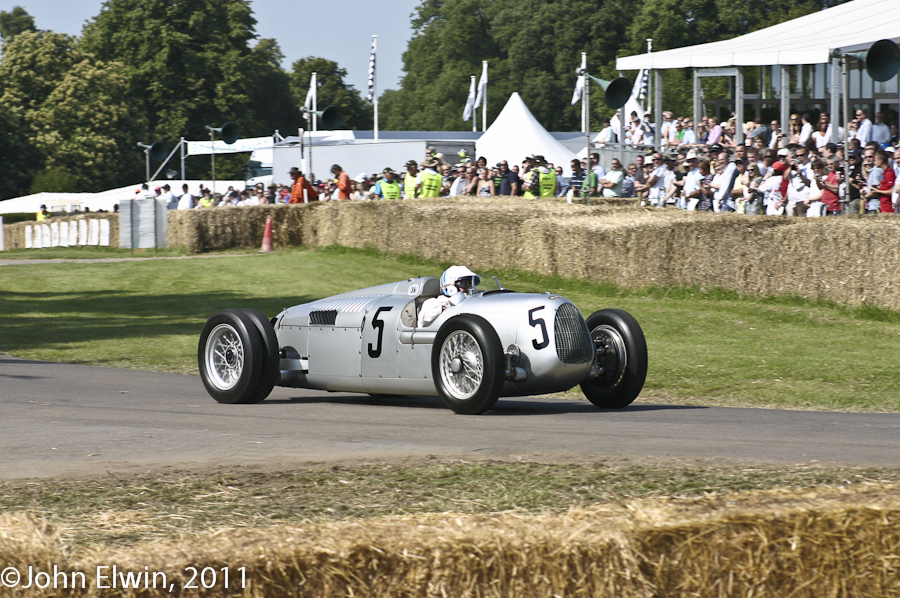
Last Year’s Model?

They reason they don’t use today’s cars is that the mileage counts towards their testing allowance and it also puts pointless mileage on the engines.
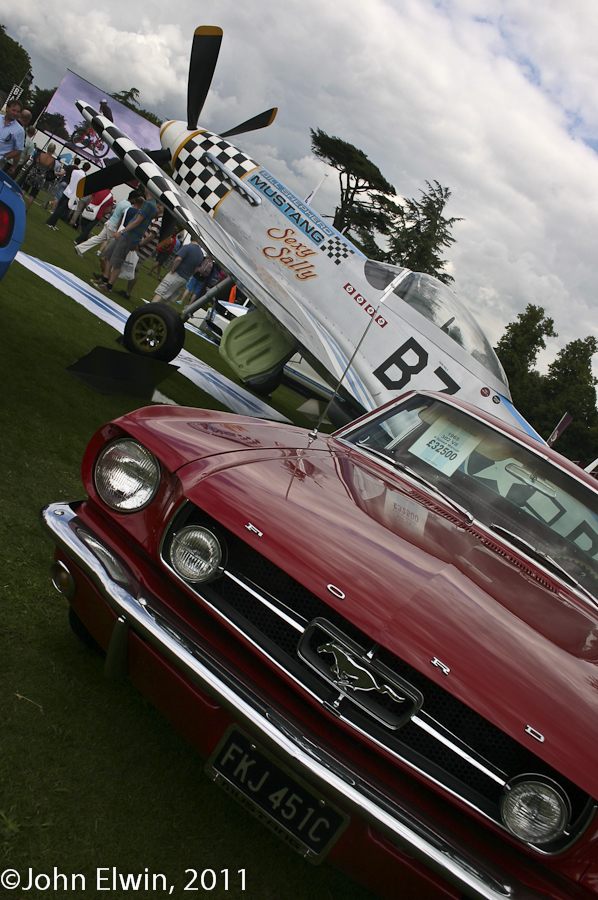
Mustangs for all tastes

Martin Donnelly somewhat bravely got back behind the wheel of a Lotus-Lamborghini 102, the model with which he ended his F1 career with a huge shunt at Jerez in 1990. The car, the only Lotus ever to have used a V12, has recently been restored by CTL and owner Andrew Morris also took a turn, although with very limited track time in the car it’s been a bit of a learning curve as there have been a few problems getting the Lambo to run cleanly and engine spares are not exactly plentiful.
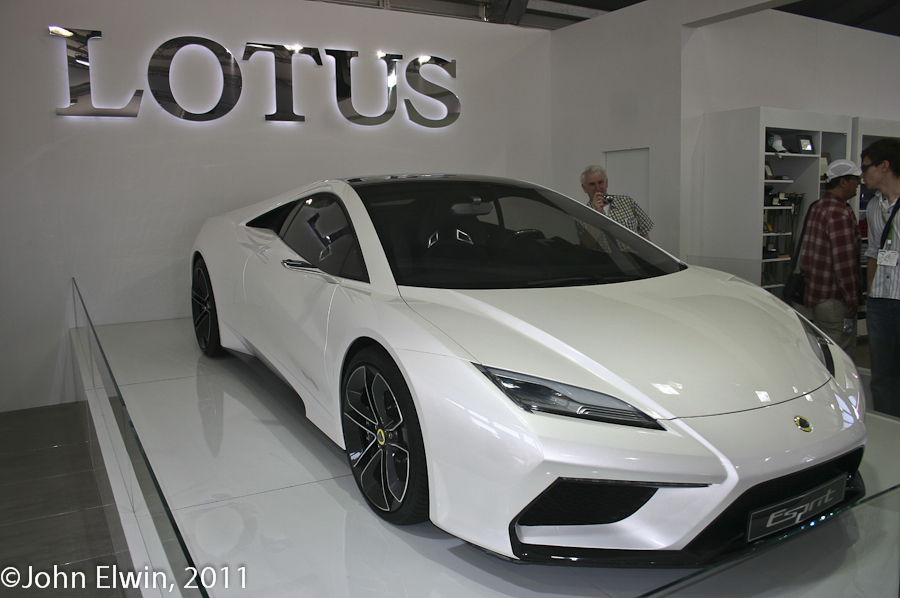
Lotus Esprit

In keeping with the Motor Show theme, the majority of manufacturers now have a presence of some sort with from Audi, occupying their usual dominant pitch by the hill down to tiny Morgan, whilst newcomers Lotus were showing the new Esprit, now signed-off for production.
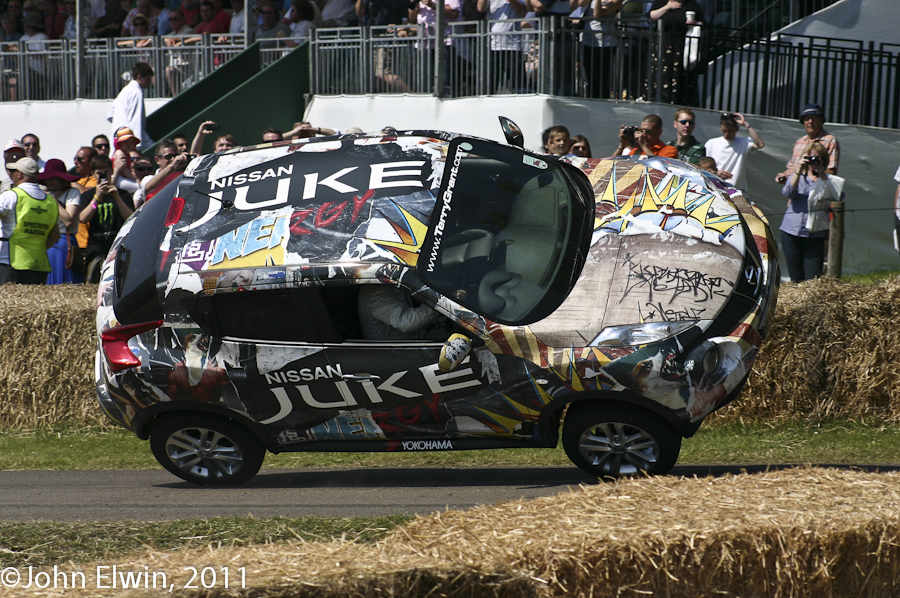
Terry Grant on the way to a record

Despite my opening comments, there was plenty to see at Goodwood, even a successful record attempt by Terry Grant for the longest distance by a 4-wheeled vehicle on two wheels – he managed to get his Nissan Juke all the way up the 1.1-mile hill, but one has to stop somewhere this’ll be it – until the Revival in September, that is!
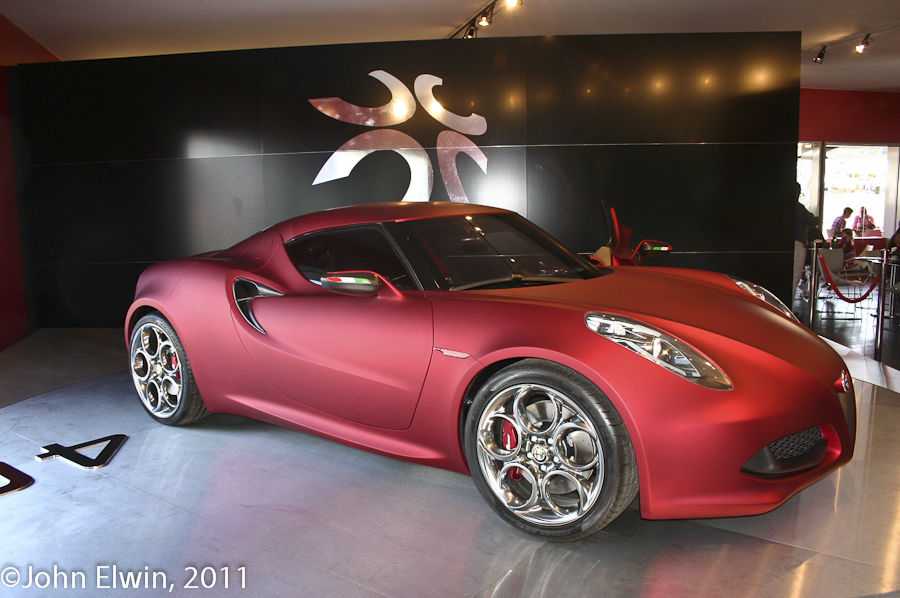
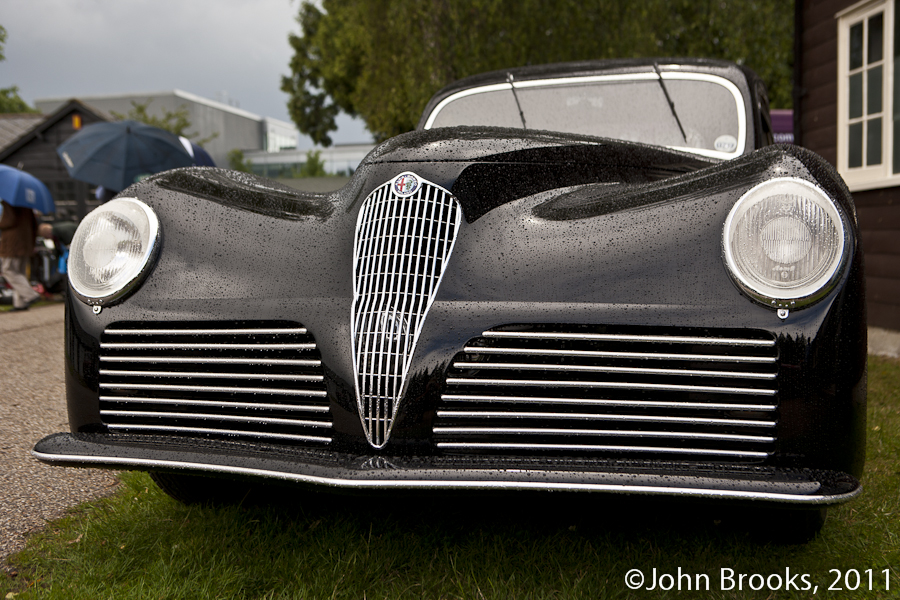
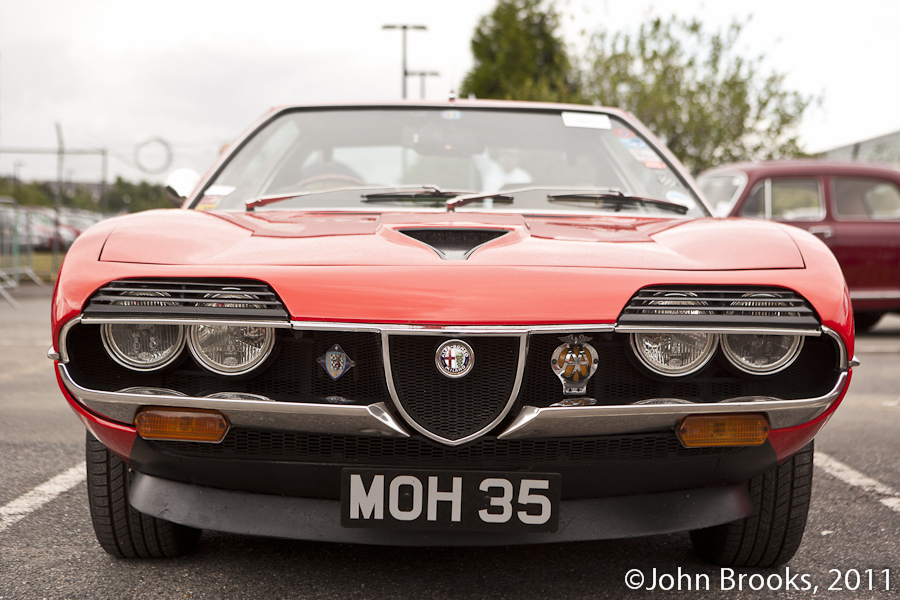
And finally… no story is complete without a stunning Alfa Romeo

John Elwin, July 2011
 

Alfa, Alfa, Alfa

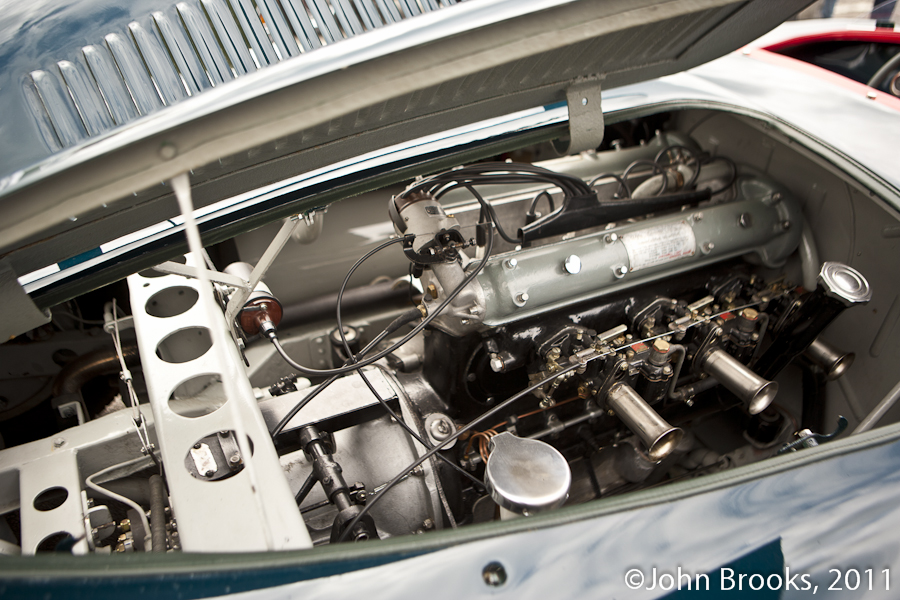
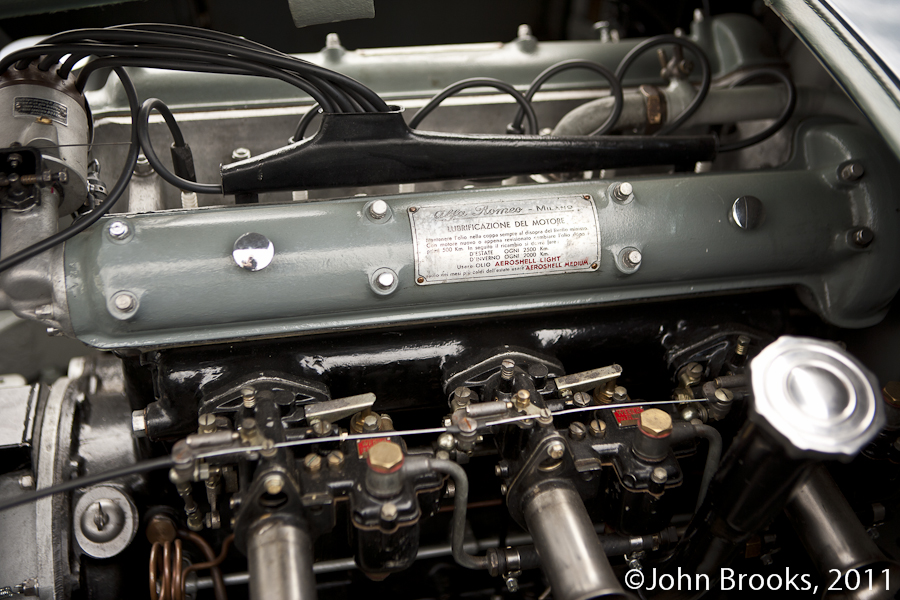
The Brooklands Double 12 brought out fine examples of motoring art from Italy and specifically from Alfa Romeo. The Italians have created some of the most beautiful cars ever to turn a wheel, occasionally a dog too.

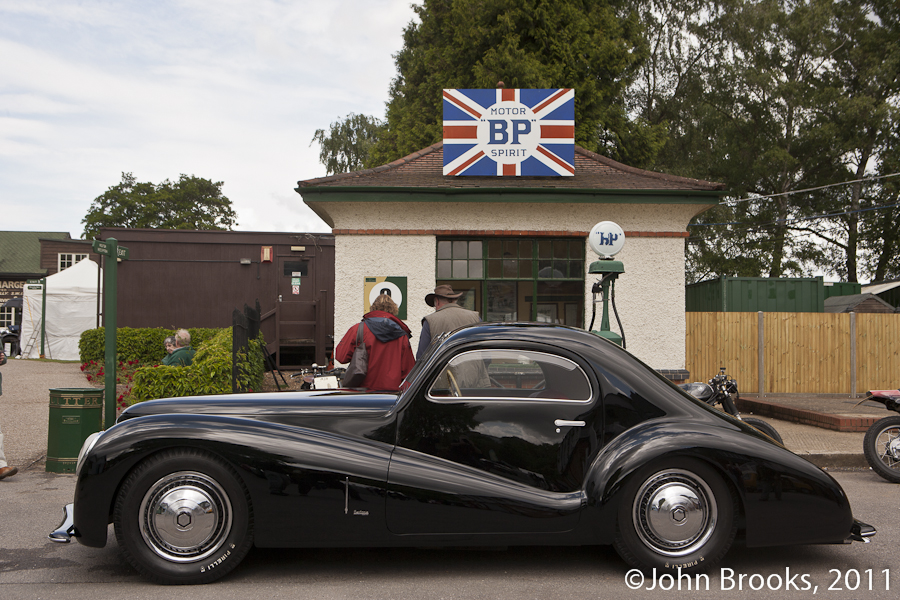
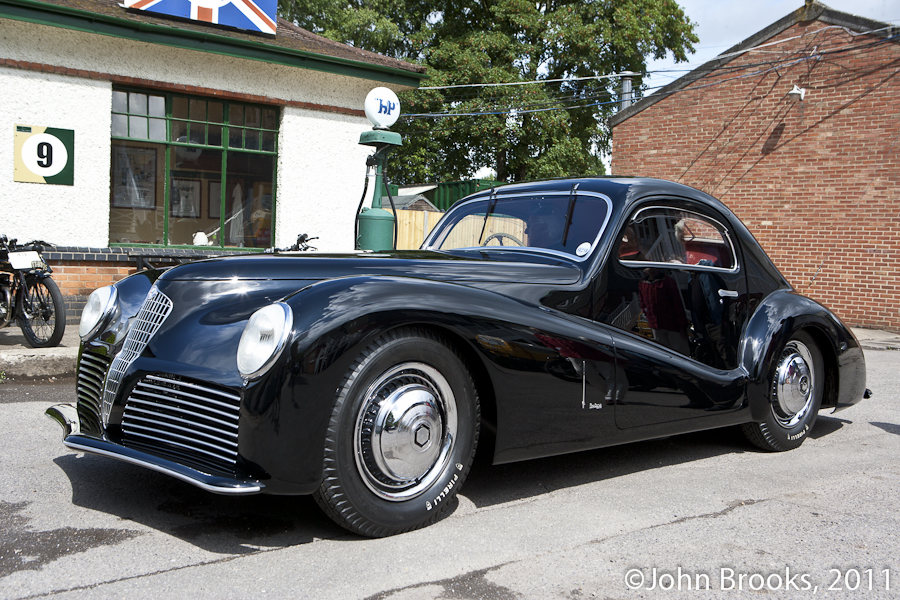
Alfa Romeo 6C 2500 Bertone

Almost the first car that the Special Correspondent and I tripped over on our arrival was this fabulous machine. It was a Alfa Romeo 6C 2500 SS Bertone dating from 1942.

Alfa Romeo 6C 2500 Bertone

It was brought to England by its current owner, Corrado Lopresto, who has restored the car to its original glory.

Artist’s Signature

Along the way it has won awards at Pebble Beach and Villa d’Este, including the 2011 Coppa d’Oro, it doesn’t get any better than that.

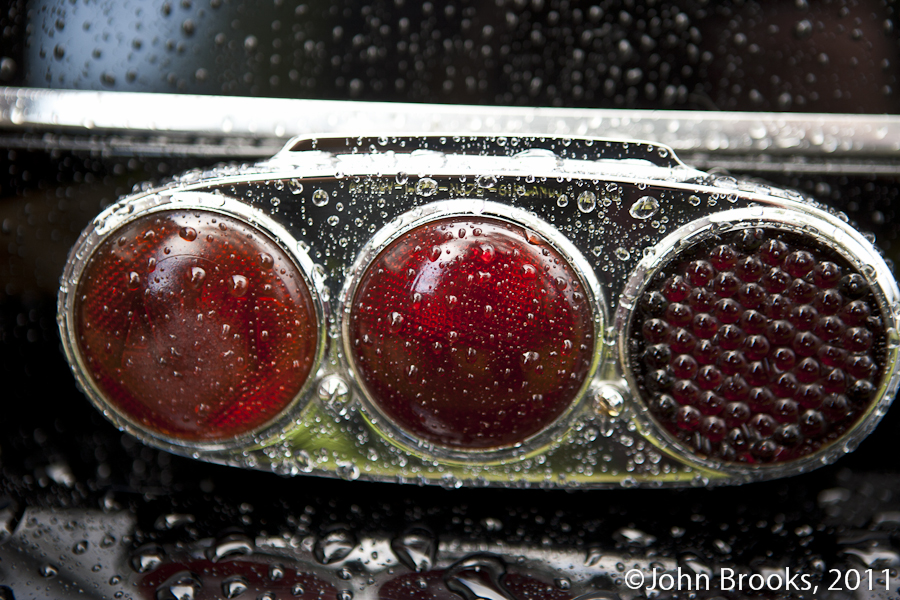
Tail Piece

According to my good friend Wouter Melissen the design was the work of Mario Revelli di Beaumont.

Alfa Romeo 6C 2500 Bertone

You can read up more about this fantastic car on Wouter’s excellent site HERE . Strange thing, probably a coincidence, but when you Google this car, most of the websites that describe it at Villa d’Este or Brooklands use a remarkably similar wording to that of UltimateCarPage, when it talked about the car a year ago at Pebble Beach. Spooky, this internet thing.

Alfa Romeo 6C 2500 Bertone

One thing that struck me is the question of how did this car get built at all? In 1942 World War Two was in full flow, Italy was fighting alongside Nazi Germany in the Western Desert and on the Russian Front. All materials were rationed and there was strict control of industrial activity. It must have been very powerful JuJu that allowed the war effort to be diverted to build this one off. Perhaps the Italians have always had a better sense of what is important and what is not, most of them would have seen through Mussolini’s bombast by that time. Certainly nothing like this could have been built in war time Britain, the Man from The Ministry would never have allowed it.

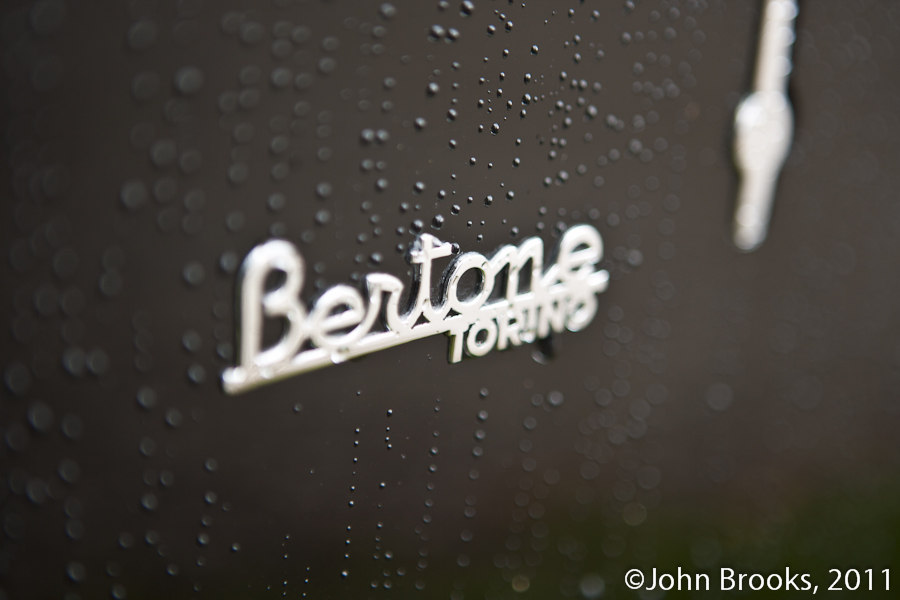
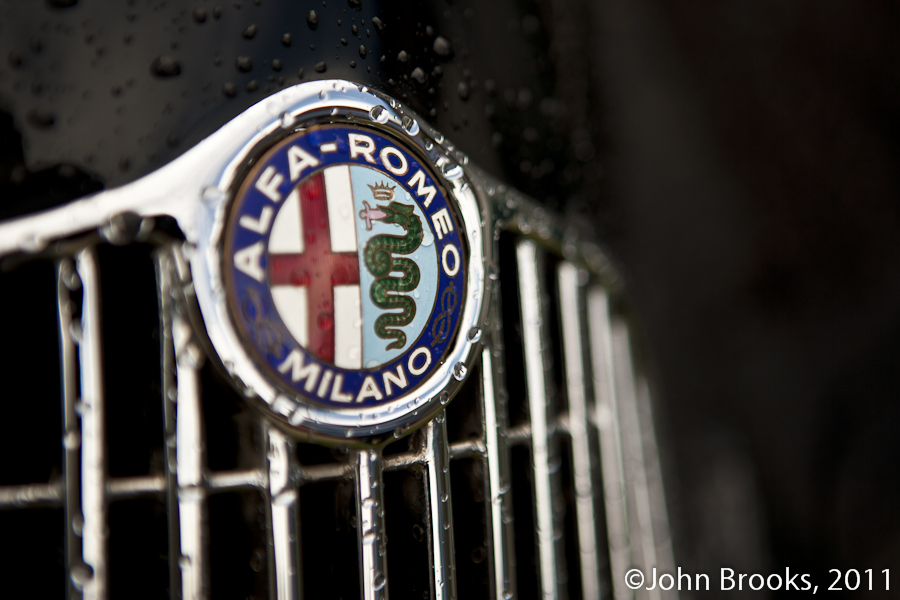
Badge Engineering

The car was built in 1942, delivered to Concessionaria Oreste Peverelli in Como, then rescued from Italy to Switzerland to remain intact during the Allies’ invasion of Italy. It is a thing of beauty and we were lucky to see it at Brooklands.

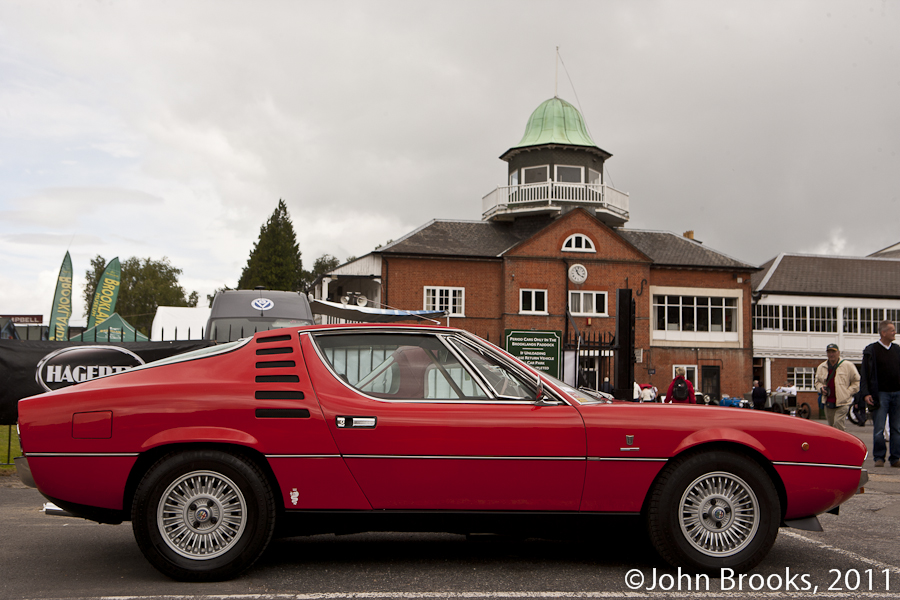
Alfa Romeo Montreal

Less exotic but still very worthwhile was this Alfa Romeo Montreal.

Alfa Romeo Montreal

The styling say 1970’s in the same way as the Bertone classic says 30’s.  Yet this does not detract from it, there really was Life on Mars.

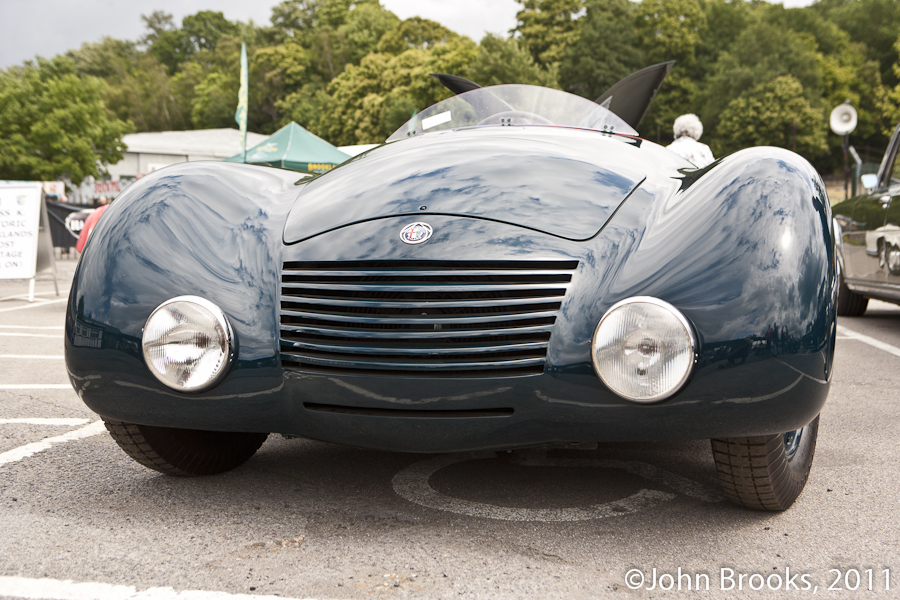
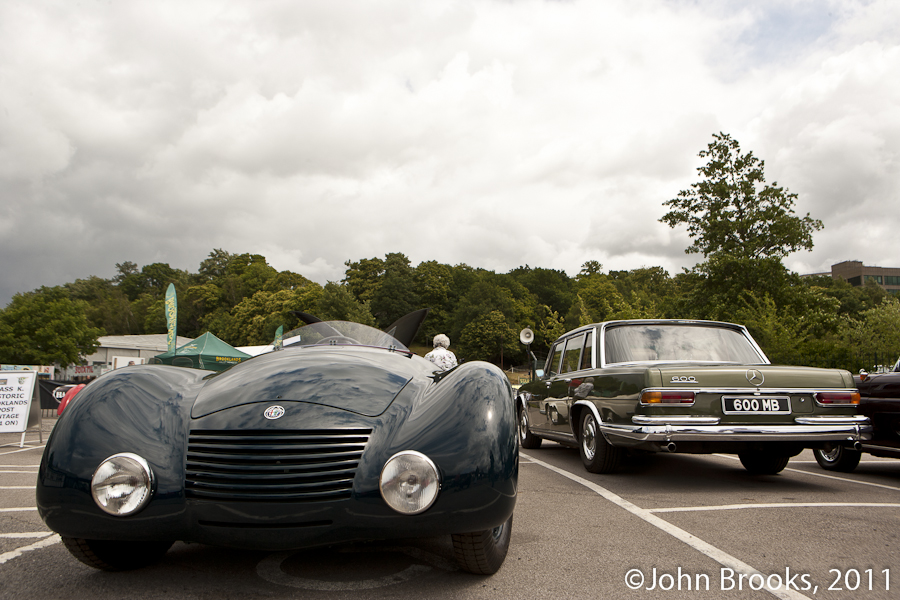
Another exhibit that purported to date from the 30’s was this weird creation.

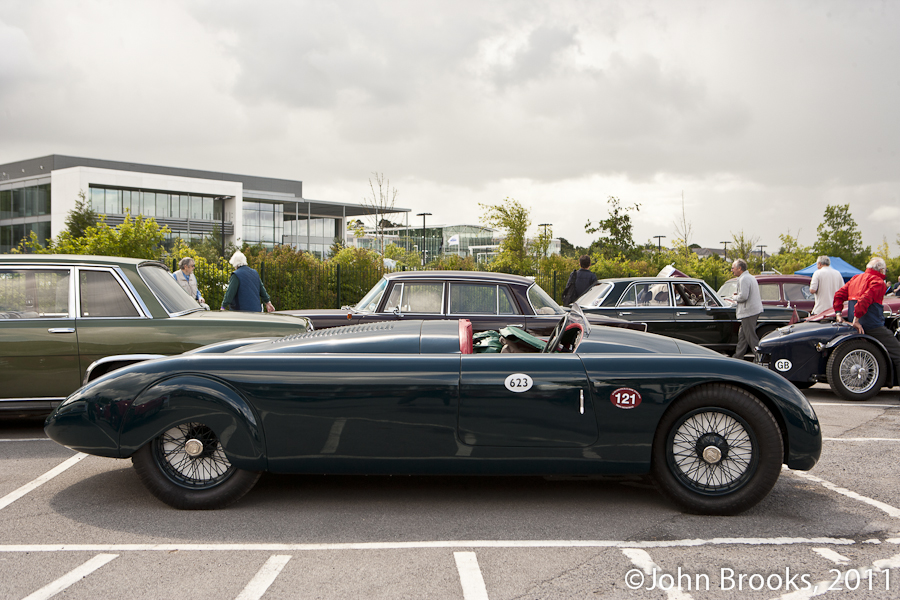
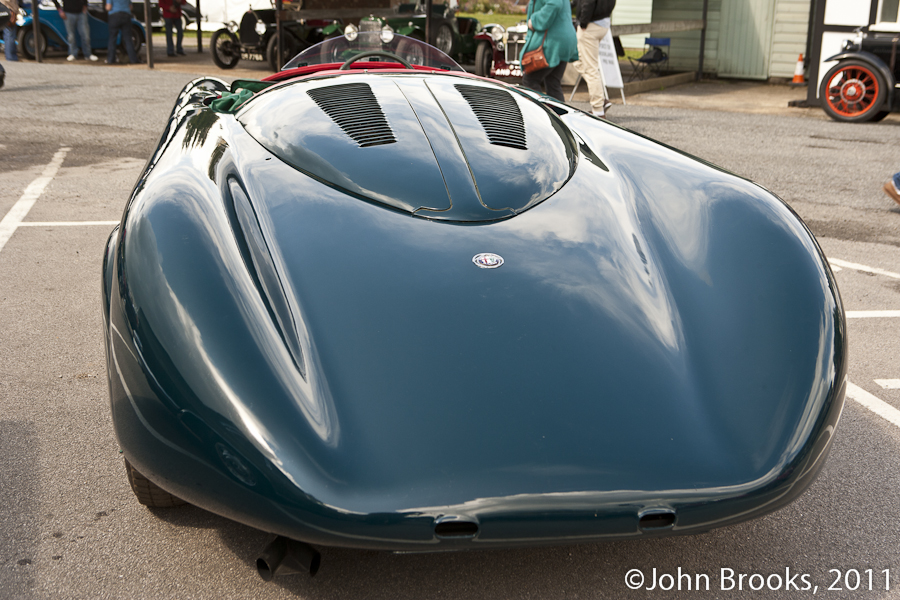
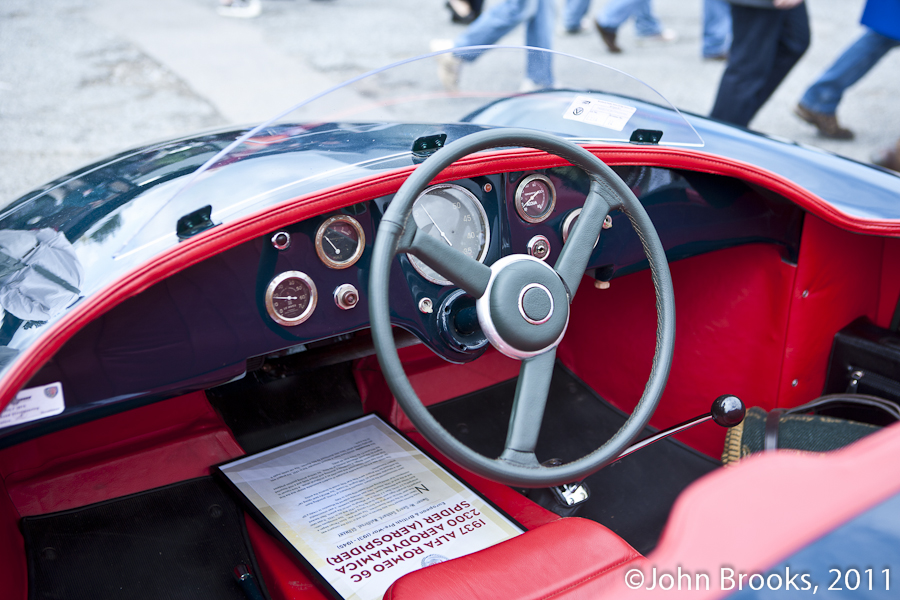
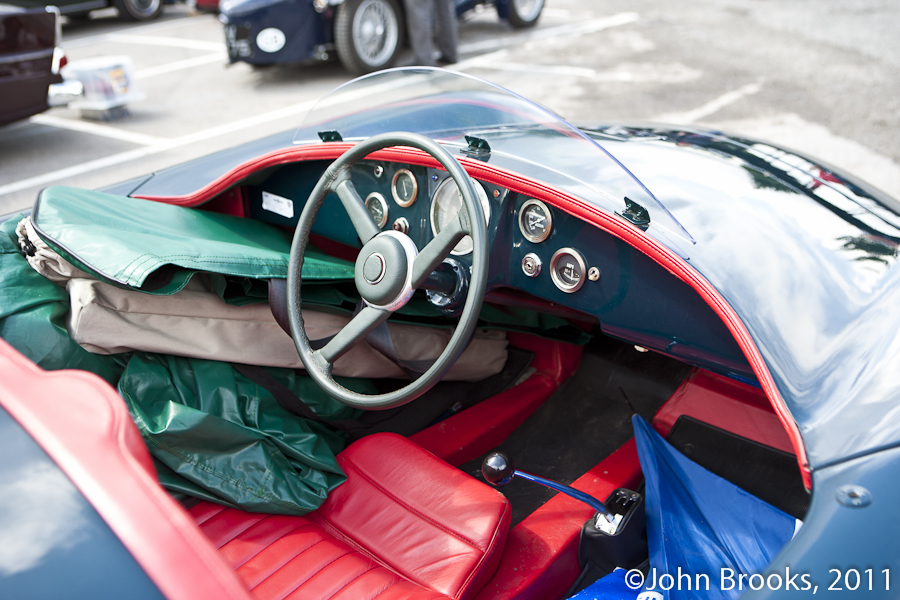
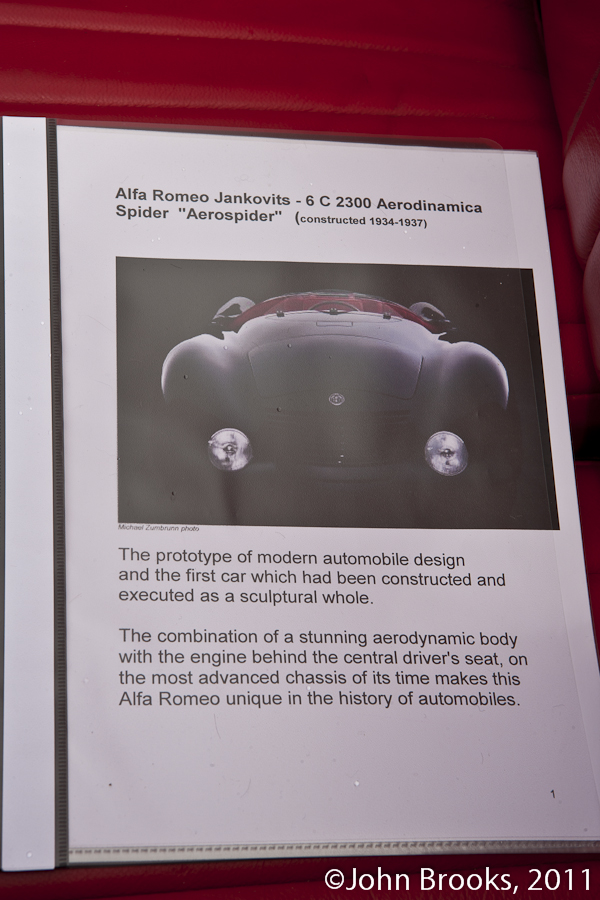
Alfa Romeo 6C 2300 Aerodinamica Spider

It is described as a secret project commissioned by Vittorio Jano.

Someone has taken a lot of time and trouble to post up a full history on Wikipedia.

Cockpit

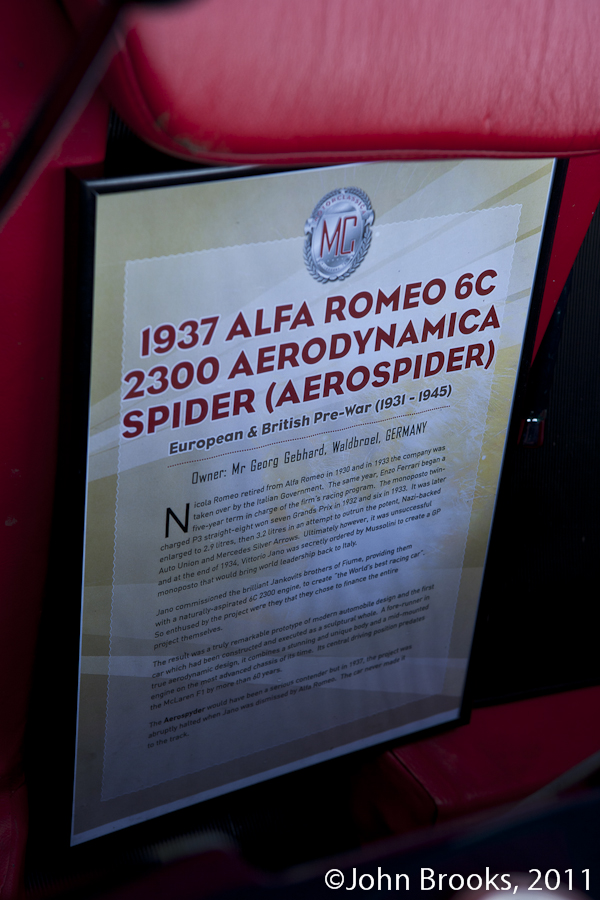
In 1935, Vittorio Jano, working with the brothers Gino and Oscar Jankovitz, created a one-off mid-engine prototype on a 6C 2300 chassis (no. 700316),which Jano had shipped to Fiume, Croatia in 1934. The brothers Jankovitz had been close friends with leading Hungarian aerodynamicist Paul Jaray, and the prototype, called the Alfa Romeo Aerodinamica Spider, was an especially early and clear example of ponton styling — a genre that would overtake automobile styling and last until the 1960s. Jano had intended to fit a V12 engine, though that possibility disappeared when Jano himself was fired from Alfa in 1937.

Based on documents kept in the family Jankovits the history of the car’s development is as follows:
Summary of the “Aerospider” Alfa Romeo Jankovits – 6 C 2300 Aerodinamica Spider “Aerospider” (constructed 1934-1937)
The prototype of modern automobile design and the first car which had been constructed and executed as a sculptural whole.
The combination of a very advanced aerodynamic body with the engine behind the central driver’s seat, on the most advanced chassis of its time makes this Alfa Romeo unique in the history of automobiles.
This special version of an Alfa Romeo 6C 2300 belonged to a secret project by Vittorio Jano and the brothers Jankovits.
The Aerospider represents:
The first supercar of “modern” sports car design.
The first mid-engined car with central driving position in the history of automobiles designed to keep the centre of gravity in the middle of the car – 60 years ahead of the McLaren F1
The first car designed to take account of newly developed principles of aerodynamics, to provide low-drag both externally and internally.

The article makes a whole batch of other claims about the car.


There is even a bit of James Bond, or should that be “The Spy Who Came in From the Cold” provenance attached?

The car was ‘liberated’ from East Europe in a dramatic way, according to the story.

No V12.

Any public appearance of the futuristic looking Aerospider would have caused a sensation, but because of the secrecy surrounding the project, and then the onset of the war, the prototype remained hidden in the Jankovits’ garage in Fiume, and was not seen by anyone from outside the garage. On Christmas Eve 1946, Gino Jankovits drove the Aerospider at full speed under the toll-bar of the closed communist controlled border into Italy. Border guards fired volleys of shots after him, but the low, streamlined body saved Gino’s life. Only the rear tyres were destroyed by the bullets, which also caused some dents in the rear of the car’s bodywork. To get money they had to sell their car to an Anglo-American officer. Then the Alfa disappeared for about 20 years until it was rediscovered in England. In 1978 the Aerospider was recognized by the well-known Alfa Romeo historian Luigi Fusi, who had worked with Vittorio Jano at the time of the Aerospider project. He wanted to acquire the car for the Alfa Romeo Museum. The acquisition failed, but the prototype did eventually return to Italy, 30 years after its birth, to be restored at last to its original condition as a racing car.

Original?

However, Alfa Romeo is a brand that inspires loyalty and enthusiasm amongst the Alfisti to a degree seldom seen by other motor manufacturers. So when a rare beast like this appears from nowhere it will attract commentary and not everyone has accepted the authorised version.

Brooklands

Indeed, when I asked my colleague, the venerable Special Correspondent what he thought, he was somewhat dismissive. He backed up this opinion by later confirming that the car was not in the Alfa Romeo bible ‘Alfa Romeo Tutte le Vetture Dal 1910’ by Luigi Fusi. That confirmed it, as far as he is concerned, that this car is not an Alfa Romeo. Others have written blogs about this vehicle, one can be found HERE that eloquently puts the case for the prosecution.

Proof?

Another comment that was published, “Respected antique dealer Colin Crabbe was told by Luigi Fusi of the Alfa Romeo Museum that the Jankowits car is not an Alfa Romeo, what ever the current owner seems to think, none the less it is an extremely interesting Alfa Romeo powered special, stories of the car dodging bullets to escape communist Yugoslavia are comically wide of the mark, the car and its occupants were allowed to leave the Yugoslavia with a perfectly normal travel permit, it was never designed for anything other than a straight 6, Alfa V12’s did not exist at the time the car was conceived by the Jankowits Brothers.”

More Proof?

Still, there are those who maintain that this story is true. The car has been exhibited at Goodwood’s Festival of Speed and, of course, Brooklands, giving some credibility to that version of events. Being less of a purist than those like the Special Correspondent, I am inclined to enjoy that car for what it is and am glad that we are able to see it today.

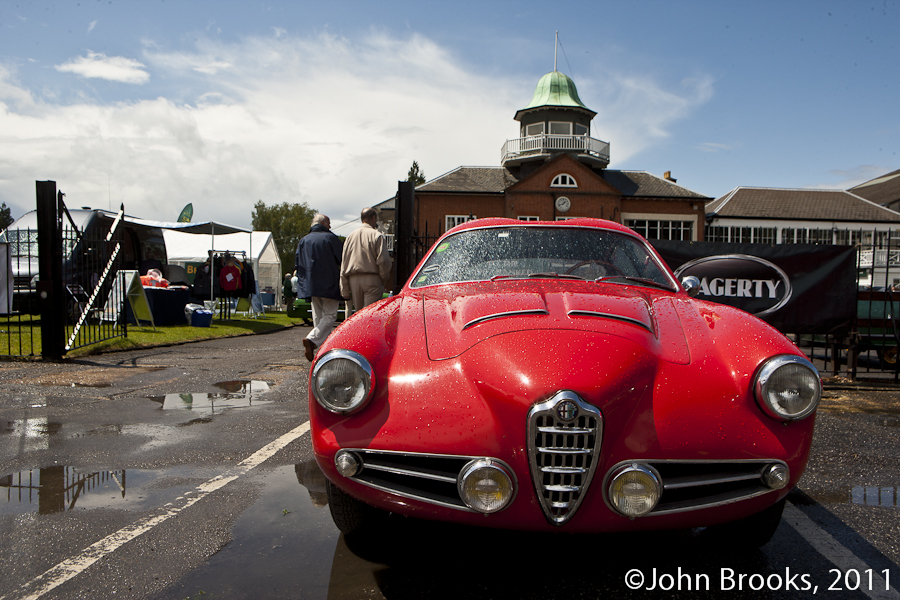
Alfa Romeo 1900C SS Zagato Coupe

One car that attracts only enthusiasm is the Alfa Romeo 1900C SS Zagato Coupe. Even the rain storm that hit the event that day could not dim the glow from the car.

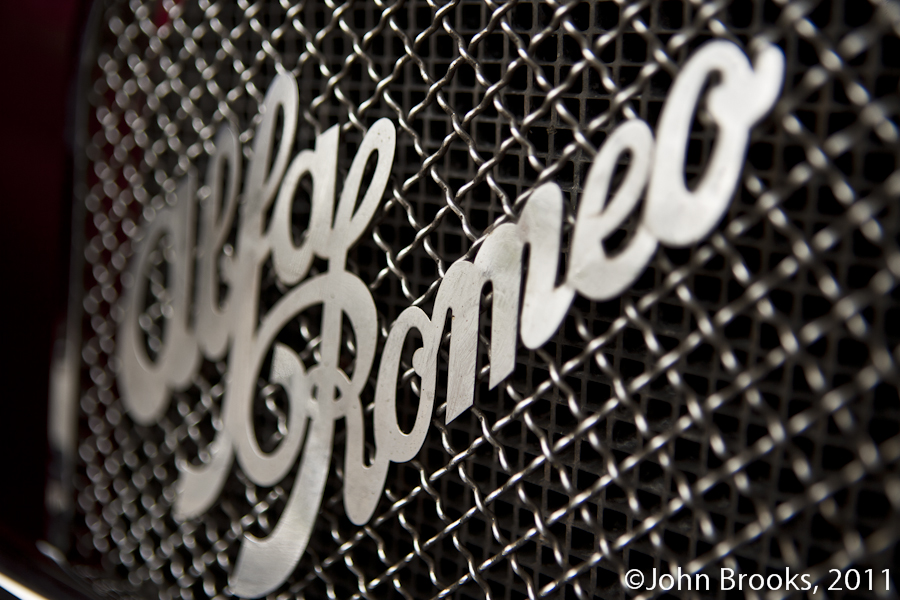
Name Check

A fitting way to end this salute to Alfa magic on display at Brooklands last month.

John Brooks, July 2011
 

Brooklands’ Best

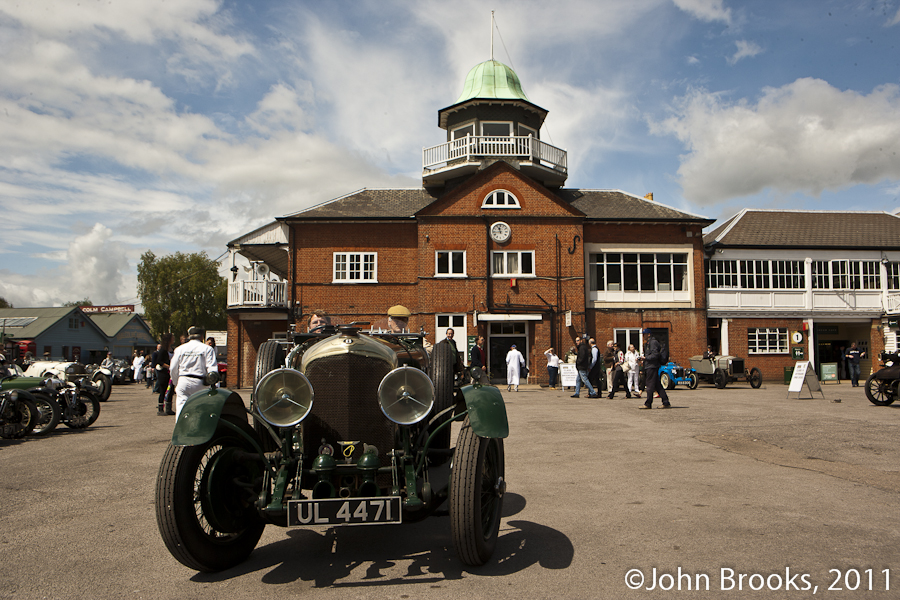
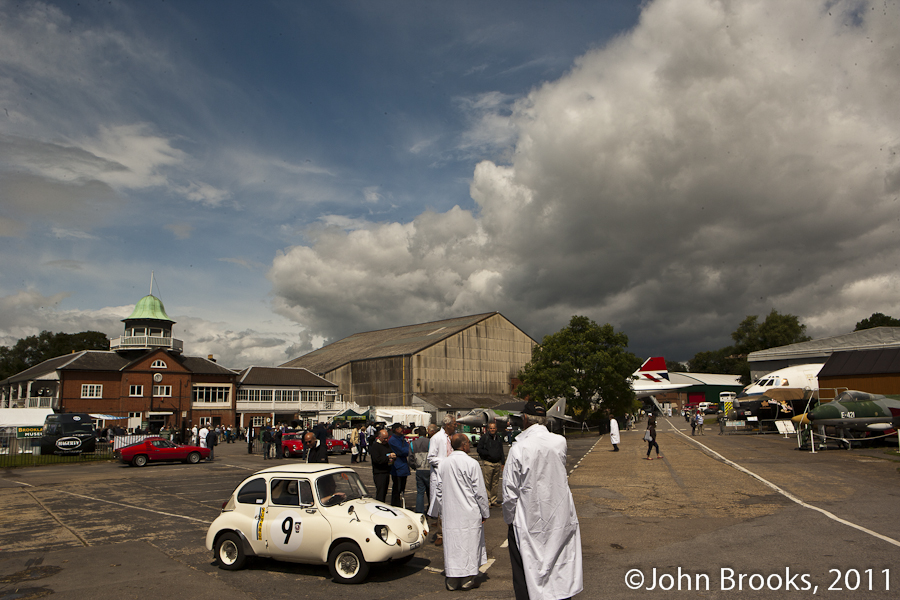
Instead of the usual trek across countries and continents, the journey last month was just down the road. Brooklands, the world’s first purpose built motorsport track, is but a few miles from base. As a child going to school in Weybridge I could hear the testing of VC10 engines echoing down the hill from the Vickers factory located at the site. My Grandfather even worked there at one stage, so I certainly feel a connection with the place.

Clubhouse Racer

So when our Special Correspondent suggested a trip to the Double 12, how could I resist? The Brooklands Museum is a unique place, preserved by the efforts of a few true believers.

Hill Street Blues

OK, the site is now a business park, manufacturing having disappeared from the place many years ago, much like the rest of the UK. A substantial part of the famous banking remains, plus the Clubhouse and hangers.

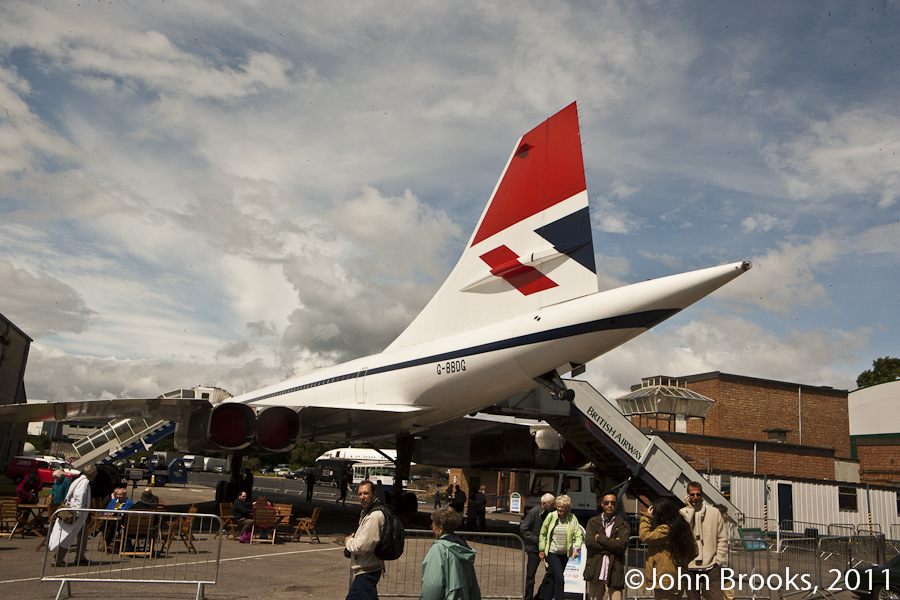
Concorde

Indeed there is as much aviation history on site as motoring, ranging from Concorde to the war planes that were built here during the past century.

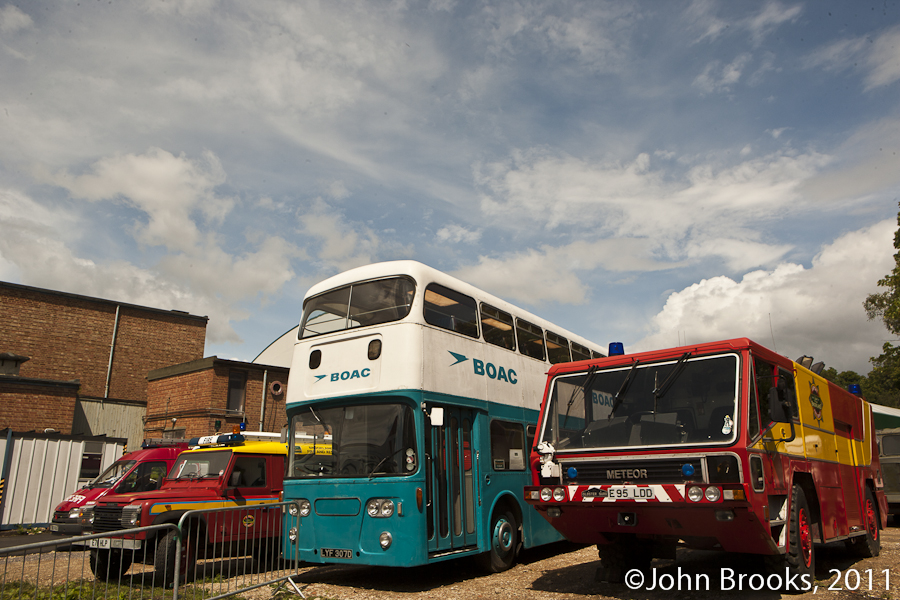
Crew Bust

There is also a collection of the ancillary vehicles that would have been found at airports during the past 50 years.

Continental Auto?

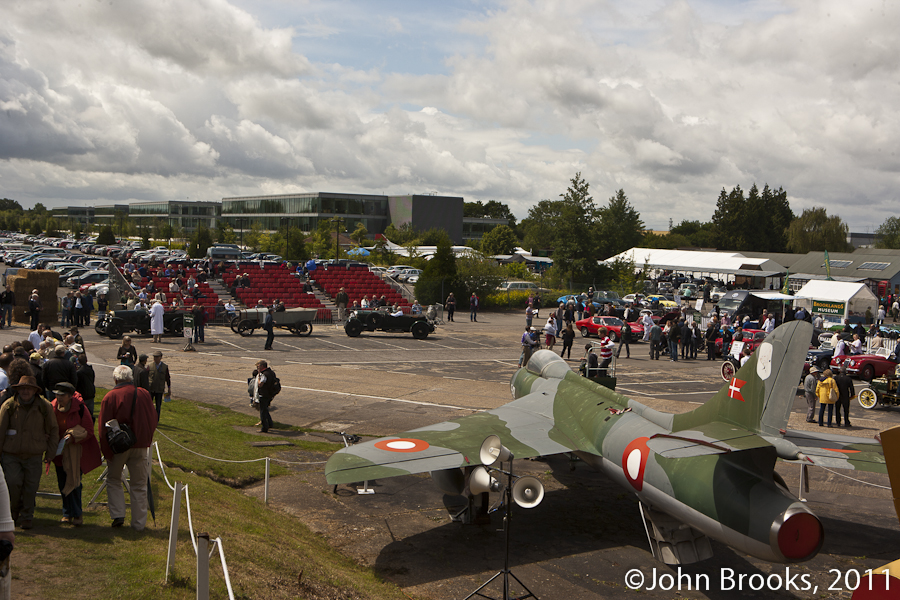
Cars and Aeroplanes sit comfortably together, a Connaught and a P1127 pose in the sunshine.

Record Breaker

However the purpose of the visit was to admire the collection of cars that were assembled, some of which would be static displays, such as the aero-engined monsters that raced around the Surrey track before WW2.

Instant Classic

Some are more authentic than others, the less worthy cars attracting the ire of our Special Correspondent.

Warning

But the message was clear, speed it was.

Mon Ami Mate

There was a good mix of cars at the 2011 Brooklands Double Twelve, some road and some with true racing heritage.

Mike Hawthorn made his name racing a Riley Ulster Imp before signing up with Ferrari on his way to becoming Britain’s first Grand Prix World Champion in 1958. The Riley is now proudly displayed, complete with a hat tip to the former owner.

Broadspeed Cat

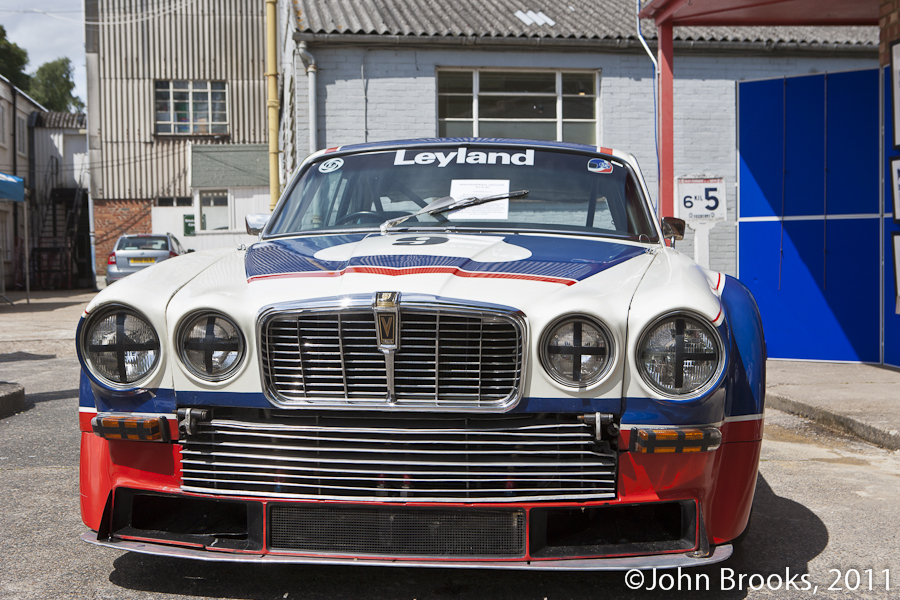
At the other end of the racing spectrum is the Jaguar XJ12C, the results never quite matched the presence.

Not a Dolomite Sprint

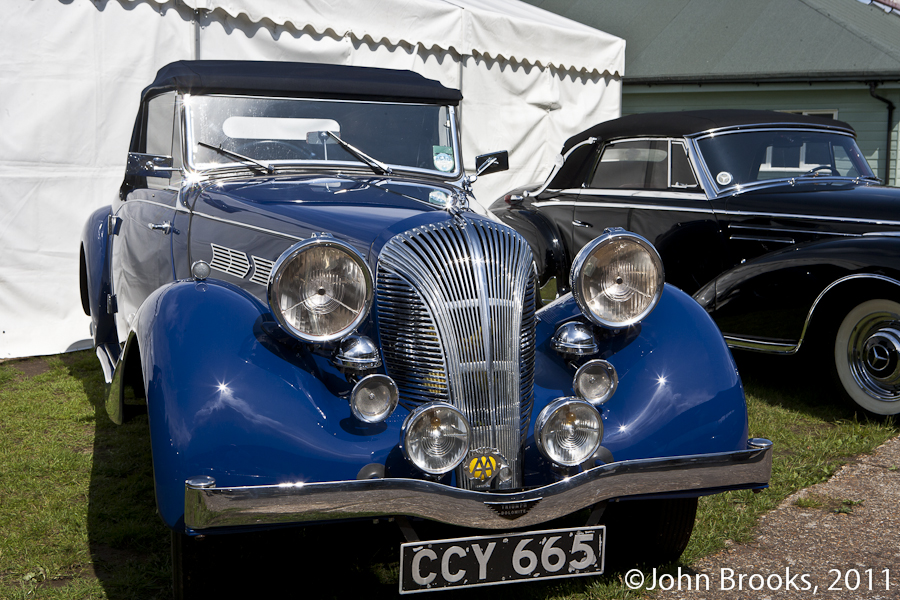
However it was the road going cars that really caught my fancy. The Triumph Dolomite Roadster from the 30’s is elegant and understated.

Staff Car

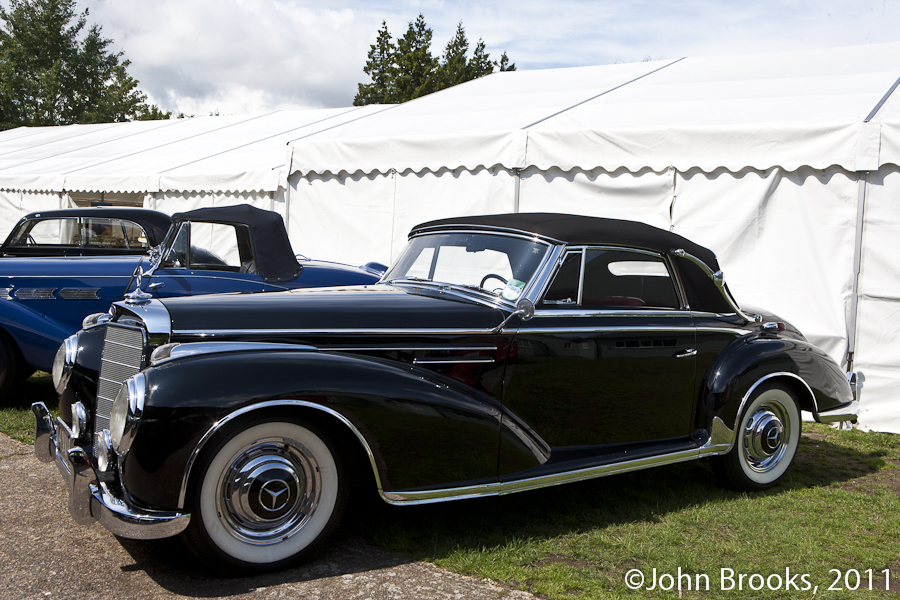
Another Roadster, this time from the 50’s, as Mercedes Benz continues the line of elegance on display with the 300S

190

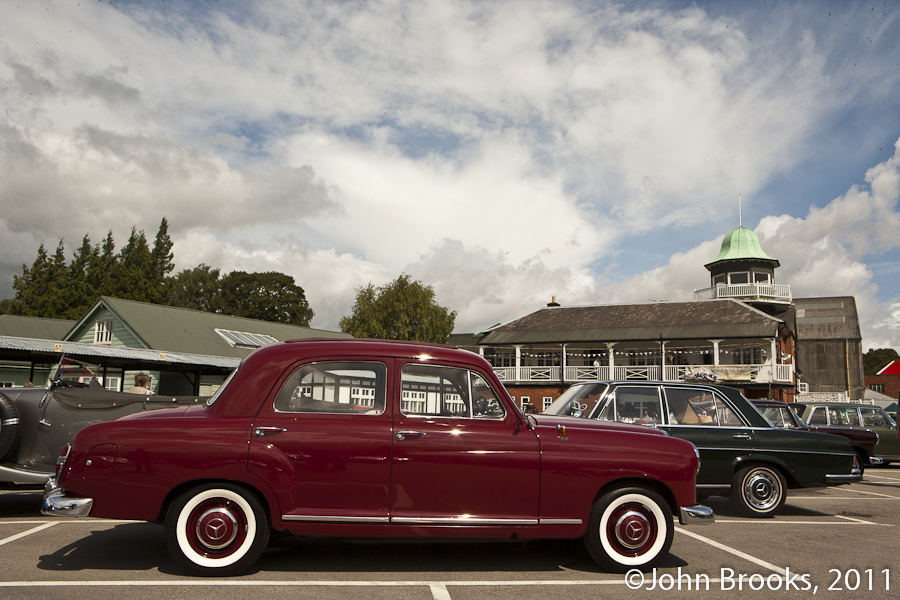
Mercedes Benz were well represented, as might have been expected, given that Mercedes Benz World is the next door neighbour. A very tidy 190.

Gentleman’s Carriage?

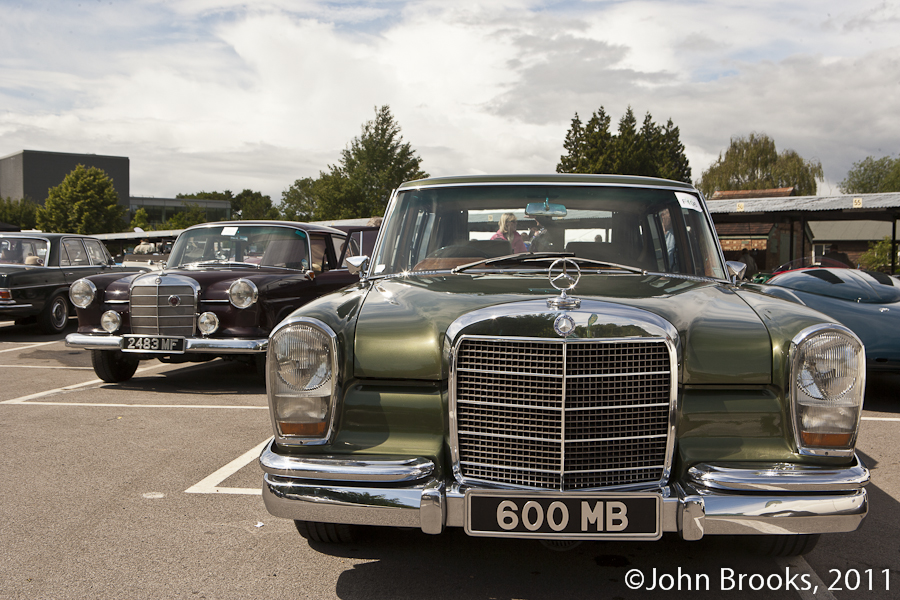
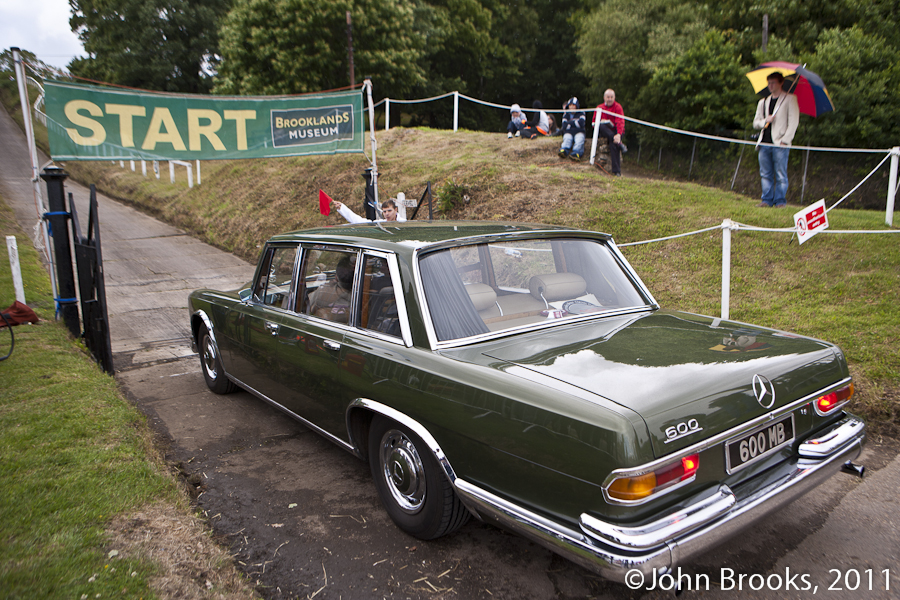
And beloved of megalomaniacs everywhere, be they Pop Idol, Film Star or plain old Dictator is the imposing 600. Any list of former owners that contains the likes of Elizabeth Taylor, Elvis Presley, Enver Hoxa, Idi Amin and the Shah of Persia is sure sign that the vehicle is exceptional. A Zil or this, maybe Kim Il-sung was not so crazy after all.

Social Hill Climber

Of course being a Mercedes it is still in full working order, raring to run up the Test Hill.

DS23

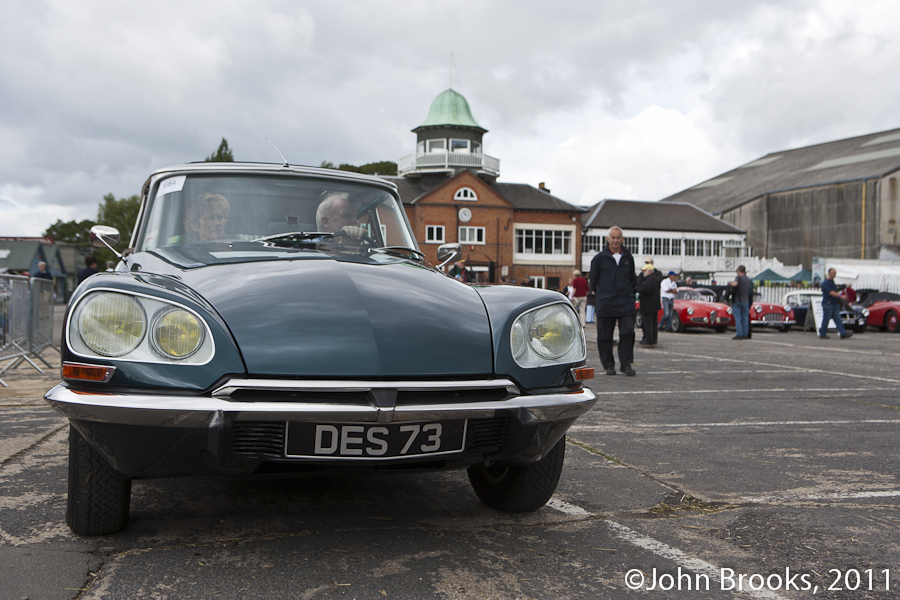
I will make a separate post on the Alfa Romeo gang that showed up but I was much taken by the French contingent. I have always had a soft spot for DS Citroëns, my father had a couple, they just ooze Gallic style and flair. Nice DS 23 Pallas.

Delahaye 235 Cabriolet

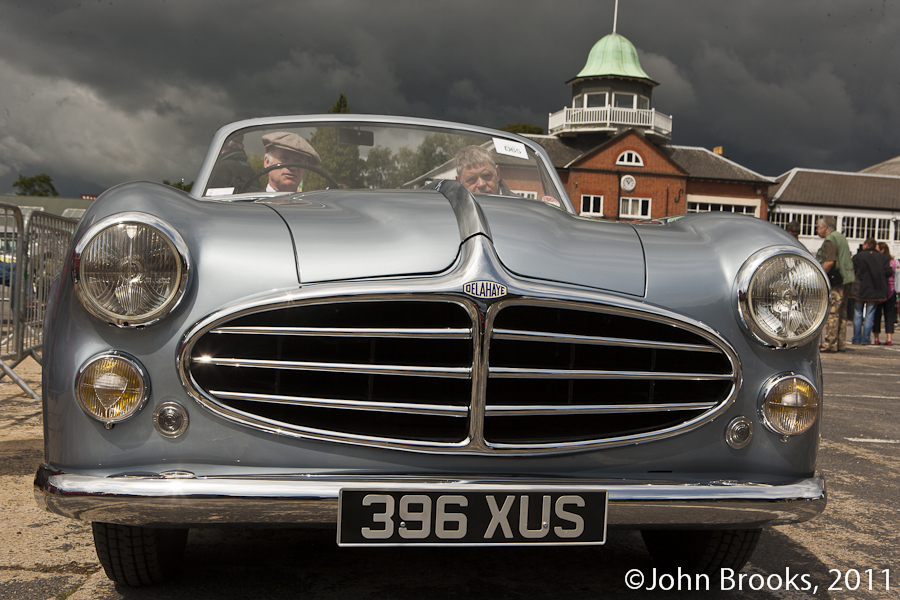
What about this beautiful Delahaye 235 Cabriolet? The line ended with this model.

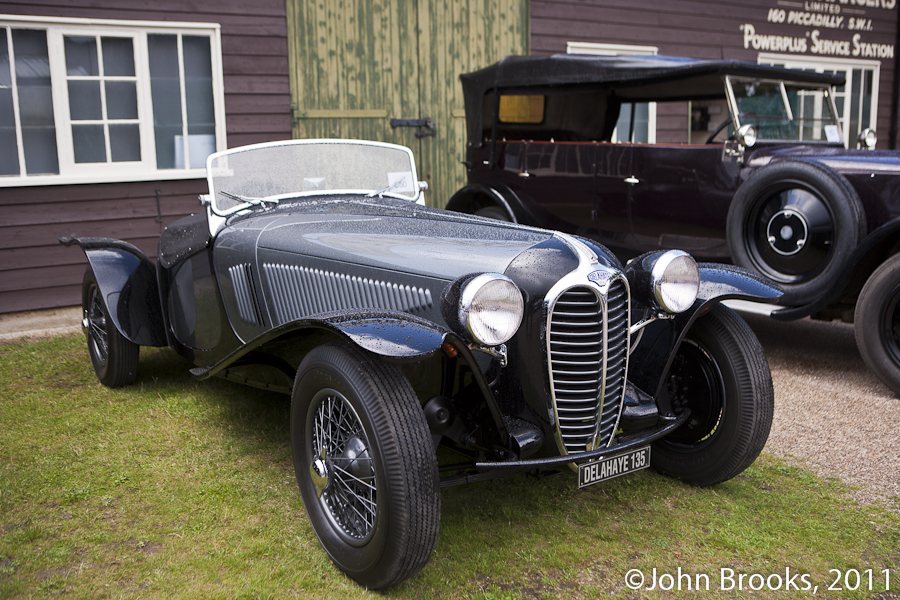
Delahaye 135

Before the World War Two, Delahaye had been very successful in competition, winning both the Monte Carlo Rally and the Le Mans 24 Hours outright, the model a 135.

360 Degrees

In complete contrast is the Subaru 360 or Ladybug……………..it did get up the Test Hill, though not with the same speed as the 600 Merc.

Diana Dors or Gina Lollobrigida?

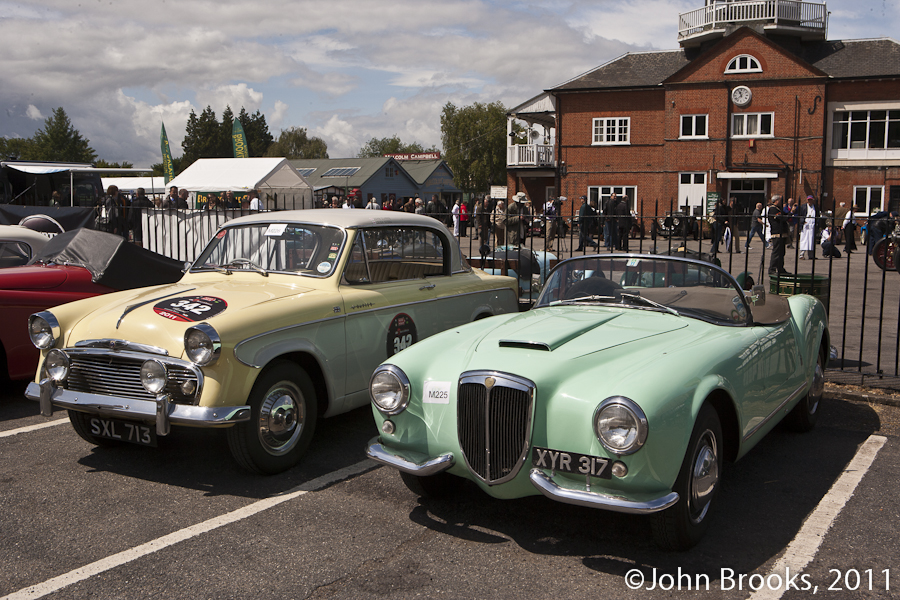
Which would you prefer now? Sunbeam Rapier or Lancia Aurelia? The Special Correspondent favoured the Italian.

OK, Squire?

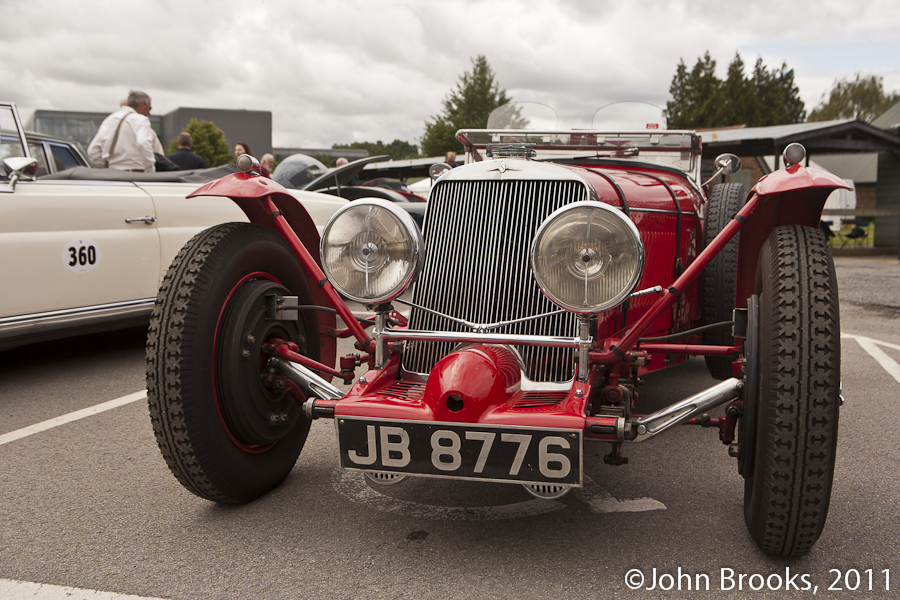
Hens’ Teeth? A Squire from the late 30’s, one of only seven made.

Malvern Marvel

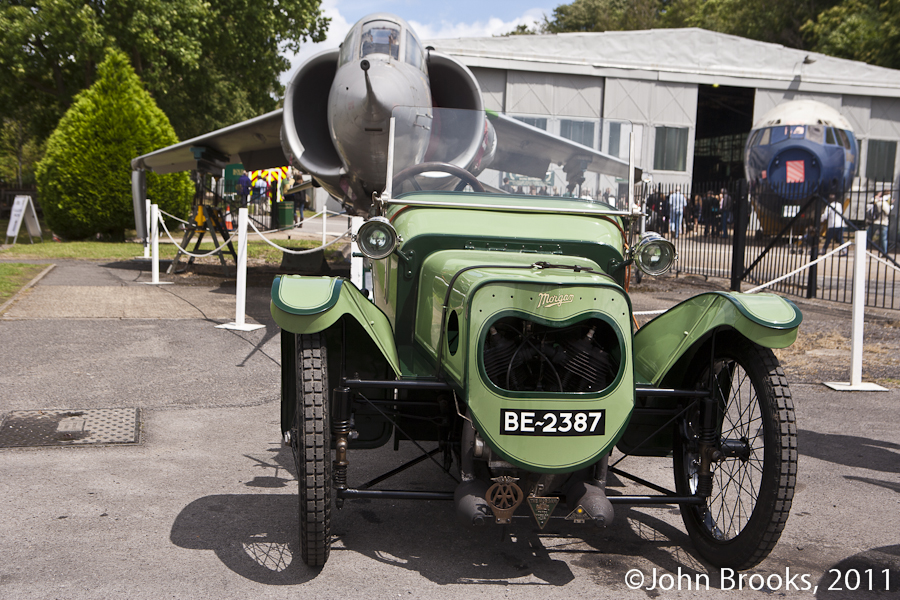
Early Eccentricity from Malvern, a Morgan Runabout.

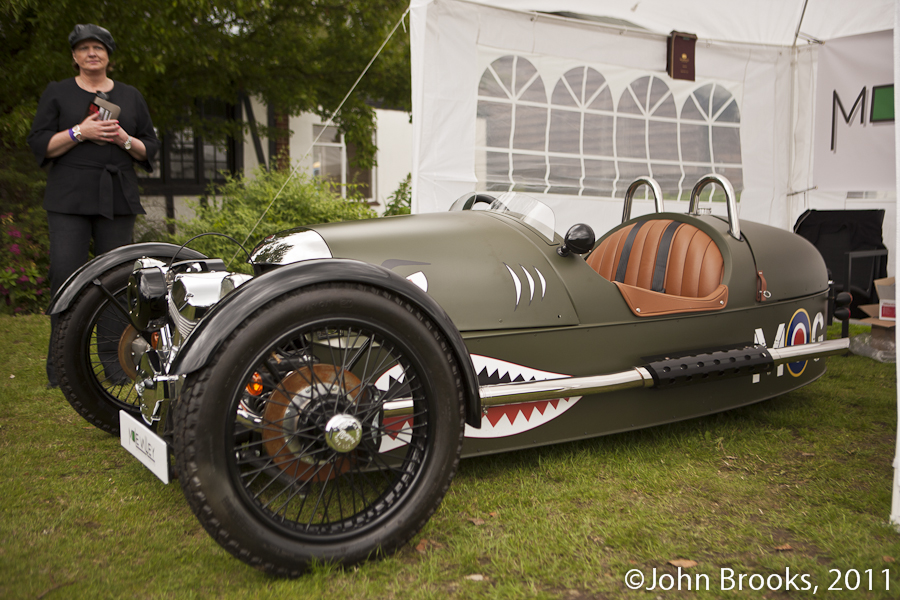
Threewheeler

The three wheeler concept has been revived by Morgan this year, I have to admit that I did not know what to make of it. Having seen one in the flesh, I am convinced, a brilliant car for a summer’s day.

Minor Moggie

Yes please.

Cat out of the bag

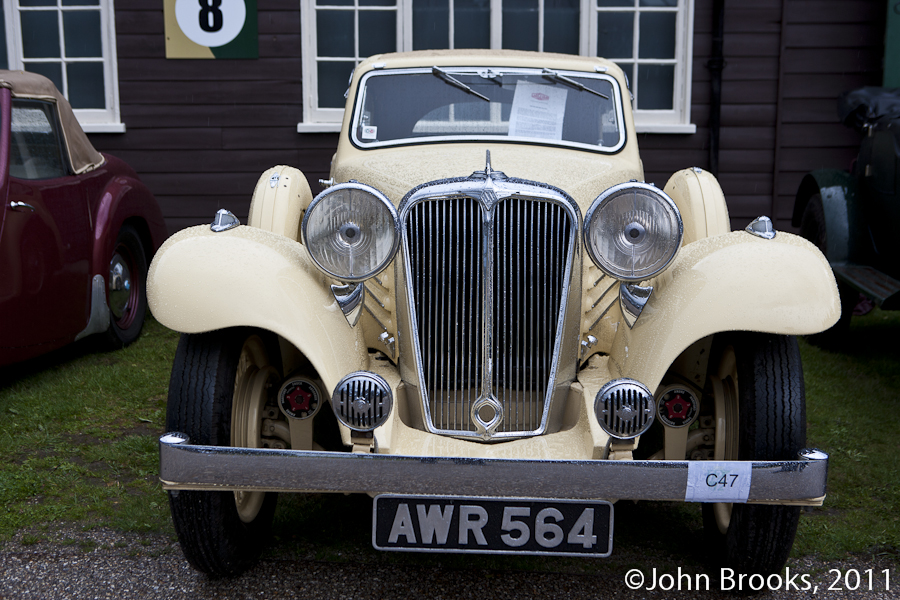
This 1935 SSI Airline saloon is the car that preceded the Jaguar……………..

Over The Hill and Far Away

So another good day out at Brooklands, it should be a must do for anyone who has petrol in their veins.

More on the Italians later.


John Brooks, July 2011


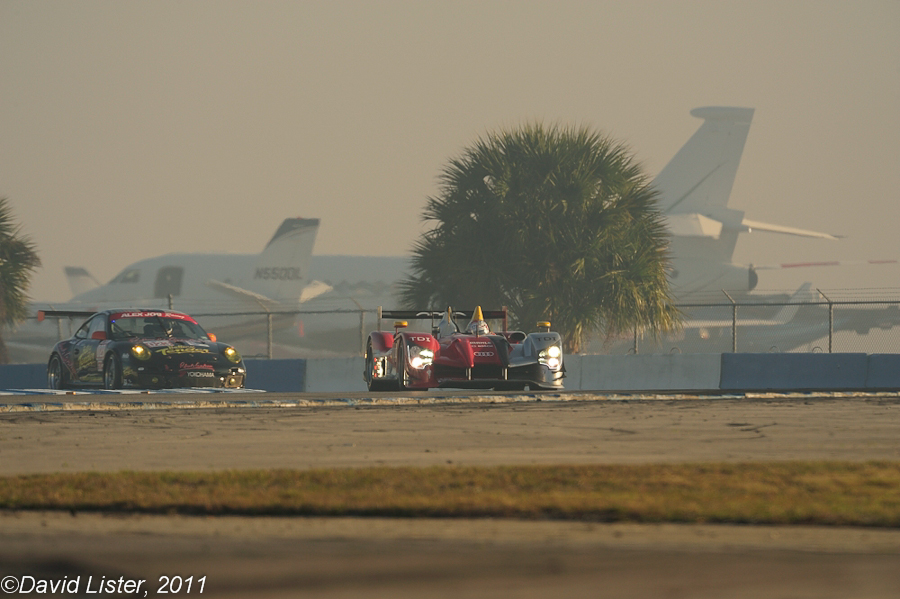
Heat Haze On The Runway

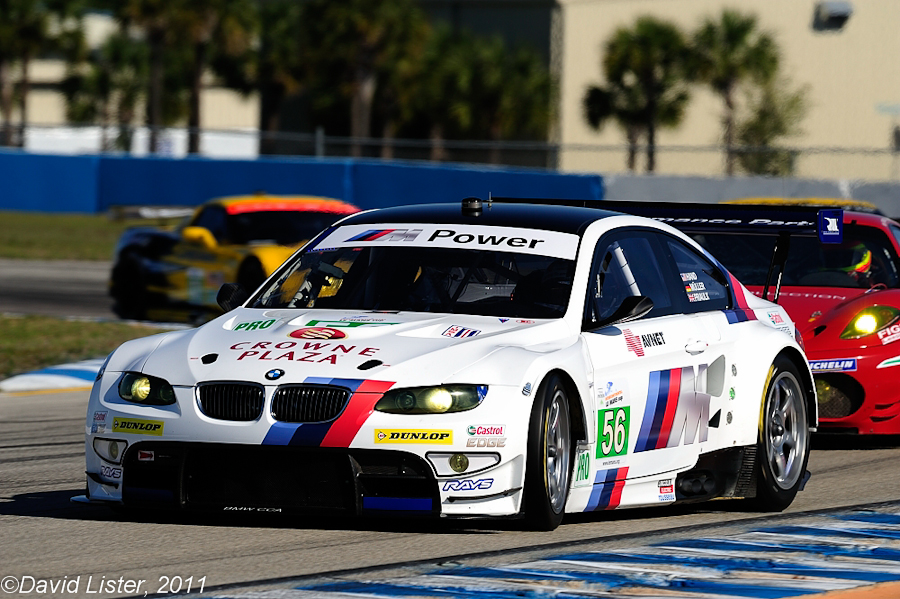
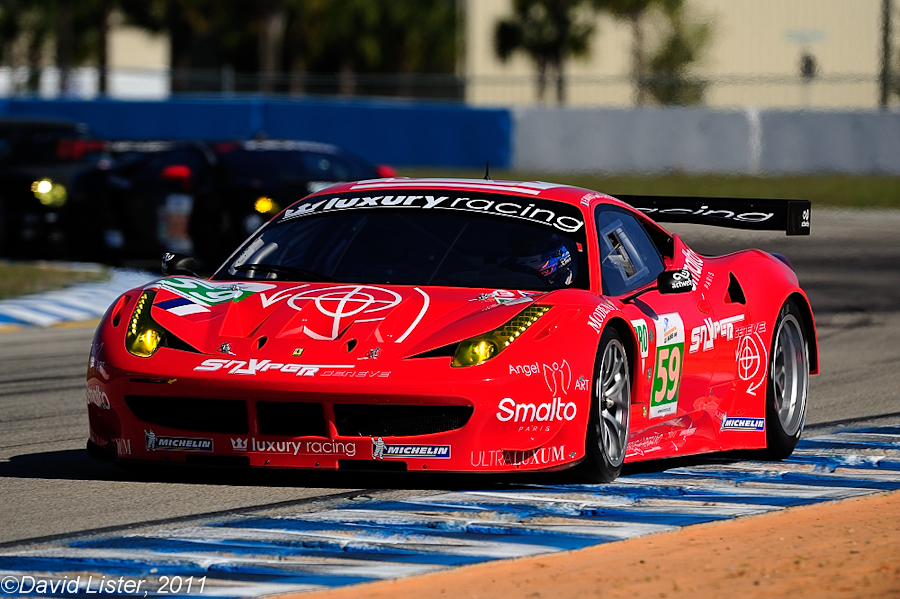
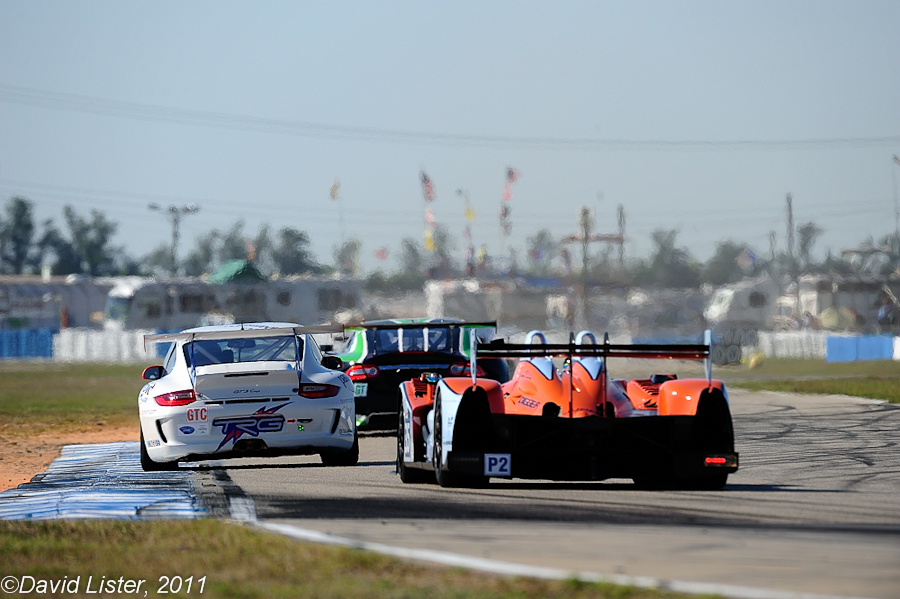
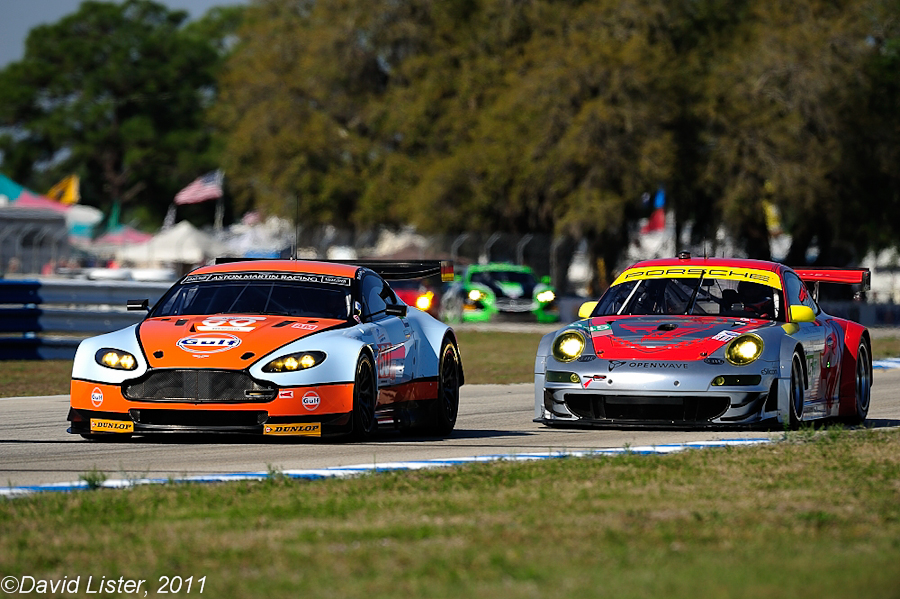
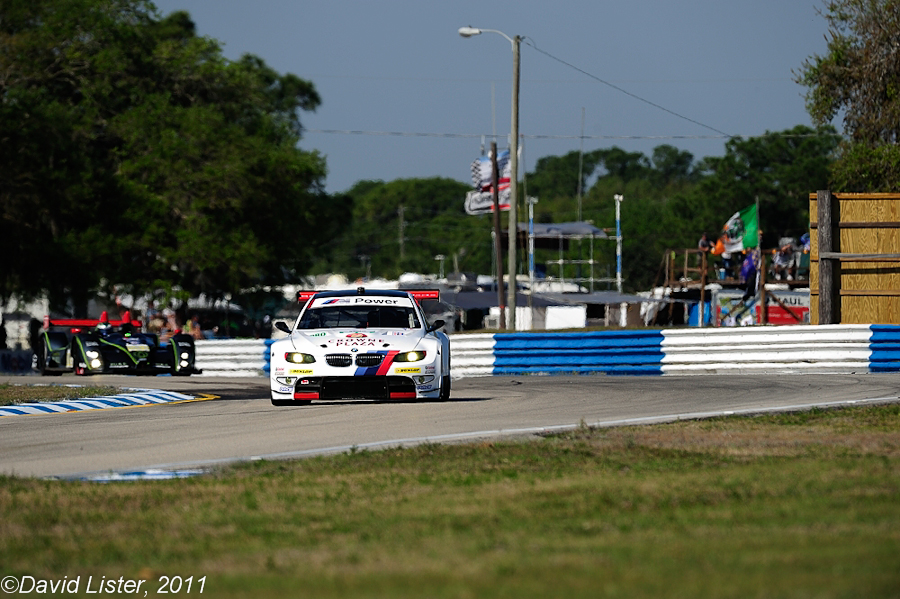
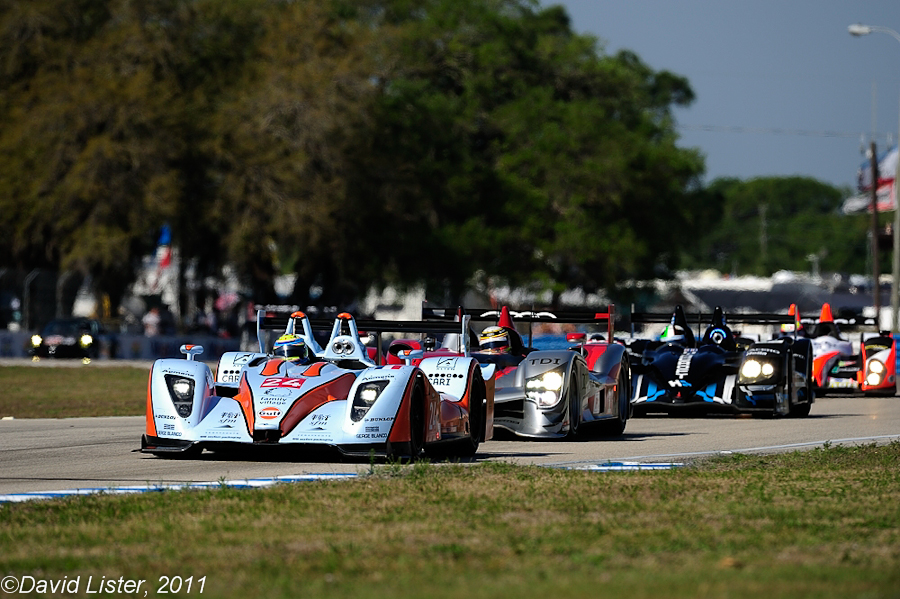
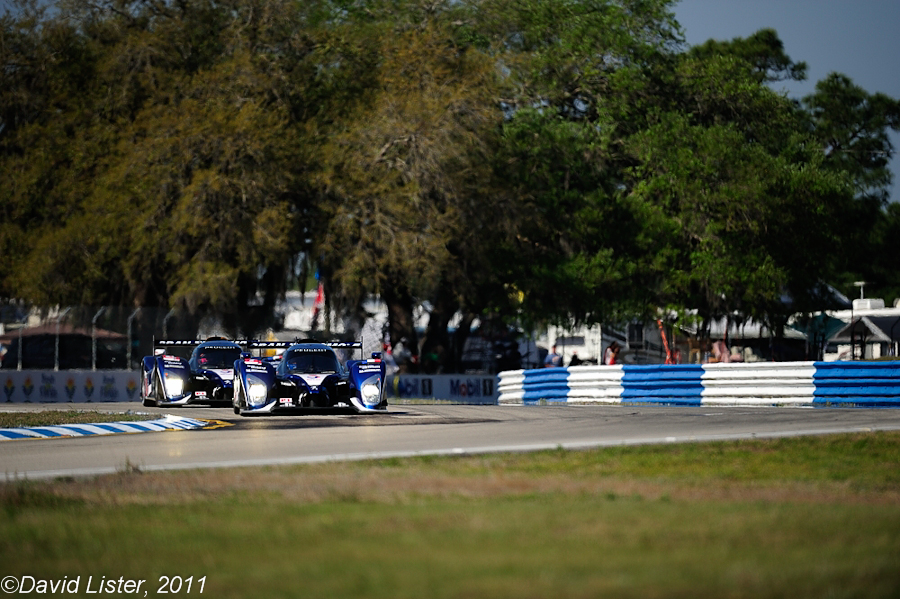
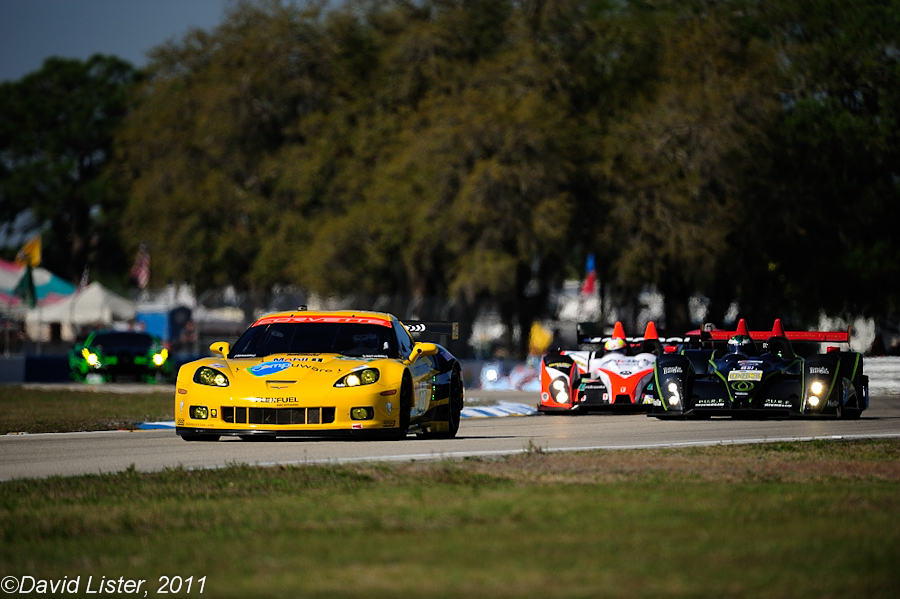
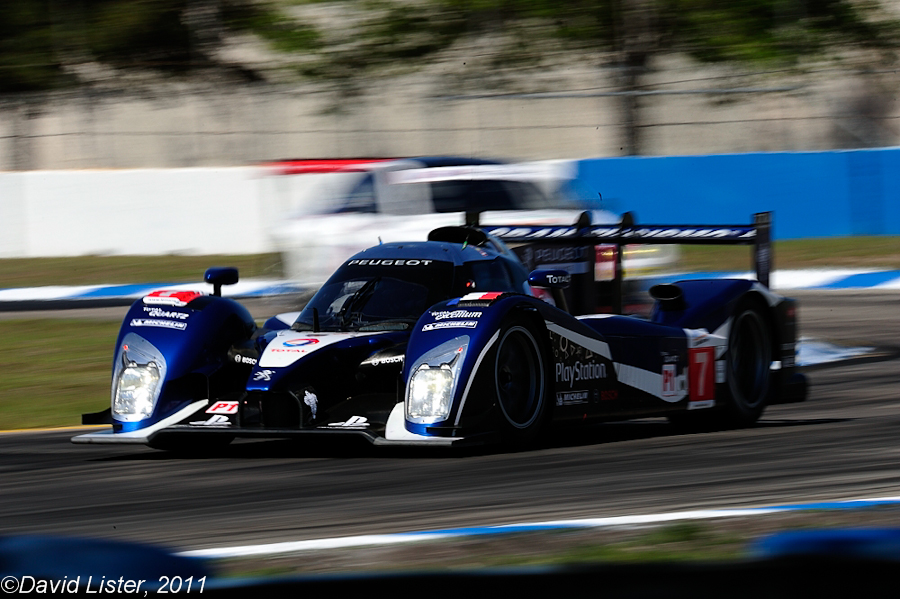
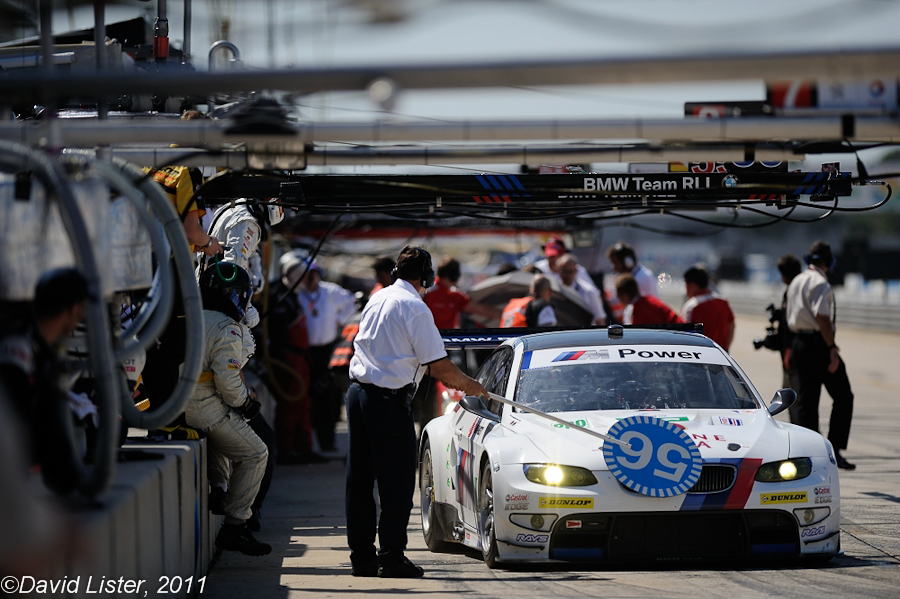
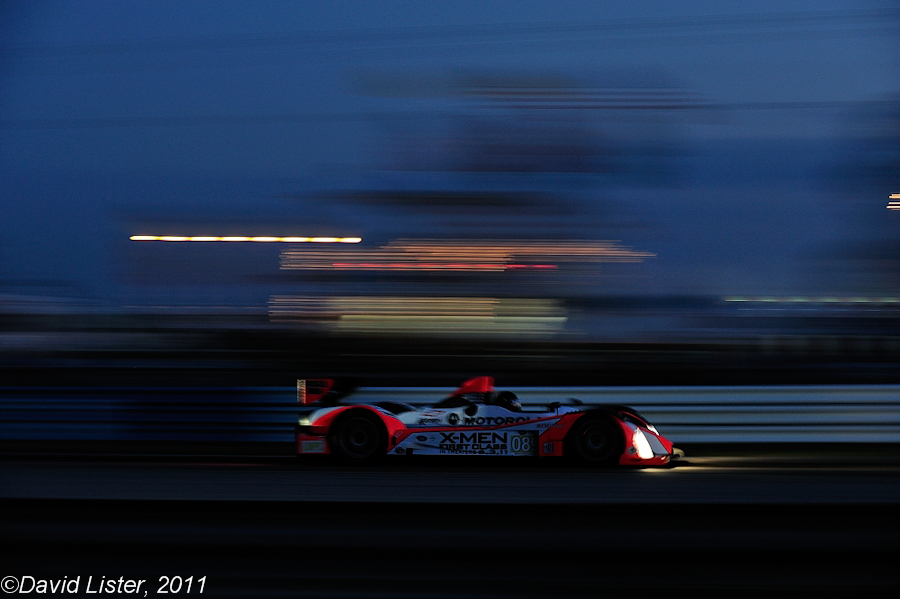
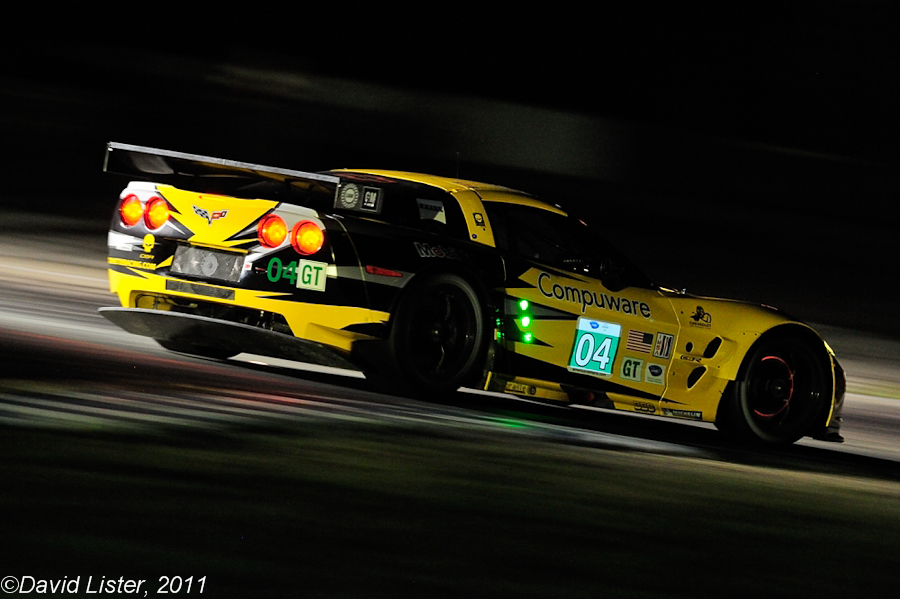
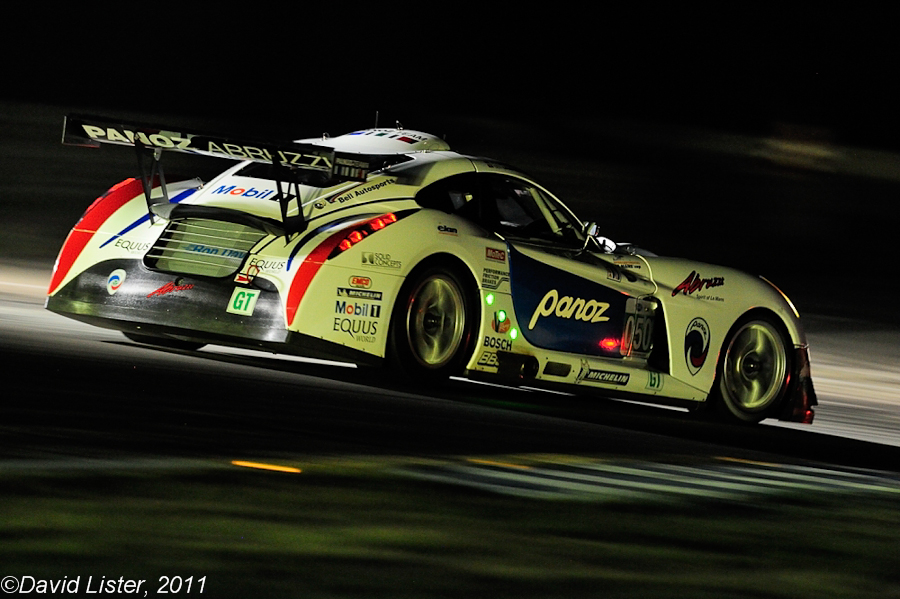
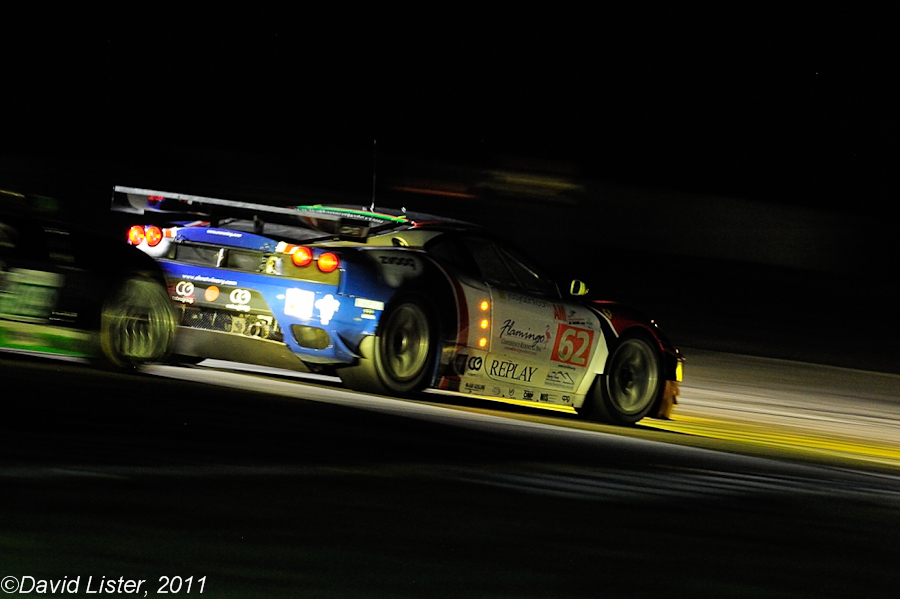
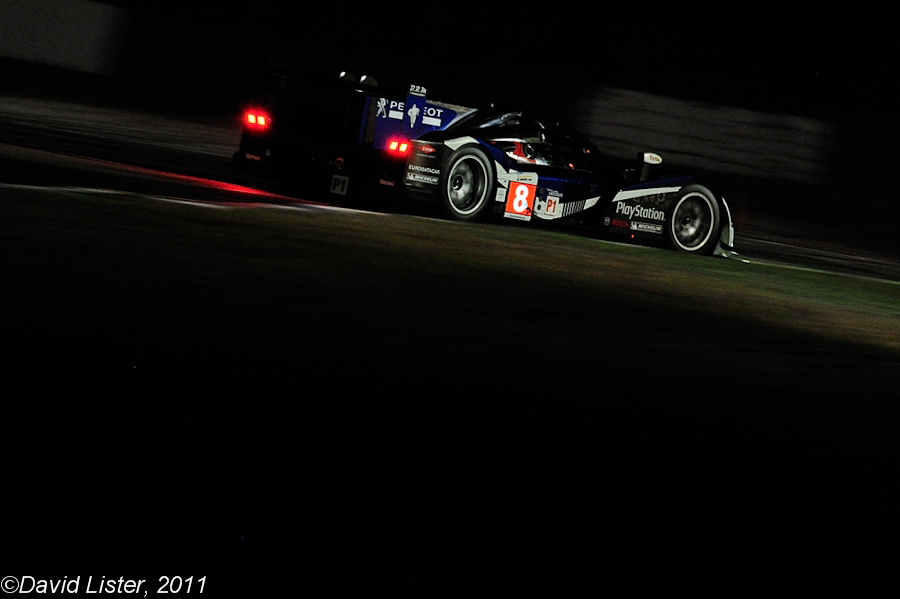
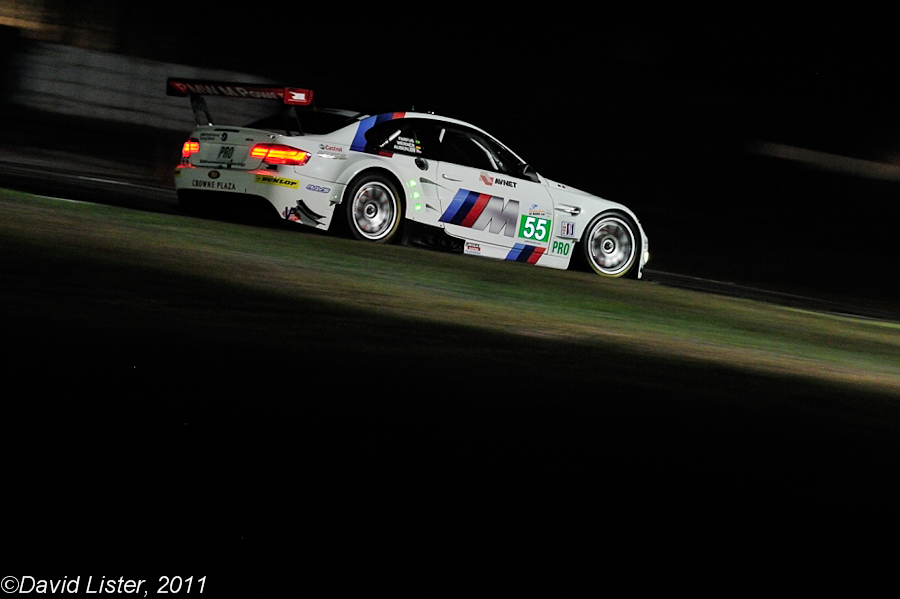
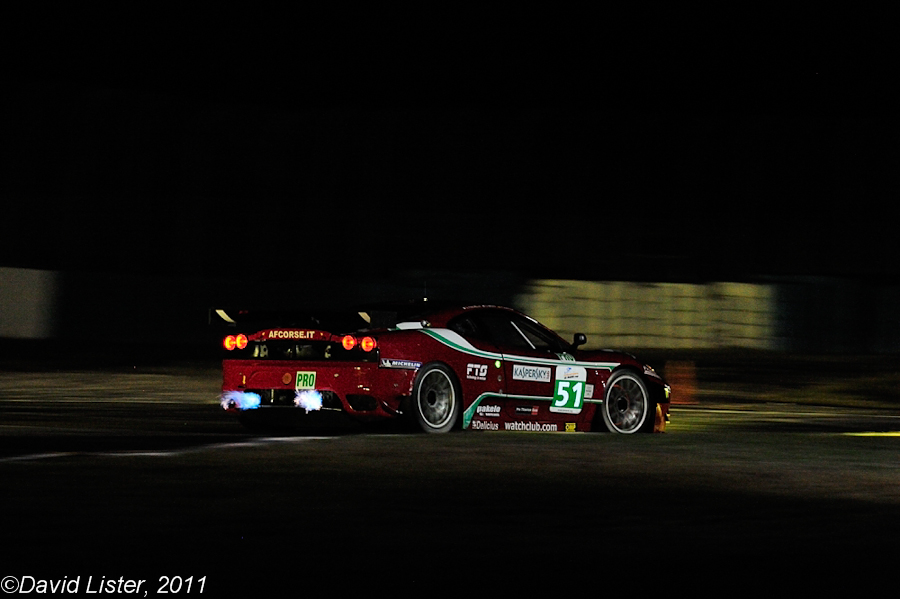
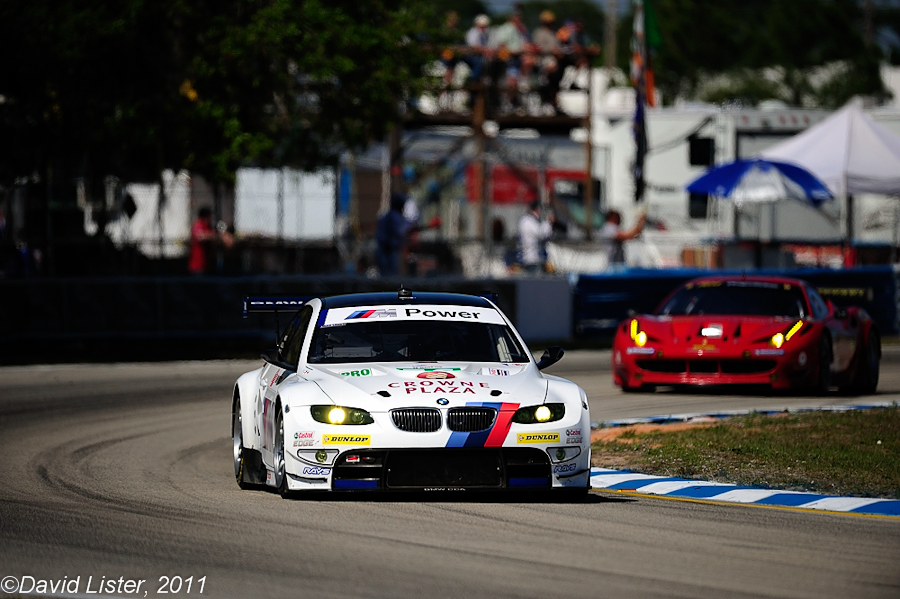
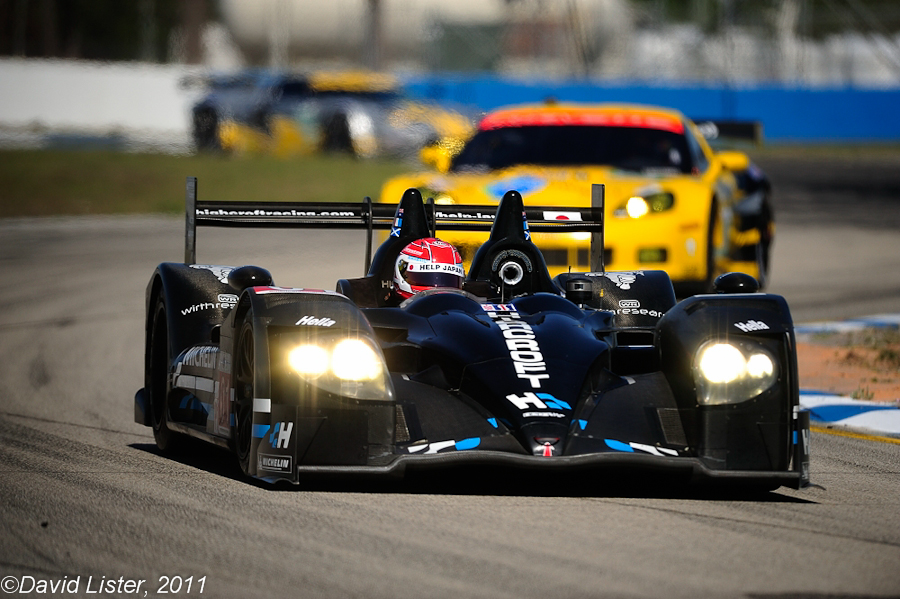
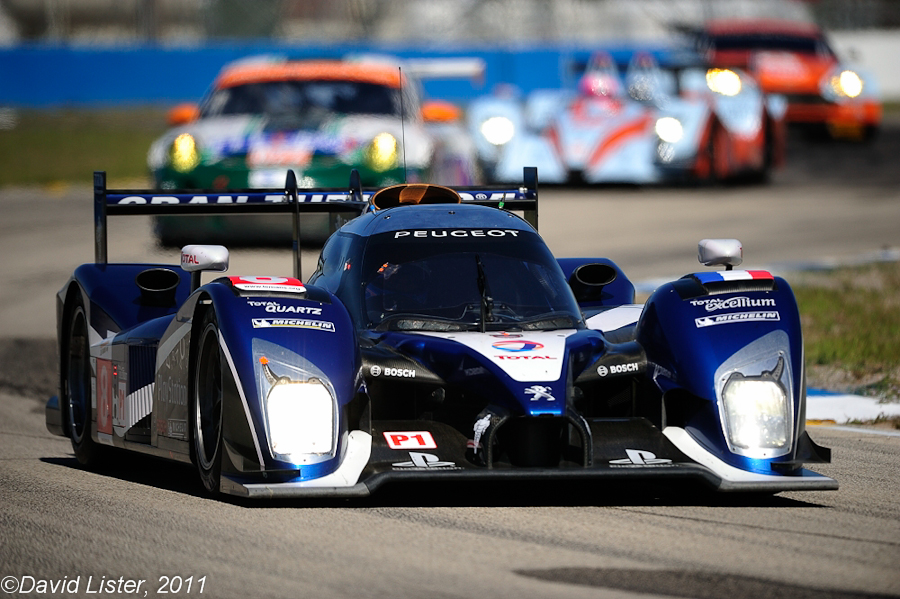
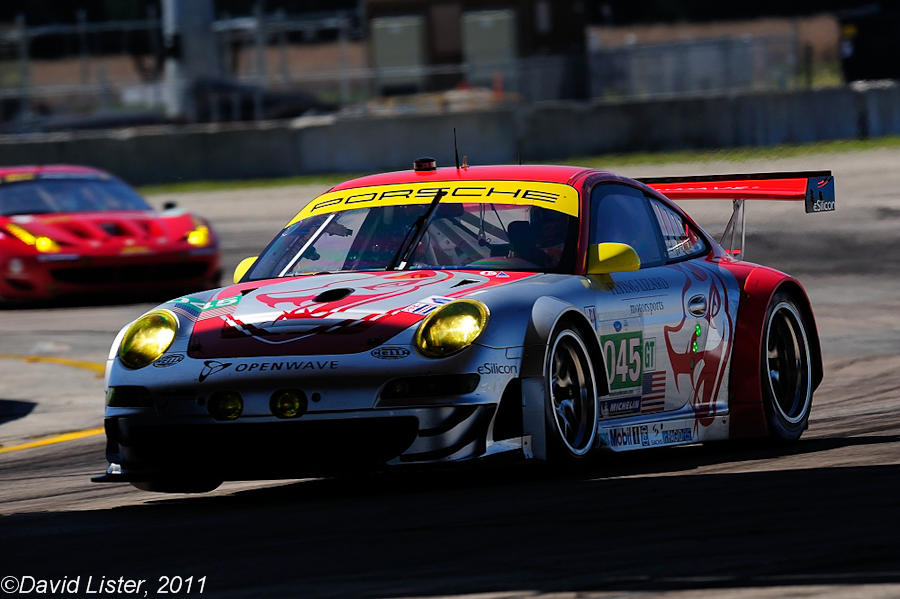
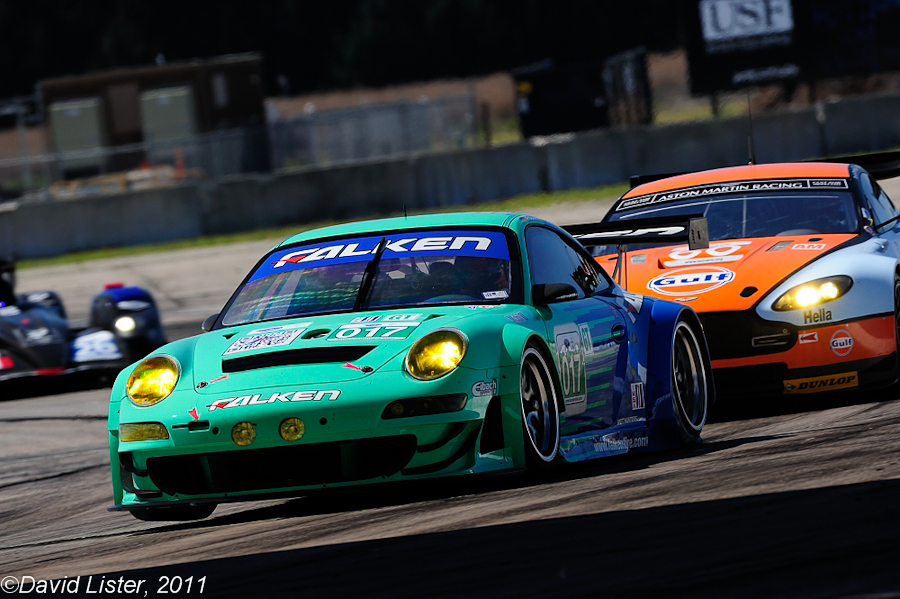
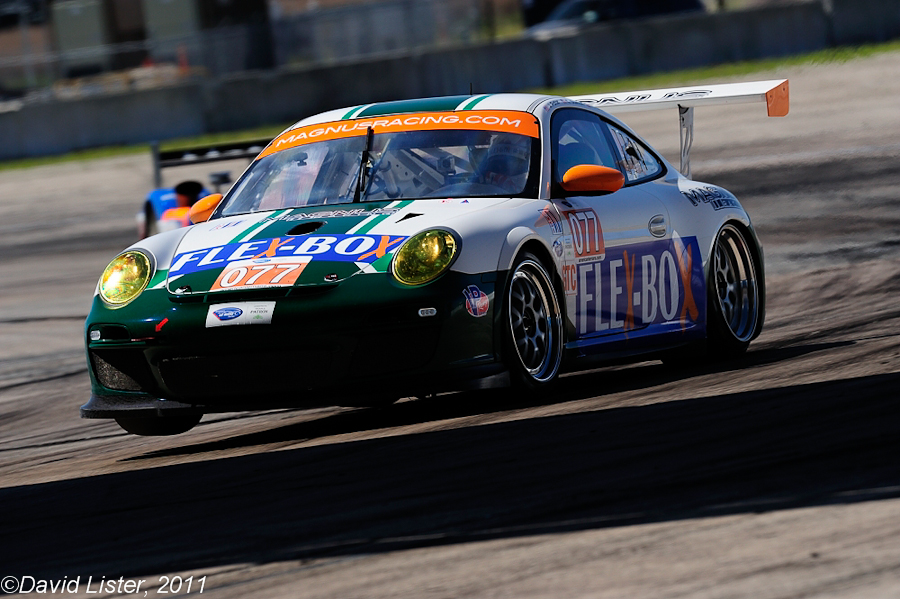
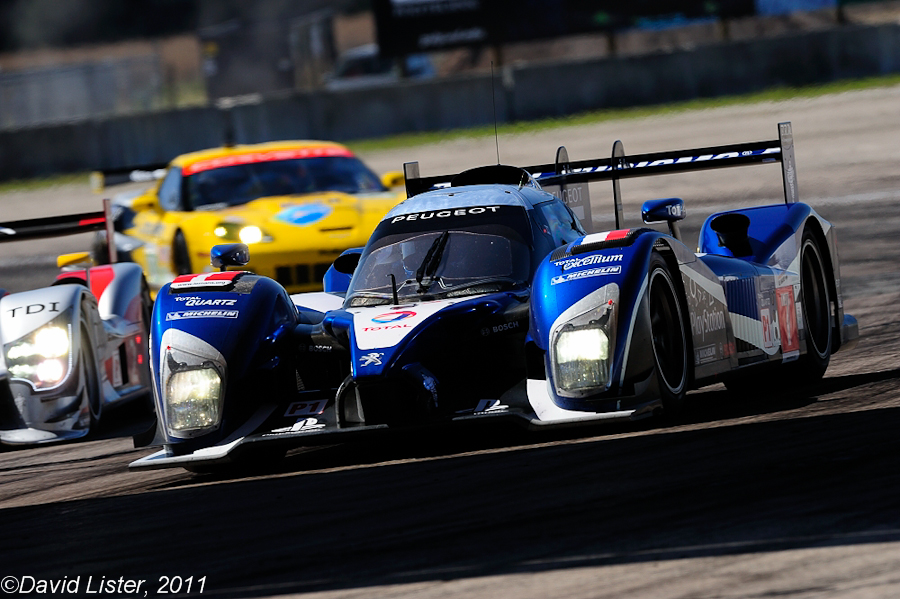
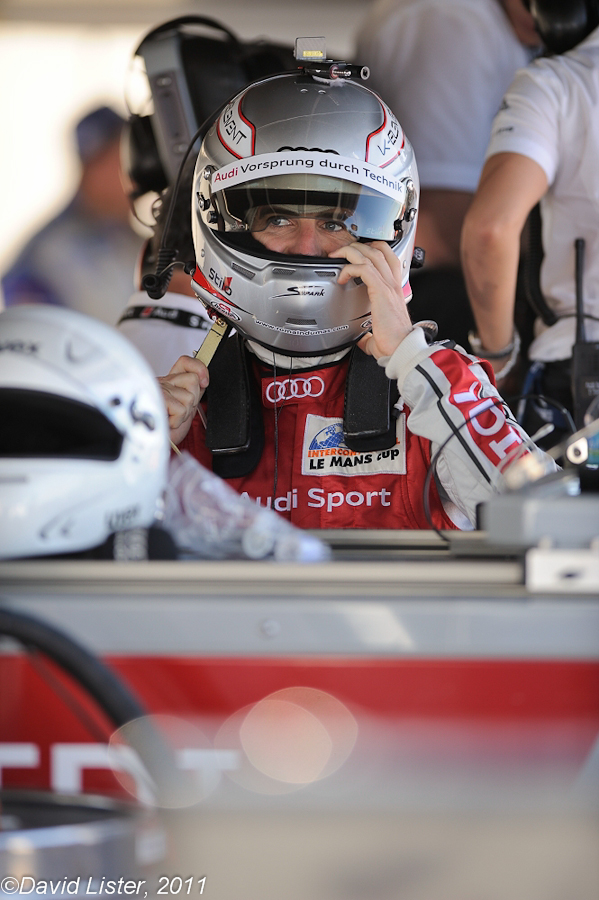
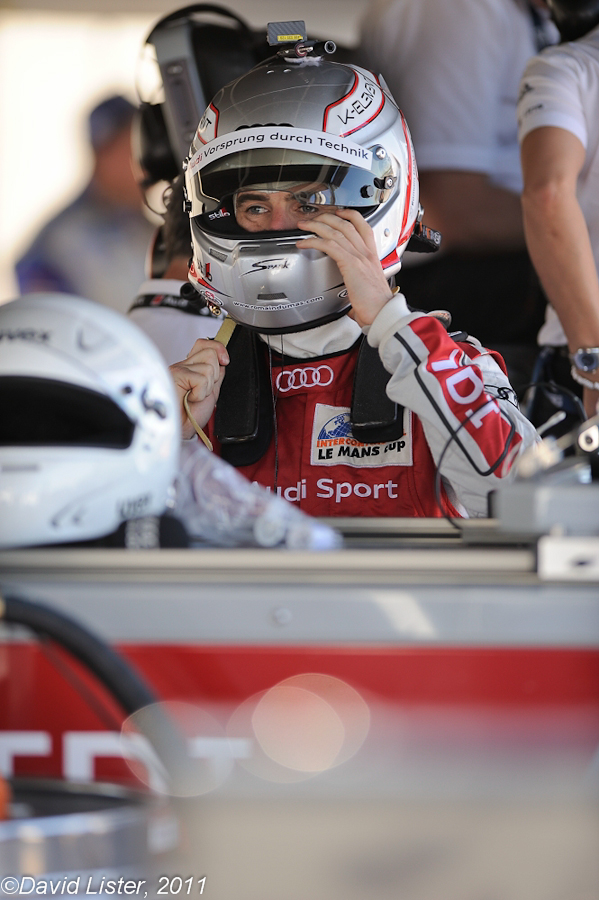
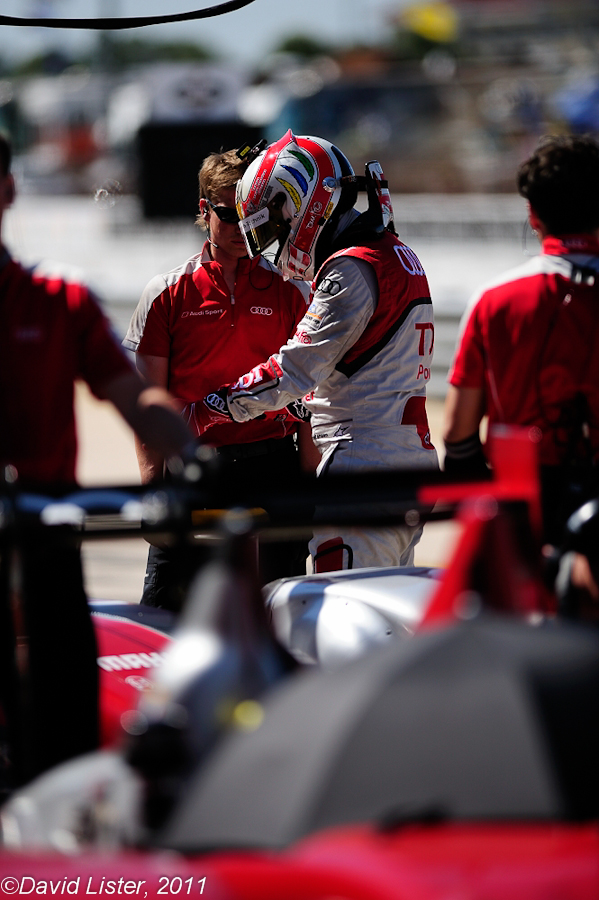
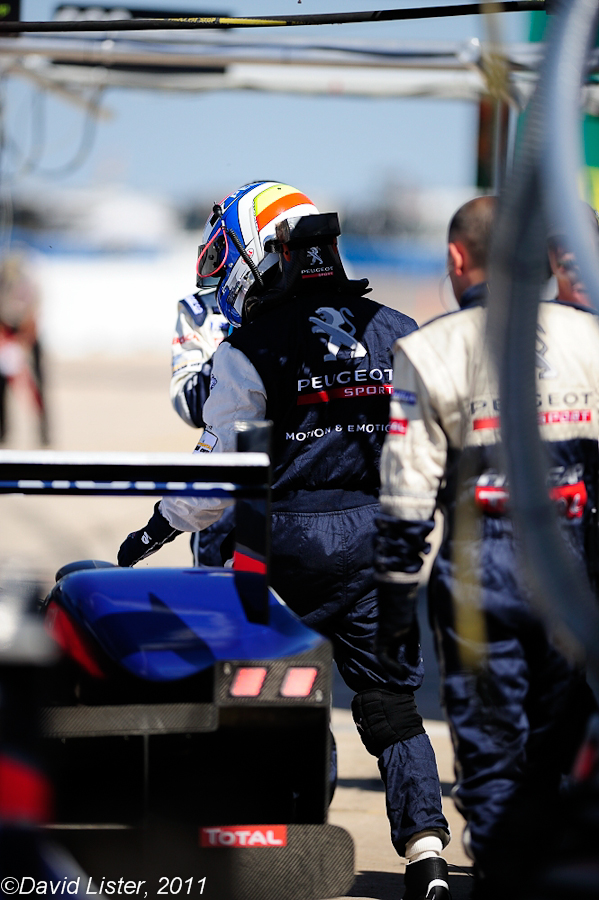
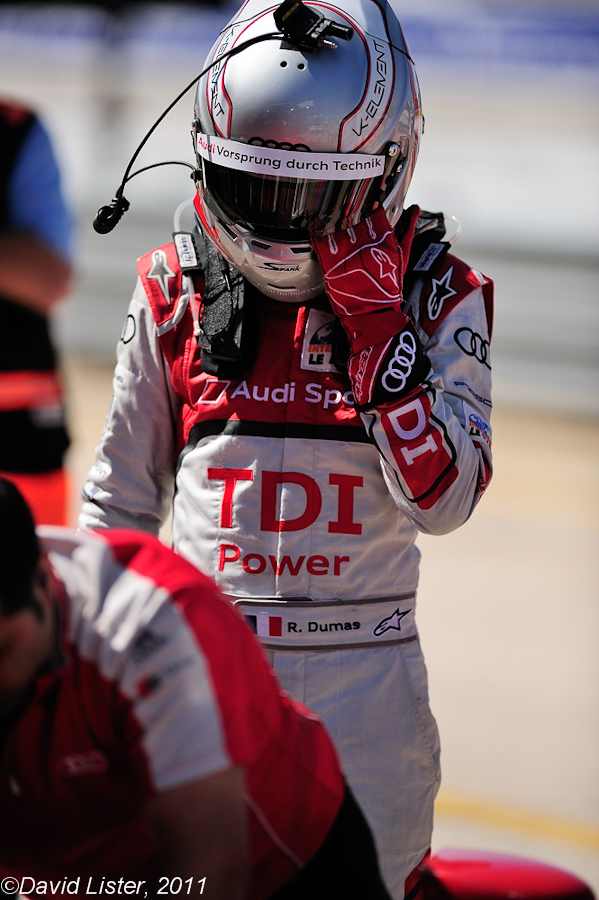
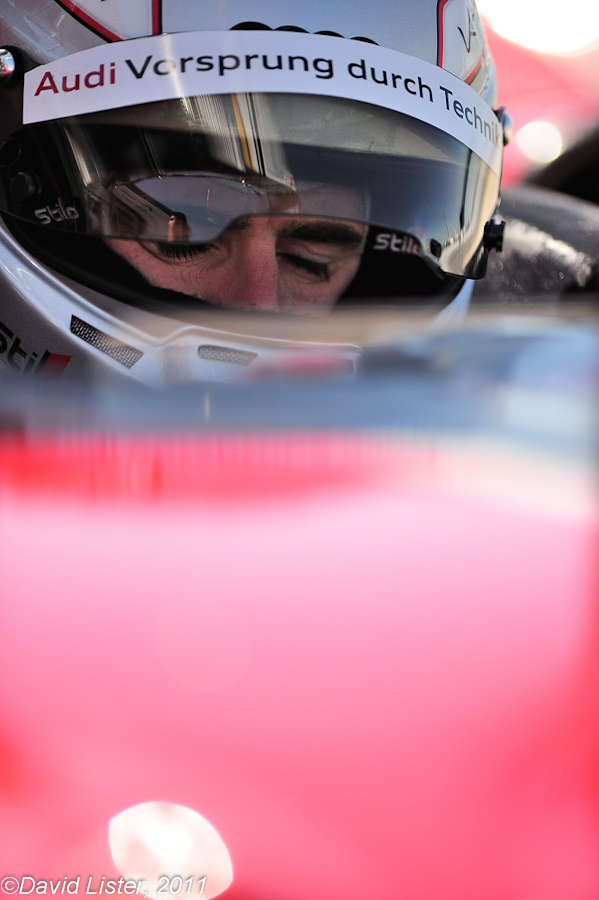
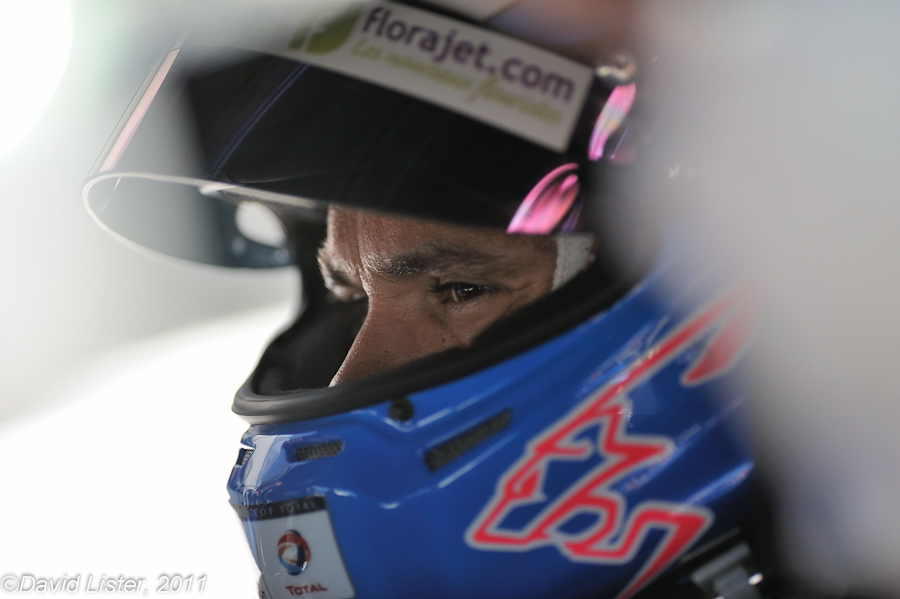
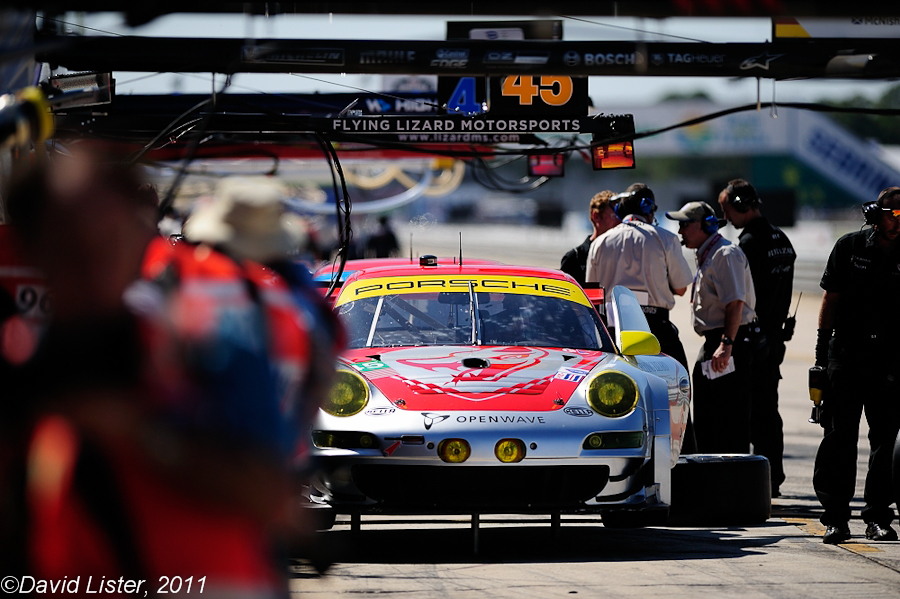
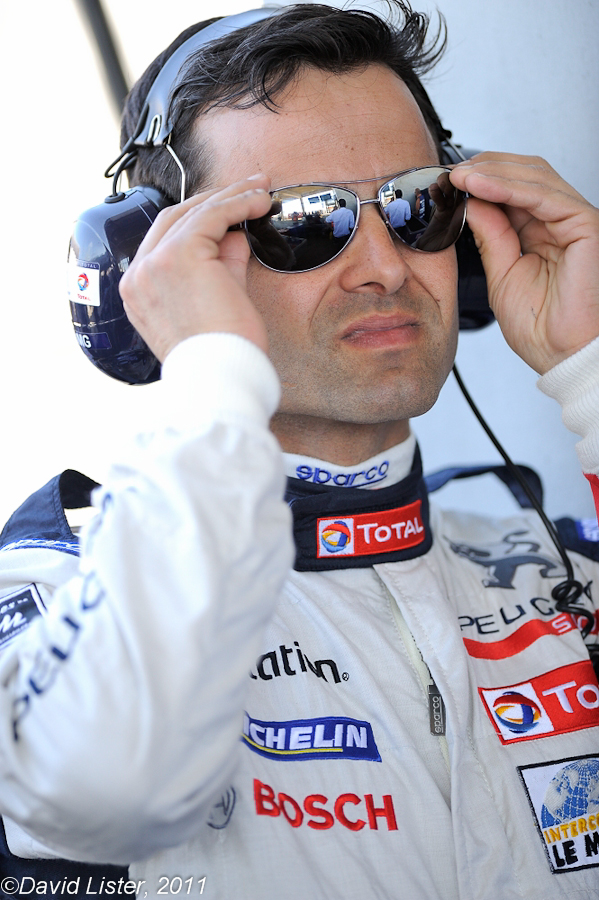
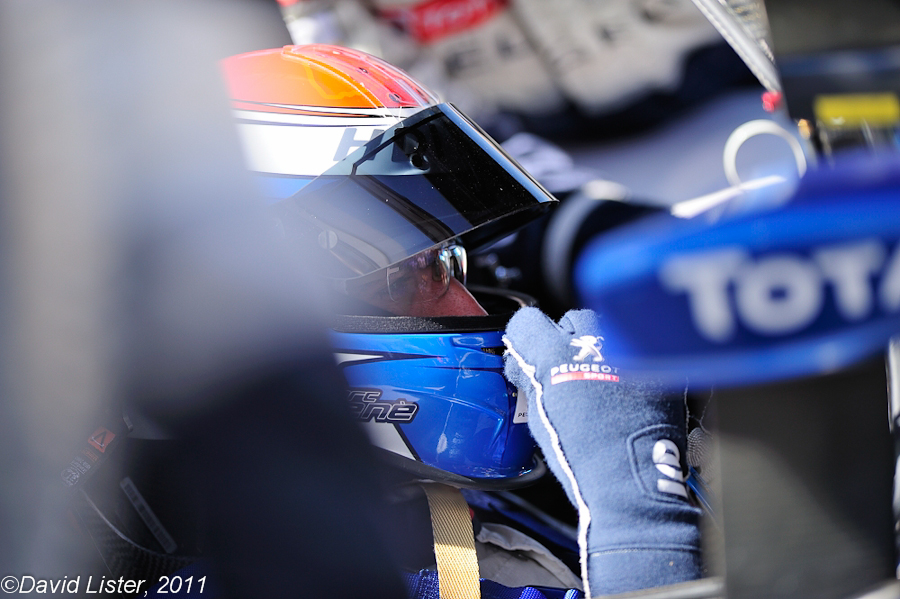
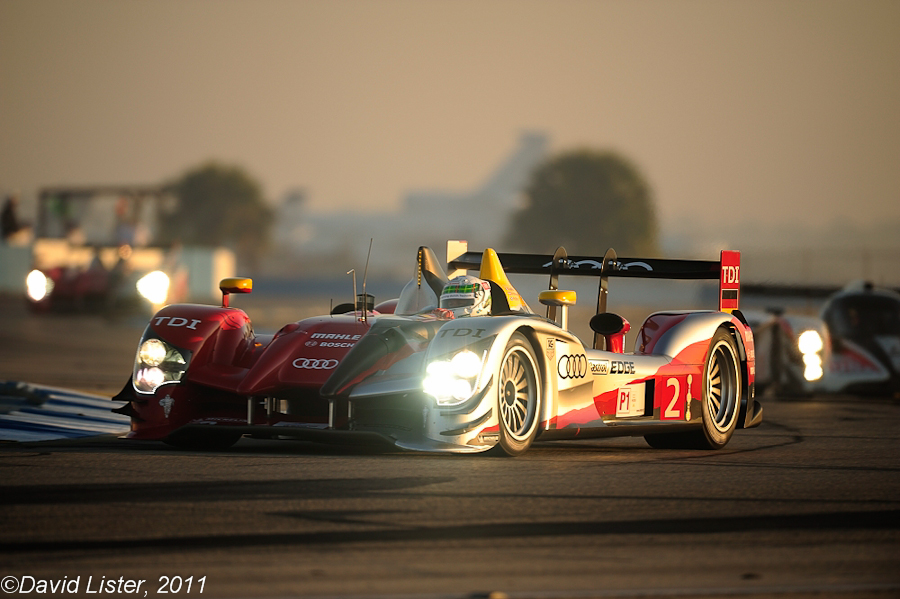
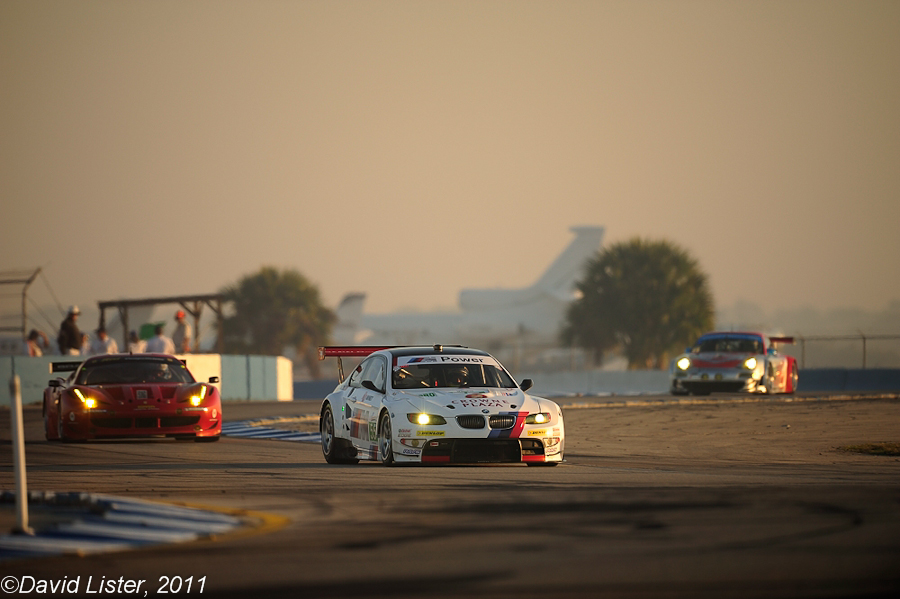
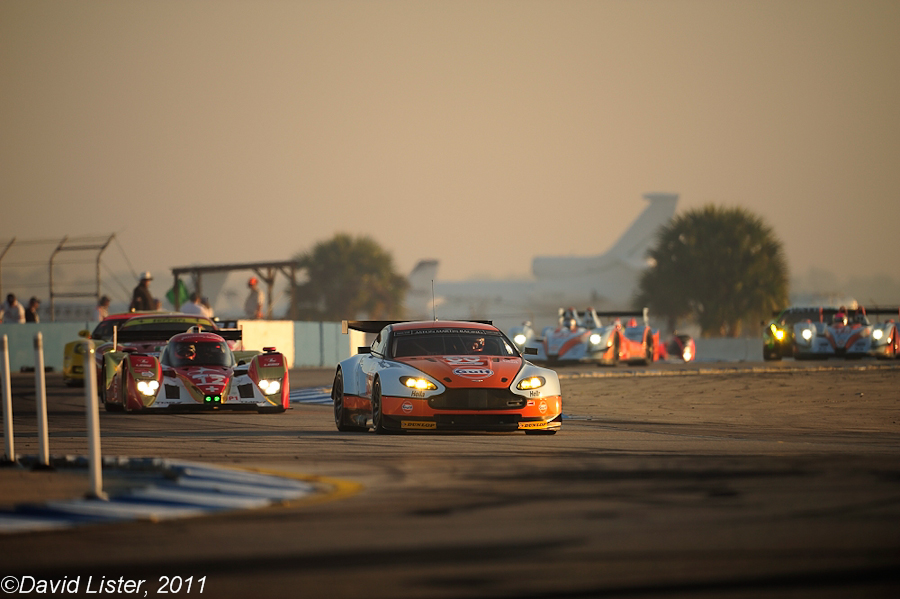
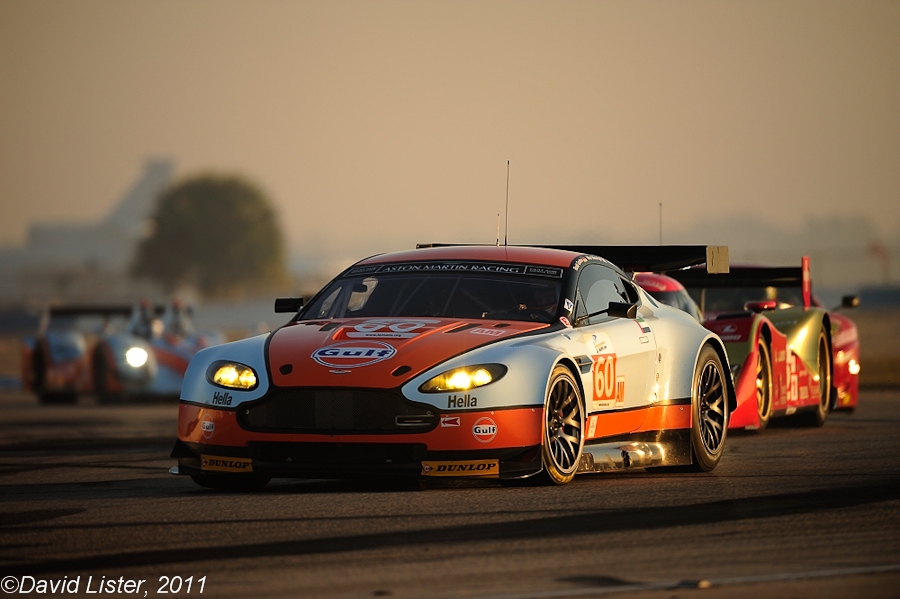
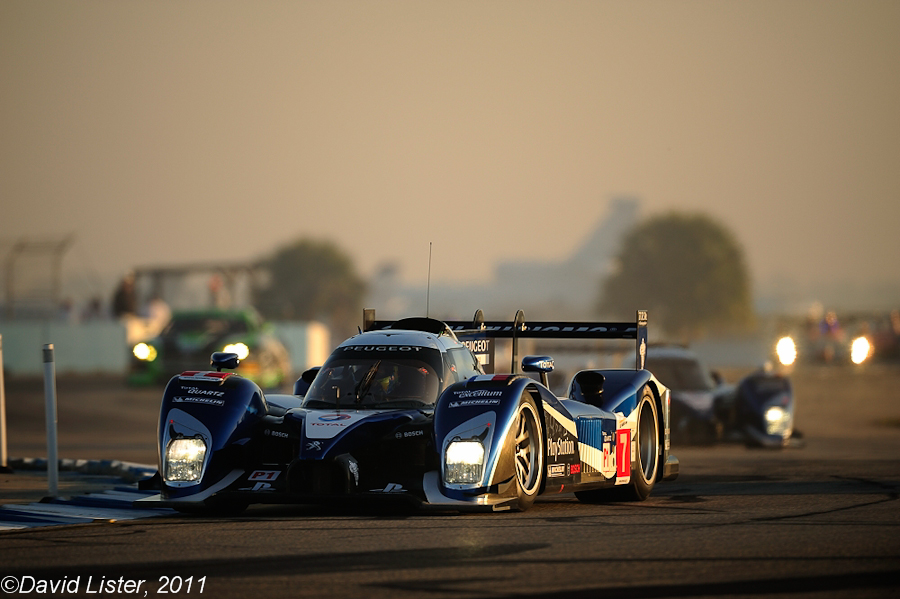
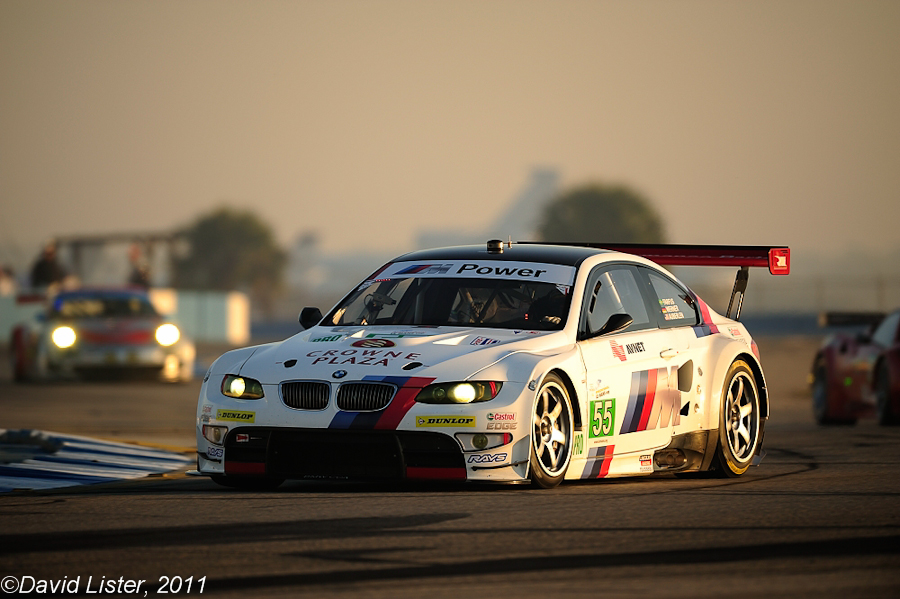
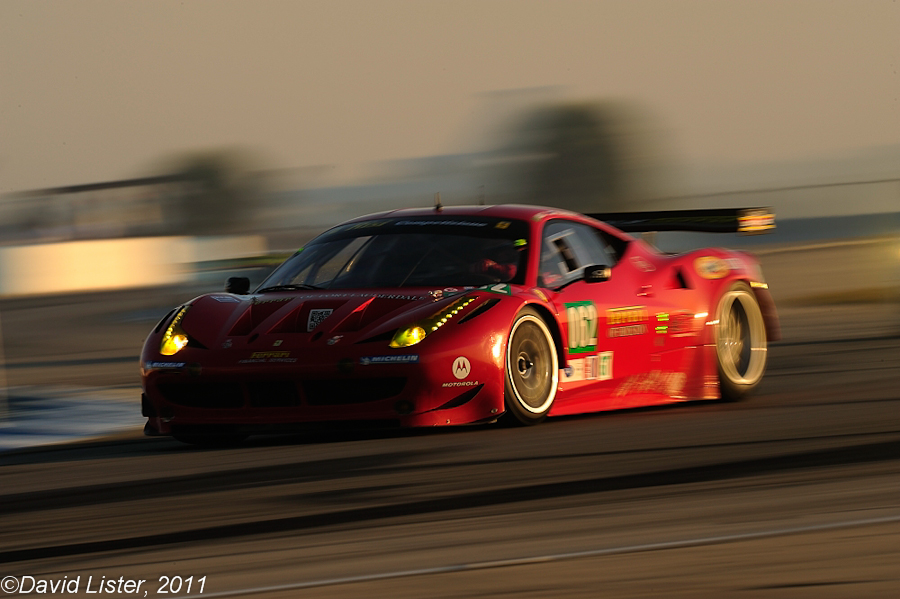
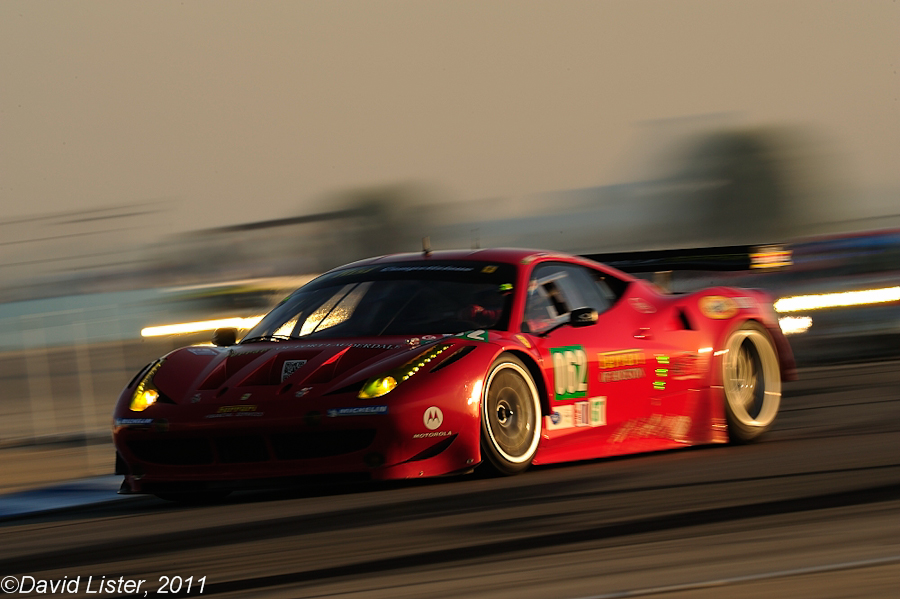
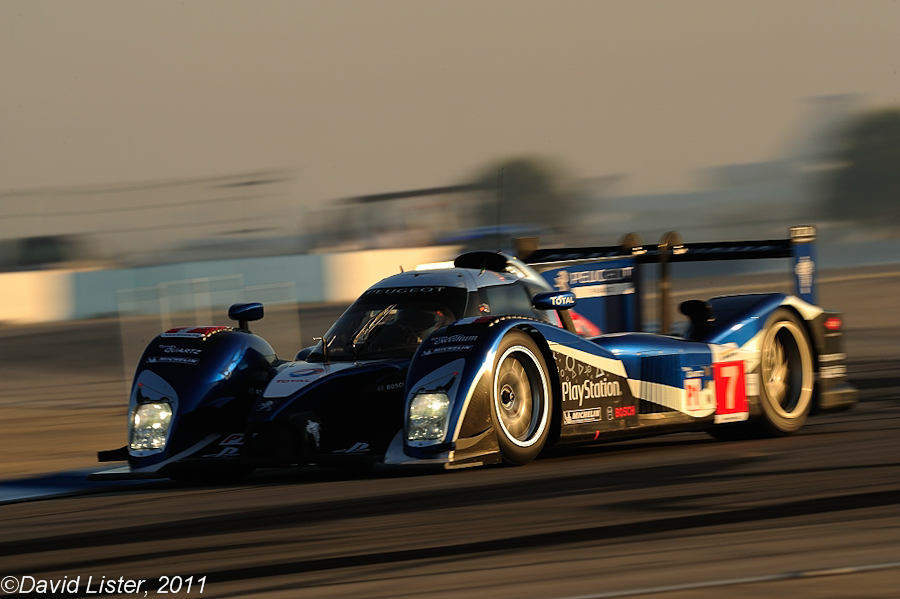
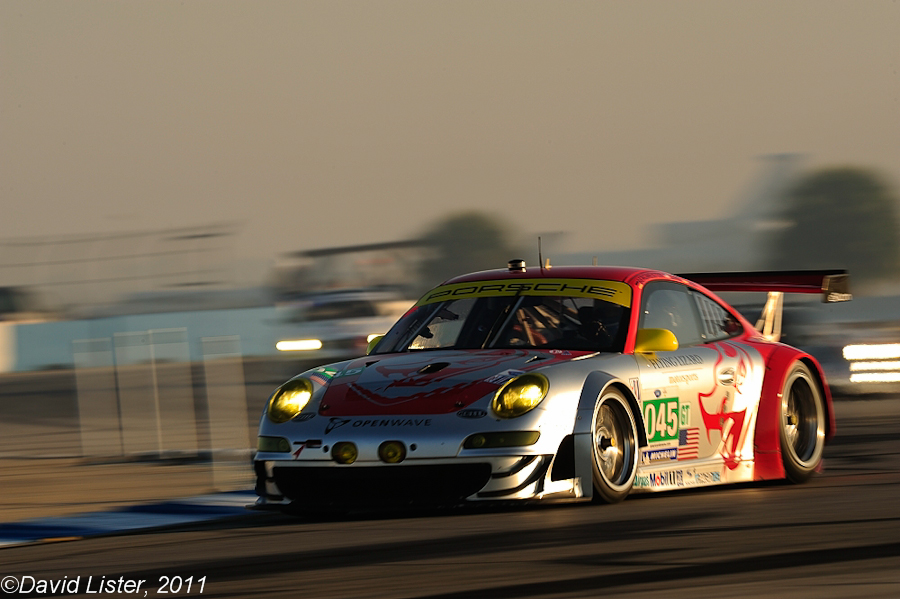
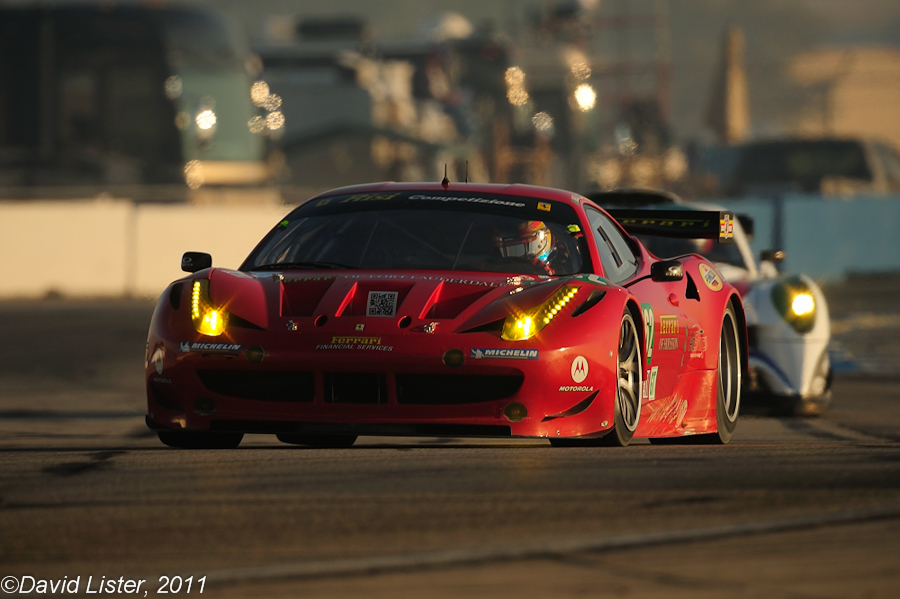
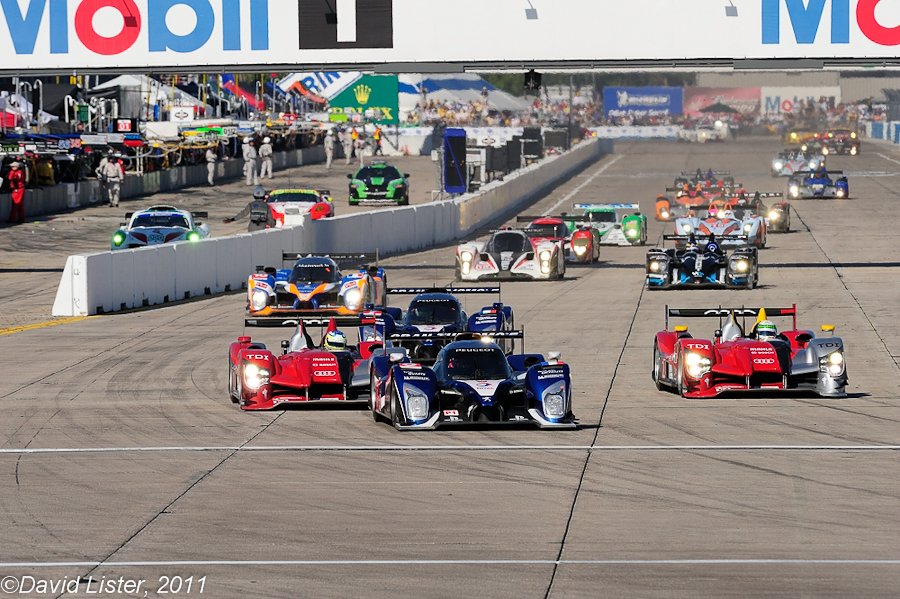
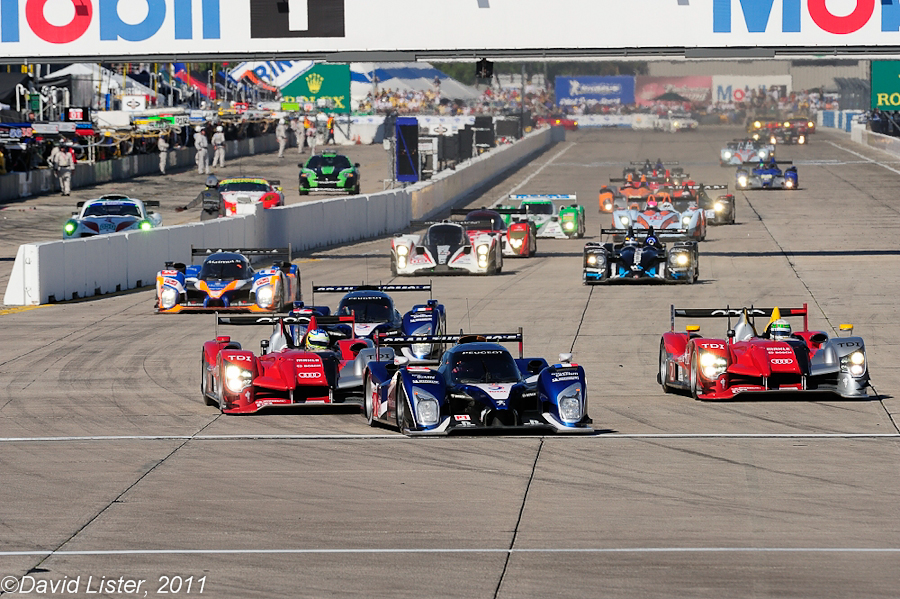
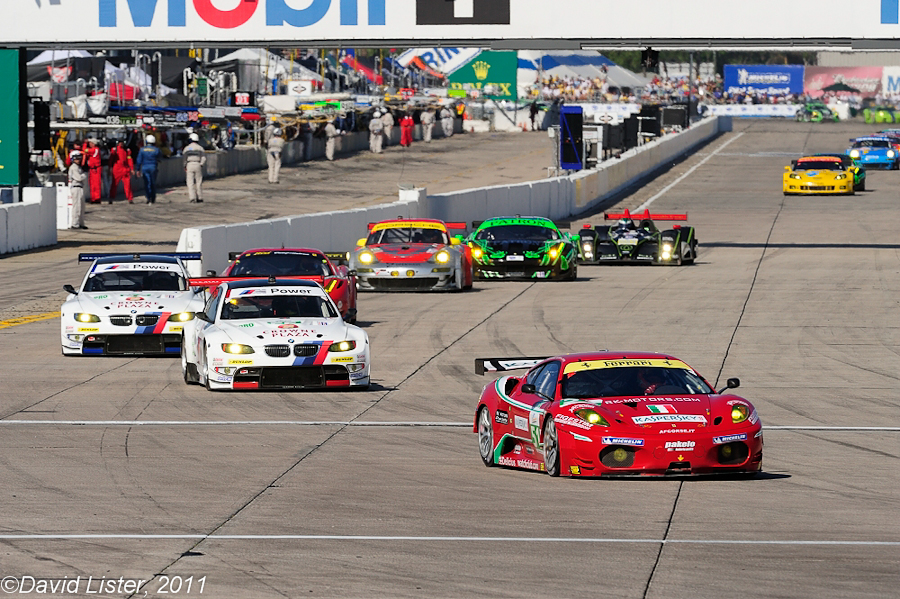
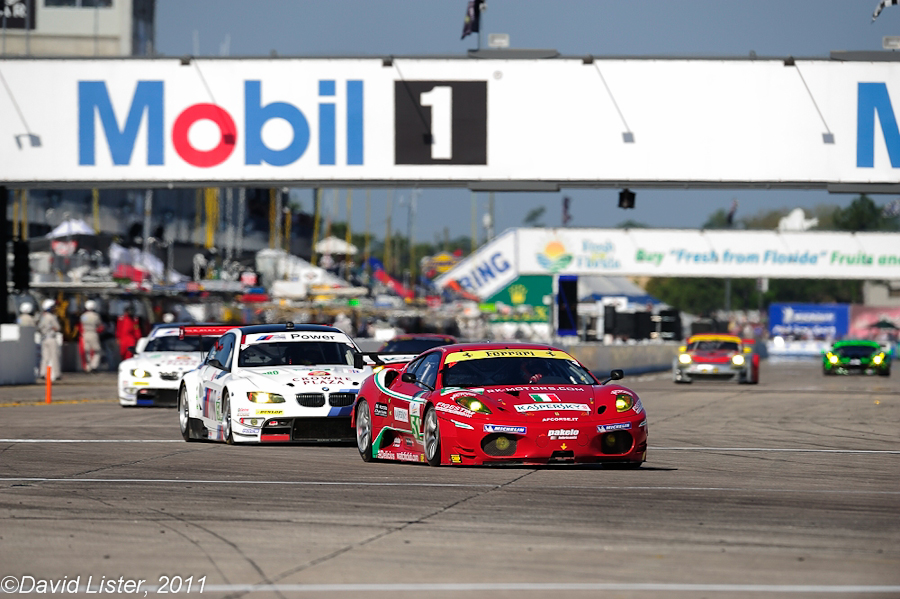
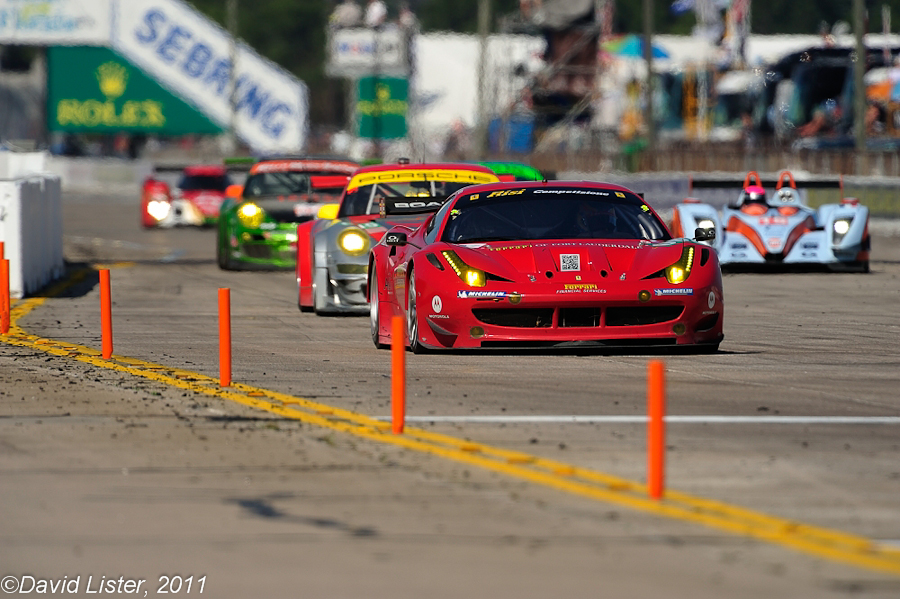
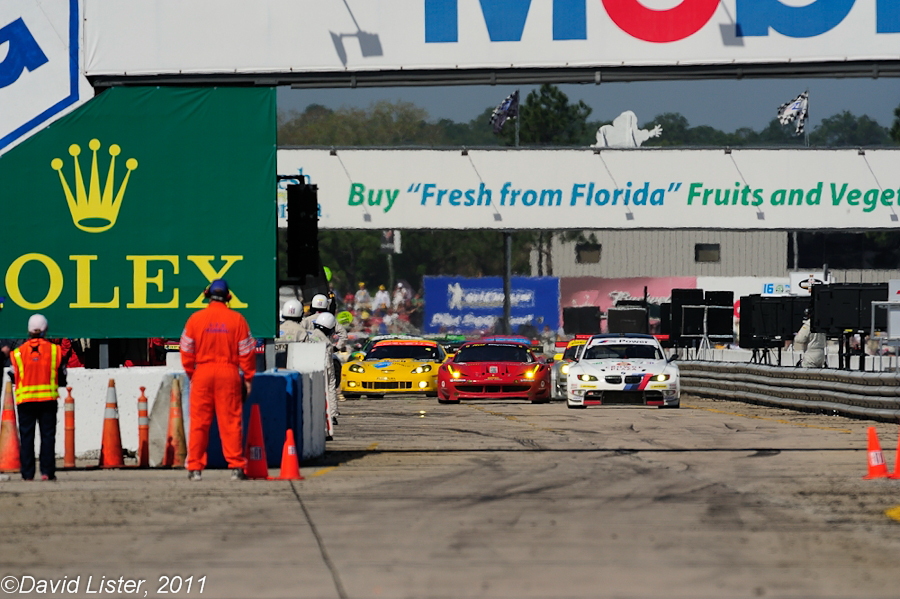
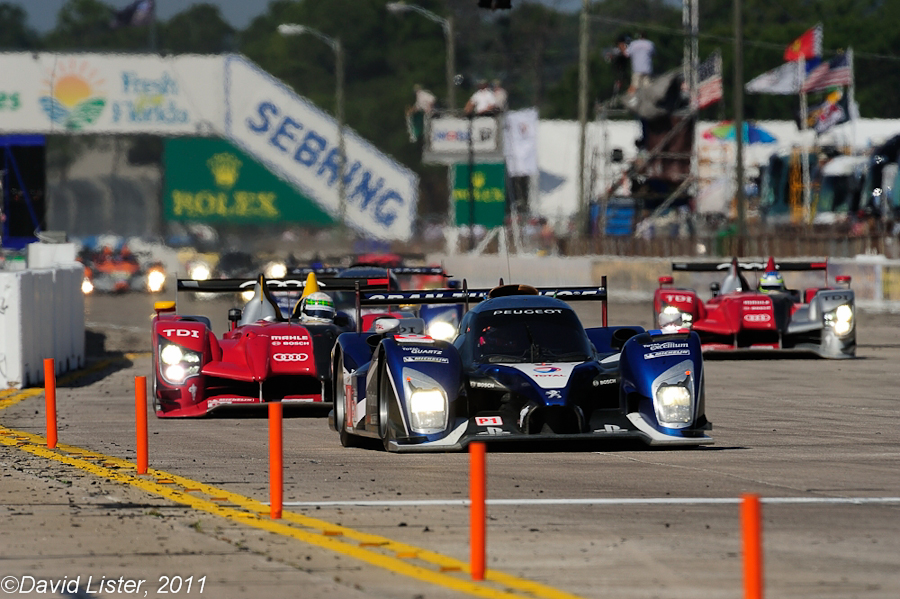
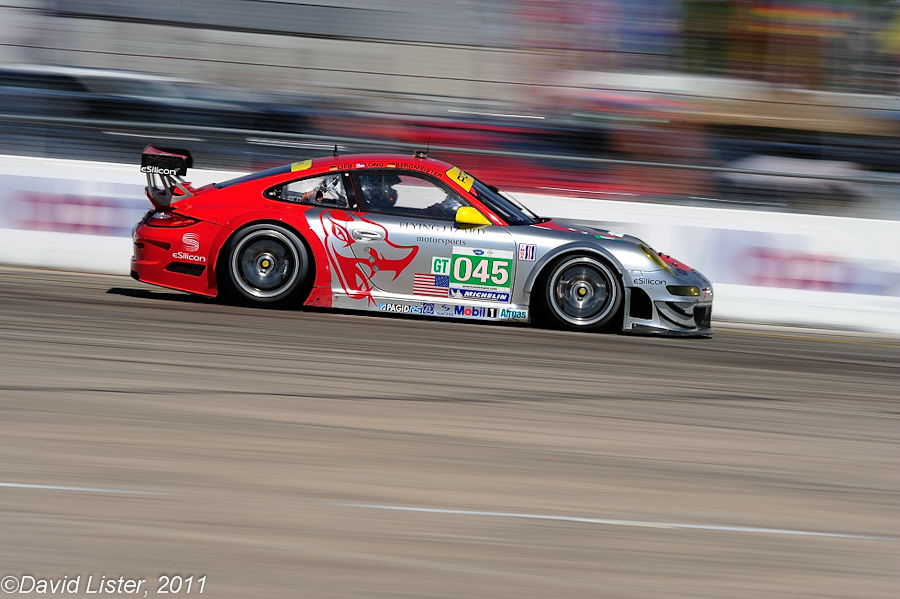
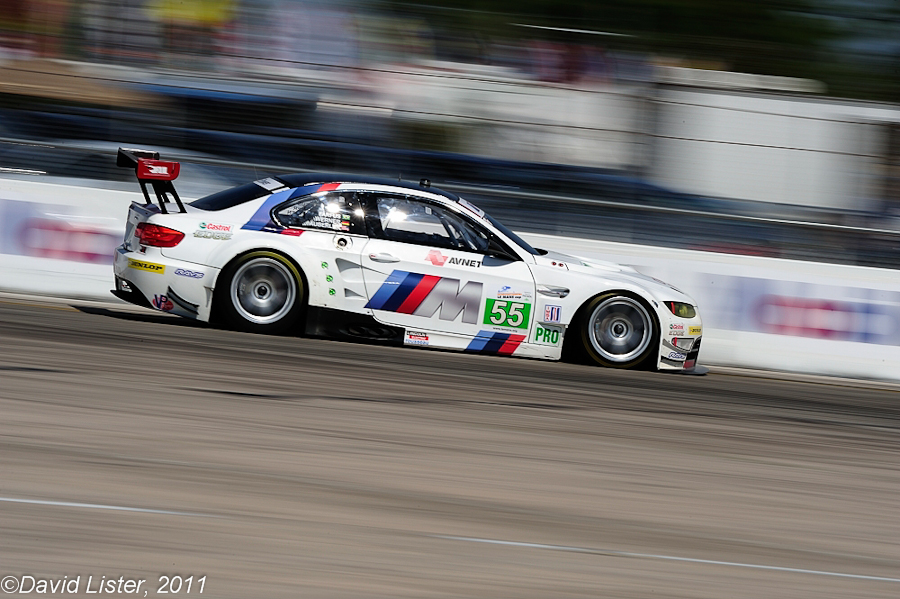
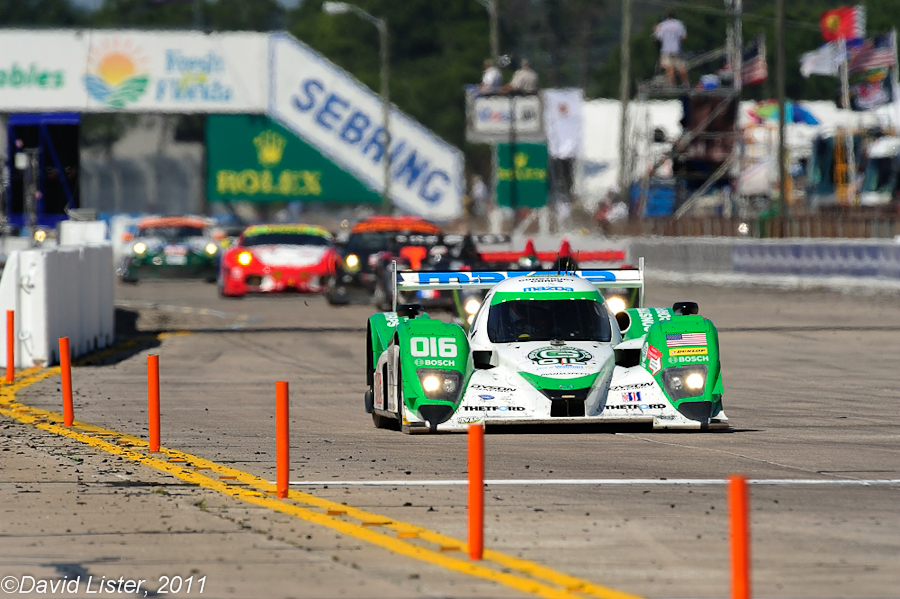
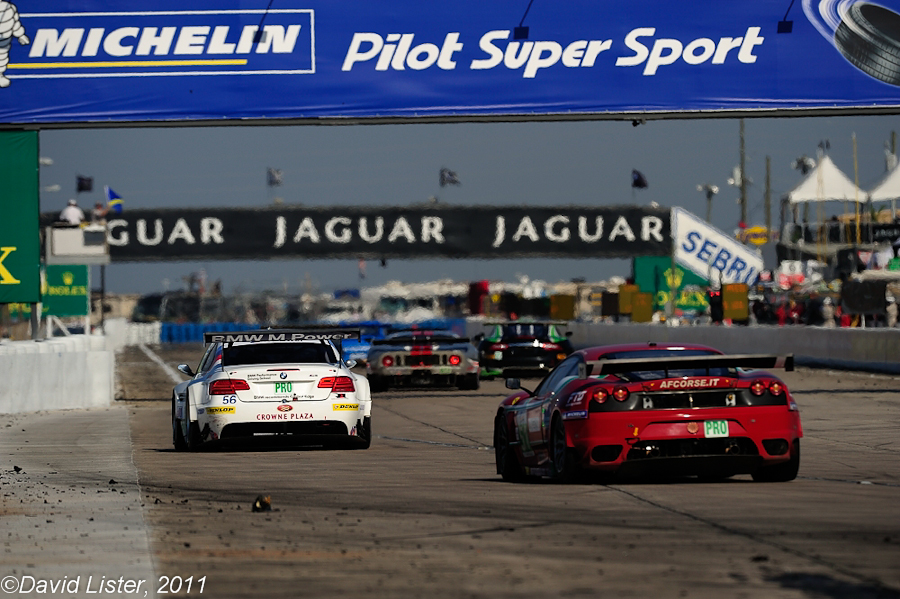
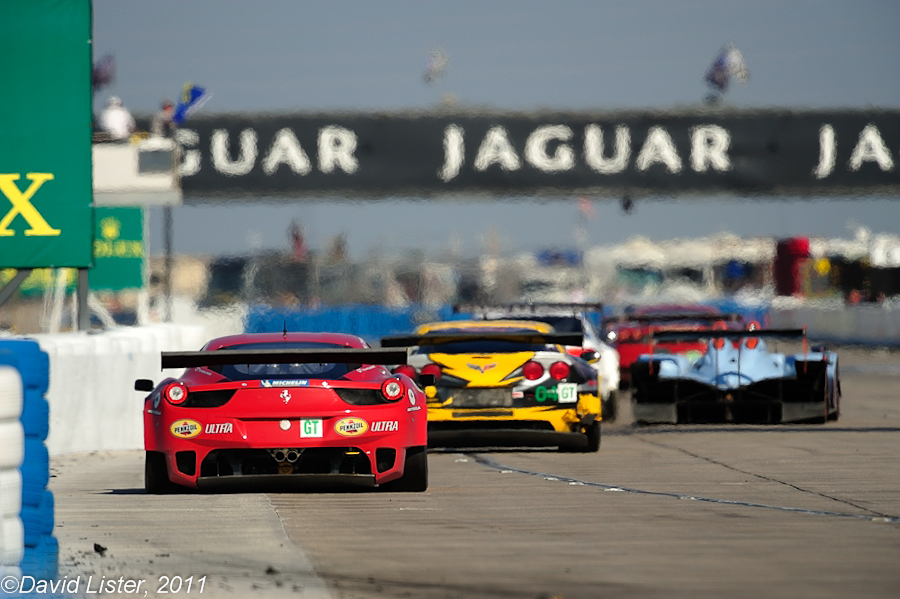
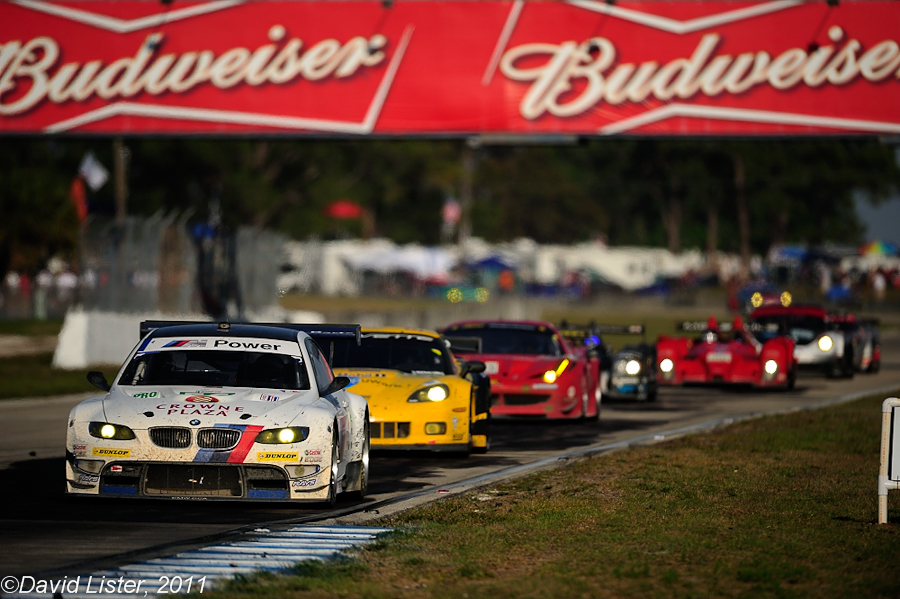
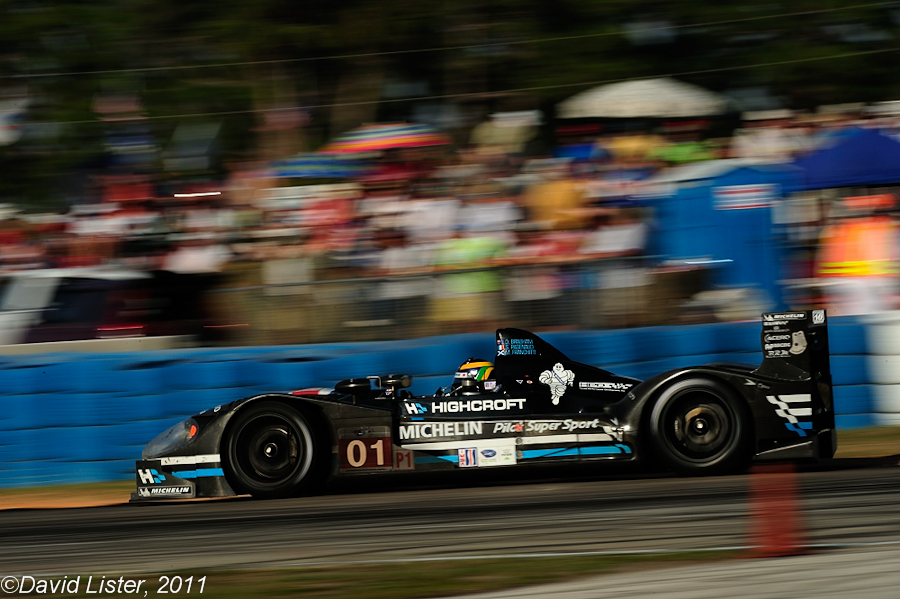
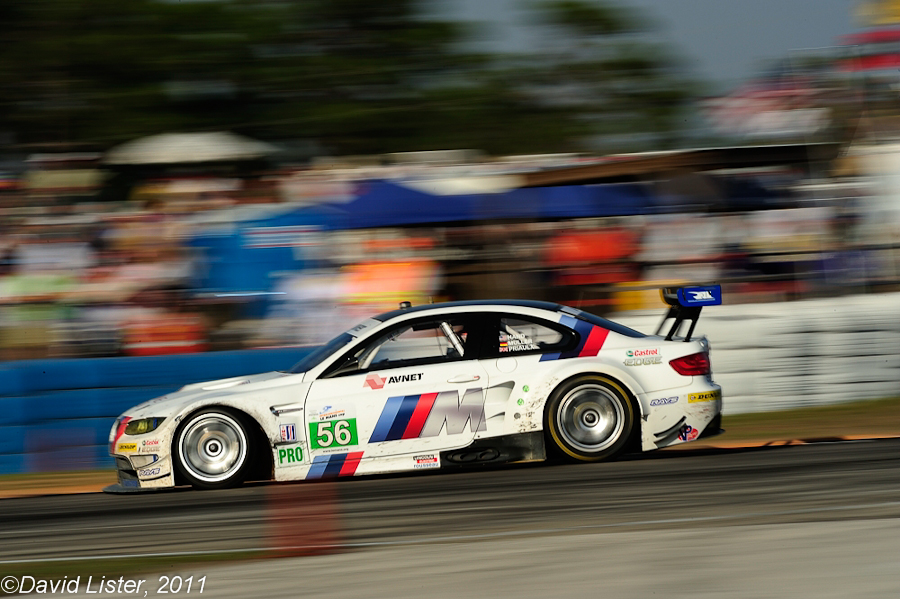
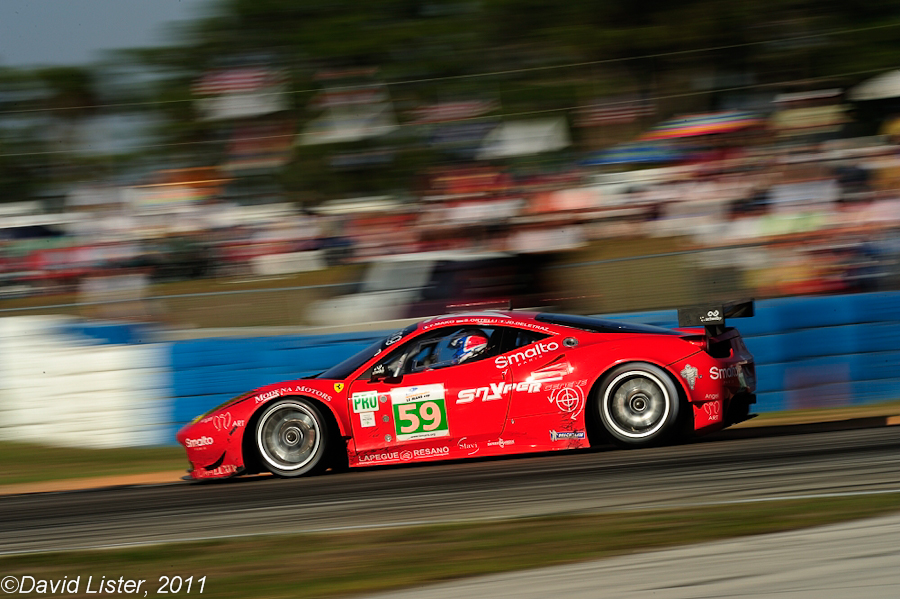
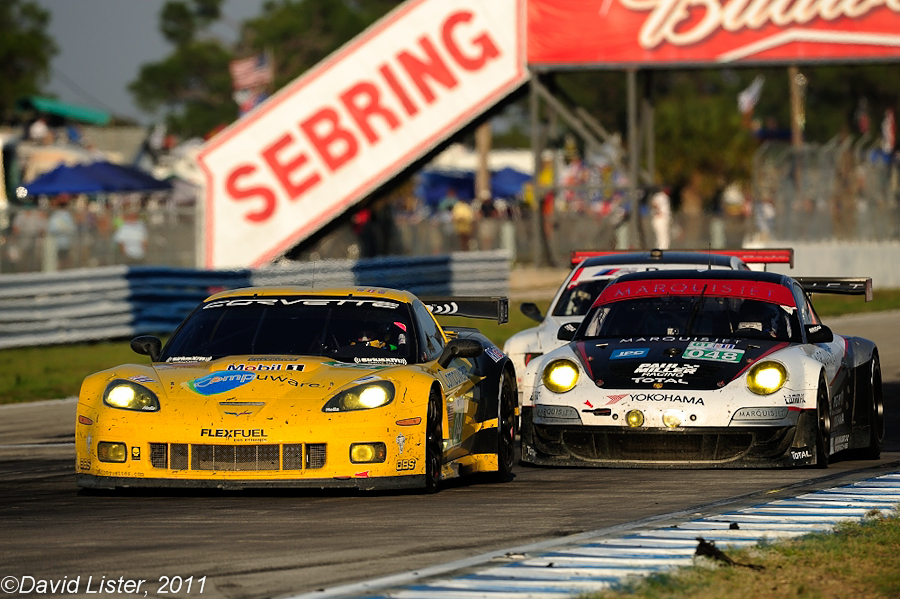
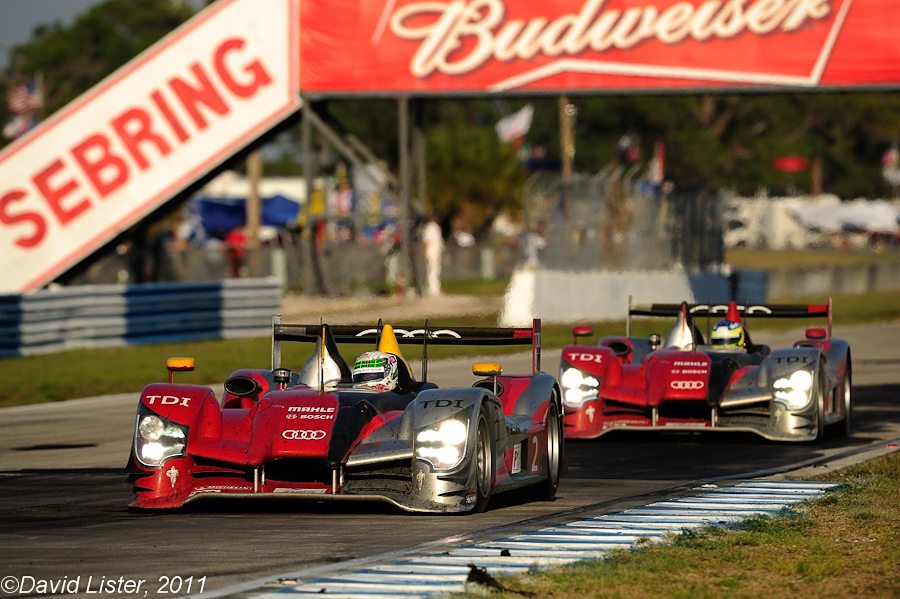
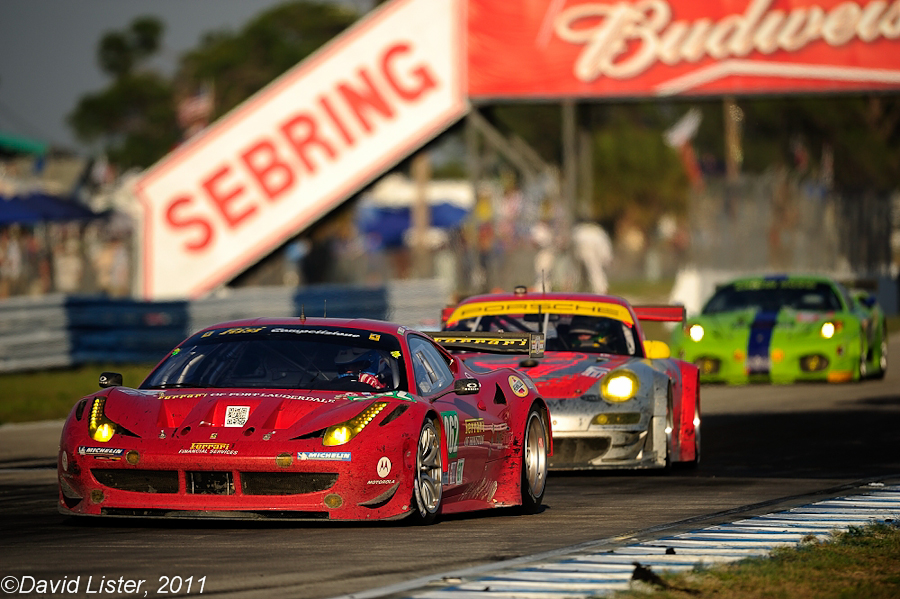
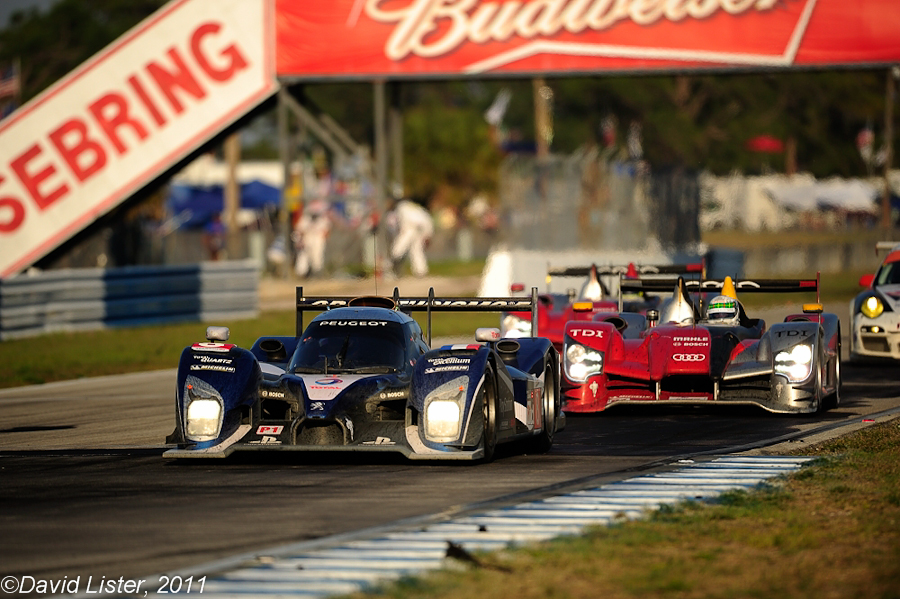
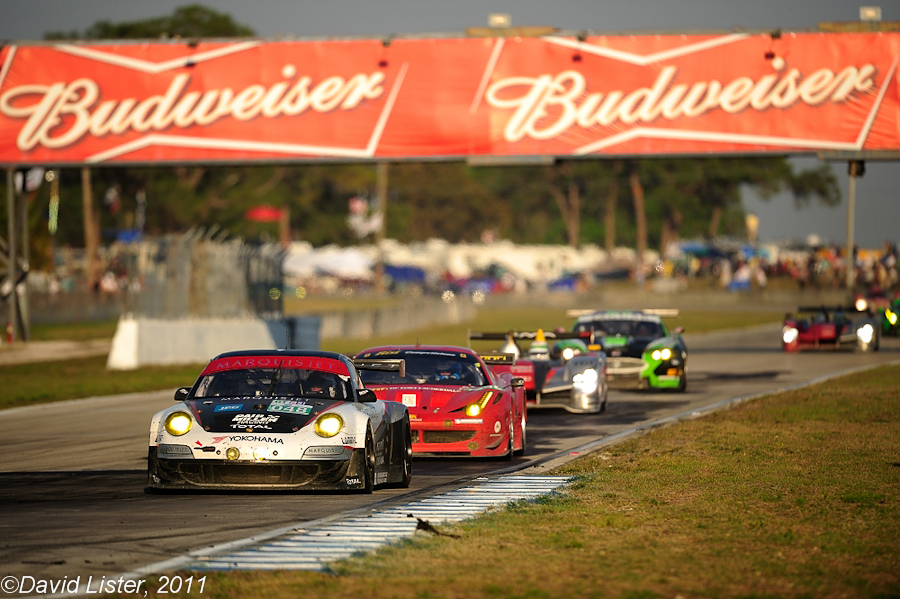
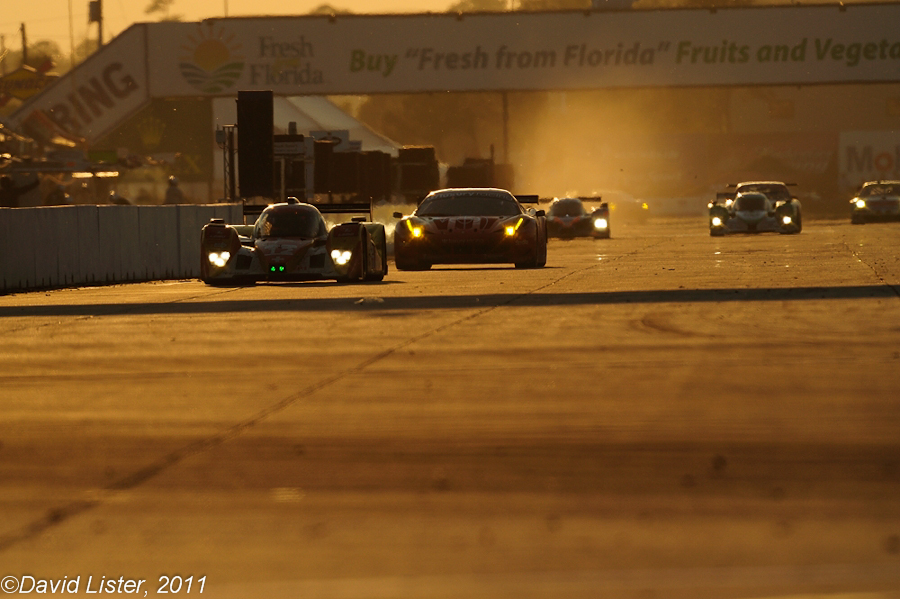
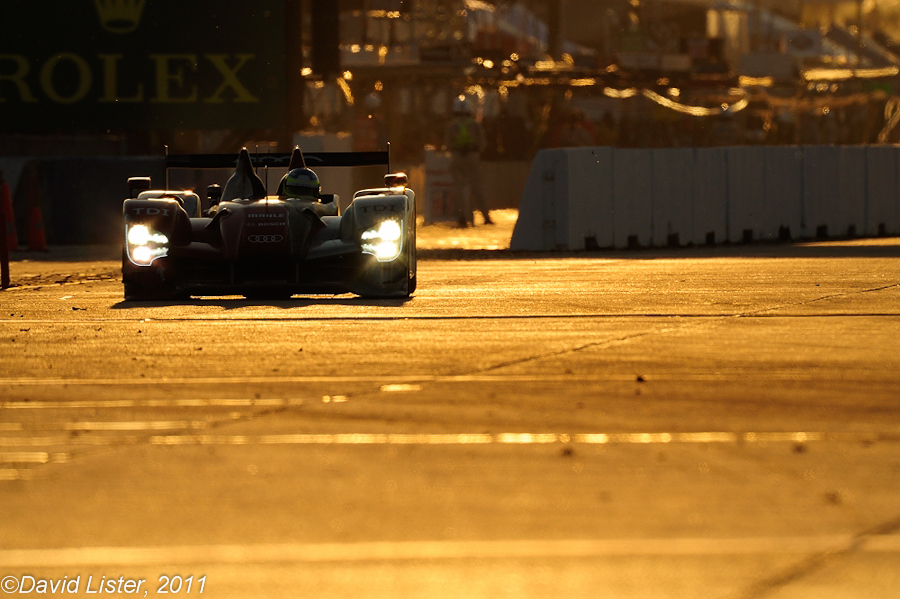
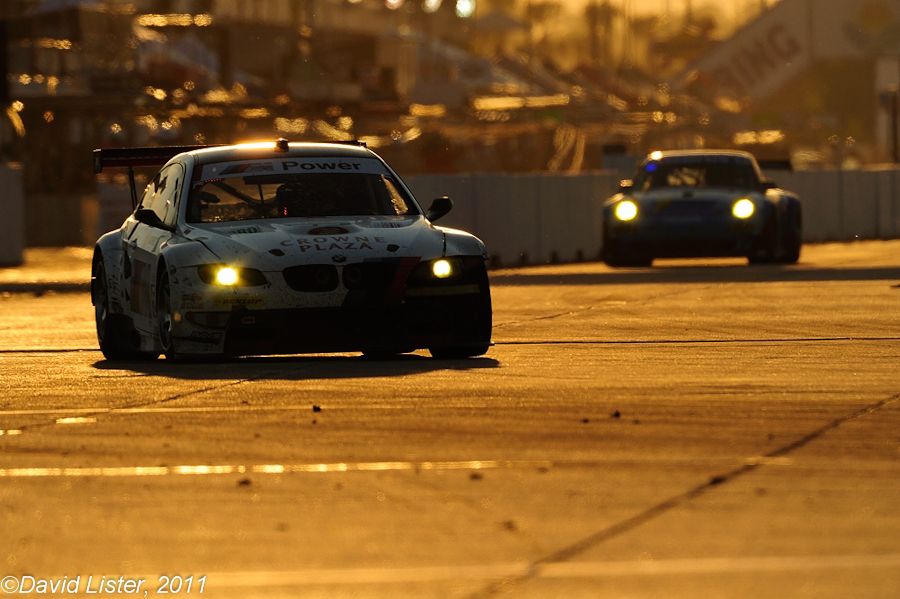
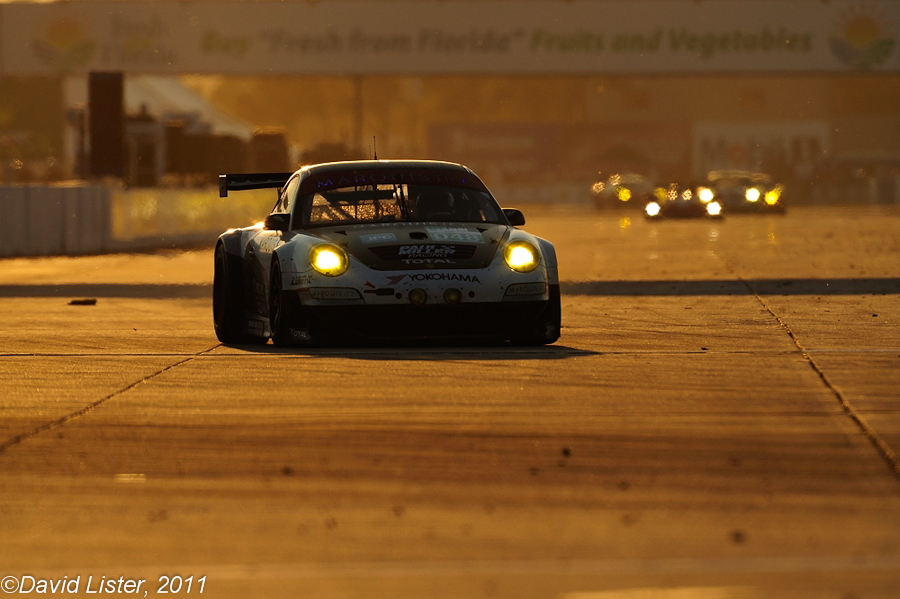
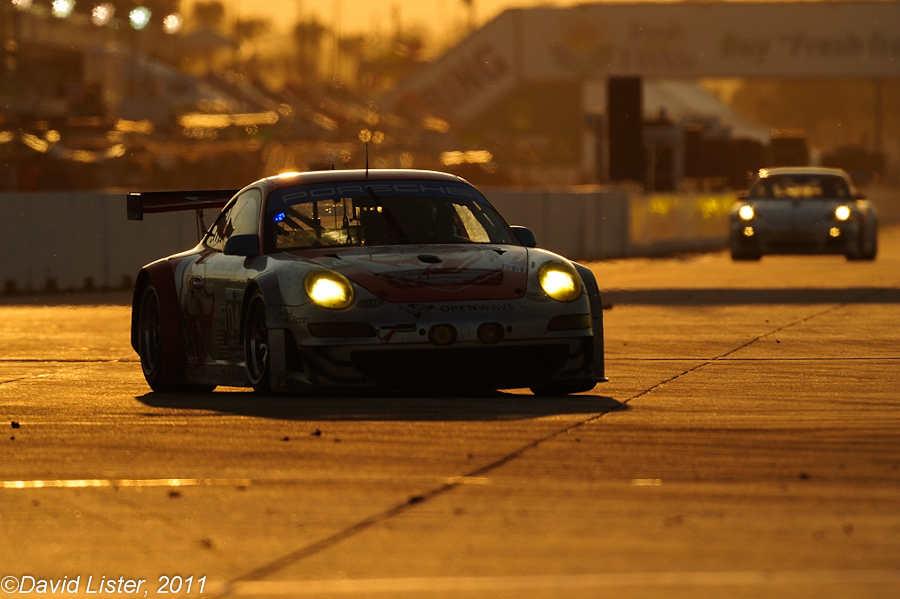
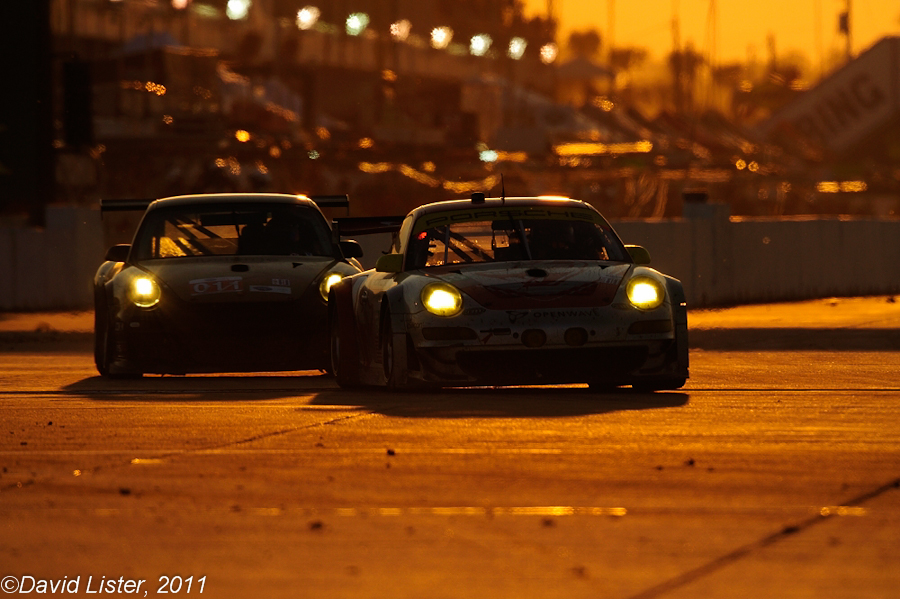
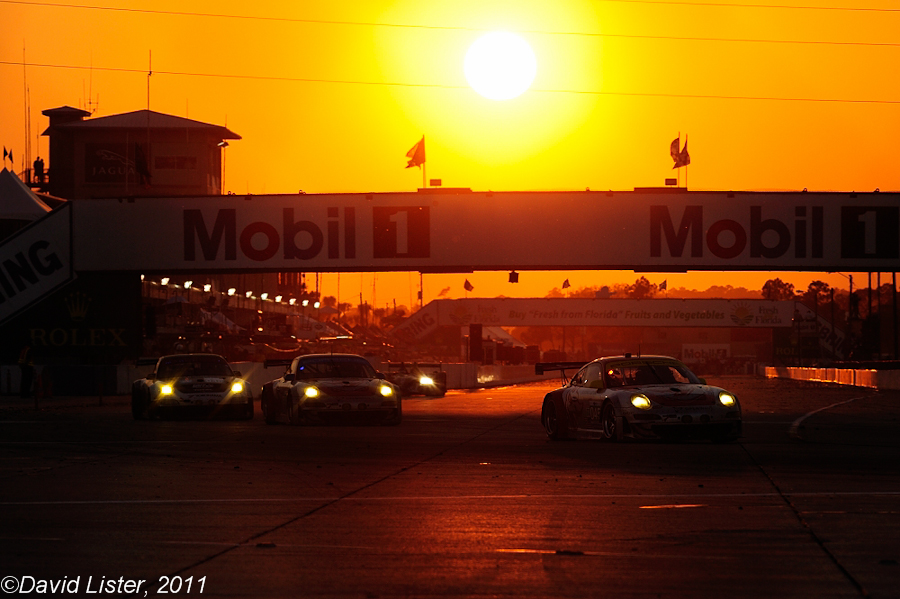
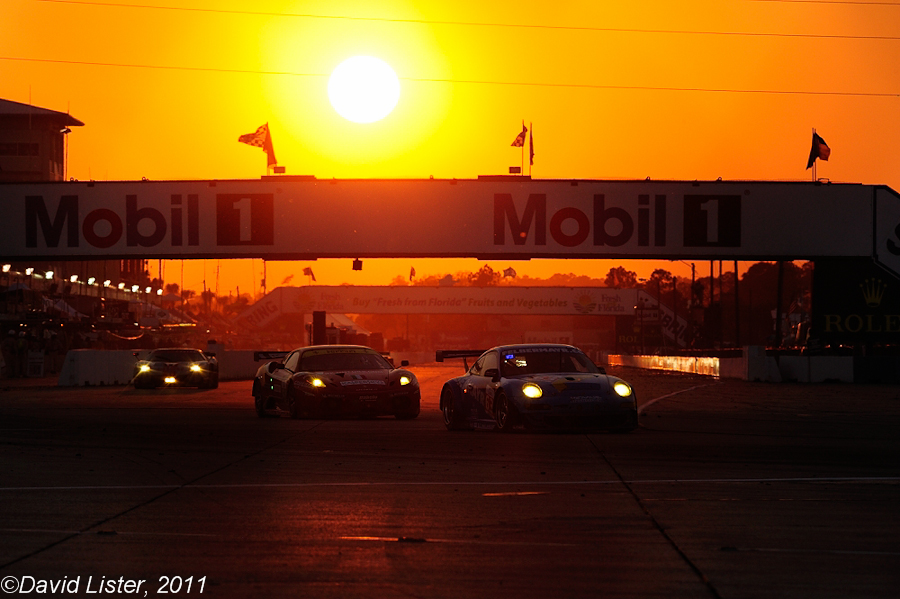
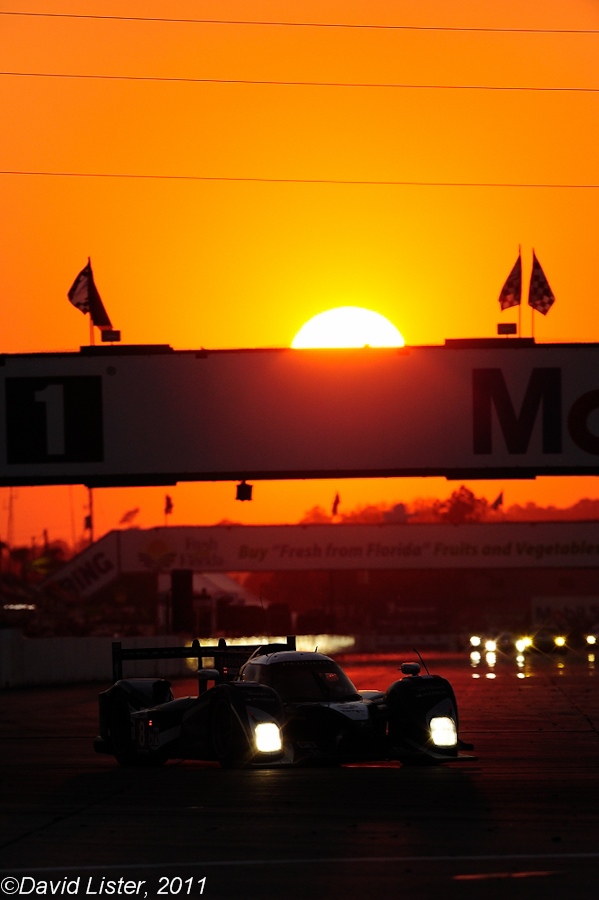
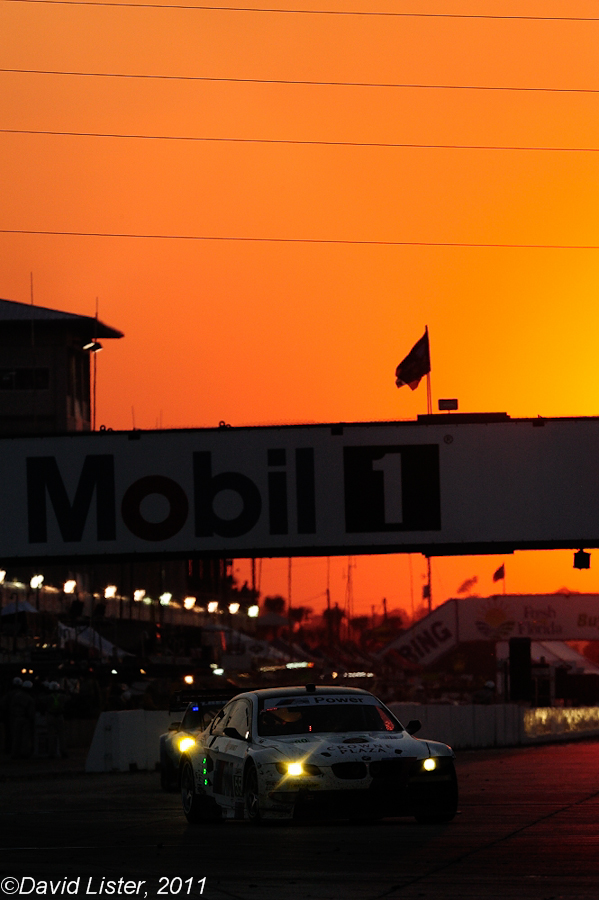
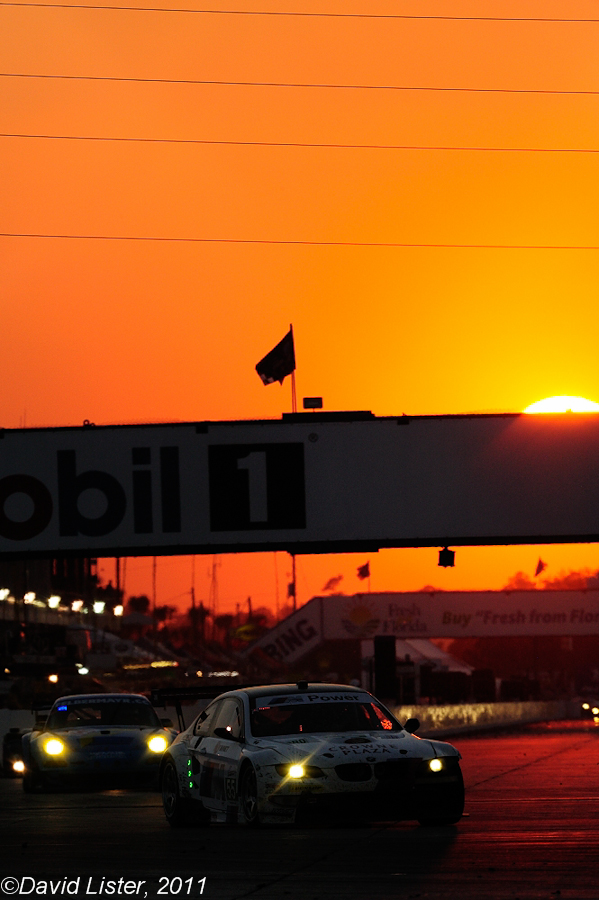
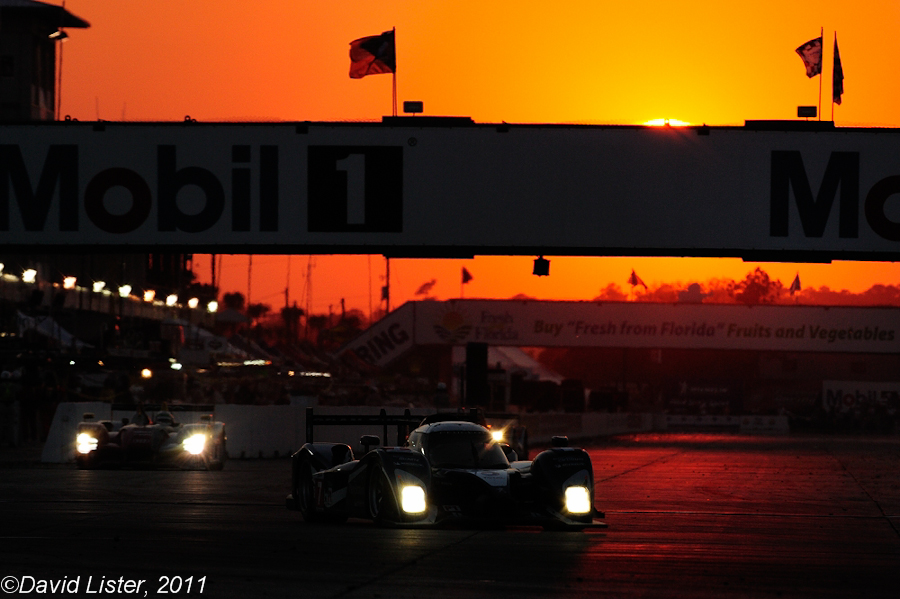
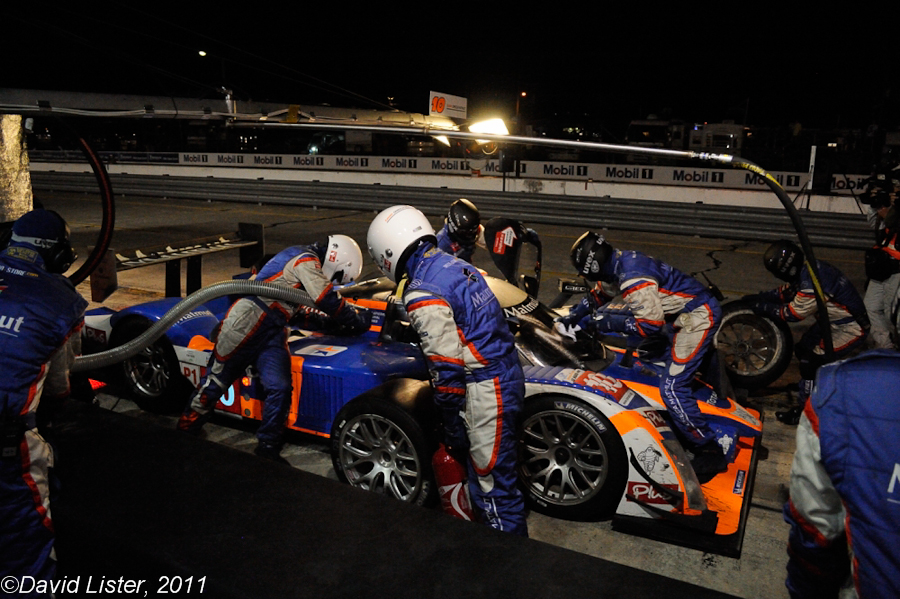
So that was Sebring, first blood in 2011 to Peugeot. Not, however, the new finned factory cars; ORECA, genuine sportscar folk, scored a memorable win in 2010 spec car in the 12 Hours run around Hendricks’ Field last week.

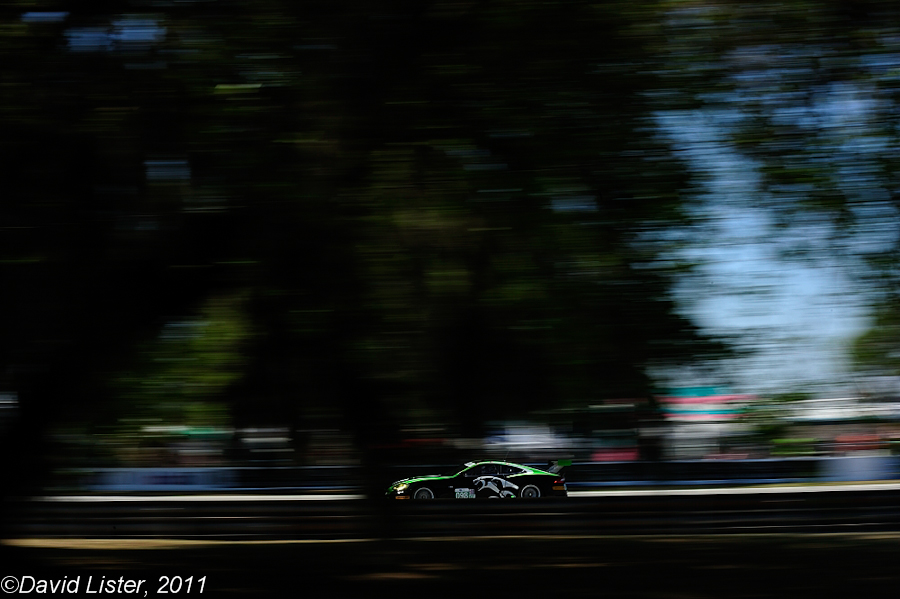
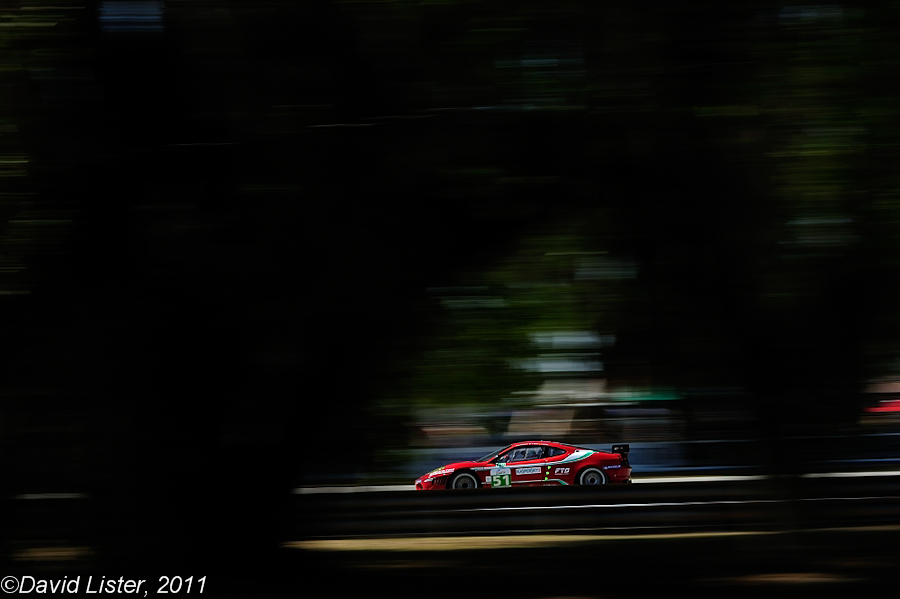
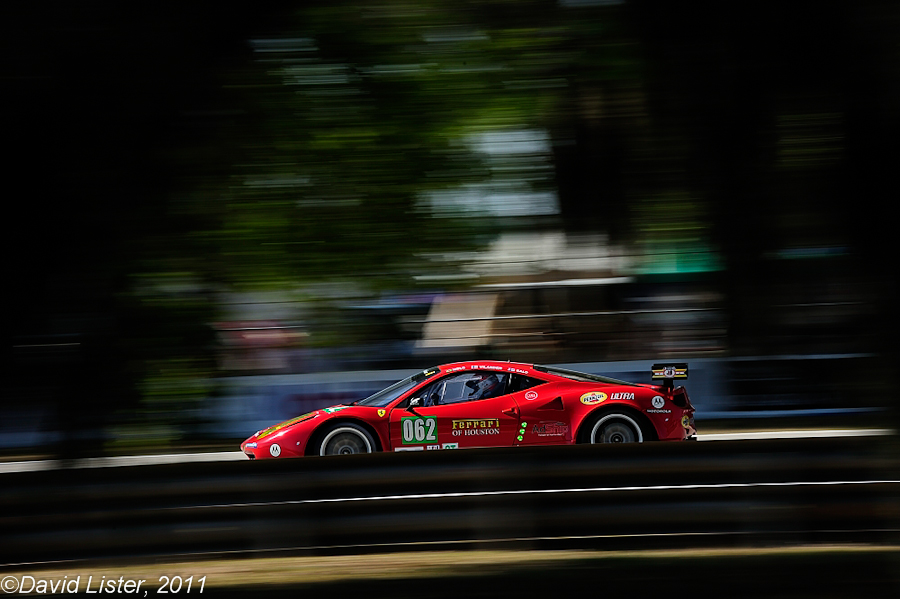
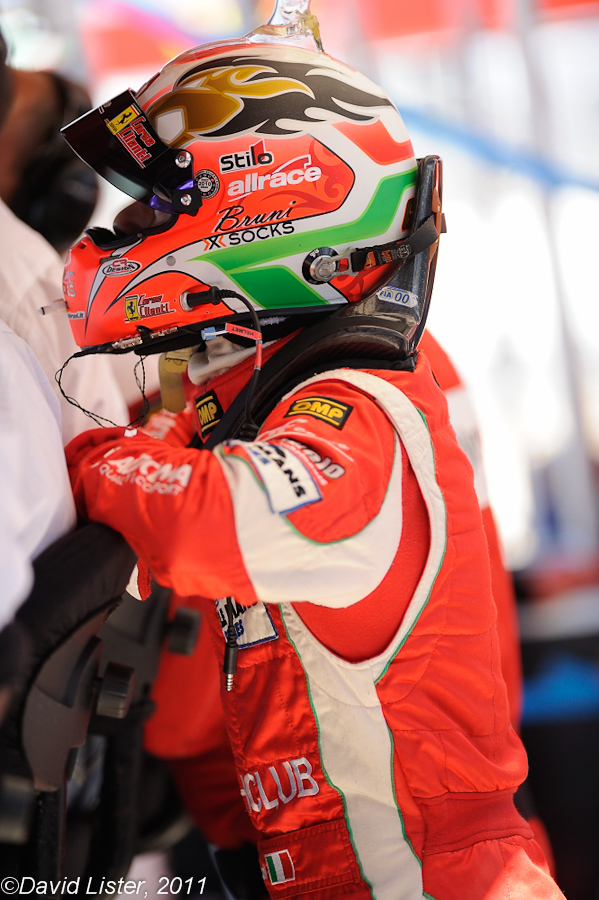
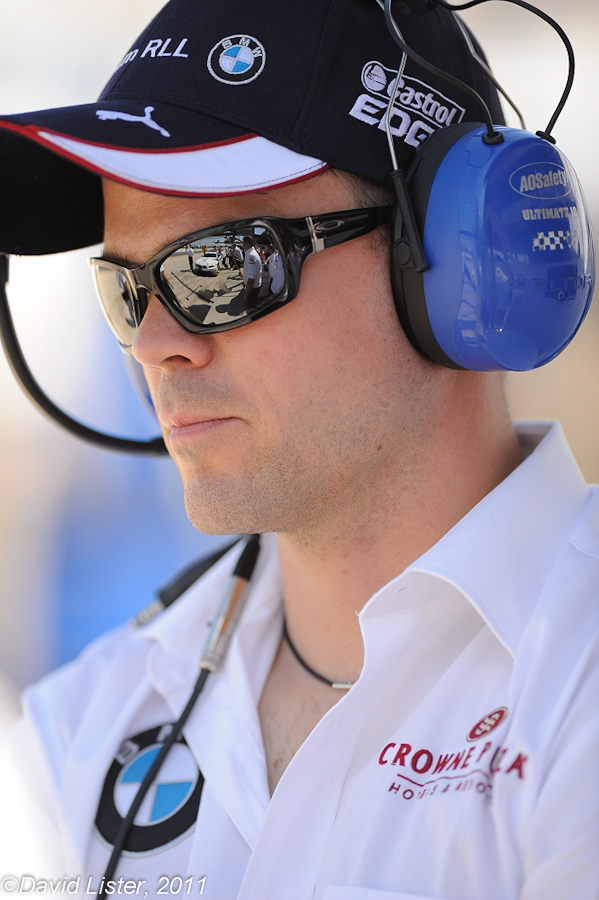
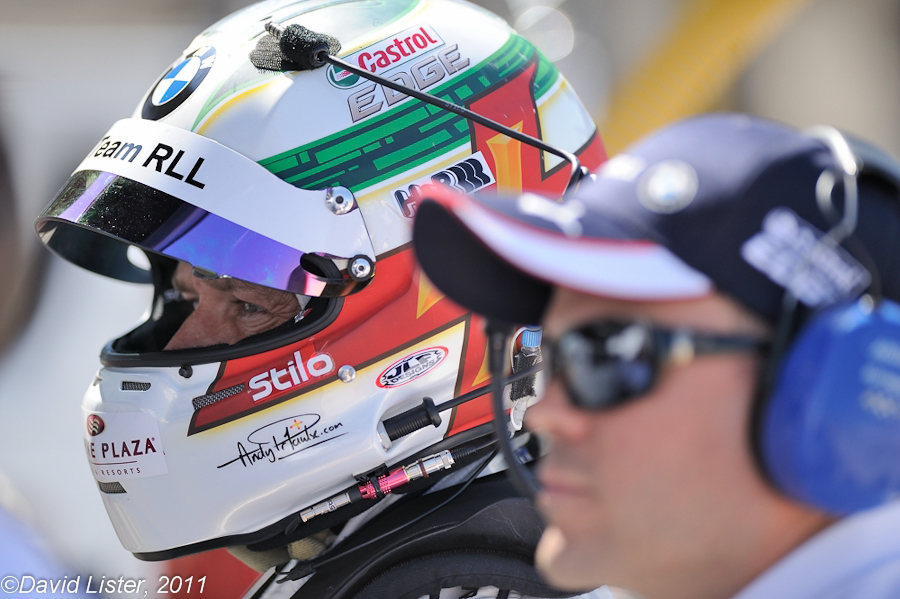
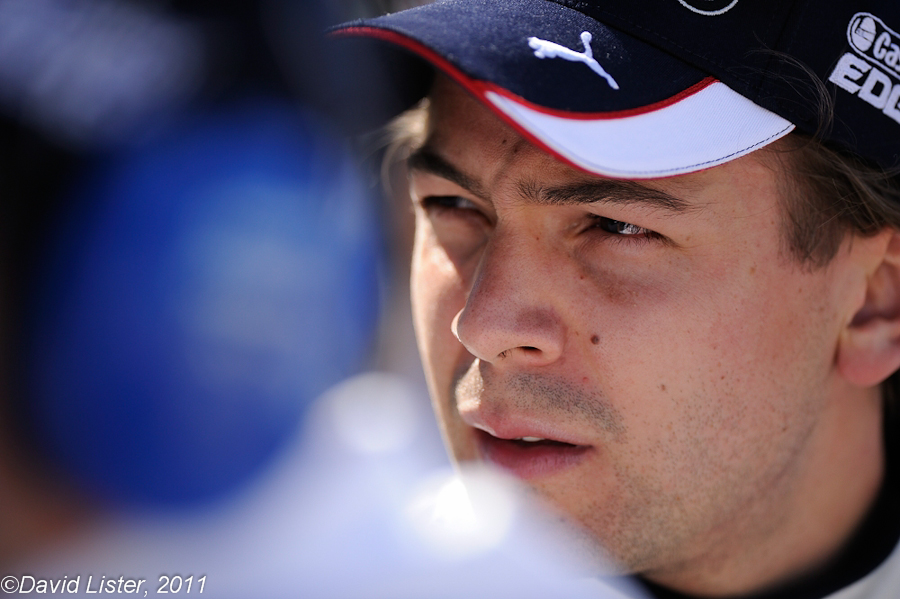
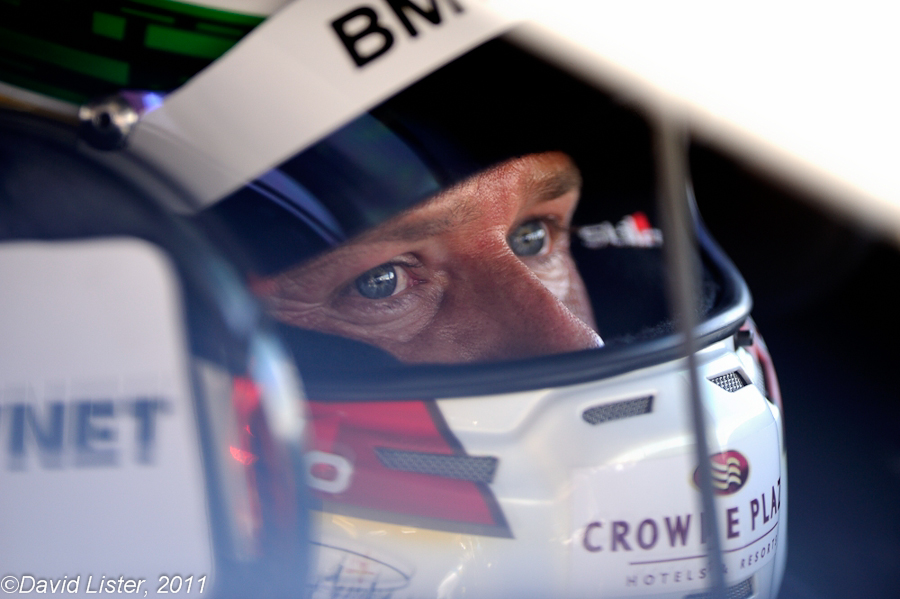
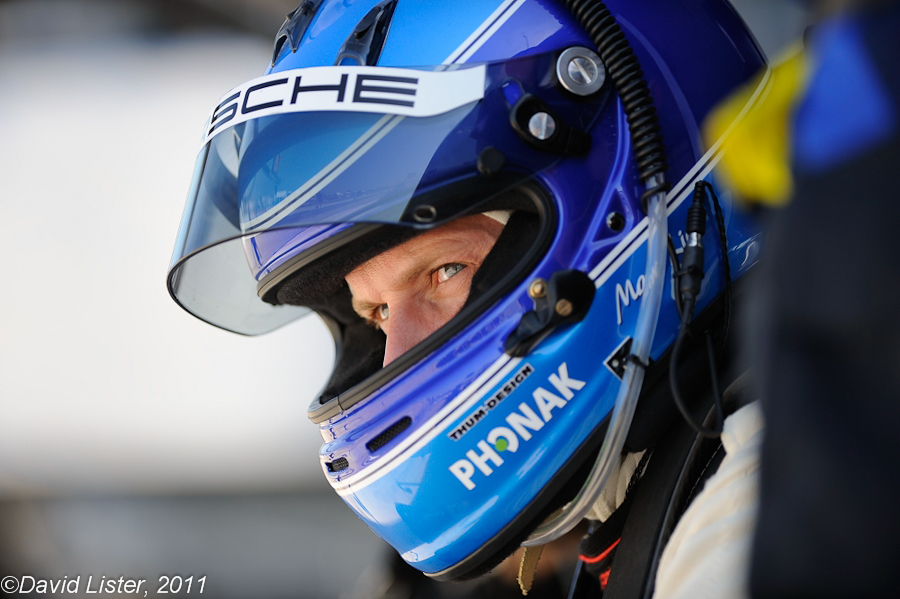
While I was kicking my heels over here, watching Ireland beat the bejesus out Grand Slam hopefuls, England, David Lister had his Nikons set to stun.

His first visit to the Florida Classic turned up the usual bag of gold. He has graciously agreed to share some of this treasure with us.

Enjoy!

John Brooks, March 2011


The Future is Orange

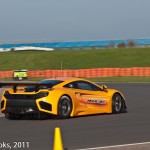
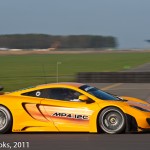
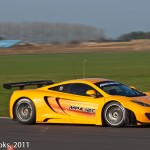
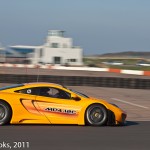
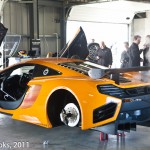
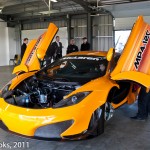
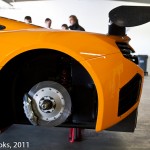
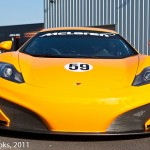
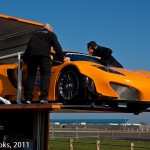
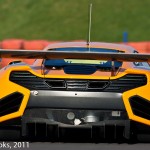
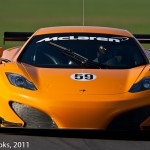
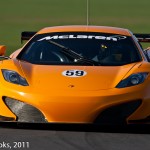
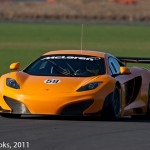
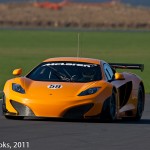
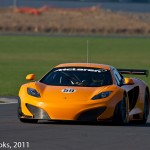
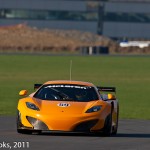
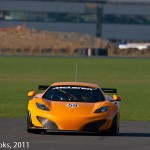
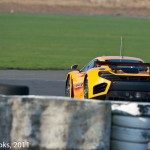
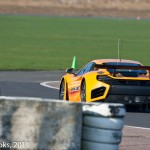
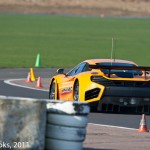
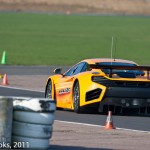
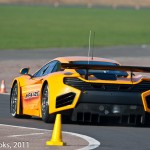
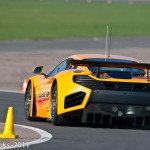
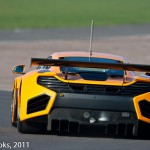
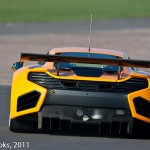
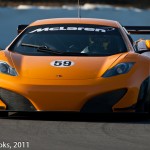
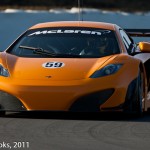
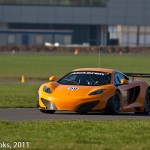
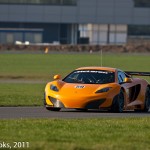
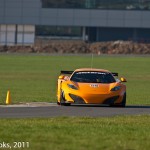
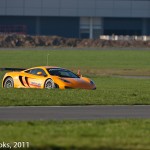
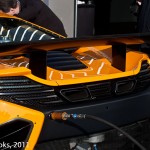
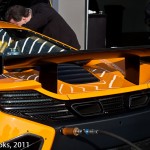
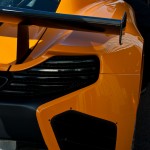
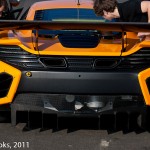
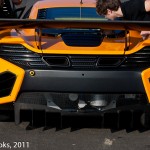
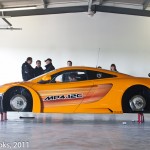
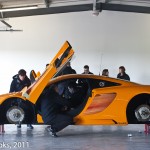
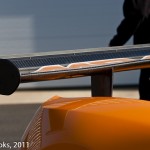
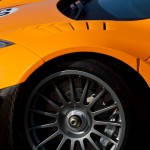
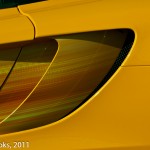
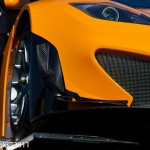
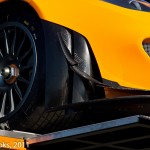
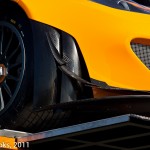
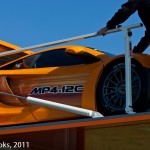
A week ago the world, well a very small part of it including me, witnessed the next step in the expansion of McLaren Automotive. The venue was the Stowe Circuit at Silverstone, the small step/giant leap was the first public showing of the McLaren MP4-12C GT3.

Somehow the embargo that McLaren requested was kept and this morning they sent out their release. This is what it said.

The first McLaren MP4-12C GT3 to be built by McLaren GT – a new company that brings together the expertise of the McLaren Group and CRS Racing – has successfully undertaken its debut tests at the MIRA proving ground facility and Silverstone Circuit in England.  McLaren GT has also appointed a new test driver to its team, 26-year-old Portuguese racing driver Álvaro Parente.

The initial shakedown tests undertaken with the 12C GT3, whereby new components are calibrated and bespoke aerodynamic body structures are appraised for the first time, will be followed by comprehensive tests scheduled throughout March and April at a number of FIA* certified circuits across Europe. News on the development programme, full driver line-up and planned competition for the 12C GT3 will be confirmed after these tests are completed.

MP4-12C GT3 development to focus on quality and performance

McLaren GT Project Manager Andrew Kirkaldy and McLaren Automotive Chief Test Driver Chris Goodwin piloted the new 12C GT3 on its first outings. These real-world tests follow months of virtual testing in the McLaren Simulator at the McLaren Technology Centre in Woking, which is also used to develop the 12C production car and Vodafone McLaren Mercedes’ Formula 1 cars.
Andrew Kirkaldy said: “We have an extensive list of subjective and objective development targets set for the MP4-12C GT3.  In the first tests, the car is achieving excellent results in many areas including handling, powertrain and other aspects of dynamic performance.

“The 12C’s carbon chassis and aerodynamic efficiency mean we started with a lightweight, dynamically-optimised sports car. Those characteristics are fundamental to any race car.The car is around 100mm wider than the standard production car and features a new suspension system which we have tested in the McLaren Simulator. Having now experienced this new set-up in the 12C GT3 car, I’m delighted with the progress we are making.

“The McLaren GT team is working with Formula 1 technology suppliers, and several of the senior technical personnel involved in this project have vast experience in Formula 1. This is a unique advantage in developing a GT specification car.”
From 2012, McLaren Automotive and CRS Racing will supply and support a limited number of FIA GT3-compliant racing cars based on the McLaren 12C high-performance sports car for privateers.**

MP4-12C GT3: Technical specification outline

The 12C GT3 race car is based on a standard 12C. Developing the race car has required a team of engineers, technicians and test drivers from McLaren Group and CRS Racing to focus on several fundamental components.

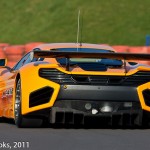
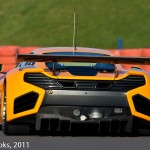
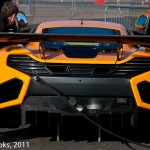
The 12C GT3 is based on the McLaren carbon MonoCell chassis, which weighs just 75kg and is produced in a revolutionary one-piece mould. Race specification composite body panels and a fixed rear wing have been added to the GT3 car.

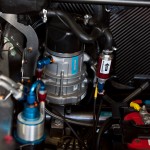
The same 3.8-litre twin turbo V8 as in the production car on which it is based will be used in the 12C GT3, tuned to race specification. A bespoke paddle-shift system operating an all-new Ricardo-designed gearbox developed specifically for racing will be fitted. This system eschews the 7-speed SSG dual-clutch Graziano transmission supplied in the standard 12C.

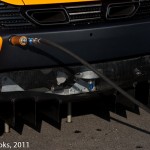
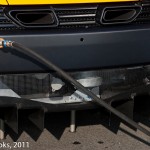
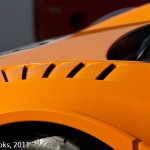
New electrical architecture is being supplied by McLaren Electronic Systems Limited, including electronic dash and data technologies. Bosch Motorsport will supply a new ABS system for the 12C GT3.  A new aerodynamics package has been developed by McLaren Racing in compliance with GT3 regulations, incorporating a new front splitter, door blade, rear wing, diffuser and louvres in the front fenders.

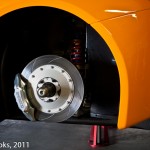
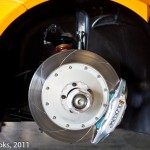
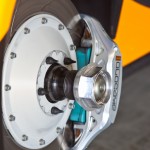
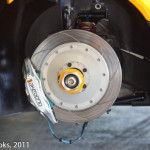
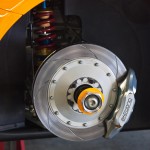
The new GT3 car will feature motorsport-specific braking and suspension components. These include bespoke callipers by Akebono, Official Supplier to Vodafone McLaren Mercedes.  Due to regulations imposed by racing authorities, the 12C GT3 will not feature the road-going 12C’s ProActive Chassis Control System; negating the requirement for an anti-roll bar. Instead, the 12C GT3 will use a configuration comprising race-specific roll bars and dampers.

McLaren Automotive Chief Test Driver Chris Goodwin said: “Those who have seen the new MP4-12C production car won’t be surprised to learn that immense attention to detail has been applied in developing the GT3 version. Quality is a watchword. We know that our potential customers will expect McLaren GT to deliver a competitive car right out of the box and, starting now with a programme covering aerodynamics development and durability testing, we are determined to do just that.

“The McLaren GT team is committed to achieving unprecedented levels of performance, also guaranteeing the levels of quality, reliability and durability with which we expect to delight future race teams entering competitions with the 12C GT3.”


As the car rolled out of the transporter I felt I was being teleported back to Jerez 1995 when the F1 GTR first raced in the BPR Series.

The Blancpain Endurance Series just shifted up another gear.

John Brooks, March 2011