Category Archives: Cool Stuff

Open Day at Fiskens – Fine Historic Automobiles


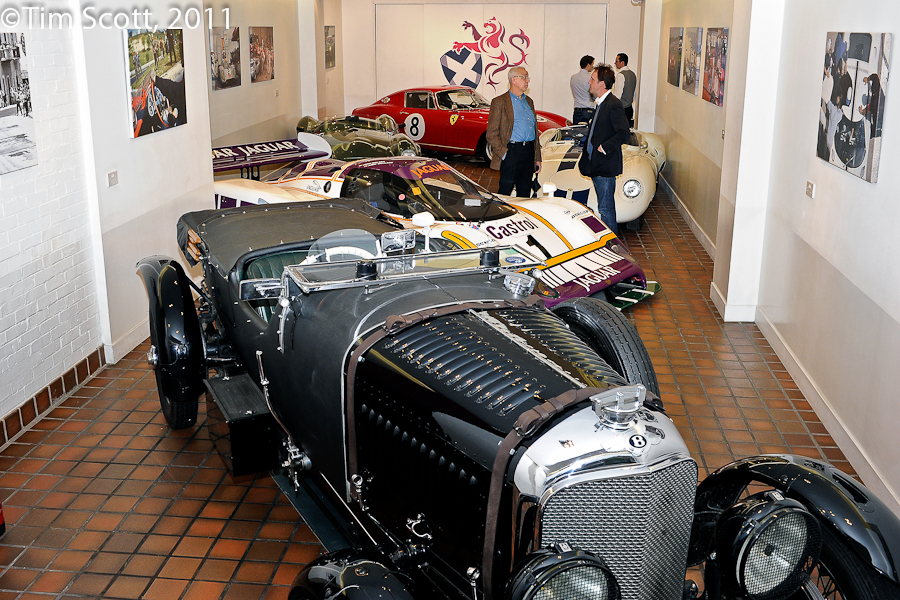
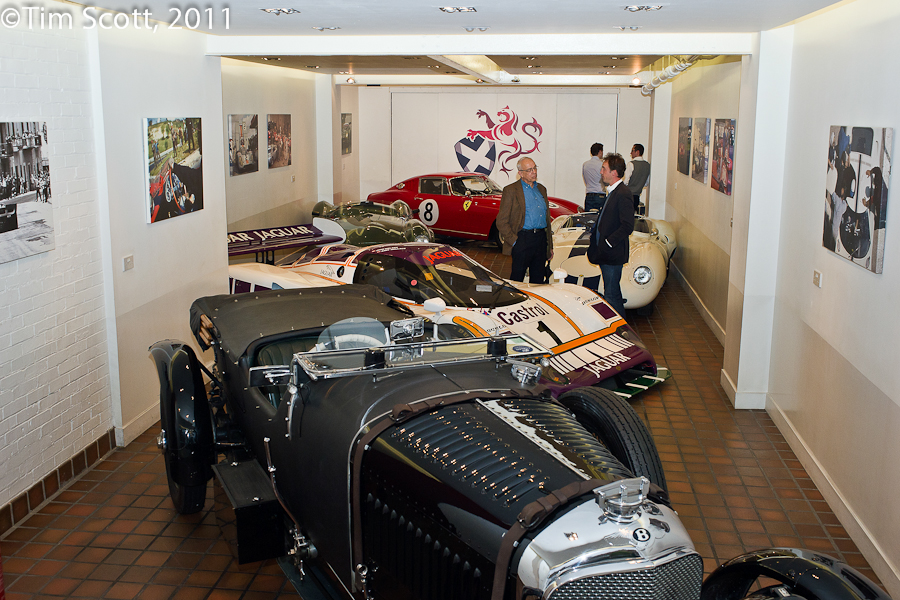
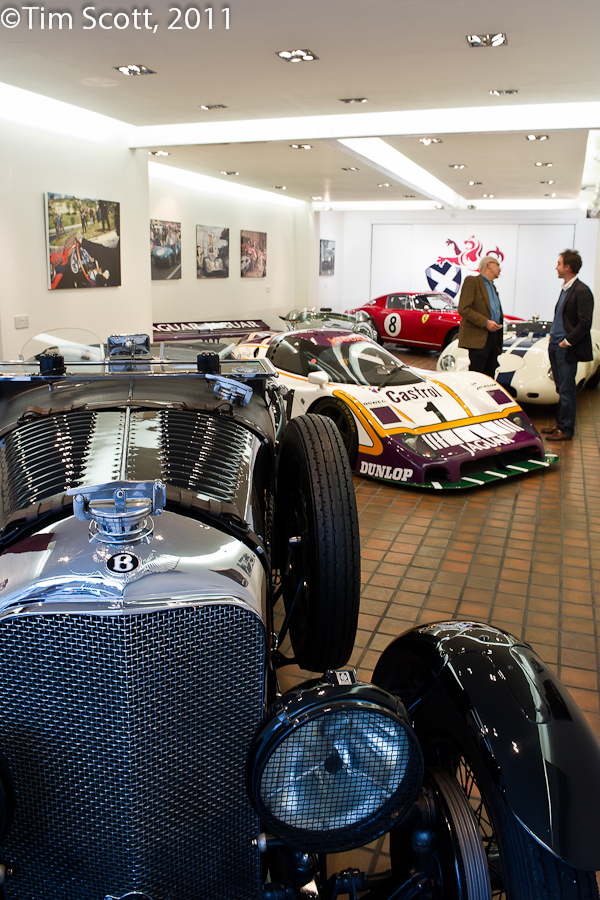
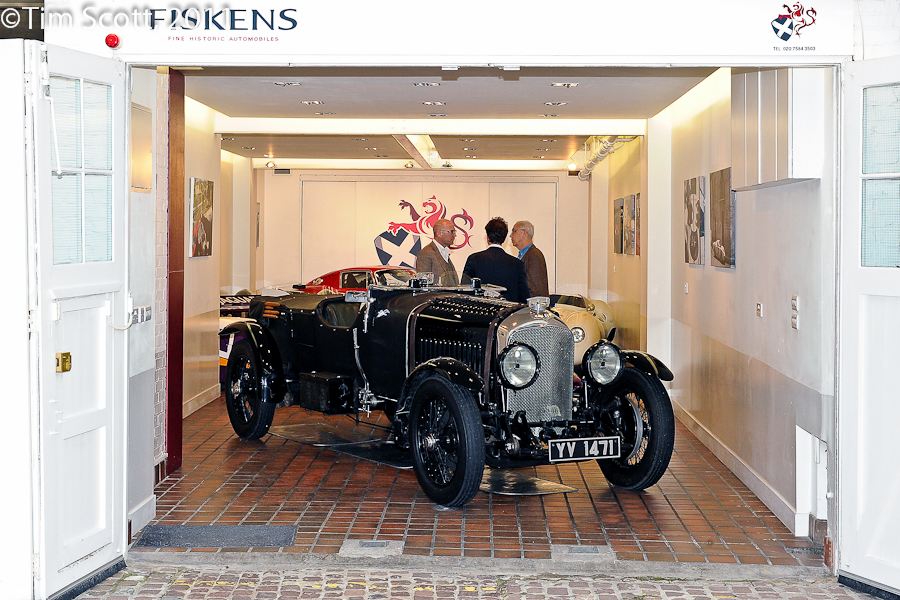
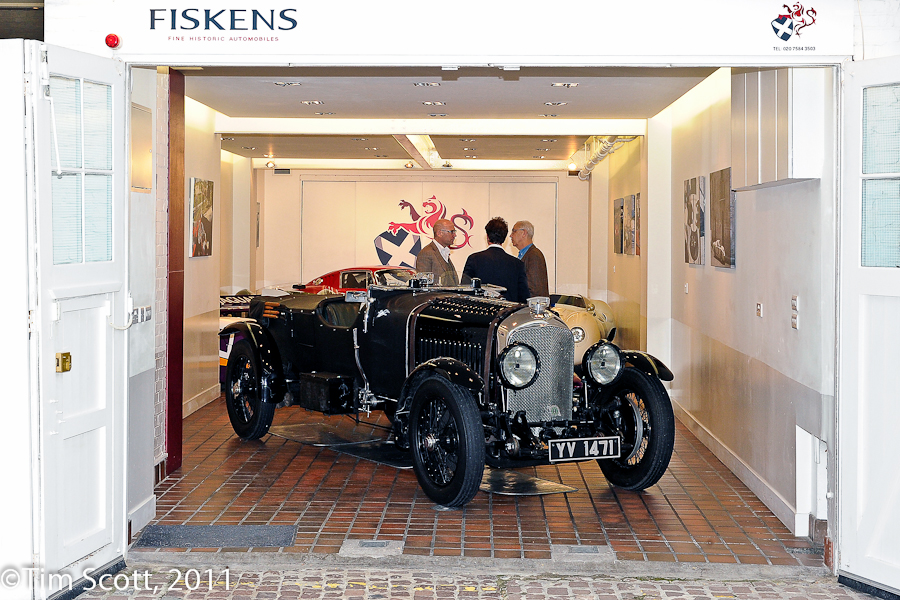
Central London to the West of Hyde Park is place of museums and mews. Tucked into one such development, just around the corner from Gloucester Road Tube, is Fiskens, well known, and well respected, dealers in classic cars. Actually they are the antithesis of “car  dealers”; I am old enough to have worked in London when Warren Street was the centre of rough and ready car dealing, Fiskens is nothing like that, nor is their stock. Gregor Fisken, Le Patron, is well known in motorsport circles, whether for his British GT campaigns or his results at Le Mans. He is also known as a “goto” guy when it comes to acquiring rare and classic automobiles.

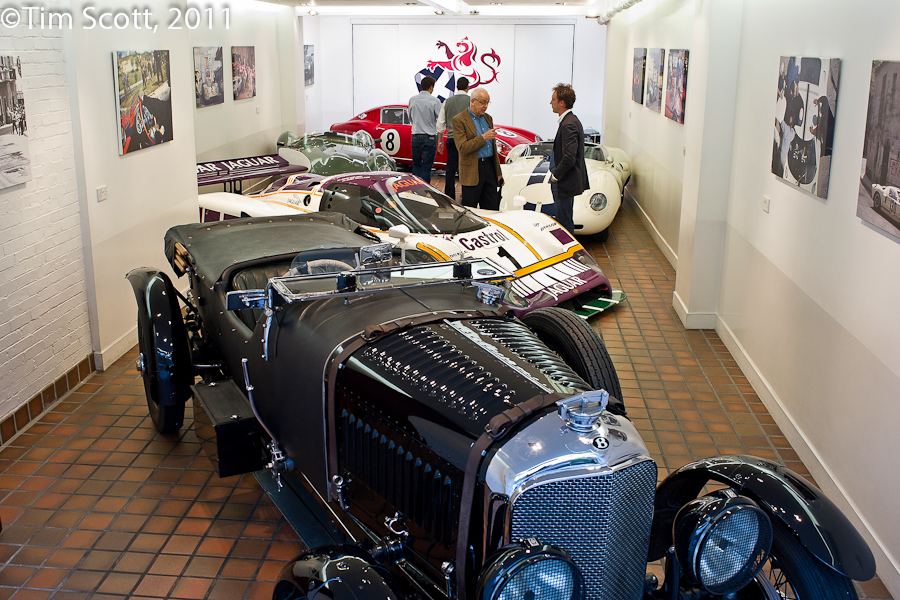
So when the invite to pop into Town have a look around their small, but select, showrooms at an Open Day hit the mailbox, it seemed a good excuse to have a look at some great cars. I accepted with alacrity. The cars did not disappoint, there was even an old friend on display but more of that in a minute.
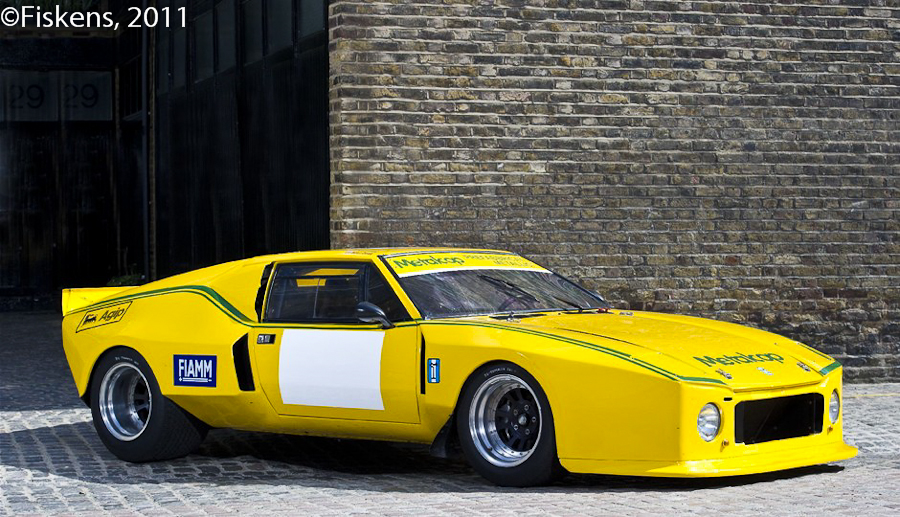

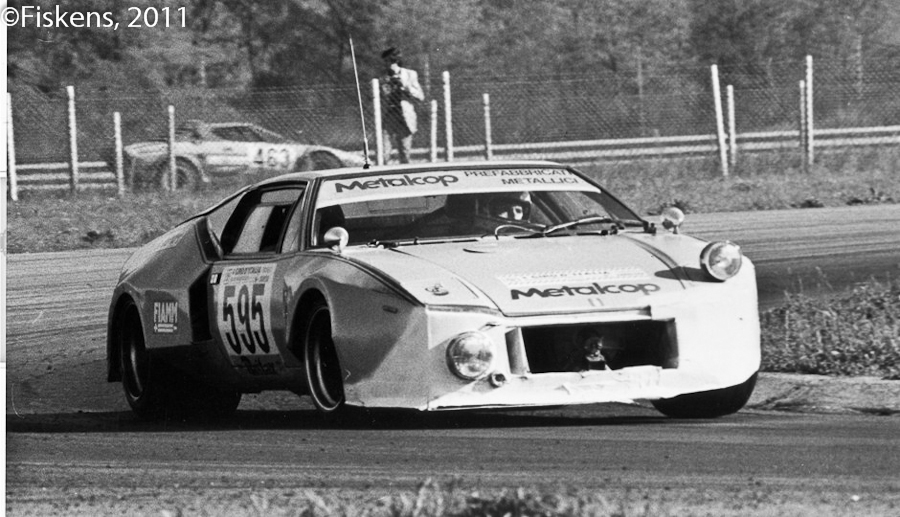
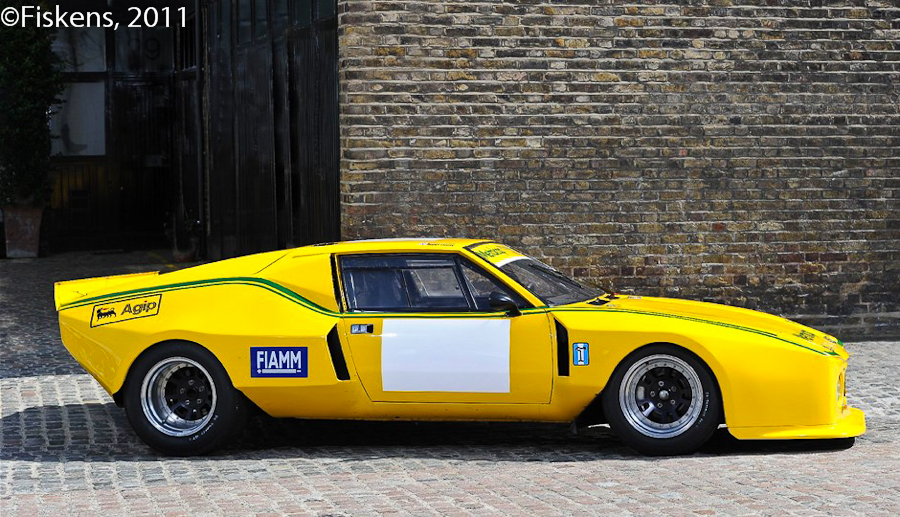
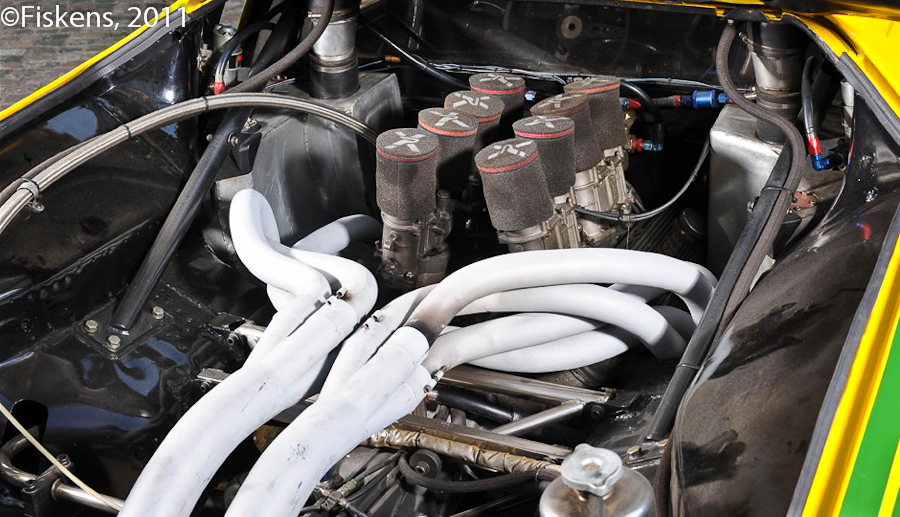
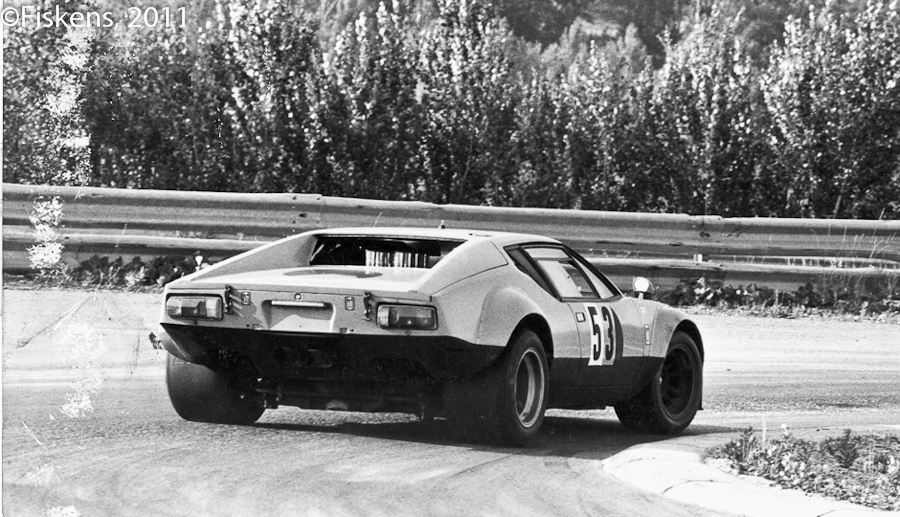
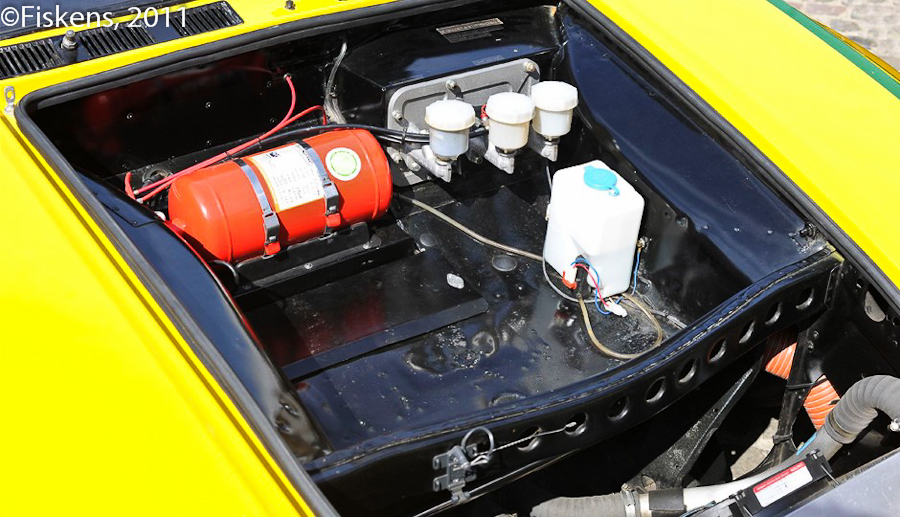
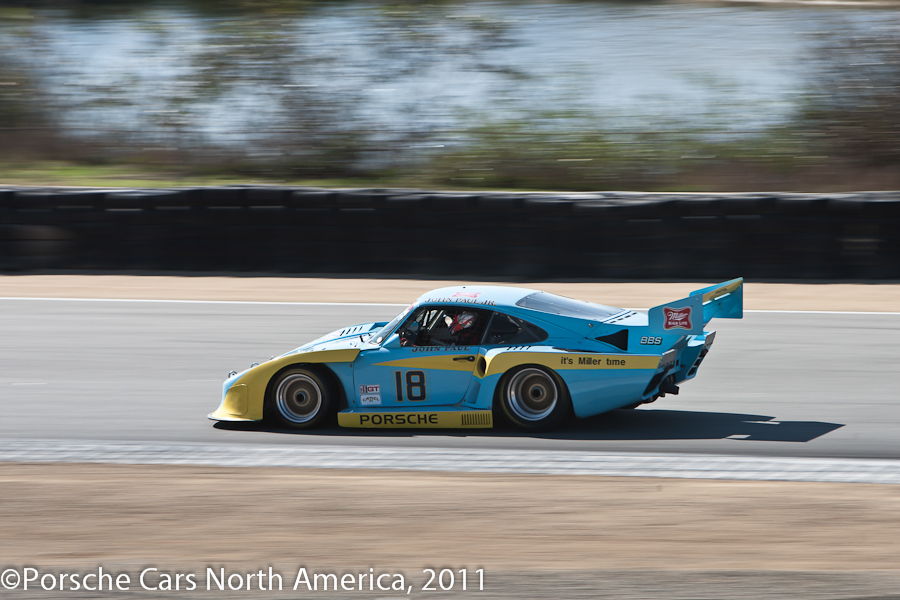
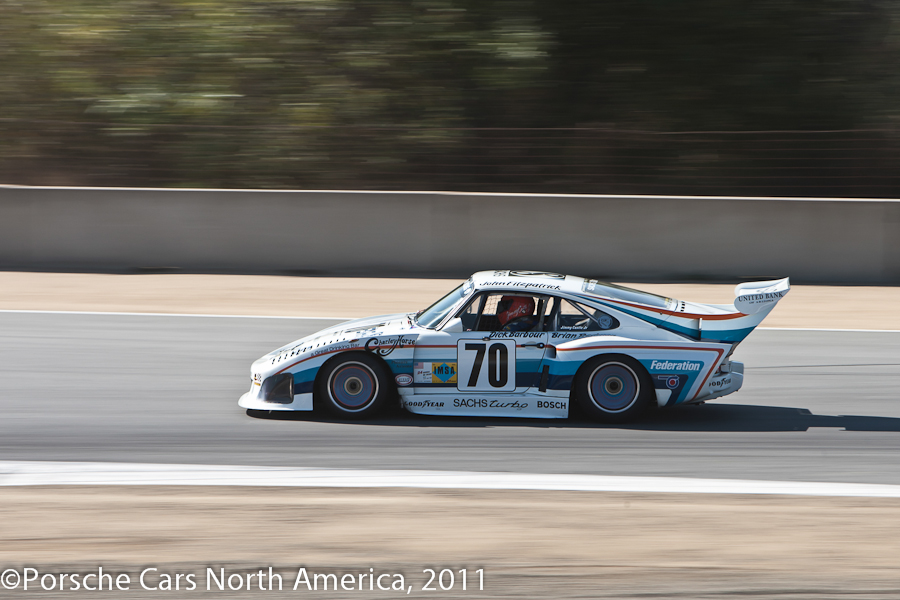
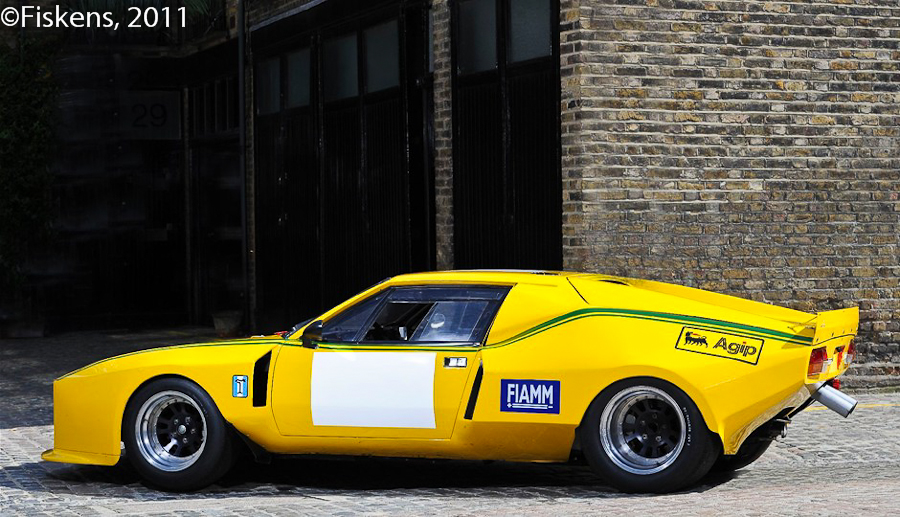
The mid 70’s Group 4 & 5 regulations produced some crazy concepts, none more so the Porsche 935-78 aka Moby Dick. The Italians were not going to be left out of the party and lurking near the back of one of the rooms was a bright yellow De Thomaso Pantera in full Group 5 spec.
As the description goes:
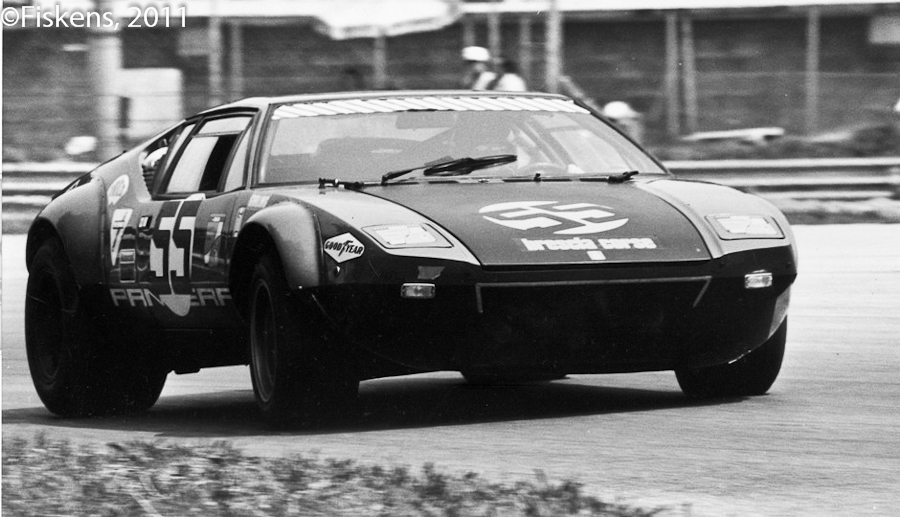
Chassis 02343 was sold new to the Italian Vincenzo ‘Pooky’ Cazzago, Italy who had it prepared by Scuderia Brescia Corse. Under his name, the Pantera was then entered at the following races:
April 1972 – Montlhéry – Cazzago – 13th overall

April 1972 – Monza 1000km – Cazzago/Casoni – 5th overall, 1st in class

June 1972 – 24 hours of Le Mans – Cazzago/Casoni/Pasolini/Moretti – DNQ

June 1972 – Monza Coppa Gran Turismo Speciale – Cazzago – 1st overall

Sept 1972 – Monza Coppa Intereuropa – Cazzago – 6th overall
After the 1972 season 02343 was sold to Gianpiero Moretti for the Momo Racing Team to use. Moretti raced 02343 throughout the 1973 and 1974 seasons, mainly at Italian races.
In 1975, the Pantera was acquired by Ruggero Parpinelli who at the end of the season had it converted to Group 5 specification by Achilli. In this new specification Parpinelli raced at the 1976 Giro d’Italia, where he retired with technical problems.

A really nice car, might be fun to take on the Tour Auto.
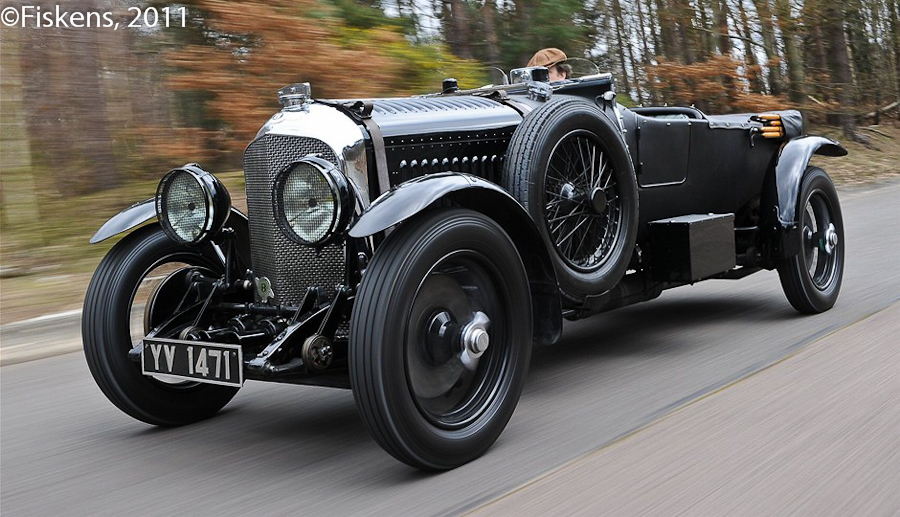

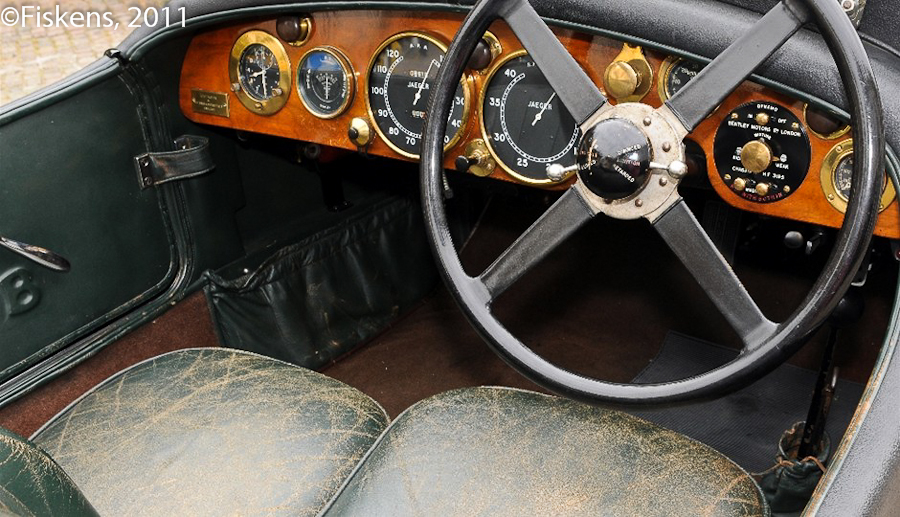
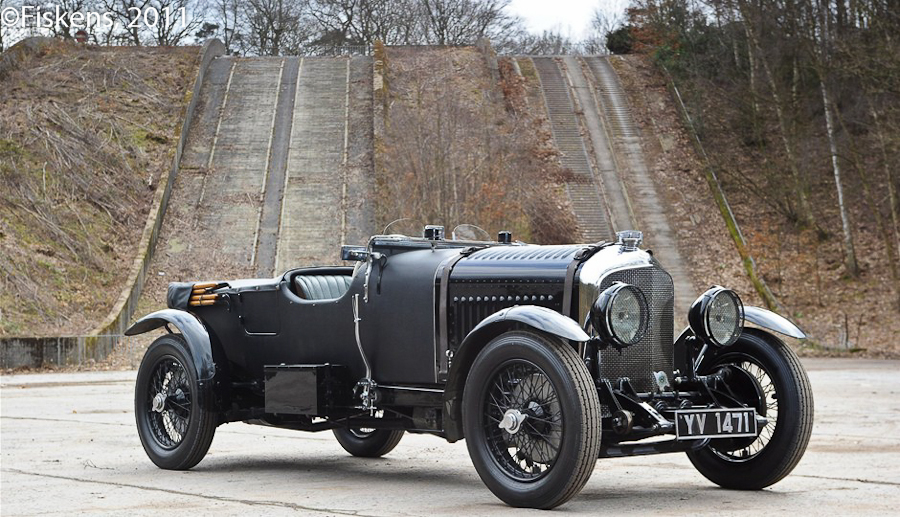
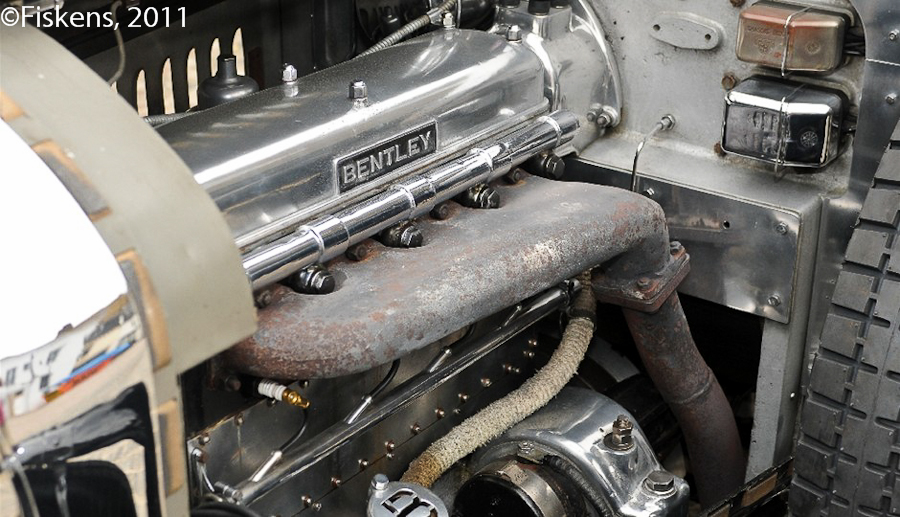
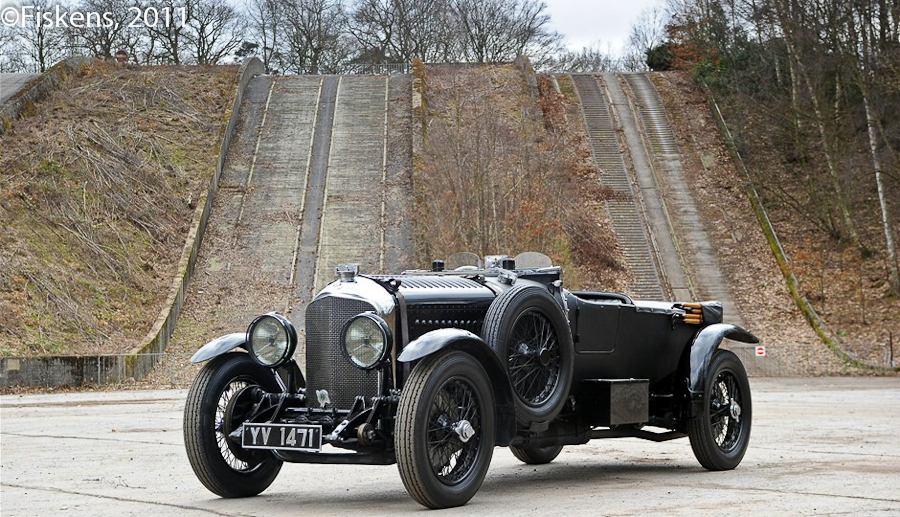
A world away from the boxy Pantera was a 1928 Bentley 4.5 litre but in its day it was an even more effective (and successful) racer.  Woolf Bernato and Bernard Rubin won the Le Mans 24 Hours in 1928 driving a Bentley 4,5 litre and the following year examples finished 2-3-4. So purchasing this car would have been the equivalent of nipping down to the Audi showroom and picking up an R18, perhaps the Bentley would be a better bet for a trip to Waitrose to shop for a few essentials.

The cachet of the “Bentley Boys” still exists today and this elegant tourer is physical manifestation of that.

This example was ordered through Jack Barclays by first owner John Mavrogordato, chassis HF 3195 passed its final factory test on 14th March 1928. Originally supplied with a long bonnet and staggered screen, Bentley records show that the radiator was chromed and Lucas P100 headlights fitted in late 1929. It is largely unchanged since its return to the factory in 1929.
A beautiful example of a pre-war classic that still look just right some 80 years on.
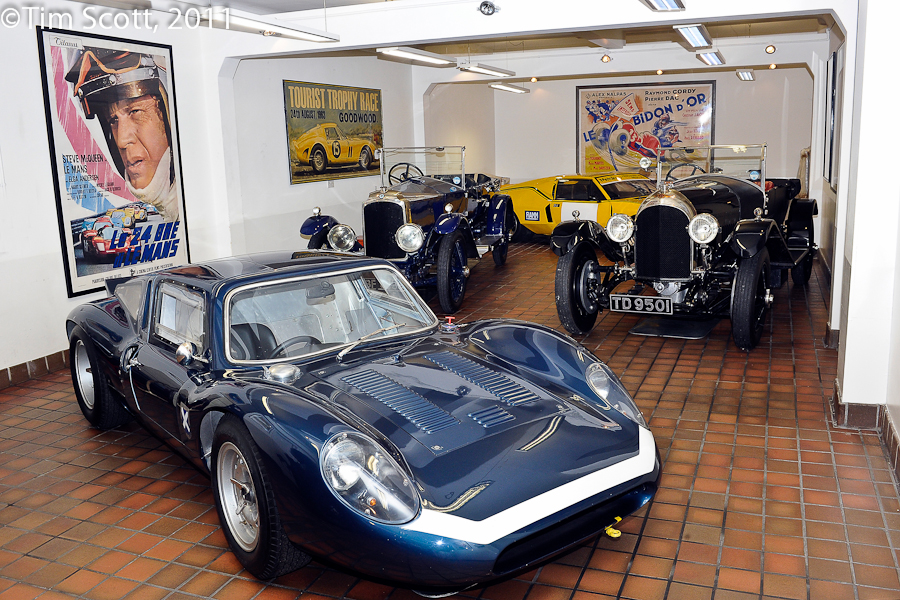

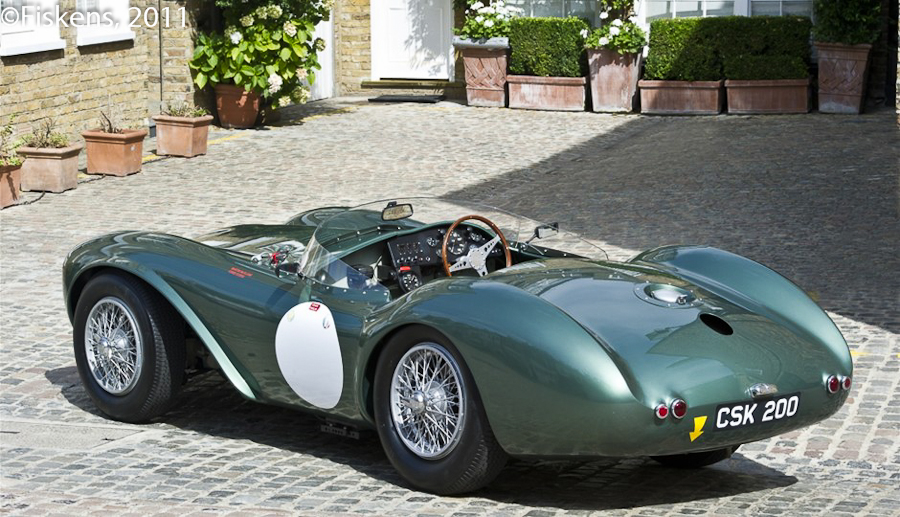
Another very interesting car was the Ecurie Ecosse Tojeiro Ford, one of the first mid-engined GTs, our Special Correspondent will be having a look at this in more detail tomorrow.
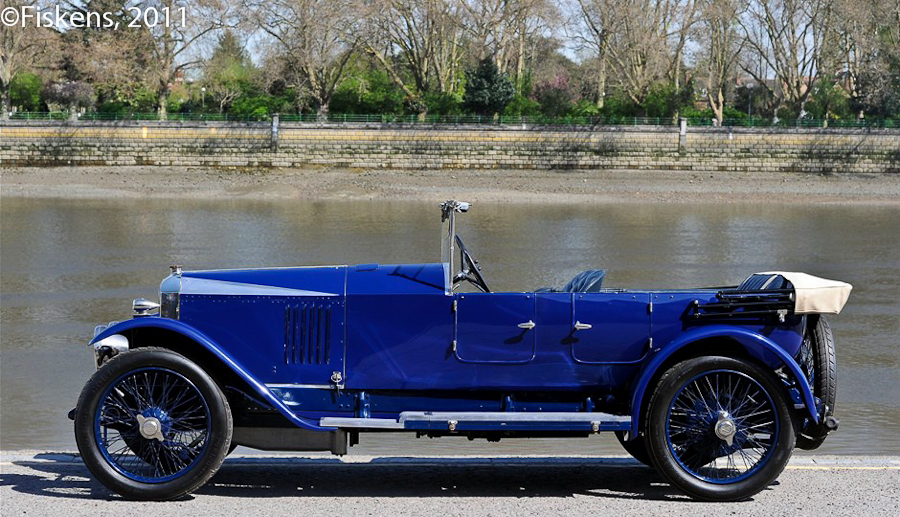

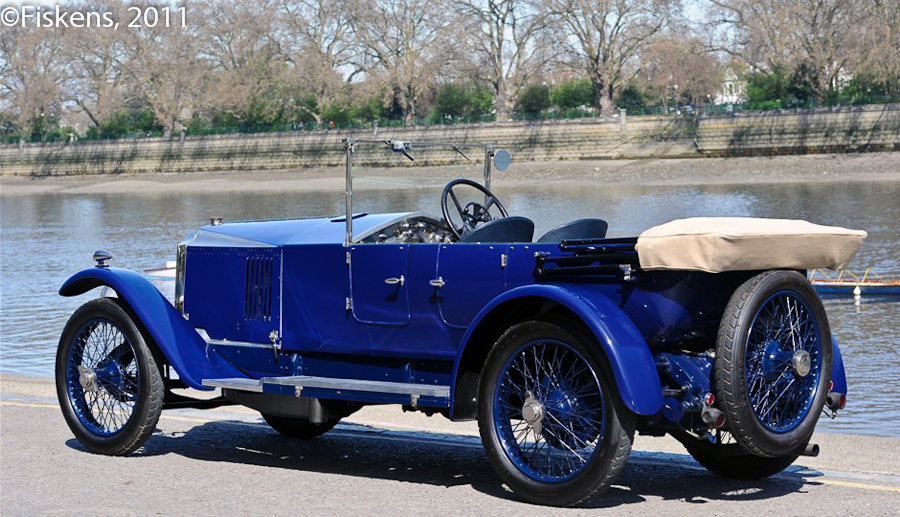
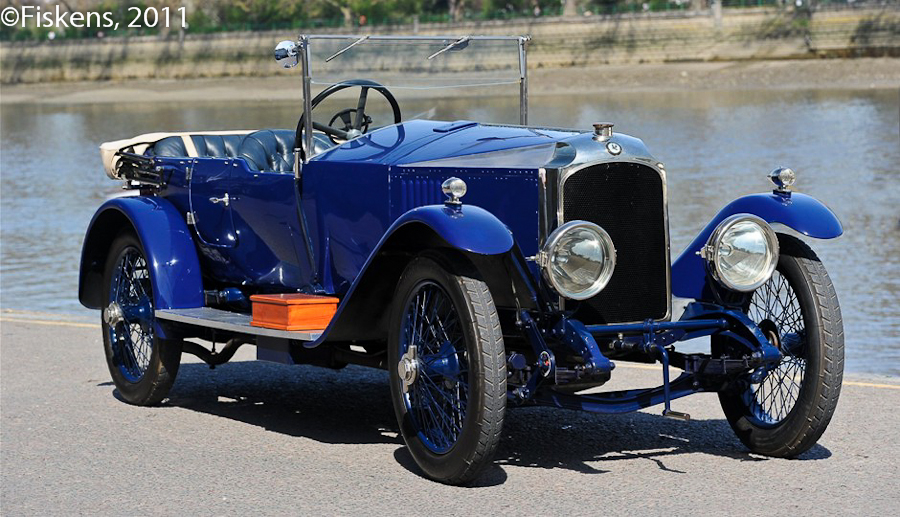
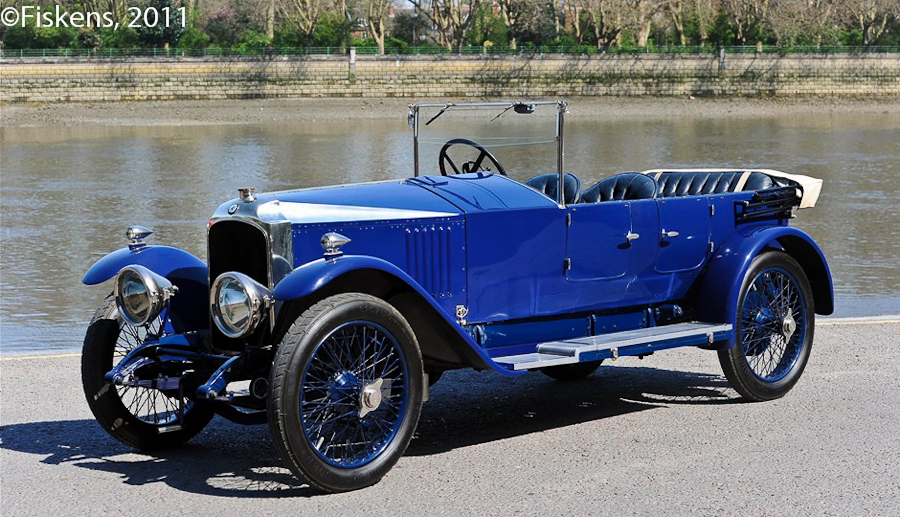
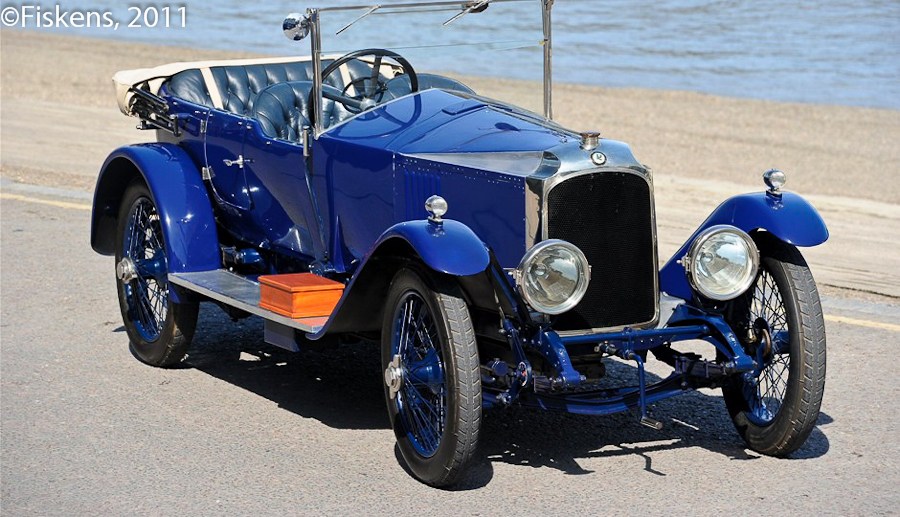
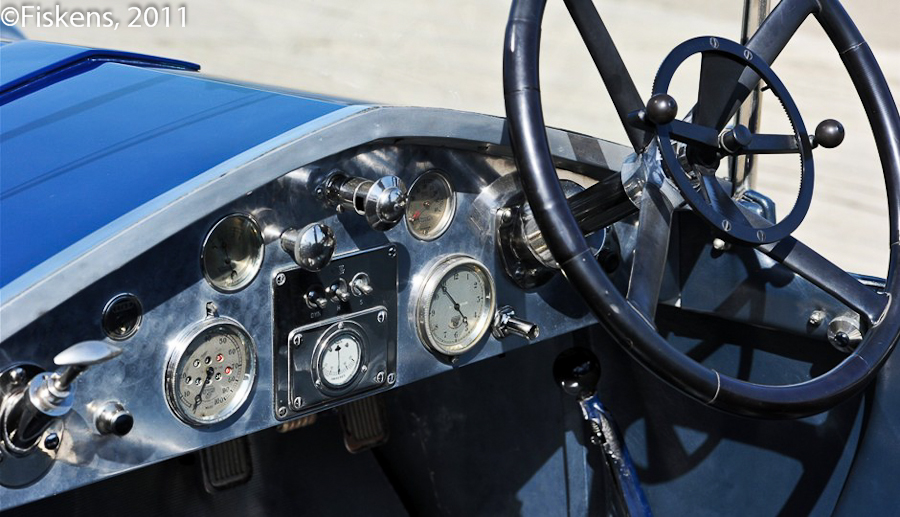
A truly British classic of the early 1920s is this Vauxhall 30/98.


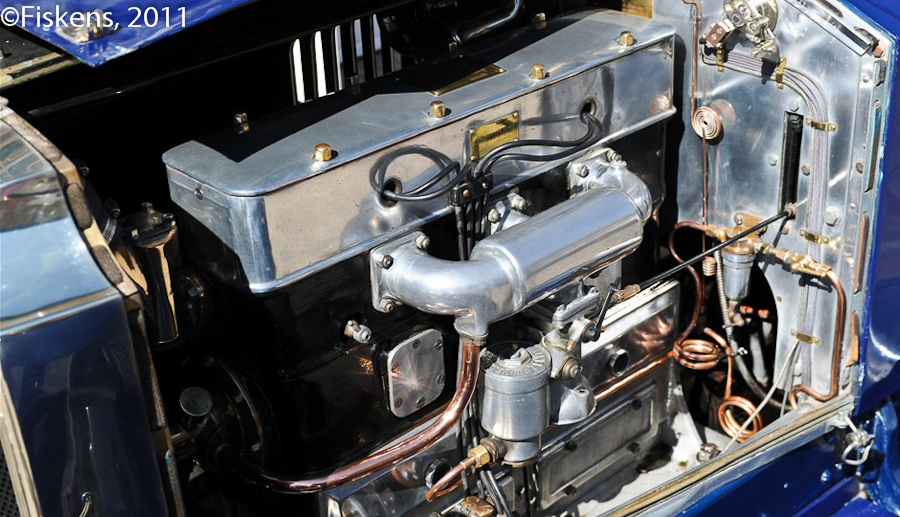
The Laurence Pomeroy designed Vauxhall 30/98, considered by many to be one of the finest engineered  British sporting cars of the Vintage period, had its heart in the 4.5 litre, four-cylinder side-valve engine that was mounted in a conventional but lightweight chassis. As with ‘OE56’, many were fitted with factory built four-seat Velox tourer coachwork which was relatively light, giving a formidable power to weight ratio for its time. A fully road-equipped 30/98 was capable of around 85mph, and when stripped for racing the company guaranteed a top-speed in excess of 100mph for the later overhead valve models, a capability that was often demonstrated in period at Brooklands.

Of the total production numbered at 312 cars, a large proportion were exported to Australia, and we understand ‘OE56’ to be one these. The earliest known owners of ‘OE56’ were the McSweeney family of Canowindra New South Wales, who owned it from 1945 to 1955 when it passed to Barry Ford. Its next owner, Norm Joseph, sold the Vauxhall to Jim Cuthbert in 1958 and Jim in turn passed it on to Barry Burnett in 1961. The Rainsford family acquired the car from Barry in 1968 and retained it until earlier this year.
Having spent all of its life in Australia under the ownership of true enthusiasts, this splendid early ‘OE’ has retained all of its original features. Finished in Royal Blue with matching leather interior, ‘OE56’ represents a wonderful opportunity to acquire a handsome example of what is considered by many knowledgeable enthusiasts to be one of the finest British sporting cars of the Vintage period.
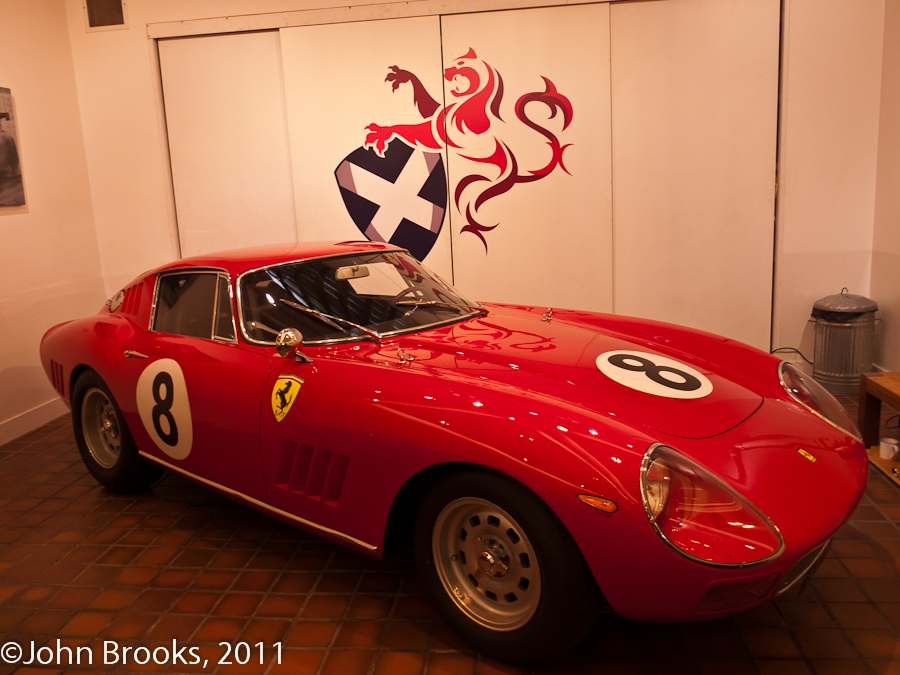

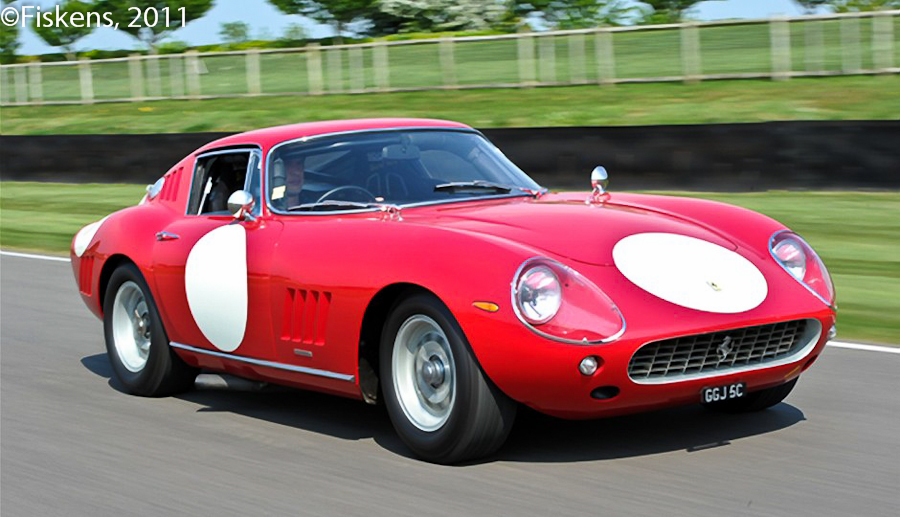
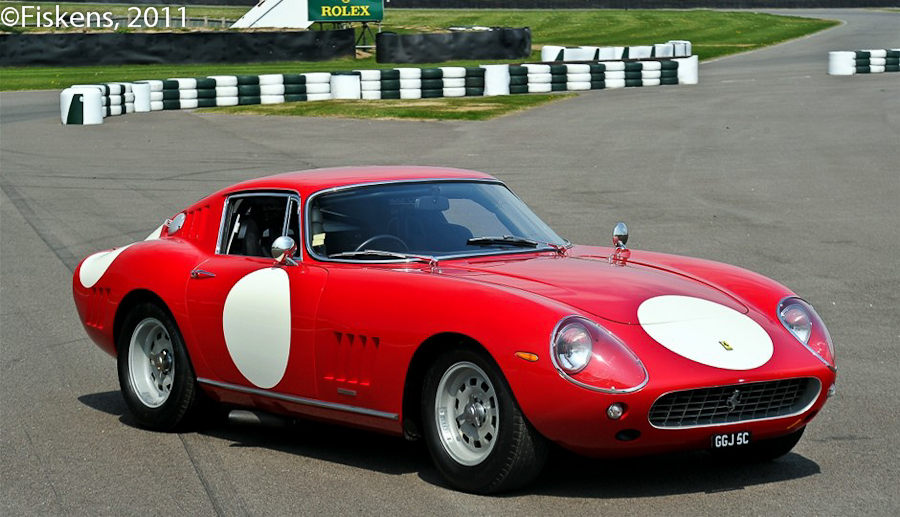
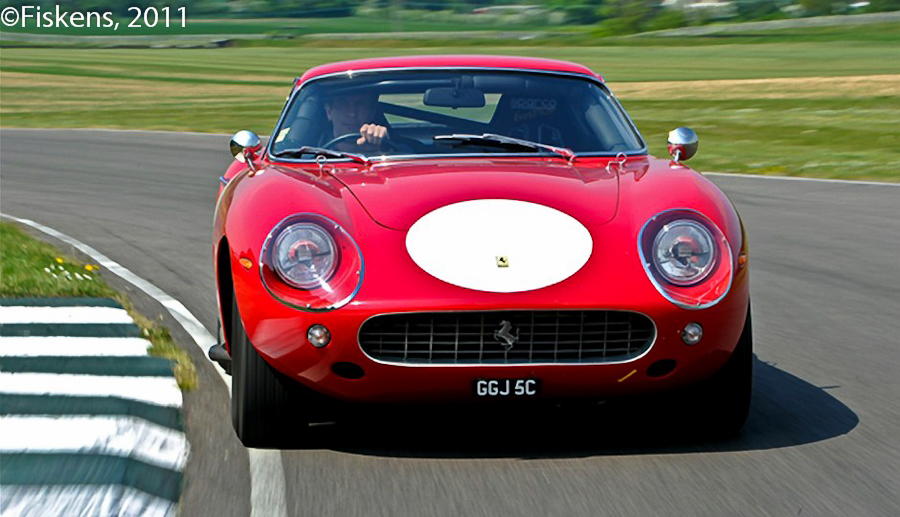
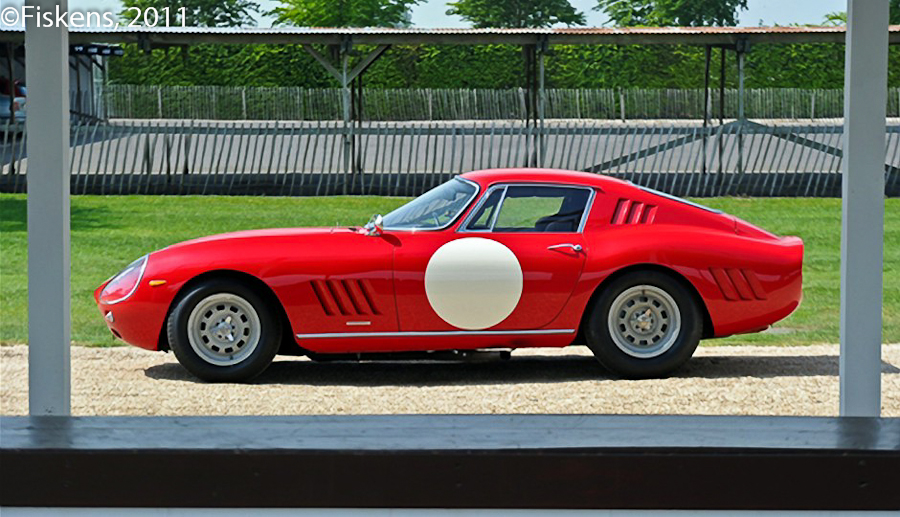
What collection of classic cars would be complete without a Ferrari? So the bright red example of a 1965 Ferrari 275 GTB/C Competition sitting under the Fiskens’ logo was most appropriate.


The latest arrival in our London showrooms is one of the rare and highly sought after 275 GTB/C Competition models built by the Ferrari factory for the 1965 season. Although these competition cars looked similar to the road cars, from nose to tail, the differences were significant. They featured ultra lightweight aluminium bodies, six carburettors on a full competition engine along with other details such as outside fuel fillers as well as extra body louvers. Beautifully presented in Rosso Corsa and prepared, regardless of cost, to be a front running circuit racer that is still at home on the road, this 275 GTB/C has successfully participated in all the major events including Goodwood and Le Mans Classic.
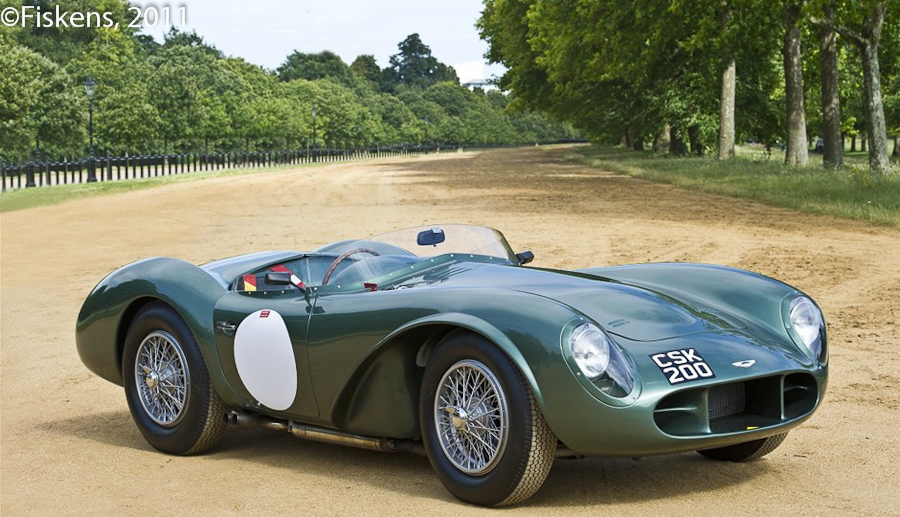

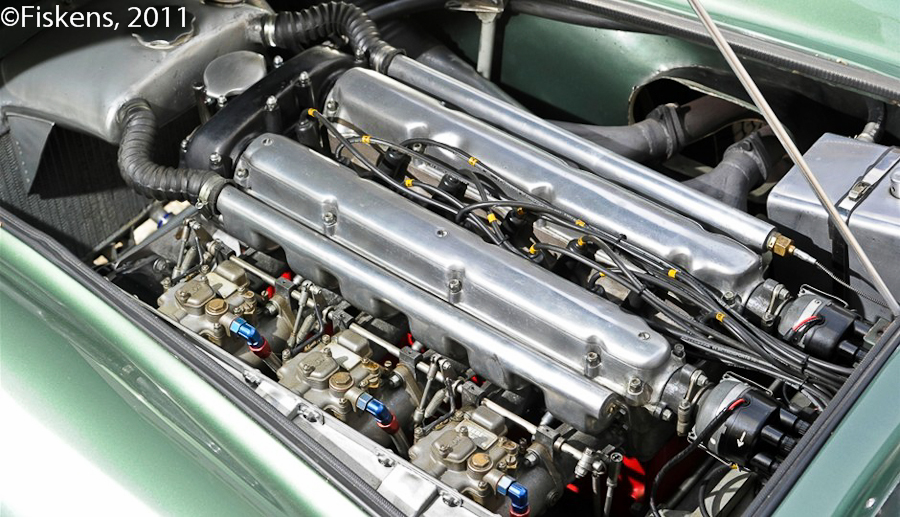
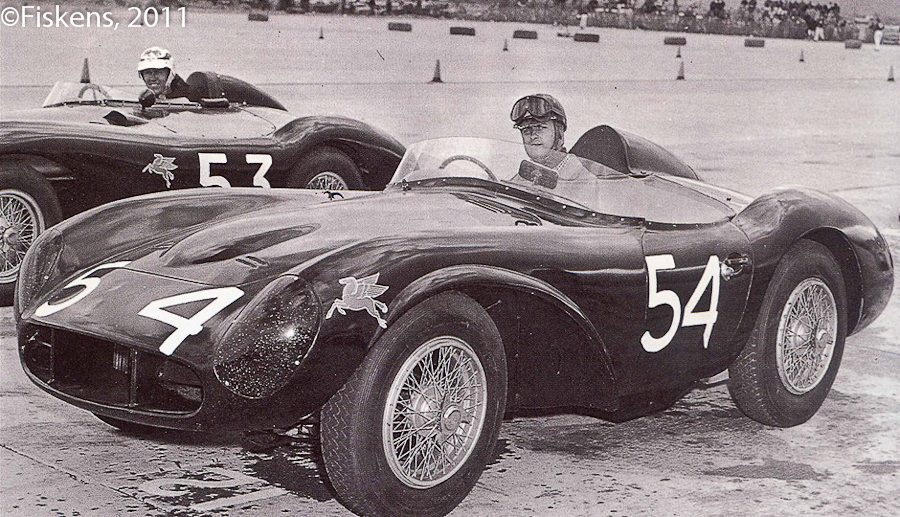
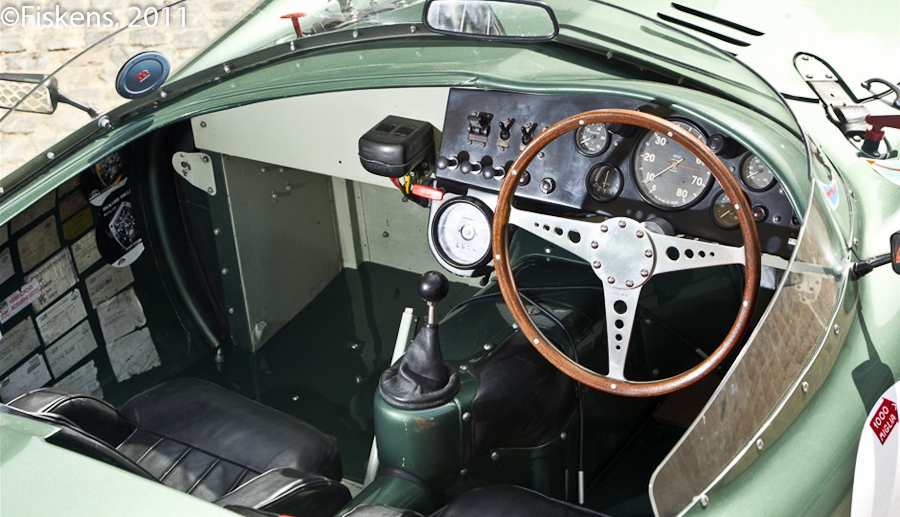
From an Italian classic to a British one, arguably one of the most elegant cars ever built, a 1956 Aston Martin DB3S, utterly desirable and, for me, totally unaffordable, still we can all dream………..


Only 11 factory team cars were built for competition use with chassis 11 being the last built by the competition department. Not content with racing a production DB3S and desperate to acquire a works car, it was supplied to the up and coming young American Rod Carveth, who used his friendship with the legendary team manager John Wyer to secure chassis 11. Carveth himself flew to England and stayed at the works in Feltham for two weeks to ‘help’ with the assembly of his new race car. It was painted black and delivered to him in California in mid-August 1957 with his first event at Elkhart Lake in September, sharing the driving with previous Watkins Glen winner George Constantine.

Carveth raced extensively throughout the rest of the season at Watkins Glen, Bridgehampton, Palm Springs and Laguna Seca before sustaining an accident at Nassau when 3S/11 was sent back to the factory for repair.
He continued to race in 1958 and in the Autumn of 1959 took the car to Australia, competing at Bathurst, Orange, Fisherman’s Bend and Mount Panorama scoring an outright victory and four class wins! On his return to California, the Aston was sold to Ed Leslie and Rod purchased the ex-works Ferrari 250 Testa Rossa, chassis 0666 TR to continue his racing exploits.
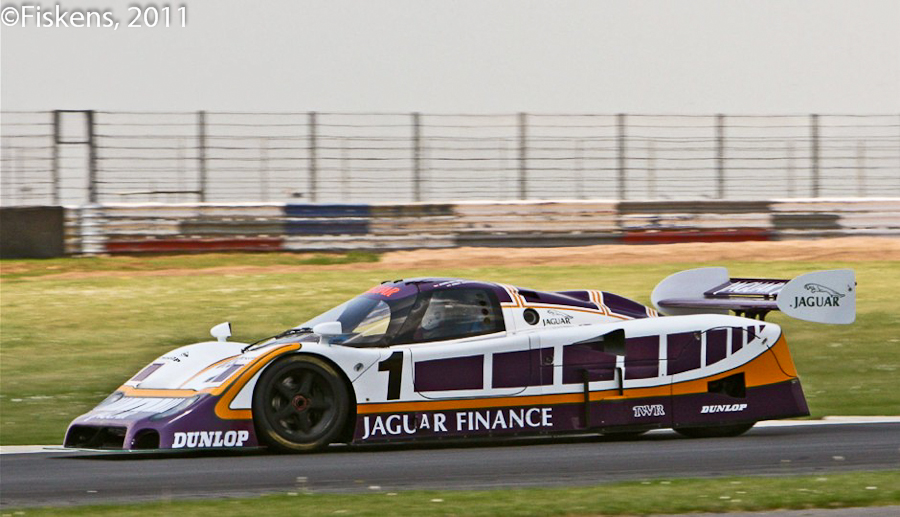
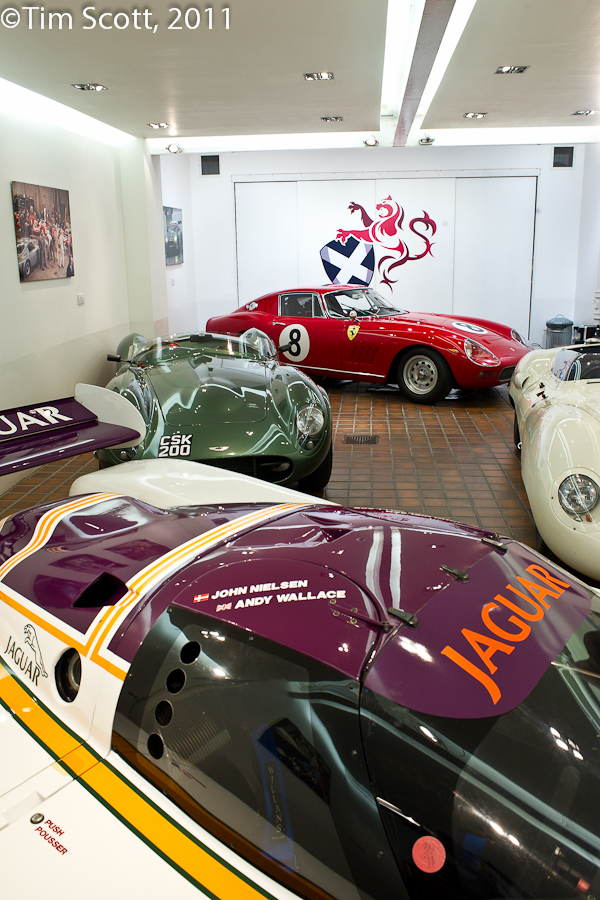
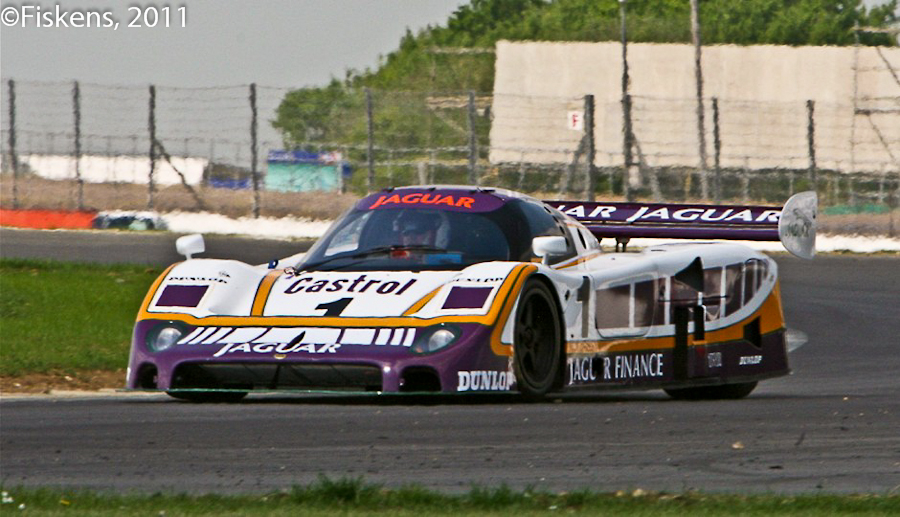
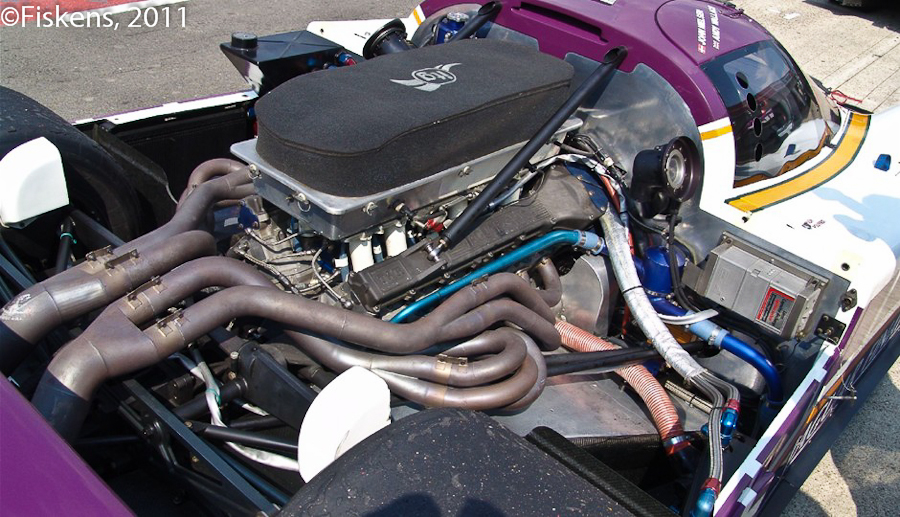
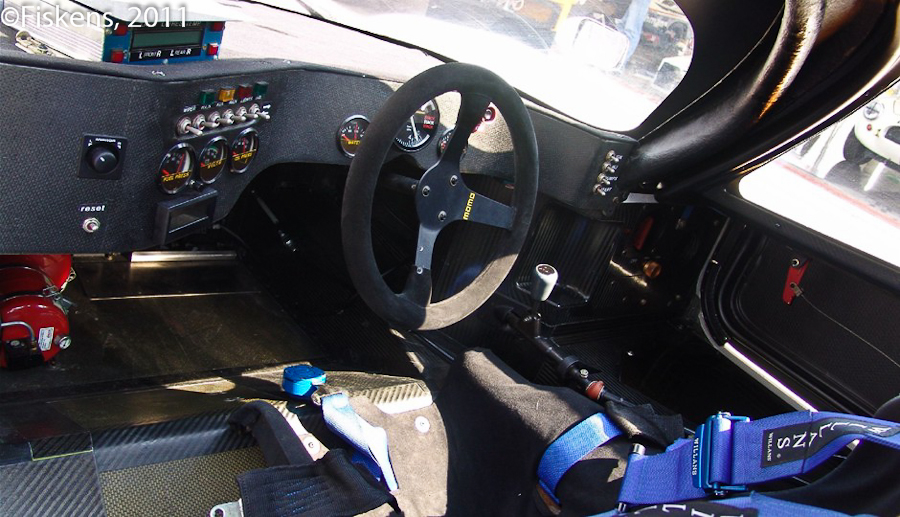
All of which sportscar magic leavesto the last my personal favourite and old acquaintance, a Jaguar XJR-9. My first major sponsor photo contract was with Castrol in 1988, so I would have followed this example, chassis 688, around in those years.
Chassis J12-C-688 was one of the famous Silk Cut Group C Jaguar XJR 9’s of the 1988 season, the sixth and final XJR 9 built by TWR. It was raced in all but one of its six races during that 1988 season by the impressive paring of ex-Formula One ace Jan Lammers and the talented young Scottish driver Johnny Dumfries. The best result of the season came when Martin Brundle joined Lammers to come second overall  at the Spa 1000 Km’s. J12-C-688 competed in a further four races in the 1989 season, most notably at Le Mans with drivers John Nielsen, Andy Wallace and Price Cobb, who qualified it 8th, sadly retiring due to a failed head gasket.

One of the most recognisable and iconic racing cars of the 1980s, this Silk Cut Group C Jaguar  XJR 9 formed part of a racing programme that took Jaguar back to the forefront of motor racing. Chassis J12-C-688, especially with its 2nd place finish at Spa, was an instrumental part of Jaguar’s World Sportscar Championship victories of 1988 and played a central role in reinstating Jaguar as a motorsport leading manufacturer.

10/07/88 – Bruno 360 Kilometres – 3rd – Jan Lammers, Johnny Dumfries

24/07/88 – Brands Hatch 1000 Kilometres – DNF – Jan Lammers, Johnny Dumfries

04/09/88 – Nürburgring  1000 Kilometres – 8th – Jan Lammers, Johnny Dumfries

19/09/88 – Spa 1000 Kilometres – 2nd – Jan Lammers, Martin Brundle

09/10/88 – Fuji 1000 Kilometres – DNF – Jan Lammers, Johnny Dumfries

20/11/88 – Sandown 360 Kilometres – 4th – Jan Lammers, Johnny Dumfries

21/05/89 –Dijon – DNF – John Nielsen, Andy Wallace

11/06/89 – Le Mans – DNF – John Nielsen, Andy Wallace, Price Cobb

25/06/89 – Jarama – 6th – John Nielsen, Andy Wallace

23/07/89 – Brands Hatch – DNF – John Nielsen, Andy Wallace

An excellent way to spend a few hours, considering what amounts to automotive art of the highest level, so thanks, Gregor, for the opportunity.

John Brooks, November 2011

911 Heaven

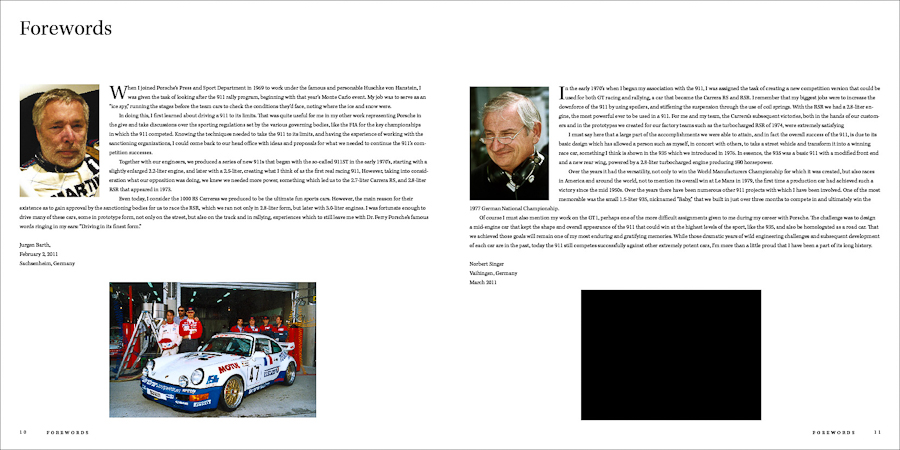
OK, before we get started I have a financial interest in this book. Showing rare taste and perspicacity the authors of this fine tome bought (and paid for!) some images from me. Of course the really good stuff comes from elsewhere but I am very pleased to be part of this book.

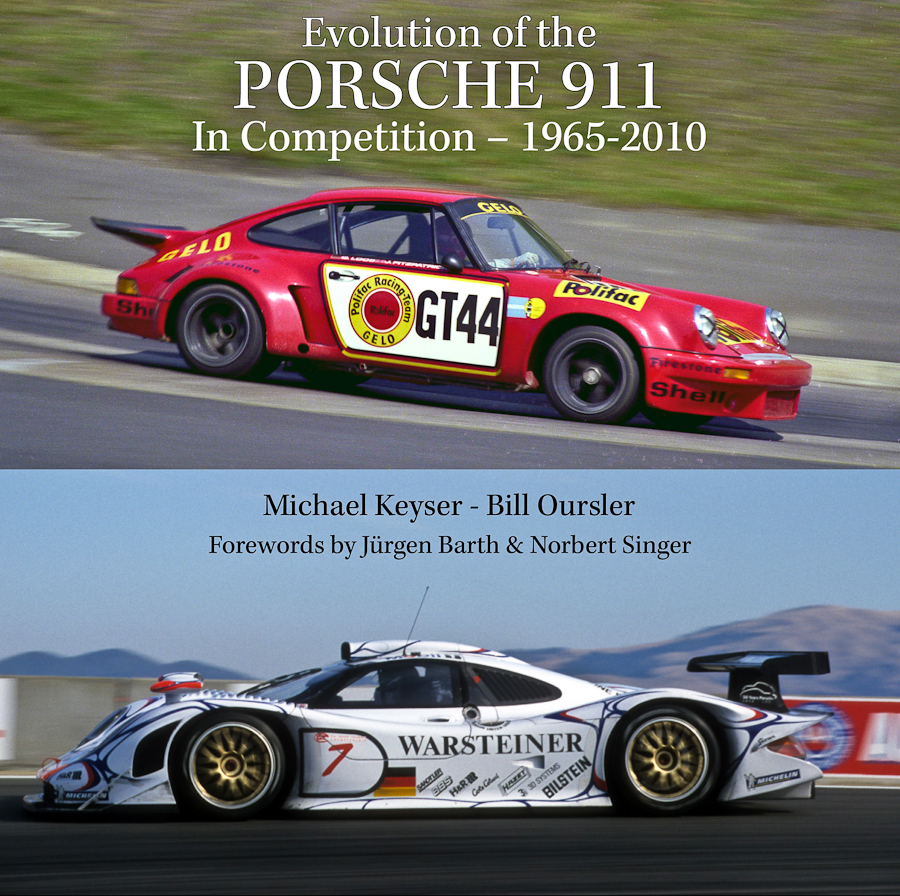
So my interests disclosed, I can now talk about this new volume. OK, the first question is do we need another Porsche history, another 911 book? Surprisingly the answer after reading this book is yes.

The authors, Michael Keyser and Bill Oursler (who also contributes on DDC) are Porsche experts of long standing. Michael raced a 911 with great success during the 70’s including a win at the Sebring 12 Hours. To most of the sportscar fans these days he is best known for his book “A French Kiss With Death”, the definitive story of Steve McQueen and his film “Le Mans”.

Bill Oursler is, well he is Bill. Anyone who has been receiving end one of his long phone calls knows about the passion, deep knowledge and understanding of all things Porsche. I doubt if he can even recall the number of books, let alone articles that he written over the past 40 years.

As to the subject matter, the competition history of the Porsche 911 in all its mutations and evolutions give a very broad canvas on which to paint a compelling picture.

Engraved Slip Case


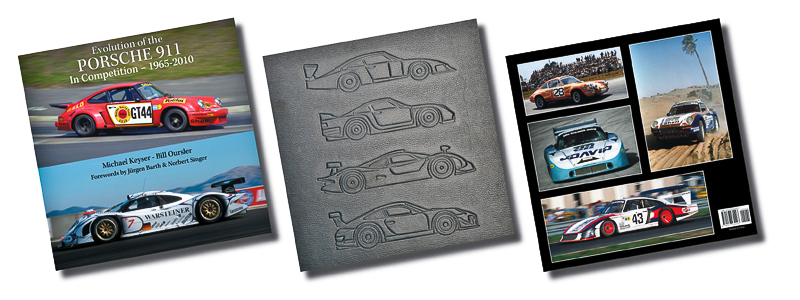
The first thing that strikes you when you pick up the book is the quality of the production that oouzes out. The engraved slip case is typical of the high standards of reproduction that match the quality of the content.

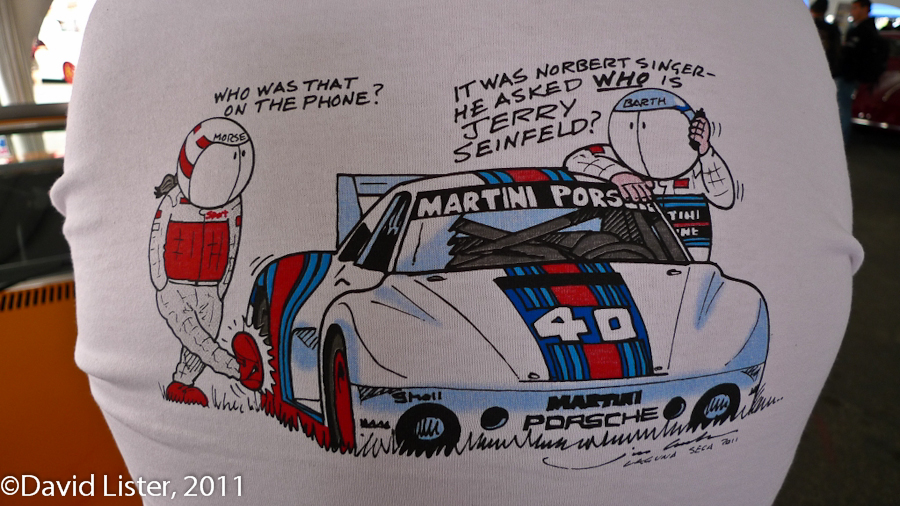
Barth & Singer


The Forewords are written by two figures who have been central to the story of the 911 in competition, Jürgen Barth and Norbert Singer. This is supplemented by the story of Michael and his relationship with the Porsche 911, from 1966 to the present day.

Boost Control


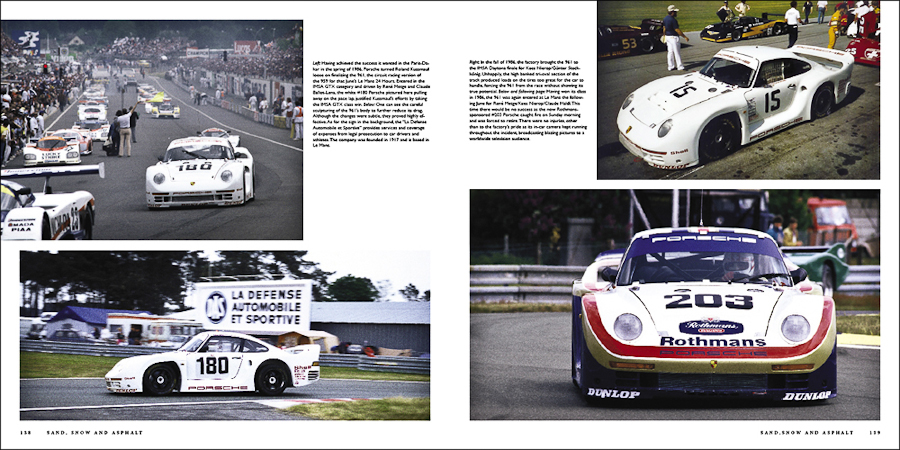
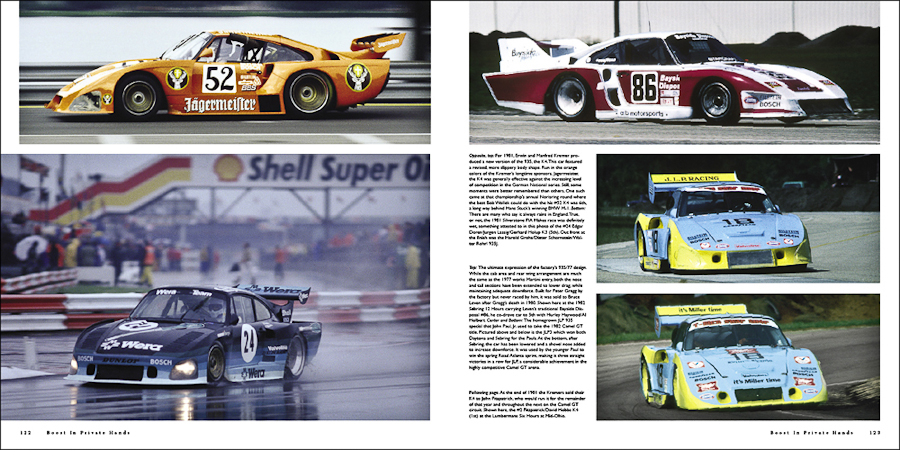
The content follows on in a chronological order. I especially enjoyed the sections dealing with the early years. The opening double page spread showing Eberhard Mahle completely sideways on the Rossfield Hillclimb back in 1966 makes you imagine that you can hear the throttle, full on, no lifting. Another favourite is the chapter on the customer developments of the 935, which grew more radical with the evolutions of the “Moby Dick” concept.

Four Wheel Drive


The 959 programme is also covered with the various developments both on and off road as are the GT1 projects.

Wallpaper

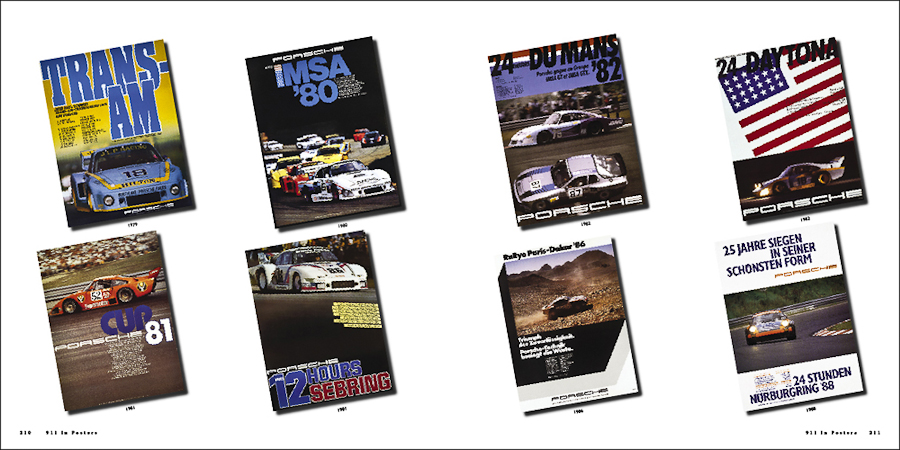
The final chapters look at the recent 911 GT3-R Hybrid and another of my favourite pieces, 911 In Posters that are extremely evocative.

So if you are a 911 nut, this book is for you. Well written, well illustrated and well produced it has a place on any Porsche bookshelf.

Only 2,250 copies have been printed, so get your order in soon.

HERE

John Brooks, October 2011
All Shook Up

Rollin' & Tumblin'

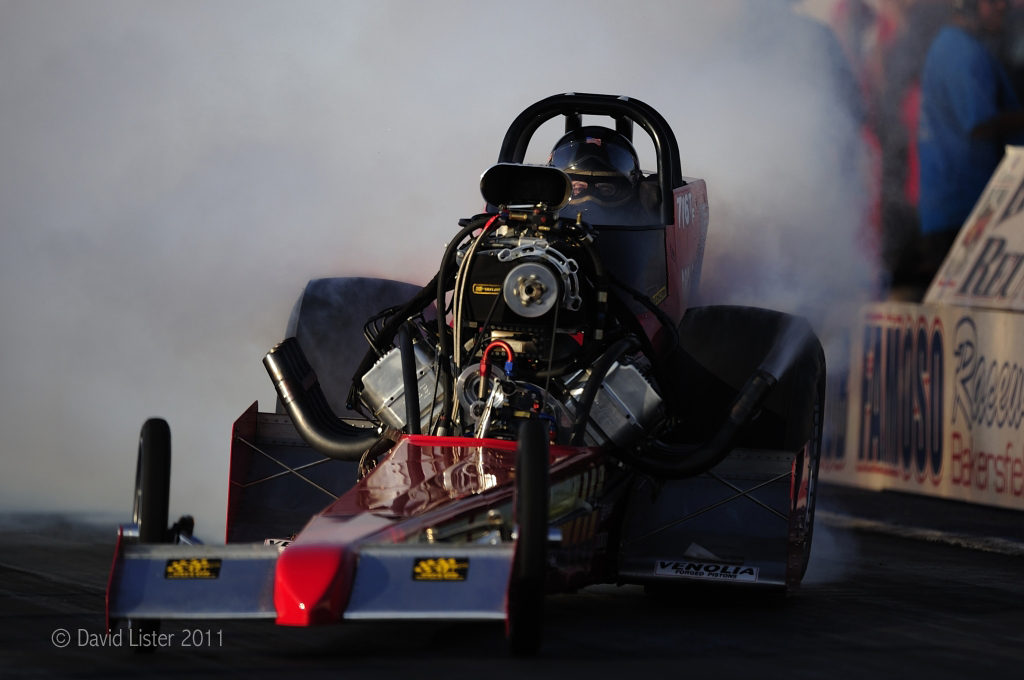
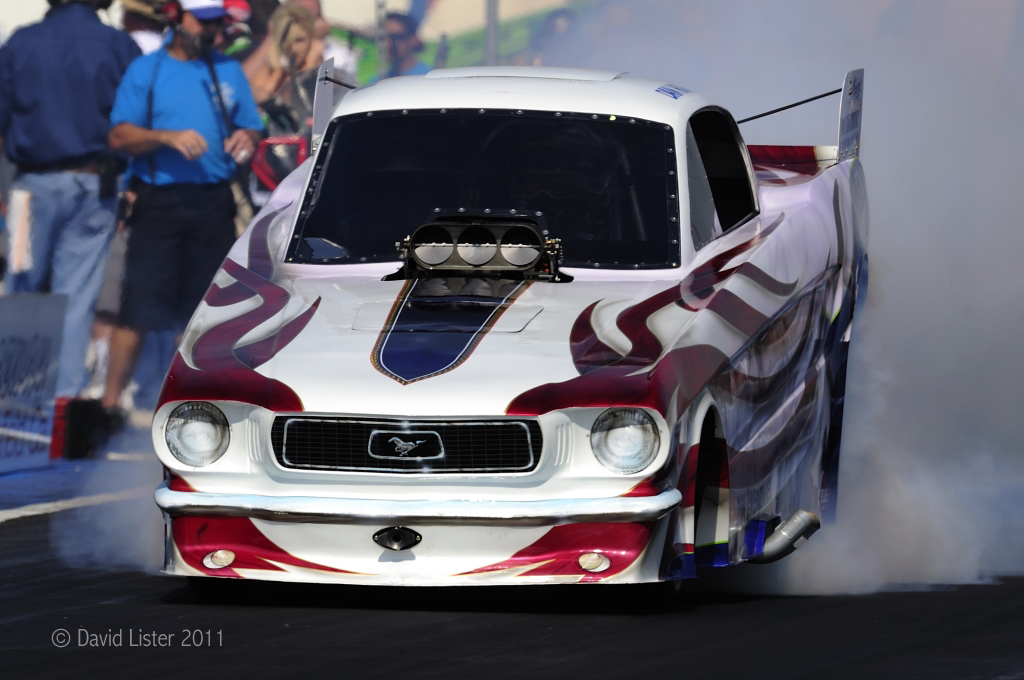
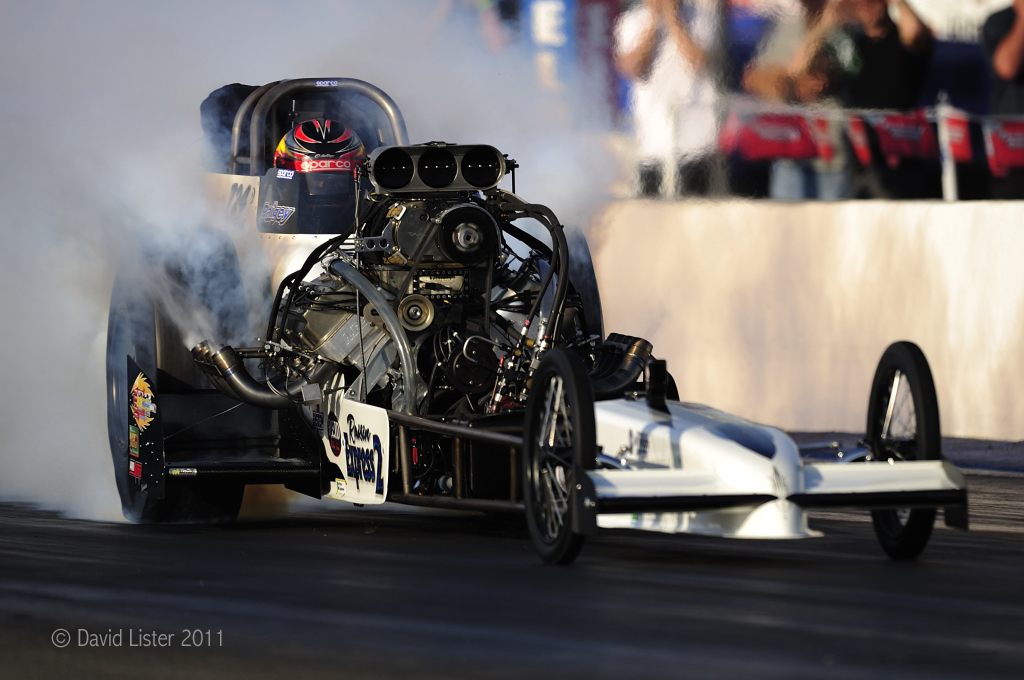
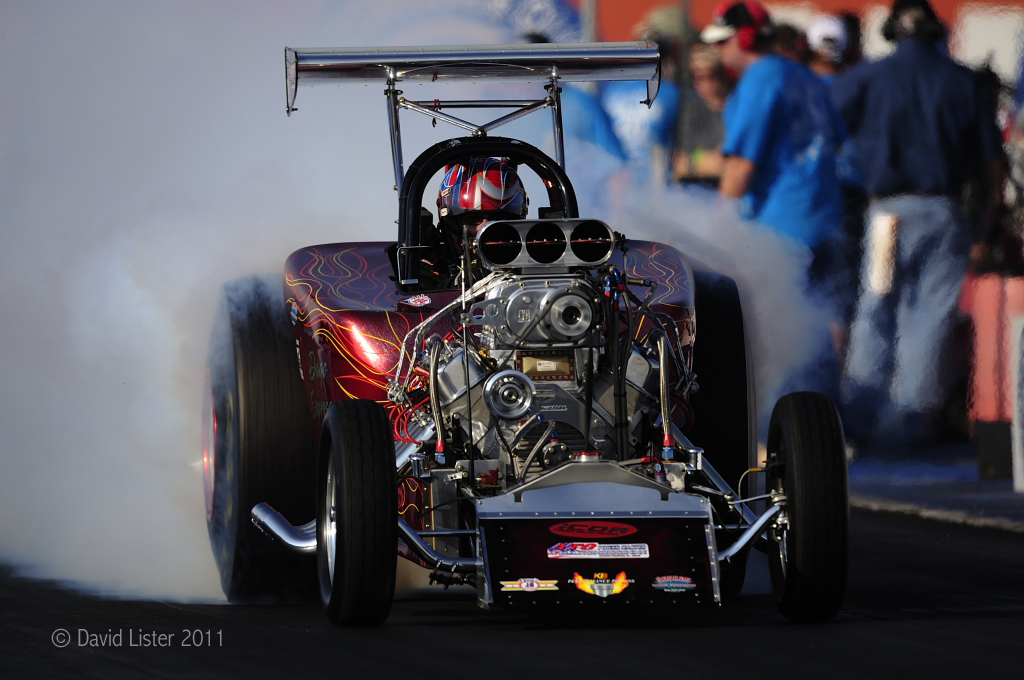
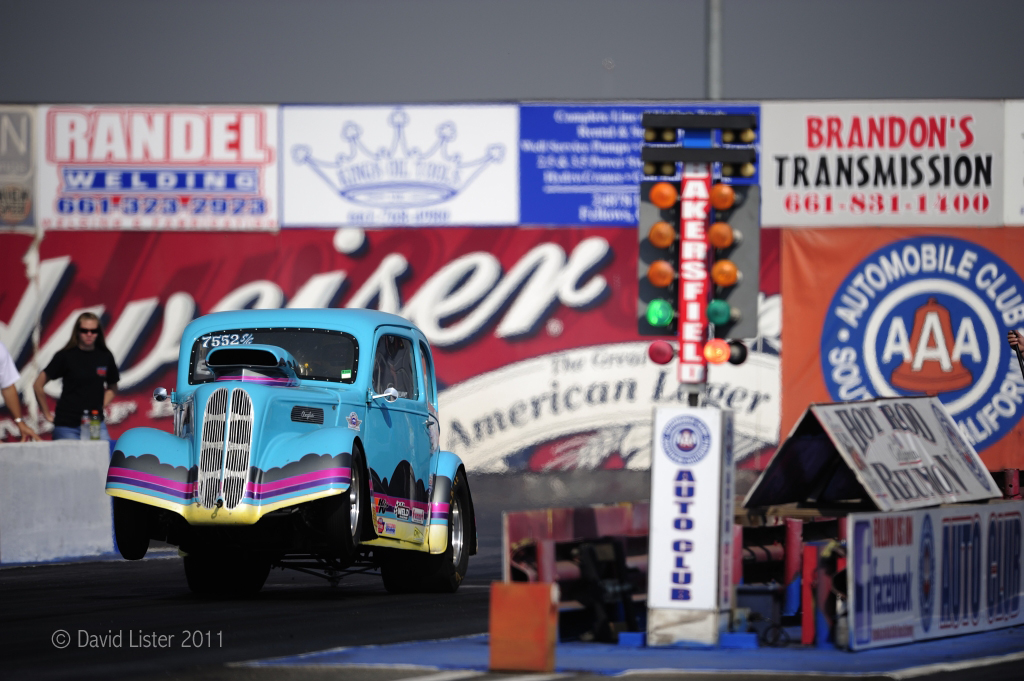
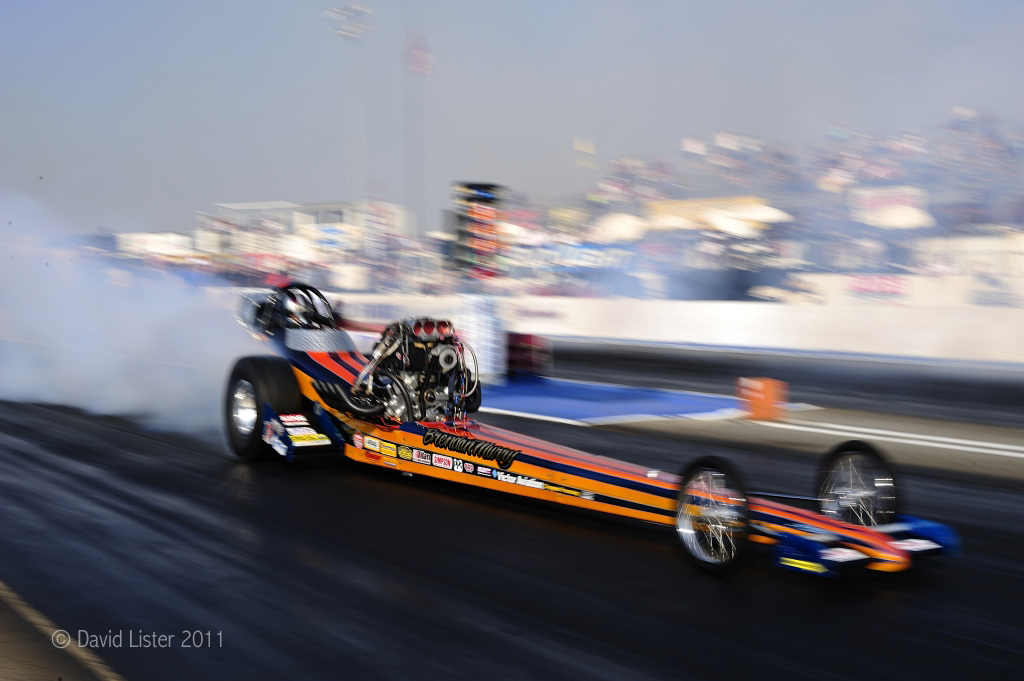
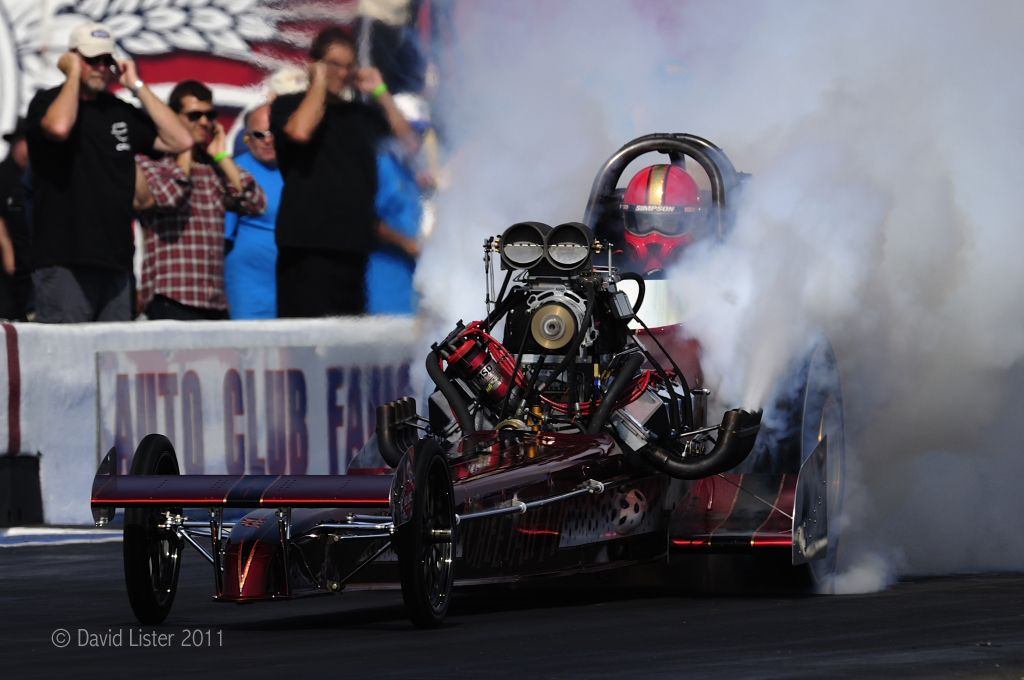
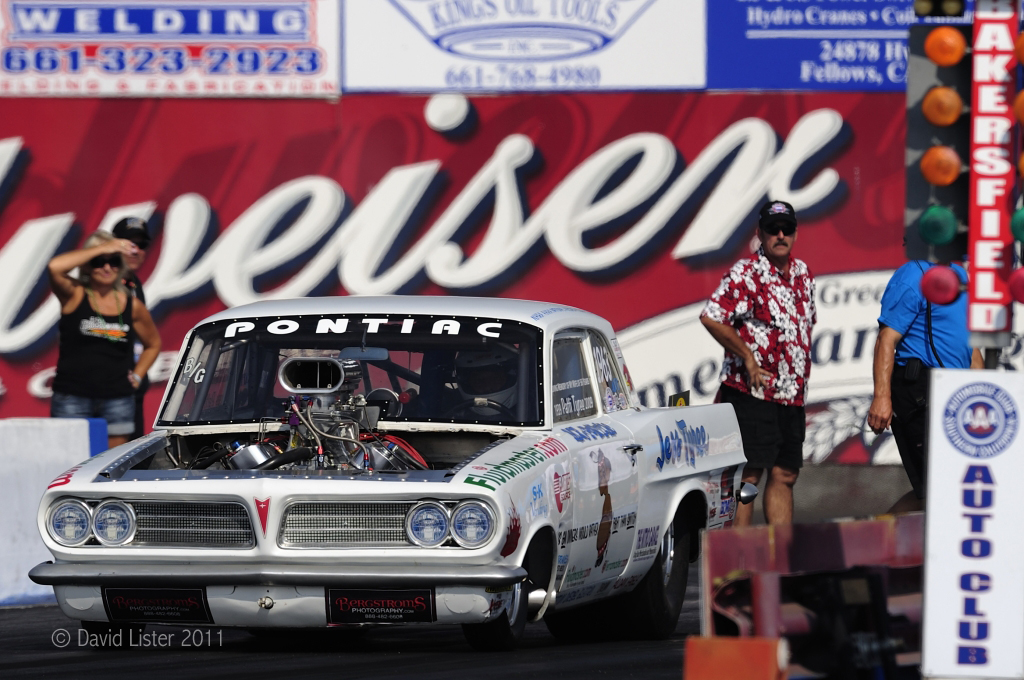
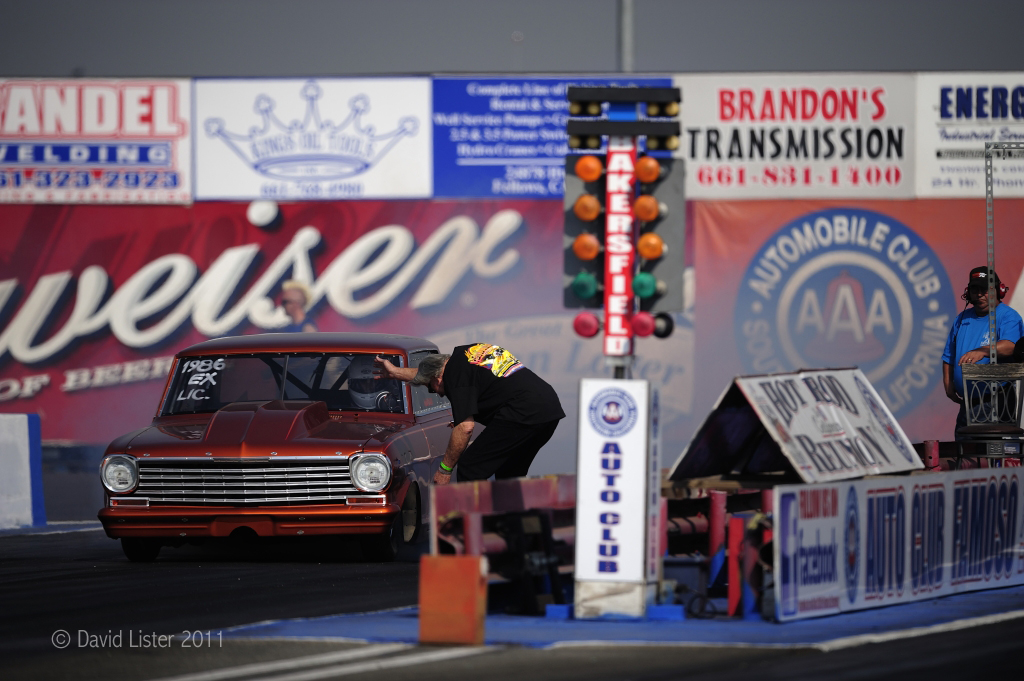
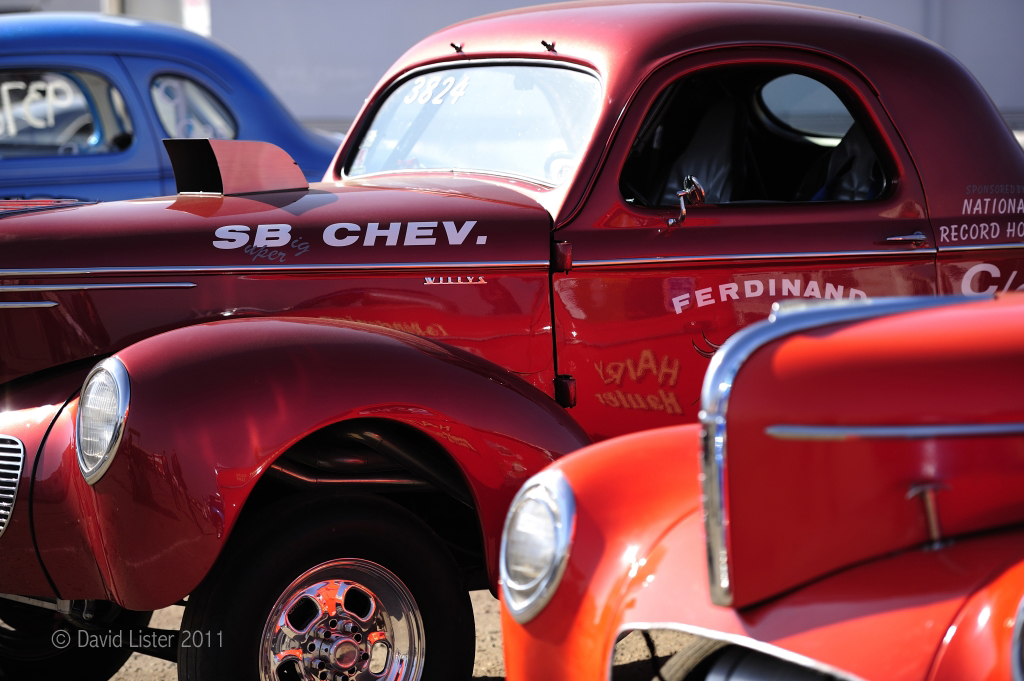
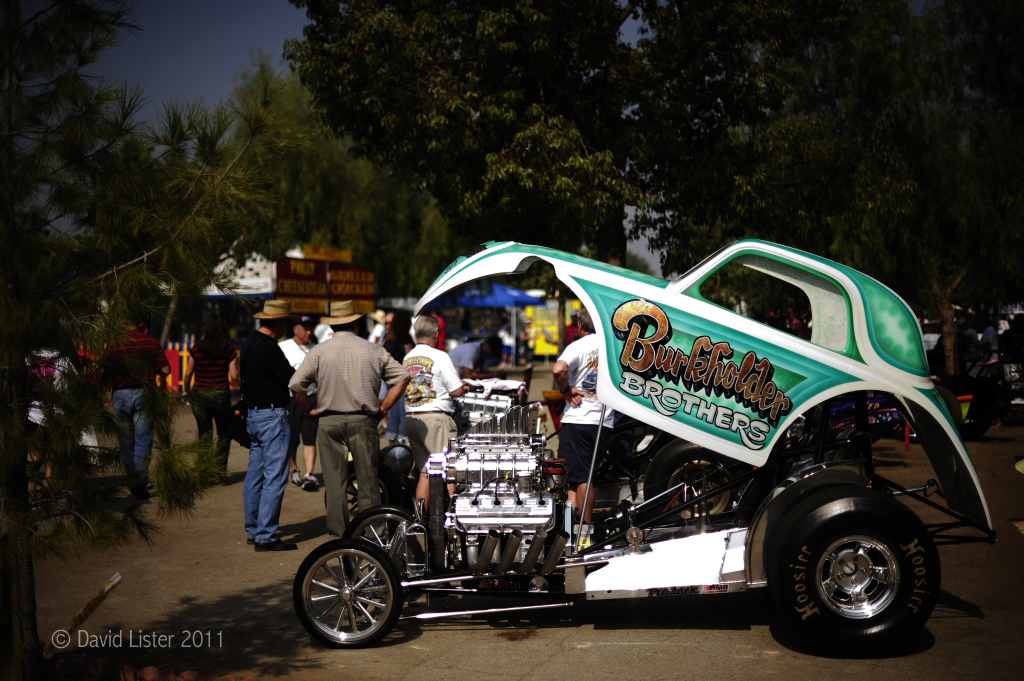
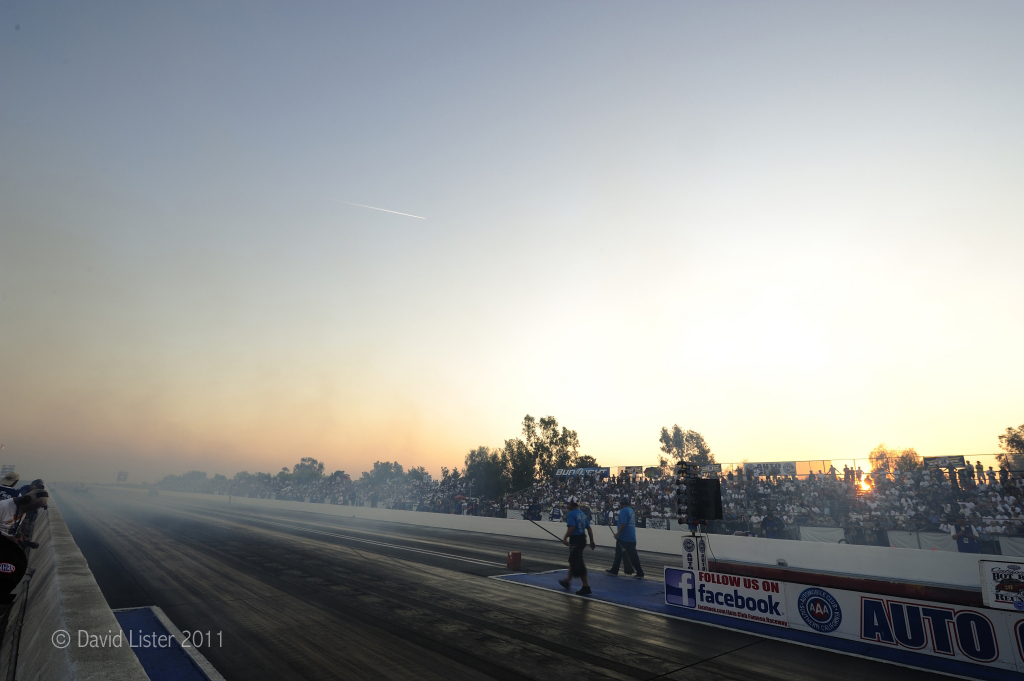
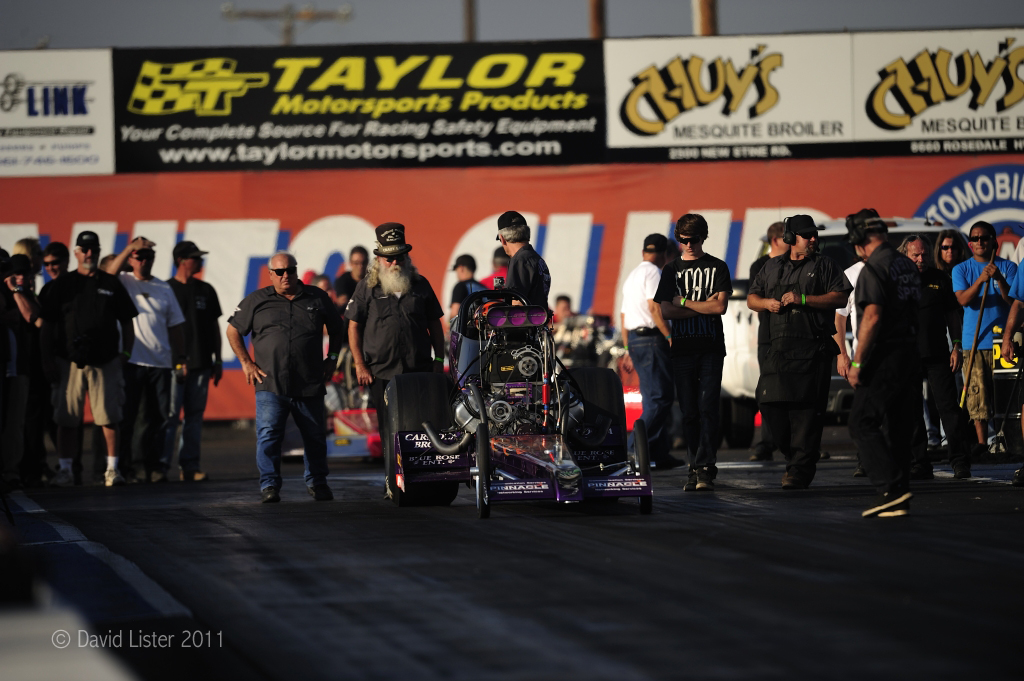
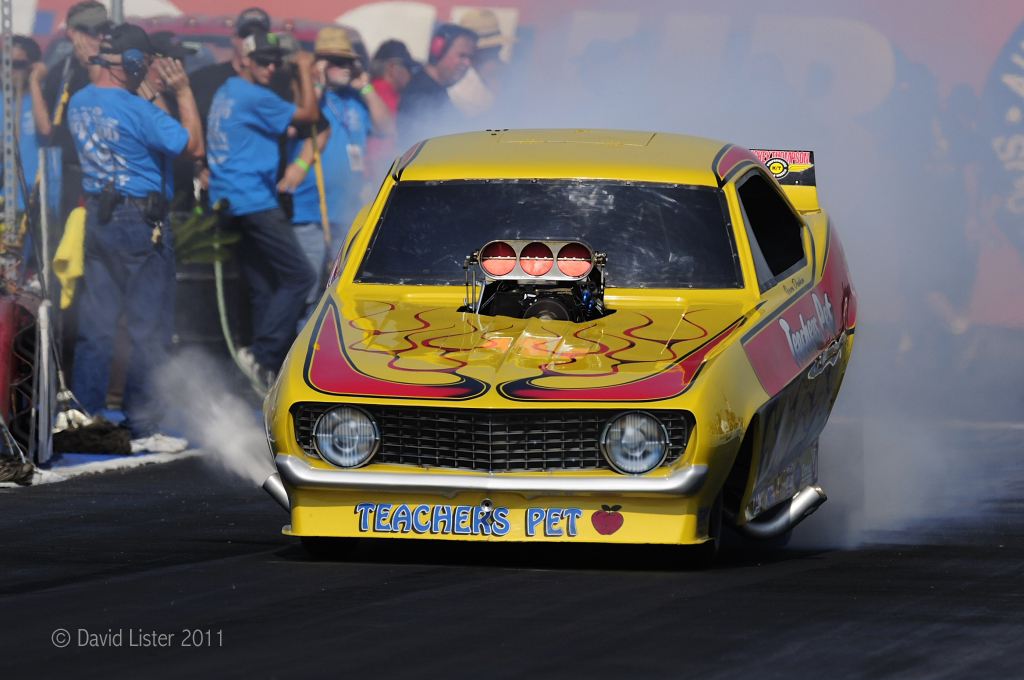
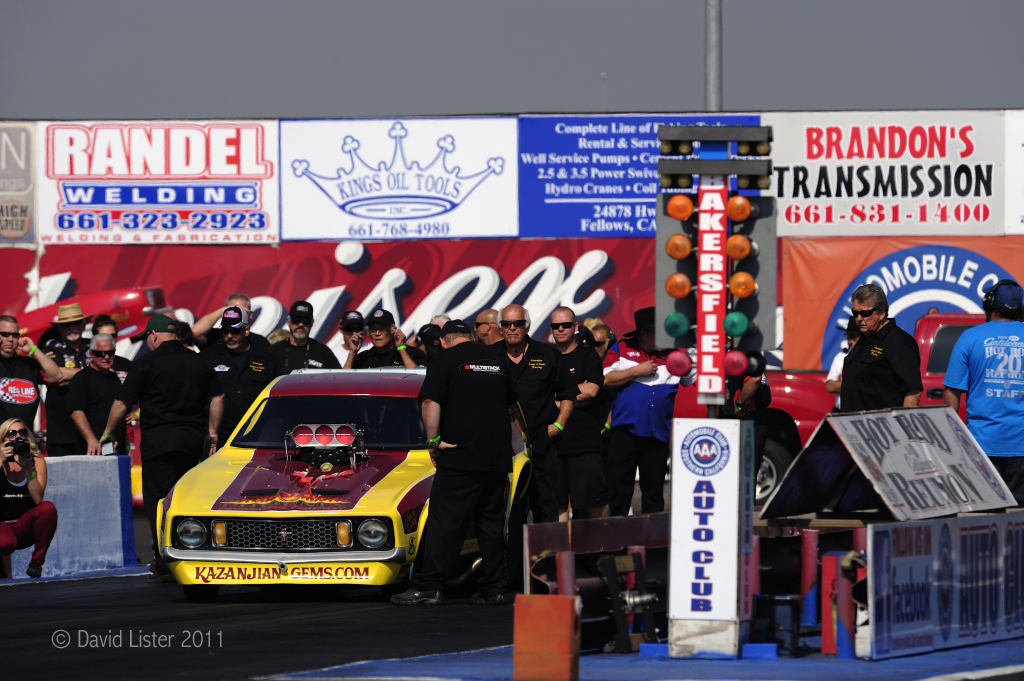
I am a little confused, Where are the reports of carnage down the San Andreas Fault? How have they silenced the media, in California of all places? Is Famoso still standing? Surely the plates have moved?

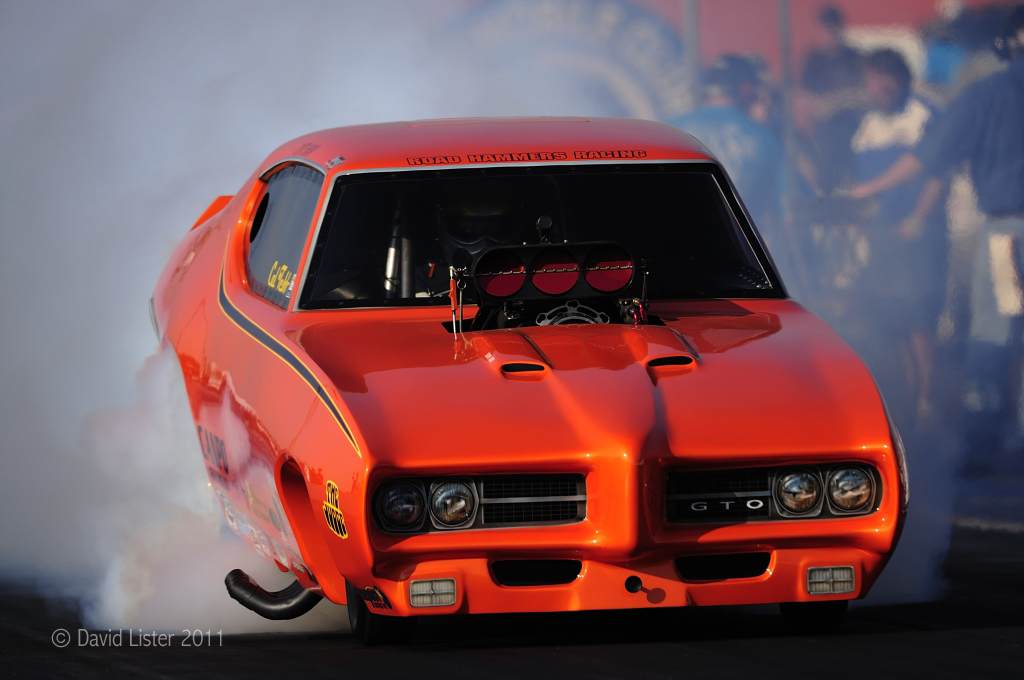
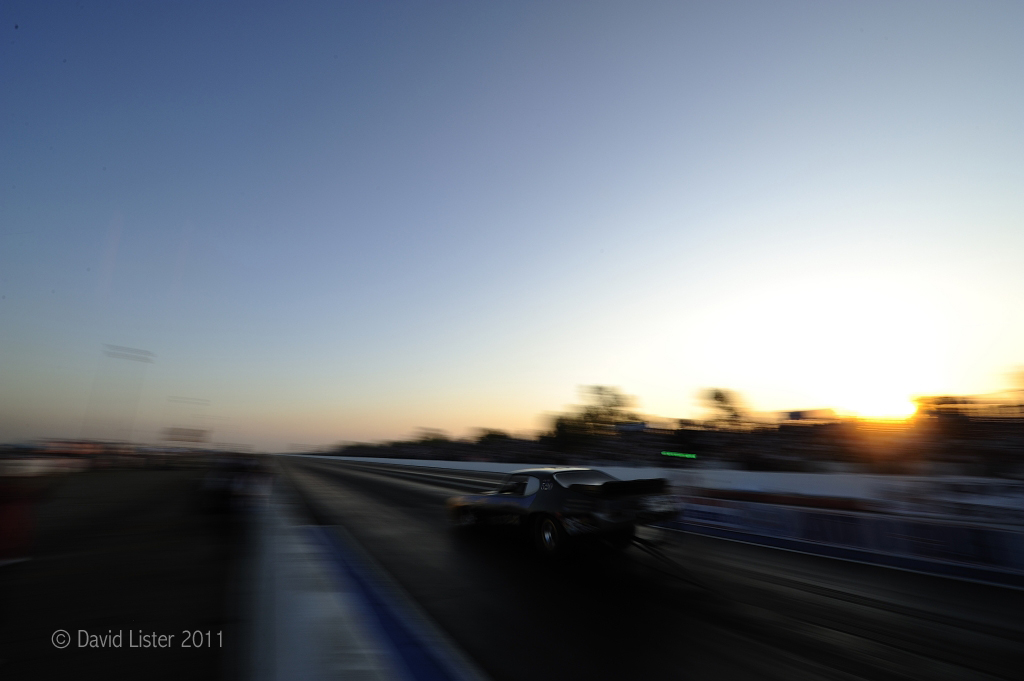
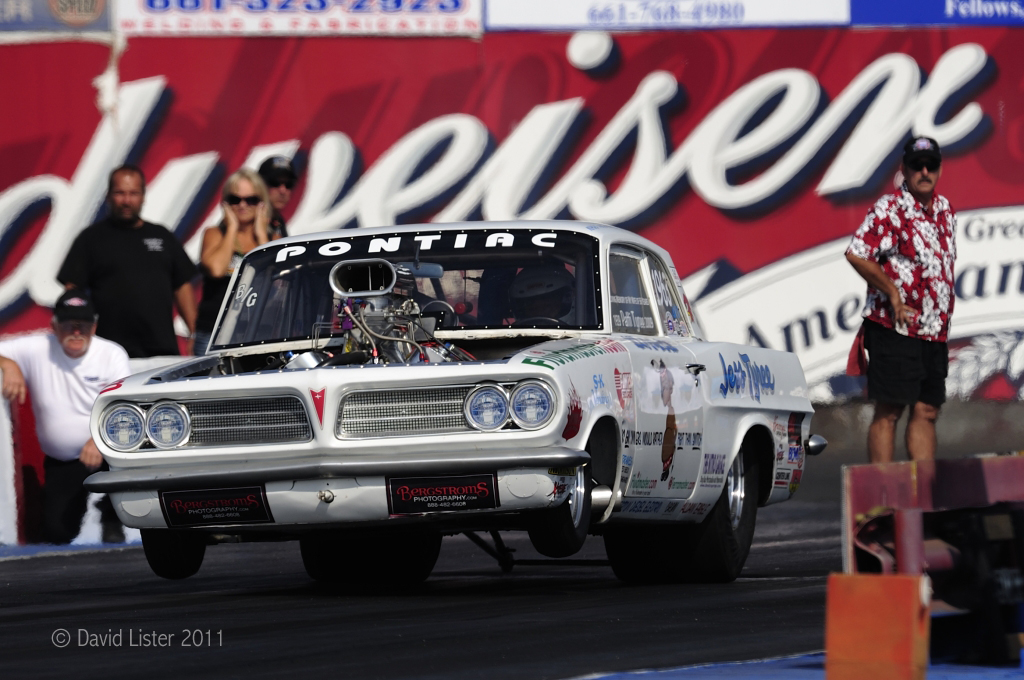
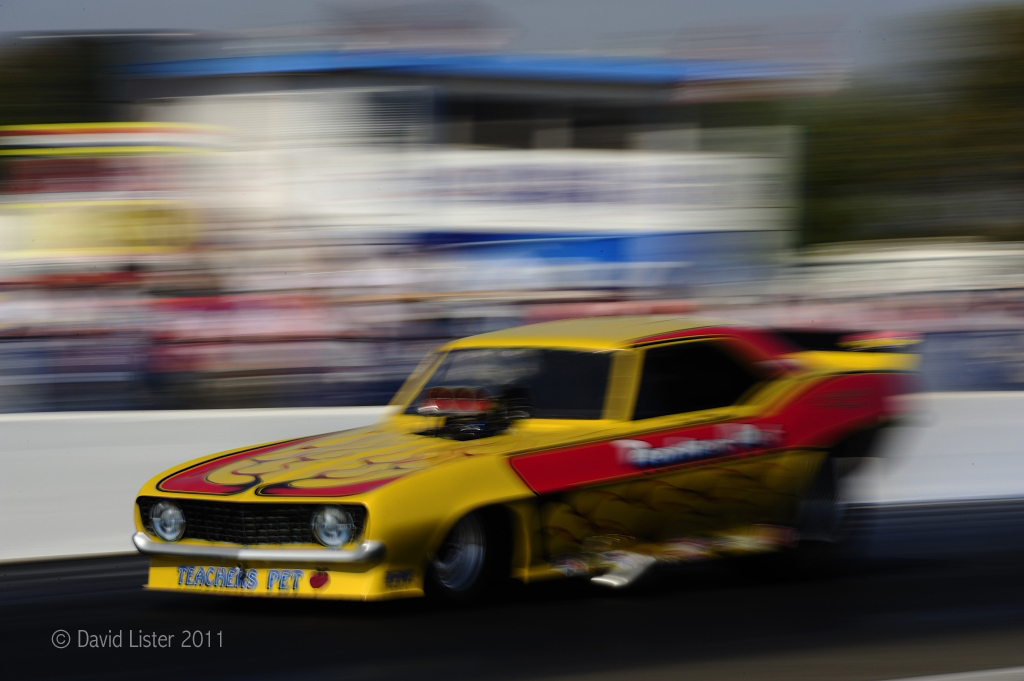
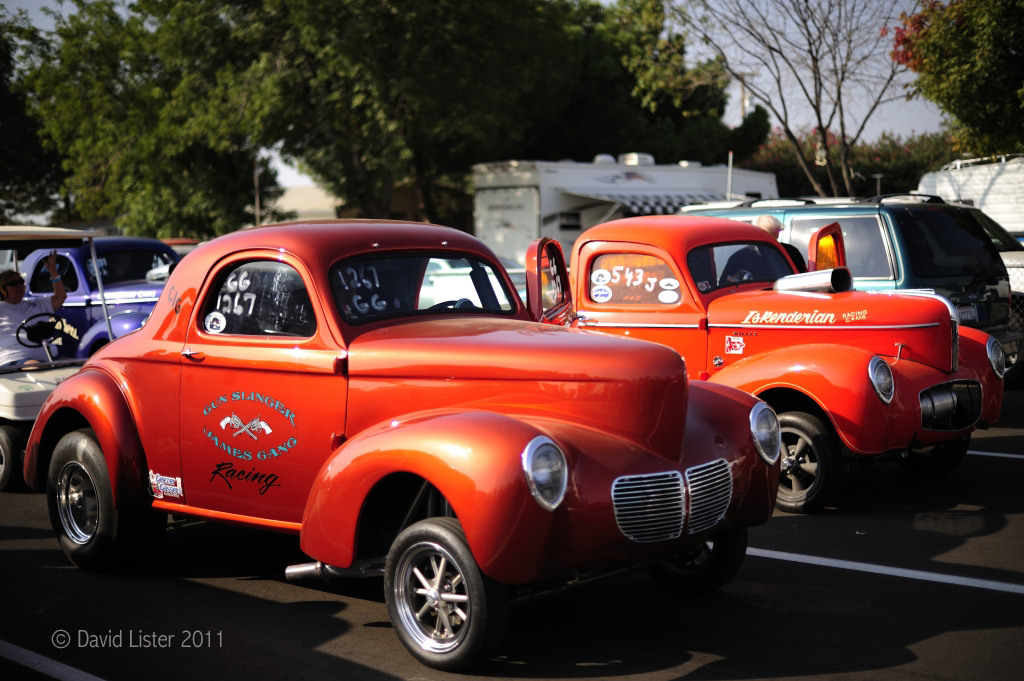
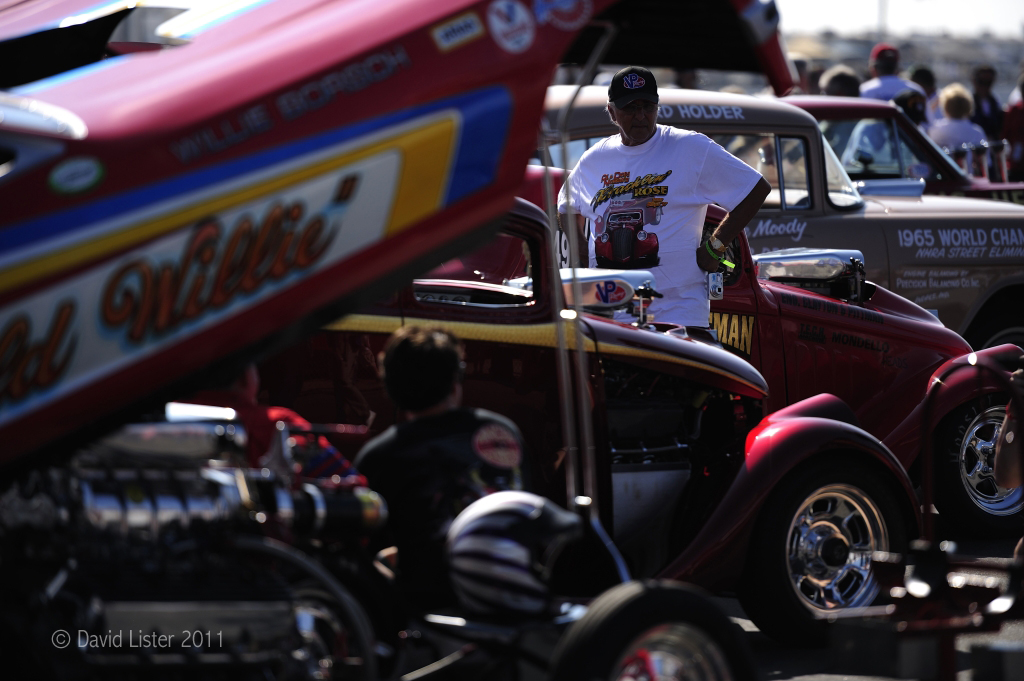
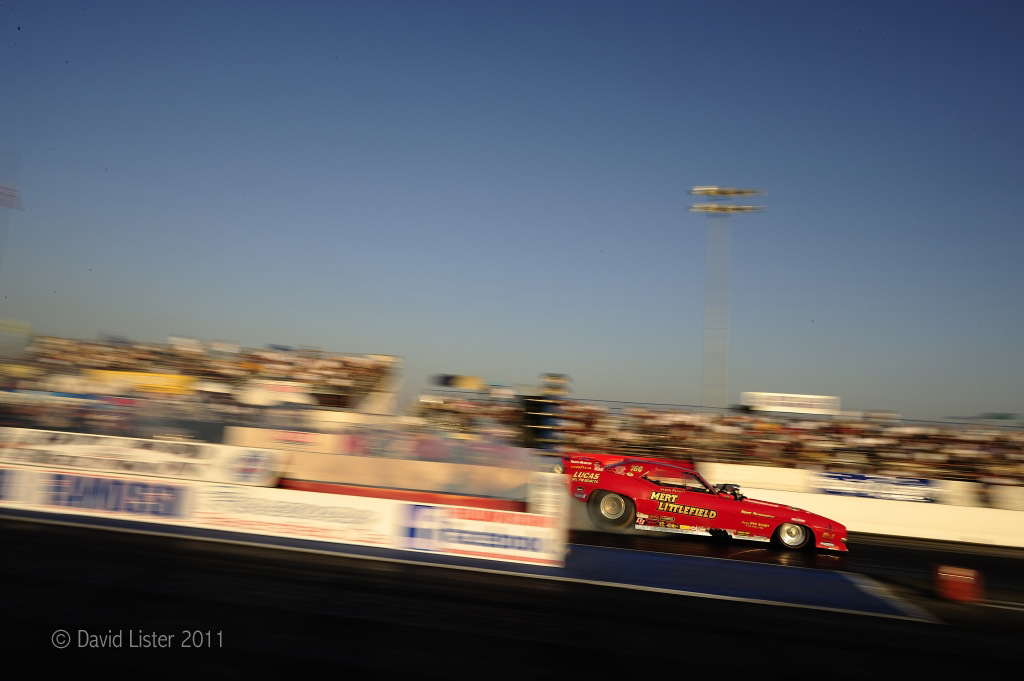
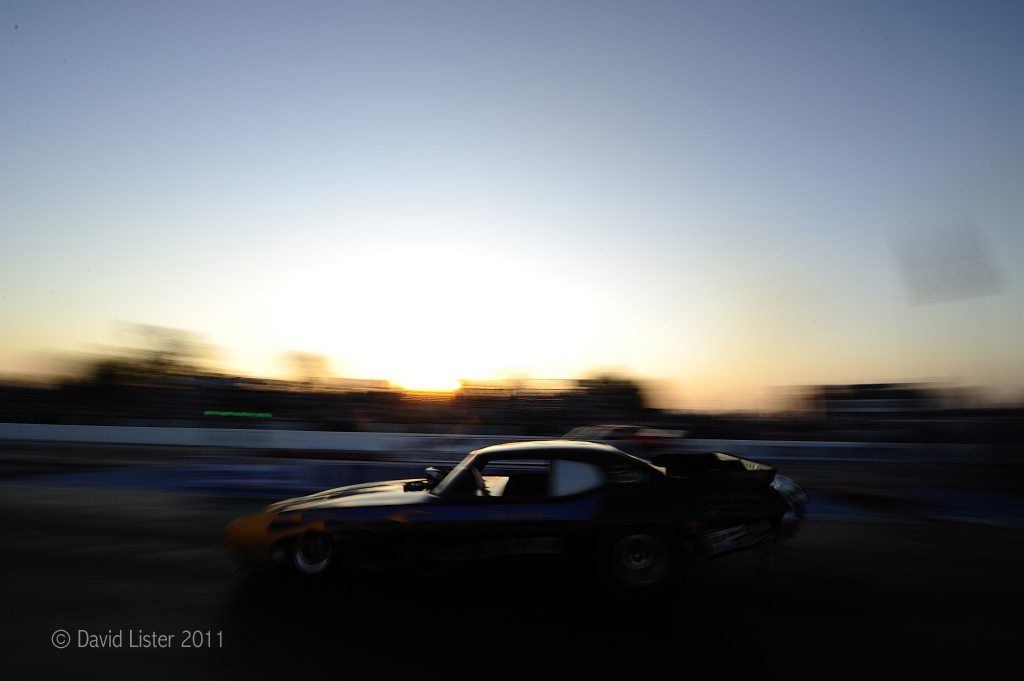
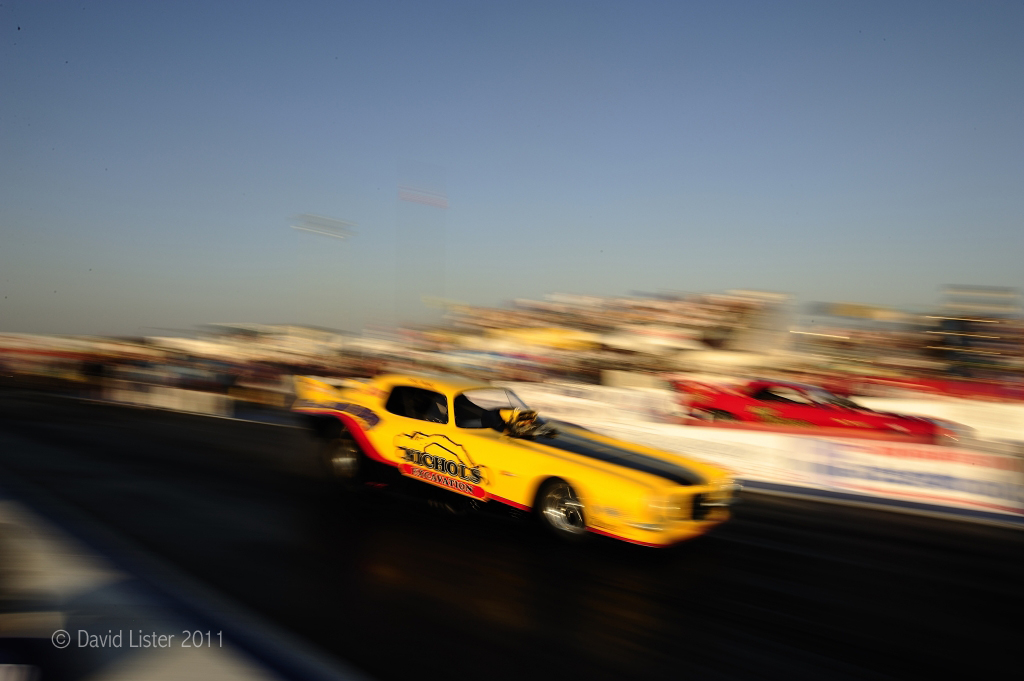
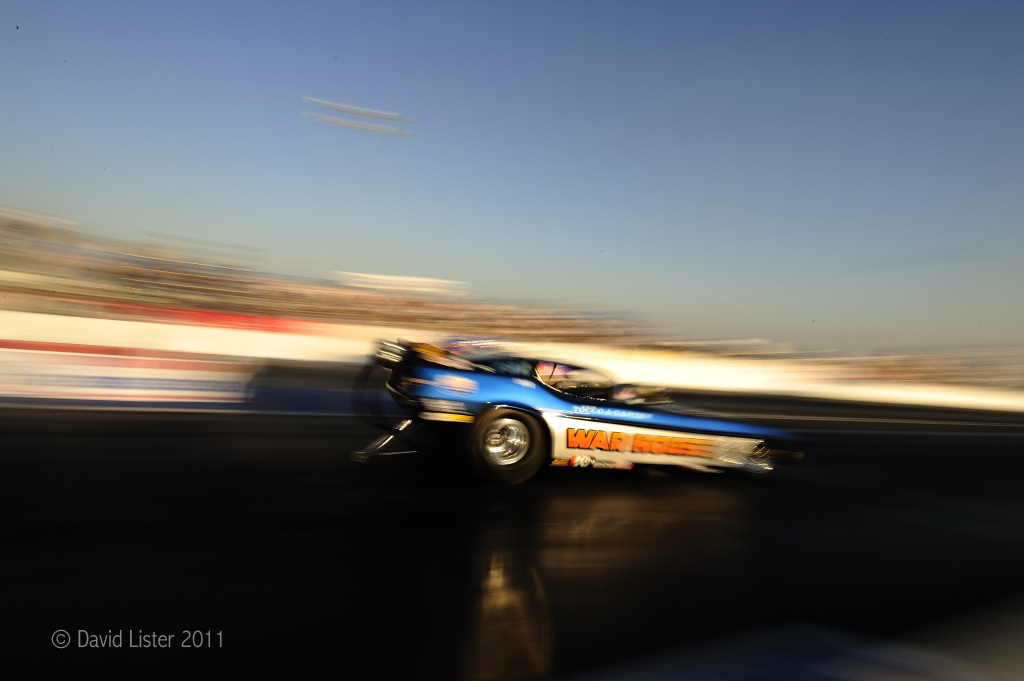
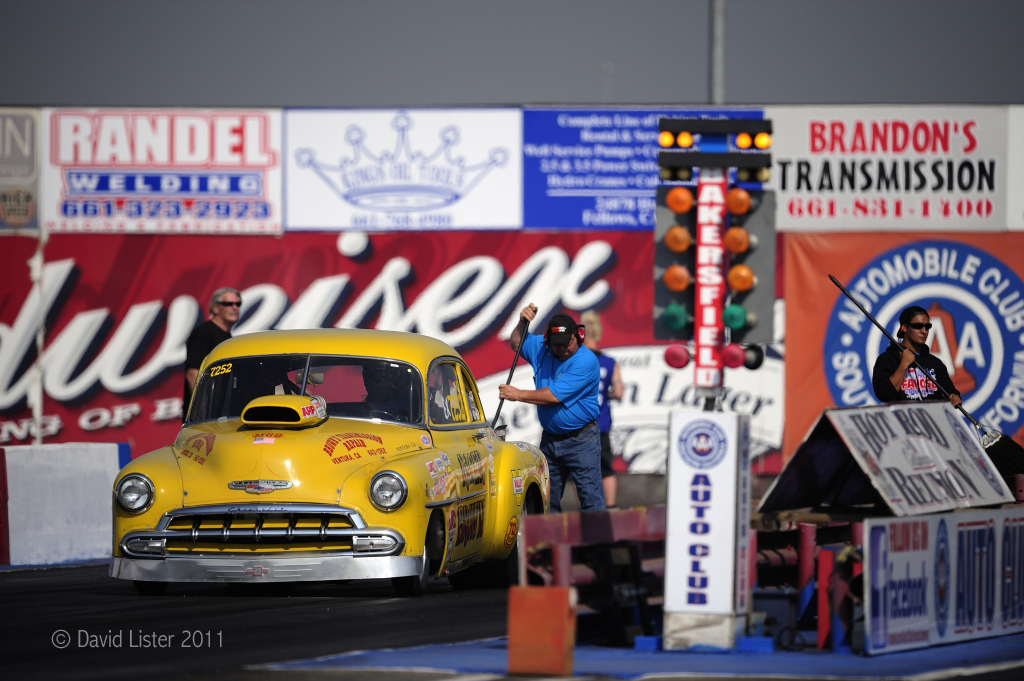
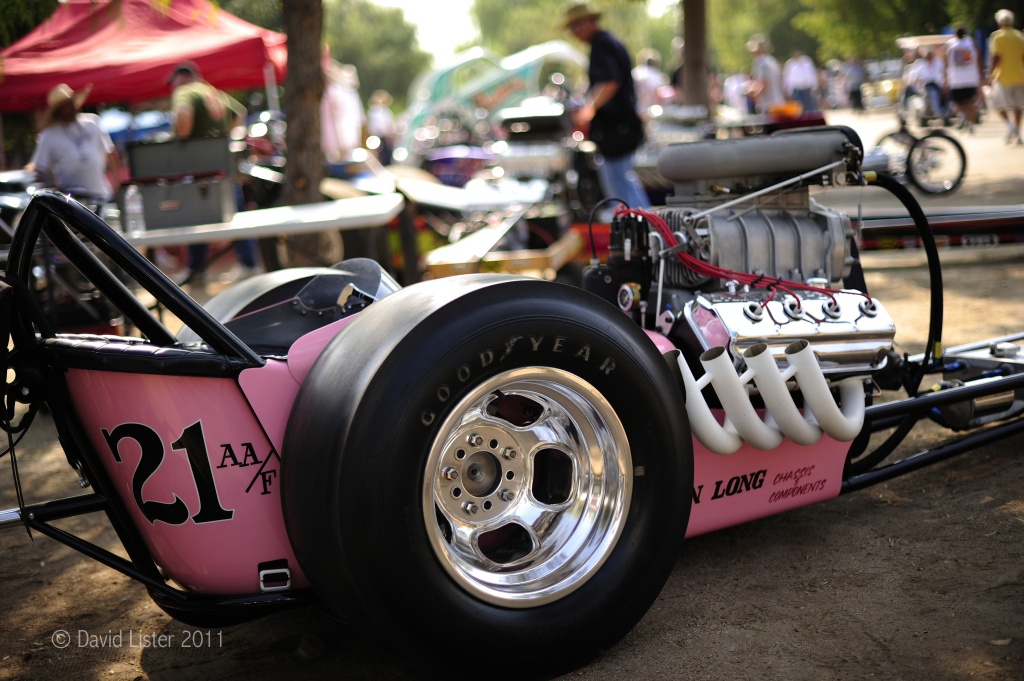
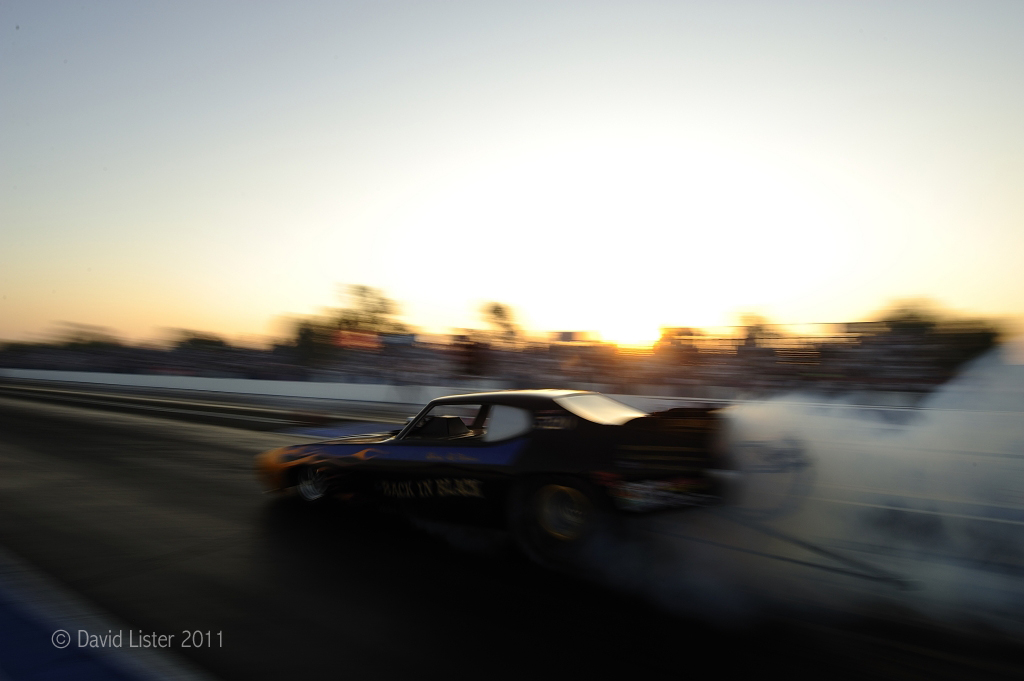
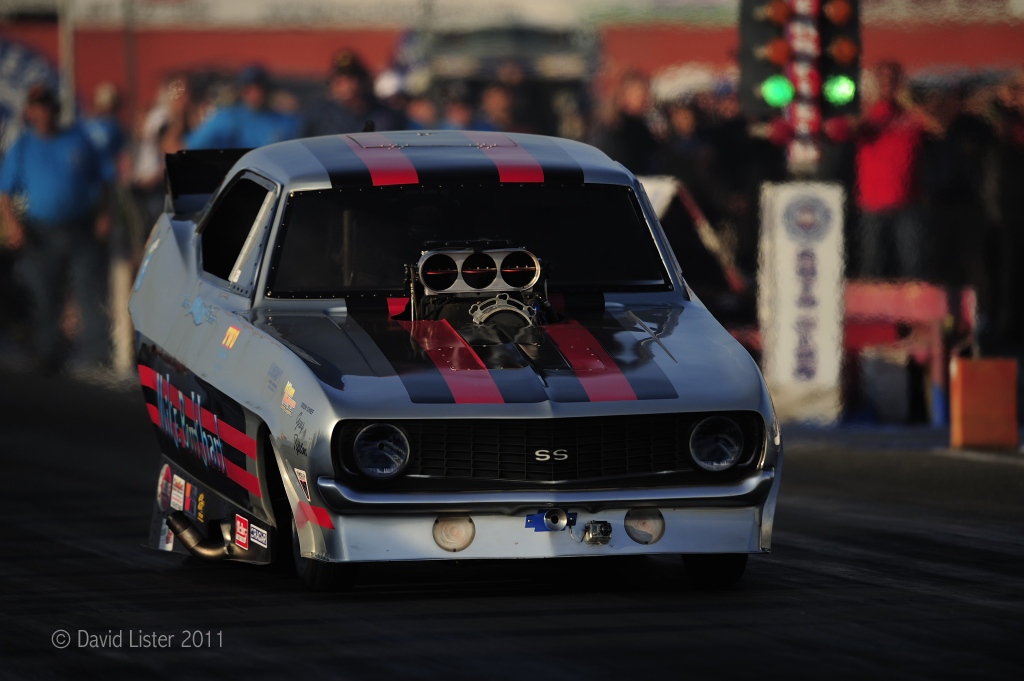
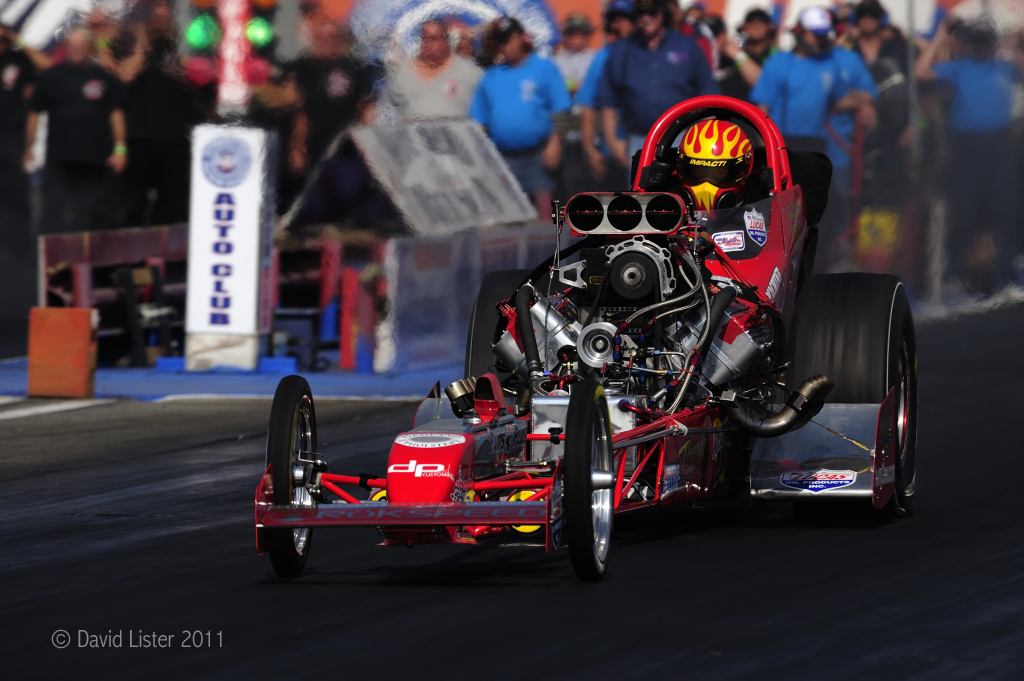
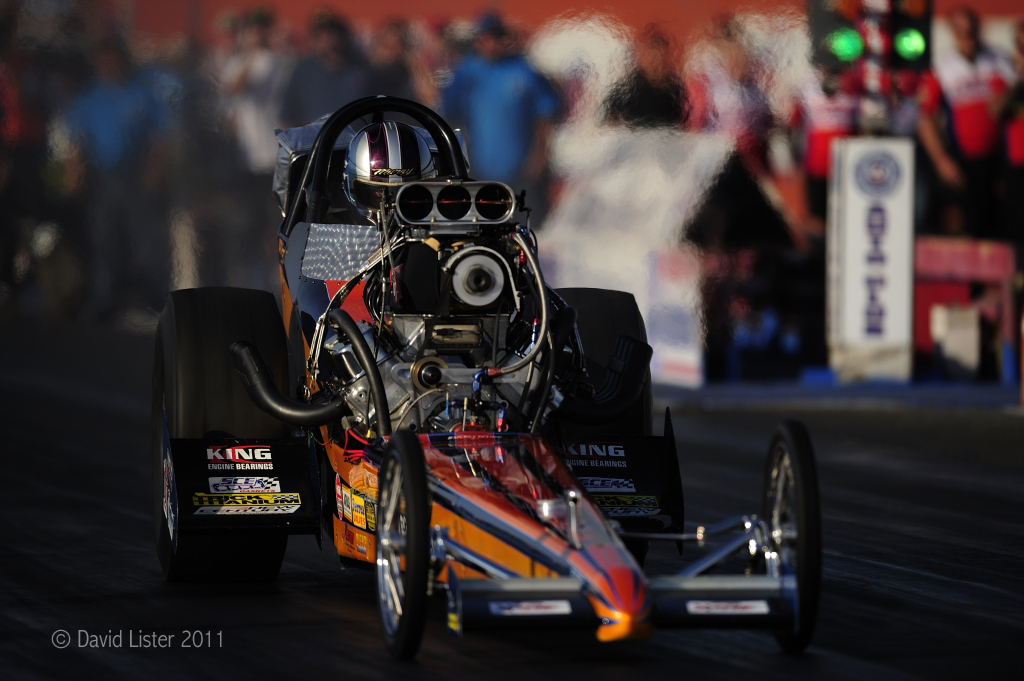
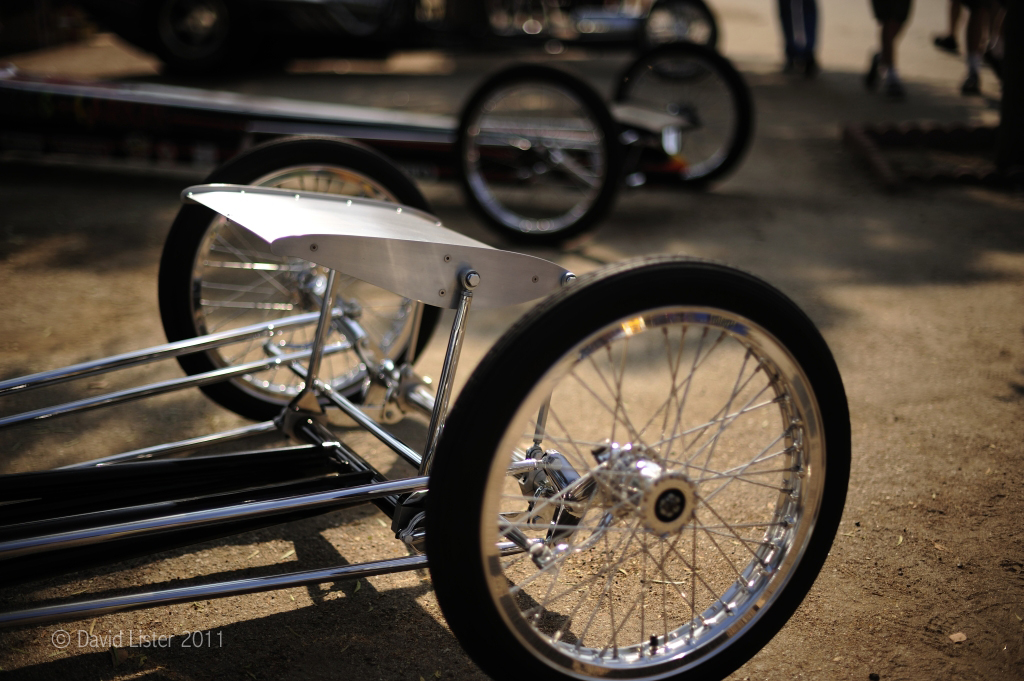
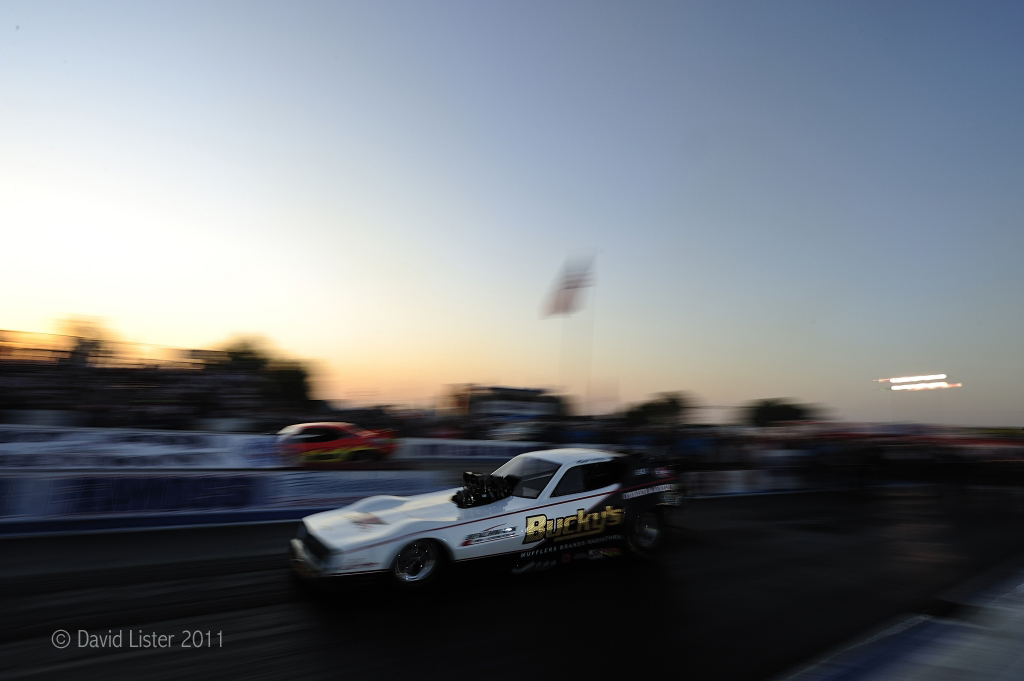
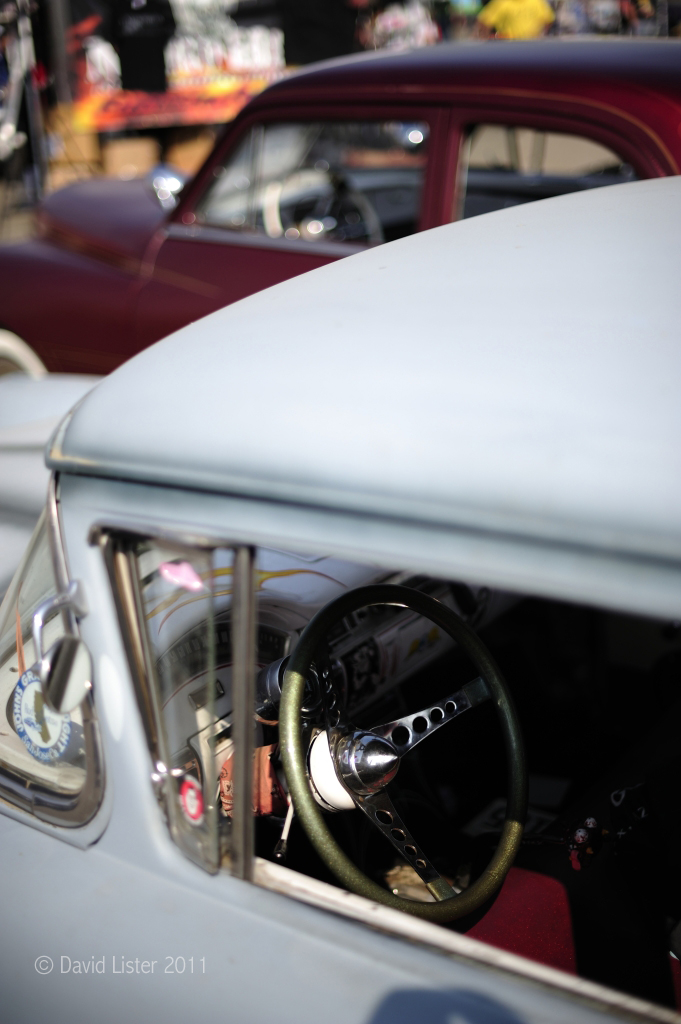
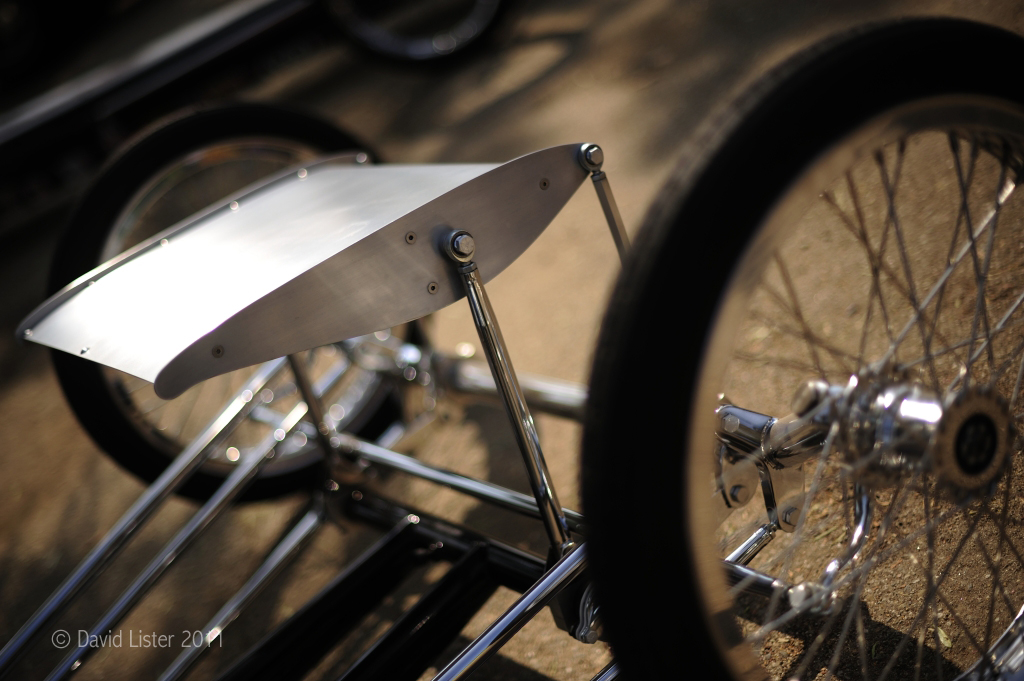
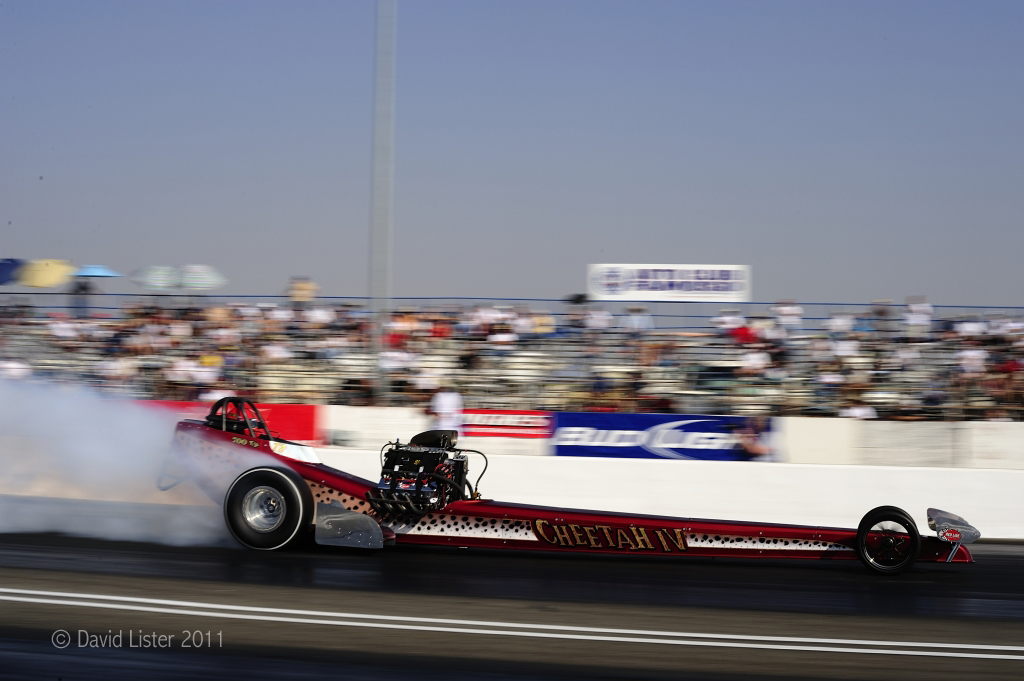
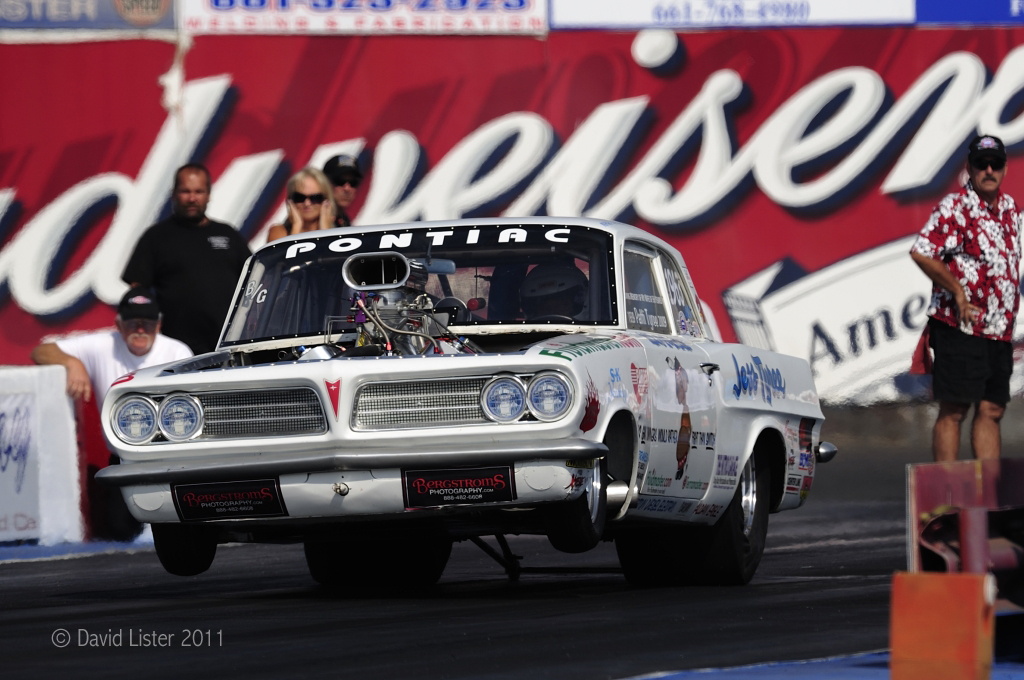
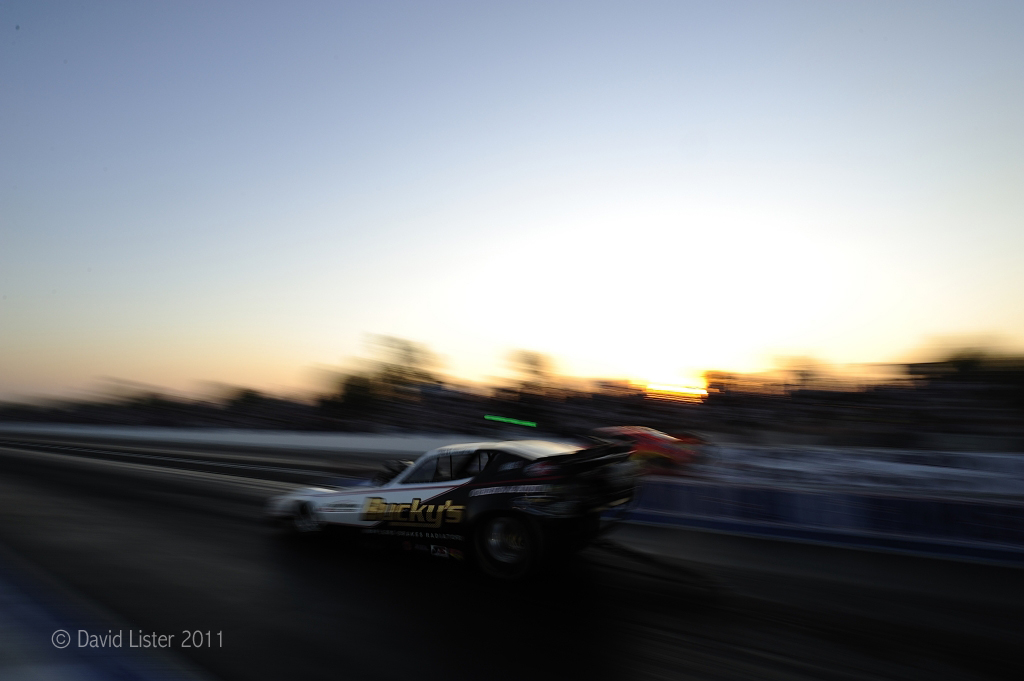
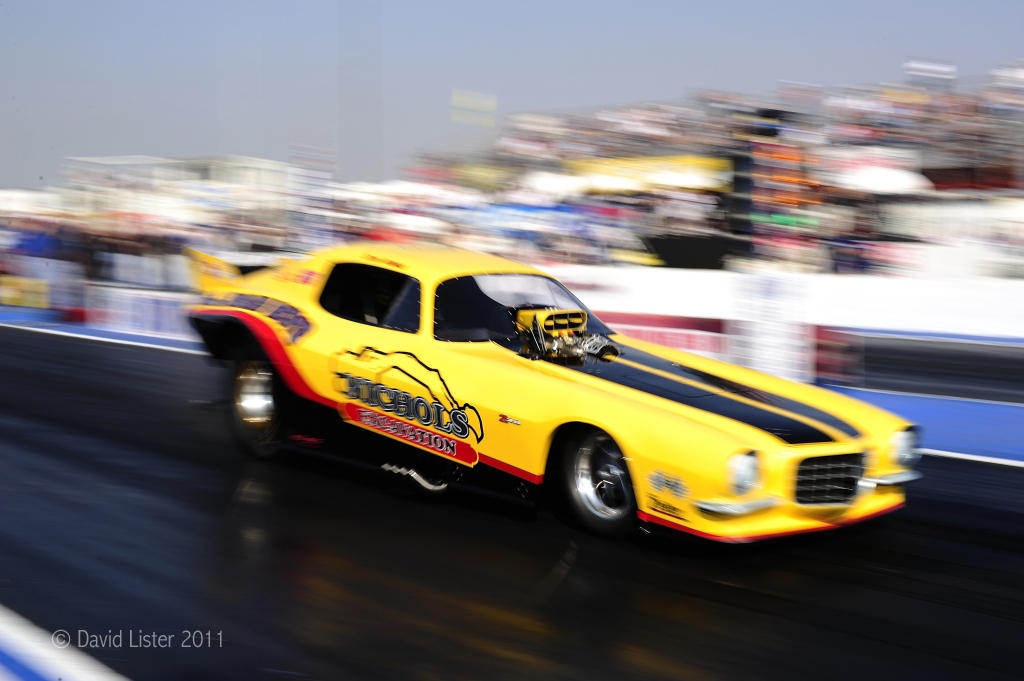
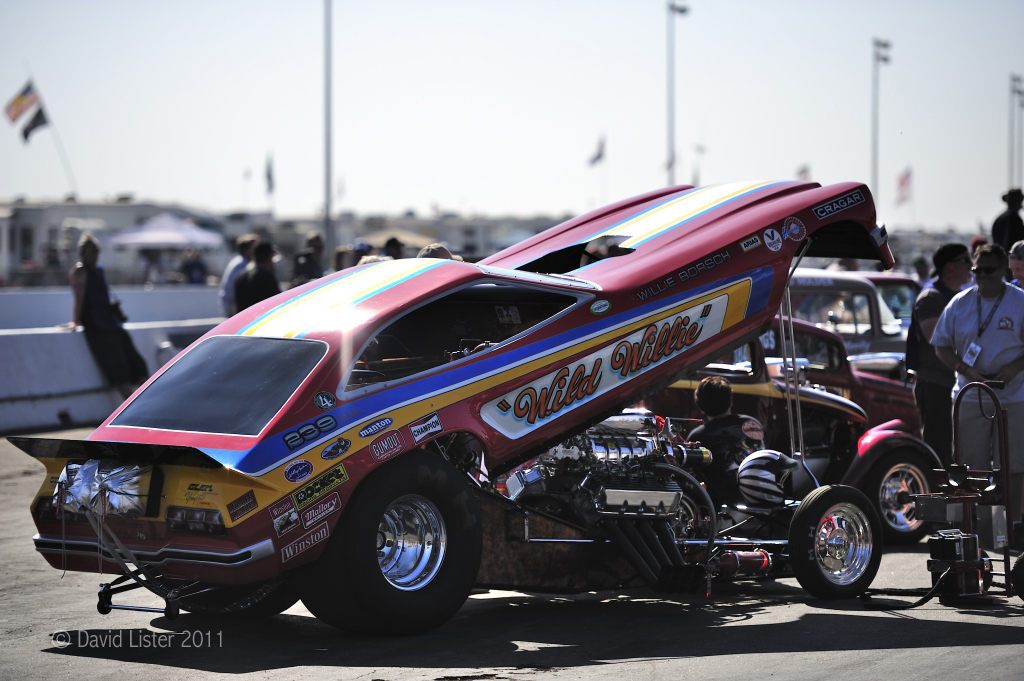
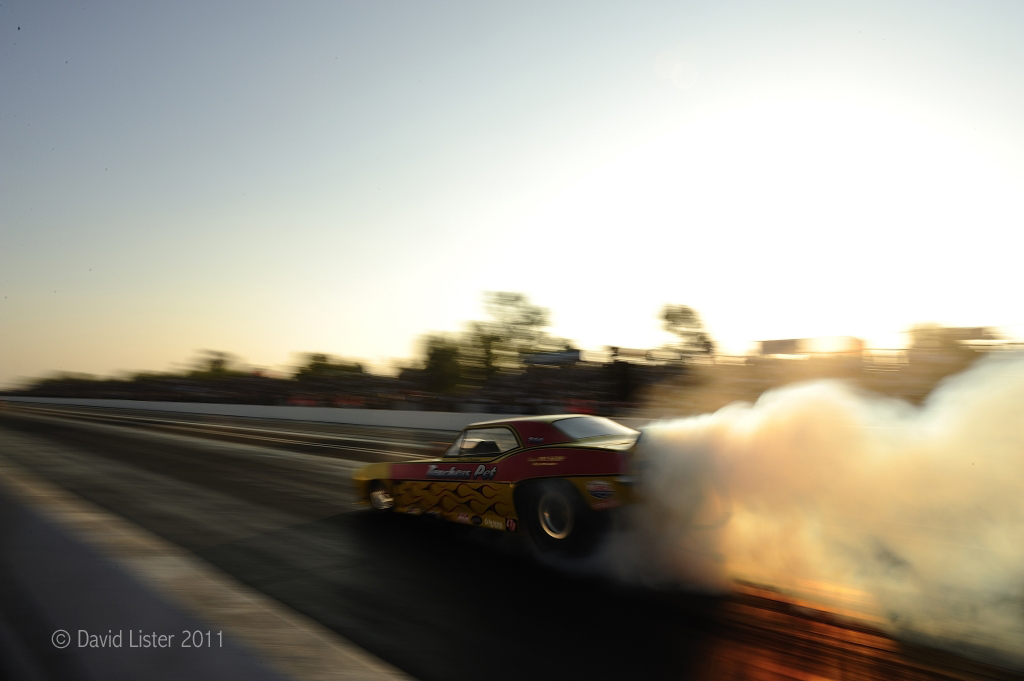
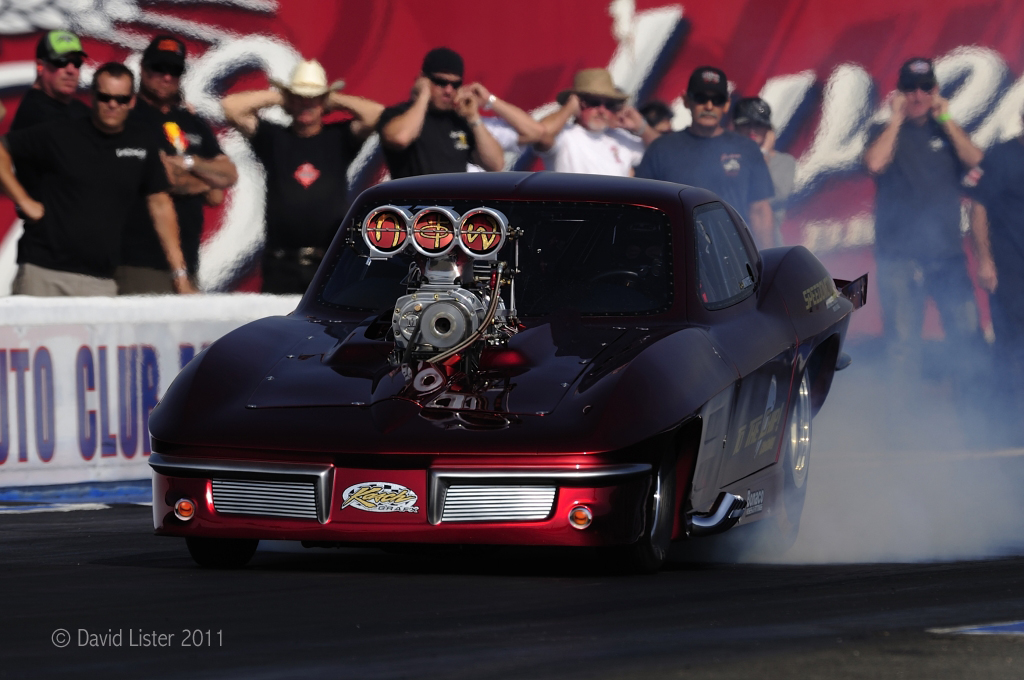
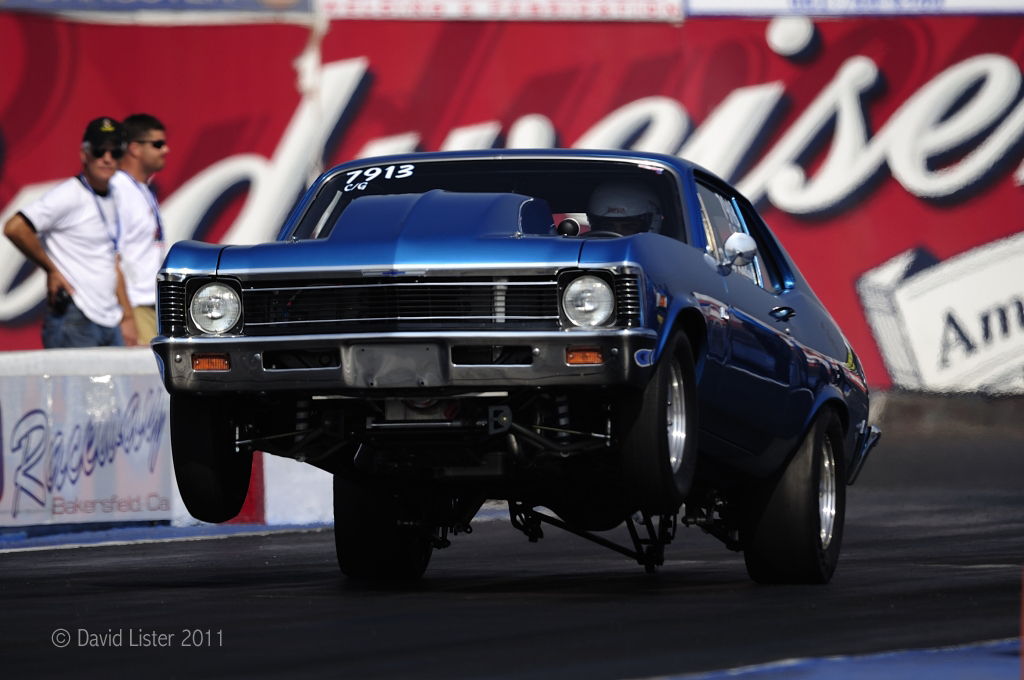
David Lister has been kicking up a photographic storm for the second weekend in a row, this time at the California Hot Rod Reunion. He is on fire right now…………

All Downhill From Here

Master James

As a snapper of sorts, I am only too well aware that most of what we shoot is inconsequencial. Often the subjects do not lend themselves to greatness, sometimes we do not live up to our potential as photographers.

So when we encounter an image that has subject and execution in harmony, that catches a moment of the human condition in perfection, those of us with eyes to see salute such a photograph.

The great Henri Cartier-Bresson expressed this quality in far more eloquent terms that I ever could.

“There is a creative fraction of a second when you are taking a picture. Your eye must see a composition or an expression that life itself offers you, and you must know with intuition when to click the camera. That is the moment the photographer is creative, Oop! The Moment! Once you miss it, it is gone forever.”

Photographers are guardians of the present and the past. Through our work, those who come after us can see how we lived, how we thought and what we did. It is, perhaps, the most powerful element of the photographer’s art. Until photography and film making arrived all we had to rely on was the written and spoken word and we all know how that can be manipulated or mistaken with the passage of time.

So on a morning when there is memorial service to Dan Wheldon scheduled at Indianapolis and the news over the mojo wire is of the death of Marco Simoncelli in Malaysia, it is good to remember the pleasures of life.

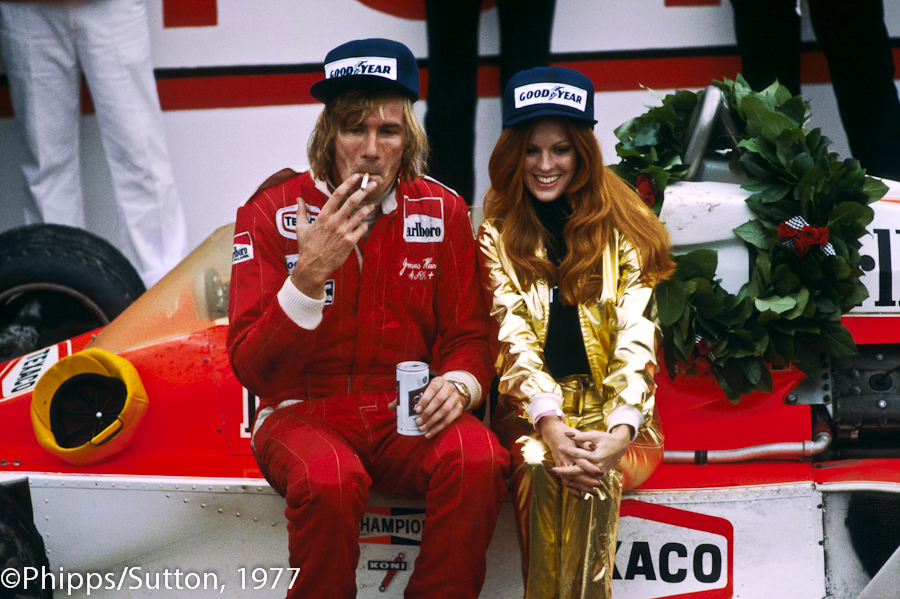
Here we see James Hunt in his full pomp having just won the 1977 United States Grand Prix. He is captured puffing on a tab, can of beer in hand, excitable Penthouse Pet at his side, it was the stuff of my dreams. And I could only dream about making images as powerful as this.

John Brooks, October 2011


A Trick Of The Light

Corkscrewed

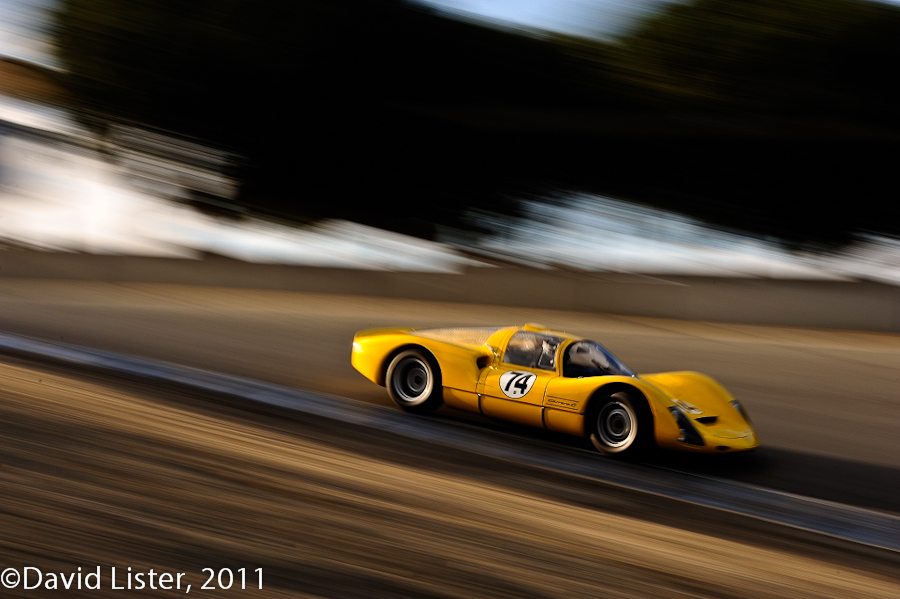
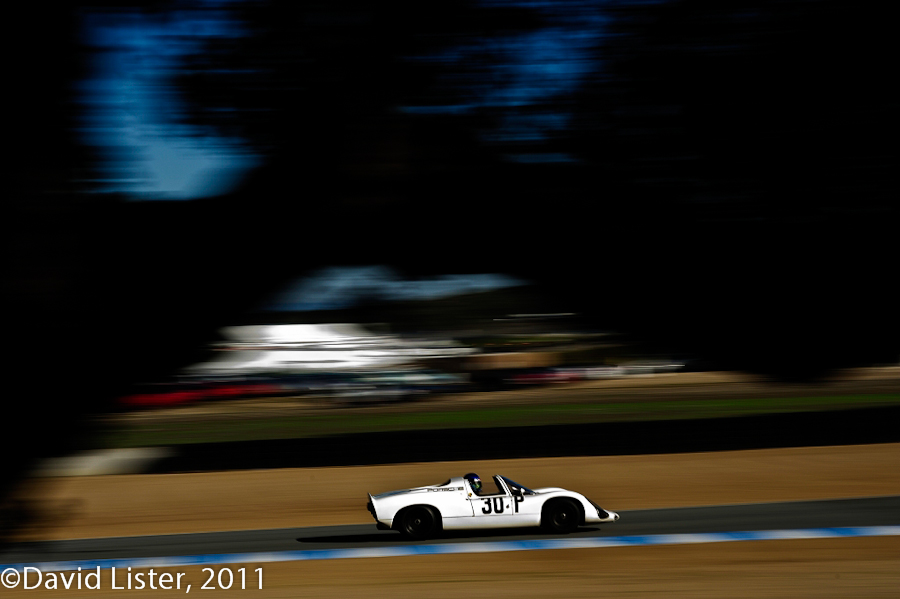
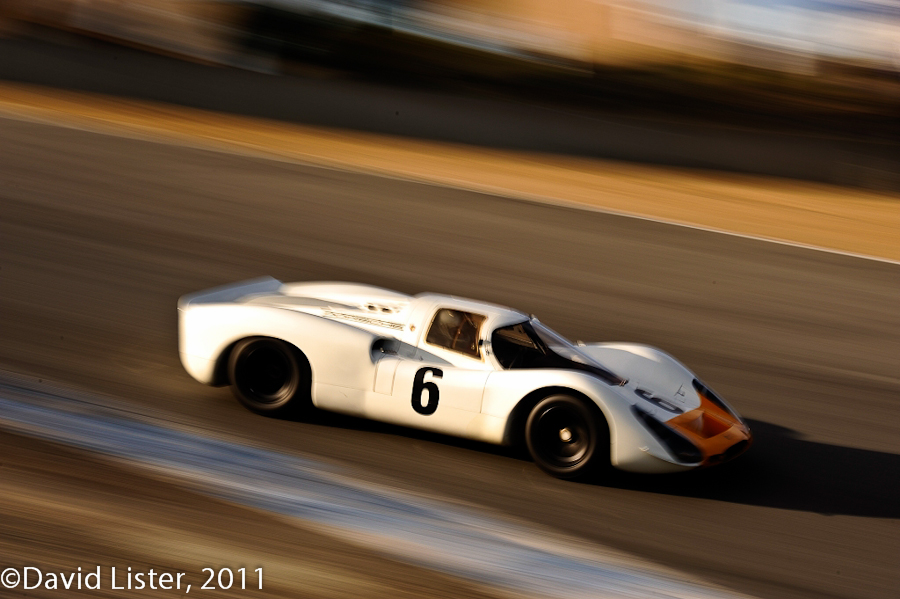
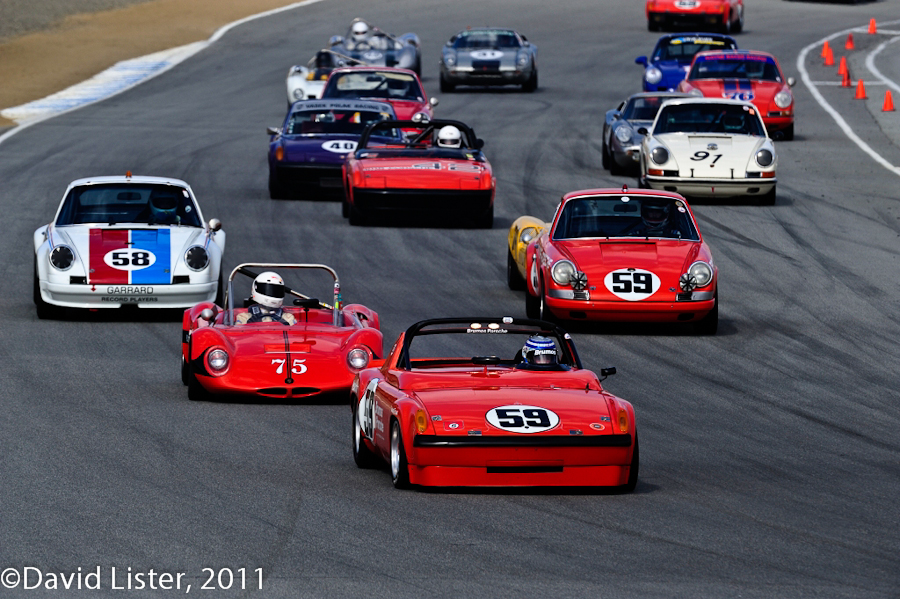
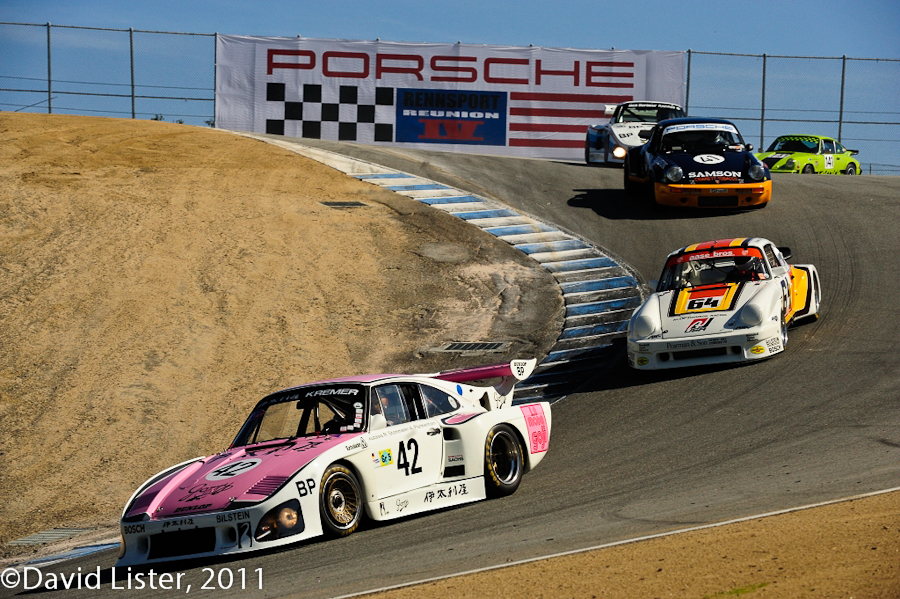
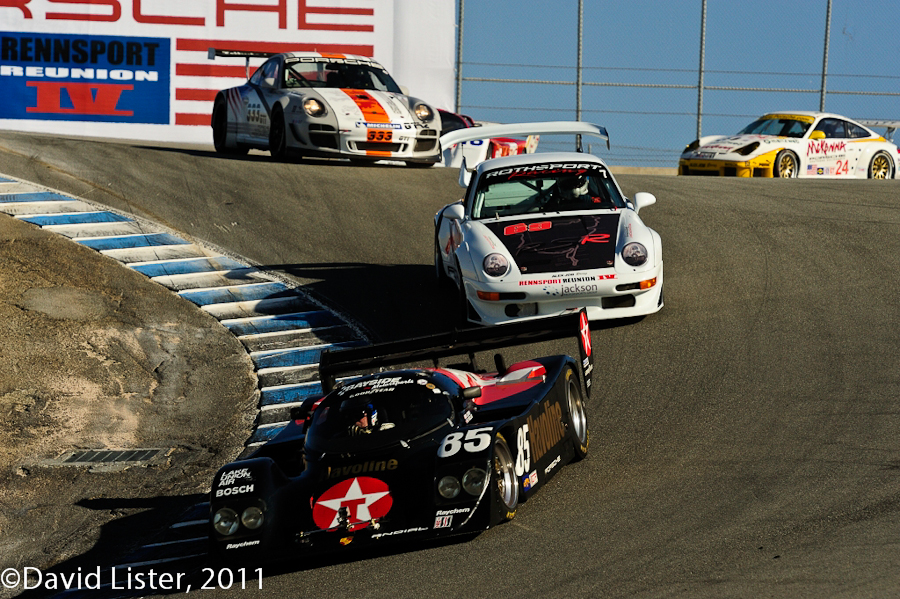
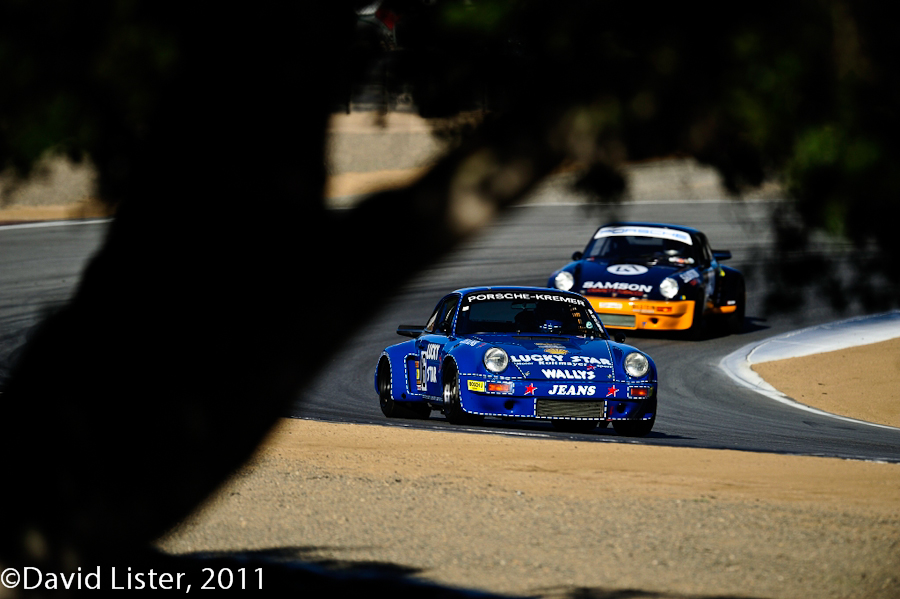
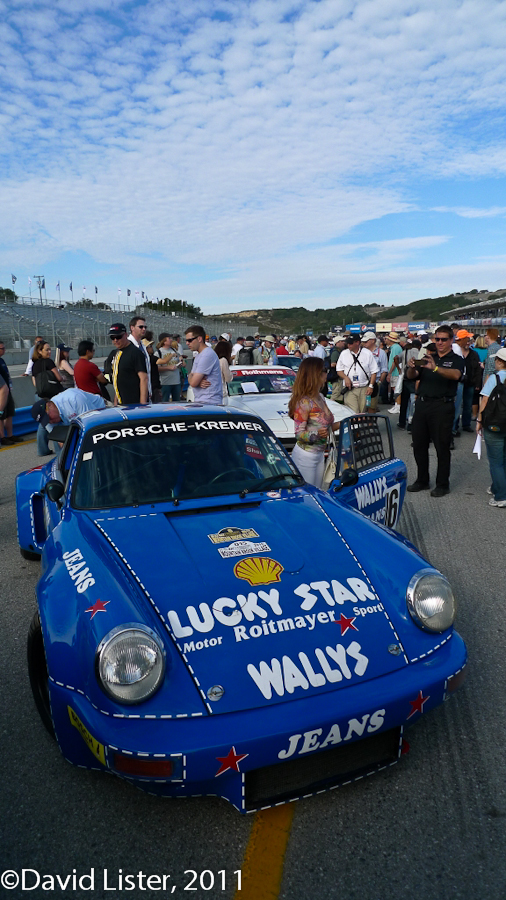
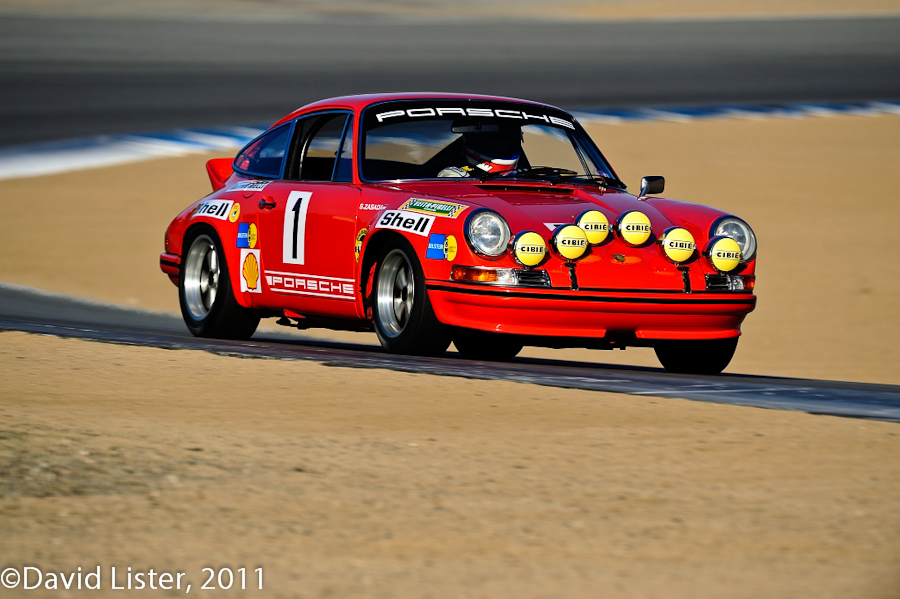
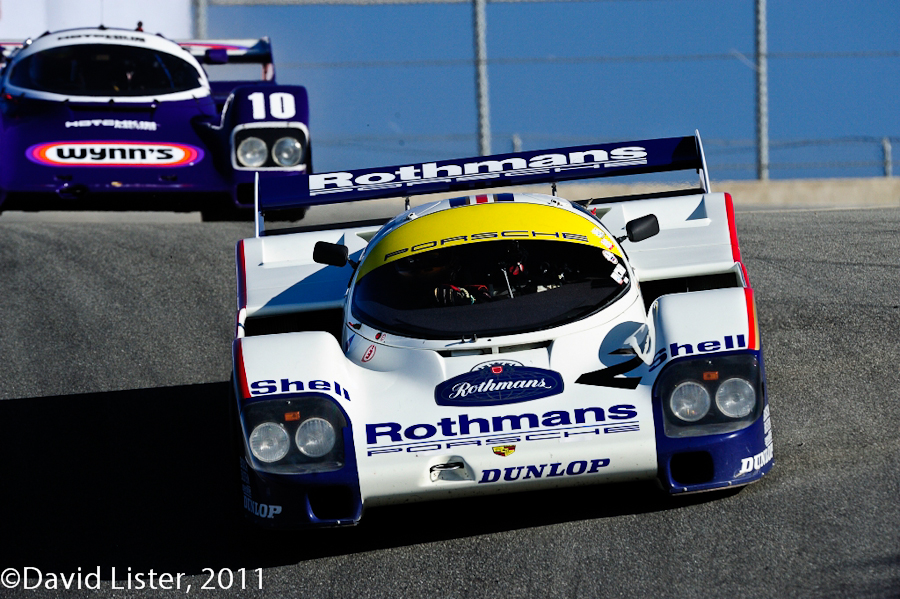
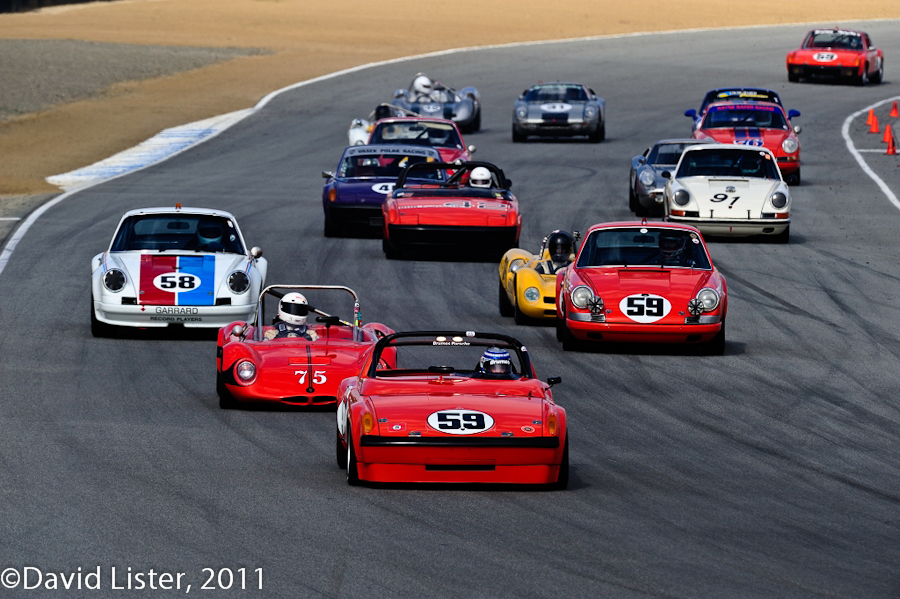
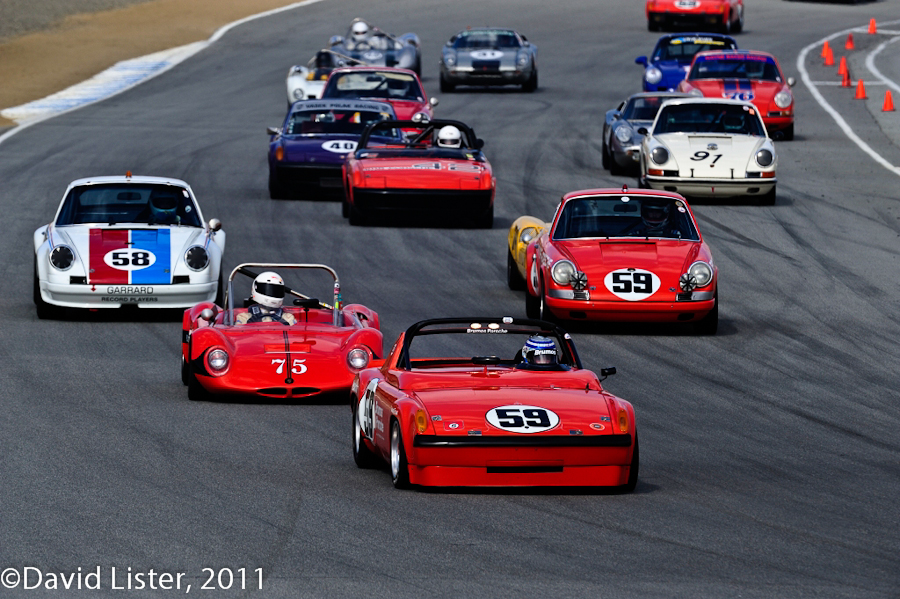
The combination of Laguna Seca in the fall, Rennsport IV and David Lister is irresistible. This gallery of images from last weekend is inspirational, shows how the job should be done, from composition to post-processing.

A MasterWerk.

John Brooks, October 2011

I Like A Bit Of A Cavort……..

I don’t send solicitor’s letters…………I apply a bit of……………pressure.

The immortal lines from Chas in the epic movie “Performance”, all understated menace.

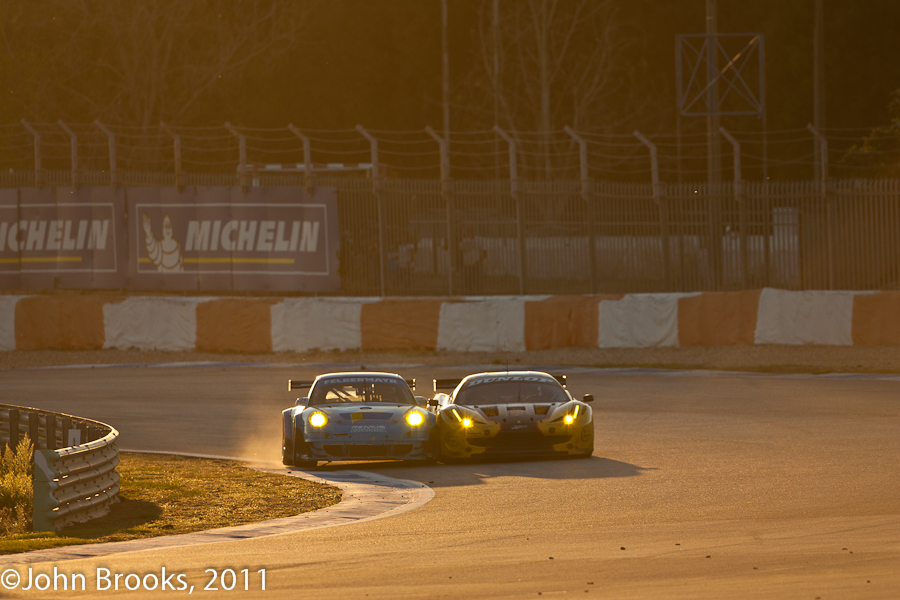
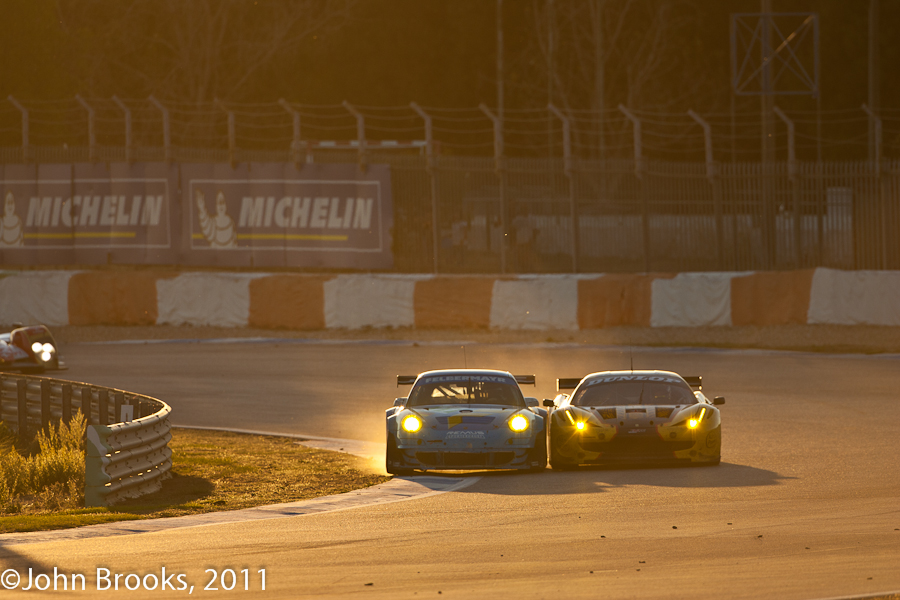
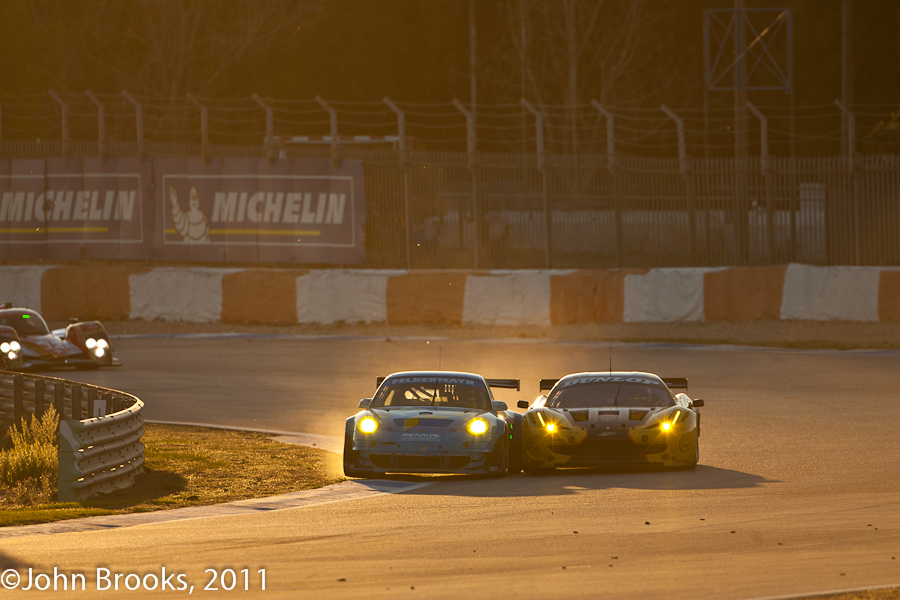
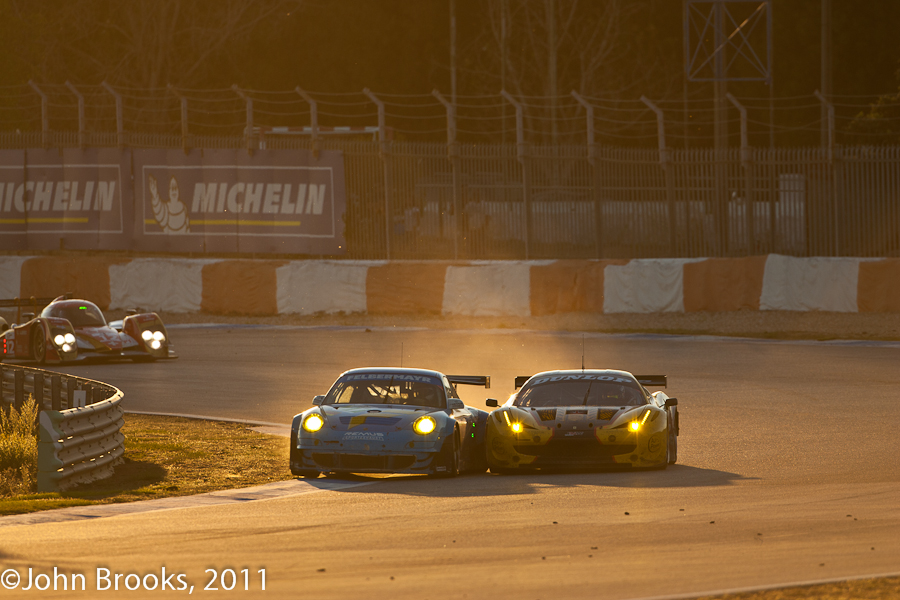
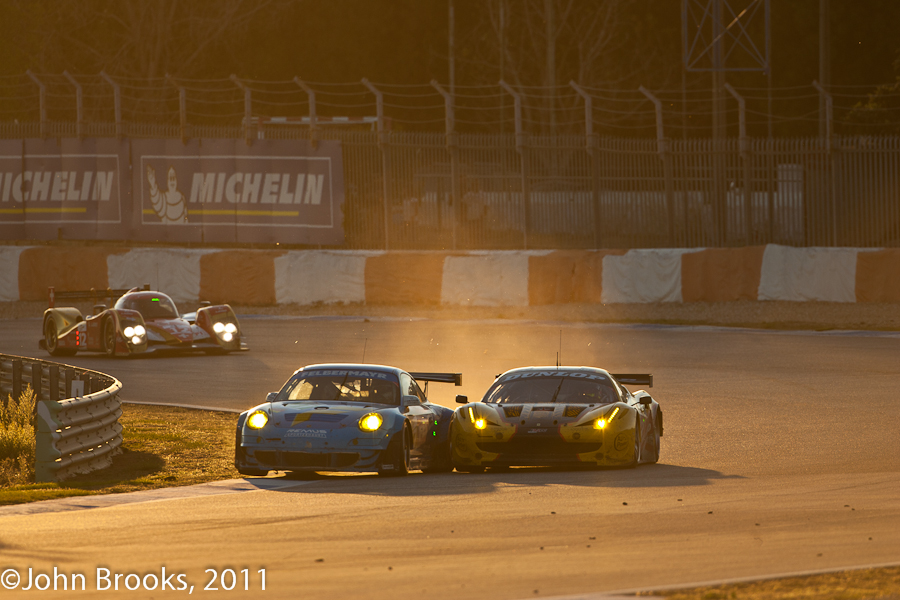
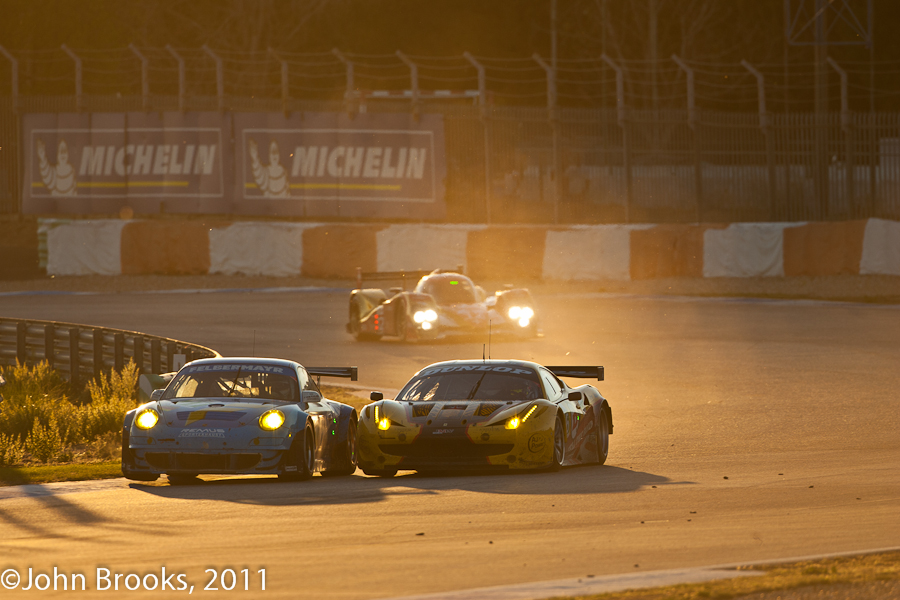
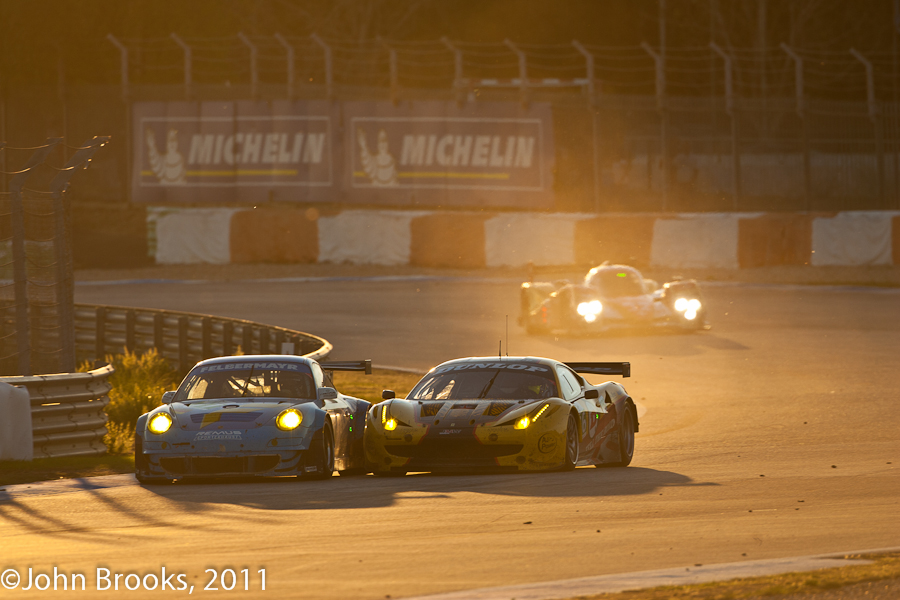
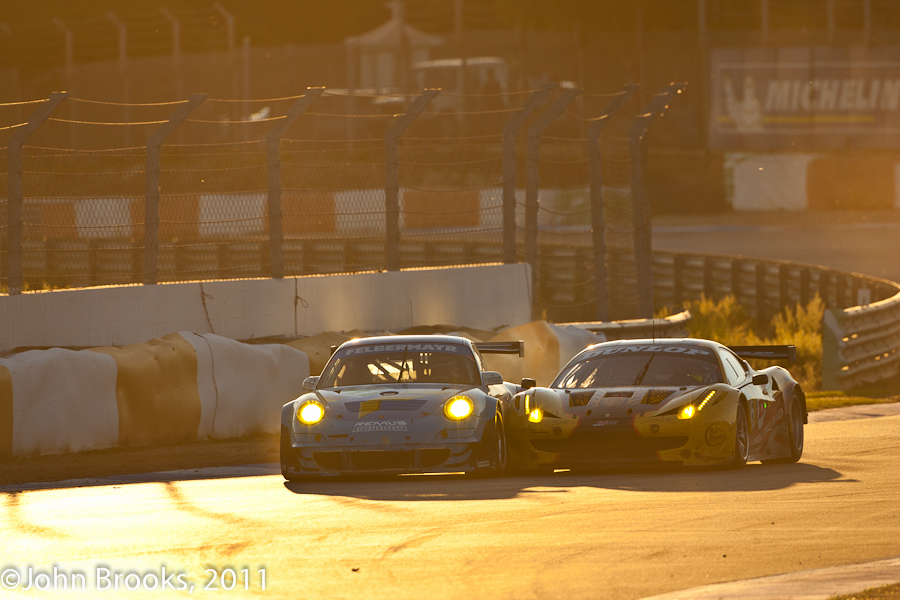
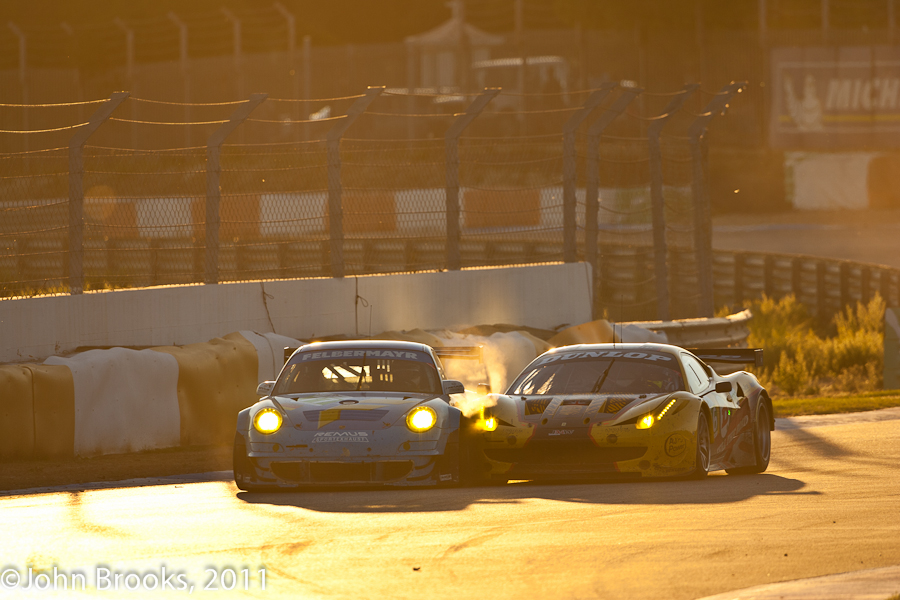
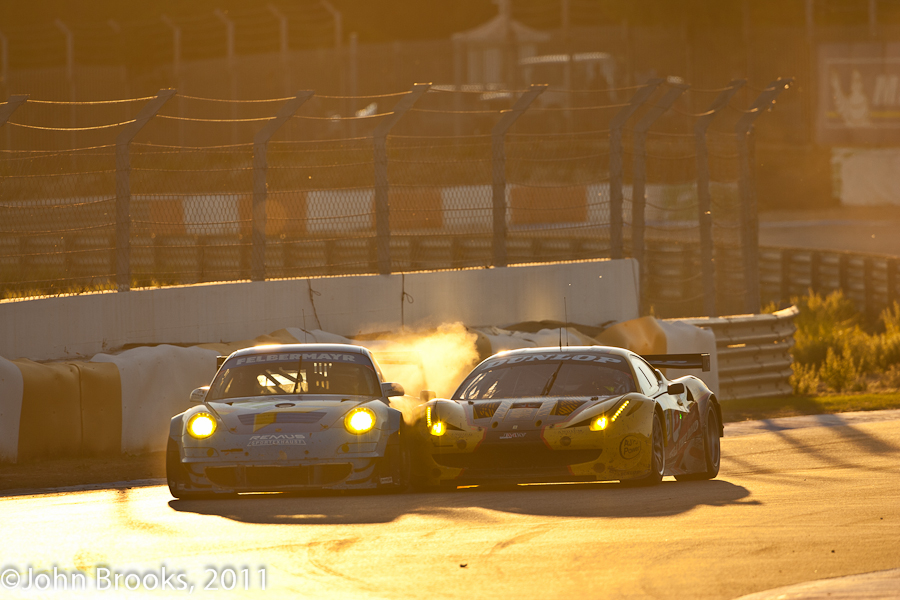
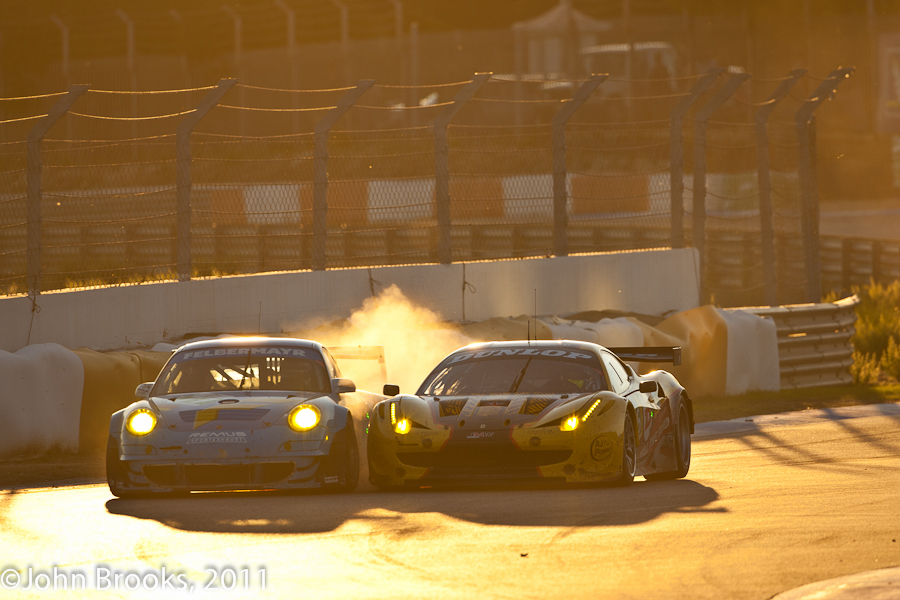
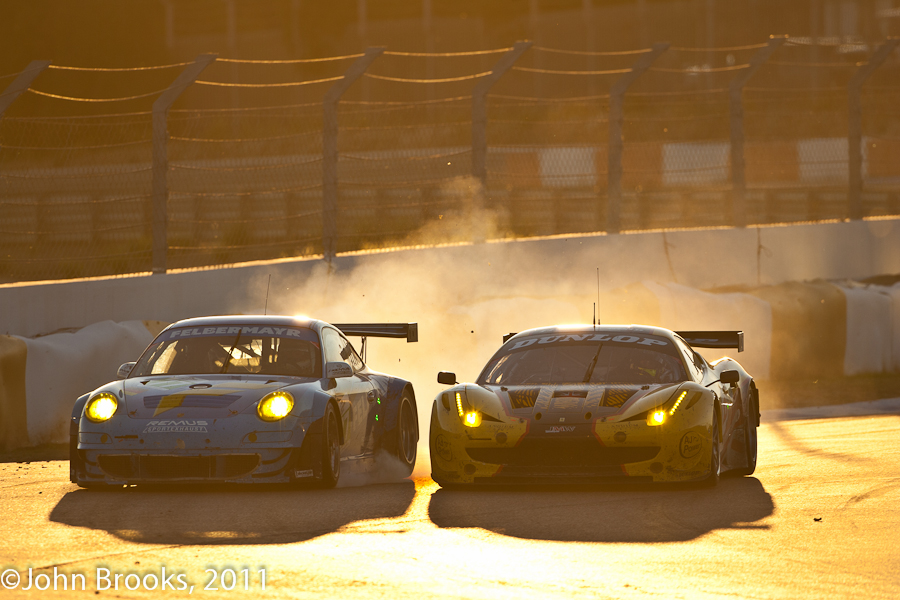
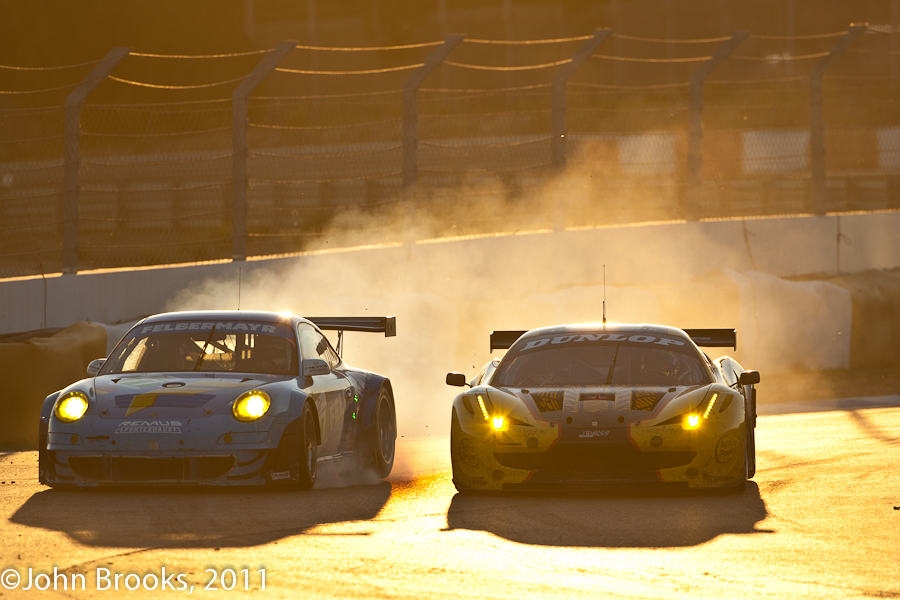
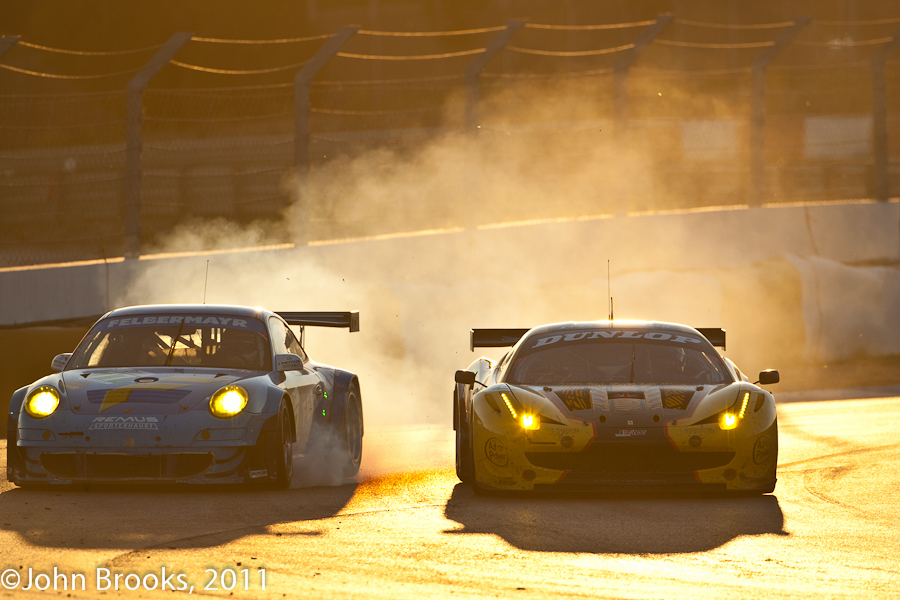
Perhaps a bit more Max and Paddy-like were the antics of the GTE Pro leaders on the last lap of the 6 Hours of Estoril. Rob Bell and Richard Lietz, in a typical Ferrari/Porsche battle, had been going at it, hammer and tongs, for over an hour. It was an utterly engaging contest between two top line pros in two top line cars, either would be a worthy winner. Most other photographers had legged it back to the pits for the finish but Pedro and I just knew it was all going to kick off…and it did. Handbags swinging, panels bashing, the pair contested the penultimate corner, whoever emerged in front would win, simple as that. Well, our Geordie Lad held his nerve and his line to take a well deserved victory, proper GT Racing.

To both drivers and both teams, Salut!

The Old Meets The New

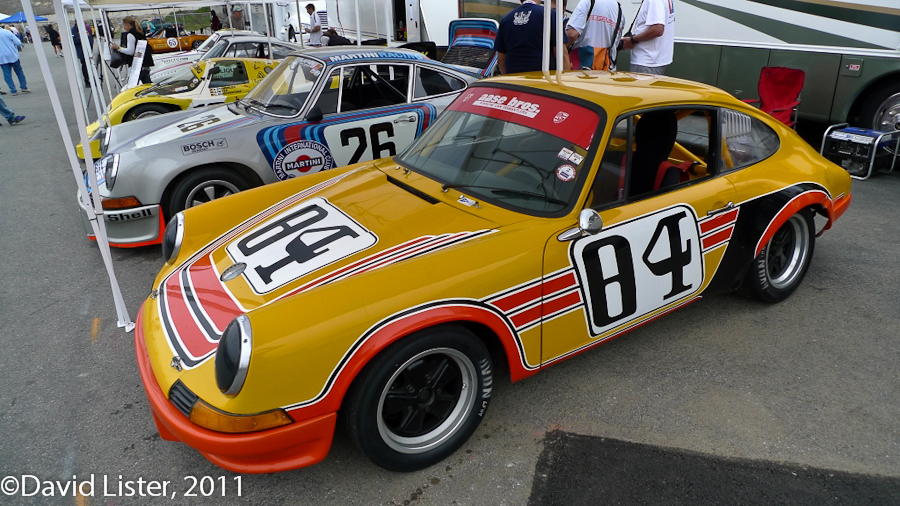
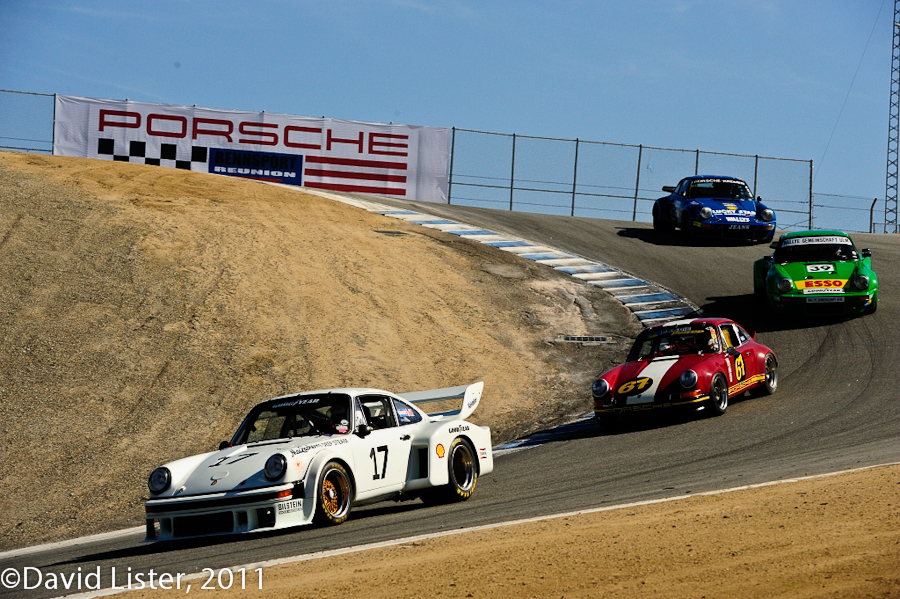
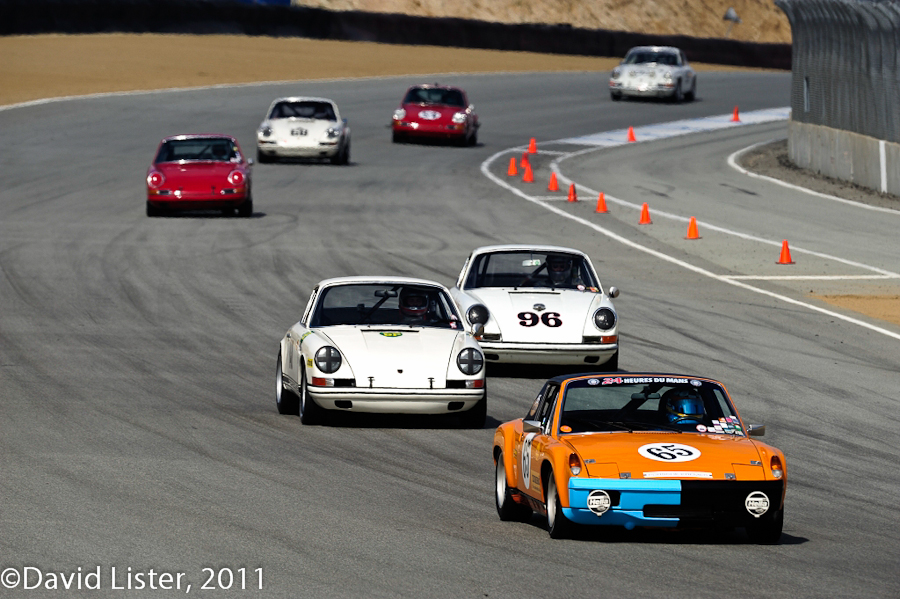
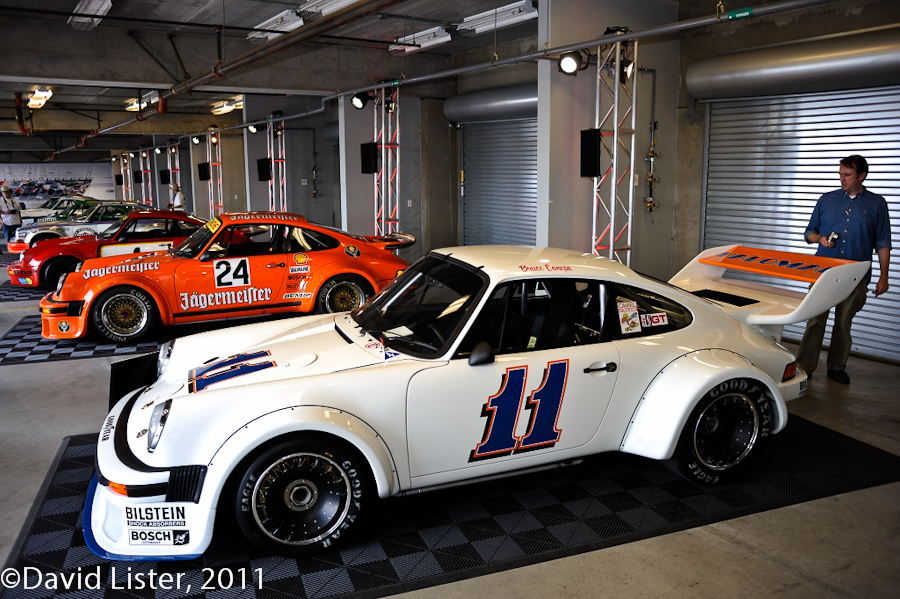
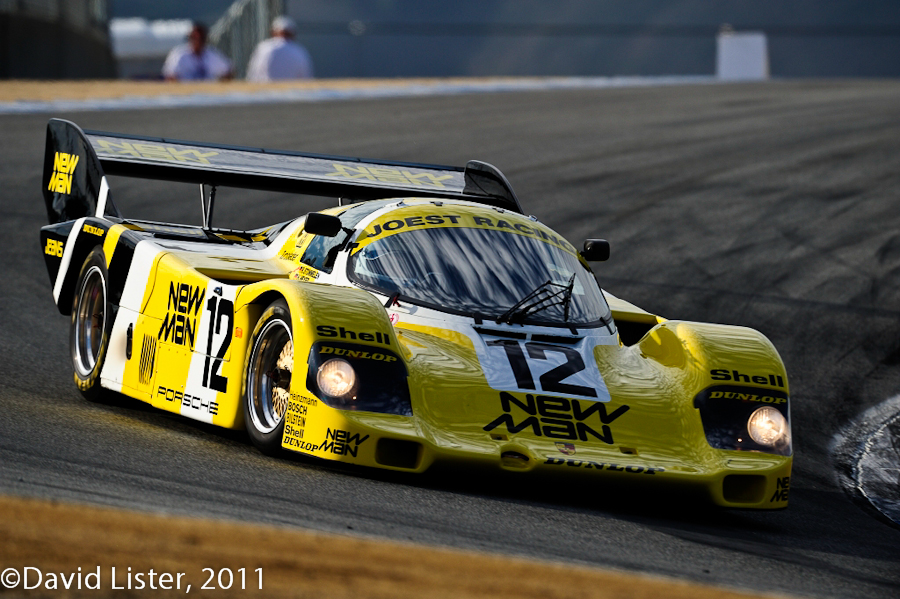
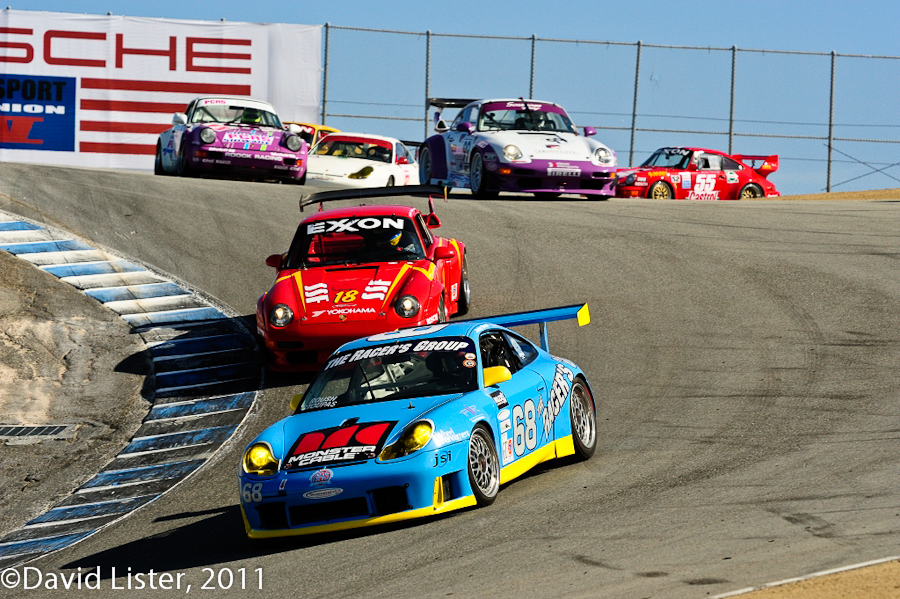
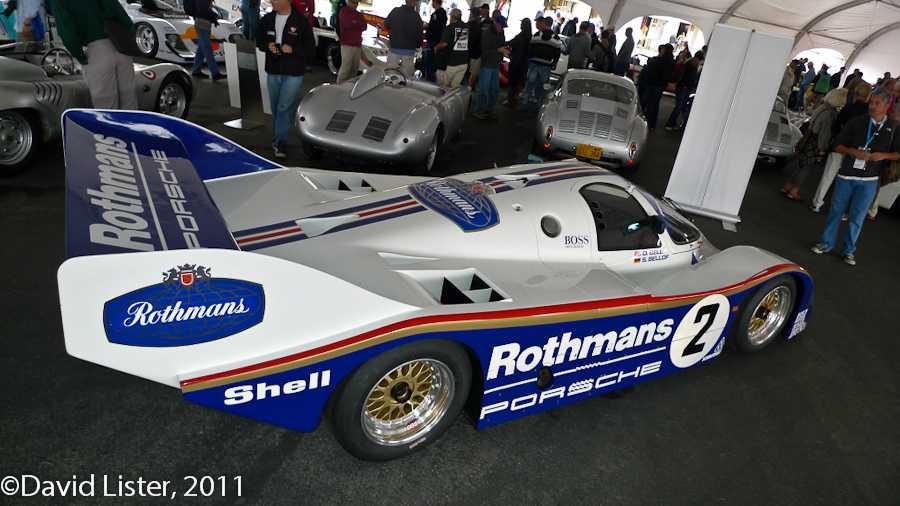
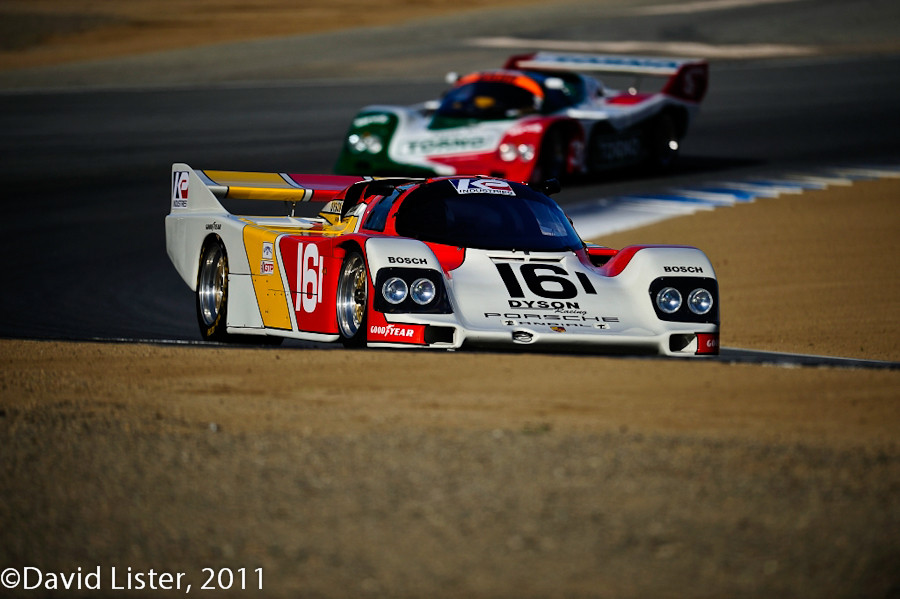
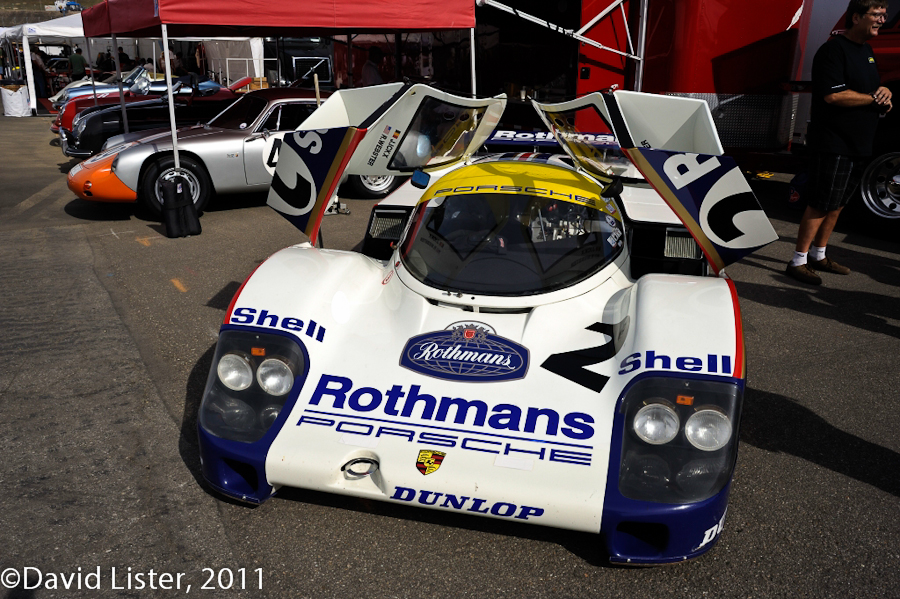
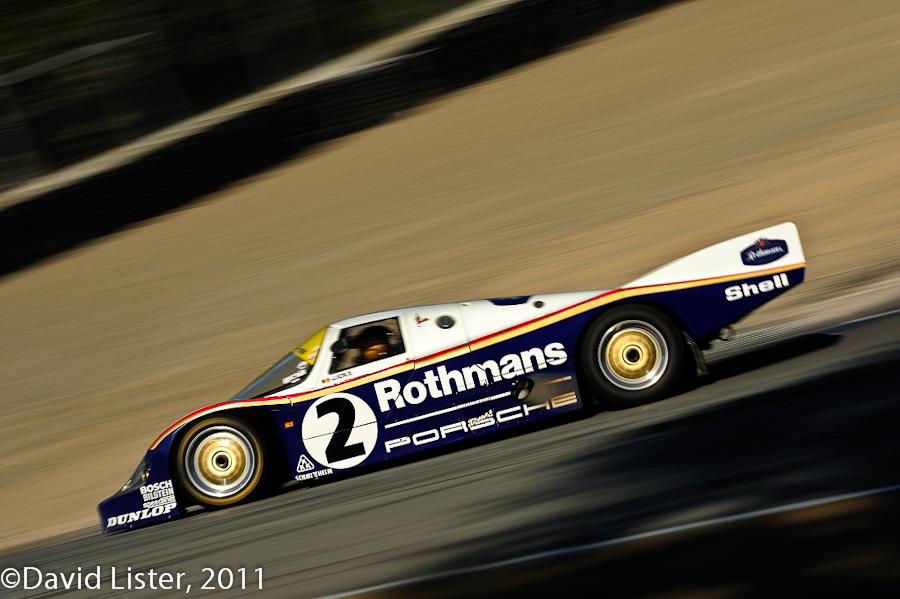
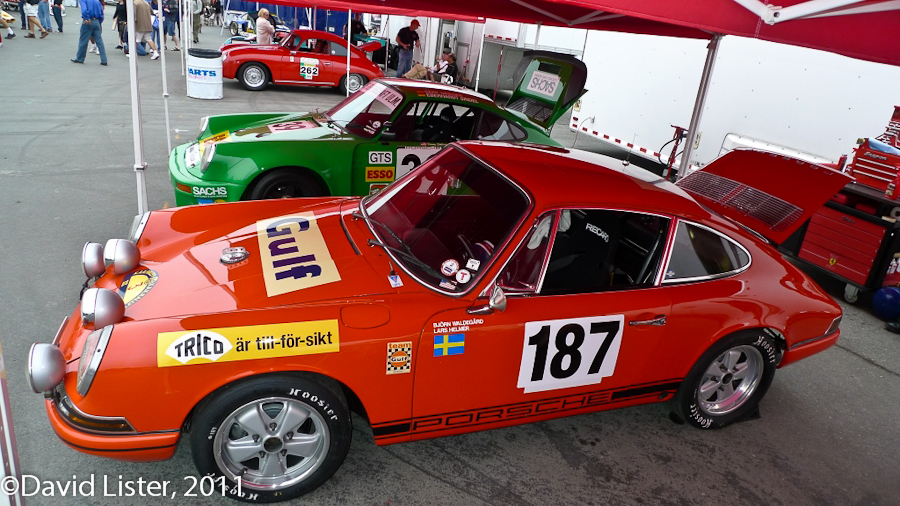
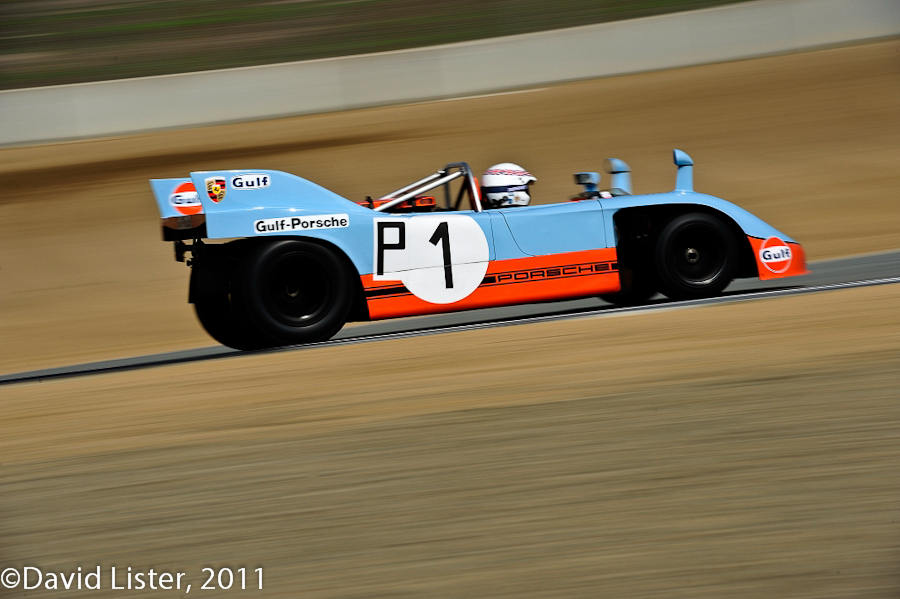
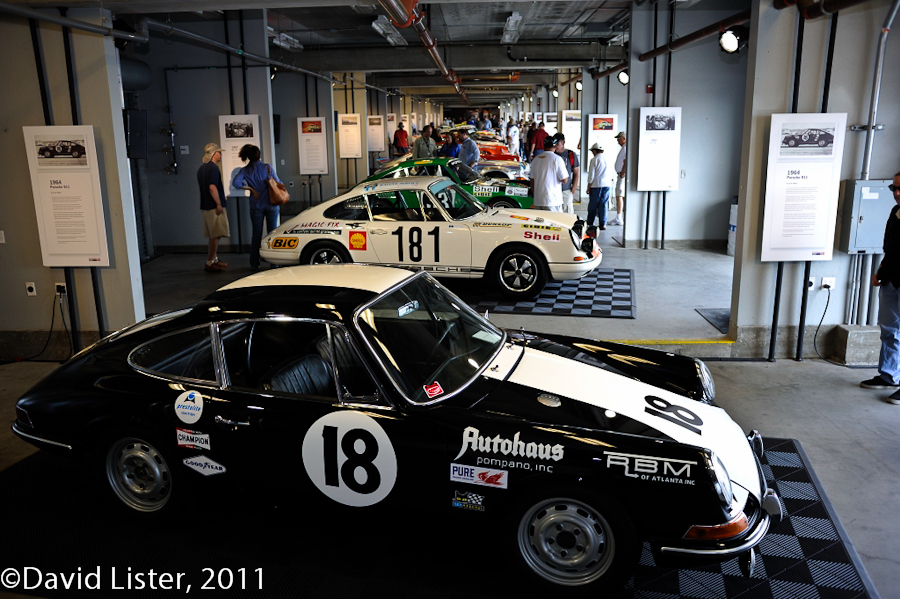
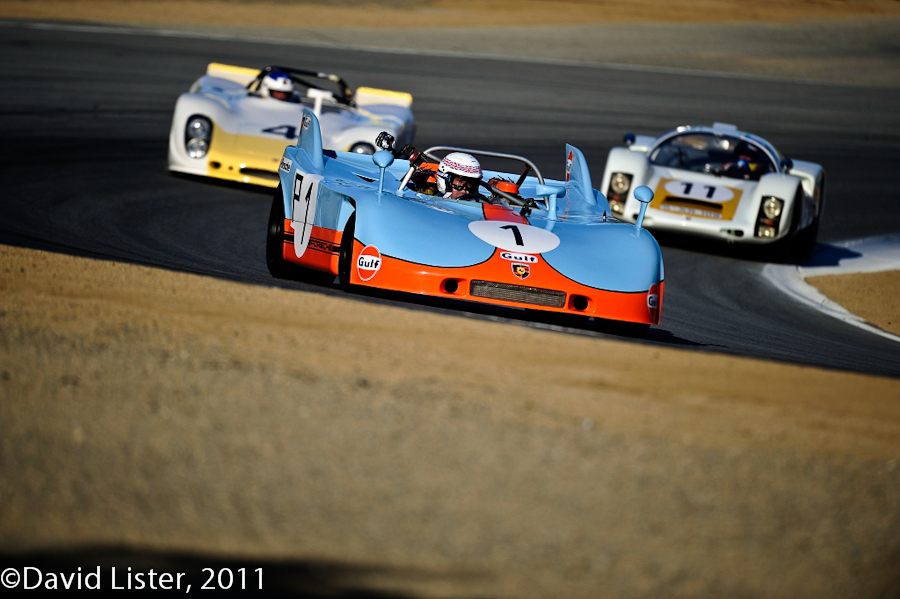
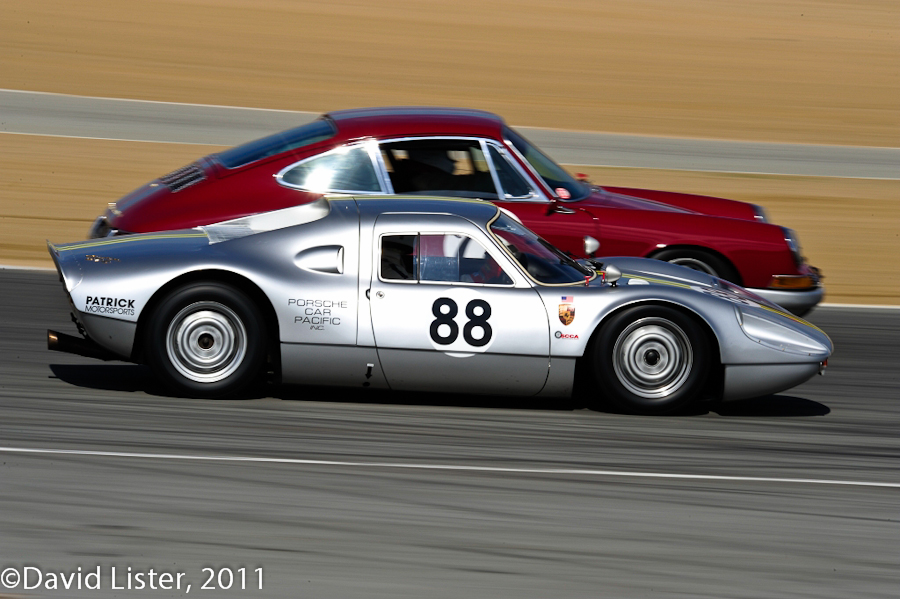
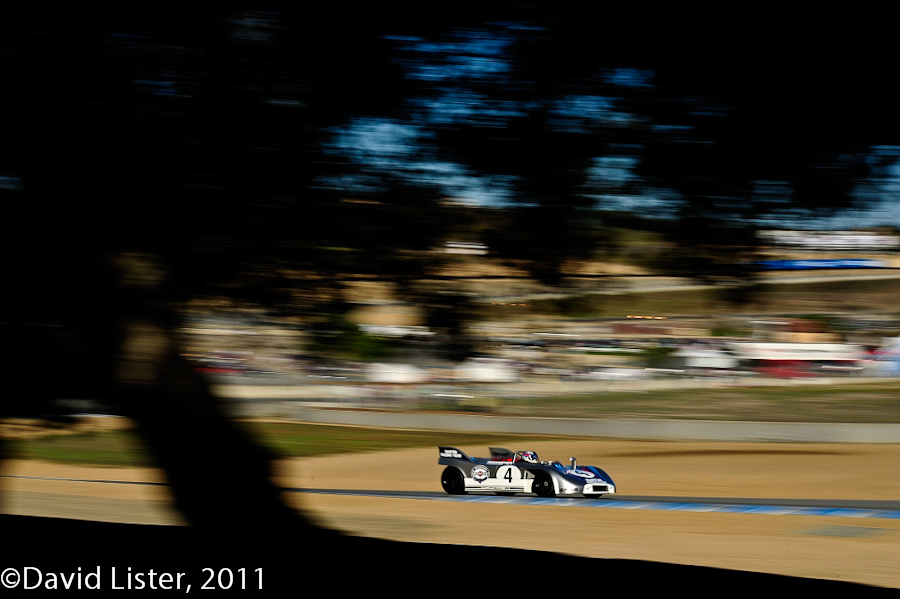
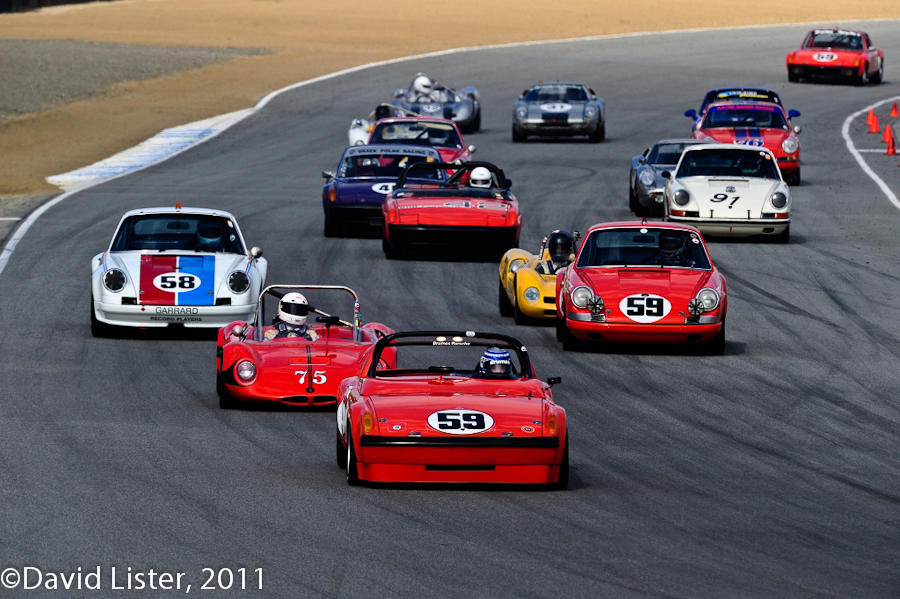
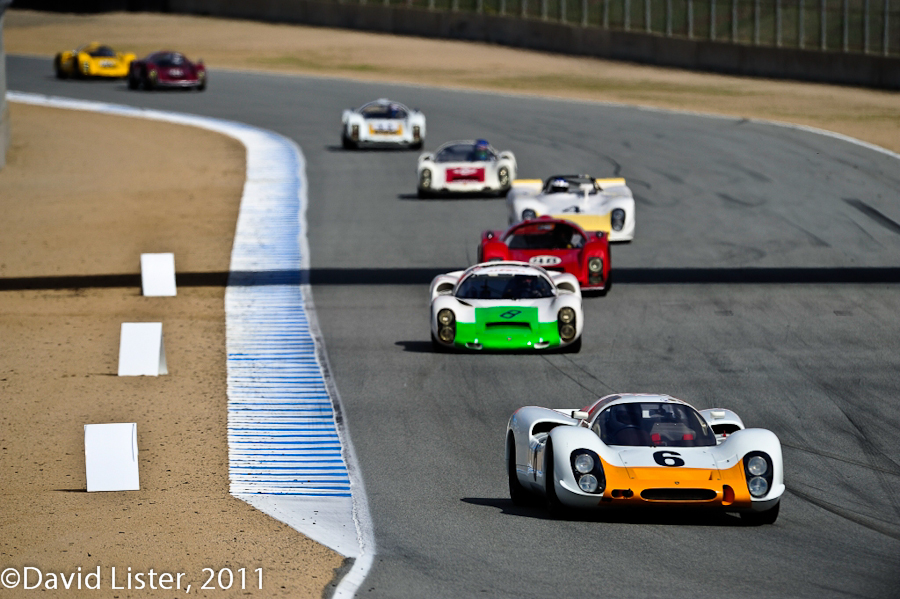
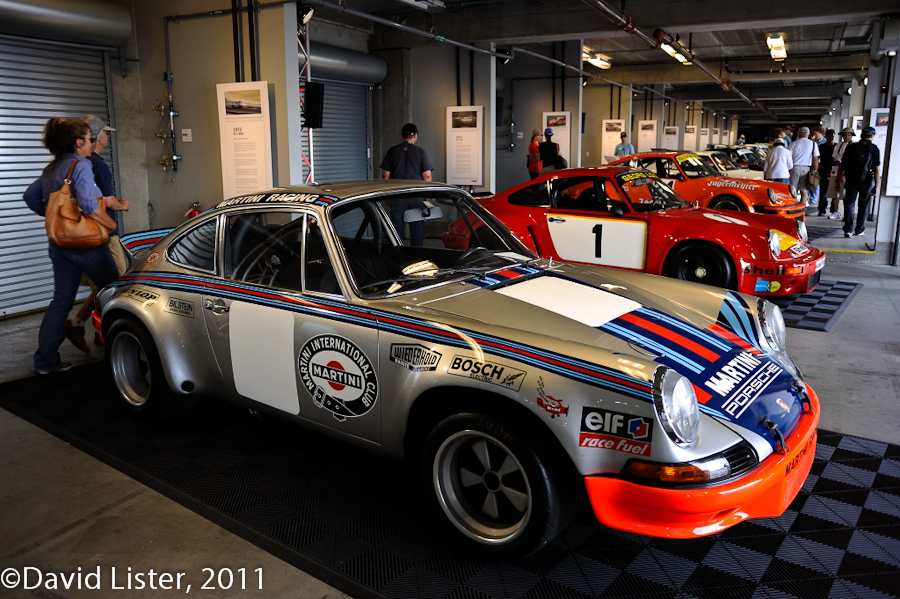
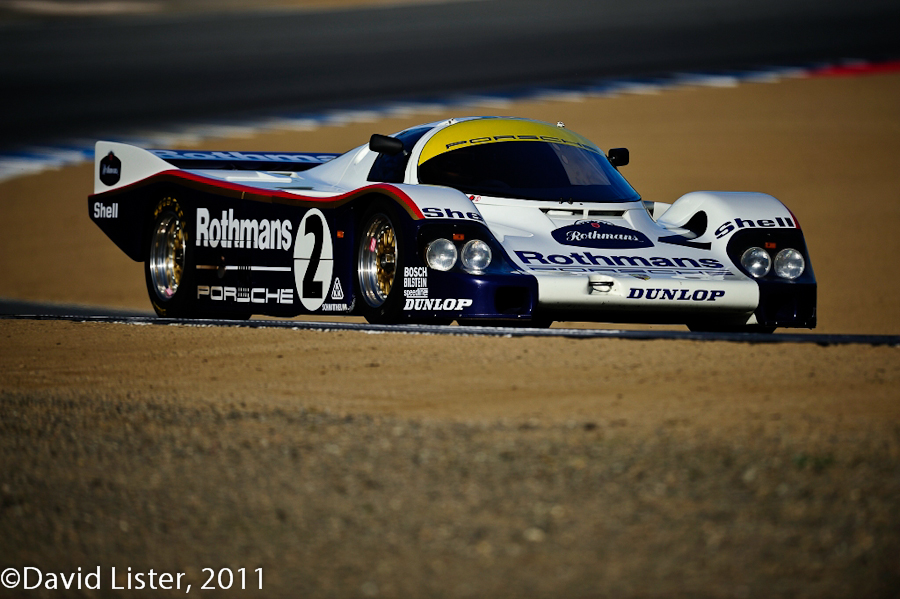
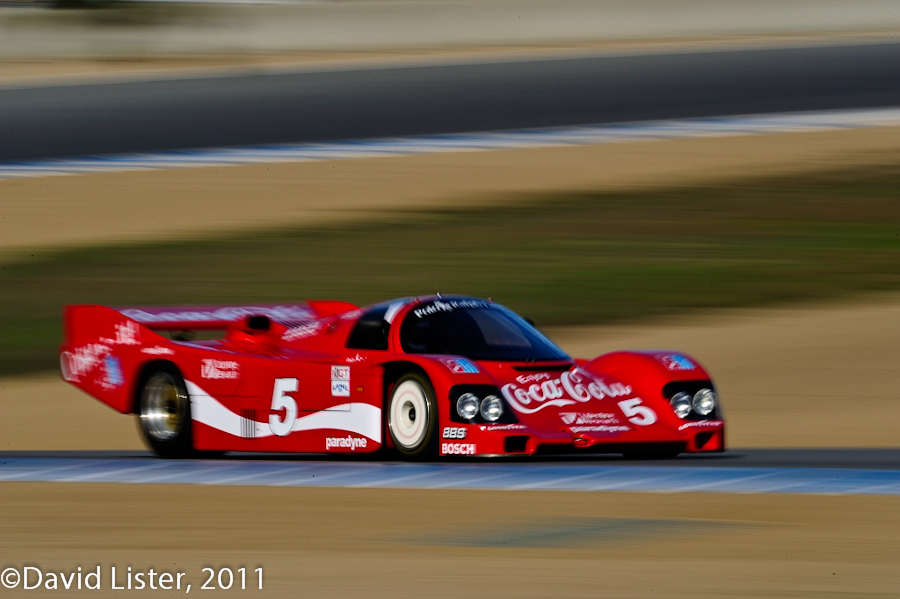
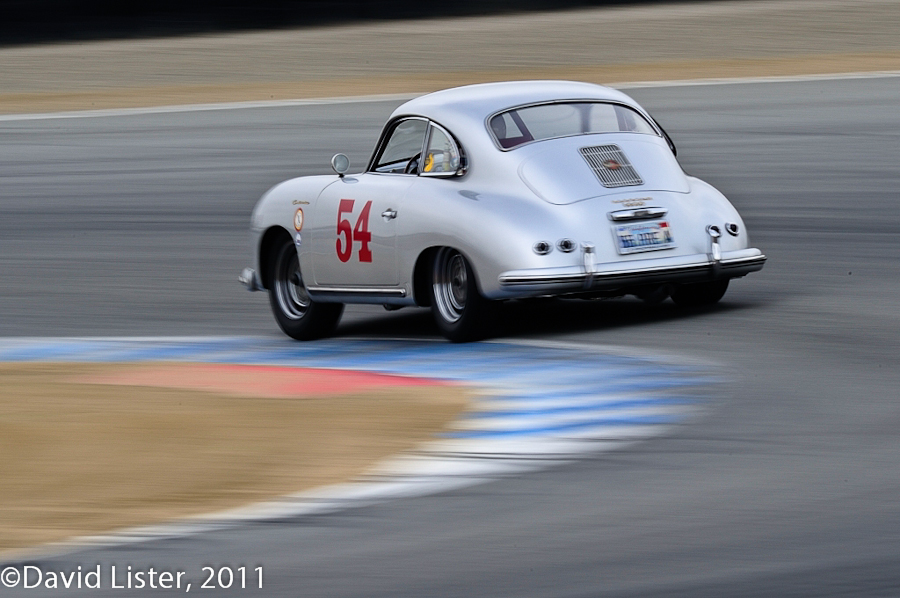
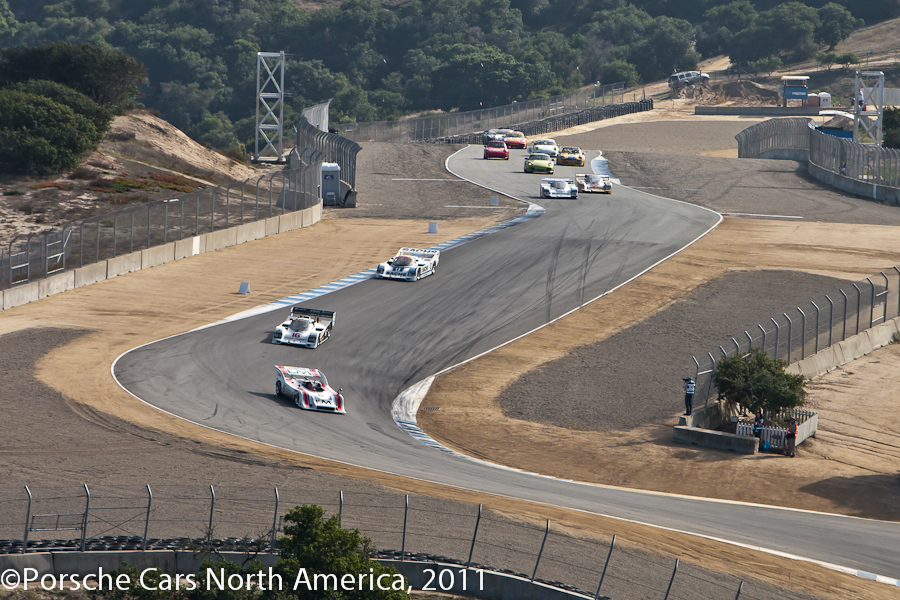
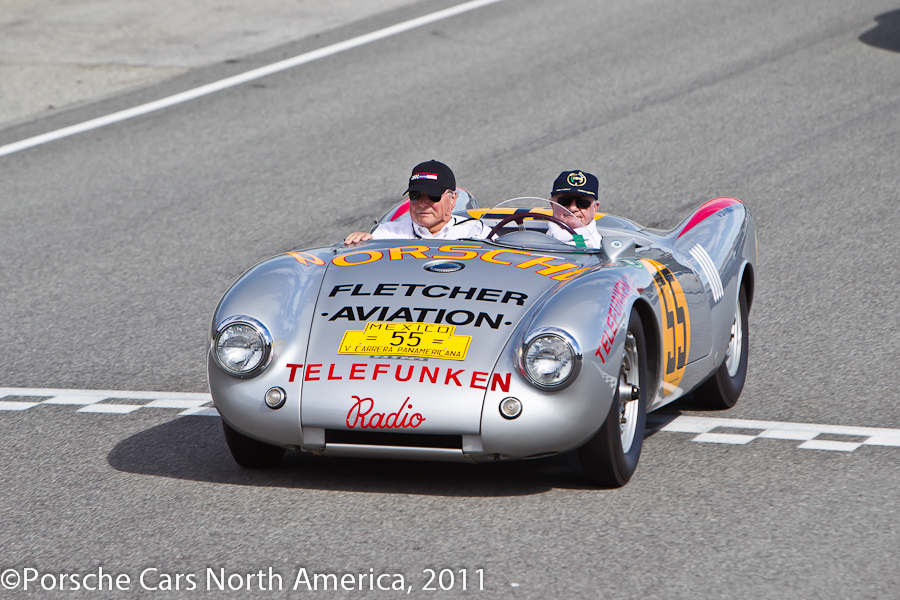
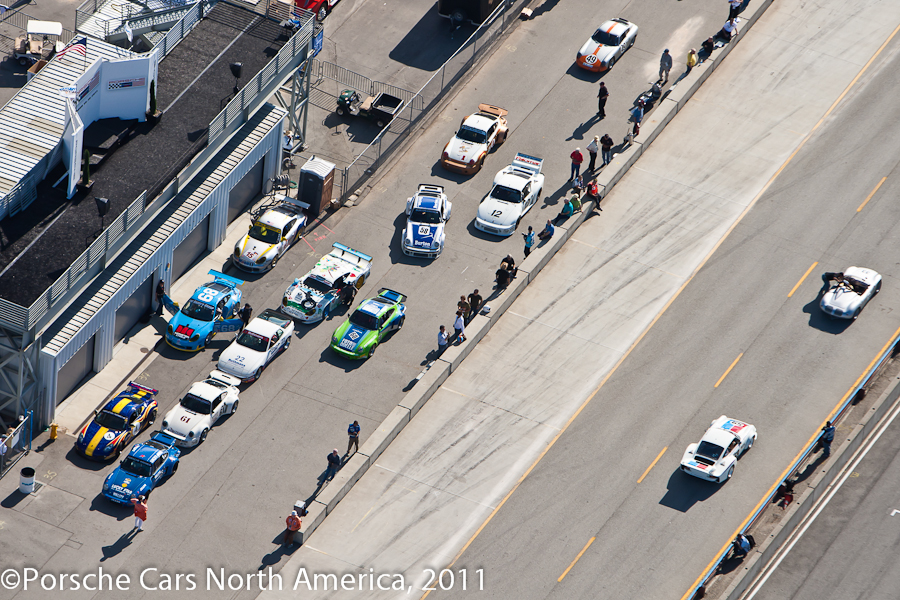
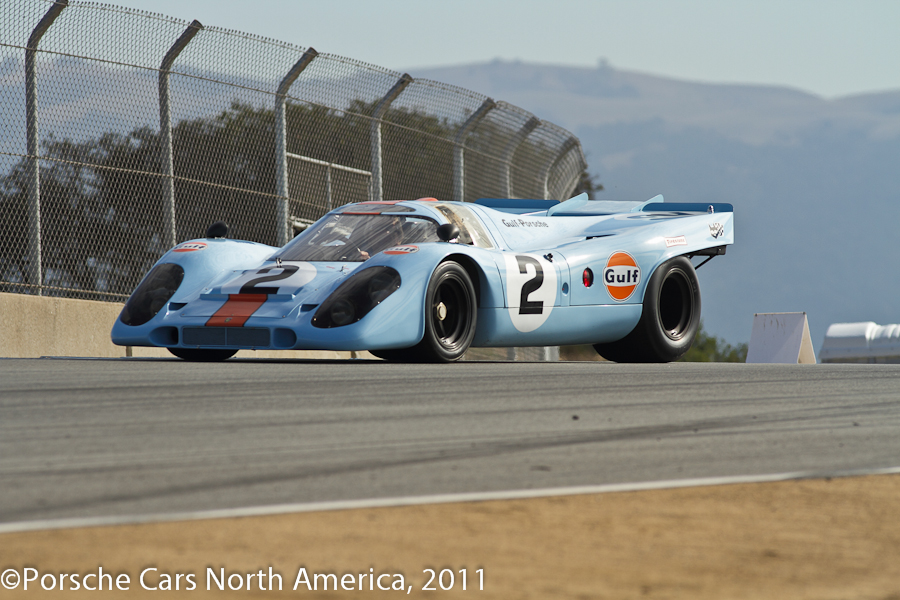
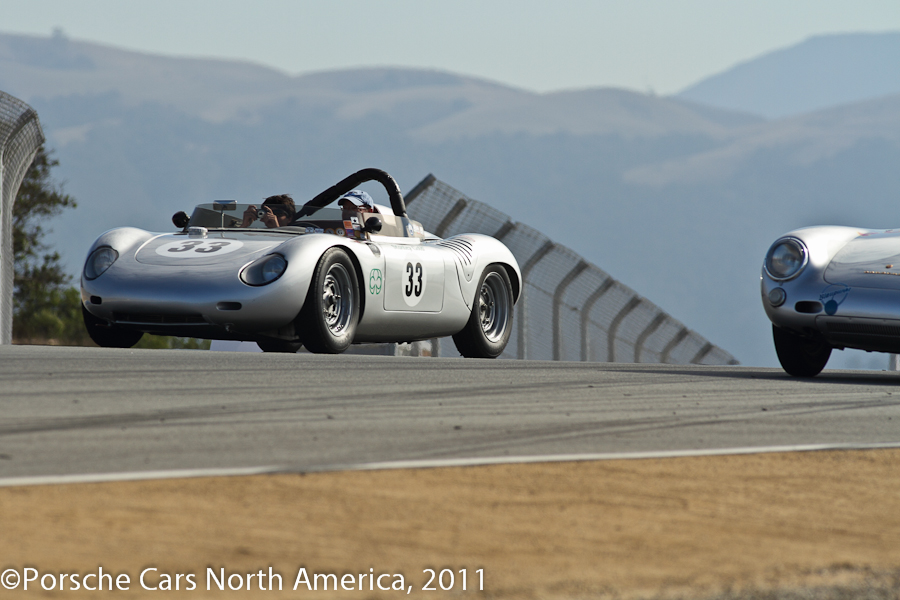
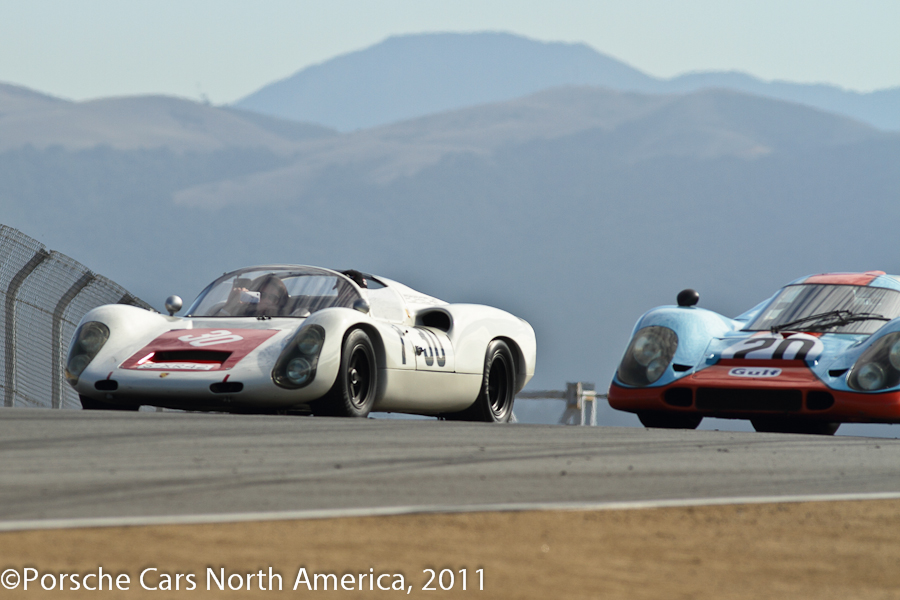
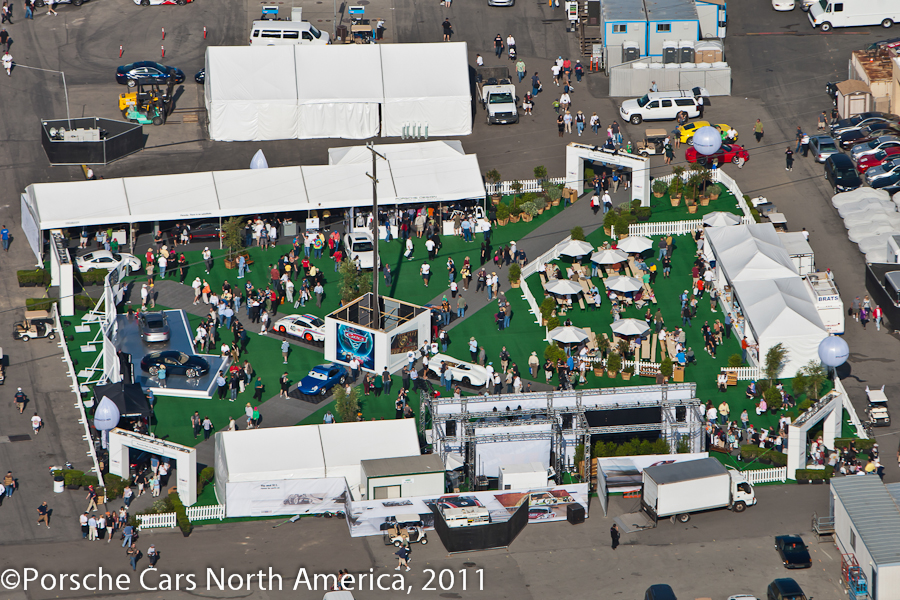
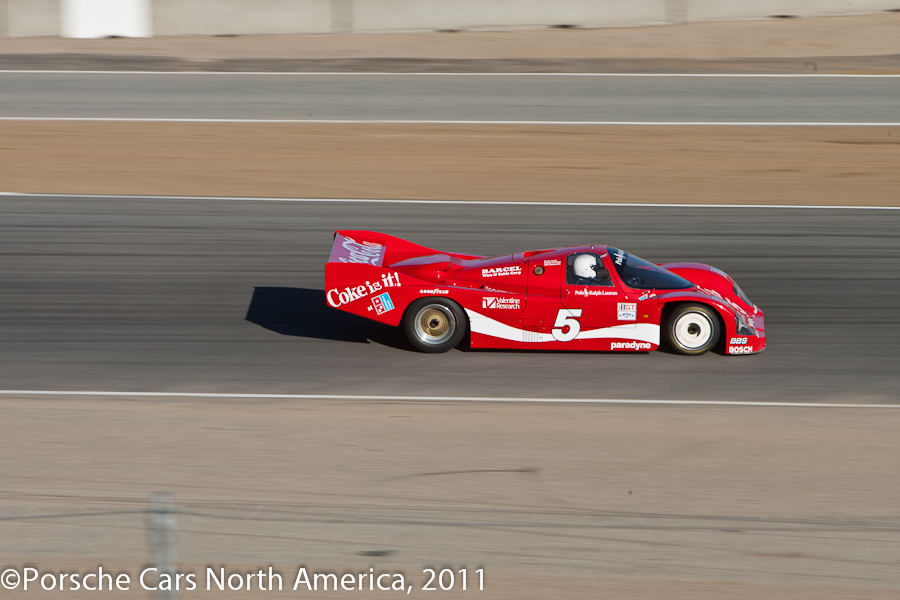
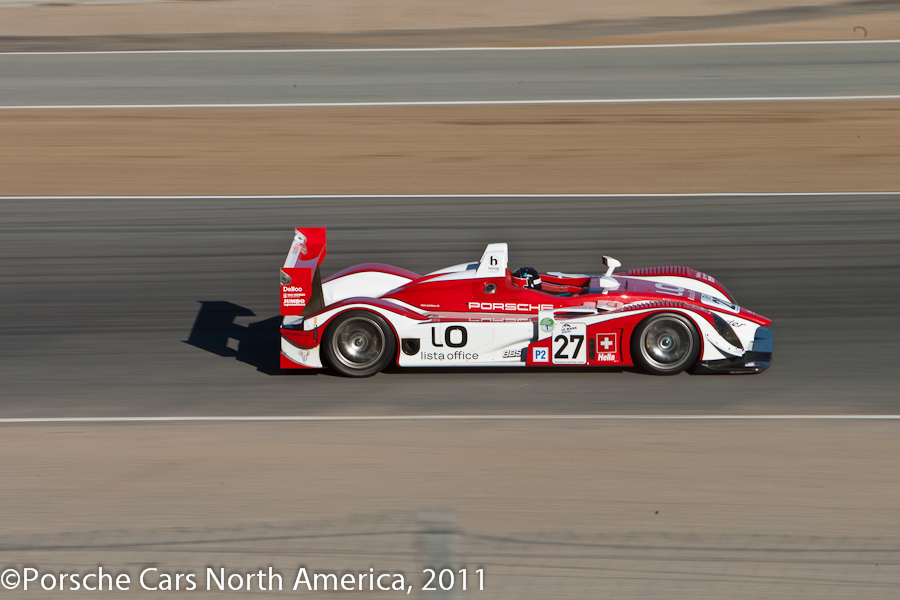
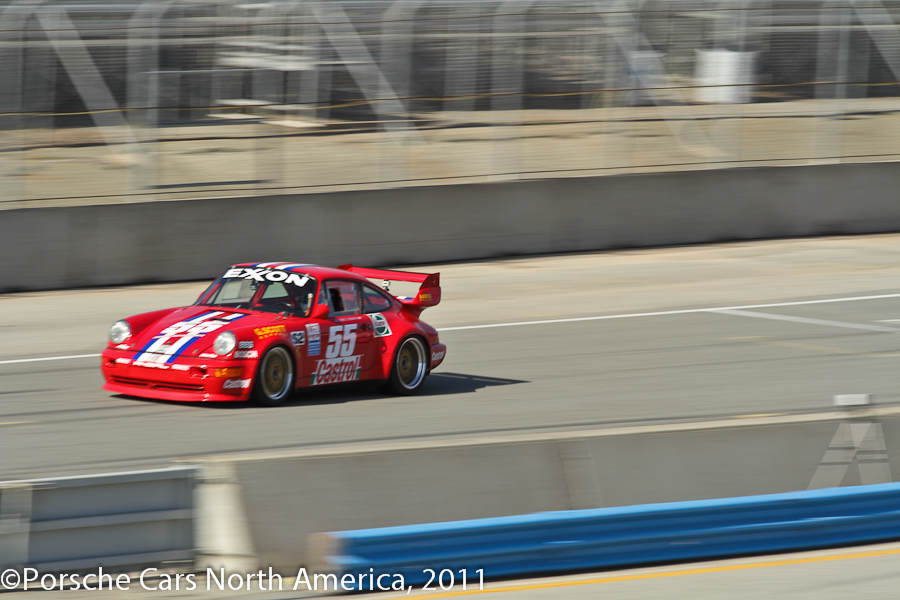
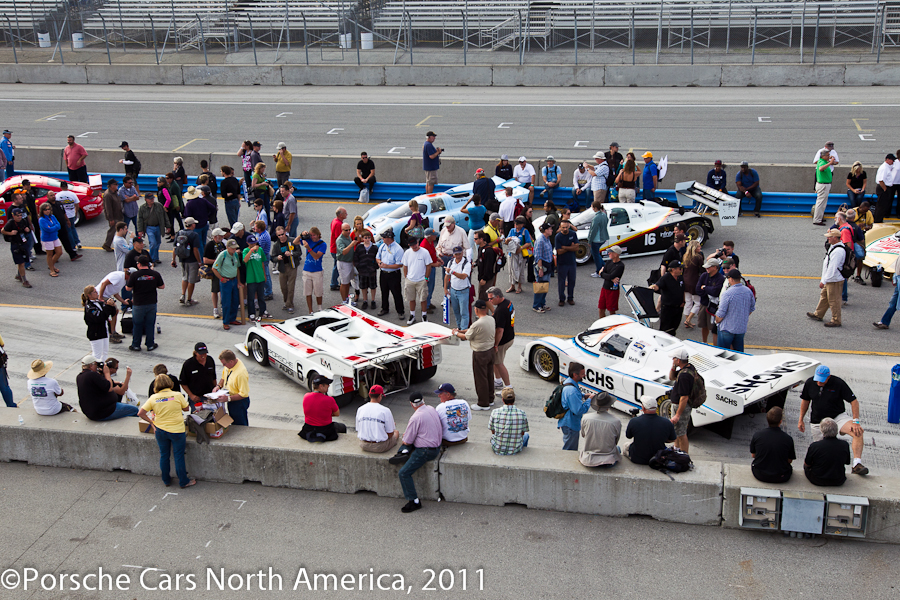
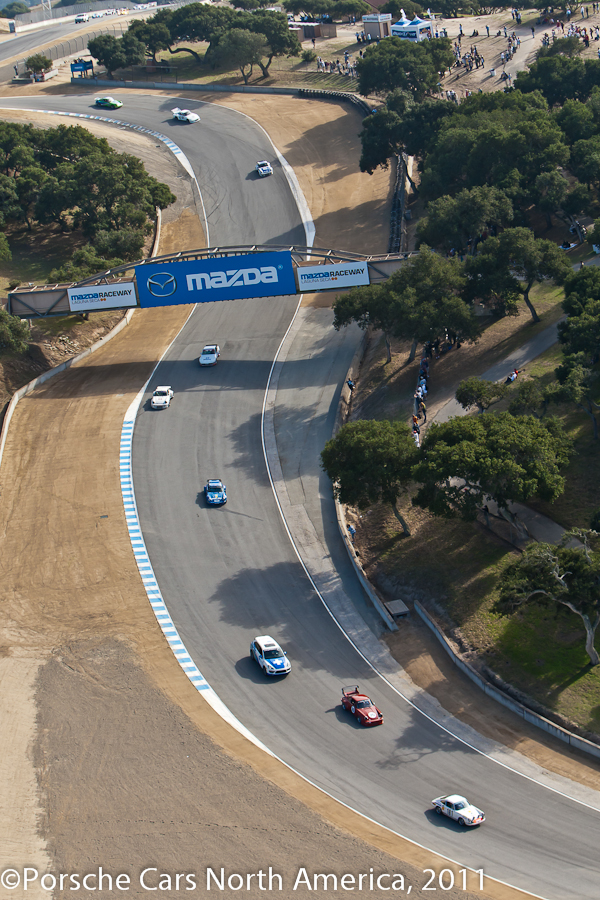
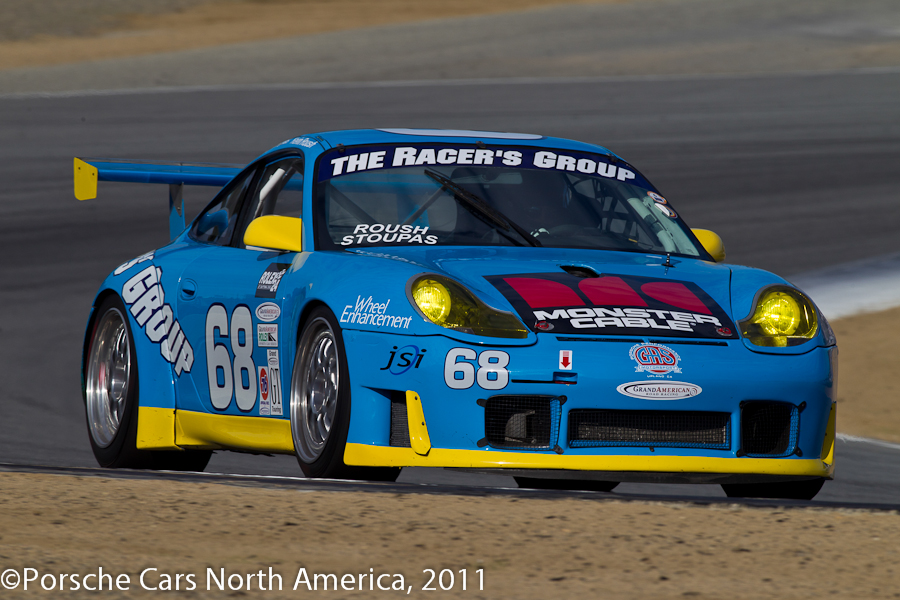
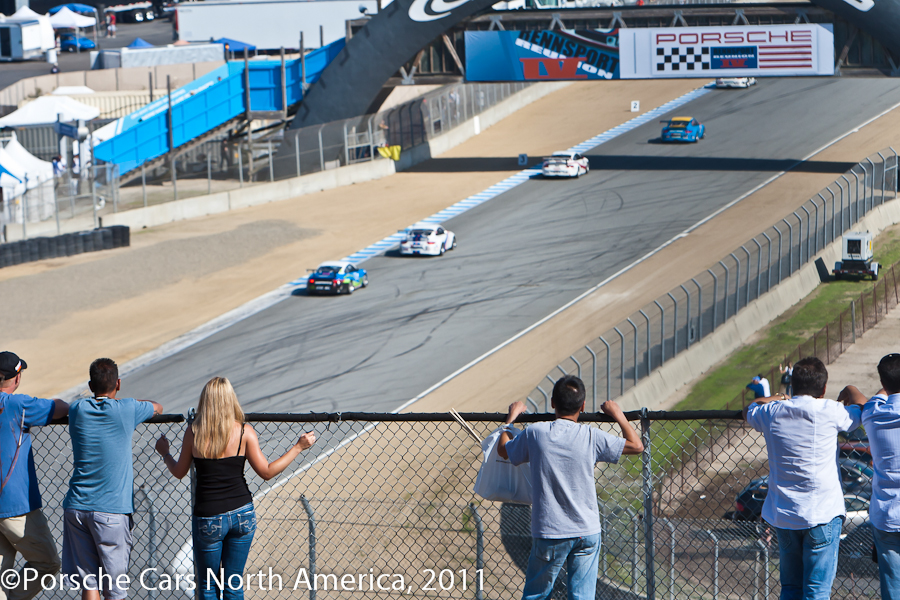
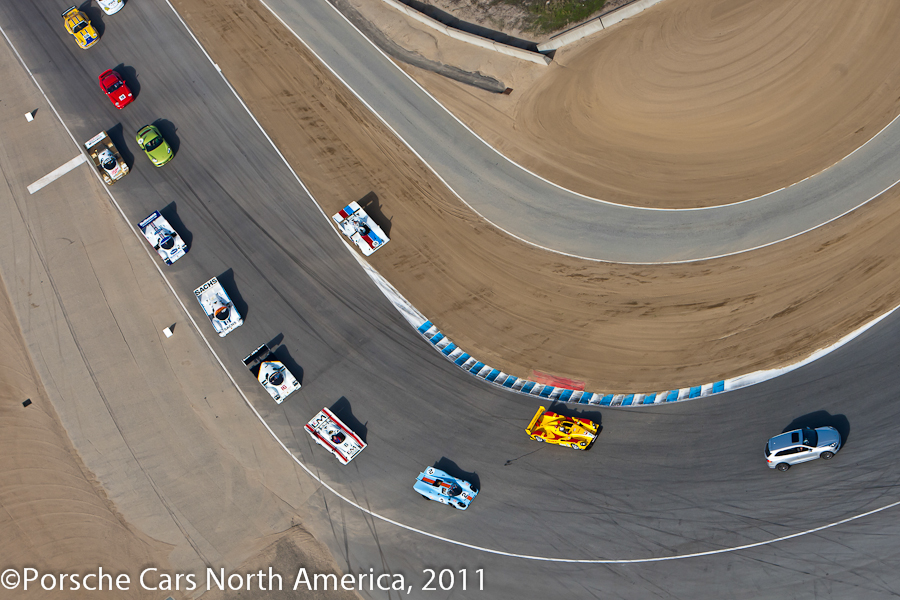
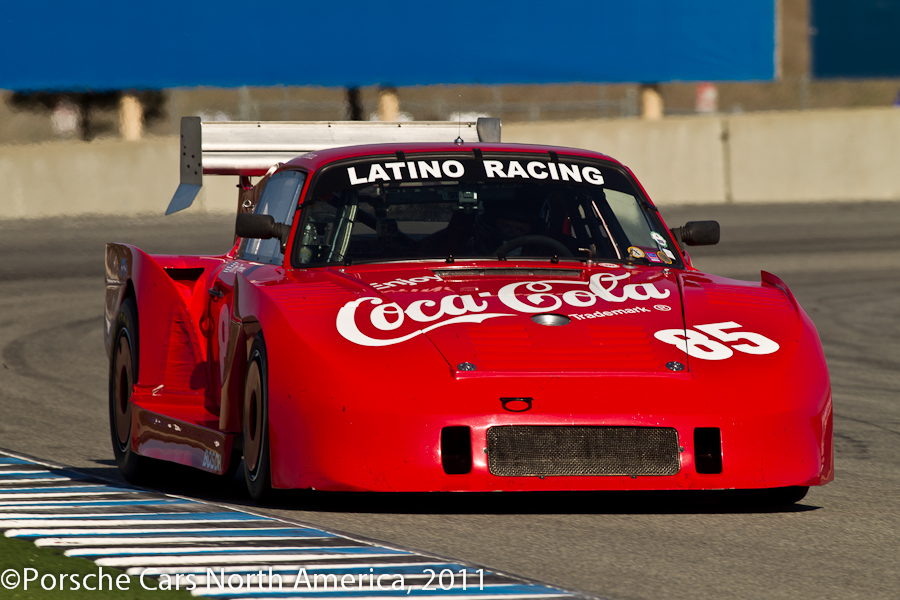
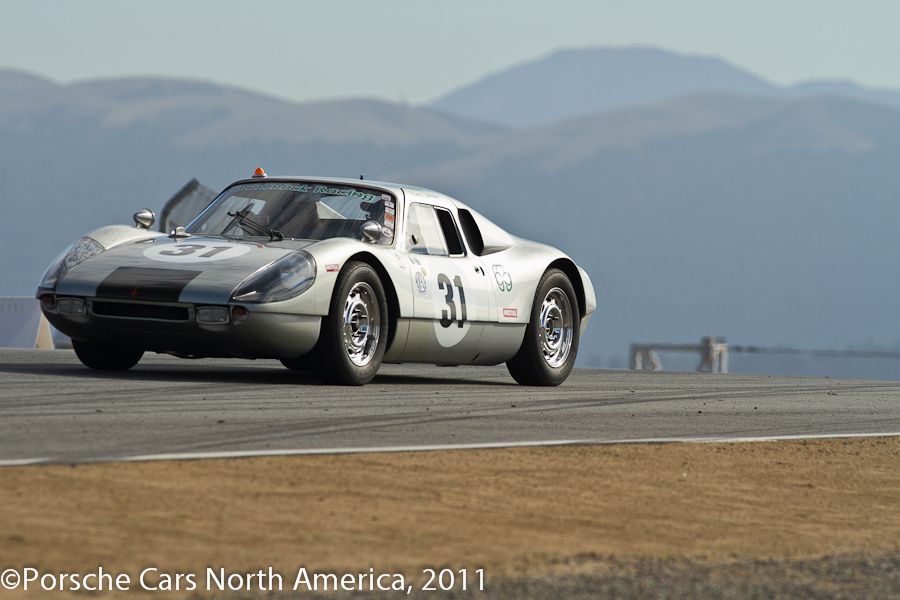
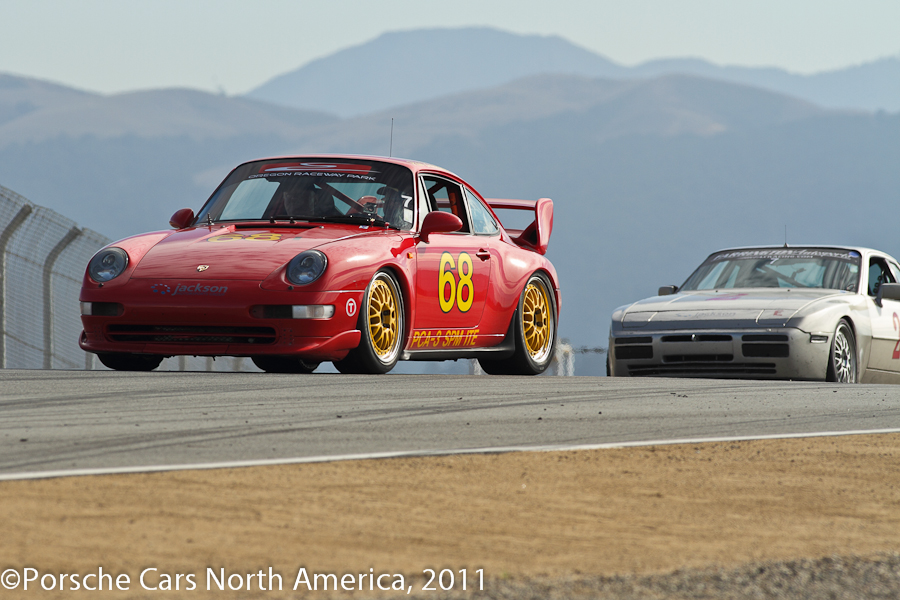
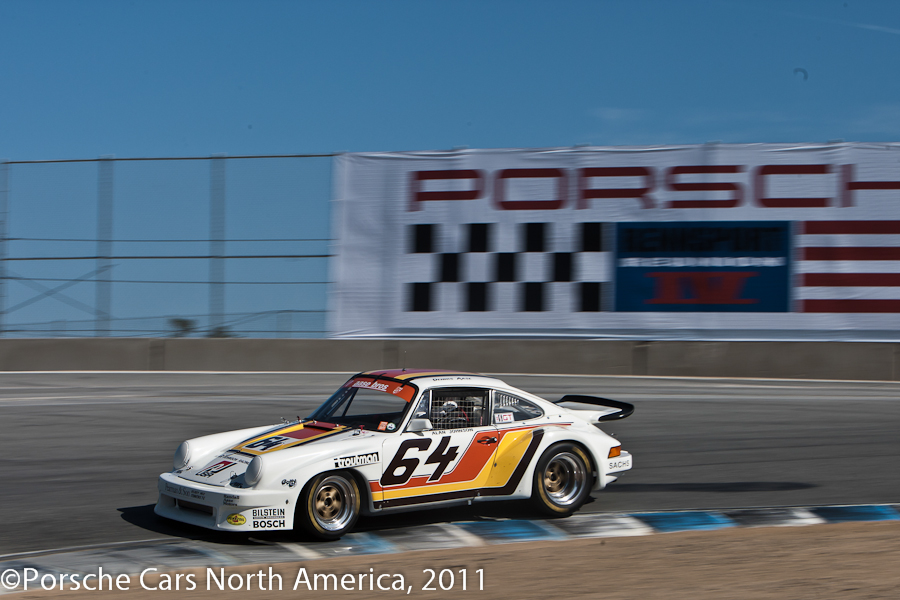
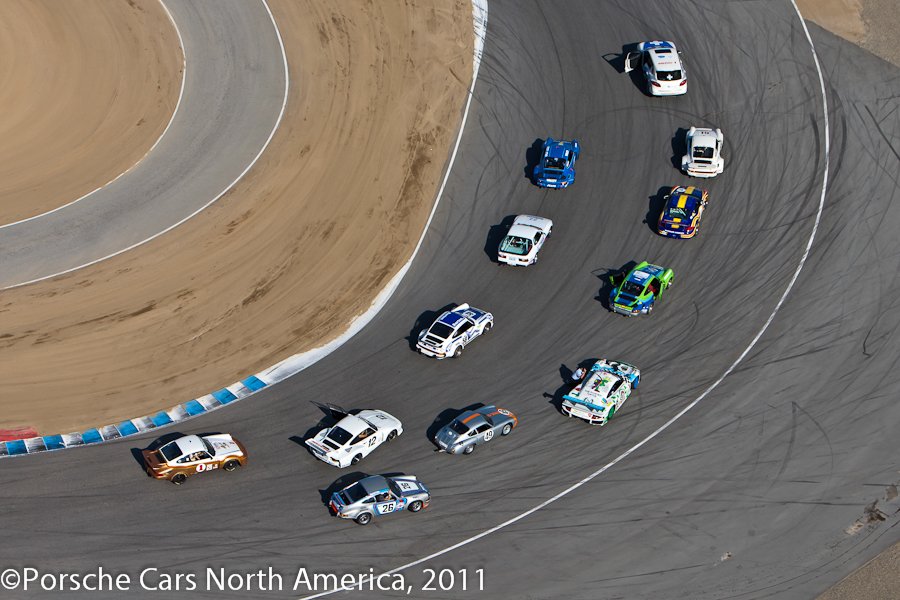
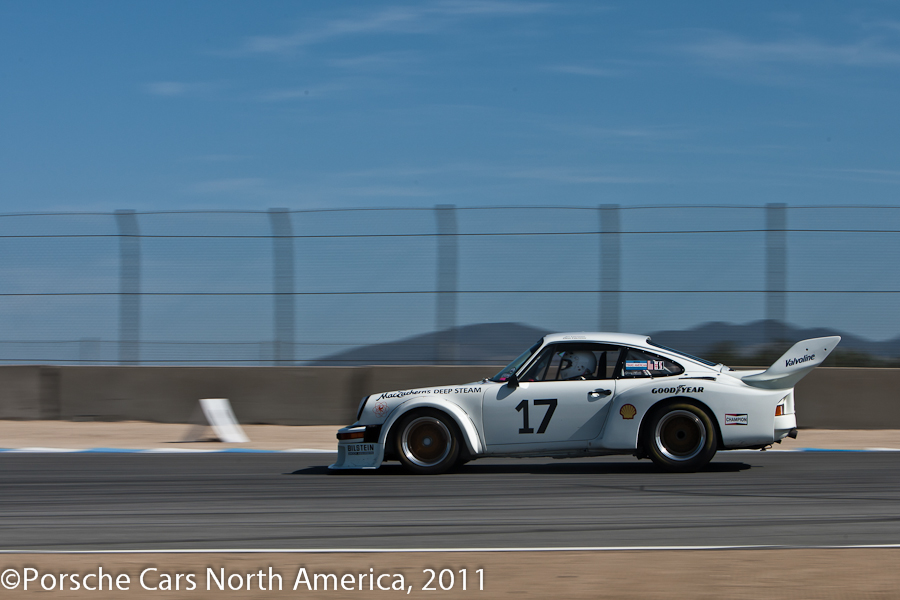
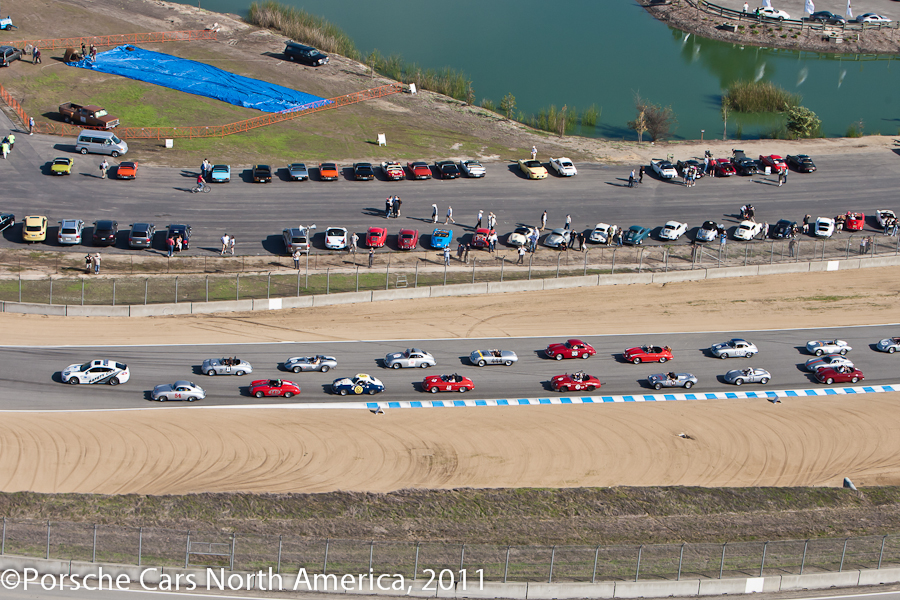
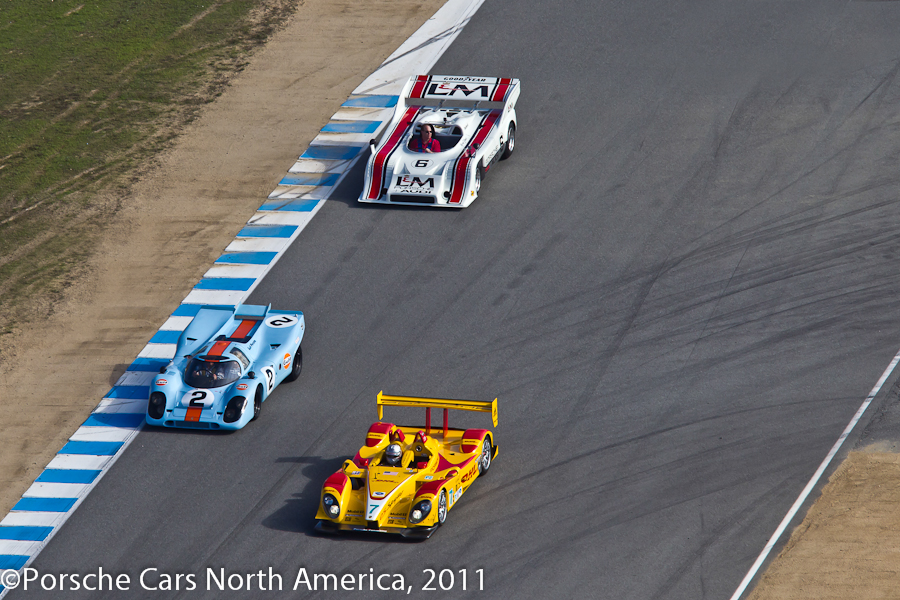
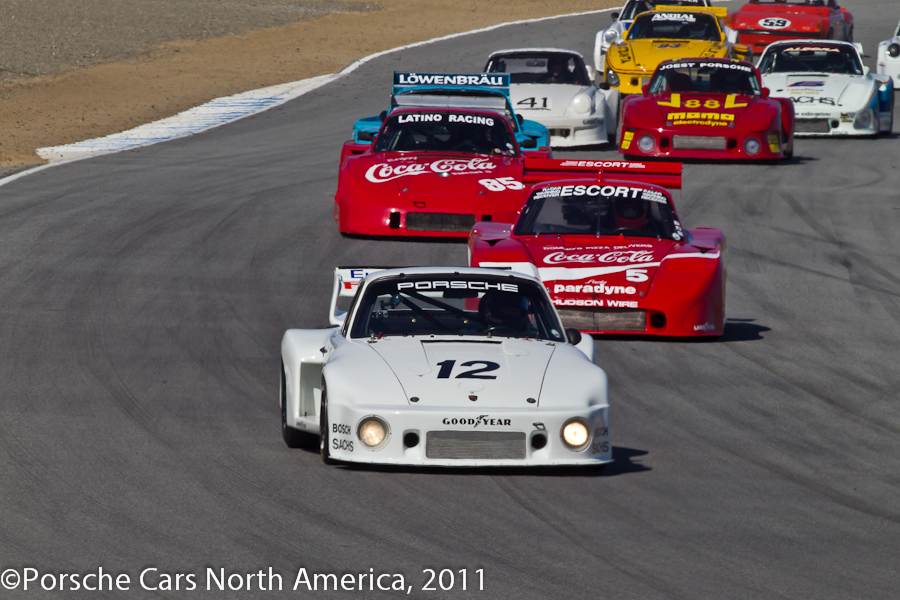
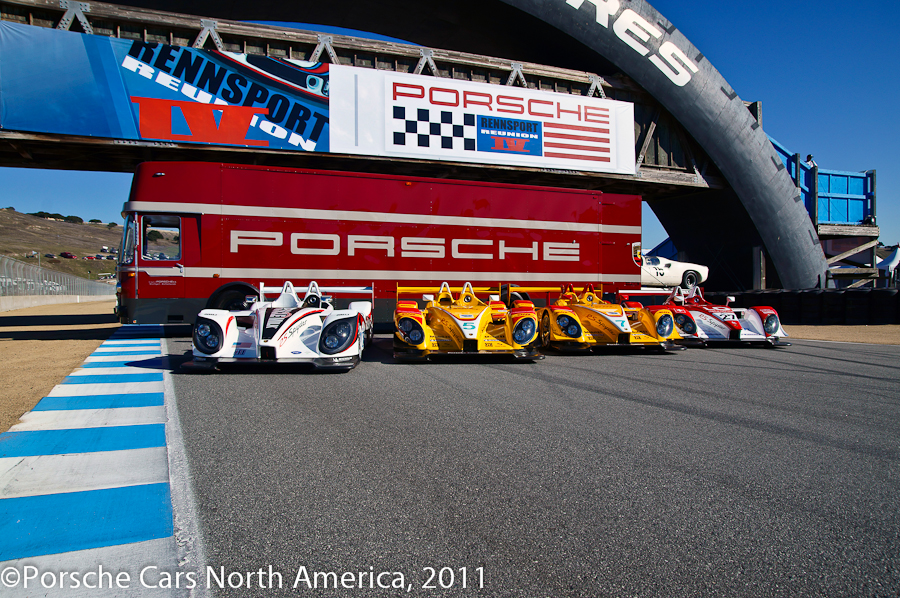
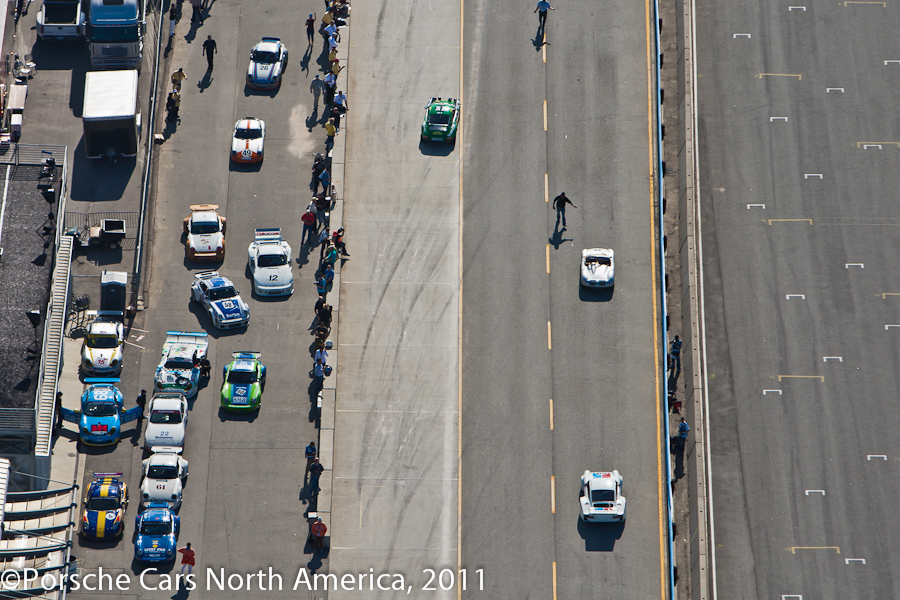
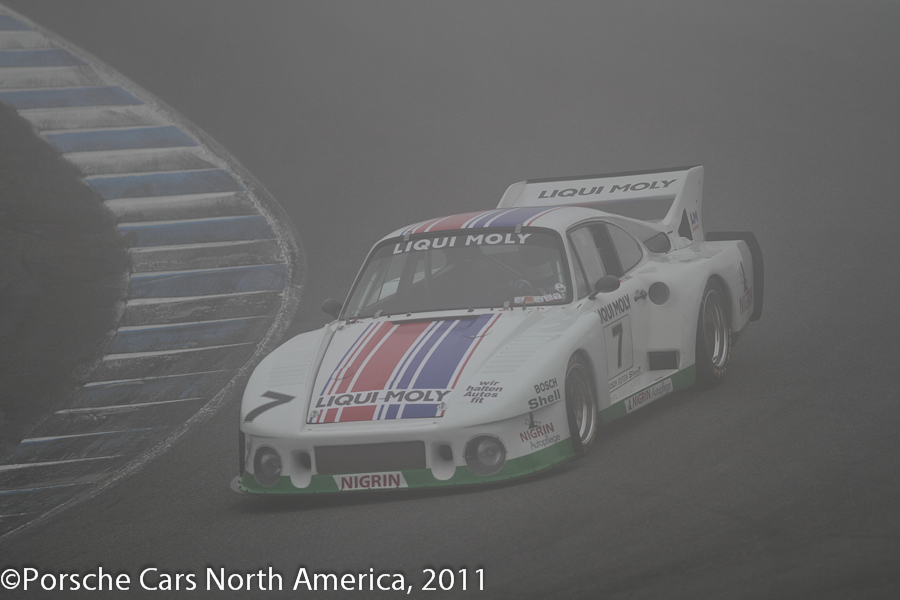
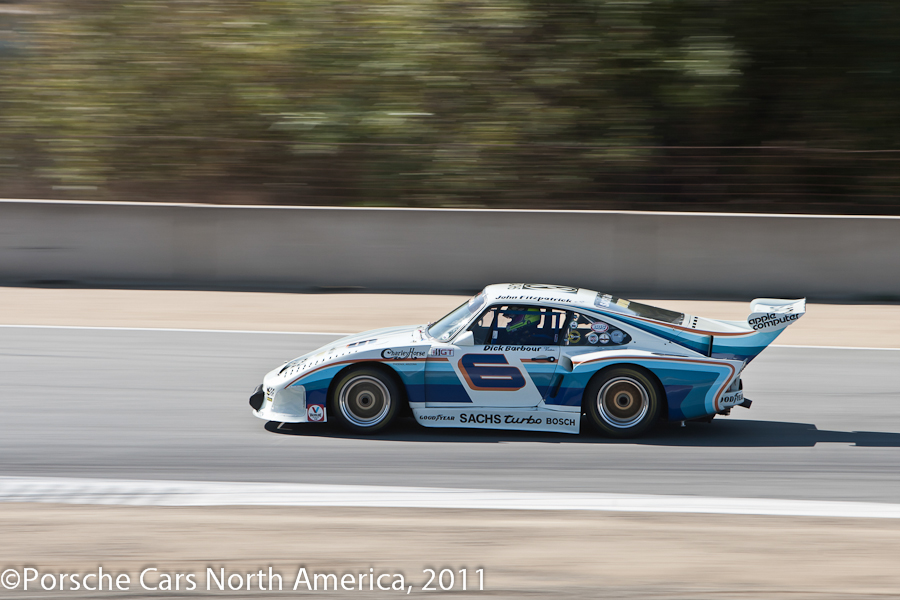
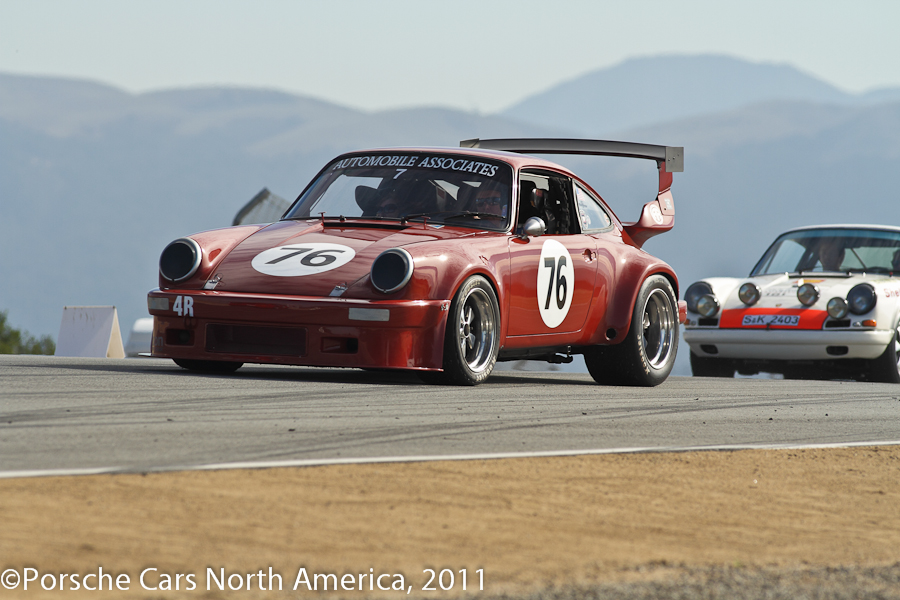
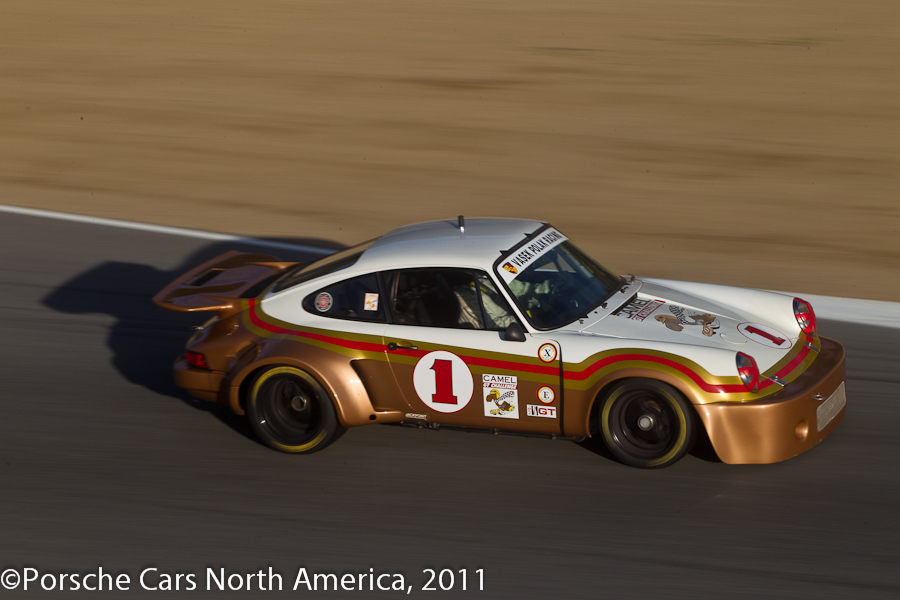
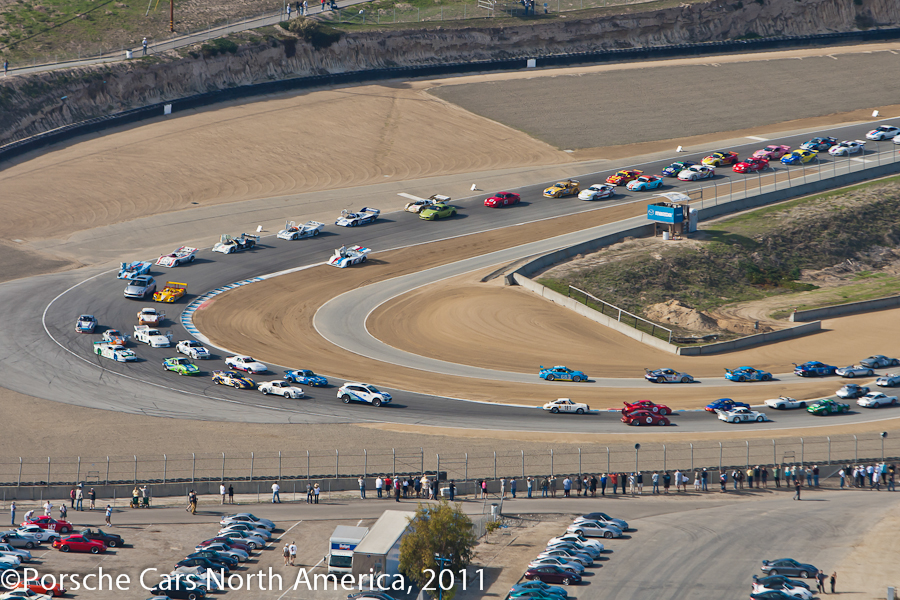
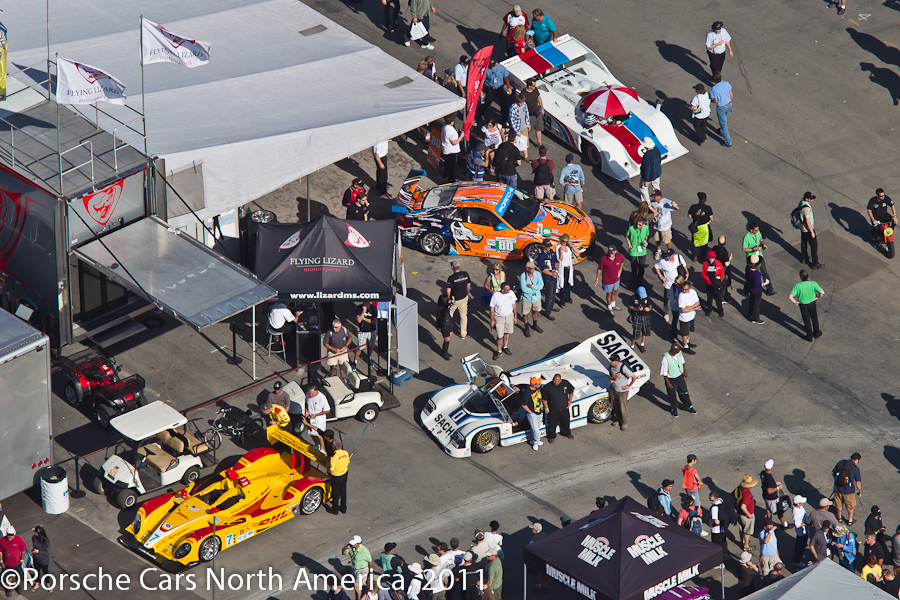
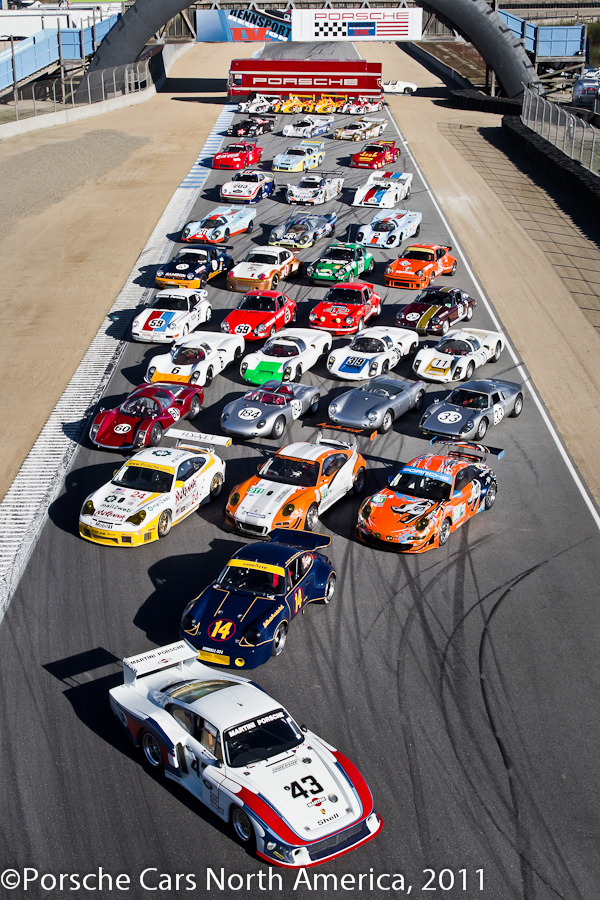
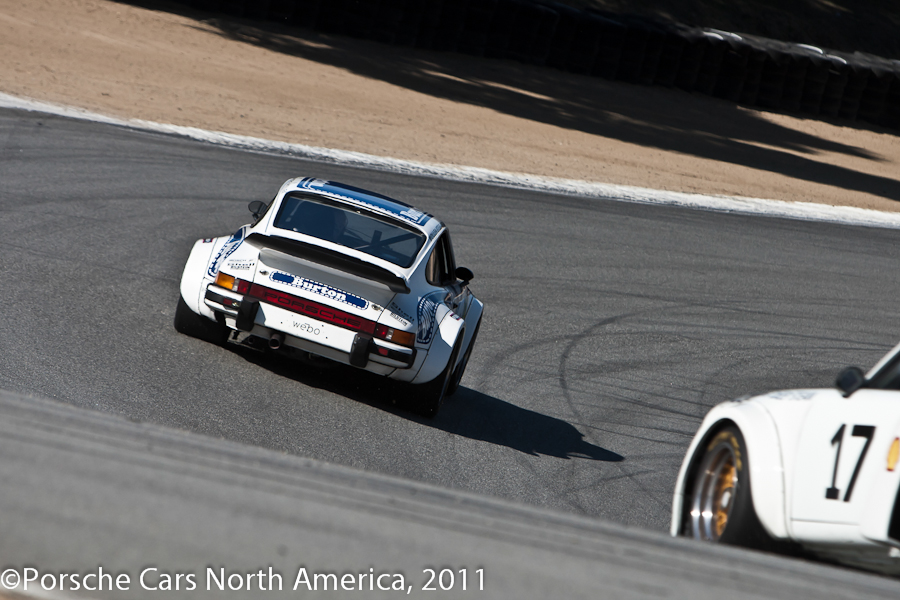
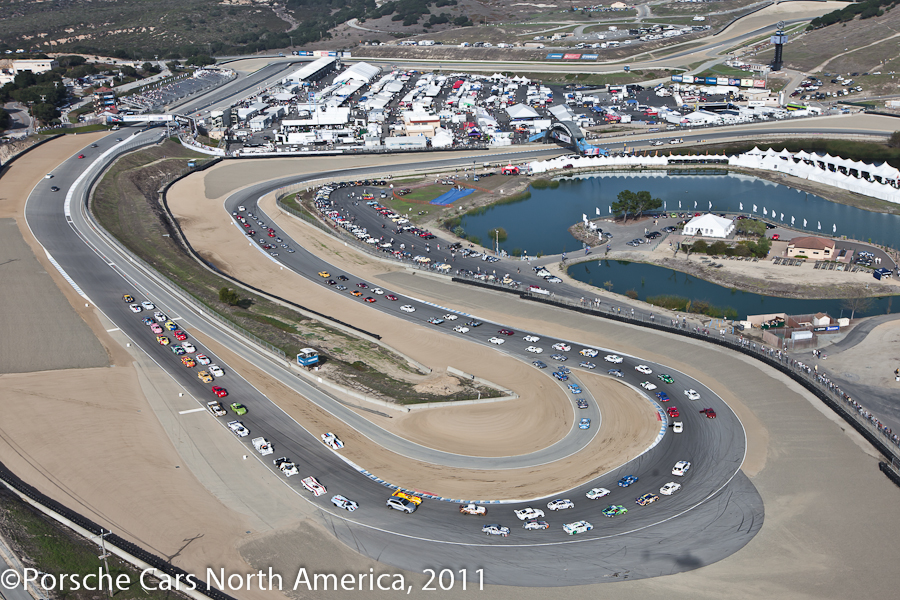
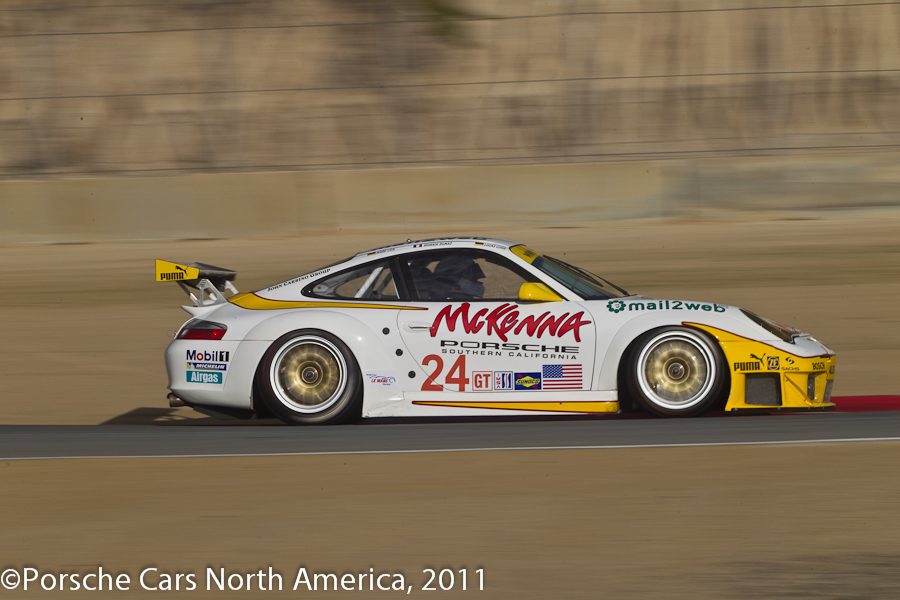
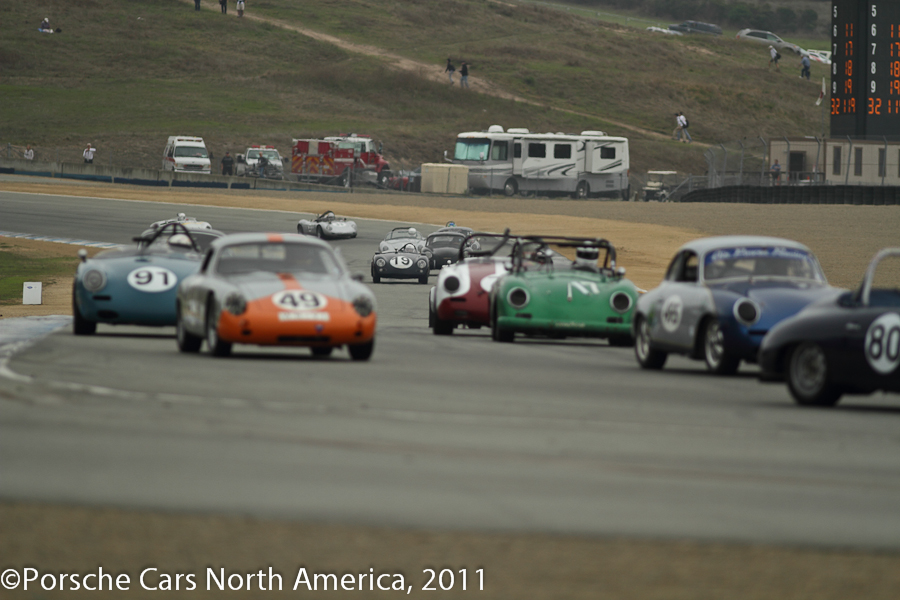
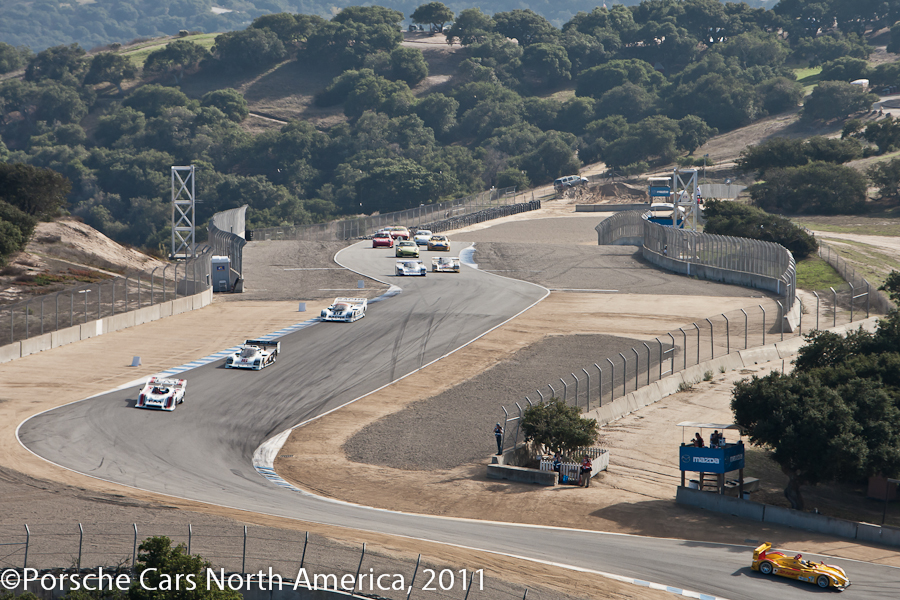
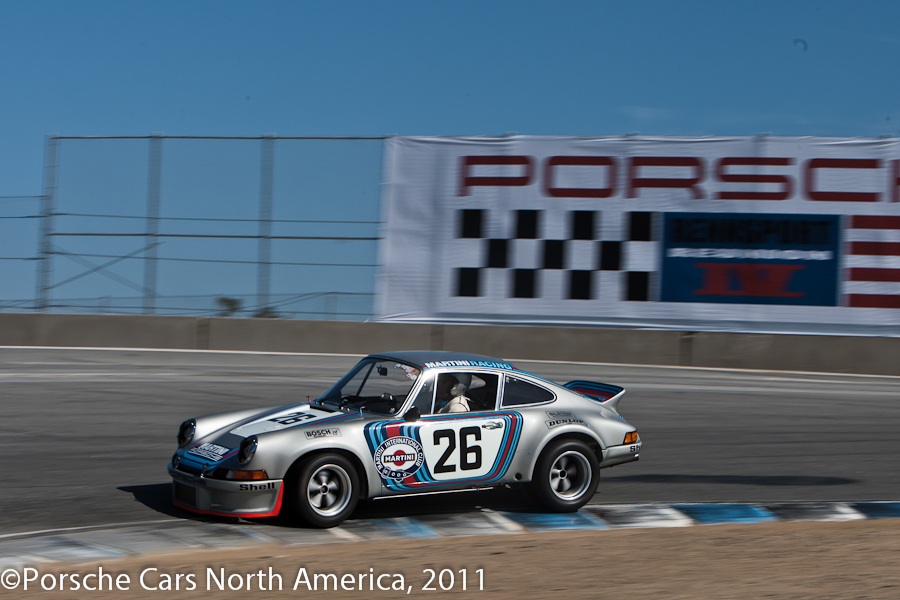
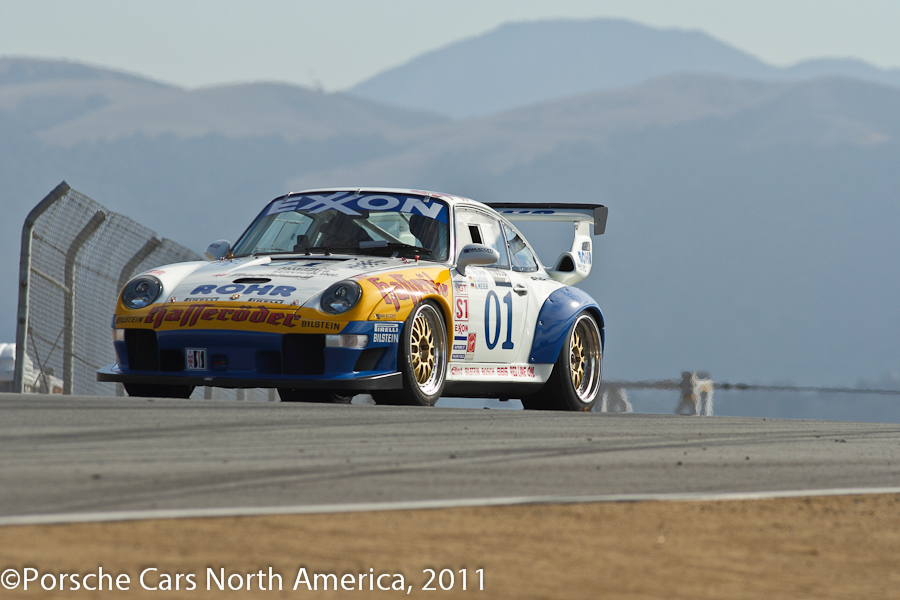
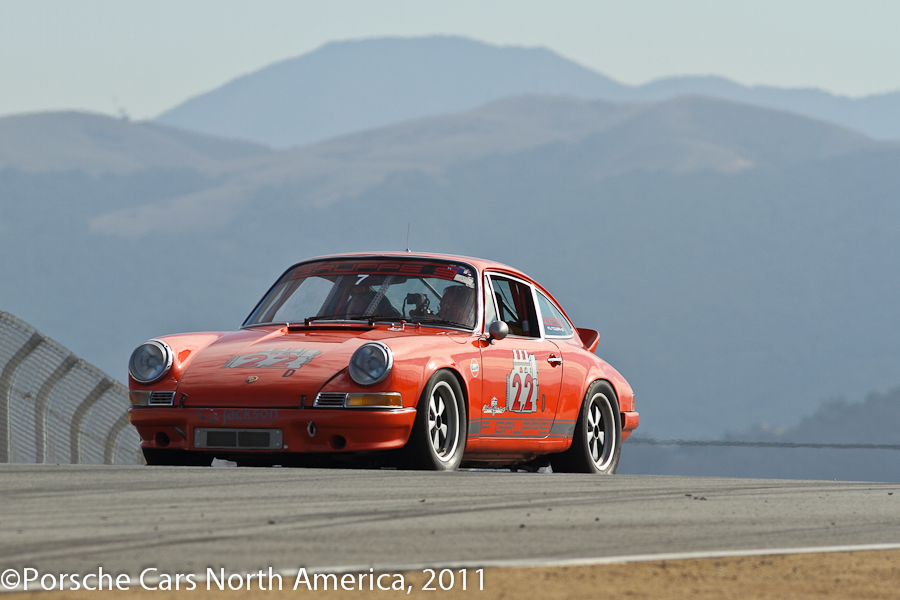
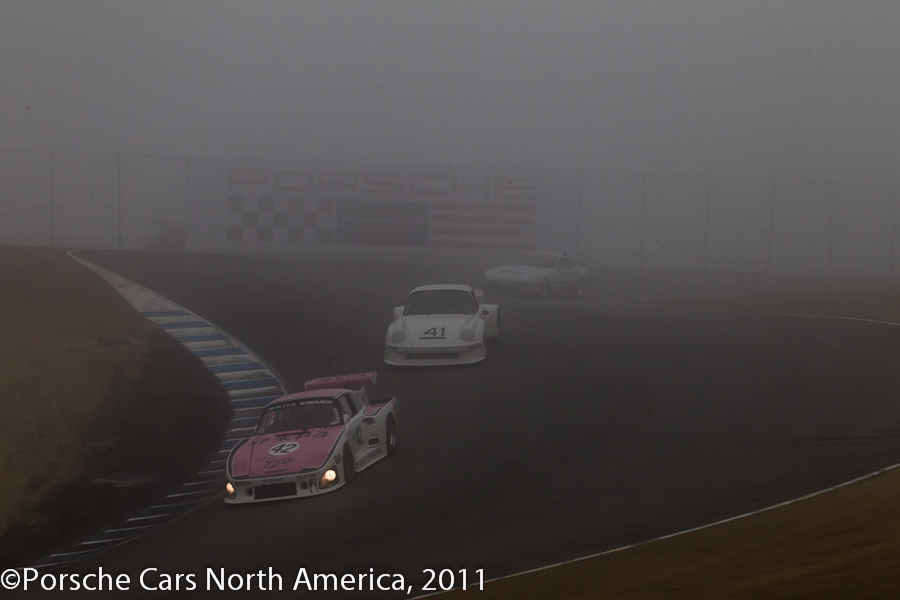
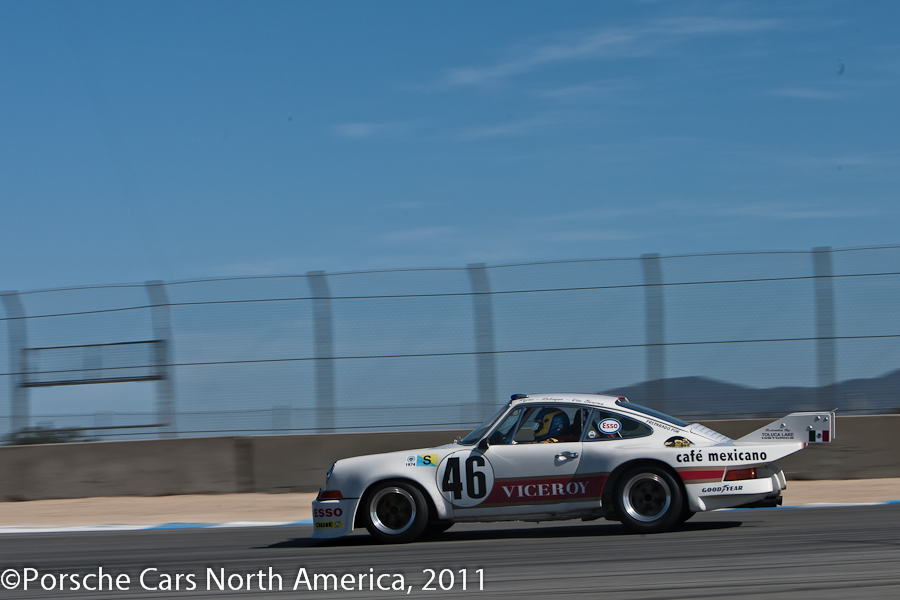
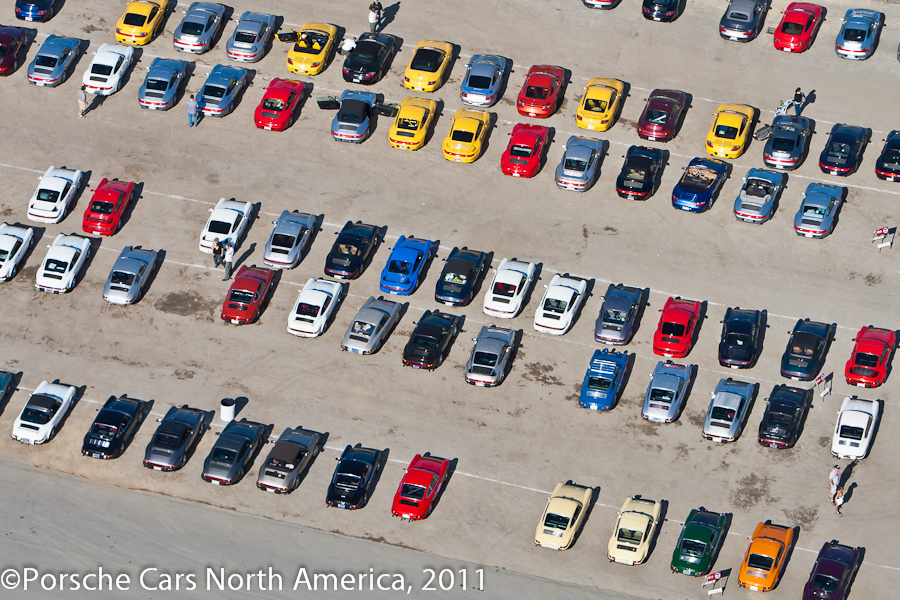
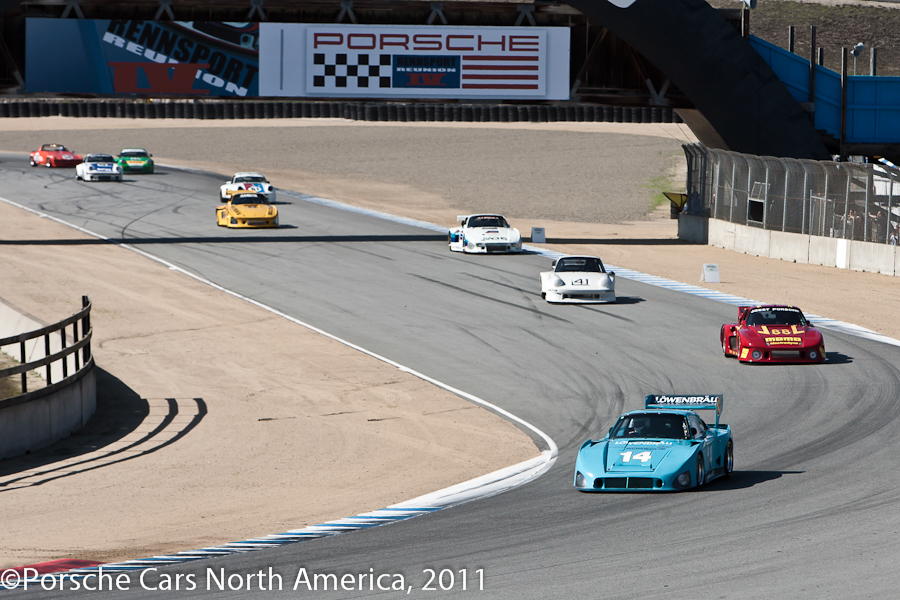
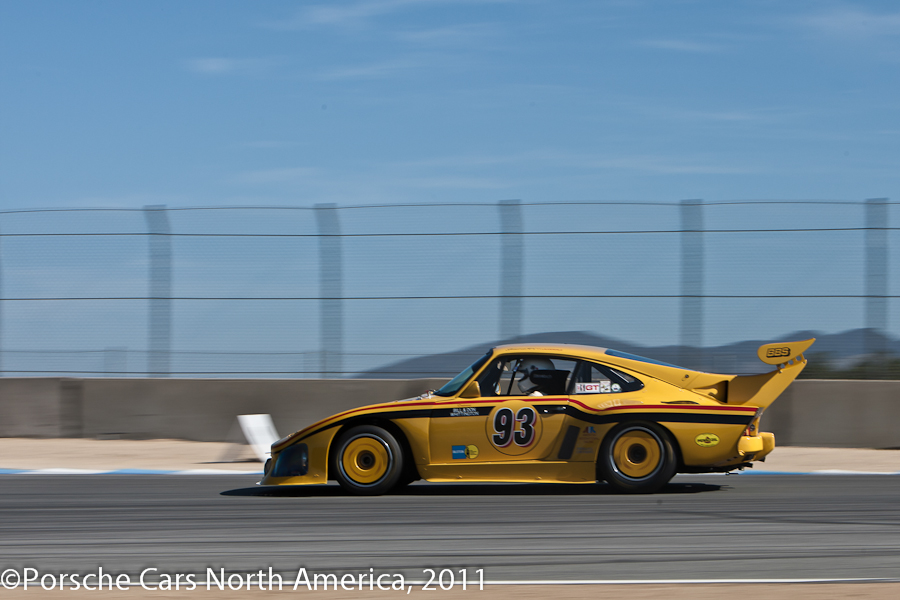
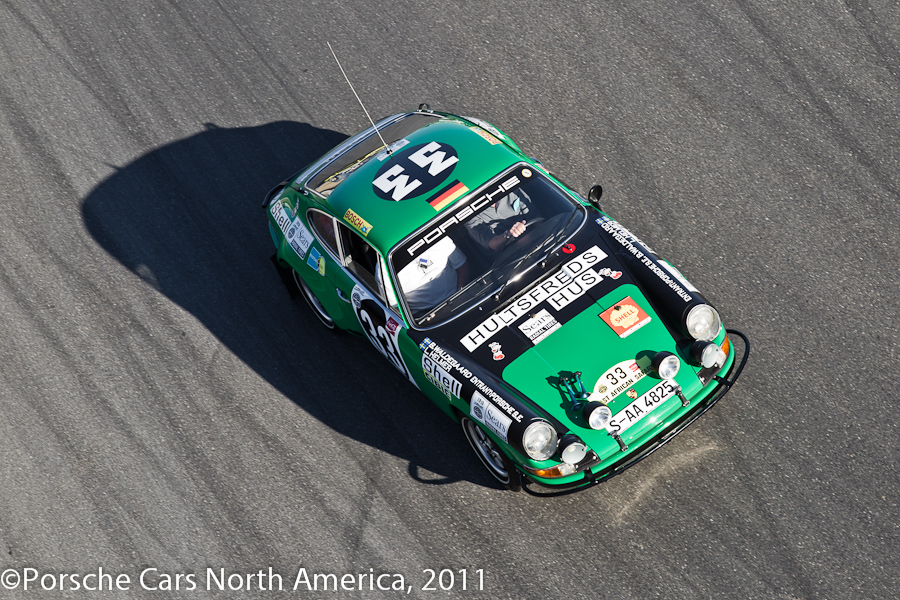
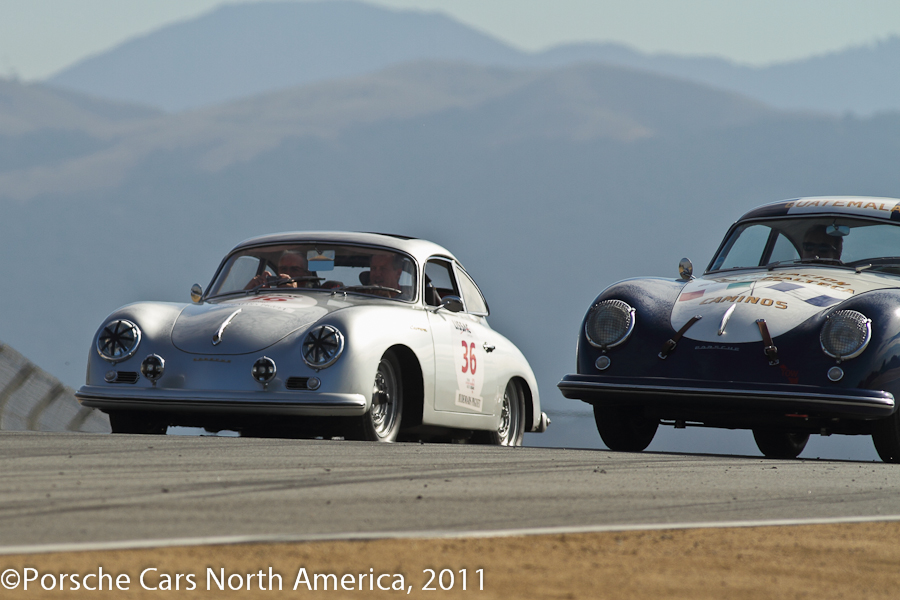
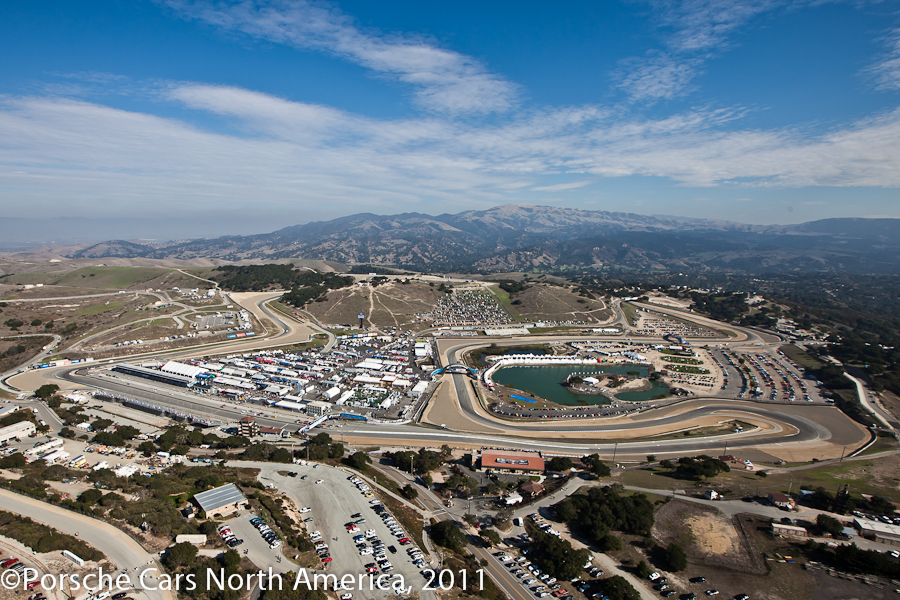
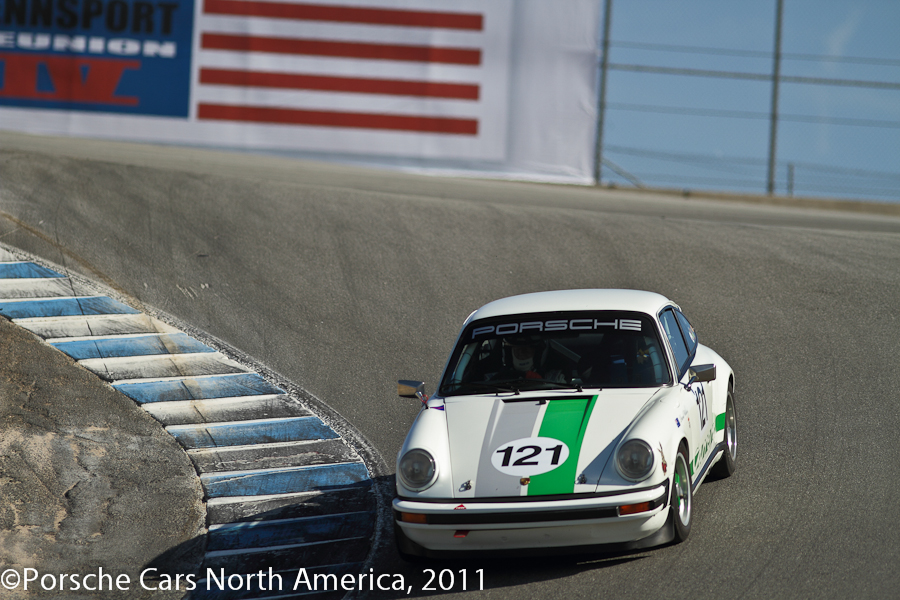
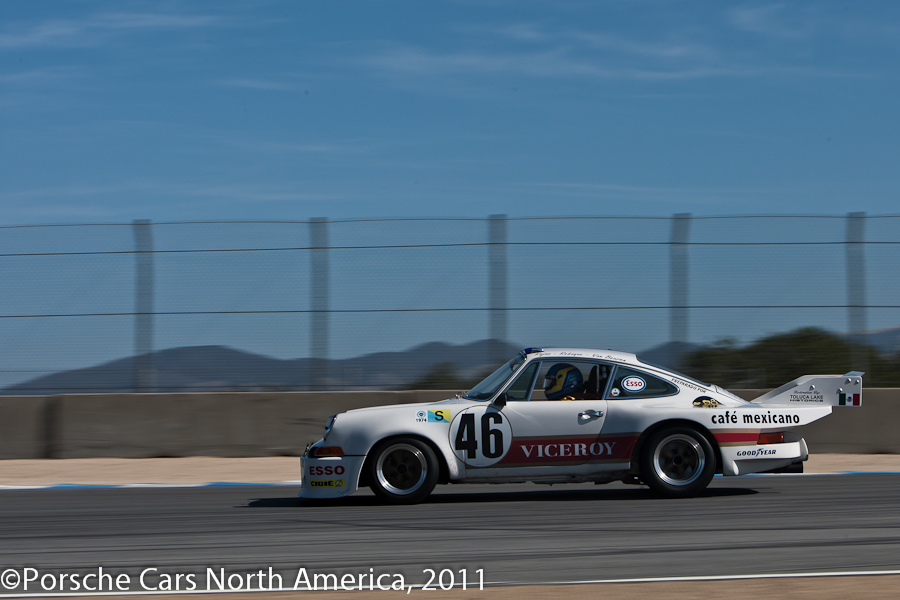
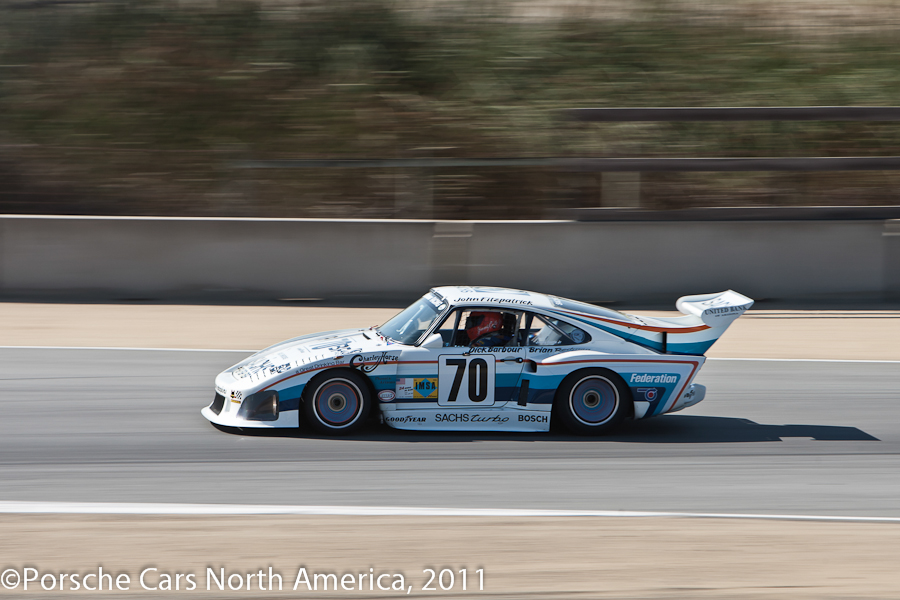
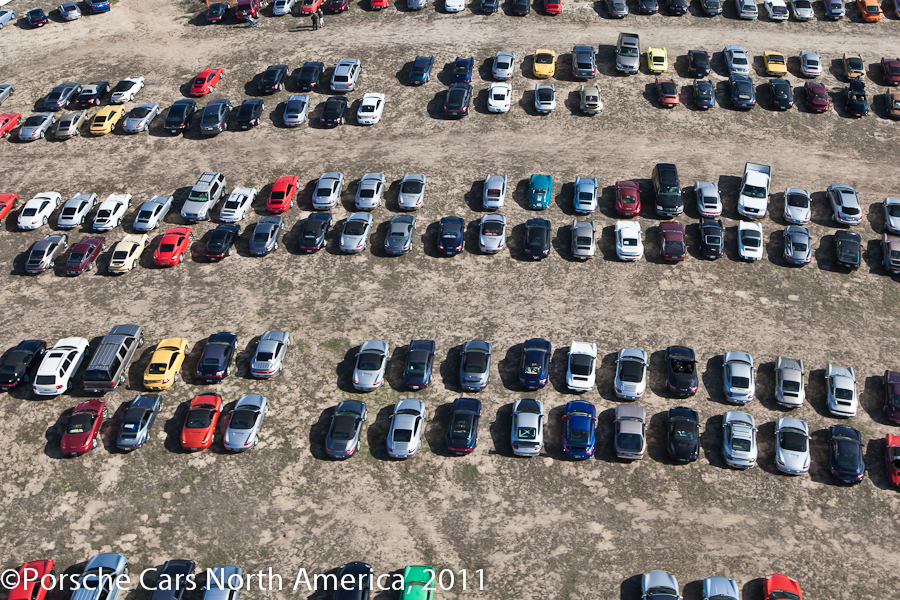
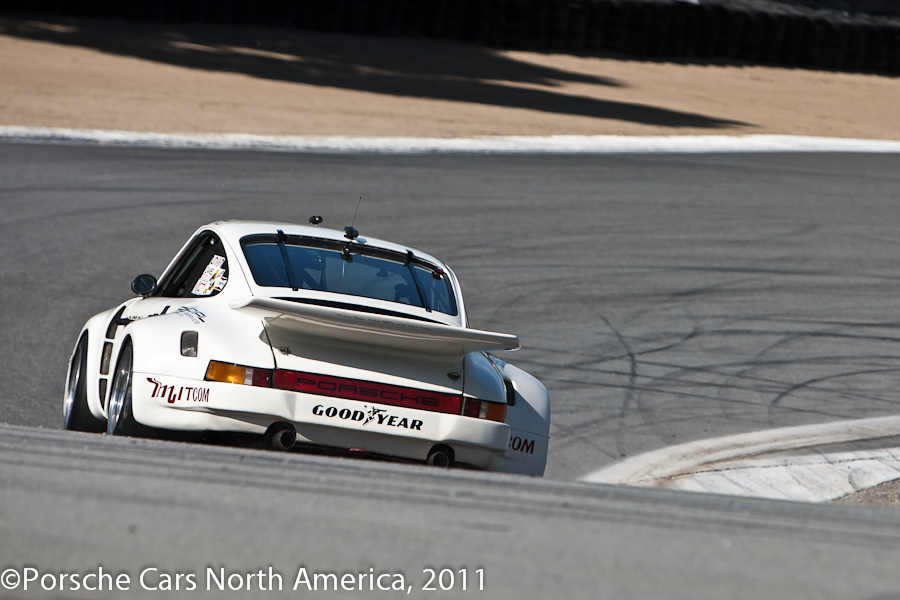
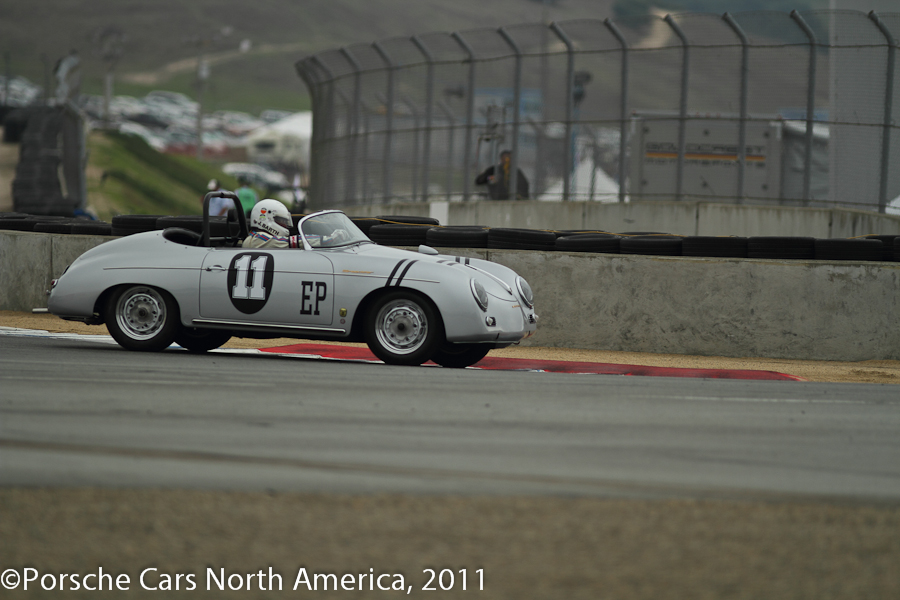
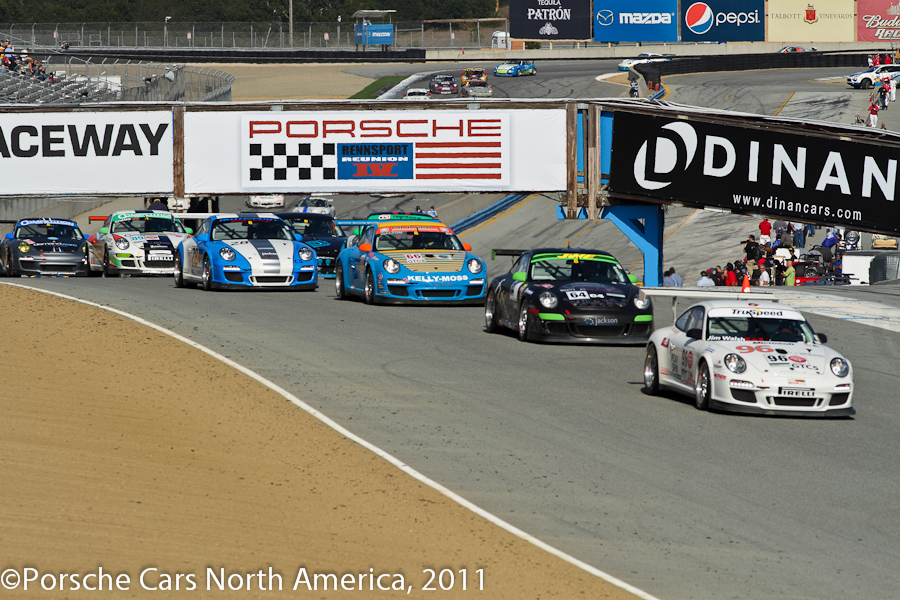
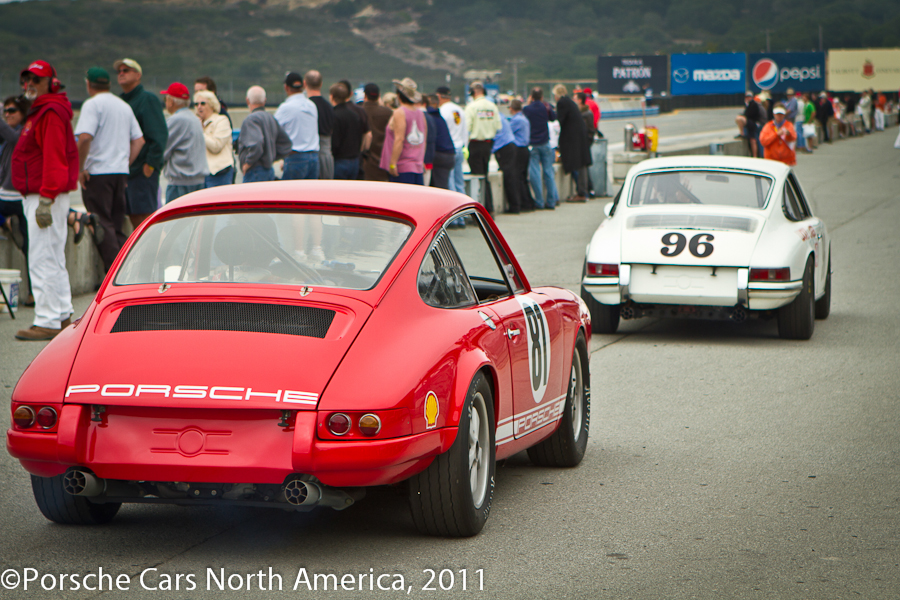
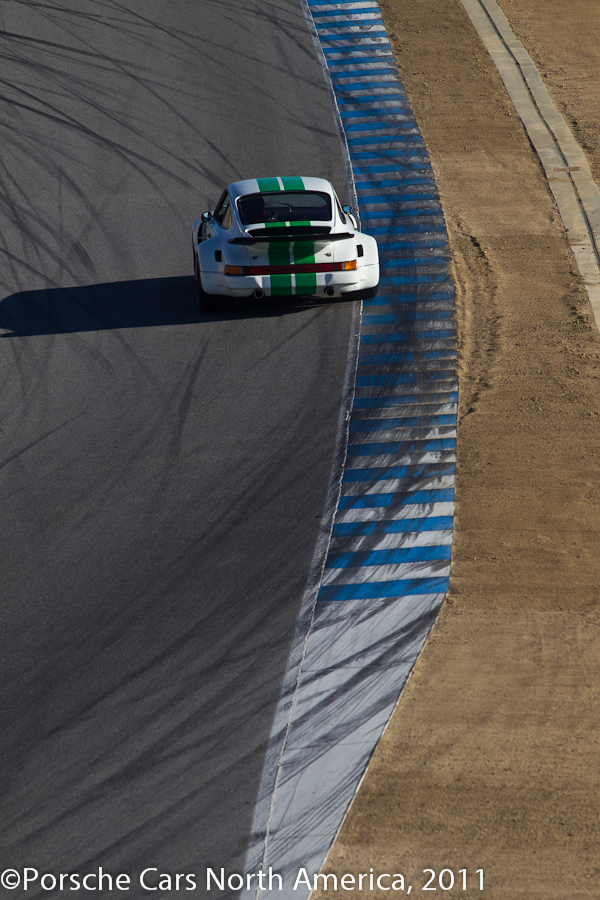
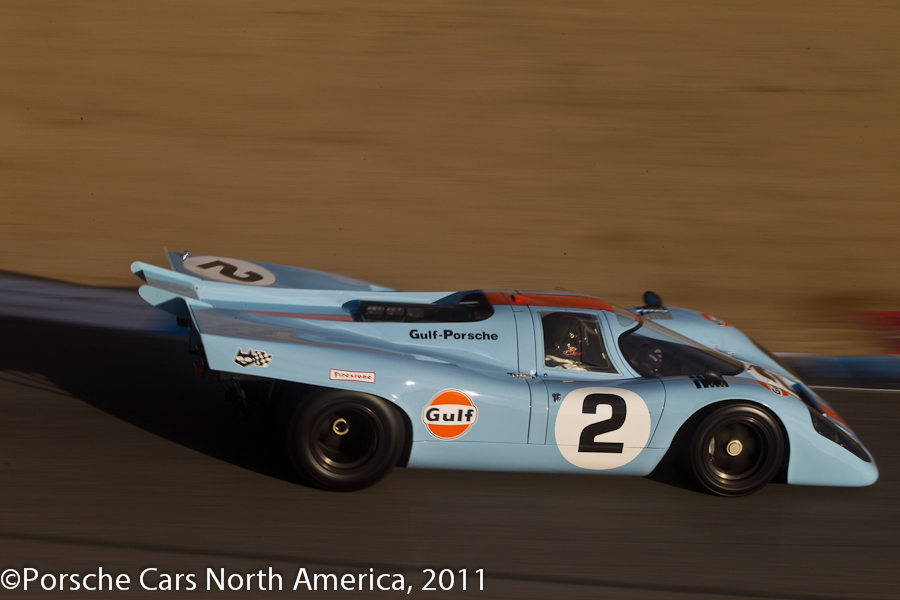
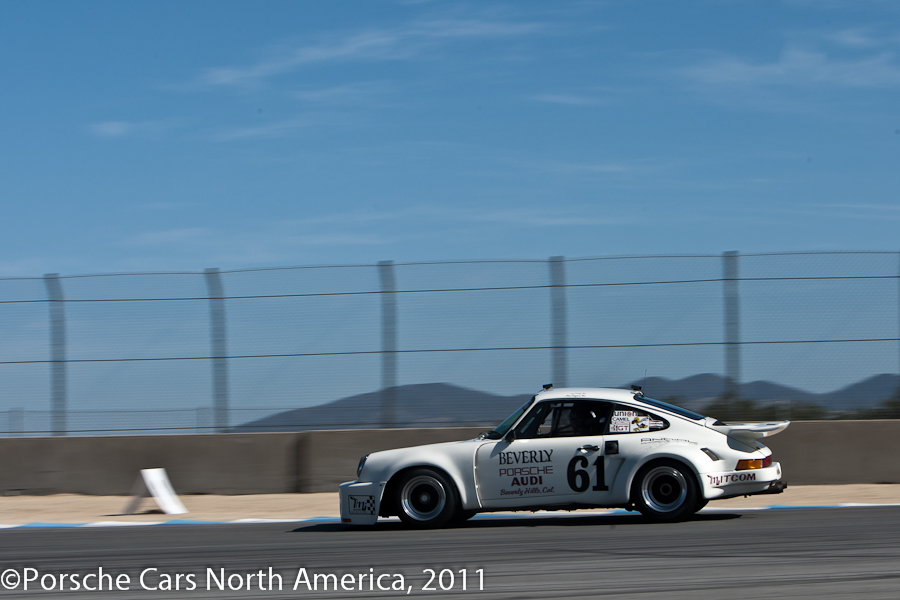
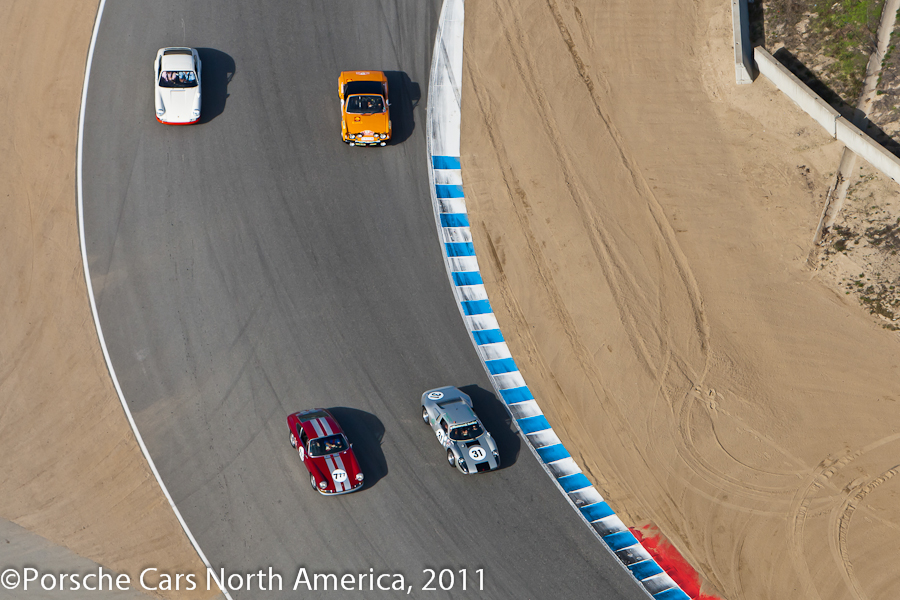
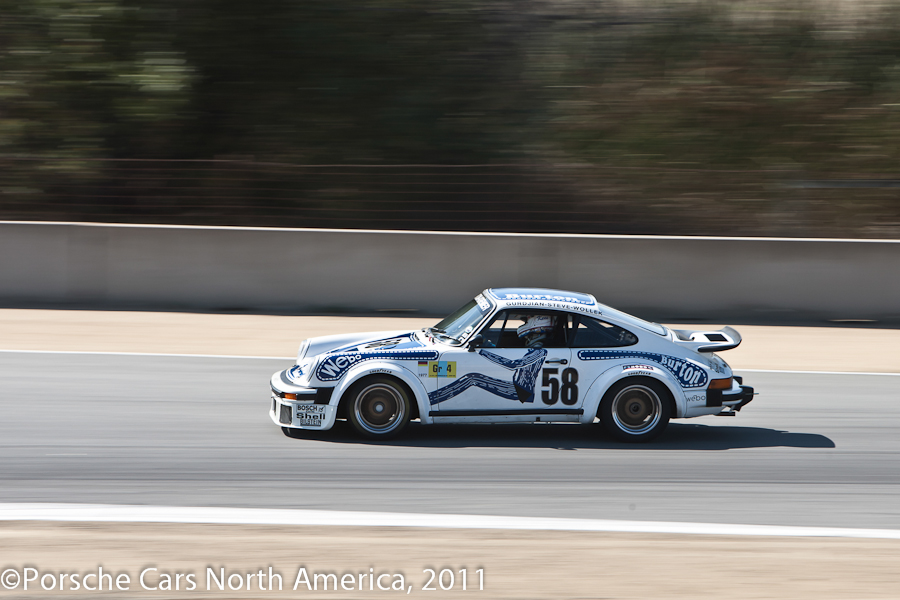
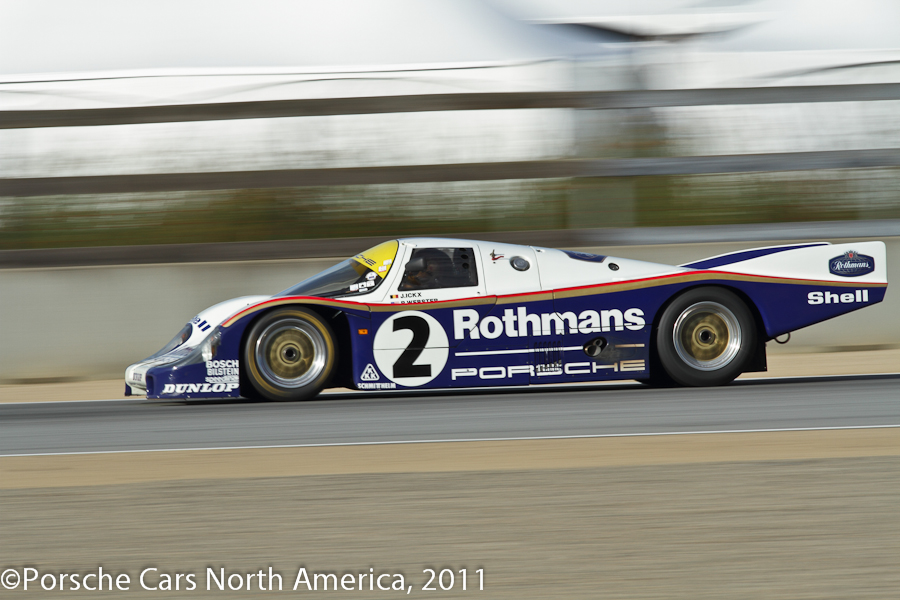
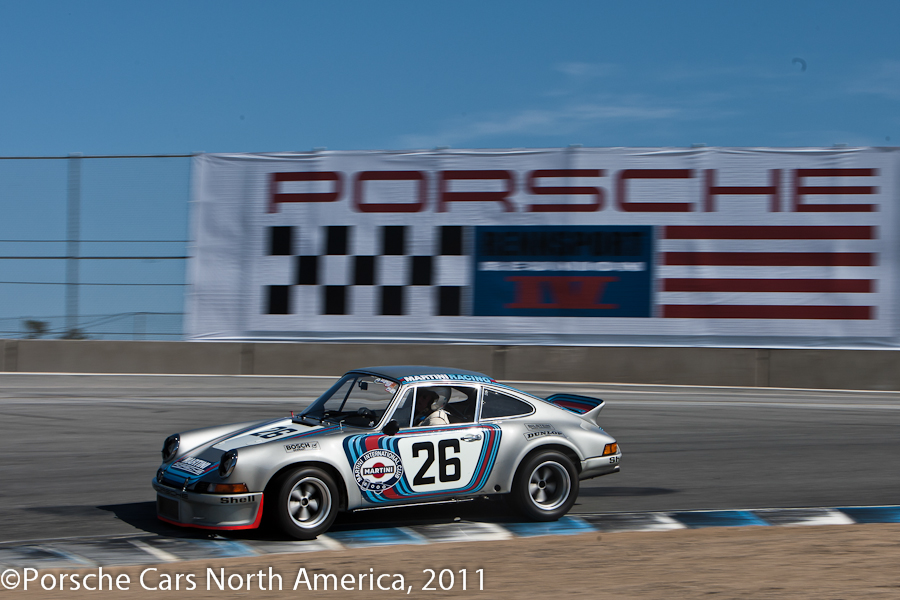
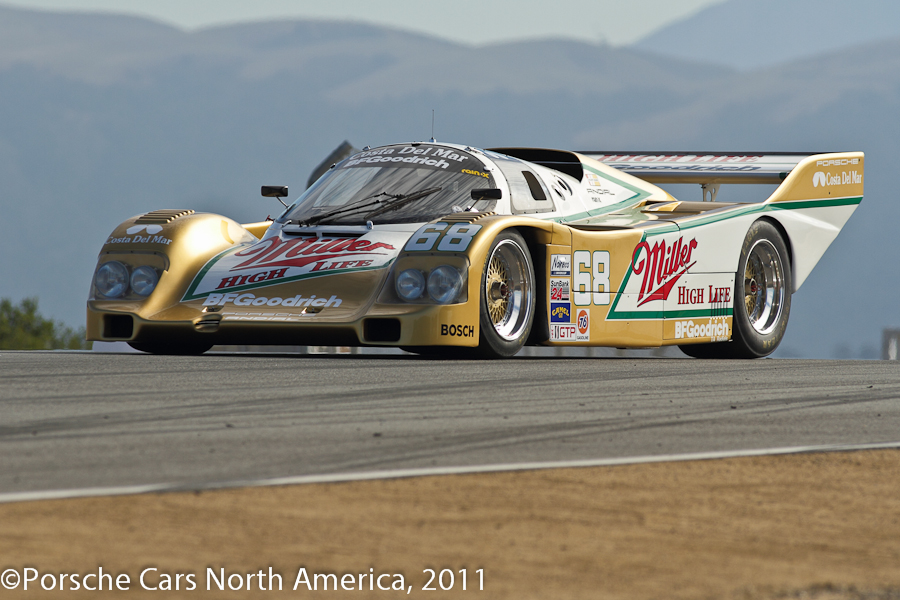
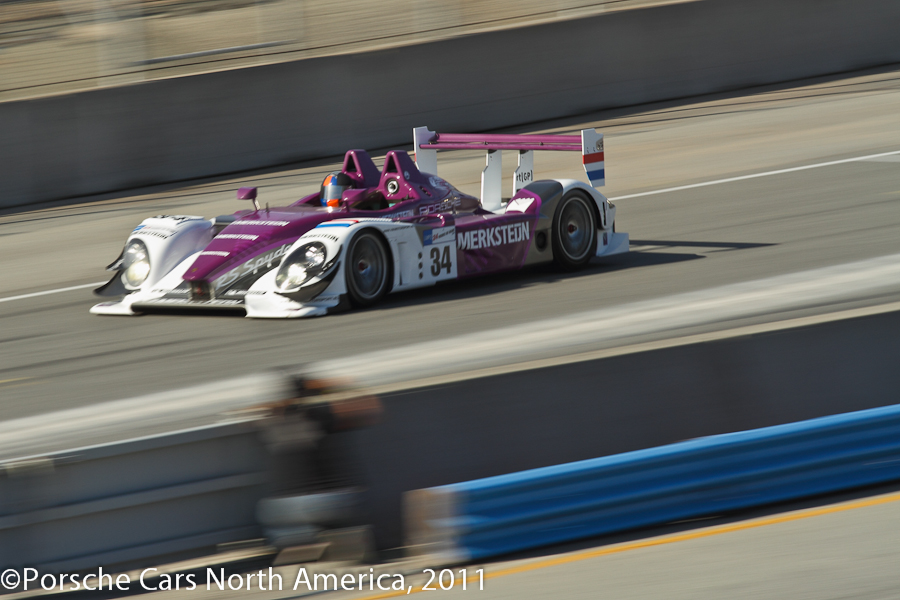
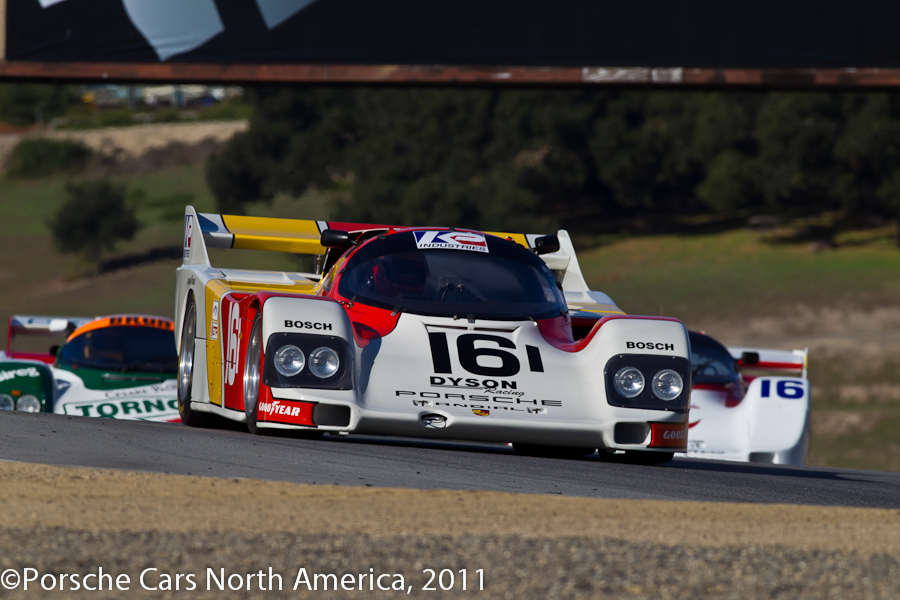
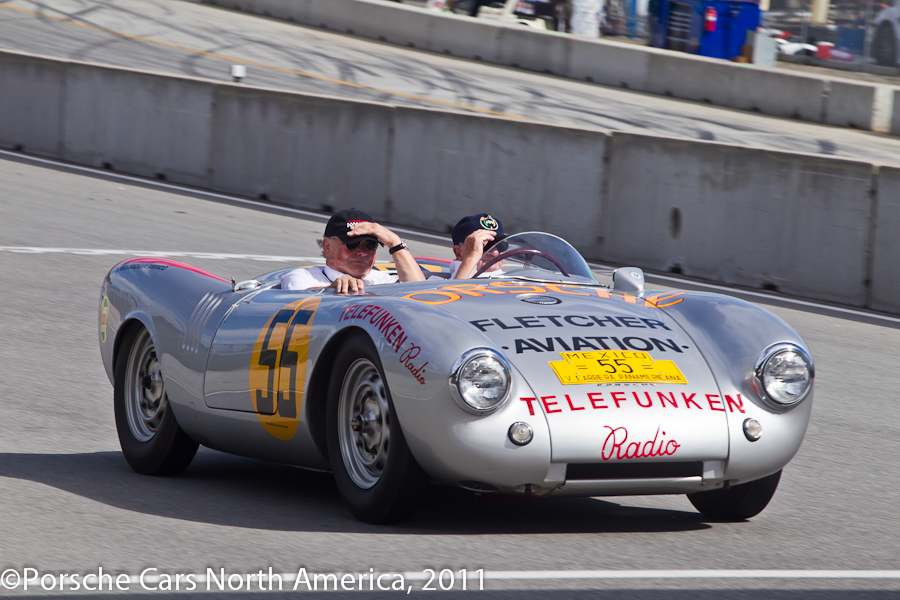
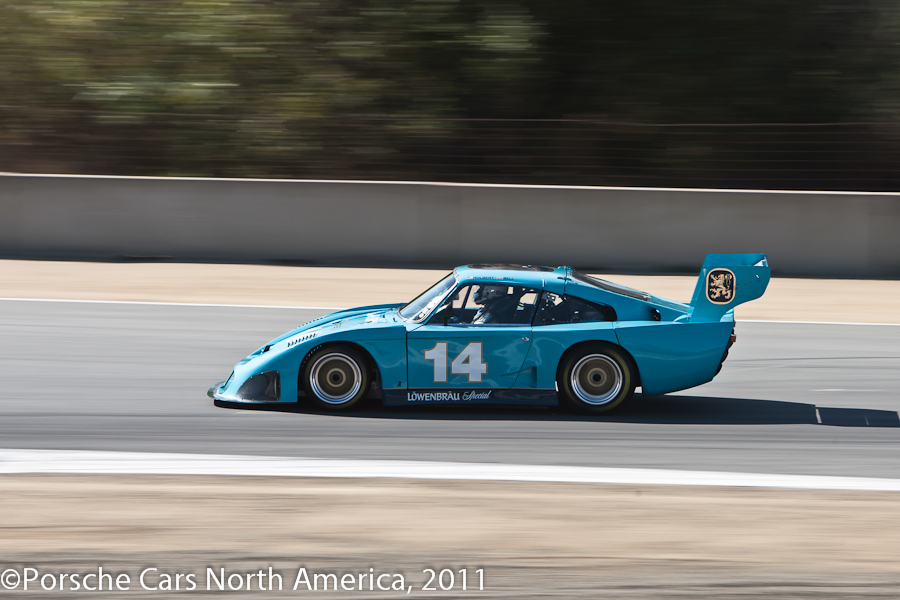
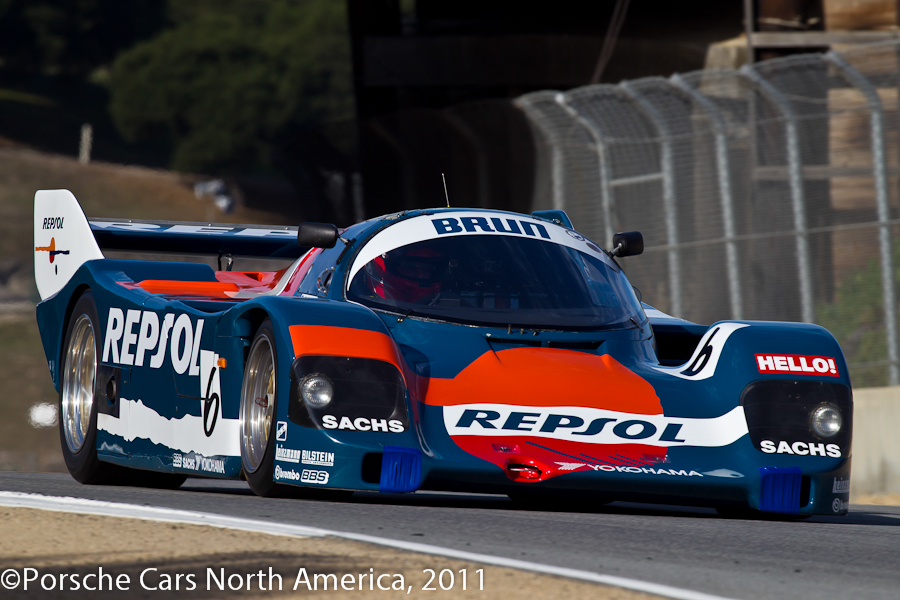
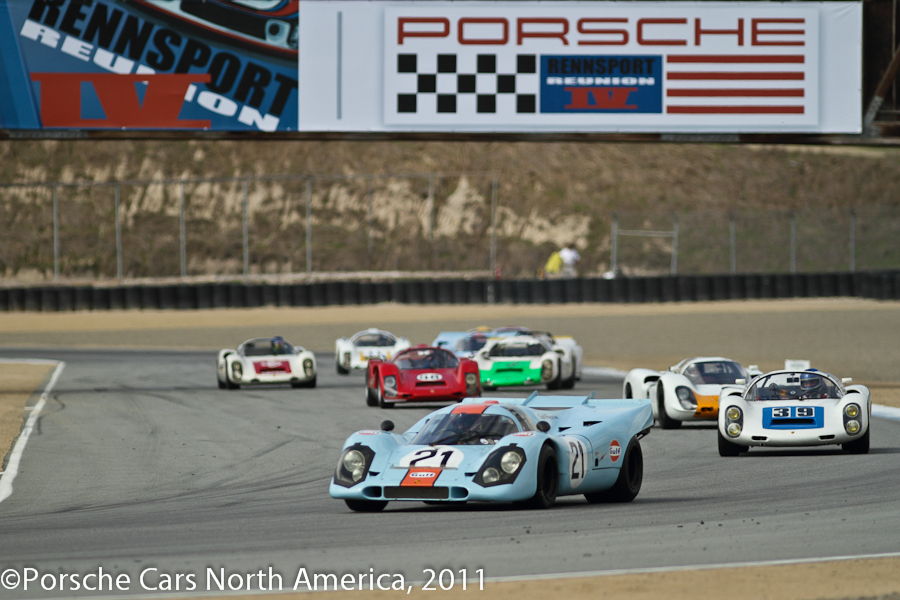
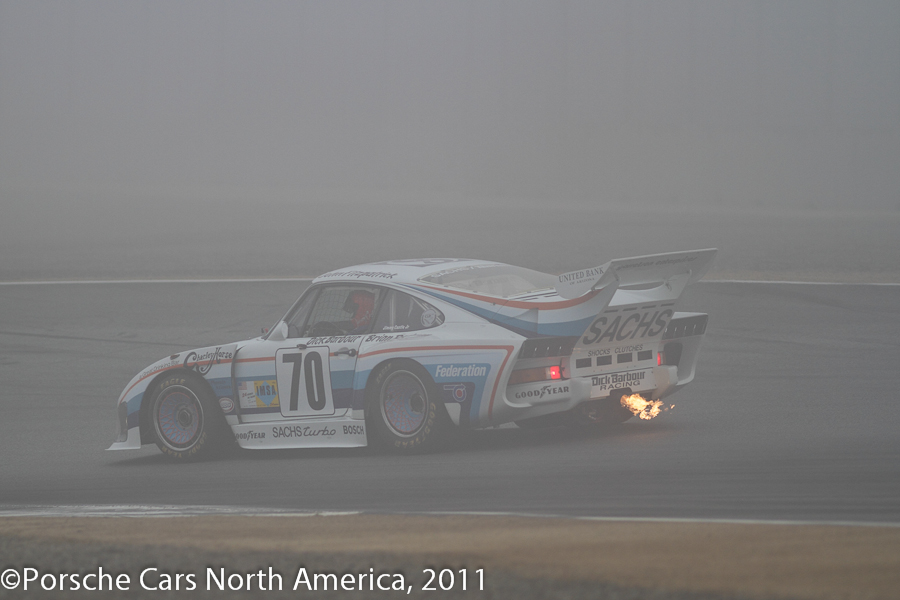
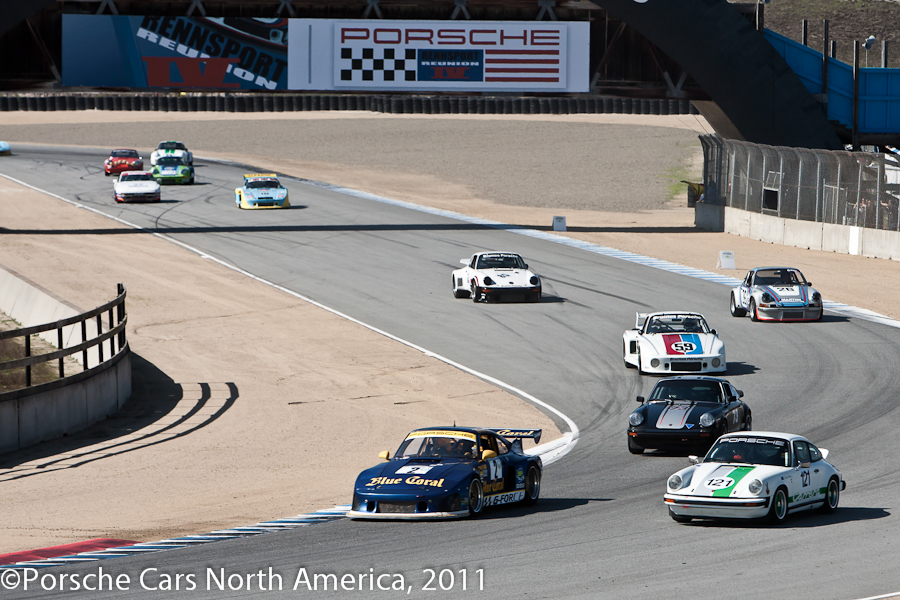
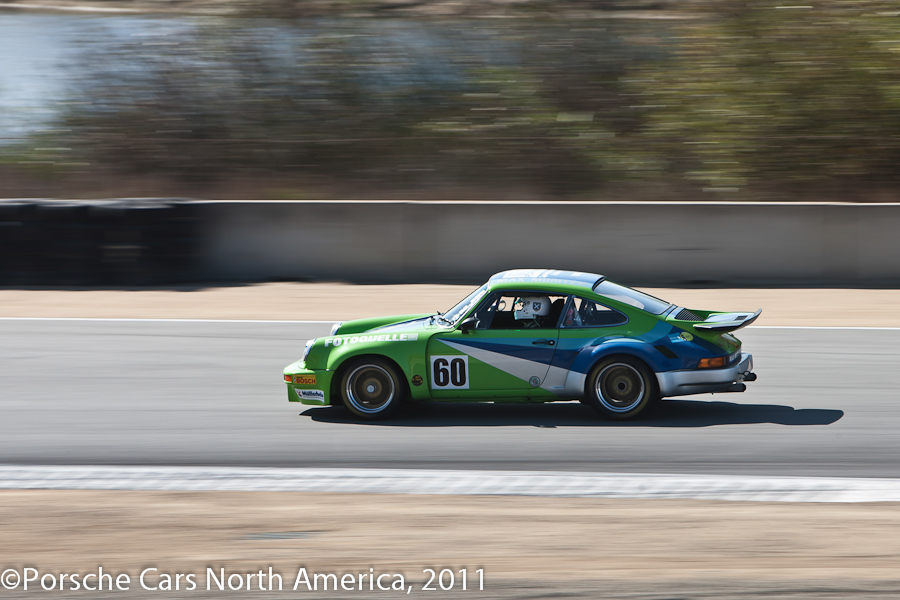
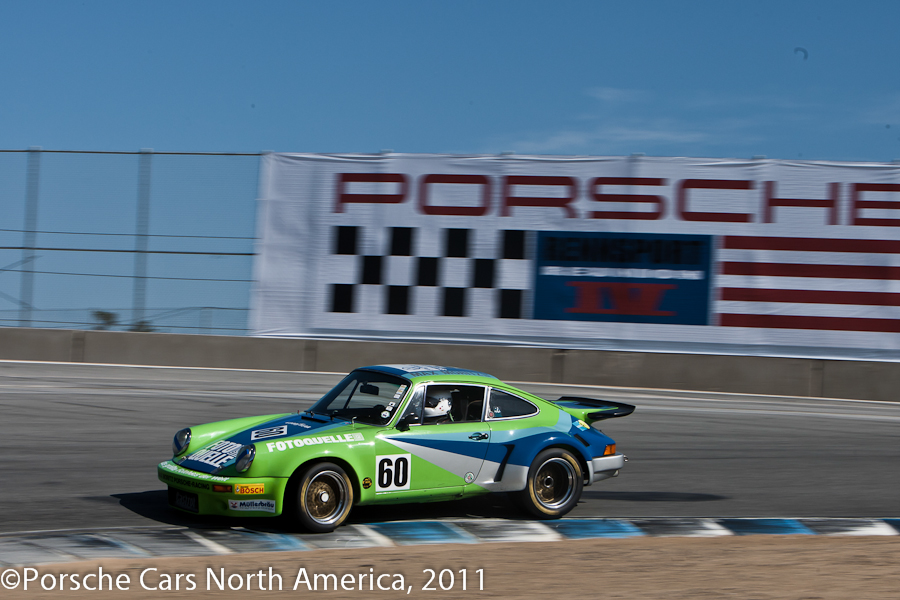
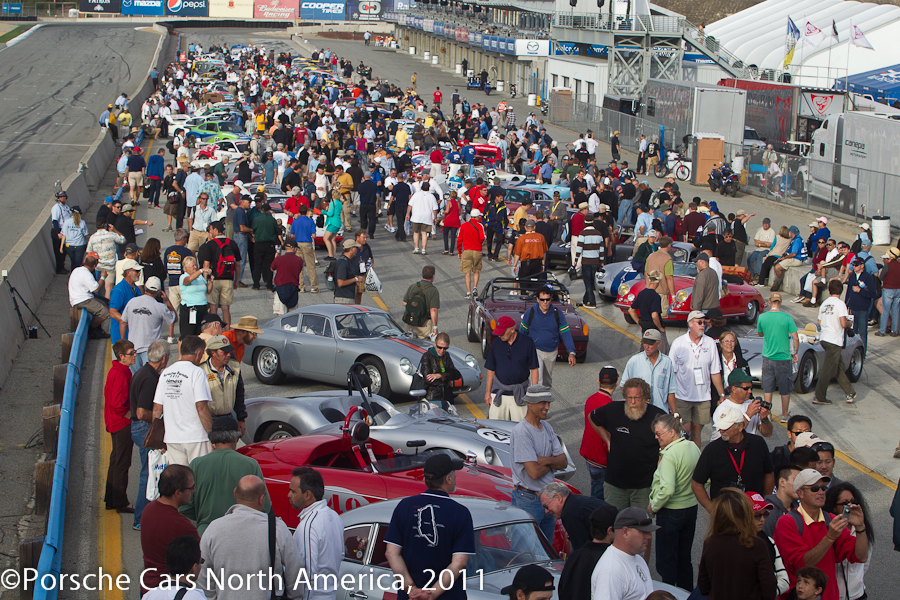
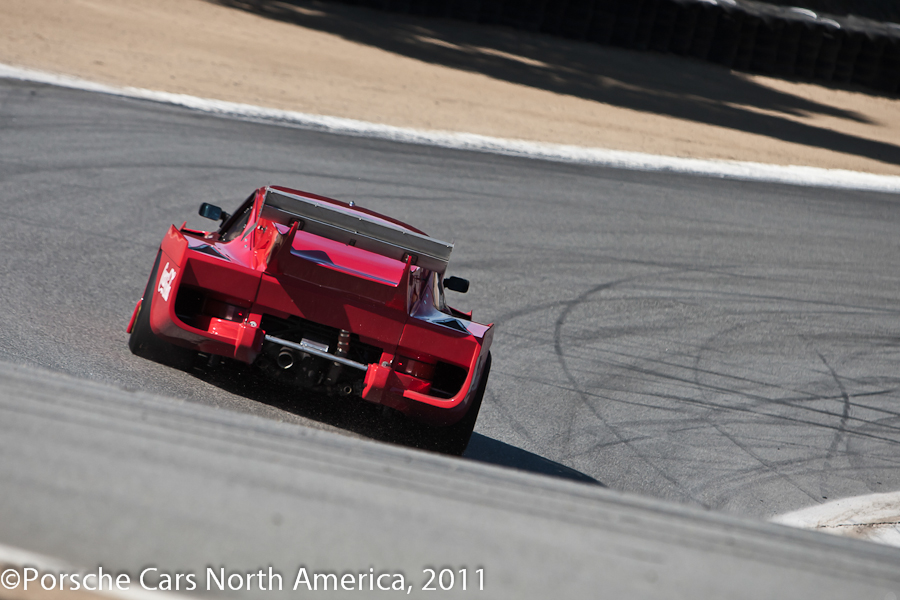
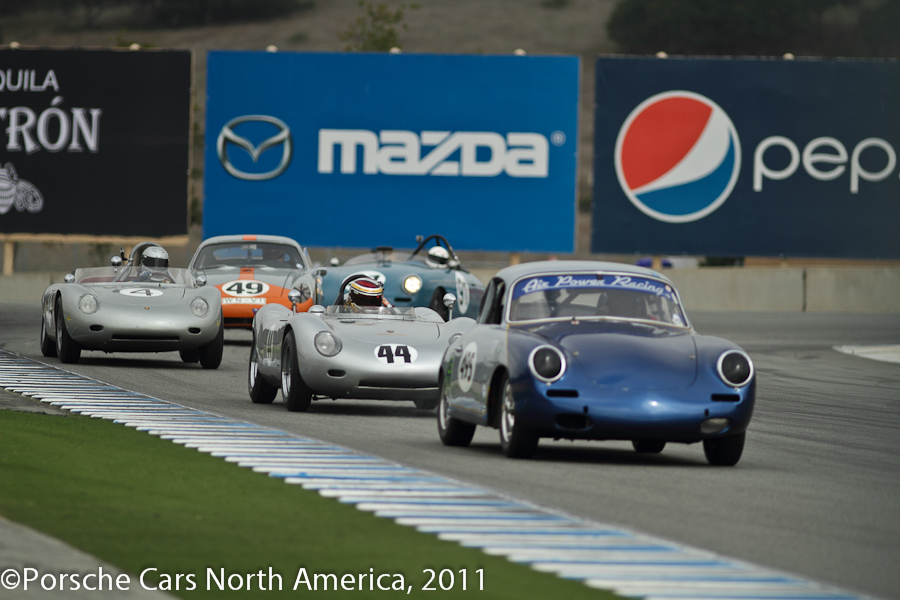
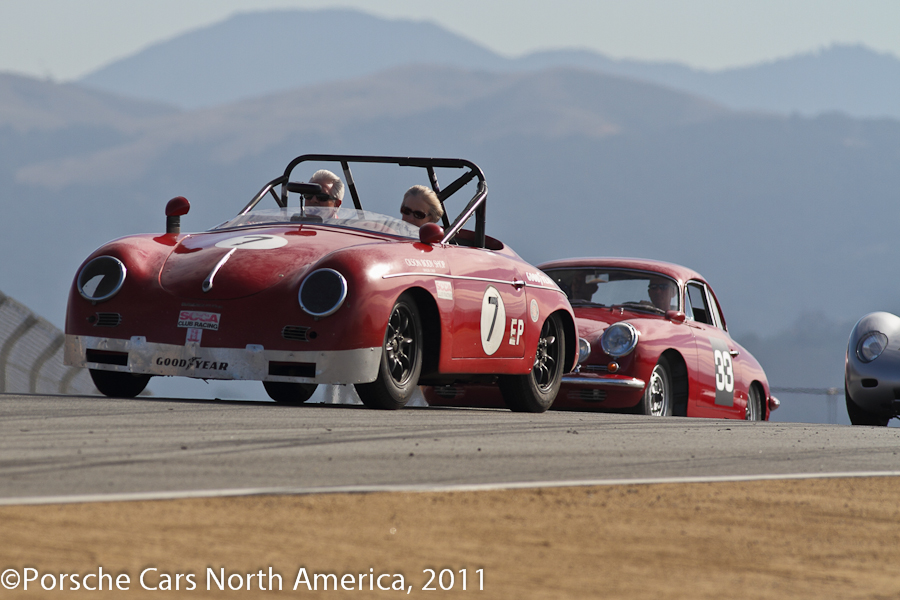
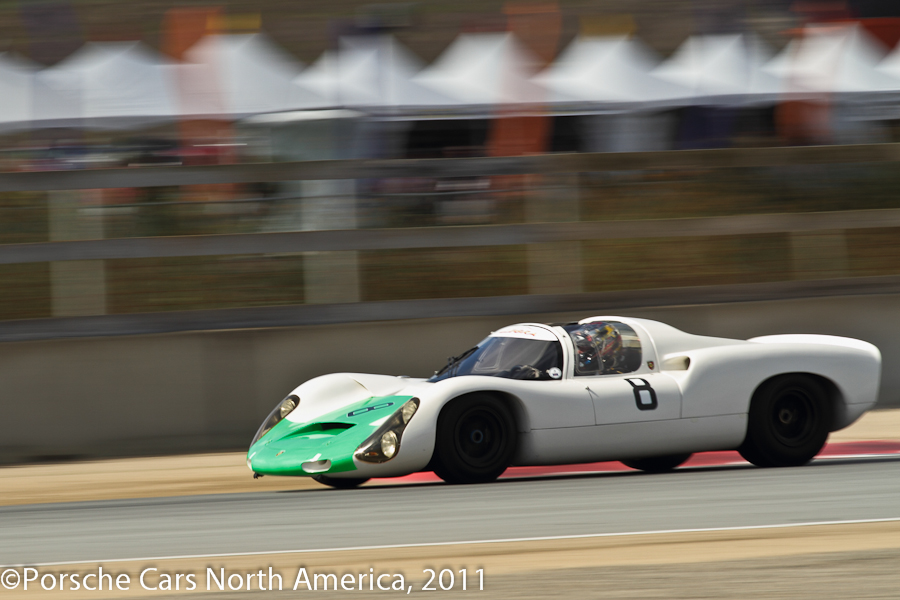
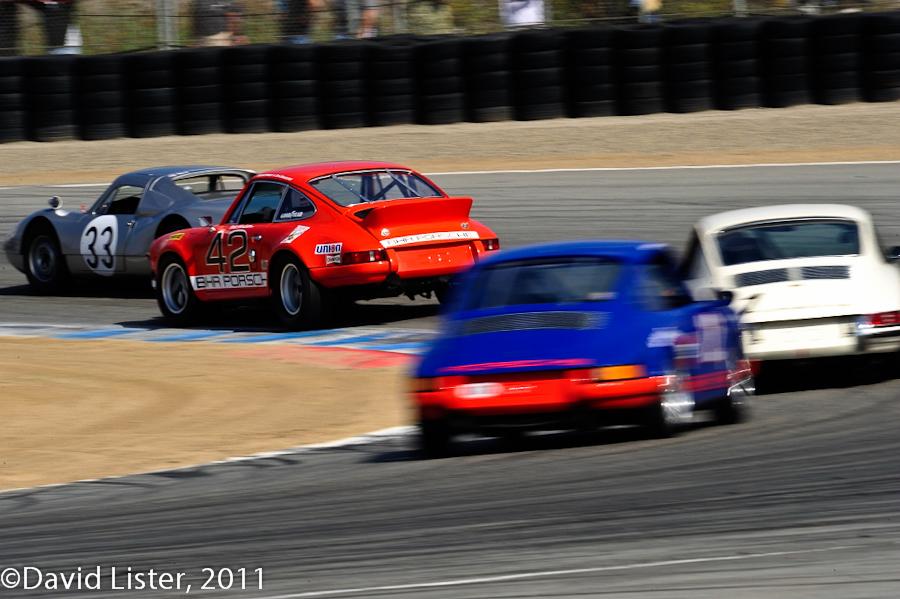
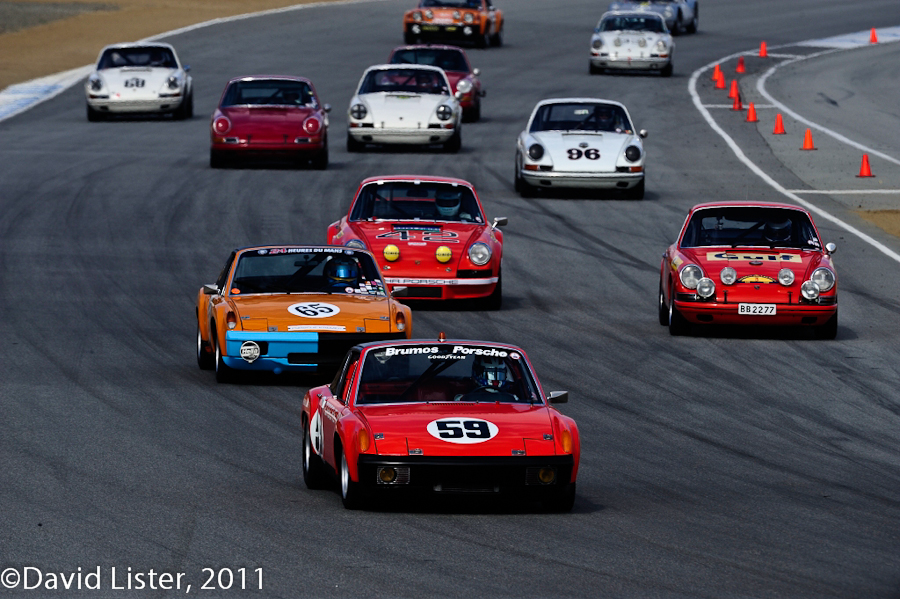
It has become a tradition.  Every three or so years, since the start of the new century, the Porsche faithful gather to celebrate Porsche’s legendary competition record with a one-marque version of Goodwood’s Festival of Speed. This time around Rennsport IV was staged at the famous mountain top Laguna Seca course overlooking the Monterey Peninsula on the Central California coast, where no less than 400 racing Porsches turned up; many of them truly historic, and some of them from Porsche’s own museum.
And, while an undertaking such as Rennsport is the product of many people, its birth was due to the passion of a single man; the late Bob Carlson. Porsche Cars North America’s longtime PR representative, he had a vision of encapsulating Zuffenhausen’s motorsport history through an event that was nothing less than a living museum, where the cars could not only be seen, but could be seen being driven hard on a race track, they way they were intended to be.
In a way, Rennsport was, for the American historic and vintage community, an intellectual departure from the norm, in that it didn’t so much revere the Porsche racers as “works of art,” but rather celebrated their careers as “tools” intended to boost Zuffenhausen’s image (and that of their owners) at the tracks, in hillclimbing and on the rally stages of the world.  Put another way, what Bob Carlson did was to remind us of their true purpose, something all too often forgotten in the bidding wars found at auction houses today, where these vehicles have become trophies of a rich and successful life.
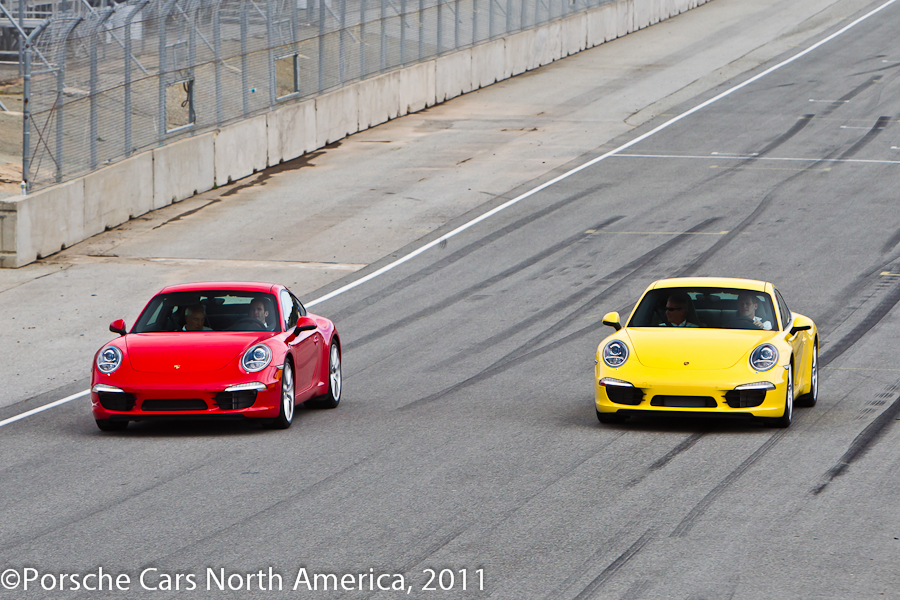
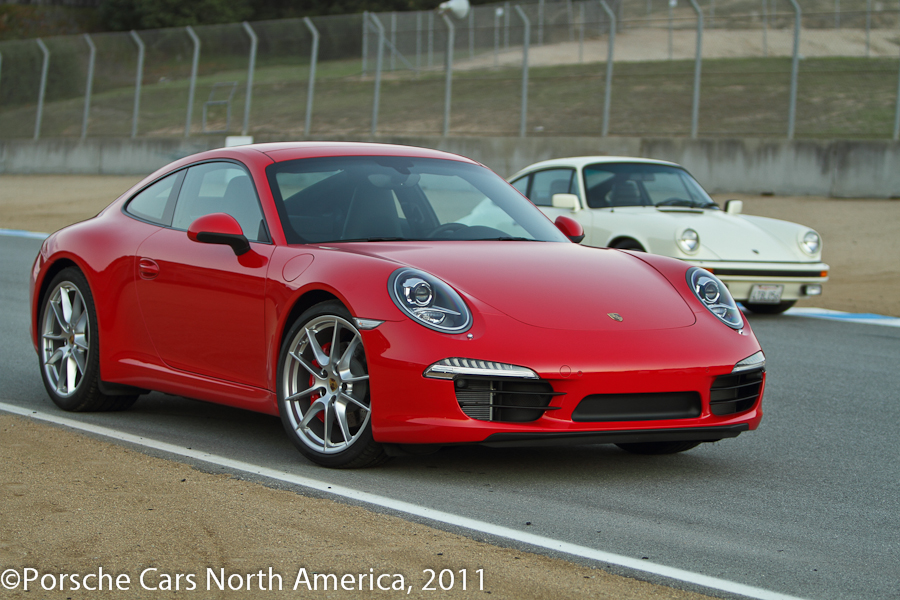
After Carlson’s death, there were fears that Rennsport would die with him. However, the movers and shakers at Porsche Cars North America kept the faith, and in the process produced the most successful yet rendition of his dream, for which they are to be congratulated. Even so, there very existence of the Rennsport tradition is a reminder that manufacturer participation in motorsport is not an altruistic excise, but one driven by commercial corporate goals, a fact evidenced by the ties between the 911 theme and the introduction of the Type 991, the latest version of the venerable and iconic Porsche bestseller.
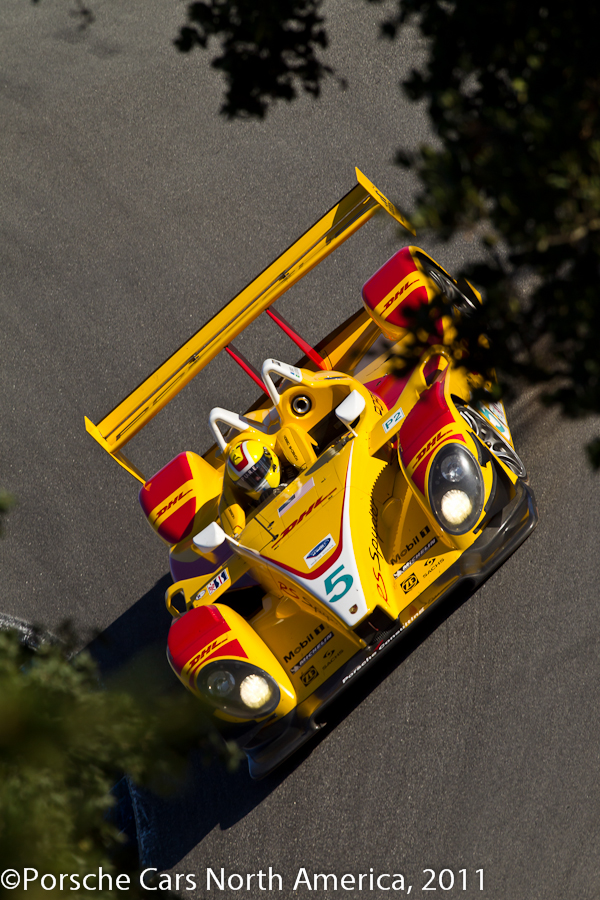
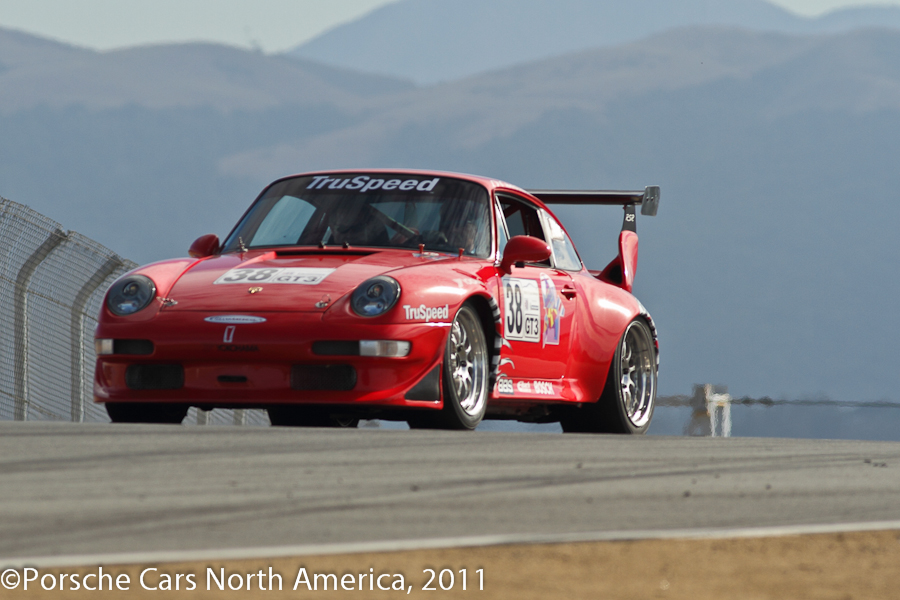
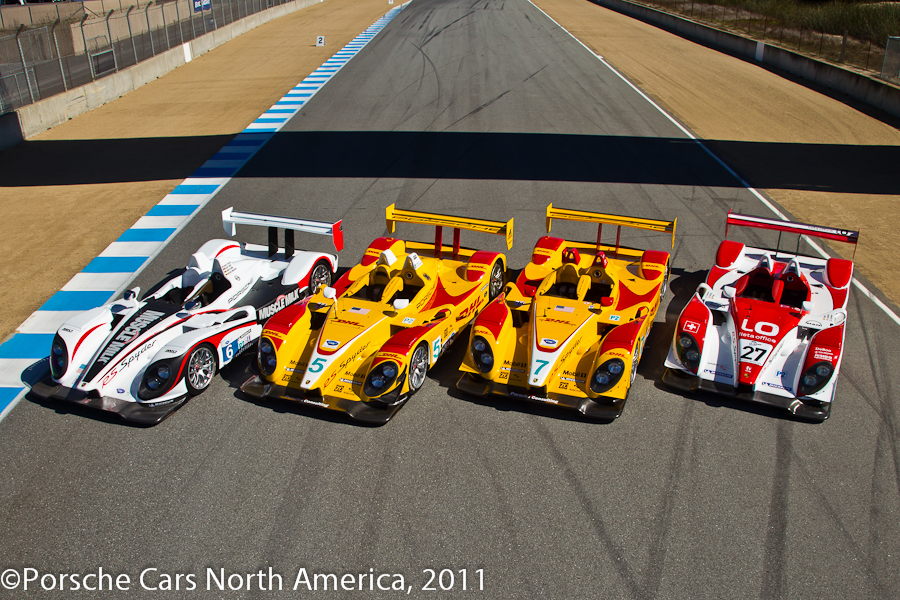
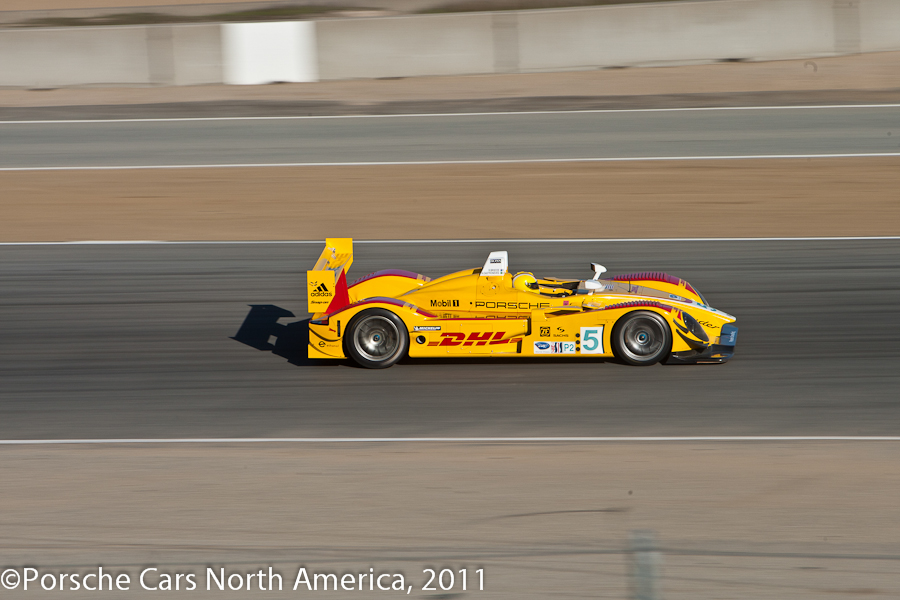
It is this latter fact which leads us to look forward and not backward to the future of Porsche’s competition fortunes. Ever since 1998, when Norbert Singer’s 911GT1 98LM won Le Mans outright, Zuffenhausen has focused its motorsport efforts on the customer-driven production car arena with its 911GT3 program; the only exception being, the RS Spyder project which flourished for three years in the American Le Mans Series under Roger Penske, and which subsequently showed the way at La Sarthe in the LMP2 division.
Now, however, it has been decided to return Porsche to the forefront of sportscar racing in 2014, through a new prototype project stressing alternative energy sources as mandated by the rules package which will go into effect that year. The only problem with all of this is the effect this will having on the racing future of Porsche’s Volkswagen Group partner Audi, whose record as a winner in the prototype sandbox has made it a sales leader in the road going universe.
At one point earlier this year it seemed that Audi might abandon the sportscar scene for Formula One, leaving the way clear for Porsche to “its thing.”  With the decision to scrap that tentative plan, the VAG board is facing the possibility of having to fund two multi hundred million Euro projects to have two of its brands compete against each other on a highly visible stage where defeat could compromise reputations at a time of economic distress.
Many within the sport see no problem with this, noting that the two potential combatants will be demonstrating different approaches to energy conservation and therefore will not be affected by the dictum that there can only be one winner in a race. In a world where the decision to purchase or not to purchase is largely the function of favorable impression, pitting Audi against Porsche is at best a hugely expensive gamble that those responsible for VAG’s financial well being might not want to take.
Fortunately for those of us on the sidelines where we have to make no such choices we can take refuge celebrating the past in grand style thanks to Bob Carlson and Rennsport –may there be many more.

Bill Oursler, October 2011
Images Copyright and Courtesy of Porsche Cars North America


California Dreaming

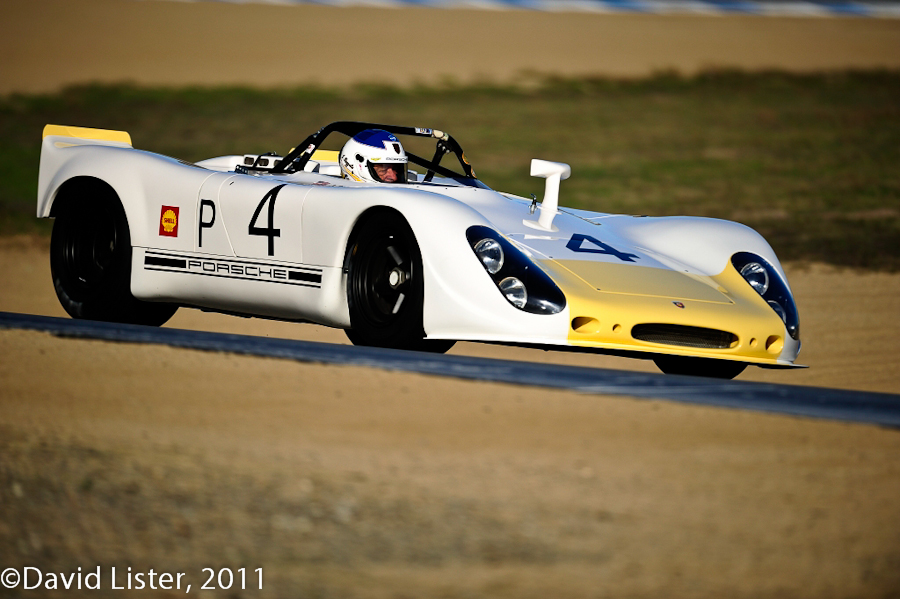
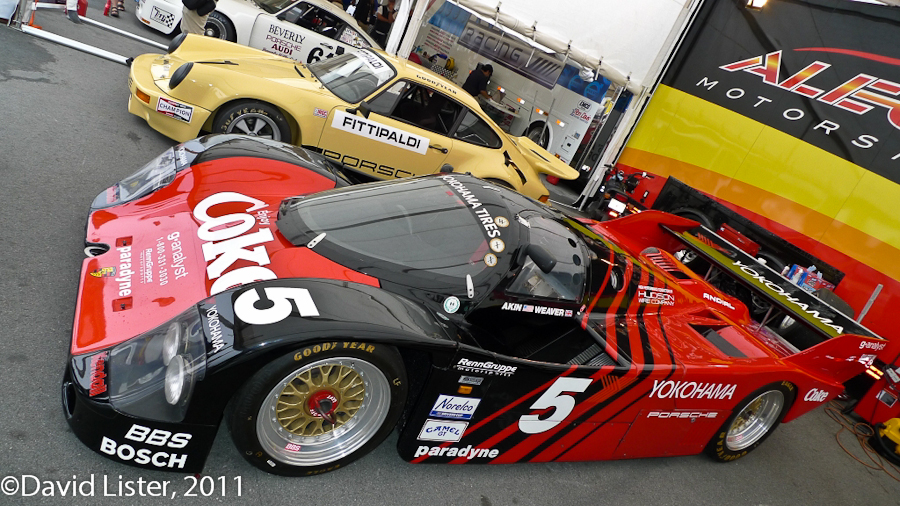
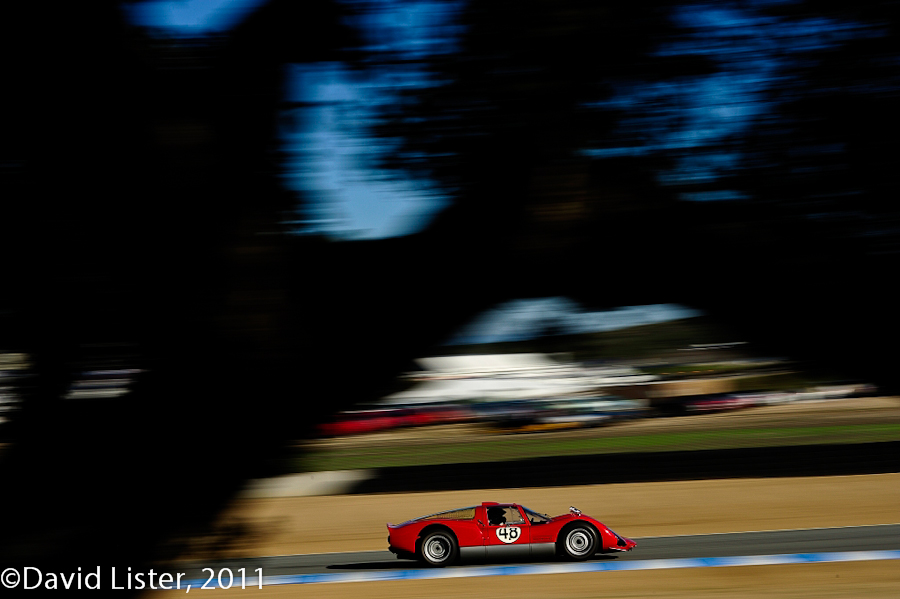
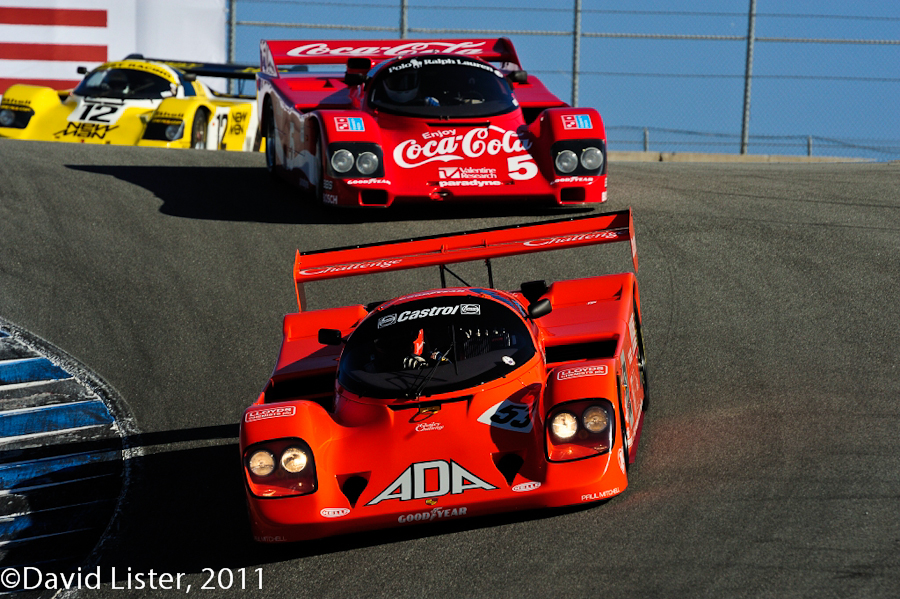
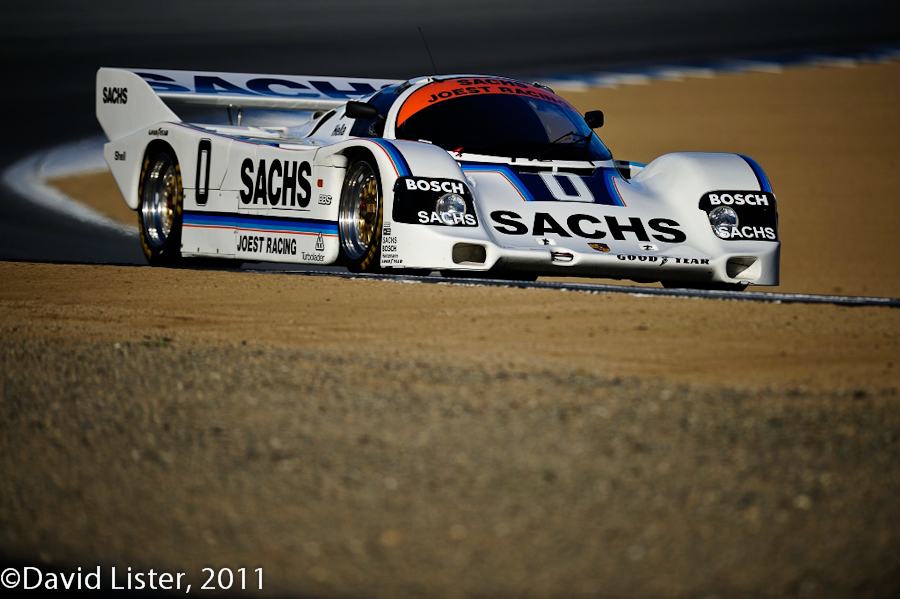
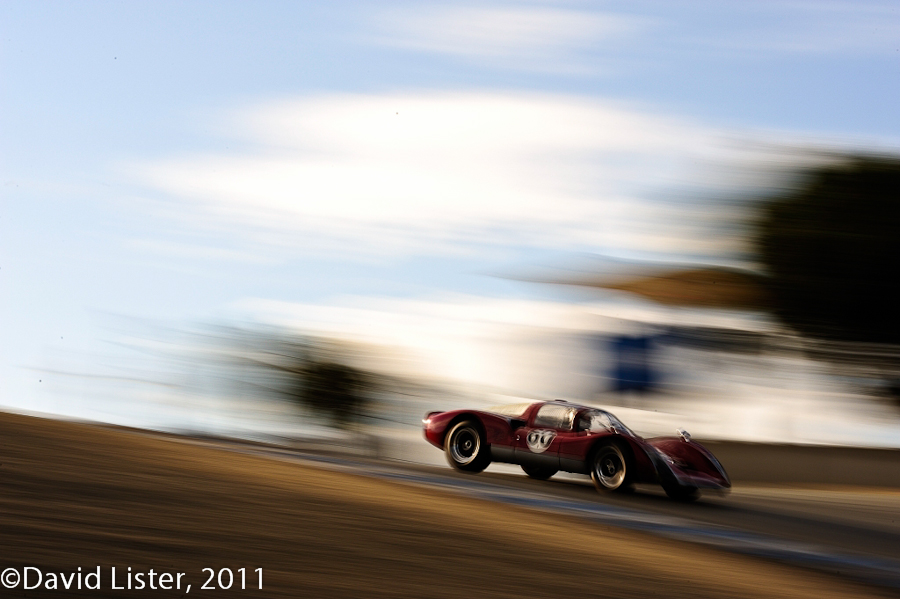
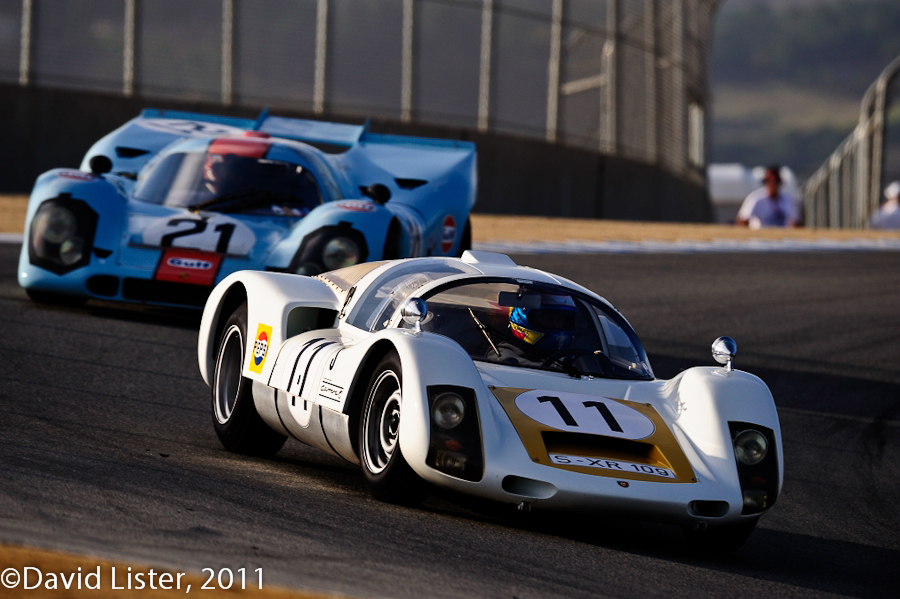
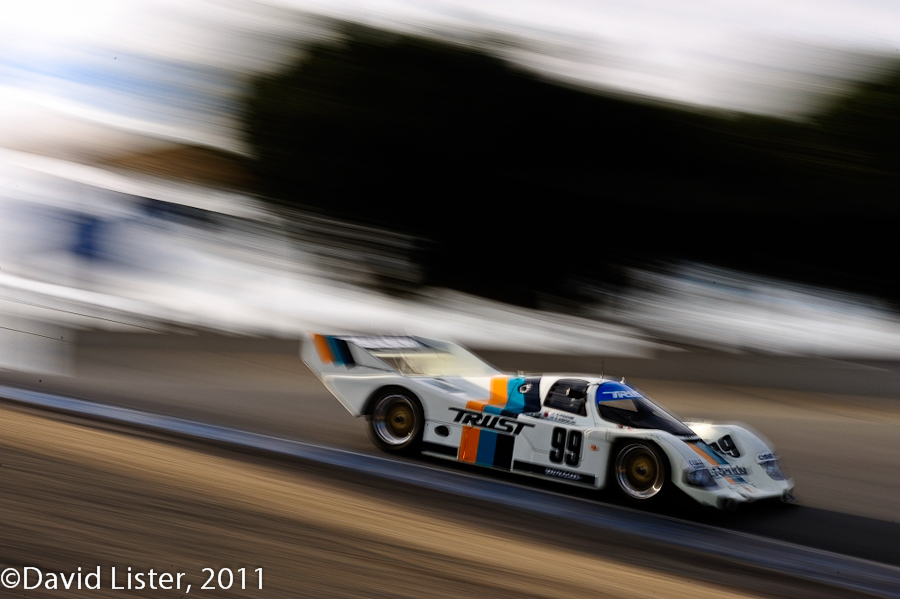
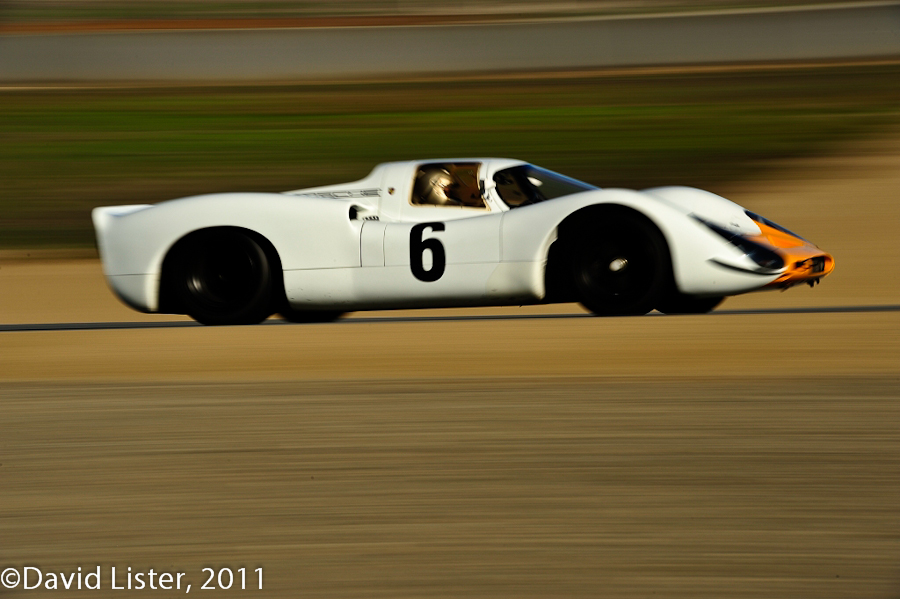
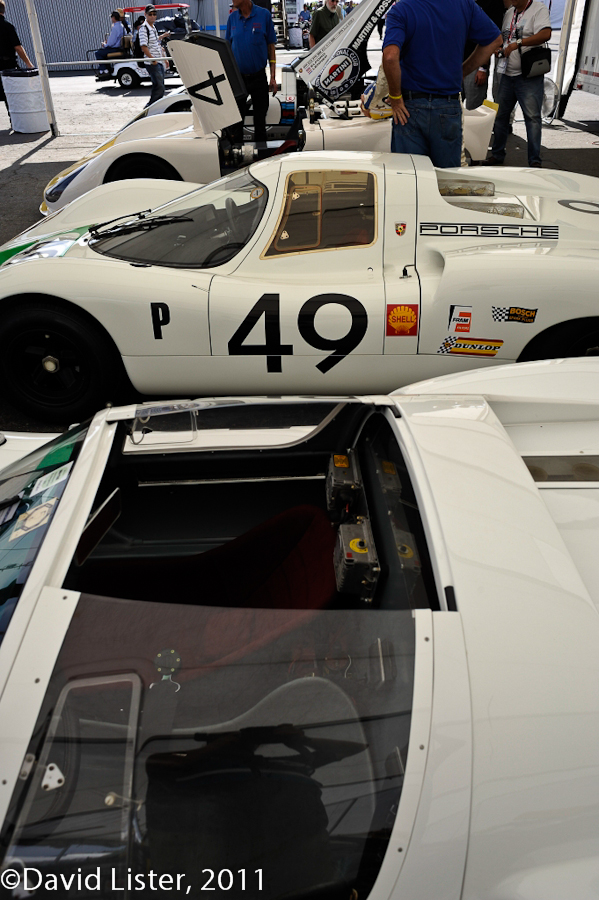
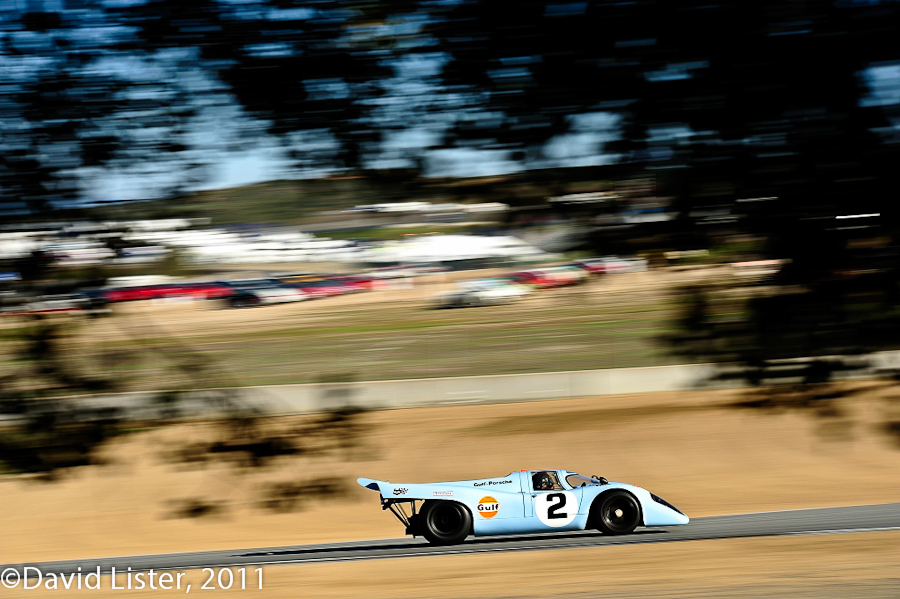
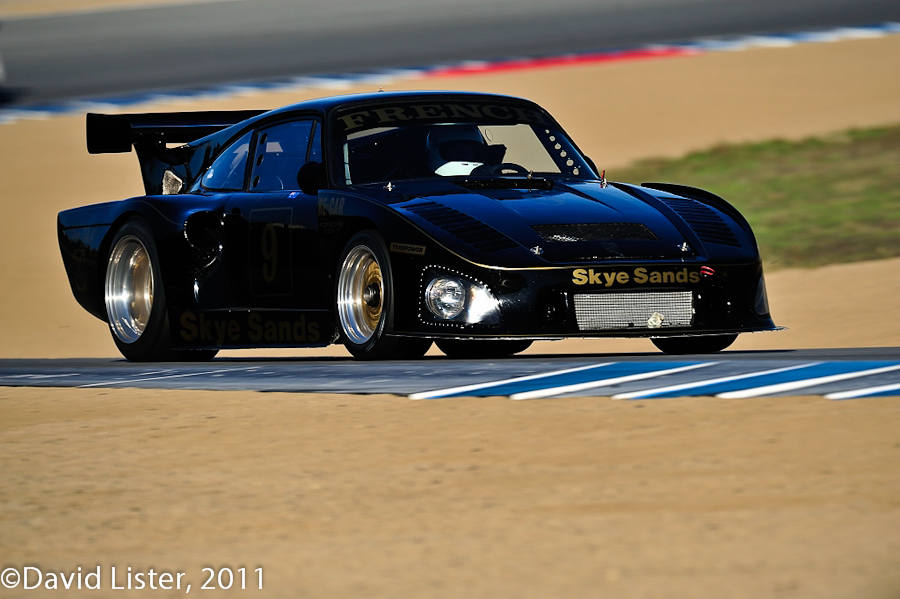
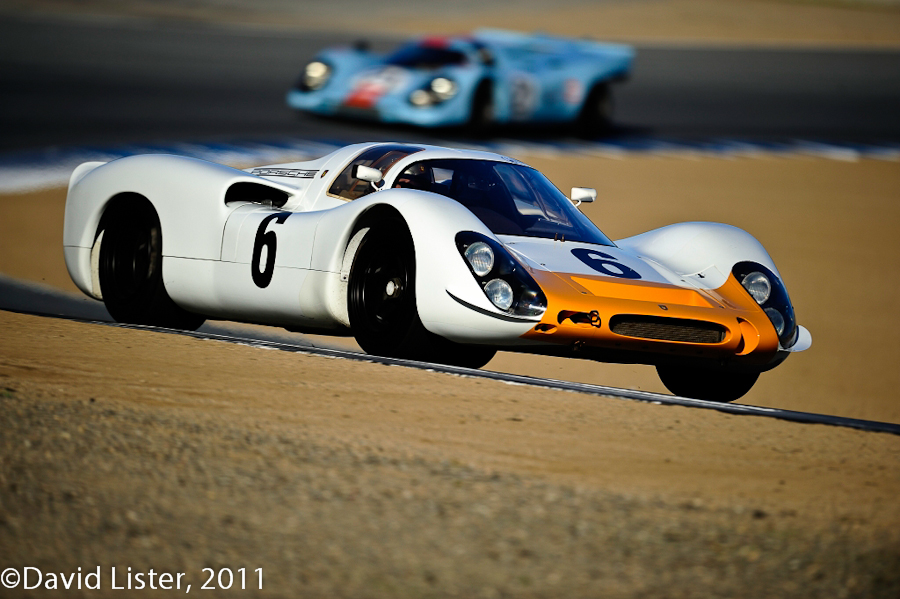
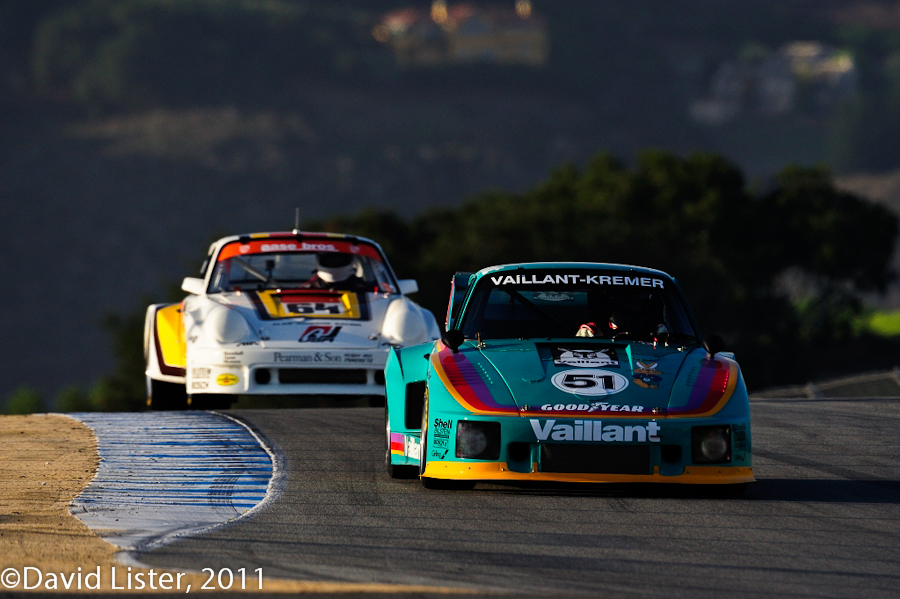
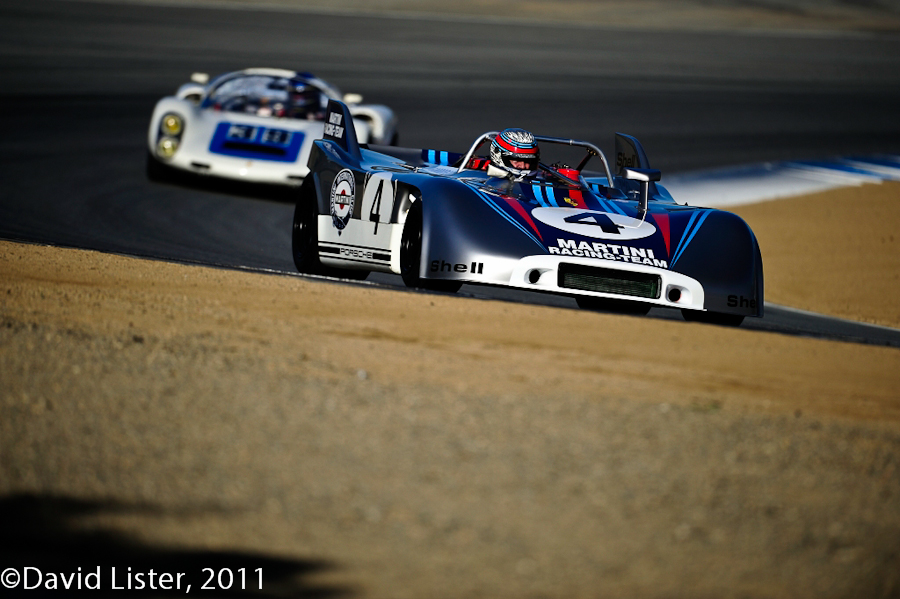
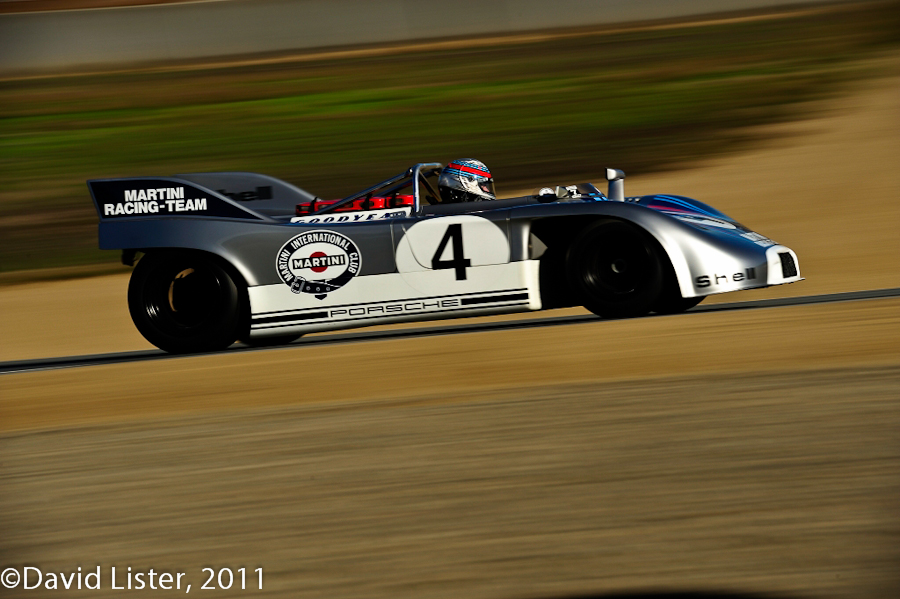
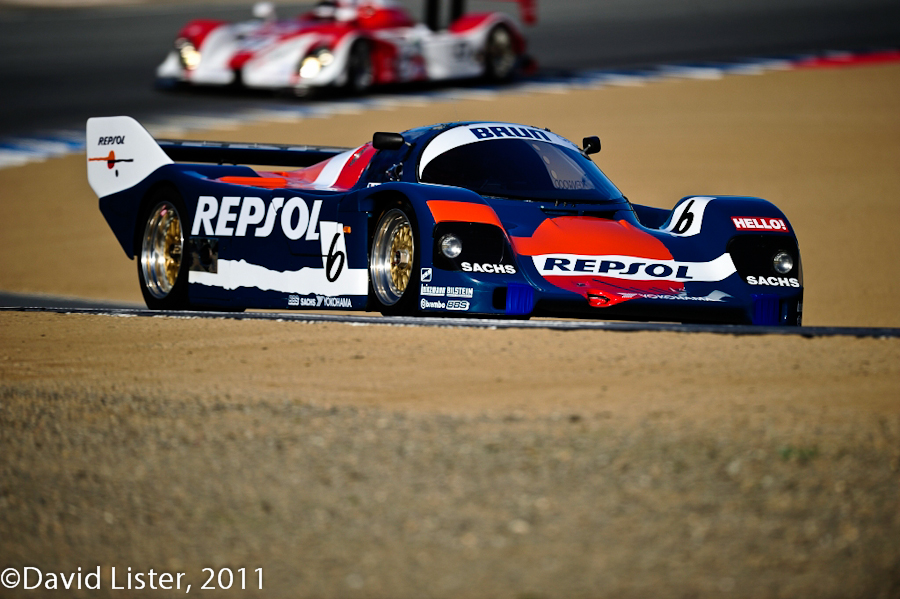
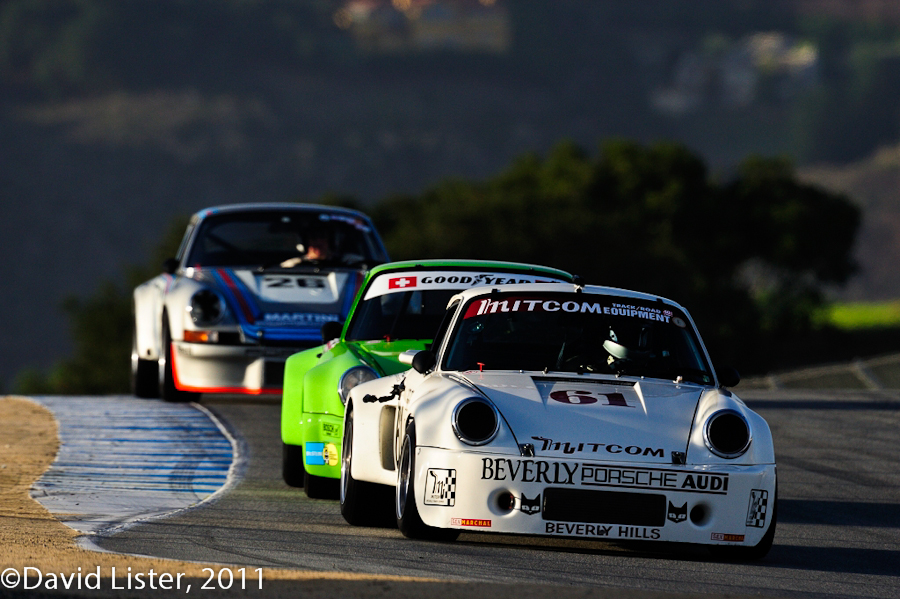
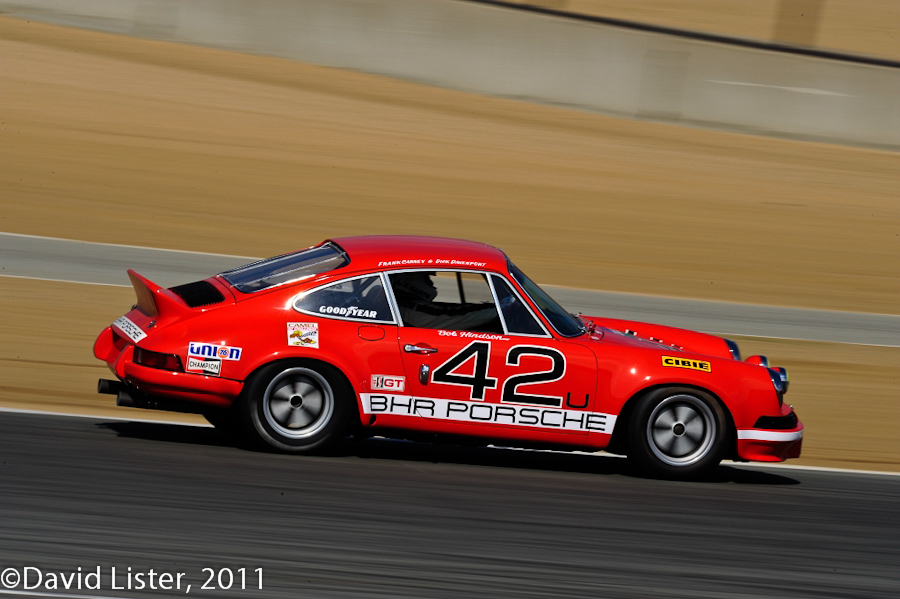
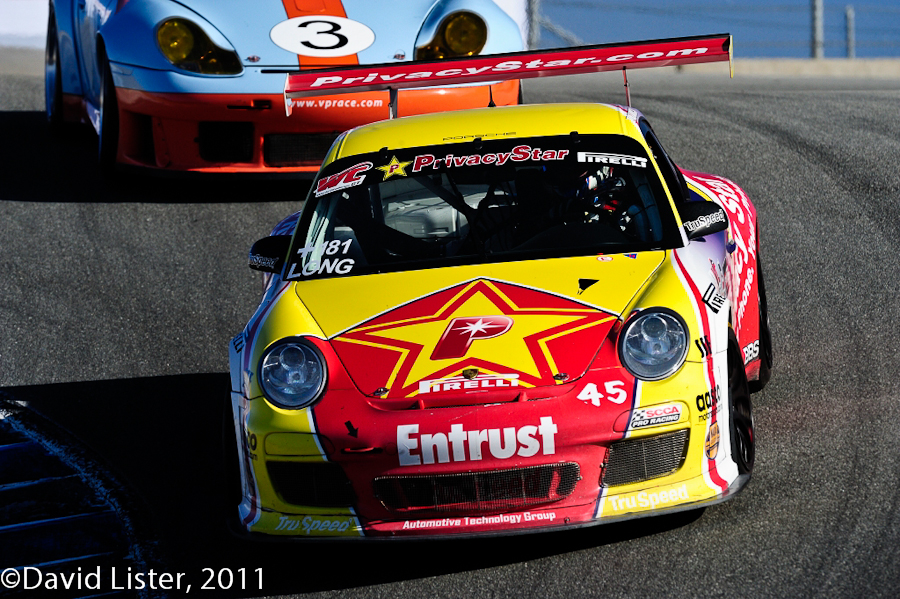
David Lister is currently out in Laguna Seca covering the Fourth Rennsport.

Great light and great ability produces great images, as can be seen.

He dropped me a note to go with his shots.

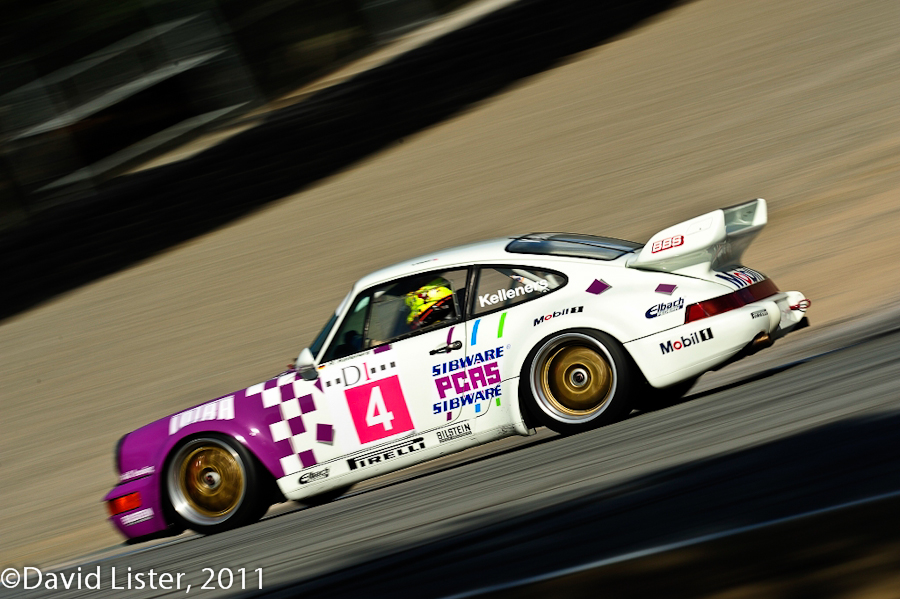
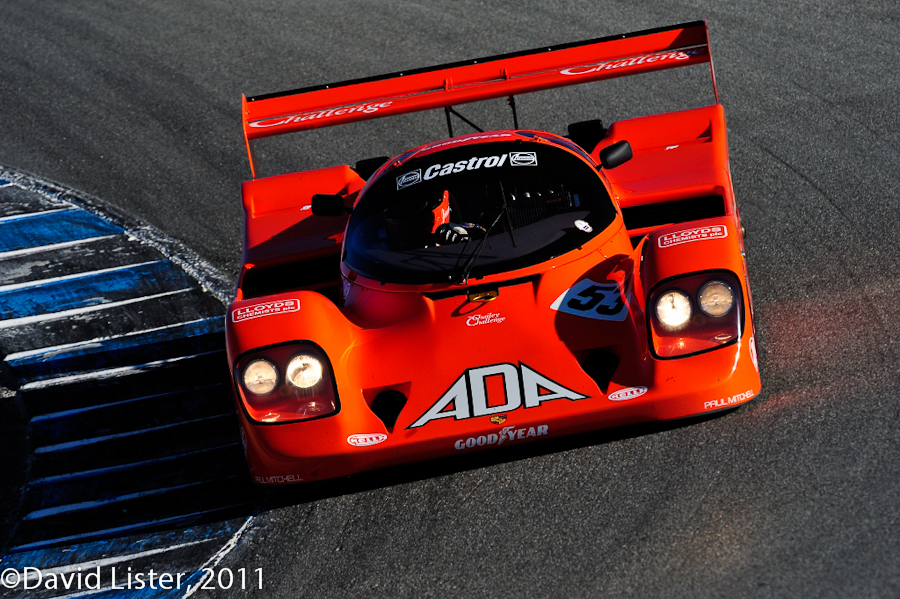
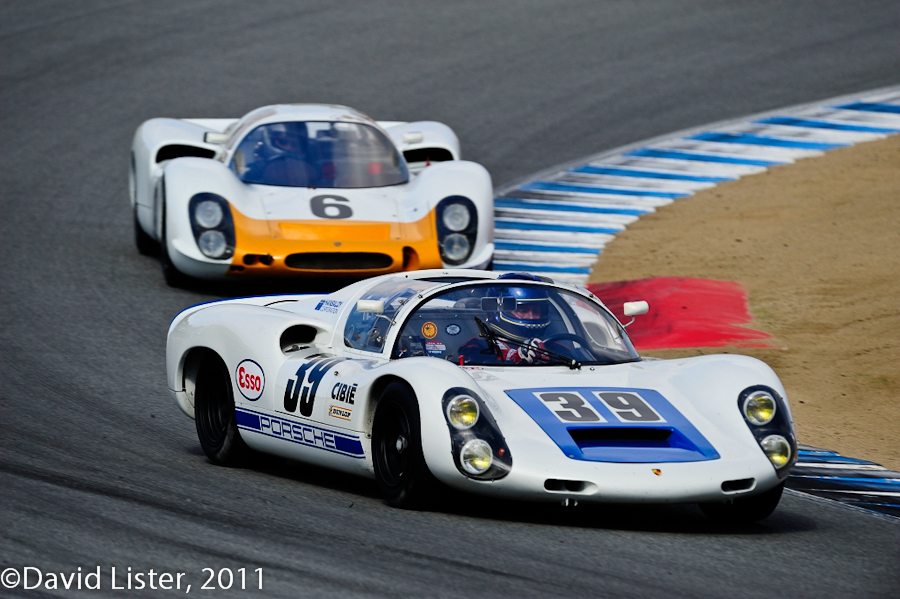
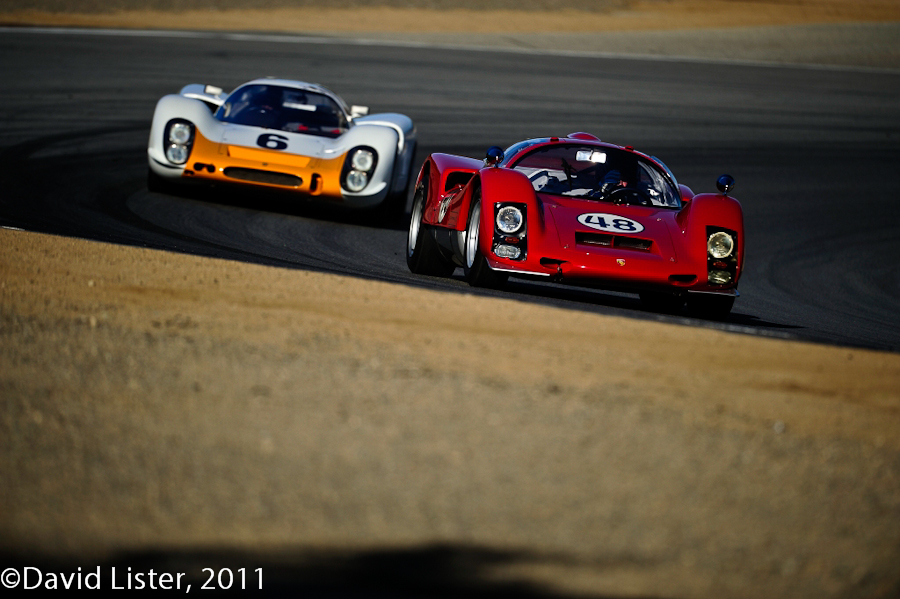
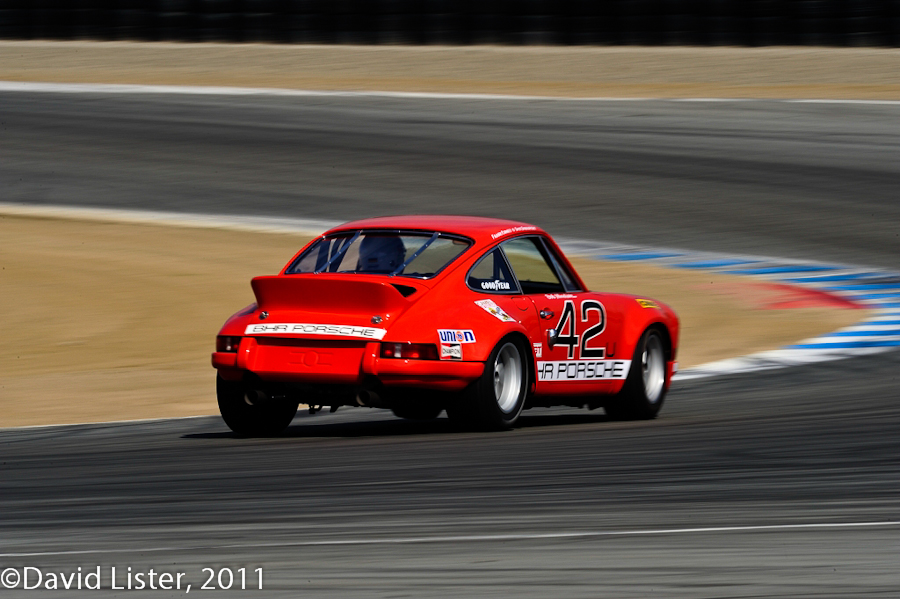
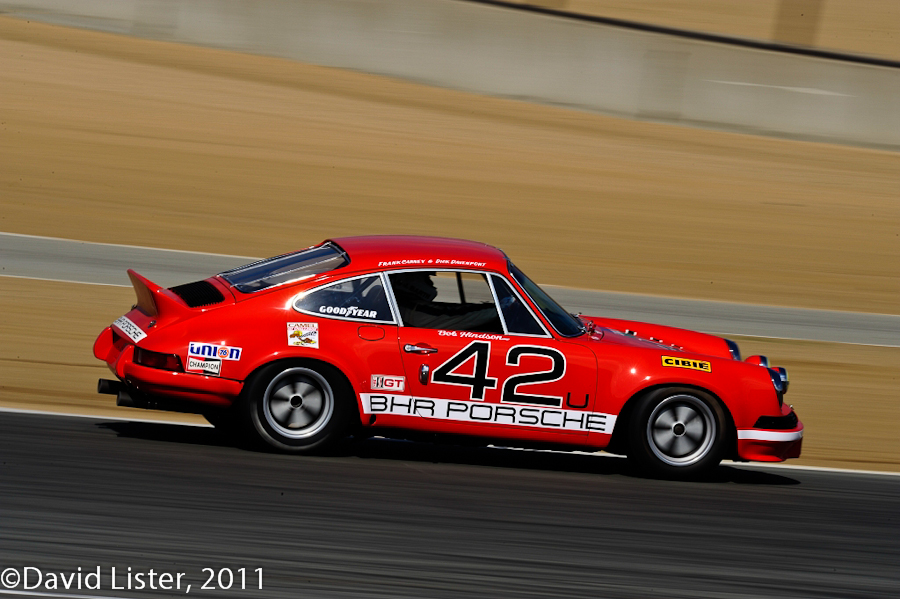
It’s not just the cars which are the stars of the various shows here at the 4th Porsche Rennsport Reunion, but there are also some pretty handy drivers peddling the cars out on the track, including four outright winners of La Ronde Infernale…

Gijs van Lennep, Jürgen Barth, Hurley Haywood and Jochen Mass.

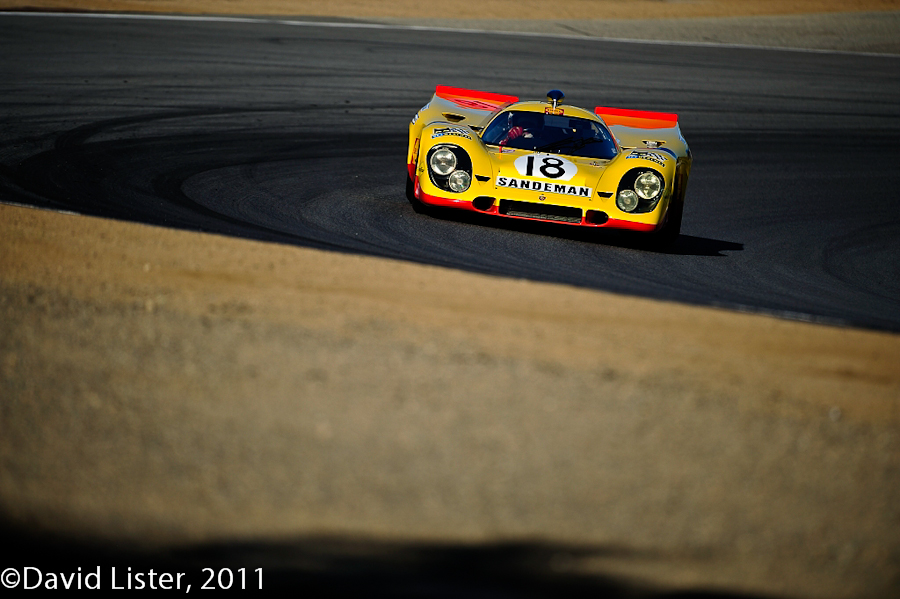
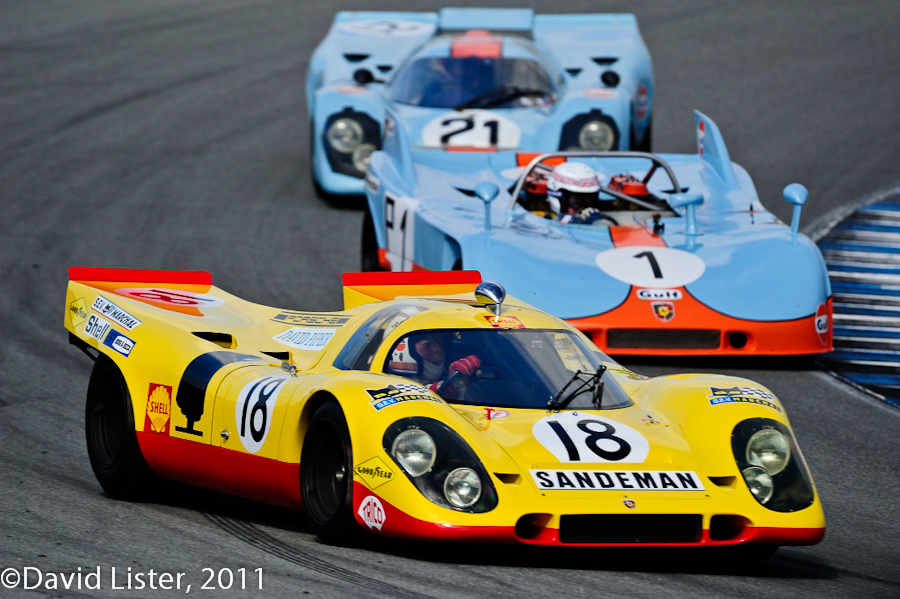
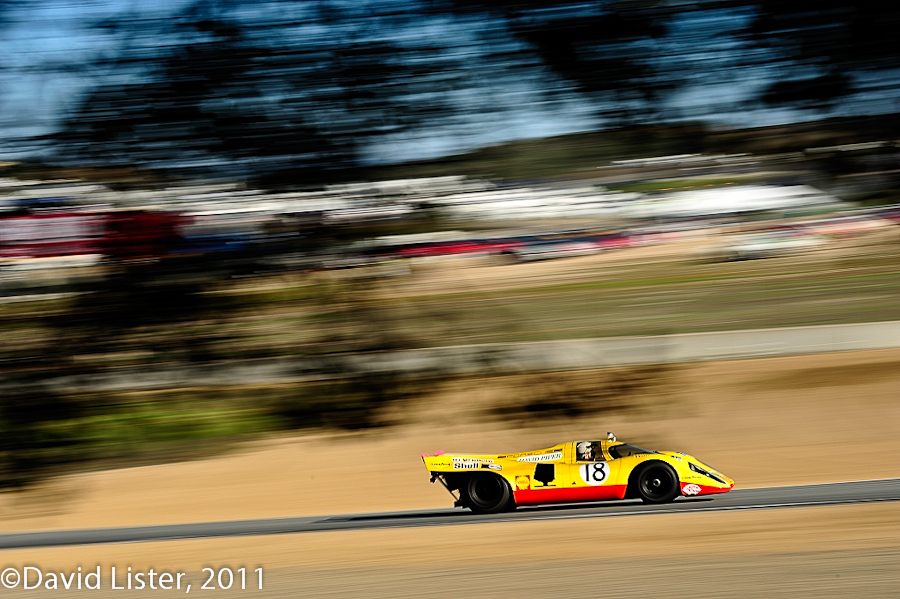
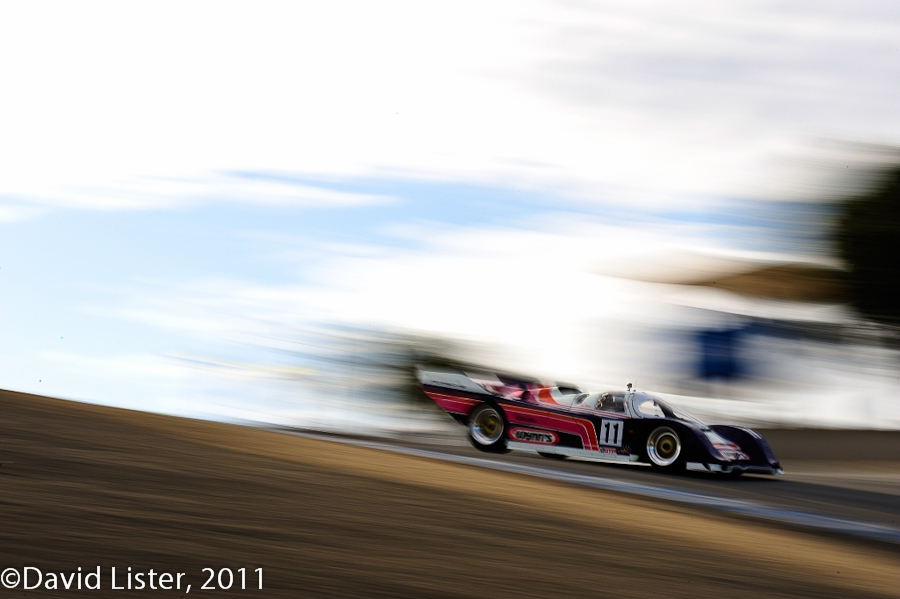
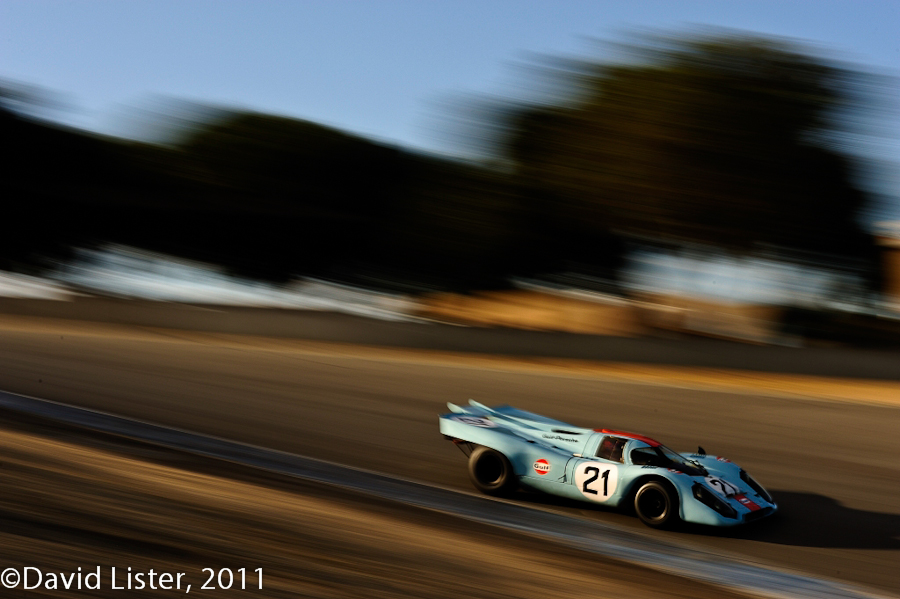
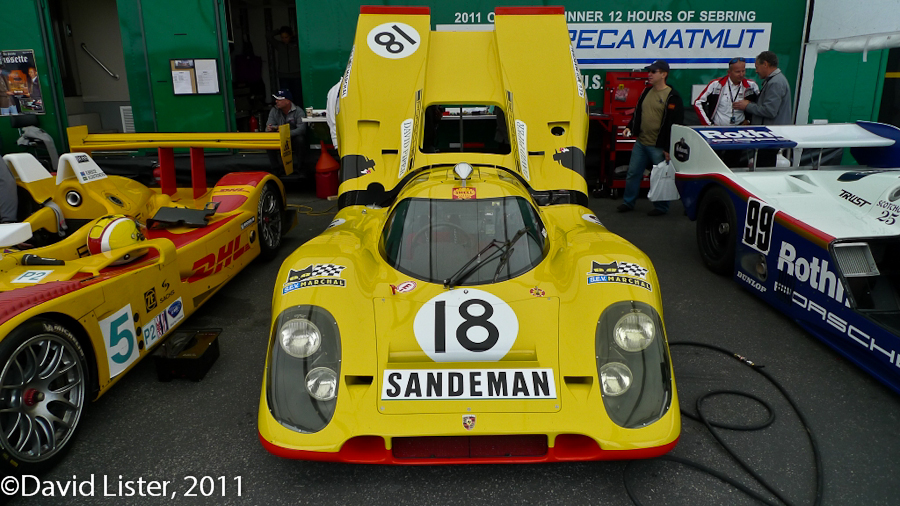
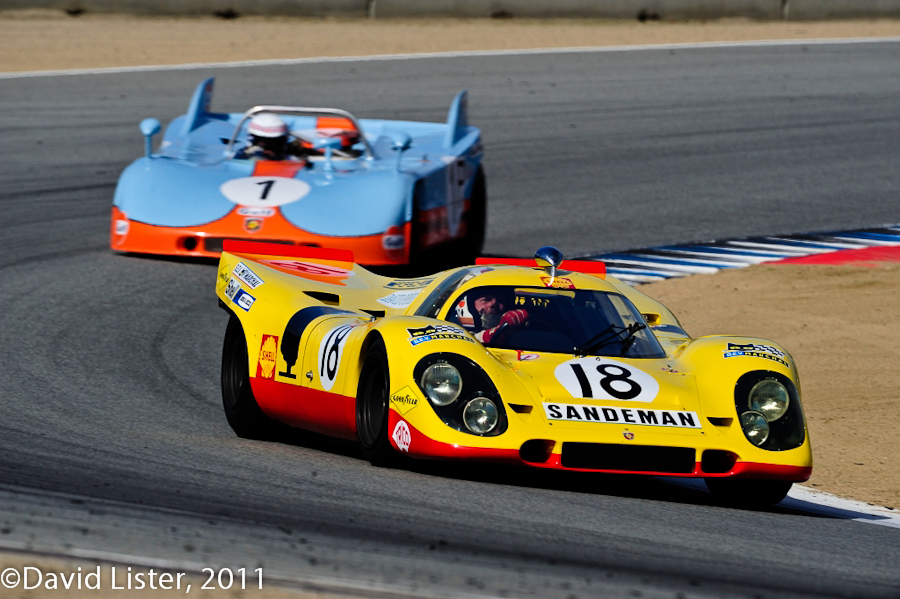
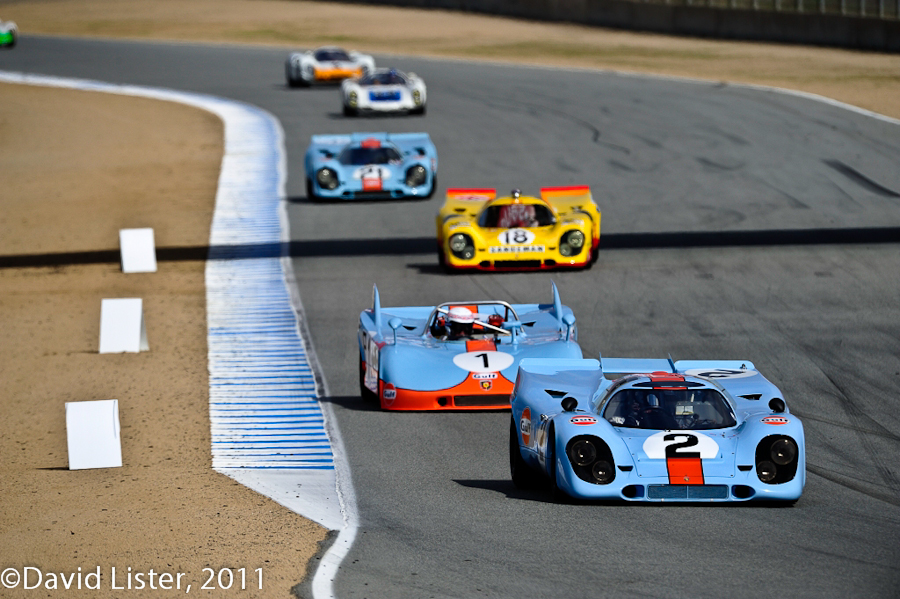
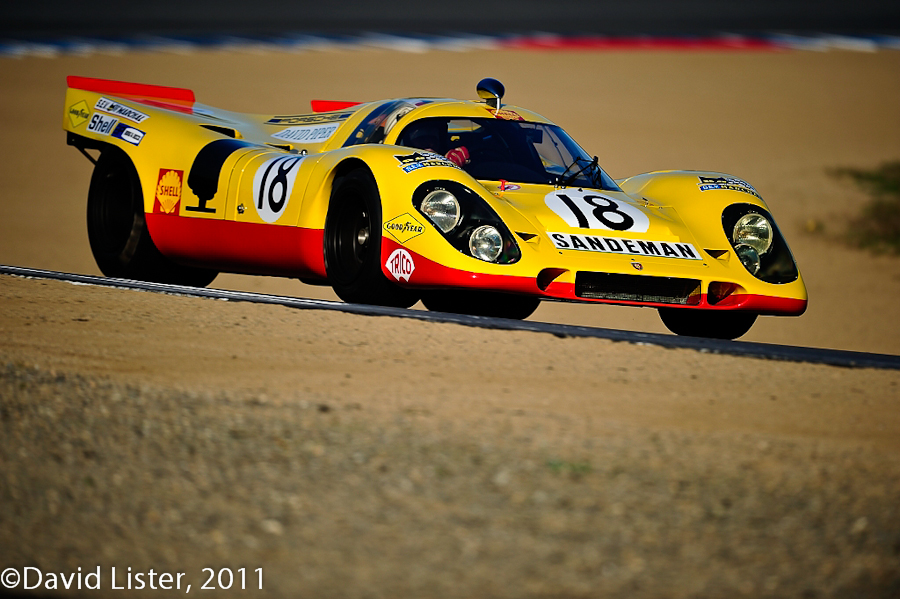
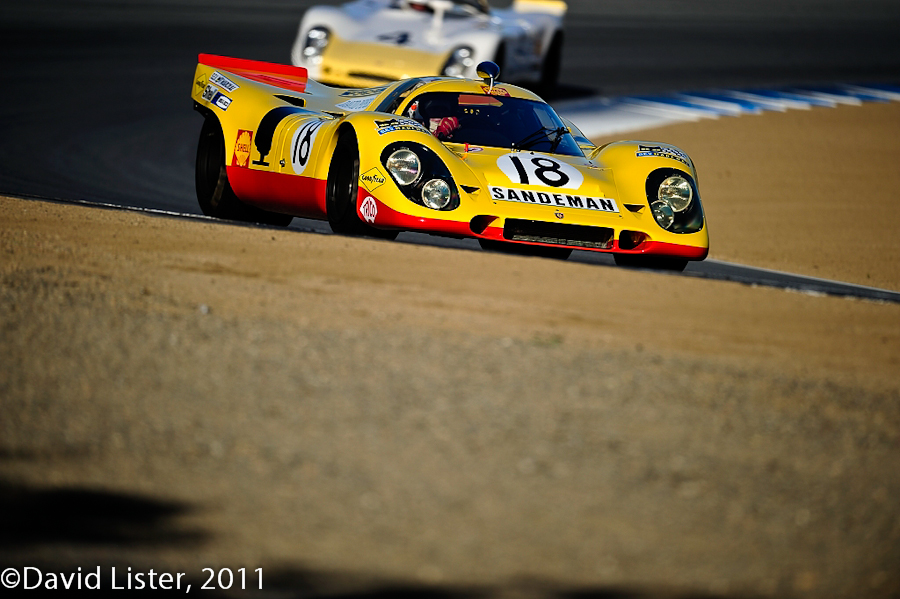
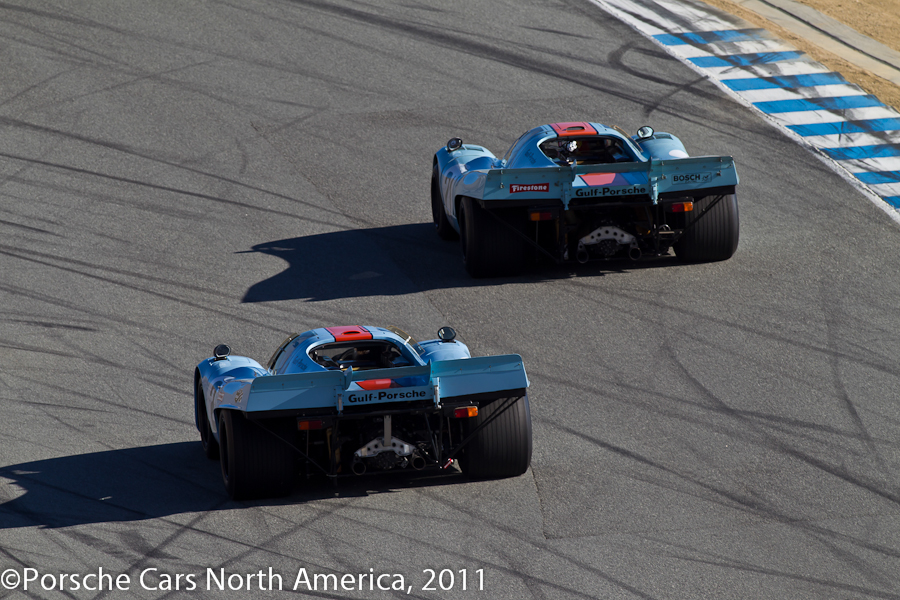
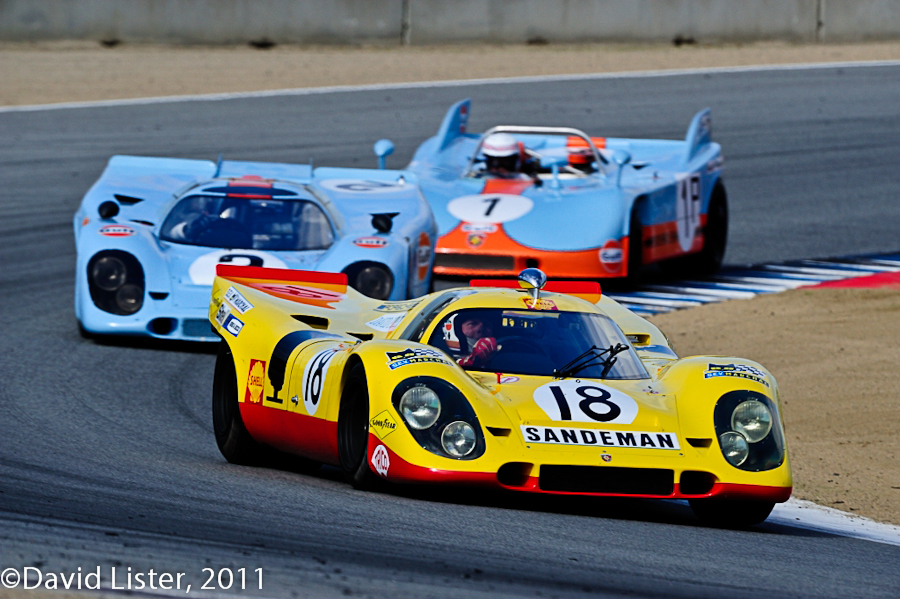
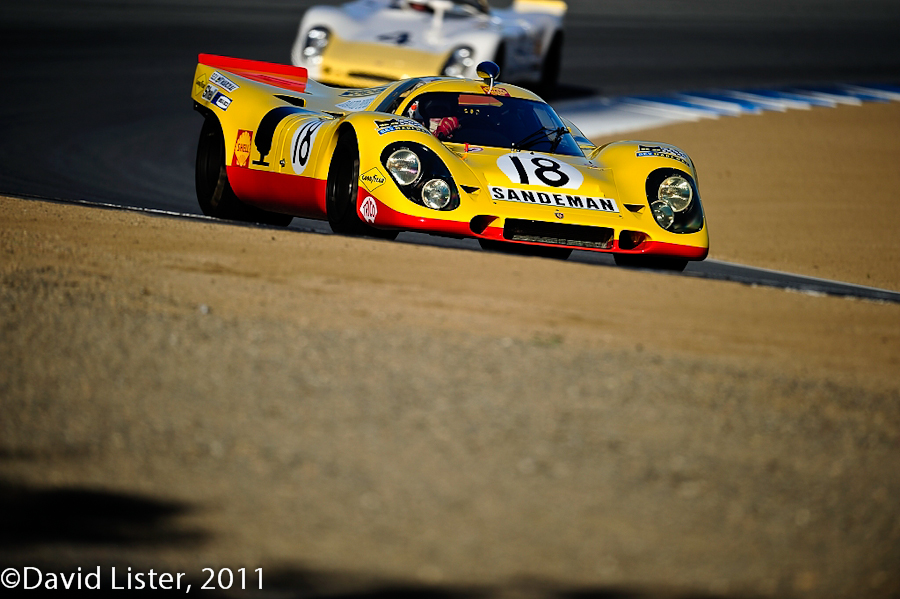
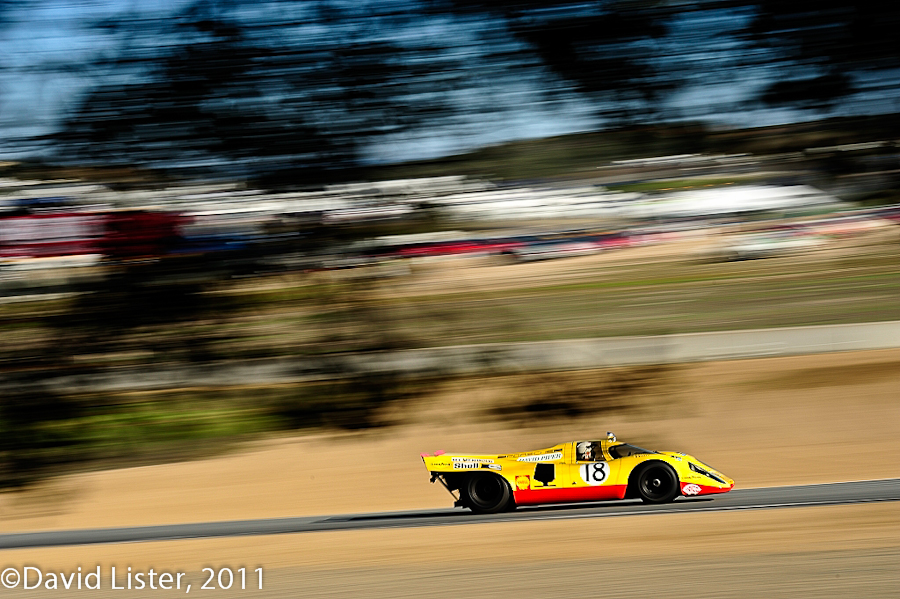
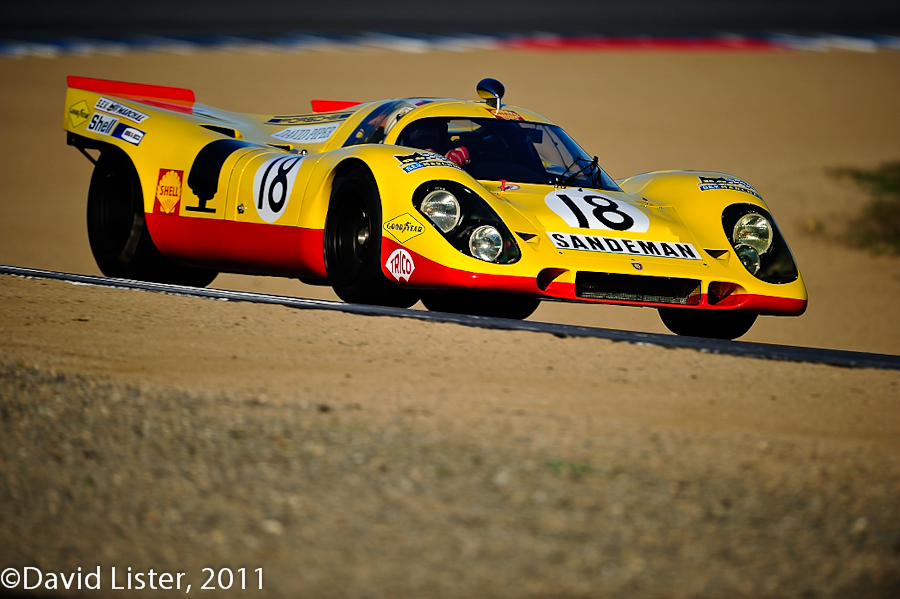
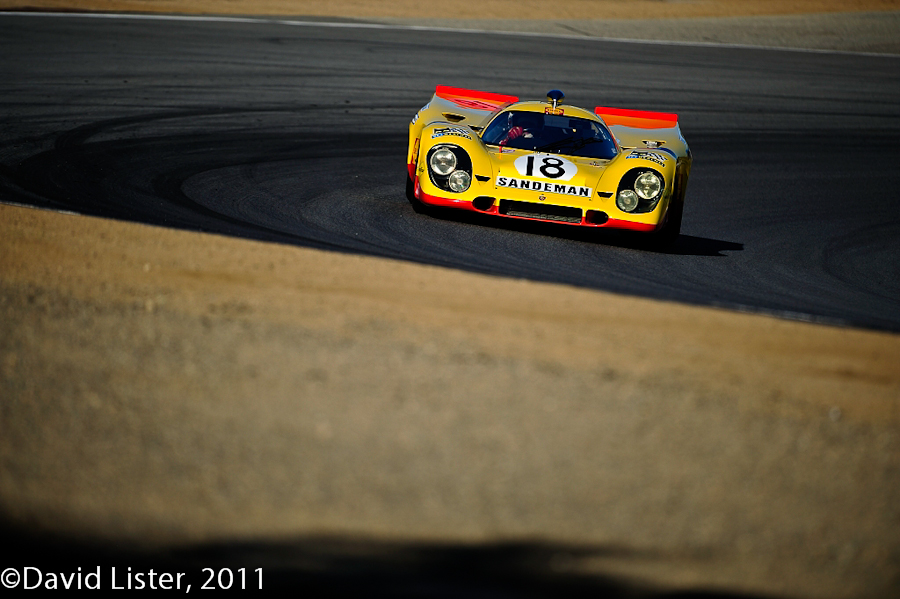
Gijs is driving the 1970 David Piper 917K in the “Sandemans” Sherry livery, the car which he originally shared with Piper in the 1970 Le Mans 24 Hours. Recently restored by Gunnar Racing, the car looks stunning in its original yellow and red.

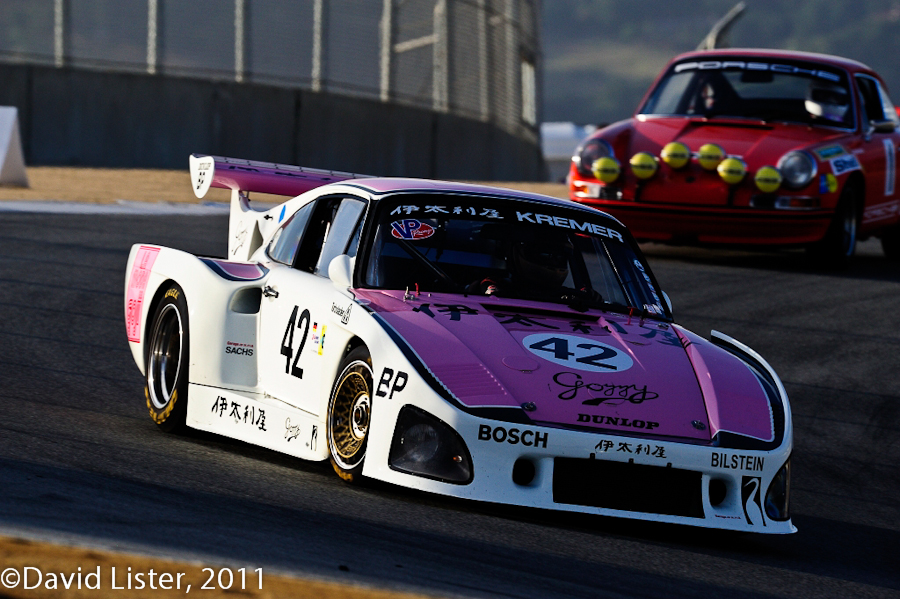
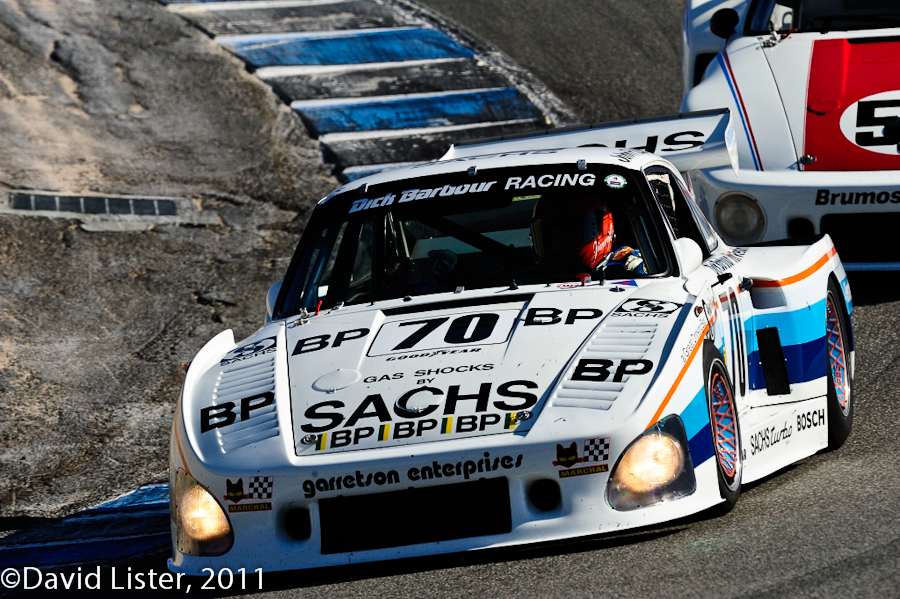
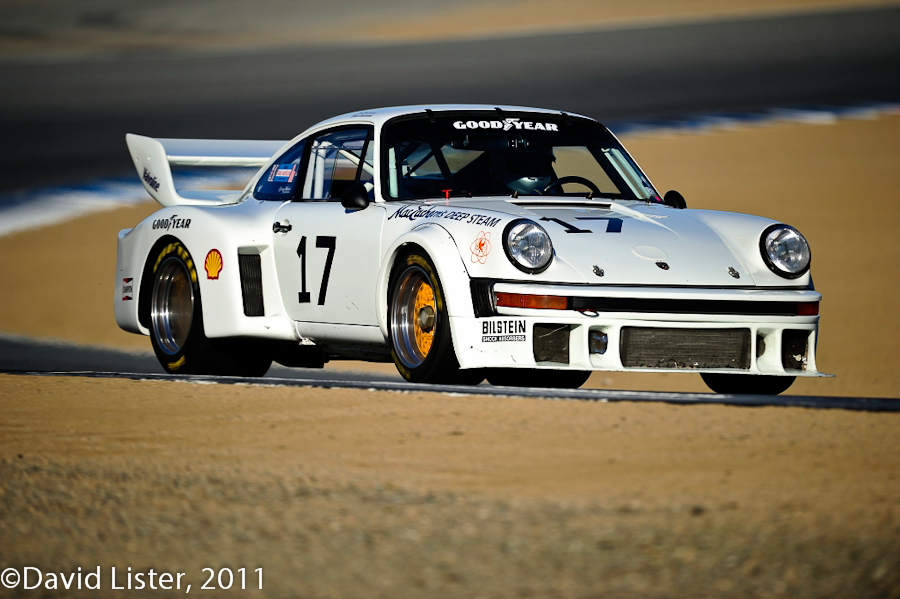
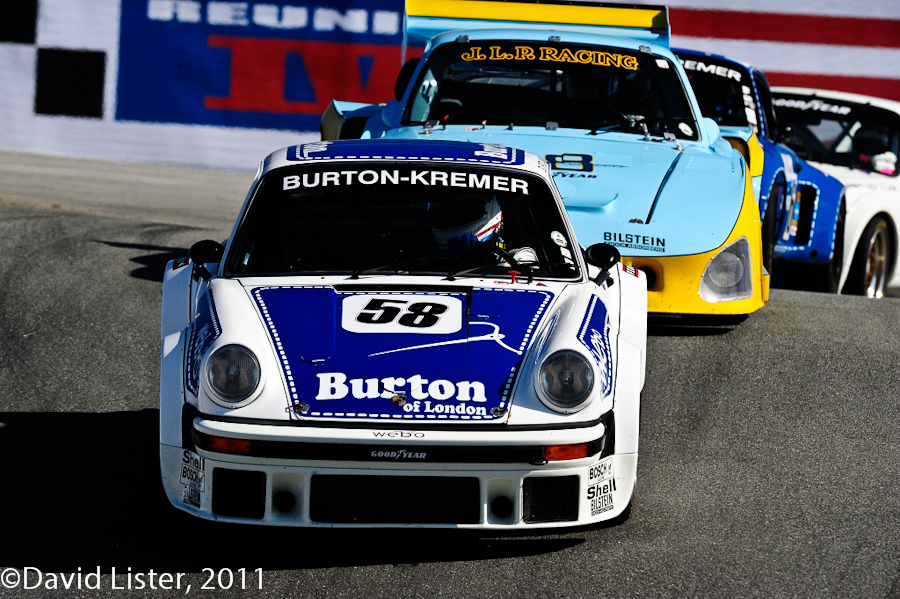
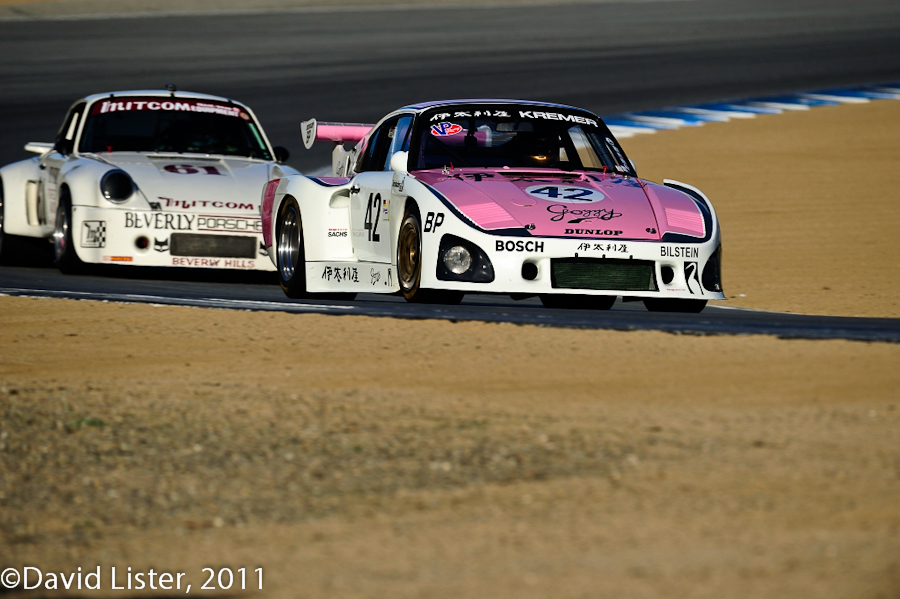
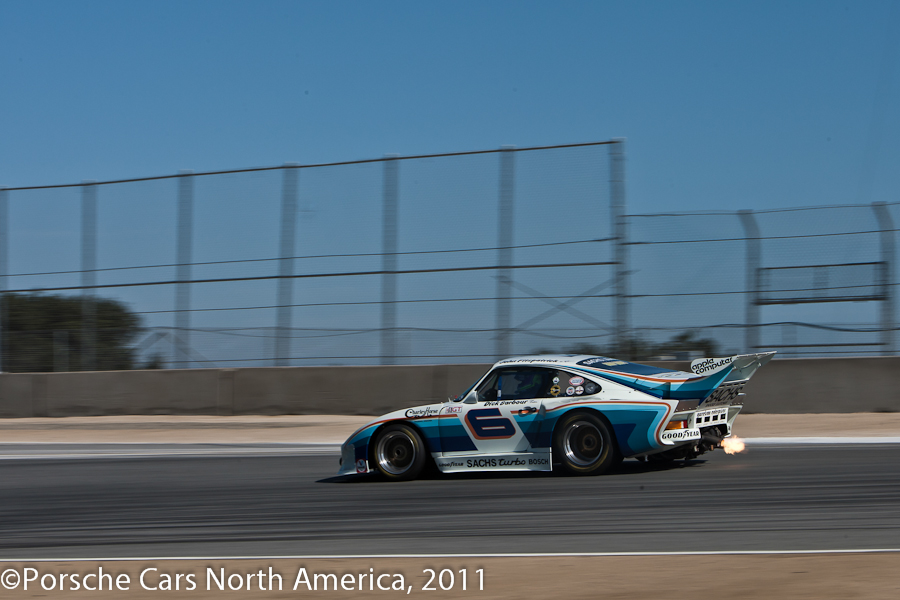
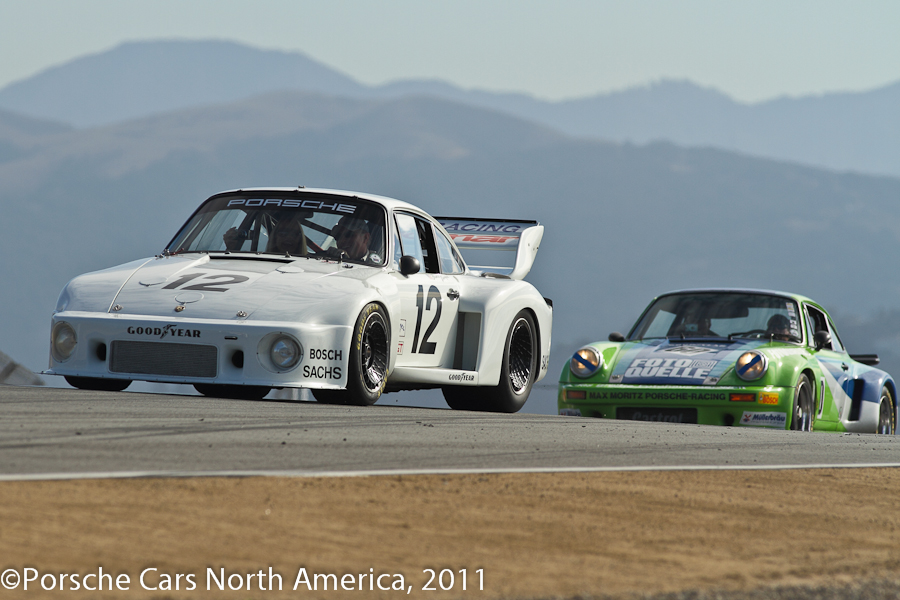
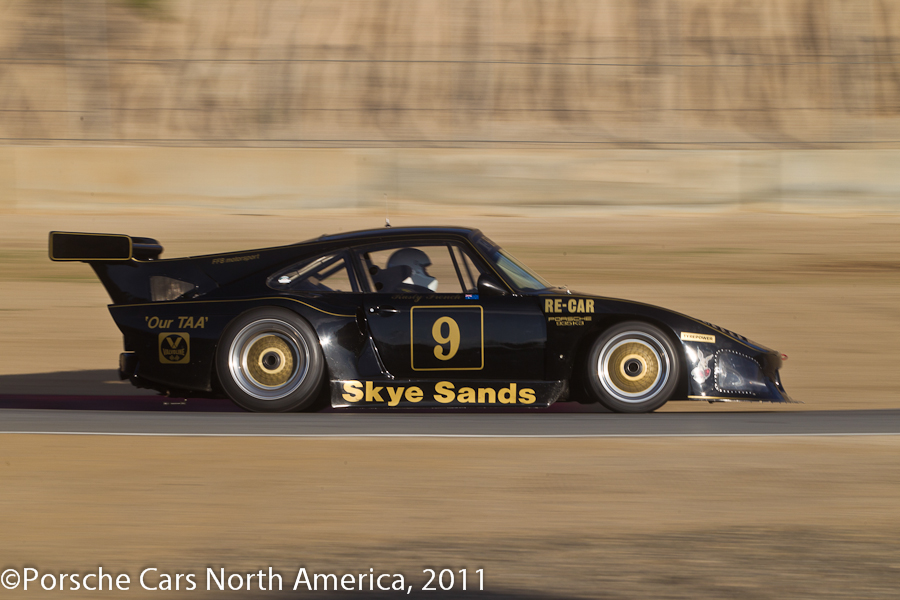
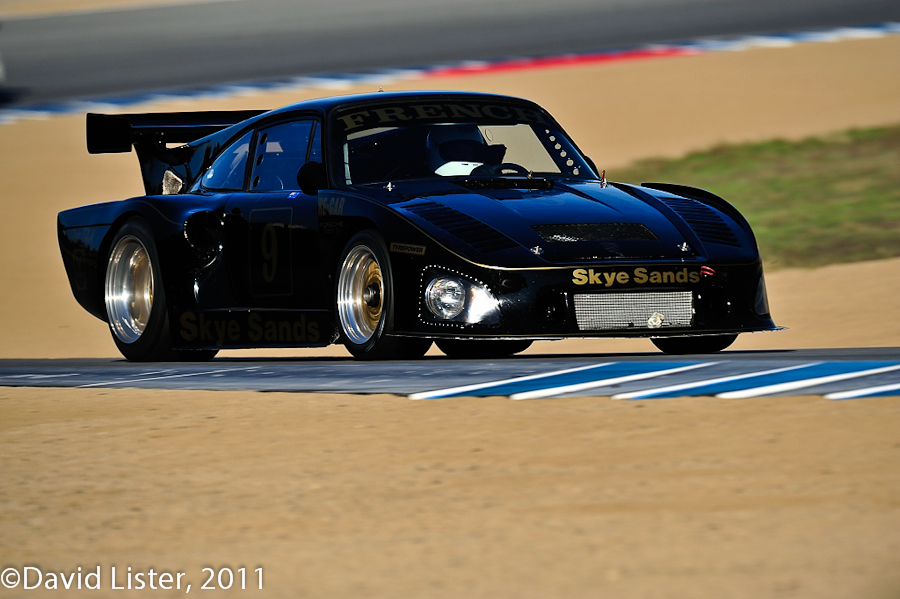
Jürgen is out in a couple of cars, in the various classes. His older ride being a 356, he is pictured here in a 1979 era 935.

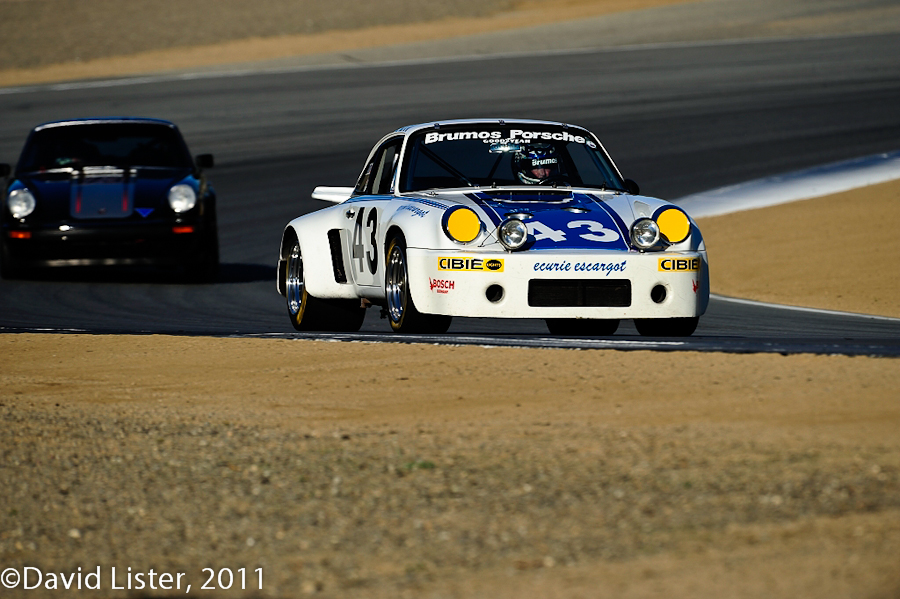
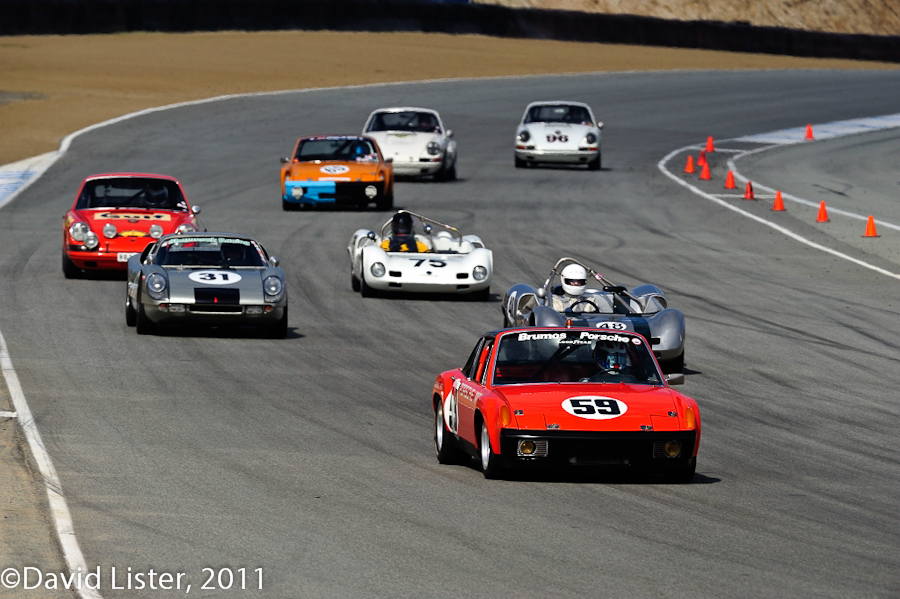
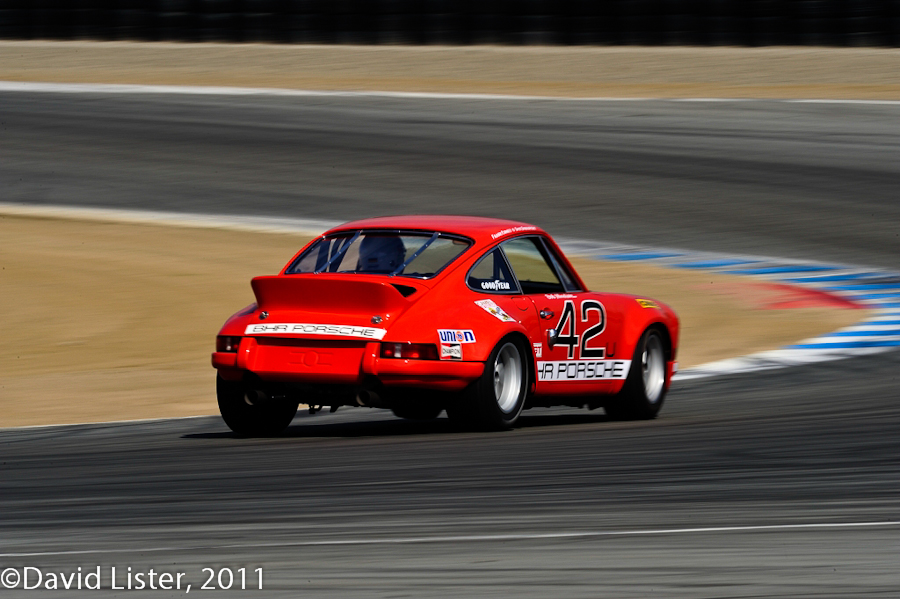
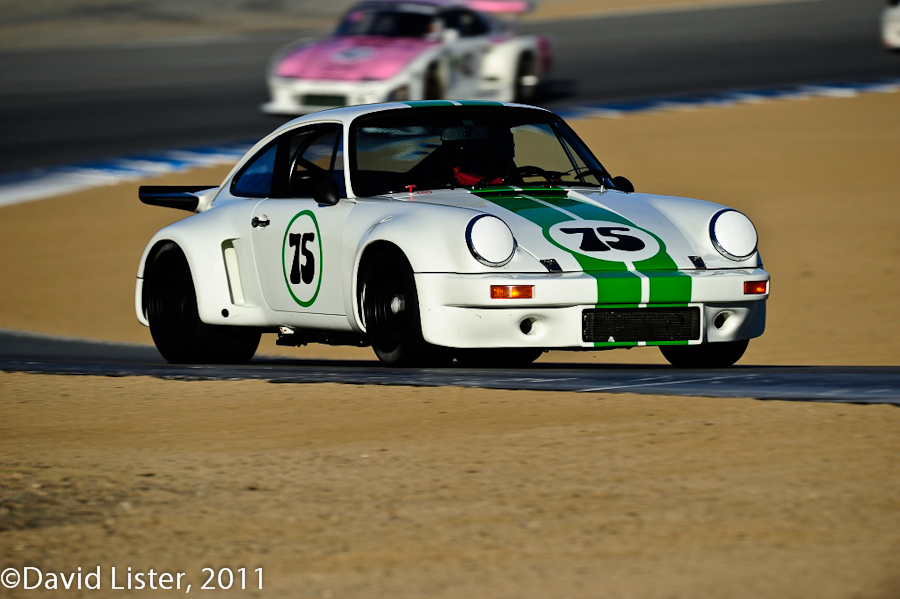
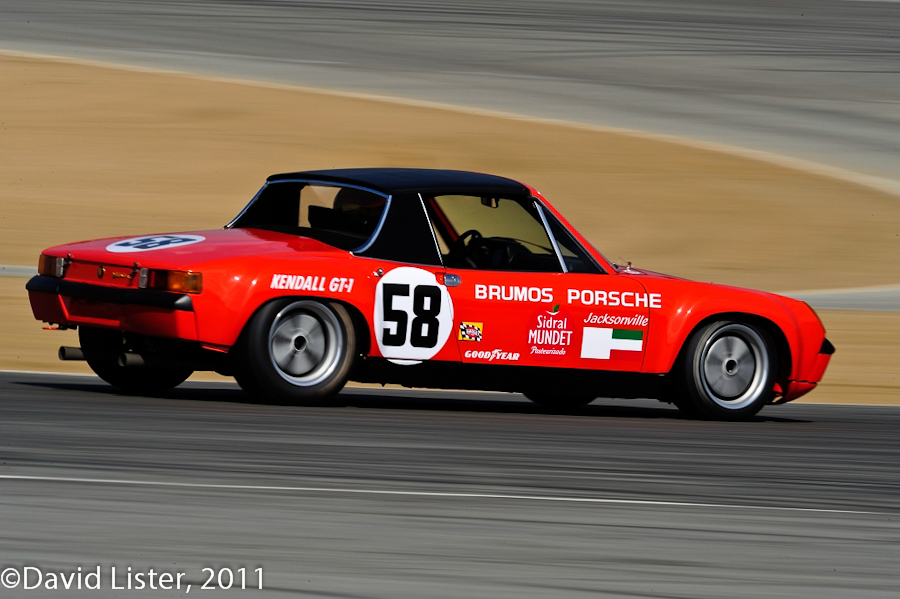
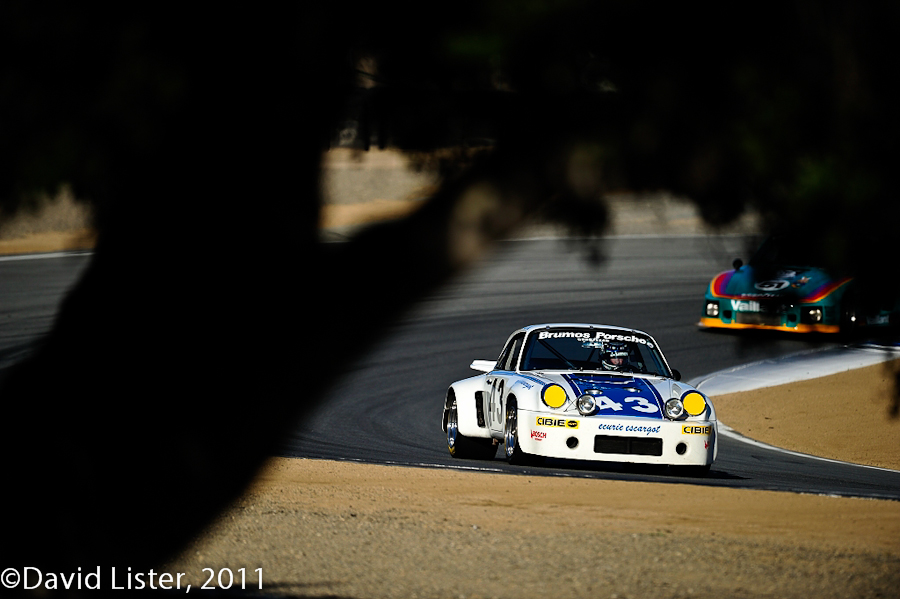
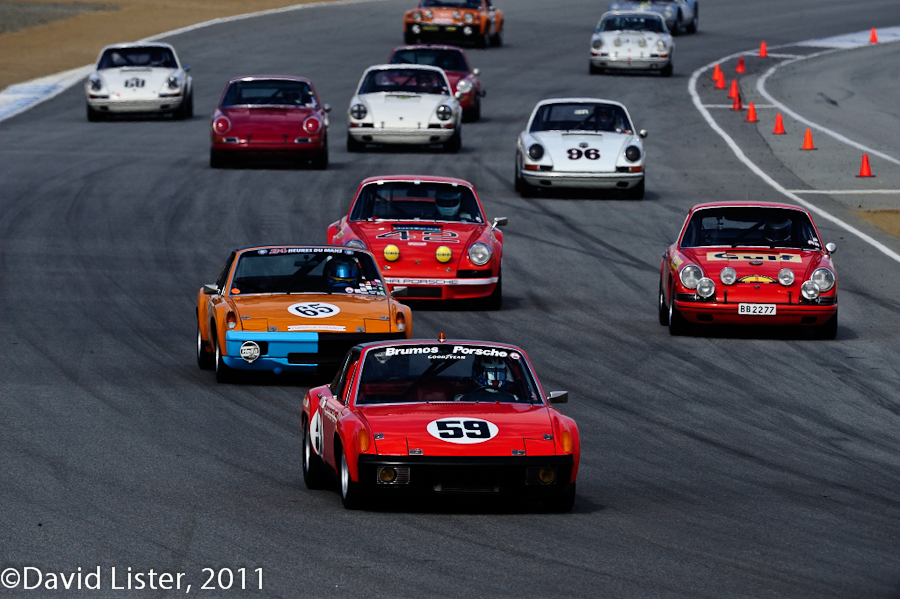
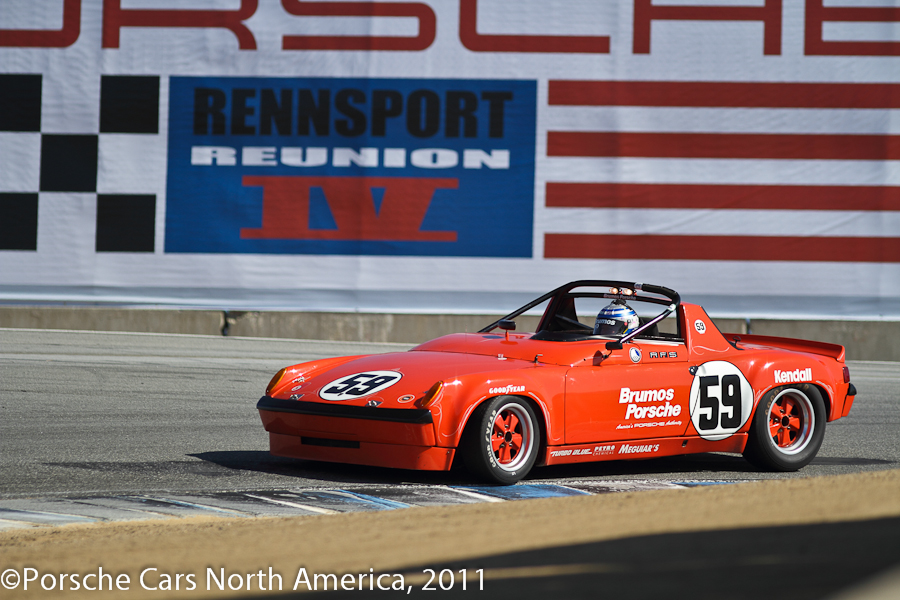
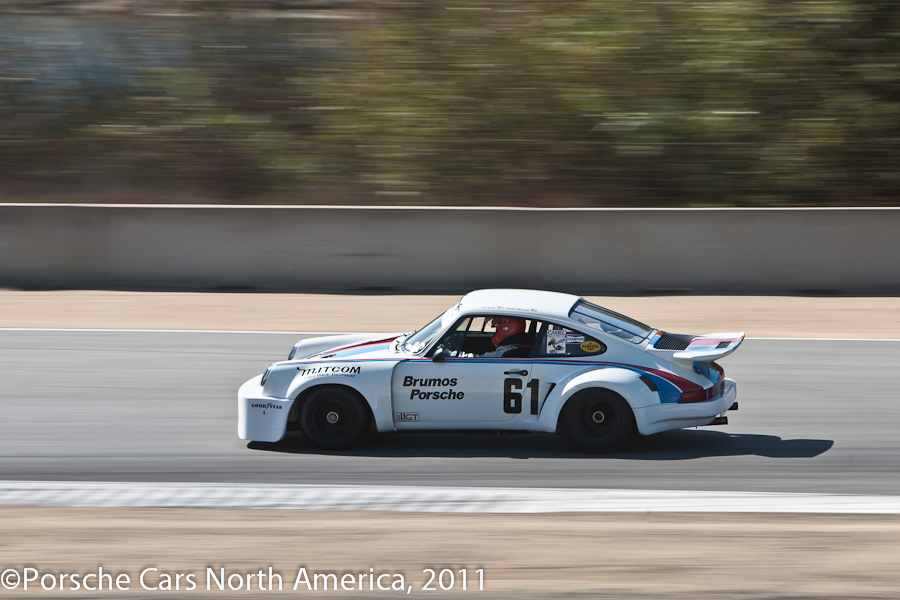
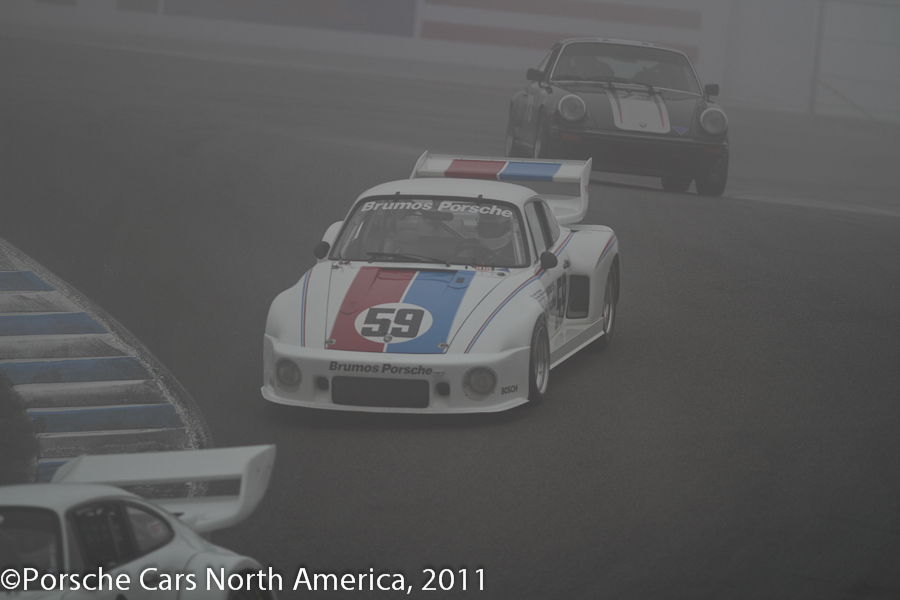
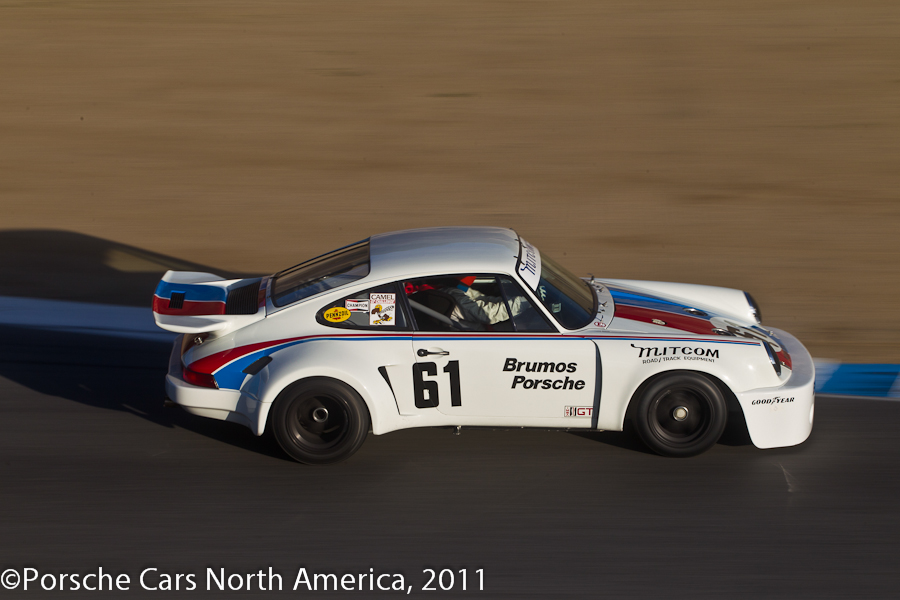
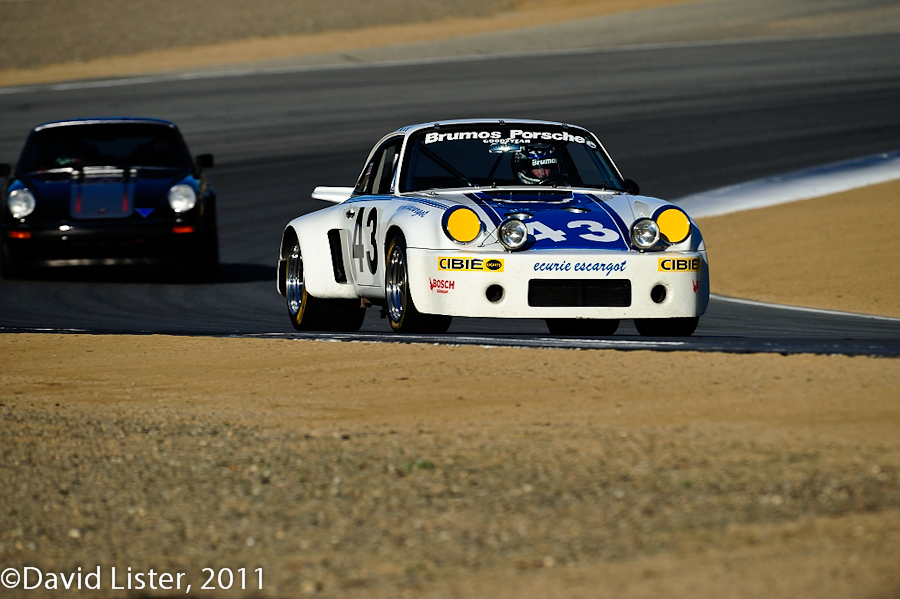
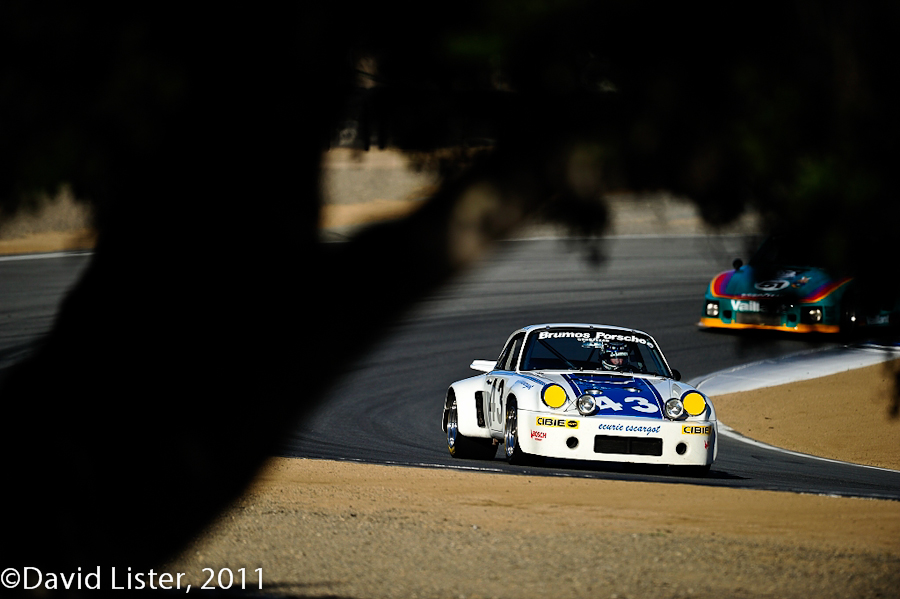
Three time Le Mans’ winner Hurley Haywood also has two rides, an older 914 and, pictured here, a 1975 era Brumos/Ecurie Escargot RSR, putting him into the same group as his ’77 co-driver, Barth.

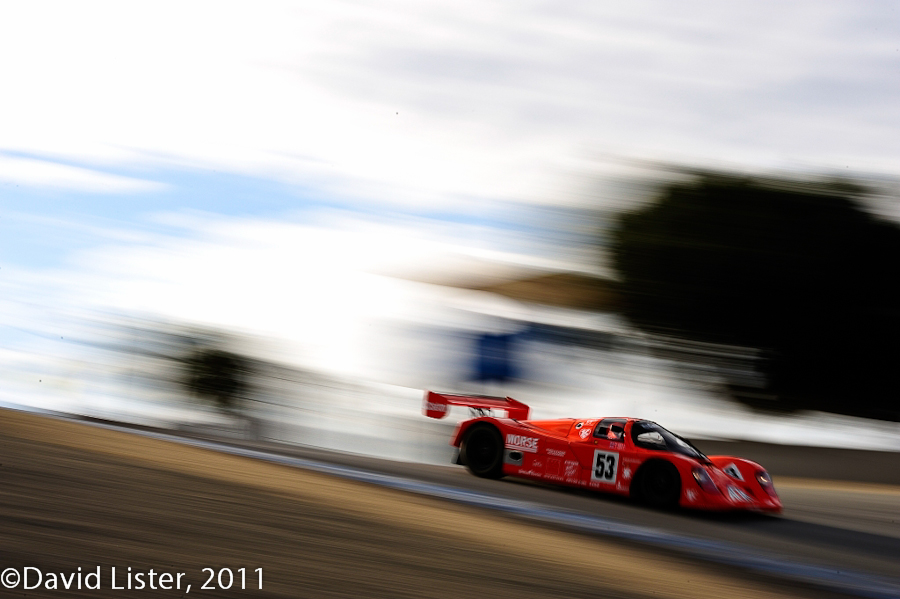
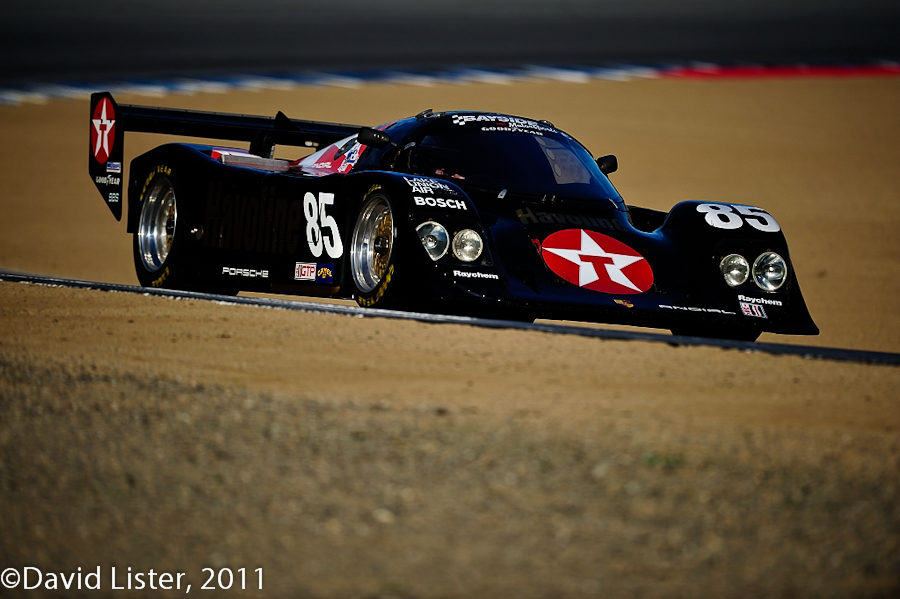
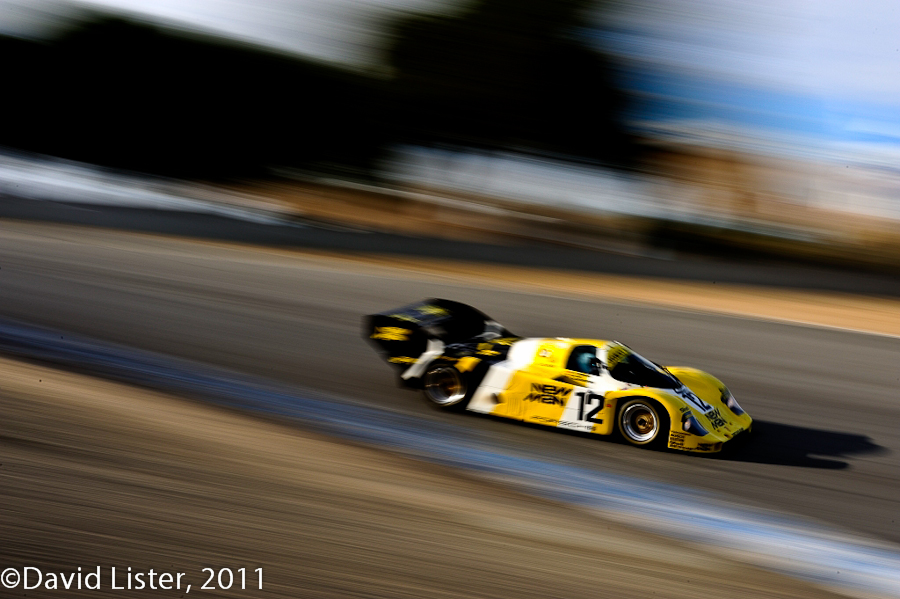
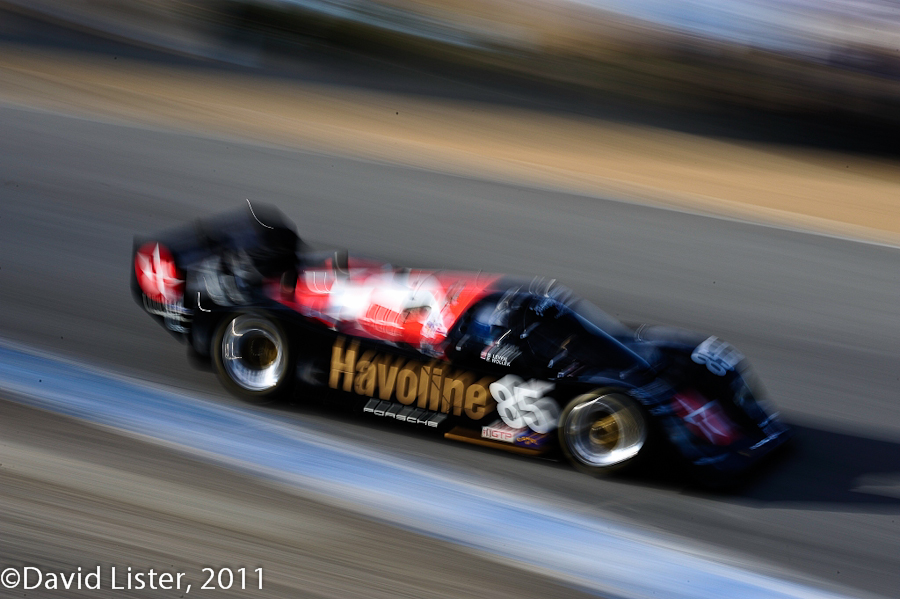
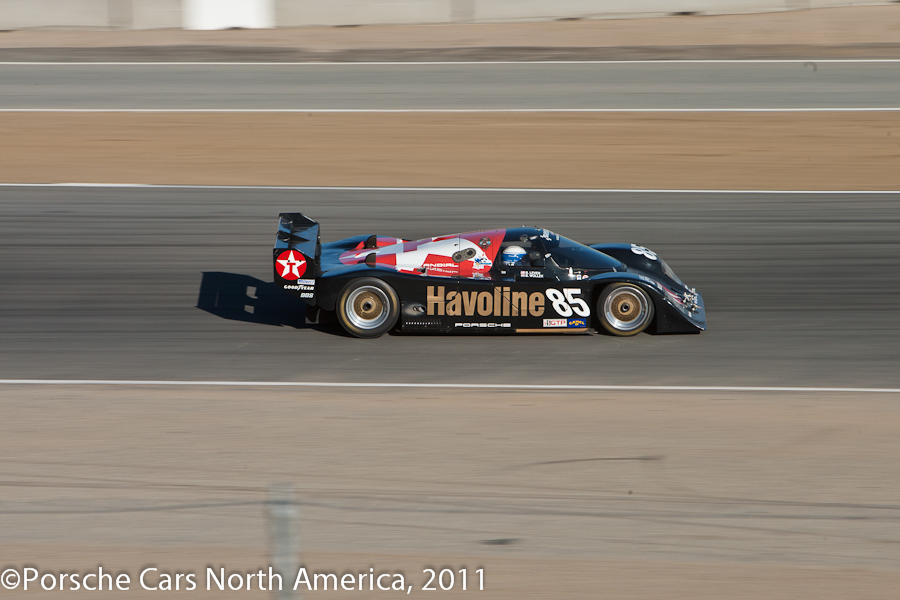
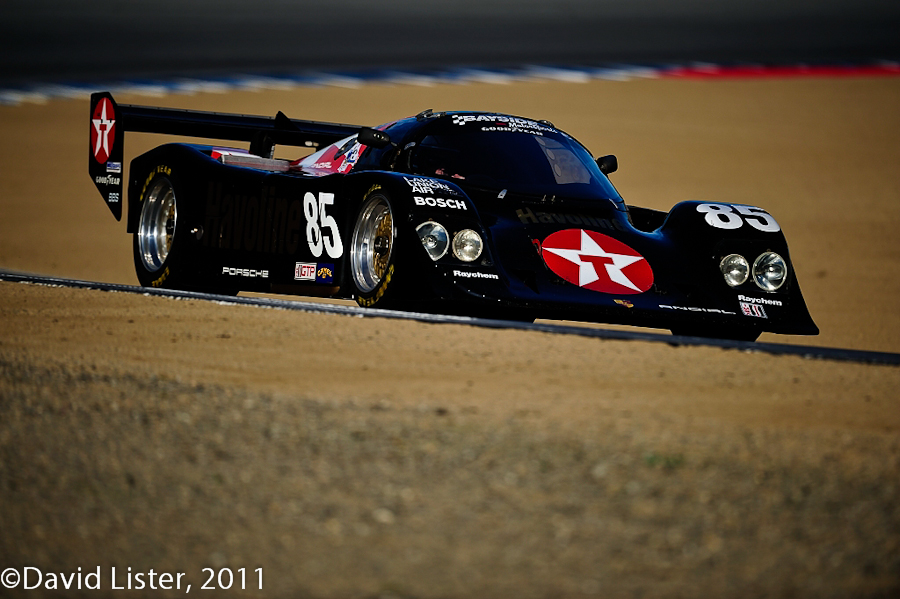
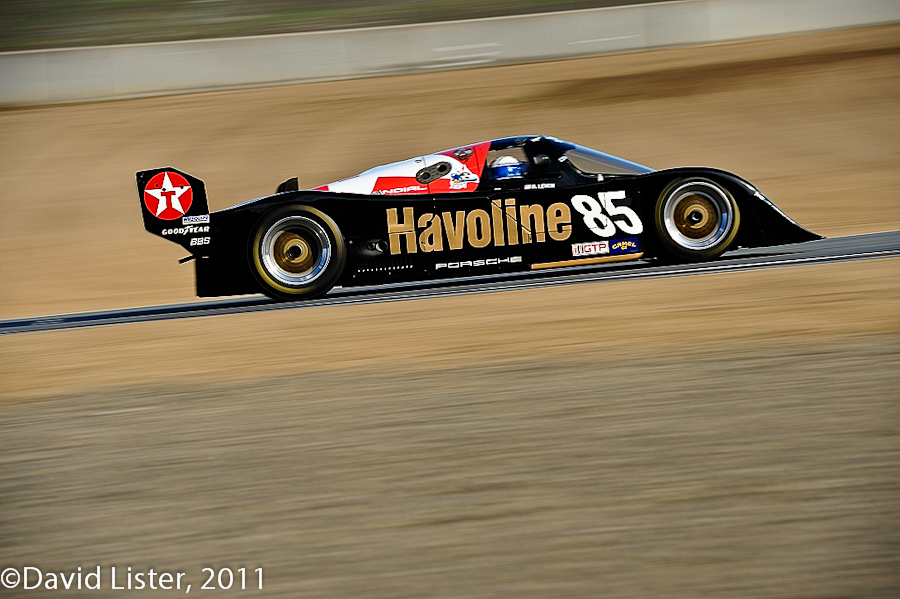
Jochen is alone amongst his Le Mans winning peers here, in that his victory came for Sauber Mercedes, and not for Porsche. He has a long association with Porsche, though, and is driving the youngest of the cars that is being driven by the past winners of the 24 hours here, a 1988 Texaco Havoline sponsored 962

The four drivers’ Le Mans victories were:
Gijs van Lennep:
1971, Porsche 917, with Helmut Marko
1976, Porsche 936, with Jacky Ickx
Jürgen Barth
1977, 936, with Hurley Haywood and Jacky Ickx

Hurley Heywood
1977, Porsche 936, with Jürgen Barth and Jacky Ickx.
1983, Porsche 956, with Vern Schuppan and Al Holbert
1994, Dauer 962 Le Mans, with Yannick Dalmas and Mauro Baldi

Jochen Mass
1989, Sauber C9 Mercedes Benz, with Manuel Reuter and Stanley Dickens


GT-R GT3 – Return of Godzilla

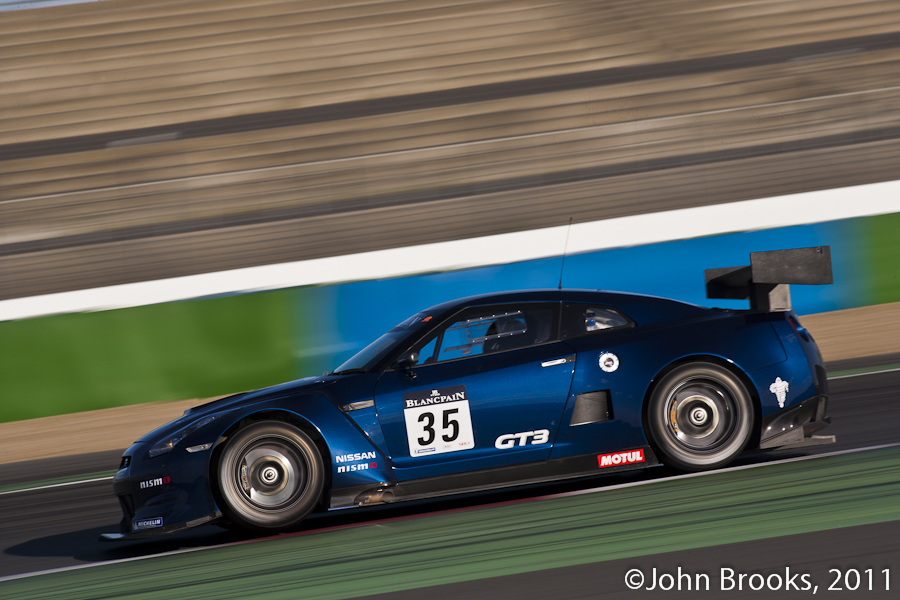
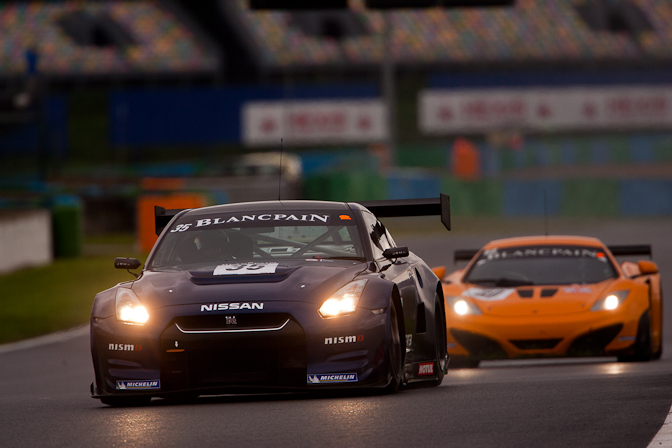
The Blancpain Endurance Series round held at Magny Cours last weekend saw the debut of yet another brand to join this class, Nissan.

Power and Glory

This GT-R has a proper V6 Turbo engine, not the pick up truck V8 that is found in the current GT1 racer.  JR Motorsport were understandably modest in their expectations, billing their maiden appearance as a public test session.
New Kids On The Block

The GT-R, driven by David Brabham and Richard Westbrook, had a dream debut finishing 8th overall. To put that into context, one only has to contrast that result with the two retirements suffered by the other new boys, McLaren. GT3 is an intensively competitive arena but it is clear that the established brands will be pushed hard by the newcomers.

GT3 in 2012 just became even more interesting.

John Brooks, August 2011